The decade of moon landings gets remembered for the big stuff, but between the headlines about space races and British Invasions, everyday life was slowly being rewired. The 1960s handed us gadgets and conveniences so ordinary now that it’s easy to forget someone had to dream them up first, often in a lab that had nothing to do with rockets or record labels.
From the kitchen counter to the bank lobby to the family room, here are 15 inventions that trace their roots back to the ’60s, proof some of the most lasting changes were the small, practical ones nobody saw coming.
1. The ATM
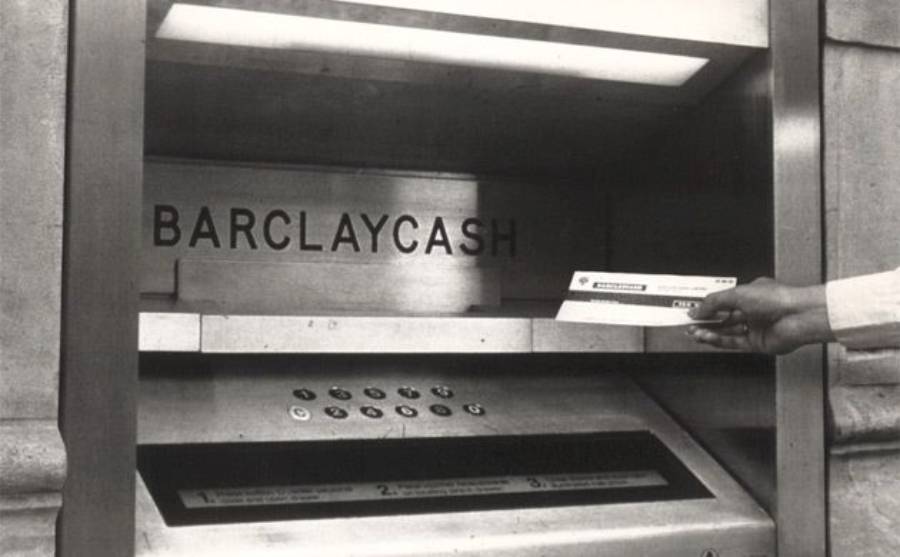
The first cash machine opened for business in 1967 outside a Barclays branch in London, dispensing pre-set amounts of cash to customers holding special paper vouchers rather than plastic cards. It planted the idea that banking didn’t have to mean waiting in line for a teller. Within a few years, machines like it were popping up worldwide.
2. The Computer Mouse
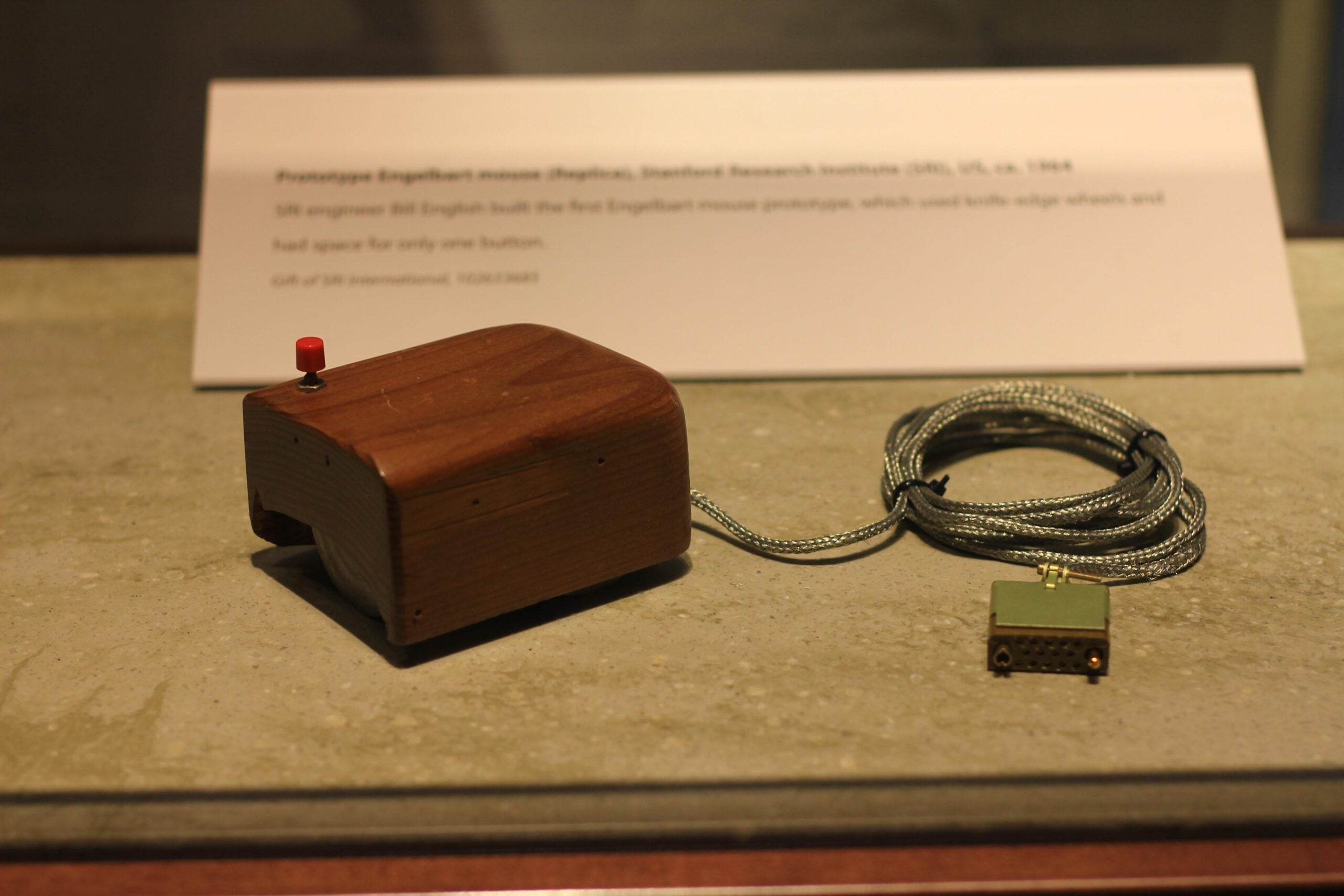
Douglas Engelbart unveiled the first computer mouse in 1968, during what’s now remembered as “The Mother of All Demos.” Carved from wood with a single button, it looked nothing like the devices we use today, but the core idea was already there. It would take another couple of decades before the mouse found its way onto desks everywhere, but the concept was fully formed in California during the ’60s.
3. The Microwave Oven
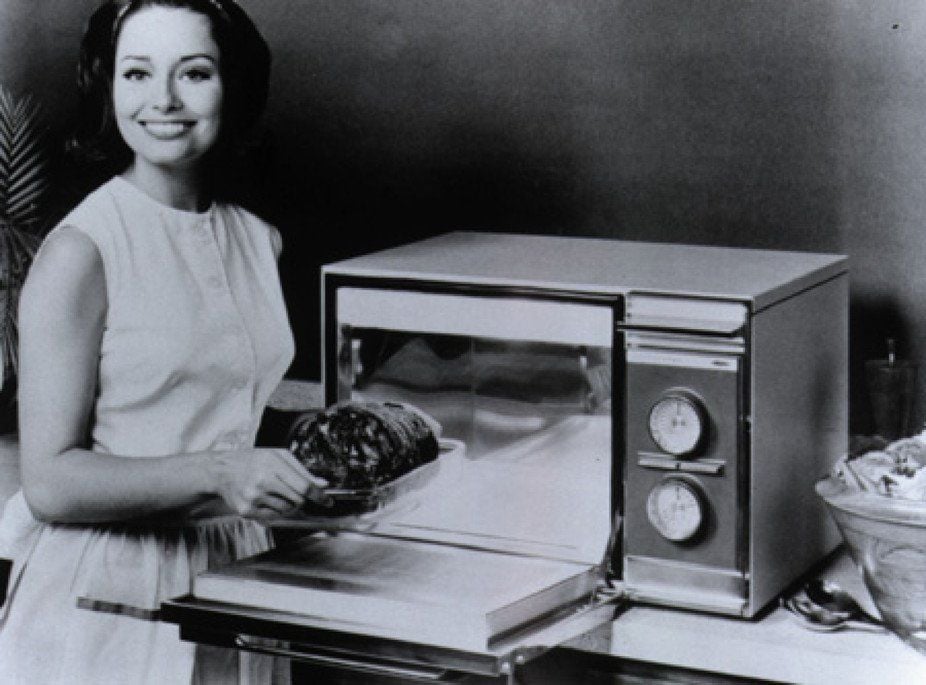
Microwaves existed in industrial form earlier, but it was 1967 when Amana introduced the Radarange, the first microwave built for home kitchens. It was bulky and expensive at launch, priced well beyond most household budgets, but it introduced the idea that dinner could be reheated in minutes. That promise of speed would eventually make it a fixture in nearly every American kitchen.
4. 8-Track Tape
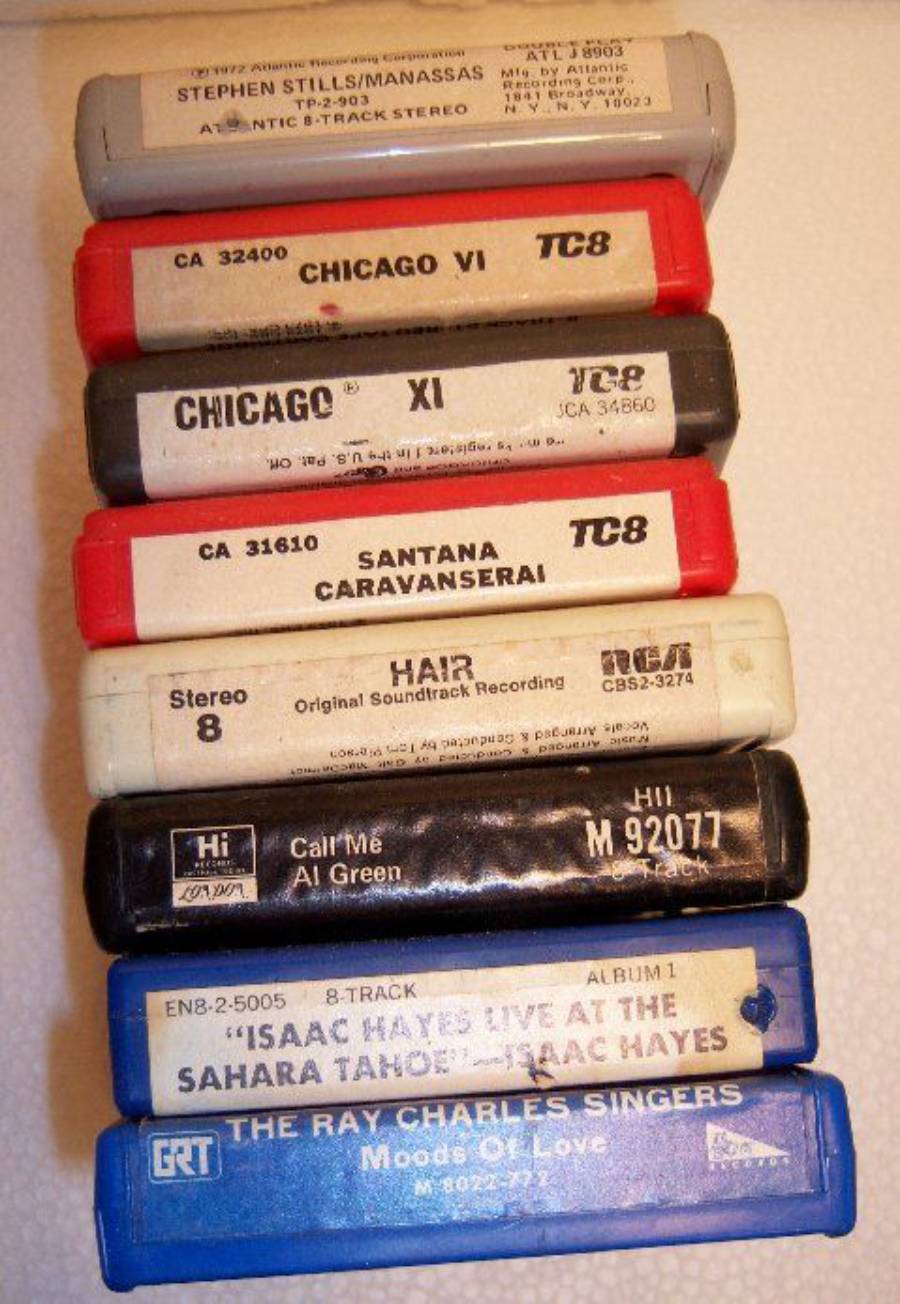
Before cassette tapes took over car stereos, the 8-track tape launched in 1965, giving drivers their first real taste of portable, swappable music on the road. It let people build their own listening experience without relying on the radio, a small but meaningful shift in how music was consumed. Though it was eventually replaced, the 8-track set the template for the personal, portable audio formats that followed.
5. Kevlar
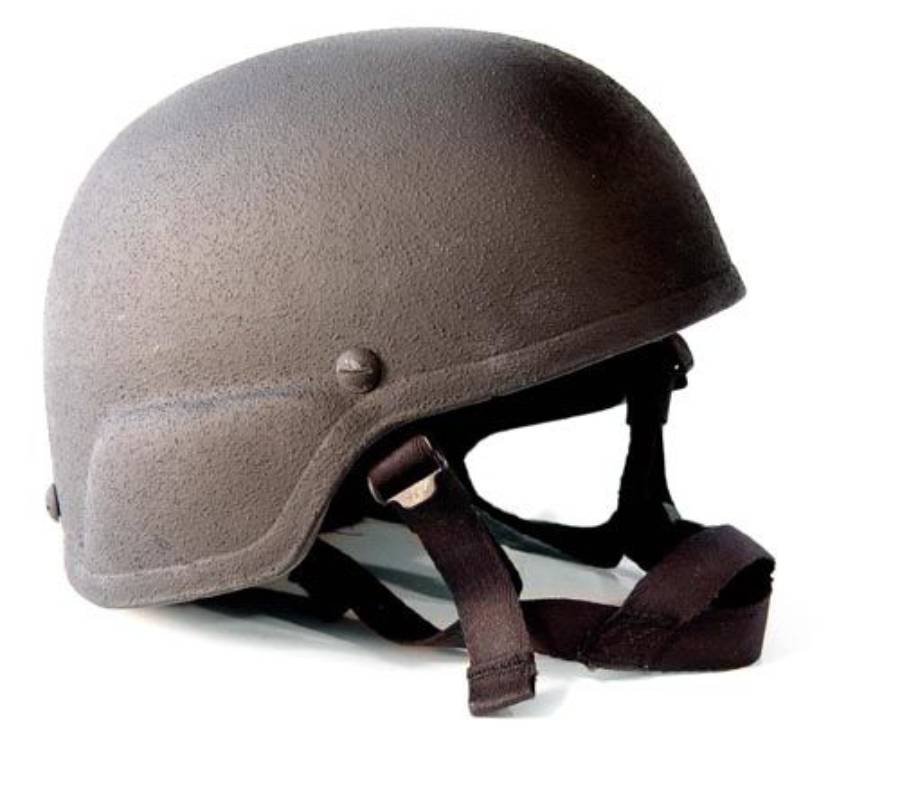
In 1965, DuPont chemist Stephanie Kwolek discovered a lightweight, incredibly strong synthetic fiber while researching materials for tires. What she found instead became Kevlar, a material so strong it would go on to be used in bulletproof vests, helmets, and safety products still in use today. It’s a quiet reminder that some of the most protective technology in the world came out of a lab experiment that wasn’t looking for it.
Trending on Wealth Gang
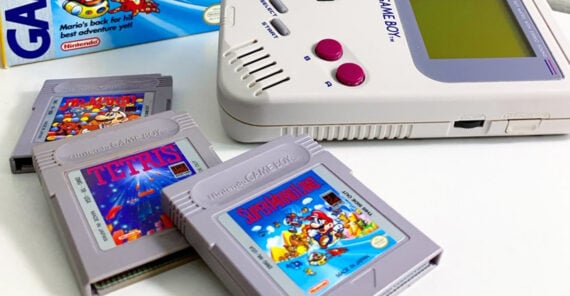

6. The Video Game Console
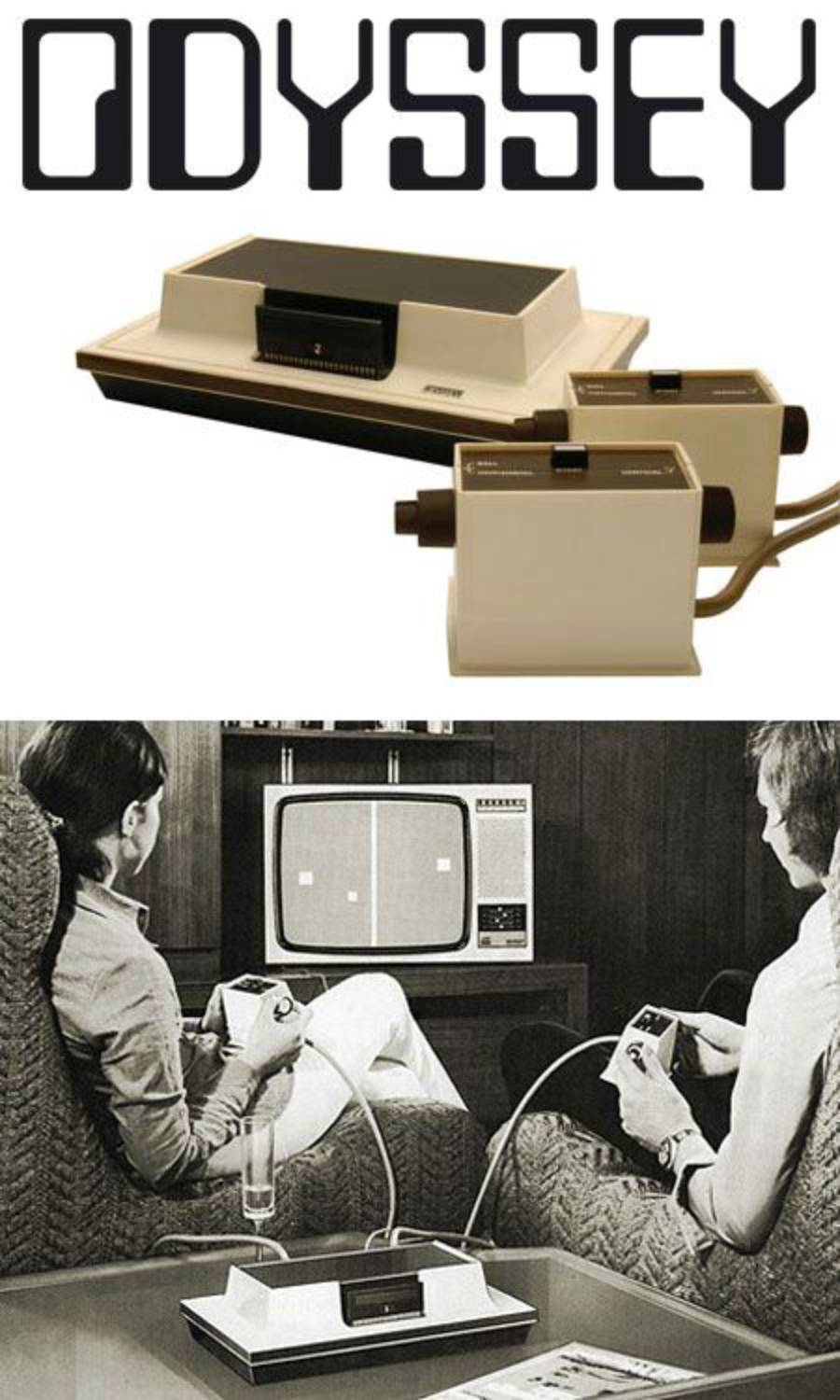
Ralph Baer began developing what would become the “Brown Box” prototype in 1966 while working as an engineer, laying the groundwork for what eventually became the Magnavox Odyssey. It let two simple dots and lines move around a TV screen; it was the first time a video game was designed to be played on a home television.
7. The Handheld Calculator
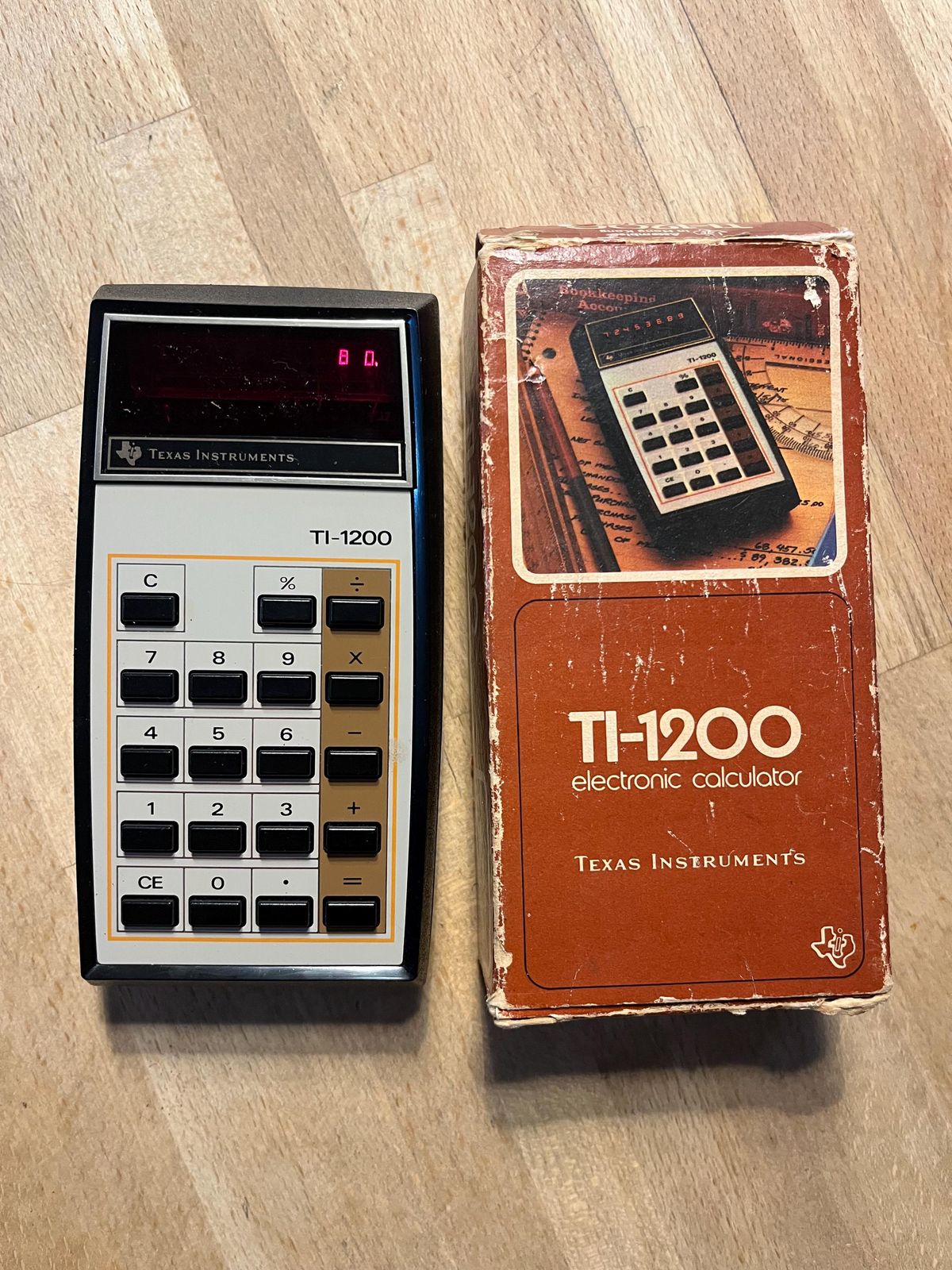
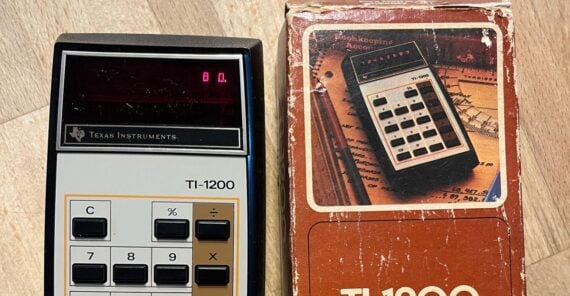
While pocket calculators didn’t hit consumers until the ’70s, the foundational work happened in 1967, when Texas Instruments engineers built the first working prototype of a portable calculator. It was still a far cry from pocket-sized, more like a small brick with buttons, but it proved that complex math computation could be shrunk down from room-sized machines into something a person could carry.
8. Lava Lamp
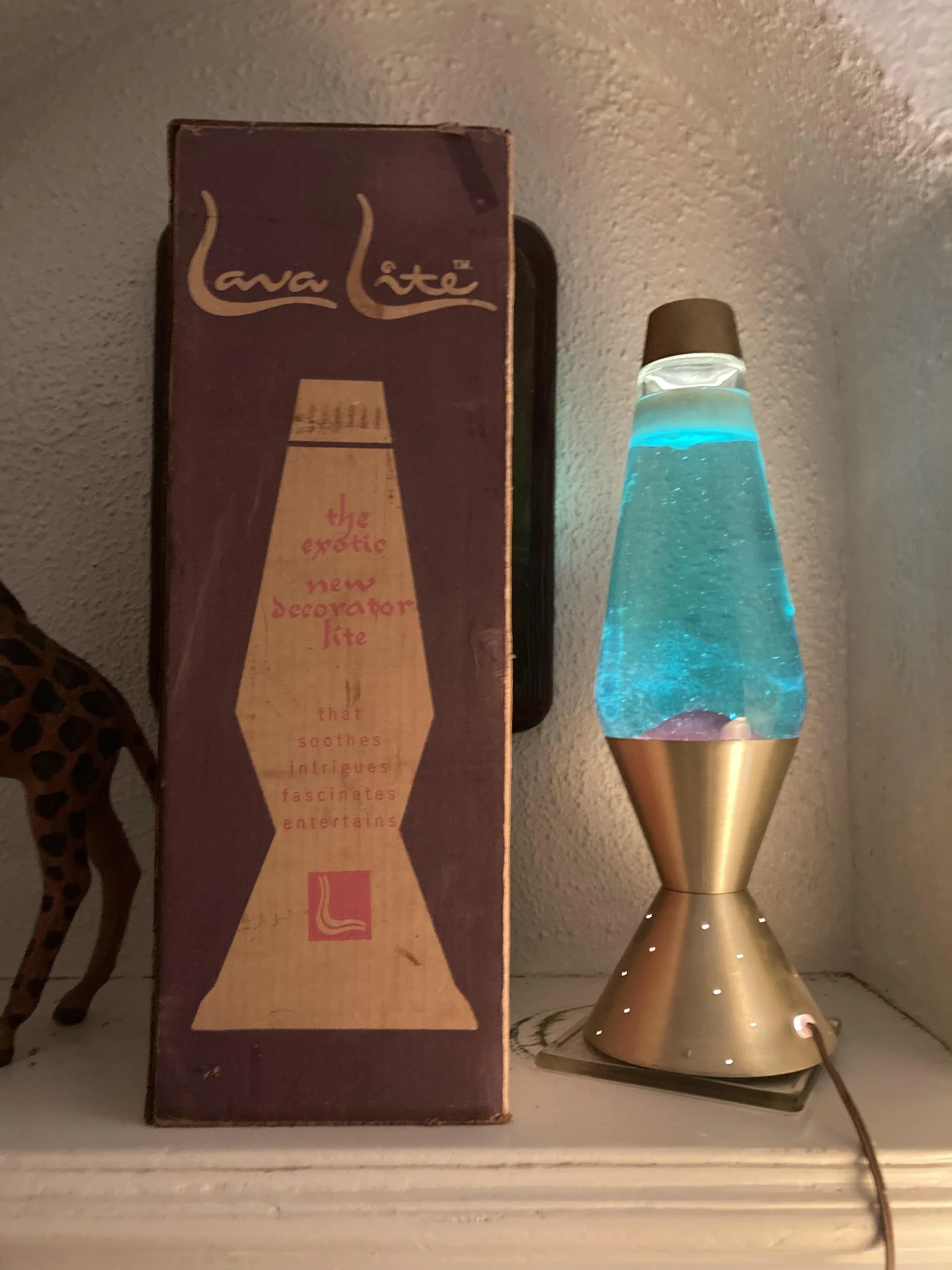
British inventor Edward Craven Walker created the lava lamp in 1963, inspired by a homemade egg timer he spotted in a pub that used two liquids that wouldn’t mix. He refined the formula until it produced the slow, hypnotic blobs still recognizable today. It became an instant symbol of the counterculture movement, decorating dorm rooms and living rooms as a piece of art.
Sign up for our newsletter
9. Smoke Detector
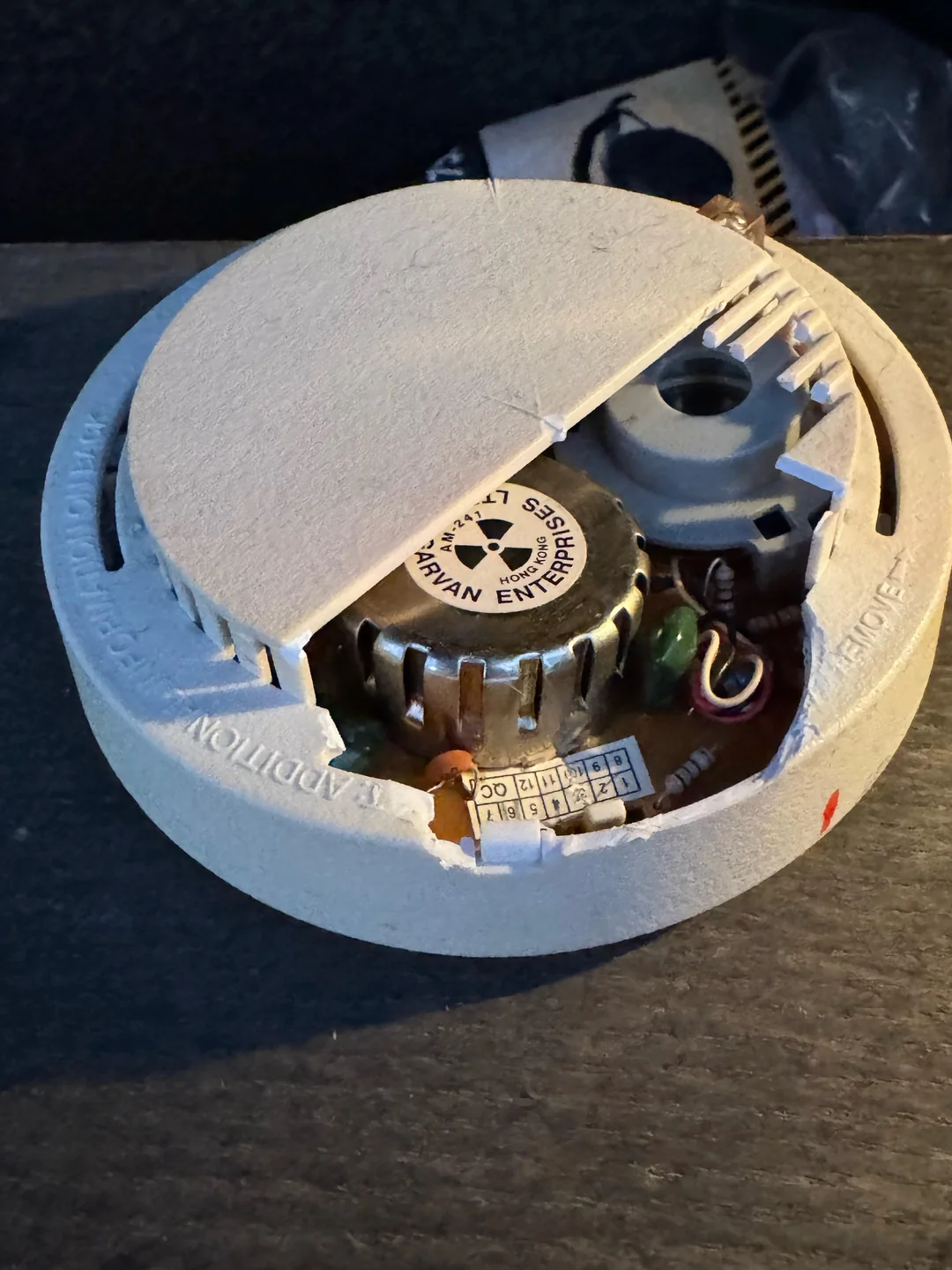
Battery-powered smoke detectors for home use became available in 1965, transforming fire safety from something reserved for commercial buildings into an affordable product. Before that, most families had no early warning system beyond noticing smoke themselves. The technology quickly became a quiet but essential fixture on ceilings everywhere, saving lives.
10. The Touch-Tone Phone
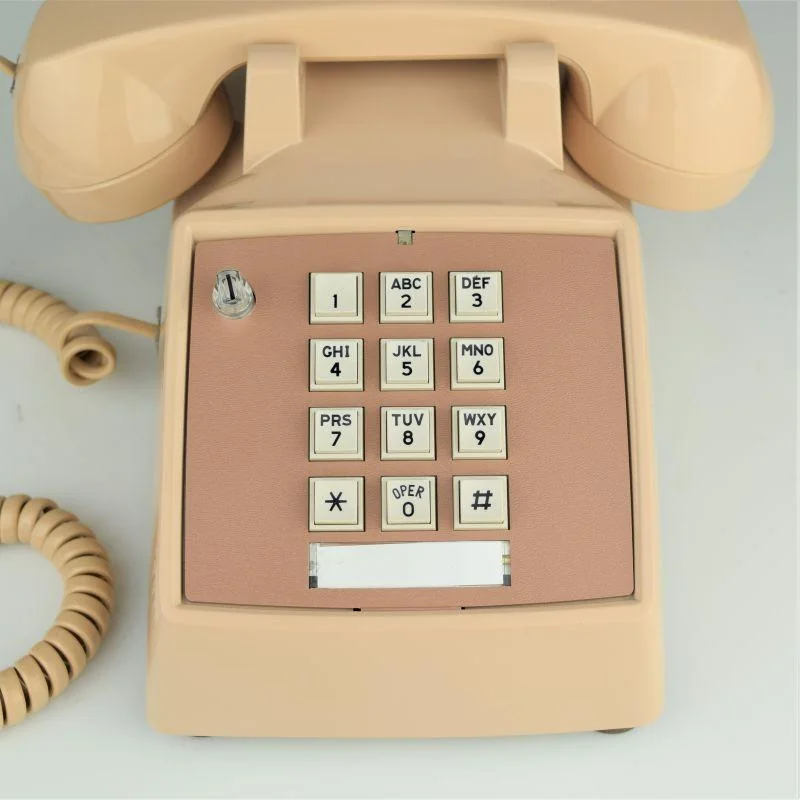
AT&T rolled out touch-tone dialing commercially in 1963, replacing the familiar rotary dial with number buttons that sent electronic tones instead of clicks. It made dialing faster and, more importantly, opened the door for future technology like automated phone menus and voicemail systems.
11. The Pull-Tab Can
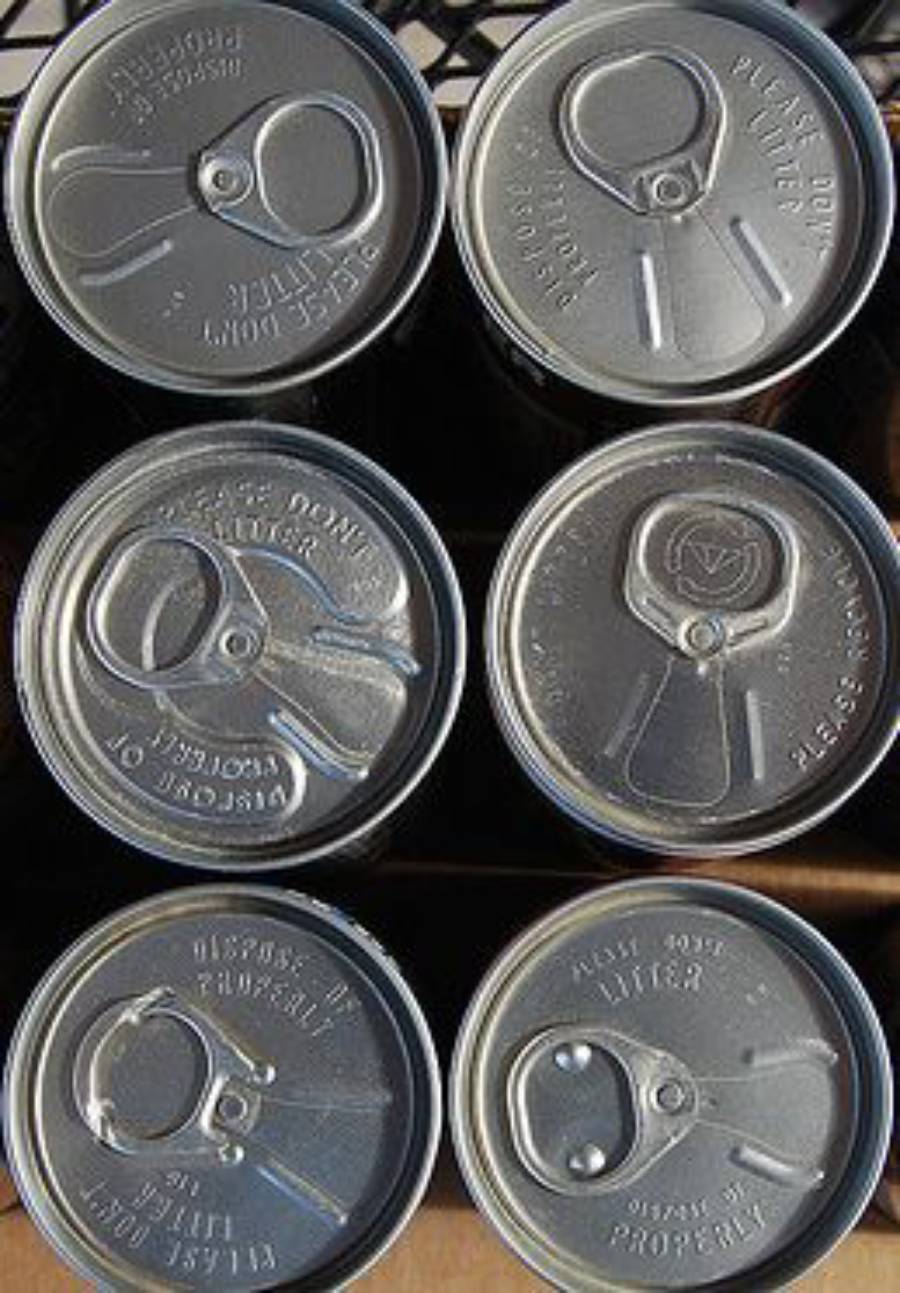
Opening a soda or beer used to require a separate opener, until 1962, when Ermal Fraze patented the pull-tab can after getting stuck at a picnic without one. His frustration led to a design where the opening mechanism was built directly into the can lid. It changed beverage packaging permanently.
12. Newton’s Cradle
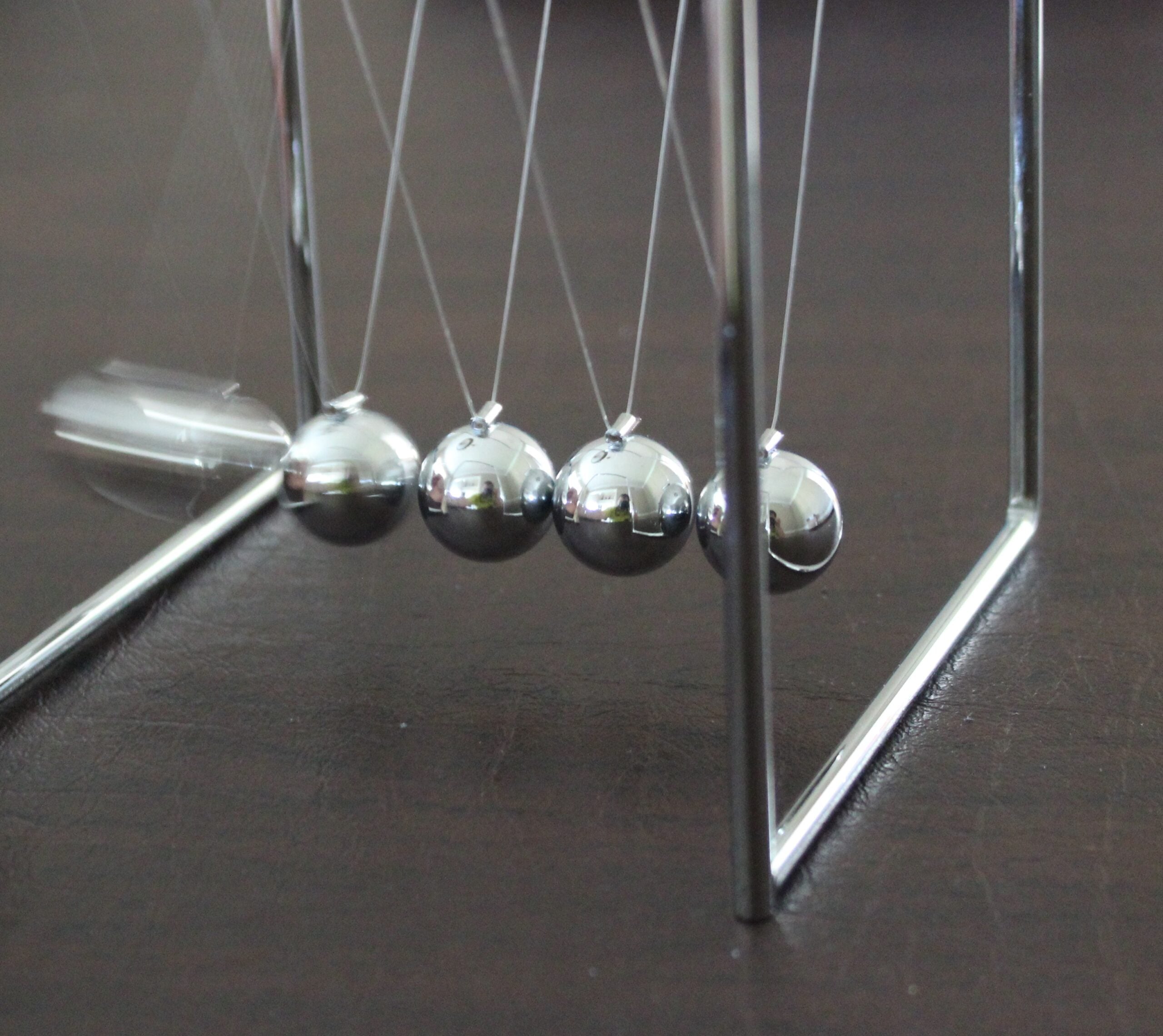
Simon Prebble popularized the swinging-ball desk toy in 1967, naming it after Sir Isaac Newton to nod to the physics principles it demonstrated. It became an instant fixture of office desks and executive suites. Decades later, it’s still one of the most recognizable desk toys in the world, quietly clicking away in offices everywhere.
13. The Artificial Heart
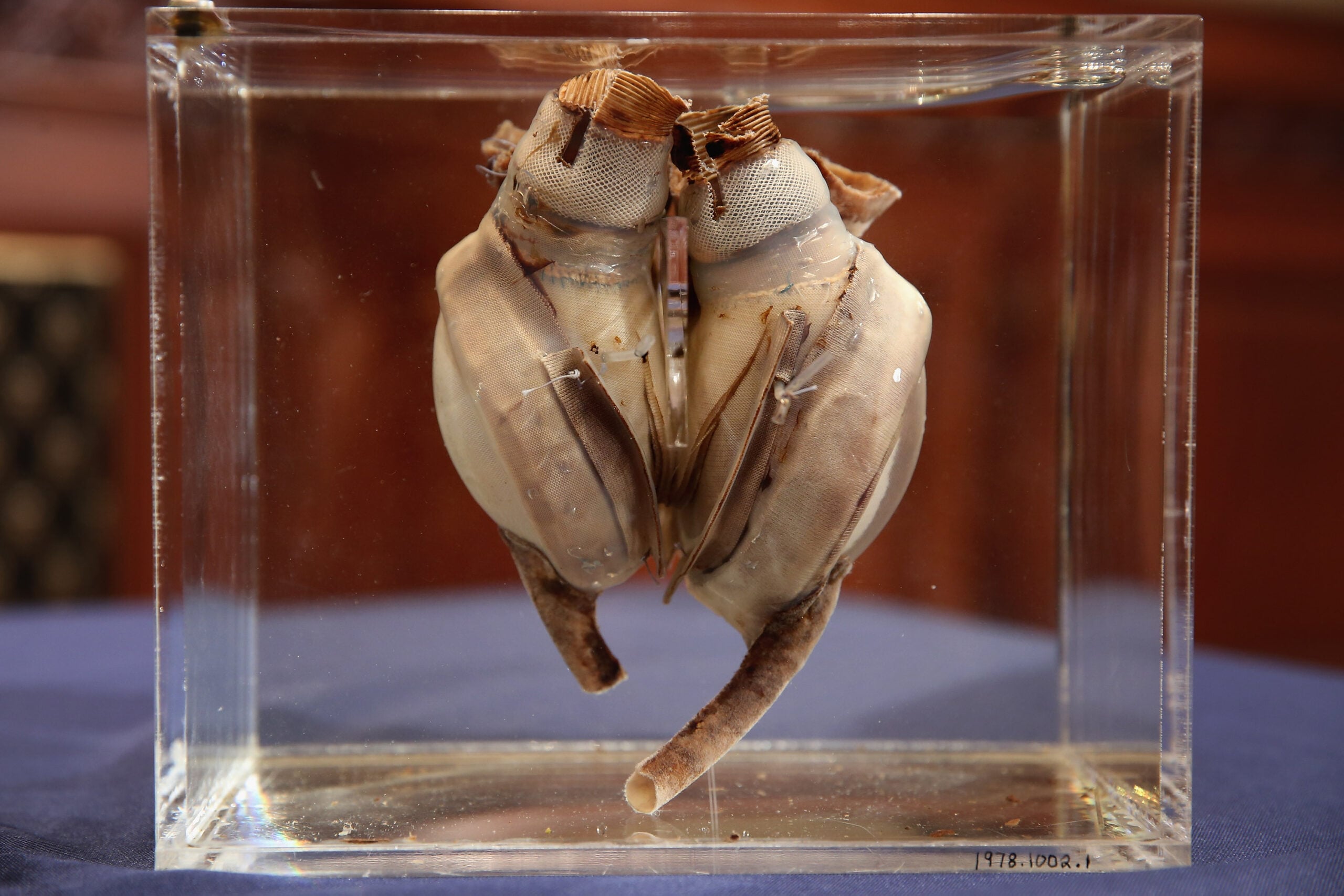
Domingo Liotta and Denton Cooley implanted the first artificial heart in a human patient in 1969, a moment that pushed the boundaries of what medicine seemed capable of. The device was meant only as a temporary bridge while the patient waited for a transplant, but it proved that mechanical hearts could sustain human life. That experiment opened the door for the more advanced artificial heart devices used today.
14. The Modern Sports Drink
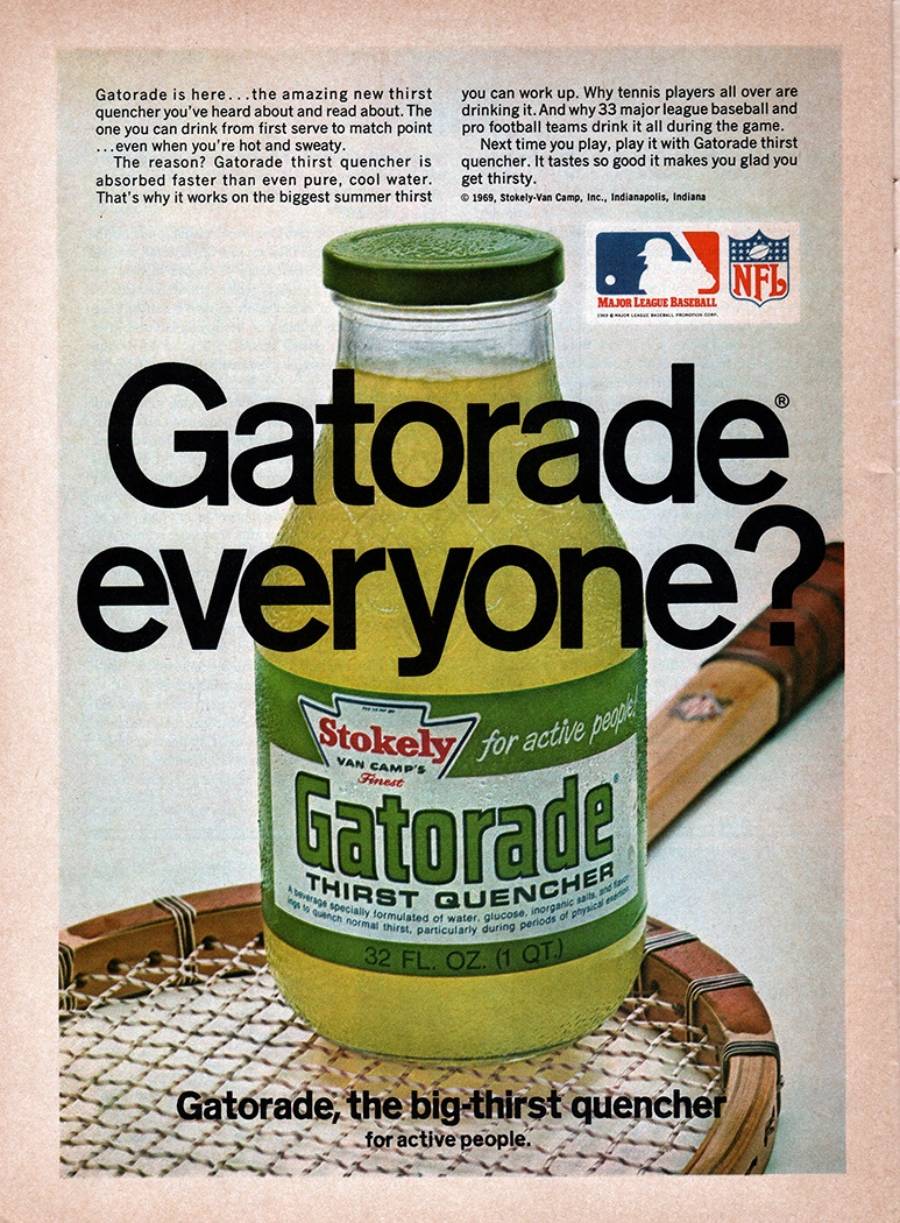
Gatorade was developed in 1965 by researchers at the University of Florida, created specifically to help the school’s football team, the Gators, combat dehydration and fatigue during Florida’s brutal heat. It was a practical solution to a very specific problem, mixing water, sugar, and electrolytes into something players could drink during practice. It didn’t take long before the formula moved to grocery store shelves.
15. The Handheld Hairdryer
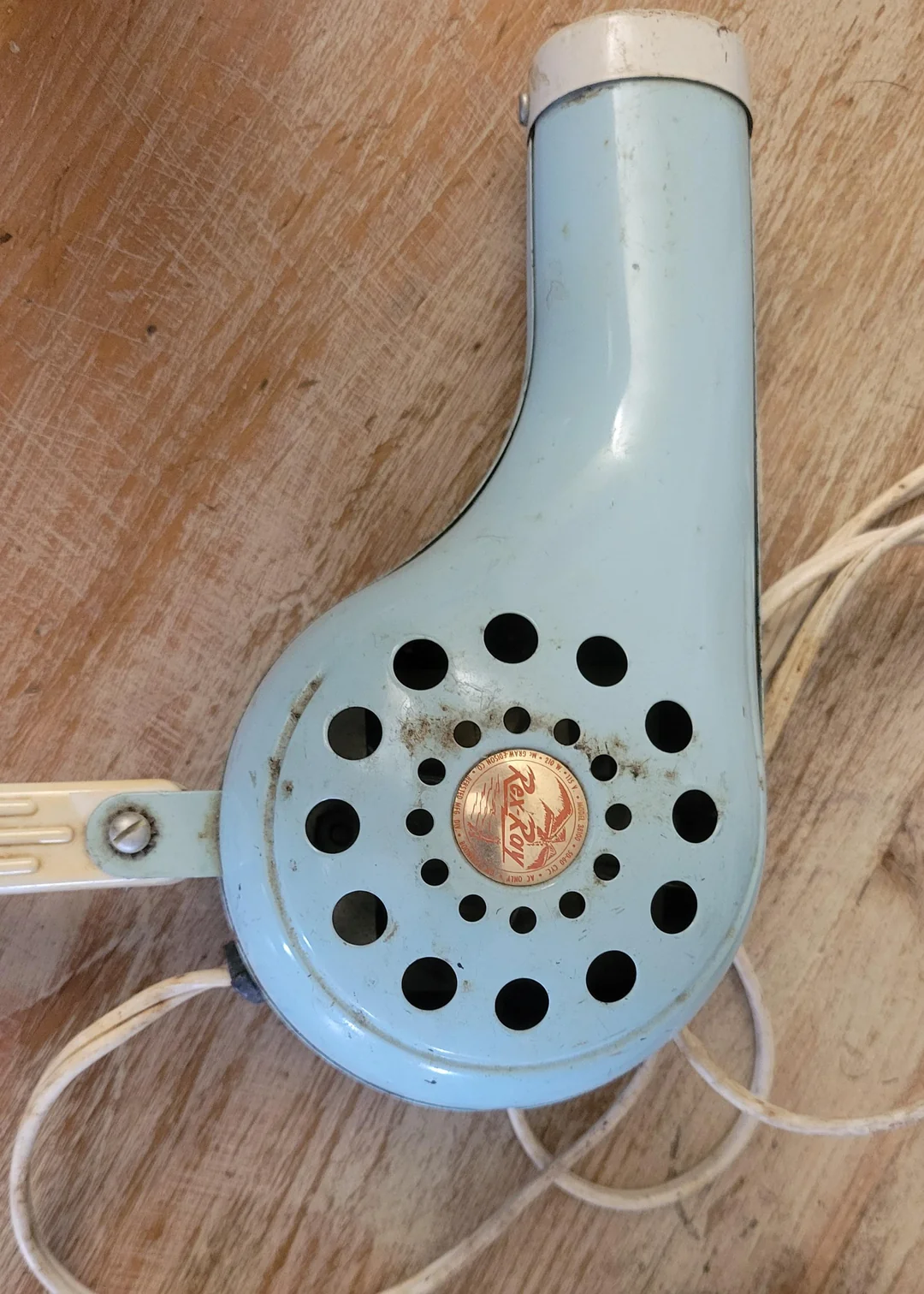
While hair dryers existed earlier, the lightweight, plastic handheld design that’s still recognizable today emerged in the late 1960s, as manufacturers shifted away from heavy metal models toward models that were easier to hold. It’s a small design shift, but one that changed a daily routine for millions.
More related articles:
Check out 20 Inventions Straight Out of an Ingenious Garage That Saved Tons of Money, proof that everyday problem-solving can rival any high-cost facility. If you’re curious how fast “new” can become “normal,” These 11 Inventions Are Newer Than Most People Realize breaks down the tech that snuck into daily life almost overnight. And for a look further back, Photos of Strange and Promising Inventions Over the Years revisits the ideas that once looked like the future, whether or not they stuck around.