Science changes over time because discoveries prove old ideas wrong. For a long time, people believed certain facts about space, Earth, and the human body were completely true. However, science grows when we find new clues. For example, doctors used to think stress caused stomach ulcers, but they later found out that tiny bacteria were the cause.
These surprises show that science is a journey of learning and correcting mistakes. When scientists find new evidence, they must change their old ideas. The 15 discoveries below changed how we see the world.
1. Galileo Discovered Moons That Did Not Orbit Earth
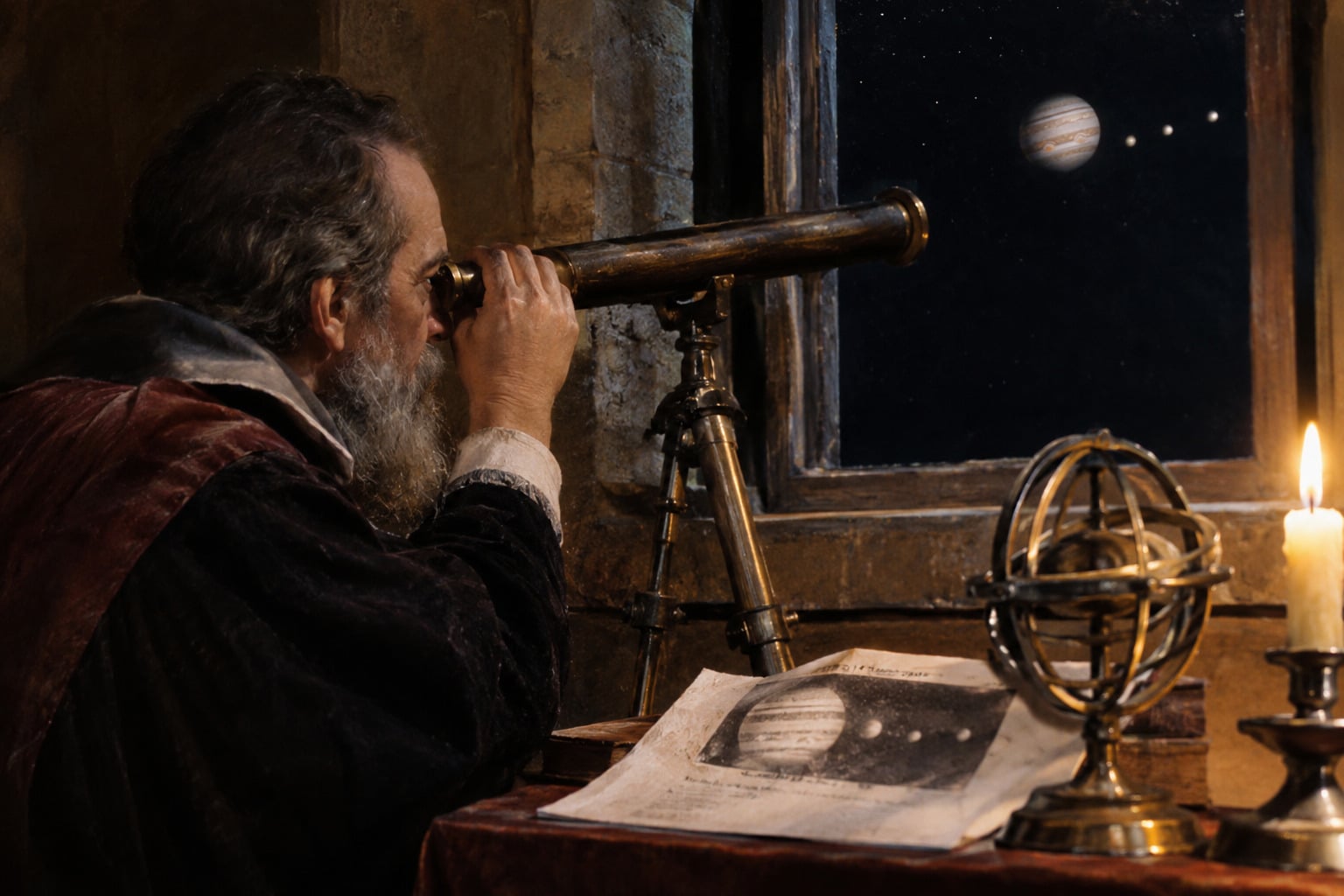
In January 1610, Galileo Galilei observed four objects moving around Jupiter and recognized them as moons. Their existence contradicted the traditional assumption that all heavenly bodies revolved around Earth. The discovery provided important evidence against an exclusively Earth-centered view of the cosmos.
2. Astronomers Discovered the Milky Way Was Not Everything
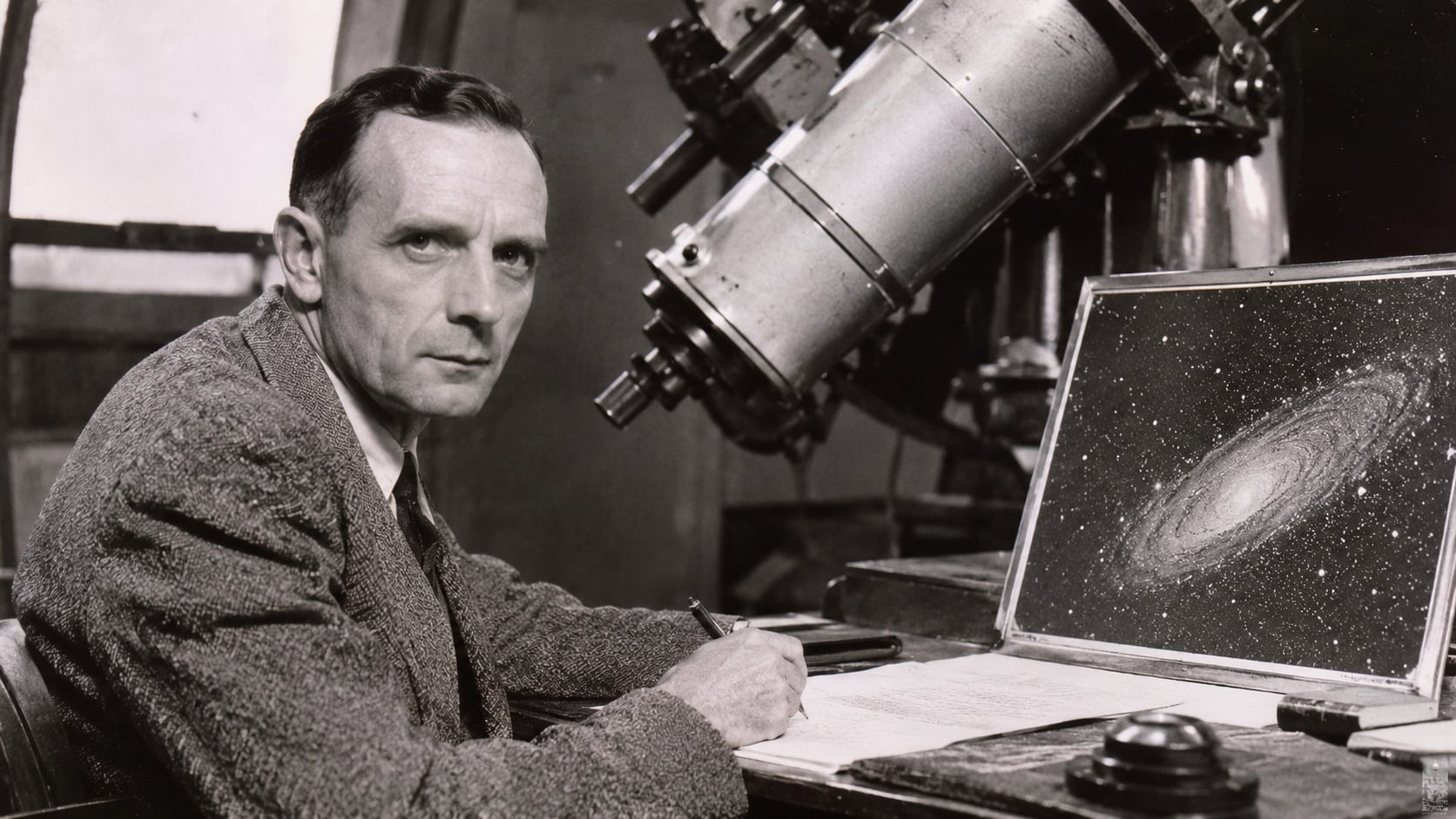
For many years, astronomers debated whether distant spiral nebulae were objects inside the Milky Way or separate star systems beyond it. Edwin demonstrated that Andromeda lies far beyond the known boundaries of the Milky Way, establishing that our galaxy was not the entire universe.
3. Radioactivity Challenged the Idea That Atoms Were Unchanging
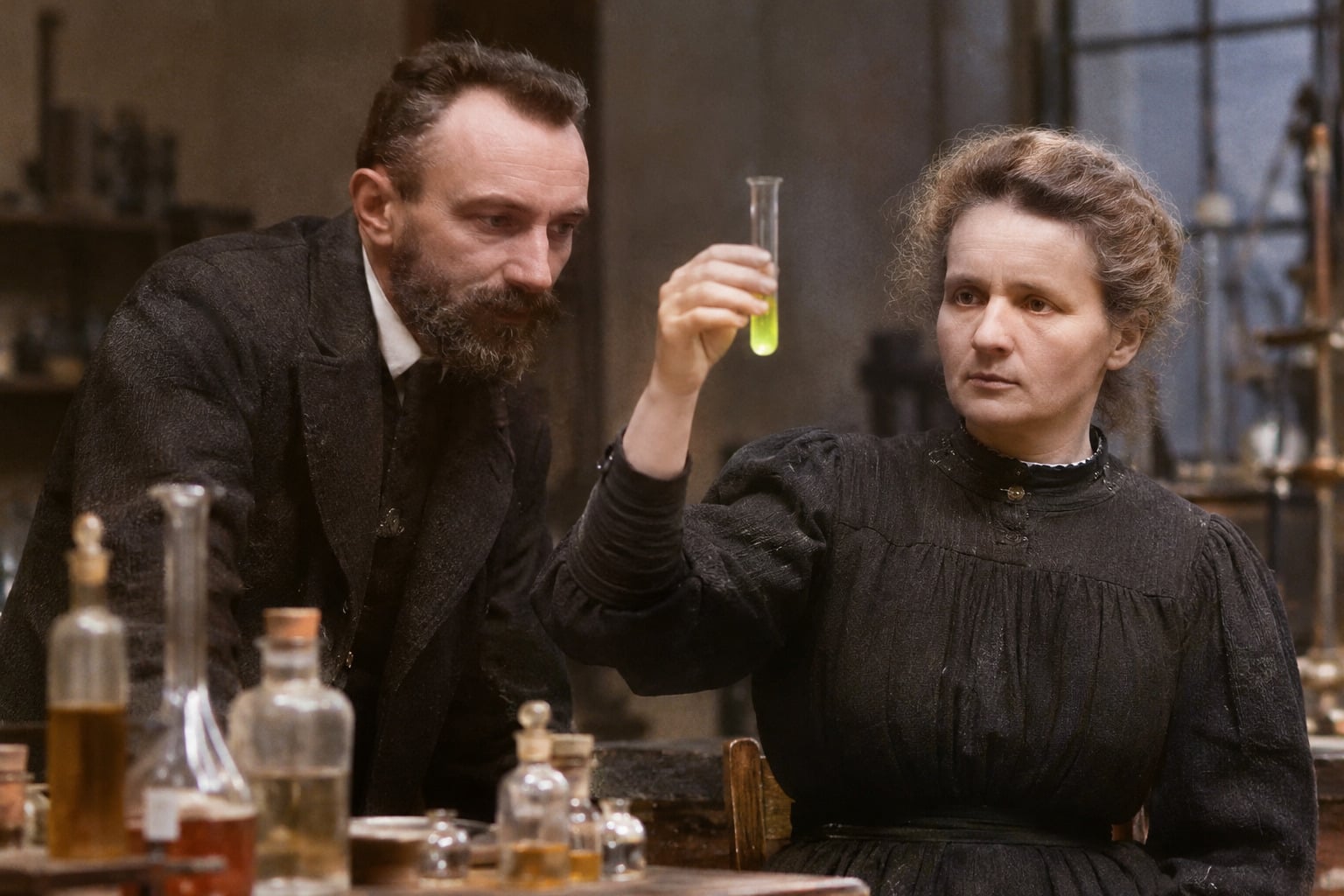
French physicist Henri Becquerel discovered that uranium compounds emitted radiation without needing an outside source of light or energy. Marie and Pierre Curie’s research revealed that radioactivity was connected to the properties of atoms themselves. At the time, atoms were understood as indivisible building blocks of matter, making the discovery difficult to reconcile with older theories.
4. Scientists Discovered DNA Carried Hereditary Info
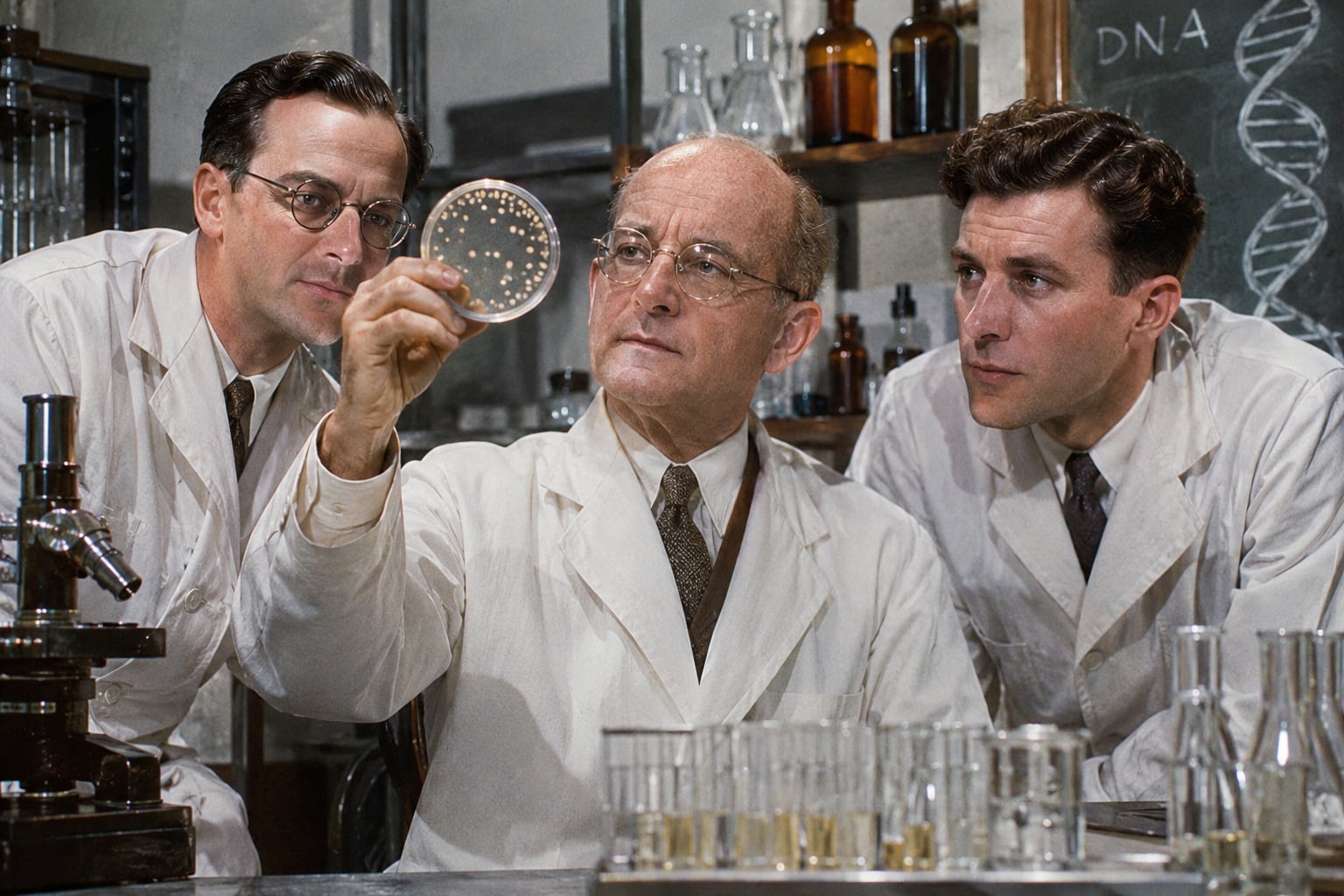
During the early 20th century, many researchers believed proteins were more likely than DNA to carry genetic information because of their apparent chemical complexity. In research published in 1944, Oswald Avery, Colin MacLeod, and Maclyn McCarty demonstrated that DNA was responsible for transforming certain bacteria. The findings challenged prevailing assumptions about heredity.
5. Ocean-Floor Evidence Showed Continents Move
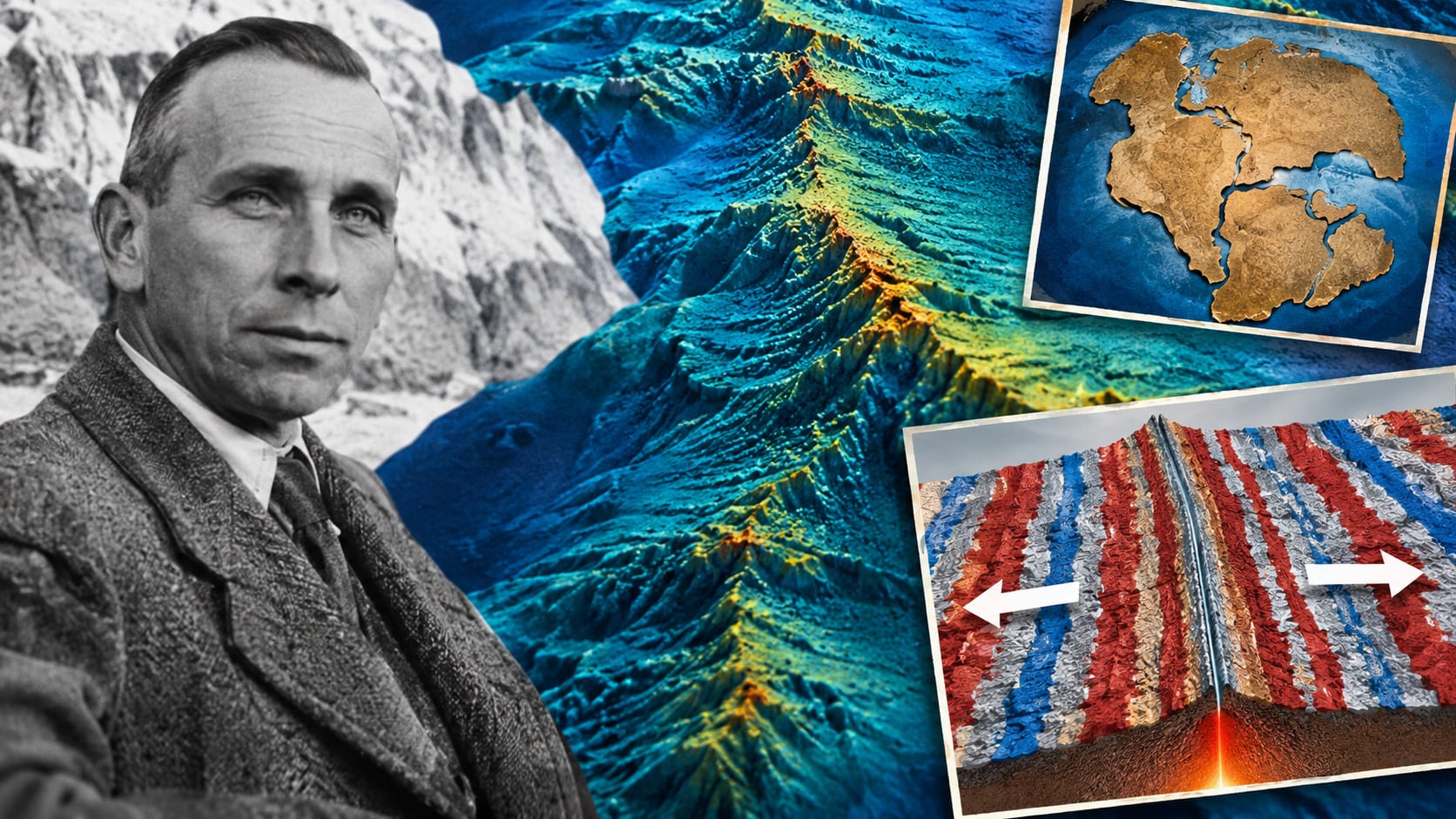
When Alfred Wegener proposed continental drift in the early twentieth century, many geologists rejected the idea because he could not provide a convincing mechanism for continental movement. Later investigations of the ocean floor revealed underwater mountain ranges and symmetrical magnetic patterns preserved in rocks. These discoveries provided evidence for seafloor spreading and helped establish the modern theory of plate tectonics.
Trending on Wealth Gang


6. Radio Noise Provided Evidence for the Big Bang
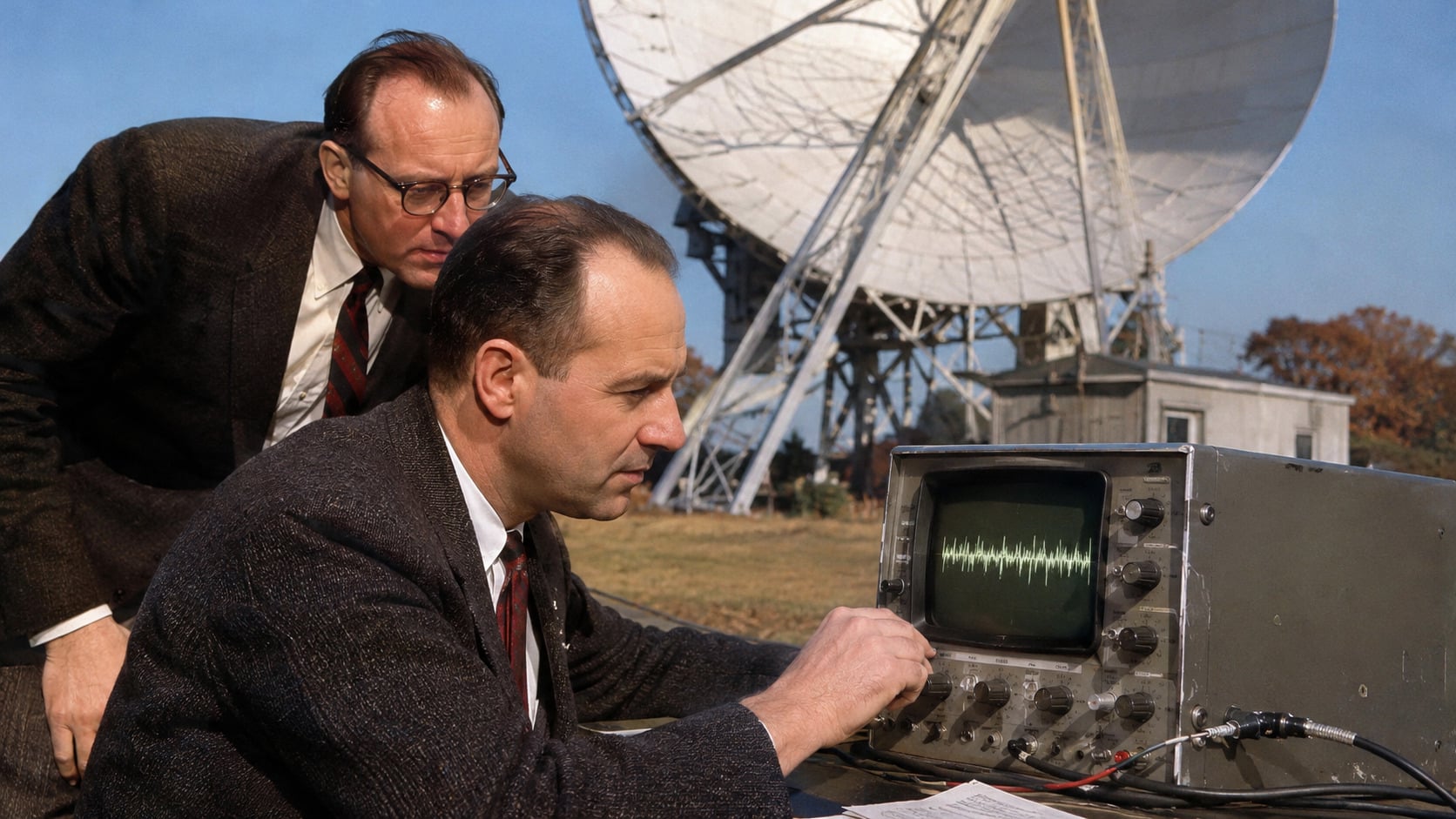
Radio astronomers detected a persistent background signal that appeared to come from every direction in space. Researchers identified it as cosmic microwave background radiation, the ancient light released when the early universe became transparent. The discovery provided powerful evidence for Big Bang cosmology and challenged competing steady-state explanations of the universe.
7. A Mysterious Radio Signal Revealed a New Type of Star
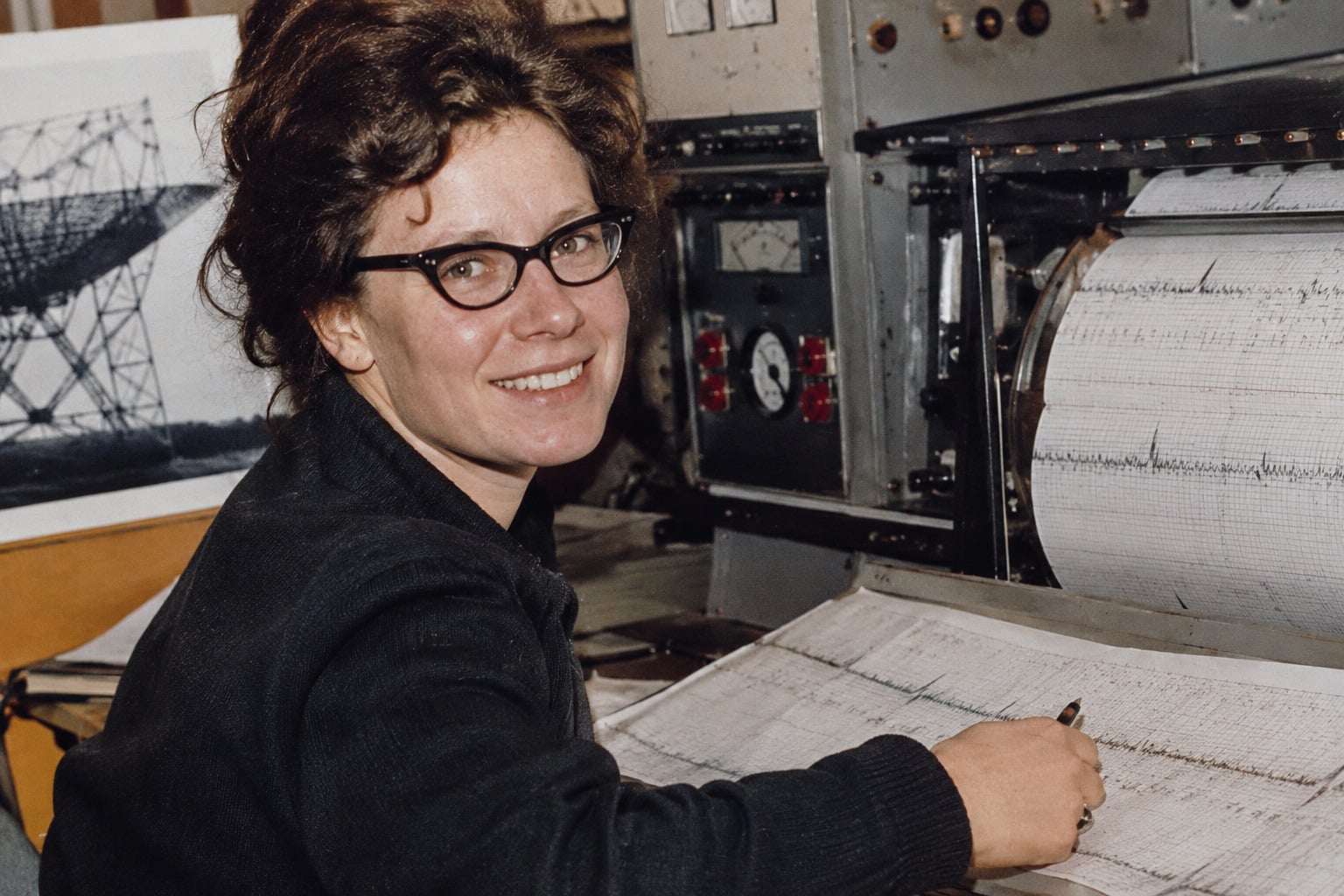
While examining radio telescope observations, graduate student Jocelyn Bell Burnell noticed unusual signals coming from space. The pulses were initially mysterious, but researchers later identified their source as rotating neutron stars known as pulsars. Their discovery provided the first observational evidence for neutron stars.
8. Scientists Found Ecosystems Without Sunlight
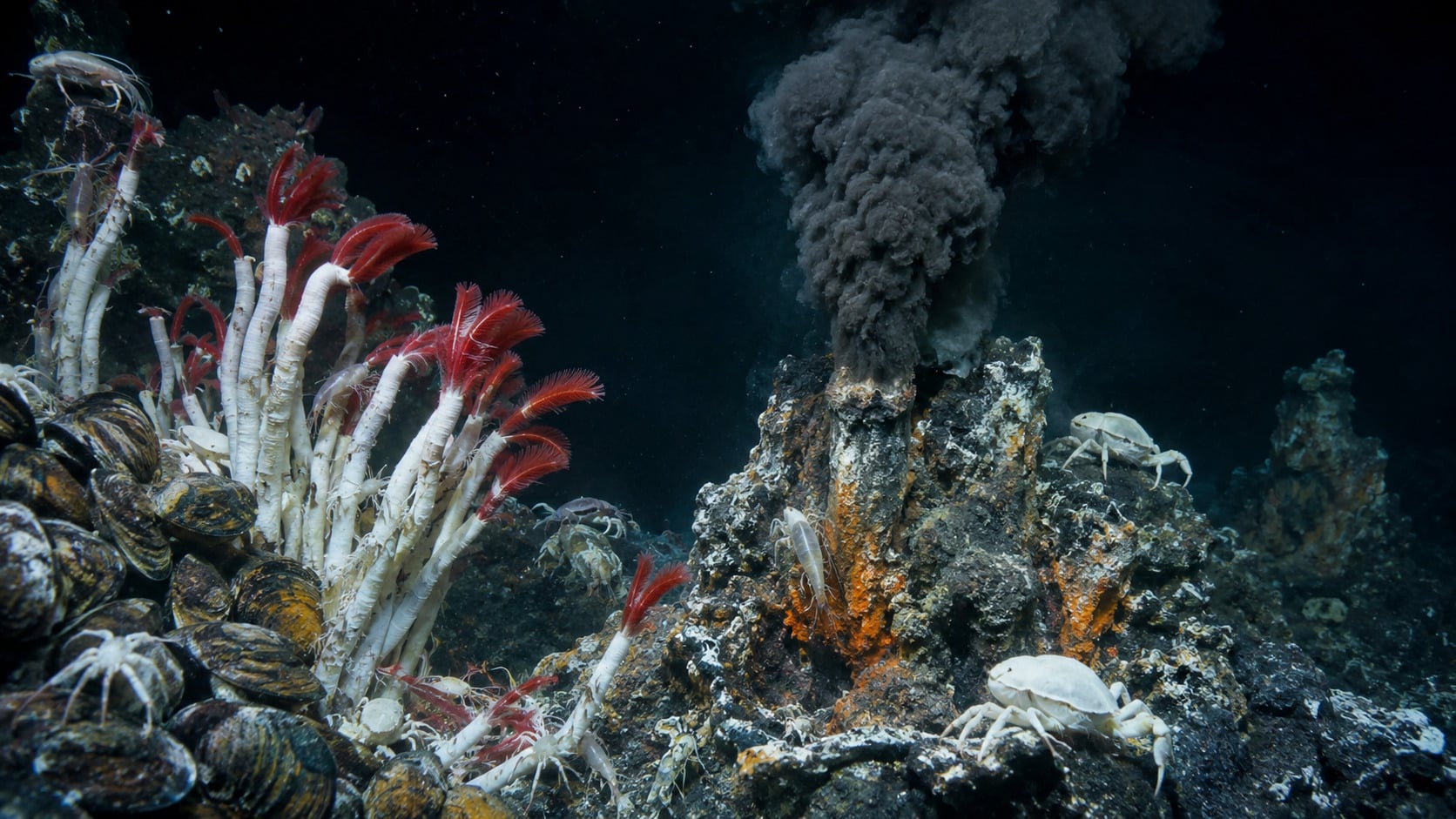
During an expedition near the Galápagos Islands, scientists discovered hydrothermal vents surrounded by large communities of deep-sea organisms. The animals were thriving in complete darkness. Researchers found that microorganisms could use chemical energy to produce organic matter through a process called chemosynthesis.
Sign up for our newsletter
9. Scientists Discovered a New Major Branch of Life
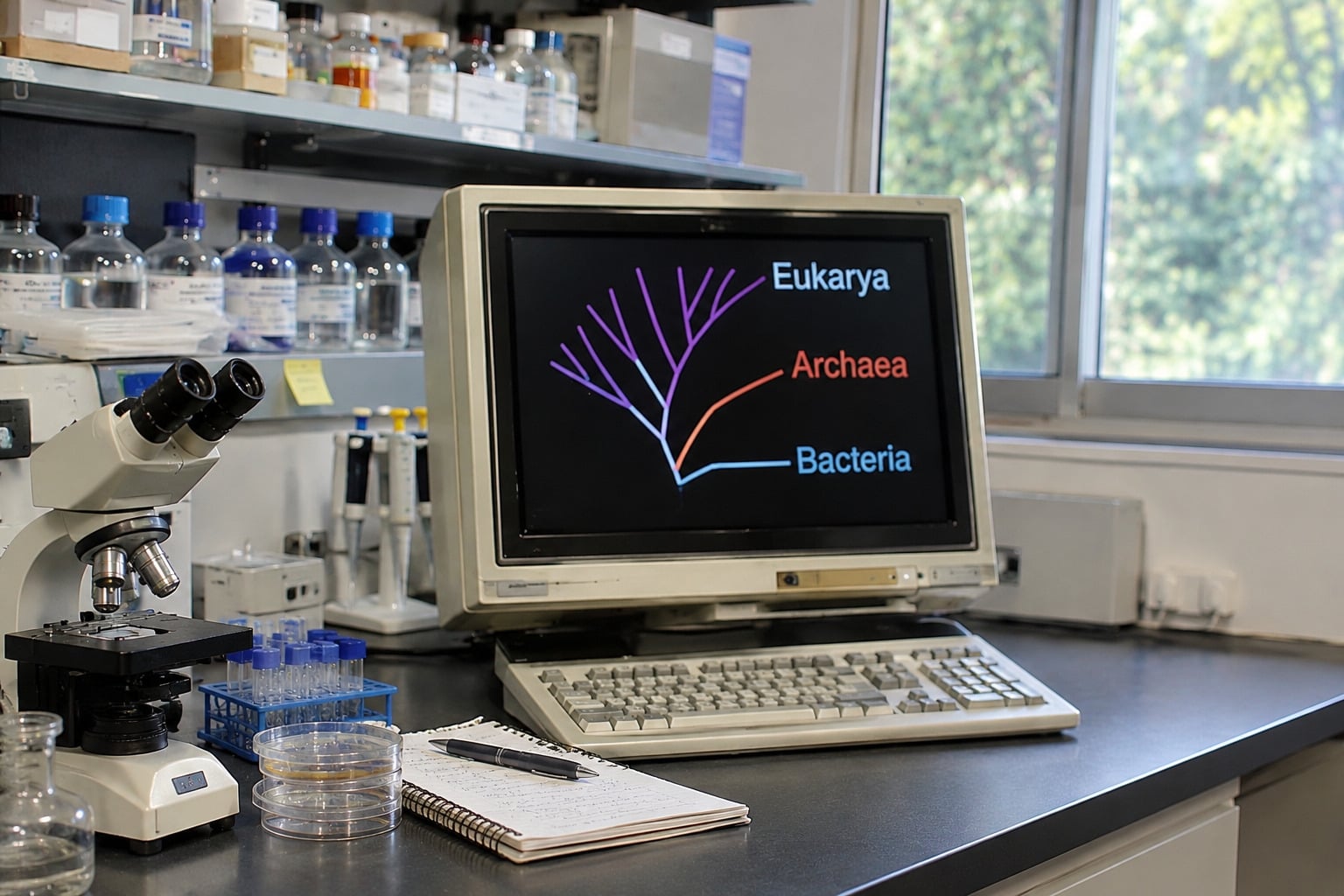
Scientists once grouped most organisms without cell nuclei together as bacteria. Carl Woese and George Fox compared ribosomal RNA sequences and found that certain microorganisms represented a distinct evolutionary lineage. These organisms became known as Archaea.
10. Doctors Discovered Bacteria Could Cause Stomach Ulcers
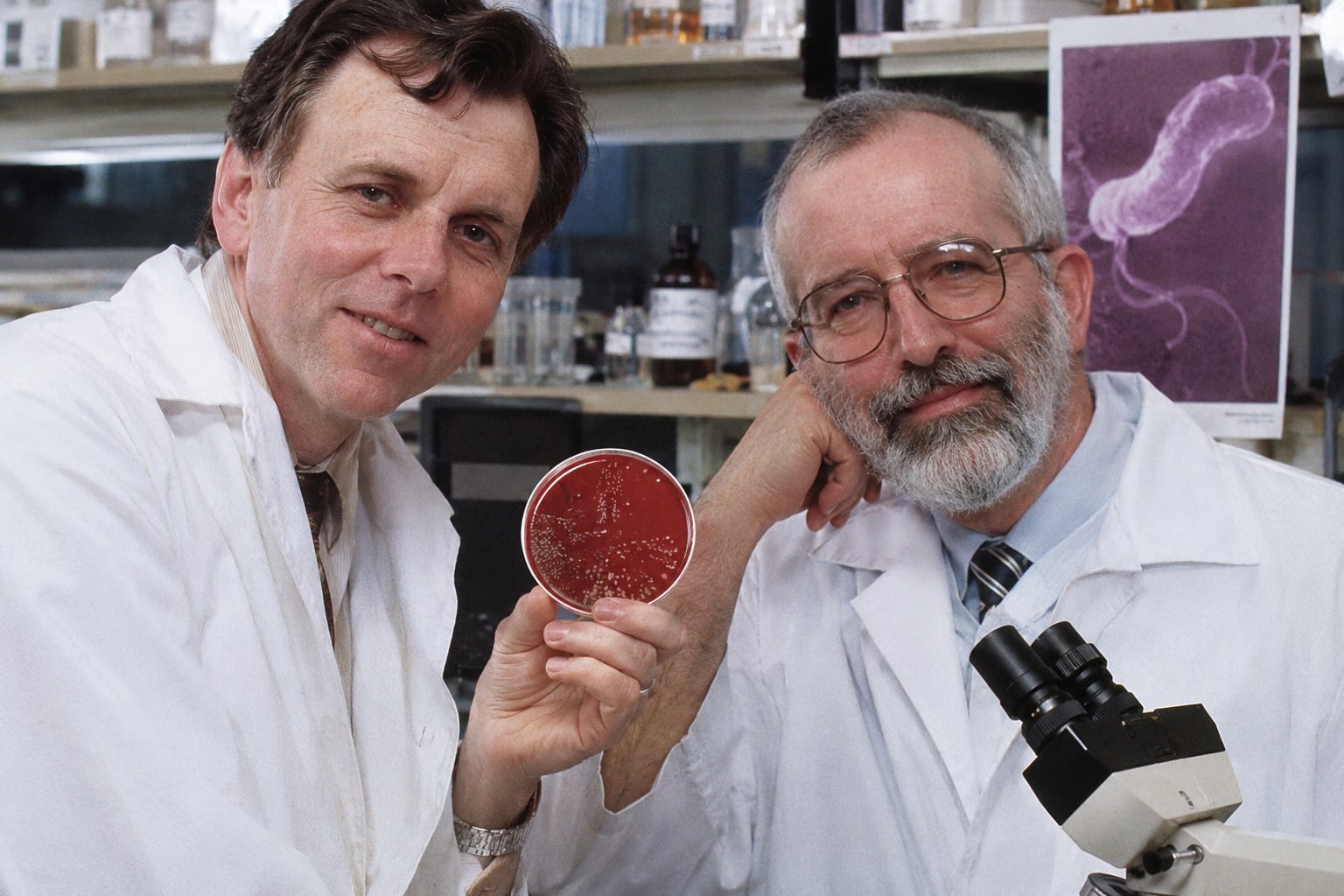
For many years, stomach ulcers were blamed on stress, lifestyle, and excess stomach acid. Australian researchers Barry Marshall and Robin Warren identified the bacterium Helicobacter pylori and established its connection to stomach inflammation and ulcers.
11. Scientists Discovered RNA Could Act Like an Enzyme
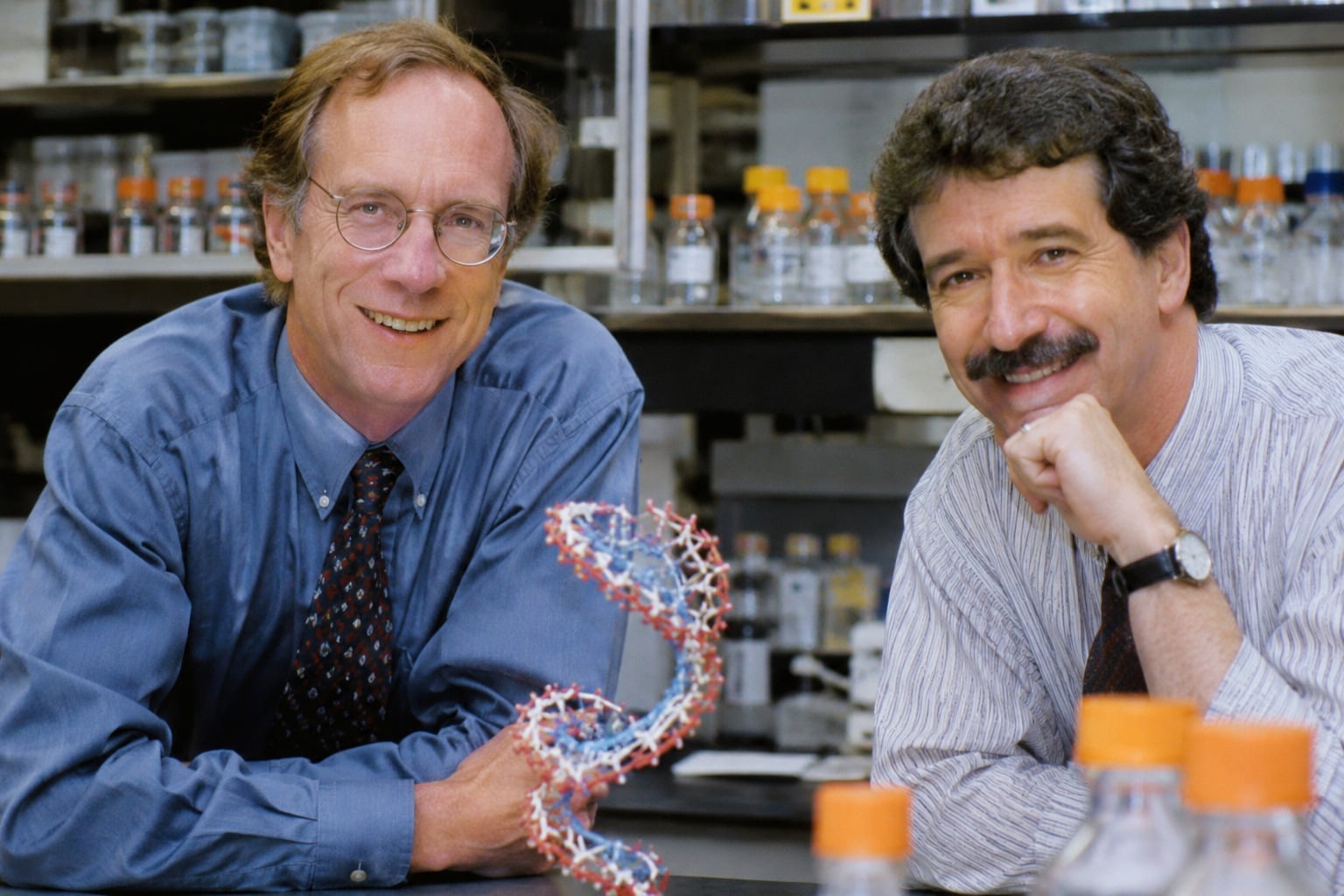
For much of the twentieth century, scientists understood enzymes as proteins that accelerated chemical reactions, while RNA was associated with carrying genetic instructions. Thomas Cech and Sidney Altman independently discovered that certain RNA molecules could also catalyze biochemical reactions.
12. Feathered Dinosaurs Changed How Scientists Reconstructed Prehistoric Animals
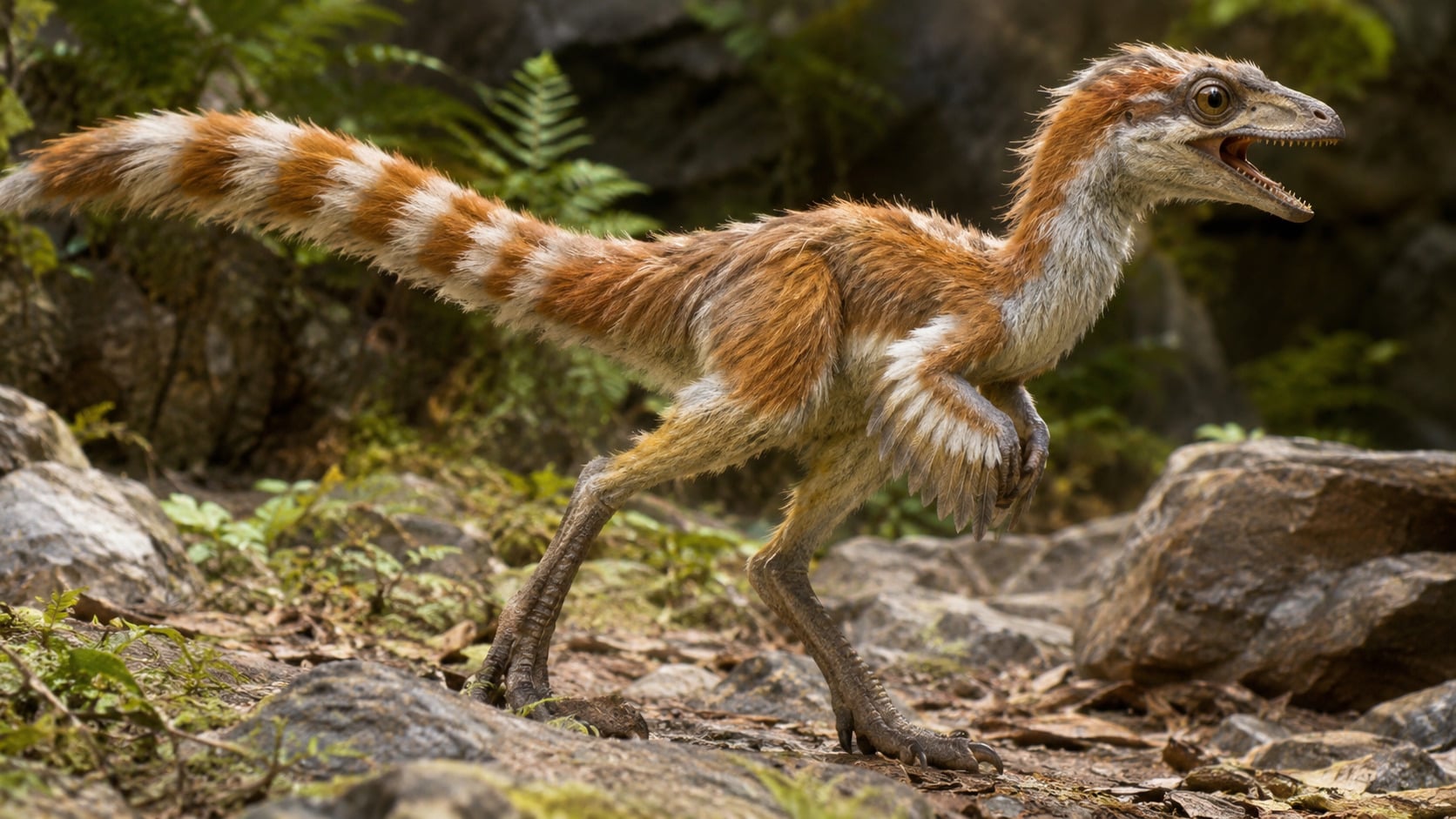
Dinosaurs were depicted with scaly skin, although scientists had recognized evolutionary similarities between birds and certain dinosaurs for many years. The discovery of Sinosauropteryx in China in 1996 provided evidence of feather-like structures covering a non-avian dinosaur. Later fossil discoveries confirmed that feathers and related body coverings existed in multiple dinosaur lineages.
13. Astronomers Found a Giant Planet Close to Its Star
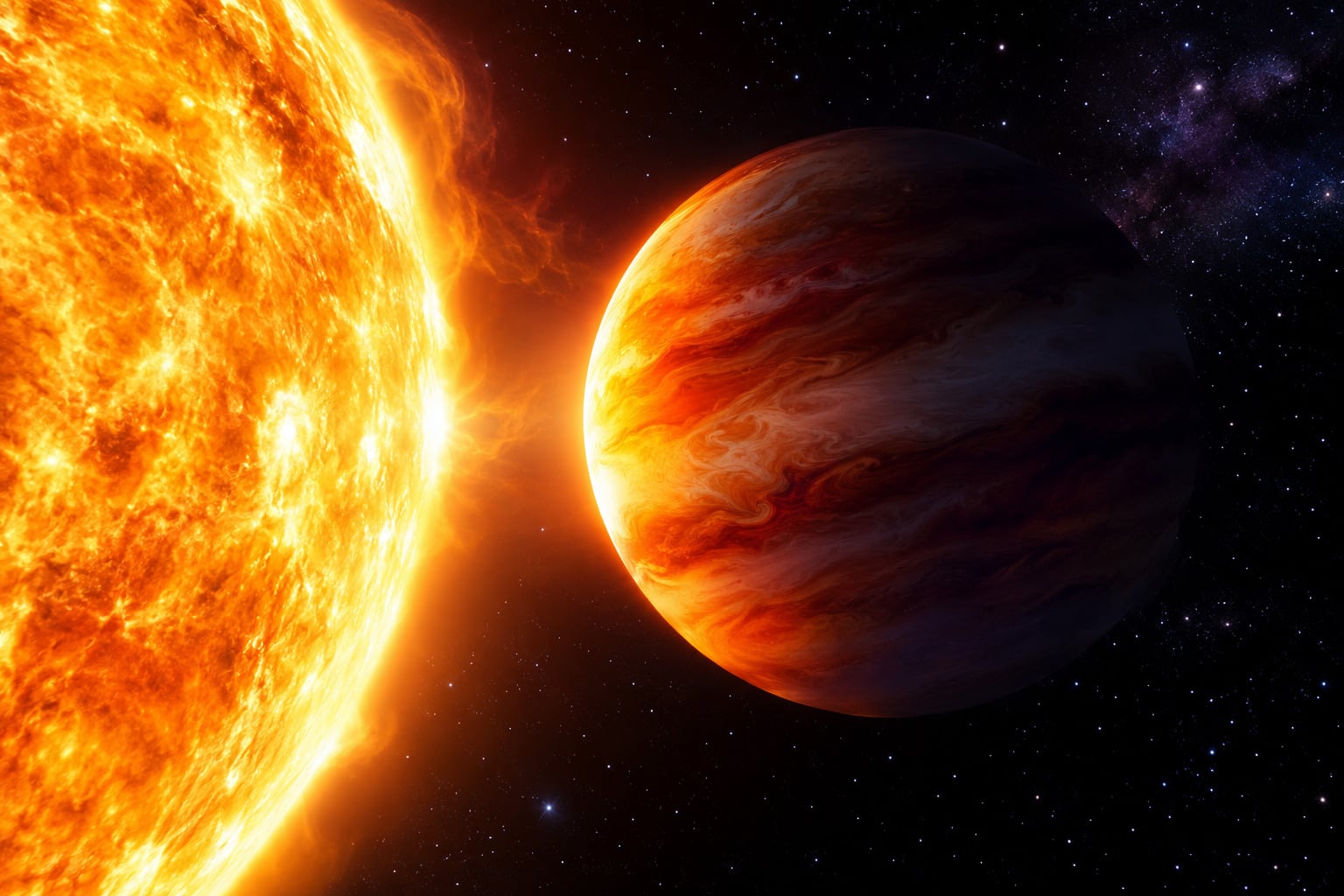
Scientists studying planetary systems once relied on our own solar system, where giant planets orbit far from the Sun. In 1995, 51 Pegasi b was discovered, a gas giant that completes an orbit around a Sun-like star in approximately four days. Its unexpected proximity to its star challenged models of planetary formation.
14. Scientists Discovered That the Universe’s Expansion Is Accelerating
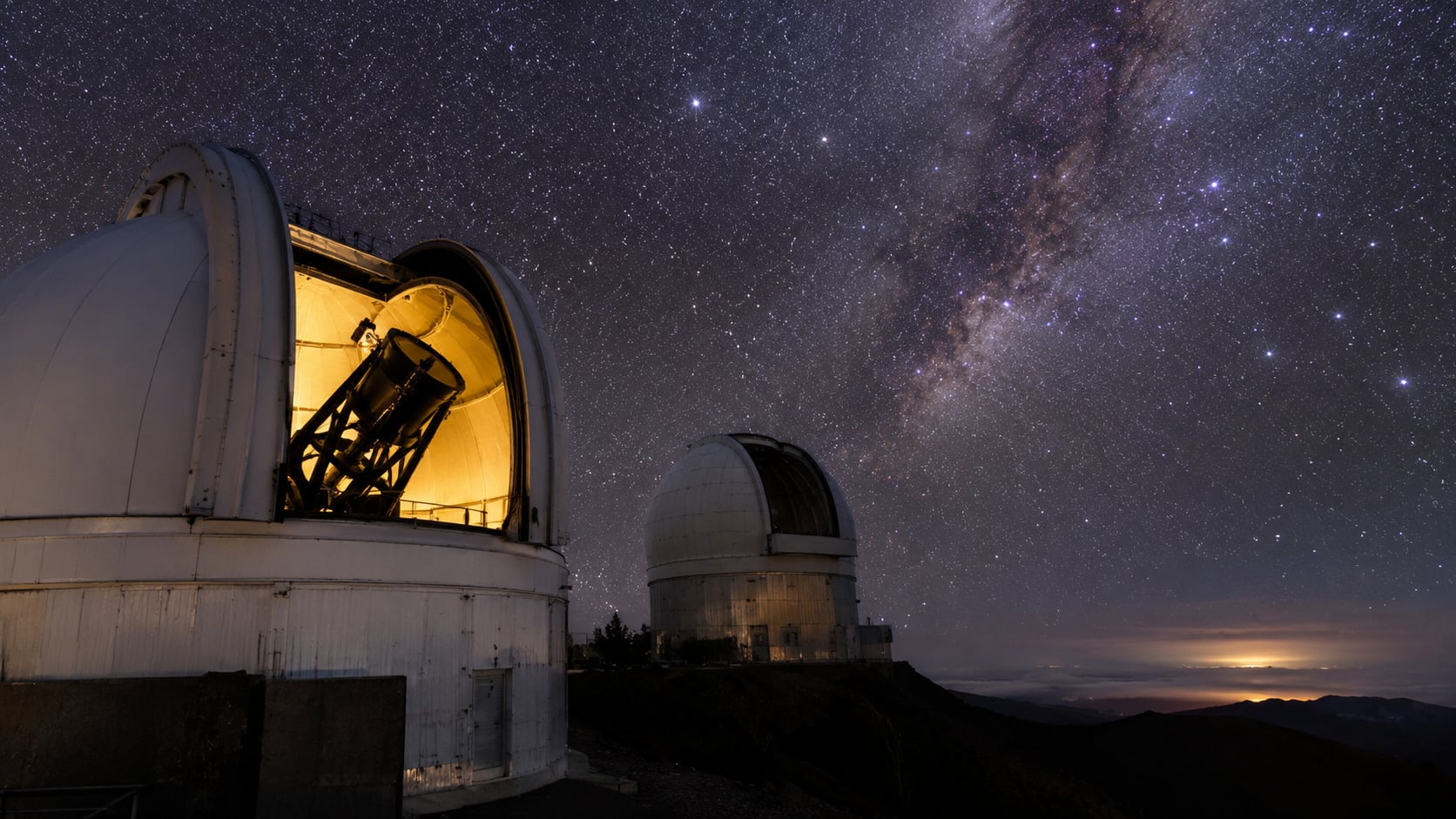
For decades, astronomers expected the gravitational pull of matter to slow the universe’s expansion over time. Two independent research teams instead found evidence that cosmic expansion was accelerating. The unexpected discovery transformed cosmology and led scientists to investigate the unknown phenomenon commonly described as dark energy.
15. Ancient DNA Revealed Modern Humans Crossed With Neanderthals
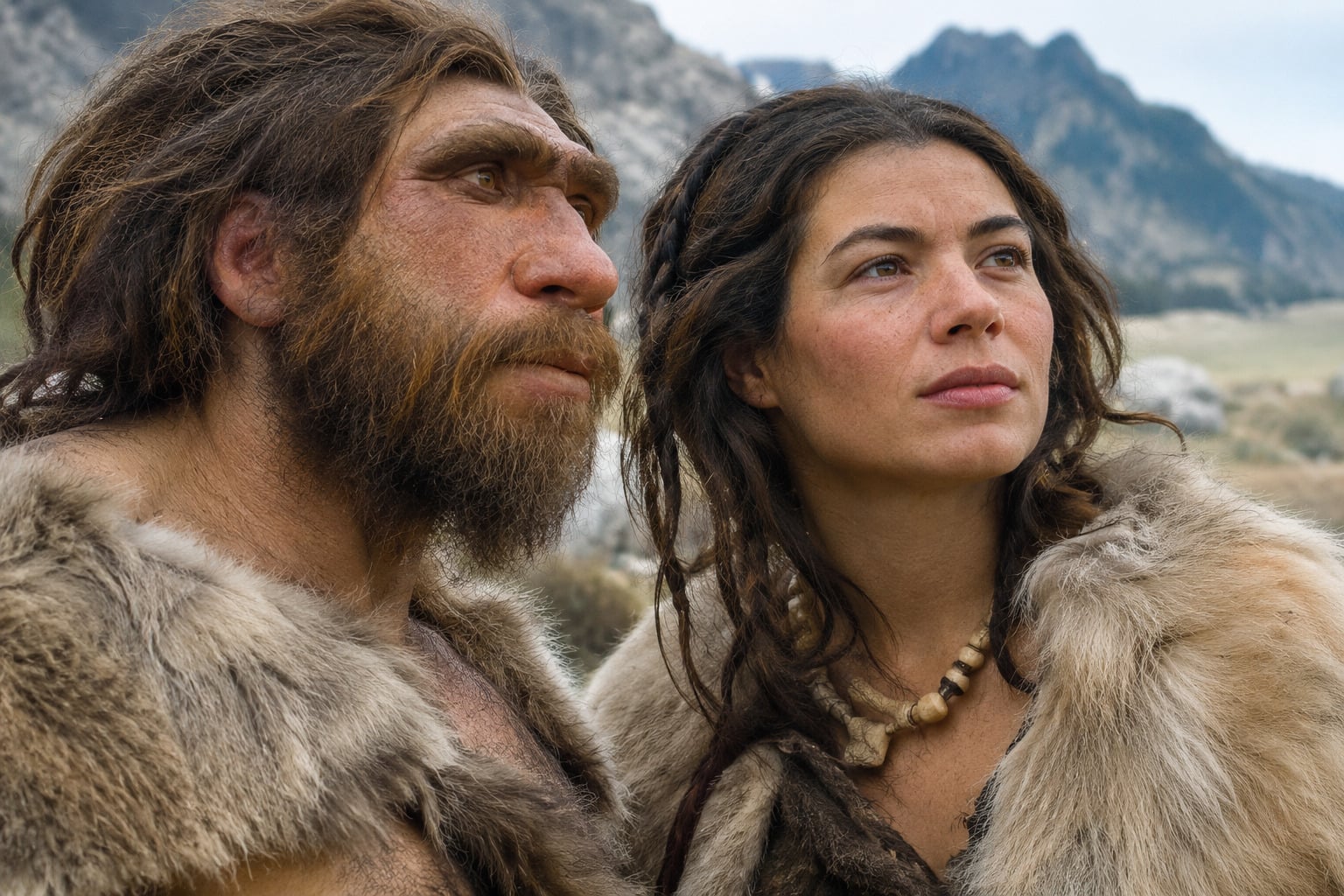
Scientists had long debated whether modern humans and Neanderthals crossed or remained separate populations. In 2010, researchers published a draft that revealed evidence of interbreeding with ancestors of some present-day humans. The findings challenged simple models of human evolution.
Want more interesting content?
– 15 Little-Known Places That Look Like They Belong to Another Planet
– 15 Scientific Facts That Sound Invented But Are Completely True
– 15 Underwater Places That Most People Will Never Get to See