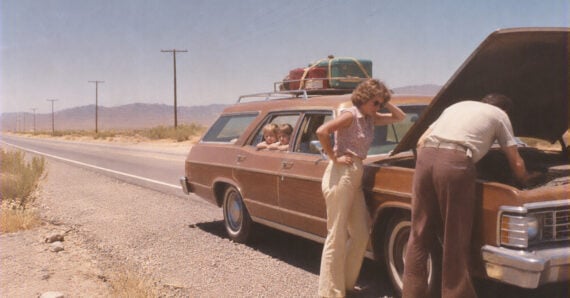
Everyday emergencies before cell phones could turn a minor inconvenience into an hours-long ordeal. A flat tire, a missed ride, or a sudden change of plans meant finding a working telephone, remembering someone’s number, and hoping they were home. There was no quick text to explain what happened, no location sharing, and no easy way to ask for help from wherever you happened to be.
For Americans growing up in the 1970s, 1980s, and 1990s, being unreachable was simply part of everyday life. Families made backup plans, carried spare change, and relied on strangers far more often than people do today. These 15 situations show how much more complicated ordinary emergencies could become when nobody had a phone in their pocket.
1. Getting a Flat Tire on an Empty Highway
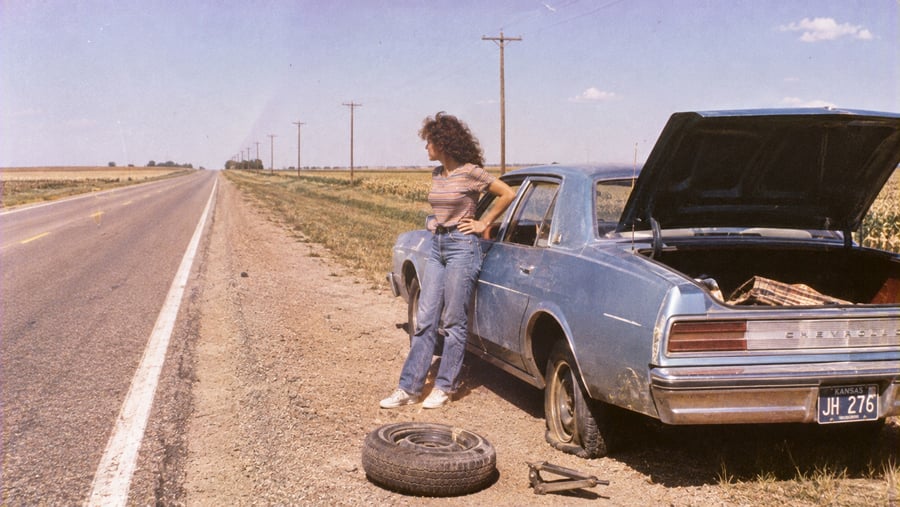
A flat tire was never convenient, but before cell phones, it could leave drivers completely stranded. If the spare tire was missing, the jack was broken, or nobody knew how to change a wheel, the only options might be walking to the nearest gas station or waiting for another driver to stop. On rural highways, that could mean standing beside the car for hours. There was no roadside assistance app, no way to send your location, and no guarantee that anyone would know where you were.
2. Losing Track of Your Parents at the Shopping Mall

Getting separated from your parents in a crowded shopping mall could feel like a full-blown emergency when you were a kid. There was no way to call Mom and ask which store she was in. Children wandered past unfamiliar storefronts, retraced their steps, or approached security guards for help. Sometimes an announcement went out over the mall’s public address system. Even a brief separation could feel endless when every passing adult looked like a stranger, and you had no idea where your family had gone.
3. Running Out of Gas Miles From Home
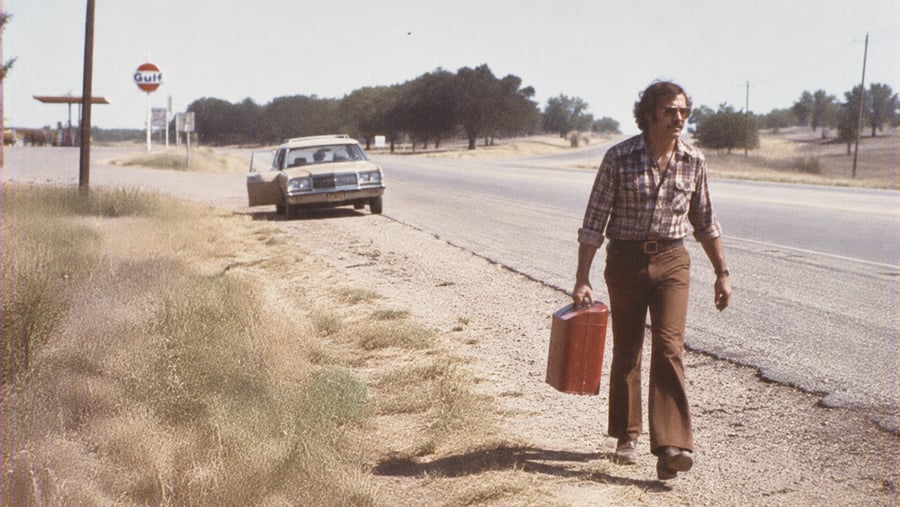
Running out of gas before cell phones meant facing a very practical problem: how far was the nearest gas station, and how were you going to get there? Drivers sometimes had to walk along the shoulder carrying an empty gas can, hoping the next station was open. Others flagged down passing motorists and asked for a ride. If it happened late at night, the situation became even more stressful. A mistake that now takes a few taps to resolve could once derail an entire afternoon.
4. Missing the Person Who Was Supposed to Pick You Up
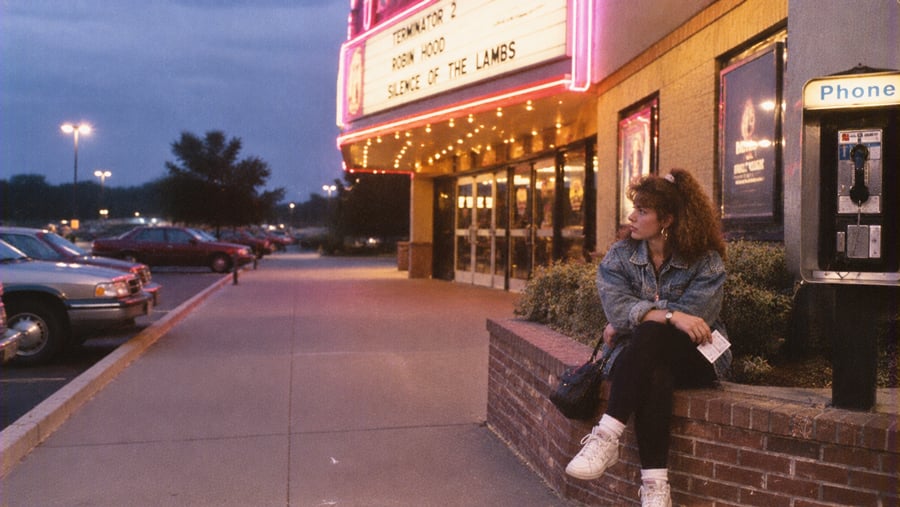
Before cell phones, getting picked up required everyone to be in exactly the right place at the right time. If your ride misunderstood the meeting spot, got stuck in traffic, or simply forgot, there was no way to send a quick message. People waited outside movie theaters, schools, train stations, and shopping centers, watching every approaching car. Eventually, they might search for a payphone and try calling home. The frustrating part was never knowing whether the other person was five minutes away or wasn’t coming at all.
5. Having a Medical Emergency Away From Home
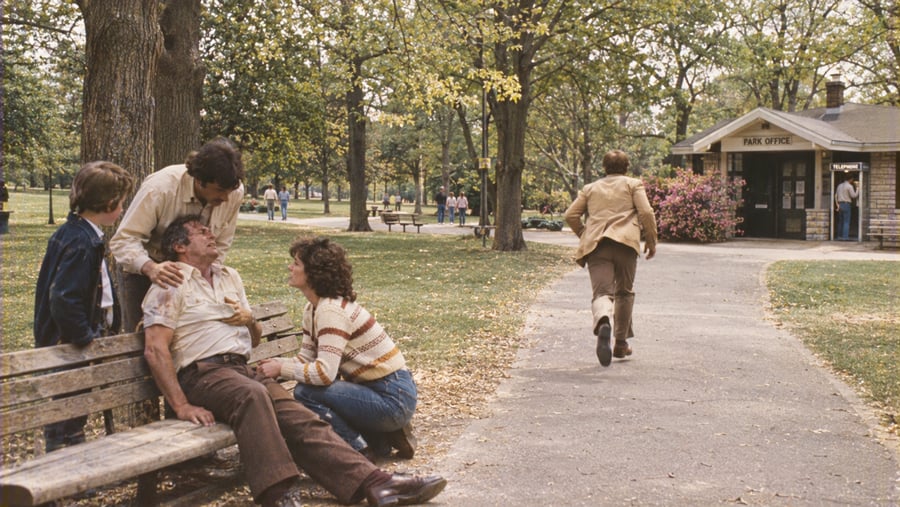
A sudden medical emergency was especially frightening when nobody nearby had a telephone. Someone experiencing severe chest pain, a serious injury, or another urgent problem had to depend on a bystander finding a phone and calling for an ambulance. At parks, beaches, and isolated recreation areas, even contacting emergency services could take precious time. Cell phones didn’t eliminate medical emergencies, but they dramatically changed how quickly someone could request help and provide information about their location.
Trending on Wealth Gang


6. Getting Lost While Driving in an Unfamiliar City
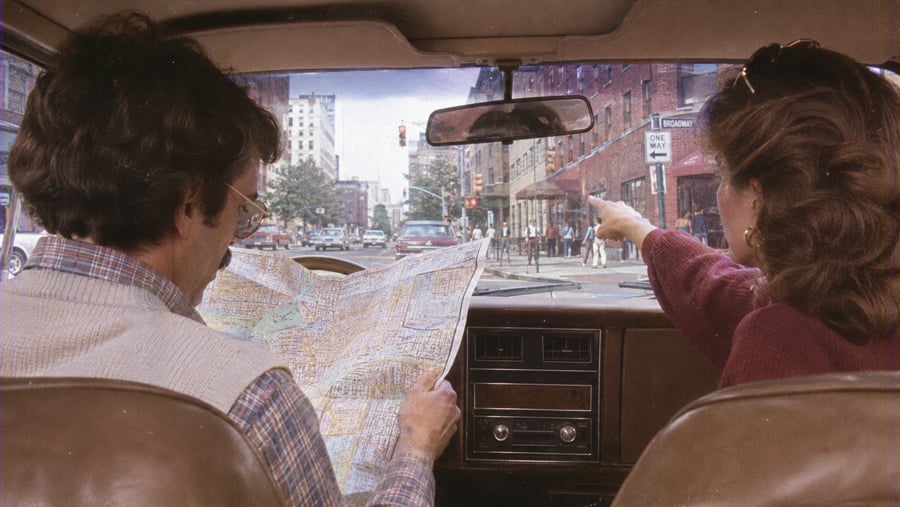
Taking a wrong turn in an unfamiliar city could become surprisingly stressful before digital navigation. Drivers pulled over to study enormous paper maps, searched for recognizable street signs, or stopped at gas stations to ask for directions. If they were already late for an appointment, there was usually no way to notify the person waiting. Getting lost wasn’t just about finding the correct road. It also meant dealing with the possibility that nobody knew where you were or when you would arrive.
7. Discovering Your House Keys Were Missing
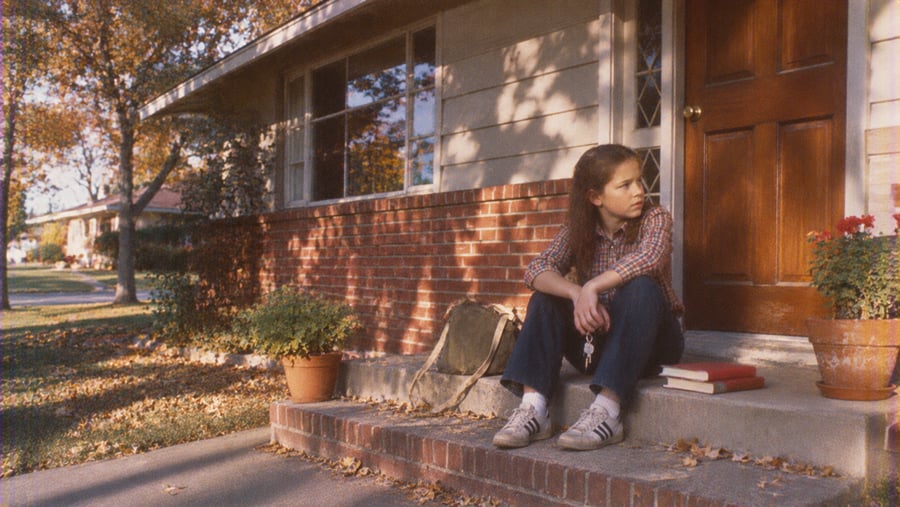
Getting locked out of the house used to require more creativity than calling someone who had a spare key. If nobody was home, people checked whether a neighbor had an extra, searched for a hidden key, or walked to a nearby business to use the telephone. Children arriving home from school sometimes had to wait on the front steps until a parent returned from work. Without a cell phone, even figuring out when someone would be home could be impossible.
8. Being Stranded When the Last Bus Didn’t Arrive
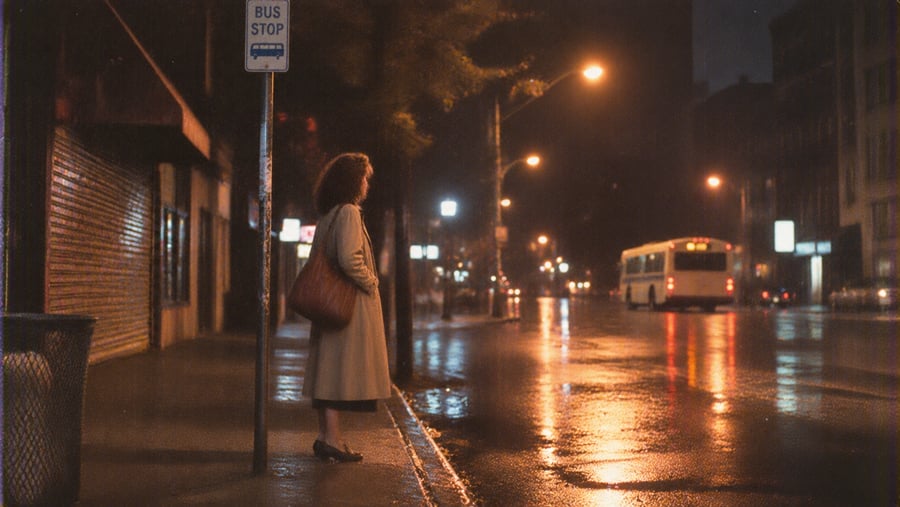
Missing the last bus or discovering that a scheduled service wasn’t running could leave someone with very few options. There was no rideshare app to summon a car, no real-time transit updates, and often no easy way to contact a friend. Travelers might search for a payphone, try to find a taxi, or face a long walk home. At night, an empty bus stop could become an especially uncomfortable place to wait without knowing whether another ride was coming.
Sign up for our newsletter
9. Having Your Car Break Down in the Middle of Nowhere
Wealthgang
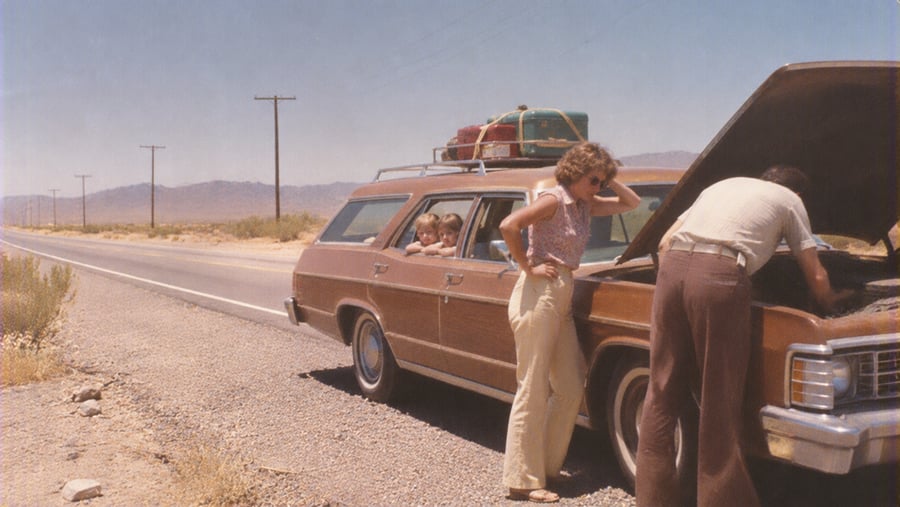
An overheated engine or sudden mechanical failure could leave a family stranded for hours, especially on long highway trips. Parents might raise the hood and hope another driver stopped, while children waited in the back seat with no idea how long the delay would last. Finding a tow truck meant reaching a telephone, explaining where the car was located, and waiting for help to arrive. On isolated roads, even describing the location accurately could be difficult.
10. Needing to Contact Someone During a Family Emergency
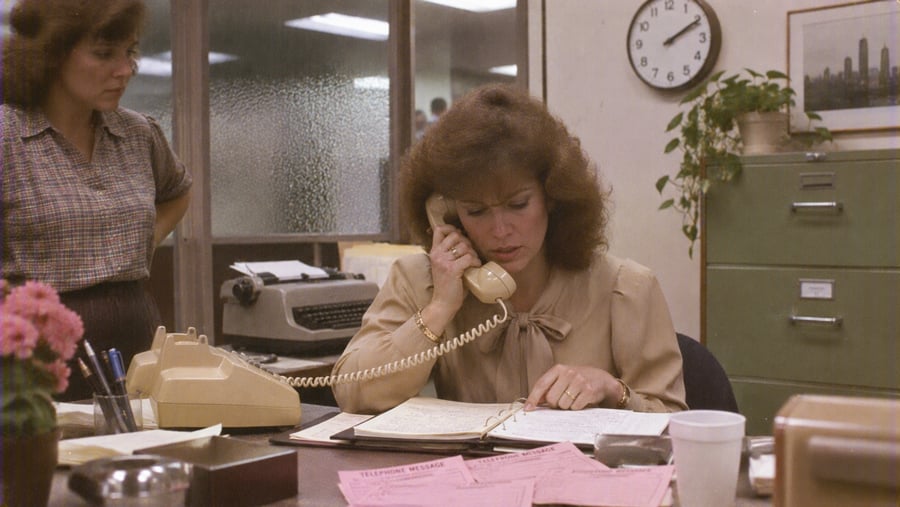
When something serious happened at home, reaching a family member could require several phone calls and a lot of patience. Someone might call an office receptionist, leave a message with a coworker, or contact a restaurant where a relative was supposed to be eating. If the person had already left, the search started again. Before cell phones, people couldn’t always be reached directly, even when the news was urgent. Families often had to rely on an entire chain of strangers to deliver a message.
11. Losing Your Friends at a Crowded Concert

Concerts, festivals, and sporting events were exciting places to gather, but losing your group could quickly ruin the experience. Without cell phones, friends had to agree on a meeting point beforehand and hope everyone remembered it. If someone disappeared into the crowd, finding them might mean searching near the entrance, the concession stands, or the car. At large venues, people sometimes spent the rest of the event looking for each other instead of enjoying what they’d come to see.
12. Having a Bicycle Accident Far From Home
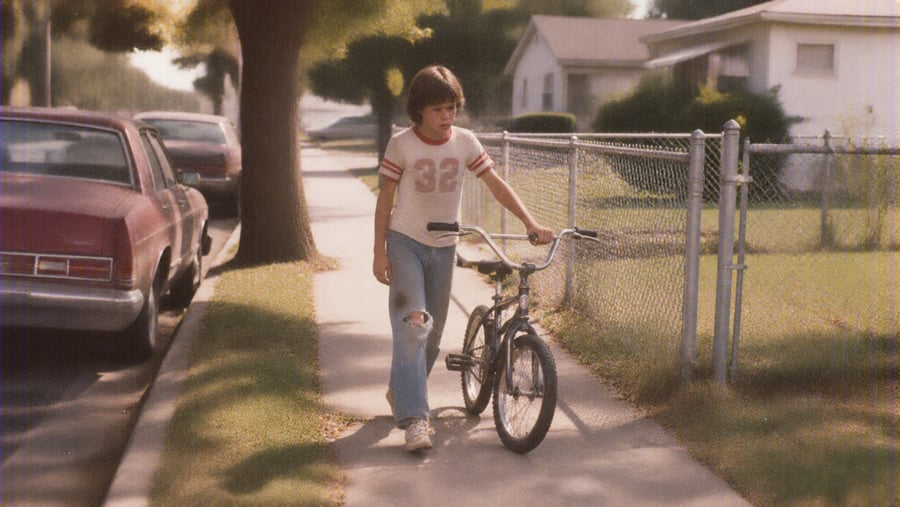
For kids who spent entire afternoons riding bicycles around the neighborhood, a crash could mean more than scraped knees. A bent wheel, broken chain, or painful fall might leave them miles from home without a way to call their parents. They could ask a nearby adult for help, walk the bicycle back, or find a friend’s house with a telephone. Parents often had no idea anything had happened until the child finally returned, sometimes pushing a damaged bike the whole way.
13. Getting Stuck Somewhere During a Sudden Storm
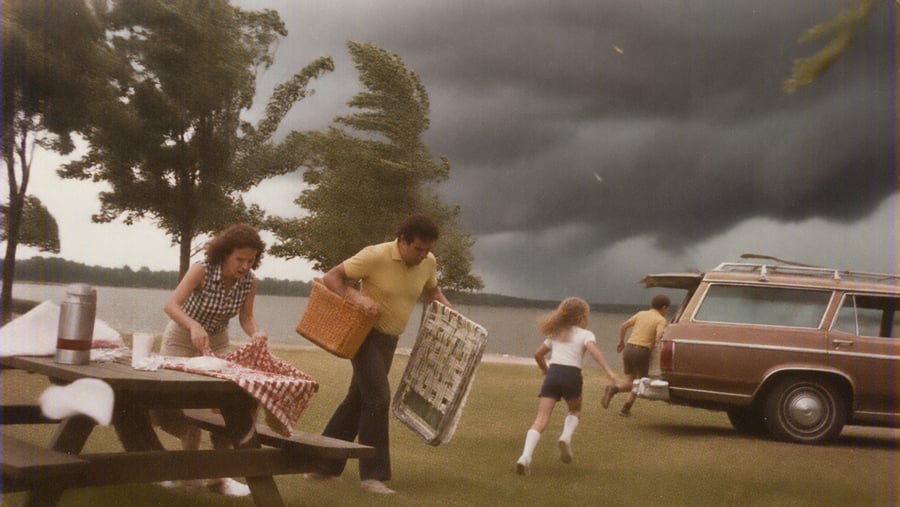
Unexpected storms could turn an ordinary outing into a difficult situation. Someone caught at a beach, campground, or hiking trail couldn’t simply check a live radar map or send a location to family members. Weather forecasts were available through television and radio, but once people left home, updates were limited. A sudden downpour or severe thunderstorm might leave them searching for shelter, trying to find transportation, or waiting until conditions improved before heading home.
14. Finding Yourself Without Money in an Unfamiliar Place
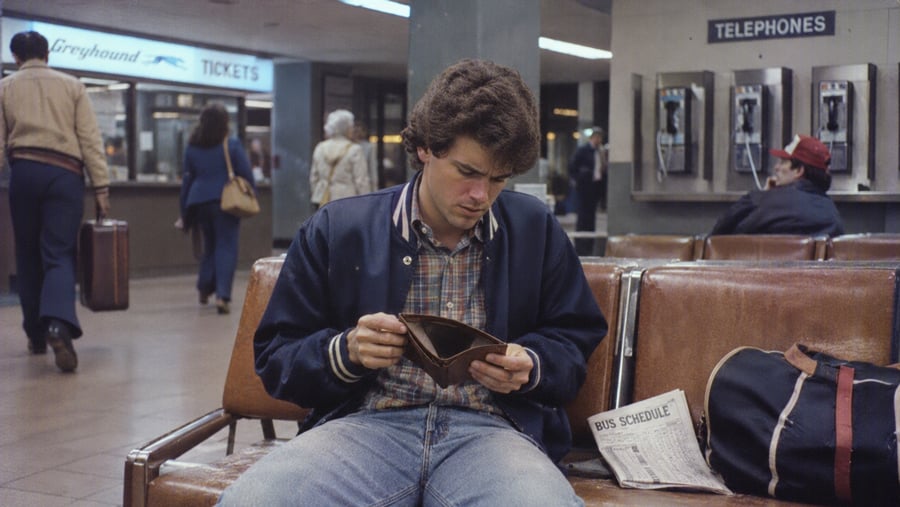
Running out of cash could become a real problem before ATMs were widespread and electronic payments became common. If someone was traveling and discovered that their wallet was missing, they might have to contact family through a payphone, ask a business for help, or find a bank that was still open. Even having money in an account didn’t guarantee immediate access to it. Without a cell phone, reaching someone who could help was another challenge entirely.
15. Being Late and Having No Way to Tell Anyone
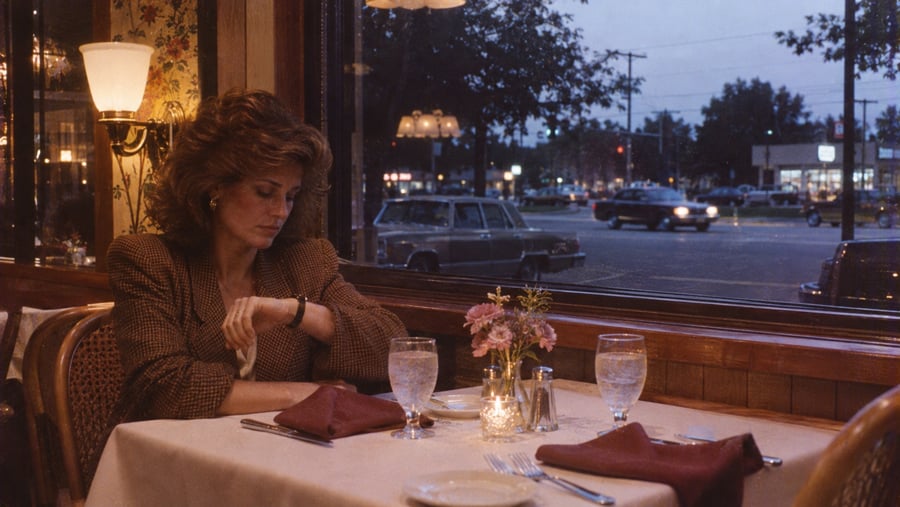
Sometimes the emergency wasn’t dangerous at all. It was simply knowing that someone was waiting for you and having absolutely no way to explain why you hadn’t arrived. Traffic jams, delayed trains, unexpected errands, and broken-down cars could make people miss appointments, dinners, or important family events. Unless they found a payphone, they had to accept that the other person might worry, get angry, or leave. The ability to send a five-second message saying “I’m running late” has quietly eliminated one of the most common frustrations of life before cell phones.
More Related Notes
12 Things Almost Everyone Had on Their First Flip Phone
From custom ringtones to tiny screens, early flip phones had memorable features that defined mobile communication before smartphones took over.
11 Things You Do Differently Since Using Your Phone All Day
Smartphones have quietly transformed everyday routines, from how we communicate to how we spend our free time. These familiar habits reveal just how much has changed.
16 Ways Teens Connected Before Cell Phones
Before texting and social media, teenagers relied on landline calls, handwritten notes, and face-to-face conversations to stay connected with friends.