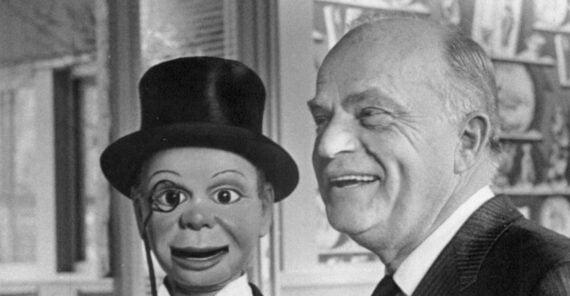
Before television, the radio was the beating heart of the house. Families gathered around console sets the size of furniture, leaning in close as the dial glowed and the announcer’s voice crackled to life. It wasn’t just entertainment; it was a nightly ritual, a shared experience that pulled neighbors, generations, and an entire nation into the same imaginary room.
The Golden Age of Radio, roughly spanning the 1920s through the early 1950s, gave rise to storytelling traditions and larger-than-life personalities that still echo through pop culture today. From accidental national panics to secret codes hidden in cereal box premiums, the era was stranger, funnier, and more inventive than most people remember. Here are 15 fun facts that capture just how magical those years were.
1. Orson Welles Nearly Caused a National Panic
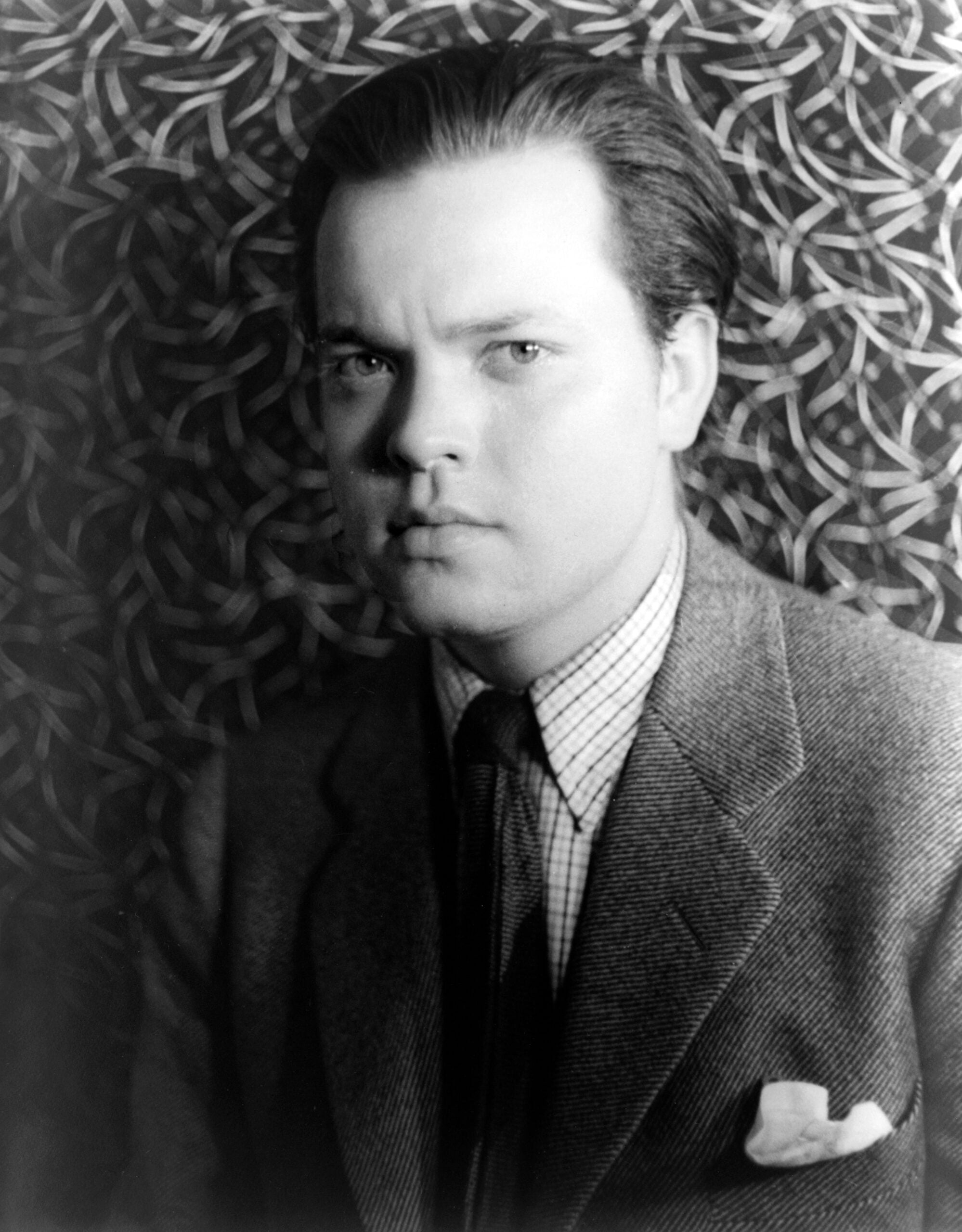
In 1938, Orson Welles and the Mercury Theatre broadcast a dramatized version of H.G. Wells’ The War of the Worlds, formatted to sound like real breaking news bulletins. Some listeners who tuned in late missed the disclaimer and genuinely believed Martians were invading New Jersey. While the scale of the “panic” has since been debated and likely exaggerated by newspapers eager to discredit radio as a competitor, the broadcast remains one of the most legendary moments in media history.
2. Sound Effects Artists Were Unsung Geniuses
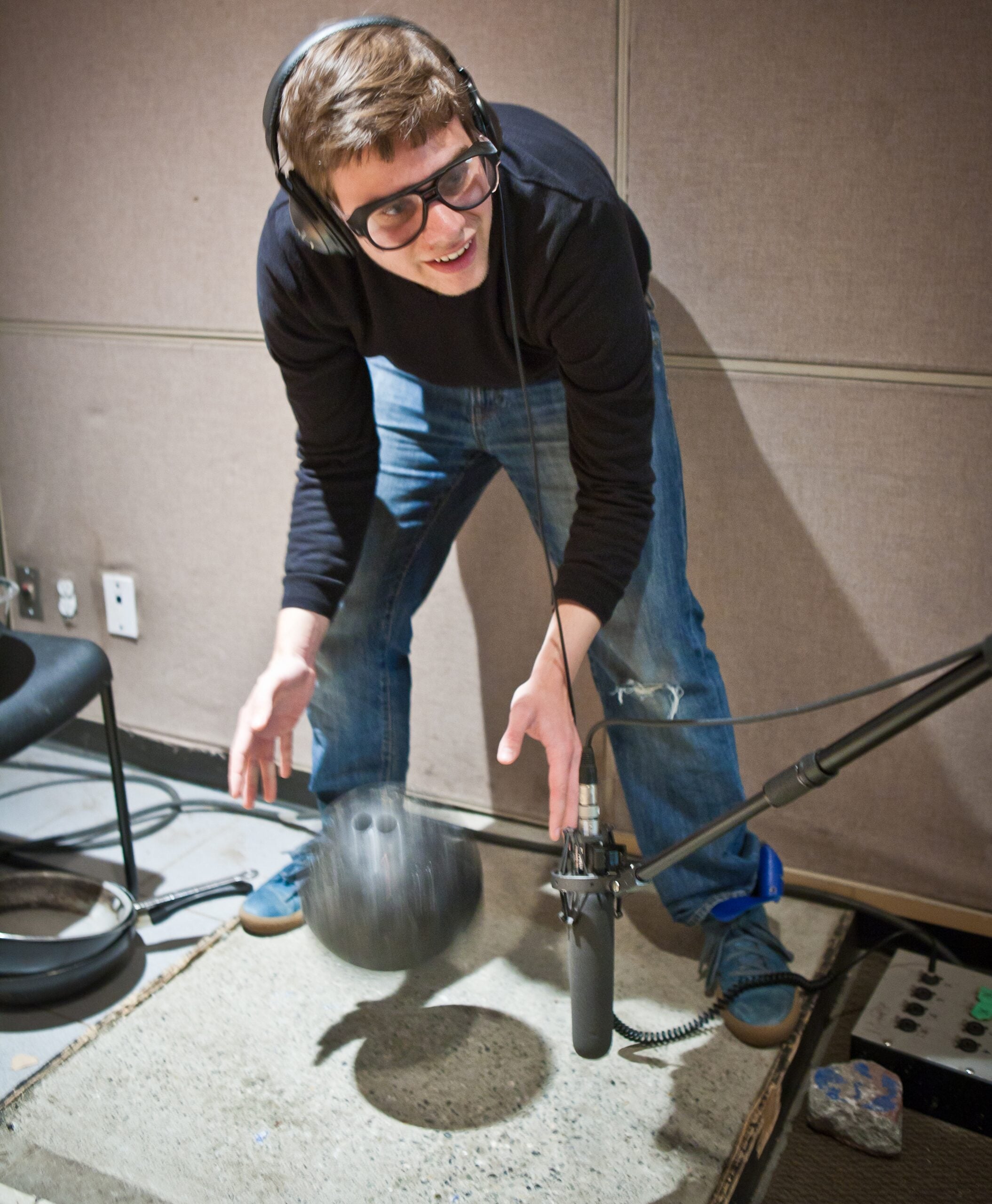
Long before digital audio libraries, sound effects were created live in the studio using bizarre objects. Crumpling cellophane mimicked crackling fire, coconut shells clapped together sounded like galloping horses, and squeezing a leather wallet could recreate the creak of a footstep. These artists worked mere feet from the actors, timing every clink and thud with theatrical precision.
3. Radio Dramas Relied on Voice Acting
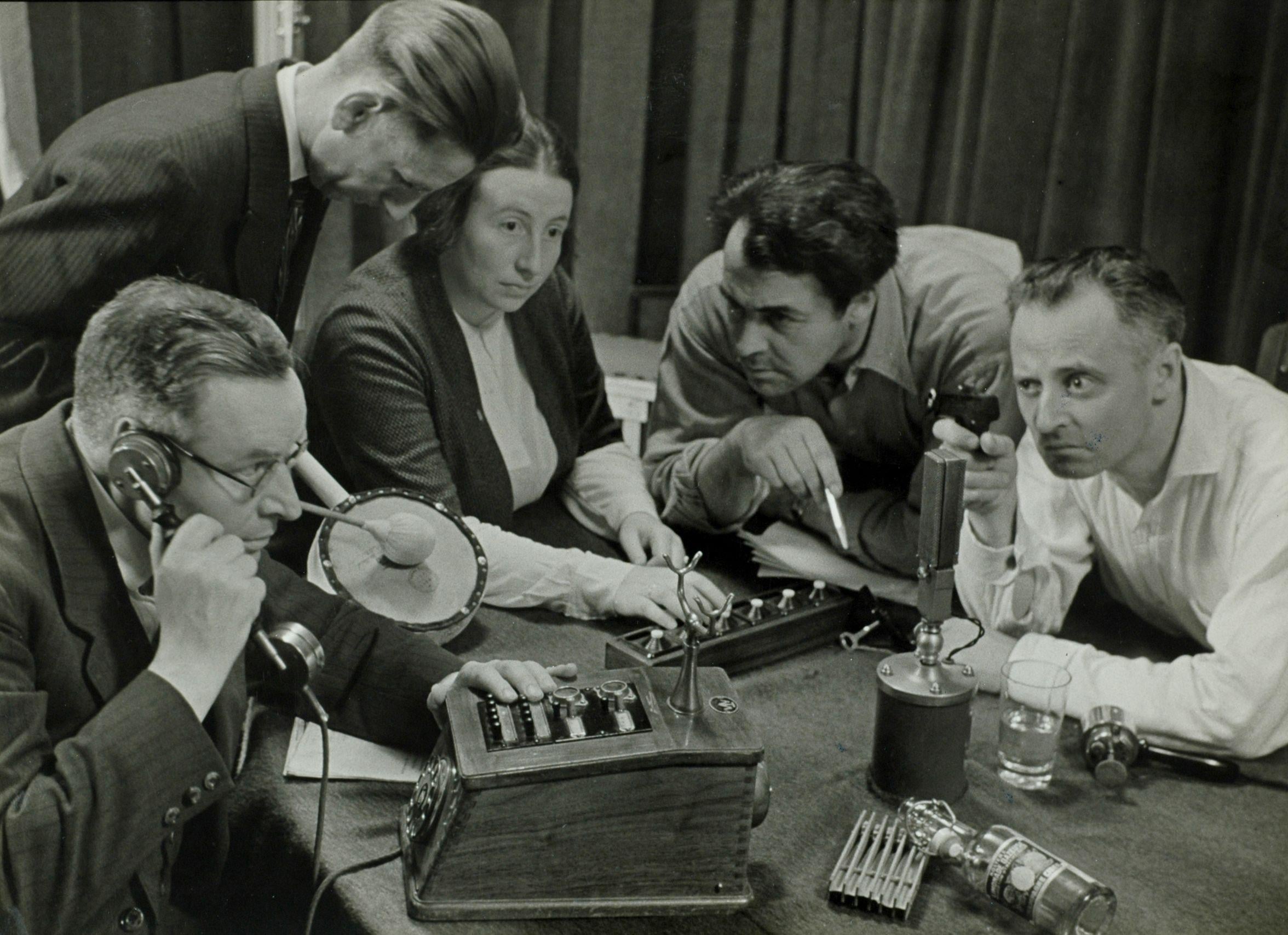
Without visuals, actors had to convey every emotion, age, and character shift through voice alone. Many performers became masters of vocal transformation, playing multiple characters in a single episode by simply altering their pitch, accent, or pacing.
4. Soap Operas Got Their Name From Radio
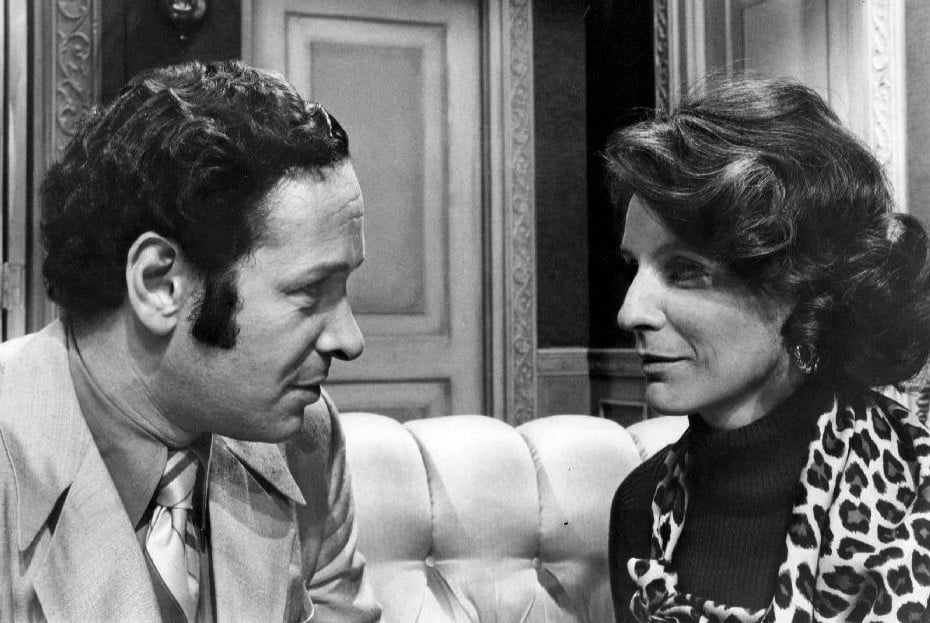
Daytime serial dramas were often sponsored by soap and detergent companies like Procter & Gamble, who used the programs to advertise directly to homemakers. The genre’s slow-burning storylines proved so popular that the term “soap opera” stuck, eventually carrying over into television.
5. Ventriloquist Acts Thrived on Radio
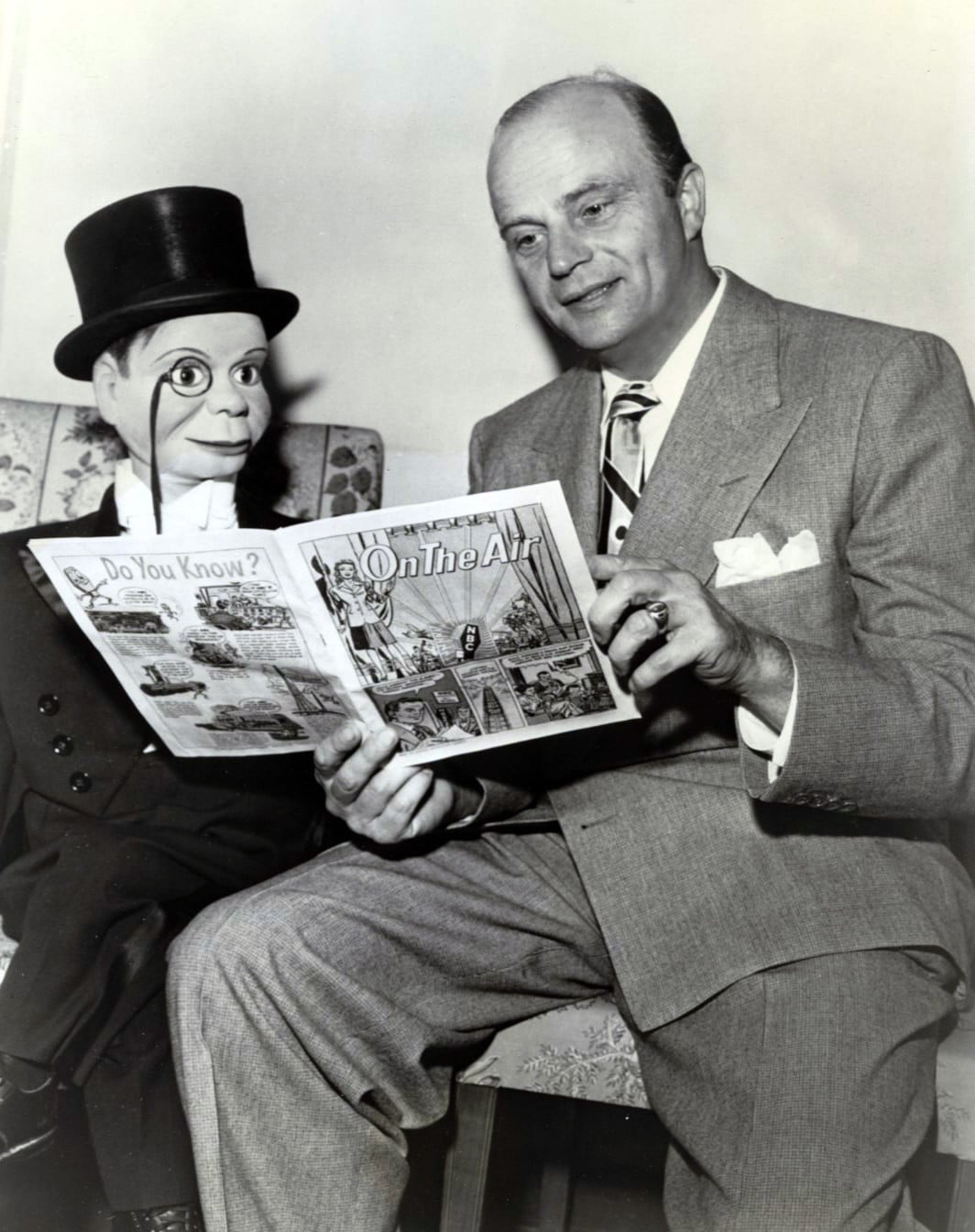
It might seem strange today, but ventriloquist Edgar Bergen and his wooden dummy Charlie McCarthy became one of the biggest acts on radio. Since listeners couldn’t see Bergen’s lips move anyway, the format worked perfectly, and Charlie McCarthy became a beloved celebrity.
Trending on Wealth Gang
6. Radio Gave Us the First “Binge-Worthy” Content
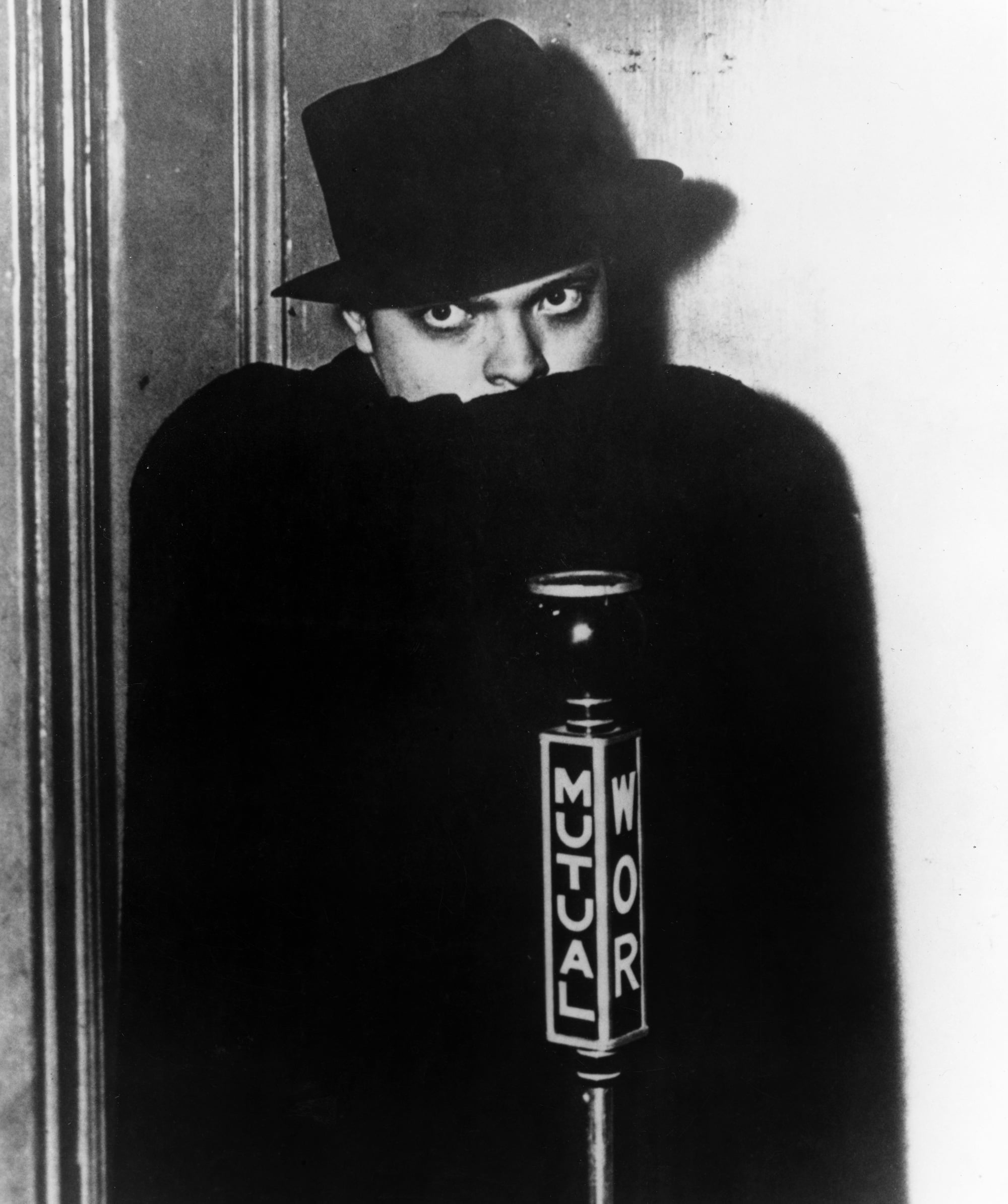
Serialized programs like The Shadow, Little Orphan Annie, and The Lone Ranger kept listeners coming back night after night with cliffhanger endings.
7. Cereal Companies Used Radio for Secret Codes
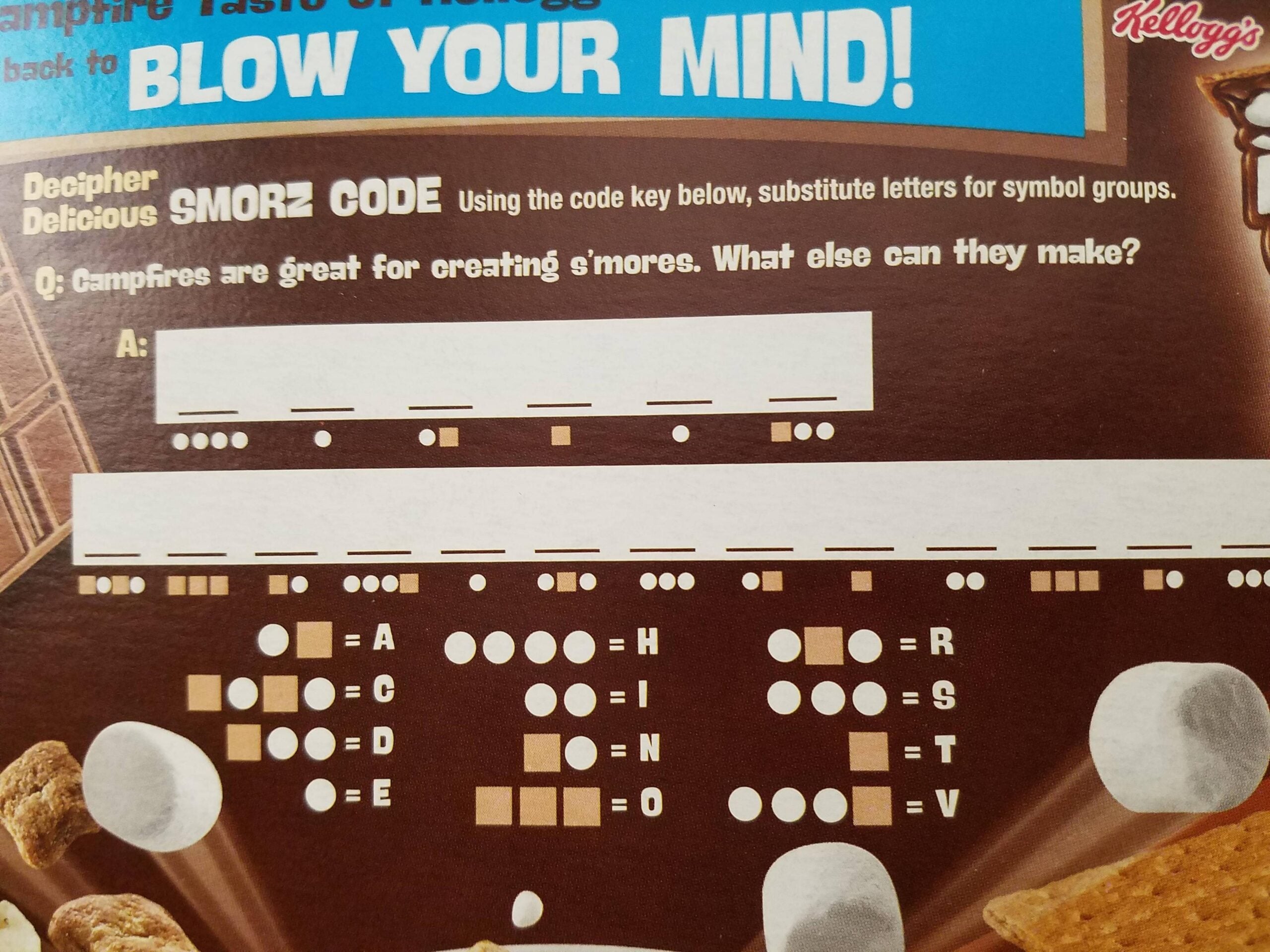
Kids could mail away for decoder rings and pins advertised during their favorite radio adventure shows, then use them to decipher secret messages broadcast at the end of each episode. It was a brilliant form of interactive marketing.
8. Live Studio Audiences Were Common
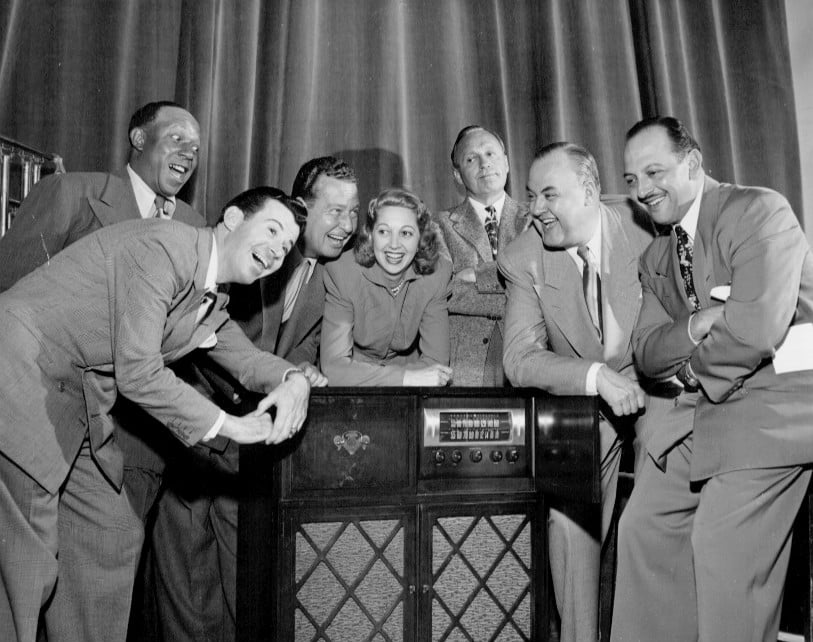
Programs like The Jack Benny Program and Fibber McGee and Molly were performed in front of live audiences, whose genuine laughter became part of the broadcast. This gave radio comedy a spontaneous and theatrical energy.
Sign up for our newsletter
9. Radio Stars Were as Famous as Movie Stars
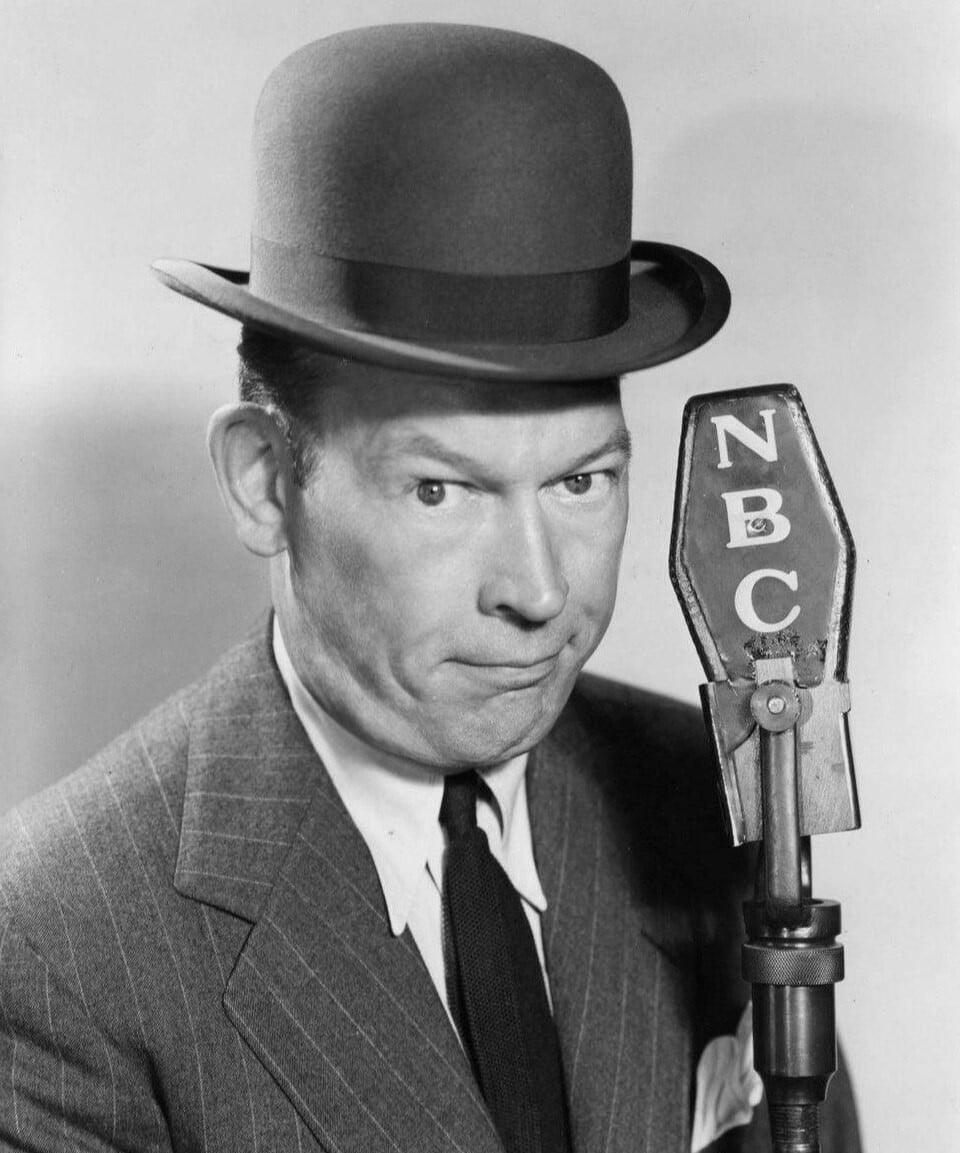
Performers like Bing Crosby, Jack Benny, and Fred Allen commanded massive followings purely through voice, without audiences ever needing to see their faces.
10. News Broadcasting Was Transformed by Radio
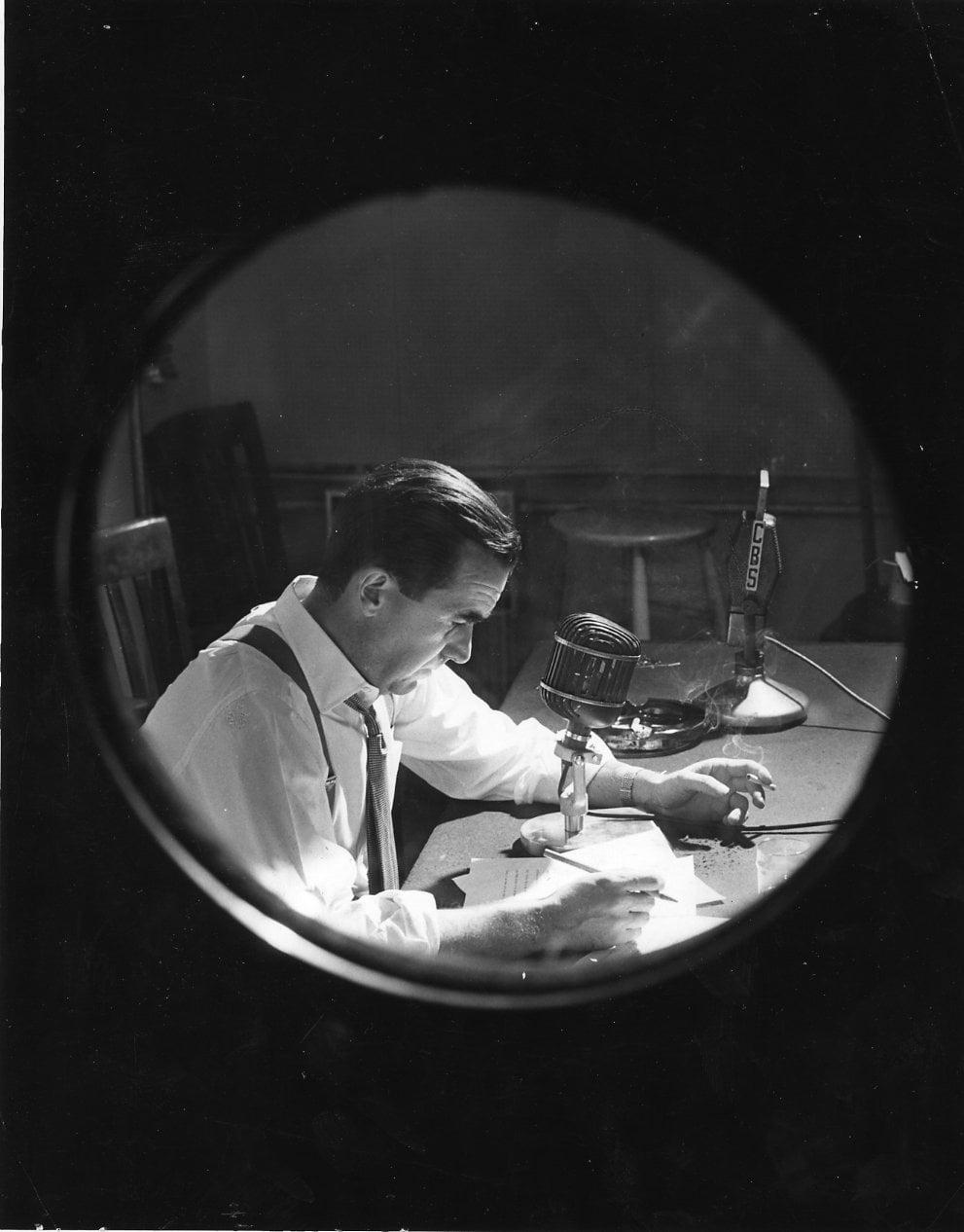
Radio allowed news to travel faster than newspapers ever could, and reporters like Edward R. Murrow brought listeners directly into major world events, including live broadcasts from London during World War II. His famous opening line, “This is London,” became instantly recognizable to millions tuning in from home.
11. Radio Standardized American English
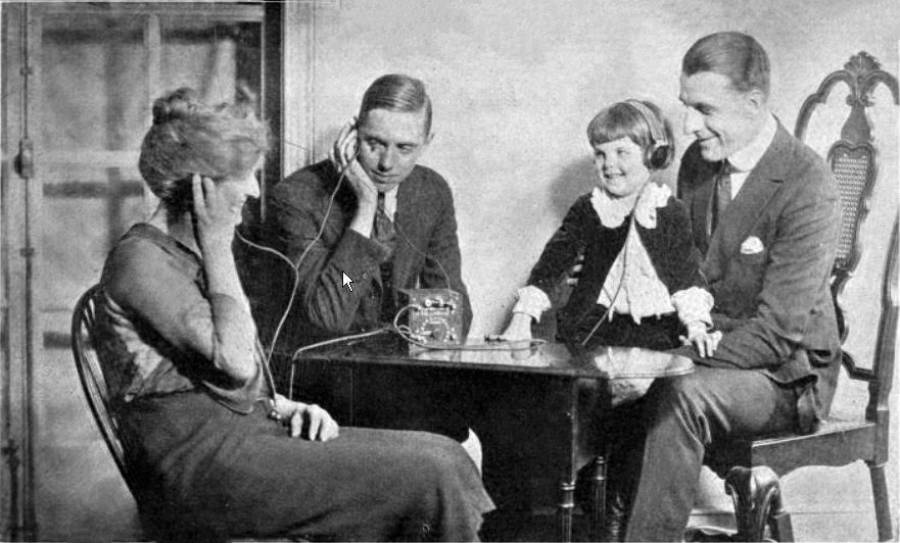
Because broadcasts reached listeners across the entire country, announcers were often trained to speak in a neutral, accent-free style known as “Broadcast Standard” or “Mid-Atlantic” English. This helped shape a shared sense of national pronunciation.
12. Comedy Duos Dominated the Airwaves
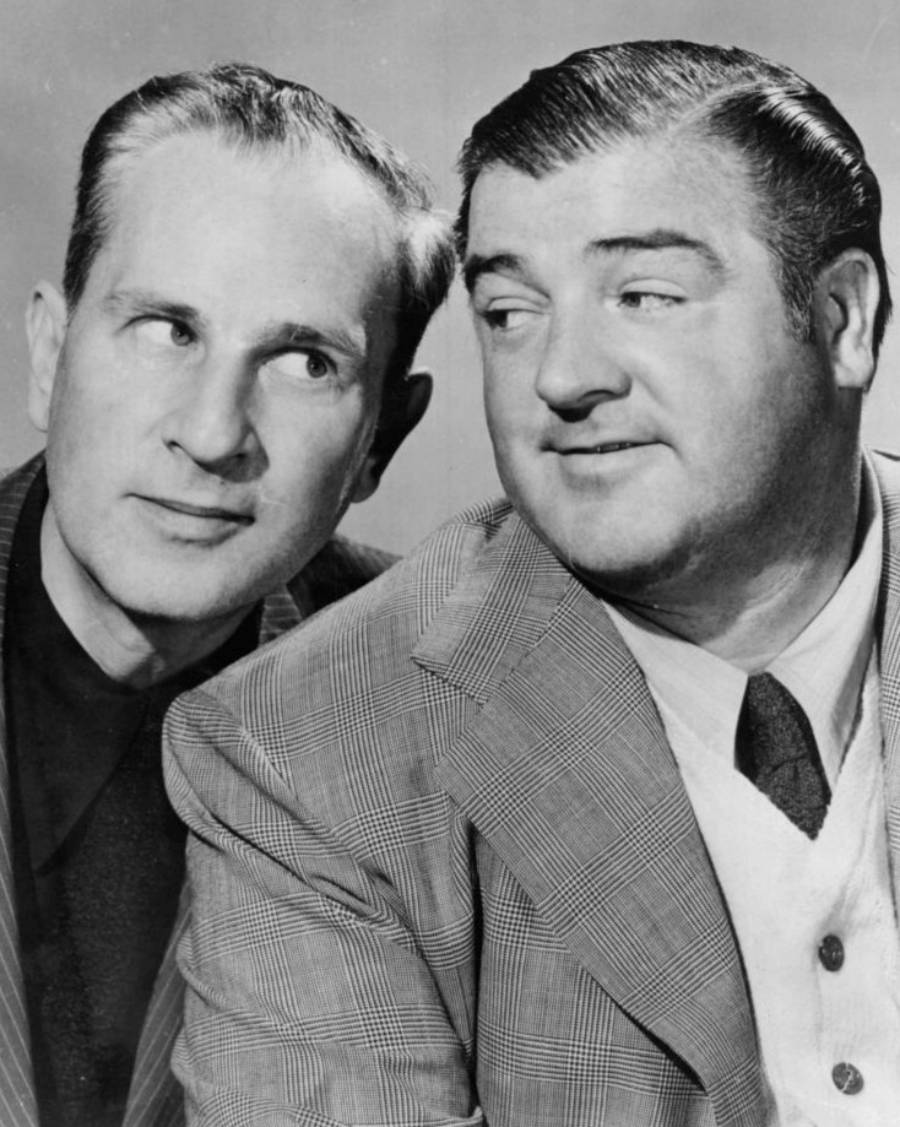
Double acts like Abbott and Costello brought rapid-fire, rhythmic banter to radio, a format perfectly suited to audio since it relied on timing and wordplay rather than visual gags. Their famous “Who’s on First?” routine became one of the most beloved comedy bits of the era.
13. Radio United the Country During Hard Times
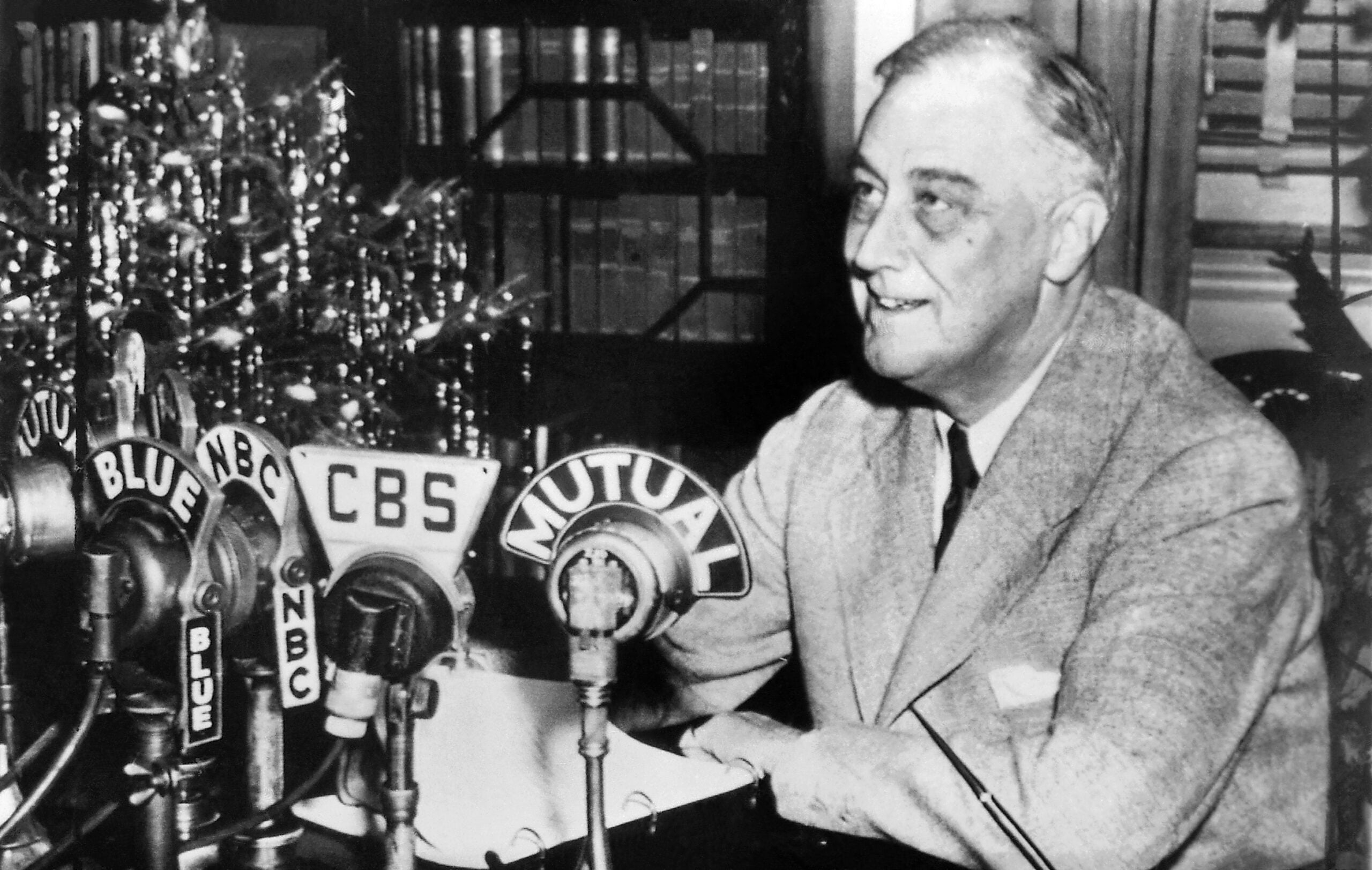
During the Great Depression, radio offered free entertainment at a time when families could not afford movie tickets or other luxuries. President Franklin D. Roosevelt famously used the medium for his “Fireside Chats,” speaking directly and calmly into American homes.
14. Some Shows Were Broadcast Live
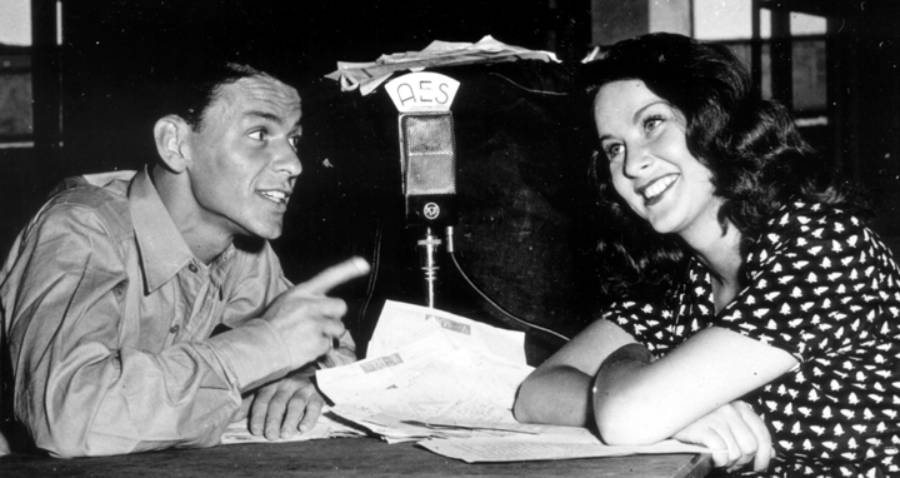
There was no editing, no retakes, and no safety net. If an actor flubbed a line or a sound effect came in a beat too late, it aired exactly as it happened.
15. Television Transformed Radio
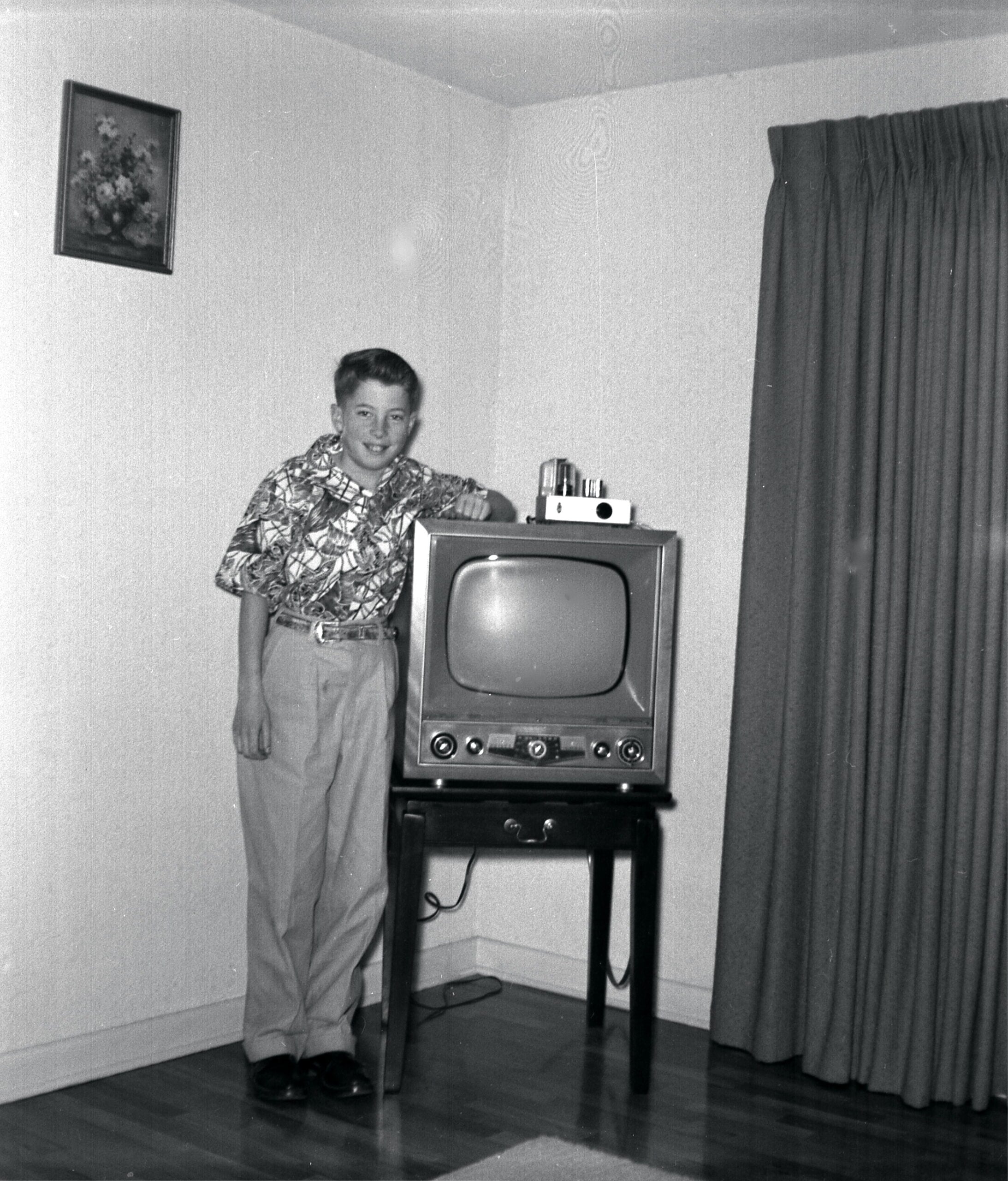
As television rose to prominence in the 1950s, radio didn’t disappear; it evolved. Comedy and drama largely migrated to TV, while radio reinvented itself around music, talk shows, and news, a format that still defines much of the medium today.
More related articles:
Check out 15 Inventions That Changed How We Experience Music to see how the phonograph, the Walkman, and the smartphone each reshaped the way we listen. Then dive into 15 Music Facts That Sound Fake But Aren’t for the strange-but-true stories behind songs like “Bohemian Rhapsody”. And for a look at where music and money truly collide, don’t miss 10 of the Most Expensive Musical Instruments in the World, featuring a $20 million Stradivarius cello and Paul McCartney’s legendary Höfner bass.