Some places on Earth still have no one living there. Some are covered in ice, while others are surrounded by dangerous waters, have very little fresh water, or are too far away. Even with modern technology, living in these places would be very difficult.
Many of these locations have been visited by scientists and explorers, but they remain empty without permanent residents. Let´s dive into 14 fascinating places around the world where nature remains largely untouched by human life.
1. Bouvet Island
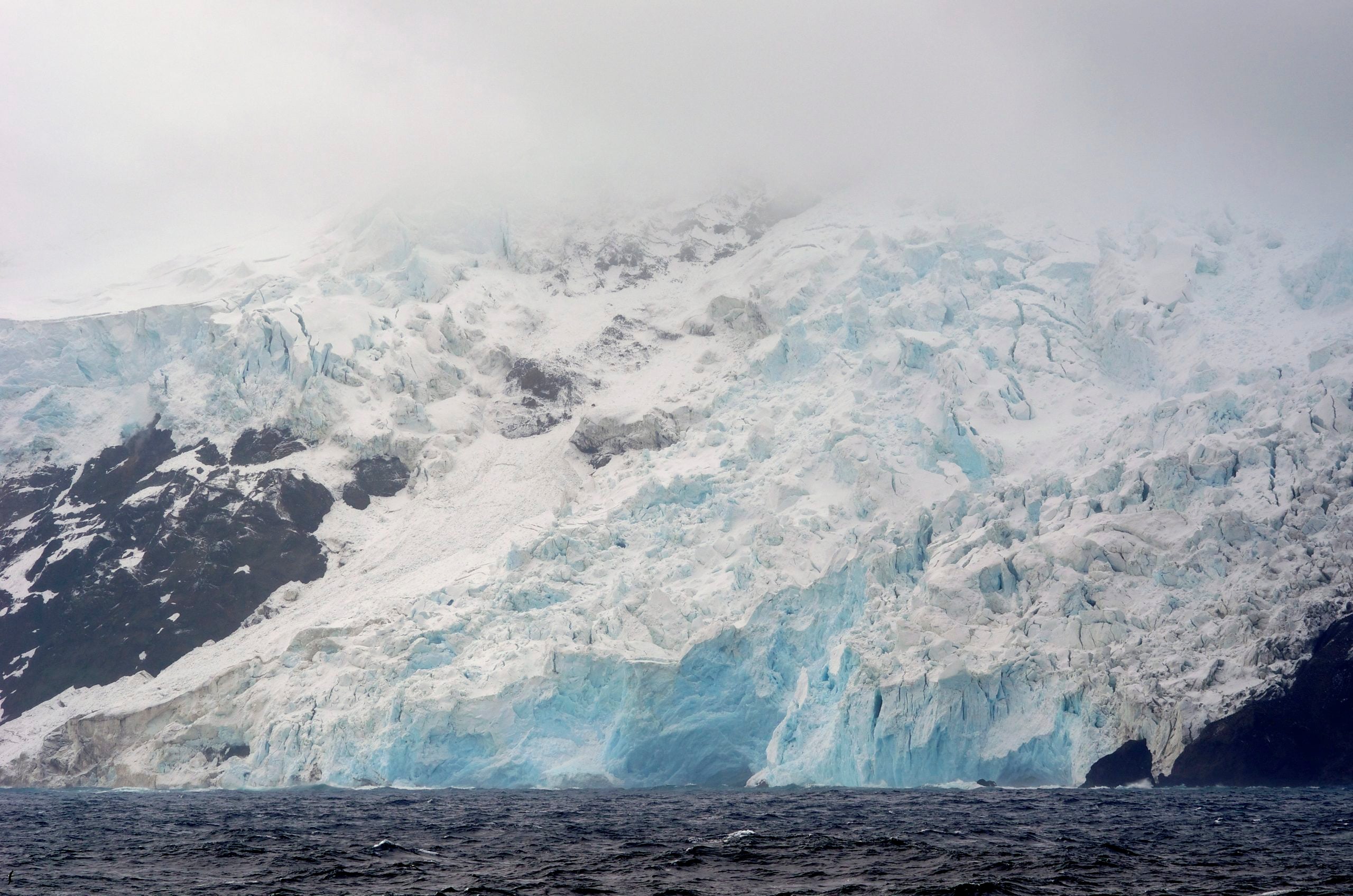
Bouvet Island, Norway, is one of the most remote islands in the world, located in the South Atlantic Ocean. Much of the island is covered in ice, and its cliffs and seas make it very difficult to reach. The weather is often cold and stormy, and there are no towns, roads, or permanent residents. Penguins, seals, and seabirds live on the island.
2. Devon Island
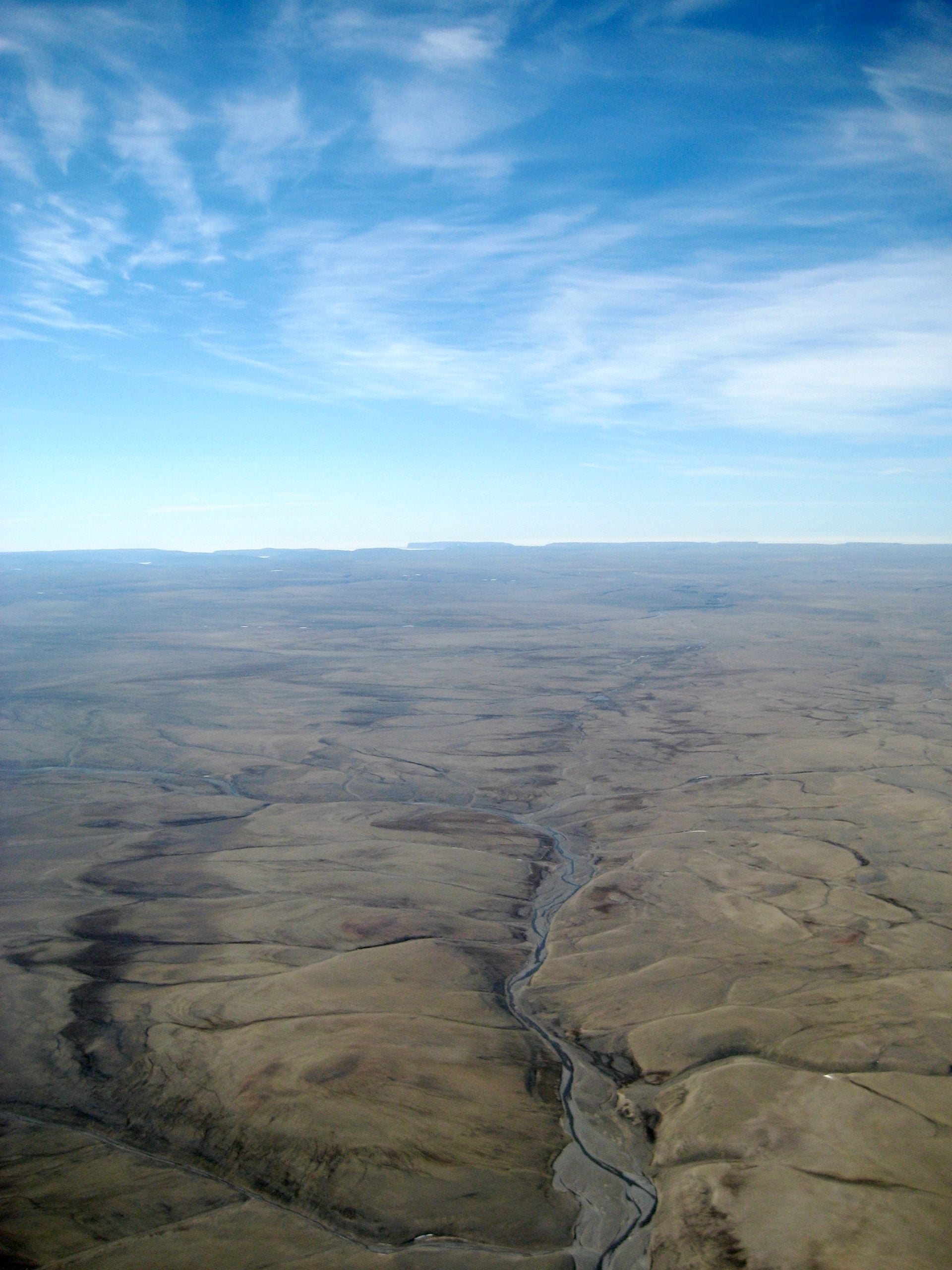
Devon Island is located in northern Canada and is the largest uninhabited island in the world. It has areas of bare rock, frozen ground, and ice-covered mountains. Temperatures can drop very low, and the short summers make it difficult for plants to grow. Although scientists sometimes visit the island, its harsh weather and remote location make it a very difficult place to live.
3. Surtsey, Iceland
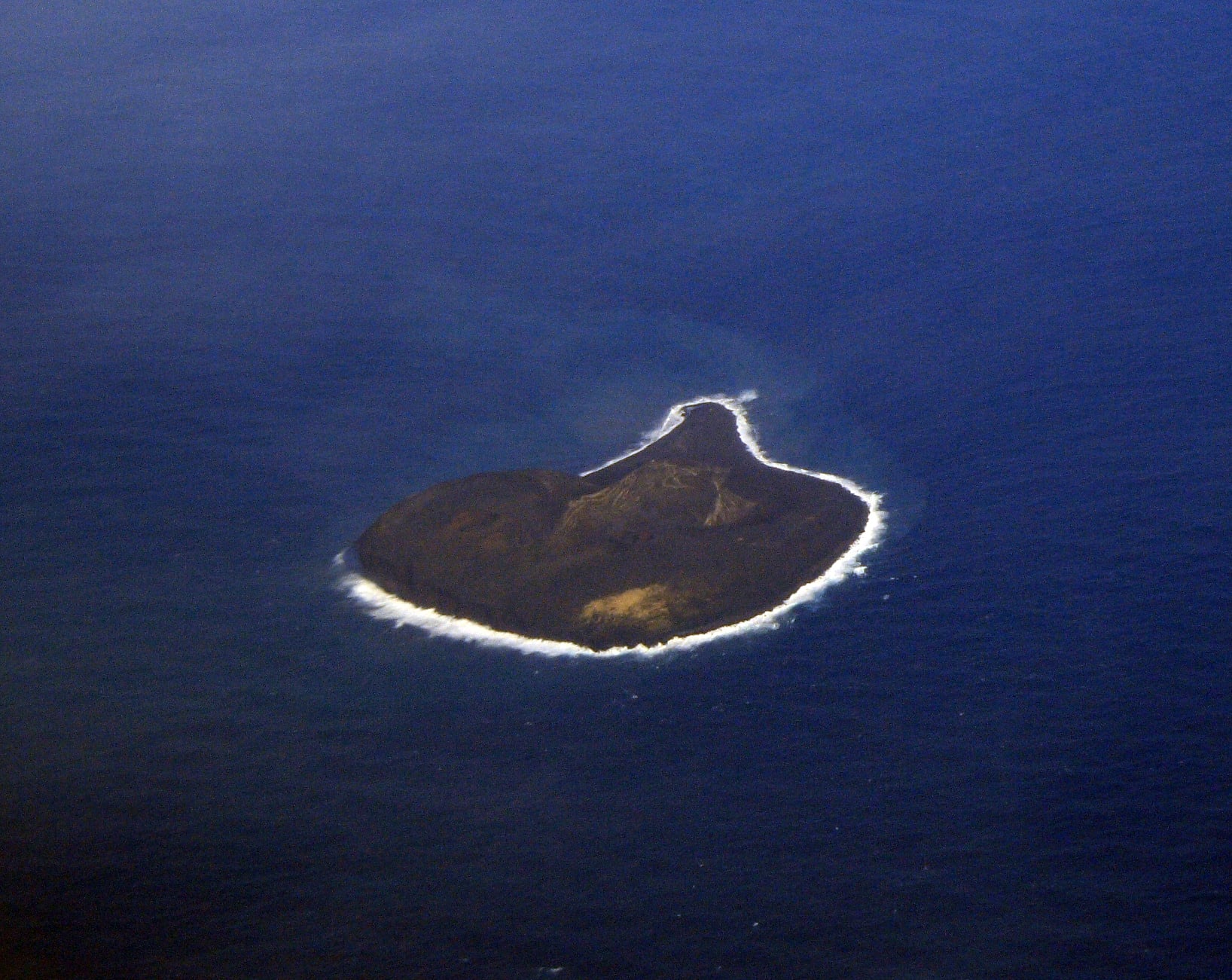
Surtsey is a small island that formed after an underwater volcanic eruption near Iceland. Because the island is so young, scientists study it to learn how plants and animals begin to live in a place where there was once only ocean. People are not allowed to visit it freely.
4. Heard Island, Australia
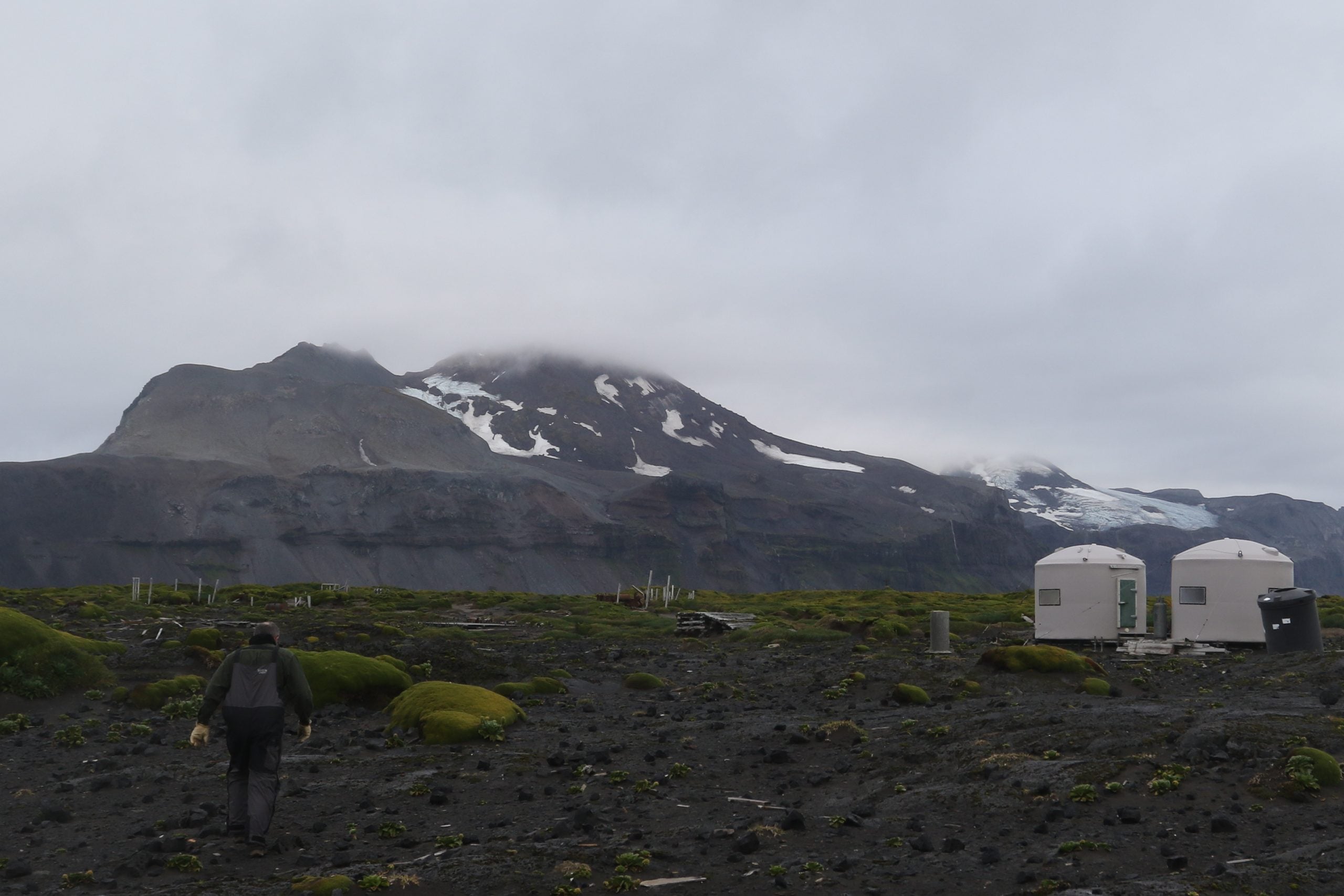
Heard Island lies in the southern Indian Ocean. It has large glaciers, mountains, and an active volcano called Big Ben. The weather is cold, wet, and windy for much of the year, making everyday life extremely difficult. The island is home to penguins, seals, and seabirds. Only a small number of research teams visit this remote place.
5. Clipperton Island
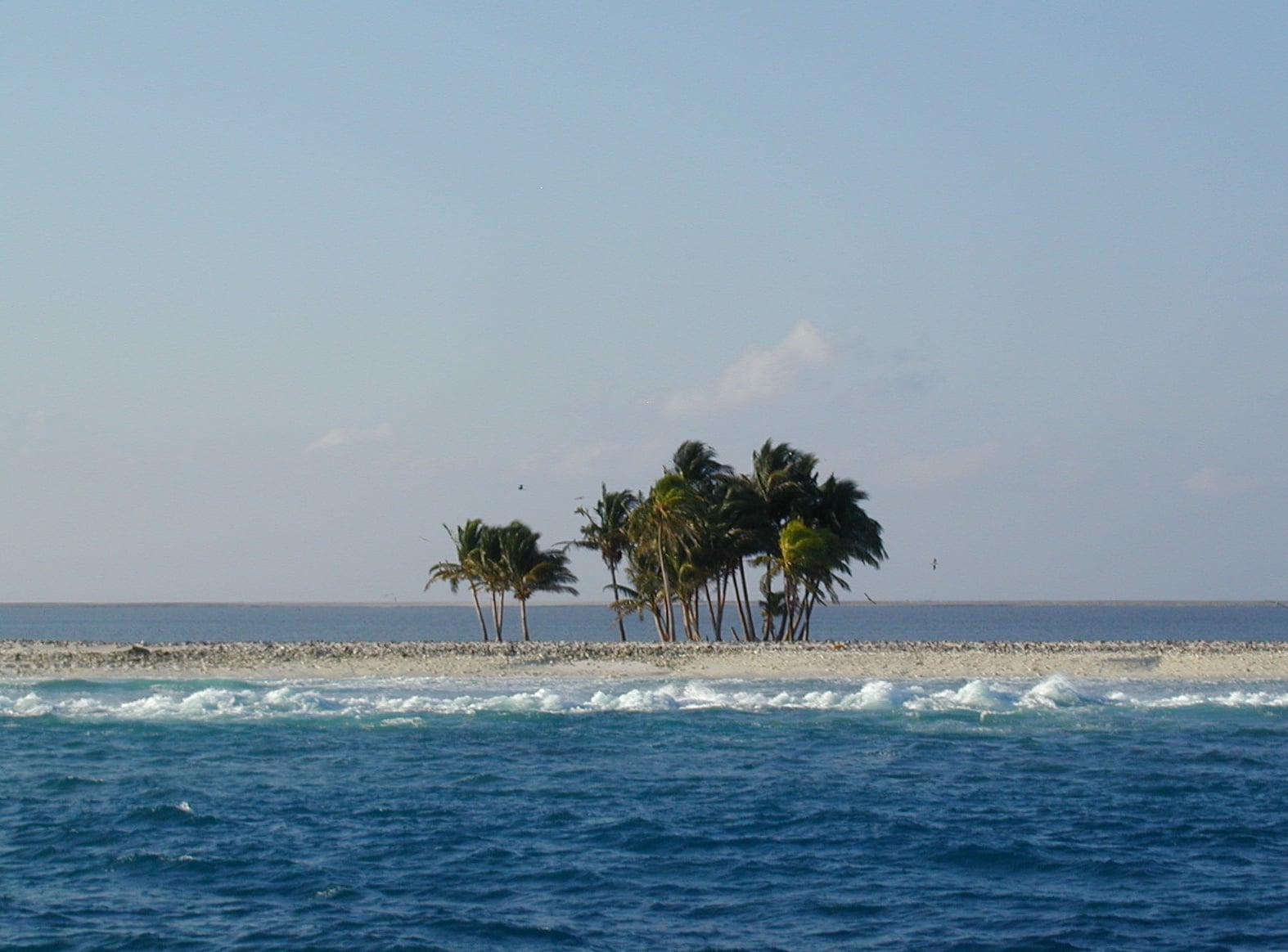
Clipperton Island is a small island in the Pacific Ocean, far from the coast of Mexico. It has a lagoon in the middle and is surrounded by coral reefs. The island has few resources to support a community. People have tried living there in the past, but it did not last.
Trending on Wealth Gang


6. Kaffeklubben Island, Greenland
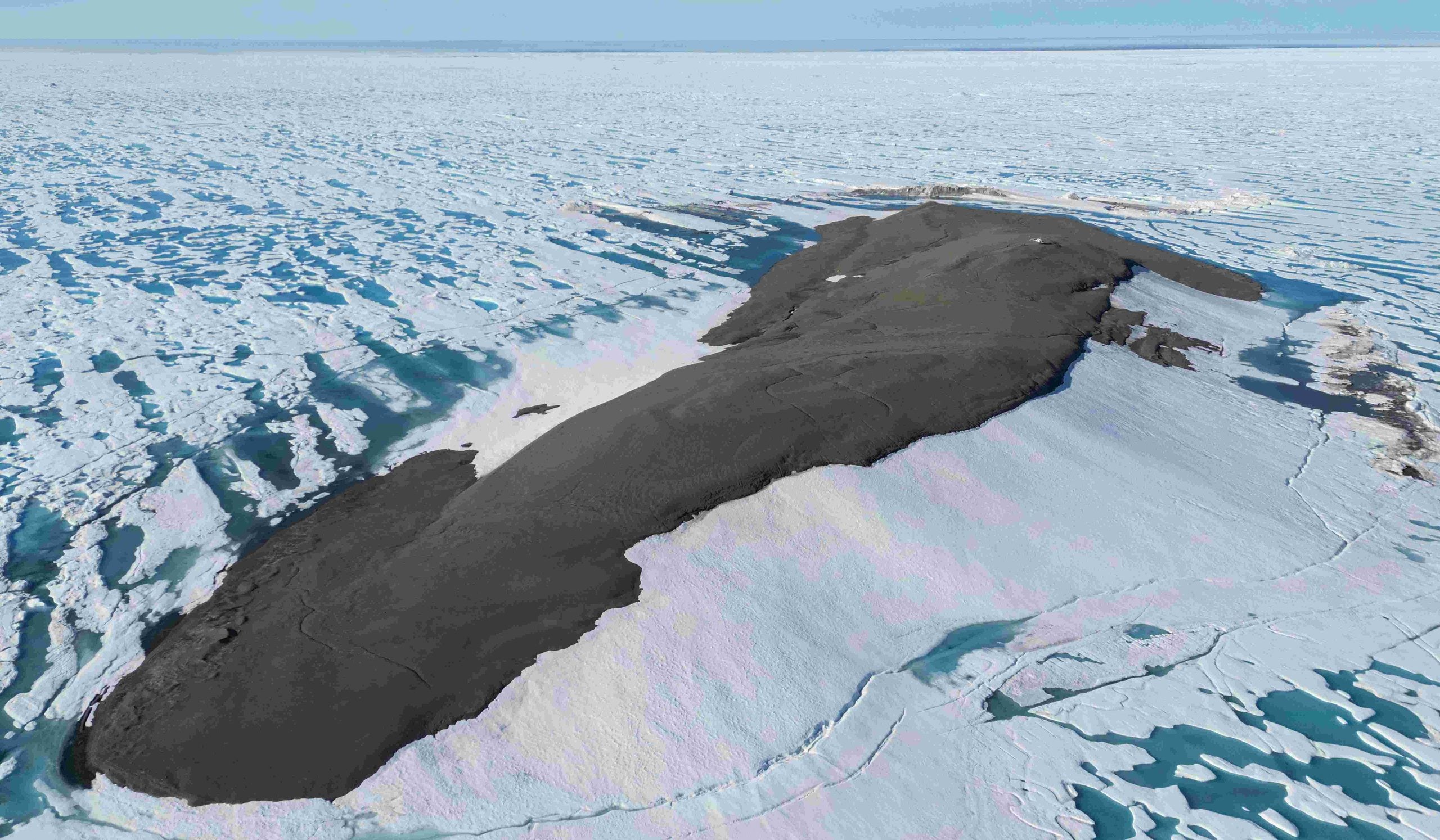
Kaffeklubben Island is a small piece of land near Greenland and is known as the northernmost undisputed natural island on Earth. It is surrounded by cold Arctic waters and sea ice, with freezing temperatures and strong winds. The island is rocky, has very little plant life, and offers almost no resources for people to use.
7. Northeast Greenland National Park
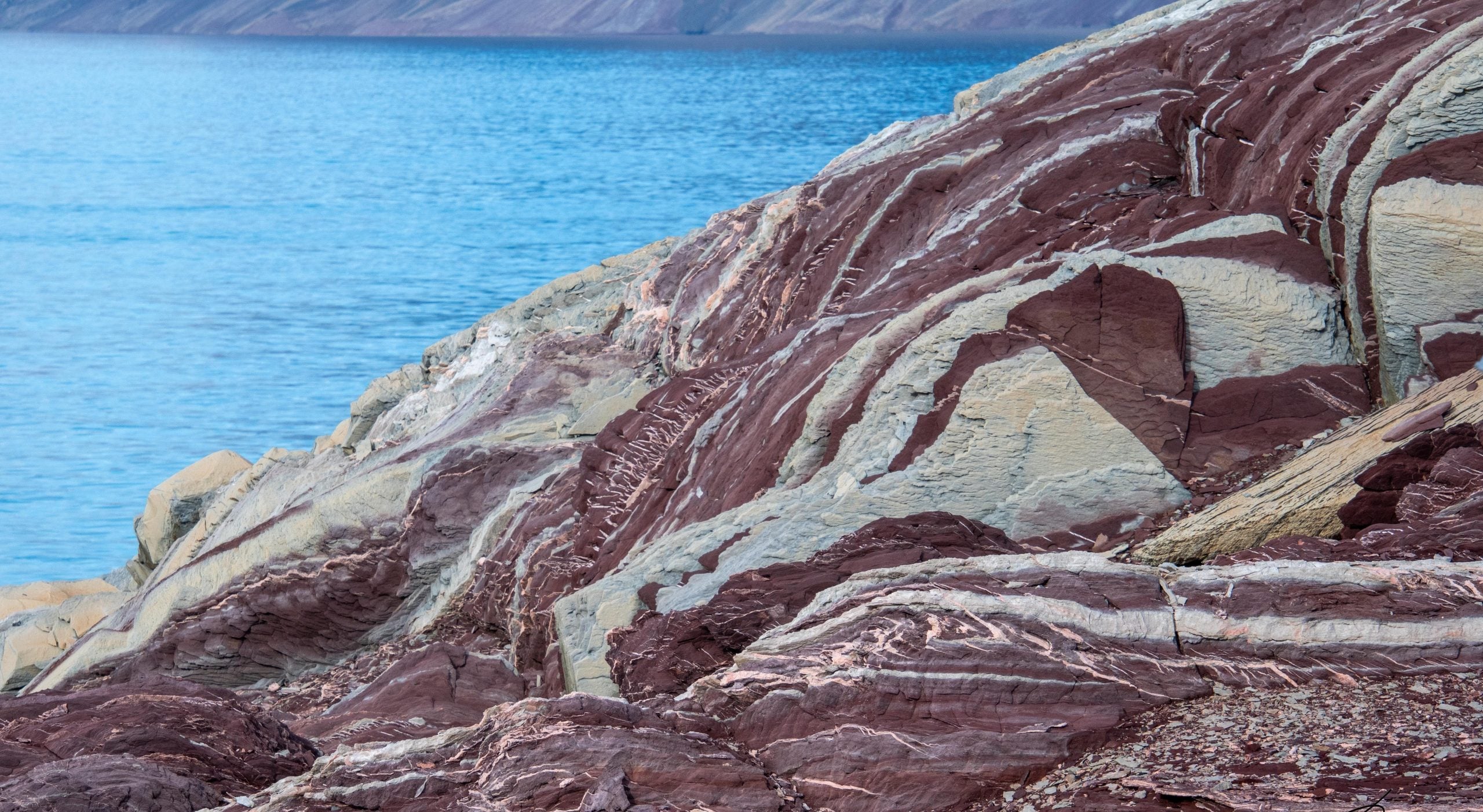
Northeast Greenland National Park is one of the biggest national parks in the world. It covers a huge area filled with glaciers, mountains, and deep fjords. The weather is extremely cold, and many parts of the park are far from roads, shops, and medical services. There are no permanent civilian communities. Musk oxen, Arctic foxes, and other animals live here.
8. Ball’s Pyramid, Australia
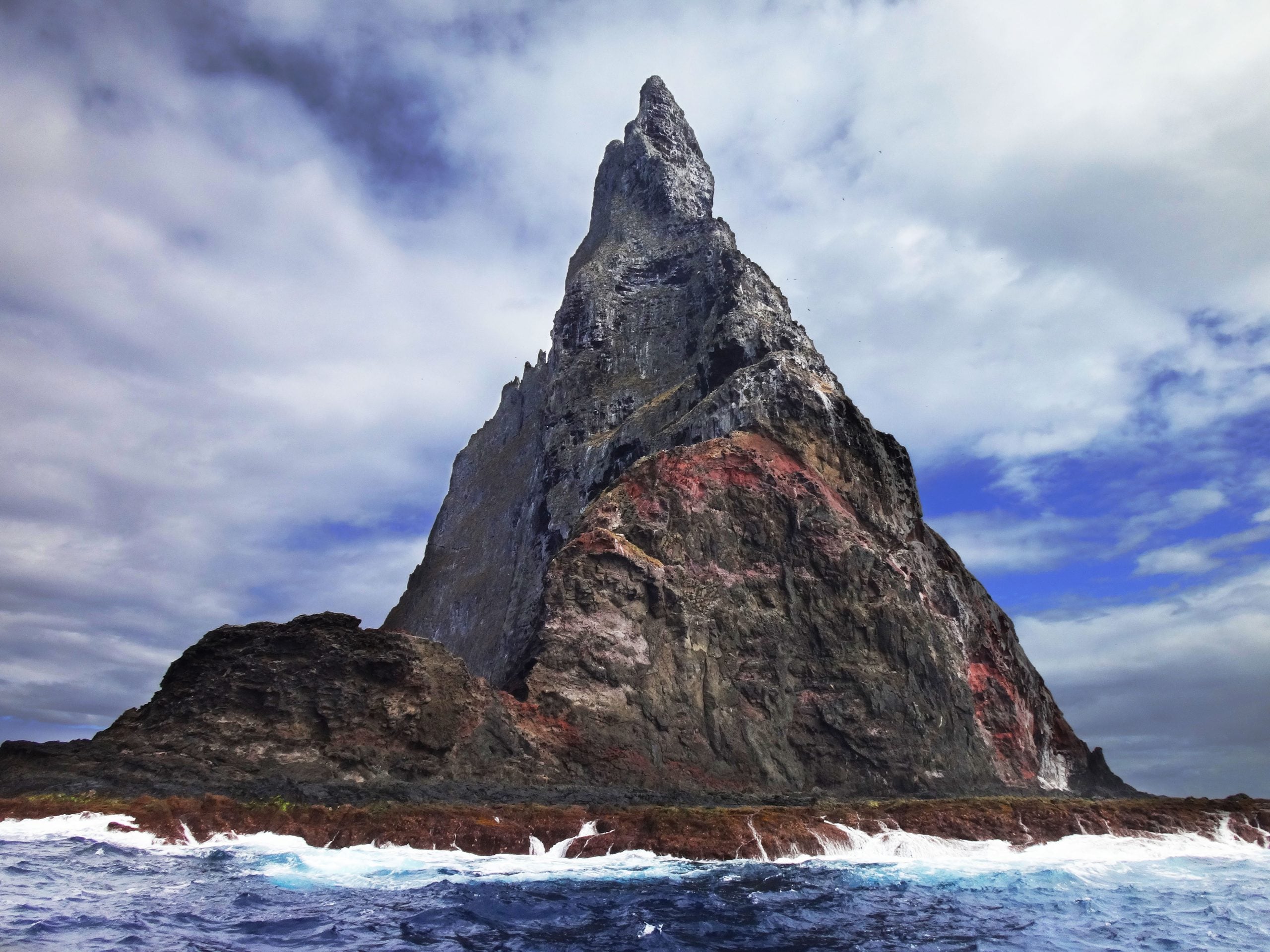
Ball’s Pyramid is a giant rock formation near Lord Howe Island, Australia. It looks like a tall stone tower, with very little flat land. Strong waves and difficult climbing conditions make it dangerous to reach. Its unusual shape and location make it one of the most striking uninhabited places on Earth.
Sign up for our newsletter
9. Jarvis Island
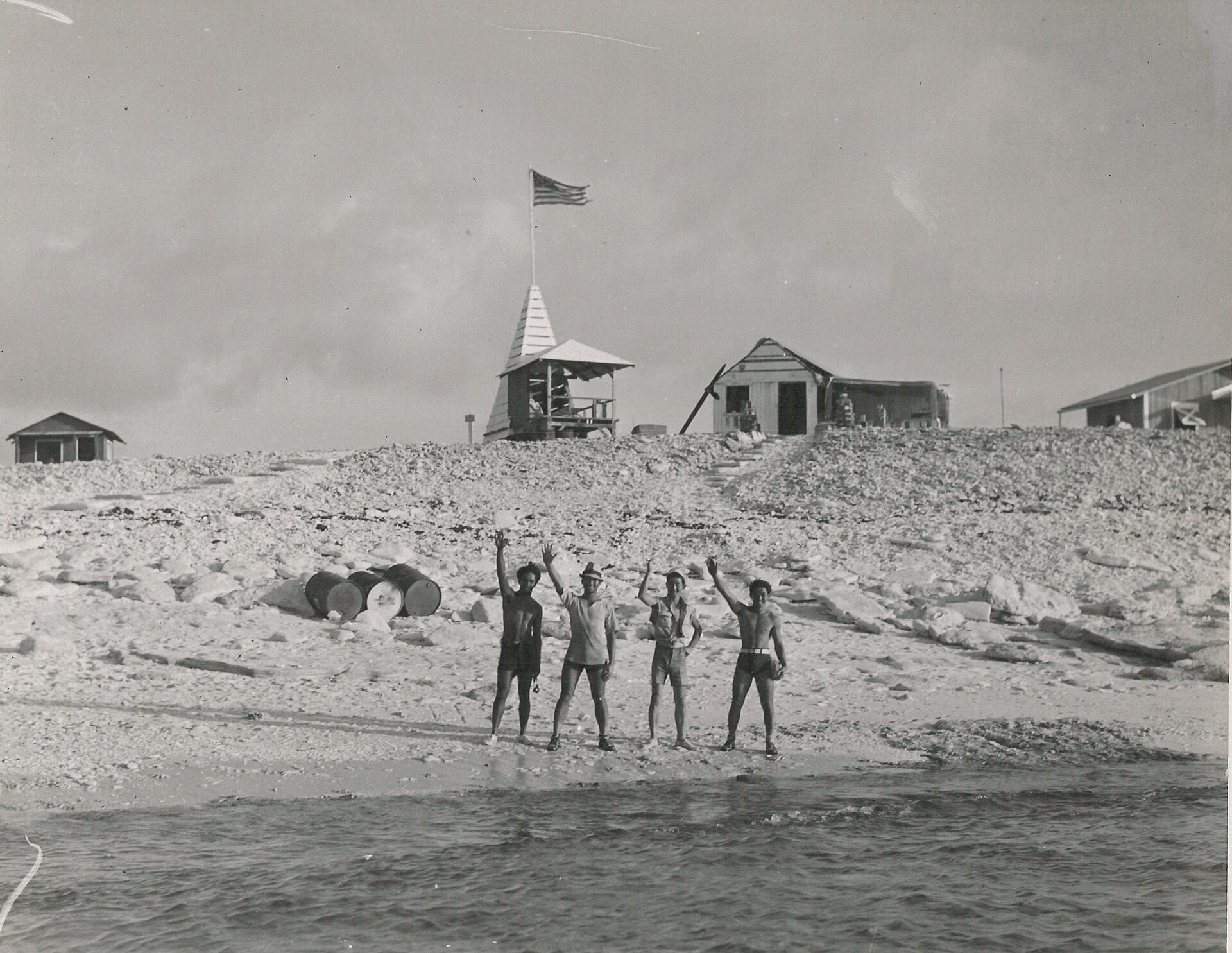
Jarvis Island is a small island in the central Pacific Ocean that belongs to the United States. It is far from major cities and has a dry landscape with very little fresh water. Today, the island is protected for its wildlife, and visits are limited.
10. Palmyra Atoll
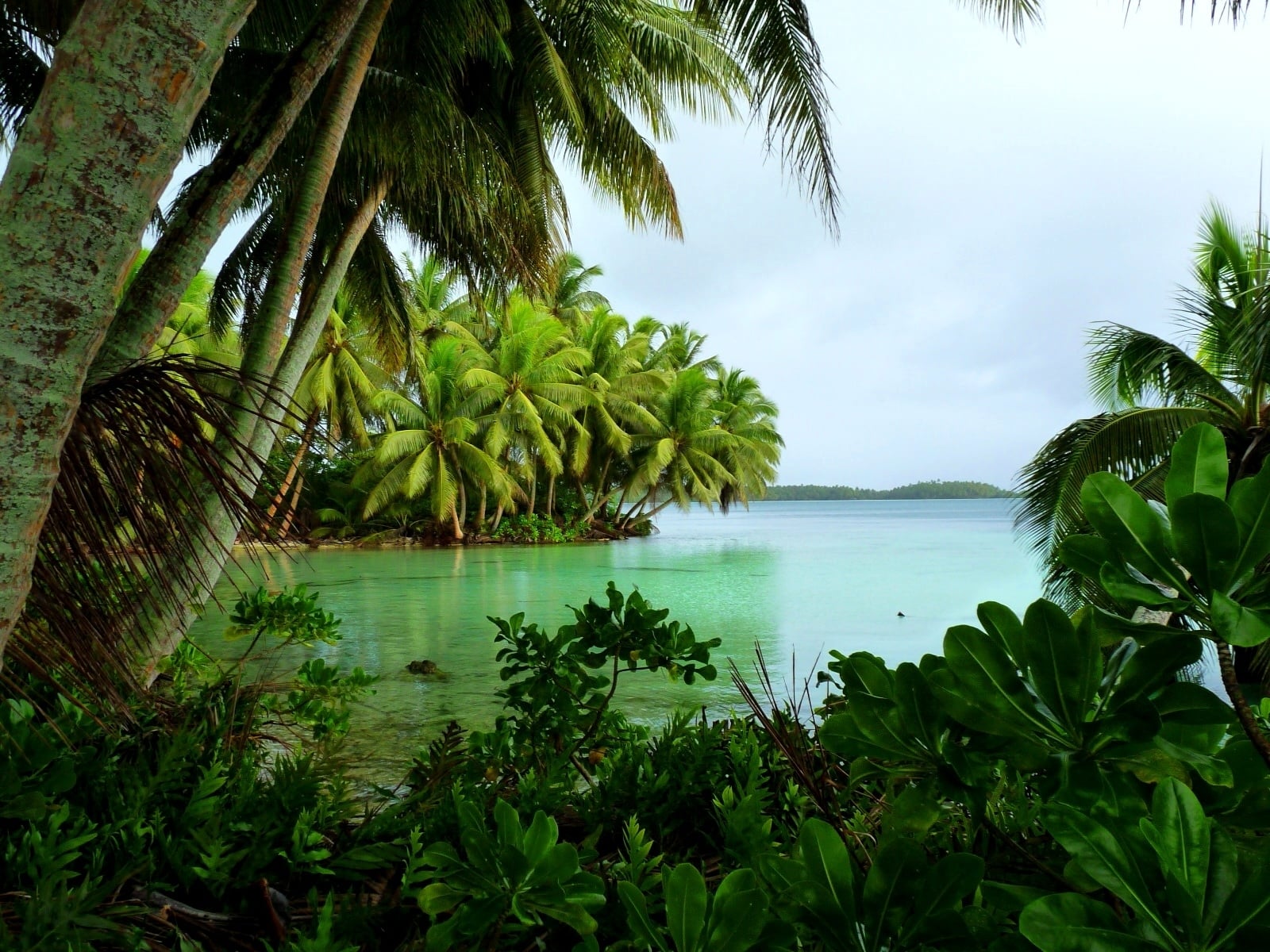
Palmyra Atoll looks like a tropical paradise, with palm trees, clear water, and beautiful coral reefs. However, it is located far from major population centers in the Pacific Ocean. The atoll has no permanent population, although scientists and conservation workers stay there for research.
11. Remote Islands of the Canadian Arctic
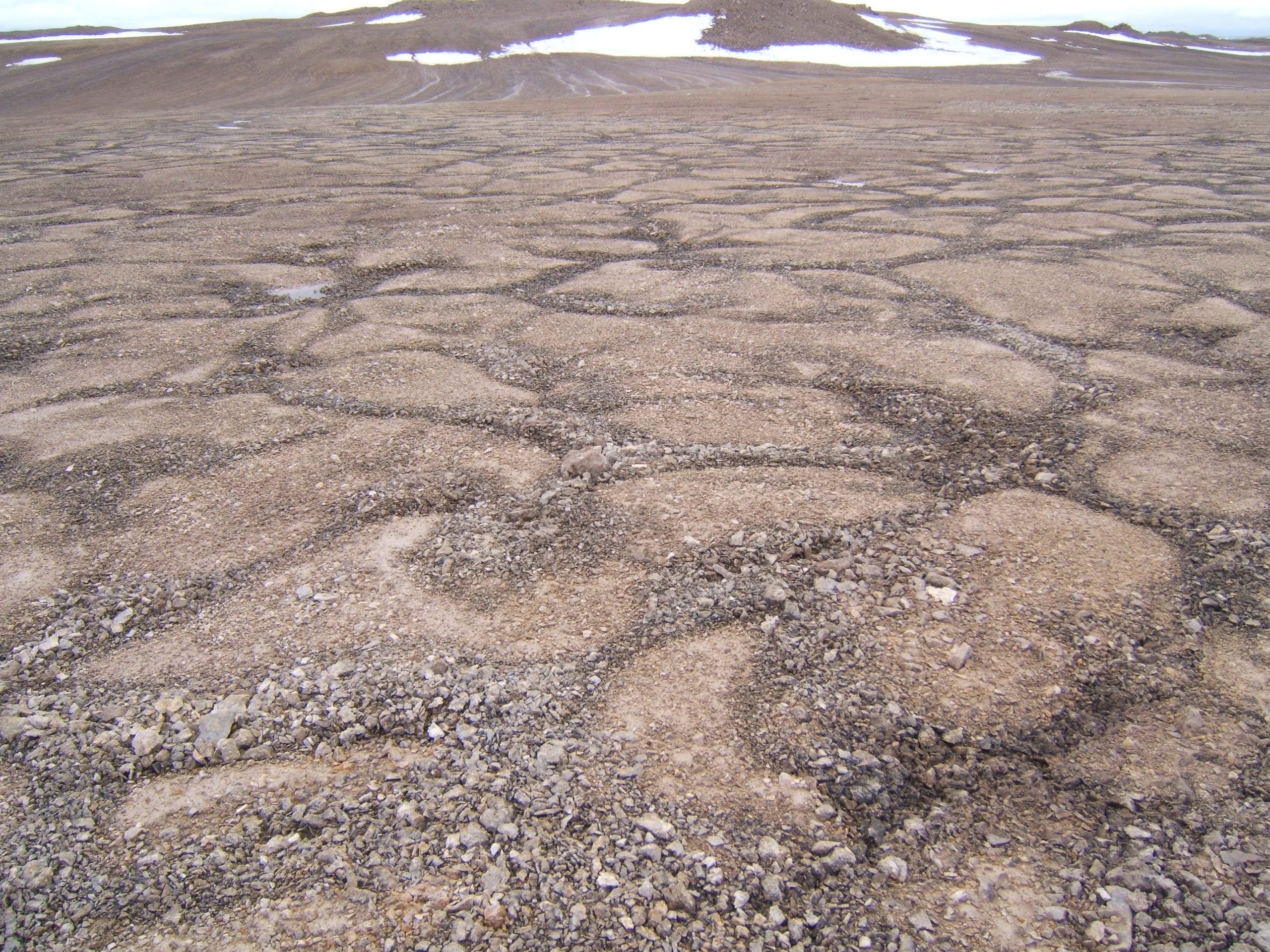
Canada’s Arctic region contains many small islands where nobody lives permanently. These islands often have rocky hills and long winters with very little sunlight. During the short summer, the weather can still be cold, and travel between islands can be difficult. Supplies such as food, fuel, and building materials are expensive to transport.
12. McMurdo Dry Valleys, Antarctica
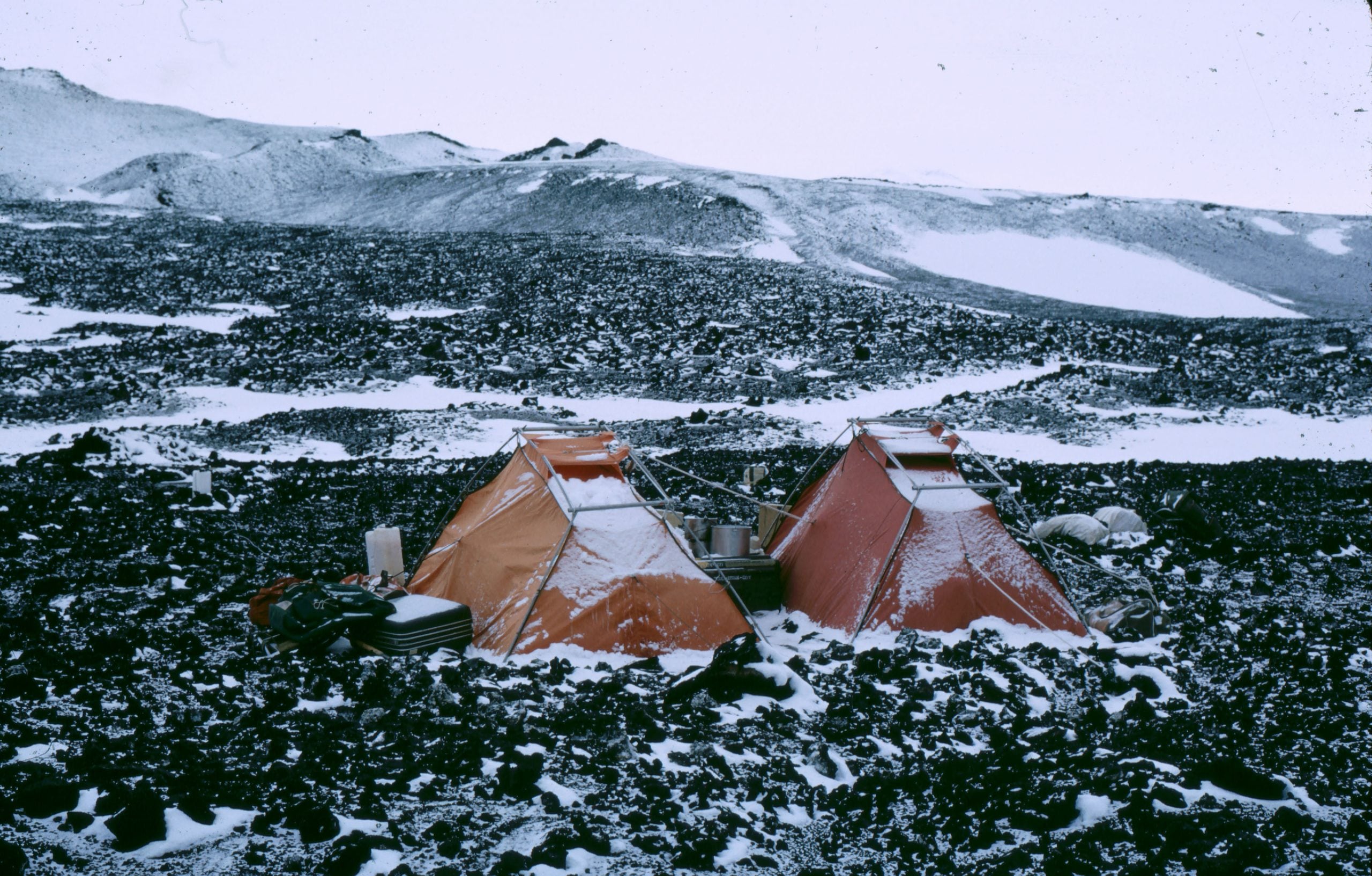
The McMurdo Dry Valleys are a group of valleys in Antarctica that look like a desert. They contain bare rocks, dry soil, and very little visible plant life. Strong winds and low humidity help keep many parts of the valleys free of snow. There are no permanent communities, although scientists sometimes visit them to study their environment. The lack of food sources makes it impossible to live there.
13. Sable Island, Canada
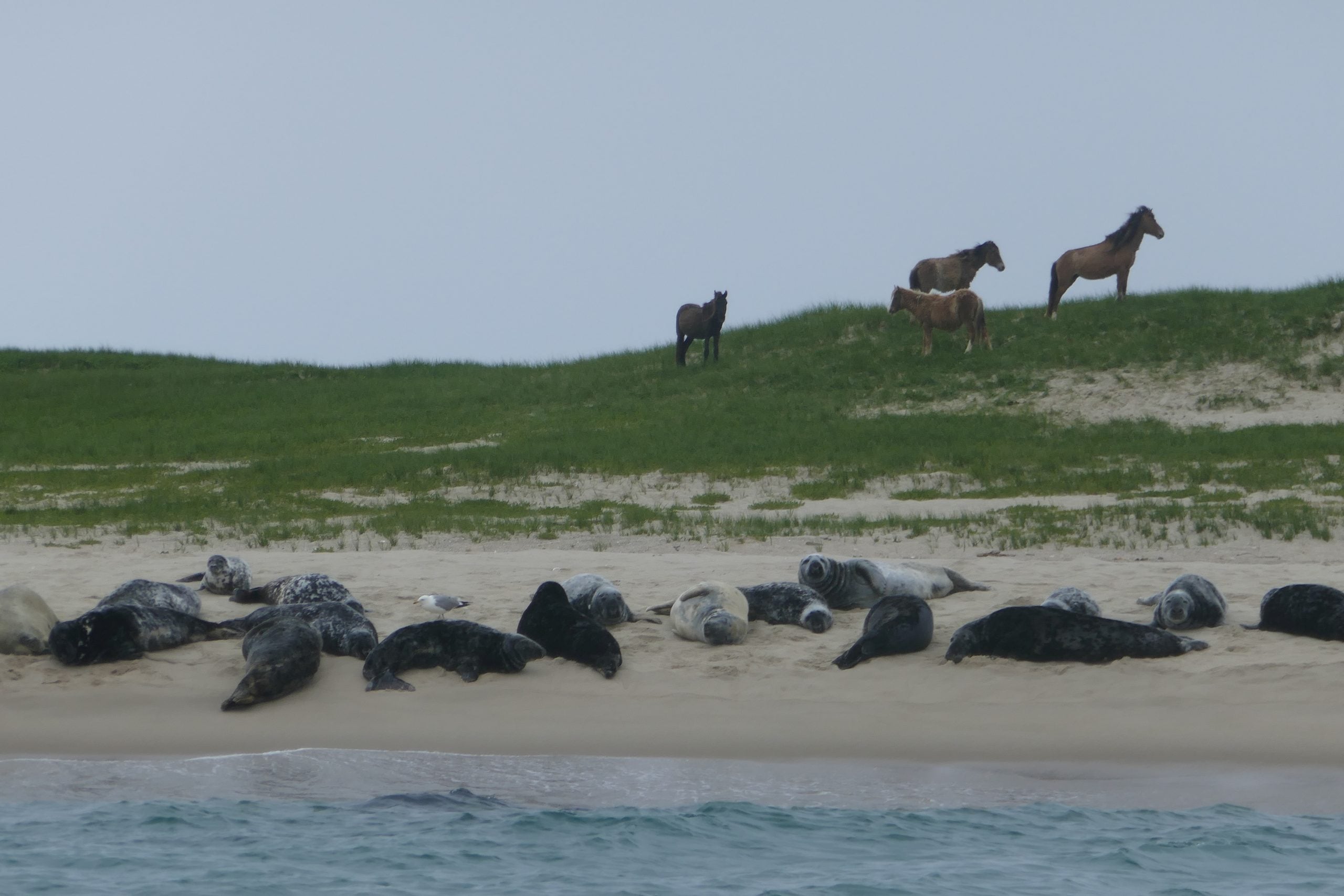
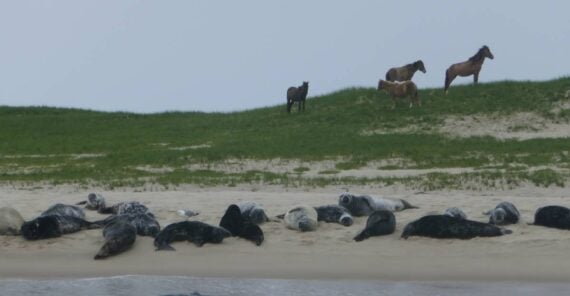
Sable Island is a narrow island made of sand, located off the coast of Nova Scotia, Canada. It is famous for its wild horses, grassy areas, and dunes. The island is windy, and the waters around it have caused many shipwrecks over the years. There are no permanent residents, although researchers and park staff sometimes stay there.
14. South Sandwich Islands
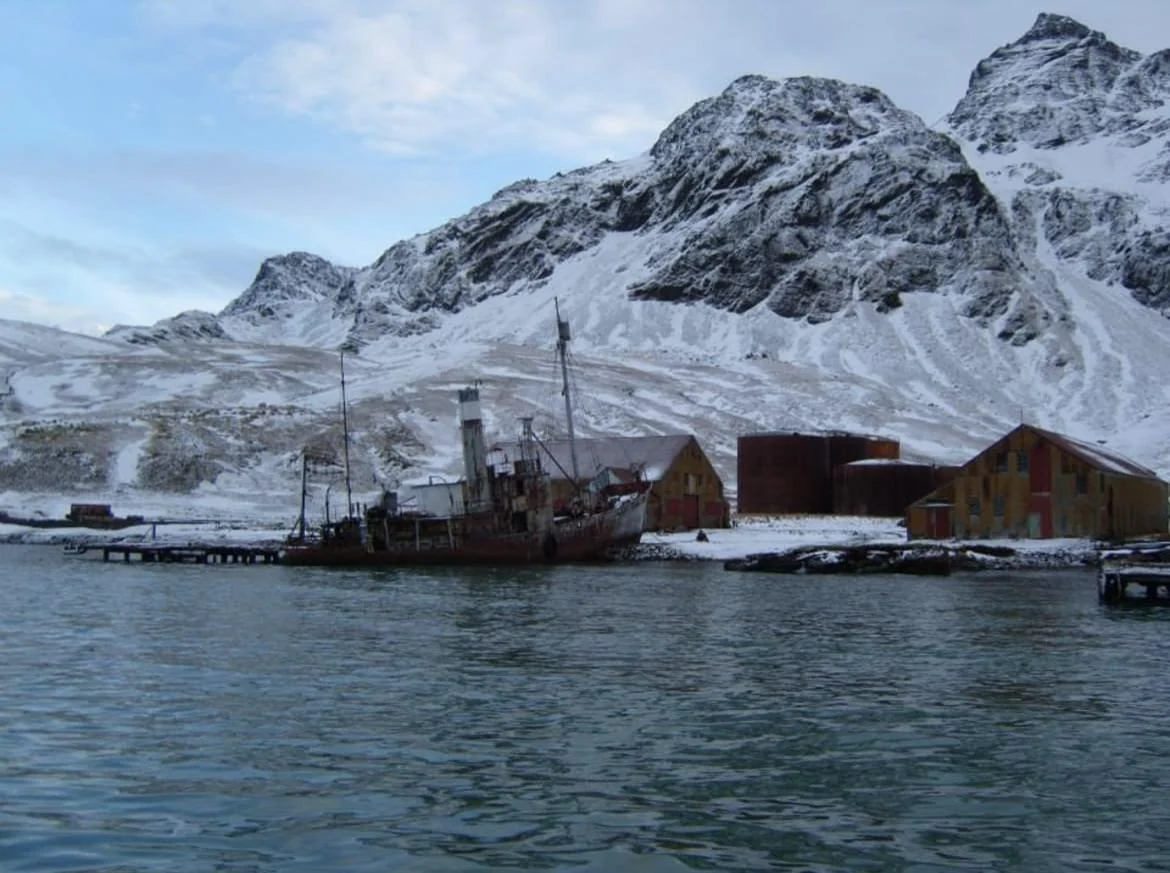
The South Sandwich Islands are a group of volcanic islands in the southern Atlantic Ocean. They have glaciers and volcanoes, while the surrounding seas are often rough and dangerous. Cold temperatures and strong winds make living conditions very difficult. Penguins, seals, and seabirds live here.