
Throughout history, wealth has shaped empires, inspired revolutions, and defined legacies. From ancient rulers to modern tycoons, these historical figures didn’t just possess fortunes; they influenced the course of civilization itself. Here are some of the most famously wealthy individuals whose names still echo through time.
1. Cleopatra VII Filopátor (69-30 a.C.)

Queen of Ptolemaic Egypt, her wealth came from her control of many of the resources of Roman Egypt and the Mediterranean.
2. William the Conqueror (1028)

The first Norman king of England, William, amassed vast lands and wealth after the Battle of Hastings. His reign reshaped England’s political and economic structure, establishing a new aristocracy of power.
3. Mansa Musa I (c. 1280-1337)

Revered as the richest man in history, he ruled an empire built on gold and trade. His legendary pilgrimage to Mecca displayed such extraordinary wealth that it reshaped economies and left an enduring mark on the world’s perception of prosperity.
4. Henry Ford (1863–1947)

Through innovation and determination, he transformed the way the world moved. By perfecting mass production and making automobiles accessible to ordinary people, he built an empire that redefined modern industry and personal wealth.
5. Cornelius Vanderbilt (1794–1877)

A master of industry and strategy, he turned steamships and railroads into the foundation of a vast fortune. His business empire and relentless ambition set the standard for American wealth in the 19th century.
Trending on Wealth Gang


6. Tsar Nicholas II of Russia (1868–1918)

The last Emperor of Russia ruled over a realm of immense wealth and privilege, where opulence contrasted sharply with rising unrest. His dynasty’s vast estates, jewels, and palaces stood as symbols of a world soon to disappear.
7. Catherine the Great (1729–1796)

The Empress of Russia transformed her nation into a European superpower while accumulating vast wealth and influence. A true patron of the arts and philosophy, she embodied the elegance, ambition, and intellect that defined imperial grandeur.
8. Jakob Fugger (1459–1525)

Known as “Fugger the Rich,” he built a powerful banking and trading empire that financed kings and emperors across Europe. His fortune and influence were so vast that they helped shape the politics and economy of the Renaissance.
Sign up for our newsletter
9. John D. Rockefeller (1839-1937)

By founding Standard Oil, he transformed the energy industry and became the world’s first billionaire. His disciplined business tactics and later philanthropy defined both the power and responsibility of immense wealth in modern America.
10. Andrew Carnegie (1835-1919)

Rising from humble beginnings, he built a steel empire that fueled America’s industrial age. Later in life, he dedicated his immense fortune to education, libraries, and peace, becoming a symbol of generosity as well as success.
11. J.P. Morgan (1837–1913)

A titan of finance, he consolidated industries and stabilized markets during times of crisis. His influence over banking and business shaped modern capitalism and left a legacy of both power and prestige.
12. Aristotle Onassis (1906–1975)

The Greek shipping magnate built a global empire that turned the seas into symbols of status and power. His extravagant lifestyle, private yachts, and high-profile romances made him one of the most recognizable figures of 20th-century wealth.
13. Pablo Escobar (1949–1993)

The Colombian drug lord amassed one of the largest personal fortunes of the 20th century through his control of the cocaine trade. His empire mixed extreme violence with lavish excess, making him both feared and infamous as a symbol of power and corruption.
14. Cecil Rhodes (1853–1902)

The British mining magnate built vast wealth through Africa’s diamond trade and the founding of De Beers. His ambition and imperial vision left a complex legacy of prosperity, exploitation, and enduring influence across the British Empire.
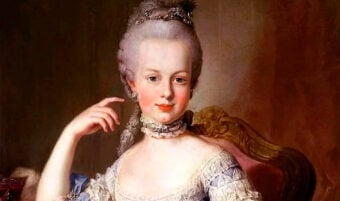
15. Marie Antoinette, 1755–1793

The Queen of France became a lasting symbol of royal extravagance and elegance. Her opulent lifestyle and love for fashion and luxury captivated Europe, even as they fueled the discontent that led to her downfall.