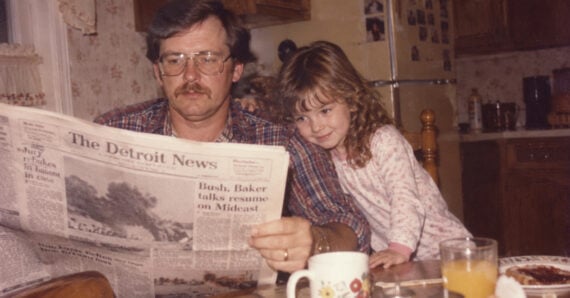

Boomers grew up in households where maintenance was was a way of life. Their parents, shaped by frugality and self-reliance, passed down habits that kept homes functional and welcoming without constant reliance on professionals. These lessons became second nature: small routines that prevented bigger problems, practical fixes that saved money, and traditions that reinforced pride in ownership. Today, these habits remain timeless reminders that a well-mantained home is built on consistency and resourcefulness. Dive intro 15 home care habits boomers have adopted form their parents.
1. Seasonal roof inspections
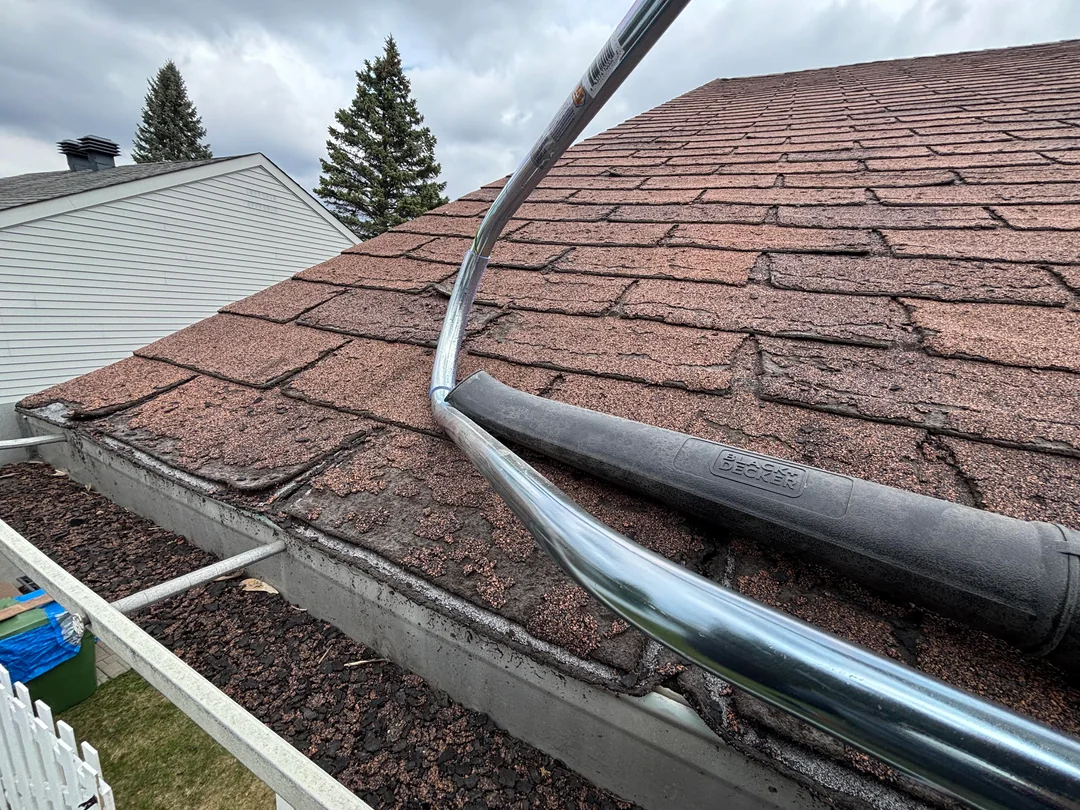
Boomers were taught to climb up and check after storms or at the change of seasons. A loose shingle or small leak was addressed immediately, preventing costly water damage down the line. Regular vigilance kept roofs sturdy through decades of wear.
2. Cleaning gutters
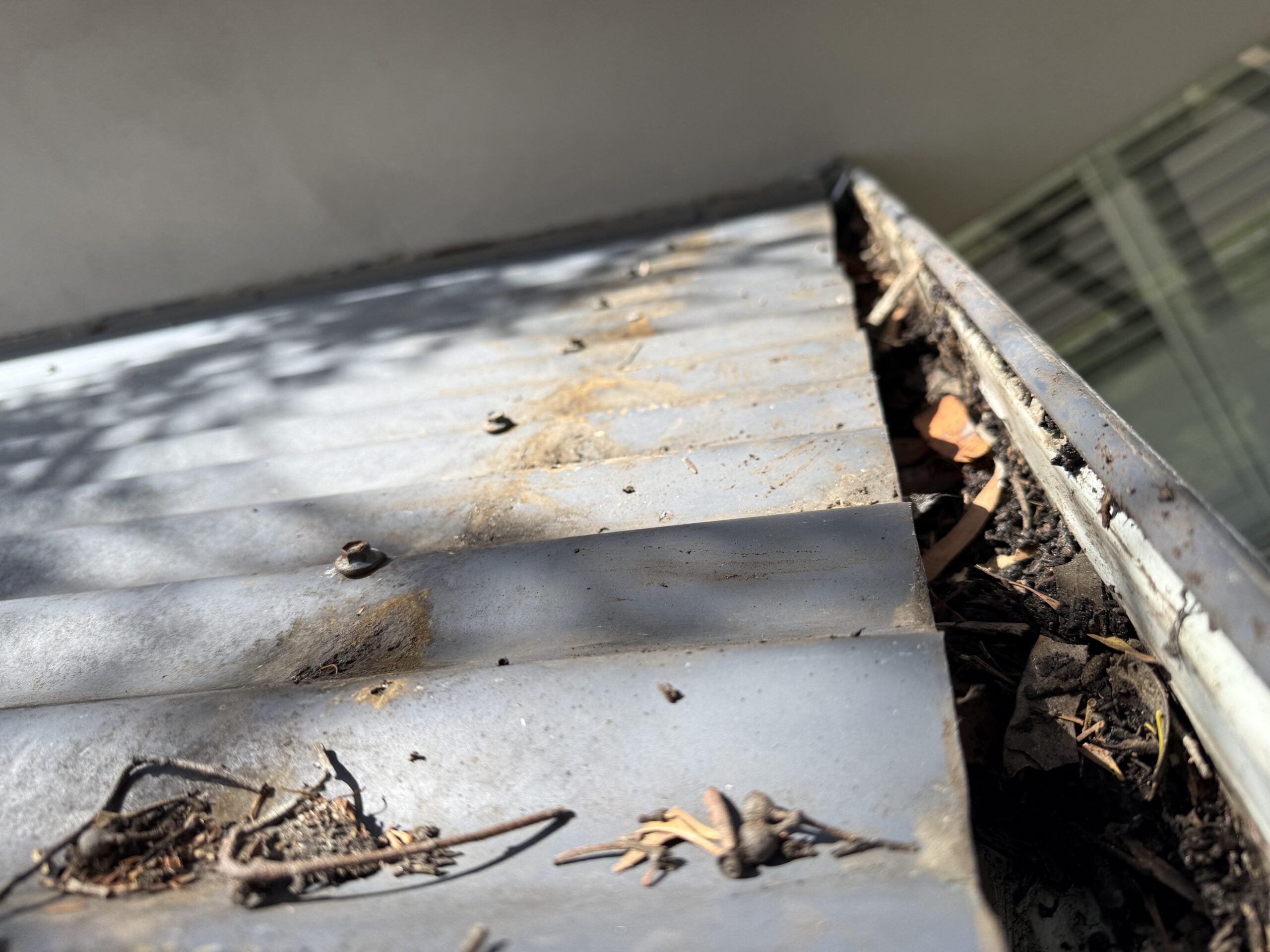
Parents emphasized clearing leaves and debris from gutters every fall. This simple task kept rainwater flowing properly and avoided foundation issues or basement flooding. A clean gutter was seen as the first defense against household chaos.
3. Checking furnace filters
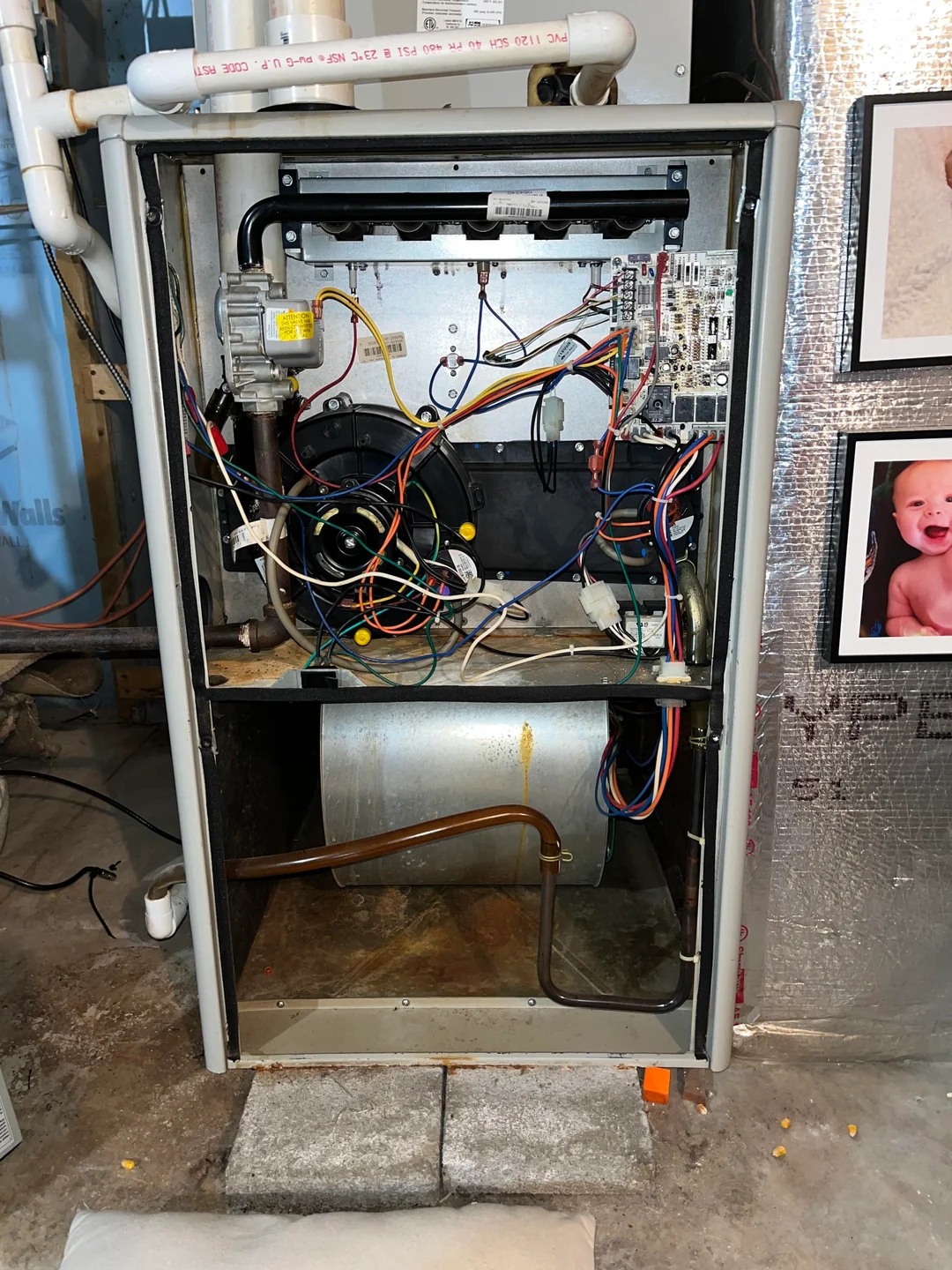
Changing or cleaning filters was a monthly ritual. It kept heating systems efficient and reduced dust. Fresh filters meant cleaner air and healthier living. A neglecting habit could quietly strain the machinery and spike energy bills.
4. Testing smoke alarms
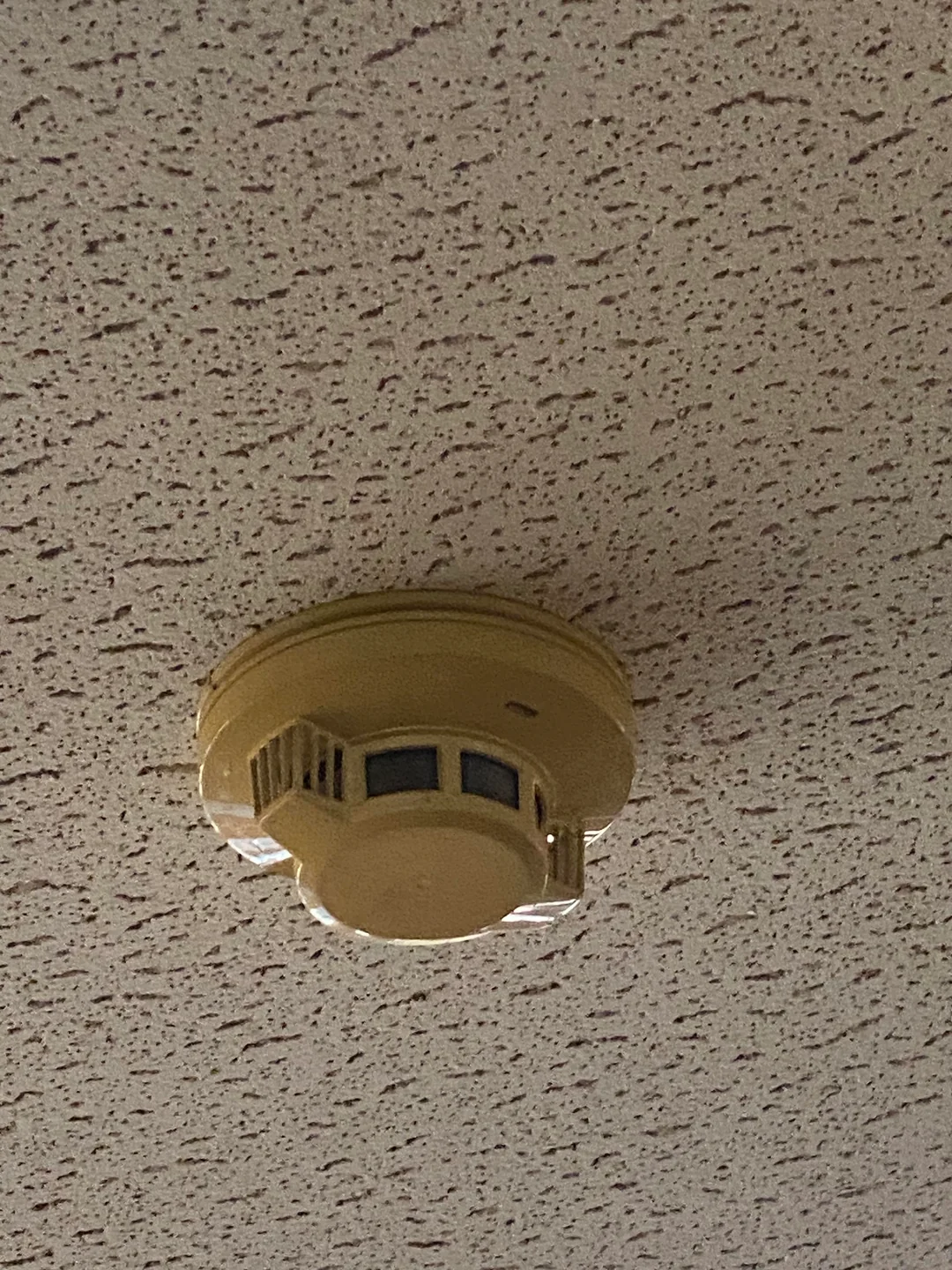
Boomers grew up pressing the test button and swapping batteries every year. It was a small act of vigilance that could save lives. Safety was never left to chance.
5. Caulking windows and doors
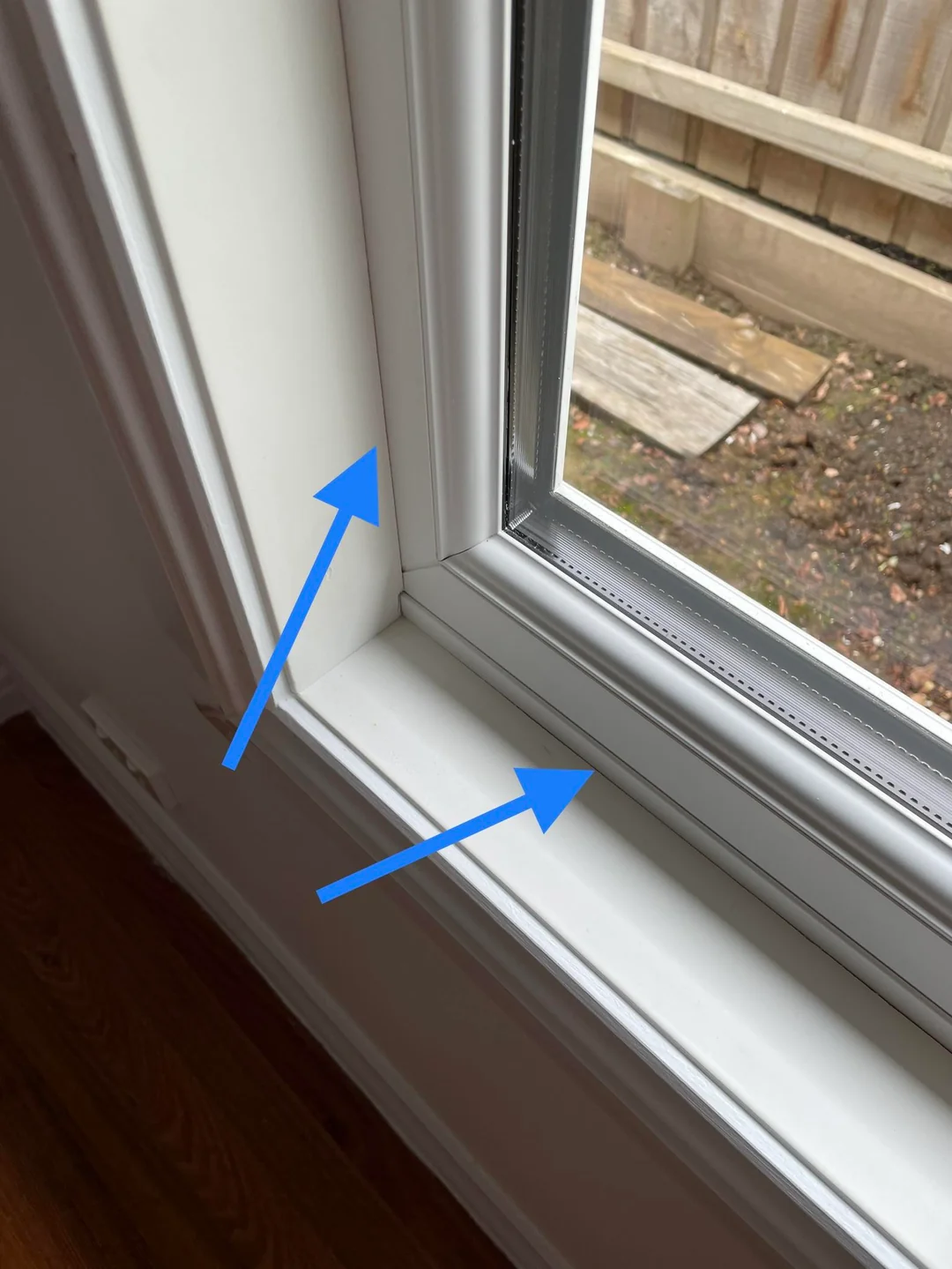
Parents taught them to seal gaps before winter. This habit reduced drafts, lowered heating bills, and prevented moisture damage. A sealed home was a warm home. Such preparation also left a lasting lesson in resourcefulness, showing that small efforts can bring big savings.
Trending on Wealth Gang


6. Maintaining plumbing

Listening for drips and insulating pipes were everyday lessons. Preventing leaks meant avoiding wasted water and costly repairs. Careful attention kept water flowing where it belonged.
7. Painting wood
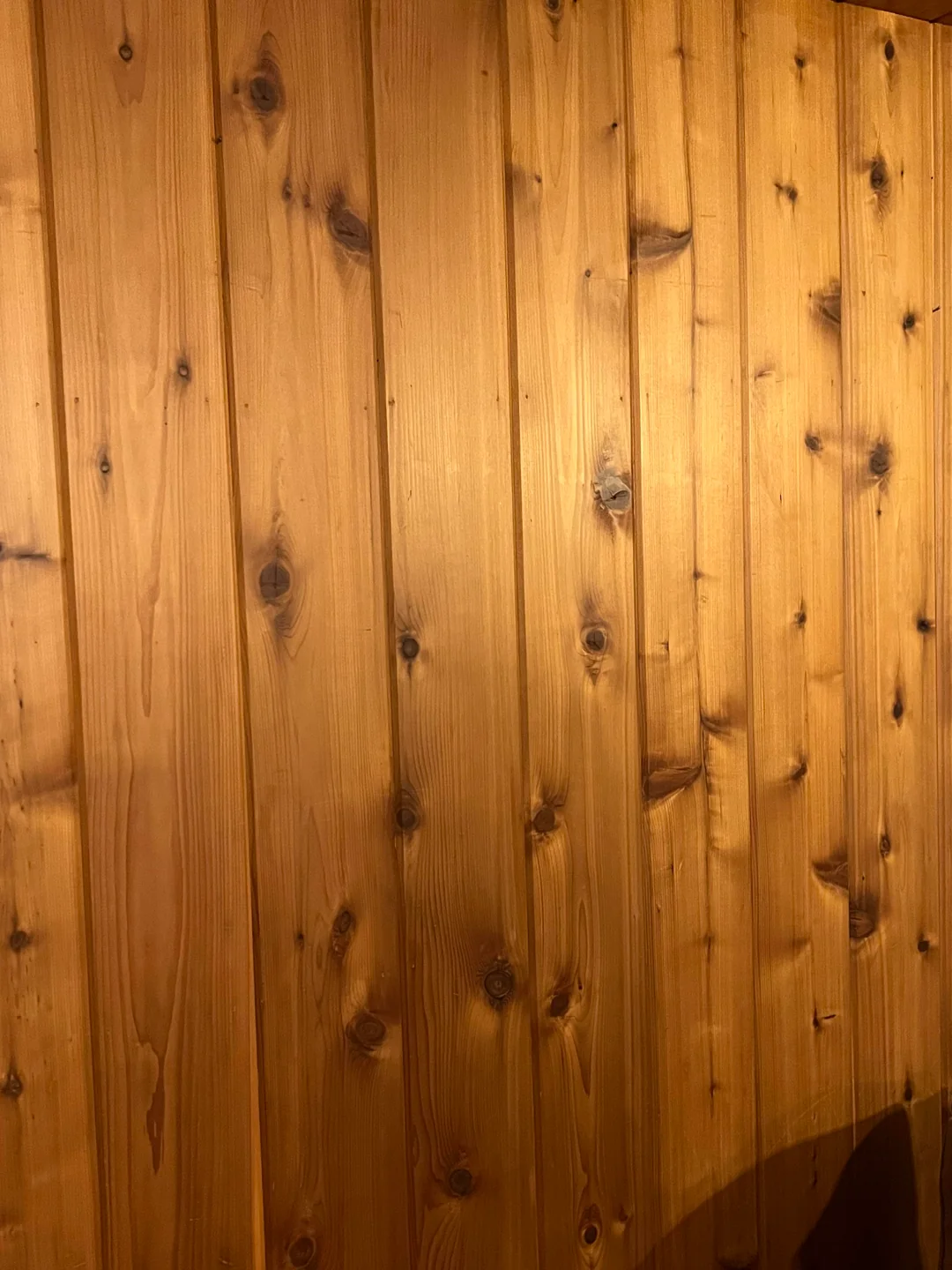
Outdoor fences, decks, and trim were regularly painted or sealed. This not only kept homes looking fresh but protected wood from rot and weathering. A coat of paint meant protection.
8. Cleaning behind appliances
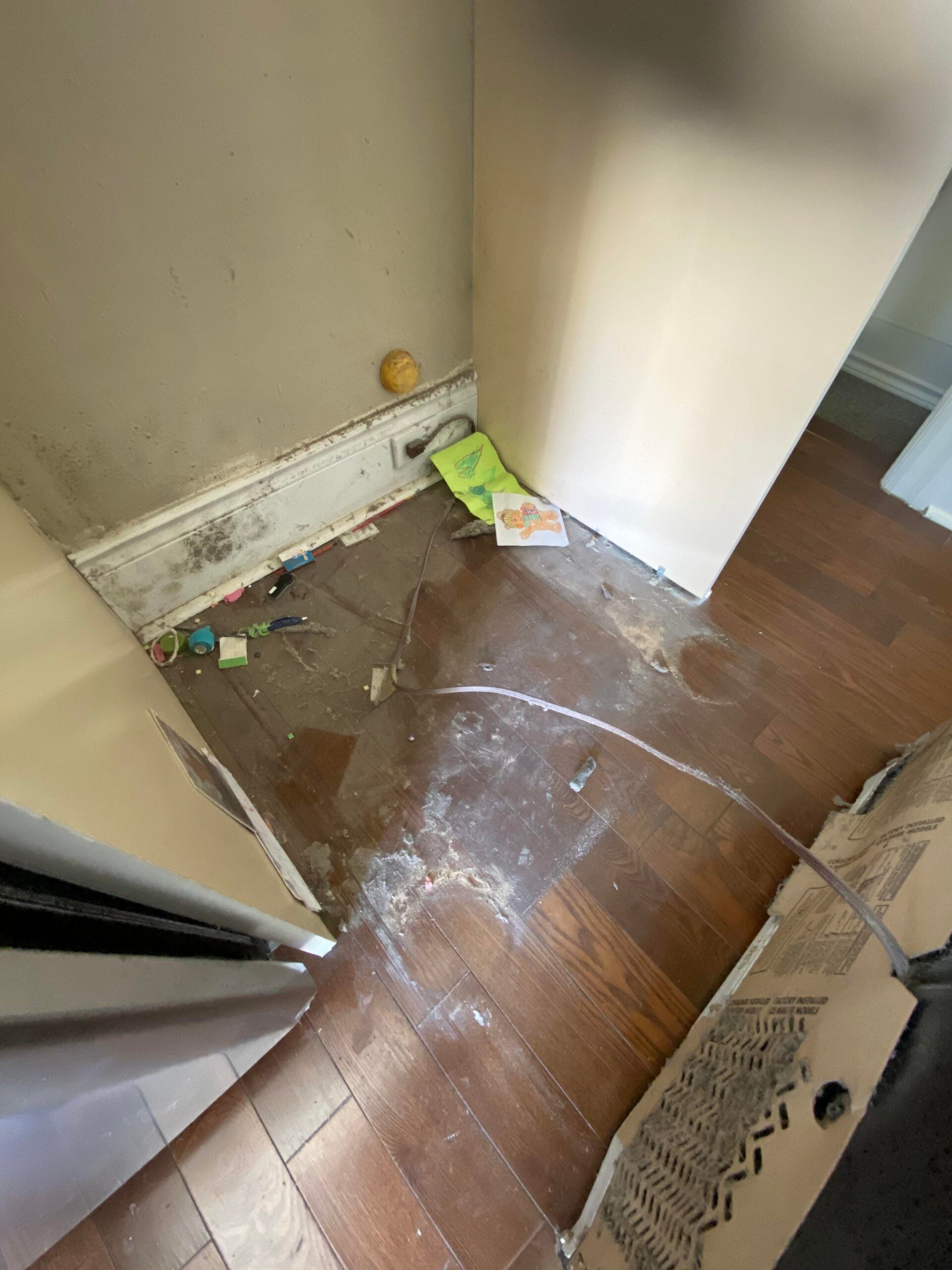
Parents insisted on pulling out refrigerators and stoves to vacuum coils and sweep dust. It improved efficiency and reduced fire hazards. Hidden corners mattered as much as visible ones. These routines reinforced the idea that prevention is cheaper than repair.
Sign up for our newsletter
9. Checking basement and attic
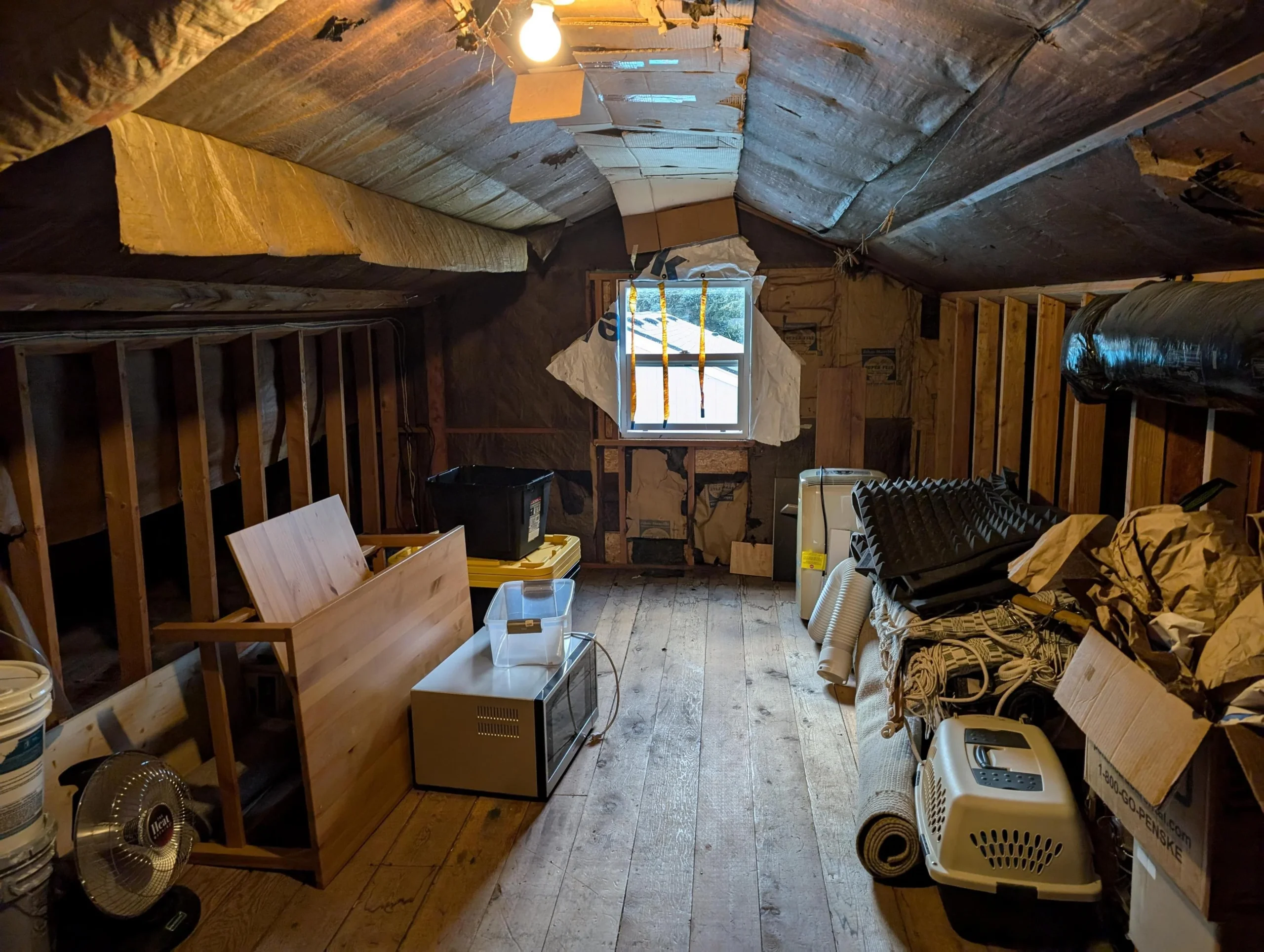
Boomers learned to inspect for dampness, pests, or insulation issues. Early detection kept homes safe and structurally sound. These quiet spaces revealed the true health of a house.
10. Sharpening tools
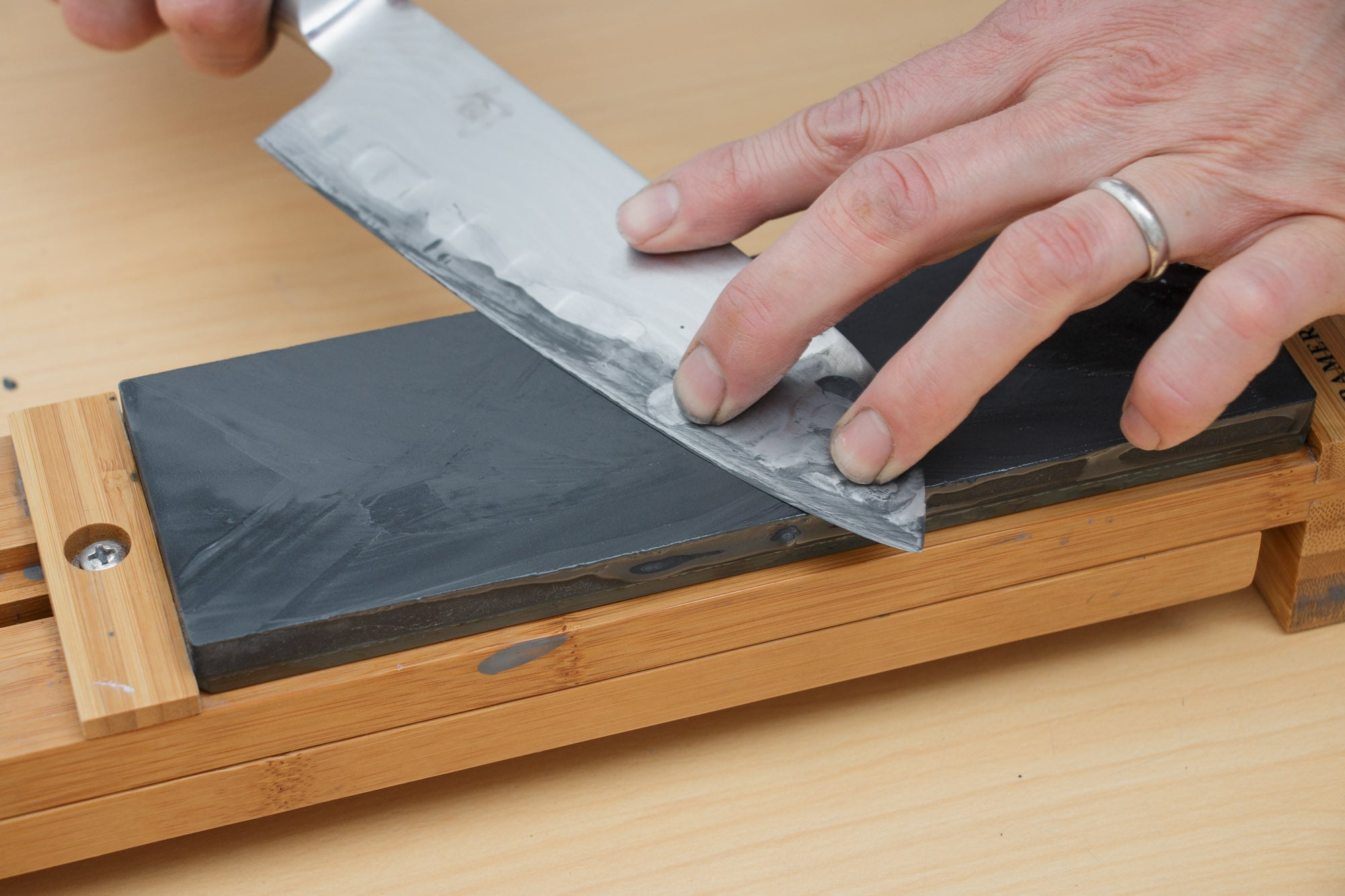
A dull blade was considered dangerous and inefficient. Maintaining sharp blades, axes, and kitchen knives was a point of pride. Sharp tools reflected discipline. Keeping them honed also symbolized readiness, proving that well‑kept tools meant well‑kept lives.
11. Draining water heaters
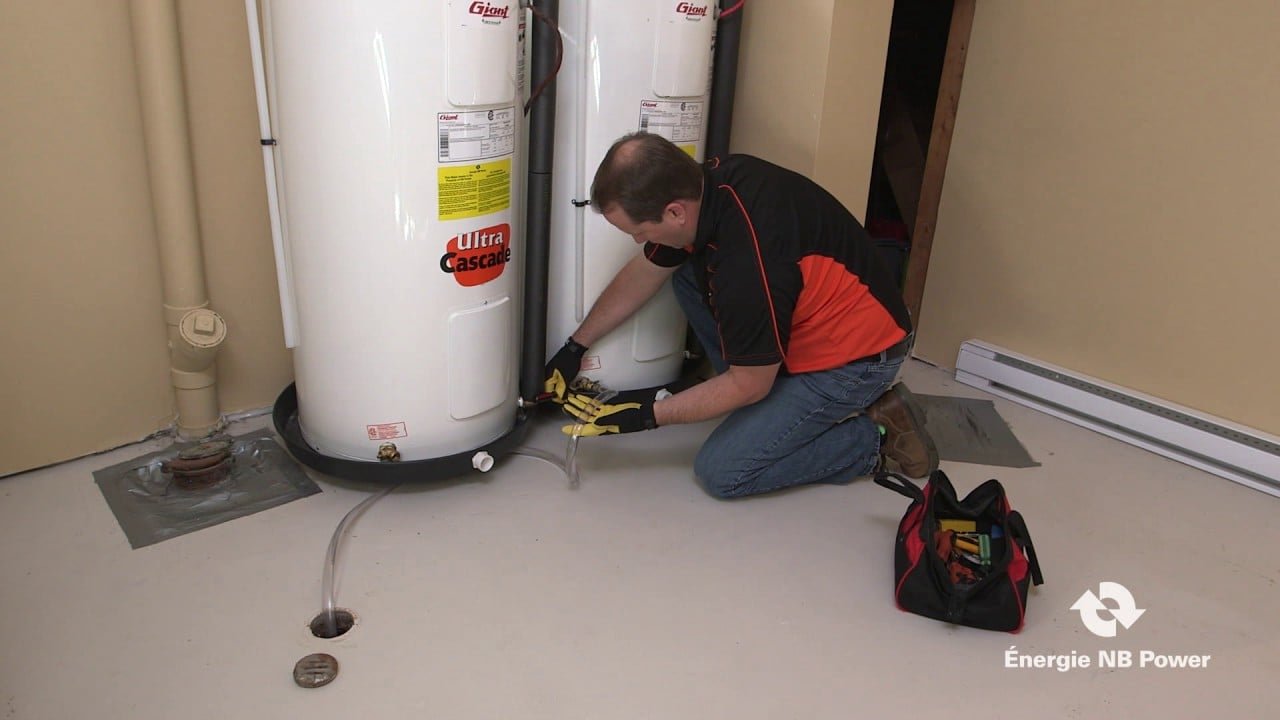
Parents taught them to flush out sediment once a year. This extended the heater’s life and ensured consistent hot water. Clear tanks meant comfort.
12. Maintaining lawn and garden
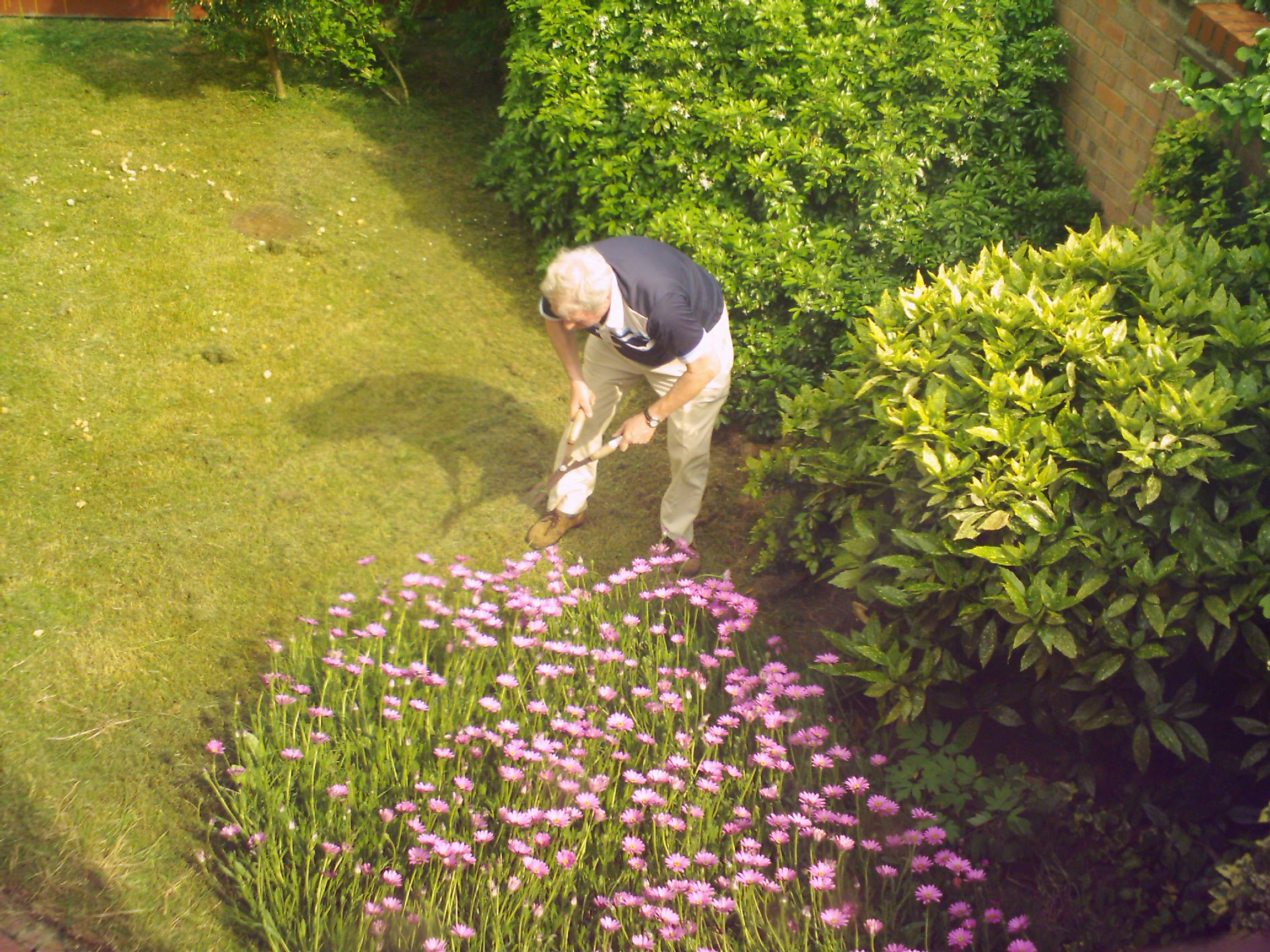
Mowing, edging, and weeding weren’t just chores, they were lessons in discipline. A tidy yard reflected respect for the home and neighborhood. The yard was a living symbol of care.
13. Checking electrical cords

Frayed cords were replaced immediately to prevent fires. Boomers learned to respect electricity and treat it with caution. Prevention was always cheaper than disaster.
14. Weatherproofing before winter
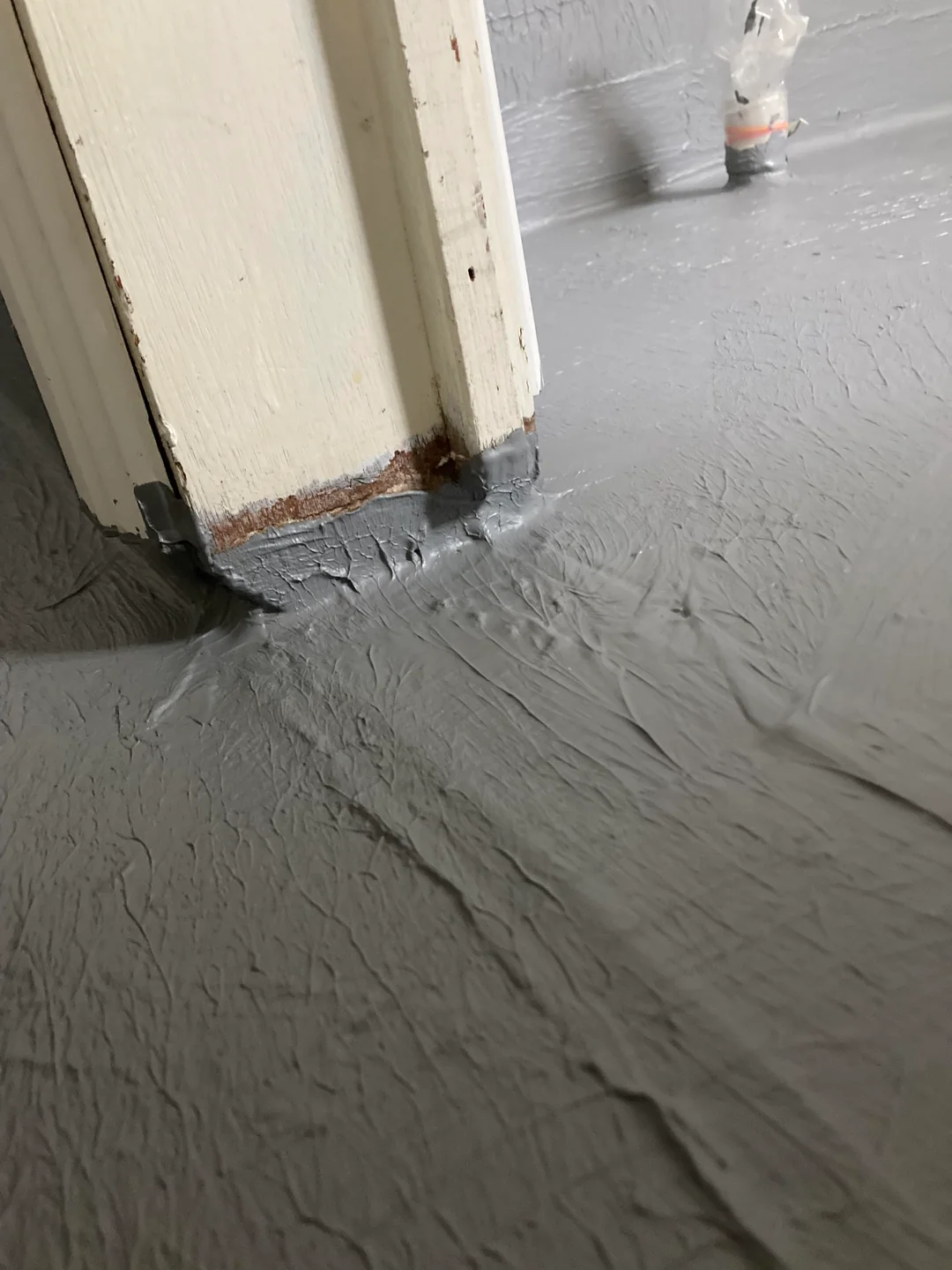
Parents showed them how to install storm windows and cover pipes. Preparation was key to surviving harsh seasons without damage. Winter readiness meant peace of mind. These habits also taught resilience, proving that foresight in the home could shield families from nature’s toughest tests.
15. Polishing and oiling furniture
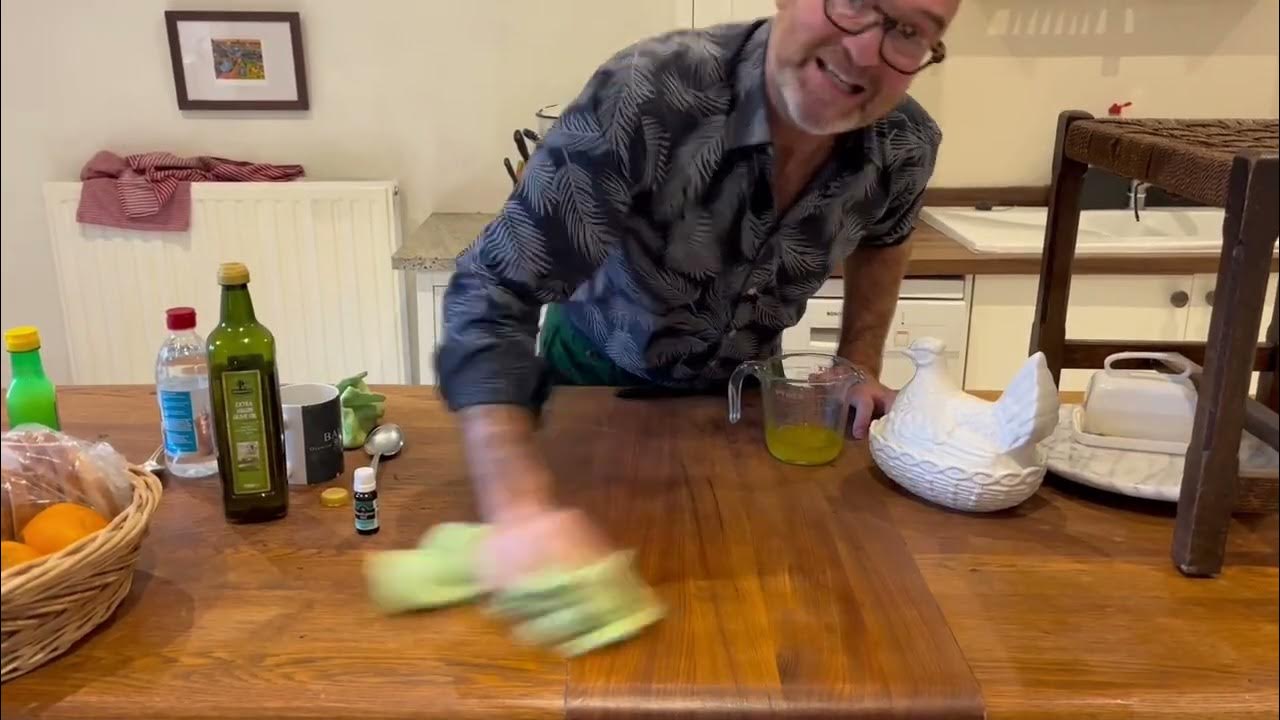
Wooden tables, chairs, and cabinets were polished. This ritual kept furniture gleaming and prevented cracks or dryness. Well‑cared furniture told the story of a well‑cared home.
Looking for similar content?
- What to Know Before You Start Flipping Furniture: A practical guide showing how anyone can turn second‑hand furniture into profit with basic tools and smart resale strategies.
- Vintage Furniture Worth Astonishing Amounts: It reveals how rare vintage pieces are skyrocketing in value, with collectors paying huge sums for iconic designs.
- Boomers Are Now Buying More Homes Than Millennials, According to Bank of America Report: Highlights a housing trend where Baby Boomers outpace Millennials in home purchases, reshaping the U.S.A market.