The 1960s were one of the most transformative decades in automotive history. Cars became faster, more stylish, more accessible, and increasingly tied to identity and culture. Muscle cars exploded in popularity, European sports cars gained global influence, and manufacturers experimented with designs and engineering ideas that would shape the industry for decades.
Some models introduced entirely new categories, while others changed expectations around performance, affordability, safety, or design. From American icons to groundbreaking European and Japanese machines, these 15 cars left a lasting mark on the automotive world.
1. Ford Mustang
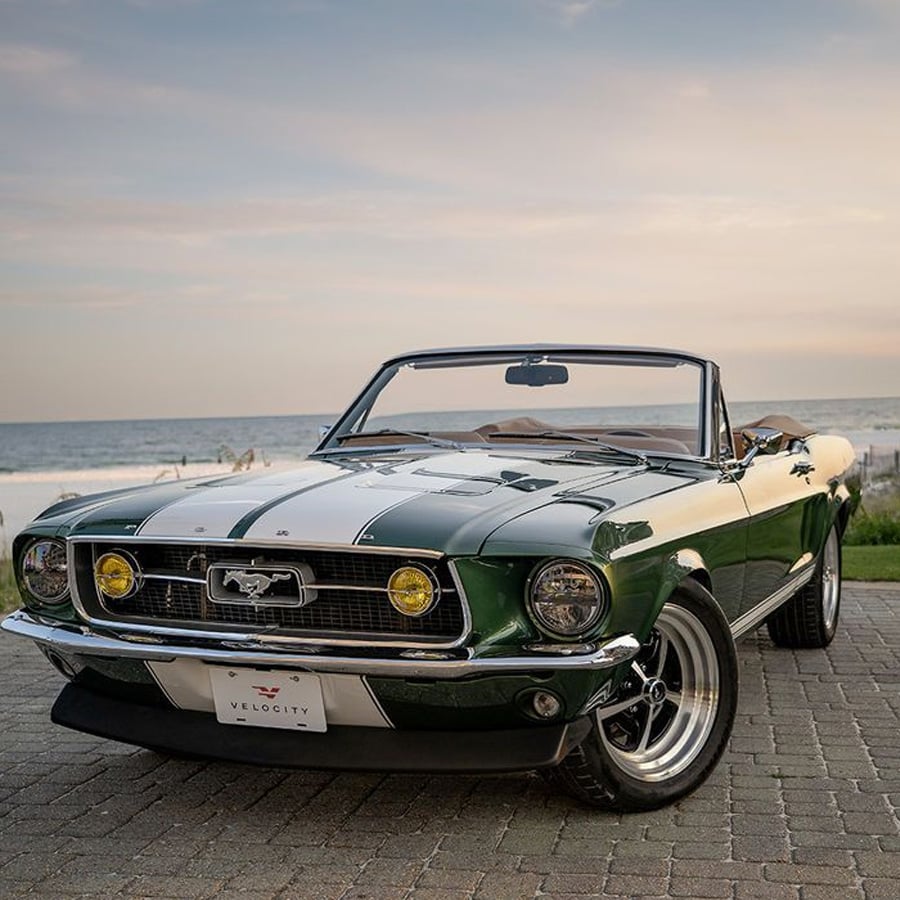
Introduced in 1964, the Ford Mustang created enormous demand for affordable, stylish performance and helped establish the “pony car” category. Its long hood, short rear deck, huge range of options, and accessible pricing made it an immediate sensation, inspiring competitors across the American auto industry.
2. Chevrolet Corvette Sting Ray
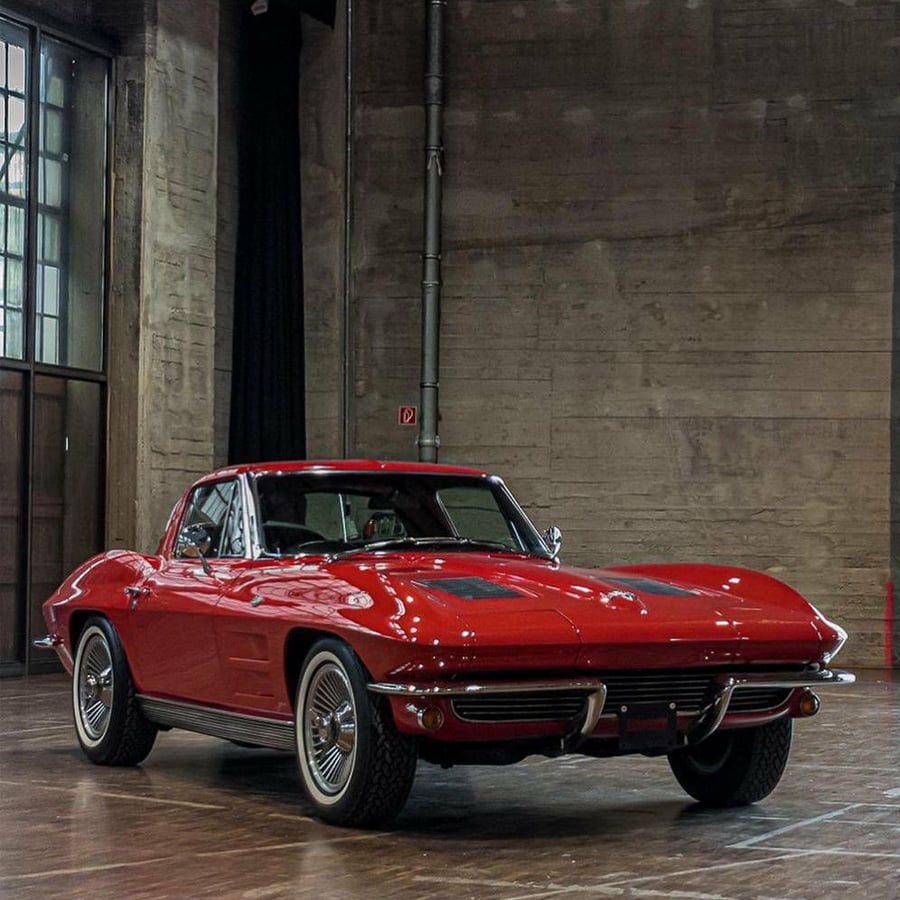
The second-generation Corvette arrived for 1963 with dramatically different styling and a new independent rear suspension. The Sting Ray helped transform the Corvette into a more sophisticated sports car while cementing its position as one of America’s most recognizable performance machines.
3. Volkswagen Beetle
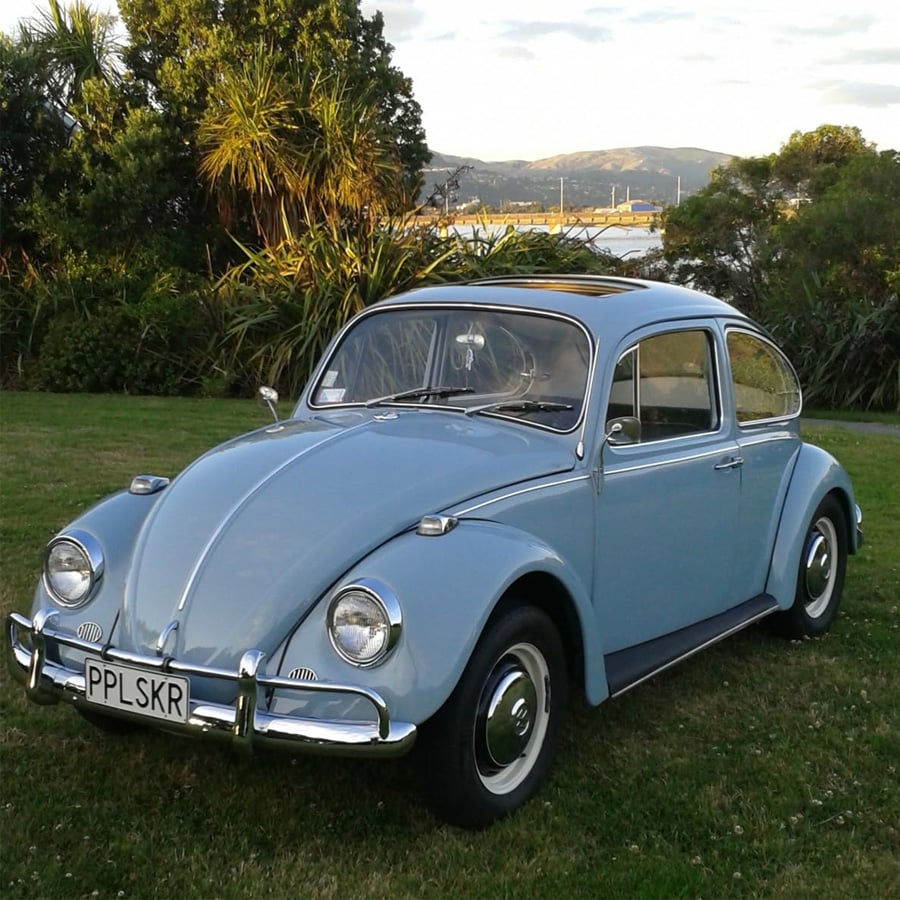
Although the Beetle originated decades earlier, the 1960s were crucial to its worldwide success. Its simple engineering, distinctive appearance, affordability, and reputation for reliability made it a cultural phenomenon and demonstrated that small imported cars could compete successfully in markets dominated by much larger vehicles.
4. Pontiac GTO
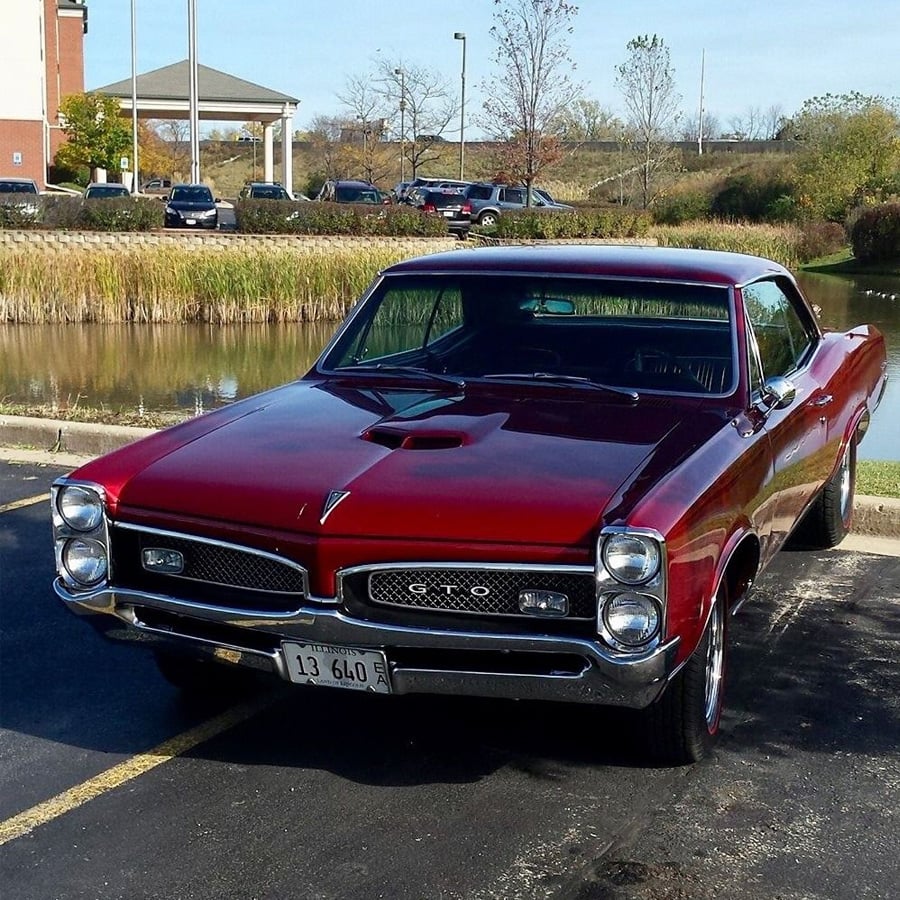
The Pontiac GTO debuted in 1964 and became one of the defining cars of the muscle-car era. By combining a relatively ordinary midsize body with a powerful V8 engine, Pontiac helped popularize a formula that Detroit manufacturers would aggressively pursue throughout the rest of the decade.
5. Mini Cooper
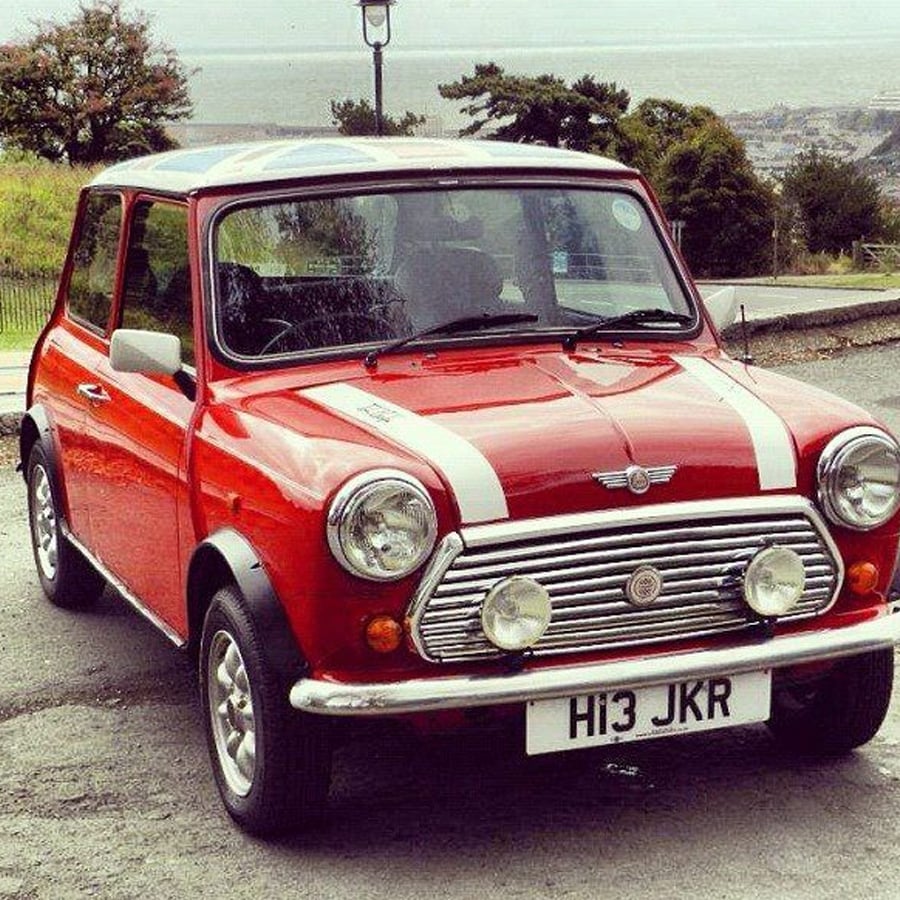
The original Mini revolutionized small-car design with its transverse-mounted engine and front-wheel-drive layout, allowing an unusually large percentage of its compact footprint to be devoted to passengers. Performance-oriented Cooper versions also proved that an economical little car could be genuinely exciting, including remarkable success in international rallying.
Trending on Wealth Gang


6. Jaguar E-Type
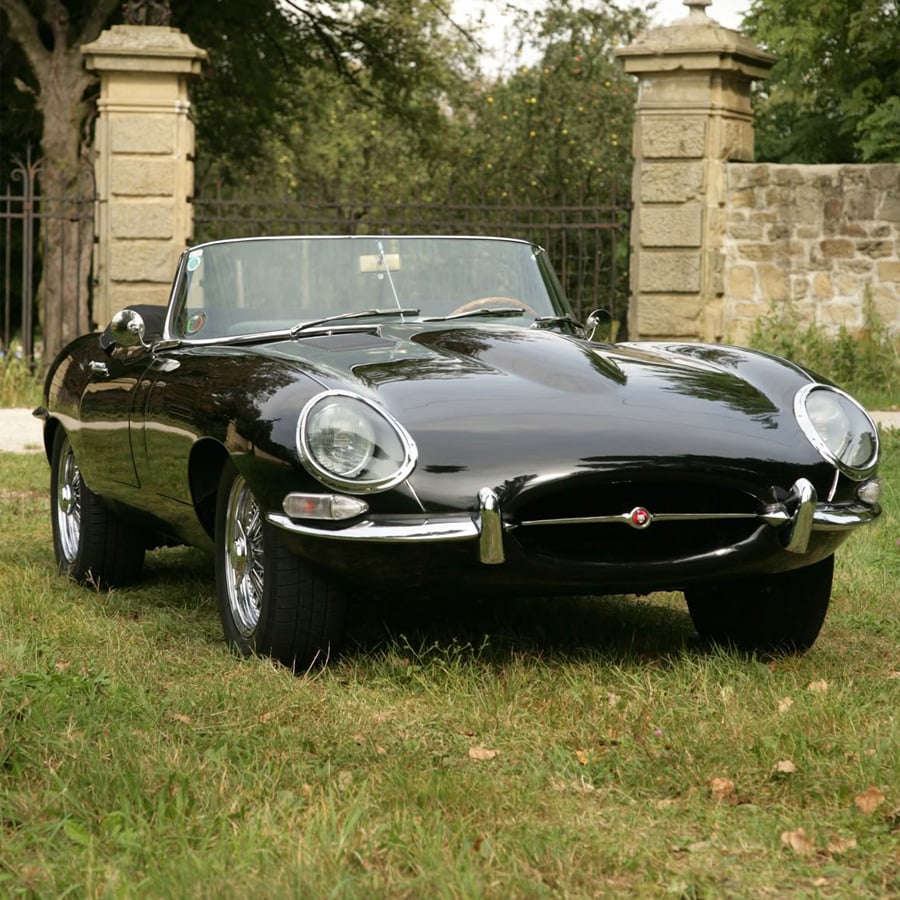
When the Jaguar E-Type appeared in 1961, its combination of striking styling, impressive performance, and comparatively attainable pricing made it an instant automotive icon. Its aerodynamic shape and advanced features helped establish a new benchmark for what a road-going sports car could look and feel like.
7. Porsche 911
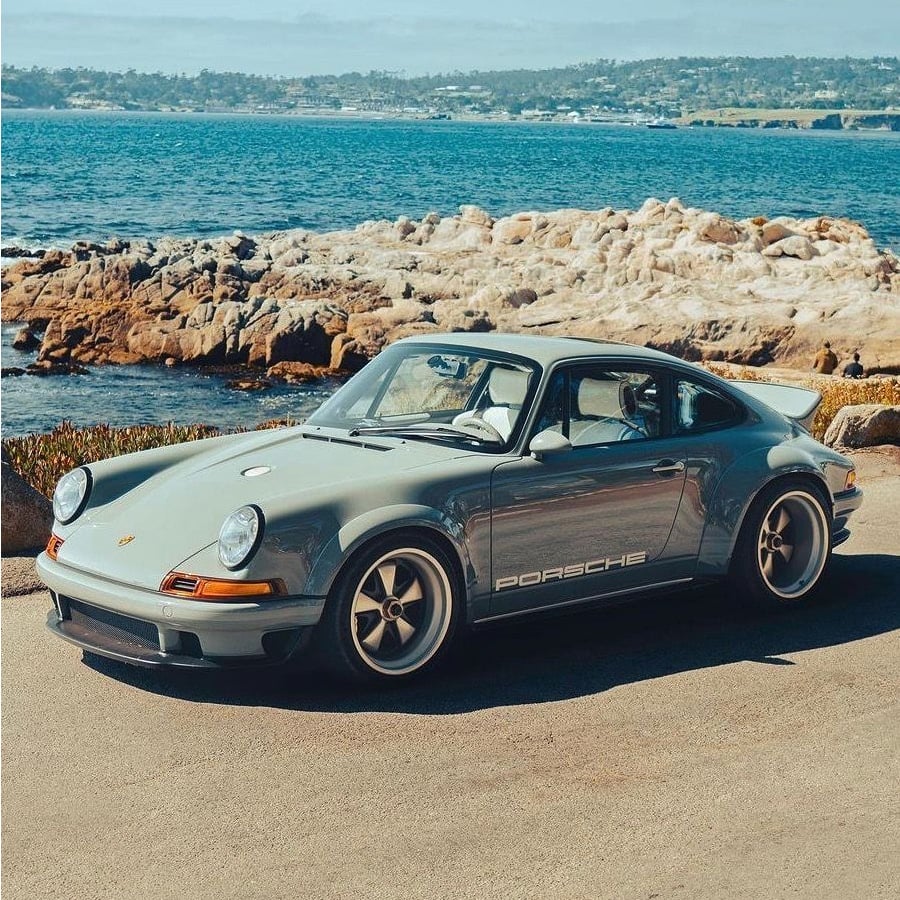
Introduced in 1963 and entering production shortly afterward, the Porsche 911 established a basic formula that has survived for more than six decades. Its rear-mounted flat-six engine, distinctive silhouette, and blend of everyday usability with serious performance became central to Porsche’s identity.
8. Ford GT40
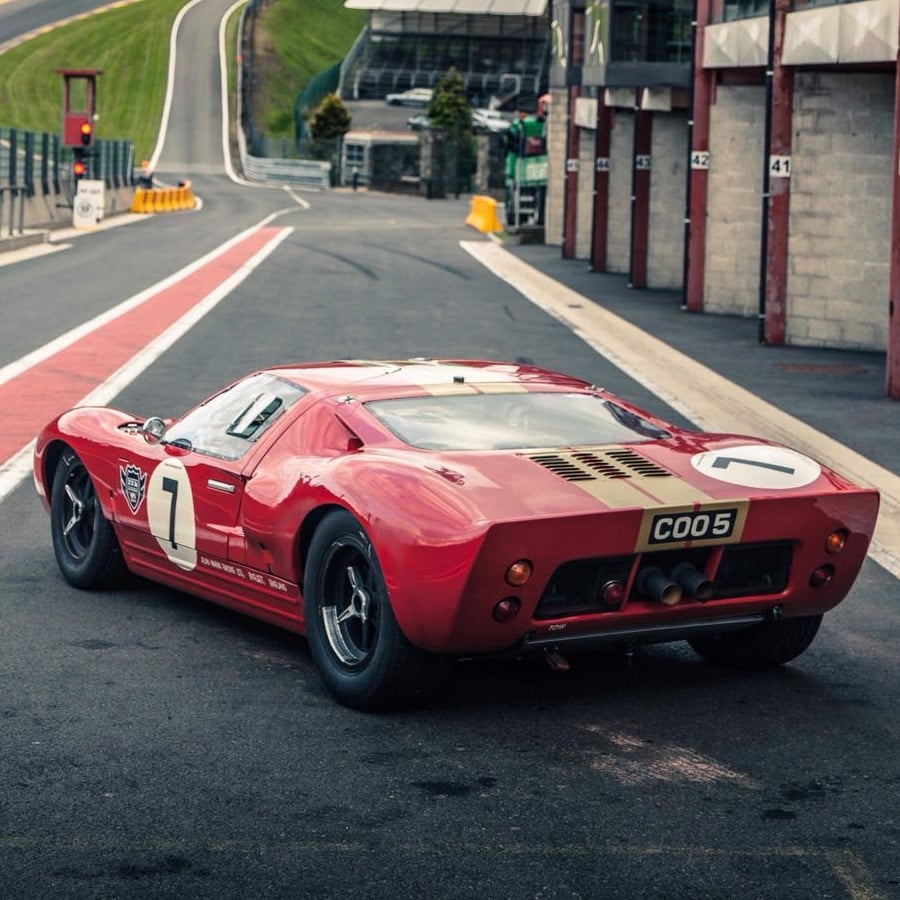
Developed with the specific goal of defeating Ferrari in endurance racing, the Ford GT40 became one of the most important competition cars of the decade. Its victories at the 24 Hours of Le Mans, including four consecutive overall wins from 1966 through 1969, demonstrated that an American manufacturer could dominate Europe’s most prestigious endurance race.
Sign up for our newsletter
9. Chevrolet Camaro
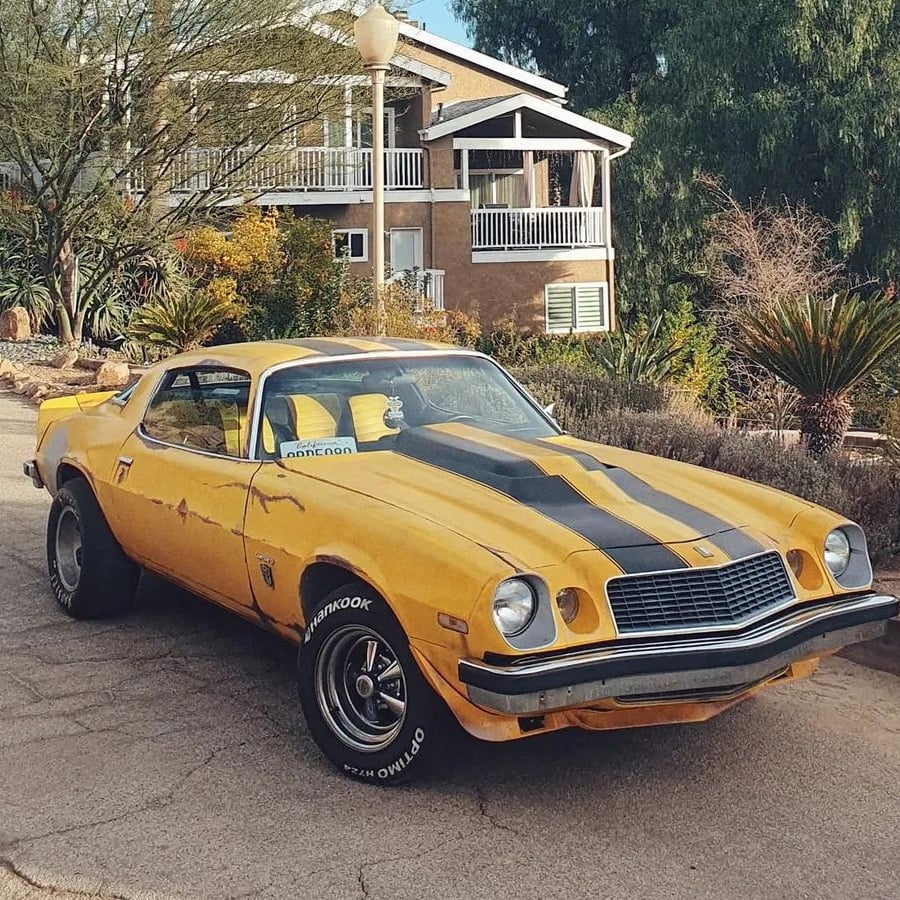
Chevrolet introduced the Camaro for the 1967 model year as its answer to the wildly successful Ford Mustang. With aggressive styling and configurations ranging from relatively modest commuters to powerful V8 performance models, the Camaro helped turn the pony-car battle into one of Detroit’s defining rivalries.
10. Lamborghini Miura
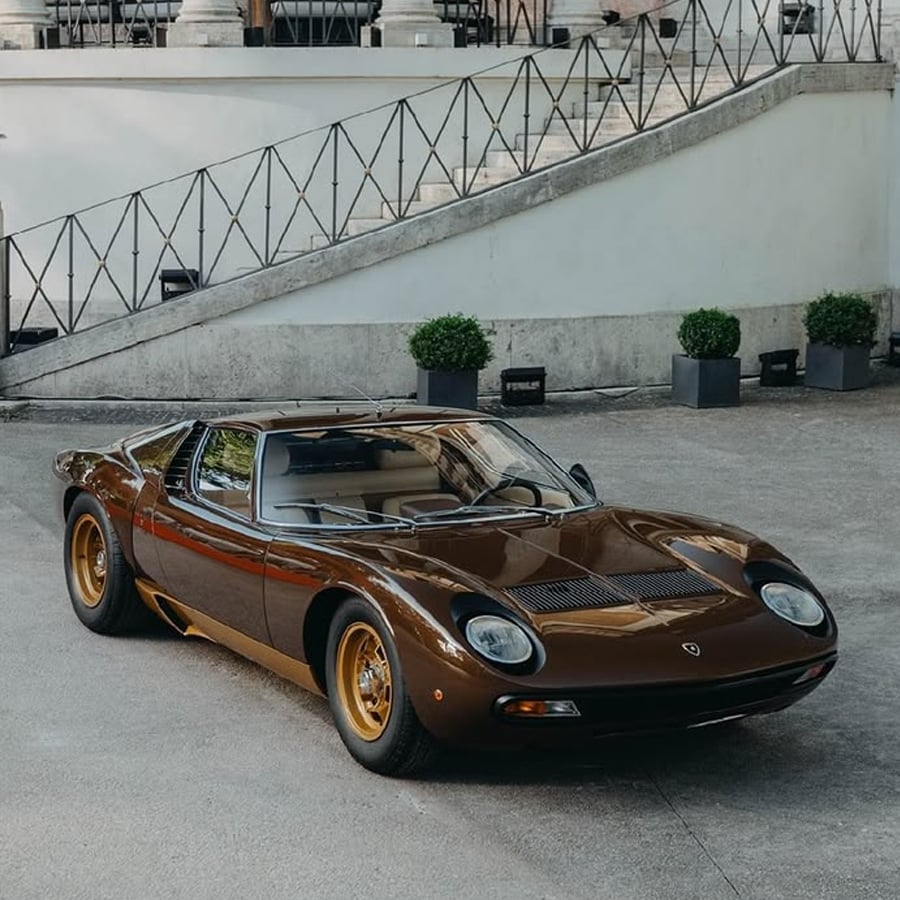
Introduced in the mid-1960s, the Lamborghini Miura placed a powerful V12 engine behind the passenger compartment in a stunning road-car body. Its mid-engine configuration and exotic styling helped establish the template that would eventually become standard for many of the world’s most desirable supercars.
11. Toyota 2000GT
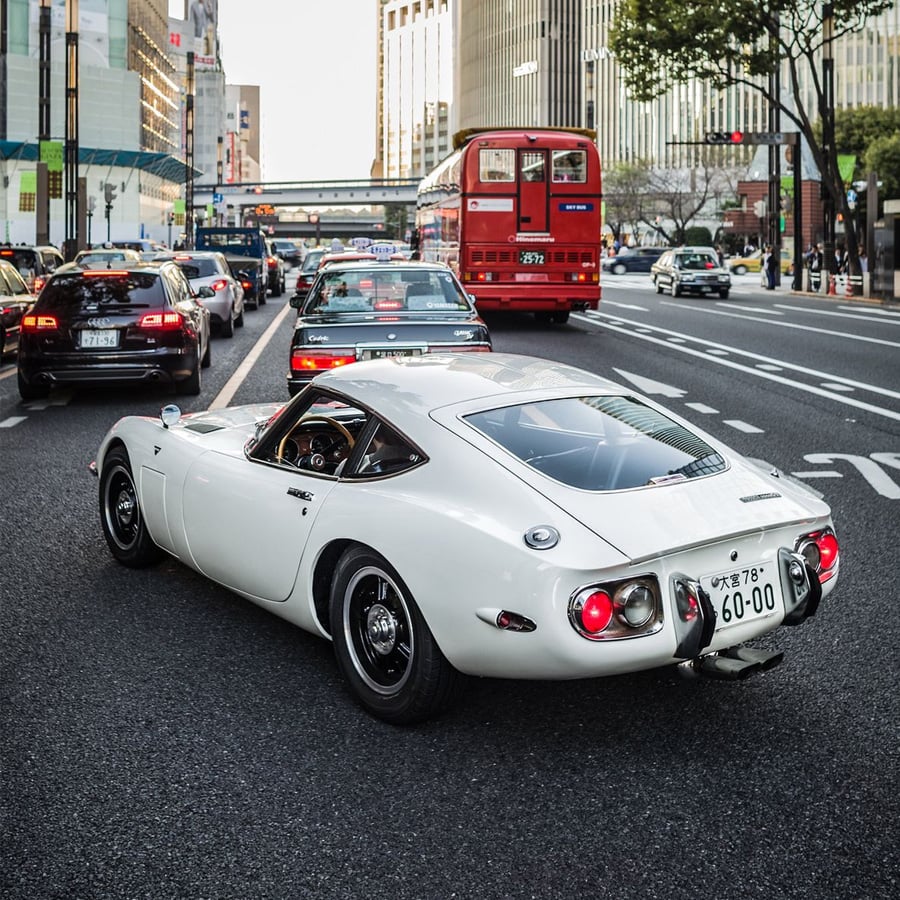
The Toyota 2000GT challenged international perceptions of Japanese automobiles when it appeared in the 1960s. Its sleek styling, sophisticated engineering, and strong performance showed that Japan’s emerging auto industry was capable of producing far more than practical economy cars.
12. Shelby Cobra
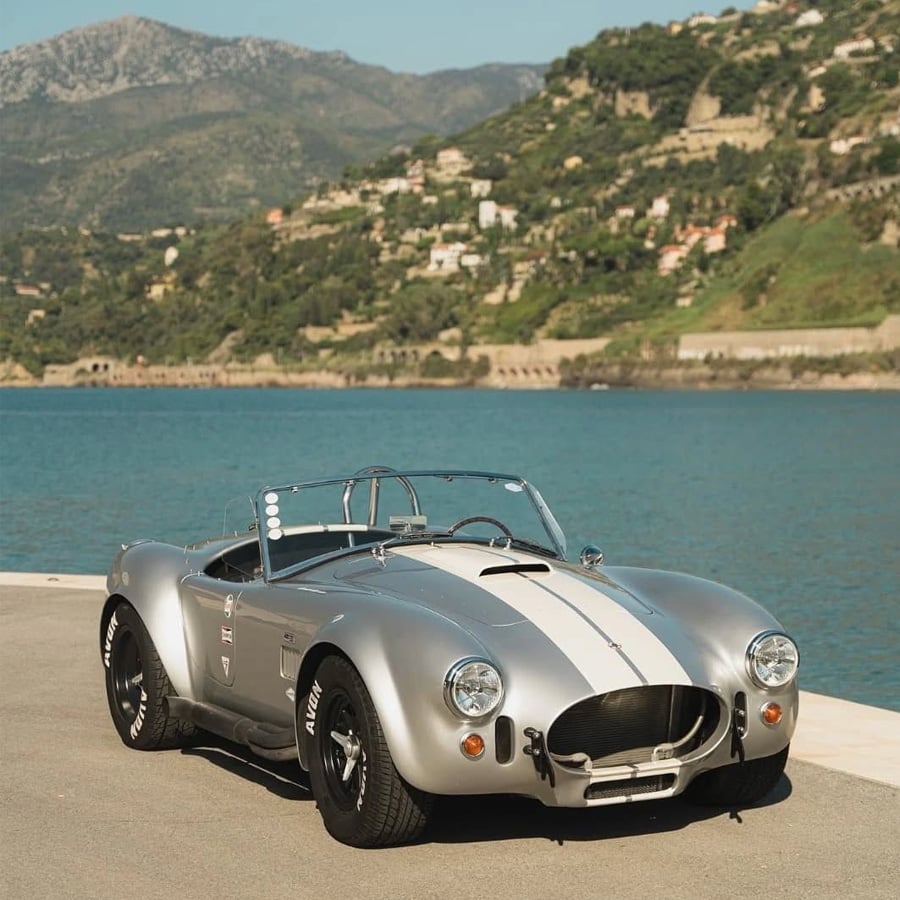
Carroll Shelby’s Cobra combined a lightweight British AC Ace chassis with powerful American Ford V8 engines, producing extraordinary performance in a remarkably simple package. The car became a racing legend and one of the clearest examples of how American horsepower and European sports-car design could be successfully combined.
13. Citroën DS
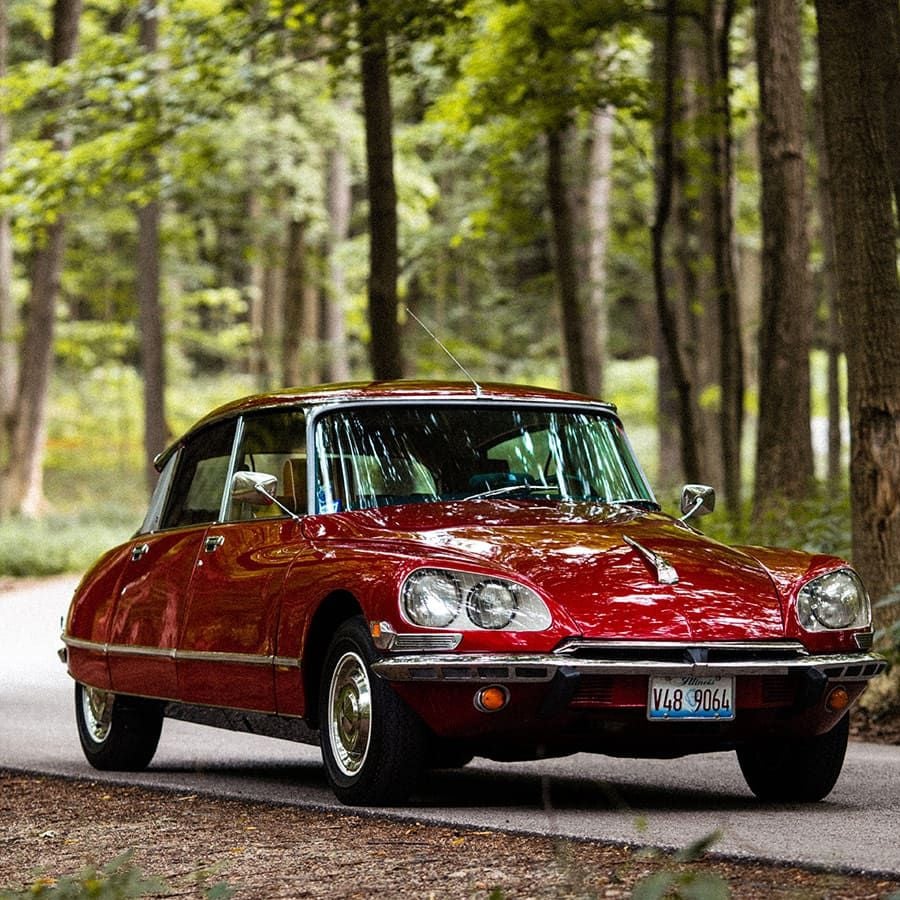
Already introduced in the 1950s, the Citroën DS remained one of the world’s most technologically distinctive automobiles throughout the 1960s. Its hydropneumatic suspension, aerodynamic styling, innovative controls, and emphasis on comfort demonstrated just how unconventional a mainstream production car could be.
14. Datsun 240Z
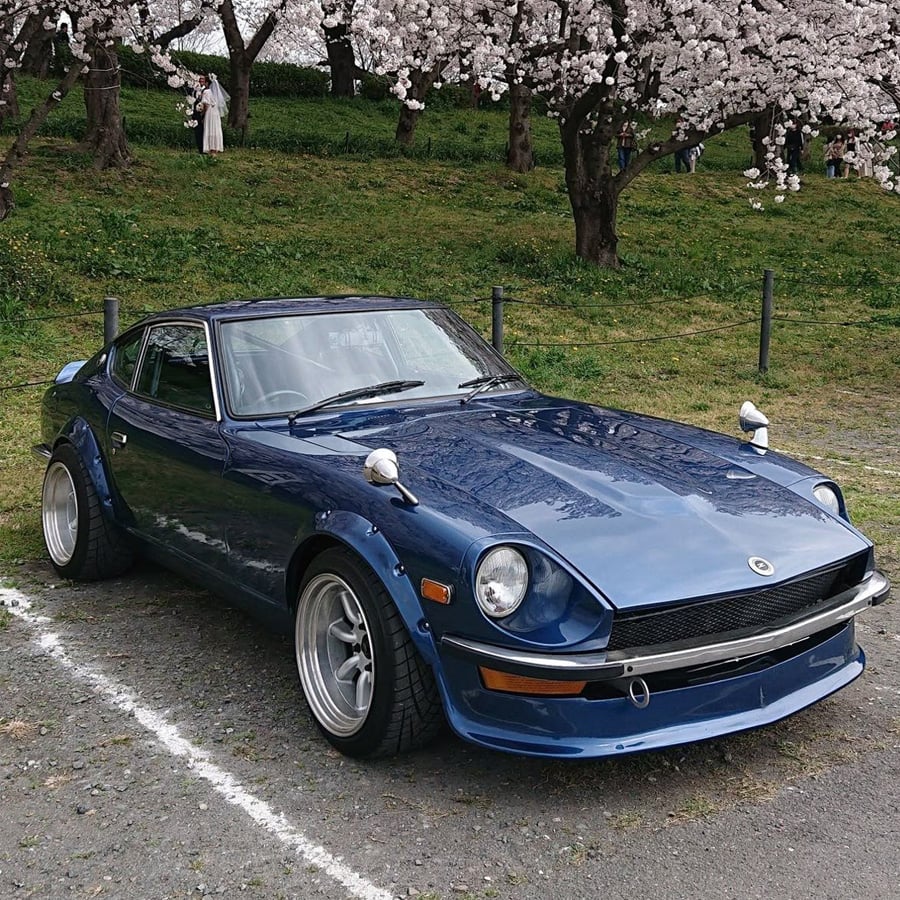
Arriving in 1969 as a 1970 model, the Datsun 240Z offered attractive styling, strong performance, and everyday usability at a price far below many established European sports cars. Its success helped strengthen the reputation of Japanese manufacturers in North America and reshaped expectations for affordable sports cars.
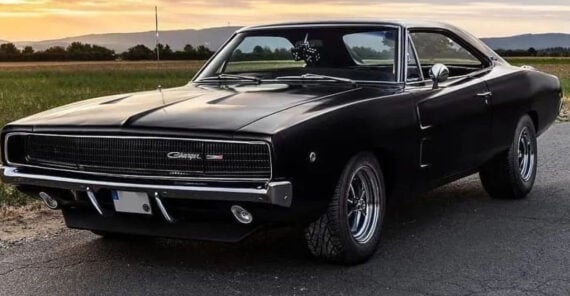
15. Dodge Charger
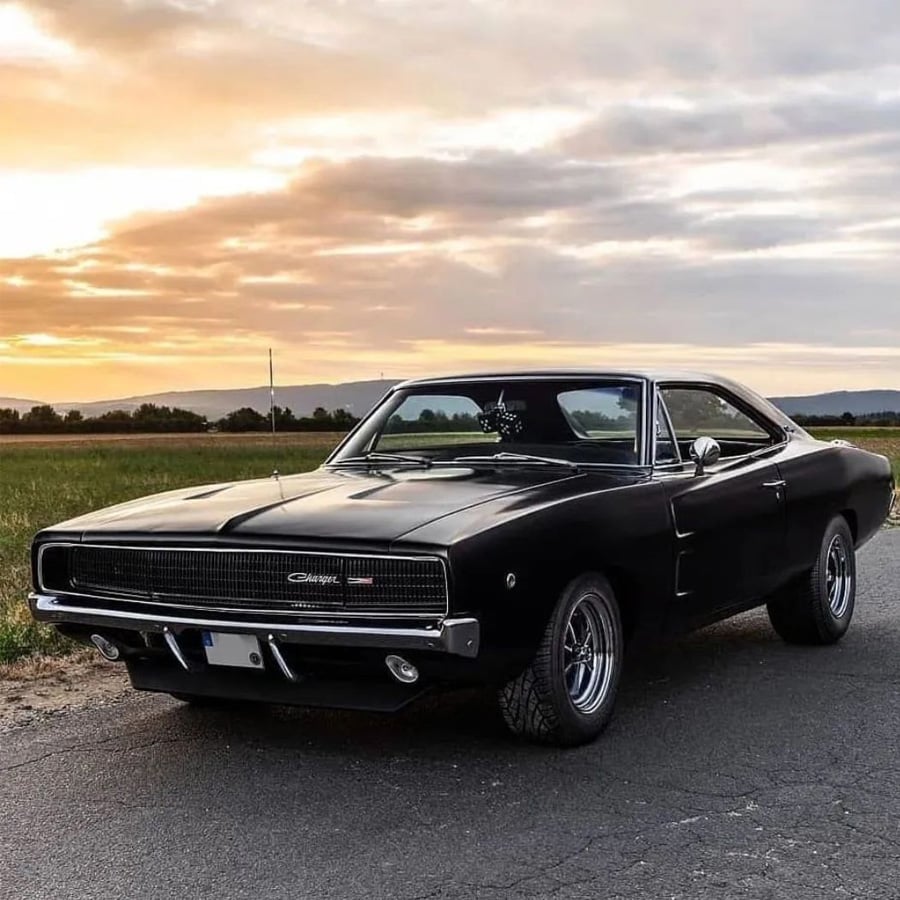
Introduced in 1966, the Dodge Charger evolved into one of the most recognizable performance cars of the muscle-car era. The dramatic second-generation model introduced for 1968 combined distinctive styling with powerful engine choices, helping make high-performance automobiles a major part of American popular culture.
More Related Notes
• 16 Cars From the 1970s That Would Never Be Built Today.
Explore the bold designs and engineering choices that defined the decade immediately after the revolutionary cars of the 1960s.
• 15 Classic Cars Nobody Wanted That Became Collector Favorites.
Discover overlooked vintage automobiles that eventually became highly desirable classics, showing how perceptions of automotive history can change over time.
• 18 Classic American Brands That Quietly Became Collectors’ Favorites.
Take a nostalgic look at iconic American brands and products that became lasting symbols of the same era that produced some of history’s most influential cars.