
The 1950s get a lot of credit for poodle skirts and drive-in movies, but the real magic of the decade was happening in labs and garages across the country. This was the era when everyday life got a serious upgrade, and inventors were dreaming up gadgets that felt like pure science fiction at the time.
What’s wild is how many of these inventions are still part of our daily routines decades later. We’re talking about the building blocks of modern convenience, things we now take completely for granted. So let’s take a trip back to the decade that gave us so much more than just rock and roll. Let´s look at 15 inventions from the 1950s.
1. The Credit Card
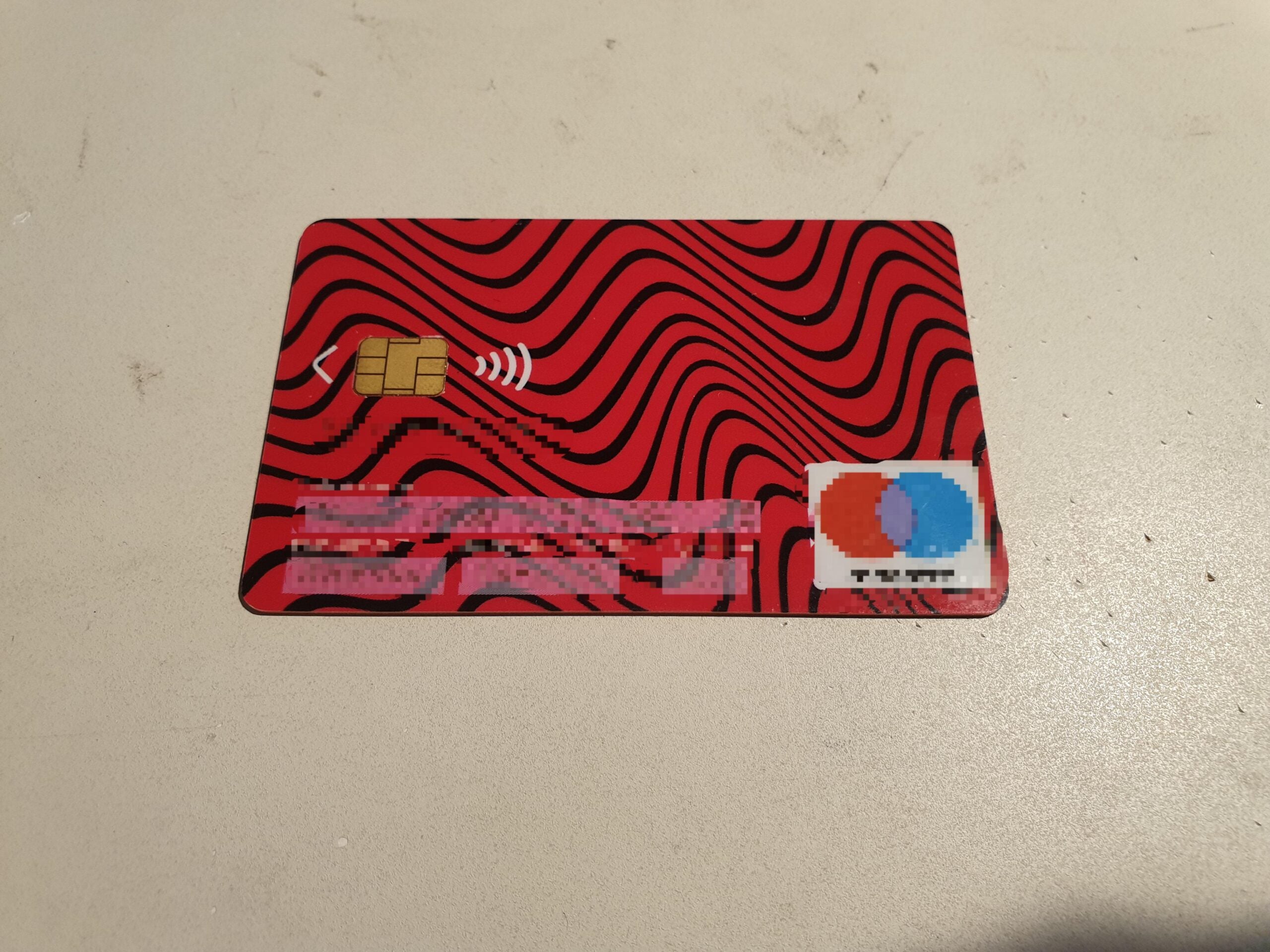
Before the 1950s, if you wanted to buy something, you needed cash or a store-specific charge account. That changed in 1950 when Diners Club introduced the first credit card. It started as a way for businessmen to pay for meals without carrying cash, but it quickly grew into something much bigger. Today, credit cards are basically the backbone of how we shop, both in stores and online.
2. The TV Remote Control
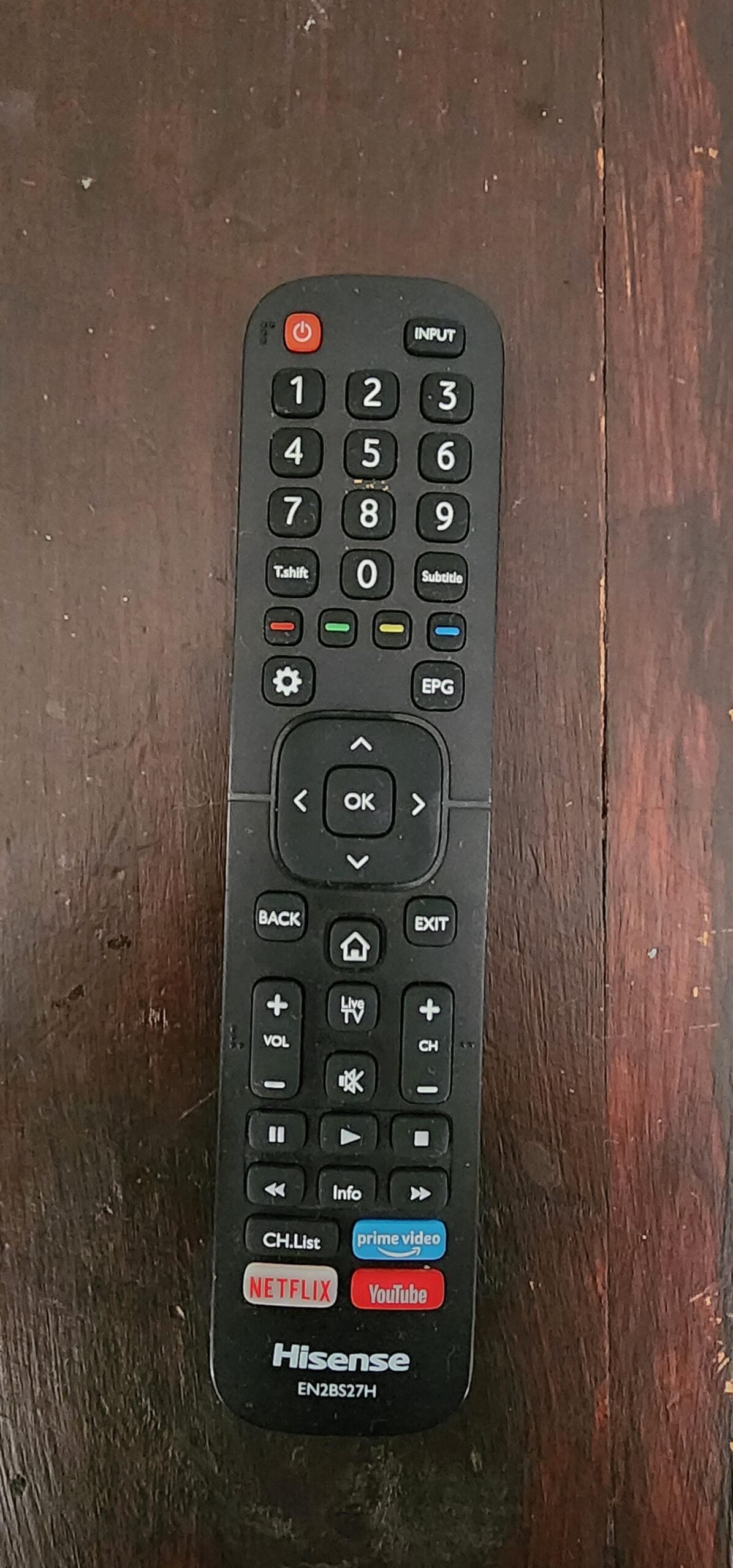
Getting up to change the channel used to be a normal part of watching television. Zenith changed that in 1950 with the Lazy Bones remote, a wired device that let viewers control the set from their couch. A few years later, the wireless version arrived and made channel surfing a permanent part of American culture. Now it’s hard to imagine a TV that doesn’t come with one.
3. The Solar Cell
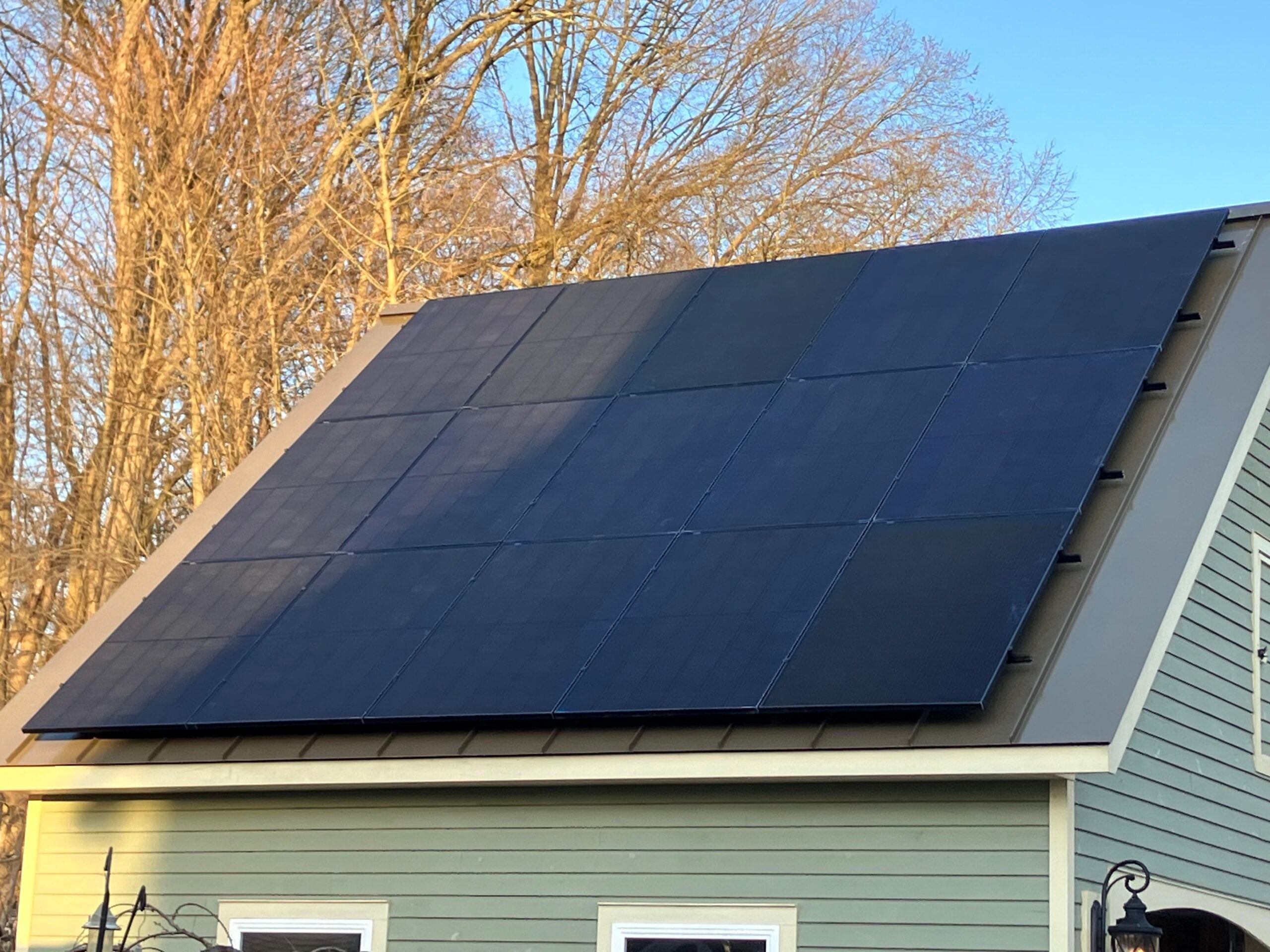
Bell Labs launched the first practical silicon solar cell in 1954, turning sunlight into usable electricity for the first time. At the time, it was mostly a scientific curiosity with a steep price tag. Fast forward to today, and solar panels are on rooftops all over the world, powering homes and even entire neighborhoods with clean energy.
4. The Barcode
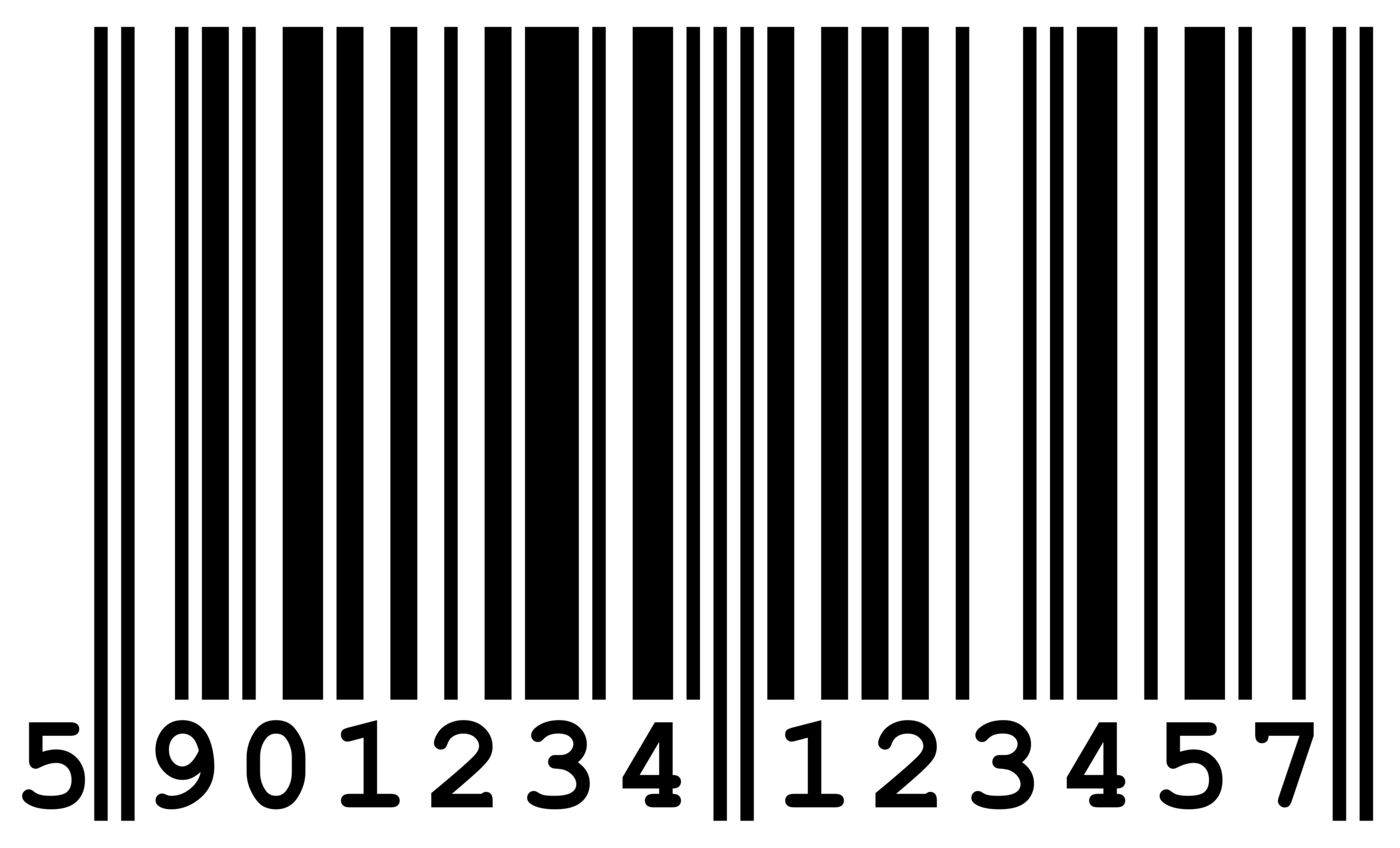
Two grad students filed a patent for the barcode back in 1952, though it took decades for the technology to actually catch on at checkout counters. The idea was simple: give every product its own scannable code to speed up sales and tracking. Now barcodes are everywhere.
5. The Video Game
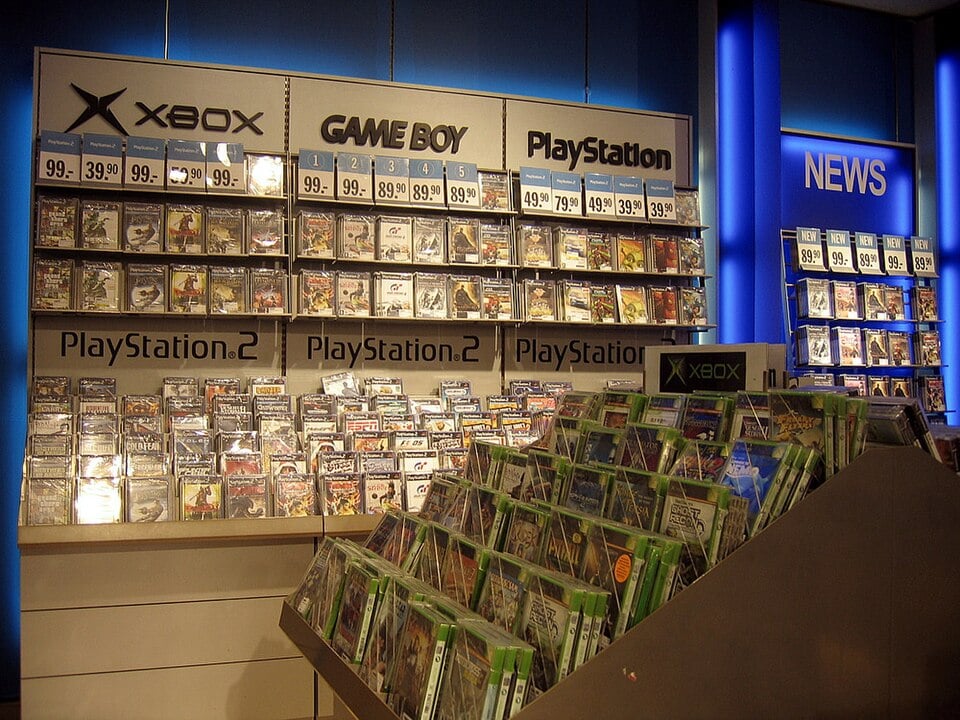
Long before consoles and arcades, a physicist named William Higinbotham created “Tennis for Two” in 1958 on an oscilloscope. It was built for a lab open house, just a simple way to entertain visitors with a game of virtual tennis. Nobody at the time realized they were witnessing the birth of an entire industry worth billions today.
Trending on Wealth Gang

6. The Non-Stick Pan
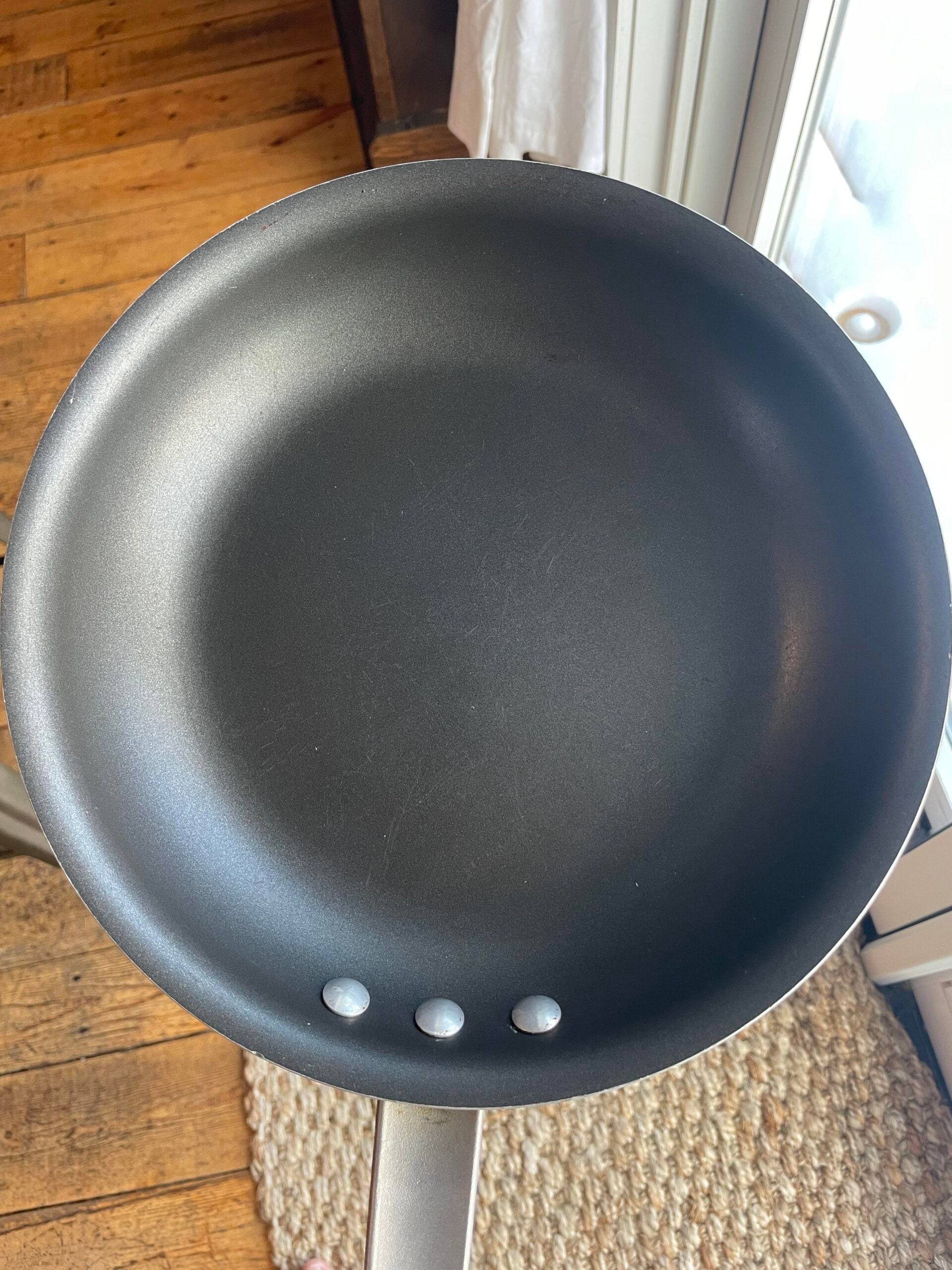
Teflon itself was discovered in 1938, but it wasn’t until the 1950s that a French engineer figured out how to bond it to cookware. His wife encouraged him to try it on her frying pans, and the non-stick pan was born. It hit the market in 1956 and changed home cooking forever.
7. The Hard Disk Drive
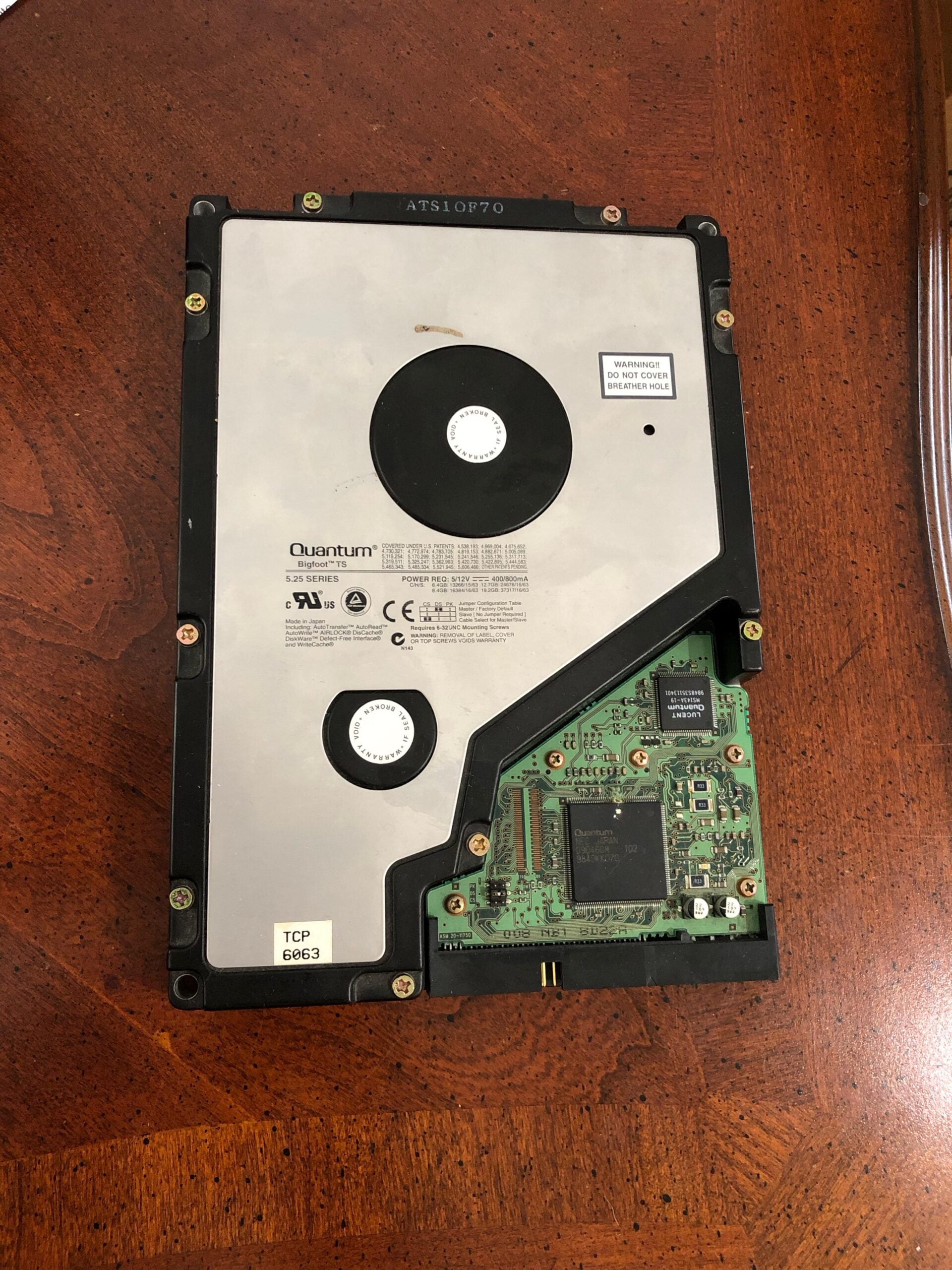
IBM introduced the first hard disk drive in 1956, and it was massive, about the size of two refrigerators and capable of storing just 5 megabytes. That’s less space than a single photo on your phone today. Still, it laid the groundwork for every computer, laptop, and server that came after it.
8. The Birth Control Pill
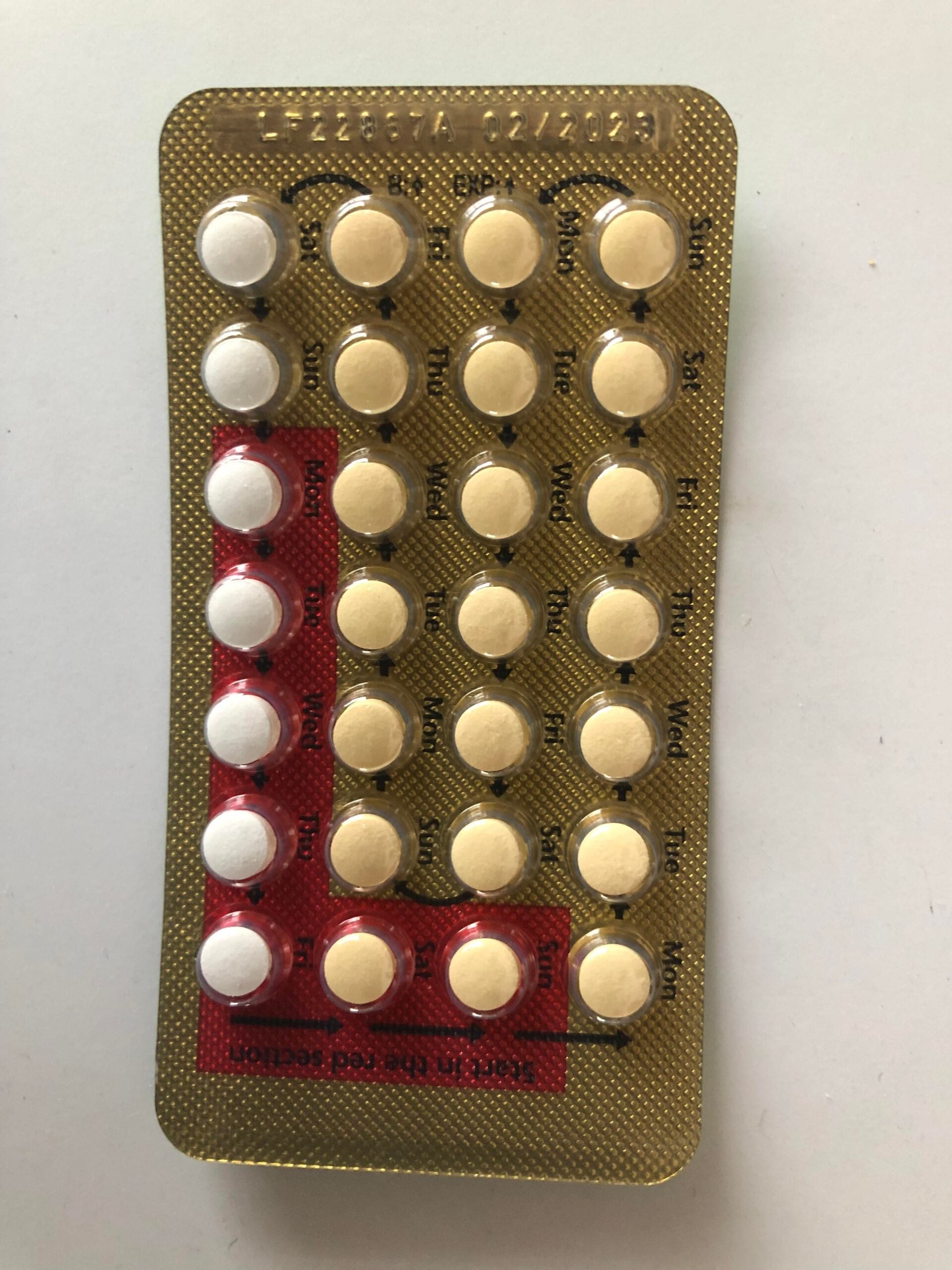
Approved by the FDA in 1960 but developed throughout the 1950s, the birth control pill was one of the most socially significant inventions of the era. It gave women control over their reproductive health in a way that hadn’t existed before.
Sign up for our newsletter
9. The Transistor Radio
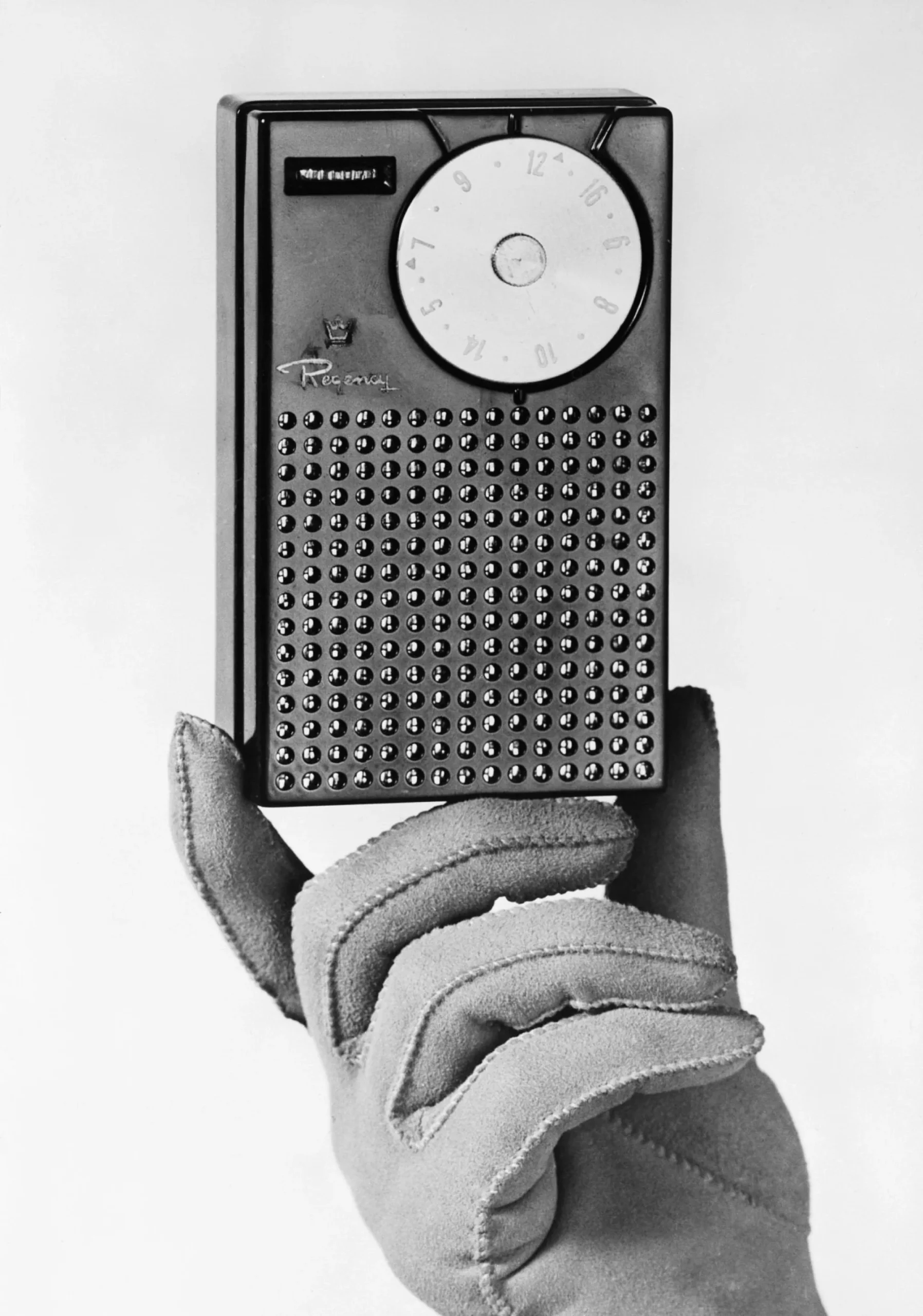
In 1954, Texas Instruments and a company called Regency released the first transistor radio to the public. It was small enough to fit in a pocket, which was a huge deal compared to the bulky tube radios families gathered around at home. Teenagers especially loved it, since it meant they could finally listen to their own music away from their parents.
10. Velcro
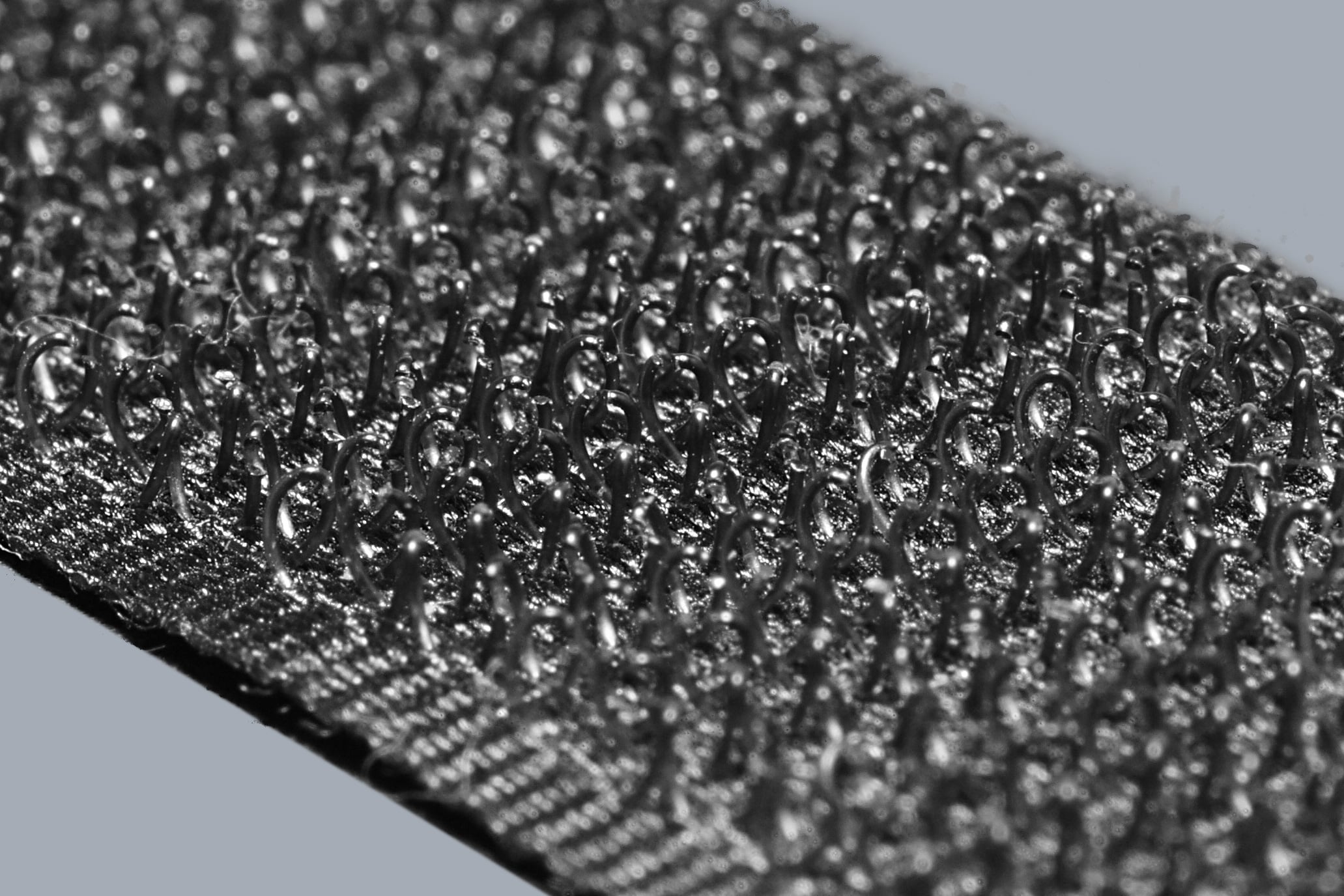
A Swiss engineer named George de Mestral got the idea for Velcro after noticing how burrs stuck to his dog’s fur during a hike in the woods. He spent years perfecting the hook-and-loop design, and it was officially patented in 1955. Velcro ended up everywhere, from sneakers to space suits.
11. Microwave Oven for Home
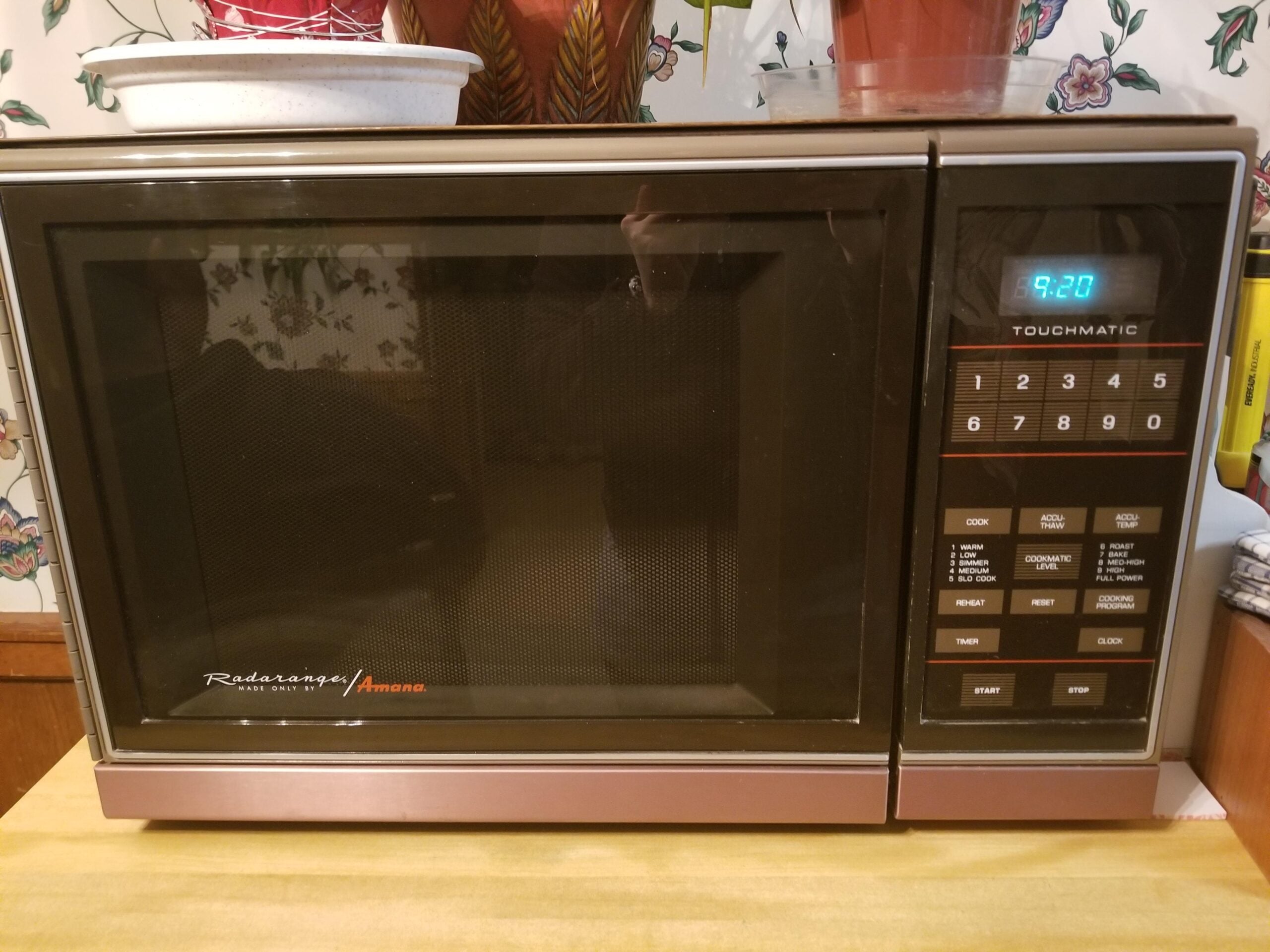
Microwave technology existed earlier, but it wasn’t until the 1950s that home models started to appear, making quick cooking possible for regular families. Early versions were expensive and enormous, nothing like the compact countertop microwaves we use now. Still, they set the stage for one of the most common appliances in kitchens today.
12. The Artificial Heart Valve
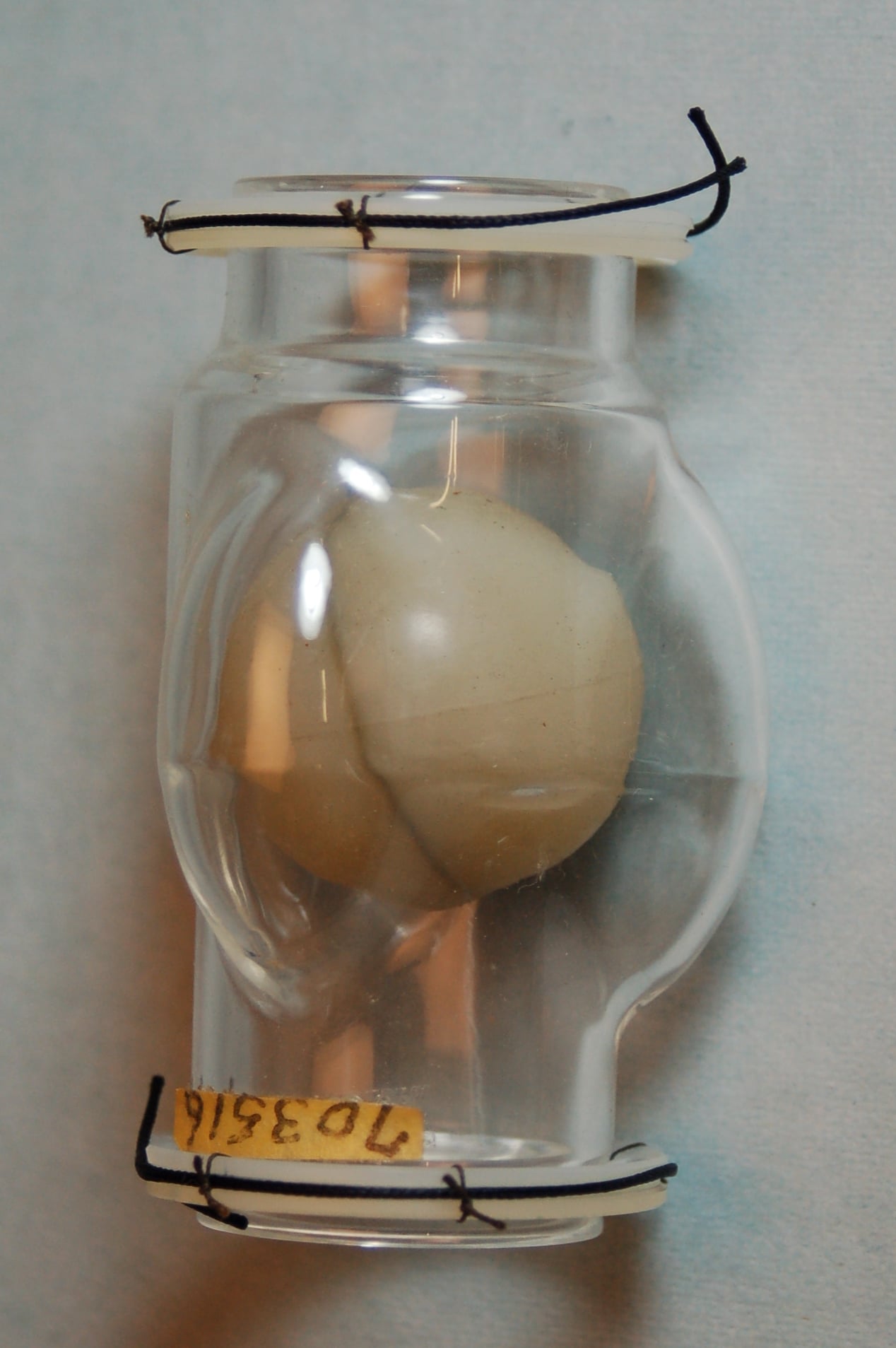
In 1952, Dr. Charles Hufnagel implanted the first artificial heart valve in a patient, a breakthrough in cardiac medicine. It was a simple design by today’s standards, but it proved that damaged valves could be replaced instead of just managed. That single procedure opened the door to the advanced heart surgeries that save countless lives now.
13. The Hovercraft

British engineer Christopher Cockerell developed the hovercraft in the late 1950s, creating a vehicle that could glide over land, water, and ice using a cushion of air. Hovercrafts are still used today for rescue missions, military transport, and crossing bodies of water that regular boats can’t handle.
14. The Super Ball
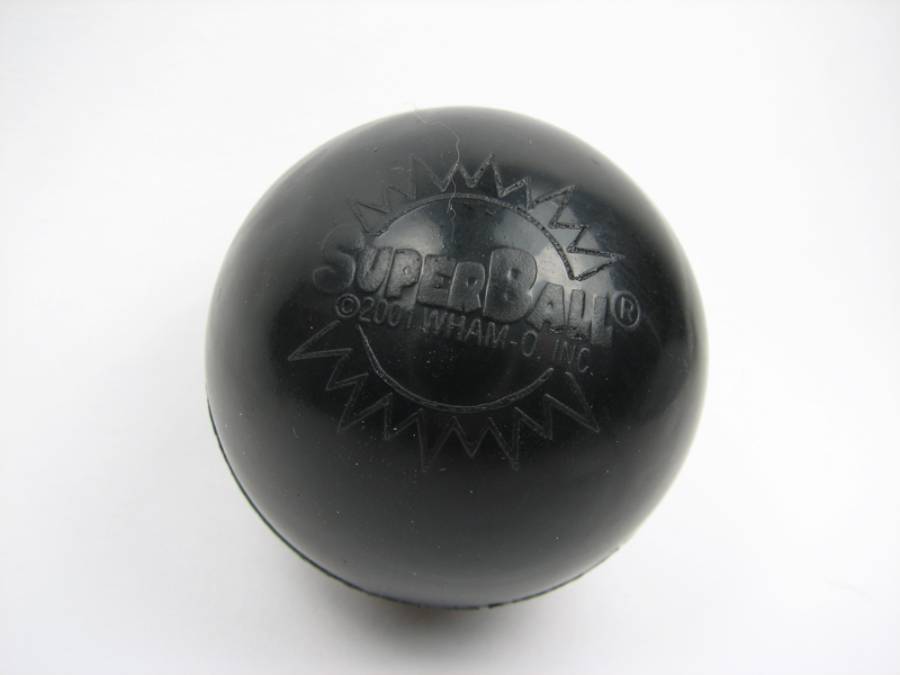
Chemist Norman Stingley accidentally created an incredibly bouncy rubber compound in 1965. Those experiments eventually led to some of the most popular toys of the following decades. It is a good reminder that even a “failed” experiment can bounce back in unexpected ways.
15. The Integrated Circuit
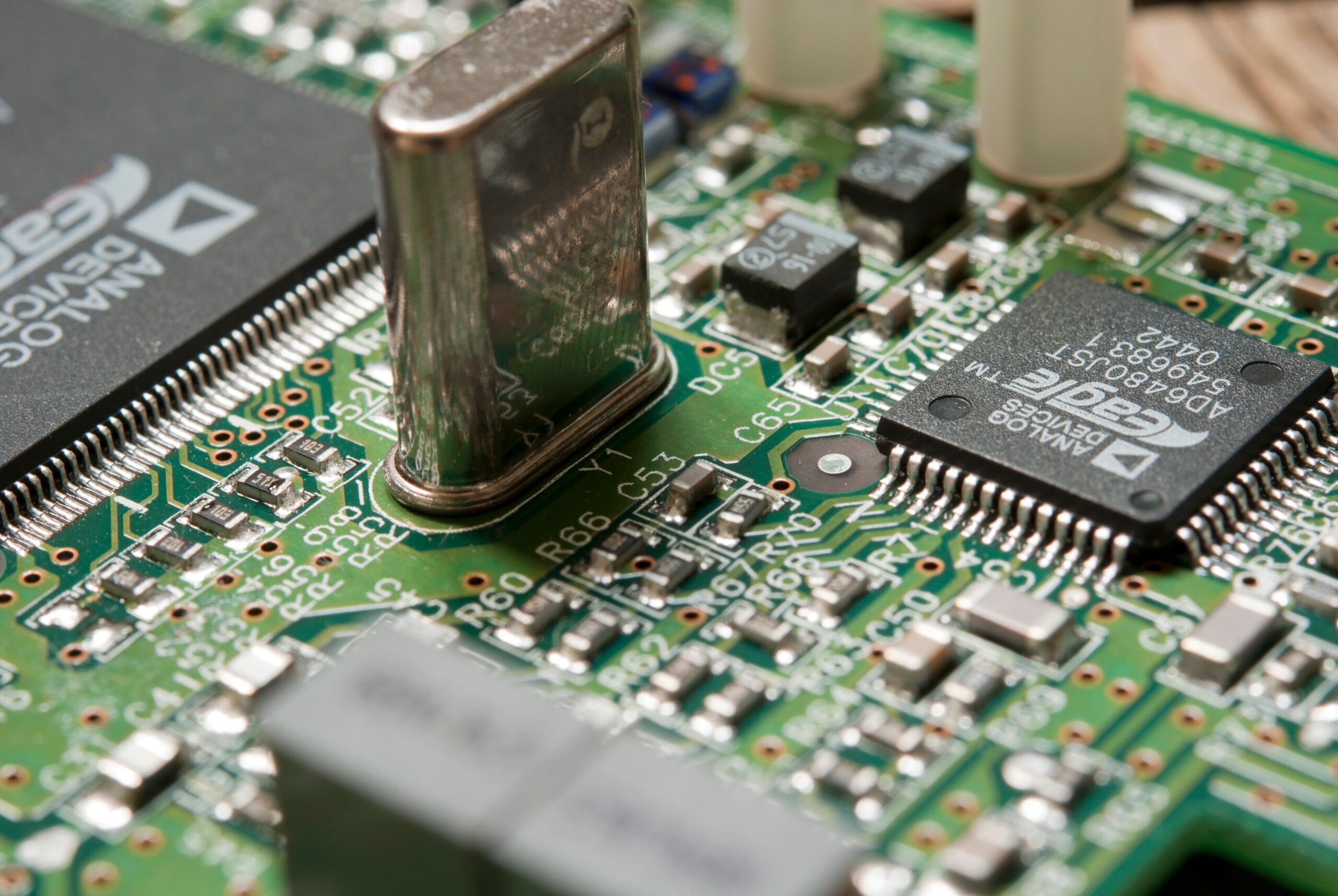
In 1958, engineer Jack Kilby built the first working integrated circuit, cramming multiple electronic components into a single chip. Before this, circuits were bulky and had to be wired together by hand, piece by piece. Kilby’s invention became the foundation for every smartphone, laptop, and digital device we rely on today.
Want more content from the Baby Boom Era?
If you enjoyed learning which 15 Household Purchases Boomers Bought Without Financing, take a trip further back to see the daily routines that shaped that generation’s habits with 12 Habits That Were Just “Normal Life” in 1950s Suburbs, from the milkman’s morning rounds to Sunday dinners. And for a visual trip through the decade, 22 Rare Photos That Capture Small-Town Life in the 1950s brings Main Street back to life with soda counters, parades, and roadside picnics that show exactly why families saved up instead of financing.