
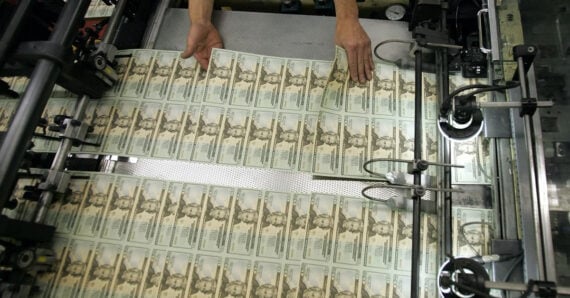
Money facts are often stranger than the basic financial lessons most people learn growing up. The systems behind cash, banking, credit, and wealth contain quirks that rarely come up in everyday conversations.
From what happens to damaged bills to why wealthy people may prefer borrowing over selling investments, these lesser-known facts reveal some surprising details about how money actually works.
1. Most Money Doesn’t Exist as Physical Cash

The money circulating through a modern economy isn’t represented by an equivalent pile of bills and coins. Much of it exists electronically as balances recorded by banks.
2. A Damaged Dollar Bill Can Still Be Worth Its Full Value
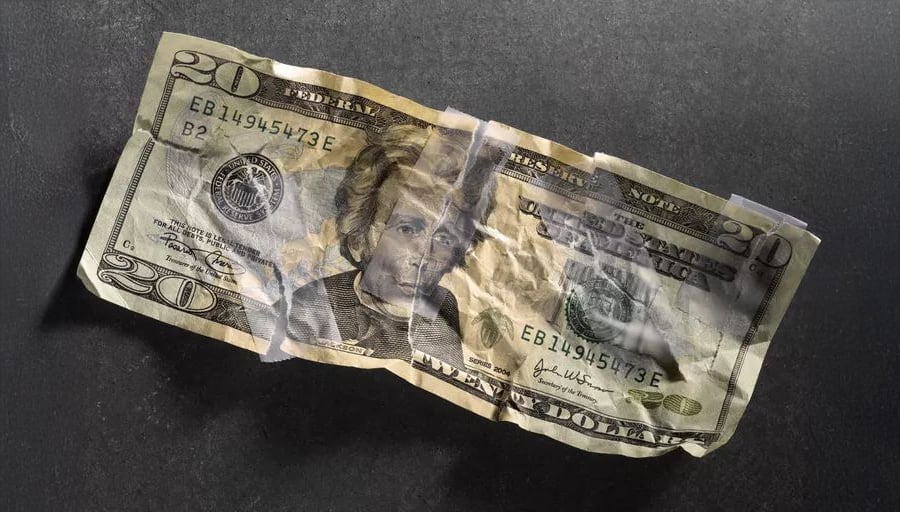
In the United States, badly damaged currency isn’t automatically worthless. Under certain conditions, the Bureau of Engraving and Printing can examine mutilated bills and reimburse their owners.
3. The U.S. Has Printed Bills Larger Than $100
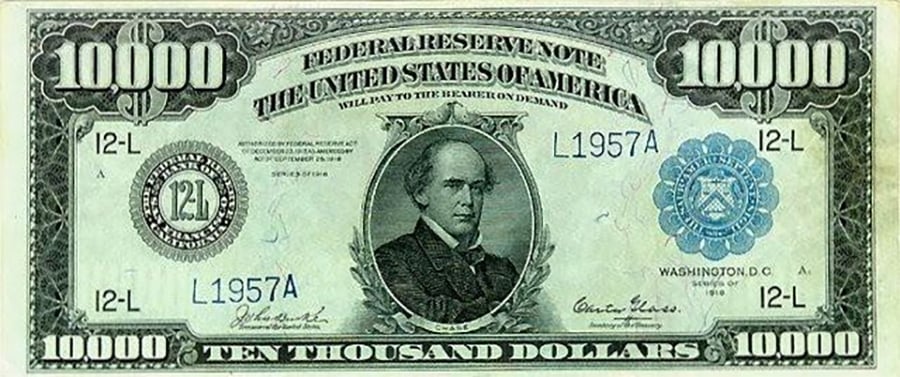
The $100 bill is the largest denomination currently issued for public use, but the U.S. once circulated $500, $1,000, $5,000, and $10,000 notes.
4. There Was Once a $100,000 U.S. Bill
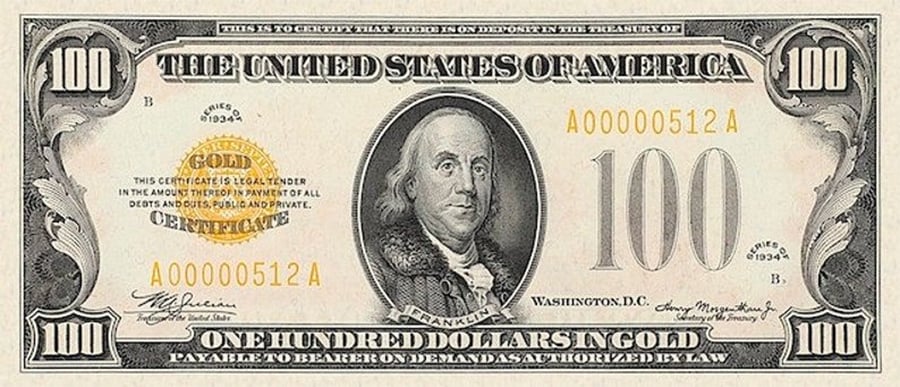
The largest denomination ever printed by the United States featured Woodrow Wilson. It wasn’t available to the public and was used only for transactions between Federal Reserve Banks.
5. Pennies Can Cost More Than One Cent to Produce
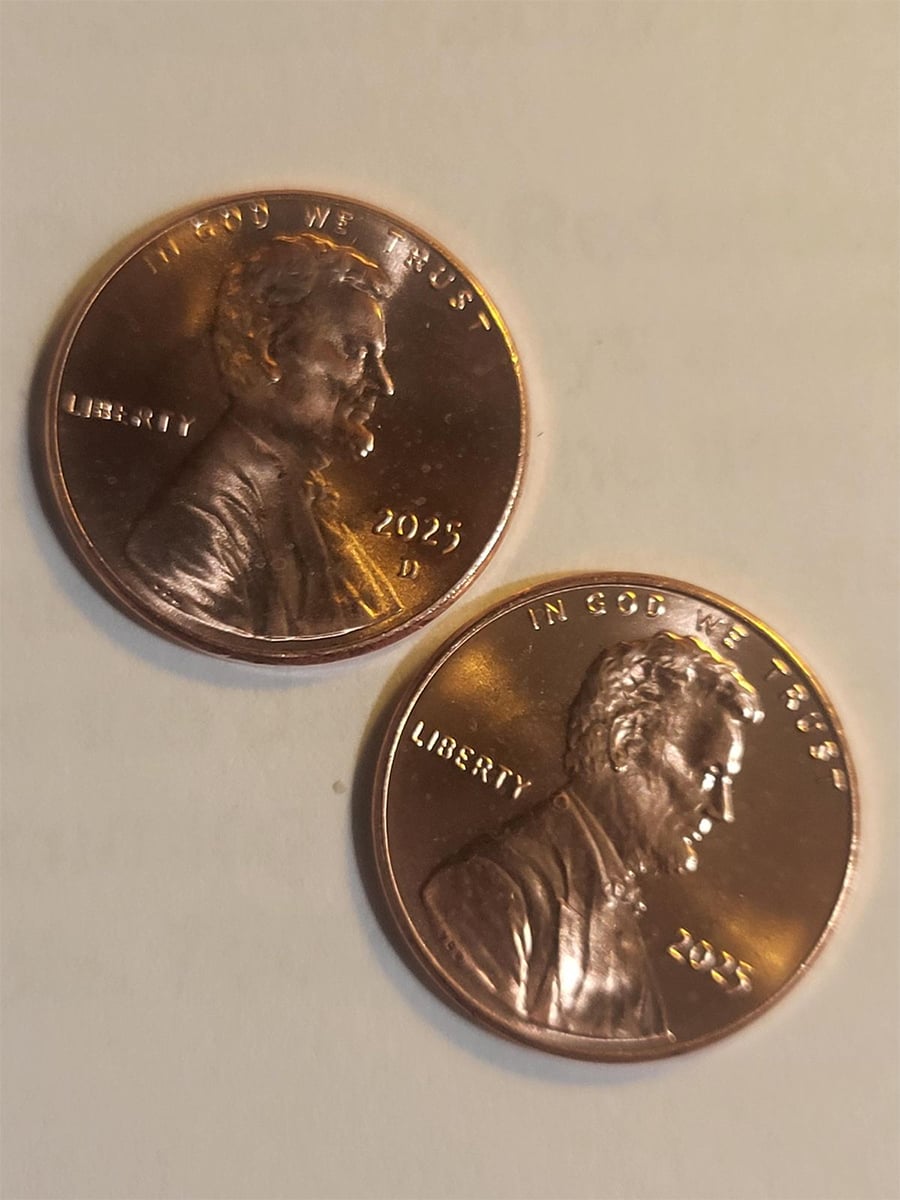
Producing and distributing a one-cent coin has cost the U.S. Mint more than the coin’s face value, creating an unusual situation where making money can literally lose money.
Trending on Wealth Gang

6. Credit Cards Existed Before the Magnetic Stripe
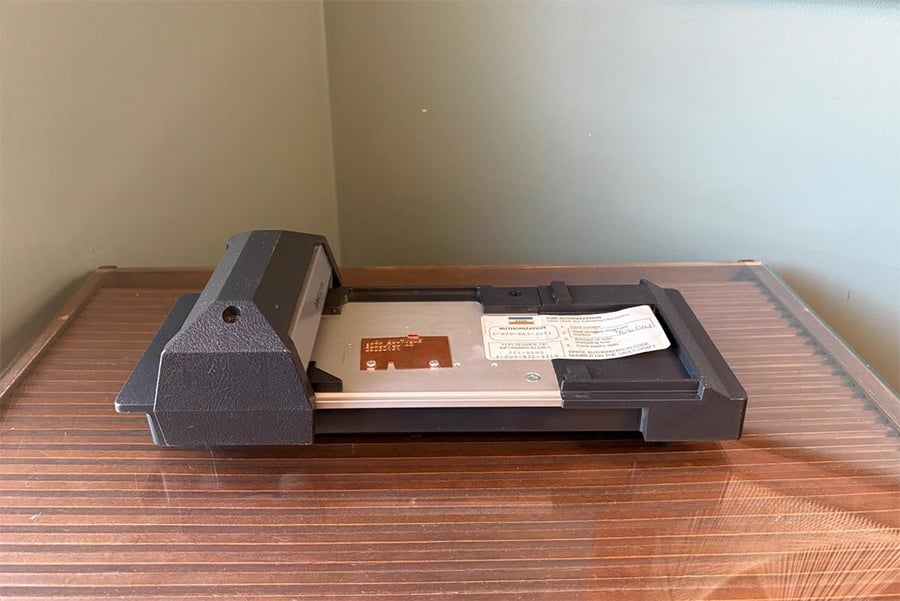
Early credit cards relied on embossed numbers and manual imprint machines. The magnetic stripe that made electronic payments easier arrived later.
7. Paper Money Isn’t Actually Made From Ordinary Paper
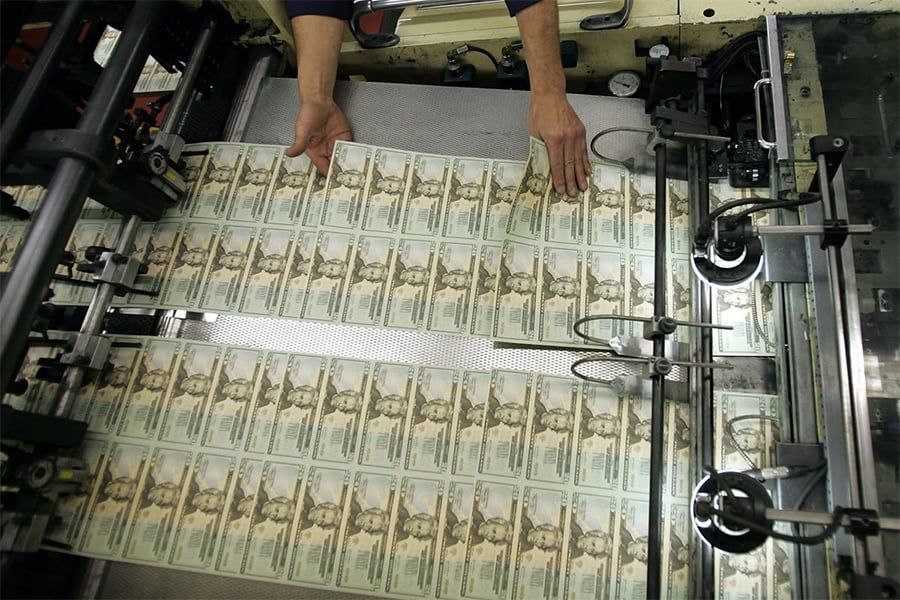
U.S. currency uses a blend primarily composed of cotton and linen, helping bills survive far more handling than ordinary paper could.
8. Some Valuable Coins Are Worth More Because of Mistakes
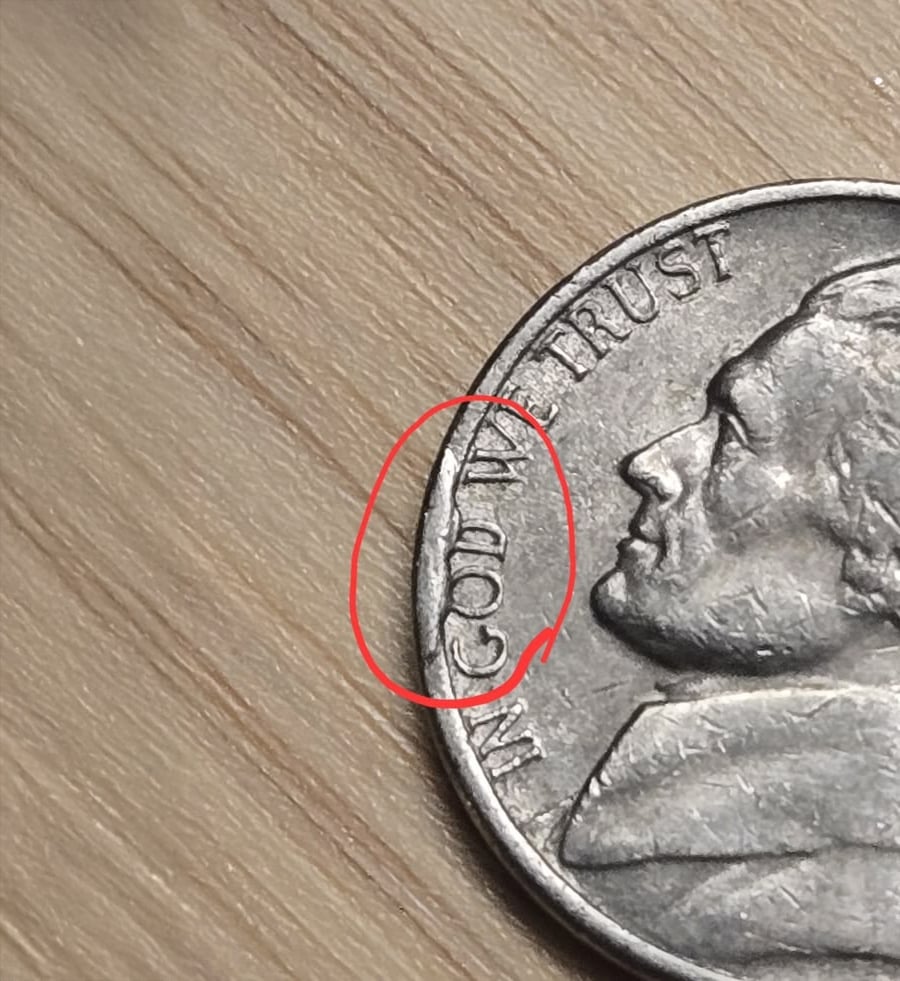
A small minting error can transform an ordinary coin into a collector’s item worth considerably more than its face value.
Sign up for our newsletter
9. Inflation Can Make a Raise Worth Less Than It Looks

Getting a 3% raise doesn’t necessarily increase someone’s purchasing power by 3%. If prices rise at the same rate, their real buying power may barely change.
10. Compound Interest Works Against Borrowers Too

Compound growth isn’t limited to investments. When unpaid debt accumulates interest, borrowers can effectively pay interest on previously accumulated interest.
11. Being a Millionaire Doesn’t Mean Having $1 Million in Cash

Net worth includes assets such as investments, retirement accounts, businesses, and real estate minus debts. Someone can therefore be a millionaire while keeping relatively little cash in the bank.
12. Wealthy Investors Can Borrow Against Their Assets Instead of Selling Them

People with large investment portfolios may use those assets as collateral for loans. This can provide access to cash without immediately selling the underlying investments.
13. Your Old Forgotten Accounts May Still Be Waiting for You
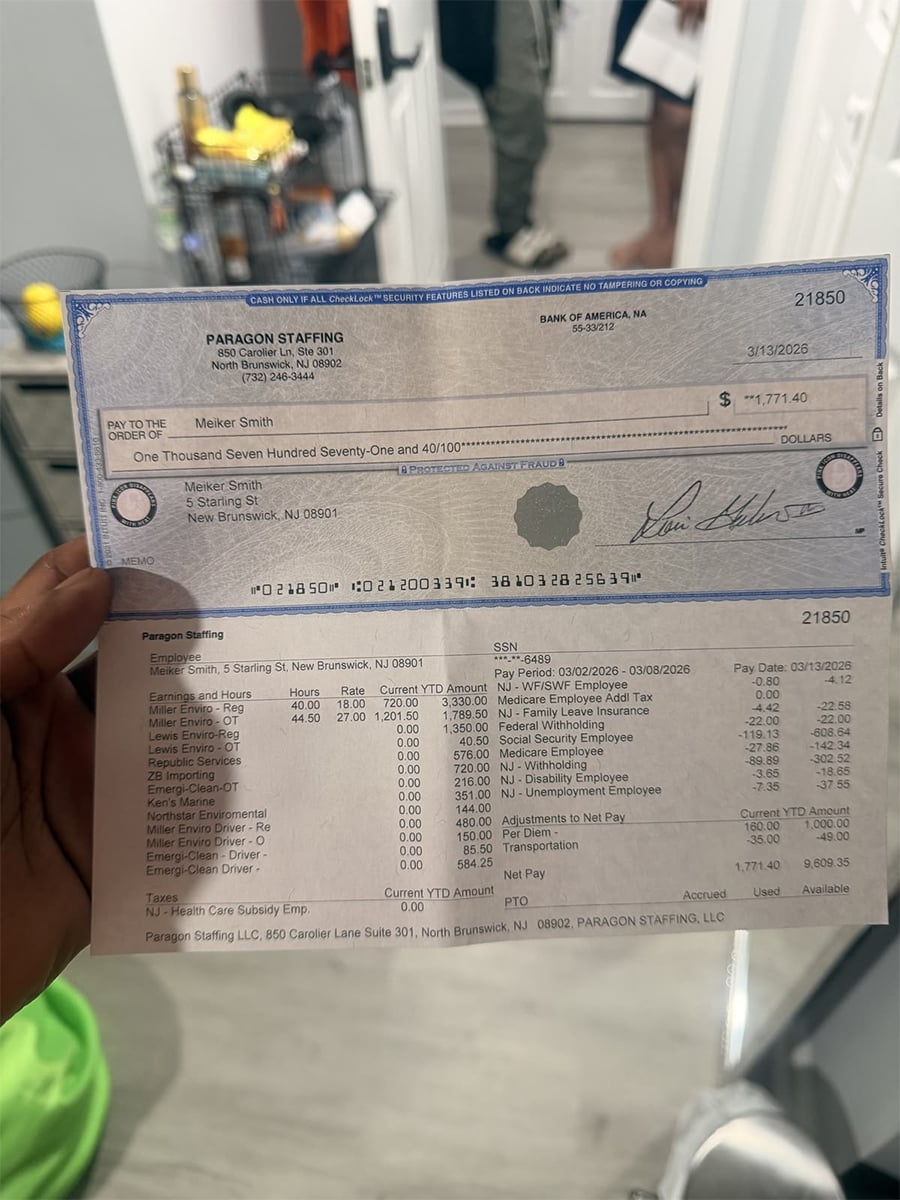
Uncashed checks, forgotten bank balances, insurance payments, and other assets can eventually become unclaimed property held by state governments until their owners claim them.
14. Two People With the Same Salary Can Have Dramatically Different Net Worths

Income measures what someone earns. Wealth measures what they own after subtracting debts, meaning identical salaries can produce completely different financial situations.
15. Starting Earlier Can Matter More Than Investing More Later

Because investment returns can compound over long periods, money invested early in adulthood can have a significant advantage over larger amounts invested much later.
Keep Reading…
- Old-Money Families in America
These legendary families built fortunes that have lasted for generations, preserving their wealth through business ownership, investments, and careful long-term planning. - The Wealthiest Political Families
Some of the world’s most influential political families also accumulated remarkable wealth through business interests, investments, and decades of public prominence. - 16 Everyday Habits That Saved Families Money in the 1800s
Long before modern budgeting apps, families relied on practical habits and resourcefulness to stretch every dollar and build financial security.