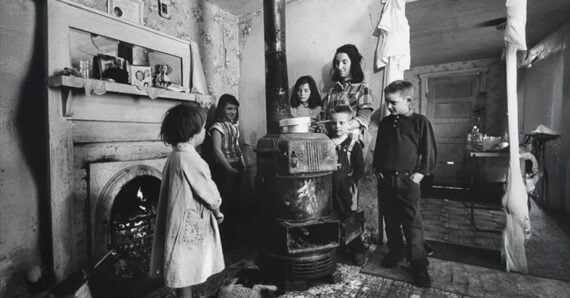
A black-and-white photo of a woman and five children standing around a wood-burning stove in a worn, cluttered room. The fireplace, old walls, and simple furniture suggest a modest, rural home.

Families in the 1800s had to be resourceful. Without modern conveniences, credit cards, or online shopping, most households depended on careful planning and practical habits to make their money stretch. Many of these routines were born out of necessity, but they helped families avoid waste and remain financially stable during uncertain times.

While daily life has changed dramatically since then, some of the money-saving habits practiced in the nineteenth century still feel surprisingly relevant today. These are some of the everyday ways families reduced expenses and made the most of what they had.

1. Growing Their Own Food
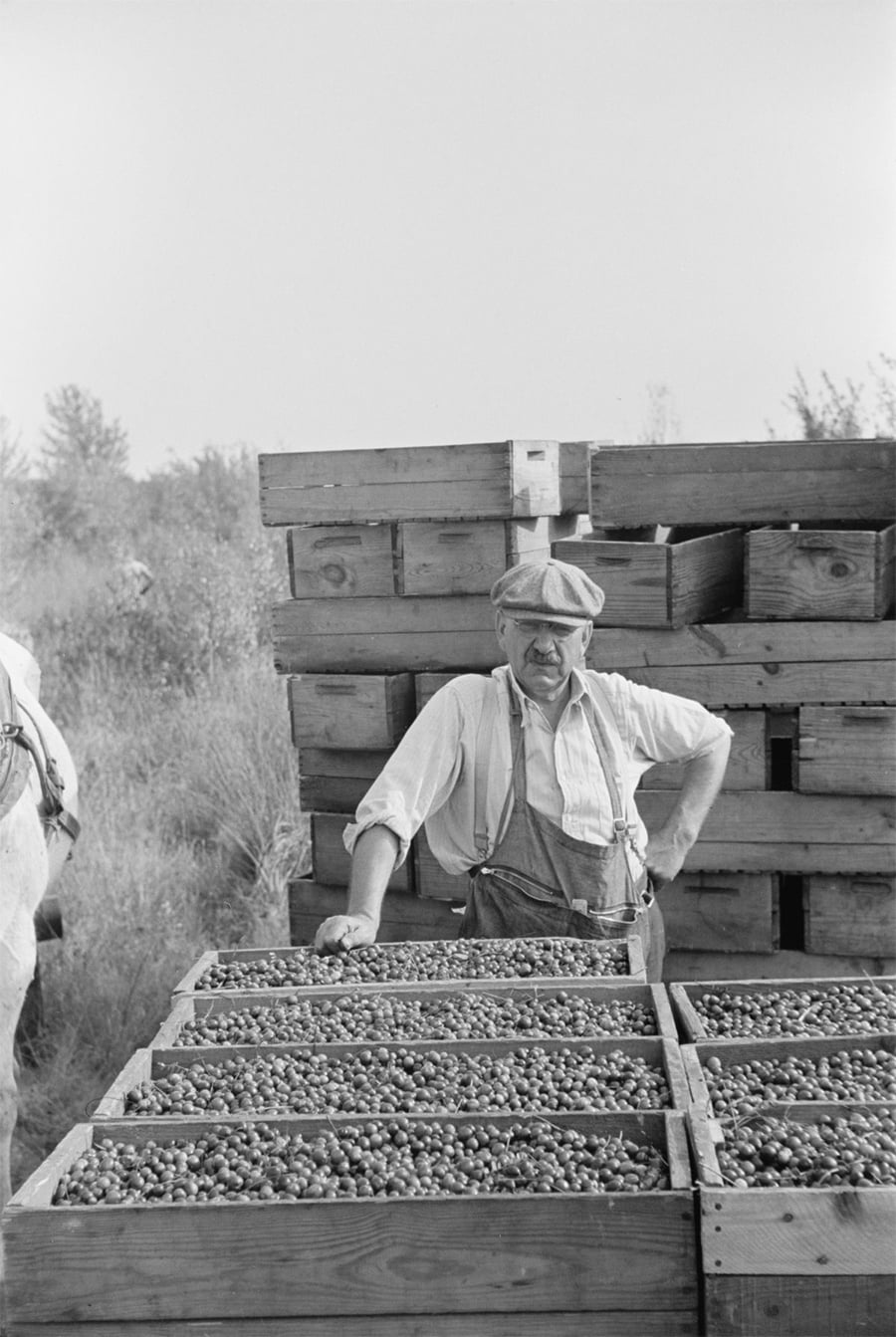
A man wearing a cap and suspenders stands next to large wooden crates filled with harvested cranberries, with more stacked crates and tall grass in the background.
Scott Gatlin / Pinterest-com

Many families maintained vegetable gardens and grew crops that supplied a large portion of their meals. Producing food at home reduced the need to purchase expensive goods from stores or markets.

2. Preserving Food for Winter
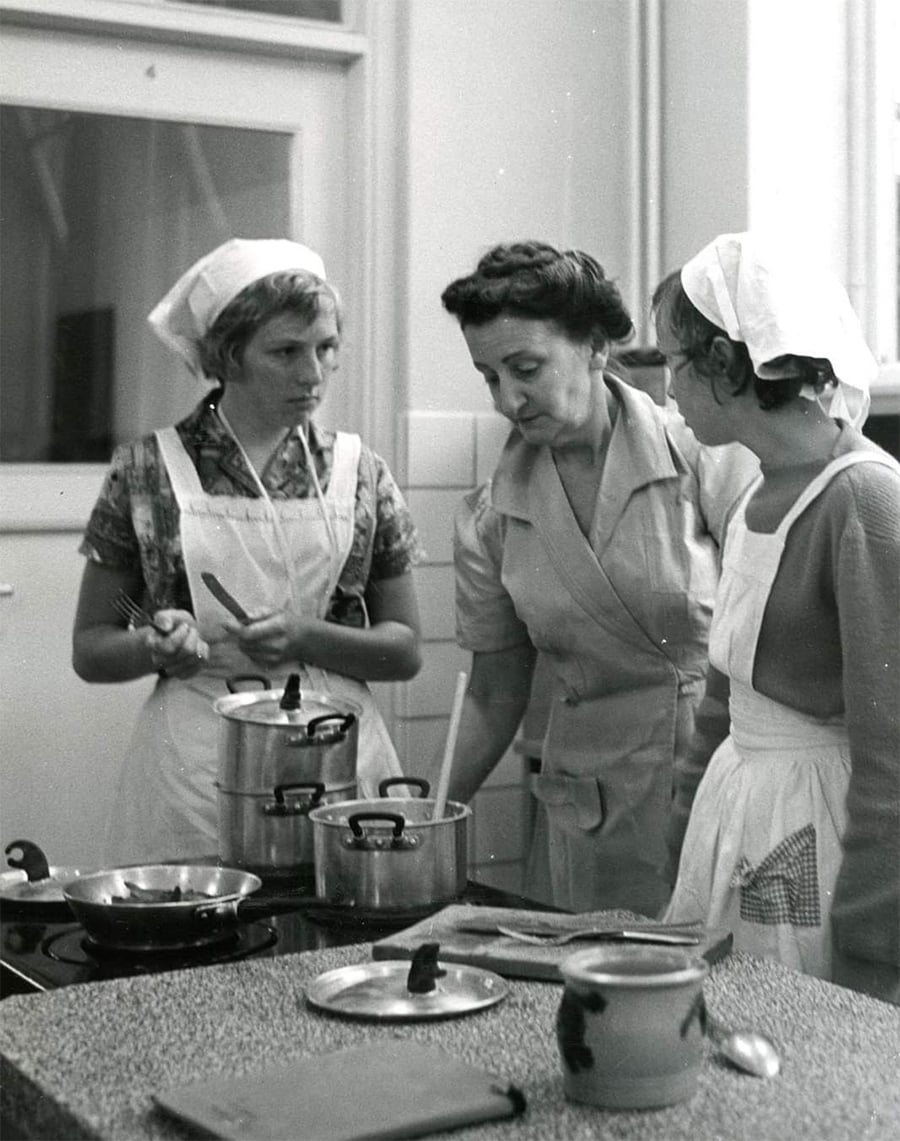
Three women in aprons and headscarves stand in a kitchen, cooking on a stove with several pots and pans. They appear to be having a discussion or cooking lesson, focused on the food.
Marian Bergwerff / Pinterest.com

Canning, drying, smoking, and pickling helped families store food for months. This reduced waste and limited the need to purchase supplies during colder seasons.

3. Repairing Clothing Instead of Replacing It
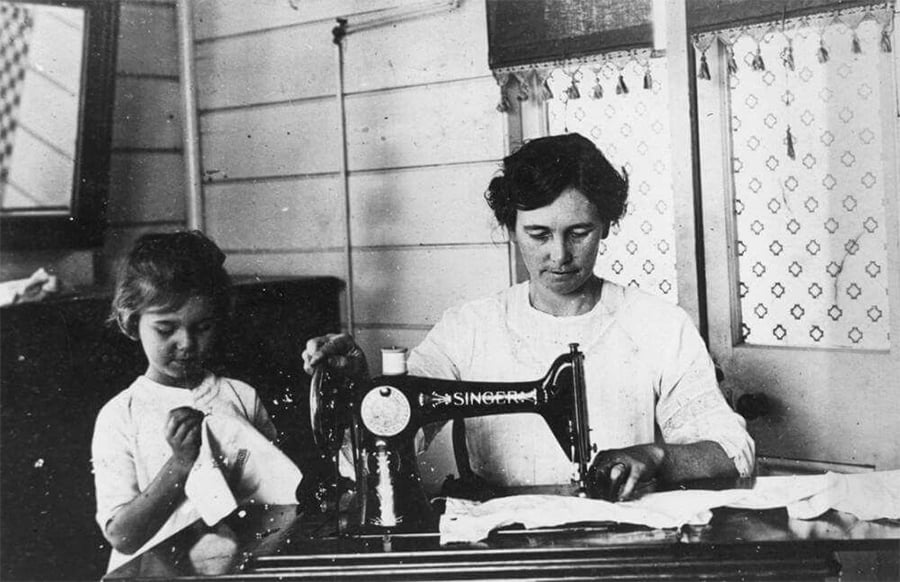
A woman uses a vintage Singer sewing machine while a young girl stands beside her, stitching fabric by hand. They are working together at a table in a room with patterned curtains.
Pamela Mickey / Pinterest.com

Clothing was often expensive, so families routinely patched, mended, and altered garments rather than buying new ones.

4. Reusing Household Items
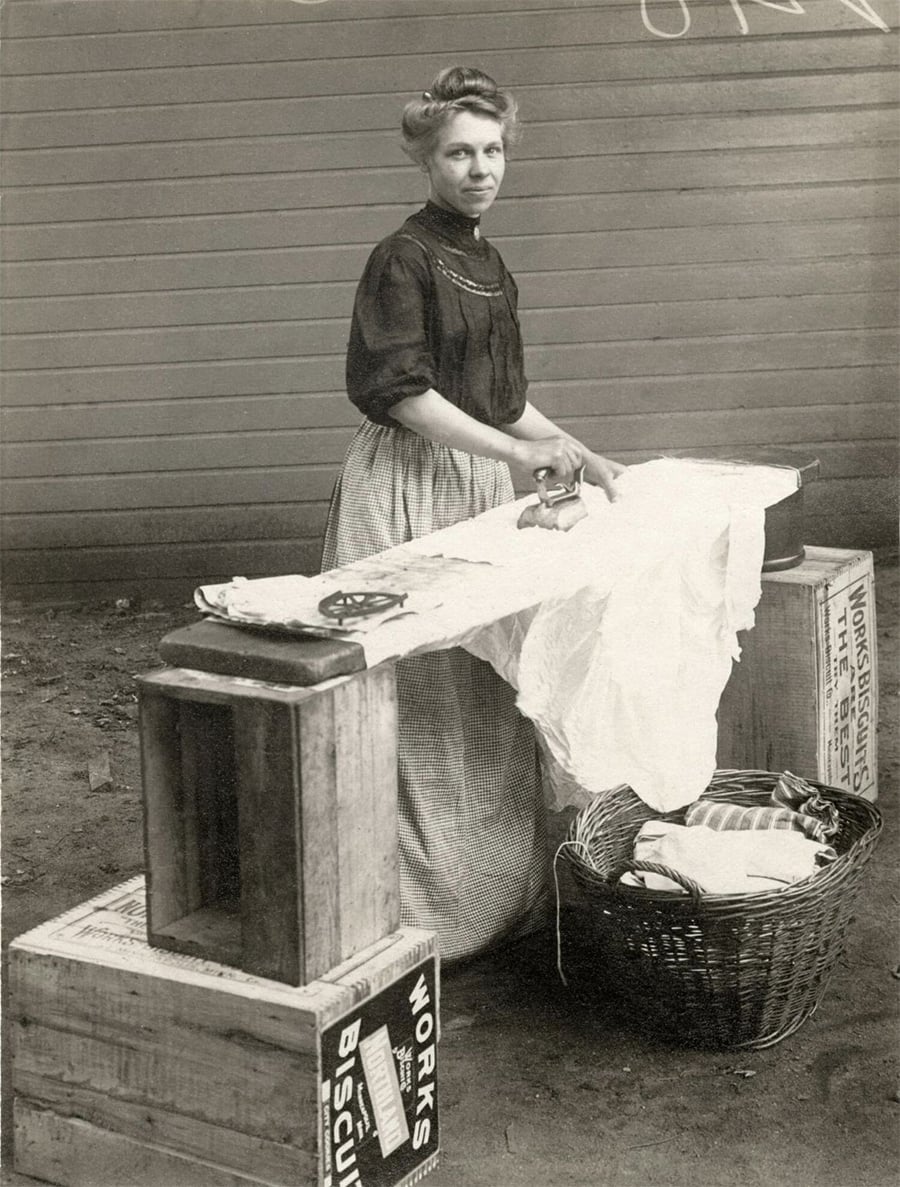
A woman stands outdoors, ironing clothes on a makeshift ironing board made of crates and a basket. She wears a long skirt and blouse, with her hair pinned up, and looks toward the camera.
Karen Martindale / Pinterest.com

Containers, fabric scraps, tools, and furniture were reused whenever possible. Throwing things away was far less common than it is today.

5. Baking Bread at Home
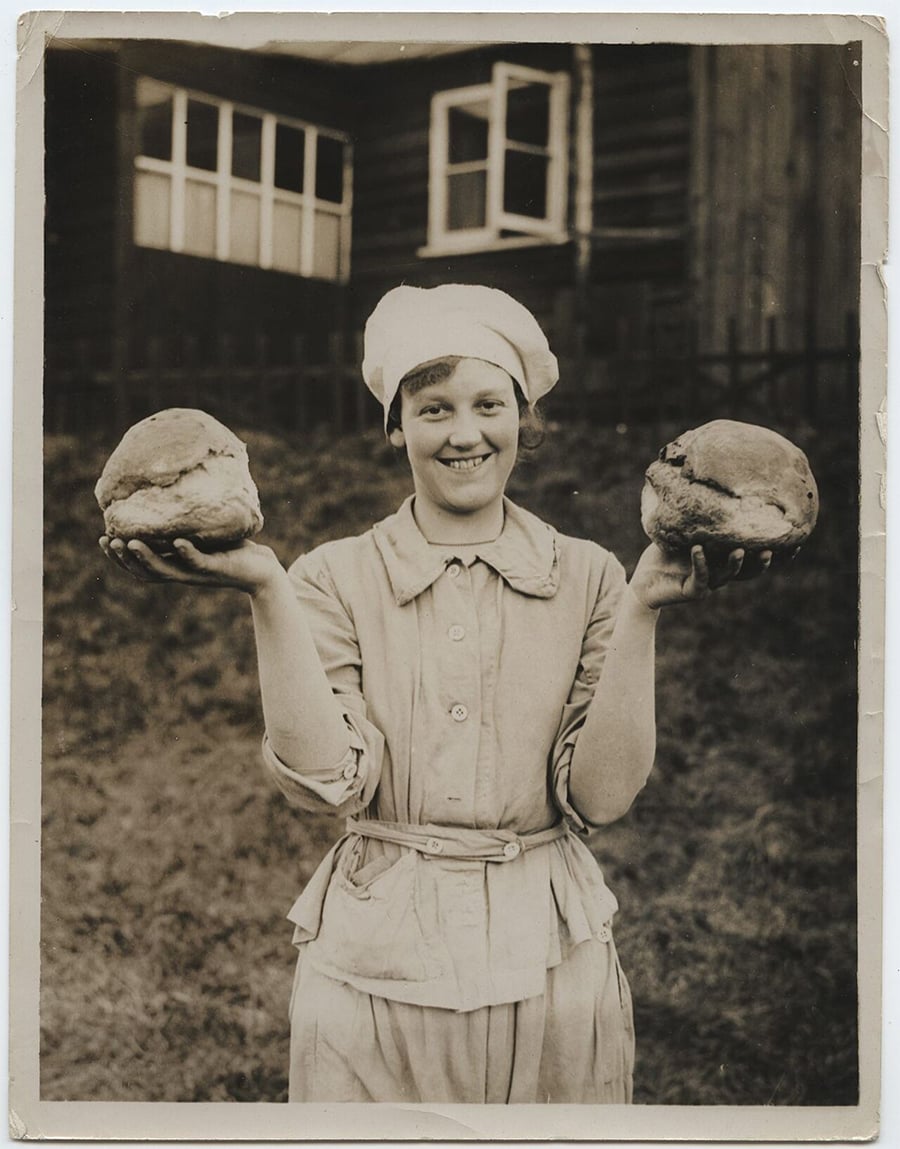
A smiling woman in a baker’s outfit and headscarf stands outdoors, holding a round loaf of bread in each hand. A wooden building with large windows is visible in the background.
Anonymous / Pinterest.com

Instead of purchasing bread regularly, many families baked their own using ingredients they already had on hand.

6. Making Their Own Soap

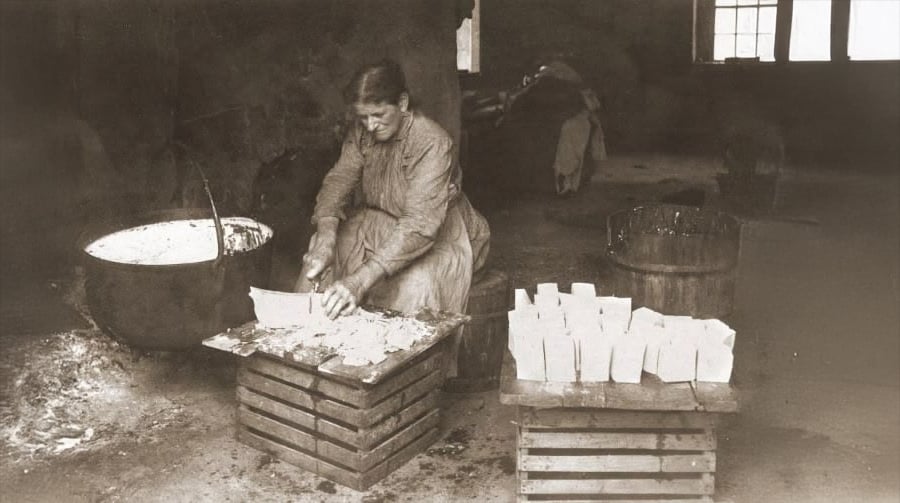
A woman in old-fashioned clothes cuts large blocks of soap on a wooden crate, with a cauldron and tub beside her and several finished bars of soap stacked nearby in a rustic, dimly lit room.
Michele Goss-Osborn / Pinterest.com

Soap was often produced at home using simple ingredients, helping households avoid an ongoing expense.

7. Sharing Tools With Neighbors
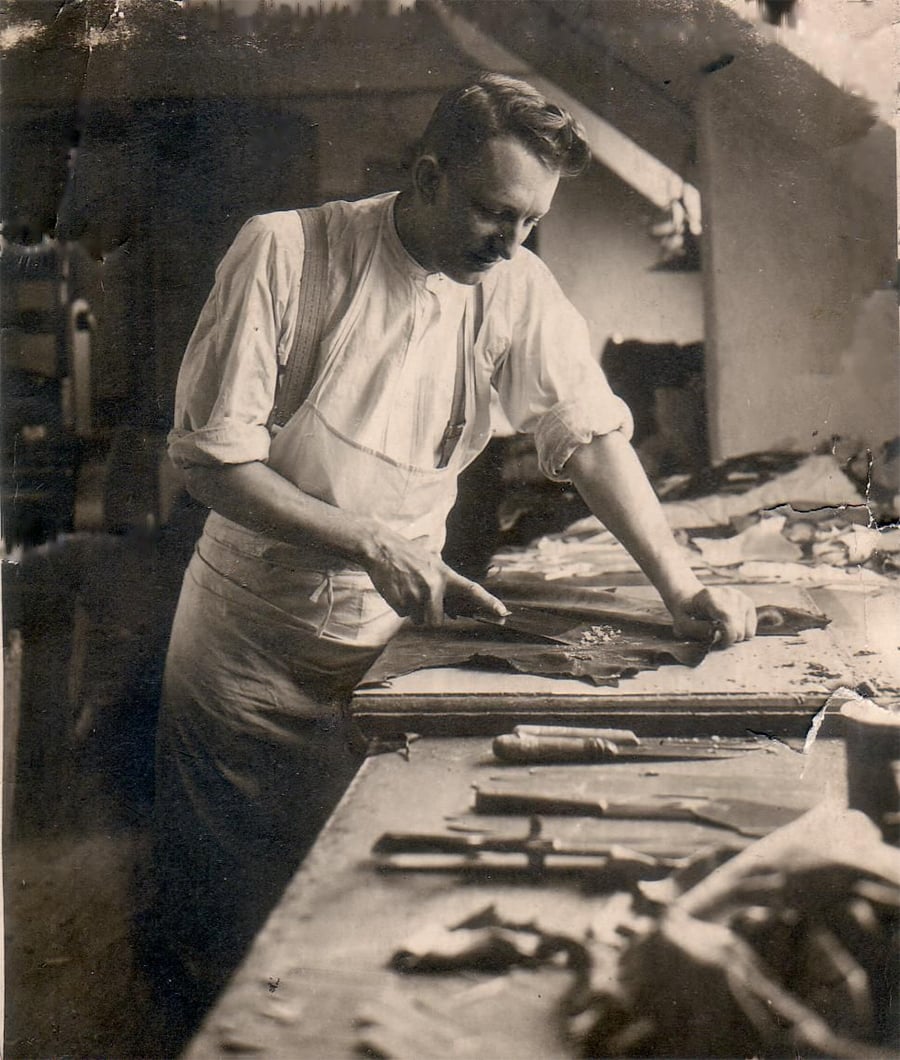
A man in a white shirt and apron works intently with a tool on a piece of material at a cluttered workbench, surrounded by various hand tools in a workshop setting.
imgur / Pinterest.com

Many communities shared expensive tools and equipment rather than requiring every household to purchase its own.

8. Sewing Their Own Clothing
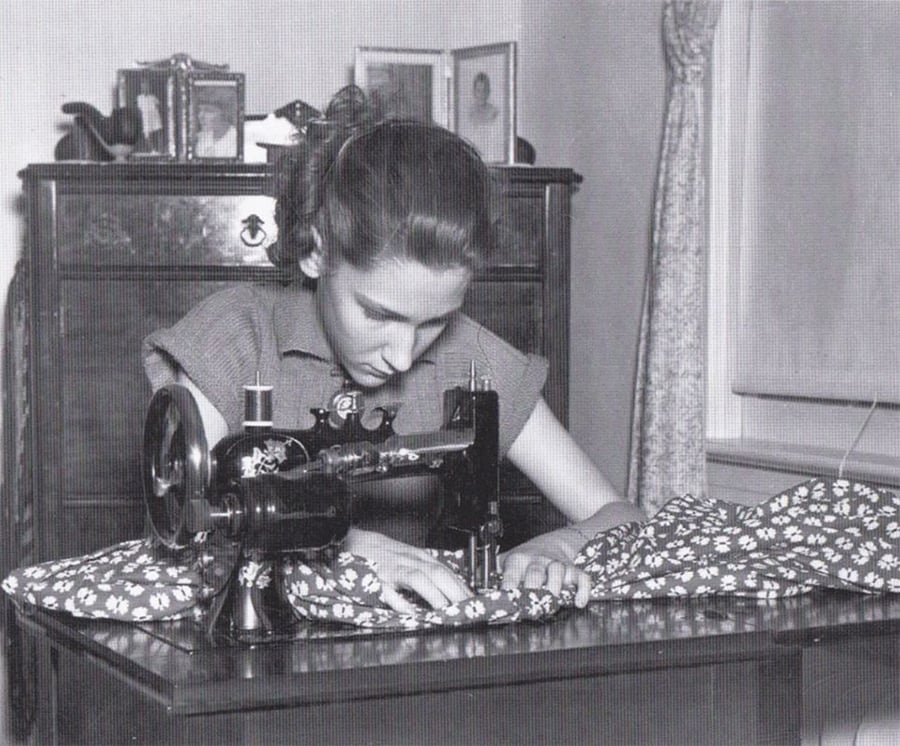
A young woman sits at a table, focused on sewing patterned fabric with a vintage sewing machine in a room with a dresser, framed photos, and a curtained window.
Veerle Schaltin / Pinterest.com

Many garments were handmade, allowing families to save money and customize clothing to their needs.

9. Using Every Part of Their Food

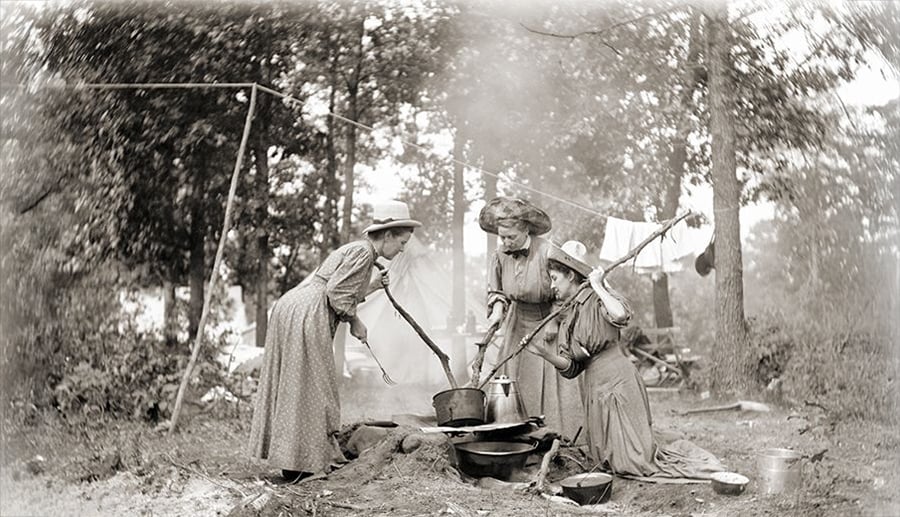
Three women in long dresses and hats cook over an open fire in a wooded outdoor setting, using large pots and utensils. The background shows trees, hanging laundry, and camping equipment. The scene appears historical.
Memory Lane Photo Restoration / Pinterest.com

Food waste was minimal. Leftovers were reused, and ingredients were stretched across multiple meals whenever possible.

10. Heating Only the Rooms They Used
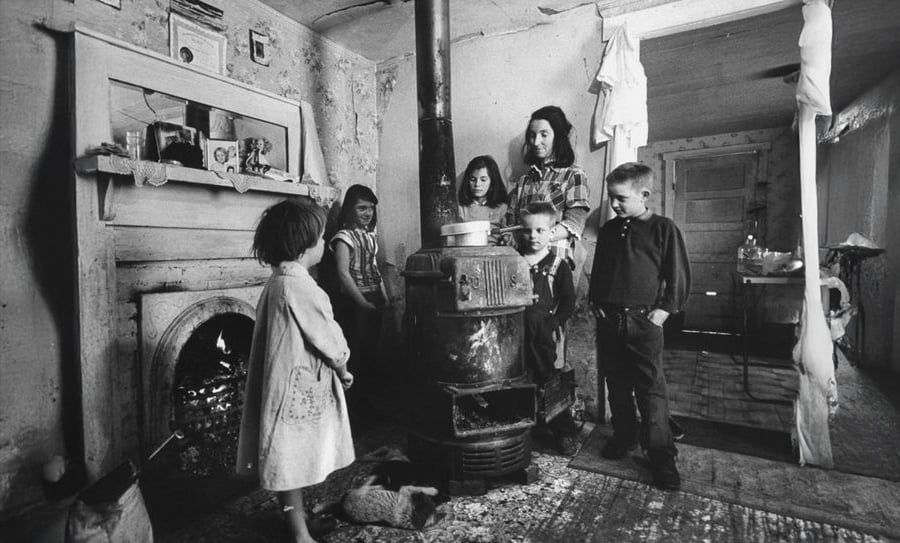
A black-and-white photo showing a woman and five children gathered around a wood-burning stove in a worn, sparsely furnished room. A cat lays on the floor nearby and a fireplace is visible on the left.
Jewell Handy / Pinterest.com

Instead of heating entire homes, families often gathered in a few rooms during colder months to conserve fuel.

11. Raising Chickens
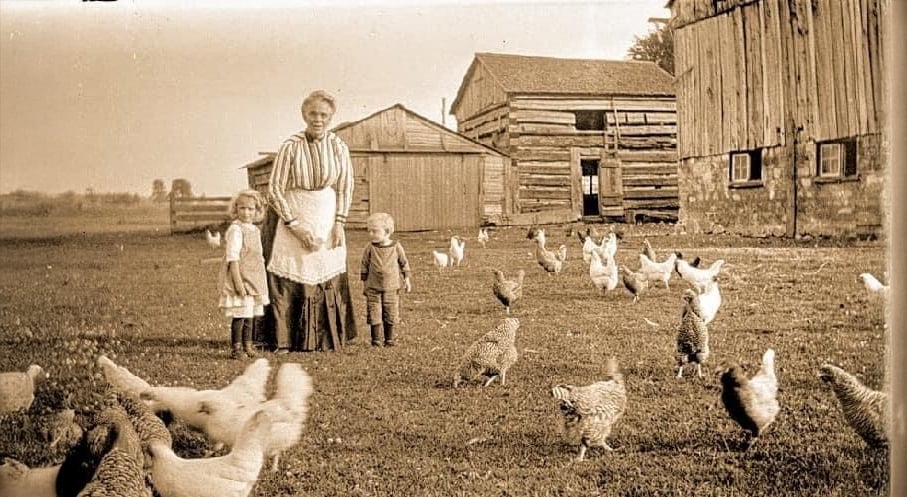
An elderly woman, two young children, and numerous chickens stand in a grassy farmyard surrounded by rustic wooden barns and sheds. The scene appears old-fashioned and rural.
Tammie / Pinterest.com

Keeping chickens provided a steady supply of eggs and sometimes meat, reducing grocery expenses.

12. Making Gifts by Hand
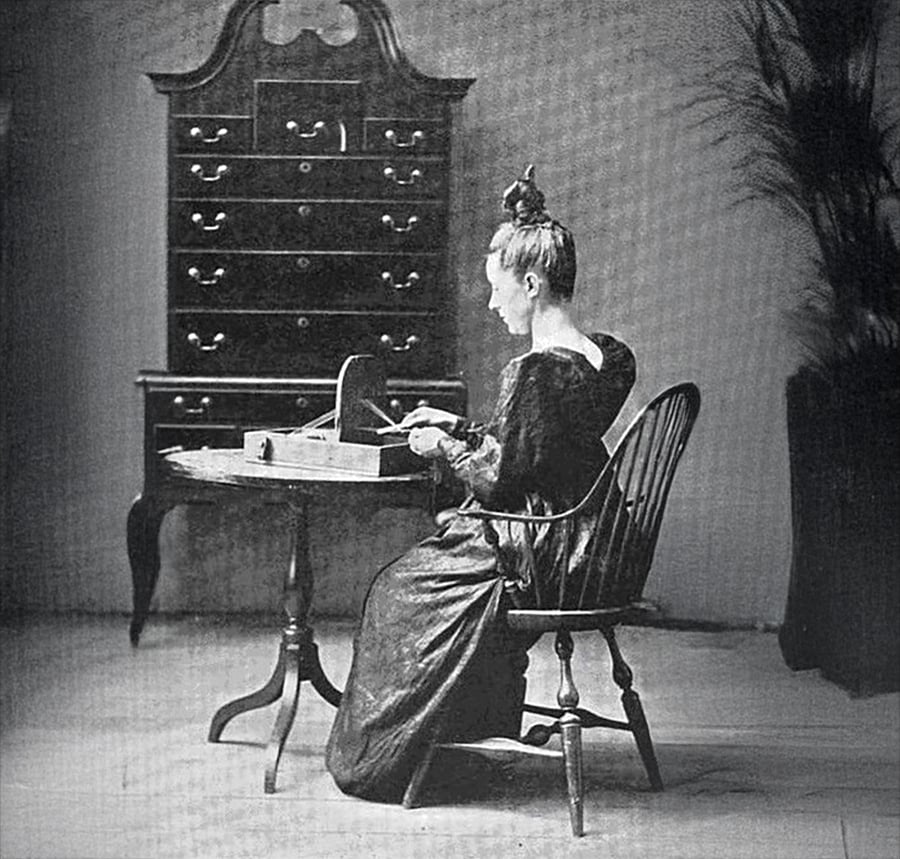
A woman in a long dress sits at a small table, writing or reading, with her hair in a bun. Behind her is a tall chest of drawers, and a large potted plant stands to her right. The setting appears vintage or historical.
Reggie Britton / Pinterest.com

Rather than purchasing presents, many people made clothing, quilts, baked goods, or handmade crafts for special occasions.

13. Walking Instead of Paying for Transportation
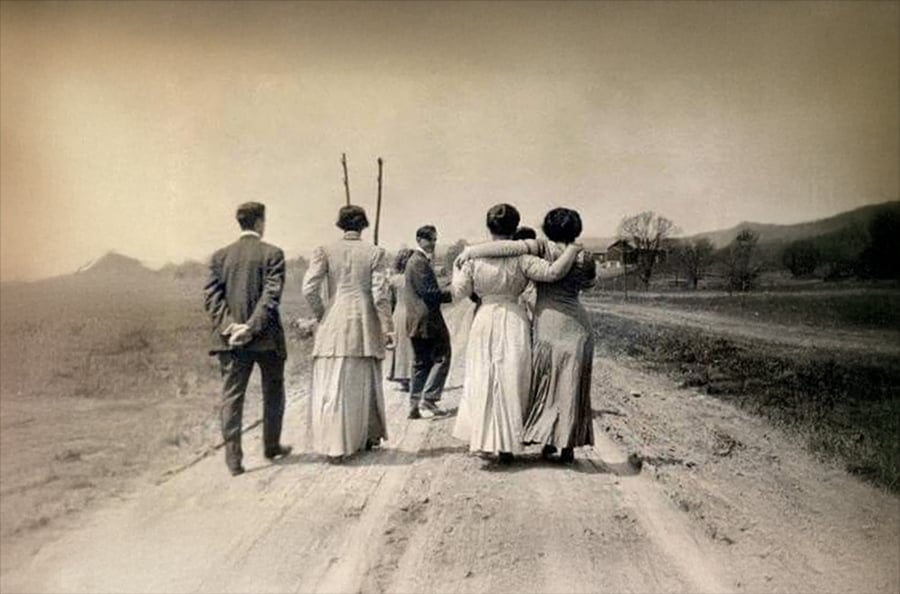
Five people in vintage clothing walk away on a dirt road. Three women walk together, two with arms around each other, and two men walk nearby. The landscape is rural, with hills and leafless trees in the background.
Yaara Chotzen / Pinterest.com

Many people lived close to work, markets, or schools and relied on walking as their primary mode of transportation.

14. Buying Goods in Bulk
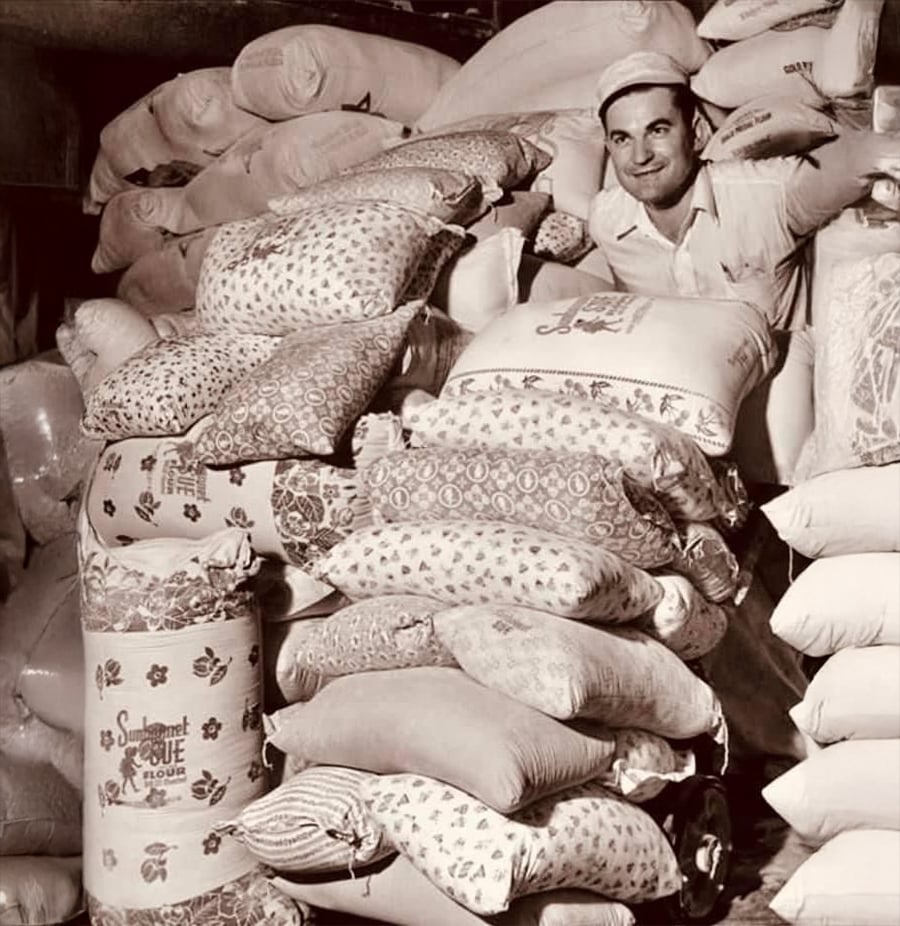
A man in a uniform and cap smiles while standing behind a large stack of patterned flour sacks in a storage area filled with more sacks. The image is in black and white.
Yolanda Huerta / Pinterest.com

Staples such as flour, sugar, and grain were often purchased in larger quantities to reduce costs over time.

15. Keeping Livestock
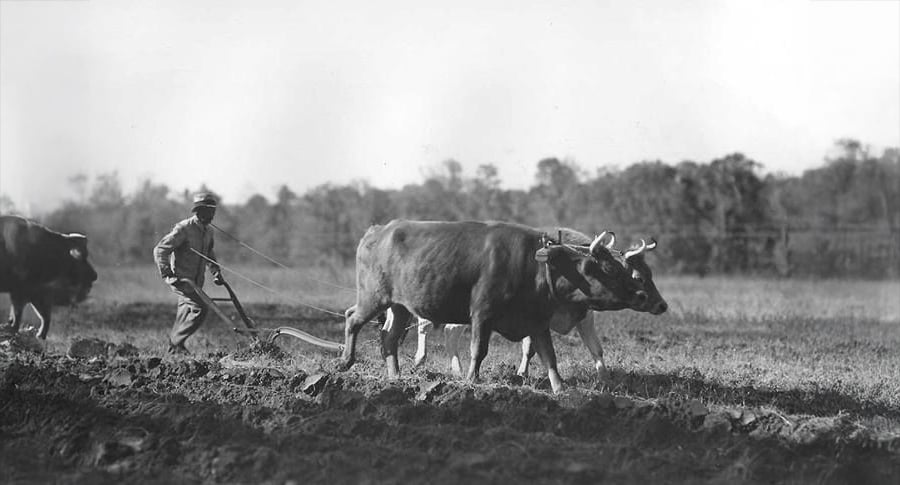
A farmer is plowing a field with the help of two oxen yoked together. The scene is outdoors in a rural area, with trees in the background and freshly turned soil in the foreground.
Anonymous / Pinterest.com

Families with the space often raised cows, pigs, or goats to produce food and reduce dependence on outside purchases.

16. Teaching Skills Within the Family
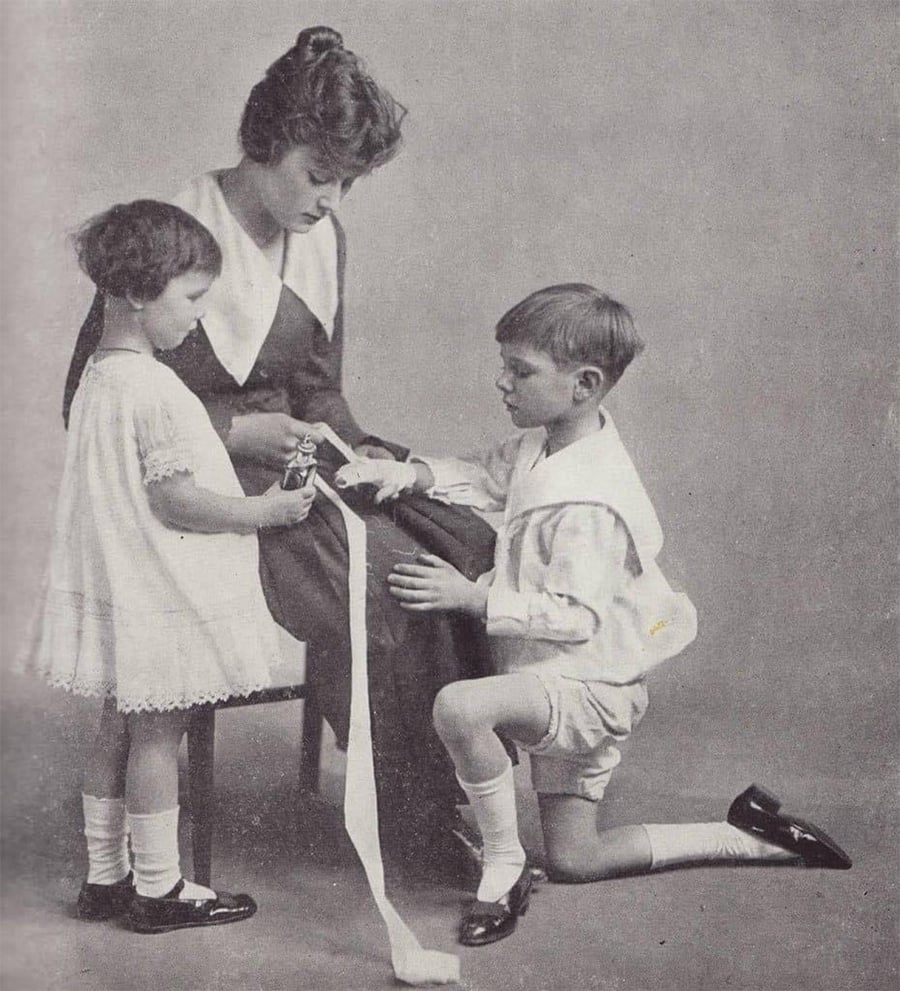
A woman sits while tending to a boy’s injured arm with a bandage. The boy kneels in front of her, and a young girl stands nearby holding a small object. All are dressed in early 20th-century clothing.
Kabubi / Pinterest.com

Many practical skills were passed down from generation to generation, reducing the need to hire outside help for everyday tasks.

Keep Reading About Life in the 1800s

  • 14 Strange Jobs People Actually Got Paid for in the 1800s
    The nineteenth century was filled with occupations that seem unusual today. These jobs once provided income for thousands of workers before technology and changing industries made them obsolete.
  • Colorized Photos From the 1800s
    These restored images add new life to a distant era, revealing details of clothing, streets, workplaces, and everyday people that are easy to miss in black-and-white photographs.
  • Mugshots From the 1800s
    These historic mugshots offer a fascinating look at the people, fashion, and law enforcement practices of the nineteenth century, providing a unique window into the past.

Meet the Writer

Tatiana is a graphic designer specialized in marketing, with over 15 years of experience in the digital marketing world. Throughout her career, she’s worked with a variety of brands, developing strategies that blend creativity, identity, and results and loves to churn out refreshingly engaging content for audiences across many content realms at the same time. Find her on Behance at, tatianaalalach, as well.