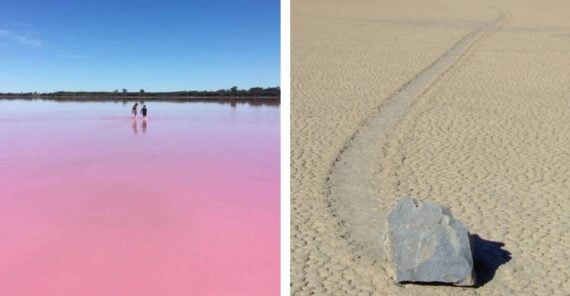
Around the world, there are places that defy explanation. From ancient ruins to strange natural formations and remote locations, these mysterious sites have puzzled researchers. Some are related to legends and supernatural stories, while others raise questions about how they originated.
What makes these places so fascinating is the gap between what scientists know and what they still cannot explain. In some cases, researchers have developed convincing theories but lack enough evidence to reach a conclusion. Here are 15 mysterious places around the world that continue to capture the imagination of scientists.
1. The Nazca Lines, Peru
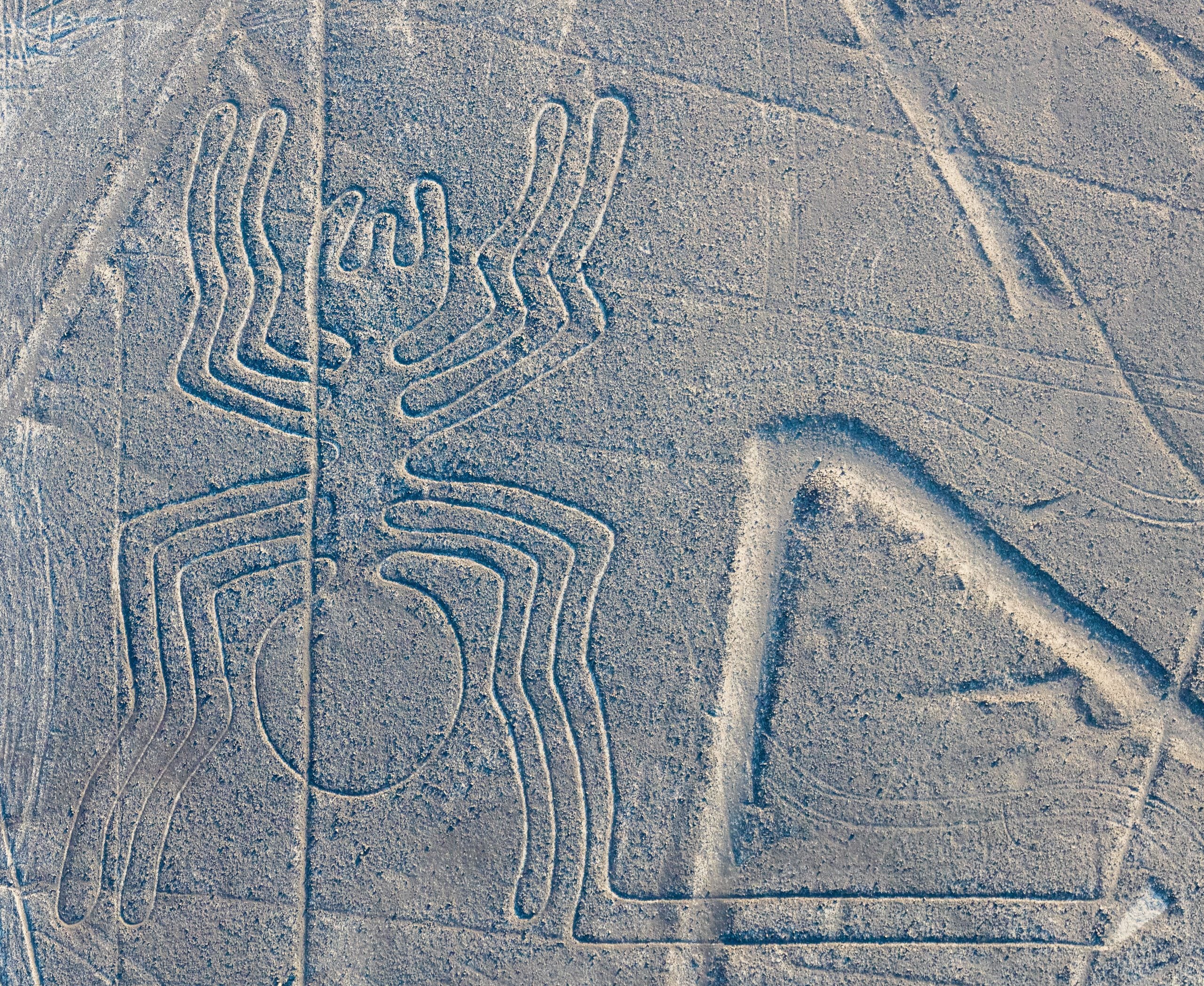
The Nazca Lines are drawings of animals and shapes. Created thousands of years ago, their purpose remains uncertain. Scientists believe they may have been used for religious ceremonies or rituals.
2. The Yonaguni Monument, Japan
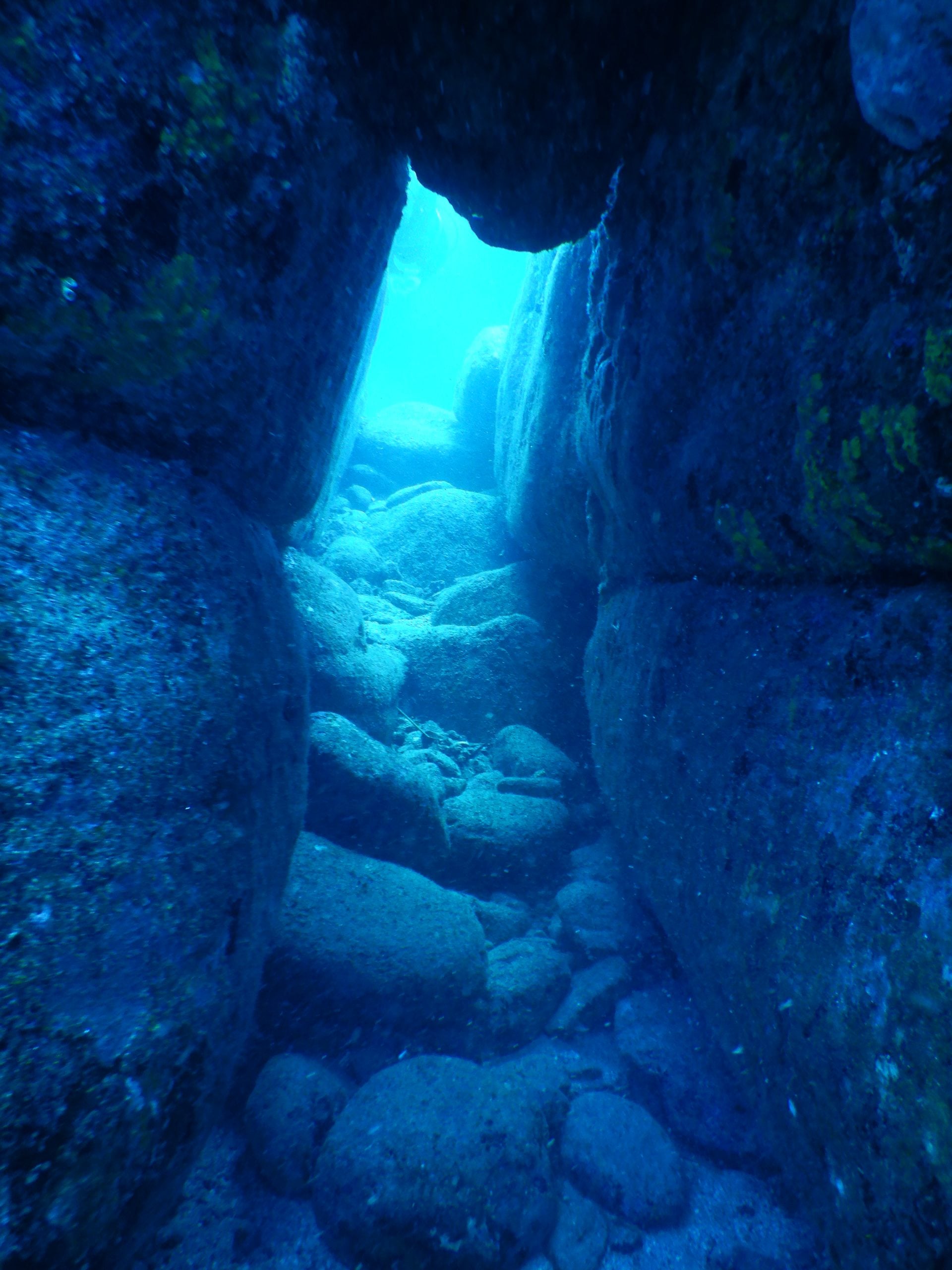
Underwater near Japan, this giant rock looks like an ancient building with steps and flat surfaces.
3. The Eye of the Sahara, Mauritania
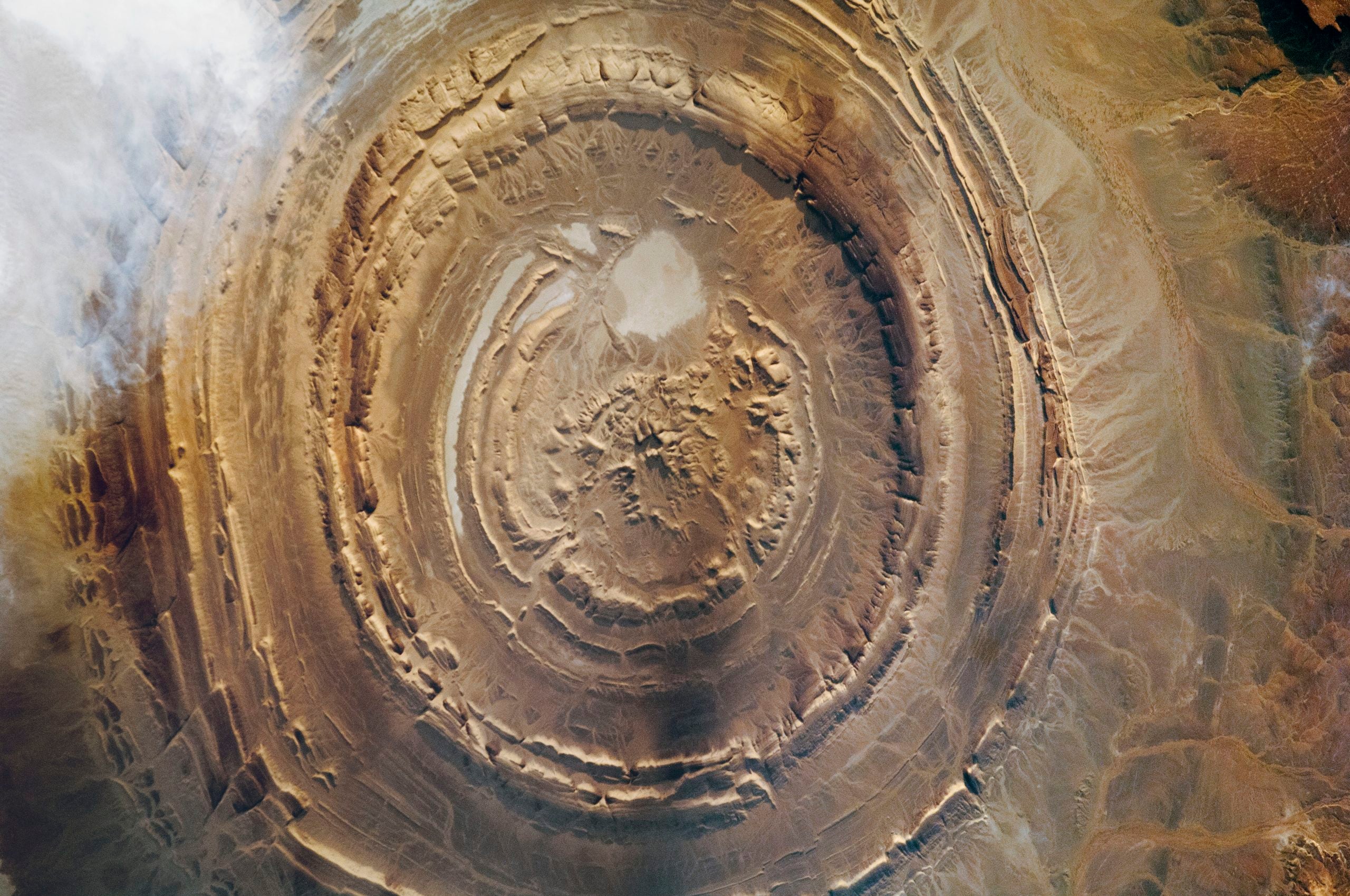
This circle in the Sahara Desert looks like a giant eye when viewed from space. Scientists believe it formed through natural changes in the Earth’s surface over millions of years.
4. The Fairy Circles, Namibia
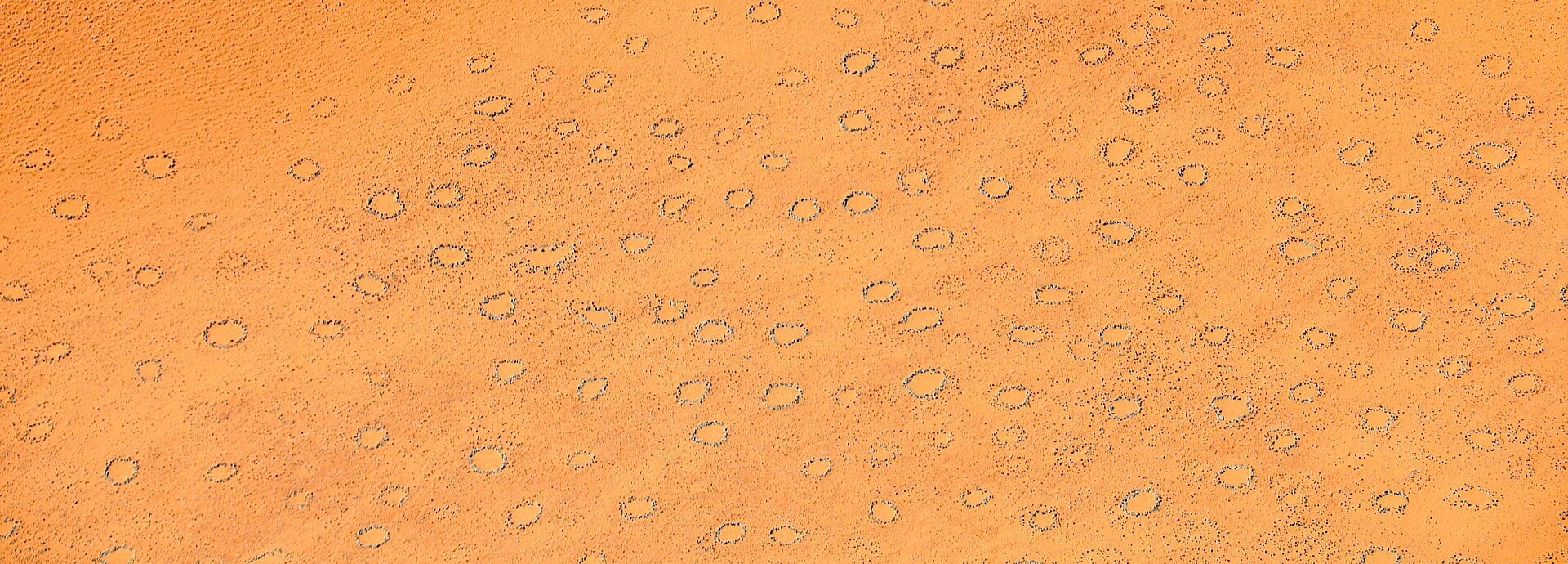
Thousands of circles appear across Namibia’s grasslands. Scientists believe termites and competition between plants for water may explain this formation.
5. Blood Falls, Antarctica
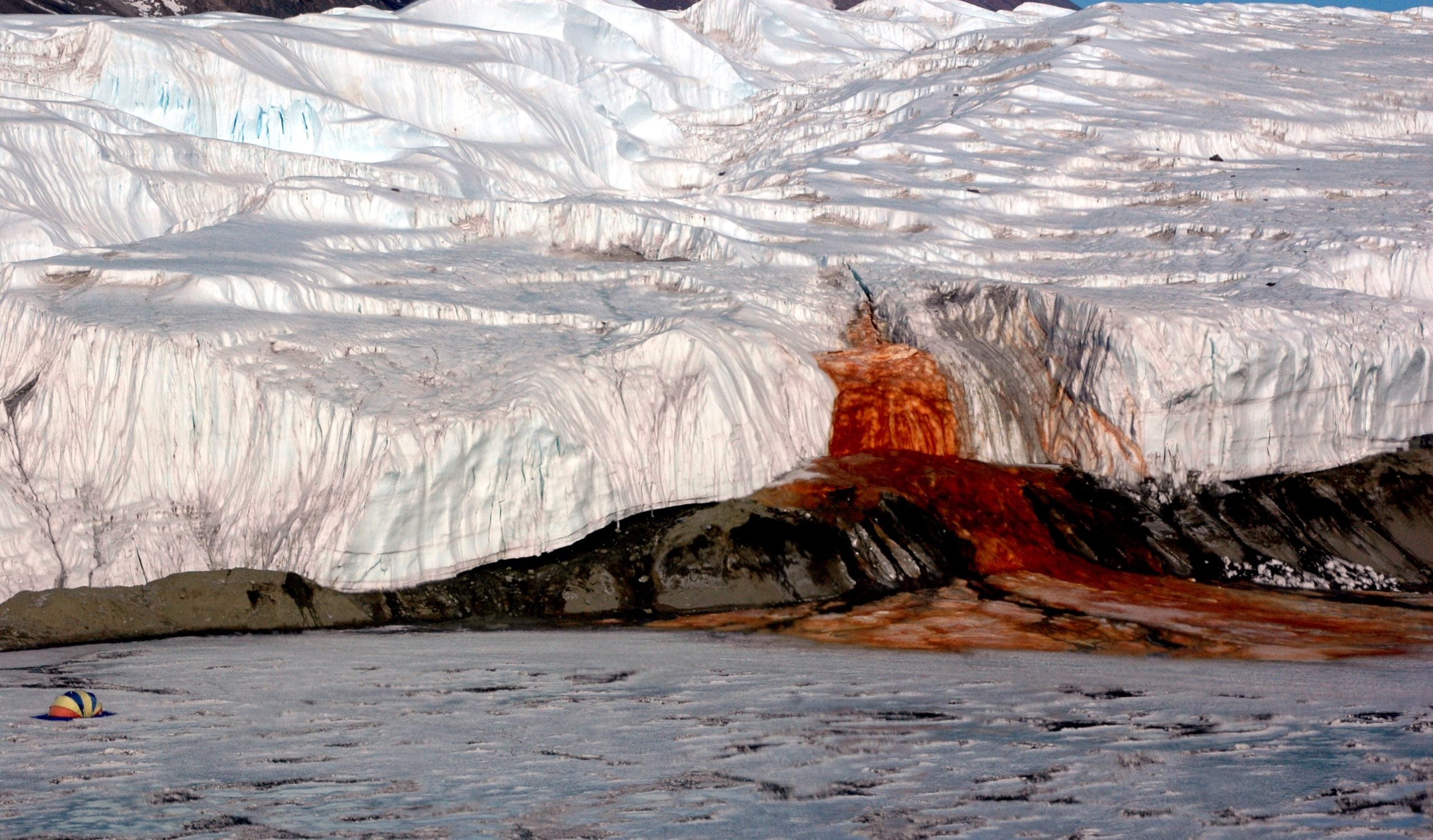
A red waterfall flows from an Antarctic glacier, making the ice look like it is bleeding. The color comes from iron-rich water, but scientists continue studying the environment below the ice and how organisms survive there.
Trending on Wealth Gang


6. The Moeraki Boulders, New Zealand
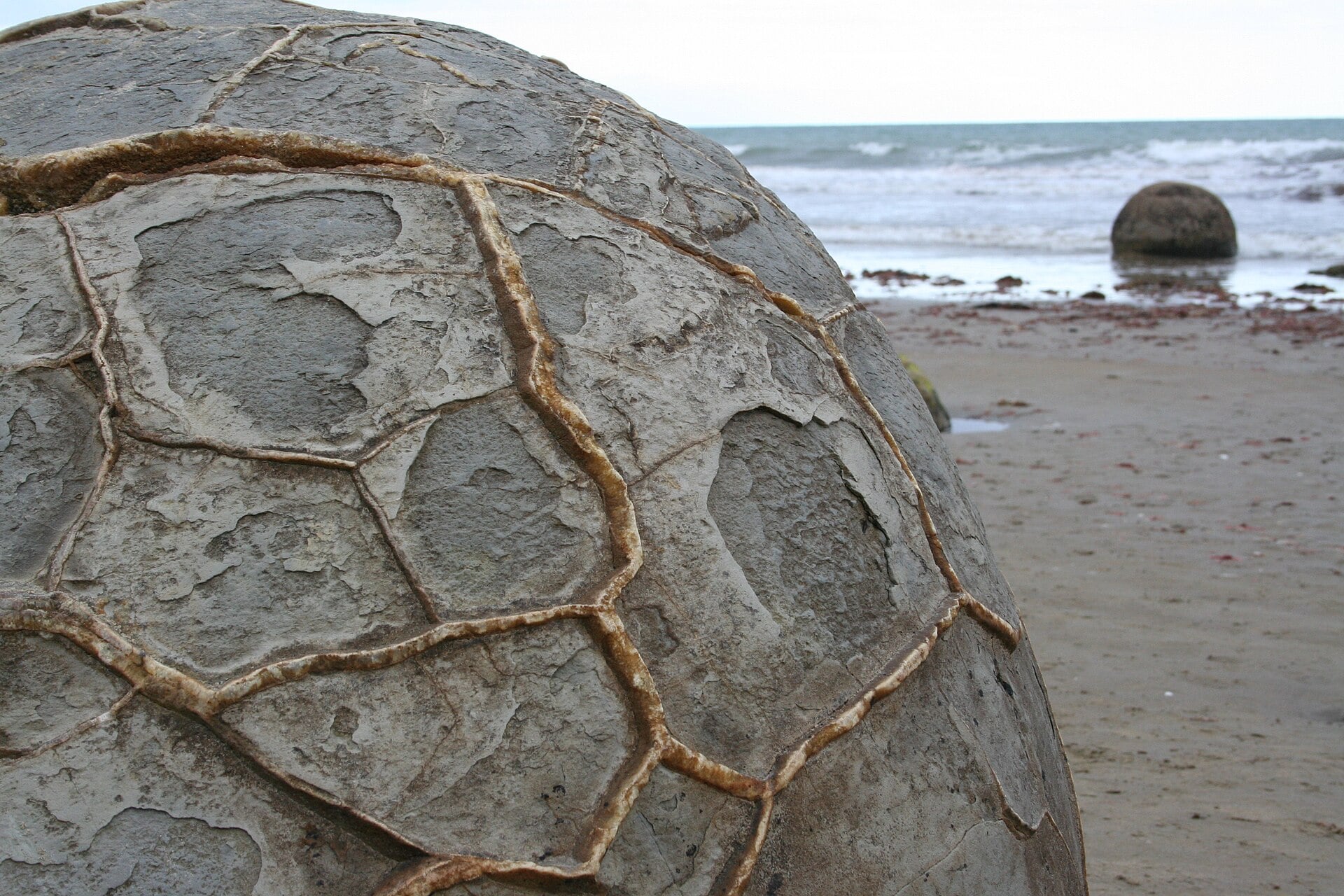
These enormous, round stones lie across a New Zealand beach. They formed over millions of years as minerals gathered around material in the ground. Their perfect shapes make them look artificial.
7. The Plain of Jars, Laos
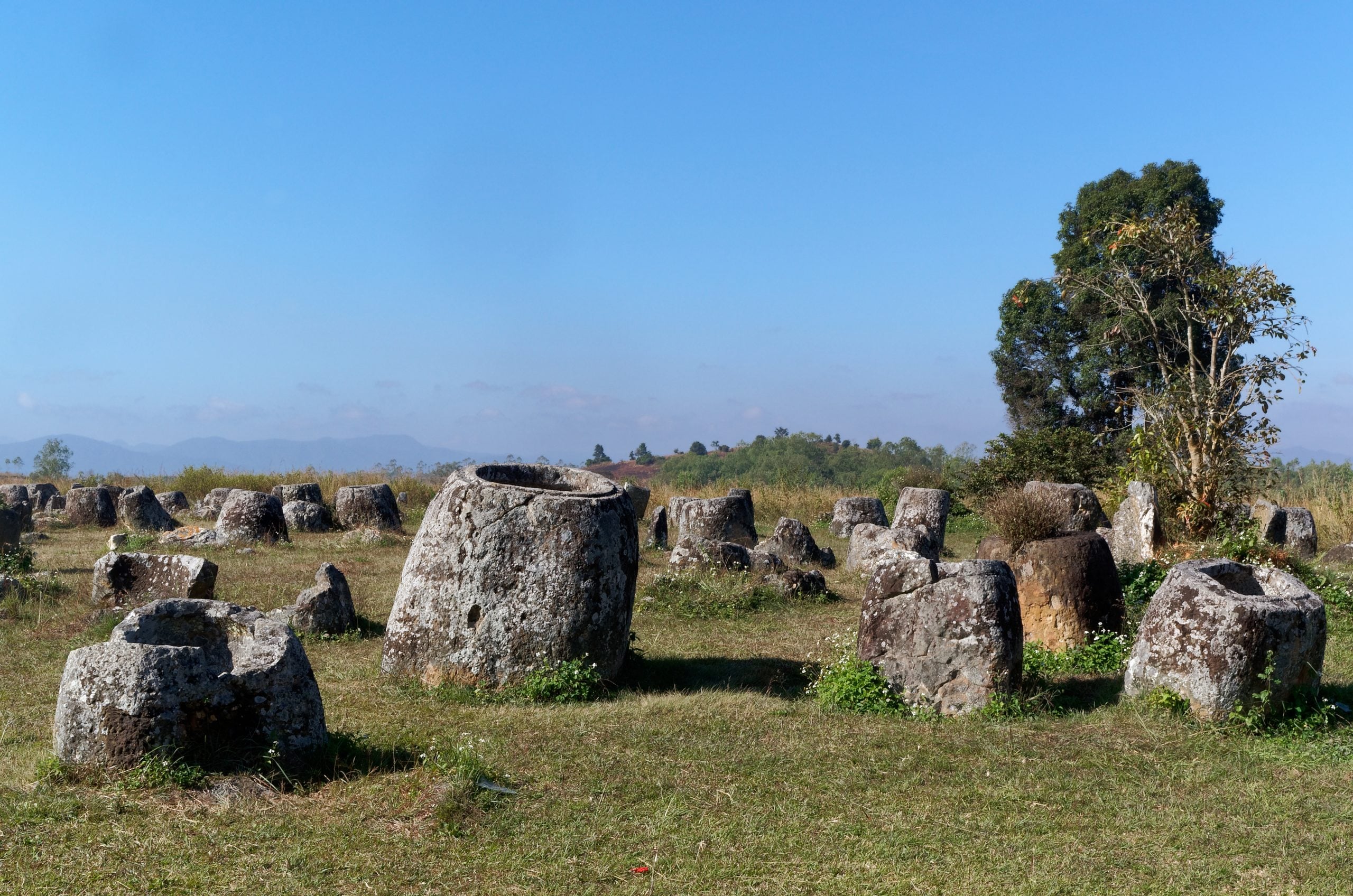
Thousands of big stone jars are dispersed across Laos. Scientists believe they were connected to ancient burial practices, but their exact purpose remains uncertain.
8. The Moving Stones, U.S.
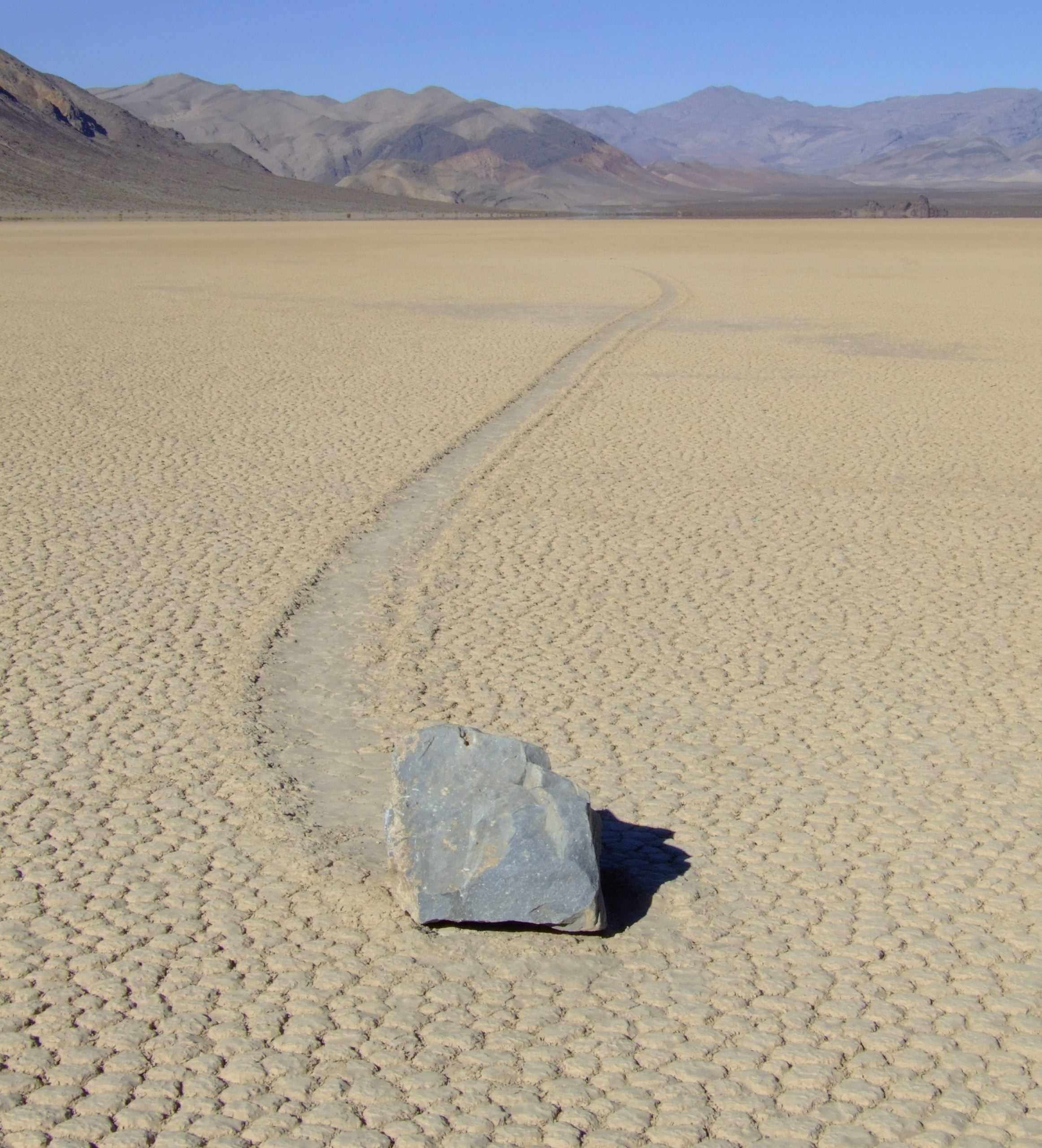
In California’s Death Valley, rocks leave long trails across a dry lakebed. Scientists discovered that ice sheets and wind can move them under rare conditions.
Sign up for our newsletter
9. The Stone Spheres, Costa Rica
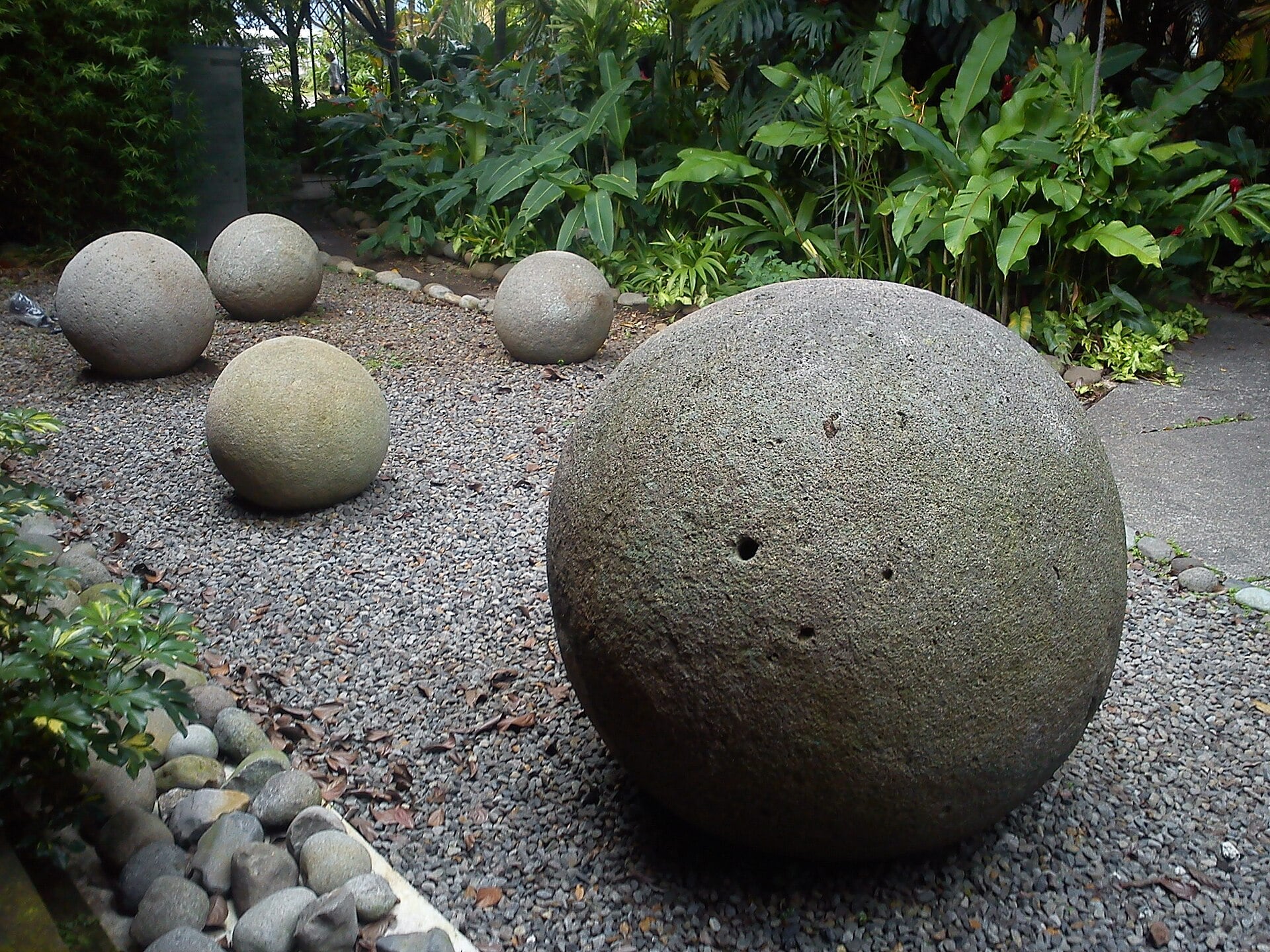
Hundreds of round stone spheres have been found in Costa Rica. Ancient people shaped them using tools, but scientists still debate their exact purpose and what they meant to the communities that created them.
10. The Longyou Caves, China
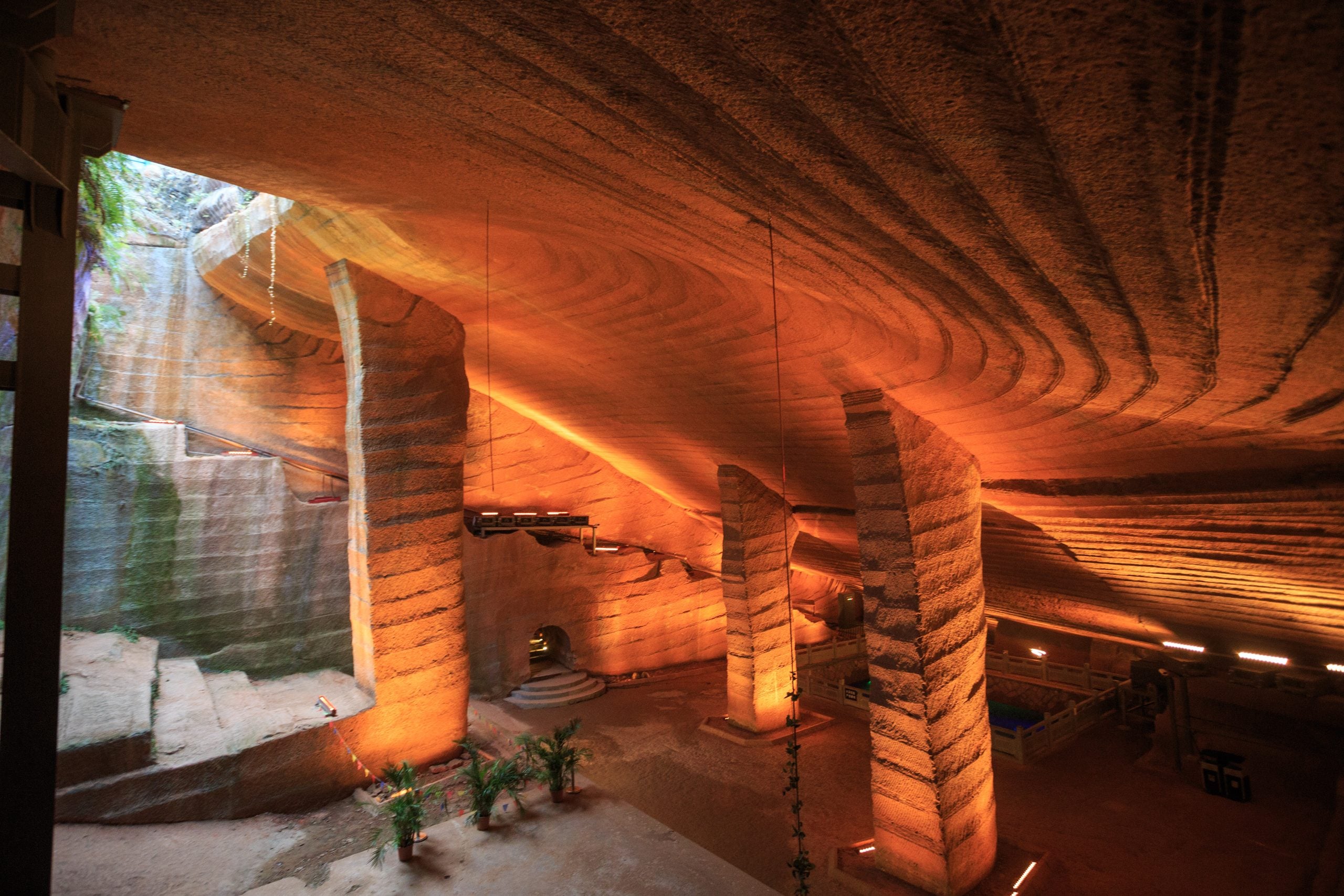
These underground chambers were discovered in China in 1992. Scientists still debate their original use and how such a huge amount of rock was removed.
11. Lake Hillier, Australia
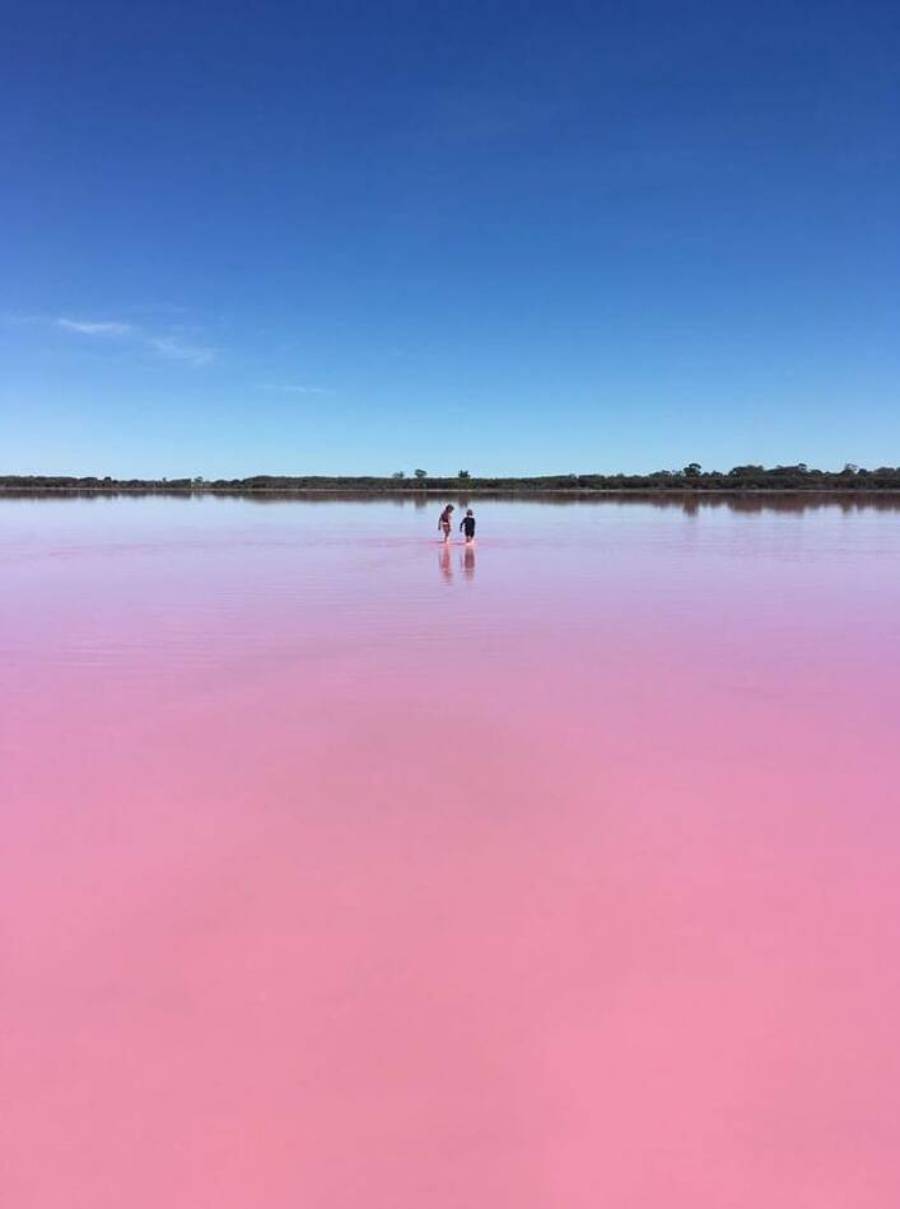
Lake Hillier is famous for its pink water. Scientists link the color to salt-loving microorganisms and the lake’s unusual conditions.
12. Mount Roraima, South America
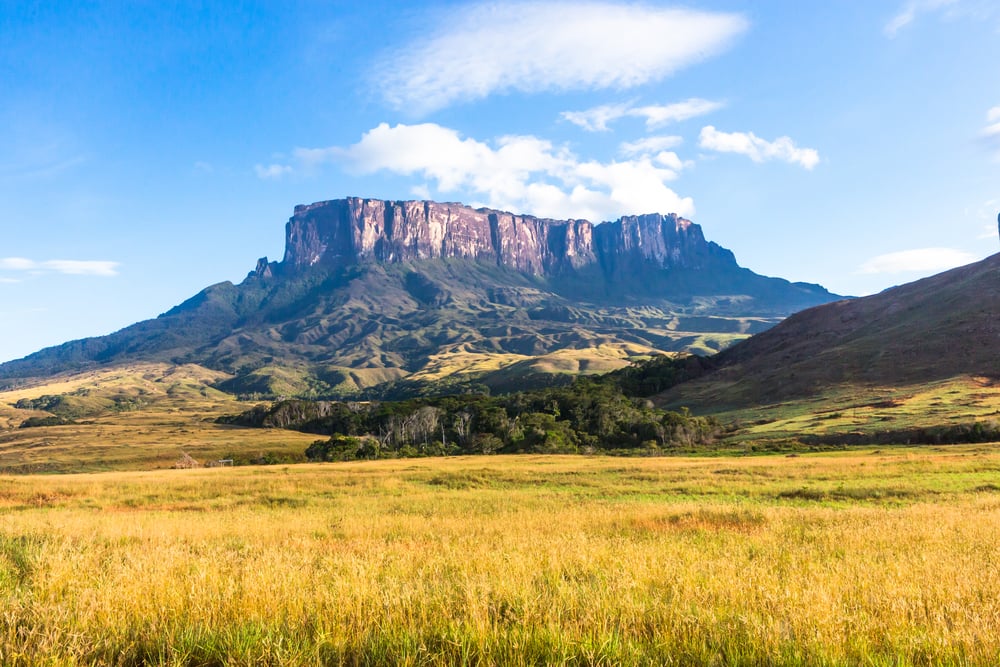
Mount Roraima rises above the forests of South America with cliffs and a flat top. Scientists continue studying how wildlife developed in this landscape.
13. The Devil’s Kettle, U.S.
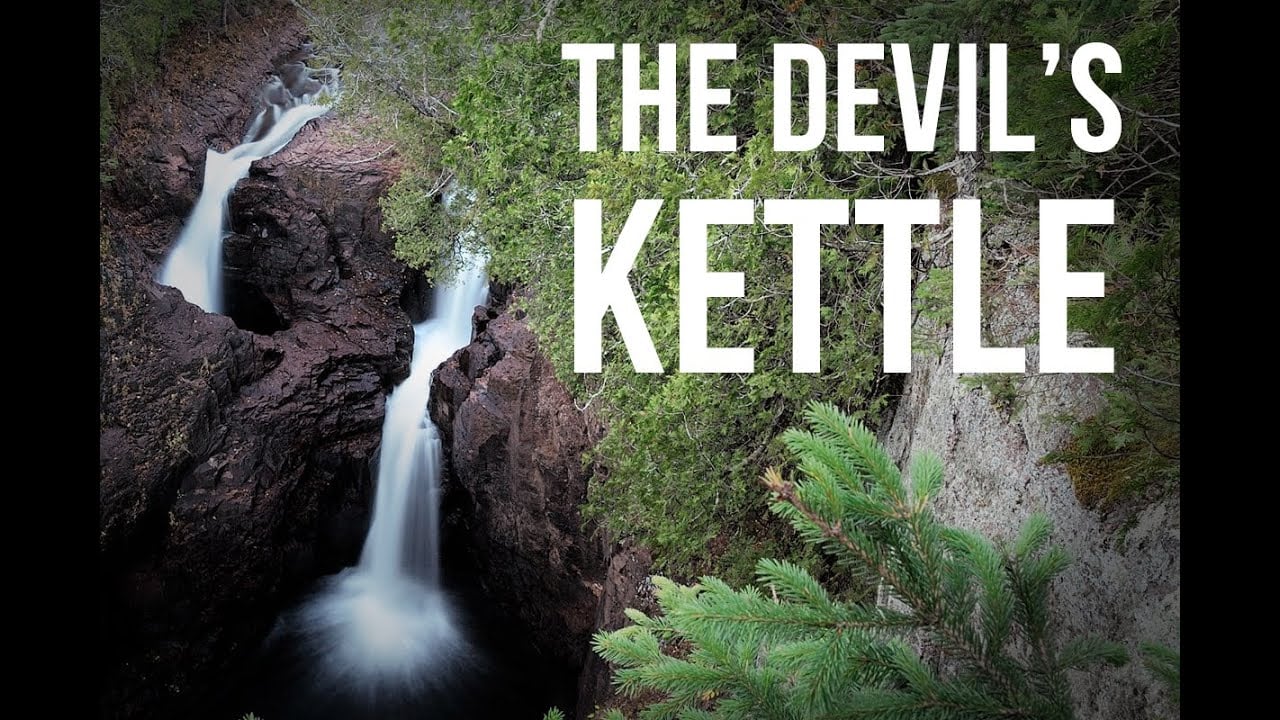
At this Minnesota waterfall, part of the river disappears into a hole in the rocks. Academics found that the water rejoins the river downstream, although the formation still surprises visitors.
14. The Great Blue Hole, Belize
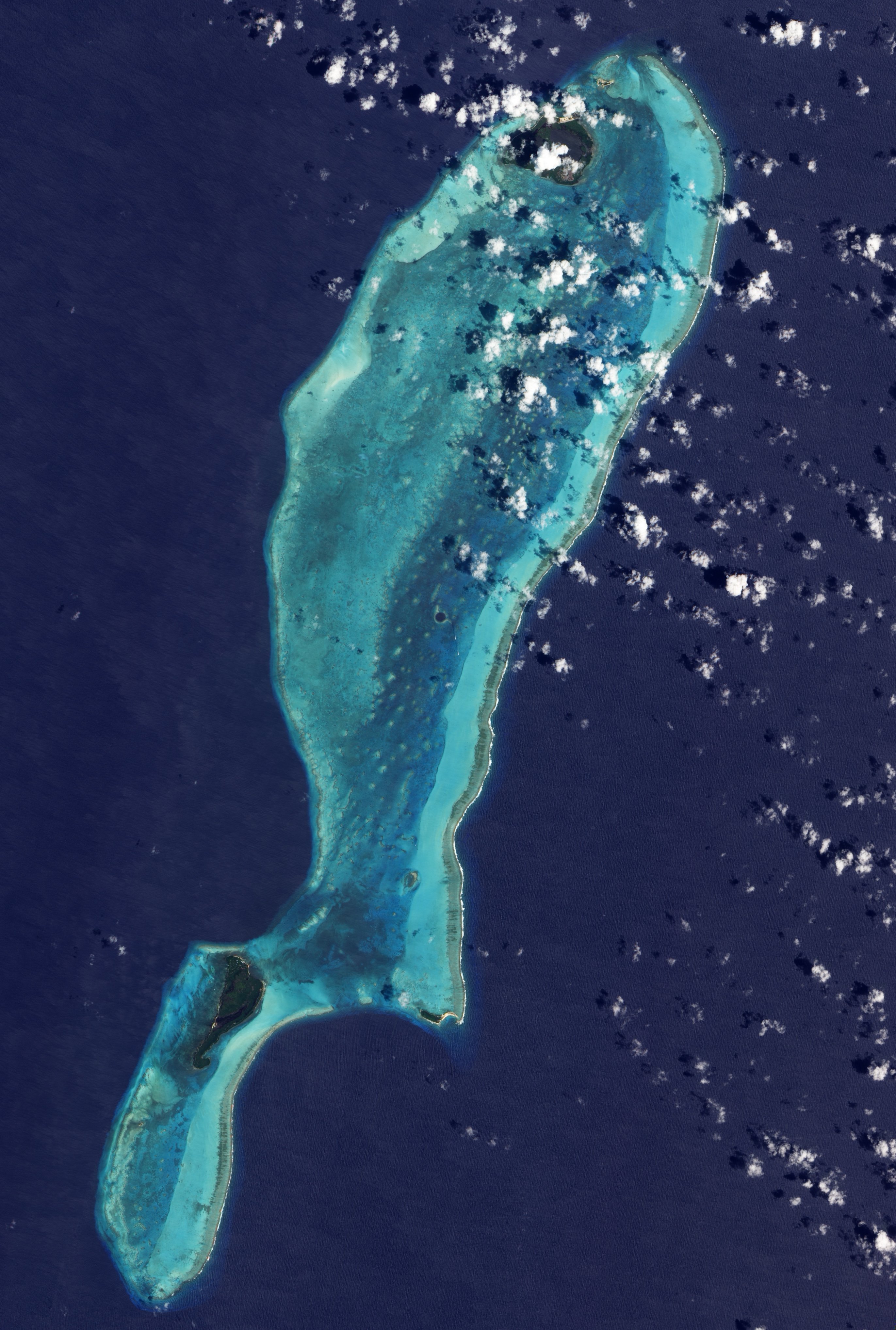
This underwater hole off the coast of Belize formed when sea levels rose and flooded an ancient cave. Scientists study its deep waters and sediment layers to learn more about the region’s past climate.
15. The Hessdalen Lights, Norway
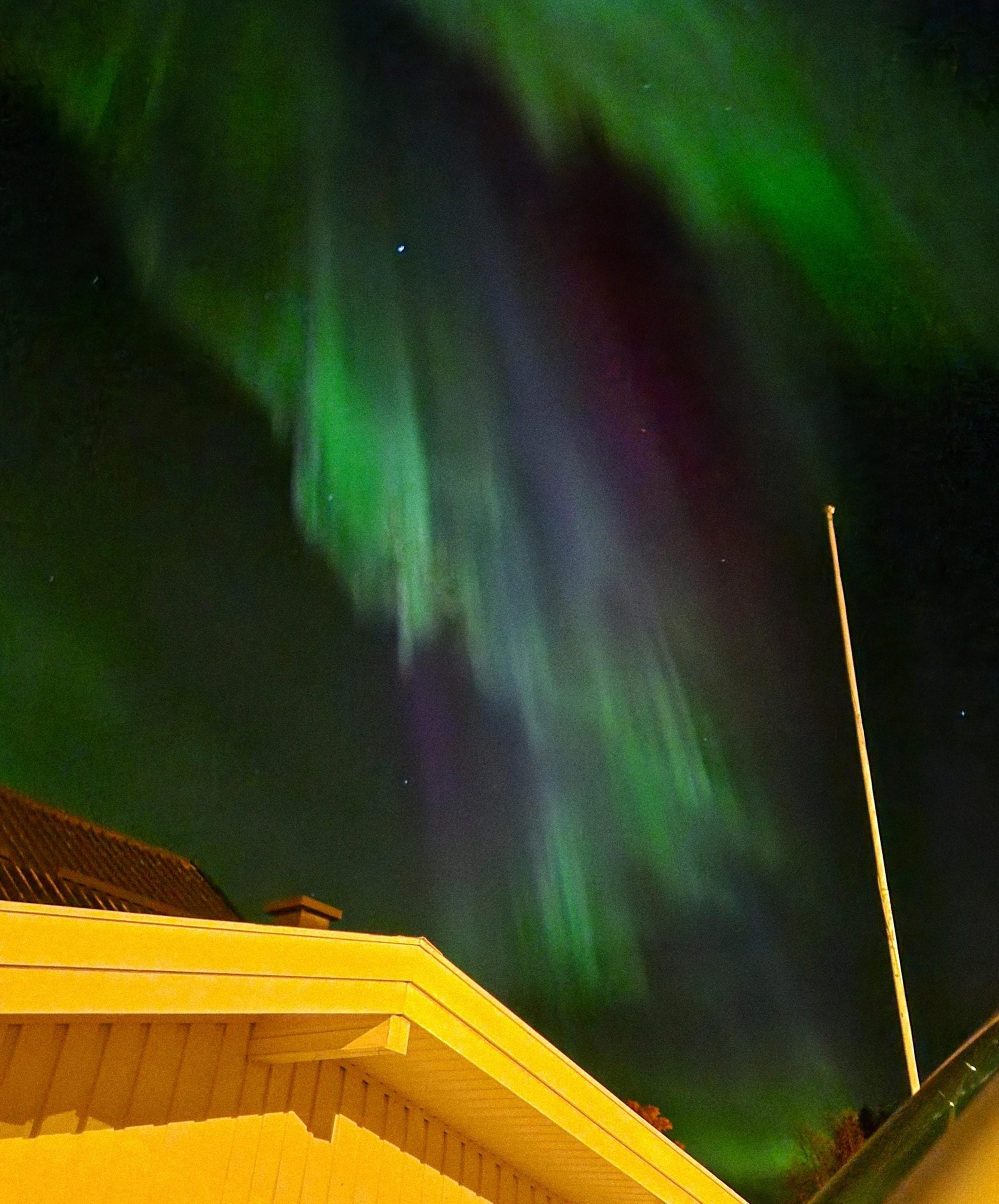
Lights have appeared in Norway’s Hessdalen Valley for a long time. Scientists have recorded some sightings, but no single explanation accounts for them all. Electrical and atmospheric effects remain among the possible causes.