The 1950s were a time when making extra money meant helping a neighbor or turning an everyday skill into a small source of income. Across the U.S., teenagers delivered newspapers, watched children, and mowed lawns, while adults took in sewing, sold goods, or found creative ways to earn money without taking on a second full-time job. The decade’s economic and social changes created new opportunities for people willing to work.
The following side hustles depended on something much simpler: personal connections, practical skills, and a good reputation. People found customers through neighbors, family, church groups, and local businesses. Some jobs brought in pocket money for teenagers, while others helped families cover daily expenses. These ways of earning extra cash reveal that resourcefulness mattered as much as a regular paycheck.
1. Delivering Newspapers
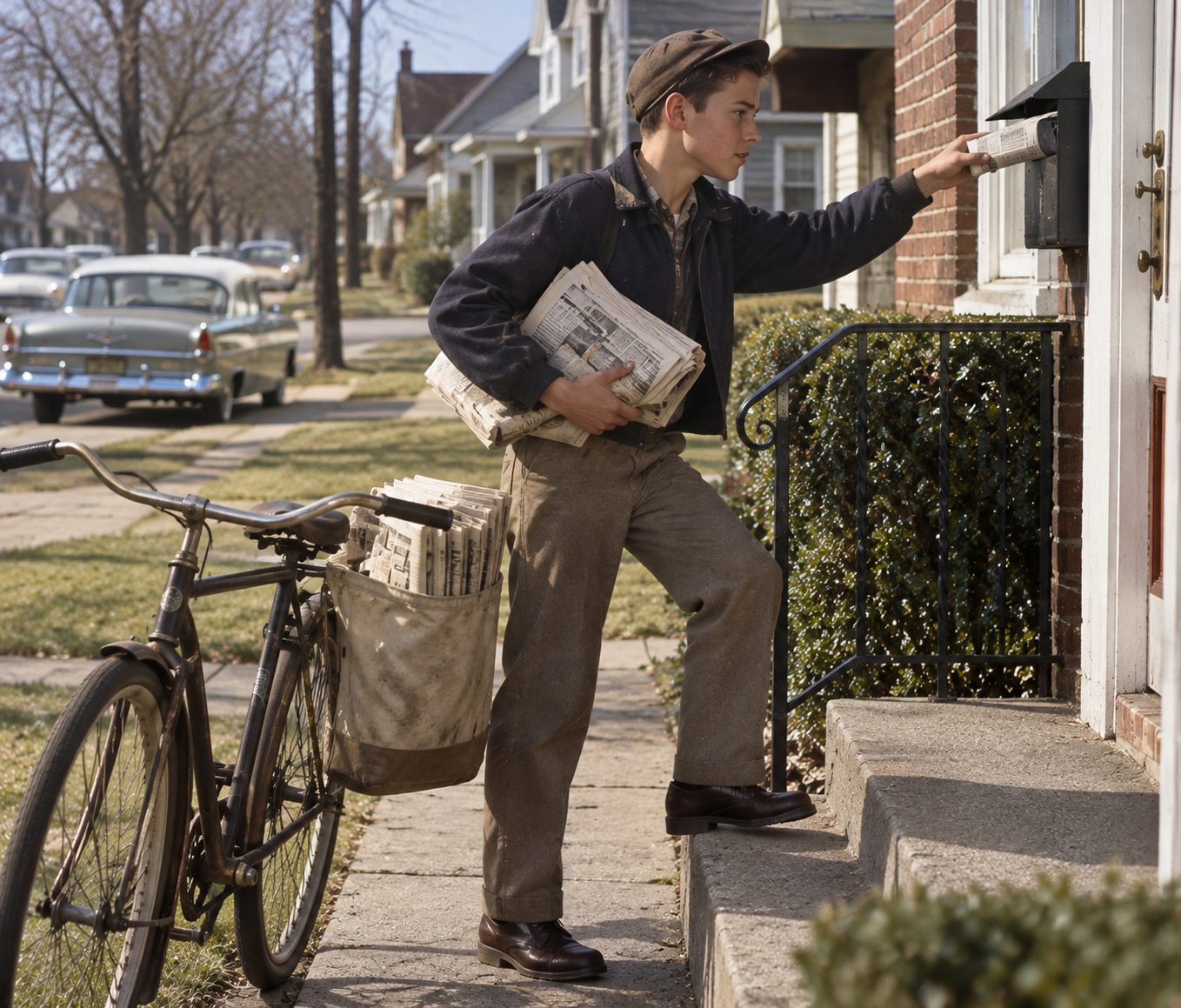
For many American teenagers, newspapers were one of the first opportunities to earn their own money. Young carriers delivered morning or afternoon editions to homes, often working before school or after classes. They learned to manage a schedule, collect payments, and handle the responsibility of getting every newspaper to the right doorstep. Sometimes, young delivery workers also had to collect subscription payments from customers.
2. Babysitting
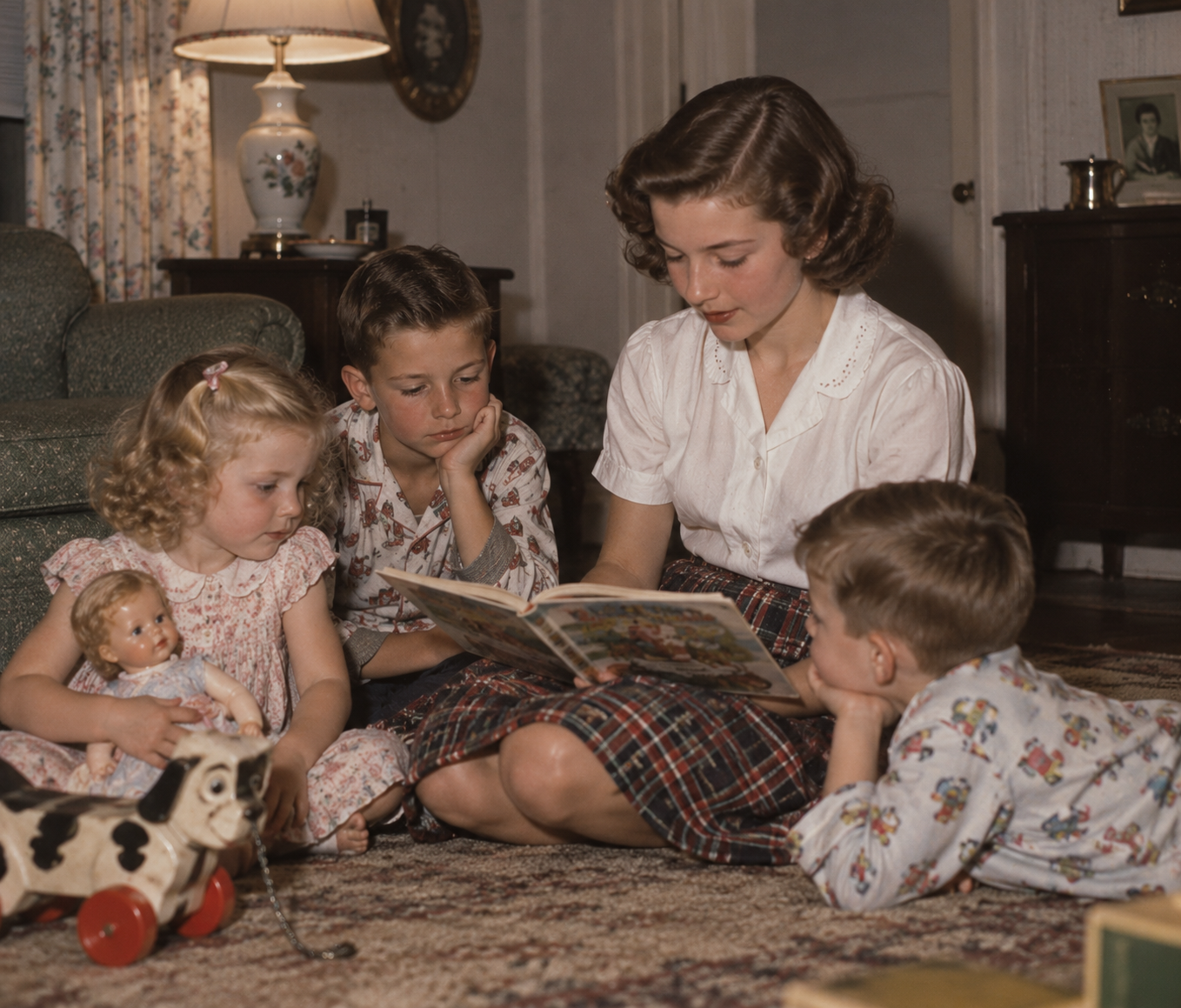
Babysitting was another familiar way for teenagers, especially girls, to make extra money. A babysitter might prepare a simple meal, organize bedtime, keep children entertained, and make sure everyone stayed safe until the parents returned.
3. Mowing Lawns
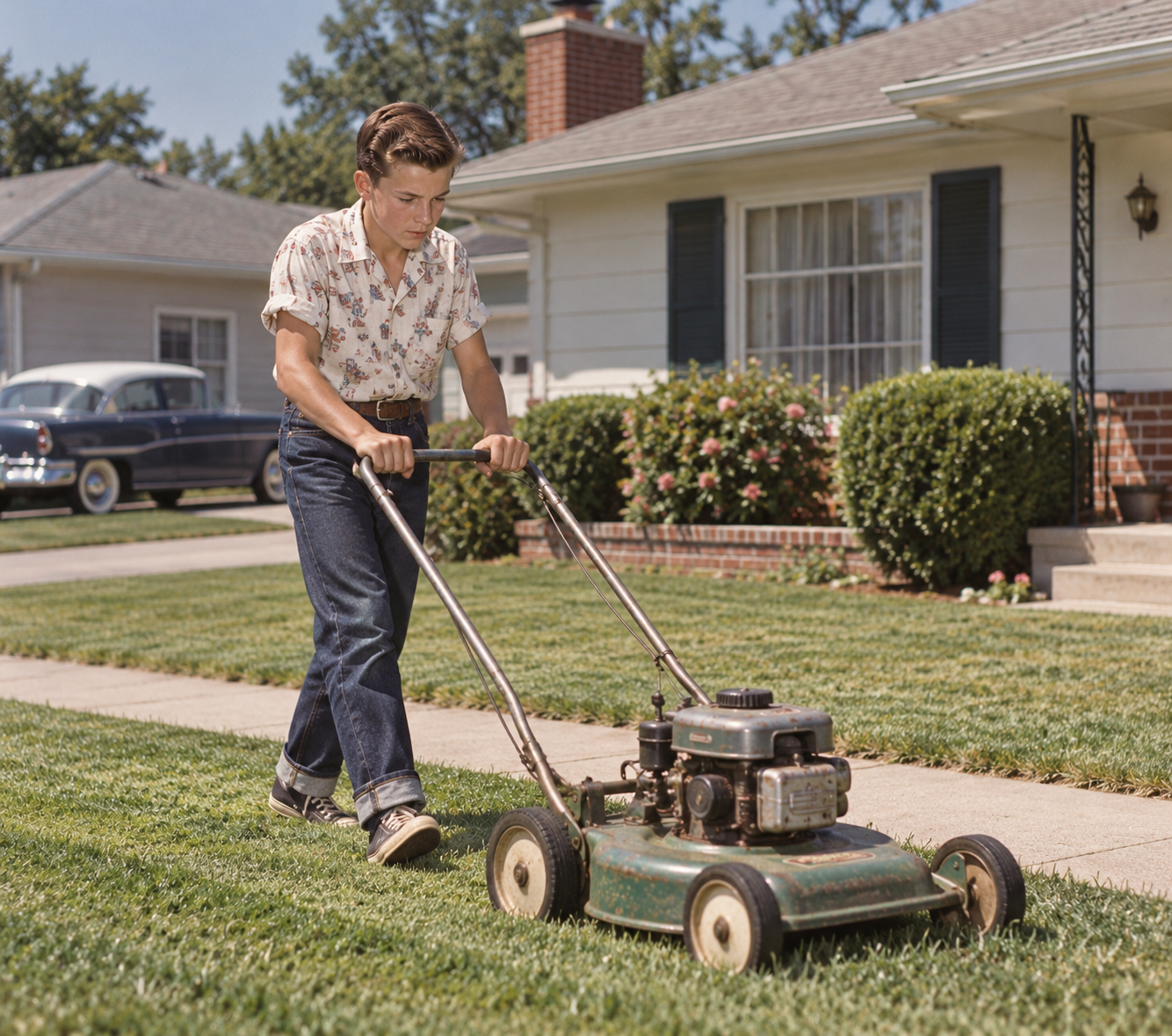
Homeowners needed help keeping grass trimmed, and teenagers with access to a lawn mower could turn that demand into extra cash. A young person might begin by mowing the lawn next door, then pick up additional customers through recommendations from other homeowners. Some teenagers used their family’s equipment, while others worked with simple tools supplied by the homeowner.
4. Shoveling Snow
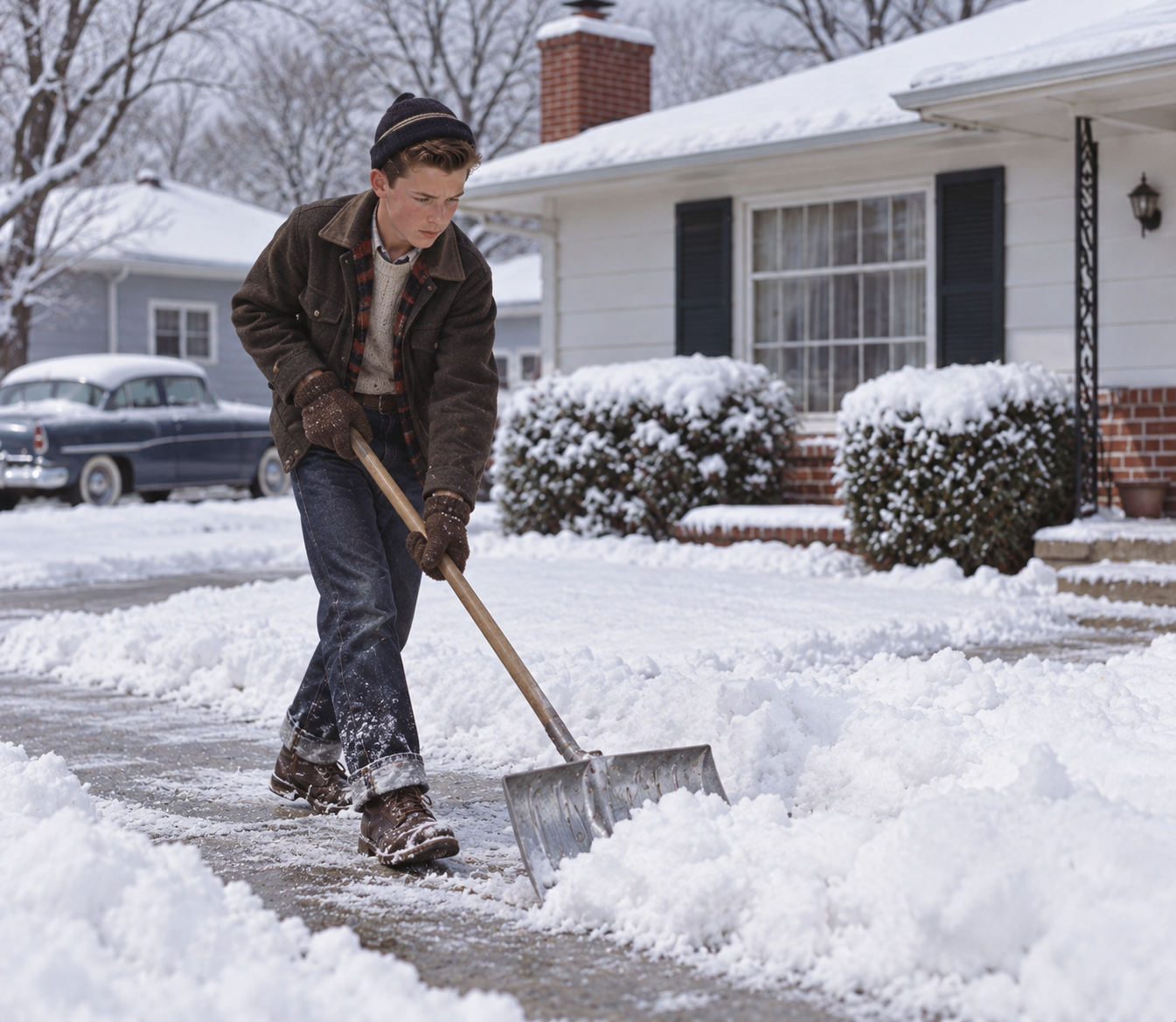
In cold regions, teenagers could shovel snow from sidewalks, driveways, and front steps after a winter storm. When spring arrived, the same young workers might rake leaves left over from the previous autumn, clear fallen branches, or help prepare gardens for planting. The income was irregular, but several small jobs after a storm or during a seasonal cleanup could add up. It was also a natural way for younger workers to develop relationships with homeowners who might hire them throughout the year.
5. Washing & Polishing Cars
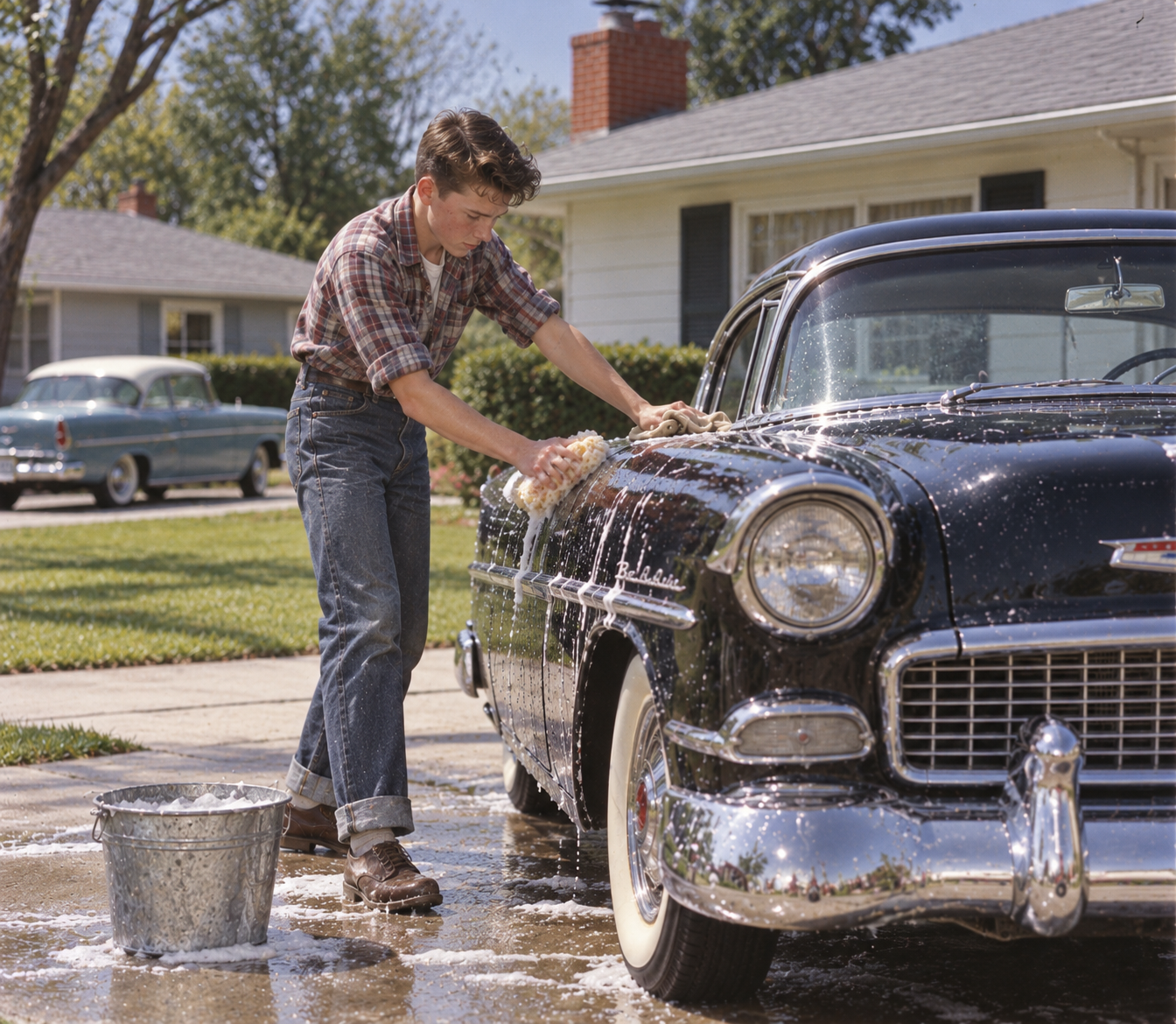
Unlike a job at a service station, neighborhood car washing could be organized around school hours and weekends. A worker might charge a small amount for a basic wash and offer more detailed cleaning for a higher payment. Families with multiple vehicles could become repeat customers, particularly when the teenager was careful and reliable.
Trending on Wealth Gang


6. Ironing & Housecleaning
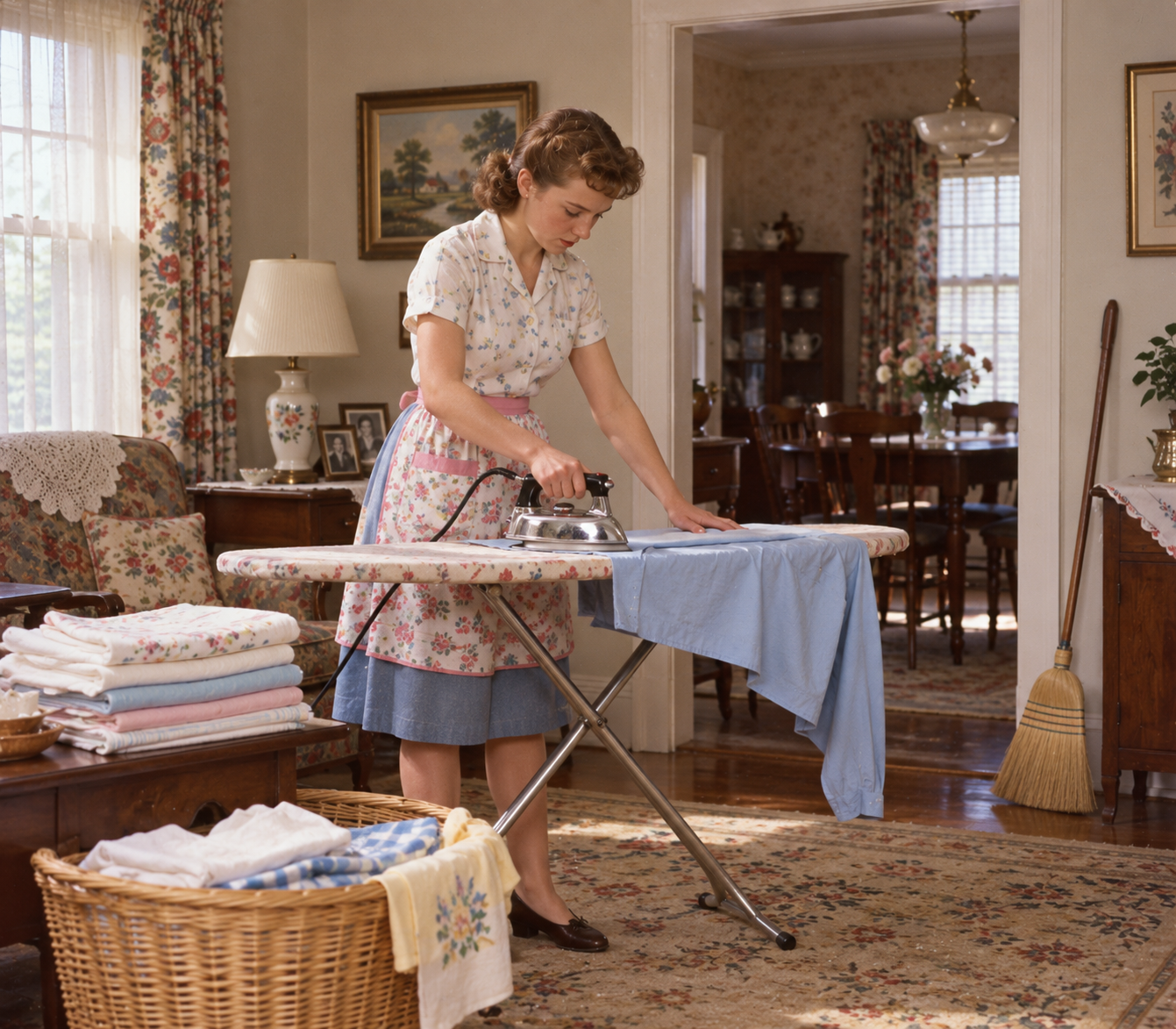
Household chores created opportunities for people who wanted to earn extra income. Laundry, ironing, dusting, and sweeping were time-consuming tasks. These arrangements were often informal, with payment agreed upon directly between the people involved. Domestic services provided a practical way to earn money without opening a shop or making an investment.
7. Sewing & Mending
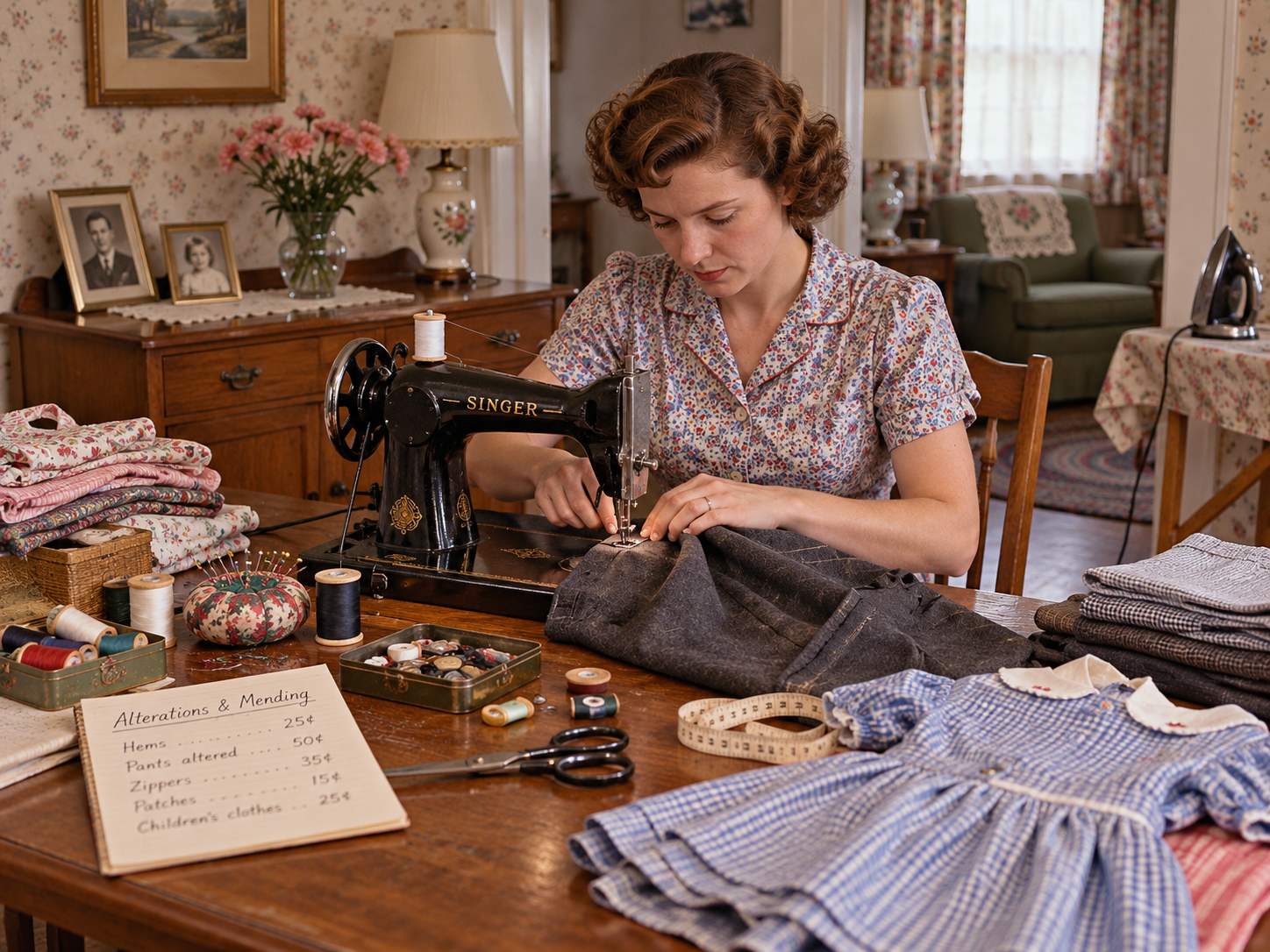
A person who knew how to sew could earn money replacing buttons, fixing torn seams, shortening dresses, or adjusting garments that did not fit properly. Some women used sewing machines at home to take on work from neighbors, while others knitted scarves, made children’s clothing, or repaired school uniforms.
8. Baking
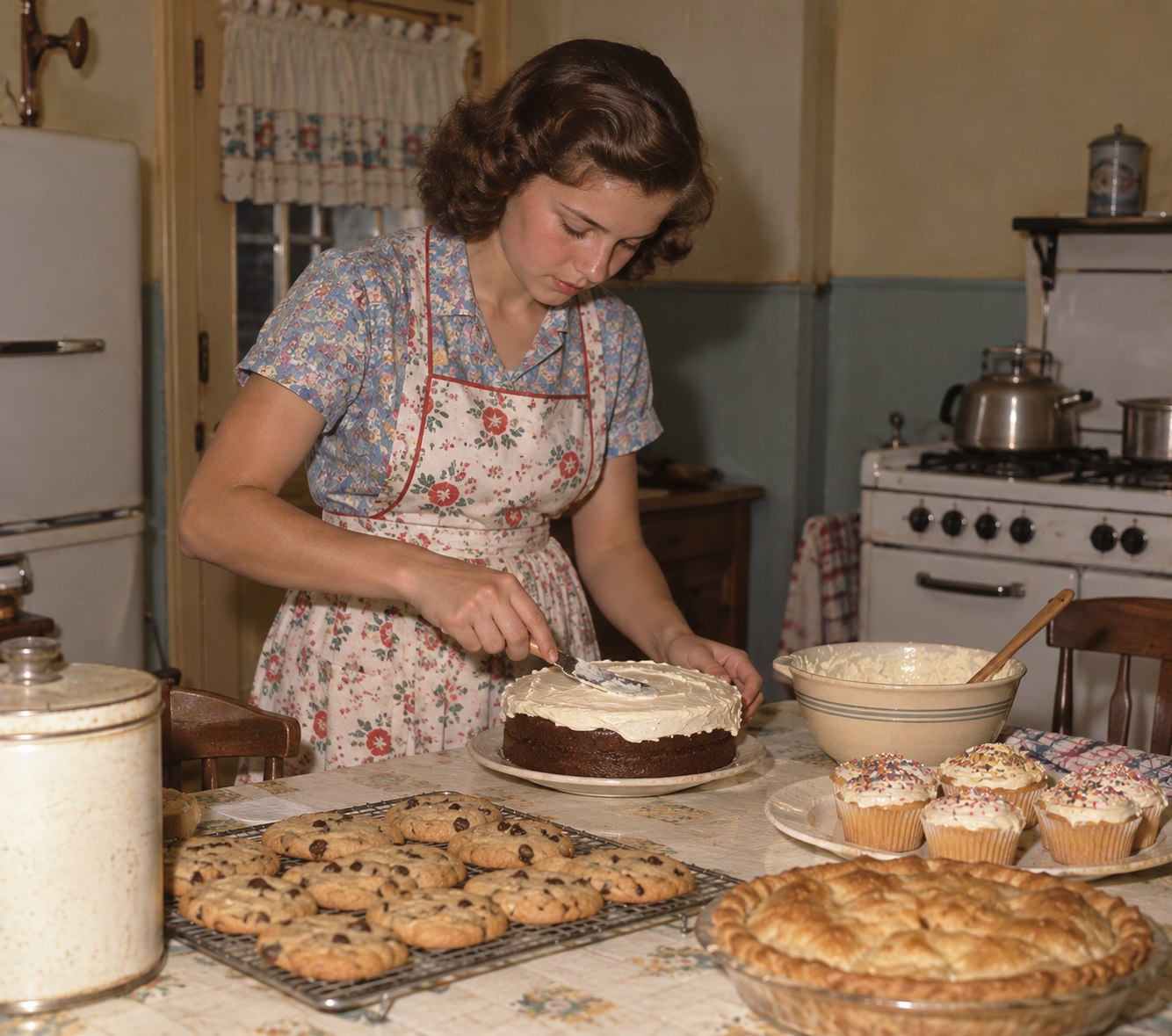
People who were known for their cooking sometimes turned that reputation into a small income stream. Homemade pies, cakes, cookies, and other treats could be prepared for birthdays, church gatherings, and neighborhood events. A neighbor placed an order, the baker purchased the ingredients, and the finished goods were delivered or collected. The profit depended on ingredient costs, the amount of time involved, and the prices customers were willing to pay.
Sign up for our newsletter
9. Selling Tupperware
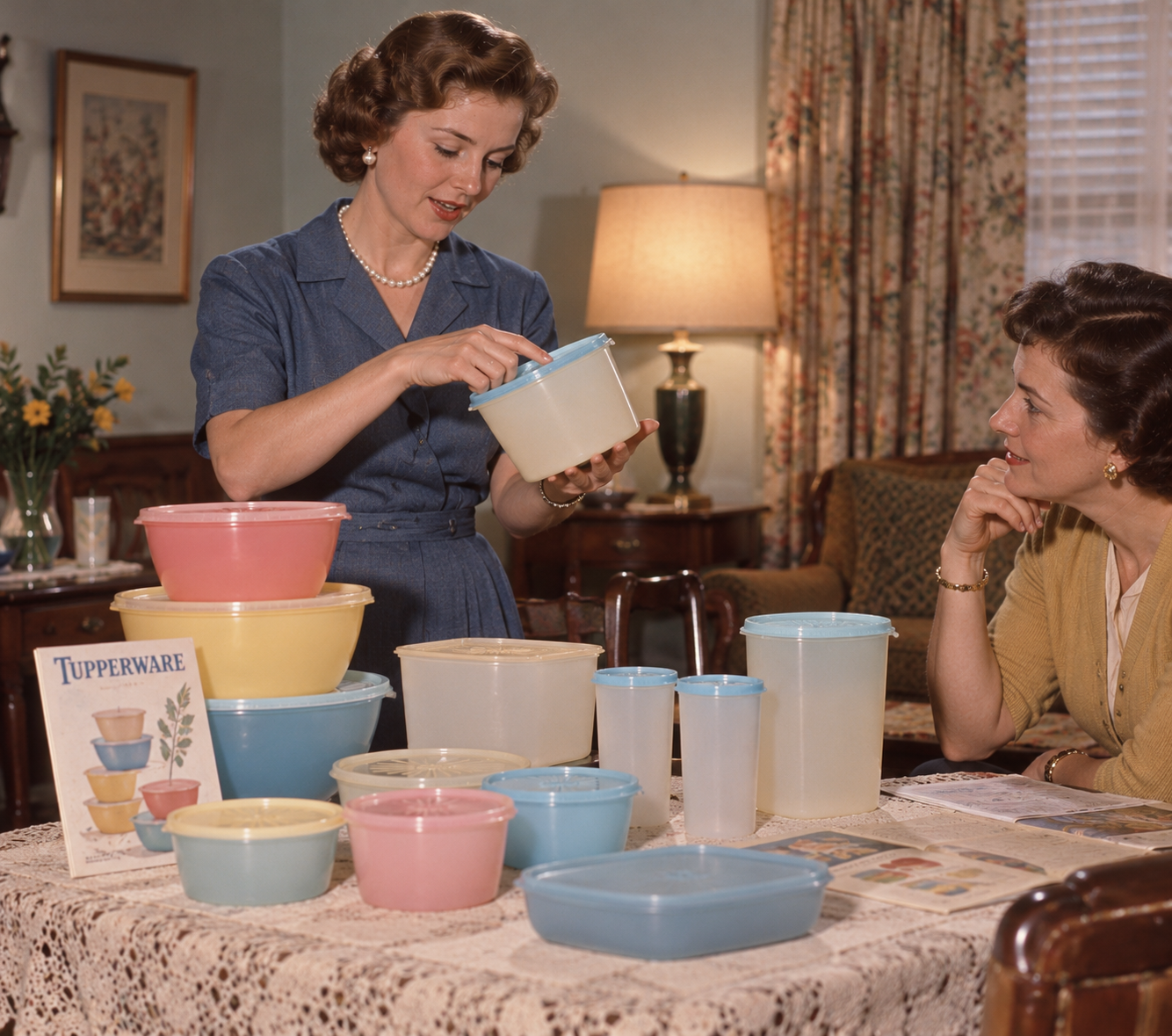
Tupperware became especially well known for this model, which allowed salespeople to show plastic food containers to friends and neighbors and take orders during social gatherings. This model relied heavily on social networks.
10. Organizing Garages
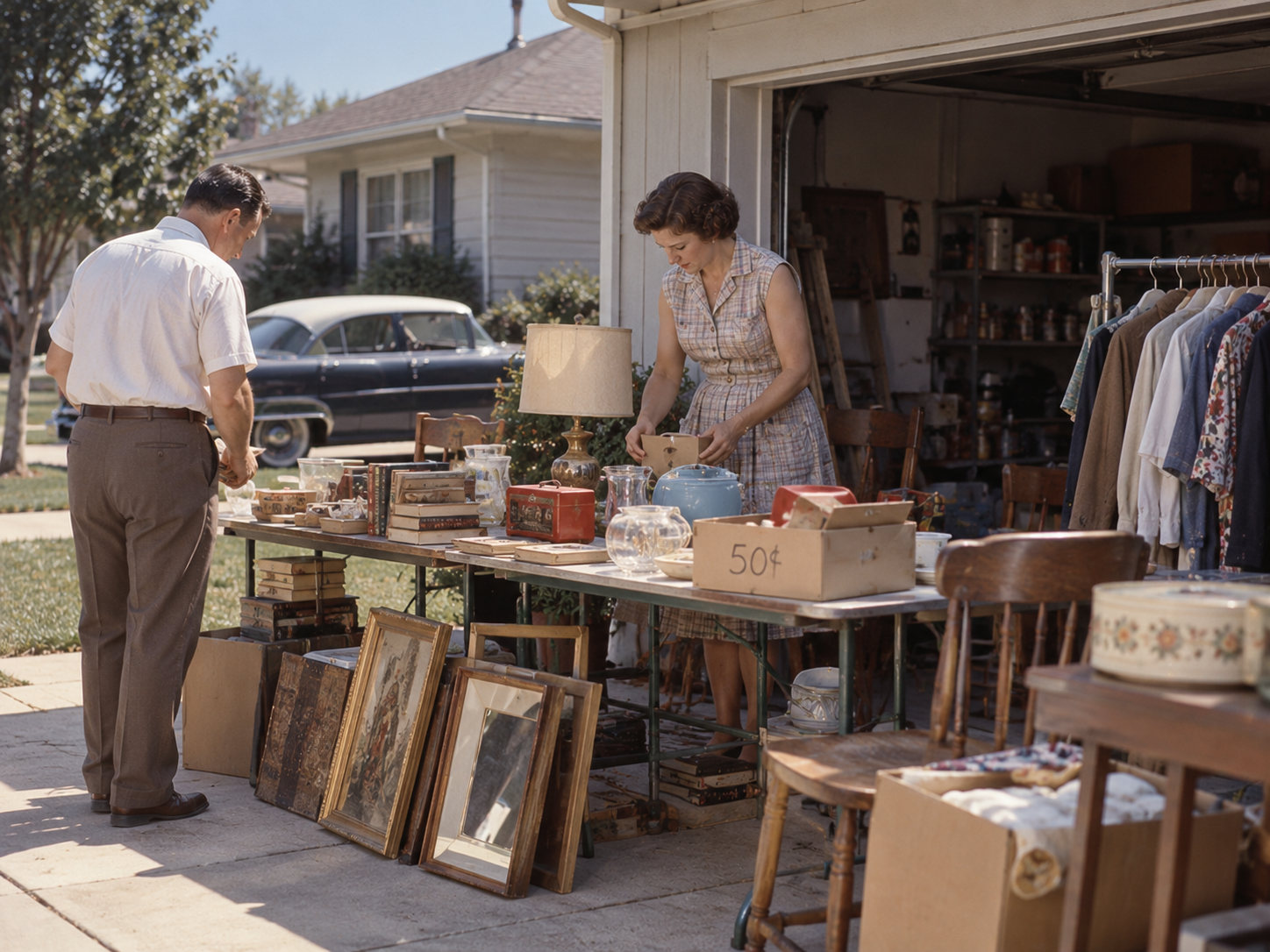
Instead of throwing away old furniture, toys, books, clothing, or household decorations, families could display them for neighbors and bargain hunters to purchase. These sales became particularly associated with America’s expanding postwar suburbs. The sales were usually occasional rather than dependable weekly income, but they offered a simple way to recover some of the value of unused possessions.
11. Renting a Spare Room
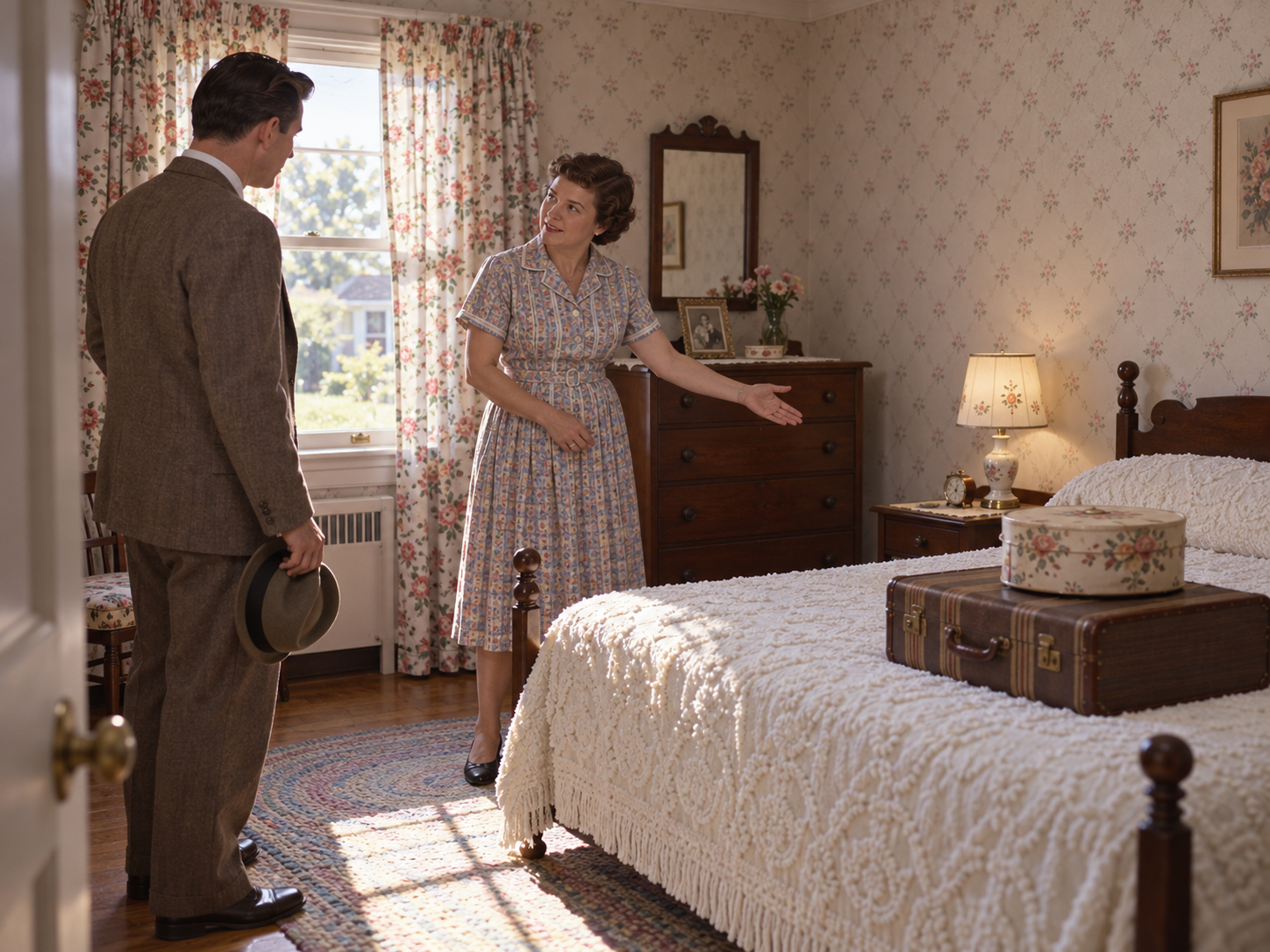
A spare bedroom could help supplement the family budget. Homeowners and tenants with permission to do so sometimes rented rooms to workers, students, or other people looking for accommodation. It was a recurring way for some families to earn additional income from space they already had.
12. Selling Garden Produce, Eggs & Preserves
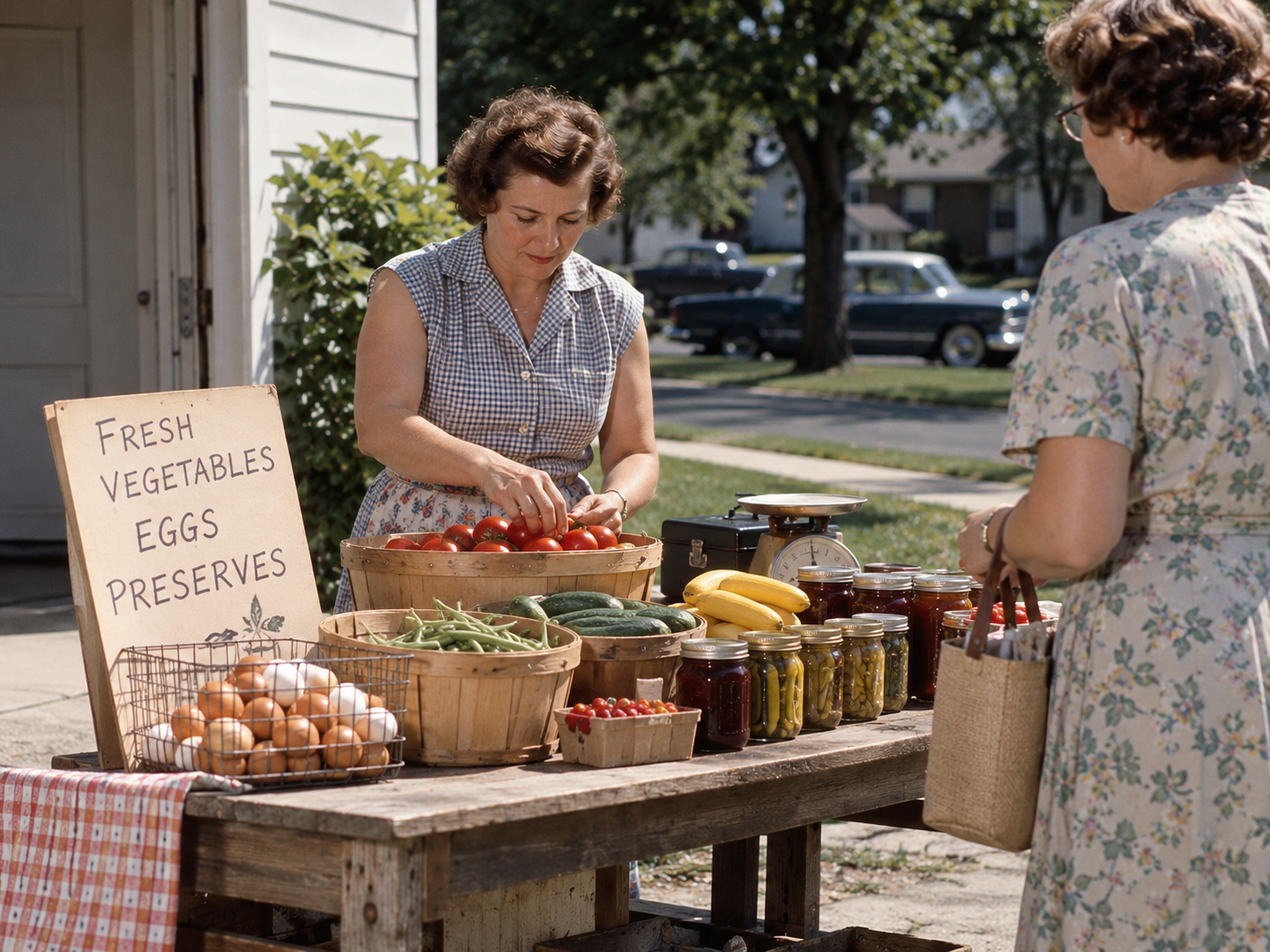
For families with access to a garden or small portion of land, surplus produce could become an occasional source of cash. Tomatoes, beans, corn, berries, eggs, pickles, and preserves could be sold to neighbors or at roadside stands in areas where local customers were available. Instead of letting surplus food go to waste, families could sell what they did not need for themselves. Gardening required time, tools, water, and sometimes purchased seeds or feed.
13. Giving Music Lessons
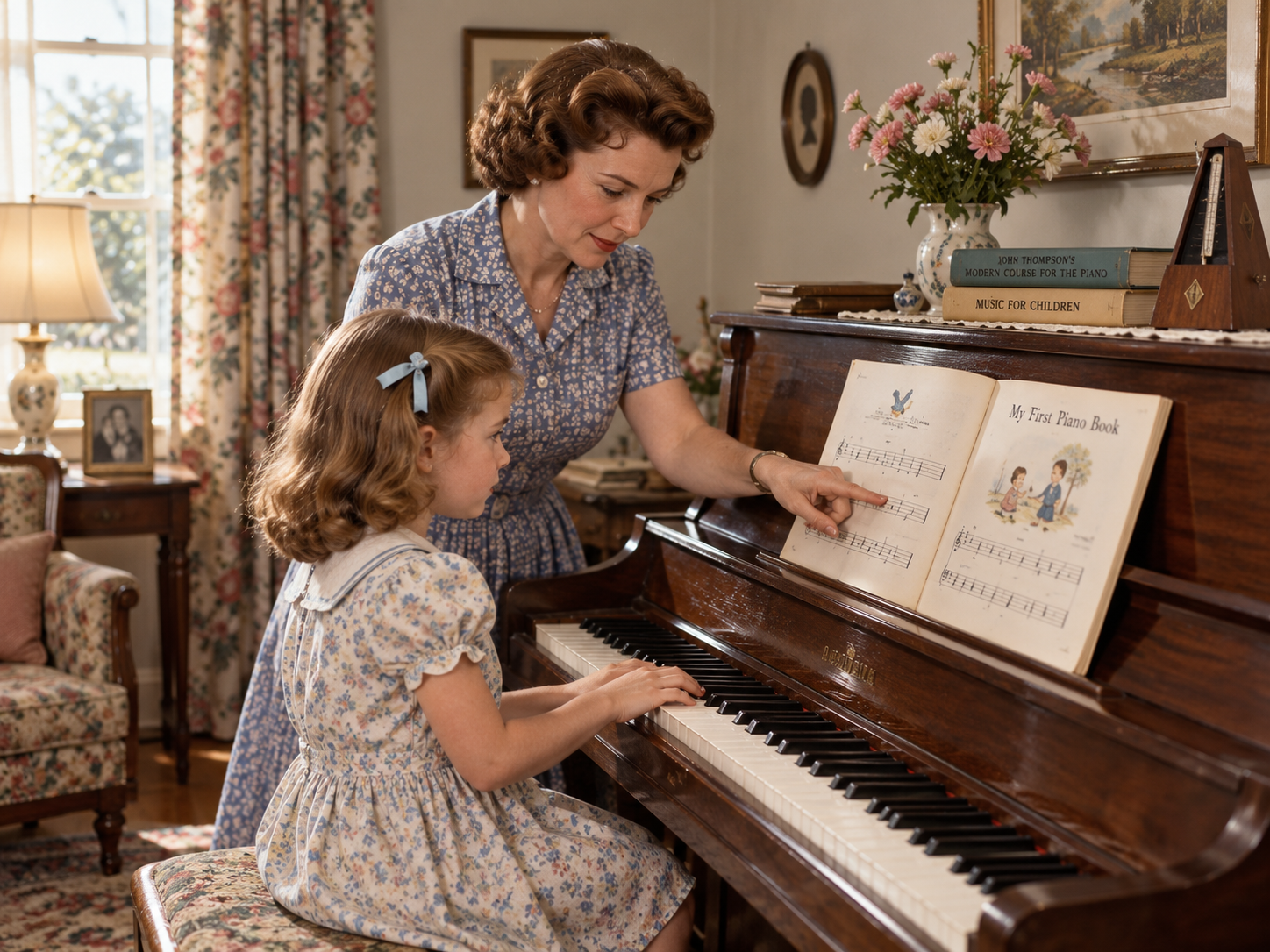
People with strong academic skills or musical abilities could earn money by helping younger students. Adults with musical experience could provide beginner lessons in piano, guitar, or another instrument. These arrangements usually depended on personal recommendations. Parents wanted someone patient, responsible, and capable of explaining difficult material clearly.
14. Repairing Bikes & House Items
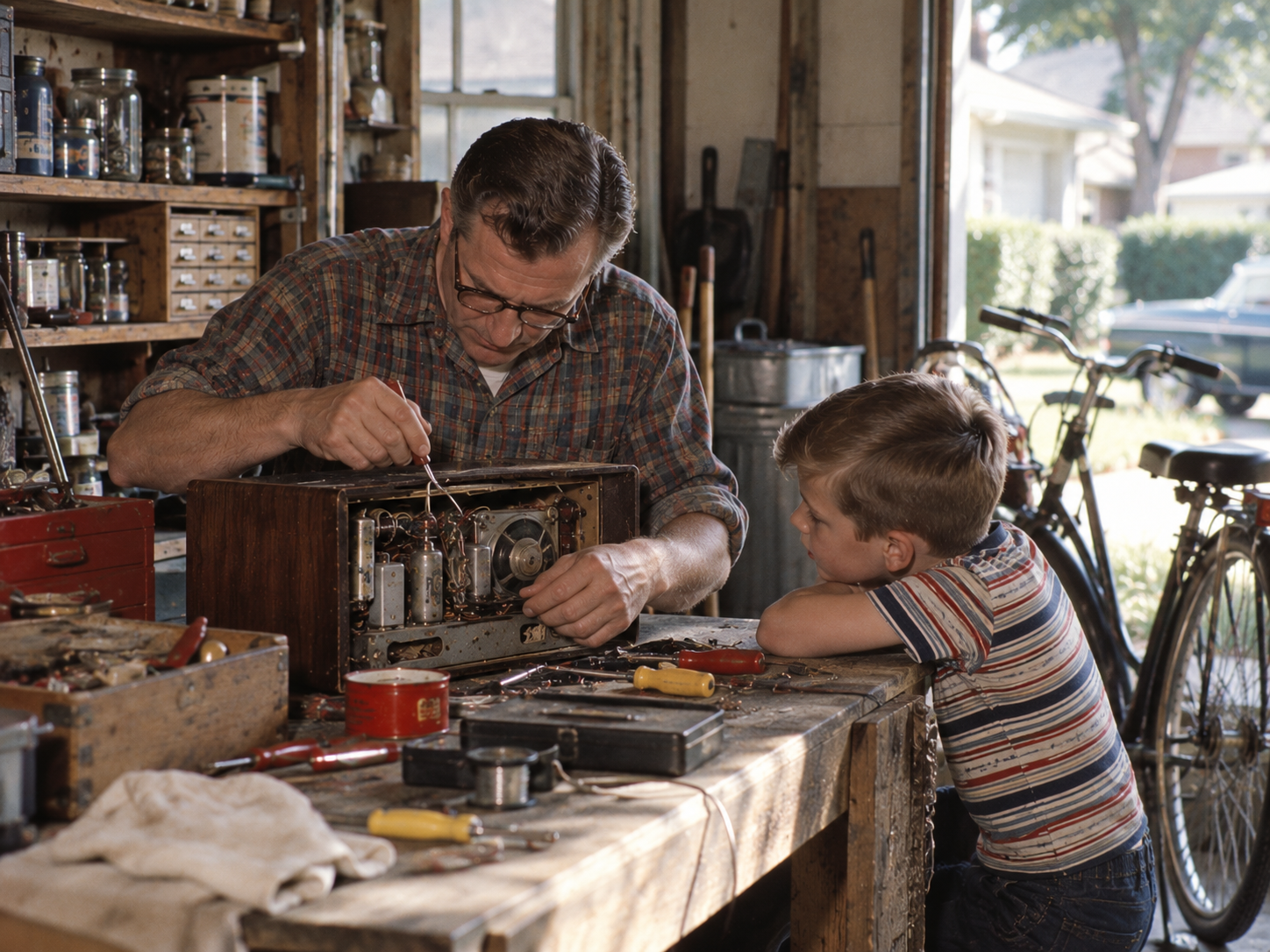
A person who understood radios or other equipment sometimes found customers among neighbors who preferred a repair to the cost of replacement. Not every repair was suitable for an informal side business. Complex electrical work and other hazardous jobs required appropriate training and care. But basic mechanical skills could be valuable.
15. Working Weekends at Stores or Service Stations
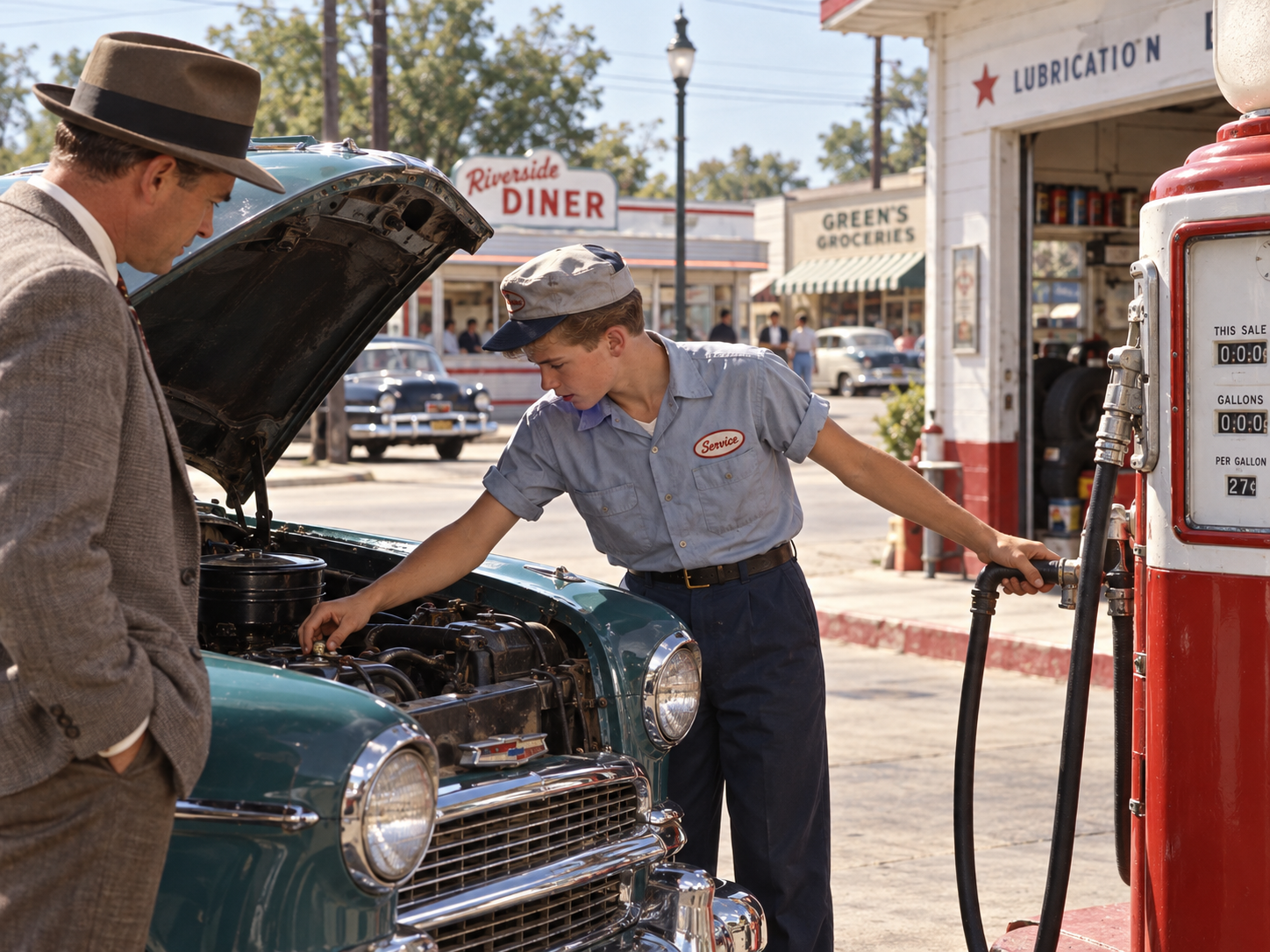
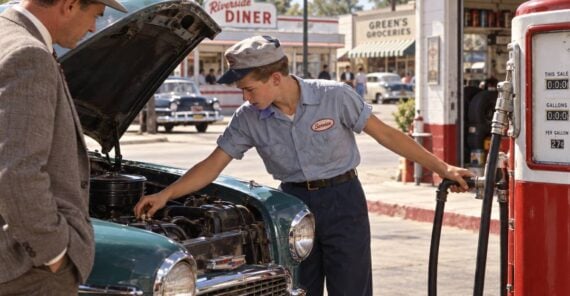
Some people took on additional paid shifts during evenings, weekends, holidays, or school vacations. Grocery stores needed workers to stock shelves, bag purchases, and help customers. Service stations employed attendants who helped motorists with fuel, oil checks, and basic vehicle services.
Want more from the Booming 50´s?
Check out 22 Rare Photos of Neighborhood Life in the 1950s for a look at the porches and front yards where families gathered. If you are craving something tastier, 10 Photos of McDonald’s Menu Prices Then and Now shows how far a few dimes used to go at the drive-in. Last but not least, 20 Vintage Images of the Rise of Rock ‘n’ Roll captures Elvis, Chuck Berry, and the fans who screamed for them.