During the 1970s, winter was experienced very differently than it is today. Many habits that now seem unacceptable were widely accepted back then, even when they involved real risks. Safety, health, and prevention did not hold the same importance, largely due to a lack of awareness. Cold weather was tolerated, ignored, or even seen as character-building. Here are 15 wintertime habits from the ’70s that would never pass today’s standards.
1. Letting Kids Play Outside All Day in Freezing Weather

During the 1970s, kids spent hours playing outside even in below-freezing temperatures. There were no constant check-ins or extreme cold warnings. They came home only when it got dark or when they were hungry. Parents didn’t monitor them the way they do today, and the streets were a place where children spent most of their time playing.
2. Heating Homes with Unsafe Space Heaters

Many homes were heated with unsafe portable heaters. The risk of fires or burns was high, yet it was accepted as part of everyday life. There were no strict regulations or safety certifications in place. Staying warm mattered more than safety. Today, this type of heating would be banned almost everywhere.
3. Riding in Cars Without Seatbelts in Winter Conditions

Traveling without a seatbelt was completely normal, even on long road trips. Cars were not designed with modern safety standards in mind. Accidents were frequent but rarely questioned. Today, it would be a serious offense, and no one would even consider driving without a seatbelt.
4. Smoking Indoors to Stay Warm

Smoking indoors was common practice. It happened in homes, bars, restaurants, closed cars, and even on airplanes. No one talked about ventilation or secondhand smoke. It was seen as social and even comforting. Today, it’s banned in most enclosed spaces: thankfully.
5. Letting Kids Walk to School in Snowstorms

Even during snowstorms or severe weather, kids still went to school. There were no “snow days” like there are today. Parents trusted that they would get there however they could. Nowadays, schools close under those same conditions.
Trending on Wealth Gang

6. Wearing Fashion-Over-Function Winter Clothing

Many people prioritized fashion over proper warmth. Thin coats, poorly insulated boots, and inadequate clothing were common. Cold weather was endured for the sake of style. The culture of technical winter gear simply didn’t exist the way it does today.
7. Using Fireplaces Without Proper Ventilation

Fireplaces were used without proper safety controls, even though they were dangerous and the risks were largely ignored. Ventilation was minimal or nonexistent. Carbon monoxide poisoning was a very real threat.
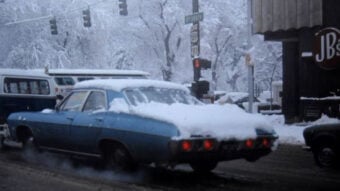
8. Driving on Icy Roads Without Snow Tires

Driving on icy roads was common practice. Many cars were not equipped for extreme winter conditions. People simply tried to “be careful.” Accidents were frequent but normalized. Today, it’s considered highly dangerous, and there’s far greater awareness of the risks of driving in certain temperatures.
Sign up for our newsletter
9. Sledding Without Protective Gear

Kids went sledding without helmets or any protective gear. They used whatever they could find to slide down hills. Falls were just considered part of the fun. There was little awareness of injuries at the time. Today, doing this without proper equipment would be unthinkable.
10. Keeping Windows Slightly Open in Winter

Cold air was believed to be good for your health, even in the middle of winter. Many homes kept windows slightly open for most of the year, and the cold was tolerated as something healthy.
11. Using Hot Water Bottles Without Safety Covers

Hot water bottles were a winter staple, often used directly against the skin without any protective cover. Burns and leaks were common, but safety standards were rarely part of the conversation.
12. Letting Cars Warm Up Unattended

In winter, it was normal to leave cars running outside to warm up, sometimes for long stretches and without supervision. Theft, fumes, and environmental concerns were barely considered.
13. Minimal Concern About Hypothermia

Cold exposure was often brushed off, especially for kids, who played outside for hours regardless of temperature. Hypothermia was rarely discussed unless something went seriously wrong.
14. No Winter Safety Warnings or Alerts

There were no phone alerts, weather apps, or emergency notifications warning people about dangerous winter conditions. Most relied on the radio, TV, or simply common sense.
15. Assuming Cold Weather “Builds Character”

Enduring the cold was often seen as a rite of passage. Complaining about winter temperatures was discouraged, with many believing that toughing it out made people stronger.