Things Americans bought for their homes in the 1950s were often expected to remain useful for years, and repair was a normal part of ownership. Appliances, furniture, electronics, and everyday household equipment frequently had accessible components that technicians or handy owners could replace when something stopped working.
That didn’t mean every product lasted forever, but replacement wasn’t always the first response to a breakdown. Local repair shops, replacement parts, and straightforward mechanical designs helped keep expensive purchases in service. These 16 household items show how fixing what was already owned could be part of everyday life.
1. Console Radios
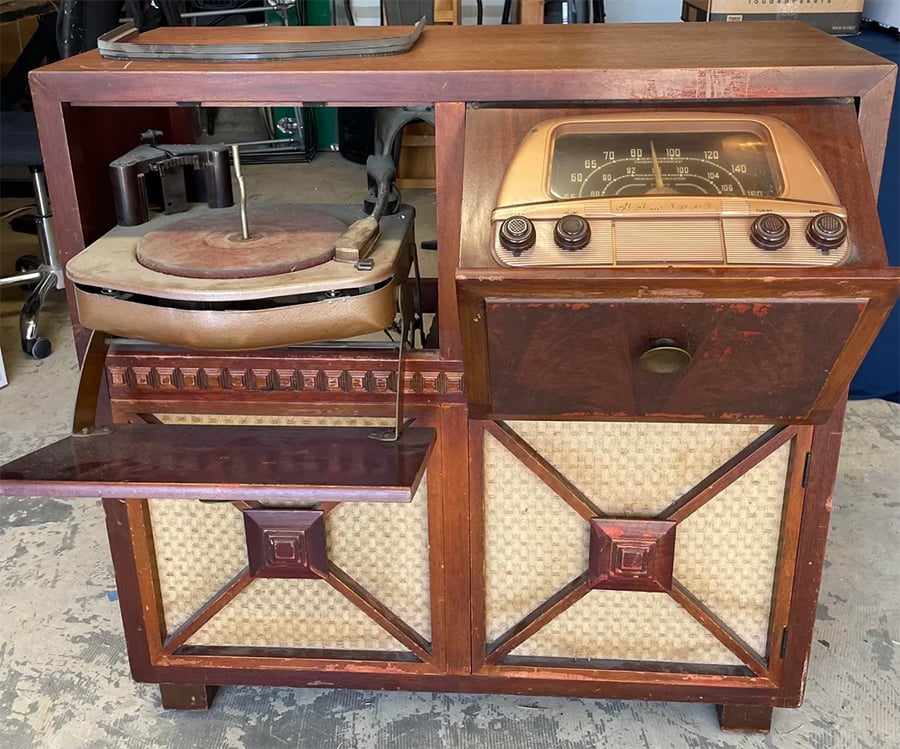
Large wooden console radios were substantial pieces of household furniture as well as entertainment systems. When tubes, speakers, switches, or other components failed, technicians could open the cabinet and replace individual parts instead of discarding the entire radio.
2. Wringer Washing Machines
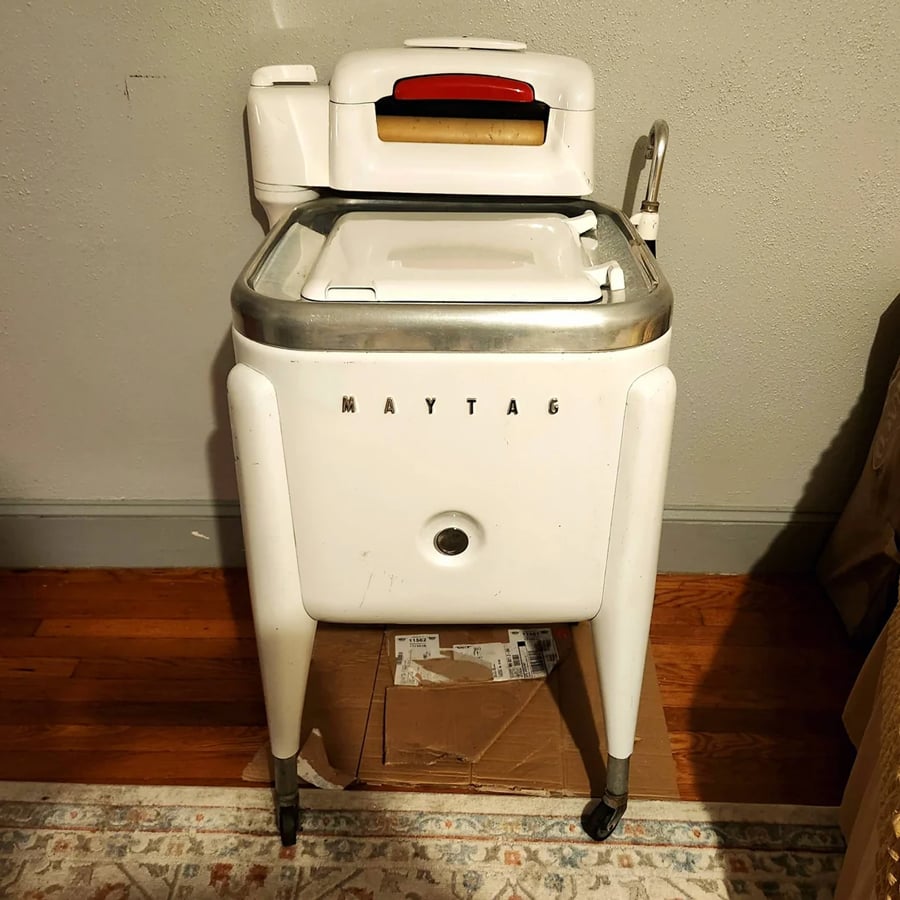
Wringer washers relied on relatively straightforward mechanical systems, making components such as belts, hoses, rollers, and motors accessible for maintenance or replacement. Owners could keep the same machine running through repeated repairs rather than immediately shopping for another washer.
3. Metal Kitchen Fans
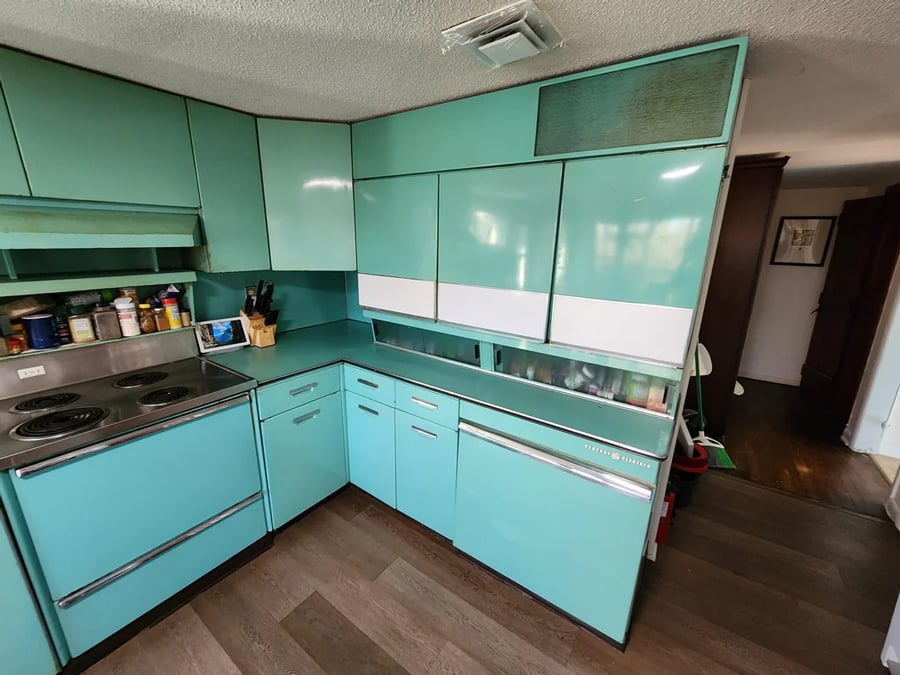
Heavy metal electric fans were built around motors, switches, wiring, blades, and protective cages that could often be serviced individually. A worn cord or failing switch didn’t necessarily mean the whole fan was finished, helping many examples survive for decades.
4. Vacuum Cleaners With Cloth Bags
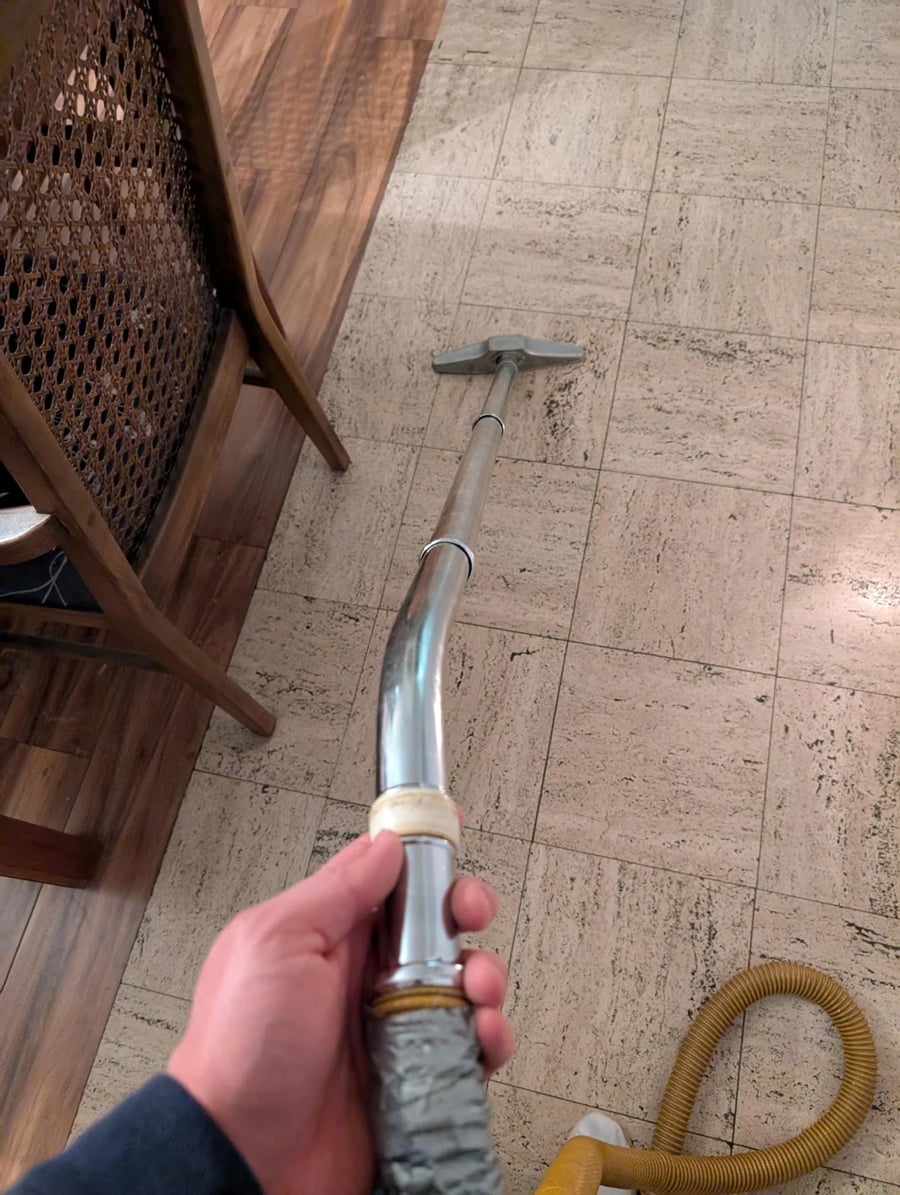
Upright and canister vacuums were designed around components that could be maintained separately. Belts, brushes, cords, hoses, motors, and reusable cloth bags could be cleaned, repaired, or replaced, allowing a good vacuum cleaner to remain in the household for years.
5. Mechanical Sewing Machines
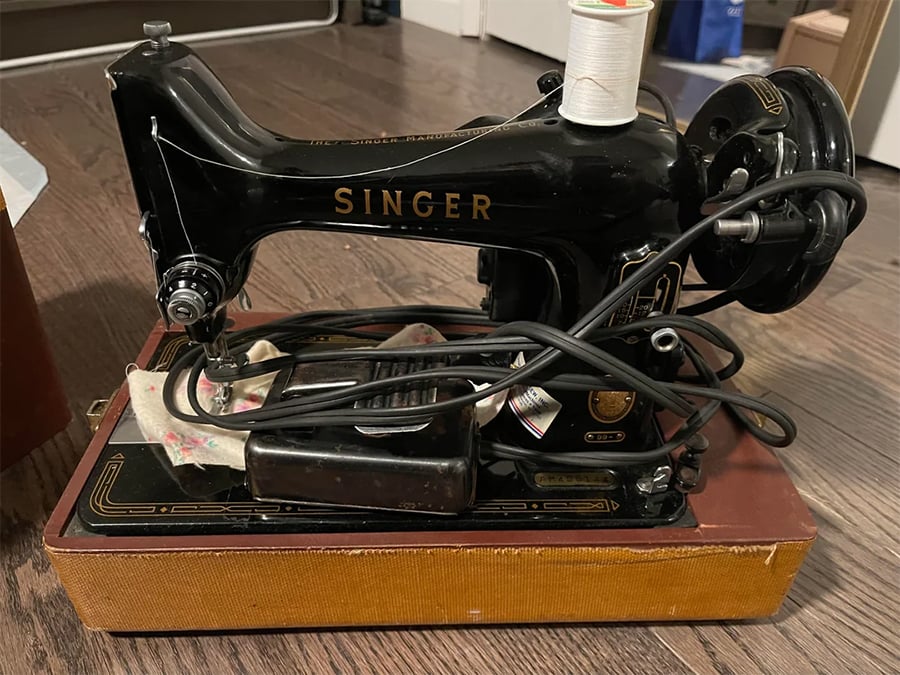
A quality sewing machine could become a long-term household possession. Gears could be lubricated, belts changed, needles replaced, and mechanisms adjusted by repair technicians, while sturdy metal construction meant that a malfunction rarely made the entire machine useless.
Trending on Wealth Gang


6. Tube Television Sets
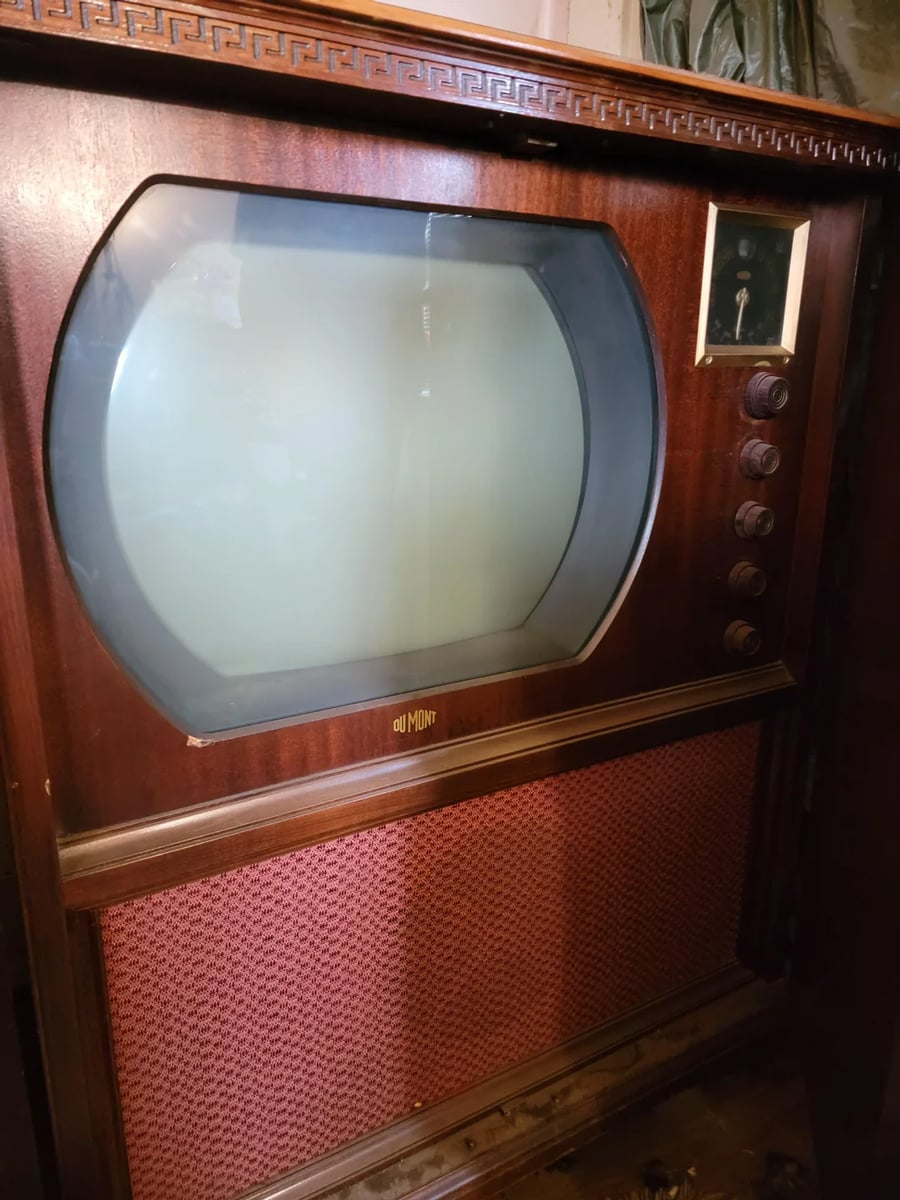
Early televisions required plenty of maintenance, but they were also designed with servicing in mind. Repair technicians could diagnose problems and replace vacuum tubes and other components, and television repair shops became familiar businesses as TV ownership spread across America.
7. Chrome Toasters
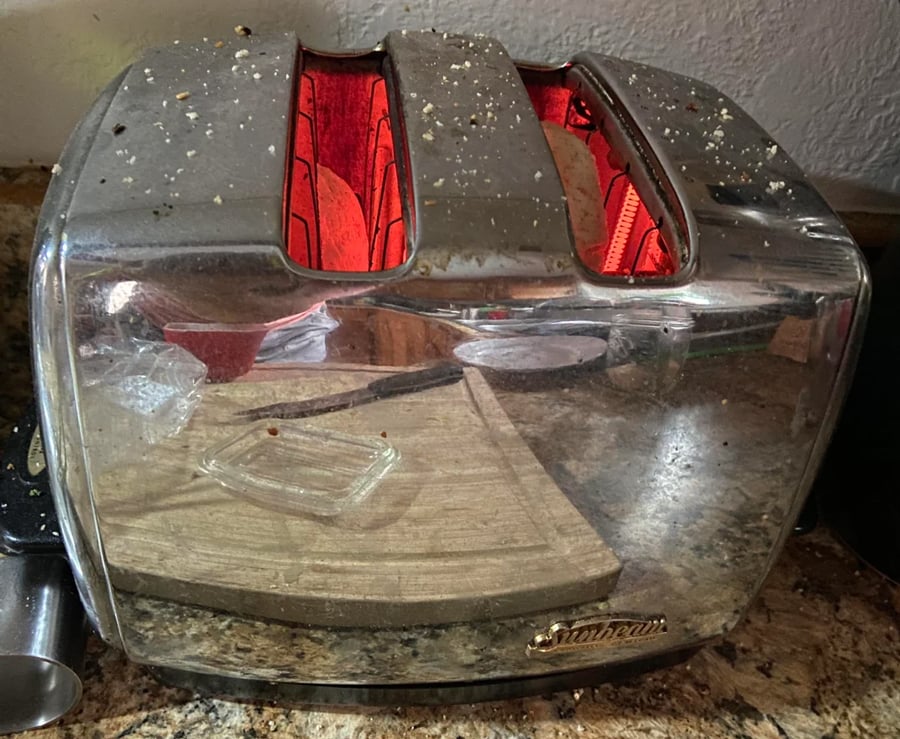
Many mid-century toasters had sturdy metal housings and relatively simple internal mechanisms. Heating elements, electrical cords, switches, and other components could sometimes be serviced, making repair more realistic than it is with many inexpensive modern countertop appliances.
8. Mechanical Clocks
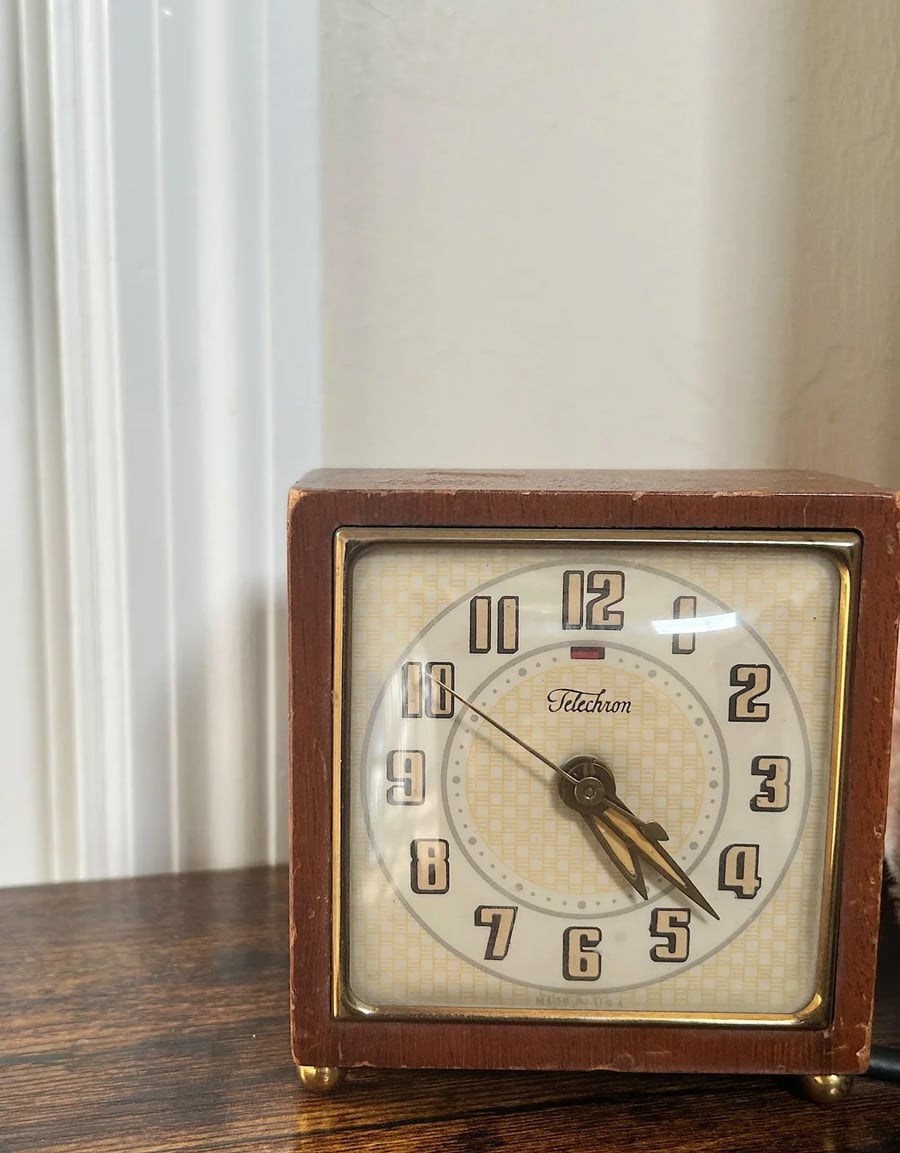
Mantel clocks, wall clocks, and alarm clocks contained mechanical movements that could be opened, cleaned, lubricated, and adjusted. Clock repair was a specialized trade, allowing households to keep familiar timepieces operating instead of treating them as disposable accessories.
Sign up for our newsletter
9. Refrigerators
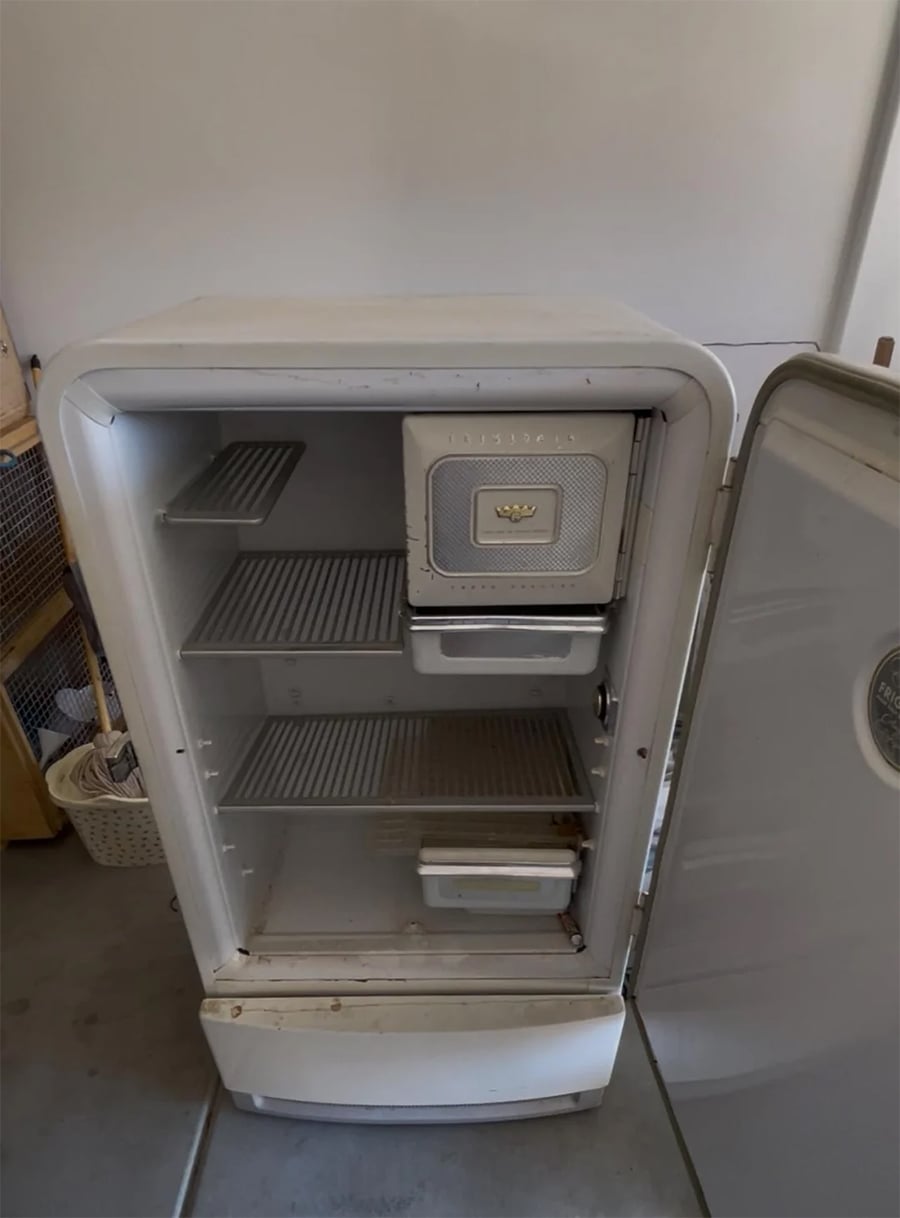
A refrigerator represented a major household investment, so replacing one because of a single malfunction wasn’t an attractive option. Compressors, thermostats, door seals, electrical components, and other parts could be serviced, helping families extend the life of an expensive appliance.
10. Floor and Table Lamps
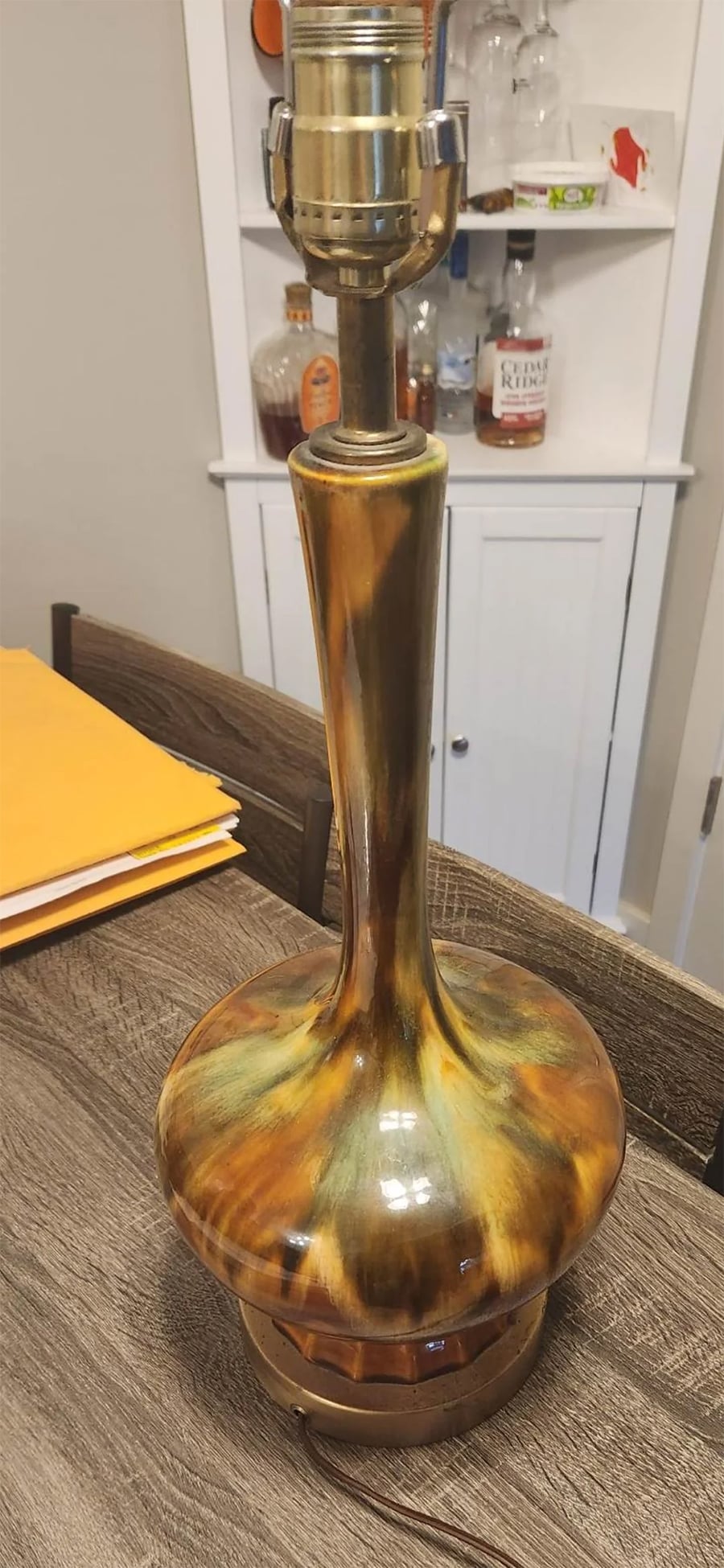
Household lighting was remarkably repair-friendly. Sockets, switches, plugs, and electrical cords could be purchased separately and replaced without throwing away the lamp itself, while sturdy metal, ceramic, and wooden bases could remain useful for generations.
11. Record Players
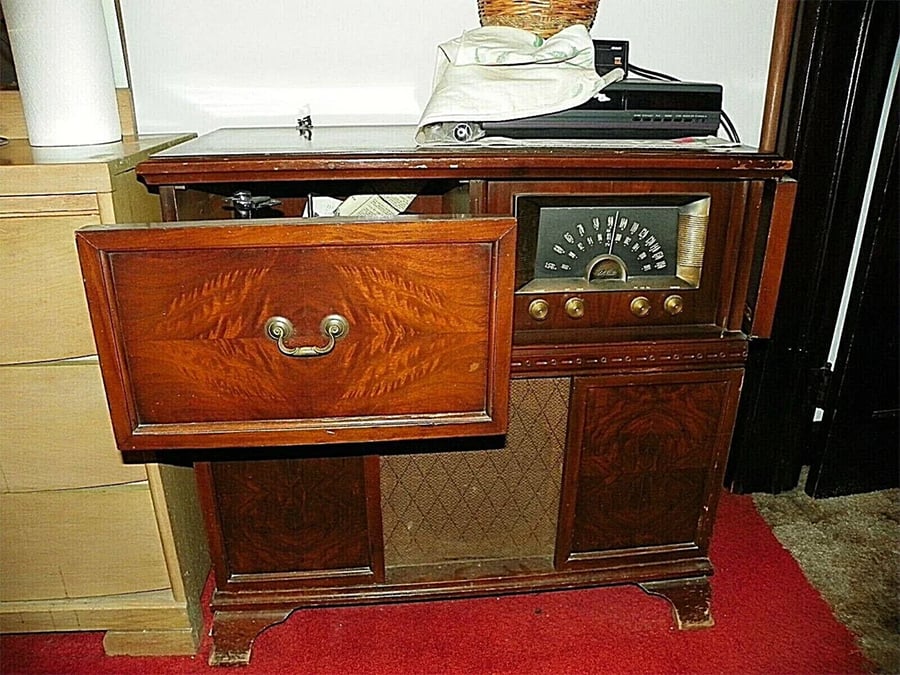
Record players combined mechanical and electrical components that could be serviced individually when something went wrong. Needles, cartridges, belts, speakers, wiring, and motors could be replaced or adjusted, helping families preserve an important source of home entertainment.
12. Electric Irons
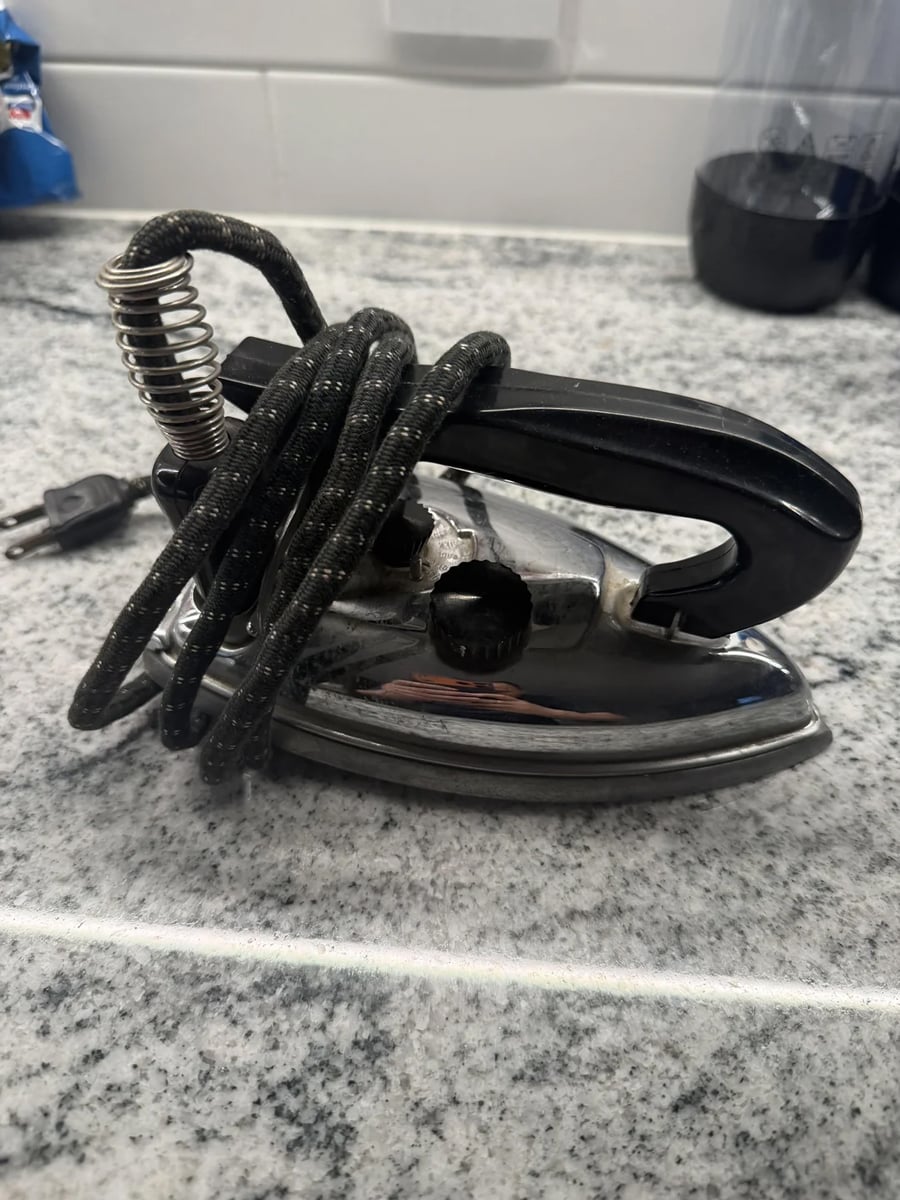
Heavy electric irons had relatively straightforward designs compared with many modern appliances. Damaged cords, thermostats, plugs, and heating components could sometimes be replaced, making a malfunctioning iron something worth taking apart rather than automatically throwing away.
13. Lawn Mowers
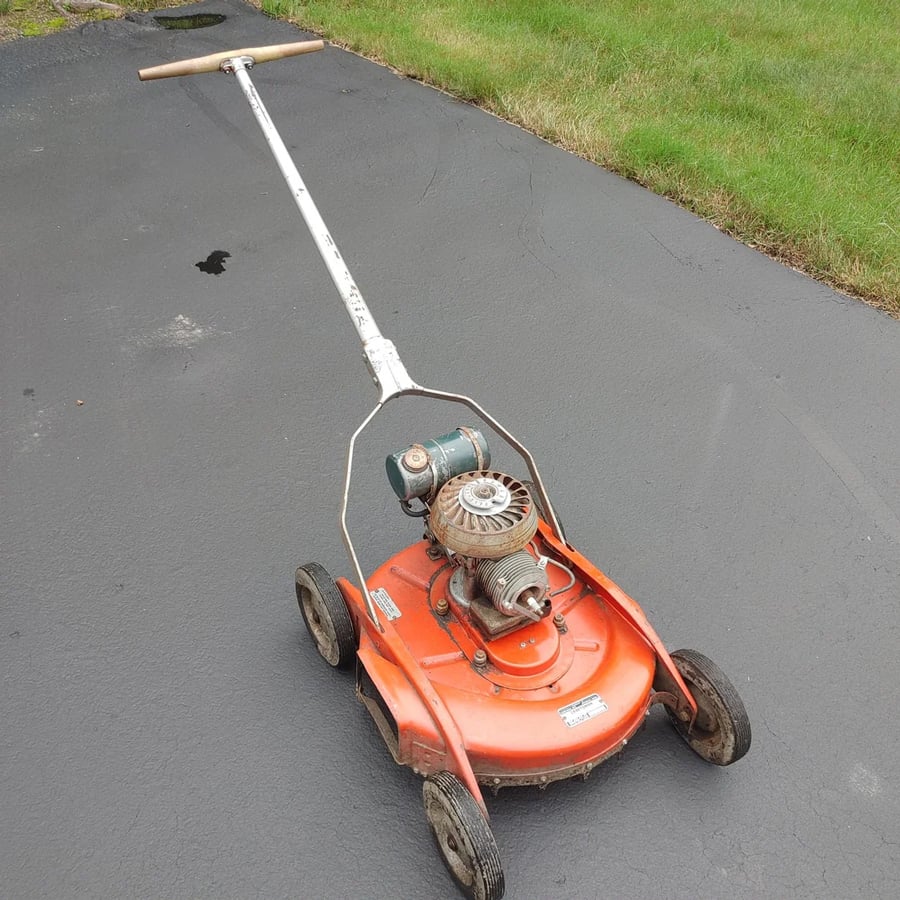
Push and early powered lawn mowers were made to undergo regular maintenance as blades dulled and mechanical components wore down. Engines could be tuned, blades sharpened, wheels replaced, and individual parts repaired, helping homeowners keep the same mower working season after season.
14. Window Air Conditioners
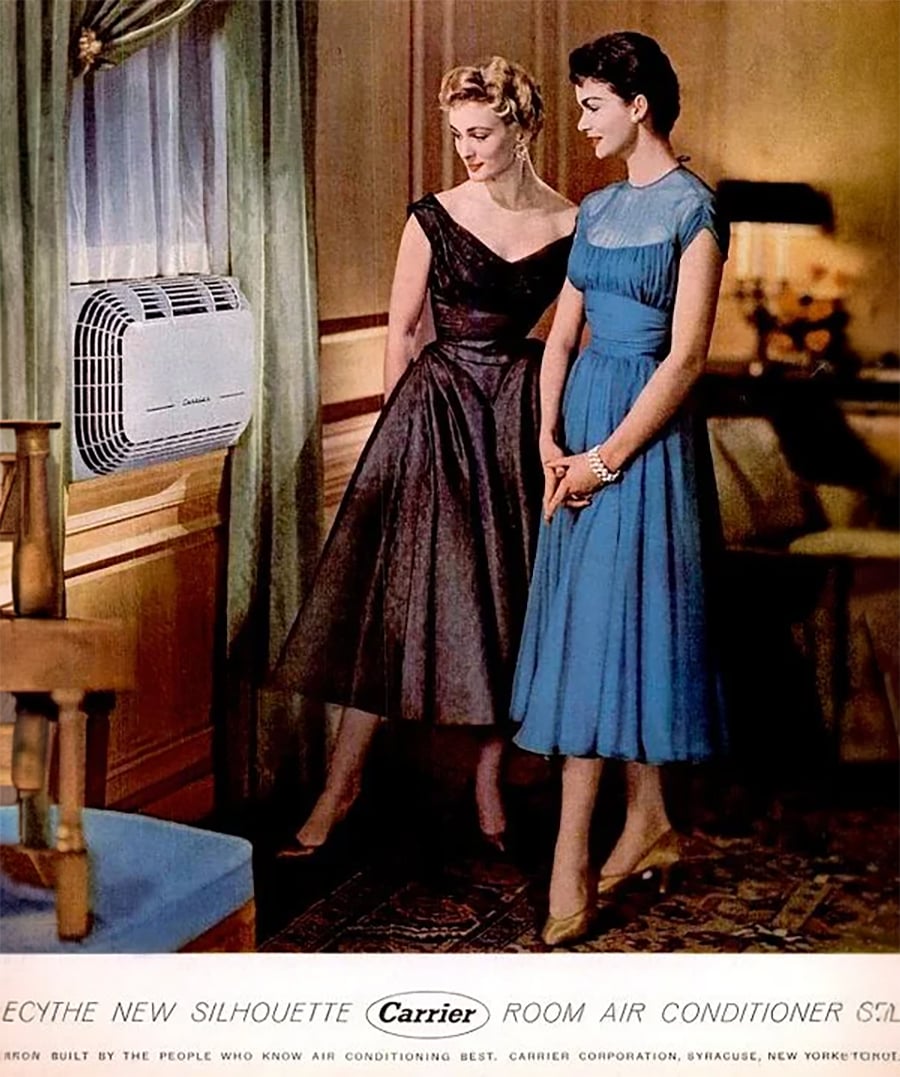
As residential air conditioning expanded, window units represented another significant purchase worth maintaining. Motors, fans, switches, thermostats, and other components could be serviced by repair technicians rather than requiring replacement of the entire machine after a failure.
15. Electric Mixers
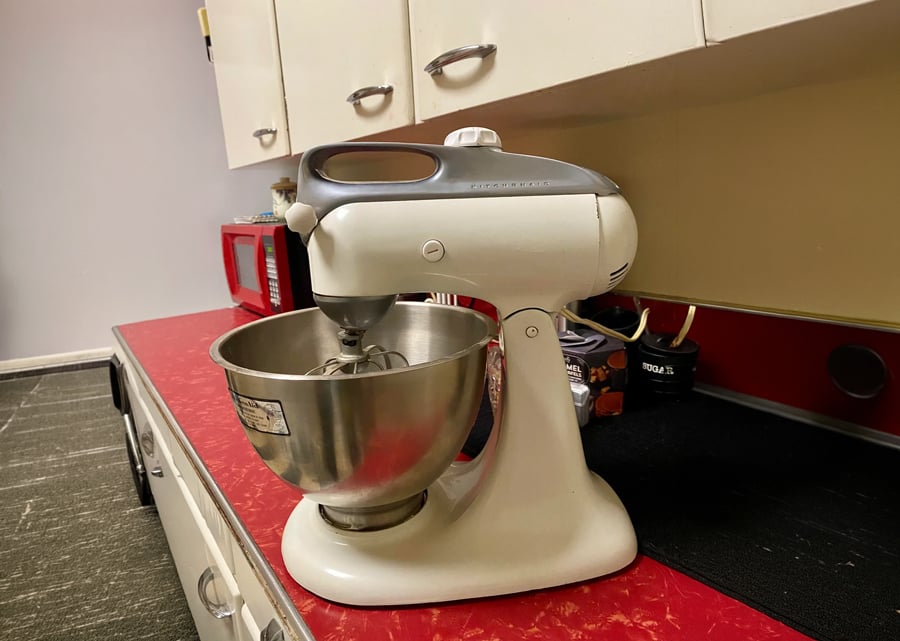
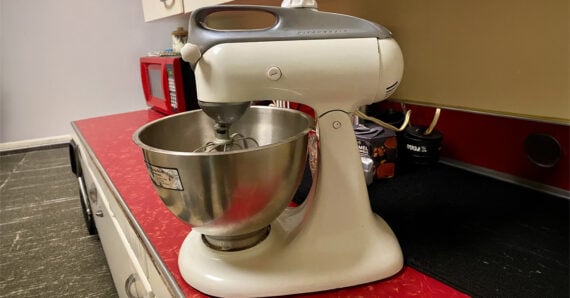
Stand and hand mixers used durable motors and straightforward mechanical components to handle years of kitchen work. Brushes, cords, beaters, gears, and switches could be repaired or replaced, particularly on higher-quality models intended to remain useful for a long time.
16. Furnaces and Boilers
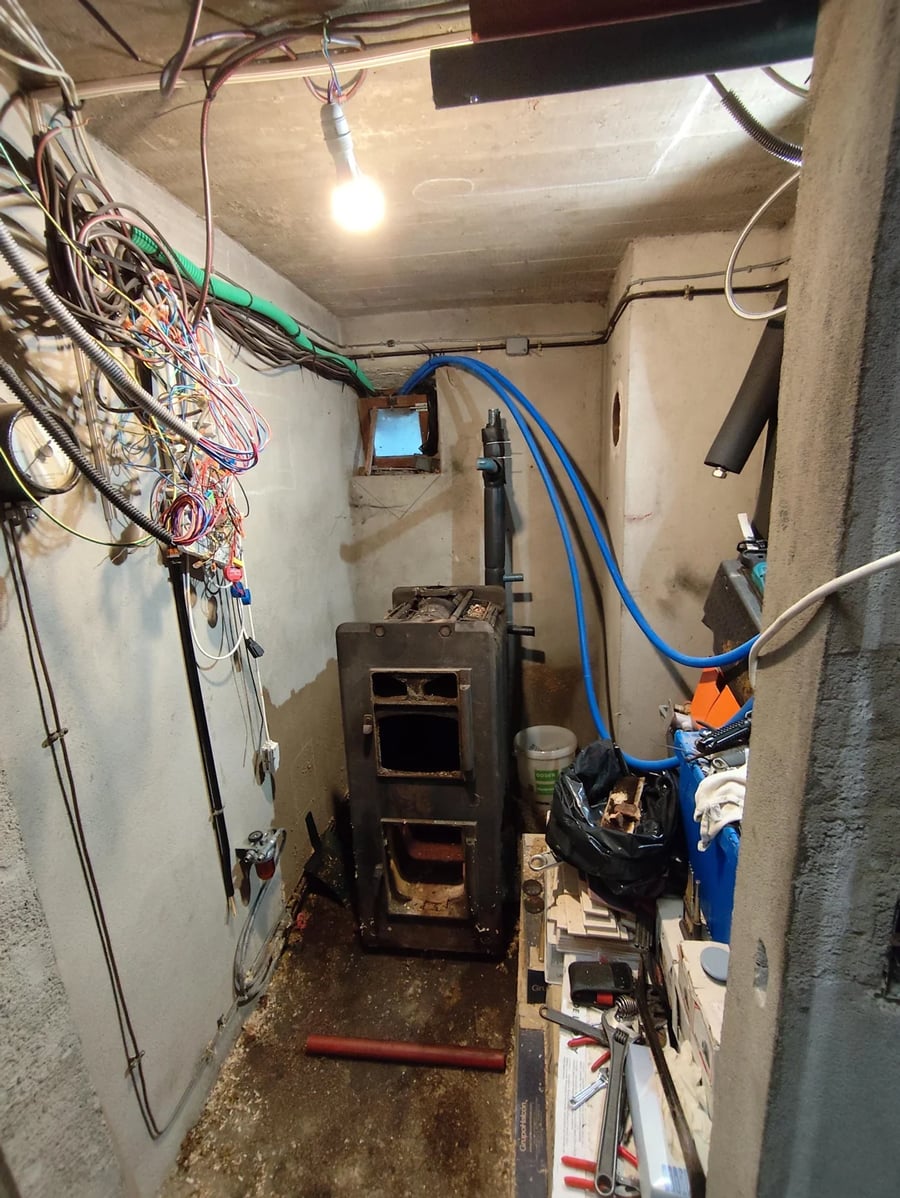
Home heating equipment was expected to remain in service far longer than most consumer products. Burners, valves, thermostats, pumps, and other individual components could be serviced or replaced as needed, allowing the larger heating system to continue operating for decades.
More Related Notes
• 12 Forgotten Inventions That Were Ahead of Their Time.
Explore inventions that seemed futuristic when they first appeared, including ideas that anticipated technologies people now use every day.
• 15 Technologies That Were Supposed to Change the World but Failed.
Discover ambitious technologies that promised to transform everyday life but never quite delivered the revolutionary future their creators imagined.
• 10 Technologies That Changed Everyday Life Faster Than Expected.
See which innovations actually transformed daily life, offering an interesting comparison with the futuristic predictions people were making in the 1950s.