Today, most household items are automatic and built to blend into the background of our daily routines. It is easy to forget that the simple tools we use were once massive machines that required real effort and caution to function.
The next 15 examples highlight how unrecognizable, and often bizarre, everyday objects used to be before they evolved into the modern essentials we know today.
1. Vacuum Cleaners Needed Horses to Move Them
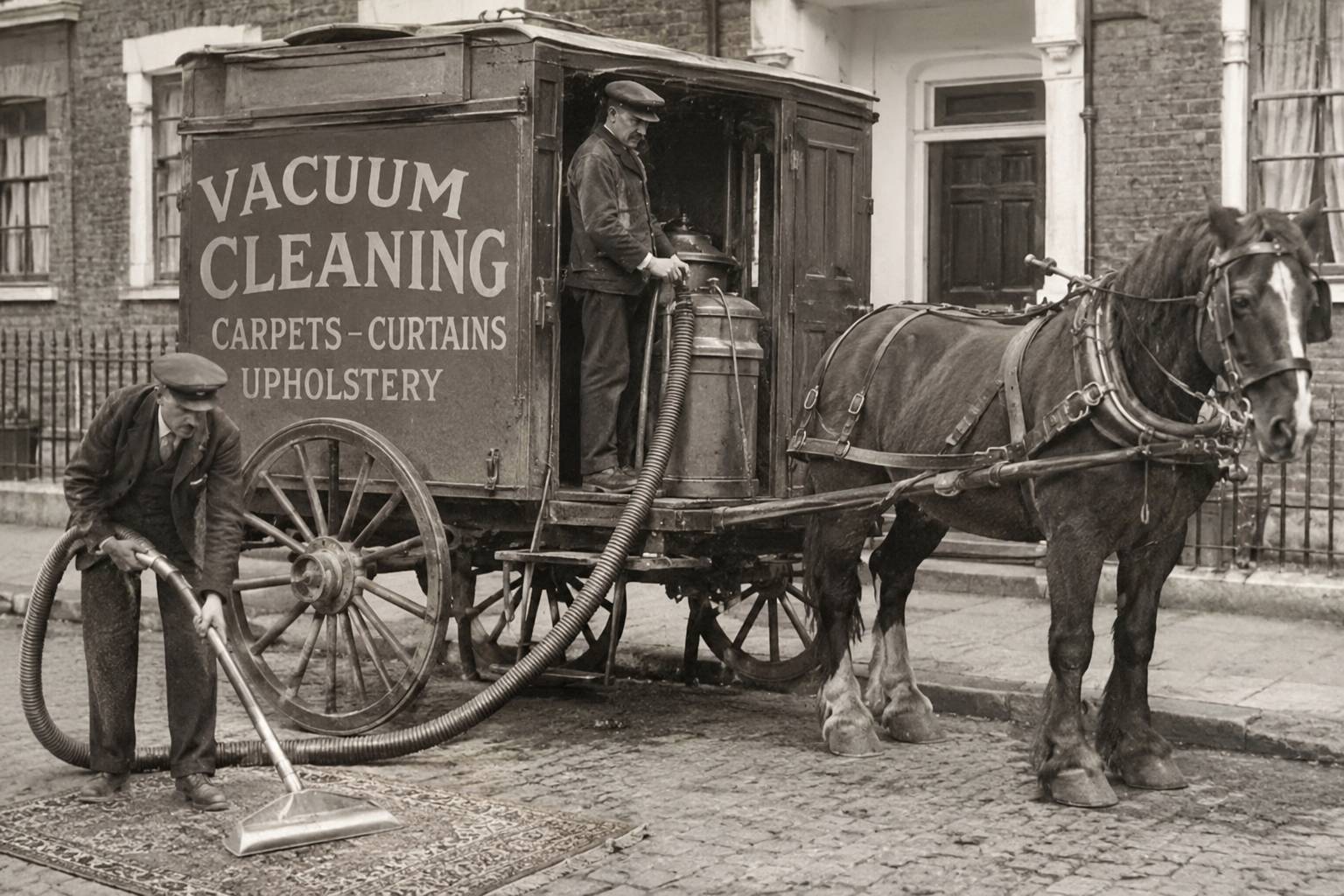
One of the strangest early vacuum cleaners was so large that it had to be transported by horse. Instead of pushing a lightweight vacuum across the carpet, customers hired a mobile cleaning operation.
2. Washing Machines Looked Like Wooden Barrels
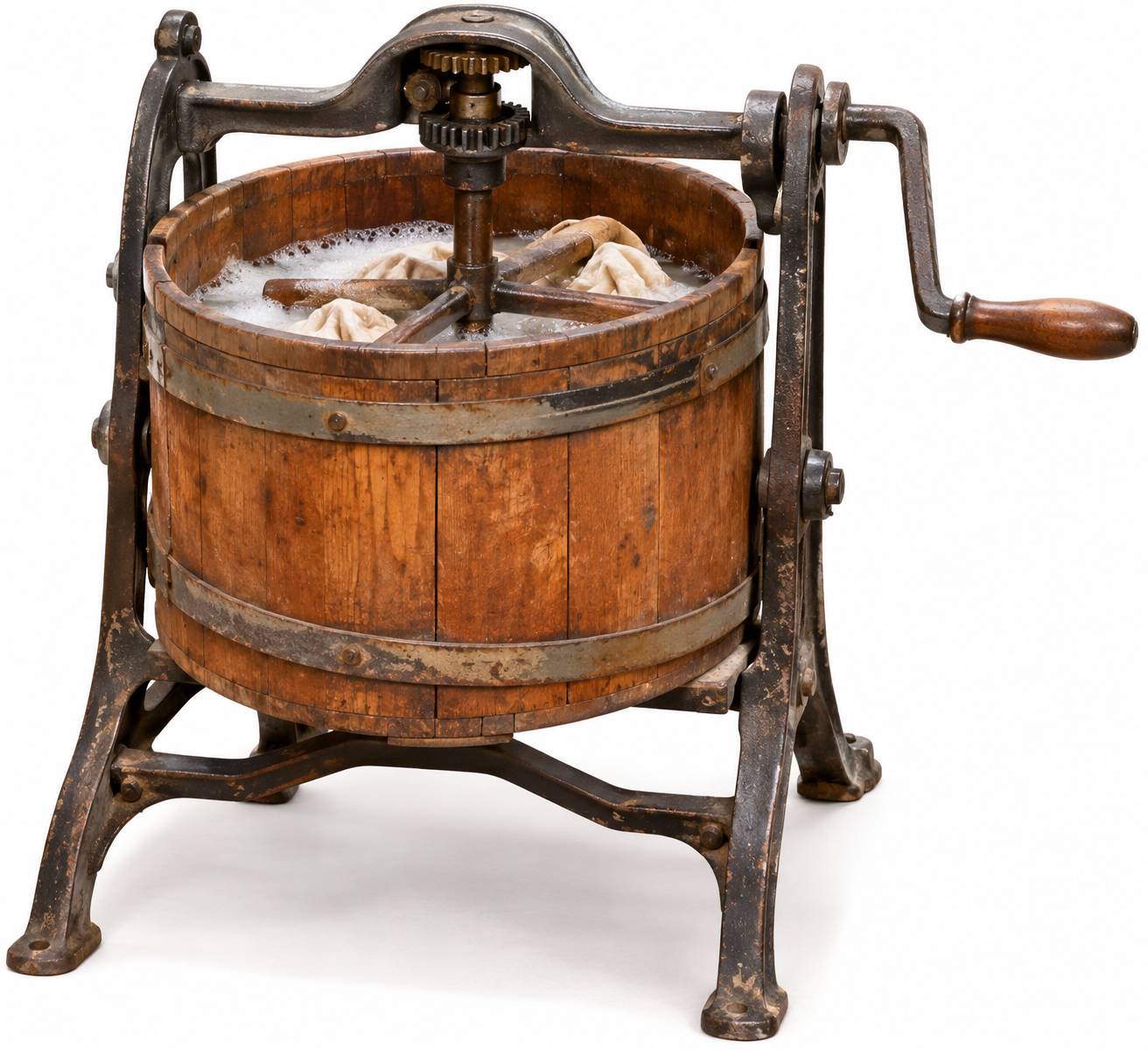
A British model from the second half of the 19th century featured a wooden drum, cast-iron supports, and a hand-operated crank that rotated the laundry. Before automatic washers became common, cleaning clothes required more physical effort.
3. Refrigerators Were Wooden Cabinets Filled With Ice
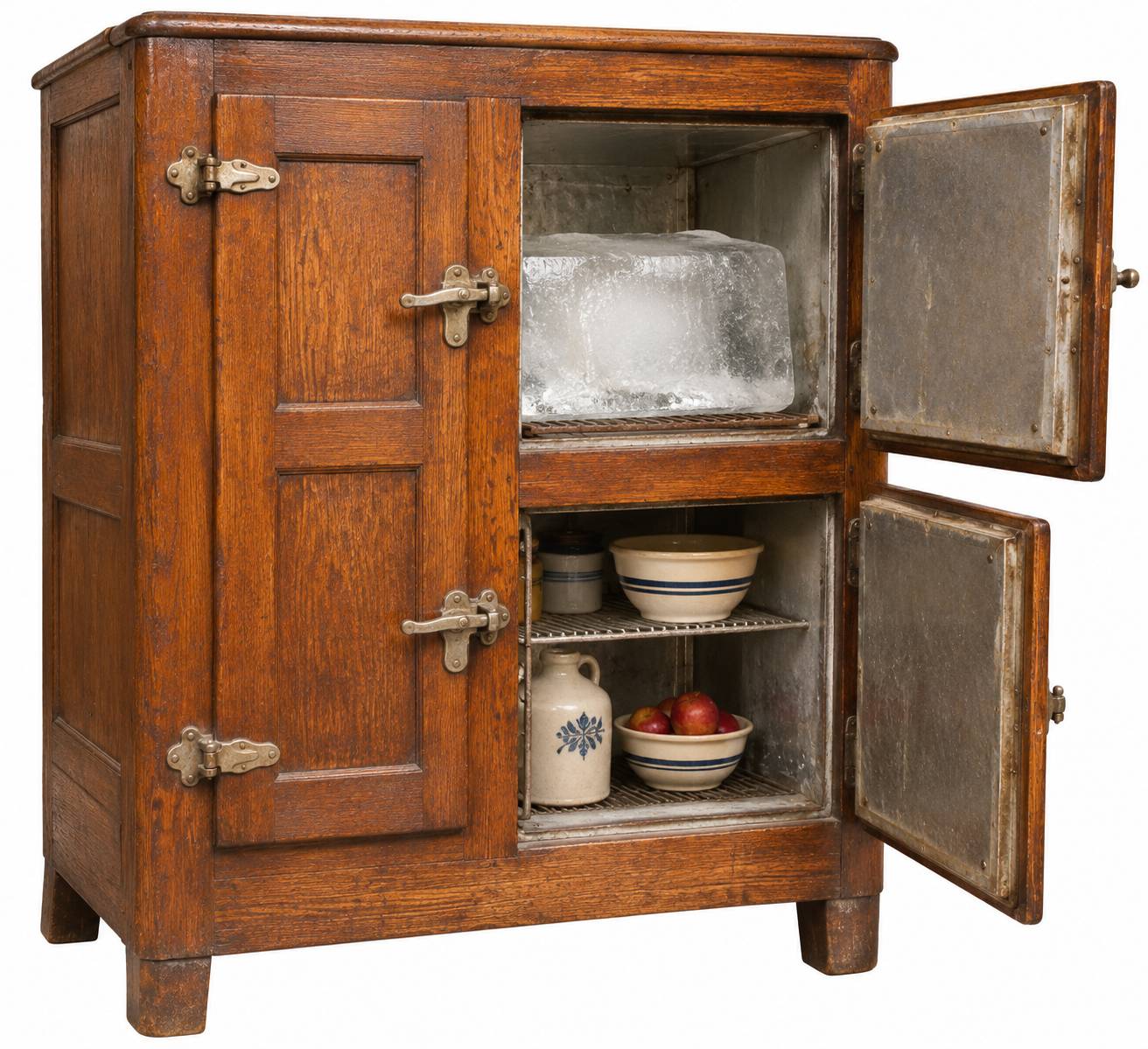
Before electric refrigeration, many American kitchens contained wooden cabinets called iceboxes. They were often lined with metal and cooled by enormous blocks of ice delivered regularly to the household.
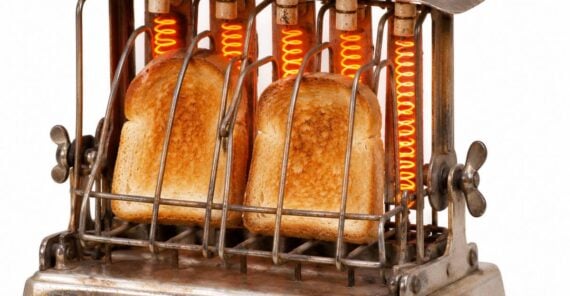
4. Electric Toasters Had Their Heating Elements Exposed
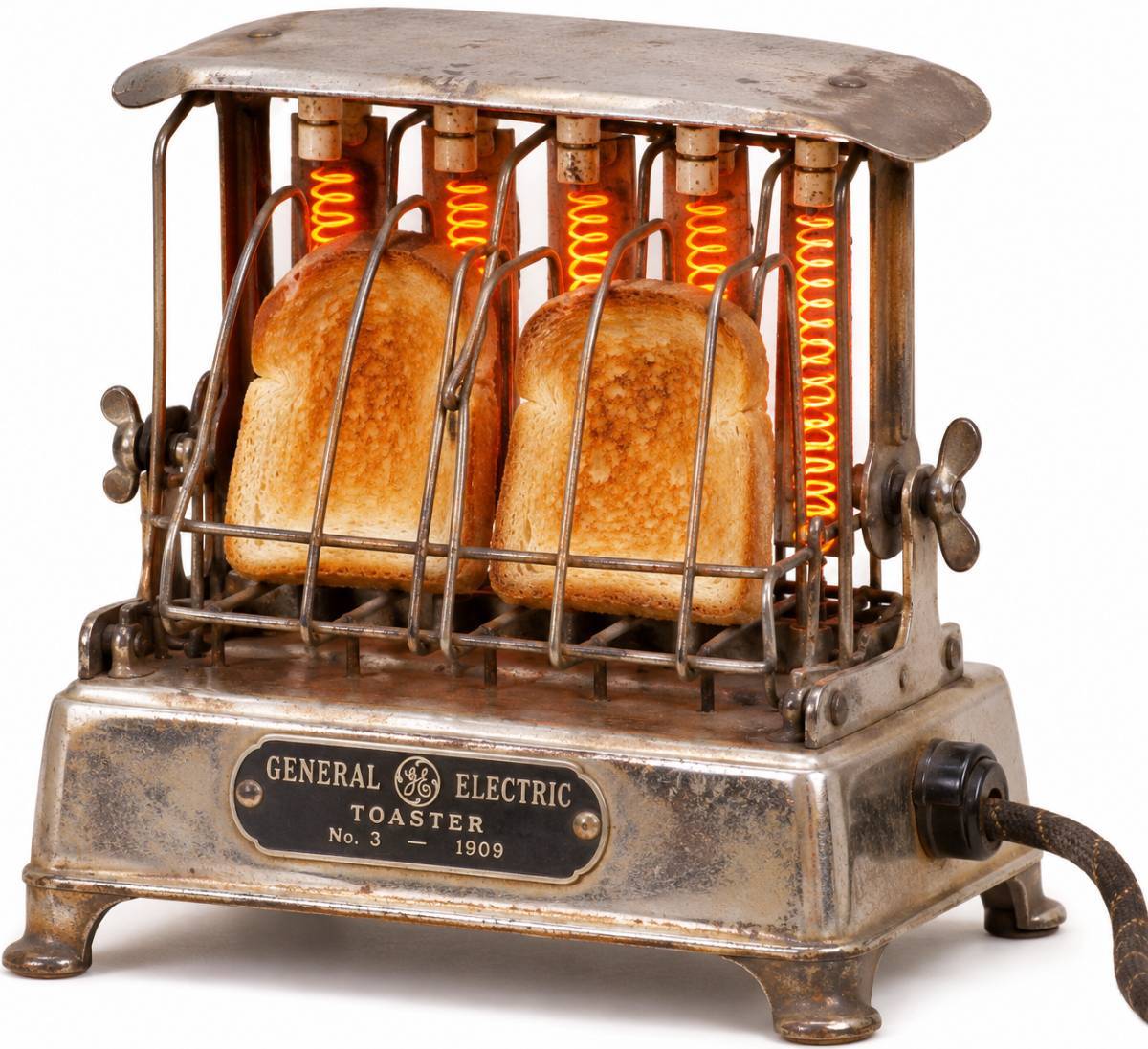
A General Electric toaster from 1909 looked more like a small laboratory apparatus than a kitchen appliance.
5. Dishwashers Started as Hand-Cranked Copper Machines
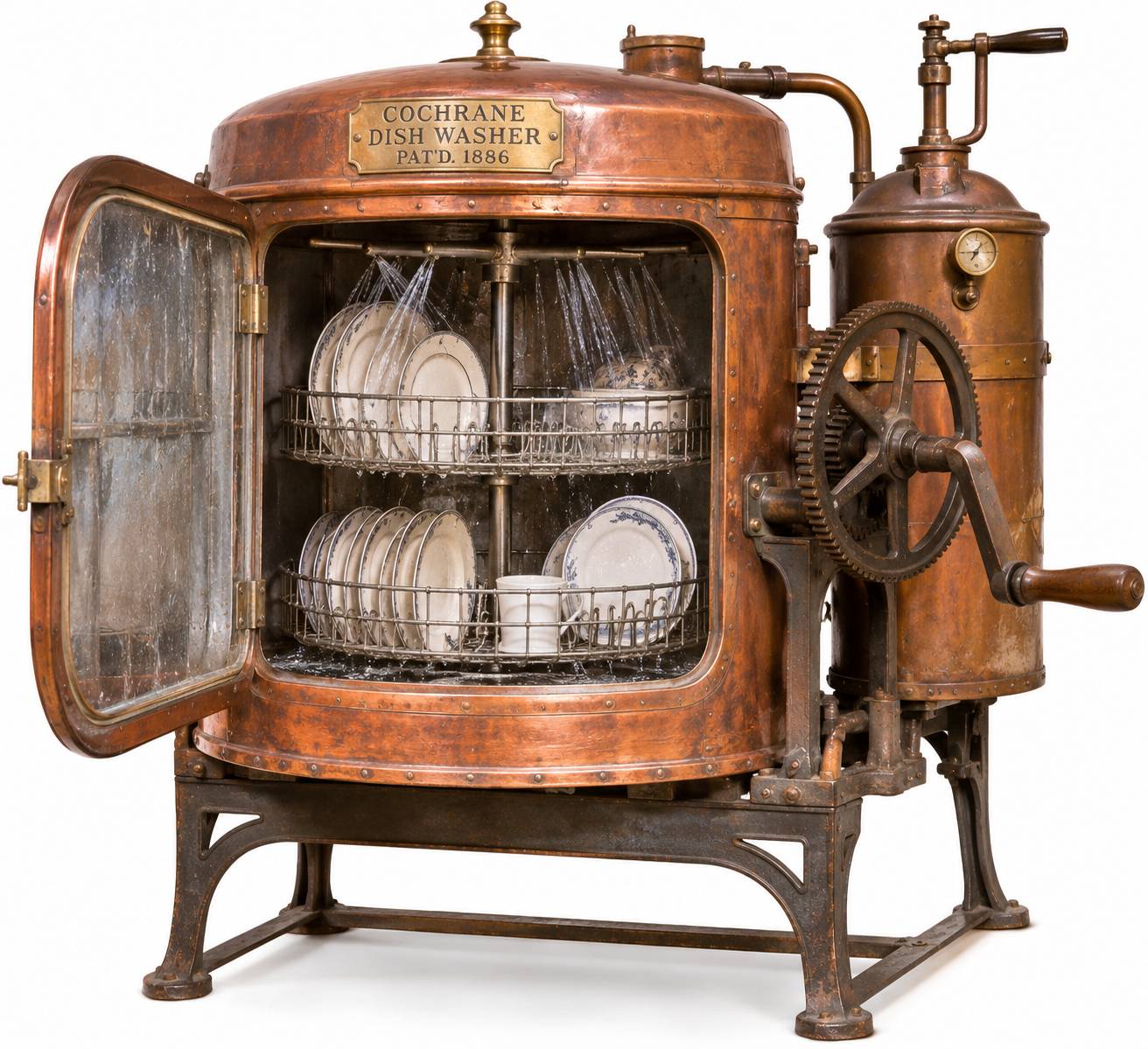
Josephine Cochrane patented a mechanical dishwasher in 1886, but it looked nothing like the appliances found in modern kitchens. Her design used a copper boiler, rotating wire baskets, and jets of pressurized water to clean dishes. They were expensive.
Trending on Wealth Gang

6. Hair Dryers Looked Like Metal Brushes
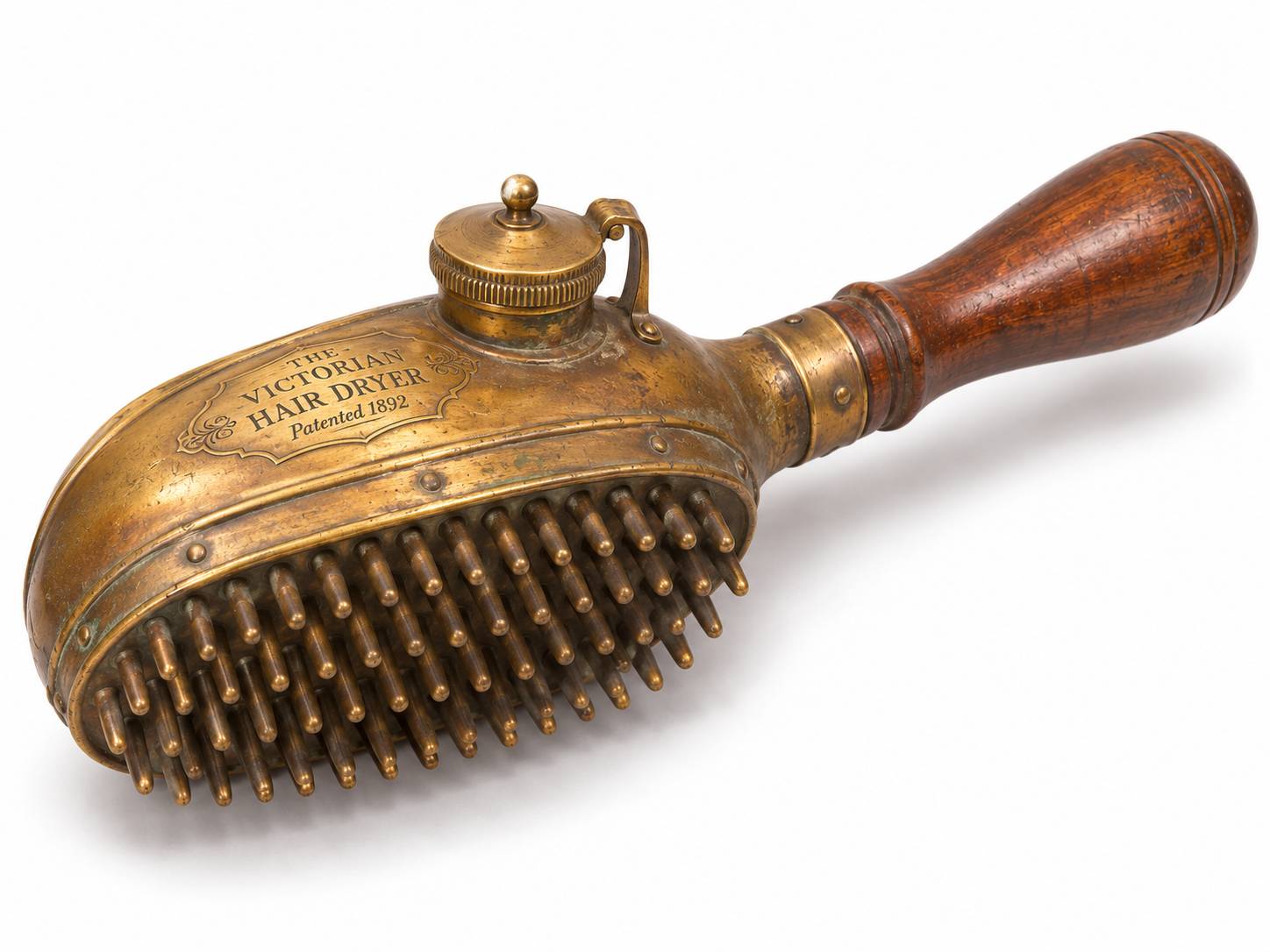
A late-Victorian hair dryer preserved by Britain’s National Trust resembles a metal brush attached to a wooden handle. Its hollow brass body could be filled with hot water, allowing its metal projections to transfer heat while brushing through the hair.
7. Telephones Looked Like Metal Candlesticks
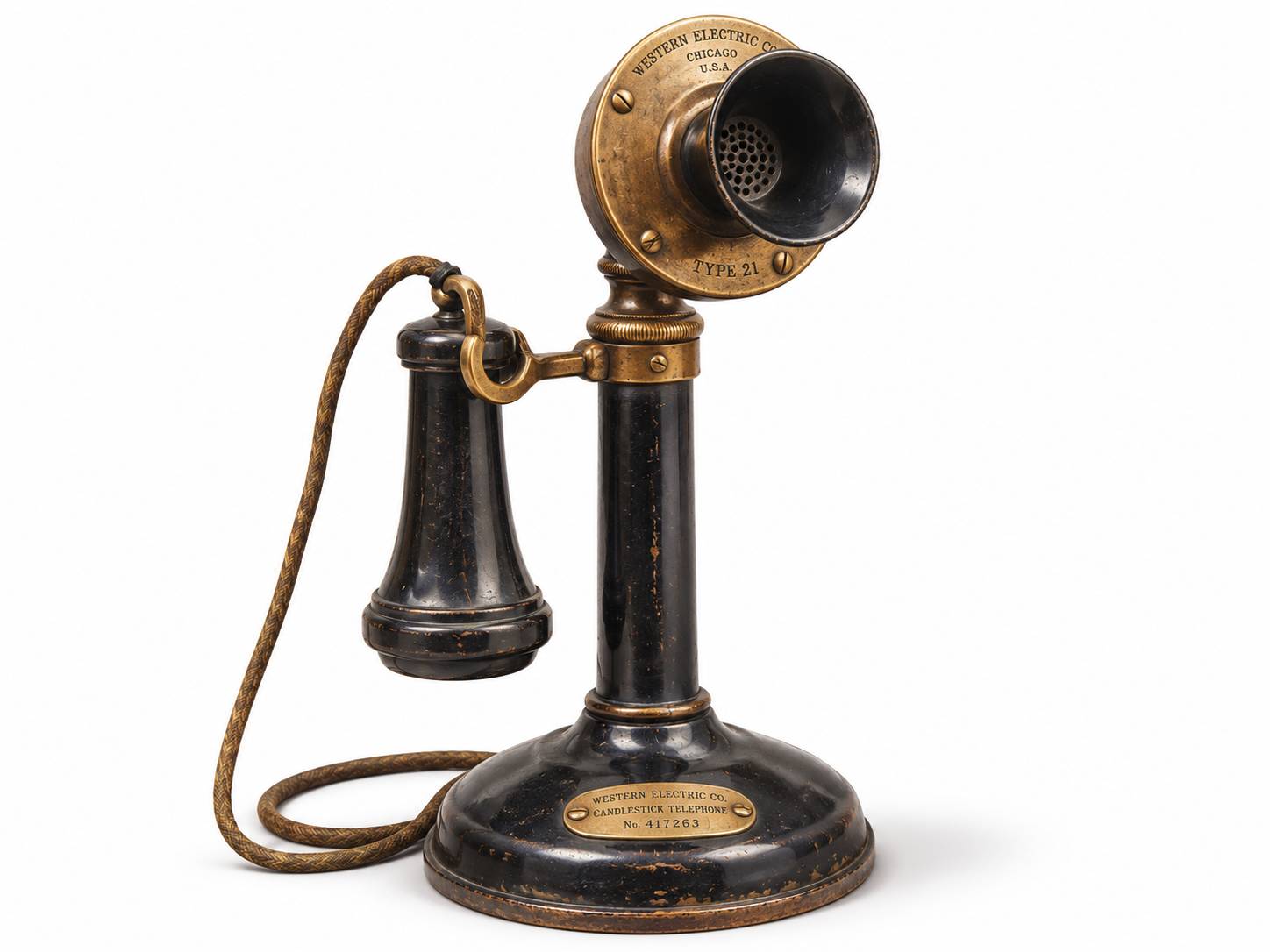
Early 20th-century telephones often had a tall, upright design with a fixed mouthpiece at the top and a separate receiver hanging from the side.
8. Clothes Irons Were Heavy Metal Blocks
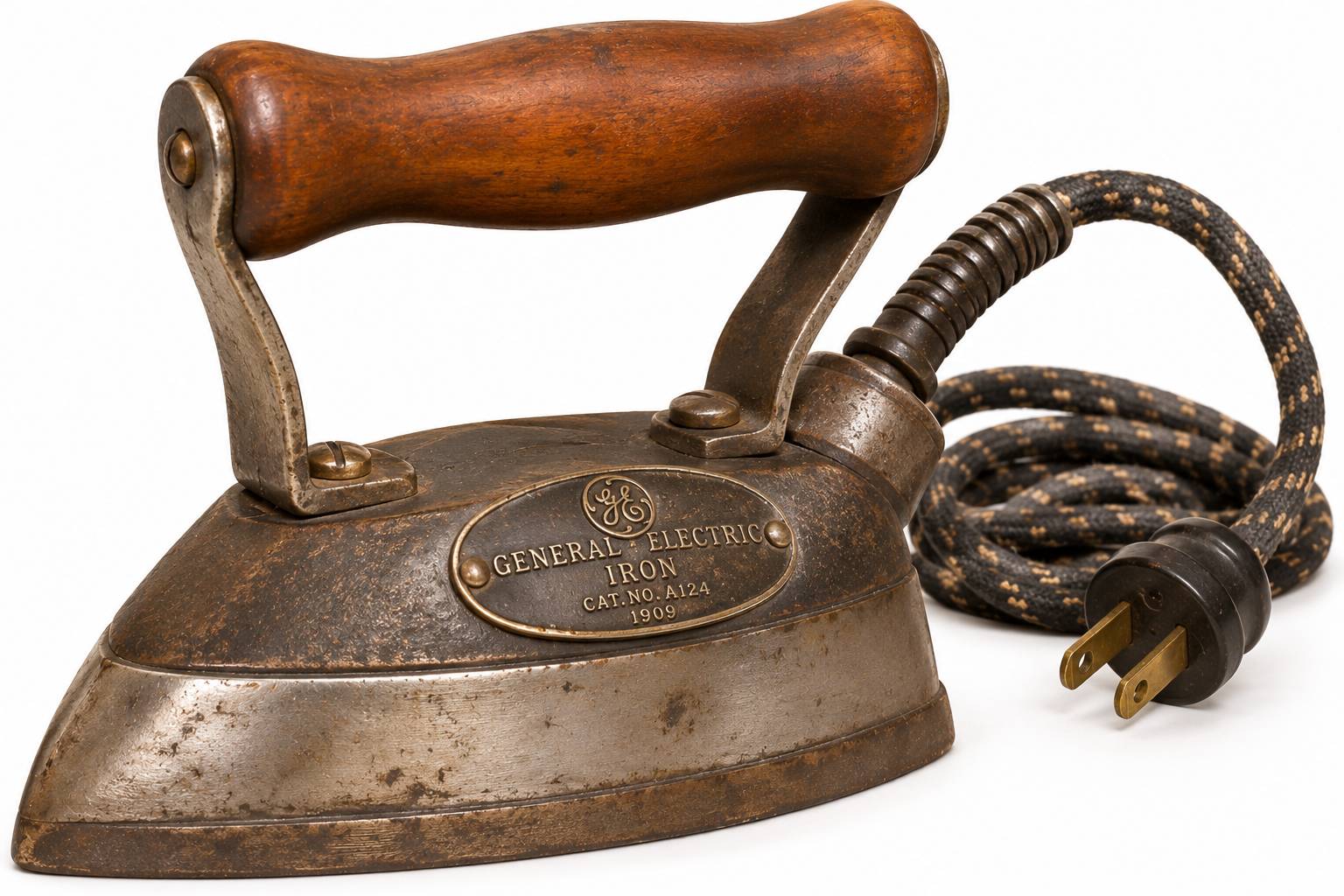
An electric iron manufactured by General Electric around 1909 relied on a heavy cast-iron ironing surface and a wooden handle. Unlike modern irons, it had no adjustable temperature switch.
Sign up for our newsletter
9. Televisions Used Spinning Discs to Create Pictures
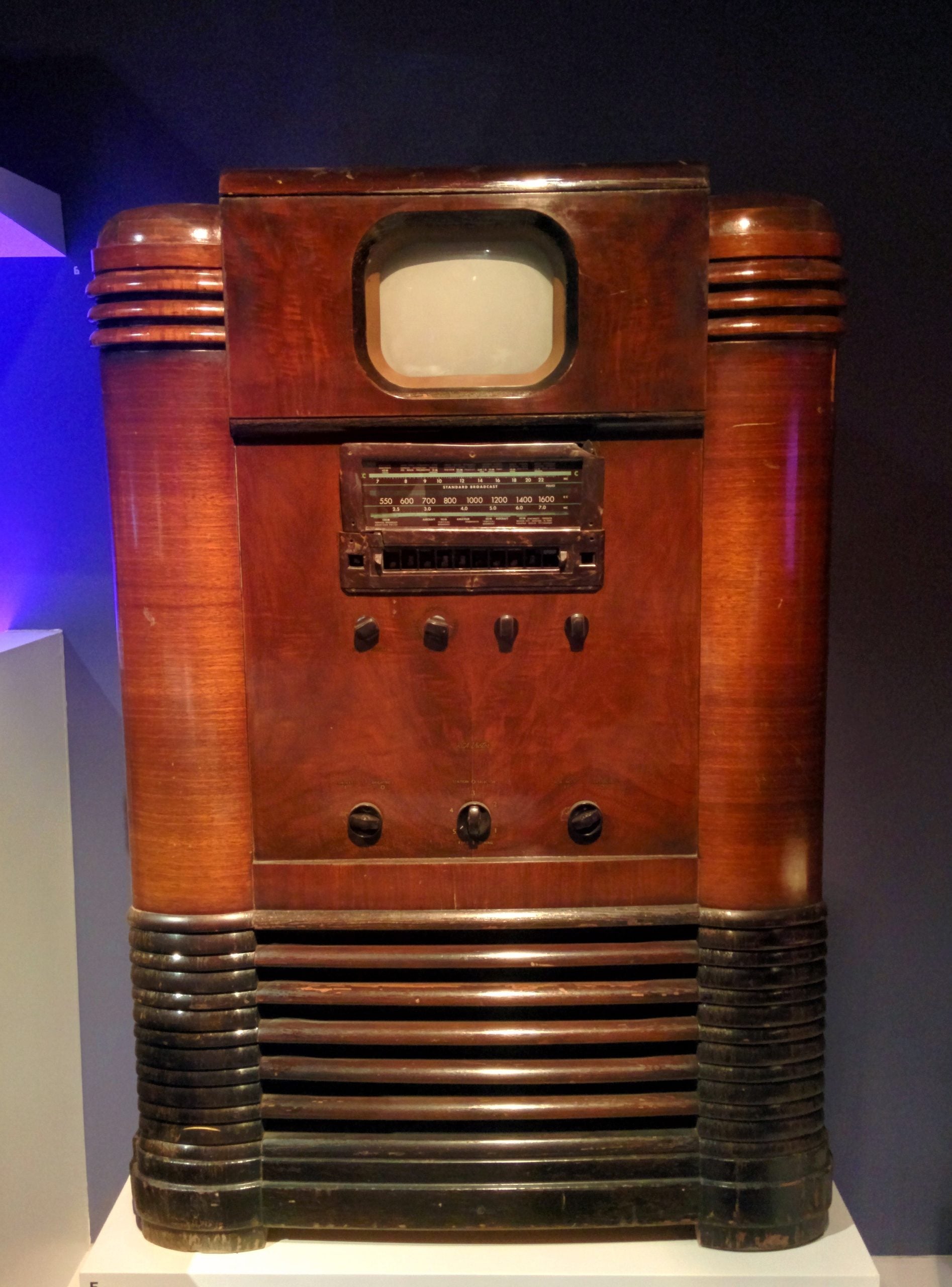
Some of the earliest television receivers looked more like scientific experiments than entertainment equipment. A television set from 1930 used a spinning disc and a tiny glowing light source to reproduce images. These devices offered limited picture detail, long before electronic televisions replaced mechanical scanning systems.
10. Radios Were Wooden Boxes With No Speakers
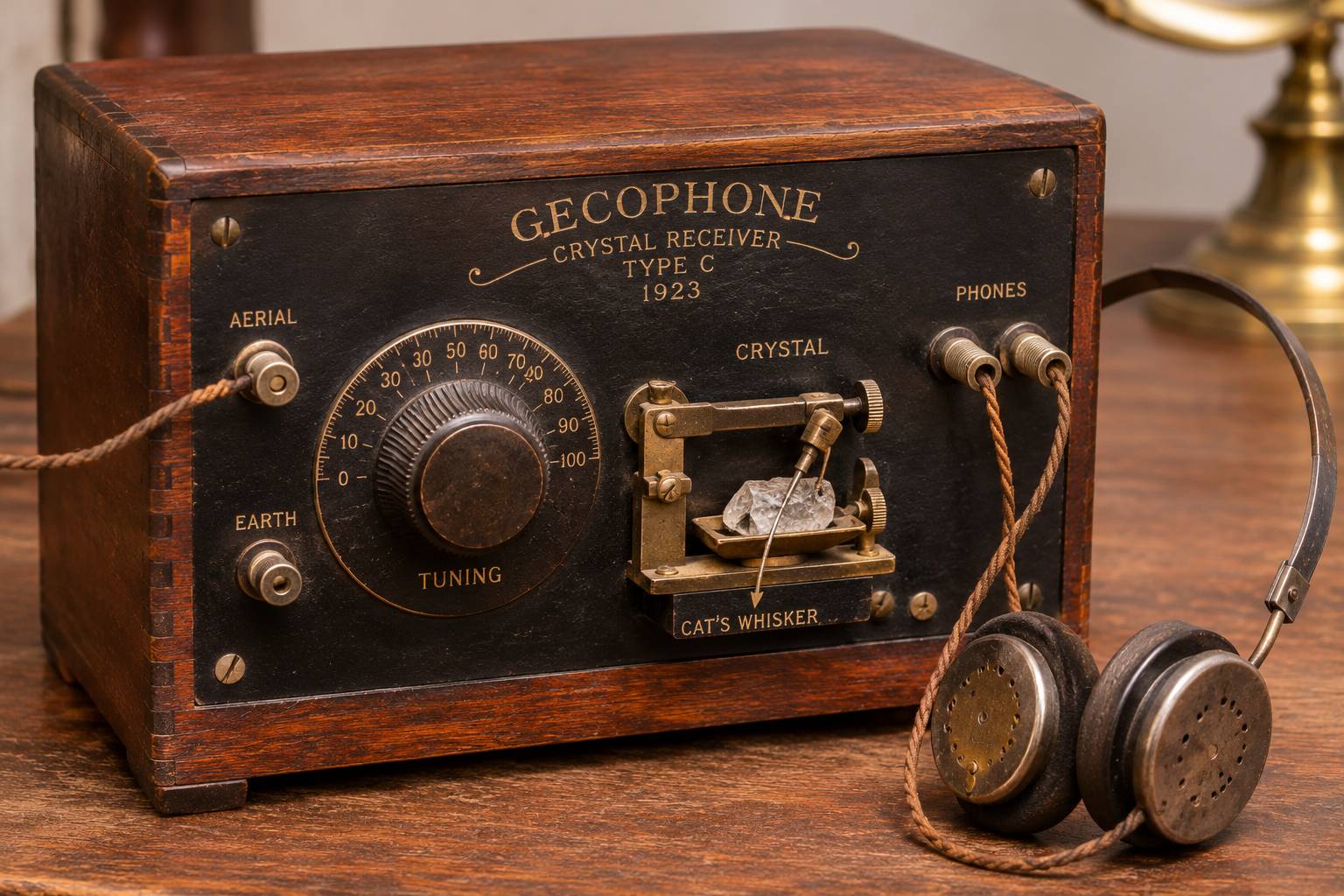
In the 1920s, radio receivers were simple wooden boxes fitted with exposed controls and crystal detectors. A 1923 Geophone model required users to adjust a tiny wire called a cat’s whisker against a mineral crystal to receive a signal.
11. Toothbrushes Were Made With Animal Hair and Bone
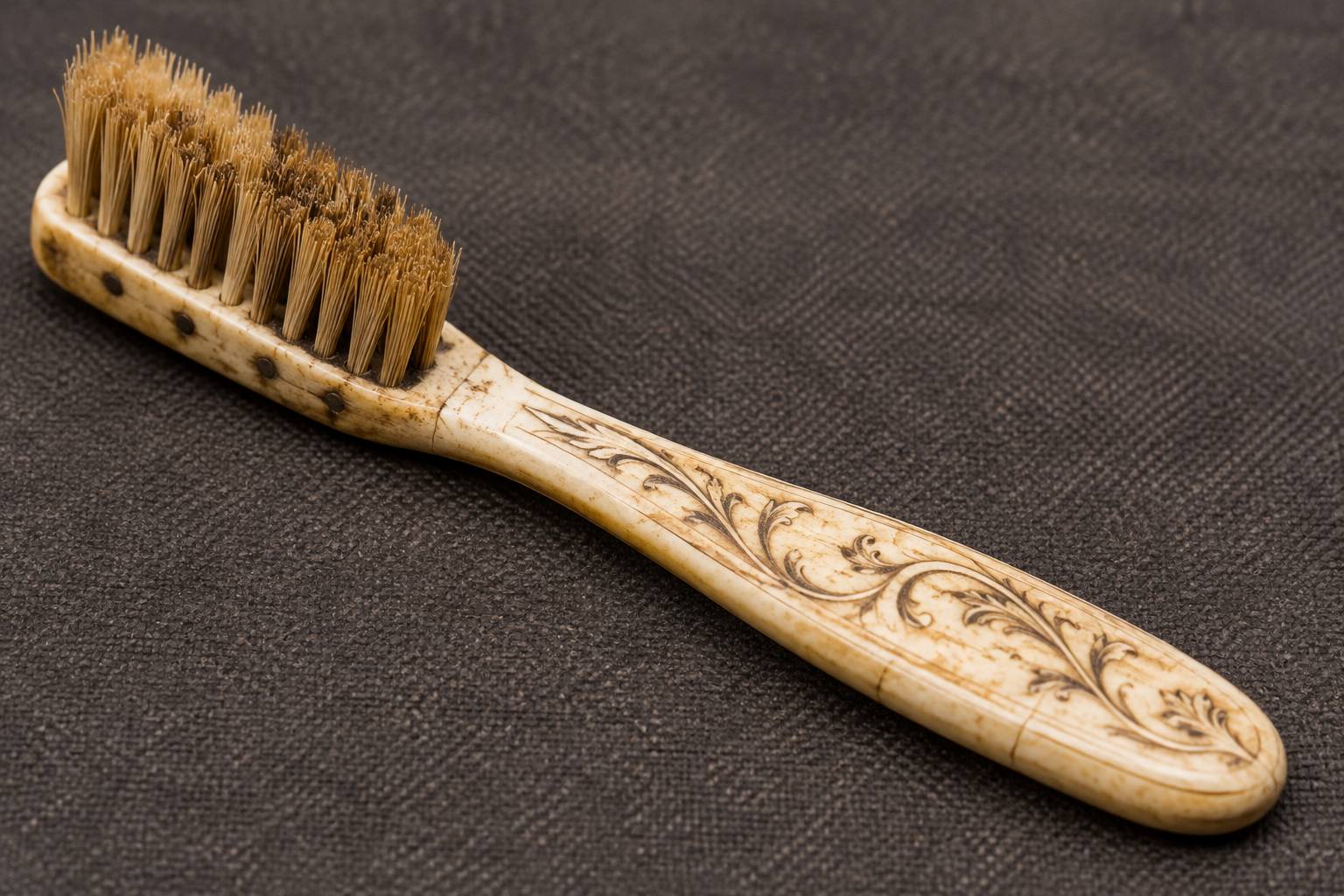
A toothbrush from the 19th century looked more like a small antique tool than something designed for a modern bathroom. The Smithsonian preserves examples with carved bone or ivory handles and bristles made from animal hair, usually pigs.
12. Sewing Machines Were Operated With Hand Cranks and Foot Pedals
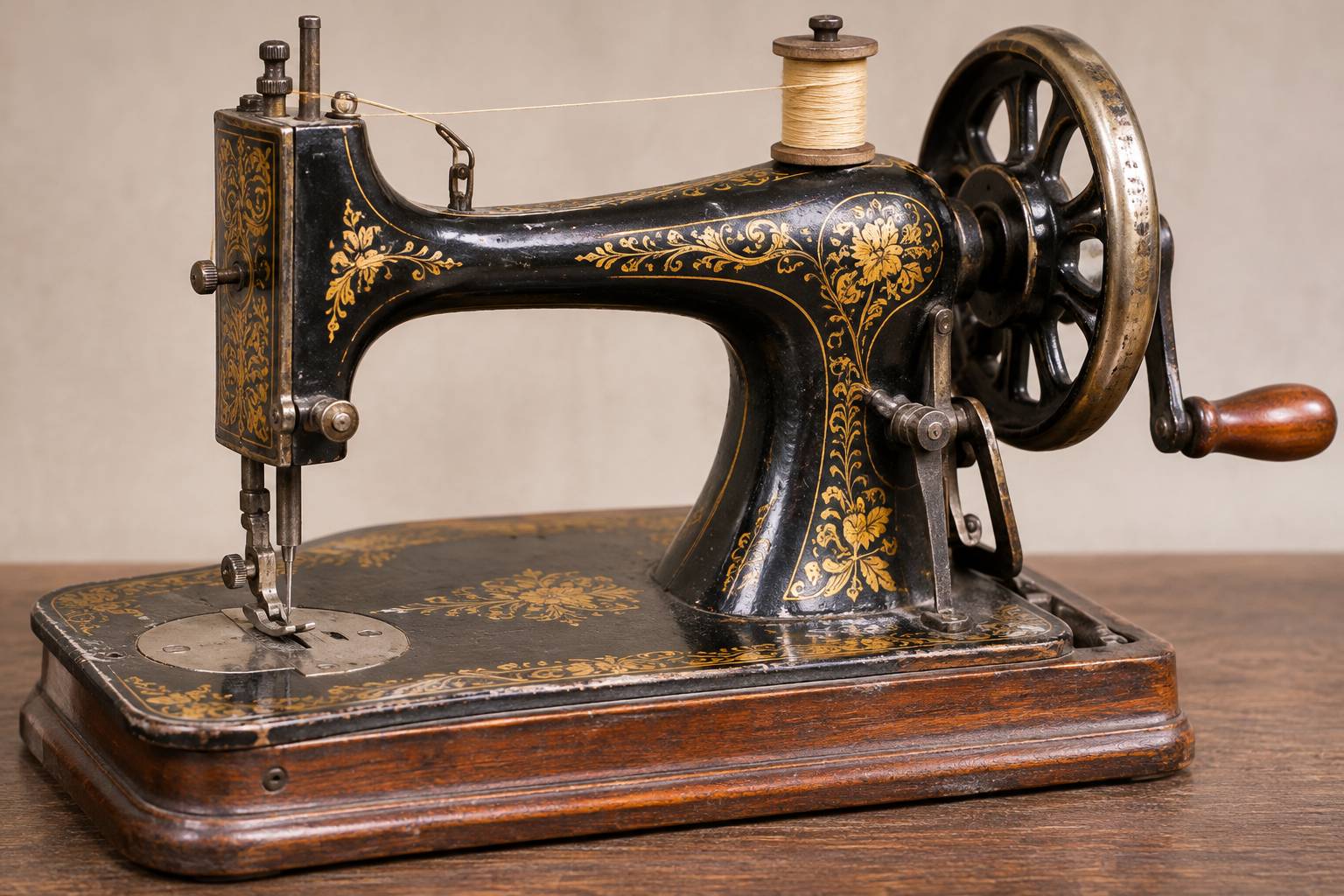
Models were elaborate metal devices powered by human movement. A small American sewing machine from the 1860s featured a hand crank, black painted metal, and decorative gold details. Larger treadle-operated models required users to move a foot pedal to drive the needle, making sewing a much more physical activity.
13. Electric Kettles Had Heating Elements Wrapped Around Their Bodies
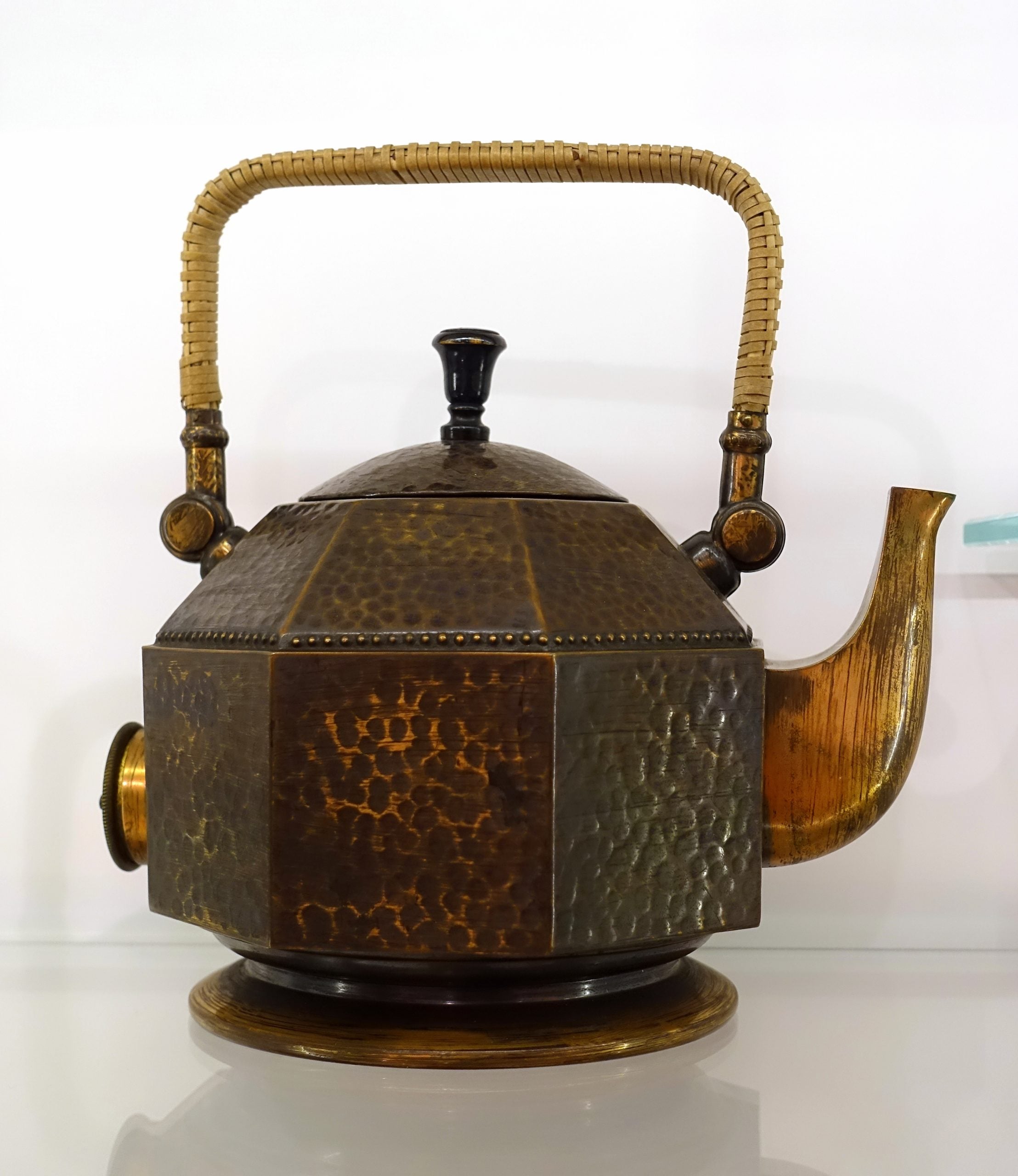
An early electric kettle made in Britain around 1905 to 1915 had a brass body and a heating element wrapped around its exterior. Unlike today’s plastic and stainless-steel kettles, it resembled traditional metal cookware that had been adapted to use electricity.
14. Electric Fans Had Heavy Iron Frames and Brass Blades
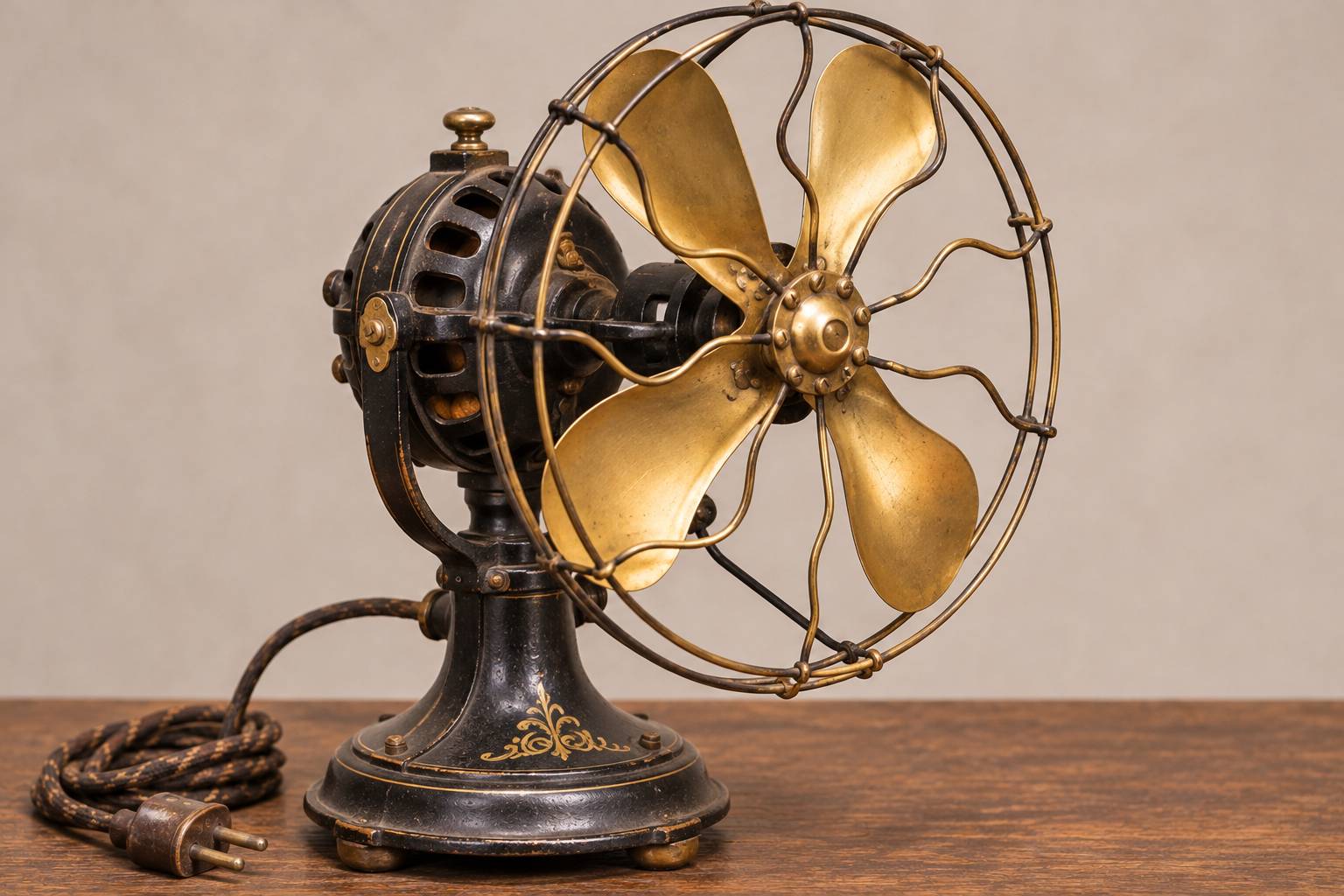
Electric fans resembled industrial machinery rather than lightweight appliances. Many models from the late 19th and early 20th centuries featured heavy cast-iron motor housings and brass blades, while protective cages were made from metal wire.
15. Microwave Ovens Were Six Feet Tall
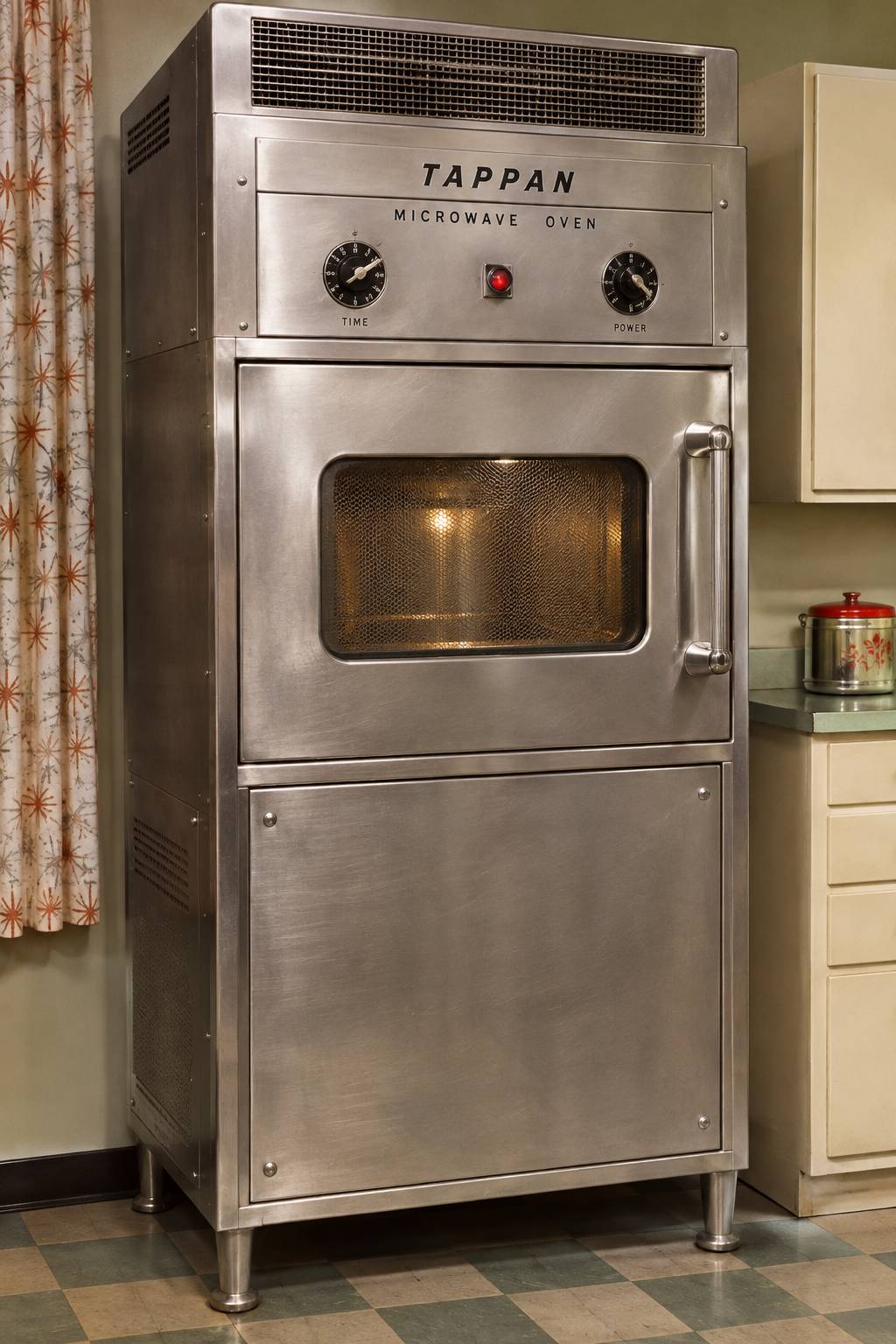
The earliest commercial microwave ovens were enormous machines, with some standing approximately six feet tall and weighing more than 750 pounds. Even the first microwave designed for home use, introduced by Tappan in 1955, resembled a conventional oven and cost $1,295.