Everyday expenses looked very different 40 years ago. In the 1980s, the family television didn’t require several monthly subscriptions, the telephone stayed attached to the wall, and nobody was paying extra to store family photographs somewhere they couldn’t actually see. There were bills, of course, but an ordinary household budget had far fewer digital services quietly taking money every month.
Back then, an evening at home might mean watching whatever was on television, borrowing a movie from a neighbor, or spreading photographs across the kitchen table. Today, many of those simple routines come with recurring charges, service fees, and upgrades. These 16 expenses show just how much has changed, often without anyone noticing how quickly the costs added up.
1. Multiple Streaming Subscriptions
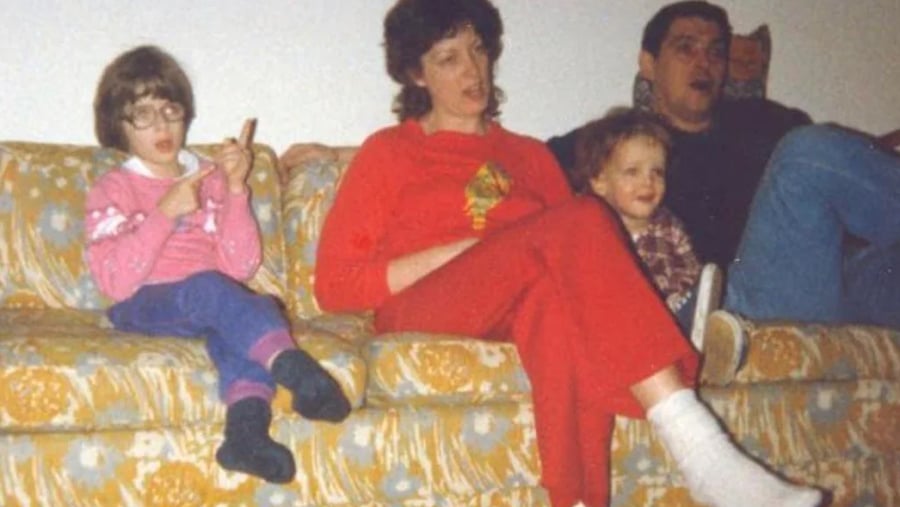
In the 1980s, families gathered around one television and watched whatever happened to be on. Cable television was already a paid expense for many households, but nobody needed separate subscriptions for every favorite show, movie studio, or streaming platform. Today, keeping up with entertainment can mean several monthly charges.
2. Monthly Cell Phone Plans
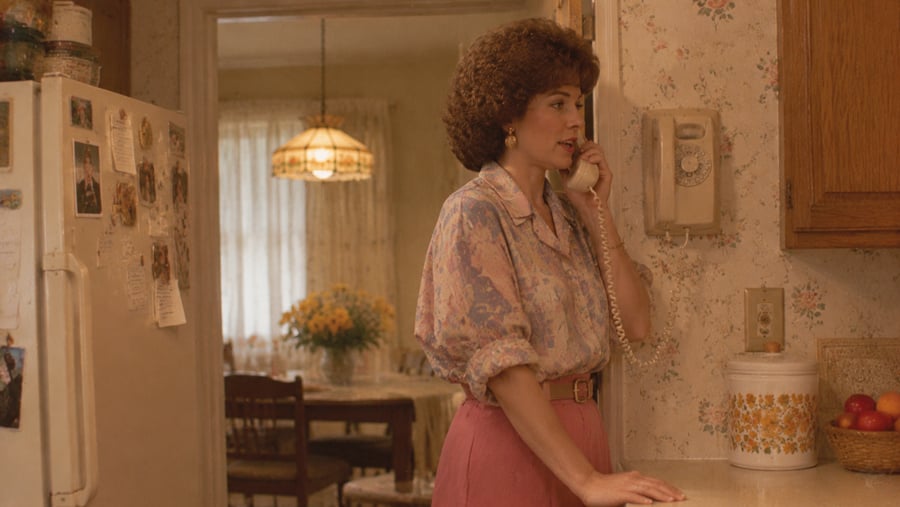
The family telephone usually sat in the kitchen or hallway, with a cord that stretched only so far. There were telephone bills and expensive long-distance calls, but most family members didn’t carry their own monthly wireless plan. Today, paying for several phones can take a substantial bite out of a household budget.
3. Home Internet Service
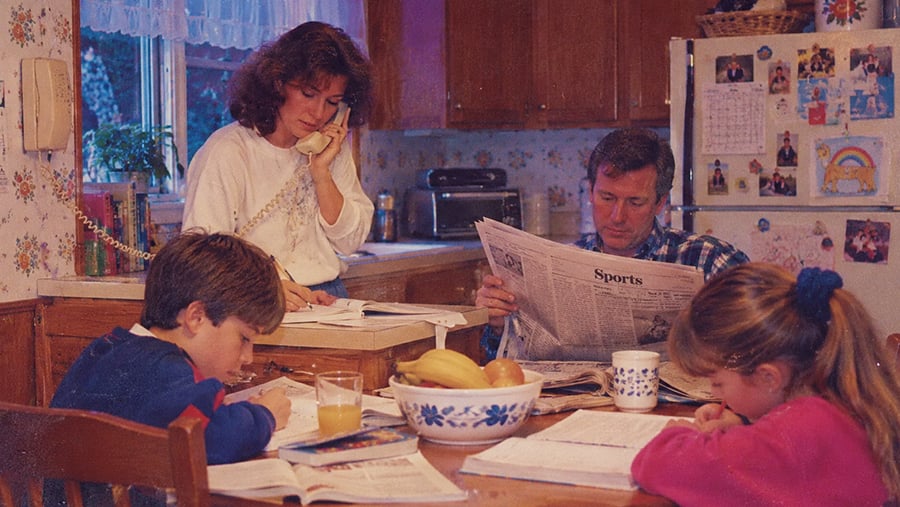
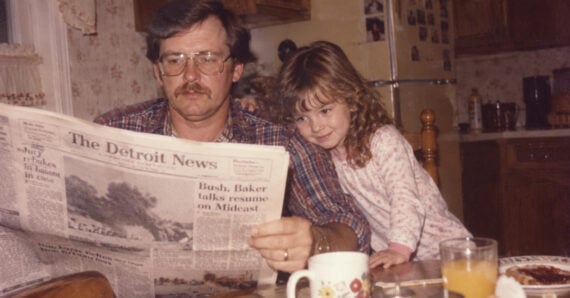
Forty years ago, the kitchen table was where homework happened, newspapers were read, and bills were sorted. Nobody needed a home internet connection to complete ordinary daily tasks. Today, broadband service has become a regular household bill, often treated as essential as electricity.
4. Cloud Storage for Family Photos
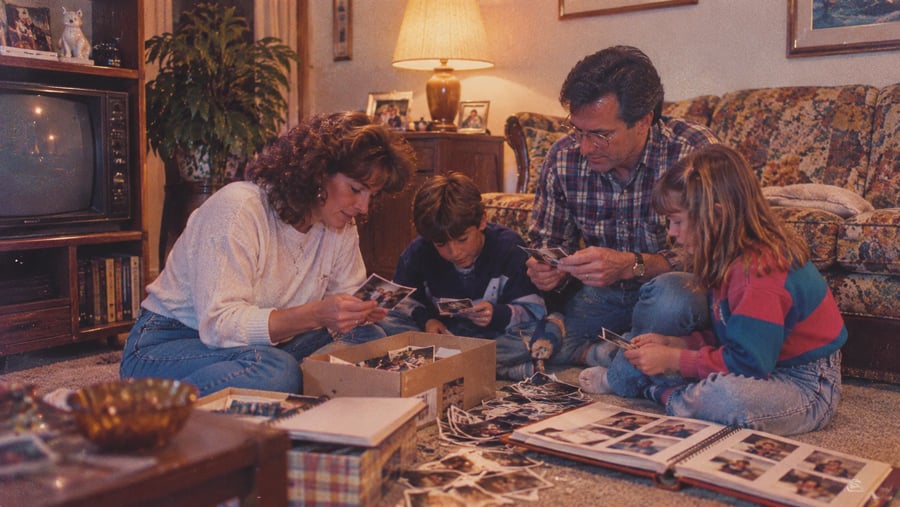
Family photographs once lived in shoeboxes, albums, and envelopes from the drugstore. There were costs for film and developing, but no recurring charge to keep thousands of pictures stored online. Today, a full phone can turn family memories into another monthly subscription.
5. Food Delivery App Fees
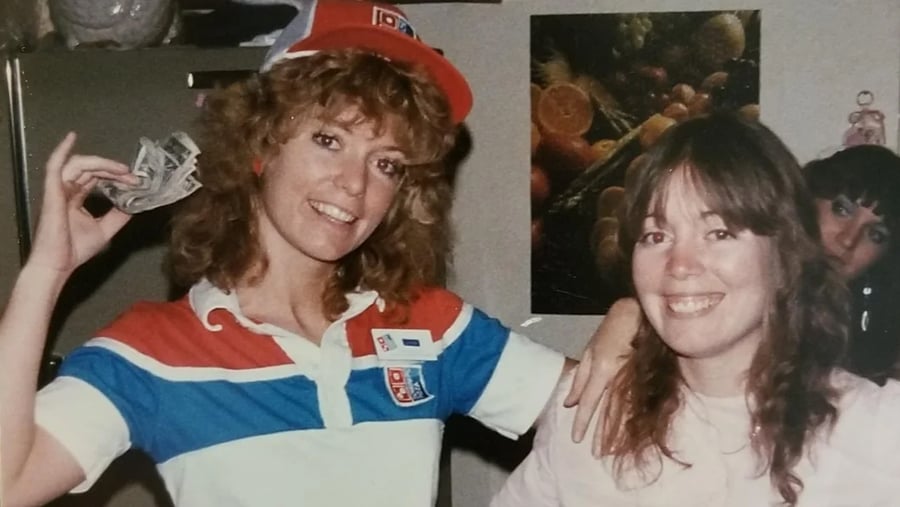
Ordering pizza in the 1980s often meant calling the restaurant directly and paying the delivery driver when the food arrived. Delivery charges and tips existed, but app service fees, small-order fees, and optional memberships weren’t part of the routine. Today, the final bill can look surprisingly different from the menu price.
Trending on Wealth Gang


6. Bottled Water for Everyday Drinking
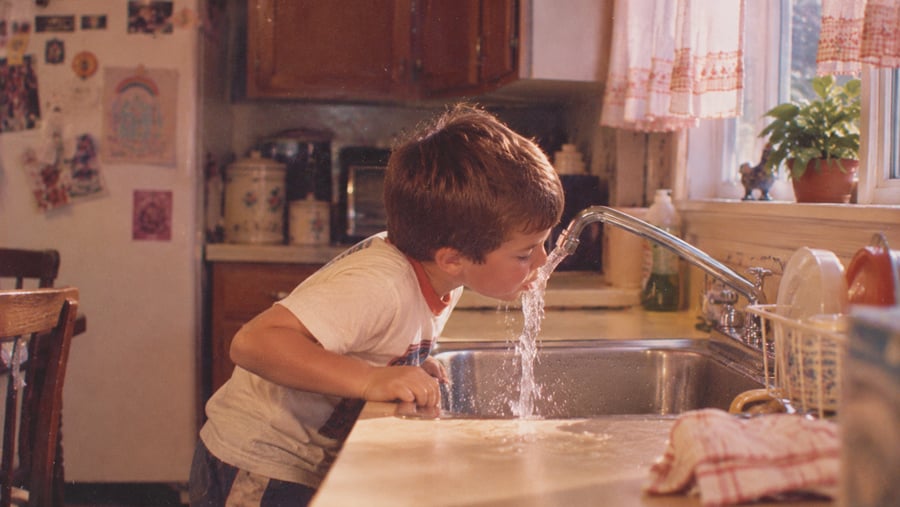
A glass of water usually came straight from the kitchen faucet, and children often drank from backyard hoses during summer afternoons. Bottled water existed, but buying individual bottles for ordinary daily hydration wasn’t nearly as widespread. Today, cases of water can be a regular grocery purchase.
7. Premium Coffee on the Way to Work
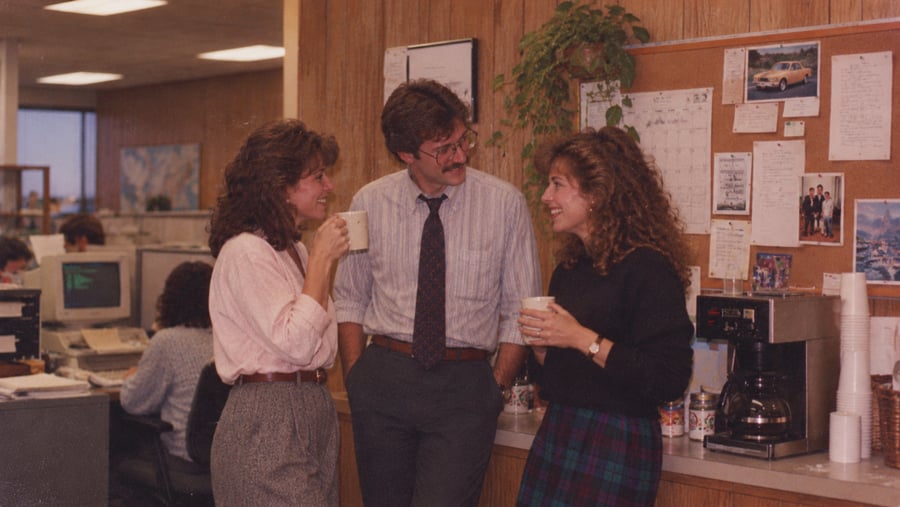
Coffee in the 1980s often came from a kitchen percolator, a glass office pot, or a diner counter. Coffee shops existed, but buying a customized specialty drink every morning wasn’t the widespread daily ritual it later became. For some commuters today, coffee alone can add up to a meaningful monthly expense.
8. Gym Memberships for the Whole Family
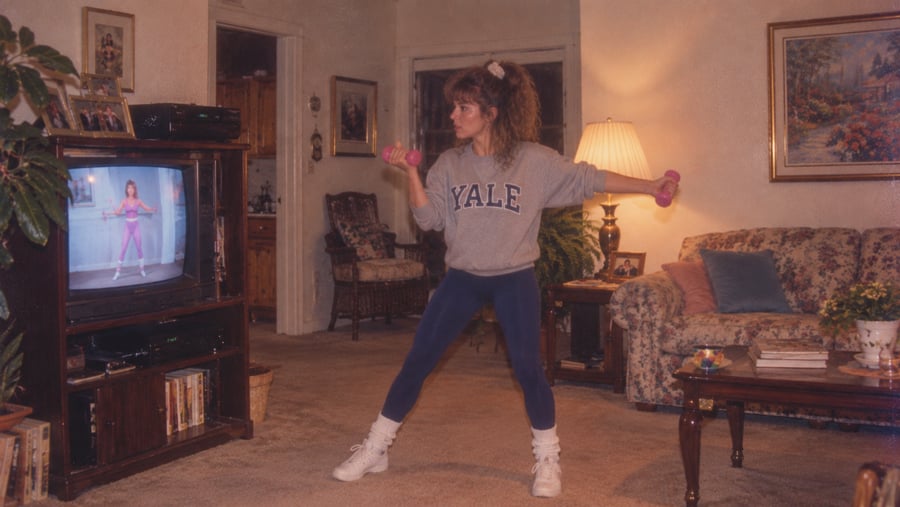
People exercised in the 1980s, and health clubs were already popular in some communities. But daily movement often came from neighborhood walks, bicycles, school sports, and workout tapes in the living room. Today, gym memberships, boutique fitness classes, and specialized training programs can become regular expenses for multiple family members.
Sign up for our newsletter
9. Pet Grooming and Daycare Services
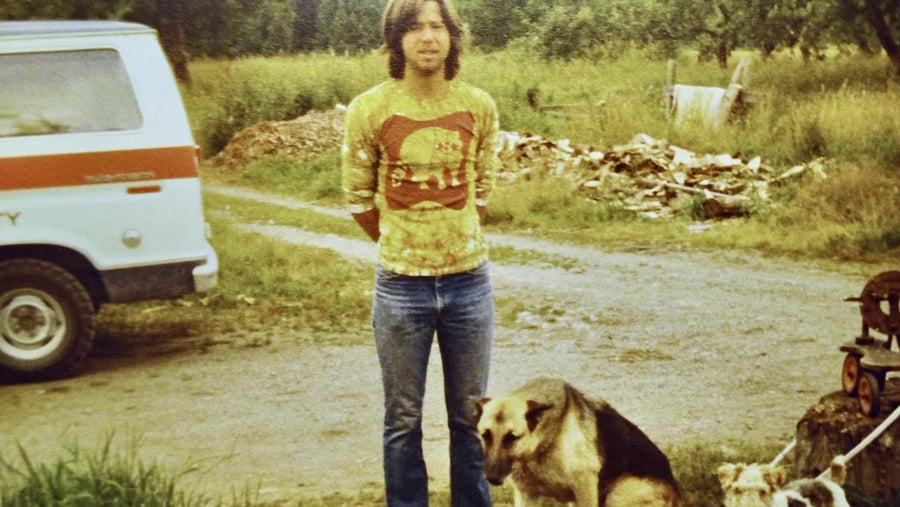
Family pets once spent much of their time in the backyard, sleeping beside the sofa, or waiting for someone to come home. Professional grooming and boarding existed, but routine dog daycare, dog walking apps, and frequent spa-style grooming appointments were far less common. Today, pet care can resemble another category of household services.
10. Extended Warranties on Electronics
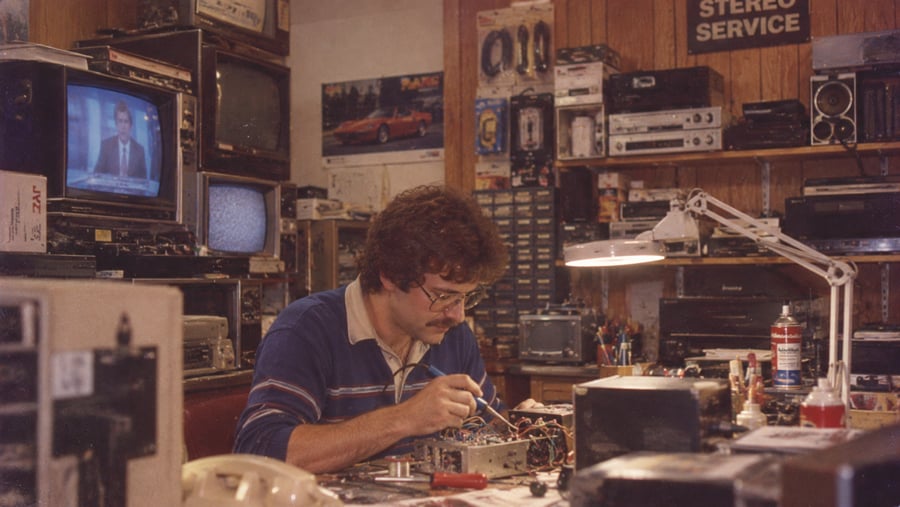
When a household bought a new television or stereo, the hope was that it would last for years. Repair shops were familiar neighborhood businesses, and families often fixed appliances rather than immediately replacing them. Today, optional protection plans appear at checkout for phones, laptops, appliances, and countless other purchases.
11. Subscription Software
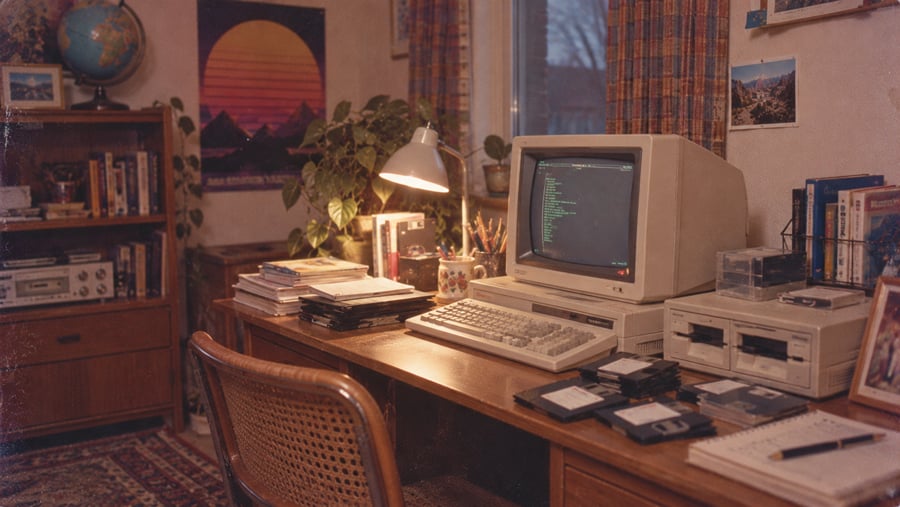
A home computer in the 1980s might have come with floppy disks and software that belonged to the family once purchased. Nobody was routinely paying monthly fees for cloud-based writing programs, design tools, or digital productivity services. Today, software subscriptions can continue charging long after the original project is finished.
12. Online Shopping Shipping Fees
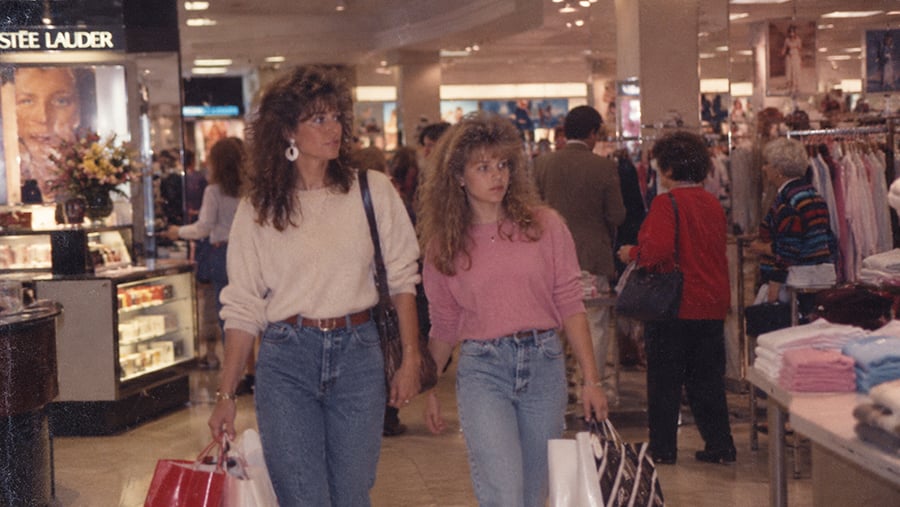
Shopping once meant going downtown, visiting the mall, or ordering from a paper catalog. Mail-order shipping charges certainly existed, but families weren’t constantly deciding whether to pay extra for next-day delivery or join a membership to avoid shipping fees. Today, delivery costs are woven into ordinary shopping decisions.
13. Paid Digital News Subscriptions
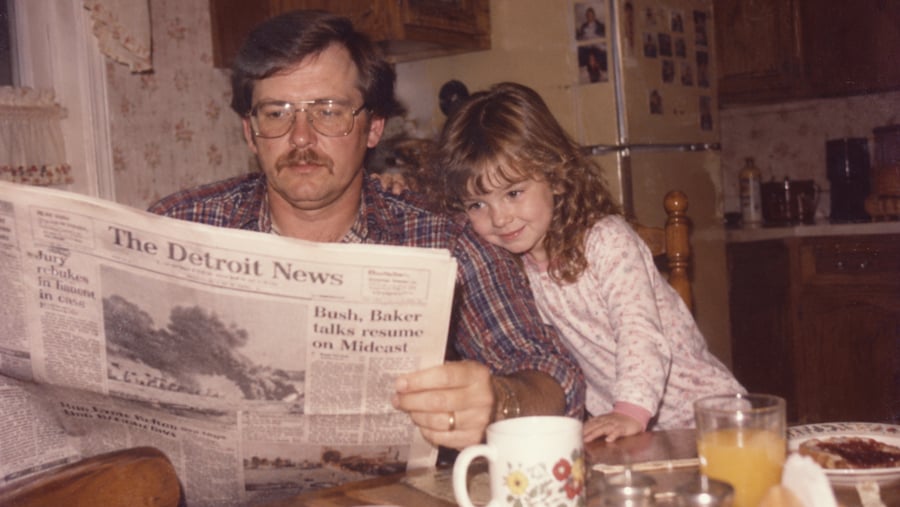
The newspaper might arrive on the doorstep every morning, and magazines accumulated beside the living room chair. Families already paid for print subscriptions, but there wasn’t a separate digital paywall waiting behind every interesting article. Today, following several publications can mean maintaining multiple subscriptions.
14. Smart Home Monitoring Services
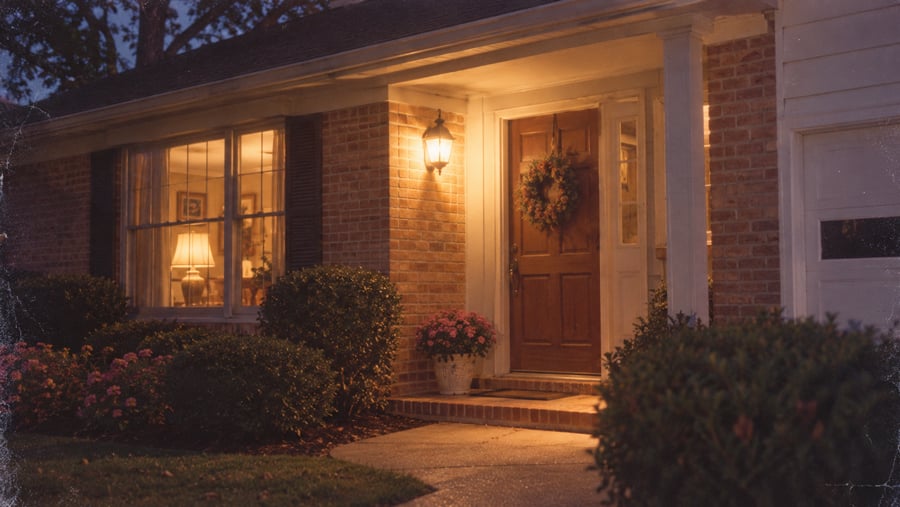
A house key, a porch light, and perhaps a neighborhood watch were enough for many households. Professional alarm monitoring already existed, but subscription-connected doorbell cameras, cloud video storage, and app-controlled security systems weren’t part of everyday life. Today, even watching recordings from your own front door may require a paid plan.
15. Children’s Organized Activity Fees
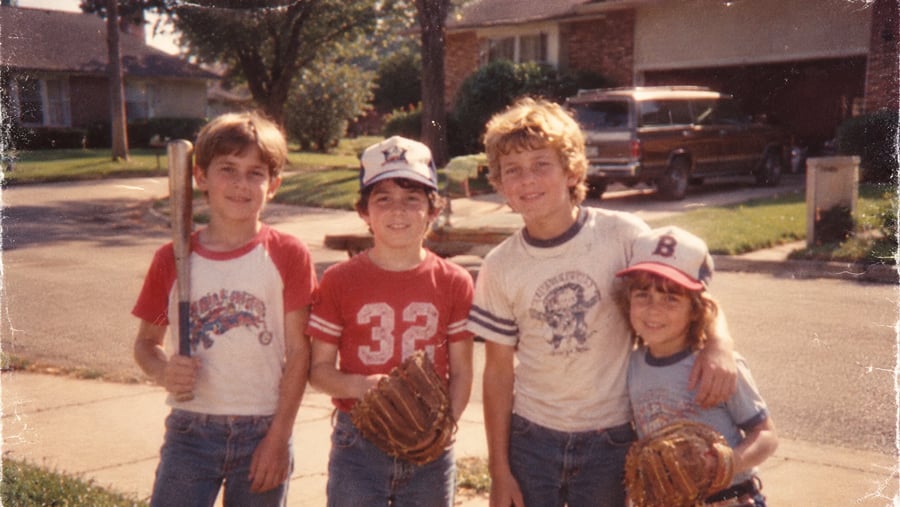
Children in the 1980s certainly participated in Little League, dance classes, and school sports, often with registration costs. But much of their free time was spent riding bikes, organizing neighborhood games, or playing in the yard. Today, competitive travel teams, private coaching, specialized equipment, and year-round activities can make children’s schedules considerably more expensive.
16. Paying to Remove Advertisements
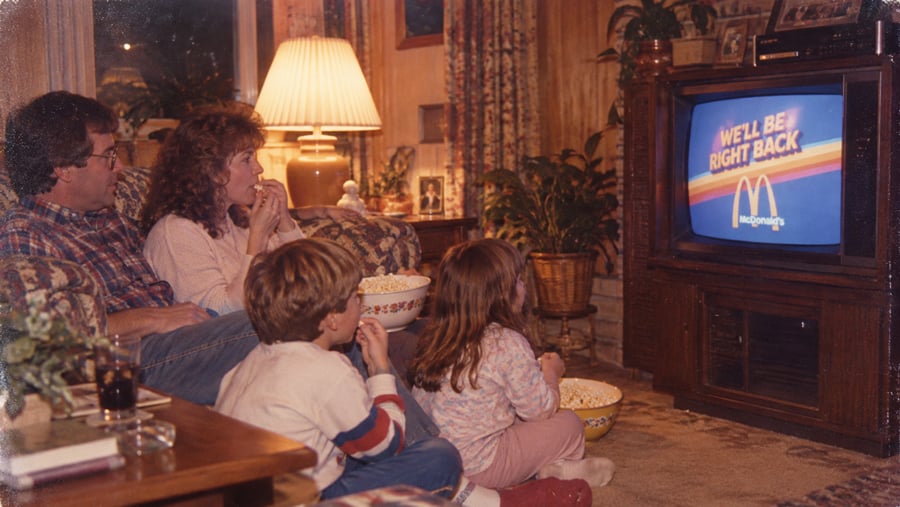
Commercial breaks were simply part of watching television. Families used them to get snacks, answer the telephone, or run to the bathroom before the program returned. Today, many streaming services and apps offer a paid upgrade to remove advertising, turning something people once tolerated into another reason to spend money.
More Related Notes
- 14 Snacks From the ’80s We Wish Still Existed
From colorful treats to discontinued favorites, these nostalgic snacks bring back the flavors and food trends that defined childhood in the 1980s. - 20 Overrated Actors That Peaked in the Electric ’80s
The 1980s produced plenty of unforgettable movie stars, but some of the decade’s biggest names never quite maintained the same level of success. - 15 School Supplies From the 1980s That Kids Wouldn’t Recognize Today
From classroom essentials to once-popular accessories, these school supplies capture what everyday student life looked like during the 1980s.