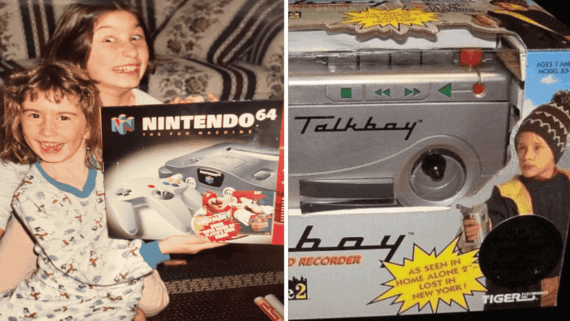
Every generation has had a moment when the future seemed to arrive early. Maybe it was the first time a television picture appeared on a tiny portable screen, a car phone rang from the center console, or a movie came home on a shiny disc that looked almost too futuristic to touch.
For a while, these technologies felt like glimpses of what everyday life would eventually become. Families rearranged living rooms around them, teenagers begged for them, and advertisements promised that life was about to get easier. Then something faster, smaller, or simply more convenient came along. These 16 technologies once looked like the future, but today they mostly survive in old photographs, forgotten cabinets, and memories.
1. LaserDisc Players
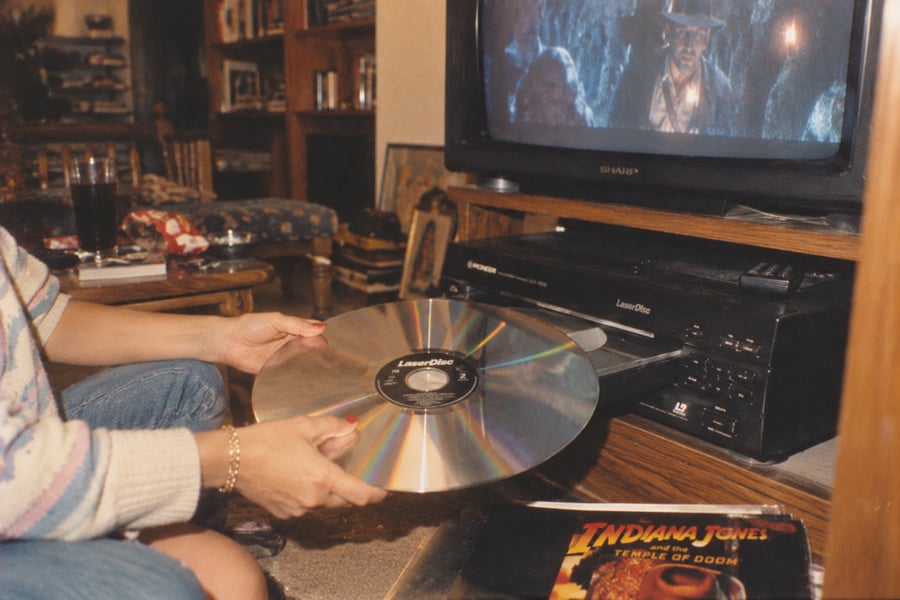
Sliding a LaserDisc out of its enormous sleeve felt more like handling a record than putting on a movie. The shiny discs promised exceptionally sharp home video, and the players looked appropriately futuristic sitting beneath a television. For families who bought into the format, though, the future did not last very long.
2. Car Phones
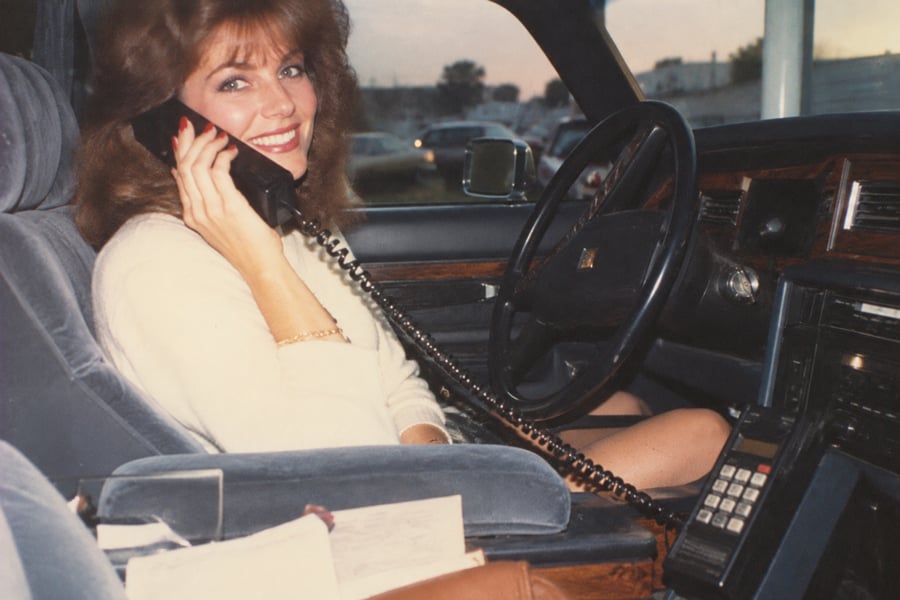
A telephone permanently installed between the front seats once looked like something reserved for executives and movie characters. Seeing someone make a call from a car was enough to turn heads. Long before a phone lived in every pocket, simply being reachable from the highway felt remarkably futuristic.
3. Video Calling on Picturephones
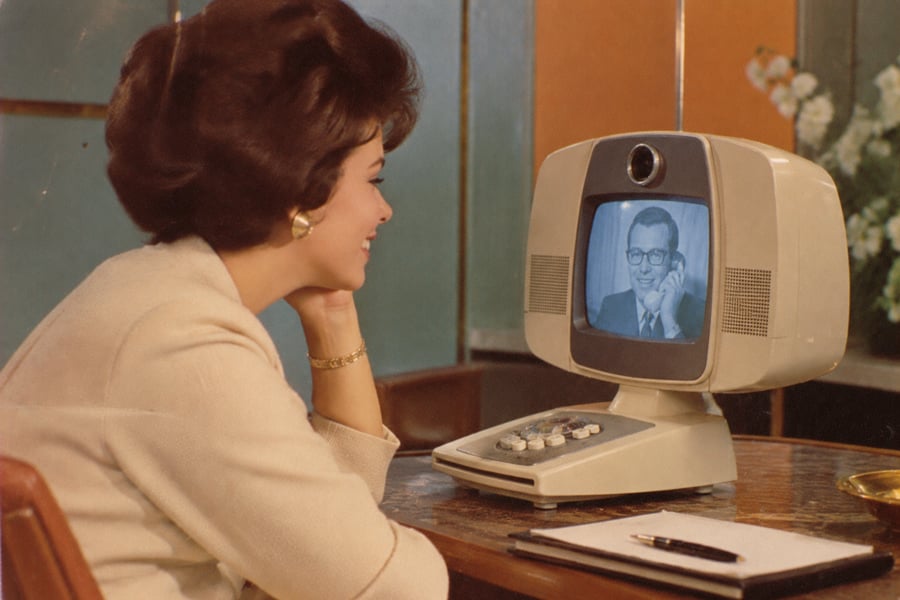
Decades before FaceTime and Zoom, companies were already imagining a world where callers could see one another. Early Picturephones appeared at demonstrations and public installations with small screens and wonderfully futuristic-looking controls. The idea was right. The bulky machine delivering it was not.
4. 8-Track Tape Players
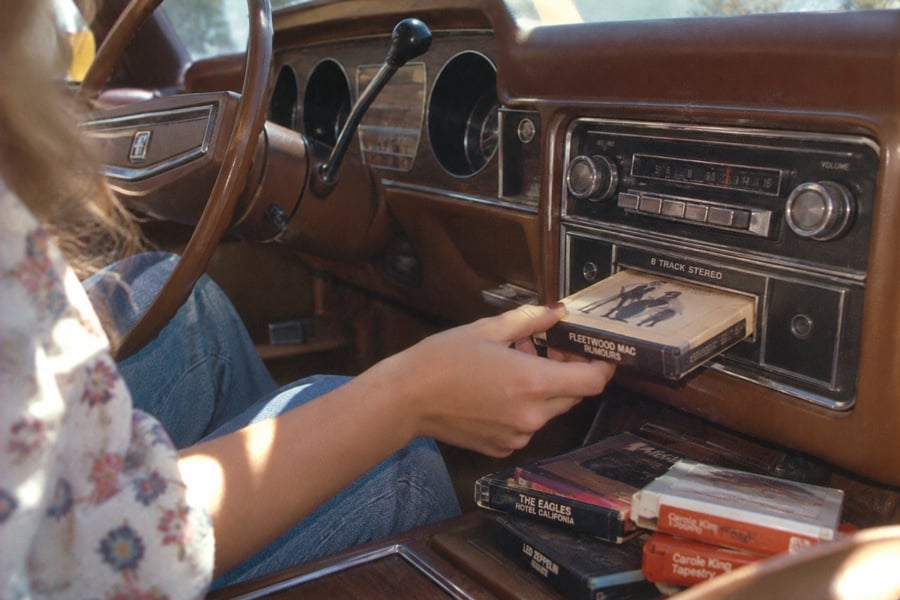
There was something wonderfully convenient about pushing a chunky cartridge into the dashboard and having music begin almost immediately. No radio station needed, no record player required. For a generation of drivers, a pile of 8-tracks on the passenger seat was what portable music looked like.
5. Quadraphonic Stereo Systems
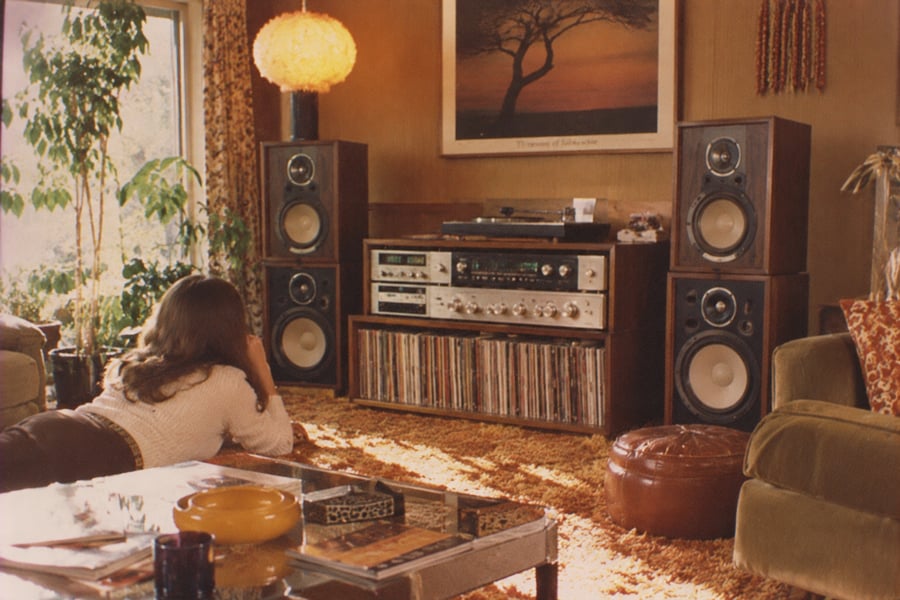
Stereo was impressive, but four-channel sound promised to put the listener right in the middle of the music. Speakers appeared around the room, special records were purchased, and hi-fi enthusiasts imagined this would become the new way everyone listened. Instead, quadraphonic systems became a fascinating detour in audio history.
Trending on Wealth Gang


6. Portable Television Sets
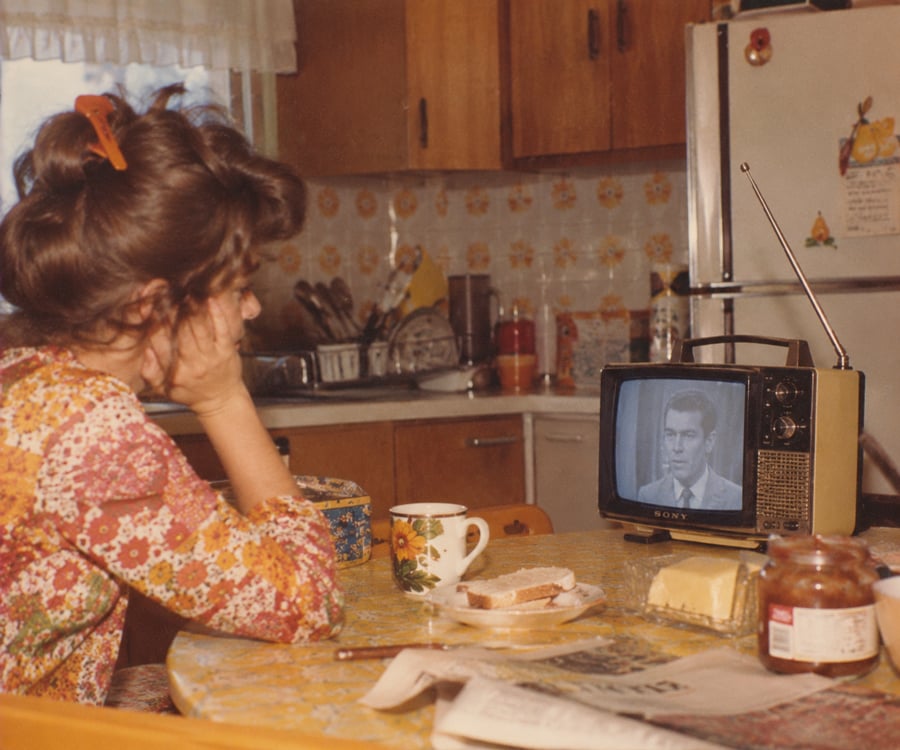
Carrying a television from room to room once felt like a small miracle. Some portable sets had antennas sticking from the top and screens barely larger than a postcard, but that hardly mattered. Being able to watch television somewhere other than the living room was the impressive part.
7. Home Intercom Systems
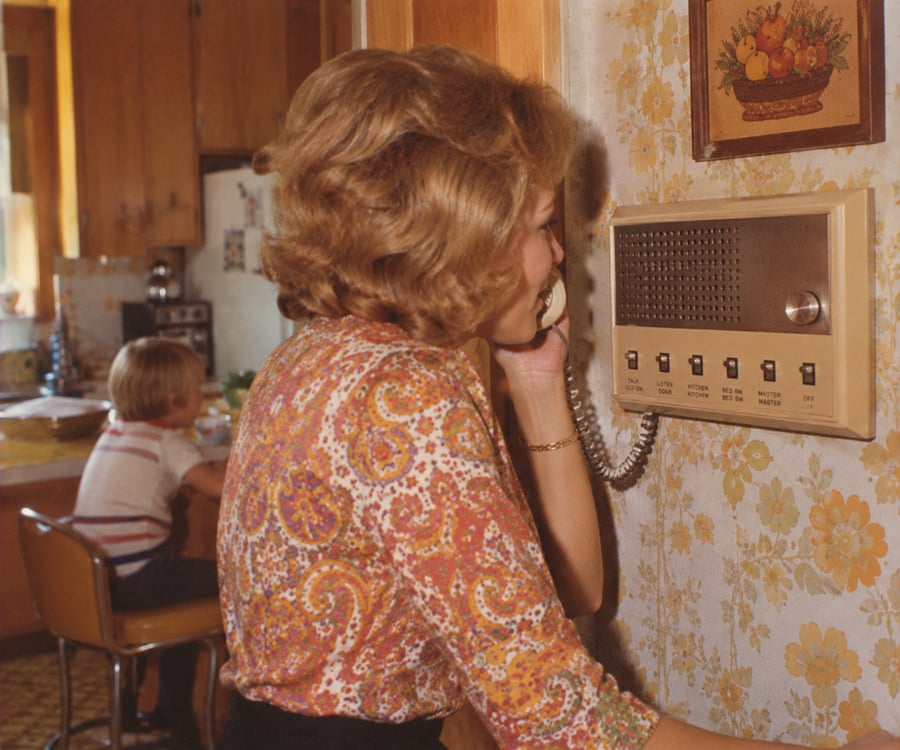
A button on the kitchen wall could summon someone from an upstairs bedroom without anyone raising their voice. Built-in intercoms appeared in many mid-century homes as a distinctly modern convenience, sometimes paired with a radio or front-door speaker. Today, finding one still attached to the wall feels like discovering a little control panel from another era.
8. Electronic Typewriters
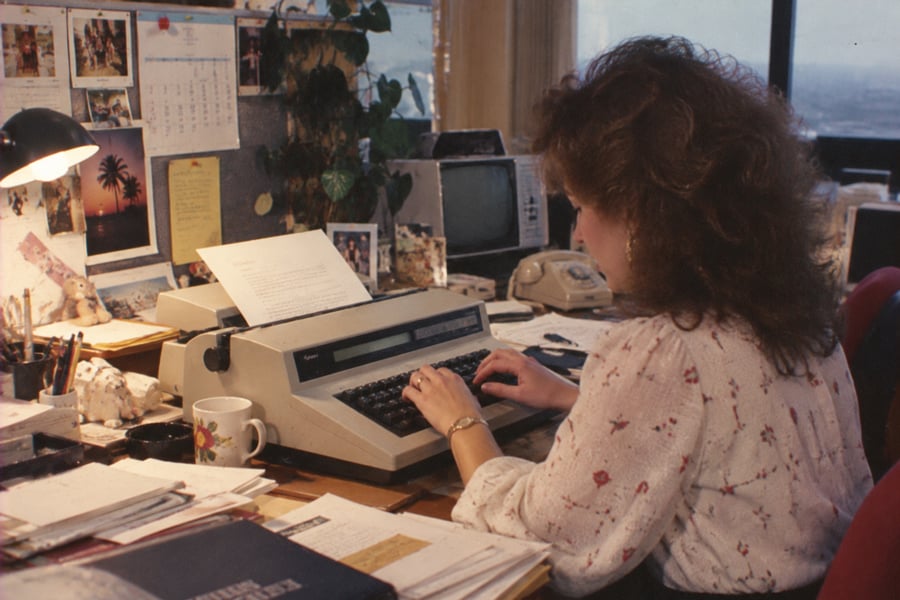
The familiar clatter of a typewriter began changing when electronic models arrived. Suddenly there were correction features, small displays, memory functions, and keys that required almost no force. For offices accustomed to ribbons and correction fluid, these machines seemed like an enormous leap forward, right before personal computers changed the desk completely.
Sign up for our newsletter
9. Videotex Terminals
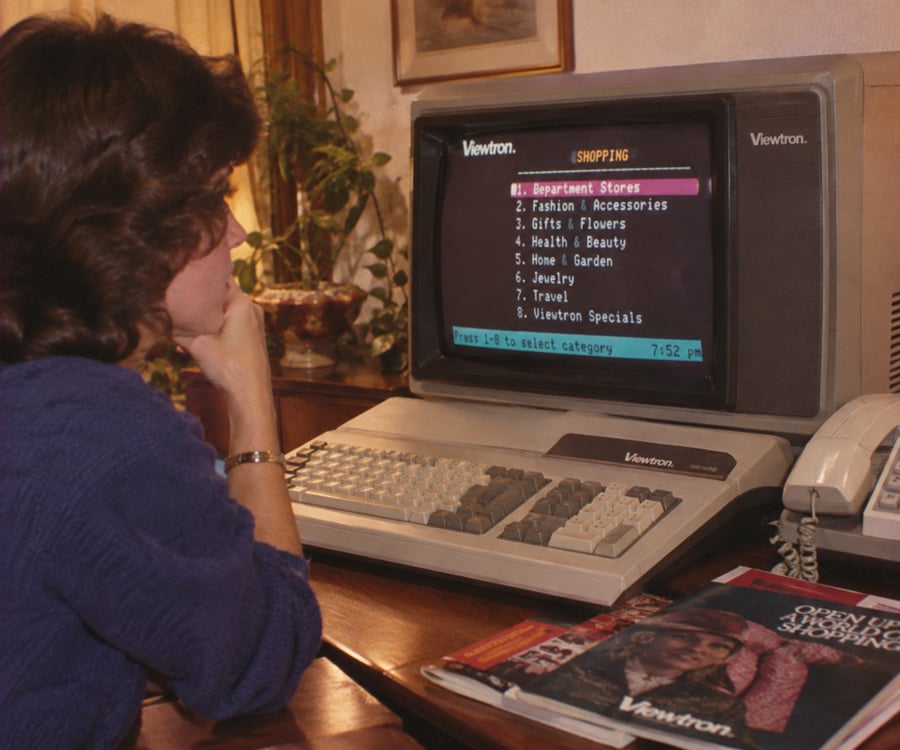
Before the modern internet, there were already attempts to bring news, banking, shopping, and information onto a screen at home. Services such as Viewtron offered colorful menus that could be navigated through a special terminal. Looking back, the screens seem primitive, but the idea behind them sounds remarkably familiar.
10. Betamax Players
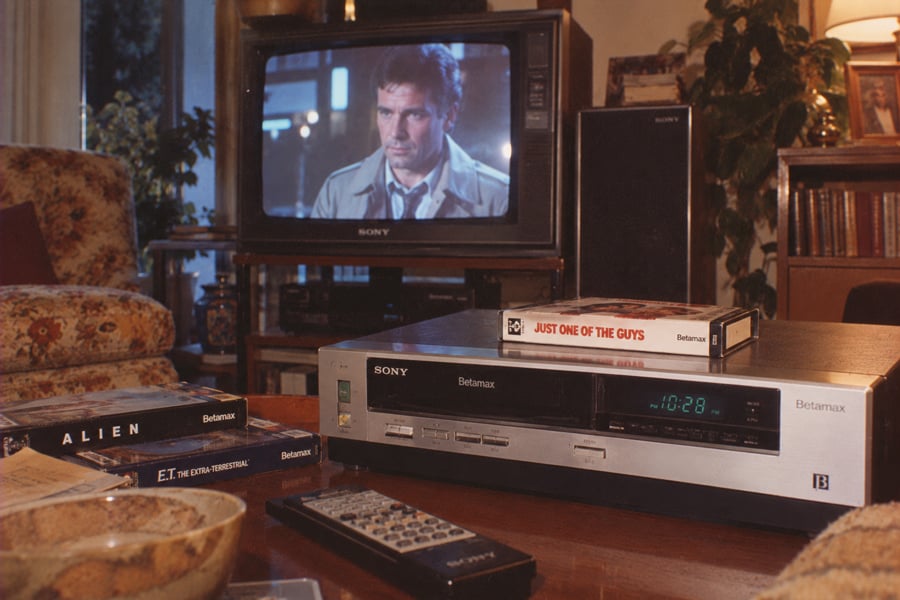
For a moment, nobody knew which videotape format would end up living beneath America’s televisions. Betamax offered excellent picture quality and looked every bit like the beginning of a new home-entertainment era. Plenty of households chose it, only to watch VHS become the format filling video-store shelves.
11. Pocket Electronic Translators
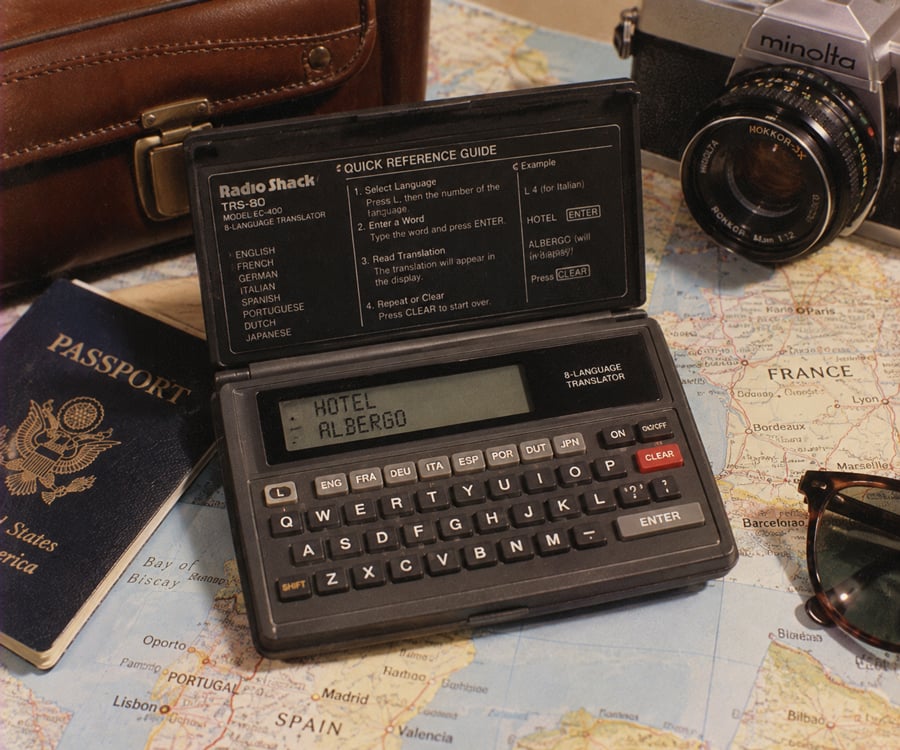
A tiny electronic device that could translate words from one language into another sounded almost unbelievable. Travelers could type something in and receive a translation without opening a phrasebook. The little keyboards and monochrome screens now look wonderfully dated, but carrying a translator in a pocket once felt like science fiction.
12. TV Typewriters
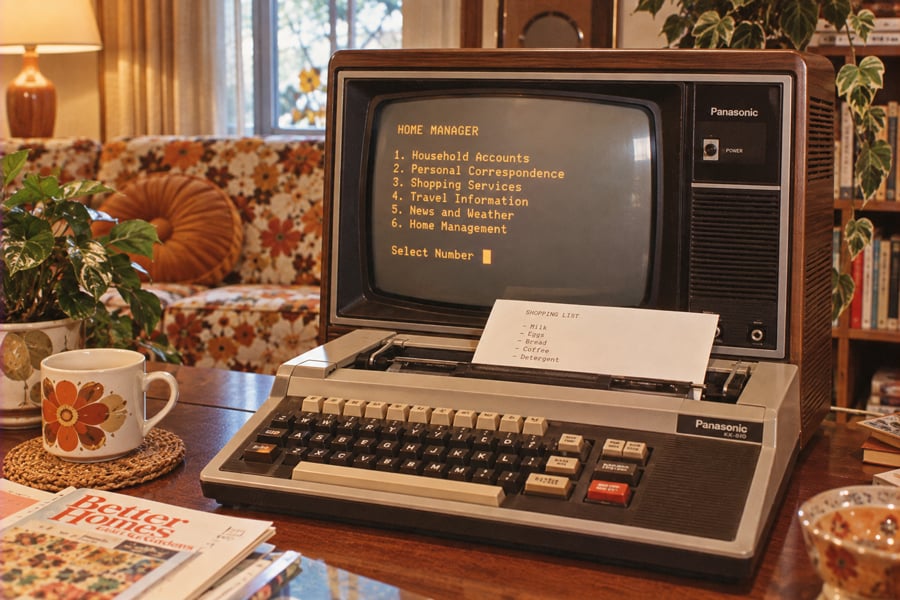
In the 1970s, the idea of typing words onto an ordinary television screen was exciting enough to inspire hobbyists and early computer enthusiasts. Devices known as TV typewriters turned the family television into a basic text display. There was no sleek monitor or colorful interface, just glowing characters on a screen, and yet it hinted at the computers that were coming.
13. CED VideoDisc Players
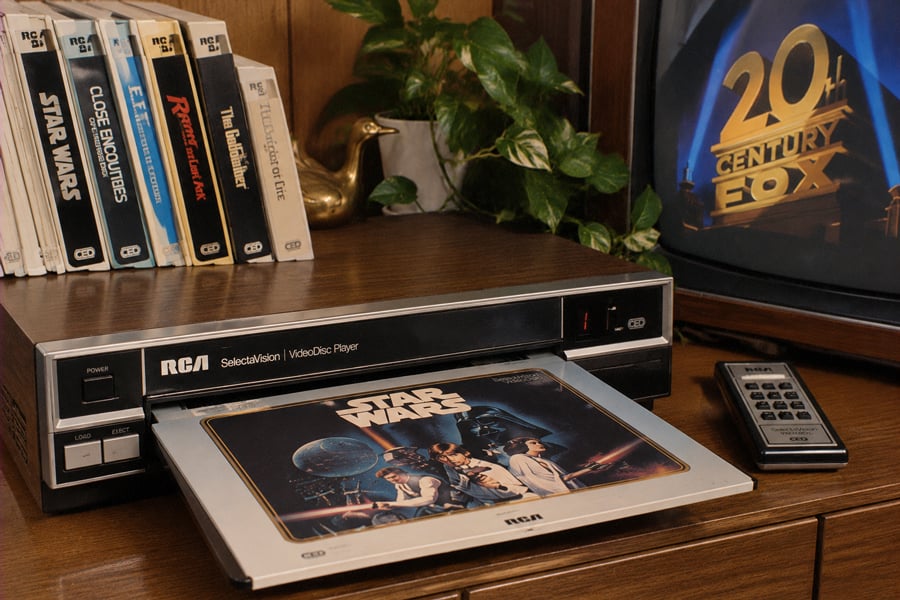
Imagine bringing home a movie on a disc that stayed hidden inside a protective plastic caddy. RCA’s CED system did exactly that, using a needle-like stylus to read movies from physical discs. It arrived after years of development with big ambitions, but the format disappeared surprisingly quickly.
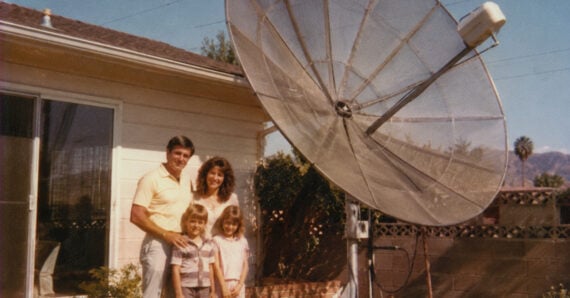
14. Home Satellite Dishes
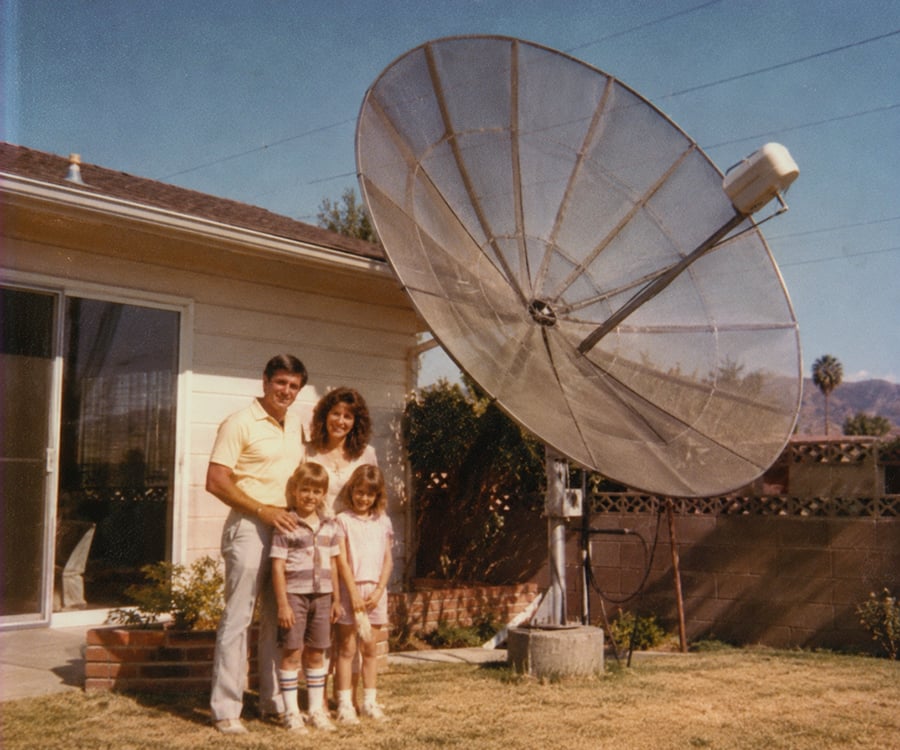
Those enormous dishes sitting behind suburban and rural homes once looked like personal communication stations. Owning one could open up television channels from far beyond the local lineup, and adjusting the dish became part of the experience. Eventually, the giant backyard hardware shrank into something much less dramatic.
15. Pocket TVs
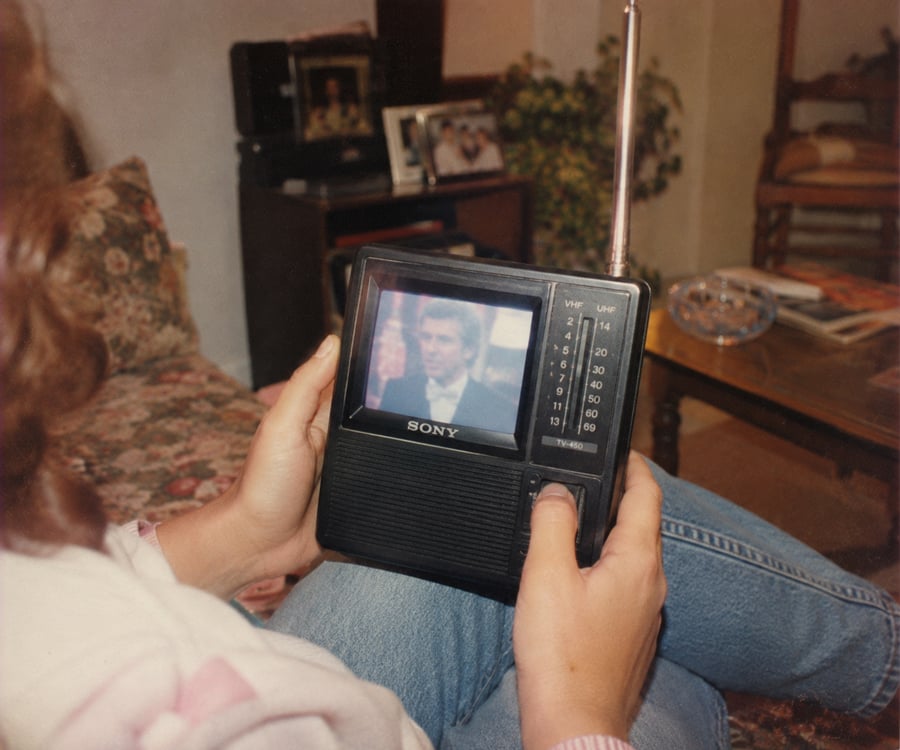
If a portable television was exciting, a television small enough to hold in one hand seemed even better. Pocket TVs squeezed a tiny screen, antenna, tuner, and controls into a remarkably compact device. Watching anything on one required patience and decent reception, but pulling a television out of a bag still felt like showing off the future.
16. The Videophone
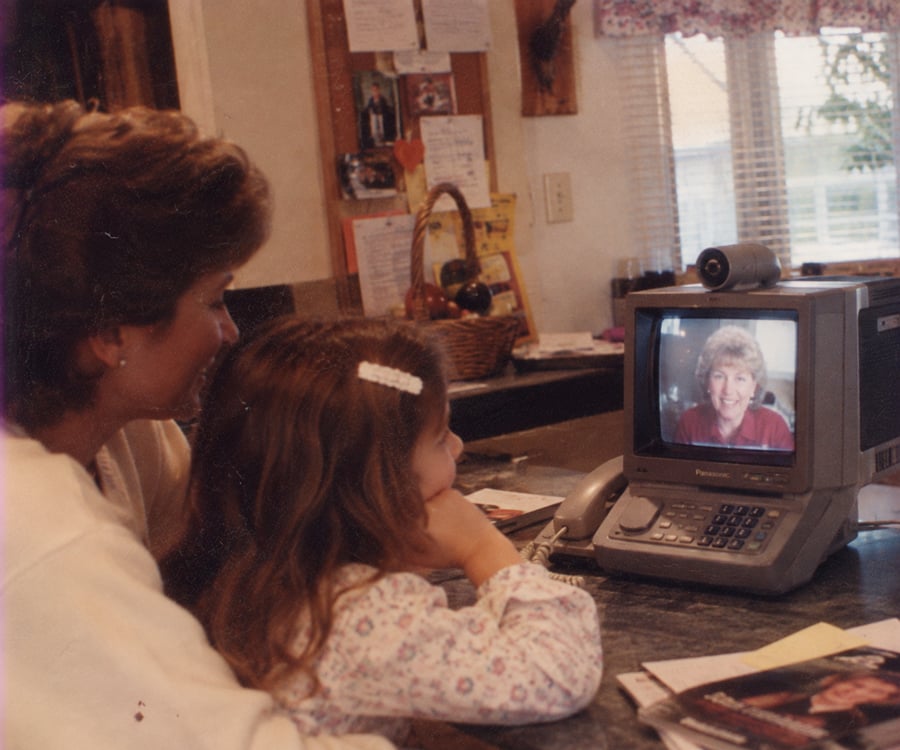
The dream refused to disappear. Through the 1980s and 1990s, companies continued introducing dedicated videophones that promised face-to-face conversations from home. Families appeared in advertisements smiling at relatives on tiny screens, suggesting that soon everyone would own one. Strangely, they were right. The videophone did become ordinary; it just ended up inside something else.
More Related Notes
- Technologies That Failed to Change the World
These once-promising technologies were expected to transform everyday life, but never quite lived up to the hype.
- 10 Technologies That Changed Everyday Life Faster Than Expected
Some technologies took off much faster than anyone expected, quickly changing familiar routines at home, work, and beyond. - 10 Technologies That Seemed Like Science Fiction 15 Years Ago
Ideas that once sounded futuristic have become ordinary parts of daily life in surprisingly little time.