History is shaped by big changes like wars or economic shifts, but it can also turn on daily choices. These moments show us that behind major historical events are real people making quick decisions, usually without knowing how important their choices will be.
While big social conditions set the stage for change, individual actions act as the spark. Looking at the following 16 moments shows how one person’s routine decision can completely rewrite human history. By examining these examples, we can see how unpredictable the past was and how much power a single action can have.
1. A Governor’s Refusal Triggered the Boston Tea Party
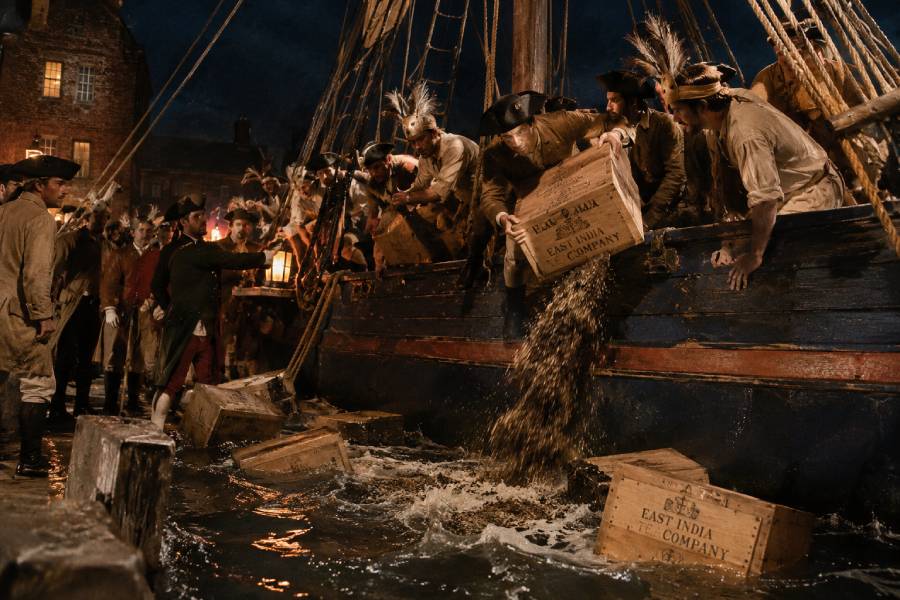
In December 1773, Boston colonists were determined to prevent British tea from being unloaded and taxed. Massachusetts Governor Thomas Hutchinson refused to allow the ships carrying the tea to leave without completing the required customs procedures. With the ships still trapped in Boston Harbor, protesters dumped 342 chests of tea into the water. The protest became a major turning point in the conflict between Britain and its American colonies.
2. A Decision to Resupply Fort Sumter Preceded the Civil War
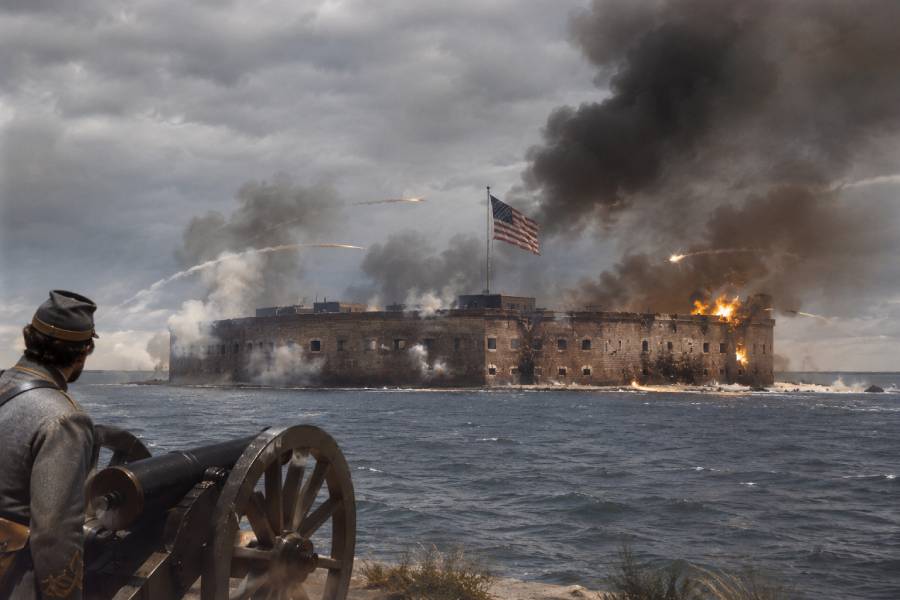
In April 1861, President Abraham Lincoln decided to send provisions to Fort Sumter. Confederate officials interpreted the resupply as a challenge to their authority and demanded the fort’s surrender. When commander Robert Anderson refused, Confederate forces opened fire on April 12, marking the beginning of the American Civil War.
3. A Meeting Among Five Women Launched a Historic Rights Convention
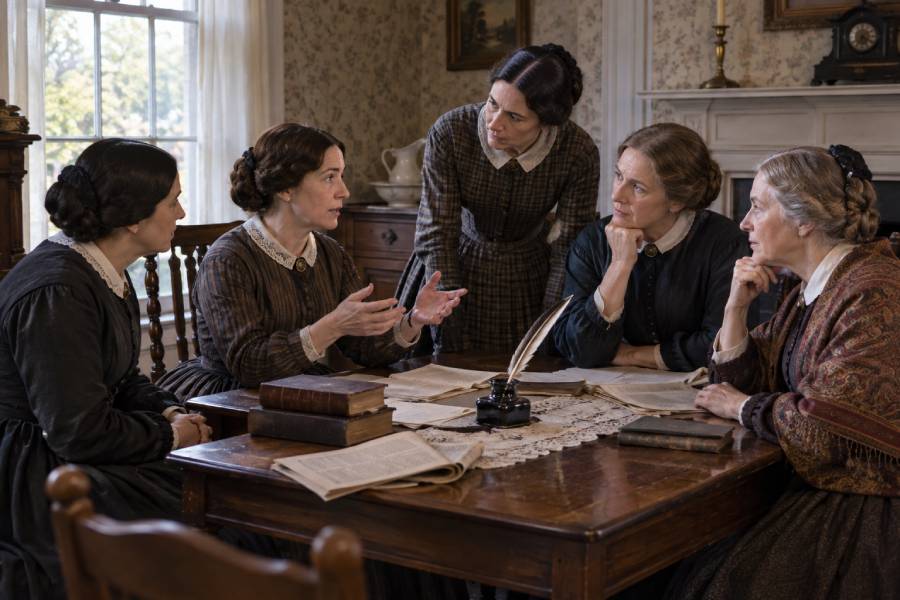
On July 14, 1848, five women met at Jane Hunt´s house in Waterloo, New York, to discuss the unequal legal and social treatment of women. They decided to organize a public convention addressing women’s rights. Just five days later, the Seneca Falls Convention began, becoming a landmark in American women’s rights history.
4. Shooting One Pig Nearly Started a War
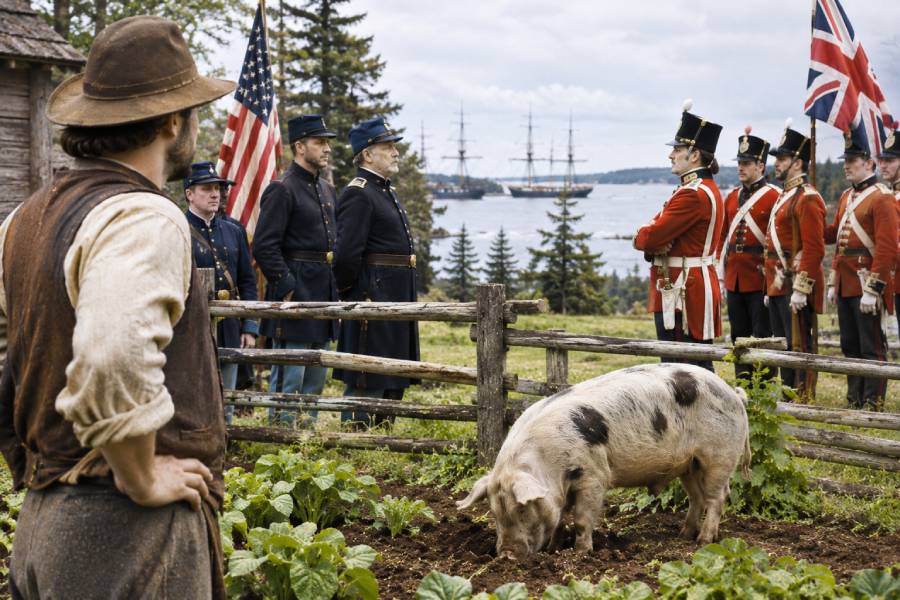
On June 15, 1859, American Lyman Cutlar shot a pig belonging to the British Hudson’s Bay Company after finding it in his potato patch. British warships and American soldiers eventually confronted one another in a standoff that became known as the Pig War. Despite the dangerous confrontation, neither country fired on the other.
5. Locked Factory Exits Turned a Fire Into a National Tragedy
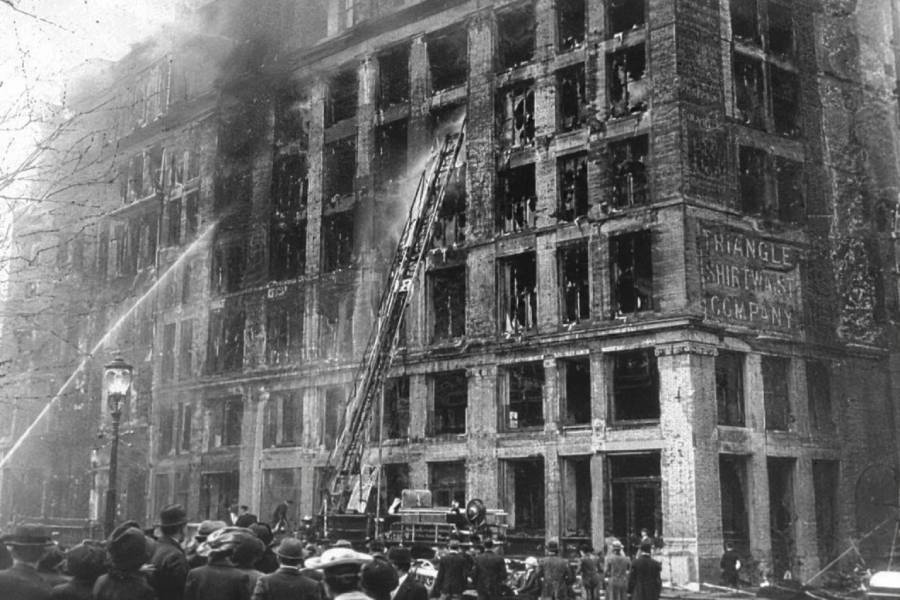
On March 25, 1911, a fire broke out inside Manhattan’s Triangle Shirtwaist Factory. Locked exit doors and a collapsed fire escape contributed to the deaths of 146 people. New York adopted major labor and fire-safety reforms, making the tragedy an important turning point in labor policies.
Trending on Wealth Gang

6. One Secret Telegram Pushed the U.S. Toward World War I
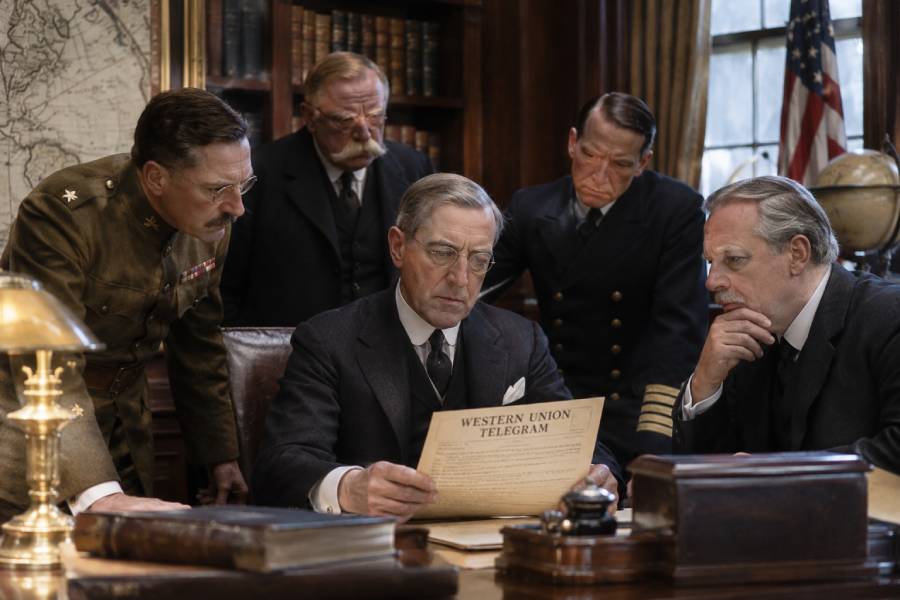
In January 1917, German Secretary Arthur Zimmermann sent a coded message proposing that Mexico join Germany in an alliance if the U.S. entered World War I. British intelligence intercepted and deciphered the telegram before sharing its contents with American officials. When the proposal became public, it intensified American anger toward Germany. The telegram contributed to America’s decision to enter the war in April 1917.
7. Allowing One Parade to Proceed Worsened Philadelphia’s Influenza Crisis
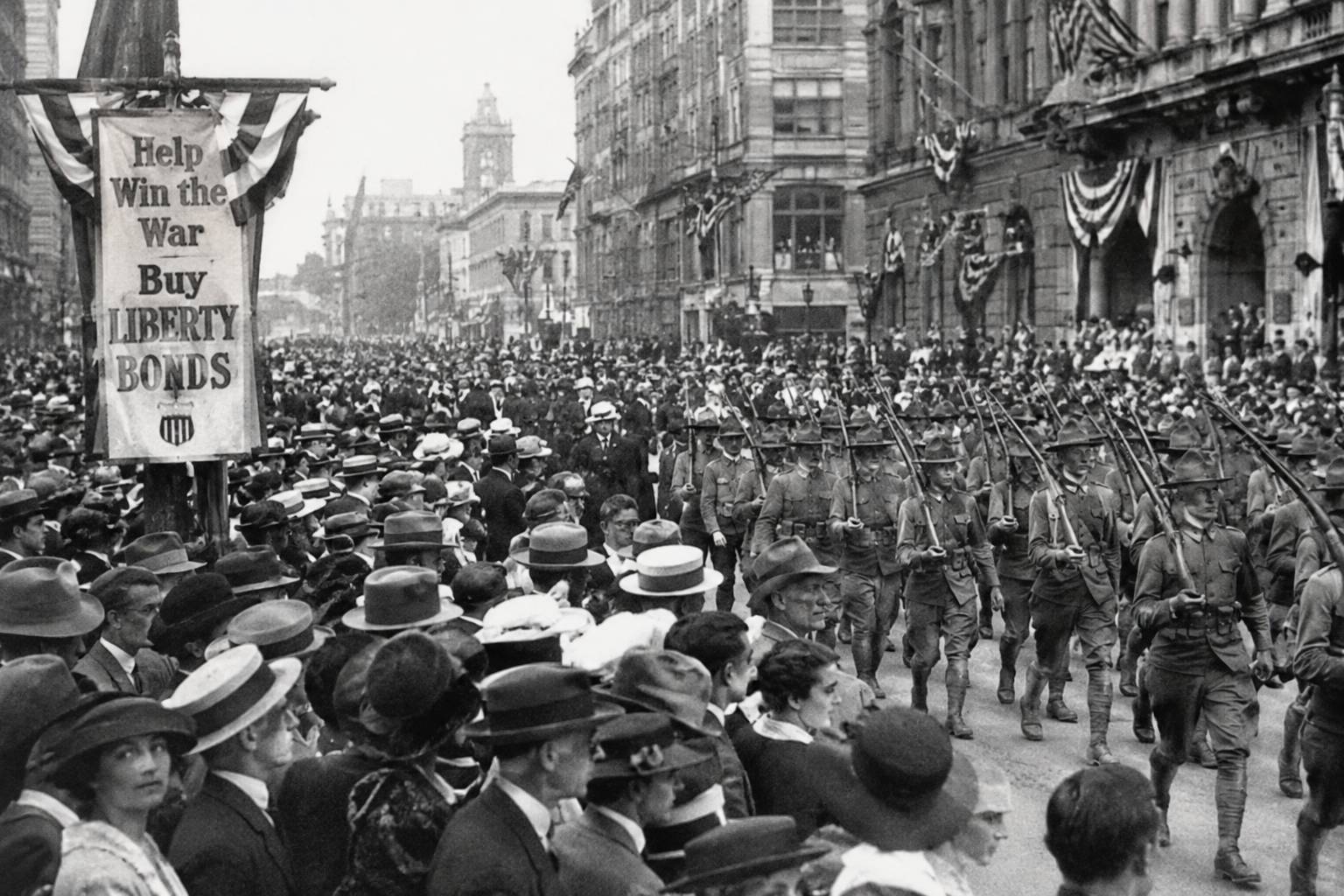
As influenza spread through Philadelphia in September 1918, public health experts warned about the dangers of holding a major parade promoting war-bond sales. City officials allowed the event to proceed on September 28, bringing approximately 200,000 people into crowded streets. Influenza cases rose in the following days, overwhelming hospitals and contributing to one of the deadliest local outbreaks of the pandemic.
8. Rosa Parks’ Refusal Launched the Montgomery Bus Boycott
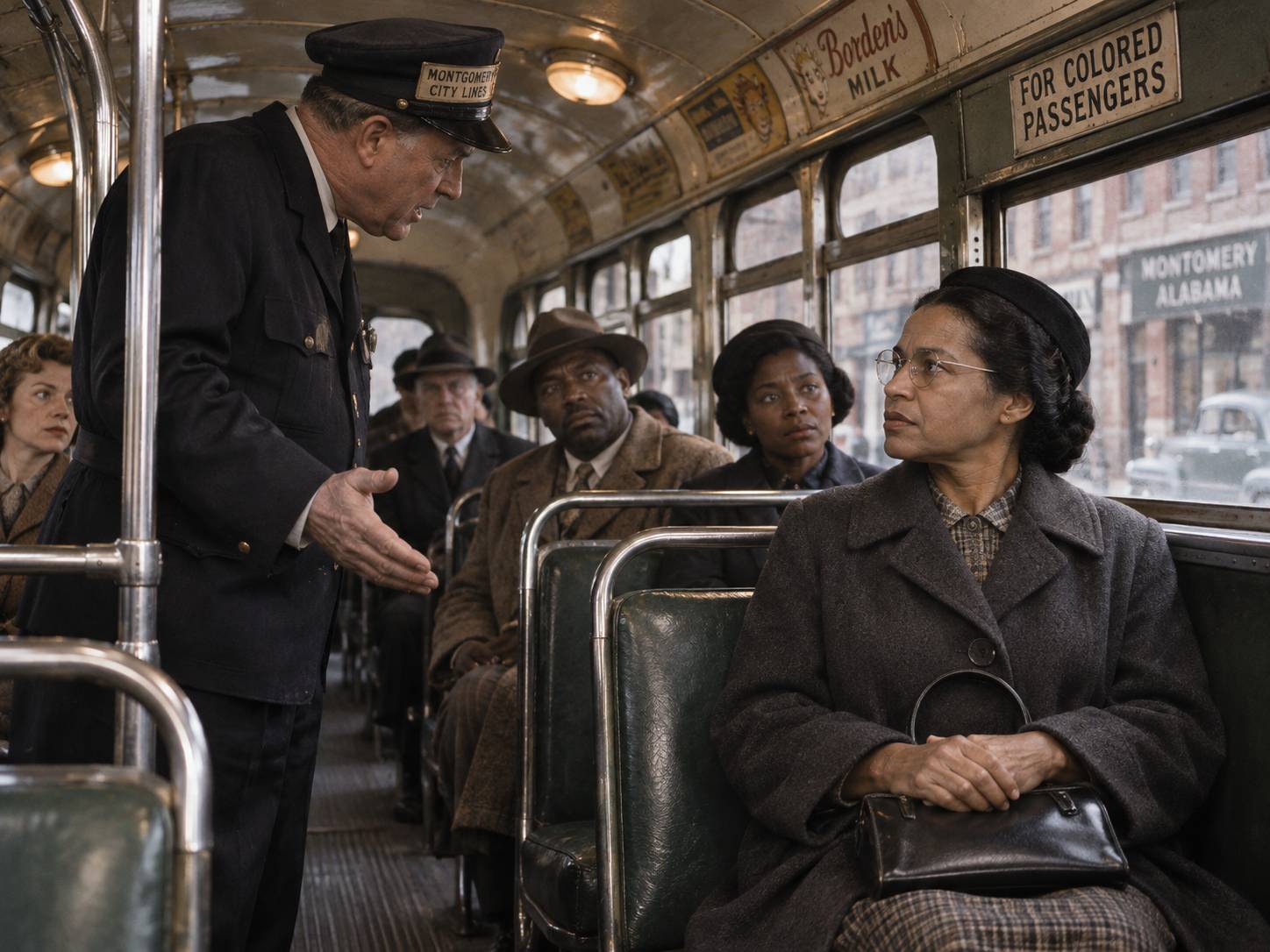
On December 1, 1955, Rosa Parks refused a bus driver’s order to surrender her seat under Montgomery’s segregation rules. Her arrest became the catalyst for a protest of the city’s public buses beginning on December 5. Black residents sustained it for more than a year.
Sign up for our newsletter
9. A Presidential Order Changed the Little Rock School Crisis
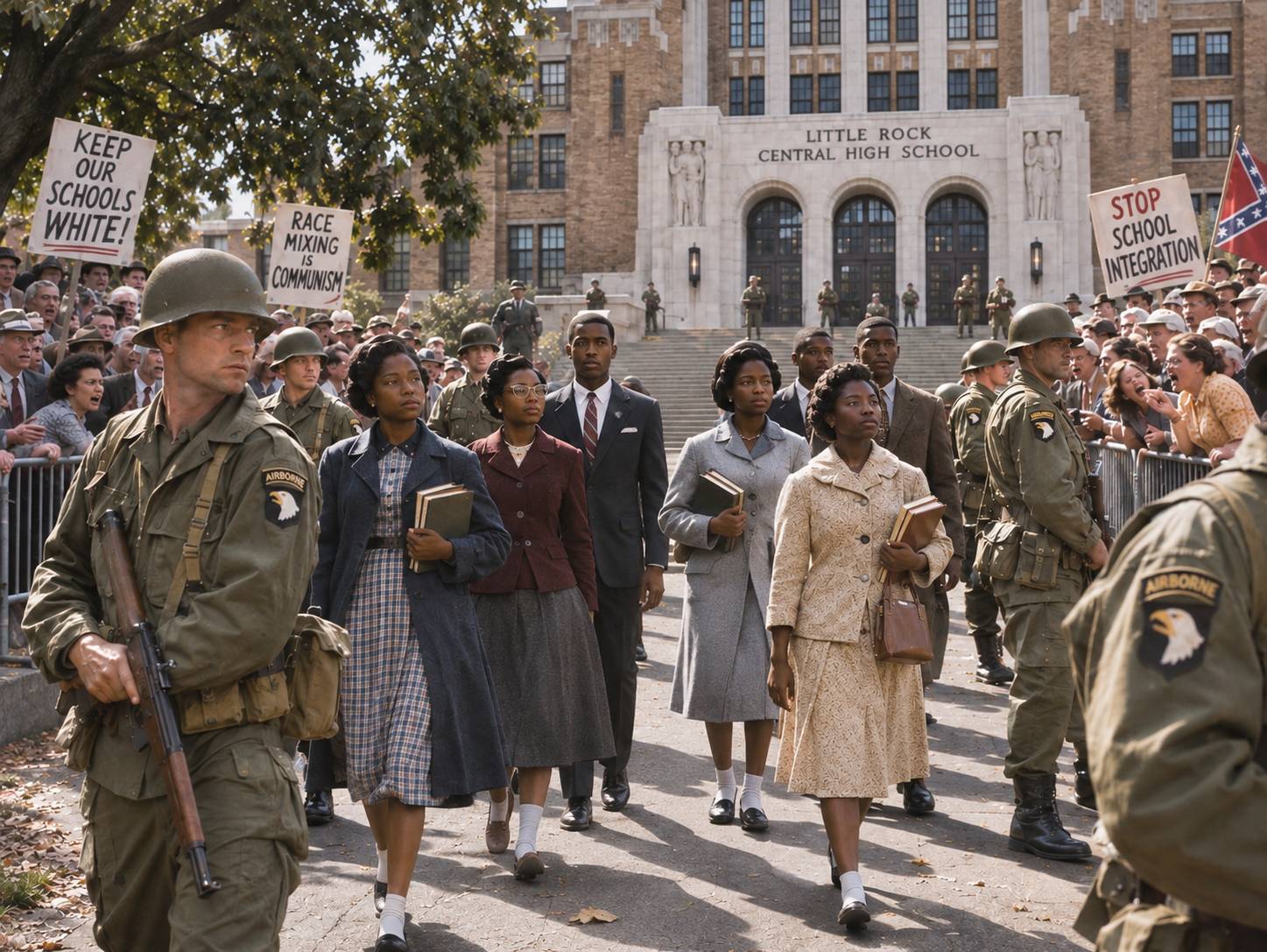
In September 1957, nine Black students who attended Little Rock Central High School faced hostile crowds and resistance from Arkansas Governor Orval Faubus. After local authorities failed to maintain order, President Eisenhower federalized the Arkansas National Guard and sent soldiers from the 101st Airborne Division to enforce the students’ right to attend school. On September 25, the students entered the building under military protection.
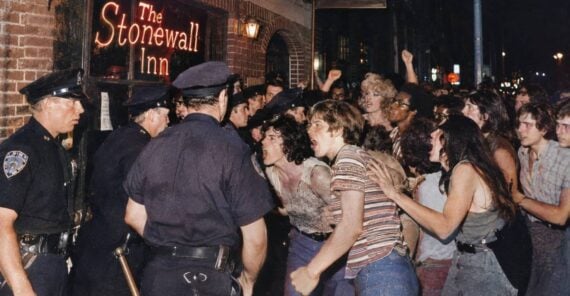
10. A Police Raid Triggered the Stonewall Uprising
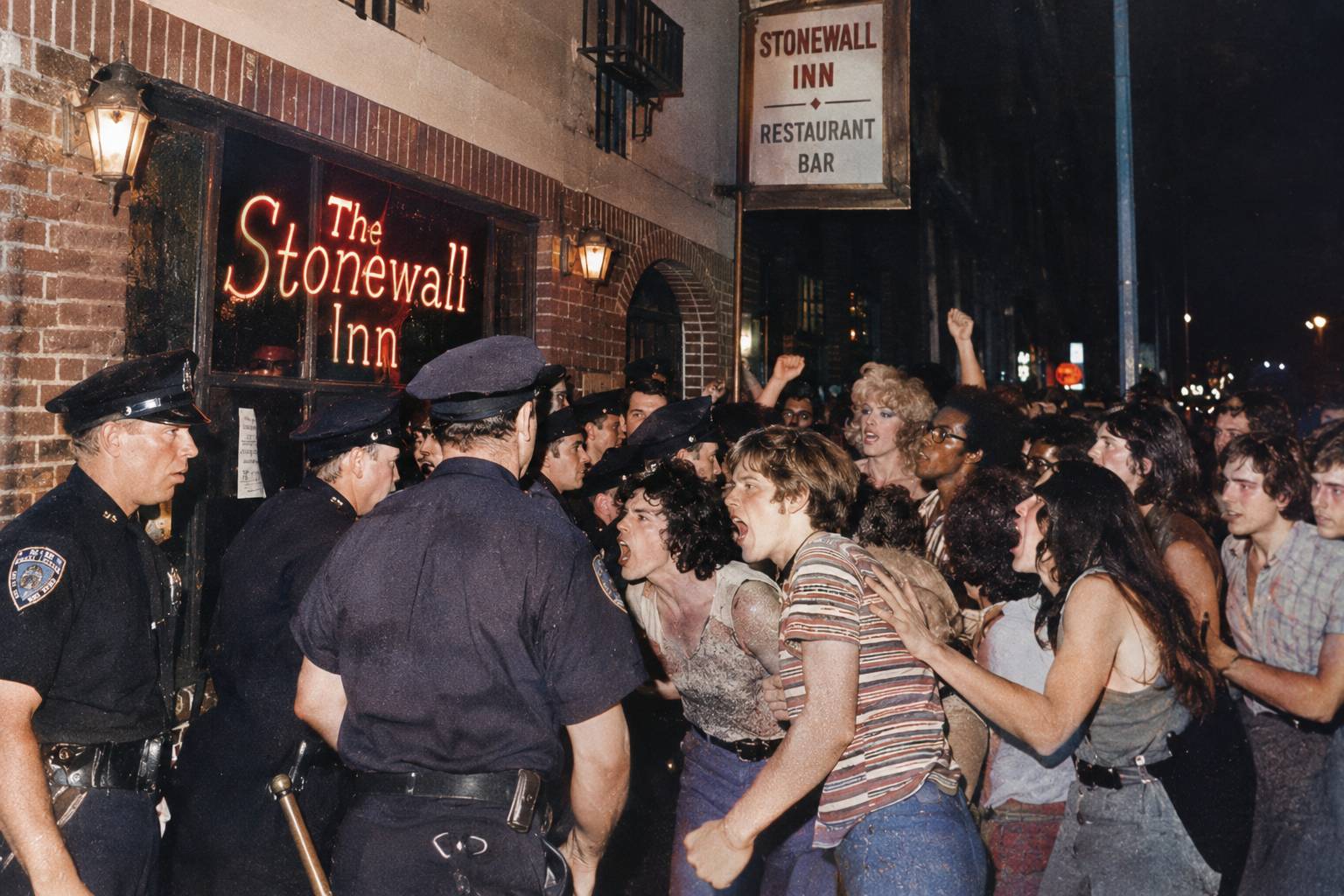
On June 28, 1969, police raided the Stonewall Inn, a gathering place for LGBTQ+ people in Greenwich Village. Raids and harassment had occurred before, but this time patrons and members of the surrounding community resisted as arrests were made. The confrontation grew into several nights of protests that drew greater attention to demands for LGBTQ+ rights.
11. A Routine Tank Test Turned Apollo 13 Into a Space Emergency
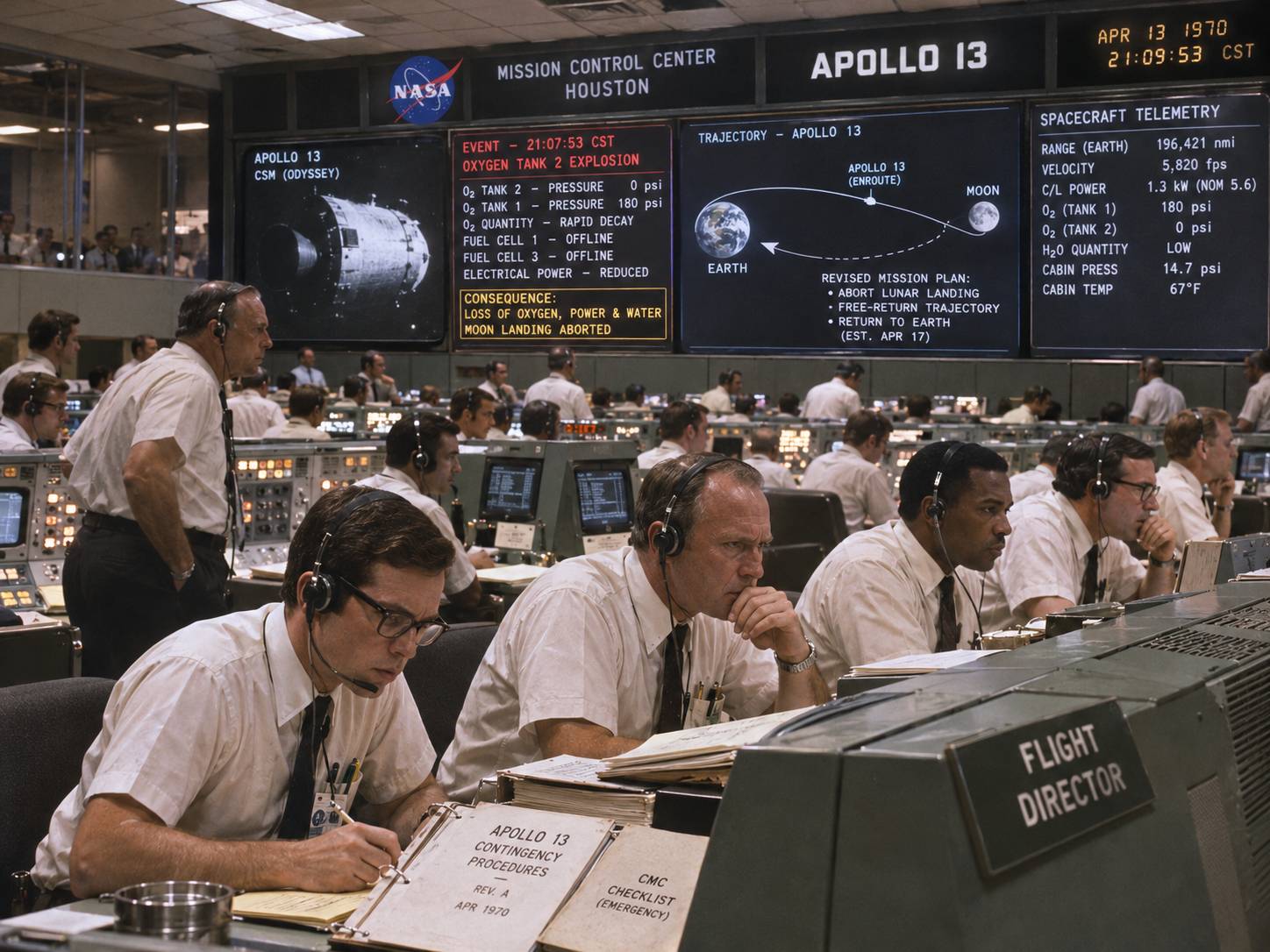
Before Apollo 13 launched, technicians had trouble draining an oxygen tank and decided to use its internal heaters for an extended period to remove the remaining oxygen. On April 13, 1970, the tank exploded during the mission, forcing NASA to abandon the planned Moon landing. The astronauts survived through emergency procedures and extensive work by flight controllers.
12. A Security Guard Checked a Door Twice and Exposed Watergate
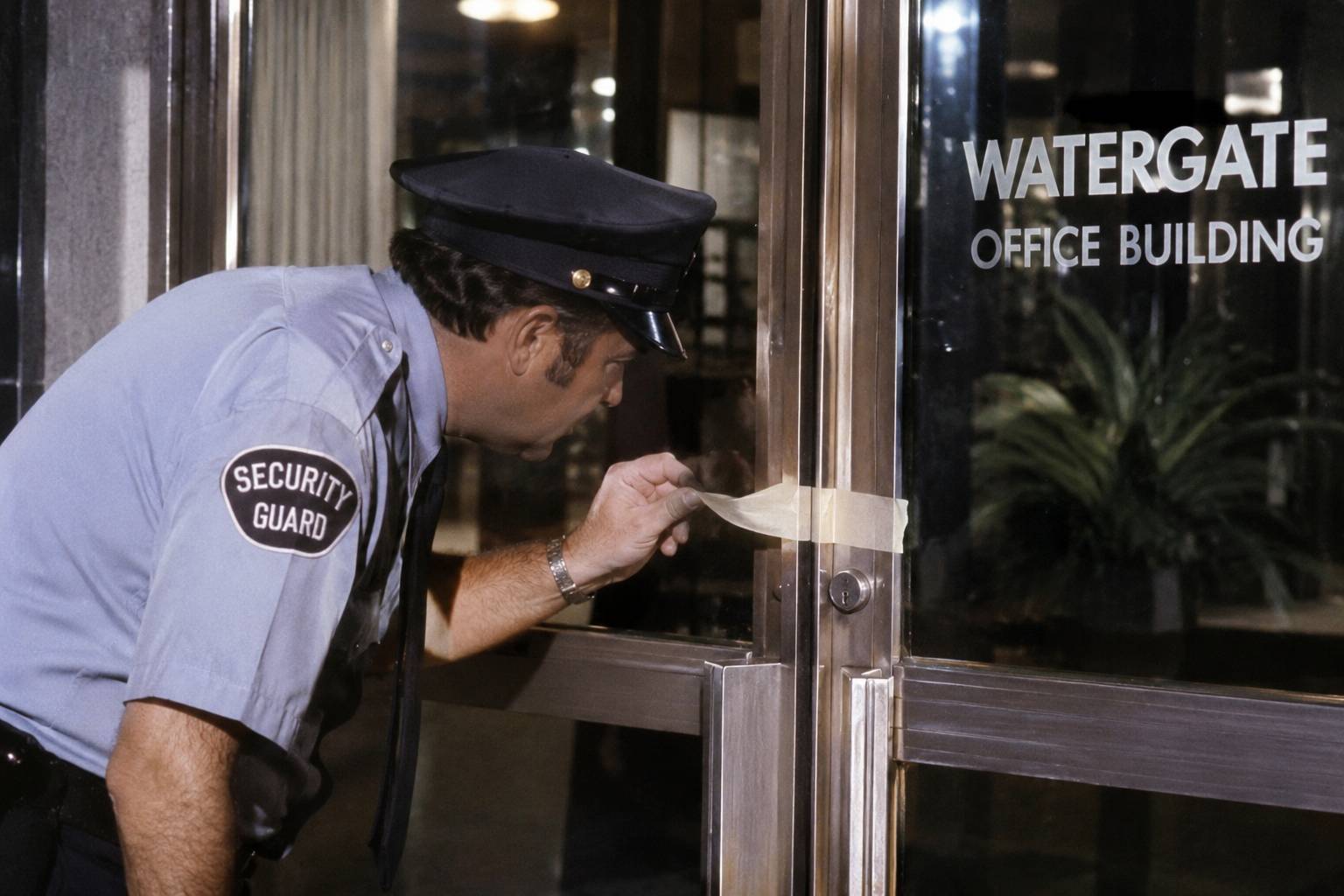
On June 17, 1972, security guard Frank Wills noticed tape covering doors at the Watergate office complex. After removing the tape, he discovered that the doors had been taped again and decided to contact police. The investigations and cover-up that followed eventually contributed to Nixon’s resignation in August 1974.
13. The Decision to Launch Challenger Ended in Disaster
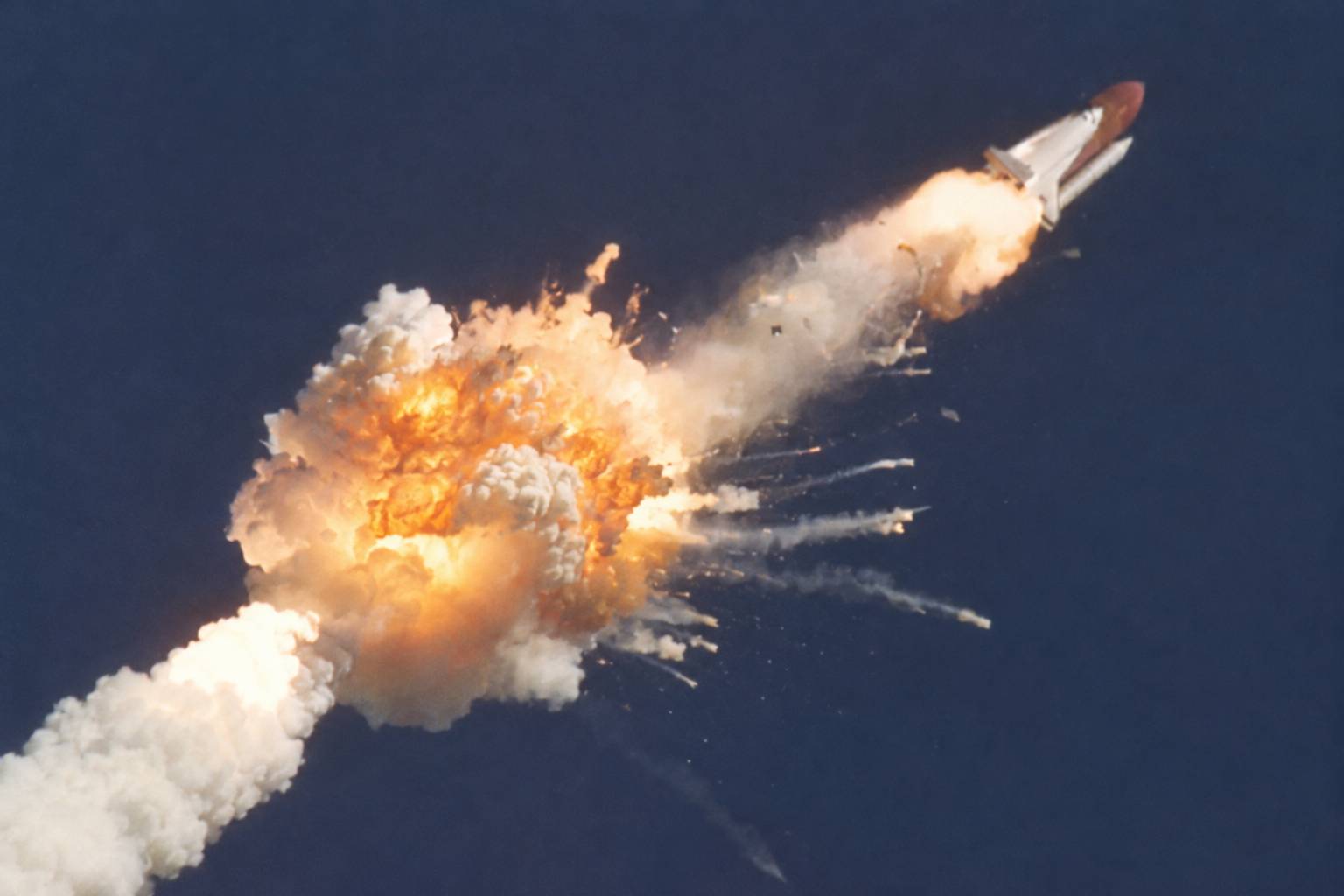
On the evening before Challenger’s scheduled launch, engineers warned that unusually cold temperatures could affect rubber seals in the shuttle’s solid-fuel rocket boosters. Contractor management eventually reversed its recommendation against launching. Challenger broke apart shortly after liftoff, killing all seven crew members.
14. A Confusing Answer Opened the Berlin Wall
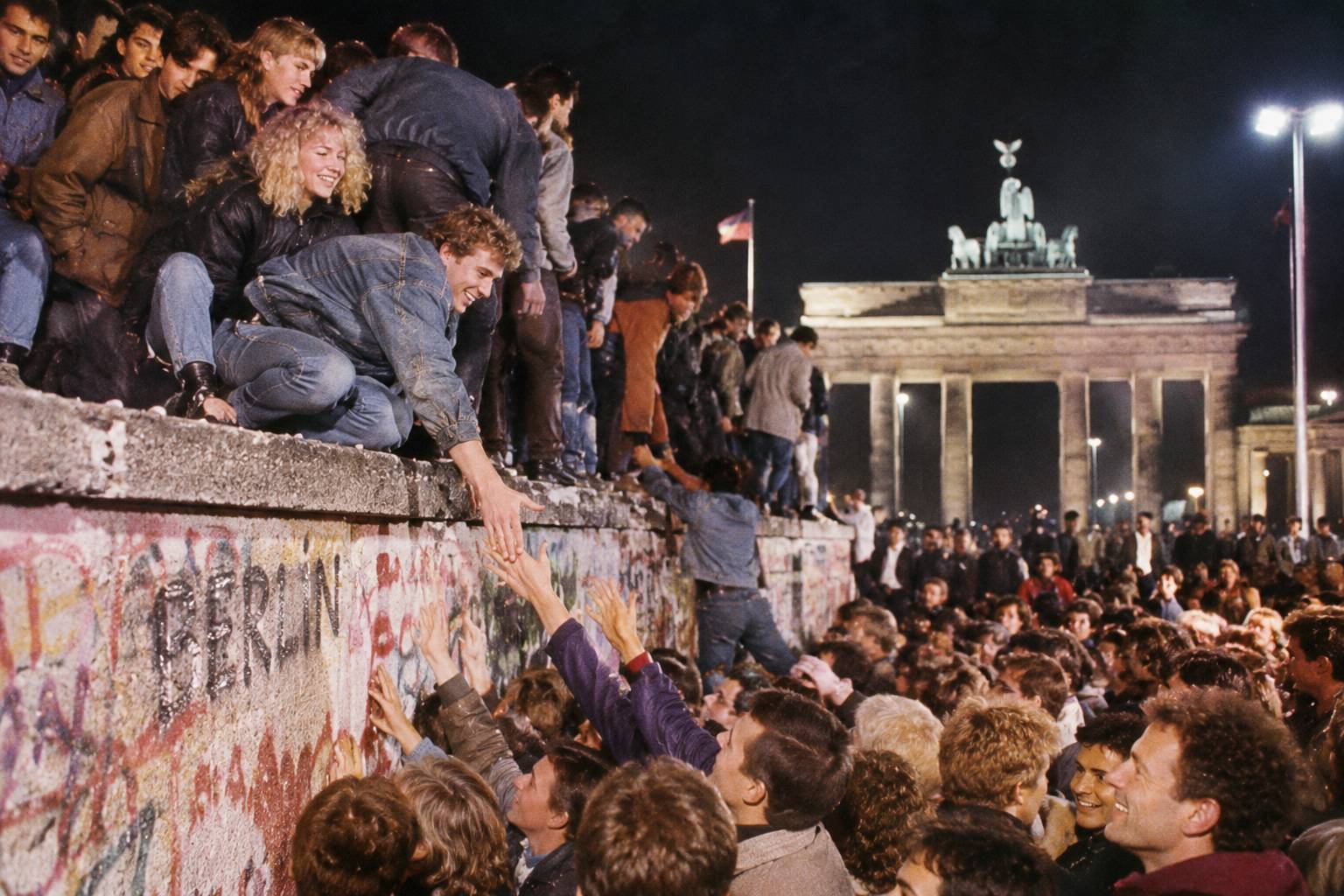
On November 9, 1989, East German official Günter Schabowski announced new travel regulations during a televised press conference. When asked when the rules would take effect, he indicated that they applied immediately. Thousands of East Berliners gathered at border crossings, where overwhelmed guards allowed people to pass. The unexpected opening became a defining moment in the fall of the Berlin Wall and the eventual reunification of Germany.
15. Giving Away Web Technology Transformed the Internet
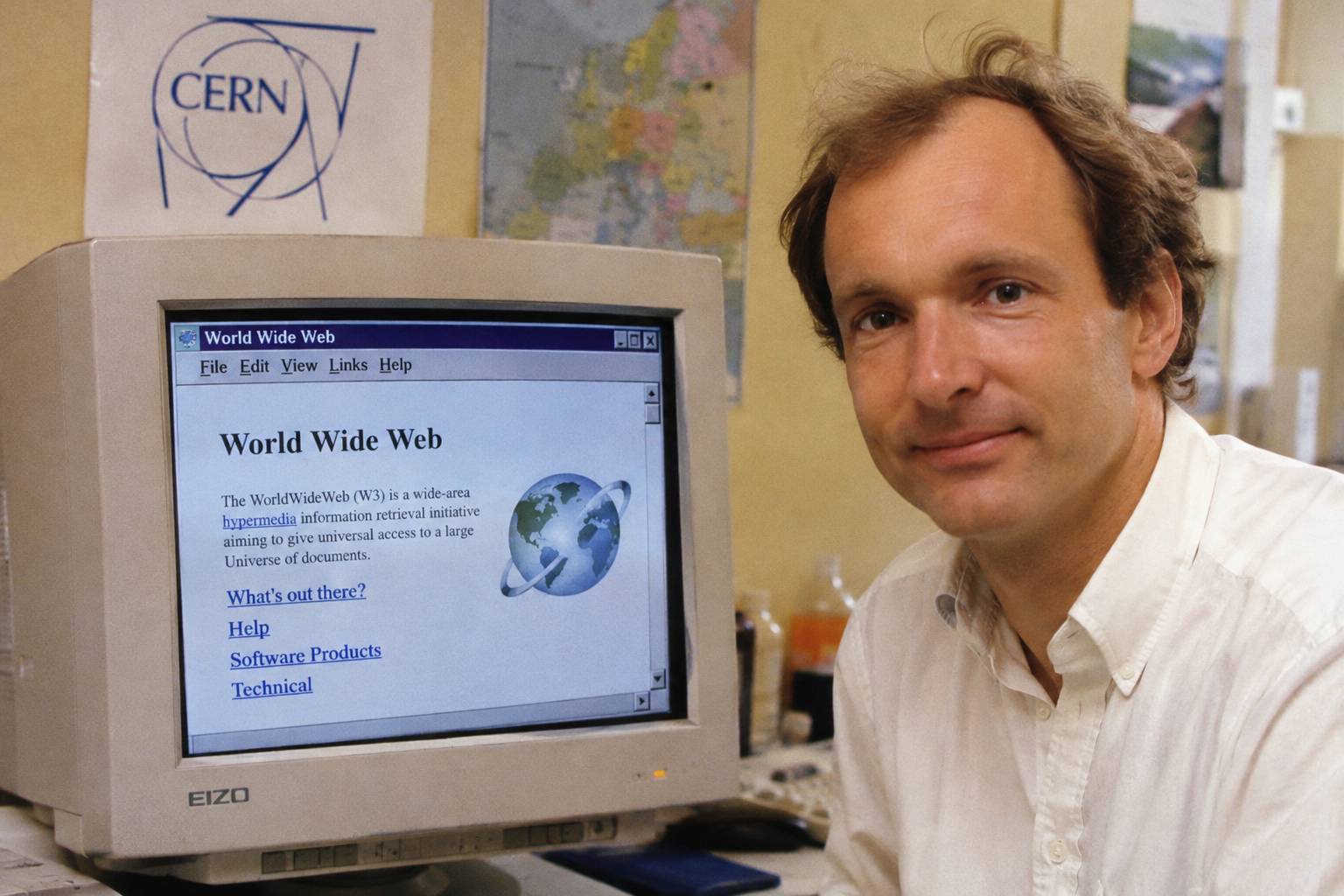
The World Wide Web was developed at CERN to help researchers share information, but its wider future depended on how the technology would be distributed. On April 30, 1993, CERN released key Web software into the public domain. This administrative decision removed important barriers for organizations and developers interested in adopting the technology.
16. Four Students Sat at a Lunch Counter
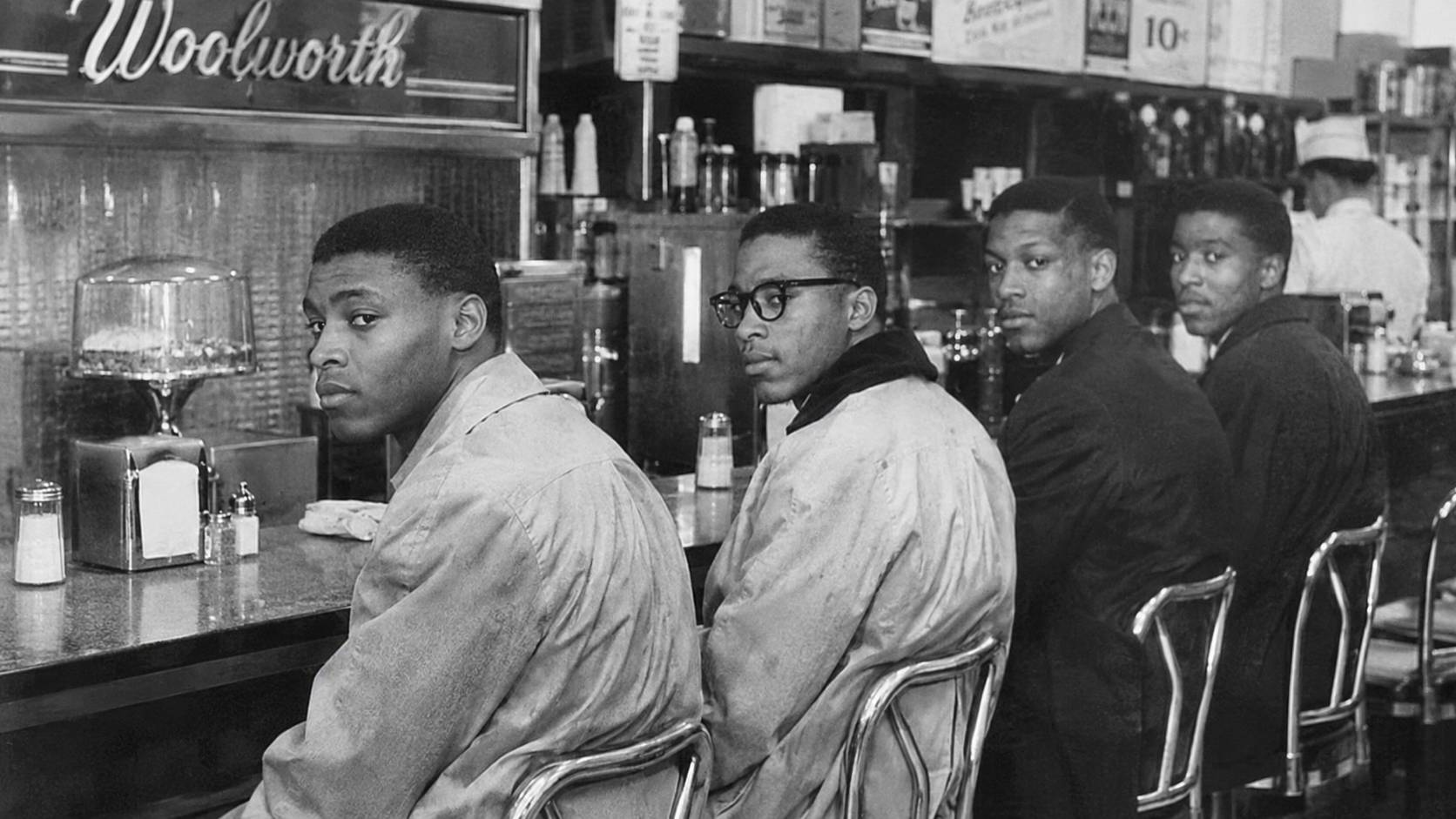
On February 1, 1960, four Black college students sat at a segregated Woolworth lunch counter in Greensboro and requested service. When employees refused and asked them to leave, the students remained seated in protest. The protests contributed to the desegregation of Greensboro’s Woolworth lunch counter that July and became an important part of the larger civil rights movement.