History books love to flatten people into one label. Einstein was a genius, Lincoln was a leader, Marie Curie was a scientist. But real people are never that simple, and the folks who shaped our world often had entire other lives running quietly alongside the ones we remember them for. Behind the famous portraits and textbook summaries were painters, musicians, and athletes who just happened to also change the course of history.
These hidden talents are a reminder that brilliance rarely stays in its lane. The same curiosity that drove someone to revolutionize physics or lead a nation often spilled over into music, art, invention, or sport. Here are 12 historical figures whose secret talents might surprise you.
1. Albert Einstein, the Violinist
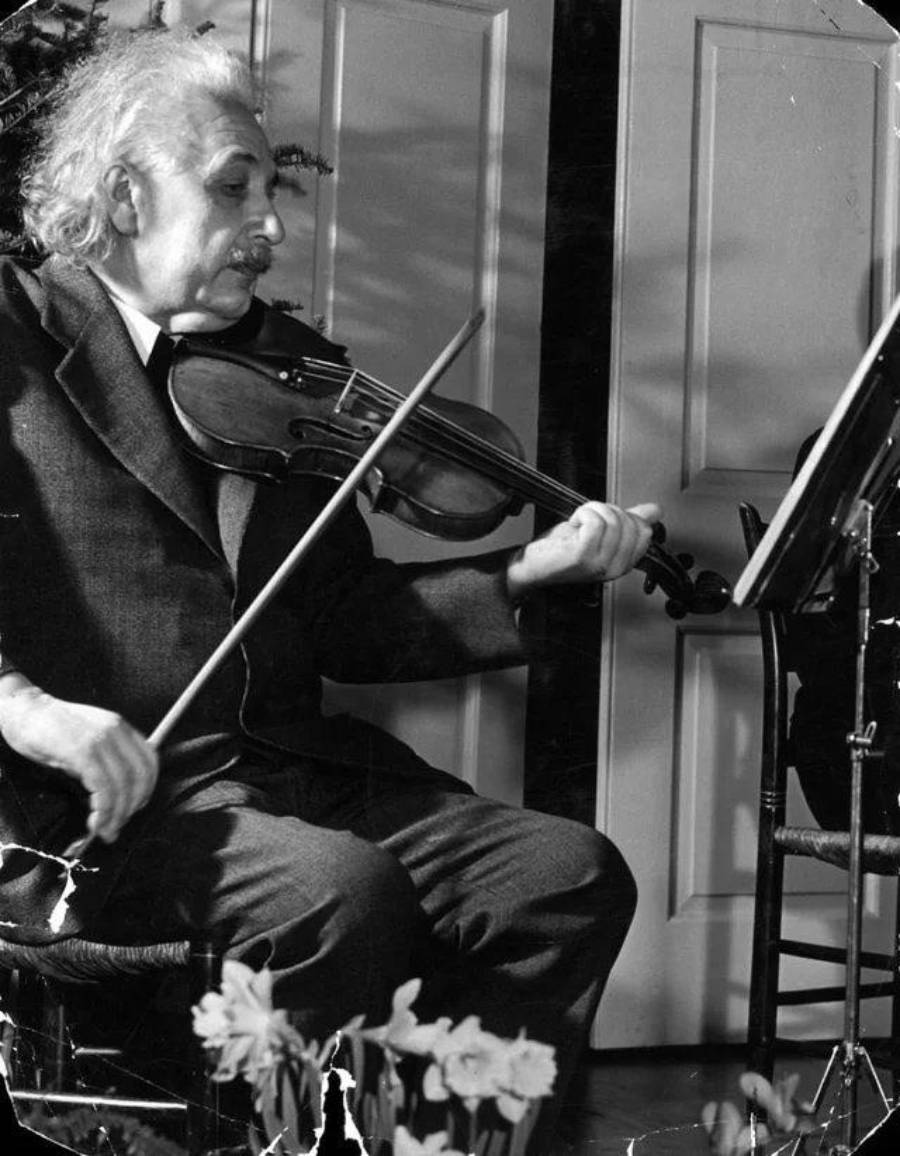
Einstein picked up the violin at age five and stuck with it for the rest of his life, even naming the instrument “Lina.” Friends and colleagues who heard him play at private gatherings described real skill and feeling in his performances. Einstein once said that if he hadn’t become a physicist, he probably would have been a musician. Music wasn’t a distraction from his scientific work; he claimed his best ideas often came to him while playing.
2. Winston Churchill, the Painter
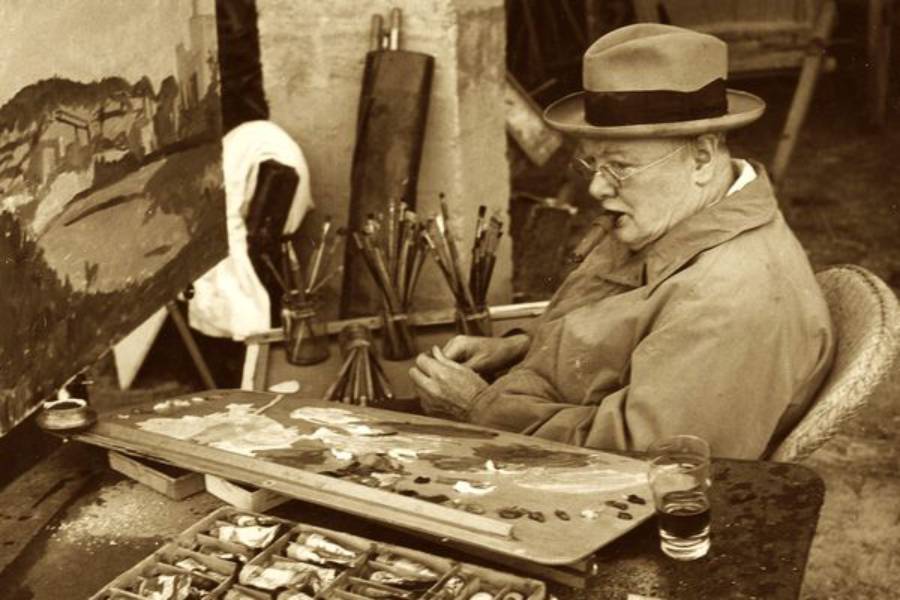
The man who led Britain through World War II picked up a paintbrush almost by accident, using it to cope with the stress and depression he called his “black dog.” Churchill ended up completing over 500 paintings during his lifetime, mostly landscapes and scenes from his travels. He took the craft seriously enough to study under professional artists and even exhibited work under a pseudonym to get honest feedback. Painting became his sanctuary, a place where a man used to giving orders could simply observe and create.
3. Queen Victoria, the Printmaker
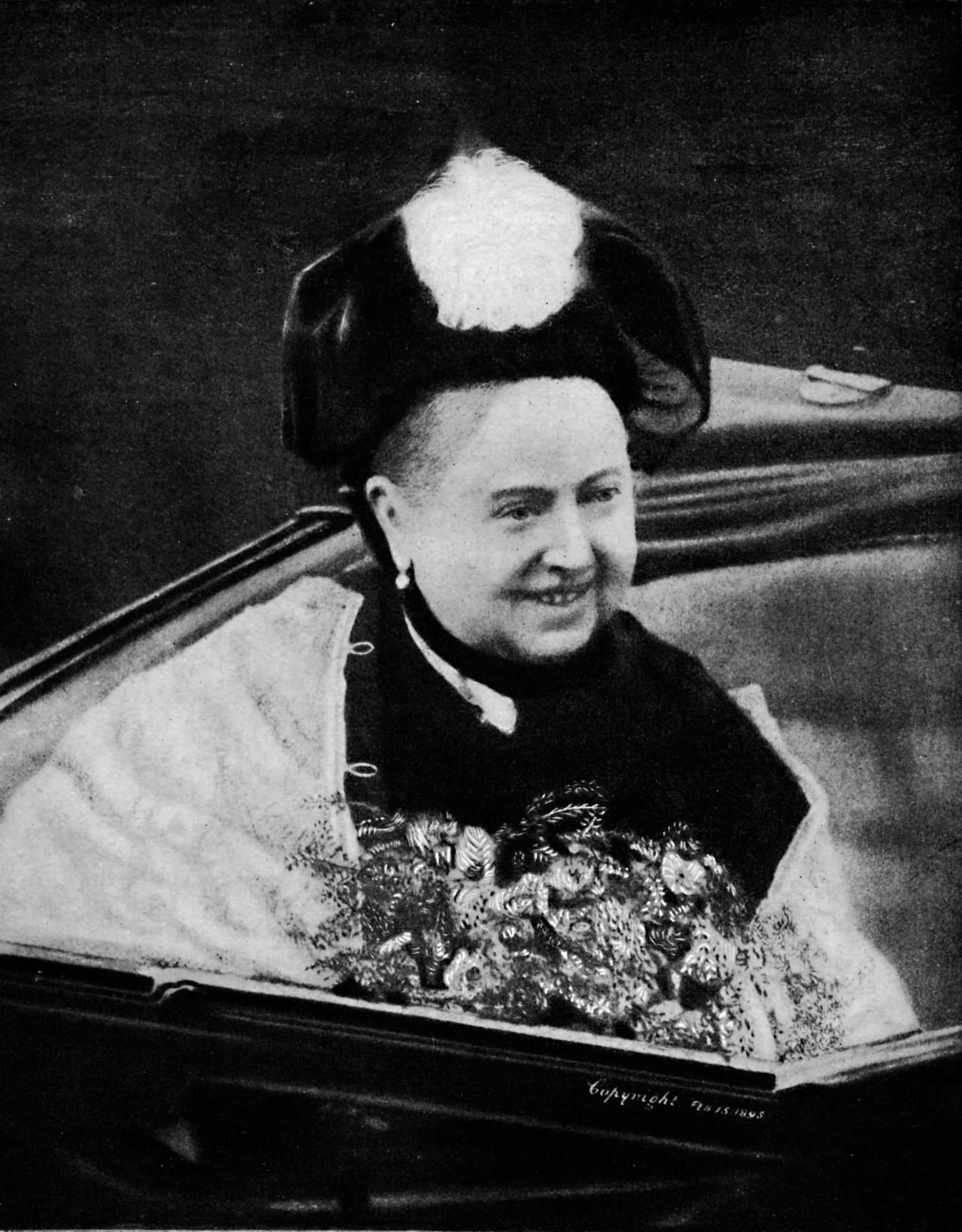
Victoria wasn’t just a monarch presiding over an empire; she was also a skilled etcher and lithographer who studied art from a young age. She and her husband Prince Albert set up their own printing press so they could produce and share their artwork, some of which depicted their children and everyday palace life. Her sketches reveal a surprisingly warm, domestic side of a queen usually remembered for stern portraits and a vast empire.
4. Theodore Roosevelt, the Boxer
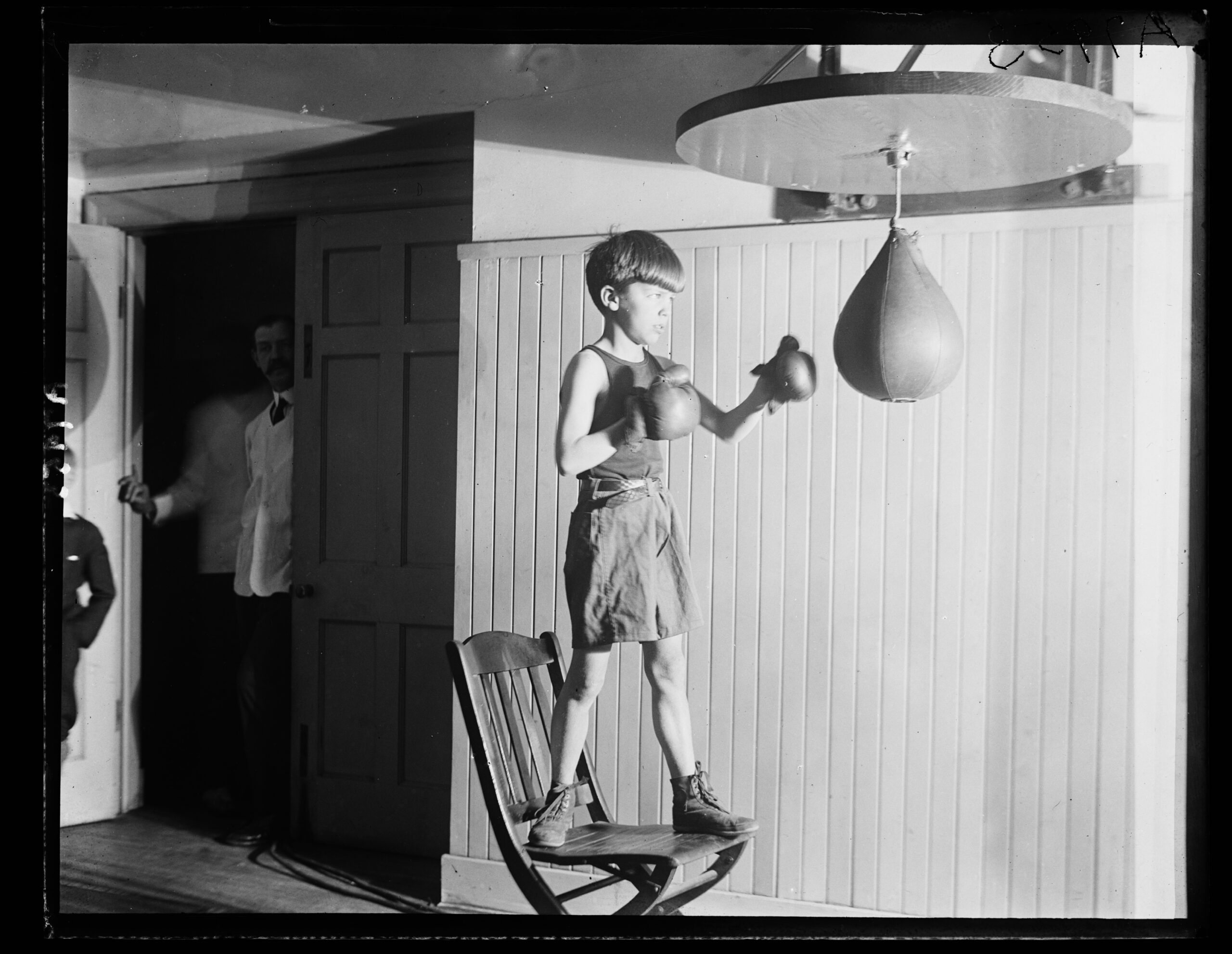
Long before he was charging up San Juan Hill or carving faces into mountains, young Roosevelt was an asthmatic kid who took up boxing to build strength and confidence. He kept the habit going into adulthood, even sparring regularly while serving as President, until a blow permanently blinded him in one eye. He kept the injury secret for years rather than give up the sport he loved.
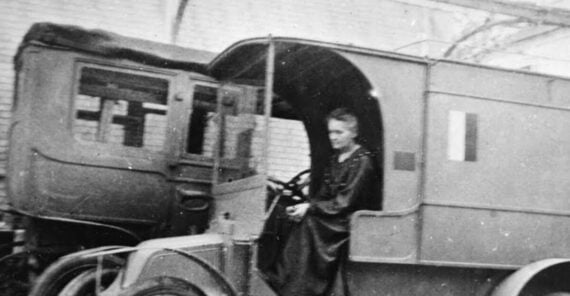
5. Marie Curie, the Ambulance Driver
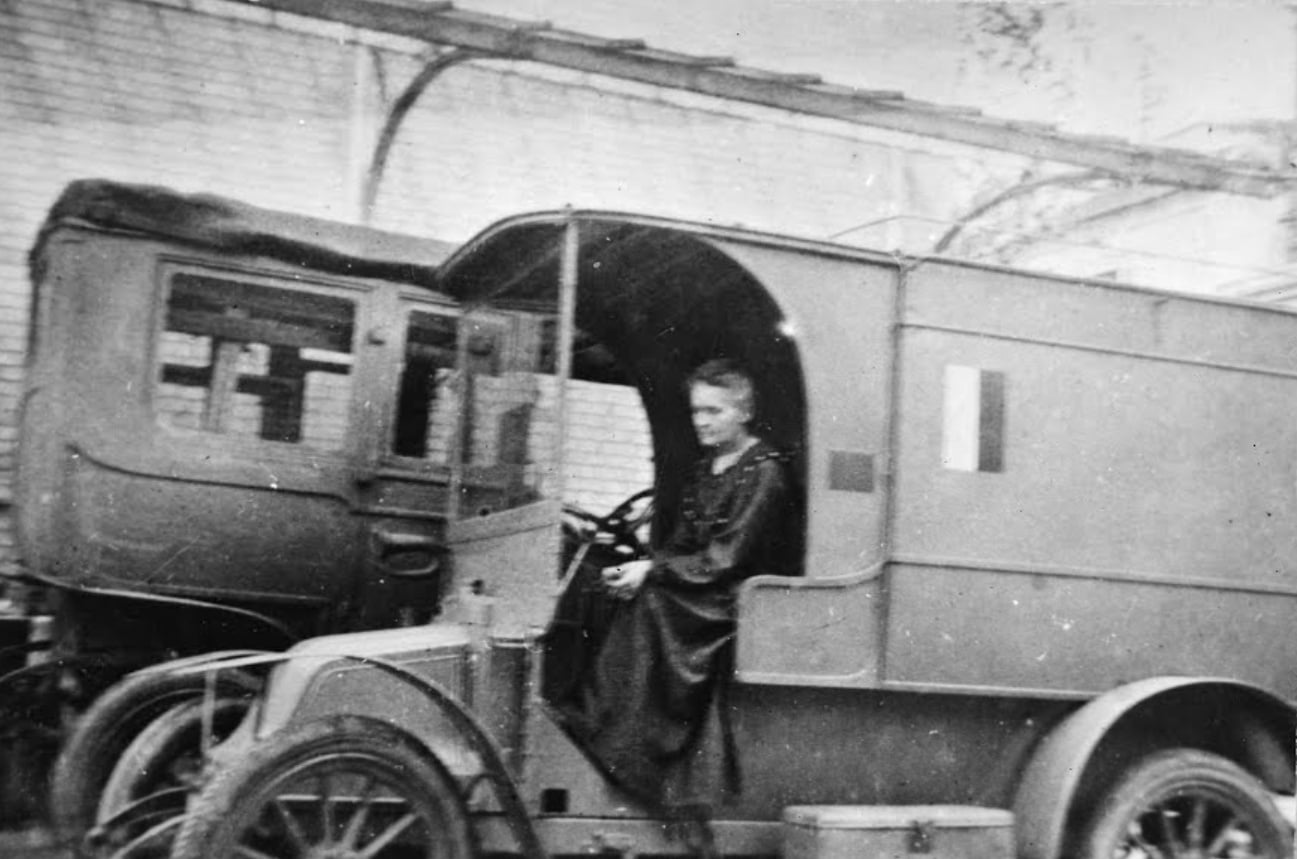
Best known for pioneering research on radioactivity, Curie also spent World War I designing and driving mobile X-ray units to the front lines. She personally trained over 150 women to operate the equipment and drove the vehicles herself through dangerous territory to help wounded soldiers get diagnosed faster. It was unglamorous work far from the laboratory, but Curie treated it as an extension of her scientific mission.
Trending on Wealth Gang

6. Dwight D. Eisenhower, the Painter
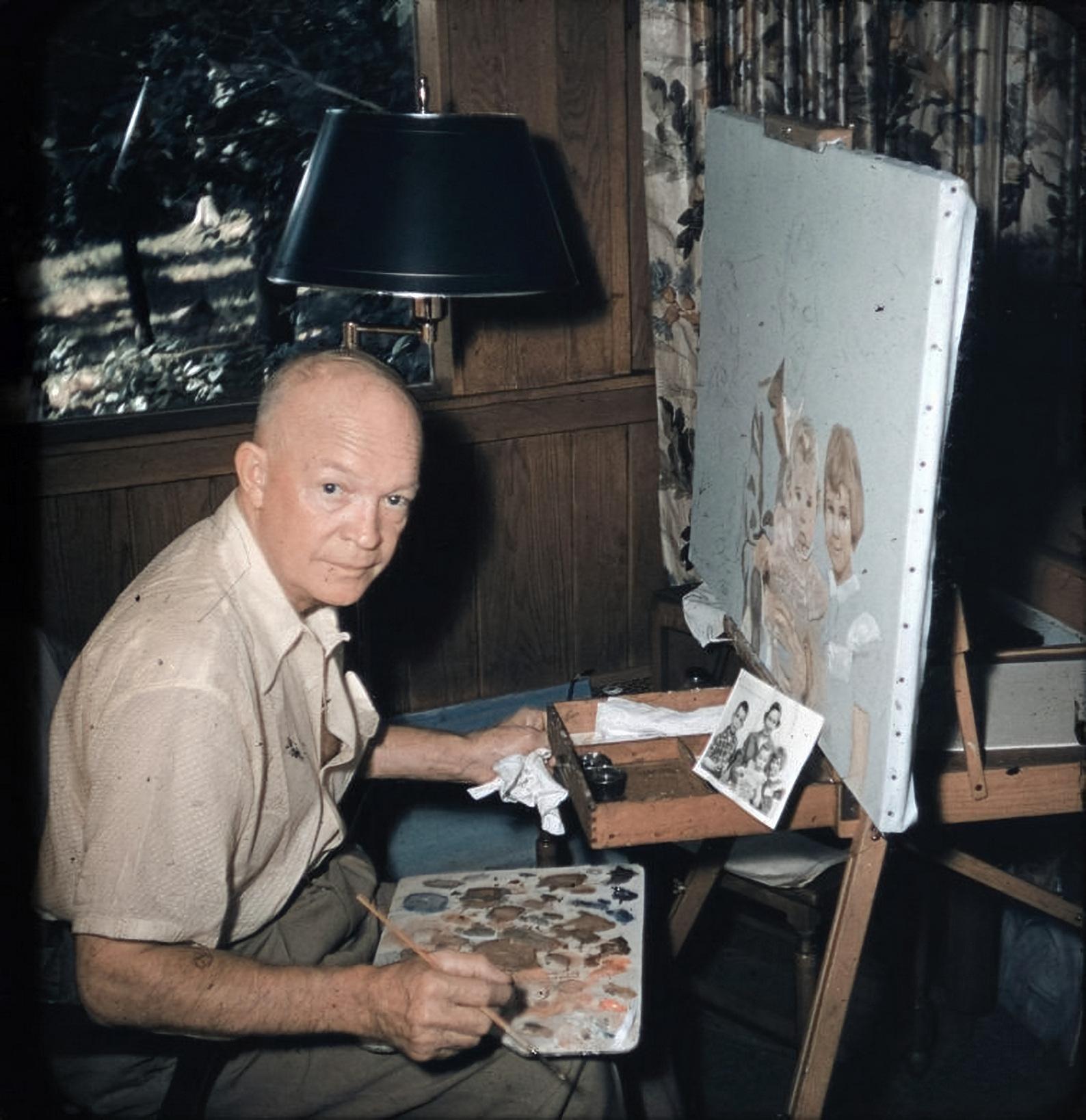
Like Churchill, Eisenhower found an unexpected creative outlet in painting, picking up the hobby later in life at the suggestion of a friend. His style was simple and self-taught, mostly portraits and landscapes, but he produced hundreds of works and even gave some as personal gifts. For a man who had spent decades commanding armies and later the country itself, painting offered a rare kind of quiet control.
7. Nikola Tesla, the Poet
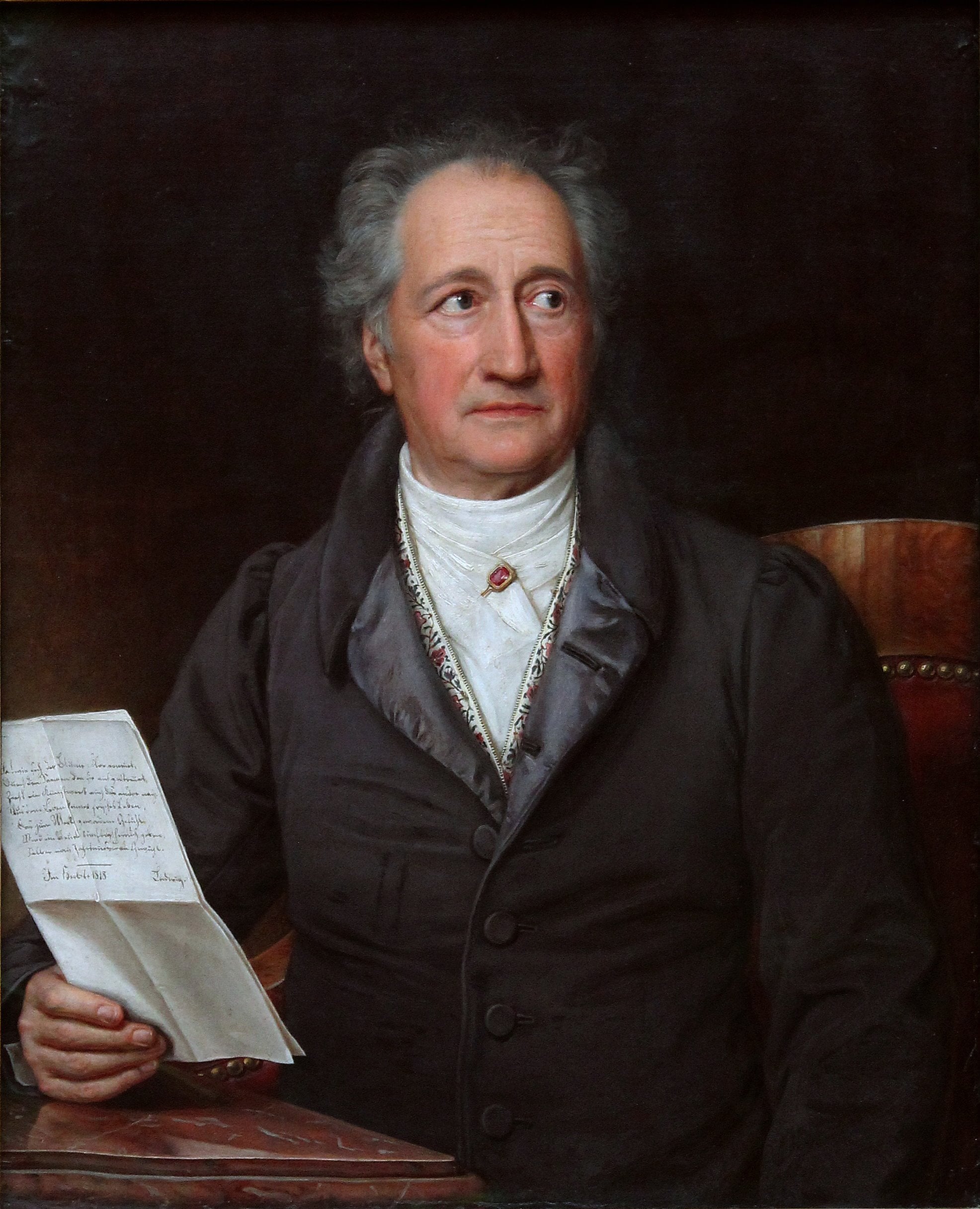
The inventor famous for his work on alternating current also had a deep love for poetry, memorizing entire epic works and writing his own verses throughout his life. He was fluent in several languages and reportedly could recite long passages of poetry from memory on demand, treating literature with the same intensity he brought to his inventions. Tesla saw poetry and science as connected pursuits, both attempts to describe something true about the world.
8. Charles Darwin, the Beetle Collector
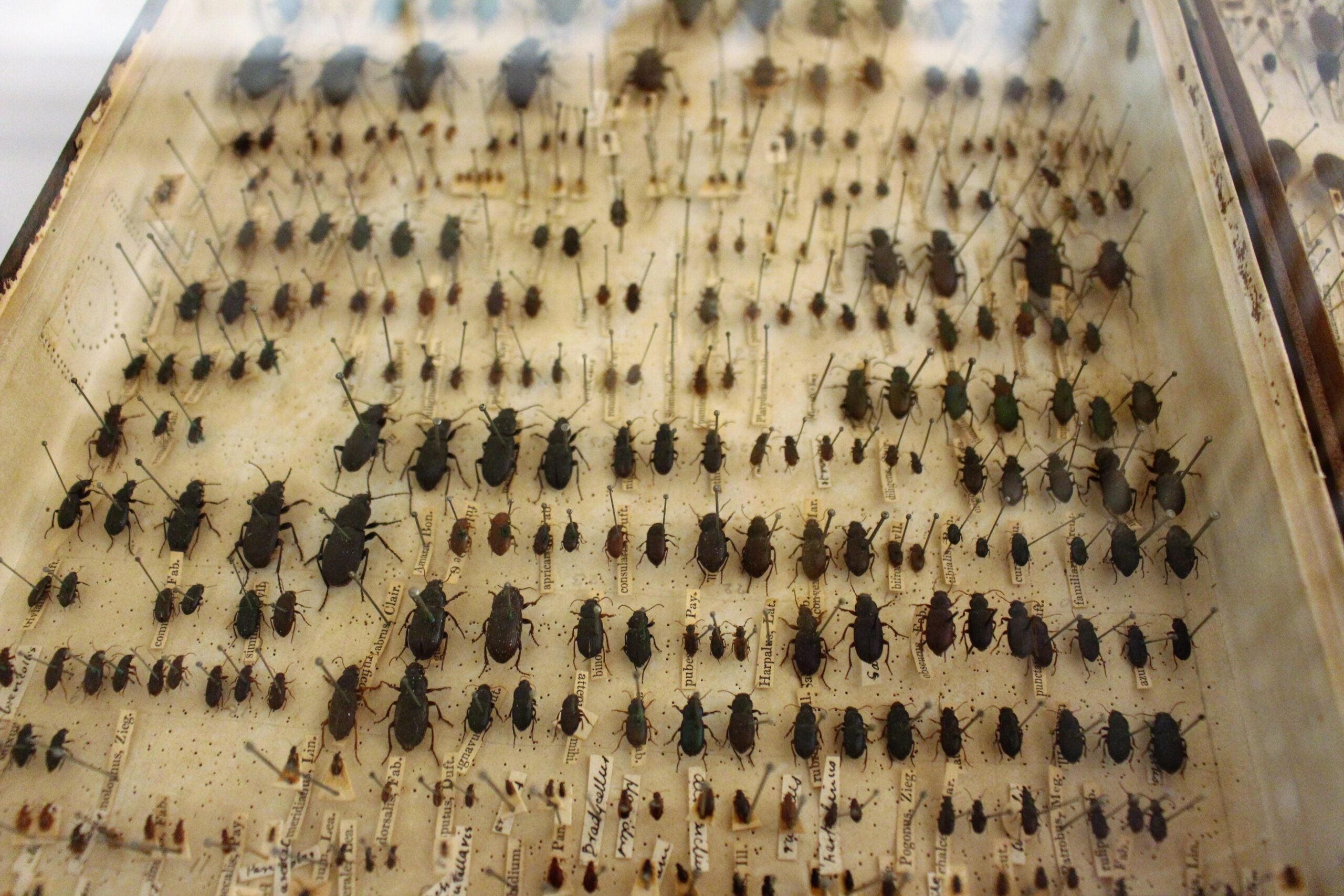
Before evolution made him famous, Darwin was consumed by an almost obsessive passion for beetle collecting as a young man at Cambridge. He once famously popped a beetle in his mouth because both his hands were already full holding other specimens, rather than let a new find escape. That same relentless curiosity and eye for detail he applied to beetles later became the foundation for his careful observations on the Beagle.
Sign up for our newsletter
9. Rosa Parks, the Seamstress
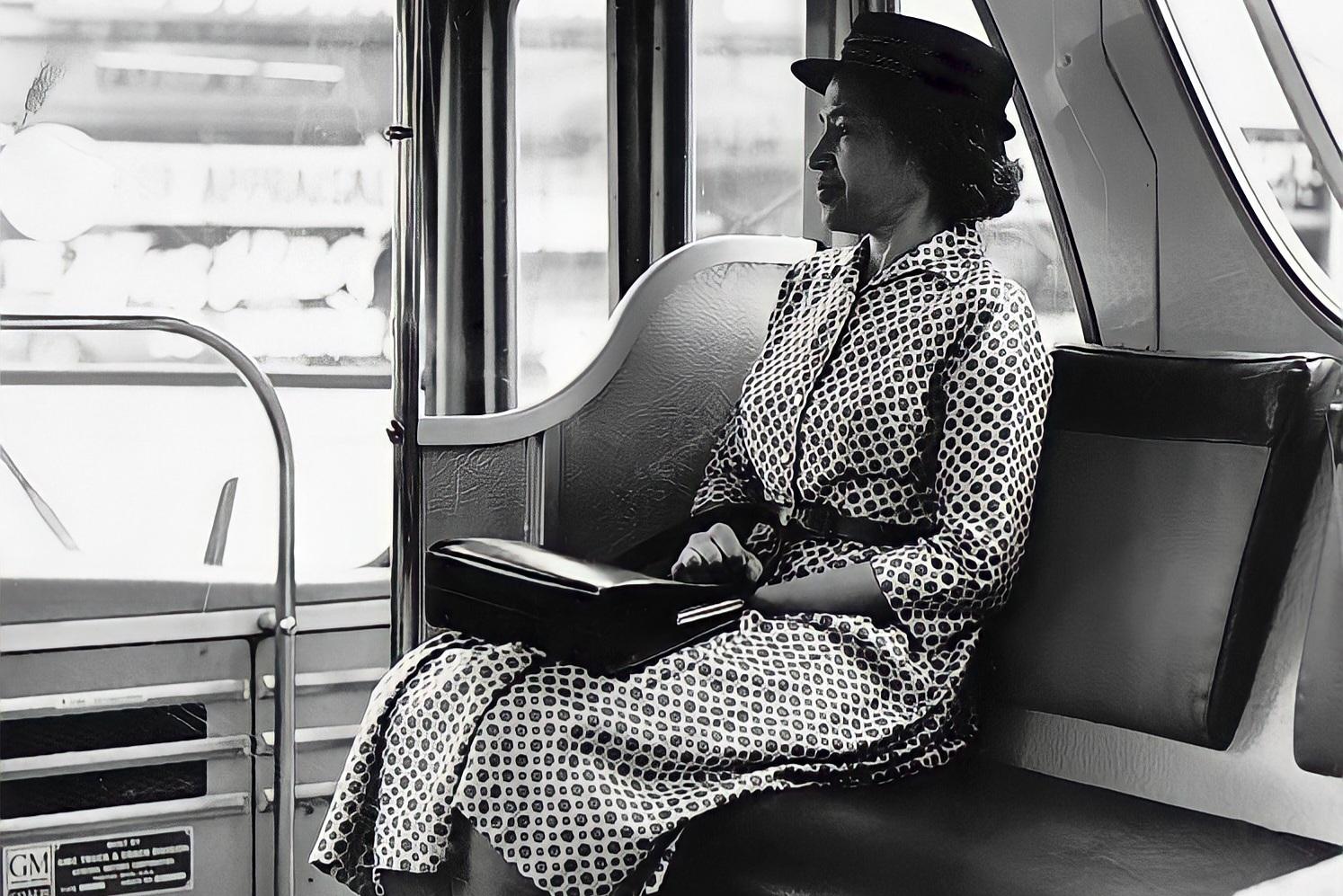
Before she became a civil rights icon, Rosa Parks worked as a skilled seamstress, a trade she learned from her mother and grandmother. She was known for meticulous, precise work, and continued sewing throughout her life even after her act of resistance on that Montgomery bus made her famous. The same patience and attention to detail she brought to her stitching seemed to carry into her deliberate approach to activism.
10. Ulysses S. Grant, the Horseman
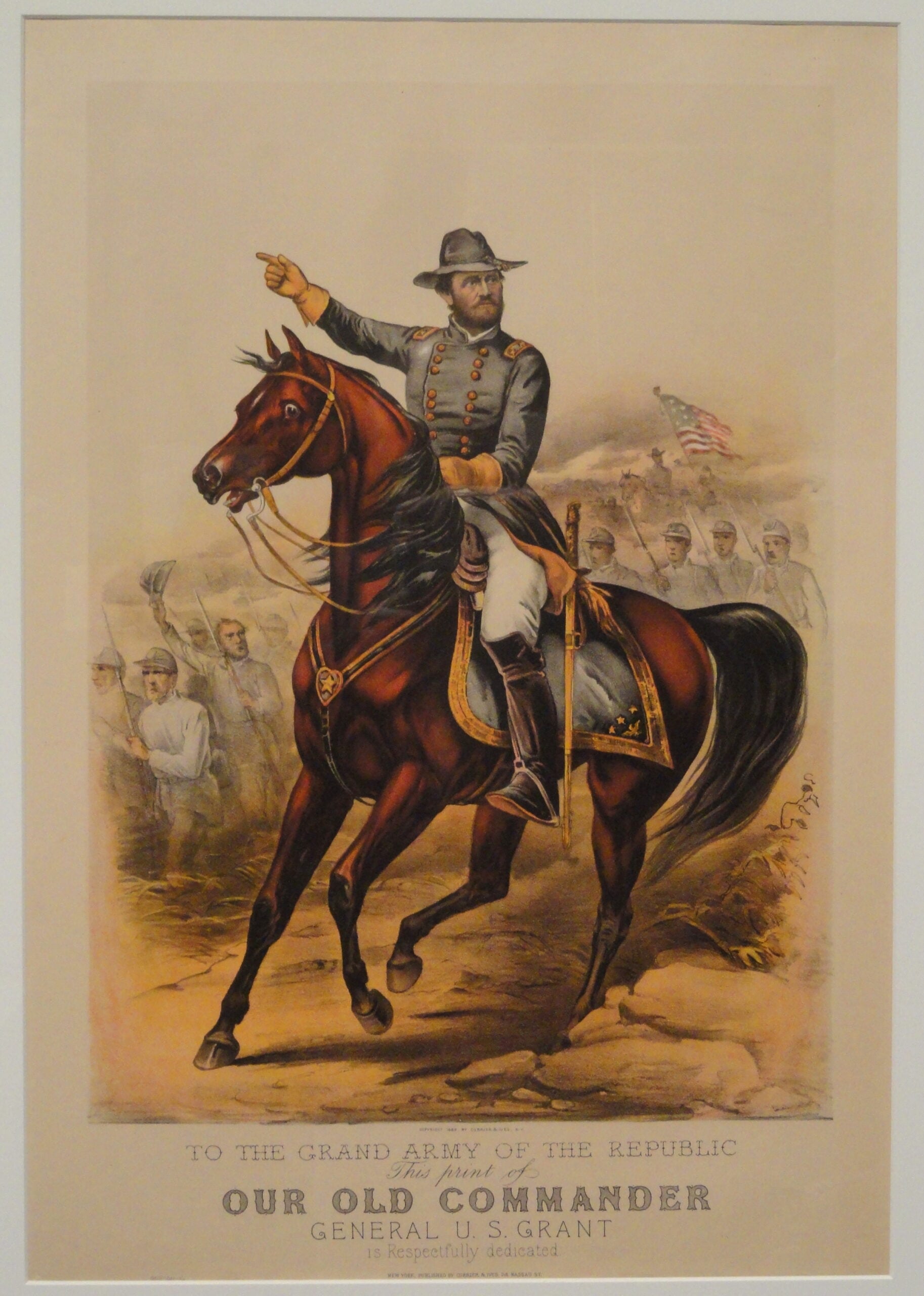
Grant struggled through much of his life, but on a horse he was practically unmatched. At West Point, he reportedly set a high-jump record on horseback that stood for decades, and his skill with horses followed him through his military career and into the Civil War. His command in the saddle gave him an edge in mobility and decision-making that less confident commanders lacked.
11. Sir Isaac Newton, the Alchemist
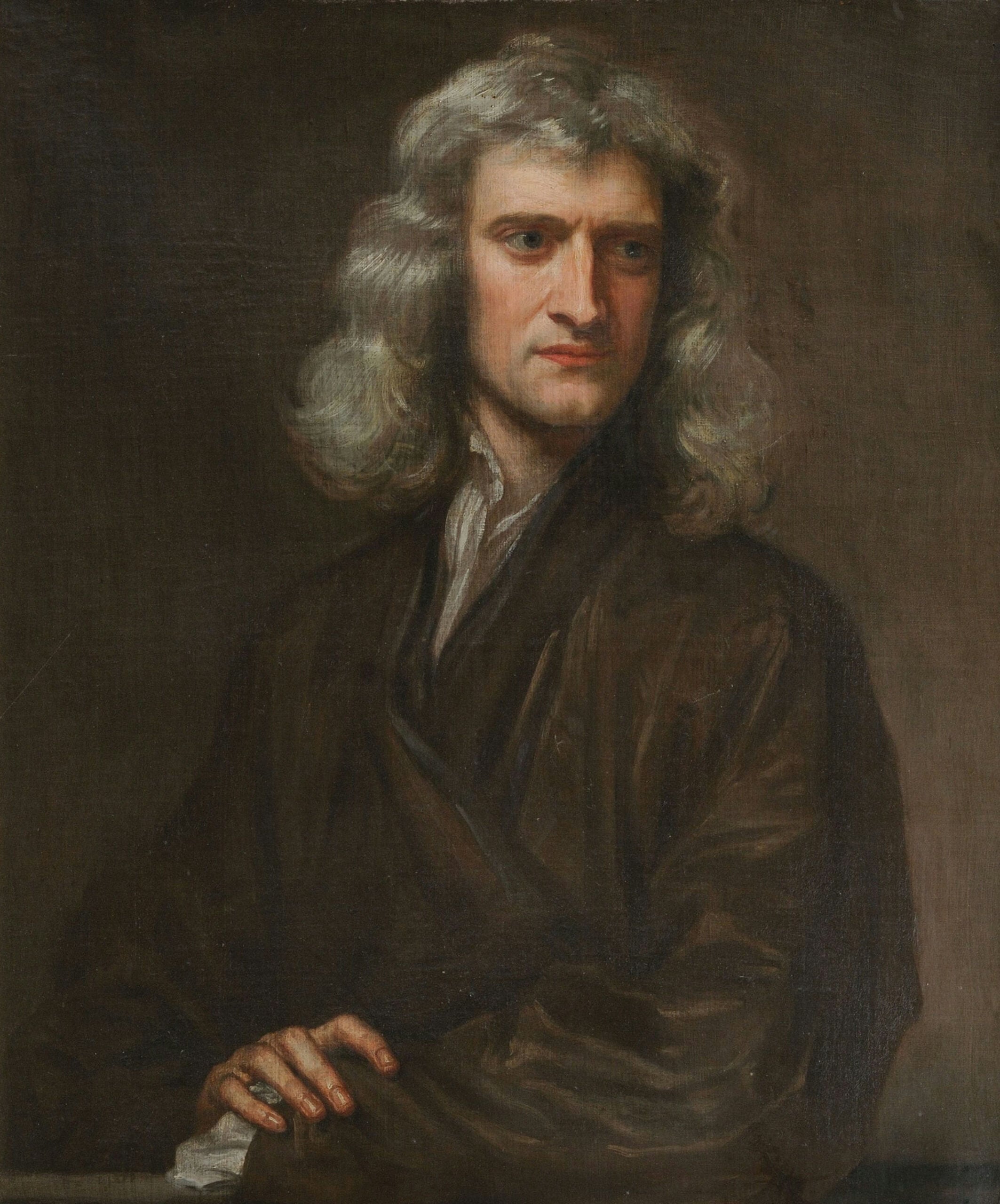
While Newton is remembered for gravity and calculus, he spent an enormous amount of his time on alchemy, secretly experimenting for decades in an attempt to find the philosopher’s stone. He left behind more than a million words of alchemical notes and experiments, far more than he ever wrote about physics. It wasn’t a hobby; it was a genuine obsession that ran alongside his scientific breakthroughs.
12. Condoleezza Rice, the Concert Pianist
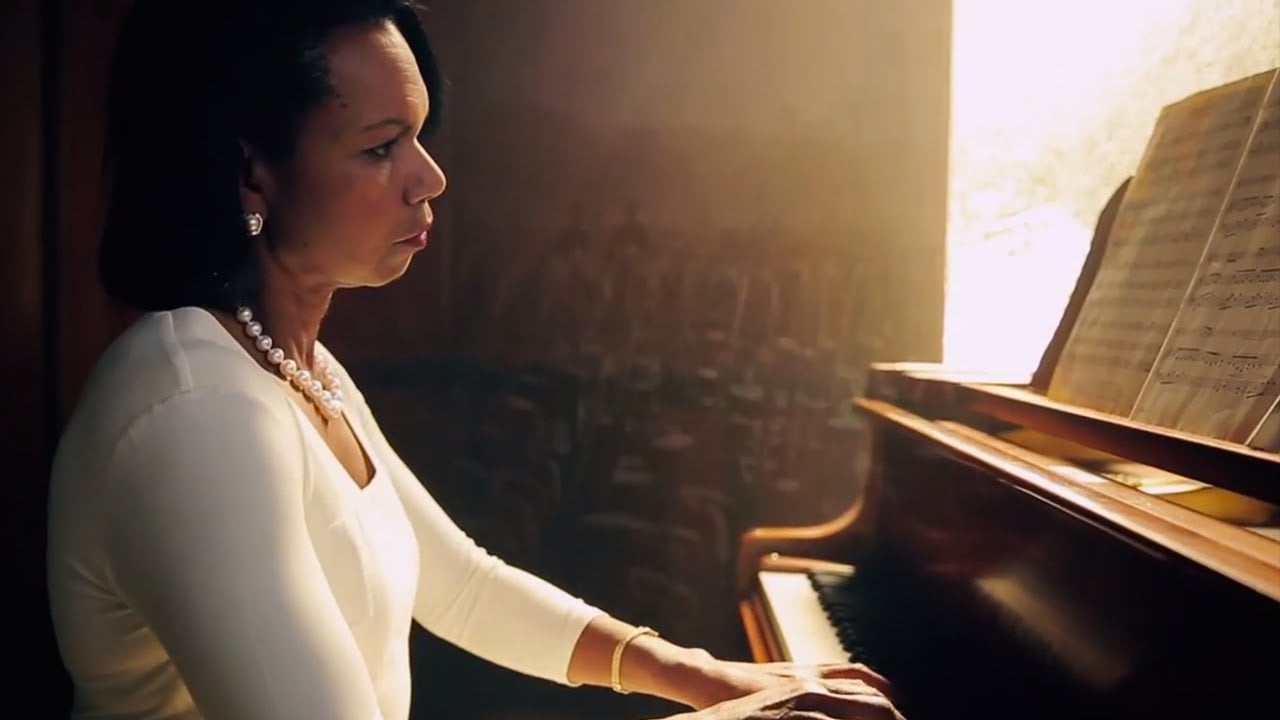
Before she became Secretary of State, Rice trained as a classical pianist with serious ambitions of performing professionally, starting lessons at age three. She studied music intensively in college before eventually shifting her focus to political science, though she never fully left the piano behind. She’s performed publicly alongside professional musicians well into her political career, including a memorable duet with cellist Yo-Yo Ma.
Looking for similar content?
Check out 10 History Events That Would Break Social Media Today for a look at how iconic moments like the Titanic sinking and the Moon landing would spiral into chaos in the age of viral posts. For a splash of color on the past, 16 Colorized Portraits of Historical Figures brings faces like Amelia Earhart and Abraham Lincoln vividly to life. And if you loved the bizarre true stories above, 12 Real Historical Events That Seem Impossible rounds up even more jaw-dropping moments.