Department stores used to be places where you could buy a wedding dress, get your shoes repaired, have your photograph taken, and eat an entire roast beef dinner without ever leaving the building. Some even had departments devoted to things that sound completely absurd today. Shopping wasn’t just about picking something off a shelf. It was an afternoon-long event, complete with uniformed employees, elaborate displays, and services that made customers feel like they were visiting a small city.
But as shopping habits changed, entire departments quietly vanished. Some were replaced by machines, others moved to specialty stores, and a few disappeared because people simply stopped needing what they sold. From elegant hat salons to basement bargain counters, these 17 forgotten department store departments reveal just how different a trip to the mall used to be.
1. The Millinery Salon
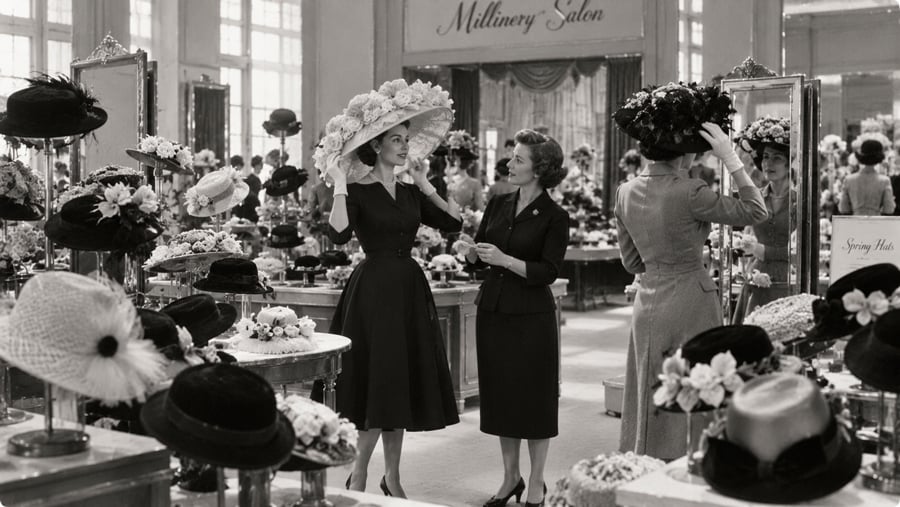
There was a time when buying a hat involved considerably more ceremony than grabbing a baseball cap. Department store millinery salons displayed elaborate hats on stands, while specialists helped customers choose the right shape, trim, and fit. Once everyday hat-wearing declined, these glamorous little kingdoms largely disappeared.
2. The Wig Department
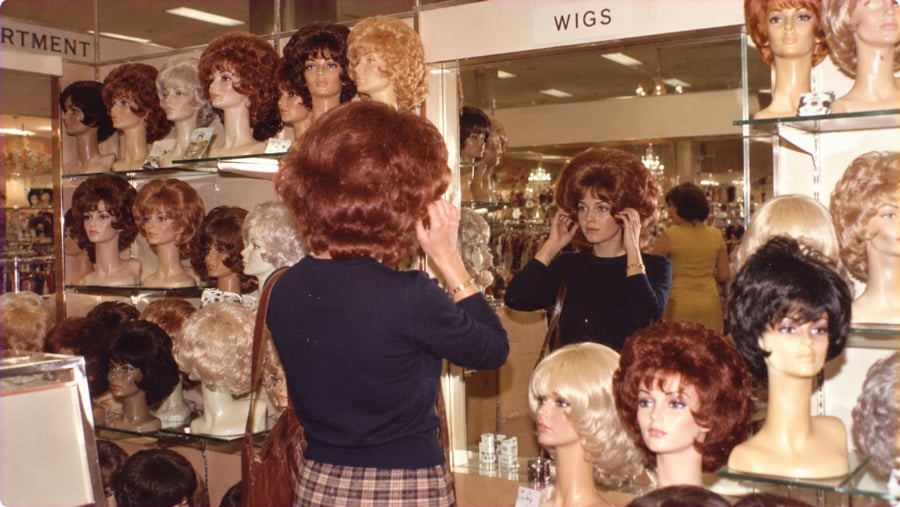
For a surprisingly long stretch of the 1960s and 1970s, department stores treated wigs like any other fashion accessory. Dedicated counters displayed towering hairstyles on mannequin heads, offering shoppers an instant transformation without spending hours at the salon. Eventually, changing beauty trends pushed most of these displays out of mainstream department stores.
3. The Fabric and Sewing Notions Department
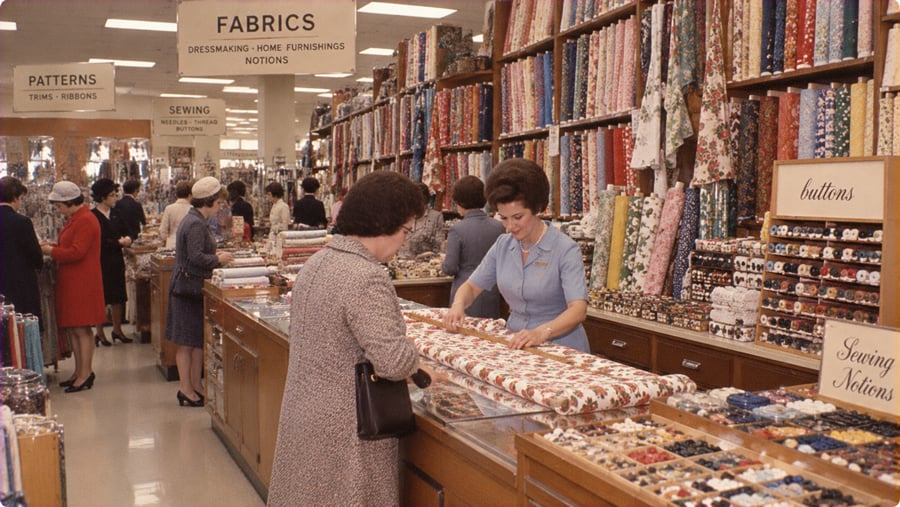
Entire floors once seemed devoted to the art of making your own clothes. Shoppers browsed endless bolts of fabric, studied sewing patterns, and searched drawers filled with buttons, zippers, and ribbons. As ready-made clothing became more affordable and home sewing less common, these colorful departments gradually lost their place in major stores.
4. The Department Store Beauty Salon
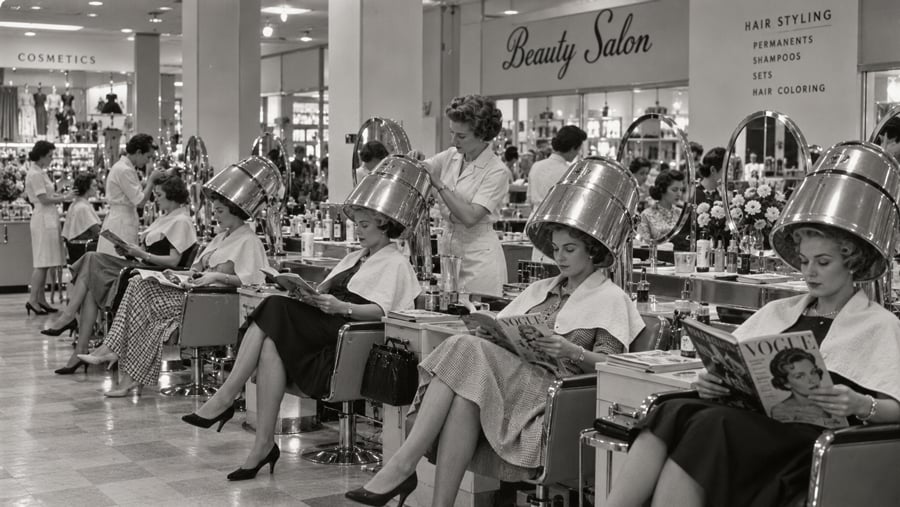
Imagine buying a winter coat and getting a full hairstyle without leaving the same building. Many large department stores operated beauty salons where customers booked haircuts, perms, and elaborate styling appointments. They weren’t just convenient. They helped turn shopping trips into social occasions that could occupy an entire afternoon.
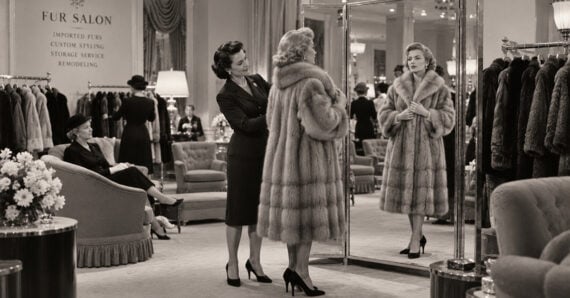
5. The Fur Salon
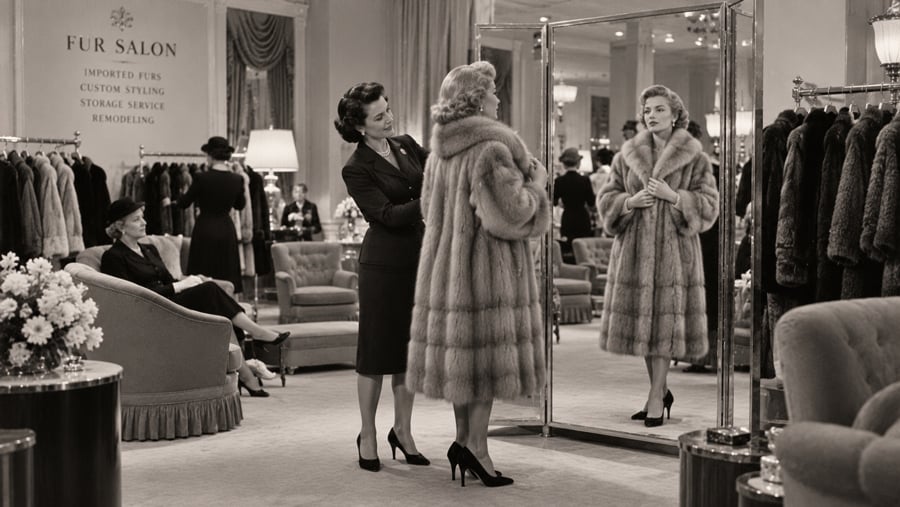
Some department stores once treated fur coats like luxury automobiles, displaying them in private salons with attentive salespeople and dramatic mirrors. Customers could browse mink, fox, and other fur garments in dedicated spaces. Changing attitudes toward animal welfare, shifting fashion, and evolving retail economics helped make these departments increasingly uncommon.
Trending on Wealth Gang

6. The Record Listening Booths
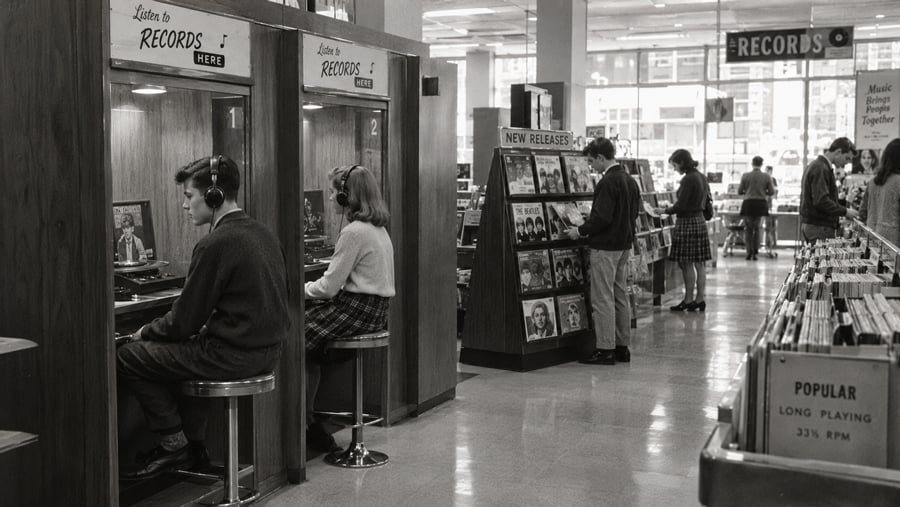
Before streaming playlists, some department stores let customers preview music in private listening booths. Shoppers could slip on headphones or step into small enclosed spaces to hear records before buying them. It was a wonderfully personal way to discover music, although the arrival of new formats eventually made those dedicated booths feel unnecessary.
7. The Camera and Film Processing Counter
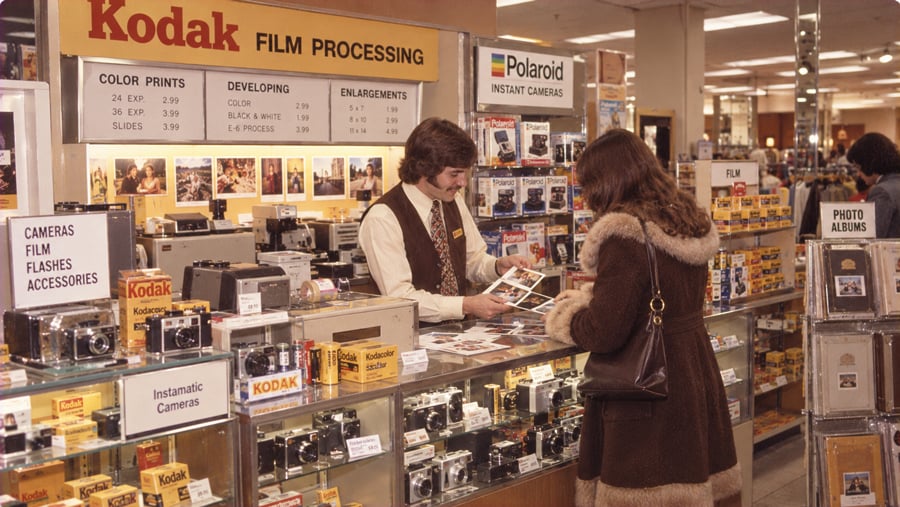
Buying a camera once meant visiting a department where employees explained film speeds, flashbulbs, and complicated lenses. Many stores also accepted rolls of exposed film for developing and printing. Today, when a phone can take and display hundreds of photographs instantly, those counters feel like artifacts from another civilization.
8. The Watch Repair Counter
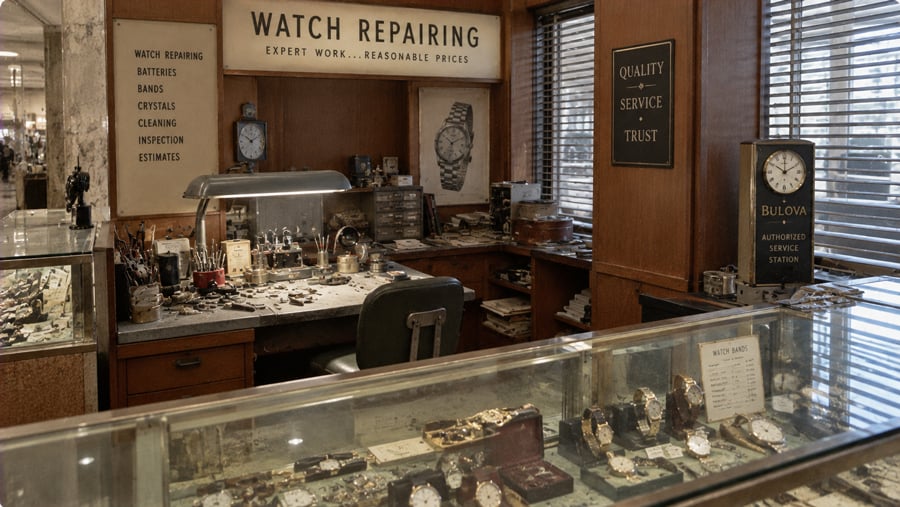
A department store wasn’t just somewhere to buy a watch. It was also where you could have one repaired, adjusted, or fitted with a new band while you continued shopping. Tiny repair stations, sometimes visible behind glass, gave customers a fascinating glimpse of precision work that has largely moved to specialty shops.
Sign up for our newsletter
9. The Shoe Repair Department
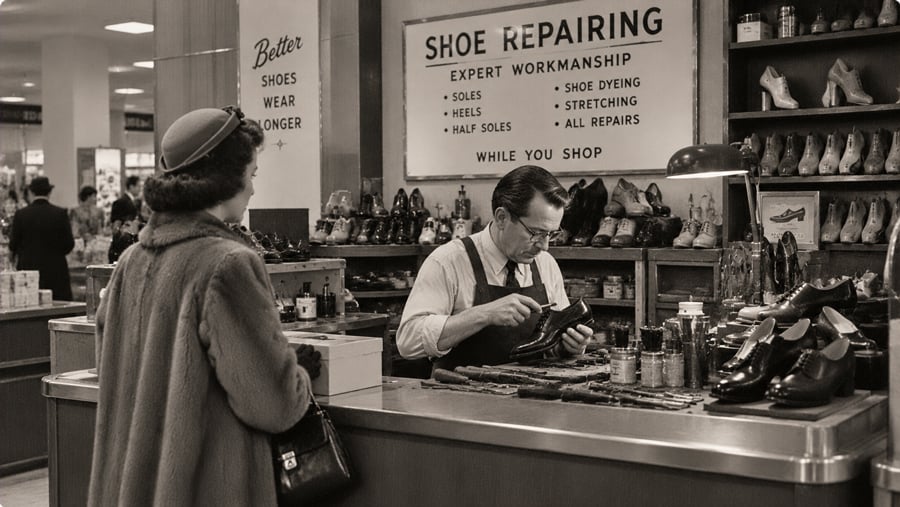
New shoes were only the beginning. Some major department stores offered repairs, polishing, and alterations, helping customers extend the life of expensive footwear. A worn heel didn’t automatically mean buying another pair. It meant visiting the shoe department again, where someone with actual tools could make the old pair look respectable.
10. The Department Store Portrait Studio
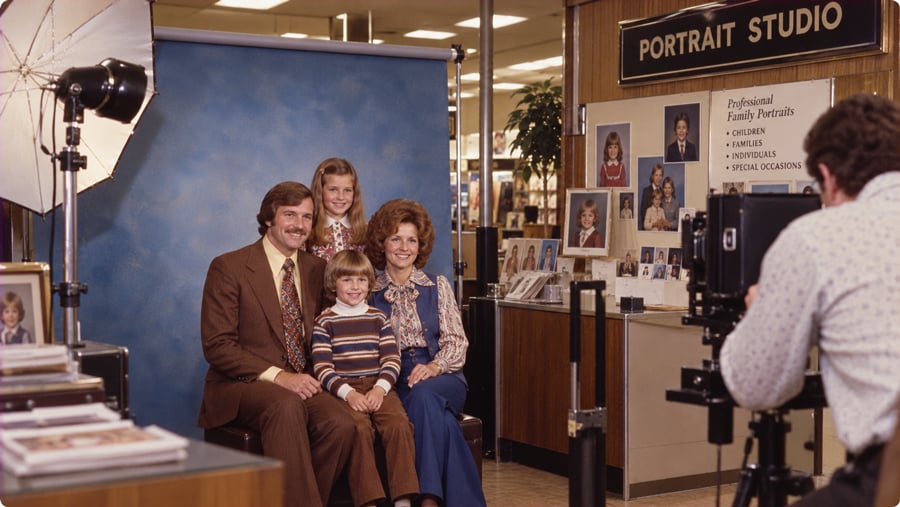
Family portraits once required more planning than finding good lighting near a window. Department store photography studios offered formal backdrops, professional lighting, and carefully arranged poses. Children were dressed in their best clothes, parents tried to keep everyone smiling, and the finished pictures often ended up displayed for decades.
11. The Bridal Registry Department
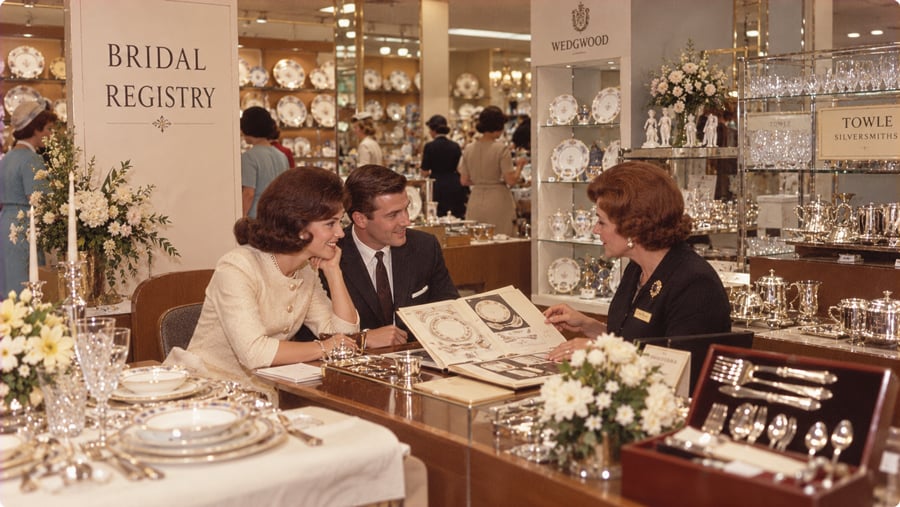
Before wedding registries became online wish lists, couples visited department stores to select china patterns, silverware, linens, and other household essentials. Dedicated bridal consultants guided them through a surprisingly formal process. It was less like making a shopping list and more like preparing an entire household for public inspection.
12. The Department Store Travel Bureau
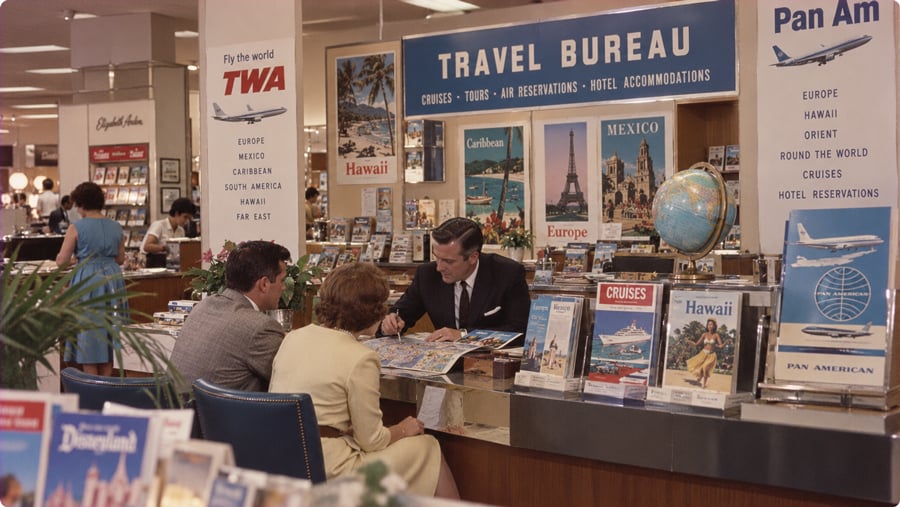
Believe it or not, some large department stores once helped customers arrange vacations. Travel bureaus offered information about cruises, hotels, and transportation, allowing shoppers to plan a getaway between other errands. As travel agencies evolved and online booking took over, this unusual combination of retail and vacation planning largely vanished.
13. The Book Department
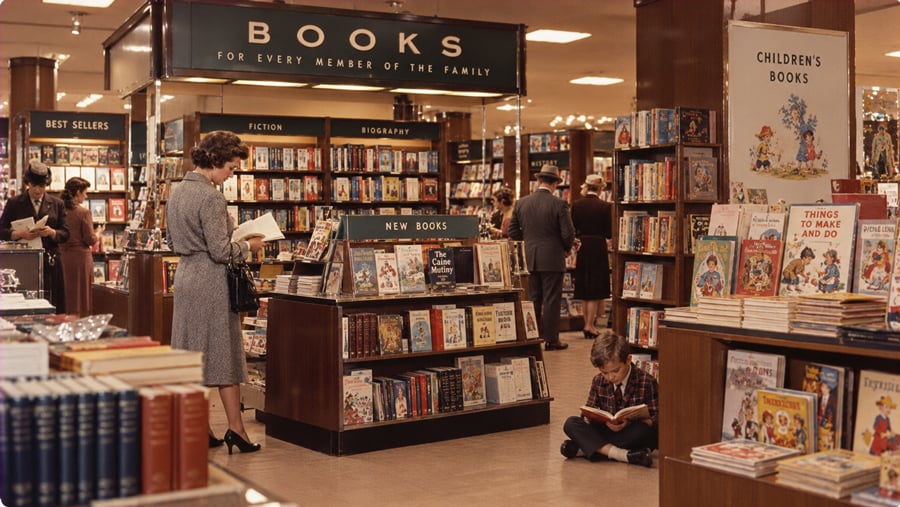
Long before big-box bookstores became destinations of their own, department stores often maintained substantial book departments. Customers could browse bestsellers, children’s stories, cookbooks, and reference volumes alongside the rest of their shopping. Some sections were surprisingly extensive, making it possible to buy a novel and a new refrigerator on the same trip.
14. The Department Restaurant
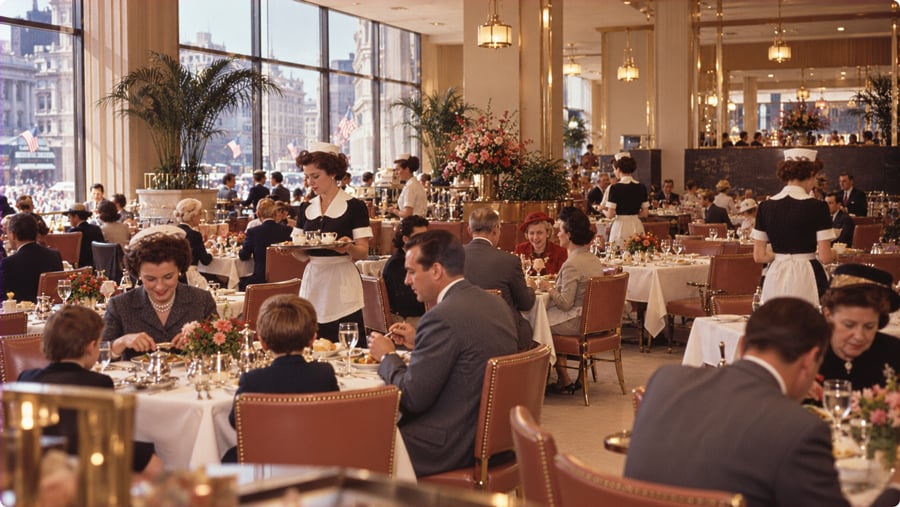
Shopping could be exhausting, which explains why department stores once operated elegant dining rooms serving full meals. Customers sat at proper tables, ordered from printed menus, and enjoyed everything from chicken salad to elaborate desserts. Some restaurants were destinations in their own right, long before food courts became the default shopping-mall experience.
15. The Bargain Basement
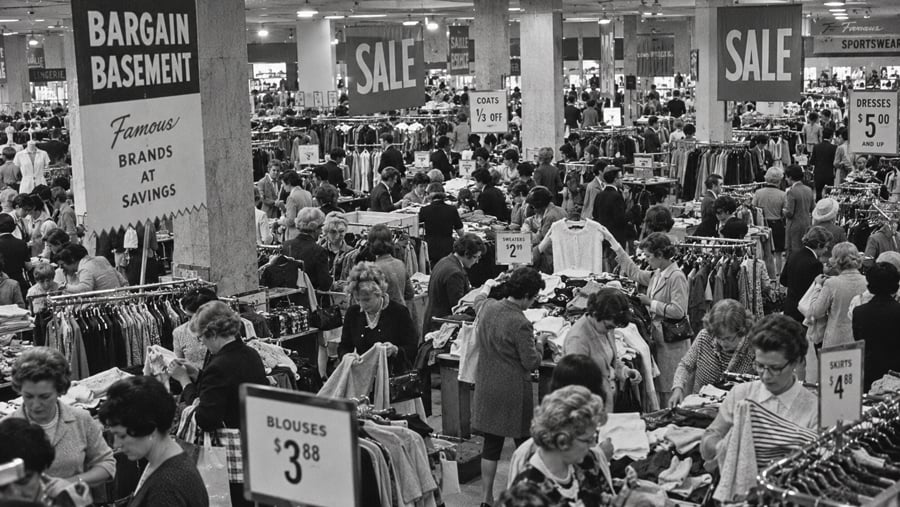
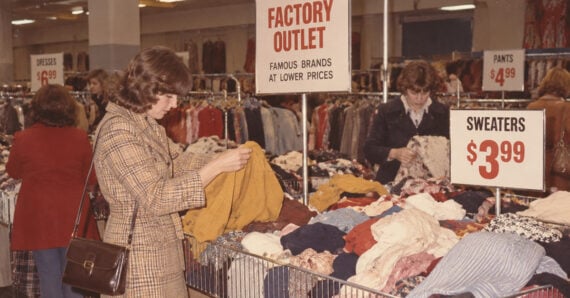
Before clearance racks became scattered throughout stores, the bargain basement was practically a destination of its own. Shoppers descended to lower floors packed with discounted clothing, irregular merchandise, and unexpected finds. The atmosphere could be chaotic, but that was part of the excitement. You never knew what treasure might be hiding between the racks.
16. The Pet Shop
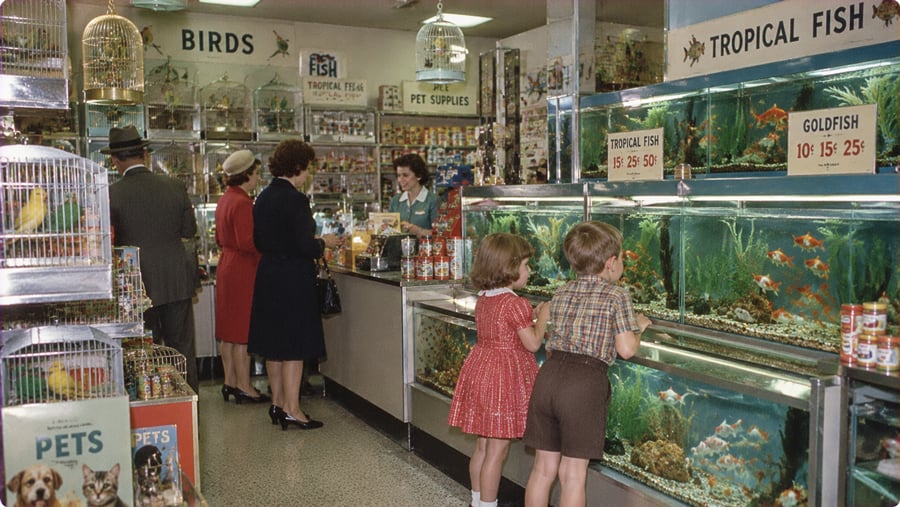
Yes, some department stores once sold actual animals. Dedicated pet departments could include fish tanks, bird cages, small mammals, and accessories, turning an ordinary shopping trip into an unexpected visit to a miniature pet store. Changing retail practices and animal welfare concerns helped push live-animal sales out of most traditional department stores.
17. The Post Office
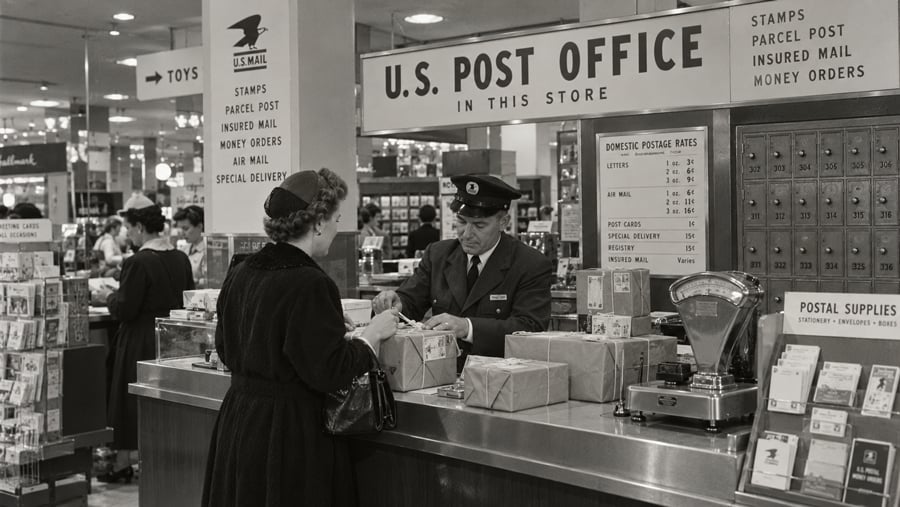
Some large department stores were so comprehensive that customers could even mail packages without leaving the building. Postal counters offered stamps, shipping services, and a convenient place to send purchases directly to friends or relatives. Today, the idea of a full postal operation tucked between retail departments feels wonderfully excessive.
More Related Notes
• 18 Things From 1970s Kitchens That Younger Generations May Never Have Used
Rediscover the hand-cranked tools, old-fashioned appliances, and kitchen essentials that once made preparing family meals a much more hands-on experience.
• 15 Foods Grandma Made That People Rarely Make Anymore
Take a nostalgic trip back to Grandma’s kitchen, where recipes were passed down through generations and simple ingredients became homemade meals that brought the whole family together.
• 18 Photos That Show How American Kitchens Have Transformed Over the Decades
Explore how American kitchens evolved from traditional stoves and handwritten cookbooks to modern appliances, revealing just how much home cooking has changed over the years.