
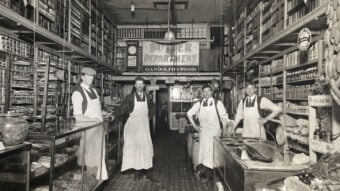
During the Gold Rush, thousands of people left everything behind in pursuit of quick wealth. Not everyone struck gold, but many found something else instead: unexpected jobs born out of chaos, ambition, and survival. Makeshift camps quickly grew into full towns, each relying on occupations that were as unusual as they were essential. Some roles stayed within the law, others lived in a gray area, and many were outright dangerous. These jobs capture the intensity of an era where necessity forced people to adapt and do whatever it took to get by. Below are 17 unbelievable occupations that defined the Gold Rush era.
1. Gold Miner

Gold seekers spent endless days digging through rivers and mountains using basic tools. Most never found large amounts, yet they kept going, driven by the promise of quick wealth. It was a physically demanding, lonely, and exhausting job. Many gave up everything for this illusion, which required pushing the body to its absolute limits.
2. Claim Jumper

This job was illegal and involved taking over mining claims when the rightful owner was away. Conflicts were common, and many disputes ended in violence. Even so, some people managed to get rich quickly this way. It was one of the most dangerous and least ethical roles of the era.
3. Prospector

Prospectors set out to explore new territories in search of undiscovered gold. They often traveled alone or in small groups for months at a time. Survival depended heavily on instinct, endurance, and luck. A single discovery could completely change their future overnight.
4. Saloon Bartender

Bartenders worked in saloons packed with exhausted, often drunken miners. They served alcohol, listened to confessions, and stepped in to calm disputes. In many cases, they earned more money than the miners themselves. It was a respectable job and a central part of social life in these towns.
5. Professional Gambler

Professional gamblers made their living through bets placed in saloons. Some were skilled card players, while others relied purely on luck. Money changed hands quickly in these environments. Arguments and disputes were never far behind.
Trending on Wealth Gang


6. Stagecoach Driver

Stagecoach drivers transported people moving between mining camps, along with workers searching for new opportunities, gold, and mail between towns. They faced dangerous routes and frequent robberies. The responsibility was enormous, as they carried highly valuable cargo.
7. Blacksmith
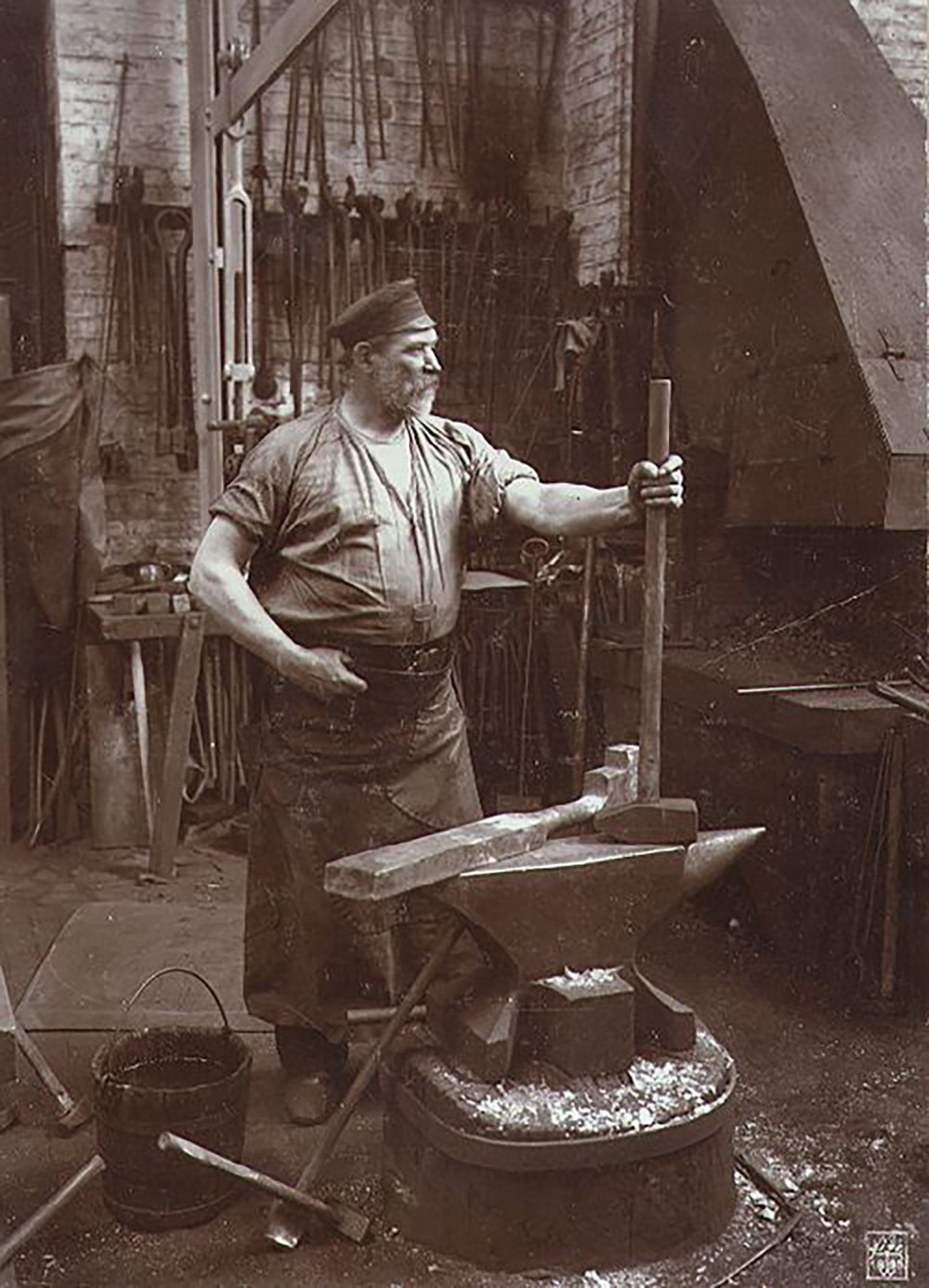
The blacksmith made and repaired essential tools for mining. Their work kept the camps running day after day. It was one of the most respected skilled trades of the time. Without them, mining activity would have come to a complete halt.
8. Mining Camp Cook

Cooks fed large groups of hungry miners day after day. A skilled cook could become indispensable and earn very good money. Good food boosted morale in extremely harsh conditions. Many miners even switched camps in search of better meals.
Sign up for our newsletter
9. Laundry Worker

Laundry work was an essential and highly profitable job. Many immigrants found economic stability through this trade. Miners willingly paid to have clean clothes. It was one of the few steady occupations amid the chaos of the era.
10. General Store Owner

Many merchants took advantage of people’s desperation. They sold food, tools, and basic clothing at inflated prices. By controlling access to essential goods, they held significant power. Some became wealthy without ever setting foot in a mine.
11. Frontier Doctor

Although many doctors had no formal training, they still treated injuries, illnesses, and mining accidents. They worked with limited resources and under extreme conditions. Even so, they were indispensable to the town’s survival and valued for that reason.
12. Gravedigger

Unfortunately, mortality rates were very high due to frequent mining accidents, untreated diseases, fights, and more. Gravediggers carried out a quiet but essential role during this time.
13. Sheriff

The sheriff tried to maintain order in towns with little to no clear law. They dealt with theft, fights, and land disputes on a regular basis. Their authority was fragile and dangerous, yet they were widely respected.
14. Sex Worker

Sex workers were a common part of mining towns. For many women, it offered a path to financial independence. They worked in brothels or operated independently.
15. Pack Mule Driver
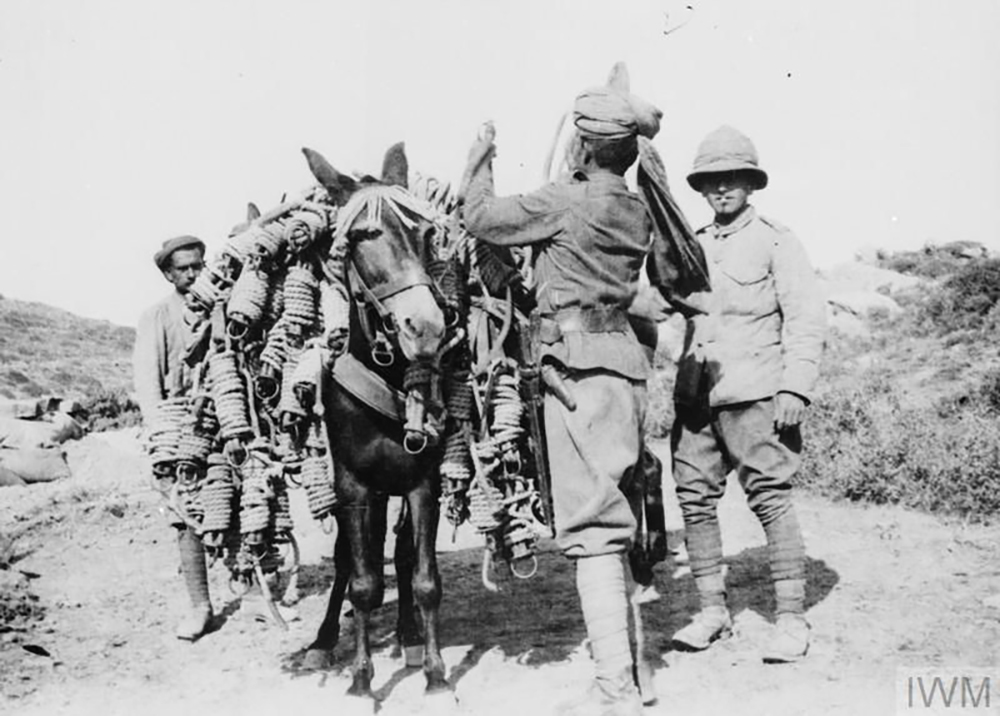
Pack mule drivers performed essential work that was extremely demanding and poorly paid. They transported supplies across nearly impassable terrain. Using mules, they reached remote and isolated camps. Without them, many towns would not have survived.
16. Journalist

Journalists during the Gold Rush held far more influence than they do today. In towns with little access to reliable information, newspapers served as the primary source of news. A well-written article could change the fate of thousands of people.
17. Saloon Entertainer

A moment of complete relaxation, musicians, dancers, and actors entertained miners after long, exhausting days. Their presence offered a much-needed emotional escape.
More Related Notes
-
15 Strange Jobs People Actually Had in the 1800s – A look at unusual occupations that existed long before modern work culture. Many of these roles emerged out of necessity, survival, and extreme living conditions similar to those of the Gold Rush era.
-
20 Legit Jobs That Sound Illegal at First Glance –Some jobs may sound suspicious or dangerous, but they were completely legitimate. This article explores real occupations that, much like Gold Rush gigs, existed in moral gray areas.
-
18 Dangerous Jobs People Used to Do for a Living-Before safety regulations, many people risked their lives just to earn a living. These historical jobs highlight the same danger and physical demands faced by workers during the Gold Rush.