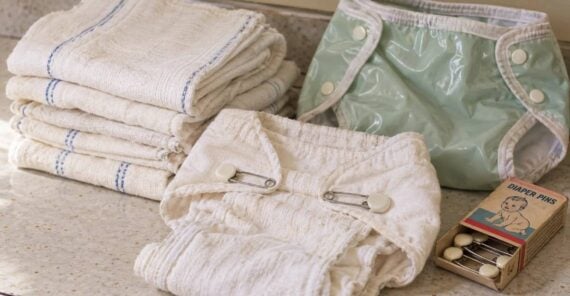
Stretching a paycheck in the 1970s was part of everyday life for many American families. With inflation climbing, grocery prices changing, and household budgets under pressure, making money last until the next payday often required careful planning and a little creativity.
But saving money wasn’t always about going without. It was about knowing which supermarket had the best specials, keeping a jar of bacon grease beside the stove, and making a Sunday roast last well into the week. These 17 habits reveal how families made the most of what they had, often without thinking twice about it.
1. Planning Meals Around the Supermarket Circular
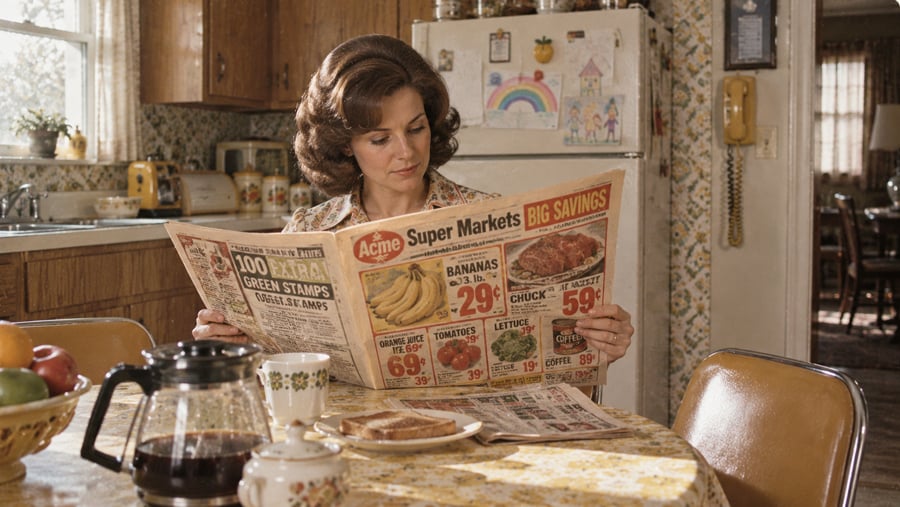
Before heading to the grocery store, families spread the weekly newspaper ads across the kitchen table and circled the best deals. Dinner plans often depended on which meat, vegetables, or canned goods were on sale that week, rather than what everyone felt like eating.
2. Keeping a Grocery Price Notebook
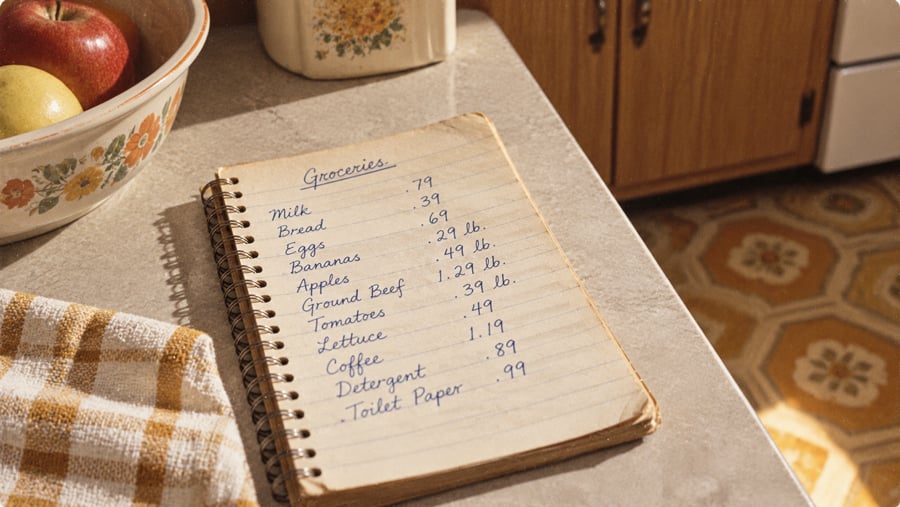
Some careful shoppers carried little notebooks recording what milk, eggs, coffee, and other staples cost at different stores. With prices rising throughout the decade, remembering what something cost last week could make a real difference at the checkout counter.
3. Making One Roast Last Three Dinners
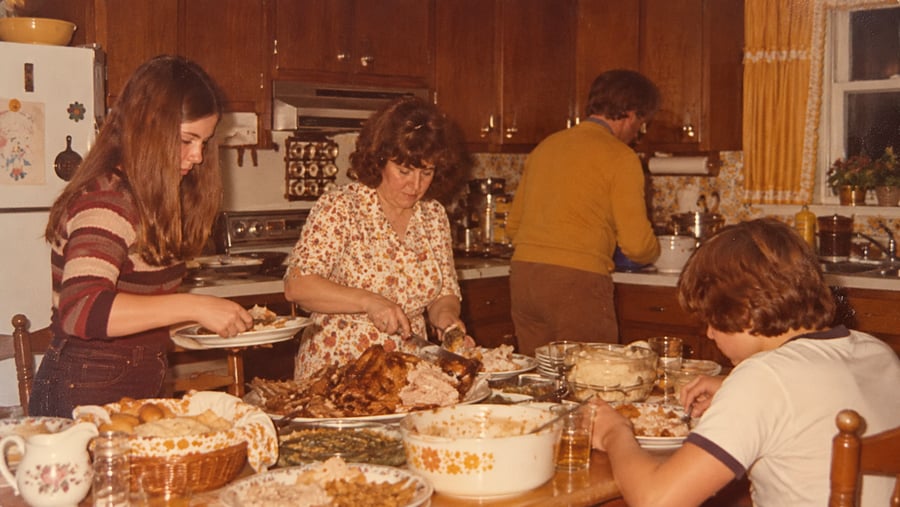
A Sunday roast wasn’t necessarily finished when everyone left the table. Leftover beef might become sandwiches on Monday and hash or stew on Tuesday, while the bones could provide the base for soup. Throwing away perfectly usable food meant throwing away money.
4. Buying Day-Old Bread at the Bakery
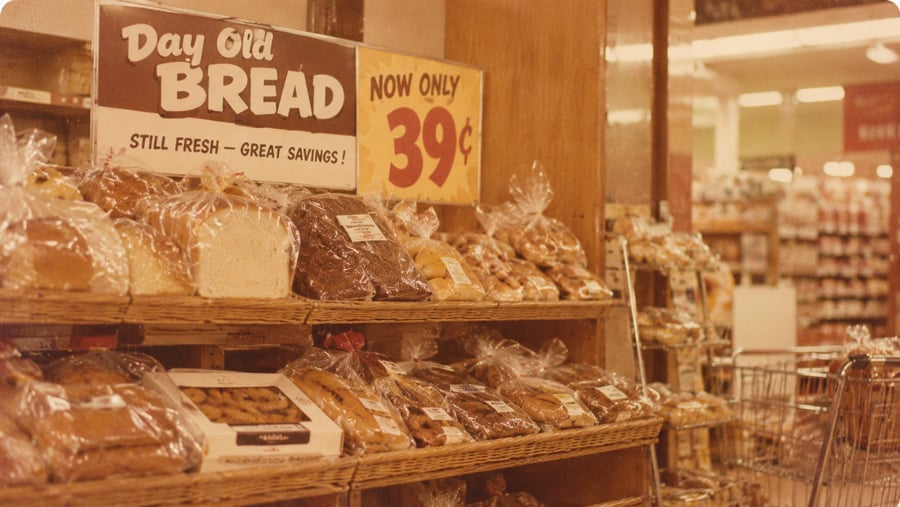
The day-old rack offered a practical way to bring home bread, rolls, and pastries for less. A loaf that wasn’t quite fresh enough for sandwiches could still become French toast, bread pudding, or toasted slices with dinner.
5. Saving Bacon Grease for Cooking
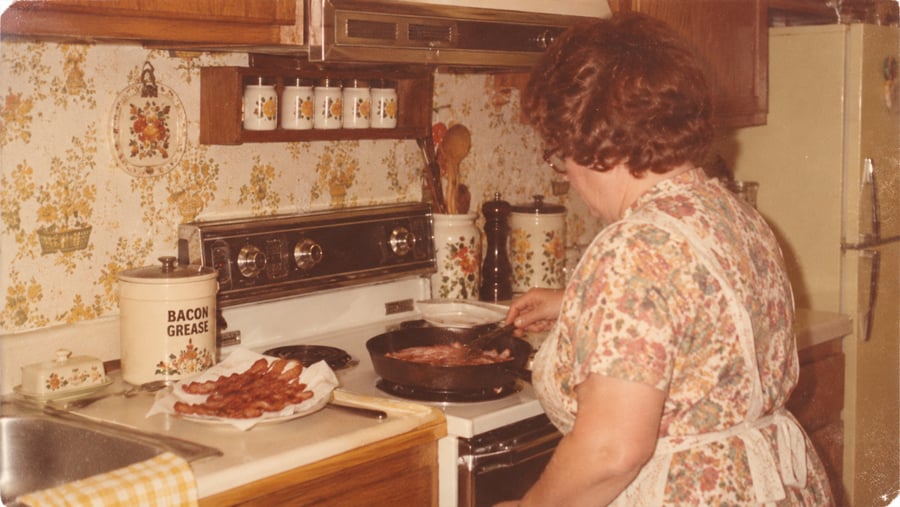
A coffee can or little metal container near the stove often held leftover bacon grease. Instead of buying another cooking fat for every meal, families reused it to fry potatoes, season vegetables, or add flavor to inexpensive dishes.
Trending on Wealth Gang

6. Shopping at Factory Outlet Stores
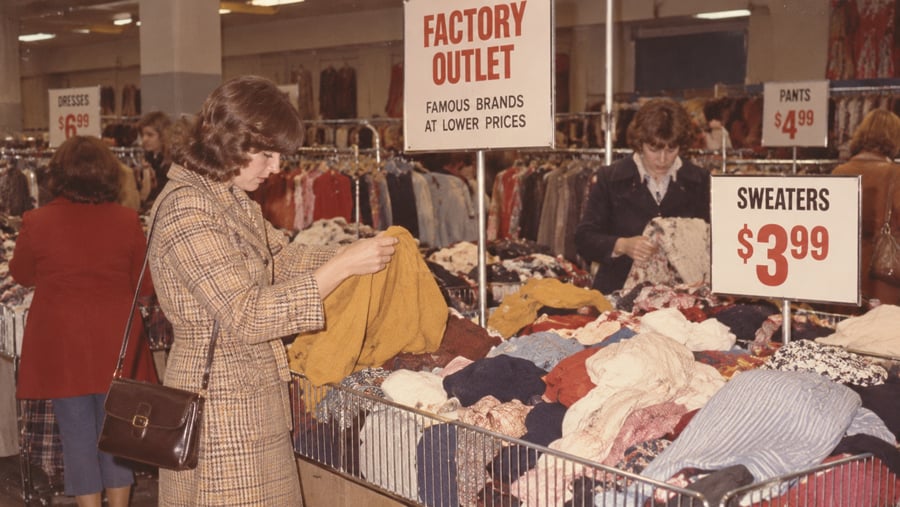
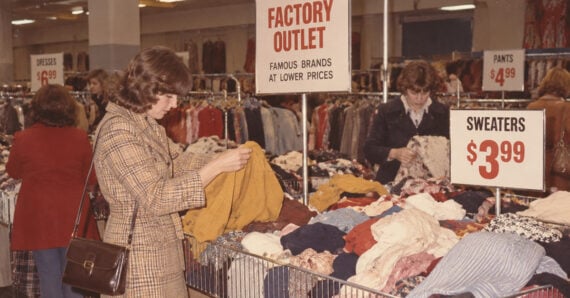
Long before outlet malls became fashionable destinations, some families visited factory stores to find imperfect clothing, shoes, towels, and household textiles at reduced prices. A slightly crooked seam or missing button was easy to overlook when the savings were worthwhile.
7. Putting Purchases on Layaway
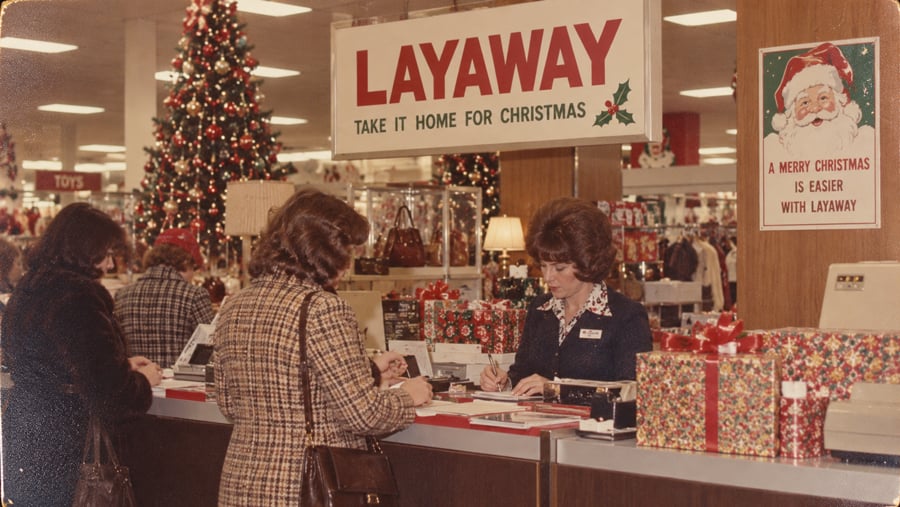
When a bicycle, winter coat, or Christmas present cost more than the weekly budget allowed, layaway offered another option. Families paid small amounts over several weeks, and the store kept the item until the final payment was made.
8. Buying Clothes a Size Too Big
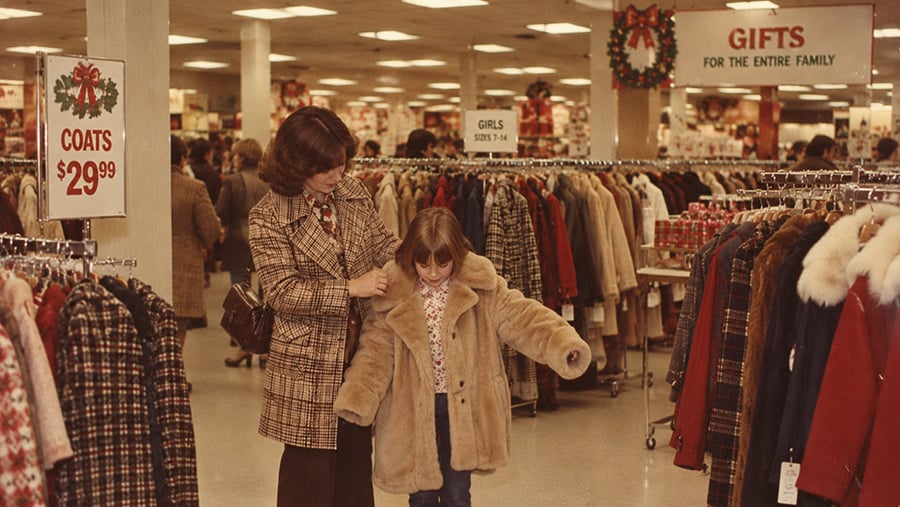
Children’s coats, school uniforms, and dress shoes were often purchased with growing room in mind. Sleeves could be rolled up, hems adjusted, and shoes worn with thicker socks until the child eventually grew into them.
Sign up for our newsletter
9. Taking Shoes to the Repair Shop
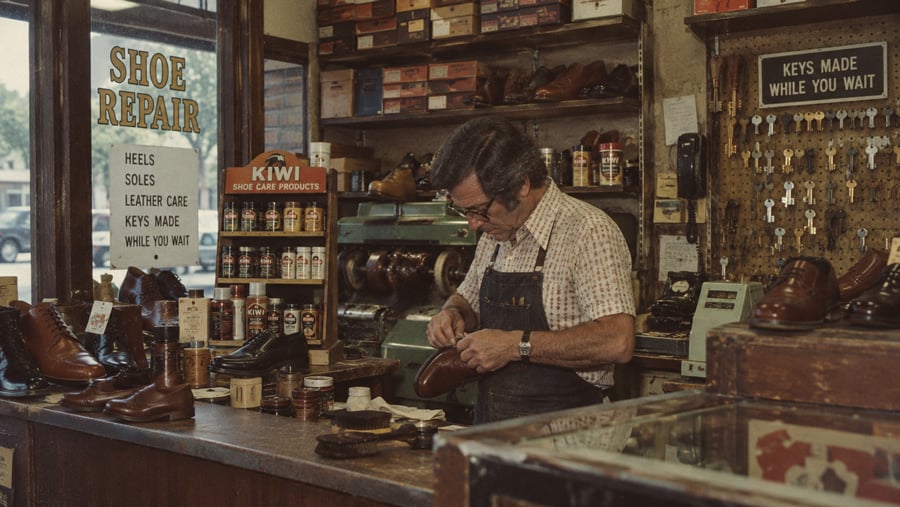
Worn soles didn’t automatically mean buying another pair. A neighborhood cobbler could replace heels, repair stitching, or give a favorite pair of leather shoes several more years of use, often for less than the cost of new ones.
10. Packing Food for Long Car Trips
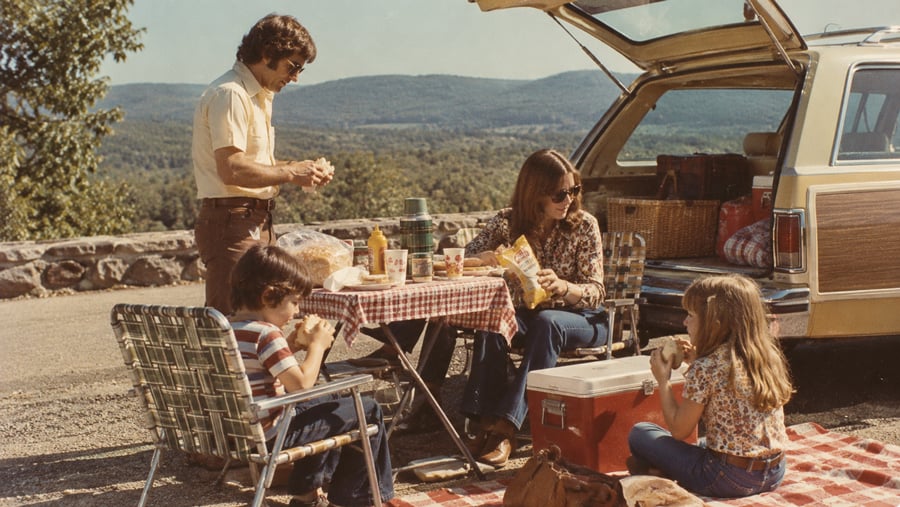
Stopping at a restaurant wasn’t always part of a family road trip. Parents packed sandwiches, hard-boiled eggs, fruit, and drinks into a cooler, then found a roadside picnic table when everyone got hungry.
11. Sharing One Family Car
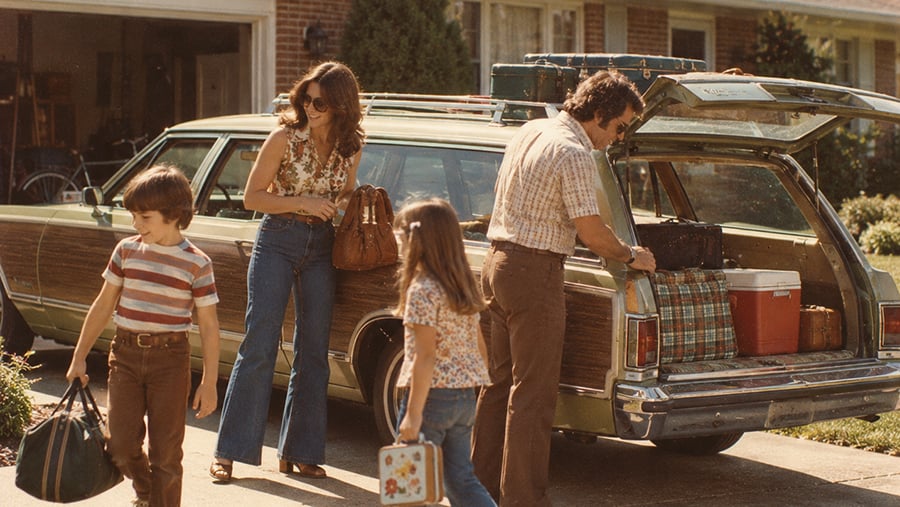
For households with only one vehicle, transportation required coordination. One parent might drive the other to work, arrange errands around school pickup, and make sure the car was available for appointments. A second car payment, insurance bill, and fuel costs simply weren’t in the budget.
12. Using the Library Instead of Buying Books
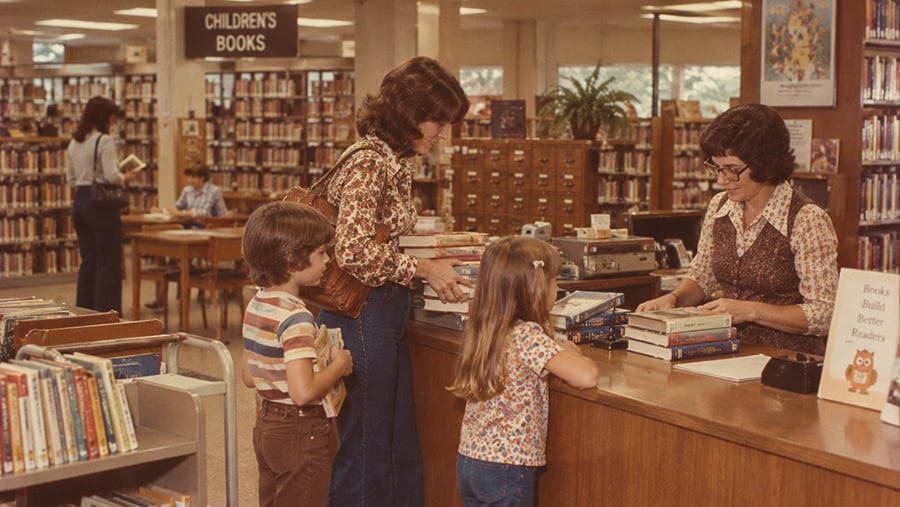
A weekly trip to the public library could provide entertainment without another purchase. Children returned stacks of books, parents borrowed novels and magazines, and the little stamped due-date card reminded everyone when it was time to bring them back.
13. Growing Vegetables in the Backyard
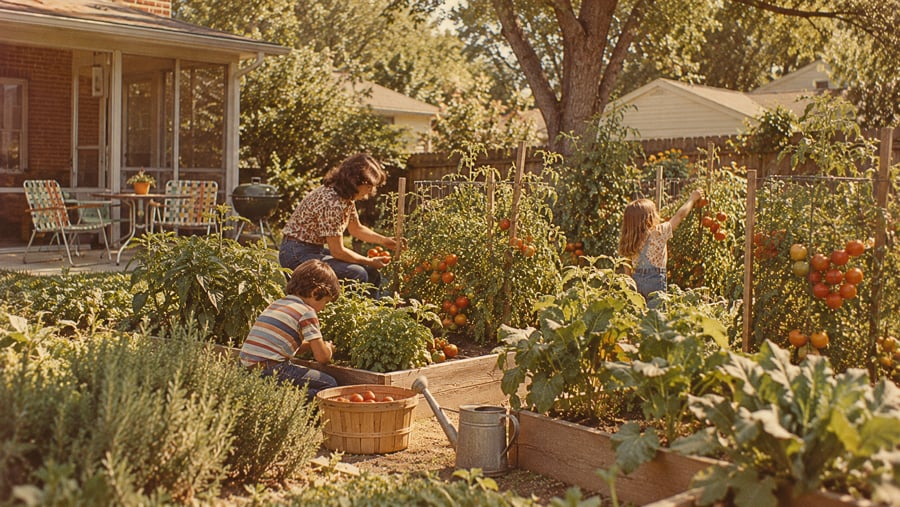
Tomatoes, beans, zucchini, and peppers could turn a small patch of backyard into a source of summer groceries. Families traded extra produce with neighbors, and the kitchen counter sometimes disappeared beneath vegetables waiting to be washed or preserved.
14. Making Homemade Gifts Instead of Buying Them
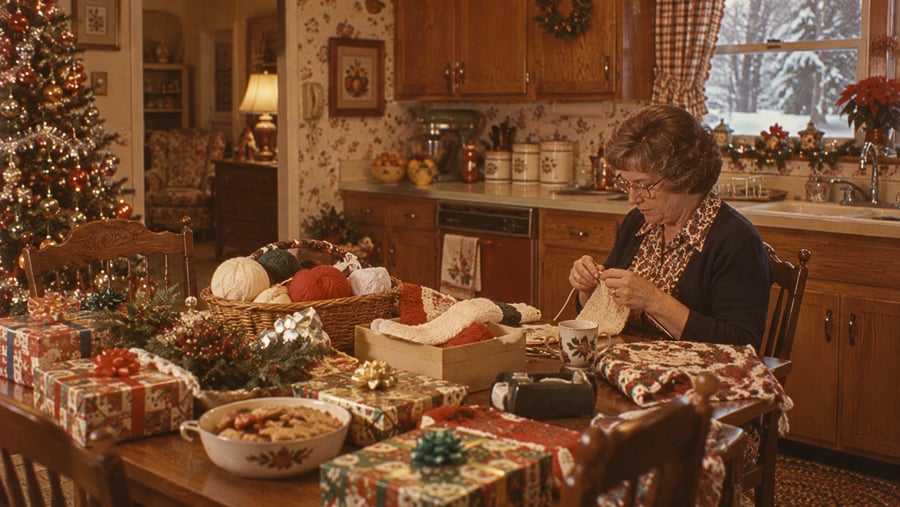
Christmas and birthdays didn’t always mean a shopping spree. Homemade cookies, knitted scarves, crocheted blankets, and hand-sewn presents helped families celebrate without stretching the budget too far. The kitchen table often became a gift-making station weeks before the occasion.
15. Paying Bills With Cash-Filled Envelopes
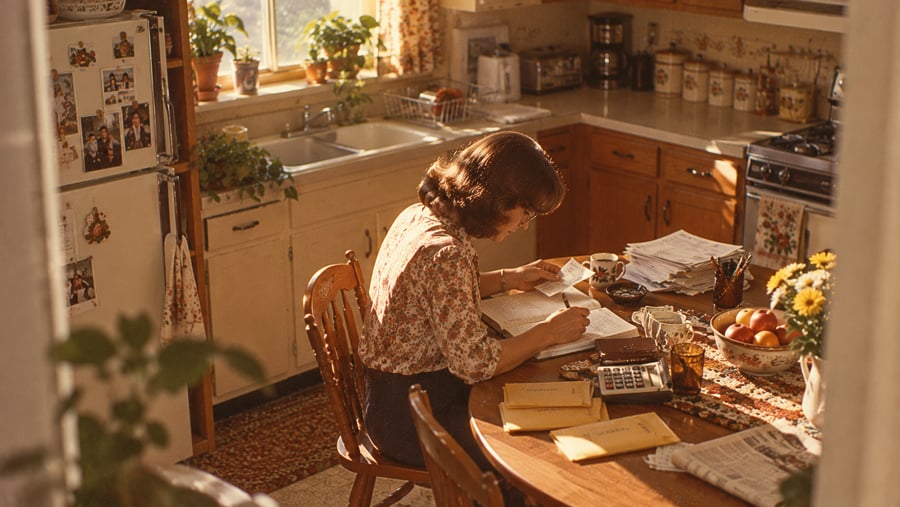
Some families divided payday money into labeled envelopes for groceries, rent, utilities, and other expenses. Once the grocery envelope was nearly empty, everyone knew the remaining meals would have to come from what was already in the cupboards.
16. Repairing Small Appliances at Home
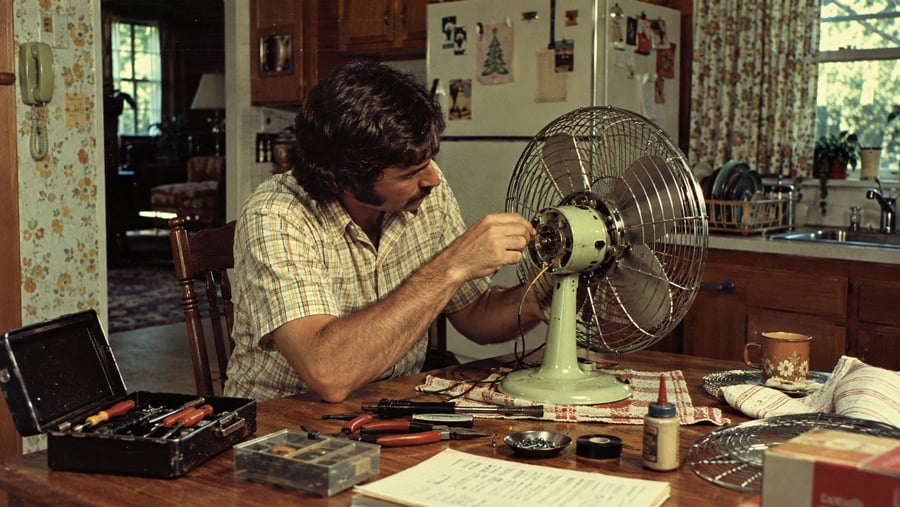
A broken toaster, lamp, or electric fan wasn’t necessarily headed for the trash. Someone might open it up at the kitchen table, replace a cord, tighten a loose connection, or take it to a neighborhood repair shop. Keeping appliances working was often cheaper than replacing them.
17. Saving Green Stamps for Household Purchases
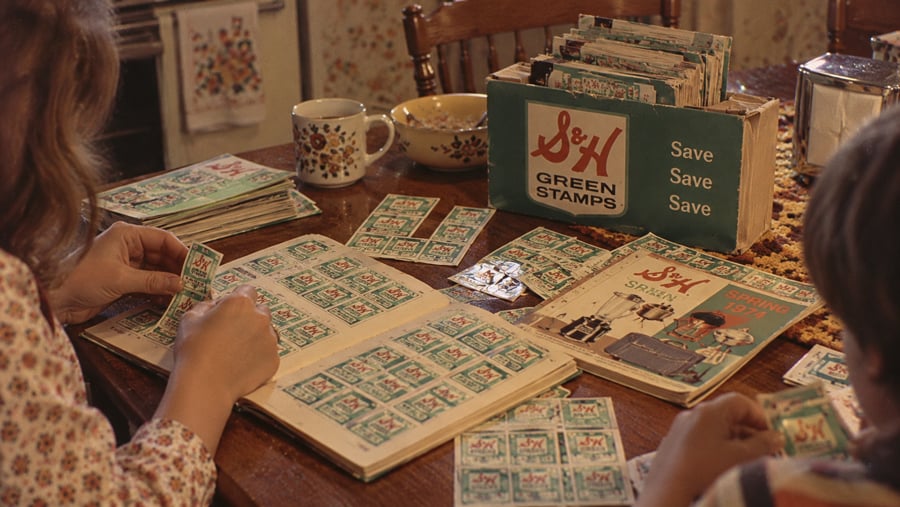
Those little S&H Green Stamps earned at supermarkets and gas stations could eventually turn into something useful. Families pasted them into redemption books, stored the books in kitchen drawers, and saved enough for cookware, small appliances, or other household goods without paying the full retail price.
More Related Notes
15 Things a Single Income Could Buy in America in the 1970s
From homeownership to everyday essentials, these purchases reveal how far a single paycheck could stretch for American families during the 1970s.
American Grocery Stores in the 1970s
From familiar supermarket aisles to old-fashioned shopping habits, this nostalgic look at 1970s grocery stores captures how Americans once shopped for everyday essentials.
18 Popular American Dinner Foods From the 1970s
From comforting casseroles to classic family favorites, these popular dishes bring back the flavors and dinner traditions that defined American households in the 1970s.