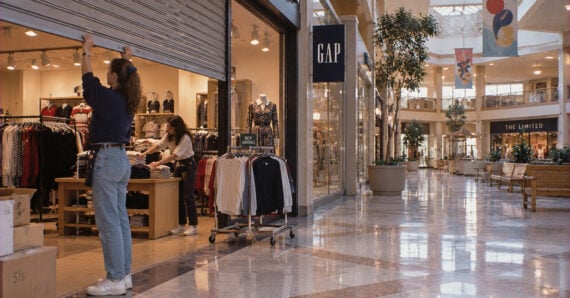
Old shopping malls were practically miniature cities, complete with their own hidden world that most shoppers never got to see. Behind the glowing storefronts, crowded food courts, and perfectly arranged displays, employees were navigating service tunnels, unloading mountains of merchandise, and preparing elaborate decorations long before the first customers arrived.
For anyone who grew up spending weekends at the mall, the backstage reality might be even more fascinating than the stores themselves. These behind-the-scenes scenes reveal the strange machinery, exhausting routines, and forgotten spaces that kept America’s favorite gathering places running. Some look surprisingly industrial, while others capture the wonderfully chaotic side of retail life before everything moved online.
1. The Hidden Service Corridors Behind the Stores
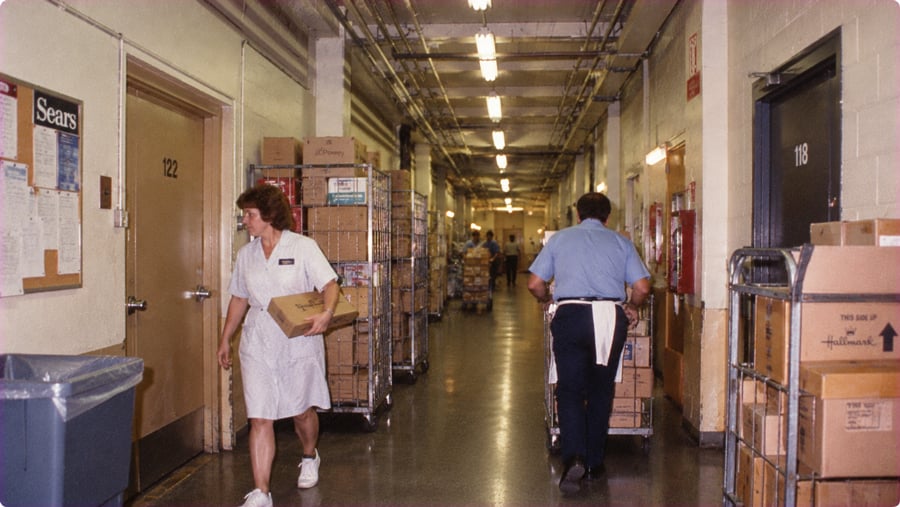
Most shoppers never realized that an entirely different network of hallways existed behind their favorite stores. These plain, fluorescent-lit corridors allowed employees to move merchandise, trash, and equipment without interrupting the shopping experience. They looked more like hospital backrooms than glamorous retail destinations.
2. The Massive Stockrooms Hidden Behind Department Stores
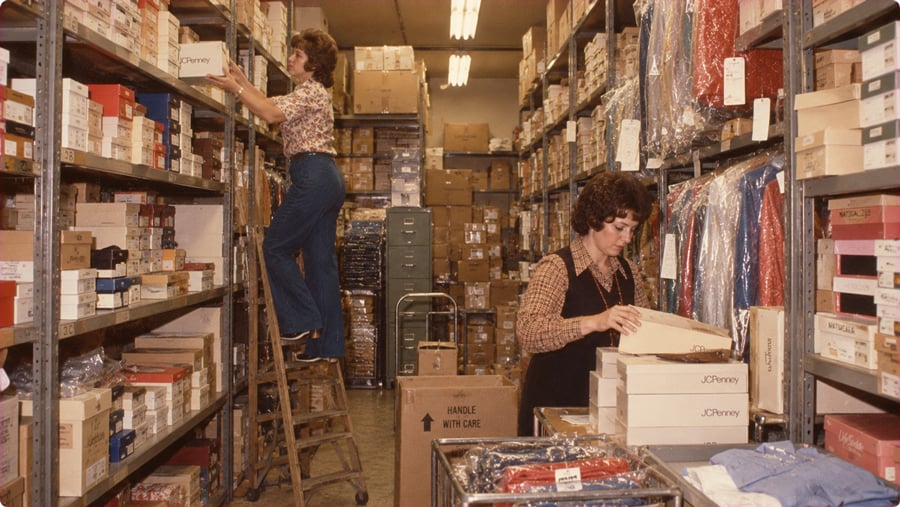
Those spotless department store displays depended on stockrooms that were anything but glamorous. Behind the sales floor, employees climbed ladders, sorted cardboard boxes, and searched through towering shelves for specific sizes. During holiday shopping season, these rooms could resemble warehouses operating at full speed.
3. Mannequins Waiting for Their Next Window Display
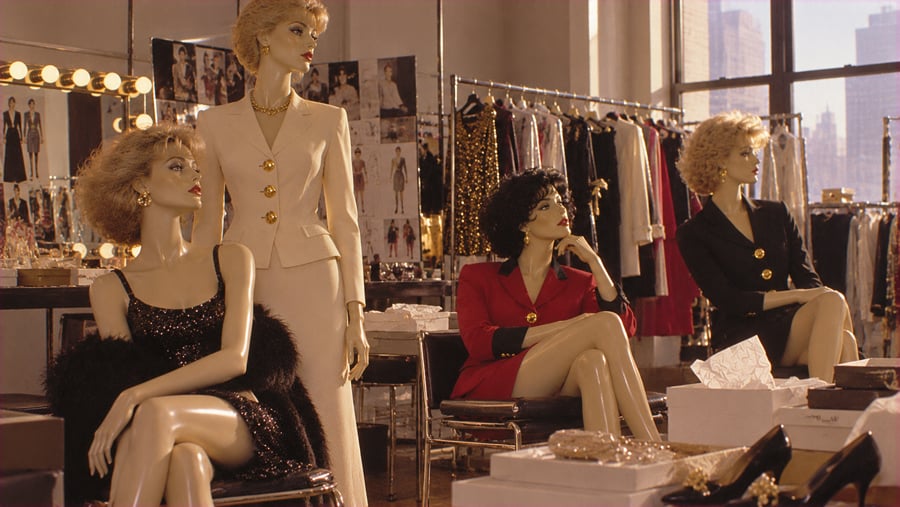
A mannequin looks perfectly normal in a store window. Put twenty of them in a dark storage room without clothes or wigs, and the effect changes dramatically. Visual merchandising teams kept spare figures, detached limbs, and display props backstage, creating scenes that could easily pass for a horror movie set.
4. The Overnight Crews Polishing Empty Mall Floors
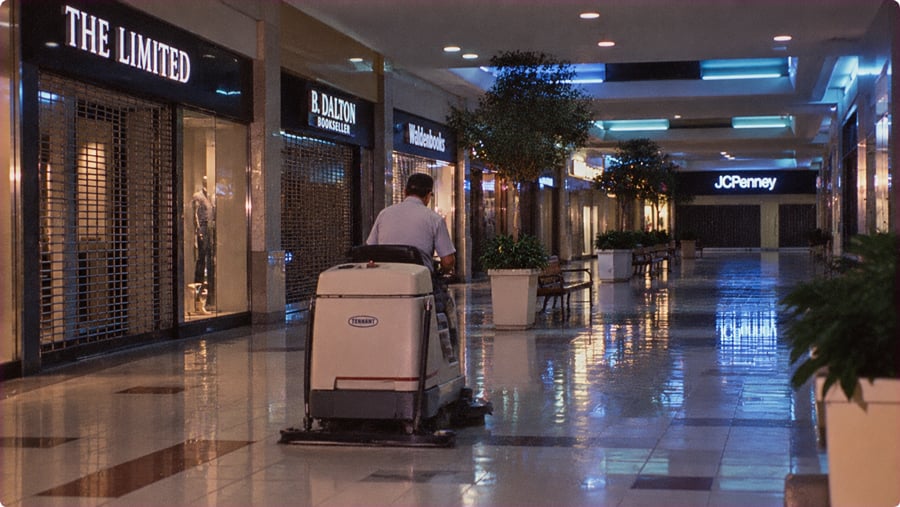
When the last shoppers went home, the mall became someone else’s workplace. Cleaning crews pushed enormous floor machines across deserted corridors, leaving the tiles gleaming before morning. The sight of a completely empty shopping mall, illuminated only by storefront lights, was almost eerily peaceful.
5. The Secret Rooms Where Mall Santas Got Ready
Wealthgang
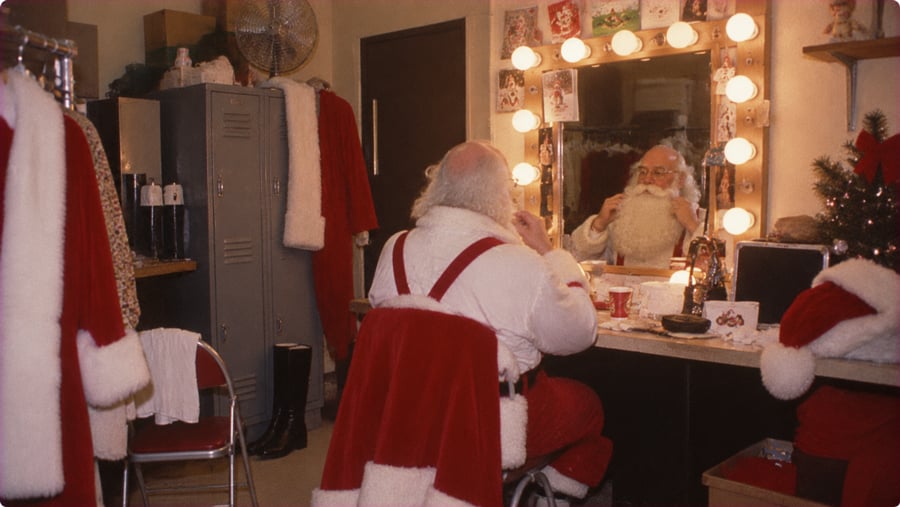
Before greeting hundreds of excited children, mall Santas had to transform somewhere. Temporary dressing rooms held red suits, fake beards, boots, makeup, and occasionally a very tired performer taking a break. The contrast between Christmas magic and backstage reality was almost too good to photograph.
Trending on Wealth Gang


6. The Loading Docks That Never Stopped Moving
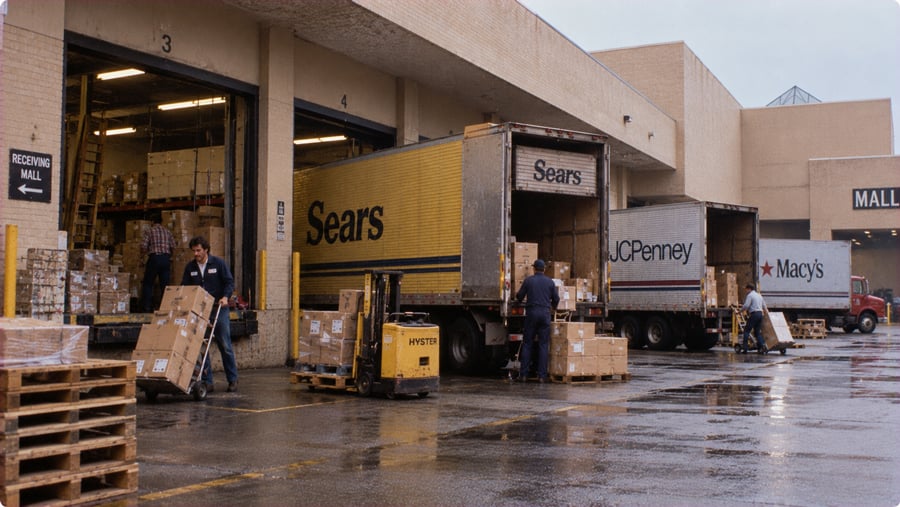
Behind the mall’s cheerful entrances were industrial loading docks filled with delivery trucks, pallets, and workers racing against the clock. Every new fashion collection, holiday decoration, and food court supply had to arrive somehow. The organized chaos rarely matched the polished shopping experience happening just a few walls away.
7. The Food Court Kitchens Nobody Wanted to See
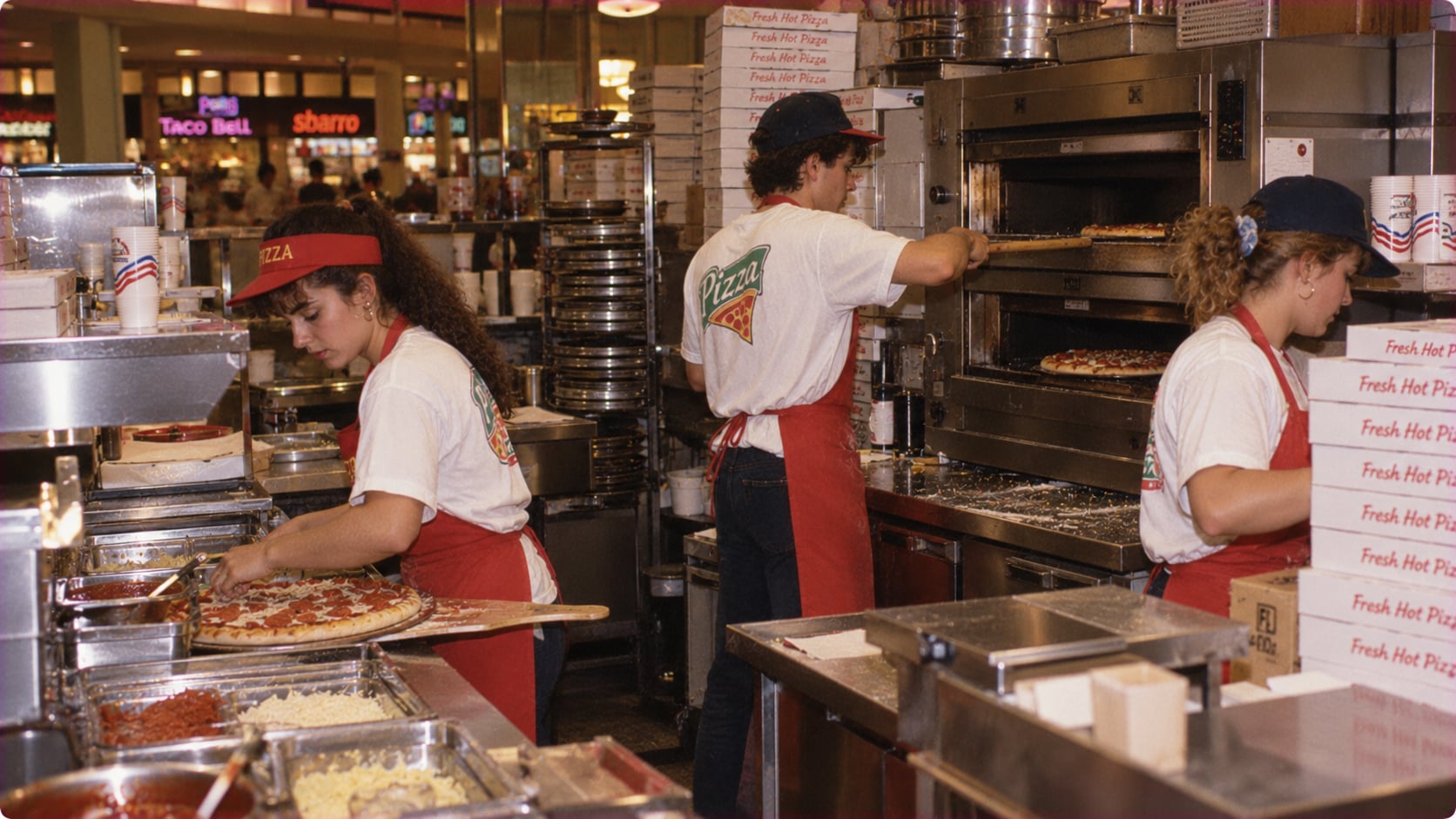
The food court smelled like pizza, pretzels, and french fries, but the kitchens behind those counters told a less glamorous story. Workers prepared ingredients in cramped spaces, surrounded by industrial fryers, stacks of trays, and refrigerators. Lunchtime crowds turned these tiny backstage areas into controlled chaos.
8. The Security Offices Watching Every Corner
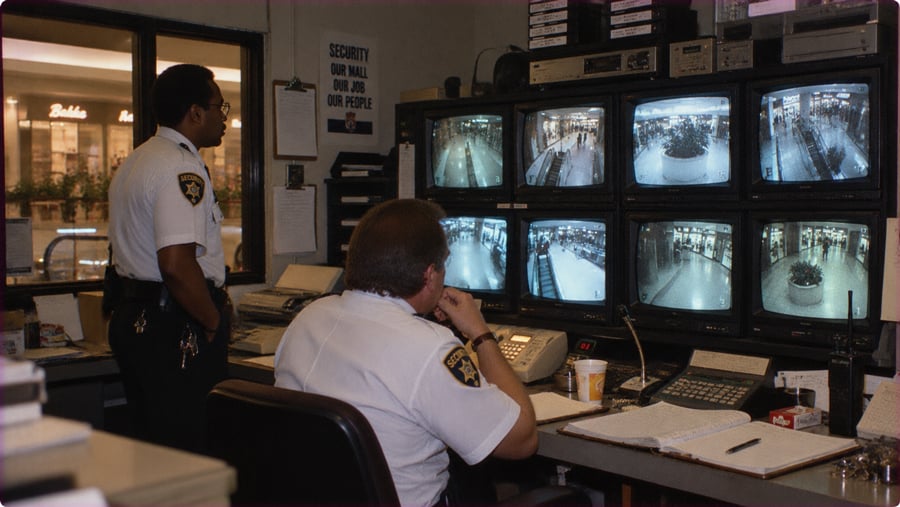
Long before sophisticated digital surveillance, mall security teams monitored grainy camera feeds on walls of bulky CRT televisions. Their small offices often contained radios, incident reports, keys, and maps of the property. While teenagers wandered the mall, someone backstage was watching those corridors on flickering screens.
Sign up for our newsletter
9. The Maintenance Rooms Behind the Escalators
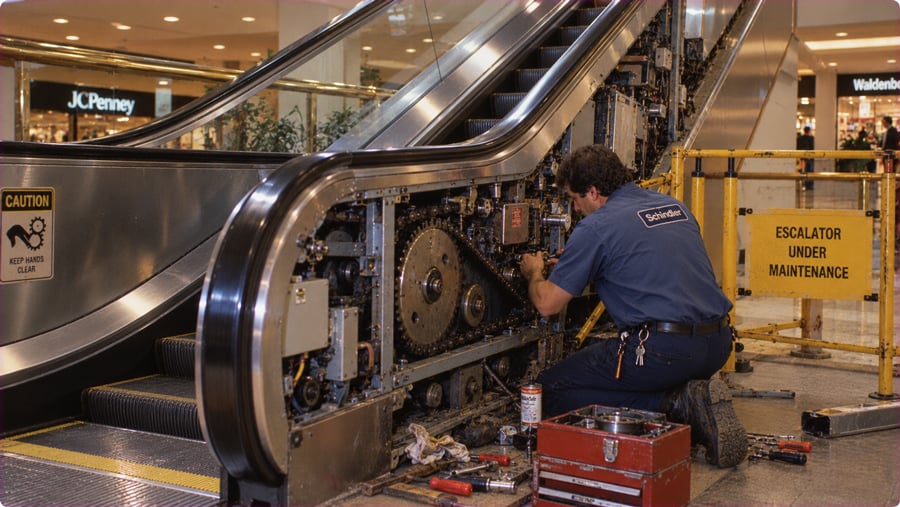
Escalators seemed almost magical to children, but behind their smooth movement were motors, chains, gears, and technicians covered in grease. Maintenance workers accessed machinery hidden beneath the steps to keep everything moving safely. The industrial mechanics were a surprising contrast to the decorative fountains and polished railings upstairs.
10. The Mountains of Trash After a Busy Saturday
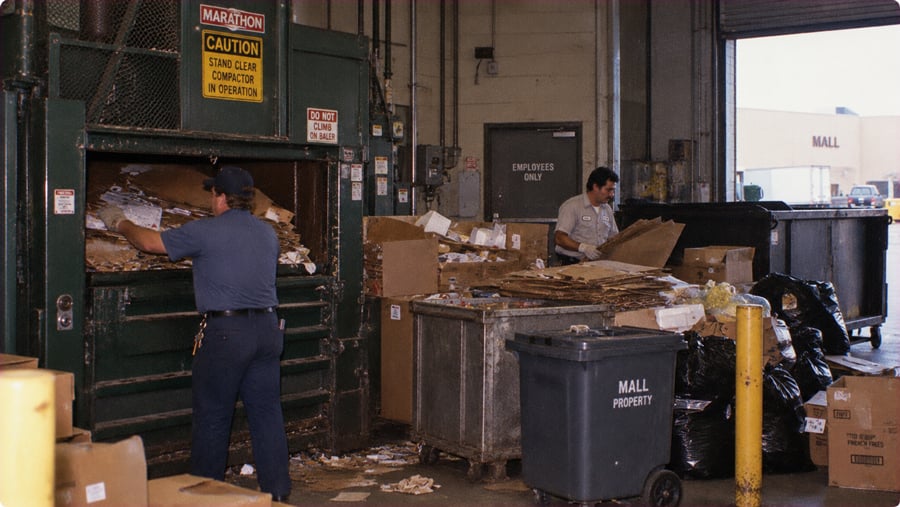
A packed Saturday at the mall left behind an astonishing amount of waste. Behind the stores, maintenance crews dealt with overflowing dumpsters, flattened cardboard, food court garbage, and discarded packaging. The glamorous world of retail generated a backstage mess that shoppers were never meant to notice.
11. The Employees Eating Lunch in Windowless Break Rooms
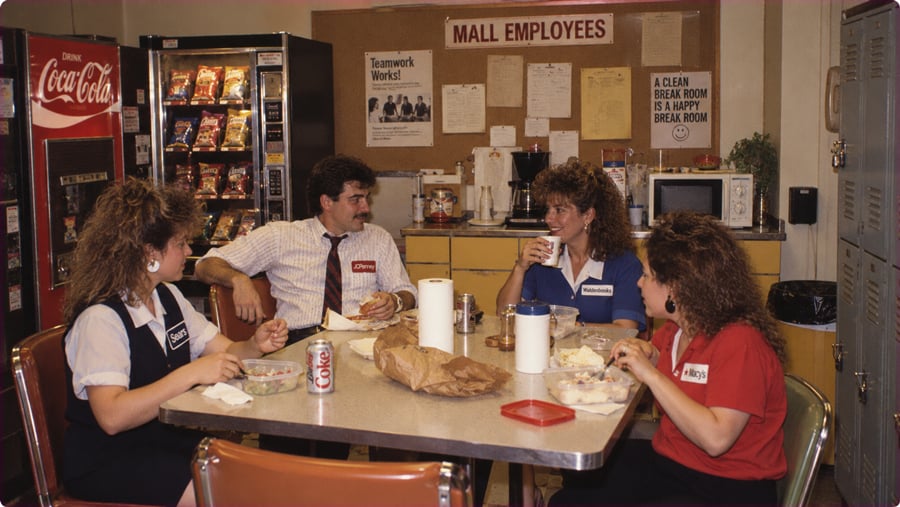
While shoppers enjoyed bright food courts, many mall employees ate lunch in tiny backstage rooms. Plastic tables, vending machines, bulletin boards, and outdated microwaves created a very different atmosphere. These spaces became informal gathering spots where workers from different departments shared gossip, complaints, and leftover birthday cake.
12. The Giant Christmas Decorations Before Installation
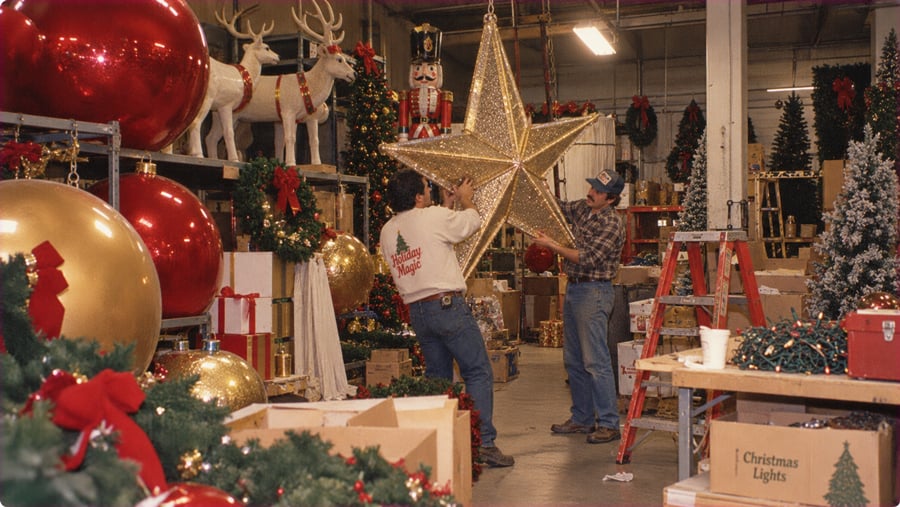
Those spectacular holiday displays didn’t magically appear overnight. Before installation, enormous ornaments, artificial trees, fiberglass figures, and tangled strings of lights filled storage areas. Workers spent hours assembling elaborate winter scenes that would soon become the background for thousands of family Christmas photographs.
13. The Secret Workrooms Where Window Displays Were Built
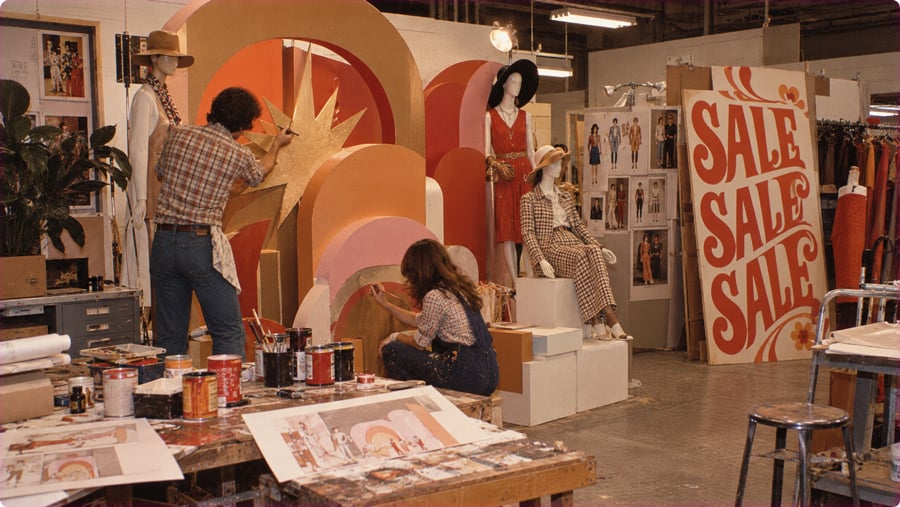
Elaborate storefront displays often began in messy workshops hidden from customers. Visual merchandisers painted props, cut foam, arranged fabric, and tested lighting before installing everything in the windows. The finished displays looked effortless, but their creation involved glue guns, ladders, paint stains, and plenty of improvisation.
14. The Lost and Found Rooms Full of Forgotten Belongings
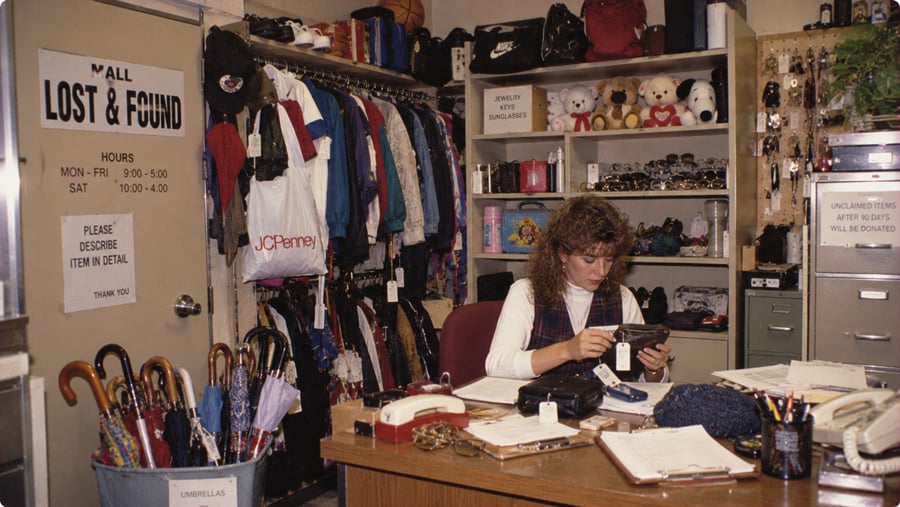
Every abandoned umbrella, shopping bag, and child’s stuffed animal had to end up somewhere. Mall lost-and-found offices accumulated strange collections of forgotten possessions. Employees cataloged wallets, jackets, toys, and keys, creating accidental time capsules of everything shoppers managed to leave behind during a single afternoon.
15. The Fountain Machinery Hidden Beneath the Water
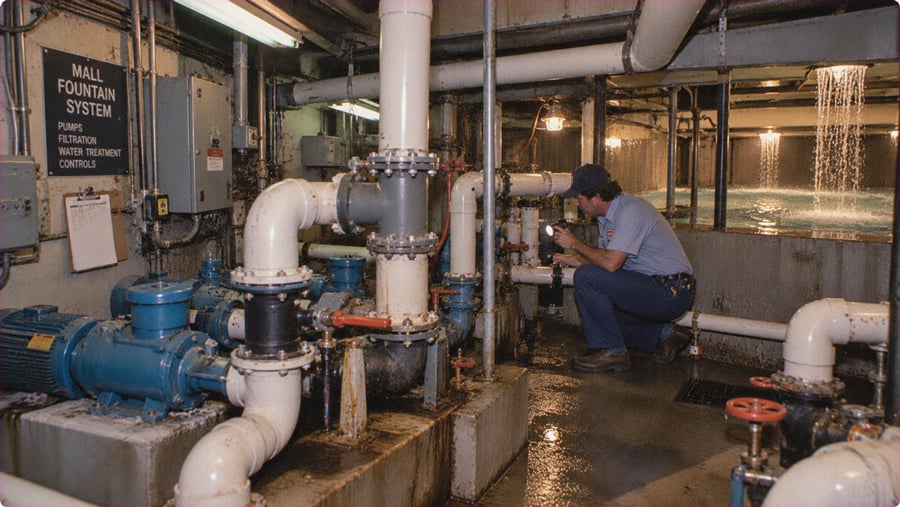
Mall fountains looked peaceful from above, especially when surrounded by tropical plants and benches. Below the decorative pools, however, pumps, pipes, filters, and electrical equipment kept the water circulating. Maintenance crews had to manage an entire miniature plumbing system just to maintain that familiar shopping mall atmosphere.
16. The Arcade Machines Being Repaired After Closing
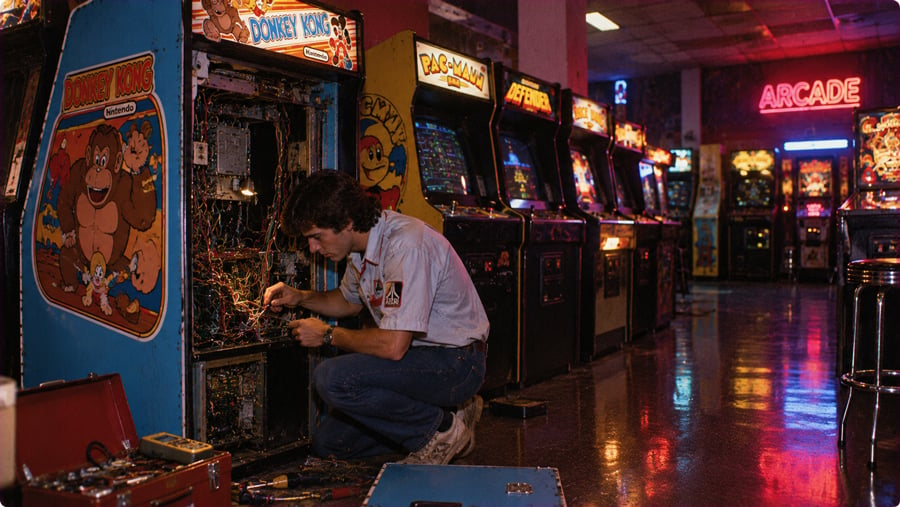
Mall arcades were filled with flashing lights and electronic sounds, but behind the scenes, technicians faced tangled wiring, circuit boards, and stubborn coin mechanisms. Repairing a broken game could mean opening its entire cabinet. For curious employees, the inside of an arcade machine was almost as fascinating as playing it.
17. The Early Morning Rush Before the Doors Opened
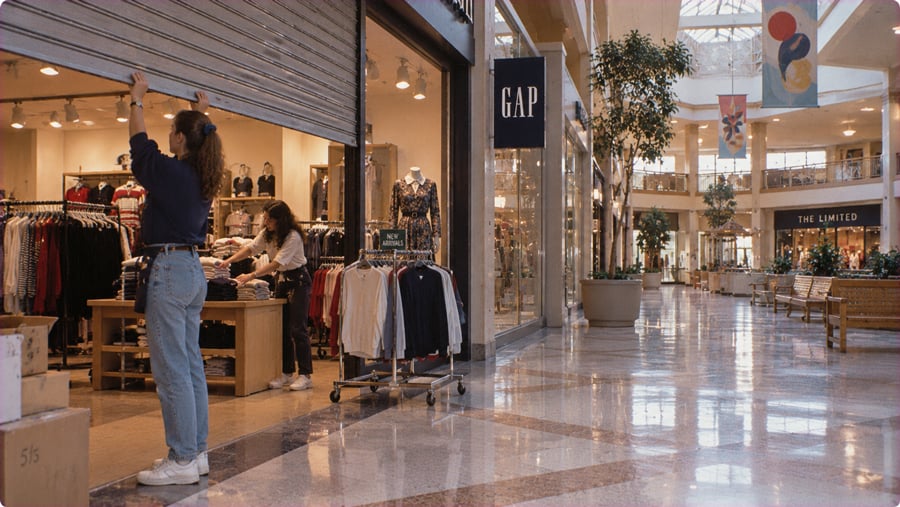
Before the mall opened, employees rushed to prepare an entire world for shoppers. Store managers counted cash drawers, cleaners finished their rounds, and delivery workers hurried through corridors. For a brief moment, the mall belonged entirely to the people who worked there, without a single customer in sight.
18. The Forgotten Storage Rooms Filled With Old Mall Signs
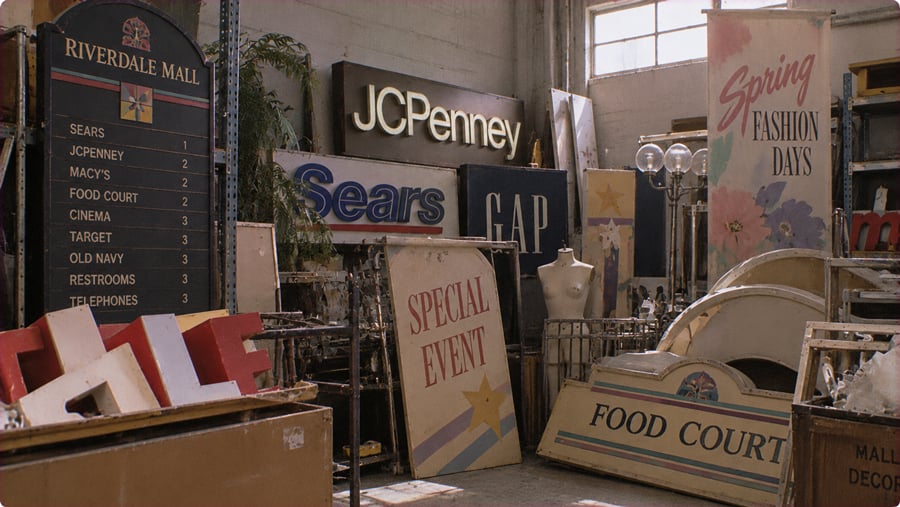
When stores closed or changed names, their signs and decorations didn’t always disappear immediately. Some ended up in storage rooms alongside outdated directories, promotional banners, and abandoned display fixtures. These forgotten collections became accidental museums of brands, fashions, and shopping mall eras that had quietly vanished.
More Related Notes
Step back into the golden age of American shopping malls, when neon signs, bustling food courts, and department stores made every weekend feel like an event.
22 Photos That Show Life Before Shopping Malls Took Over
Discover how Americans shopped and spent their weekends before massive indoor malls transformed retail, entertainment, and everyday social life.
Step Inside a 1960s Grocery Store
Take a nostalgic trip through a 1960s grocery store, where vintage packaging, old-fashioned displays, and familiar brands made shopping look completely different.