

From New York diners to Paris bistros, from Buenos Aires parrillas to Tokyo ramen shops, the meals that once defined “cheap eats” have climbed in price. Rising food costs, labor shortages, and global inflation have transformed everyday comfort dishes into indulgences. What used to be the budget-friendly to eat out is now a reminder of how much the dining landscape has changed. These dishes, once symbols of everyday affordability, now tell the story of how global dining has shifted from necessity to nostalgia. Here are 18 restaurant meals across the world that were once cheap but aren’t anymore.
1. Pizza Margherita
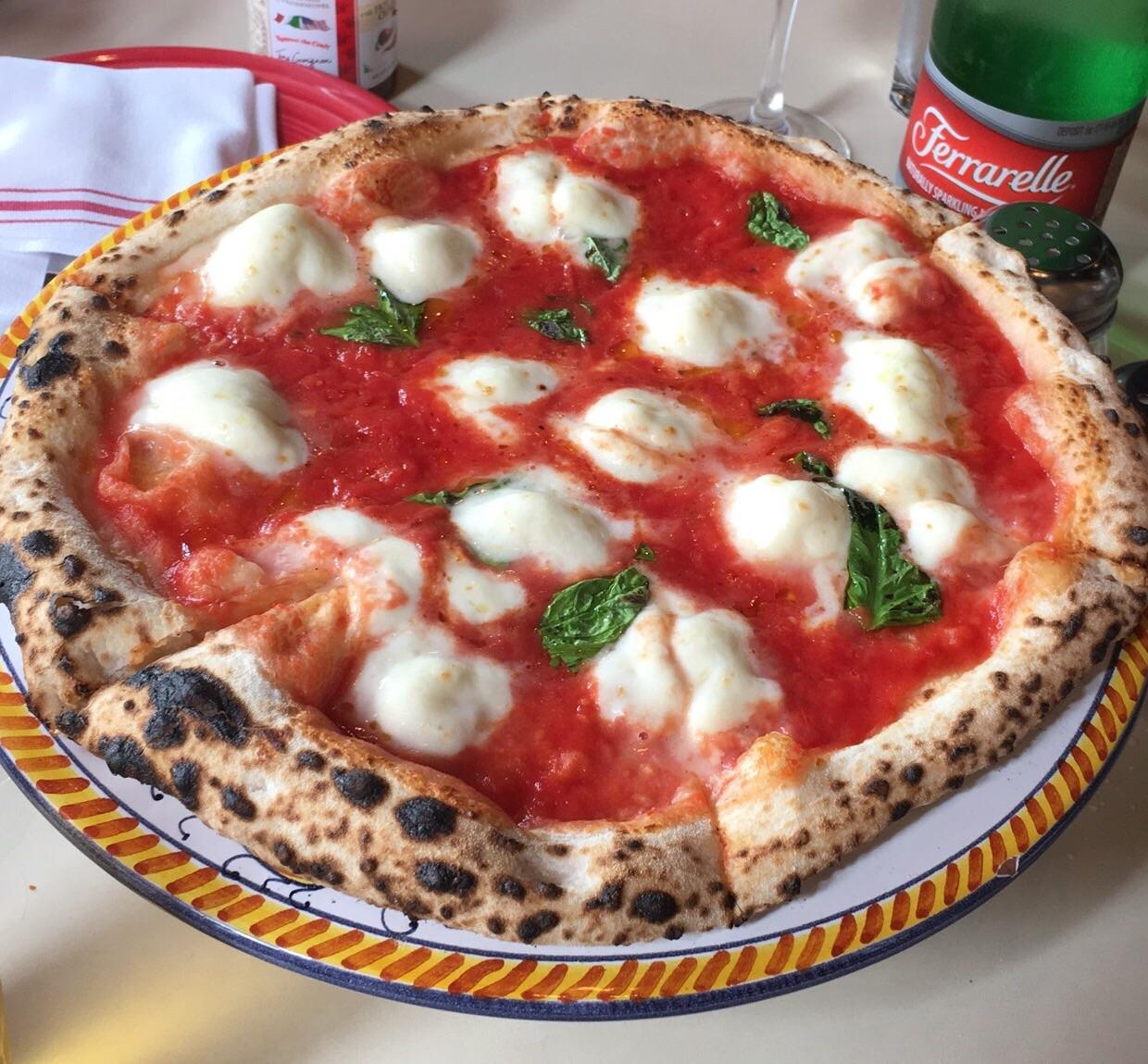
Italy’s simplest pizza was once the cheapest option, but rising costs of cheese and flour have made even a basic slice expensive. Even the humble Margherita, once a symbol of simplicity, now reflects the luxury of everyday inflation.
2. Fish and Chips
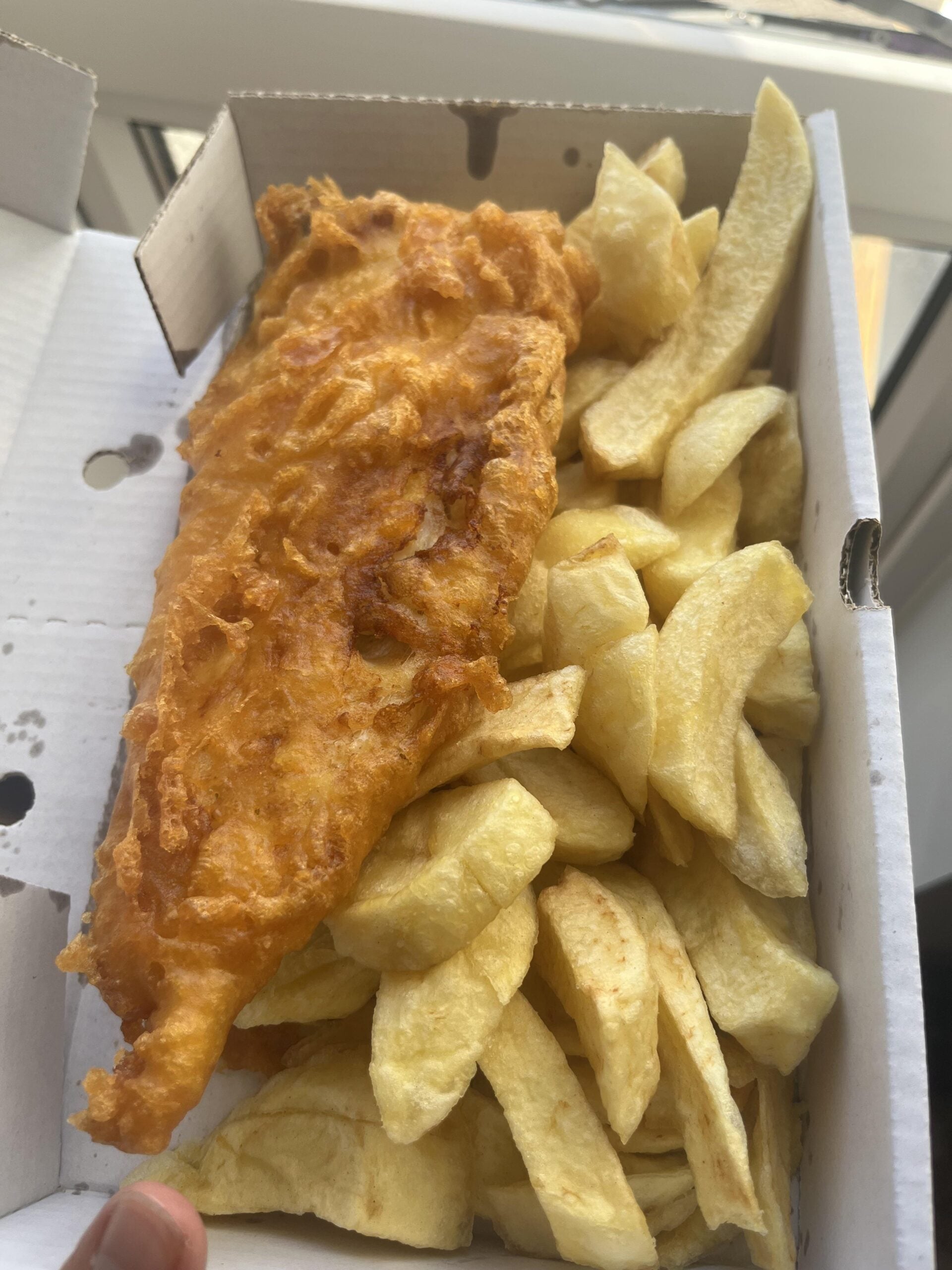
A British working-class staple, now burdened by fish prices and frying oil costs. Once a cheap comfort wrapped in newspaper, fish and chips now carry the weight of modern costs.
3. Ramen
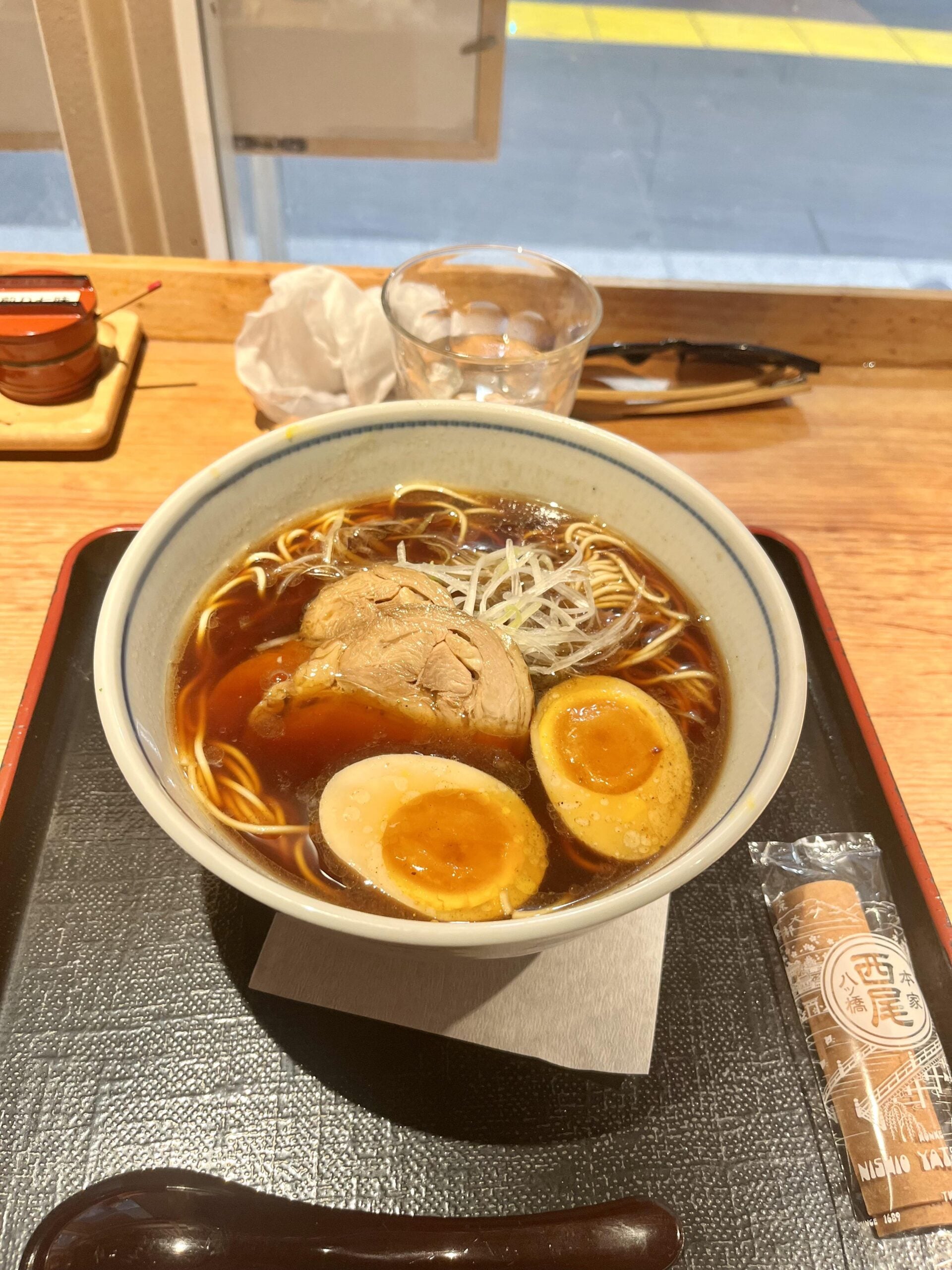
Japan’s iconic budget noodle bowl has seen steady price hikes as pork and energy costs rise. Once a quick fix for students and workers, ramen now mirrors Japan’s shifting economy in every steaming bowl.
4. Tacos al pastor
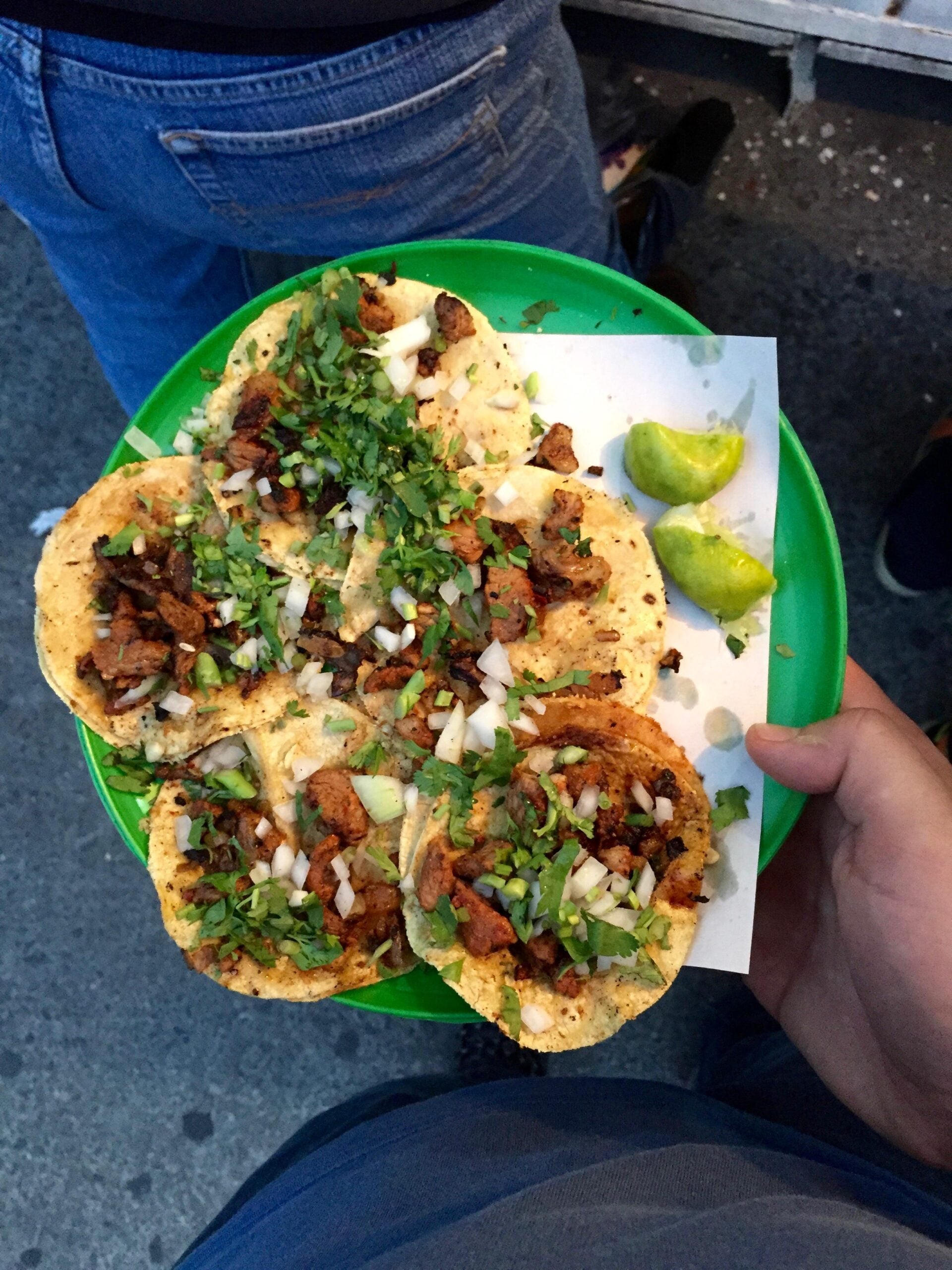
Mexico’s street-food favorite, once a cheap bite, now costs significantly more due to meat and tortilla inflation.
5. Falafel wrap
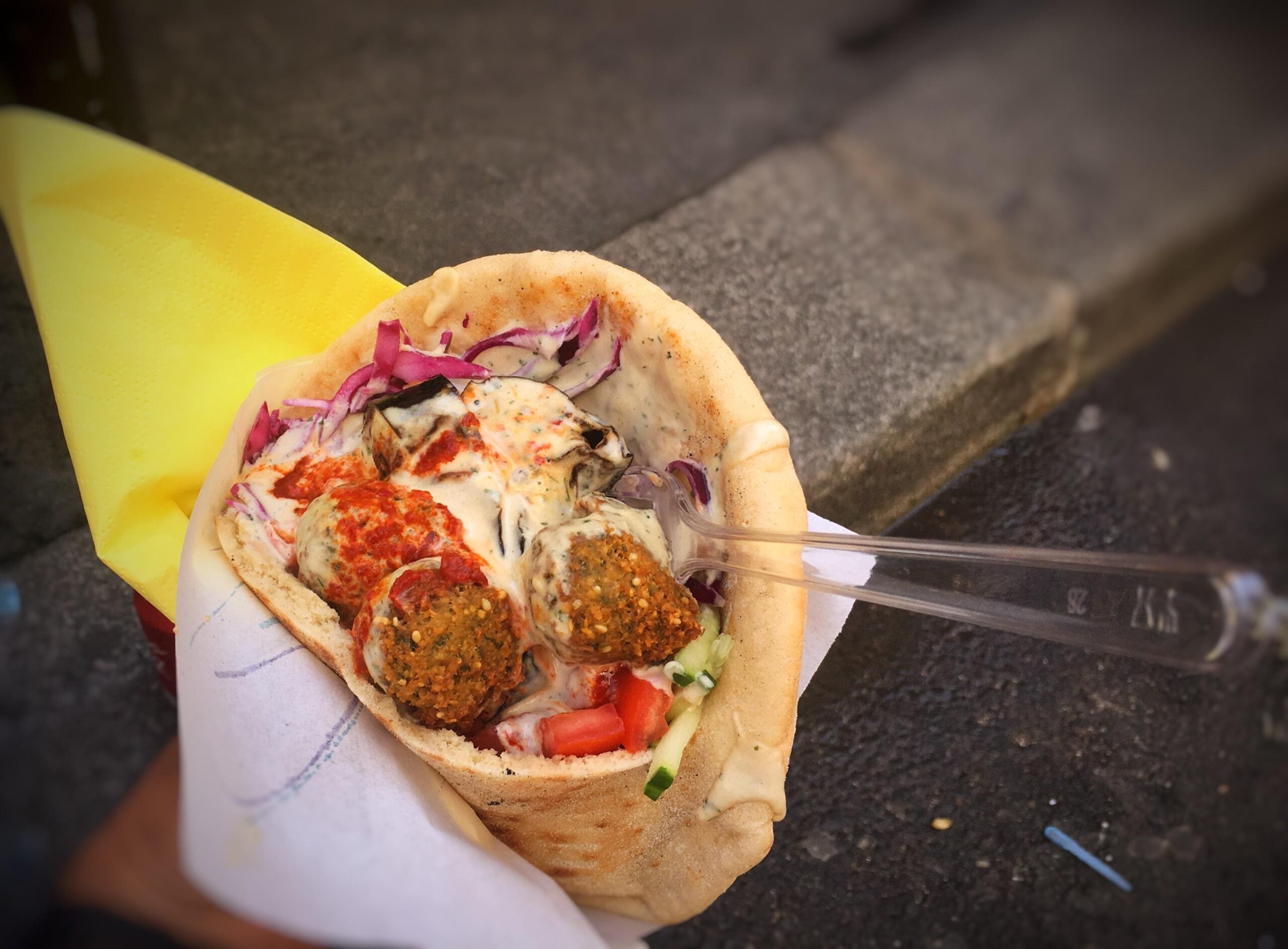
Middle Eastern vegetarian street food, once the cheapest option, is now priced closer to meat dishes. Once the go-to for frugal diners, falafel now reflects how even plant-based principles are not immune to rising costs.
Trending on Wealth Gang


6. Hot dog

From New York carts to Berlin stands, hot dogs have lost their “cheap snack” status.
7. Curry plate
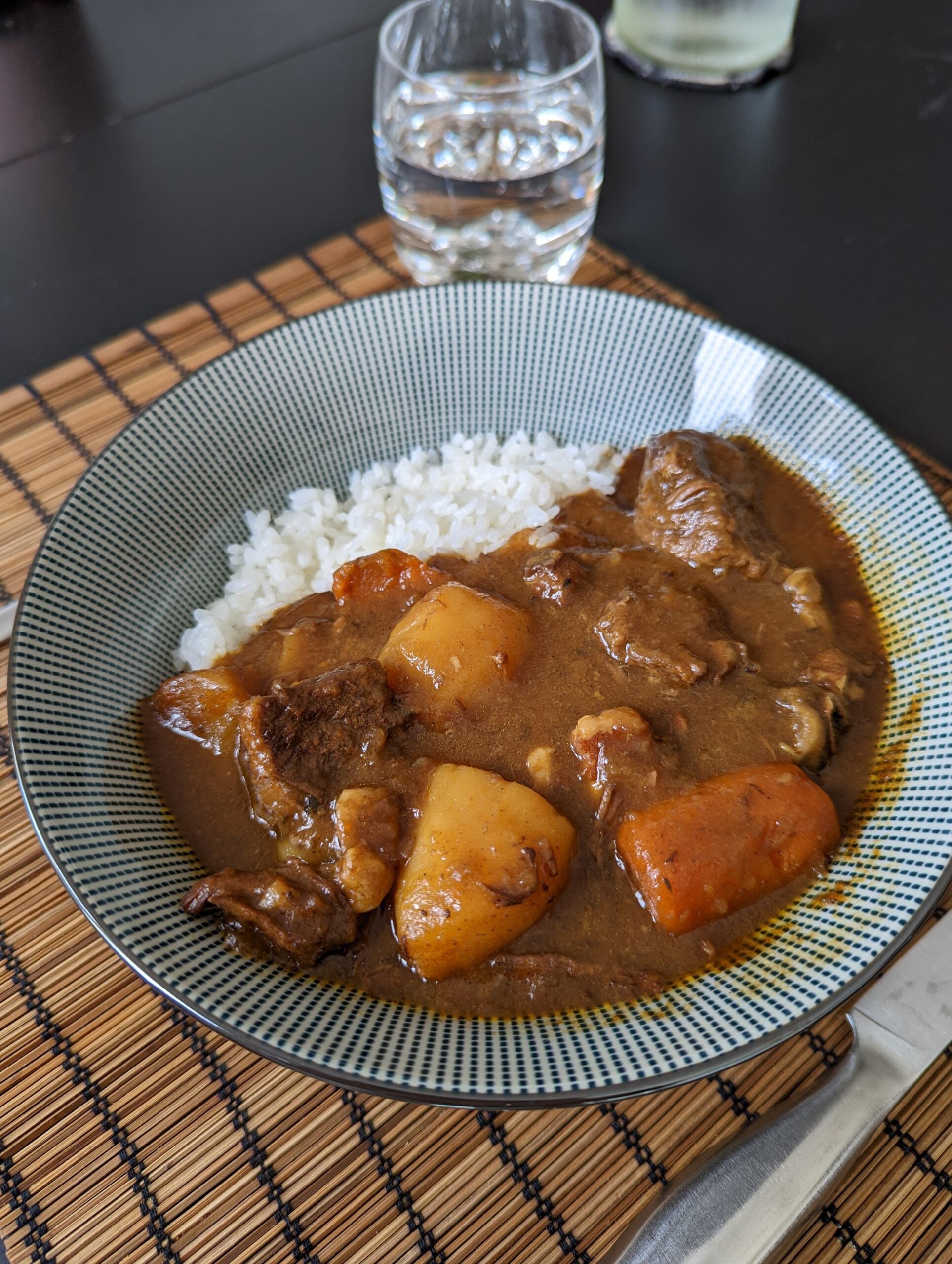
Indian thalis and curry plates were once budget meals, but rising spice and rice prices have driven prices up. Once a symbol of abundance and variety, thalis now remind diners that even tradition carries the weight of rising costs.
8. Pho
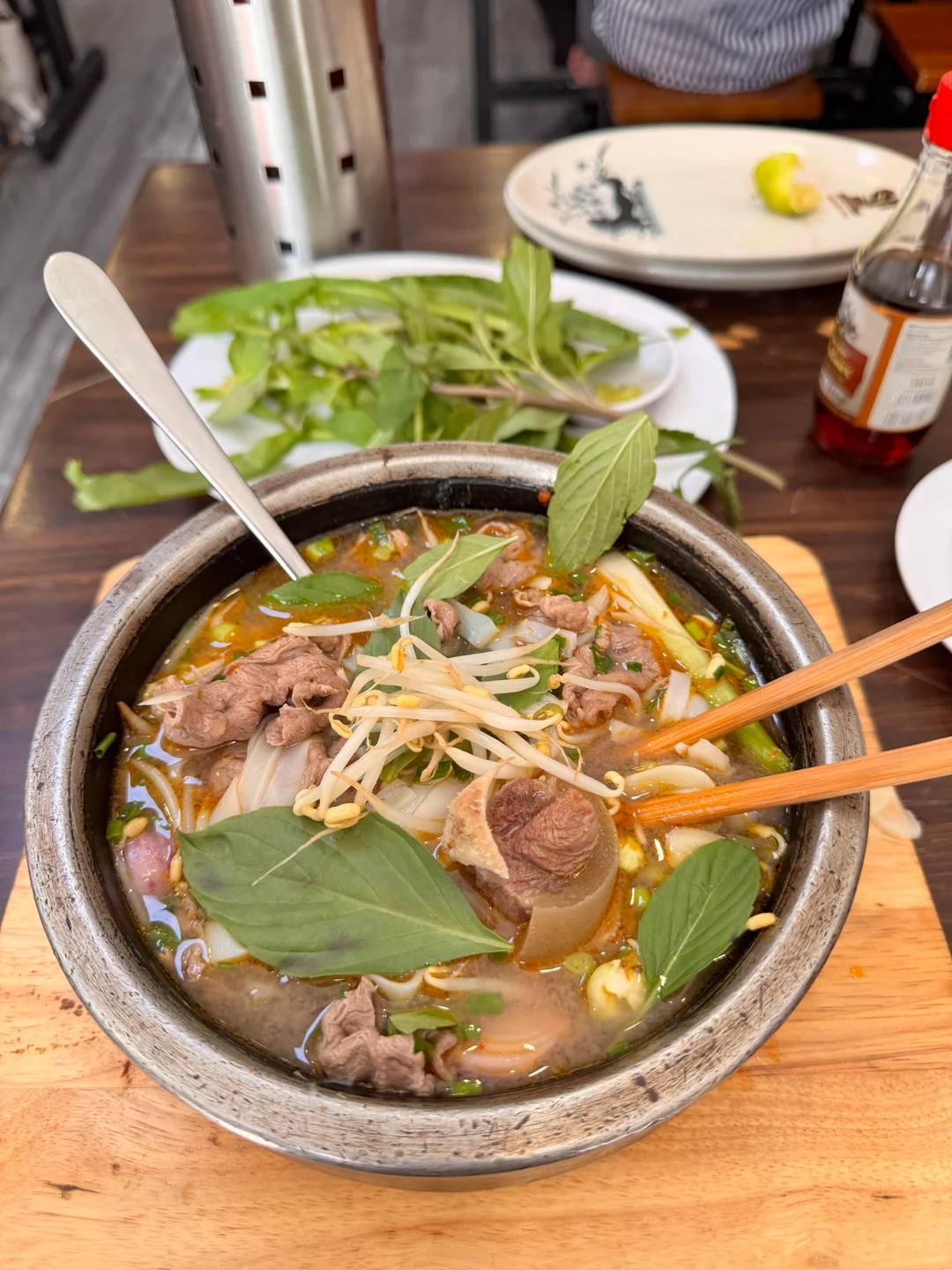
Vietnam’s beloved noodle soup, once the cheapest street food, now costs several times more in restaurants worldwide.
Sign up for our newsletter
9. Hamburger
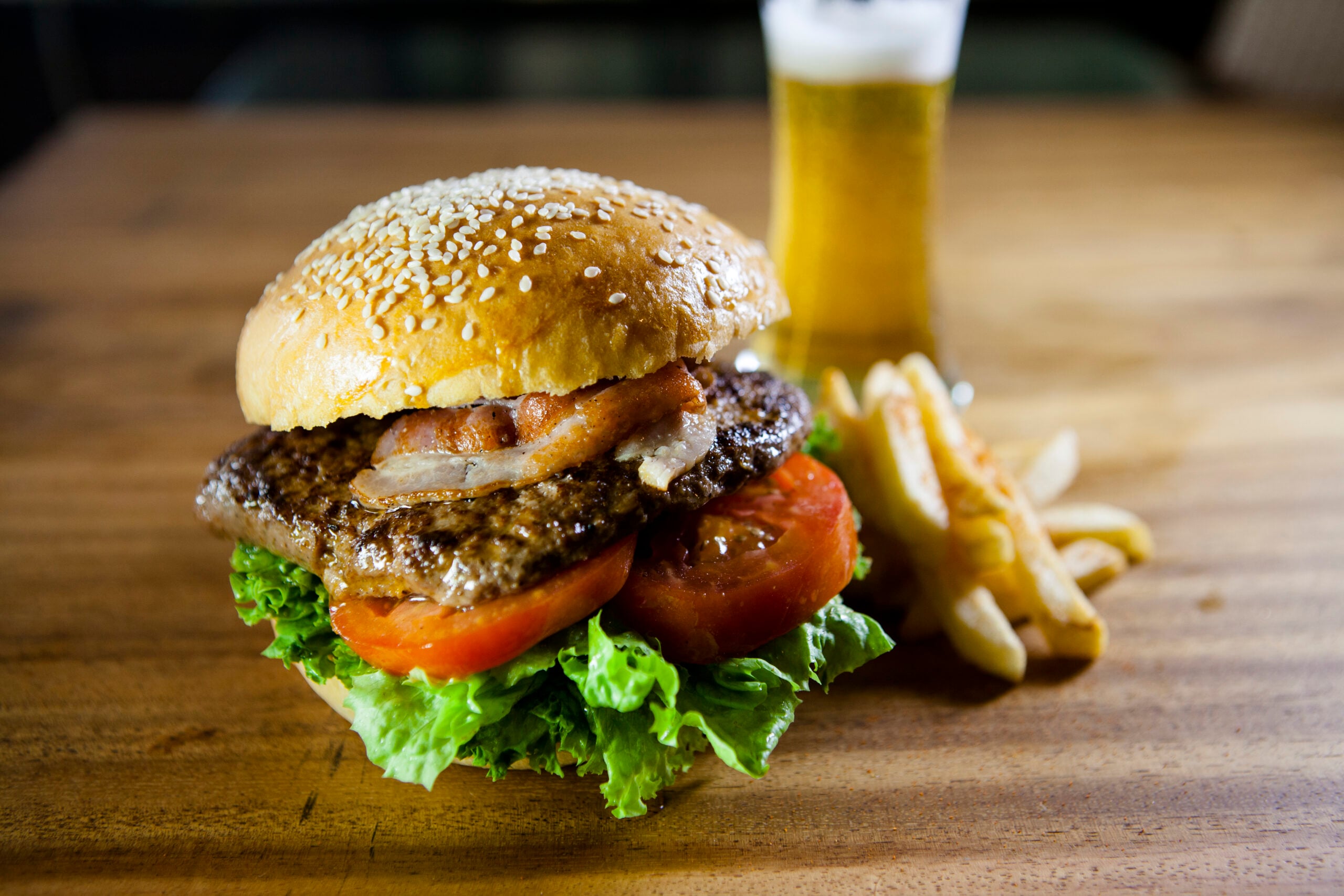
The American diner classic has seen beef and bun costs push it out of the “cheap eats” category. Once the symbol of affordable indulgence, the burger now reflects how even diner staples have been priced out of everyday comfort.
10. Paella
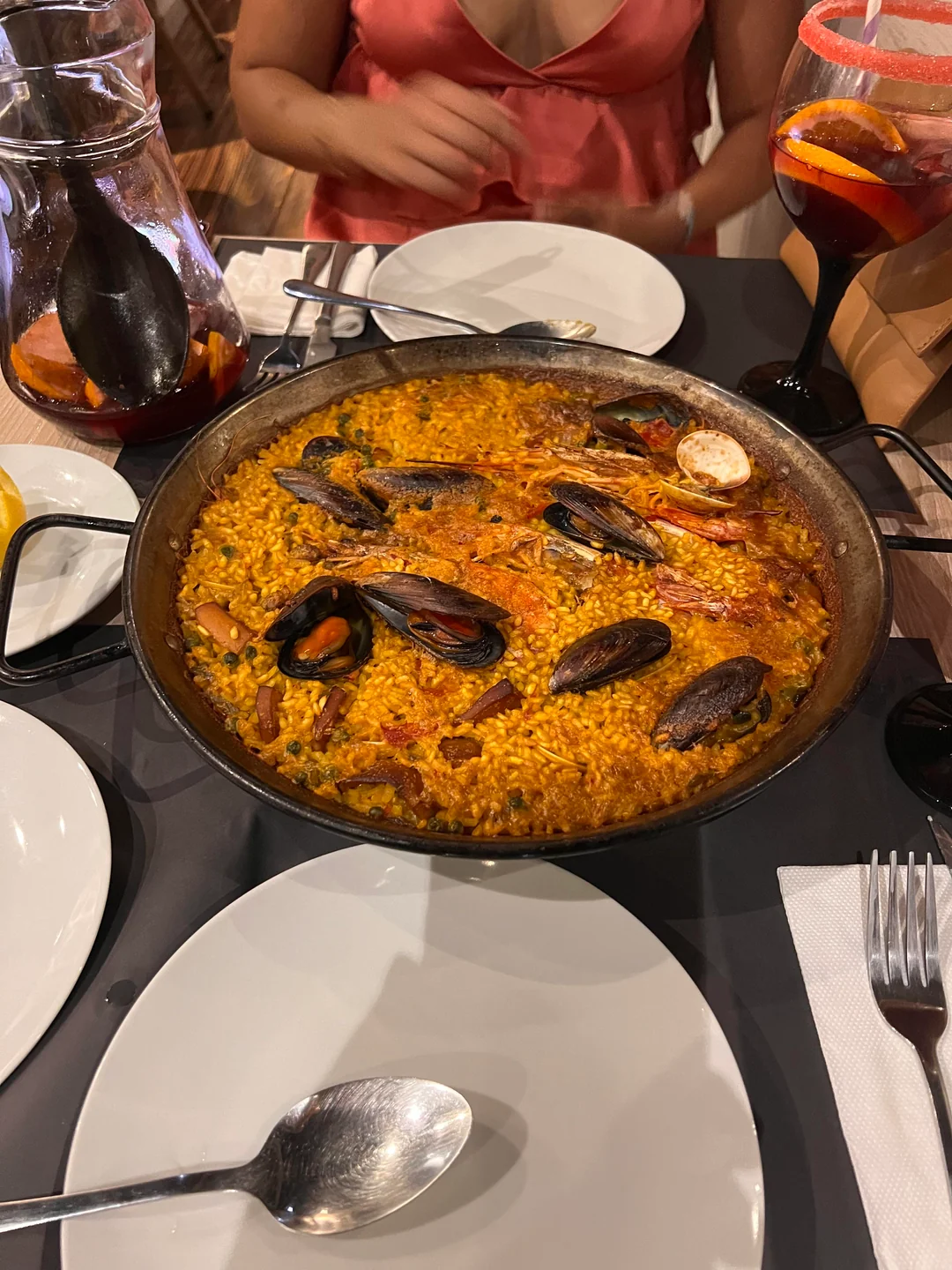
Spain’s rice dish was once a communal budget meal, but seafood and saffron costs have made it expensive.
11. Sushi rolls
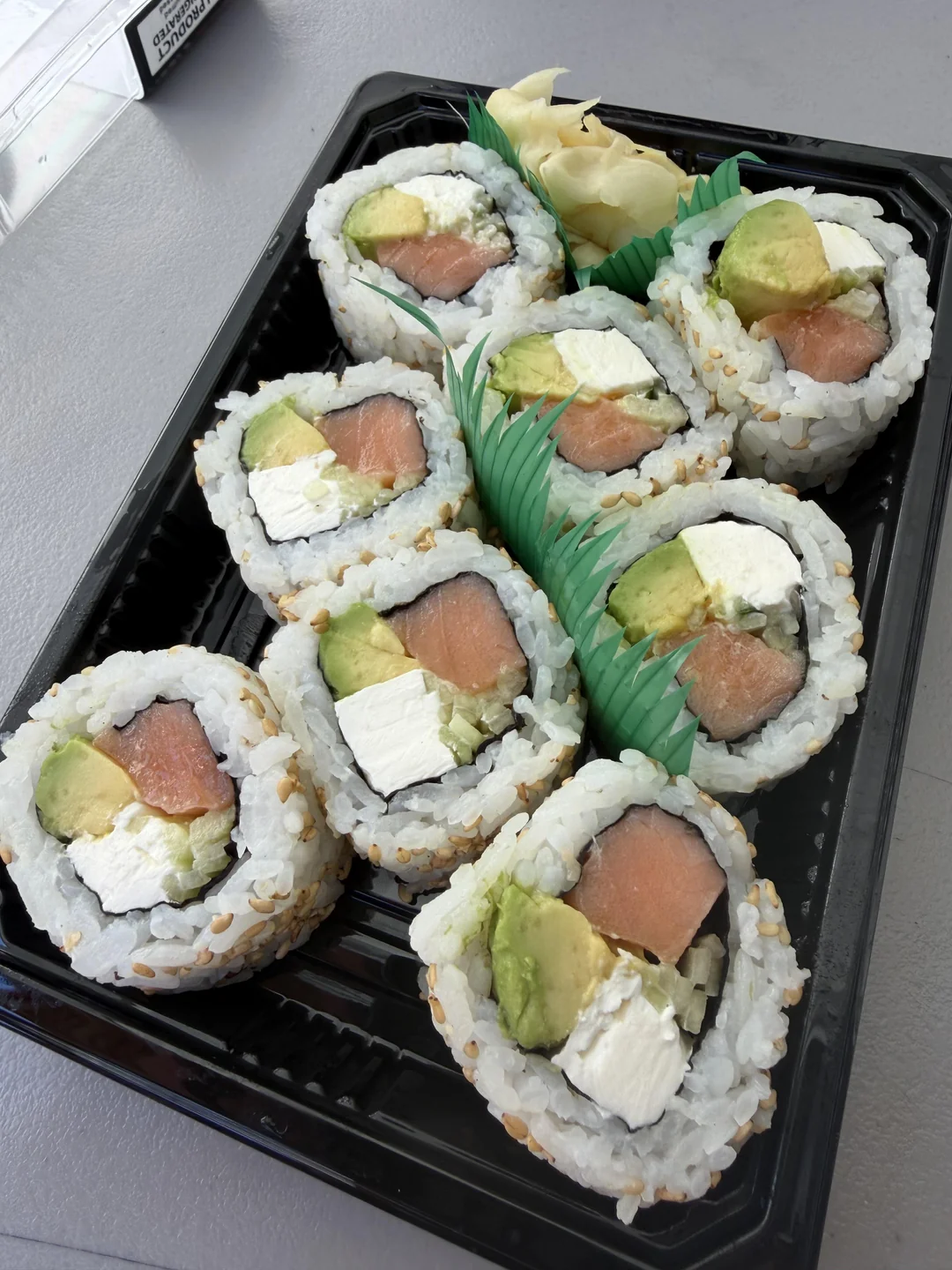
Sushi was once affordable in Japan, but global demand and fish scarcity have raised prices sharply. Once a delicacy tied to ritual and season, sushi now embodies how scarcity transforms tradition into luxury.
12. Shawarma
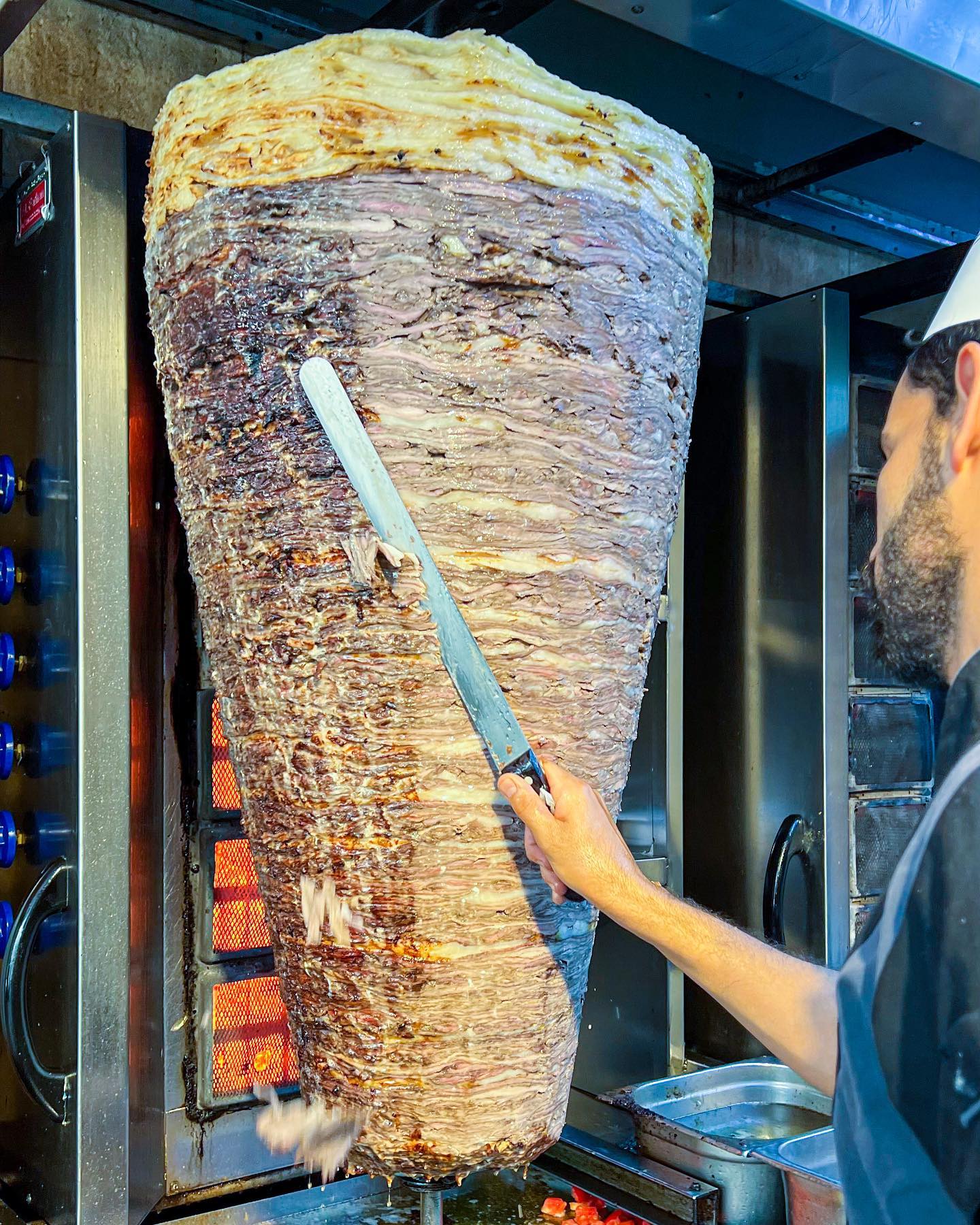
A Middle Eastern street staple, now priced much higher due to meat and pita inflation.
13. Pasta carbonara
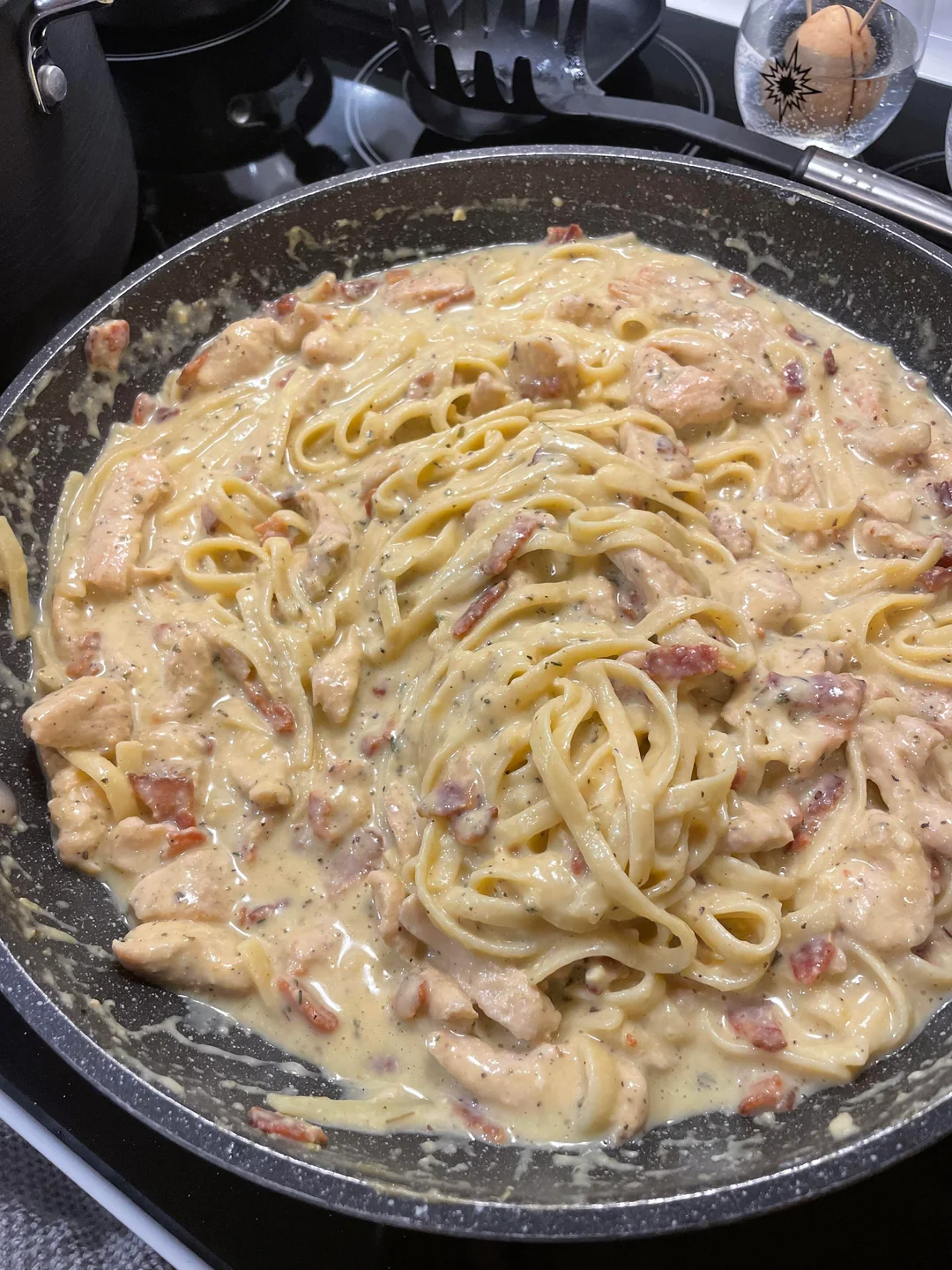
Italy’s humble pasta dish of eggs and cheese has become costly as dairy and restaurant markups rise. Carbonara now shows how even simplicity can be marked up into indulgence.
14. Dim sum
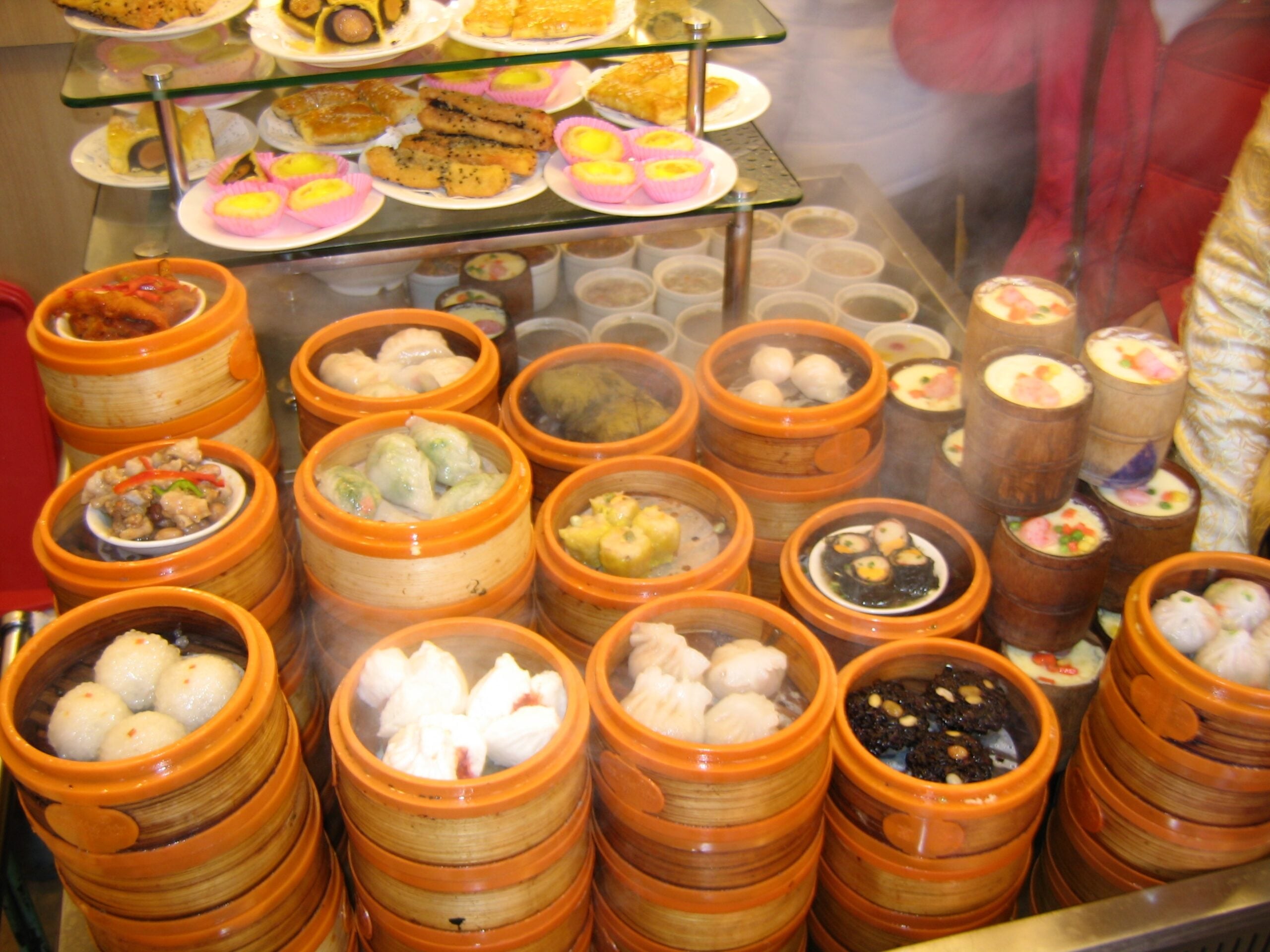
Cantonese dumplings were once cheap baskets, now they are premium-priced in global cities.
15. Empanadas
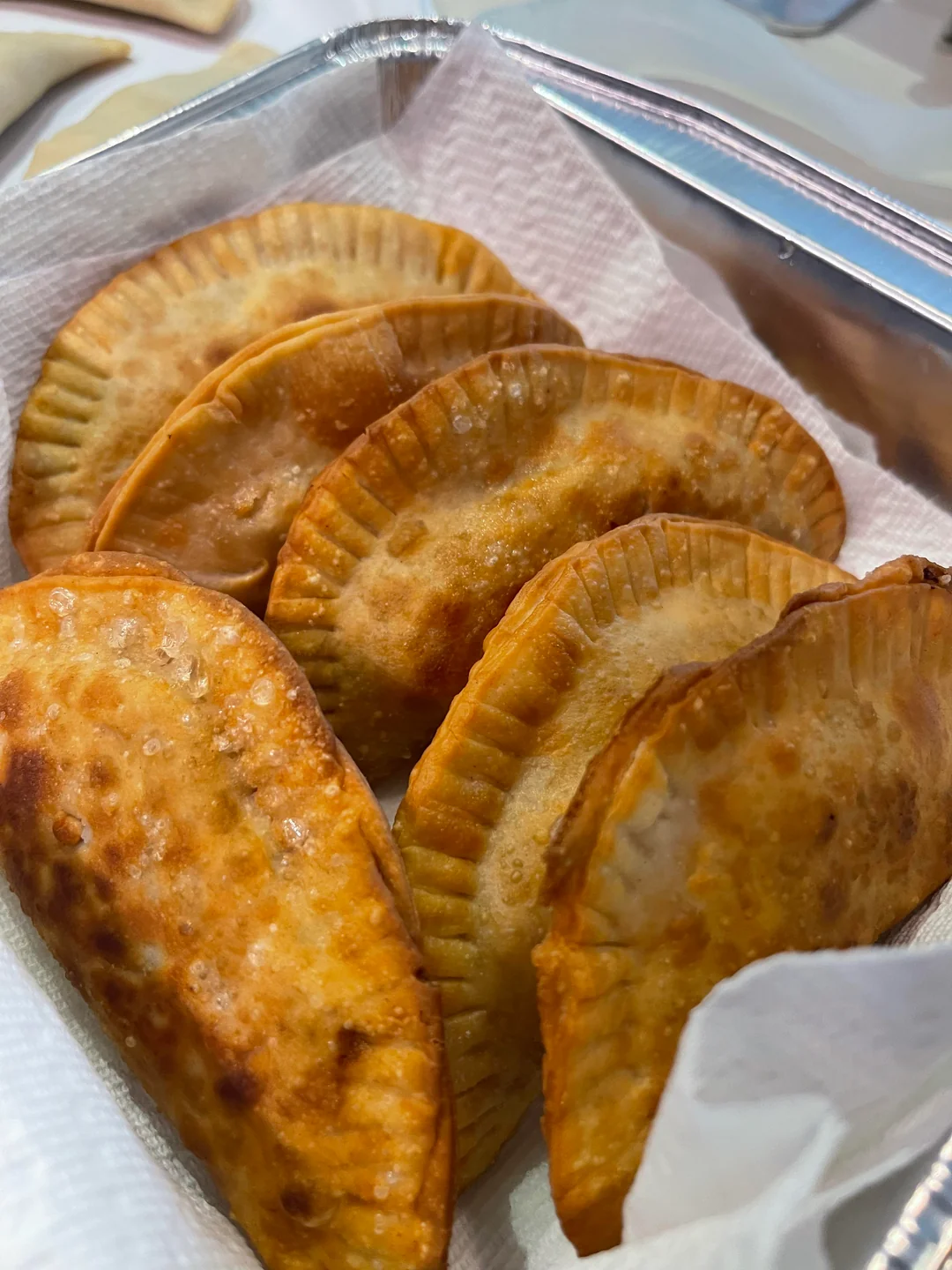
From Argentina to Spain, empanadas have gone from cheap snack to expensive appetizer. Once a symbol of everyday comfort, empanadas now carry the price tag of upscale dining.
16. Kebab
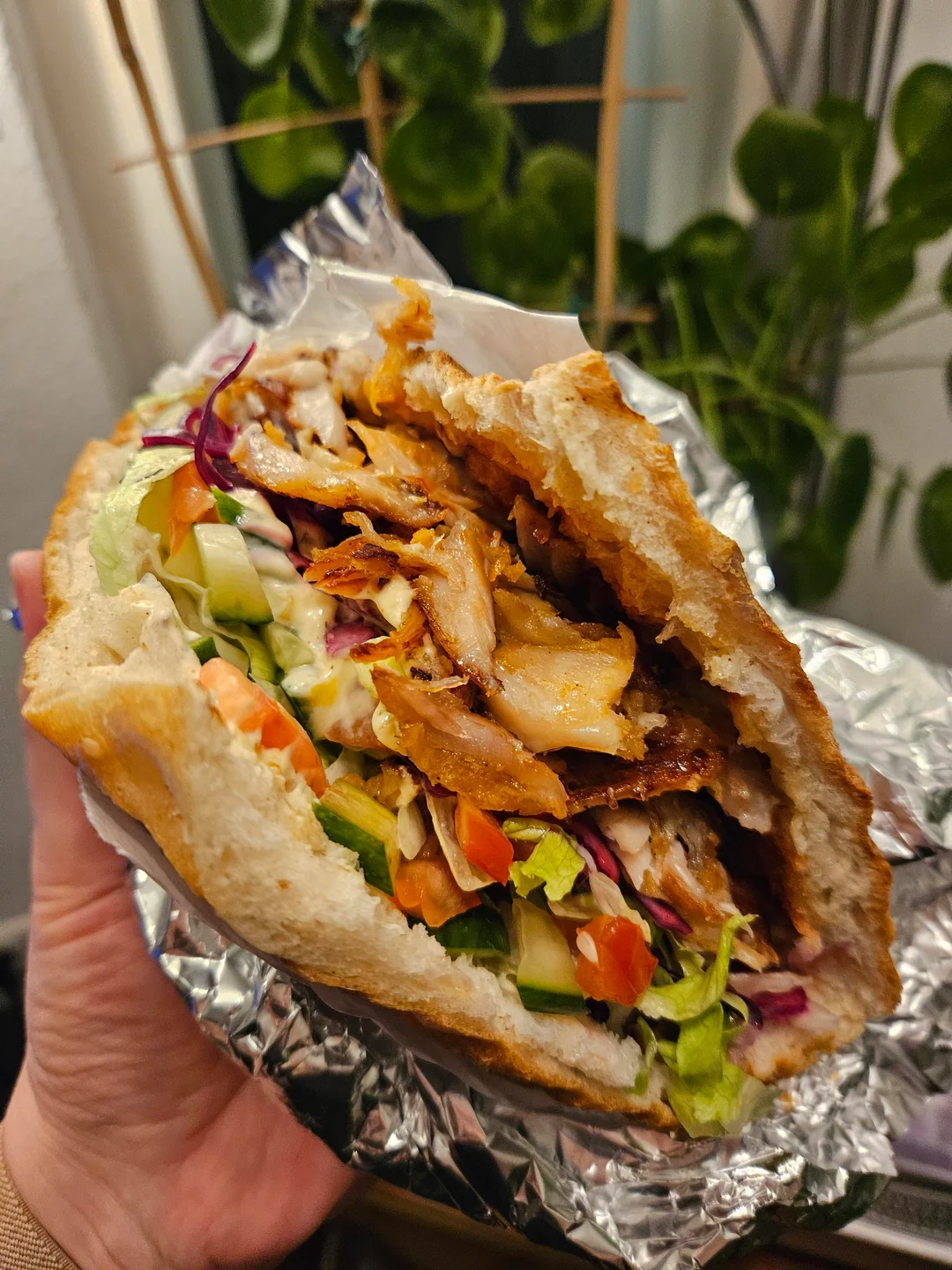
Turkish street food, once the cheapest filling option, now costs much more worldwide.
17. Pad Thai
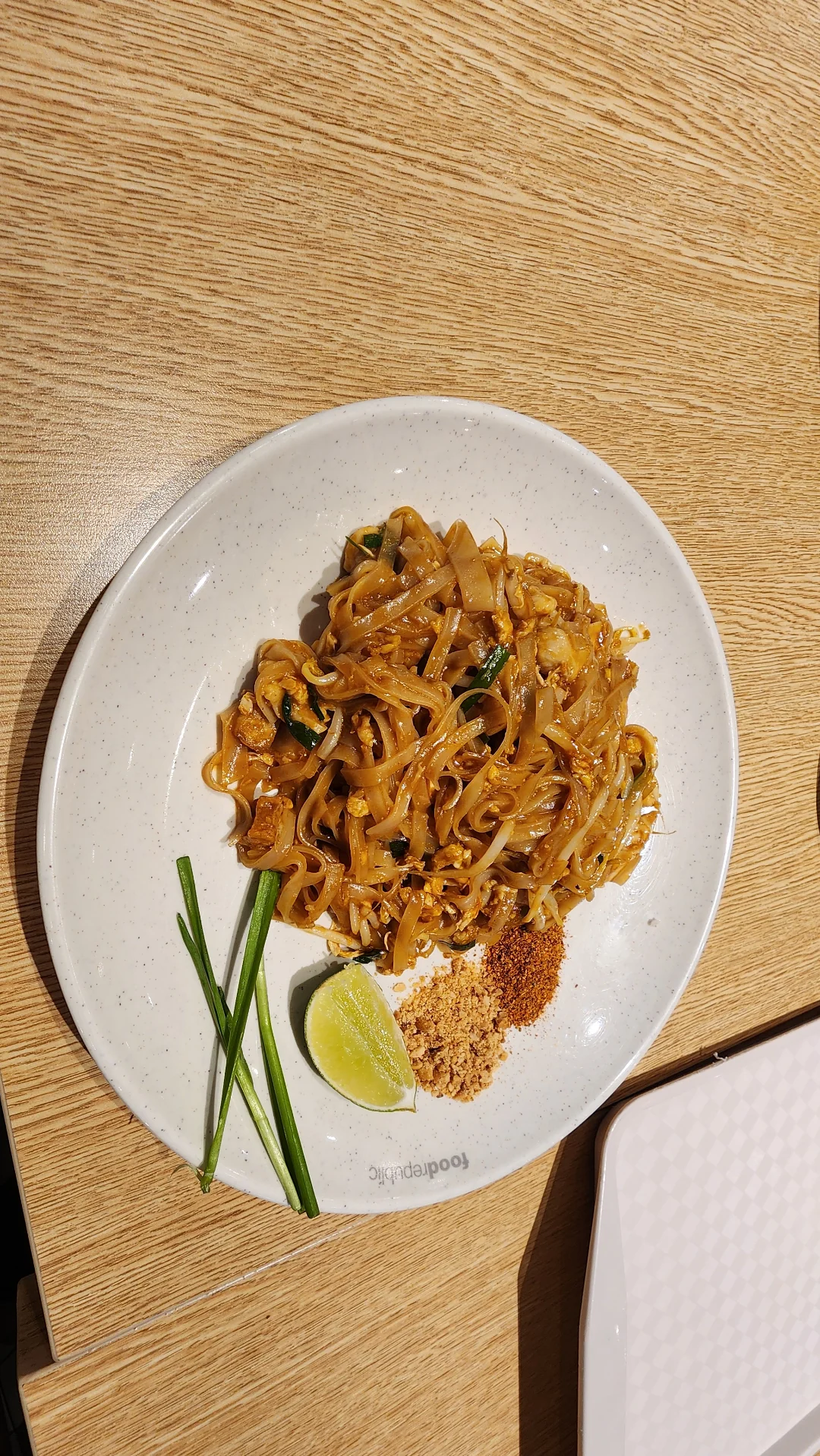
Thailand’s national dish was once the cheapest street plate, now inflated by ingredient and tourism demand. Once the pride of Bangkok’s street stalls, pad thai now mirrors how tourism and inflation have transformed a national dish into a pricier plate.
18. Burrito
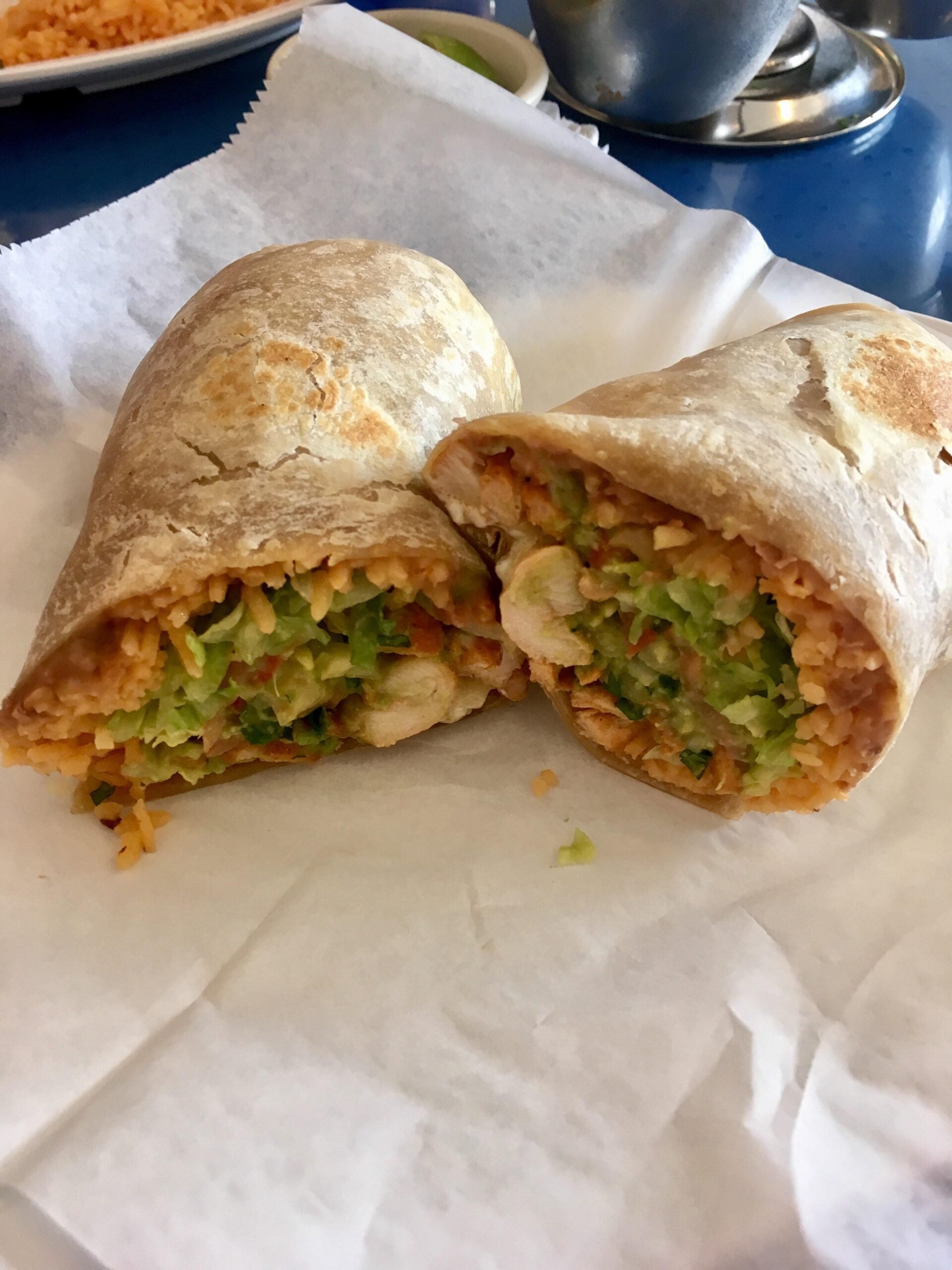
Once a cheap Mexican-American staple, burritos now rival full restaurant meals in price.
The story these meals tell is bigger than food, it is about how global dining has moved from necessity to indulgence, from everyday comfort to cultural memory. Whether it’s fish and chips in London or pad thai in Bangkok, each dish carries the weight of history and the price of change. What was once affordable now lives on as nostalgia, reminding us that even the simplest pleasures are not immune to the pressures of a changing world economy.