The 1800s were a time of incredible change. Many inventions from that century shaped the way people lived, worked, and traveled. What’s most surprising is that a lot of those creations are still part of our everyday lives today.
From simple household tools to breakthroughs in communication and transportation, these inventions proved their value over time. They may look different now, but their basic ideas remain the same, showing how powerful innovation can be. Next are 15 inventions from the 1800s that are still around today.
1. Battery
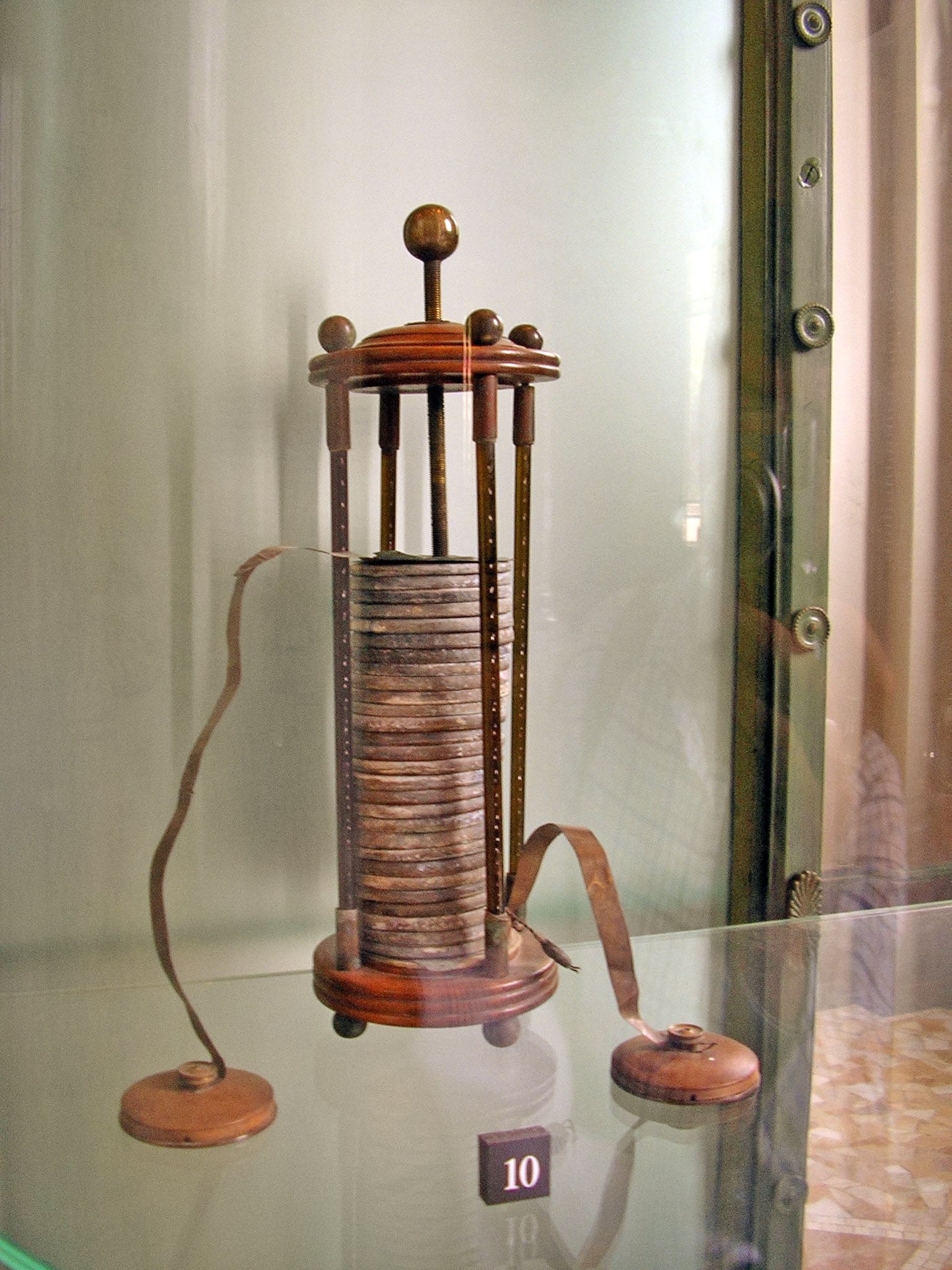
Invented by Alessandro Volta in 1800, the battery gave people portable power. Today, batteries run everything from phones to cars, proving how lasting this invention is.
2. Braille
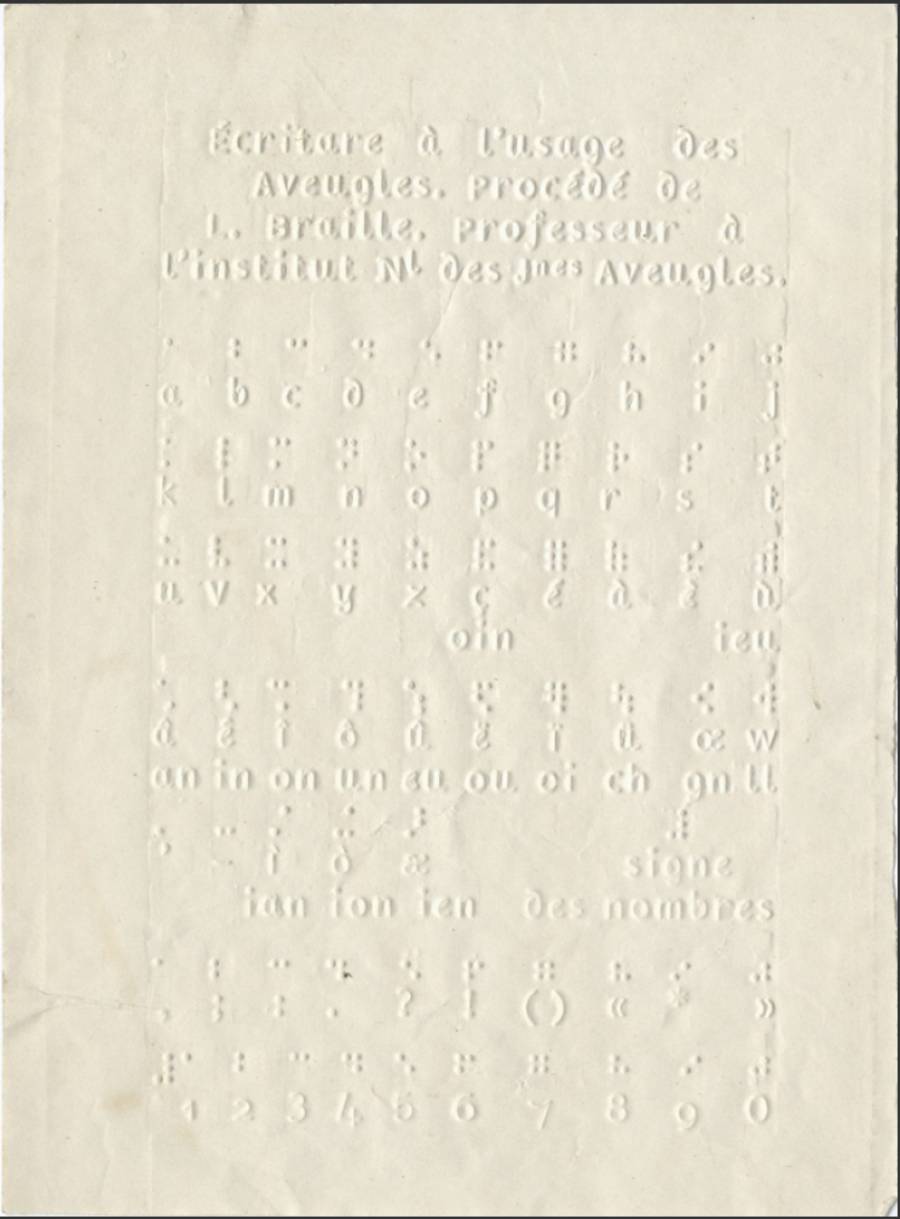
Louis Braille created his reading system in 1824. It opened the world of books and writing to blind people, and it is still widely used in schools, signs, and packaging.
3. Cameras
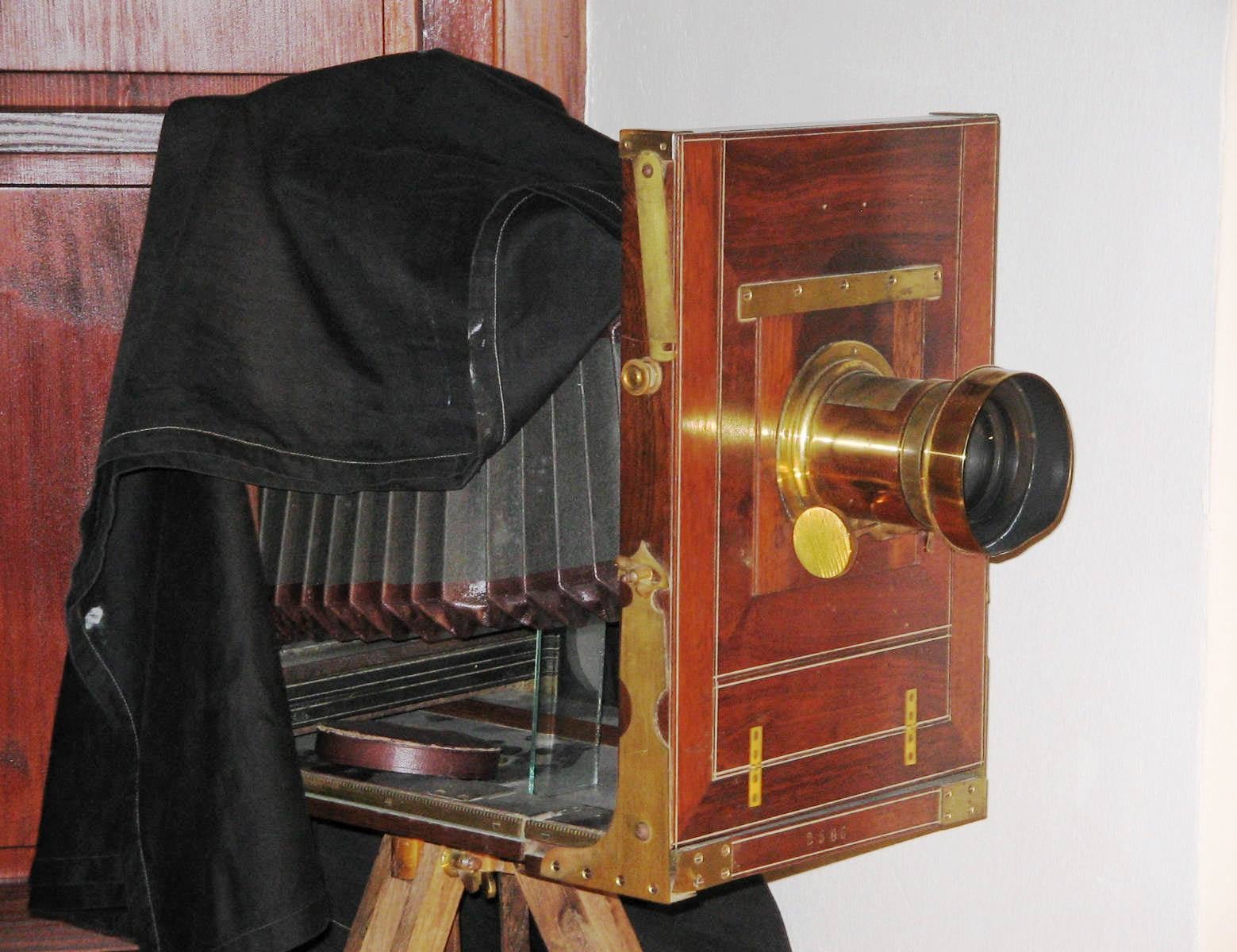
The first successful photograph was taken in 1826. Cameras have changed a lot since then, but the idea of capturing moments with light remains the same.
4. Typewriter
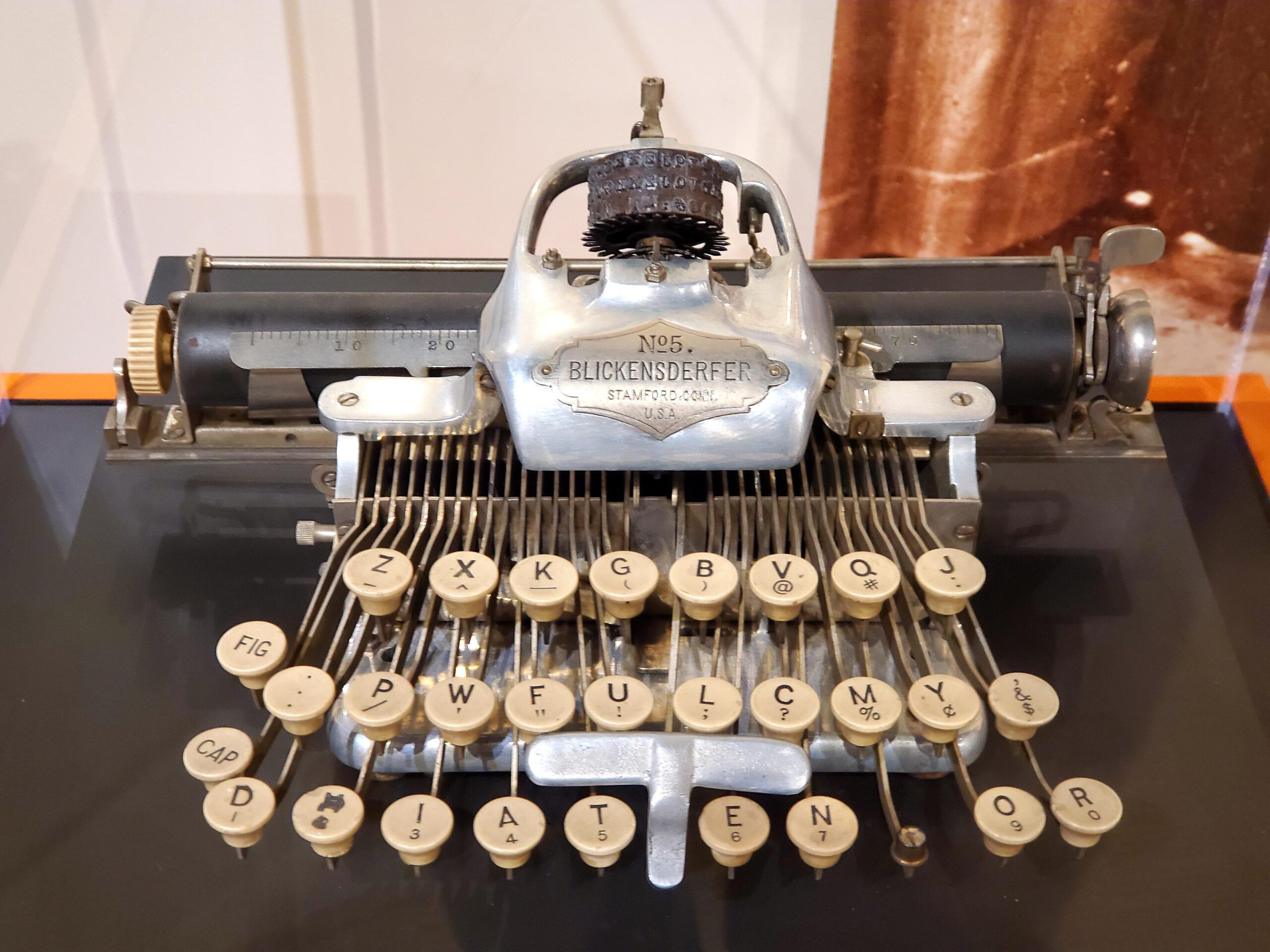
The typewriter, invented in the 1860s, made writing faster and more professional. While computers replaced it, the typewriter’s influence lives on in keyboards.
5. Sewing Machine
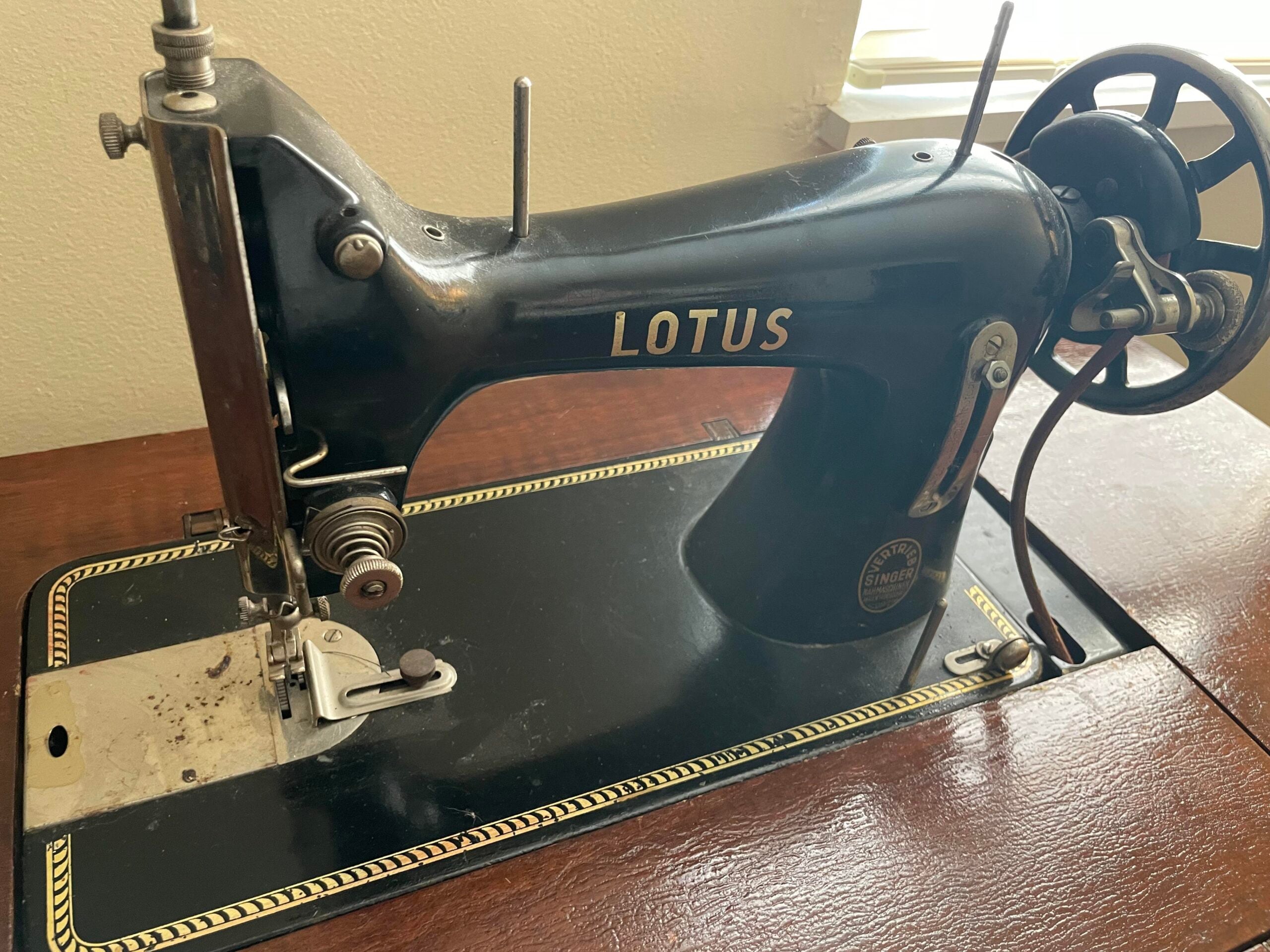
Elias Howe and Isaac Singer helped popularize sewing machines in the mid-1800s. They made clothing production quicker, and modern machines still follow the same design.
Trending on Wealth Gang


6. Refrigerator
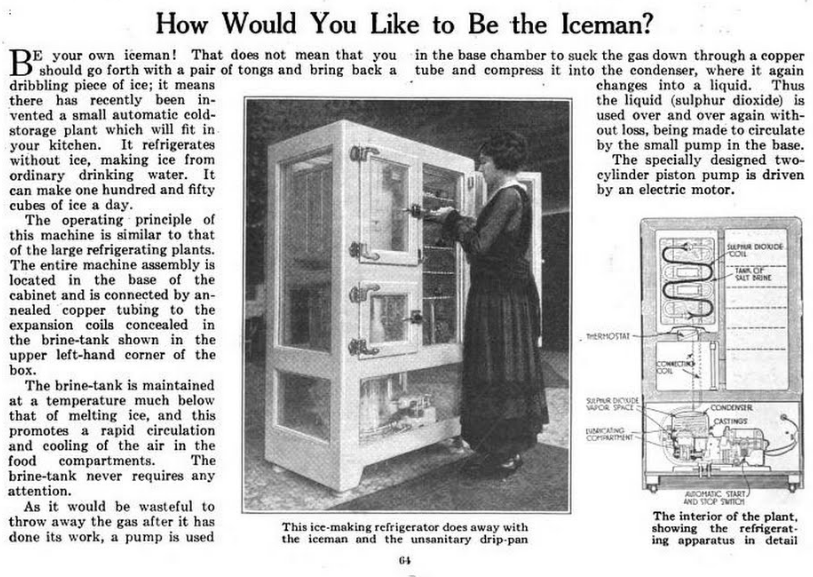
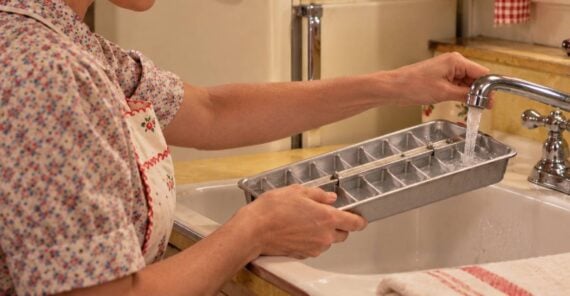
Mechanical refrigeration appeared in the 1800s. It changed food storage forever, and today’s fridges are direct descendants of those first cooling systems.
7. Matches
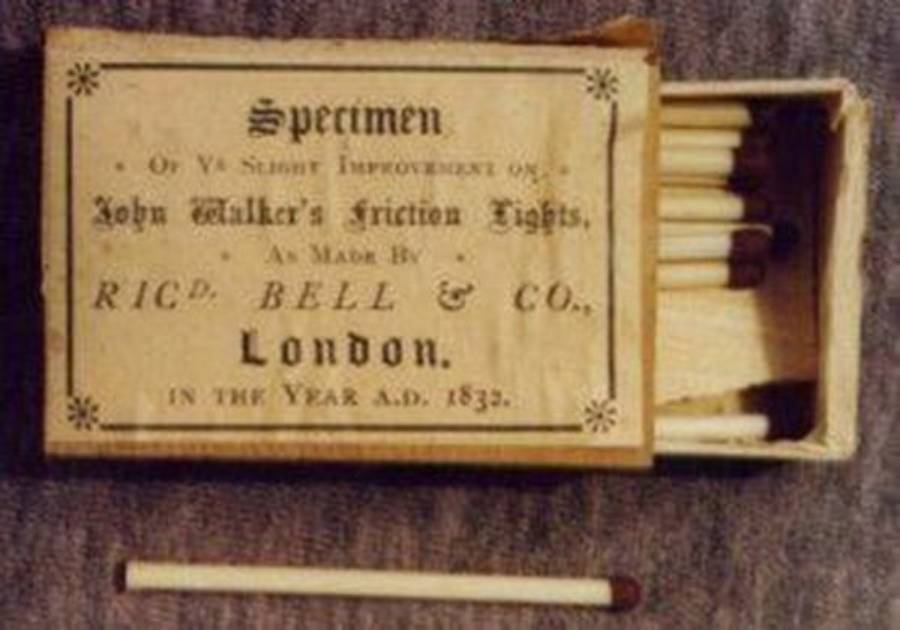
The match was invented in 1826. It gave people a quick way to start fires, and even now matches are used for candles, camping, and emergencies.
8. Safety Pin
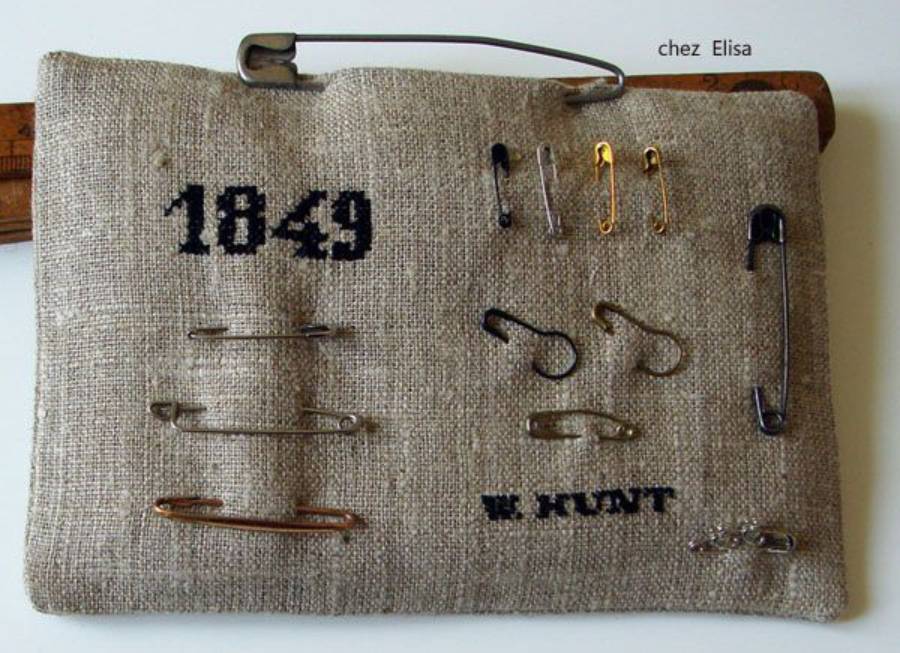
Walter Hunt invented the safety pin in 1849. It is a simple tool, but still useful for fastening clothes or fixing small problems on the go.
Sign up for our newsletter
9. Elevator
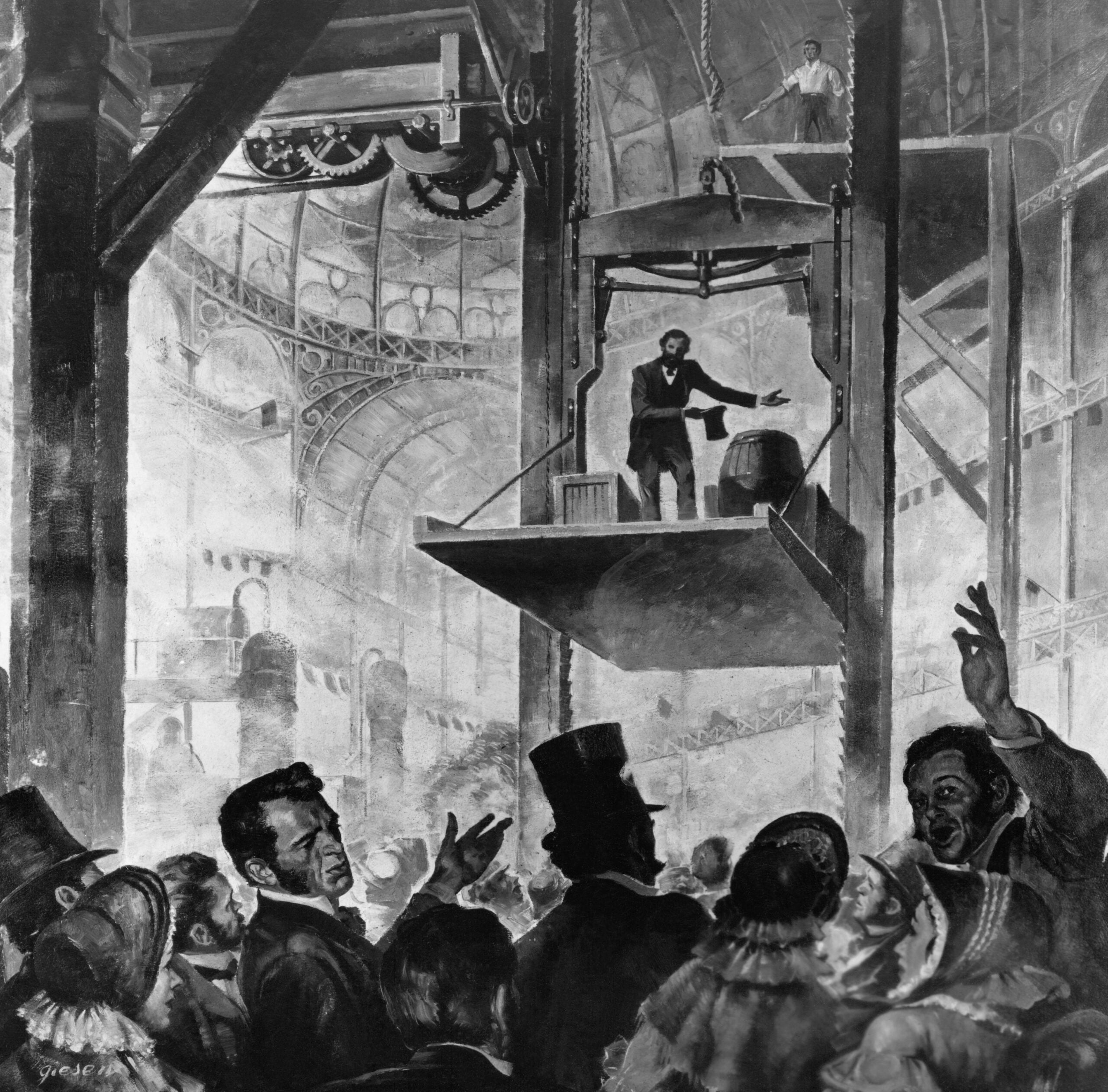
Elisha Otis introduced the elevator in 1853. His design made tall buildings possible, and elevators remain essential in cities worldwide.
10. Telephone
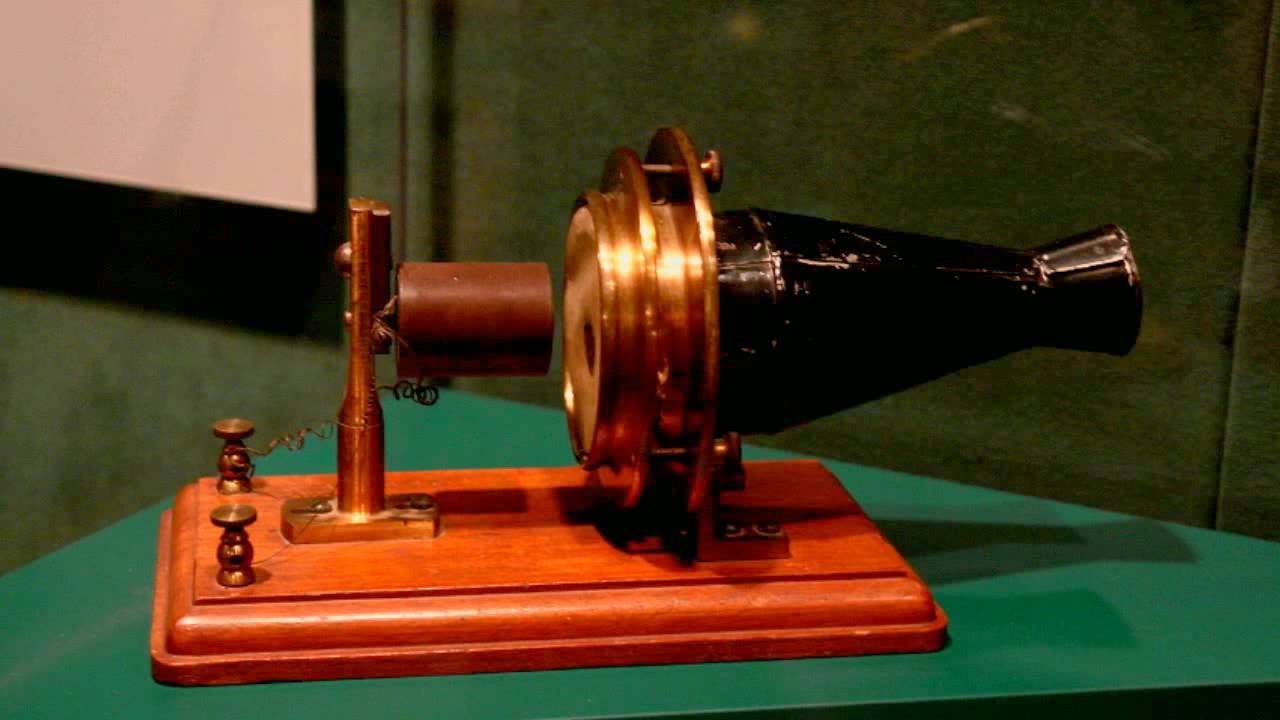
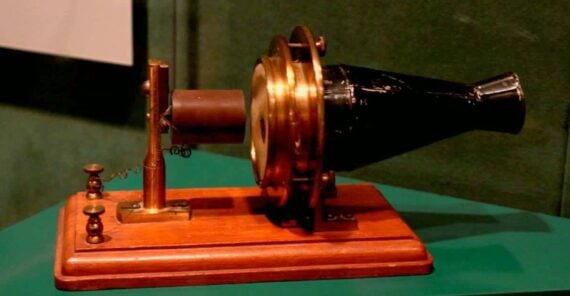
Alexander Graham Bell’s telephone in 1876 changed communication forever. Even with smartphones today, the basic idea of voice transmission is the same.
11. Light Bulb
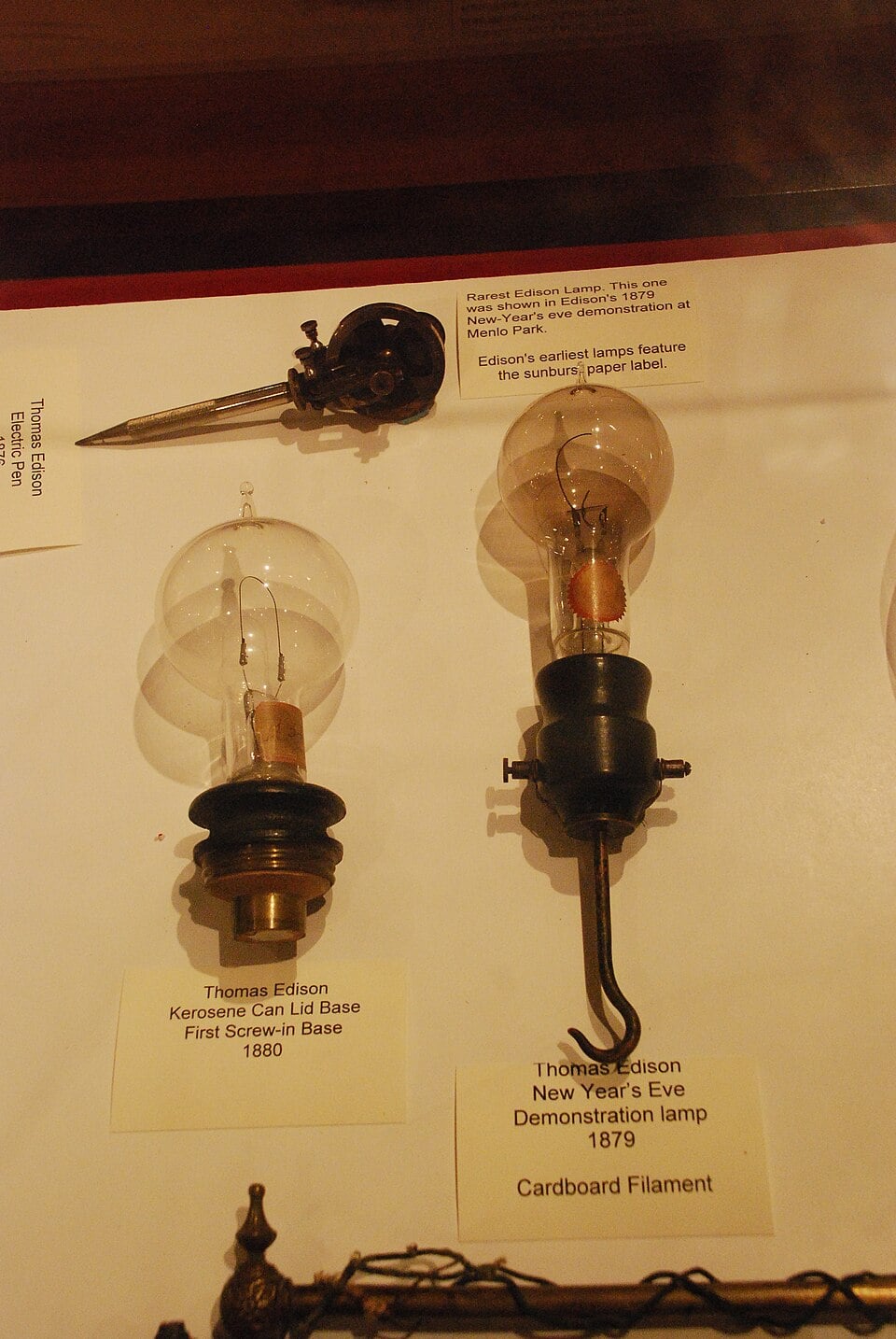
Thomas Edison and others perfected the light bulb in the late 1800s. Electric light replaced candles and gas lamps, and it is still the standard for homes and cities.
12. Coca-Cola
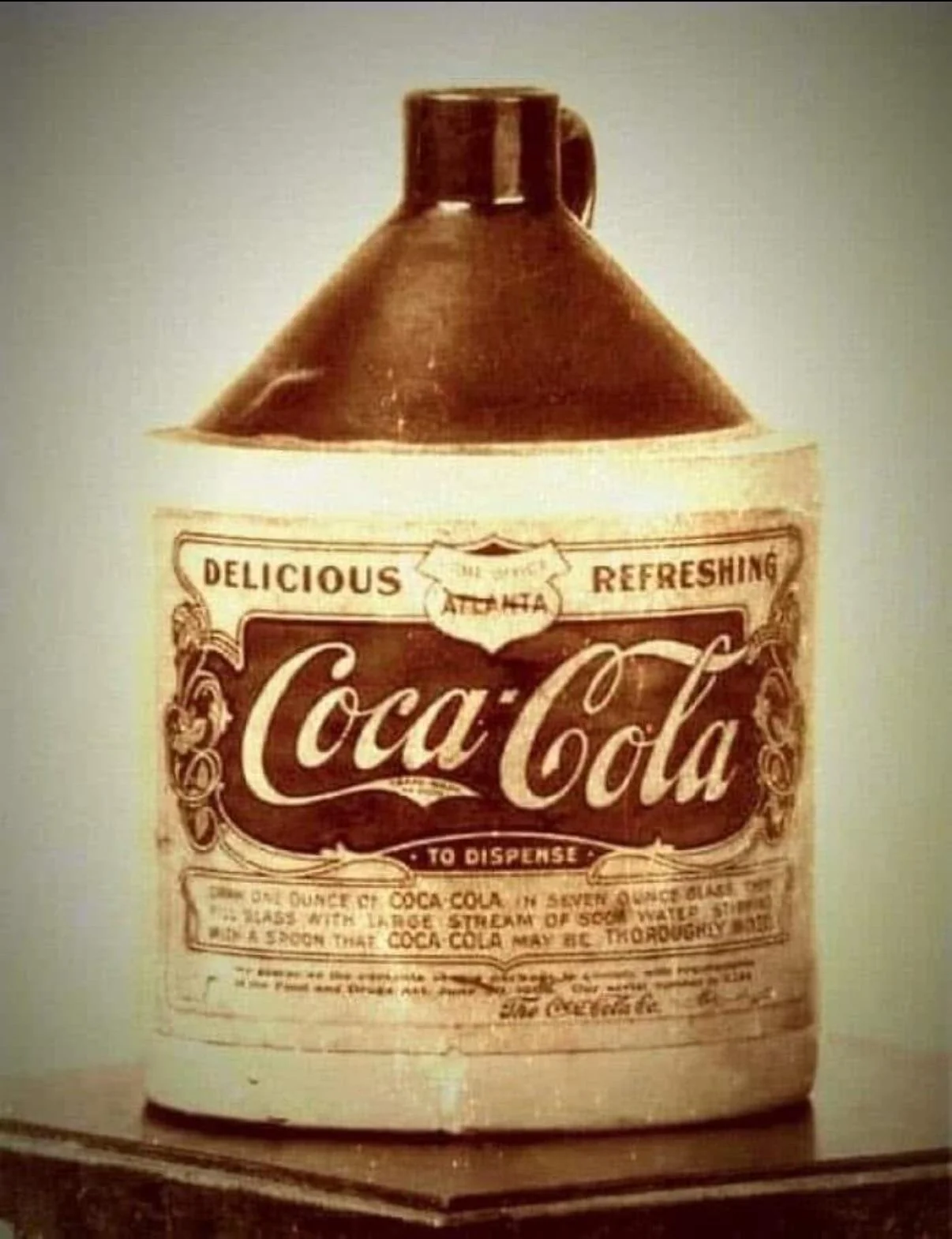
First made in 1886, Coca-Cola started as a soda fountain drink. It became one of the most famous beverages in the world and is still enjoyed everywhere.
13. Vacuum Cleaner
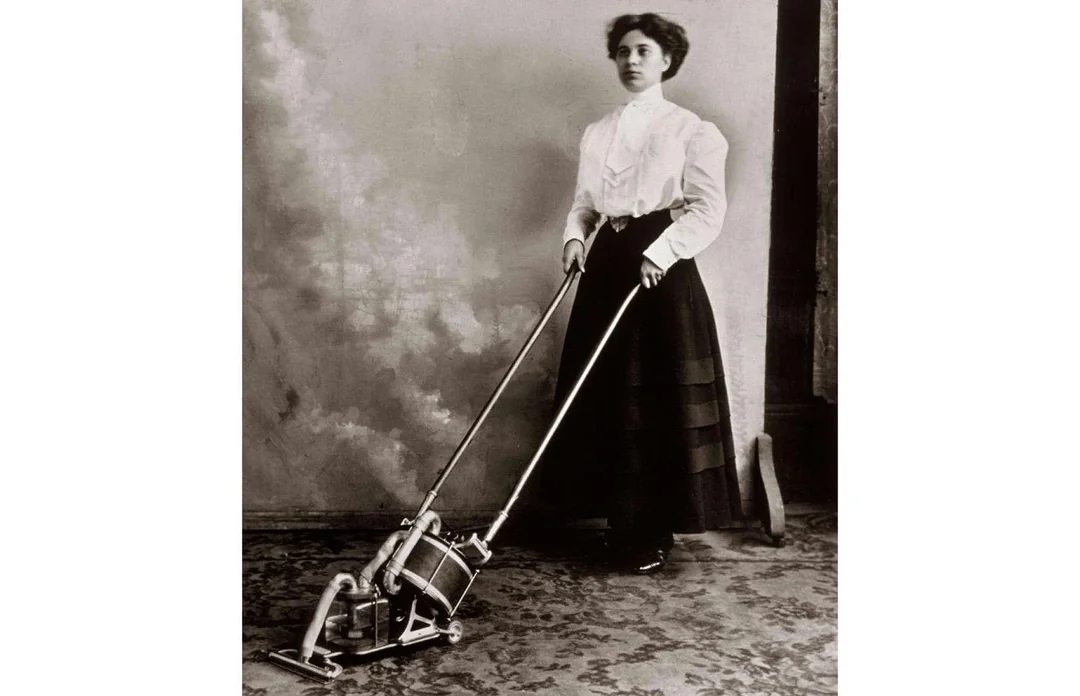
Early versions appeared in the 1860s. Though bulky at first, vacuum cleaners became household staples and remain vital for cleaning today.
14. Motorcycle
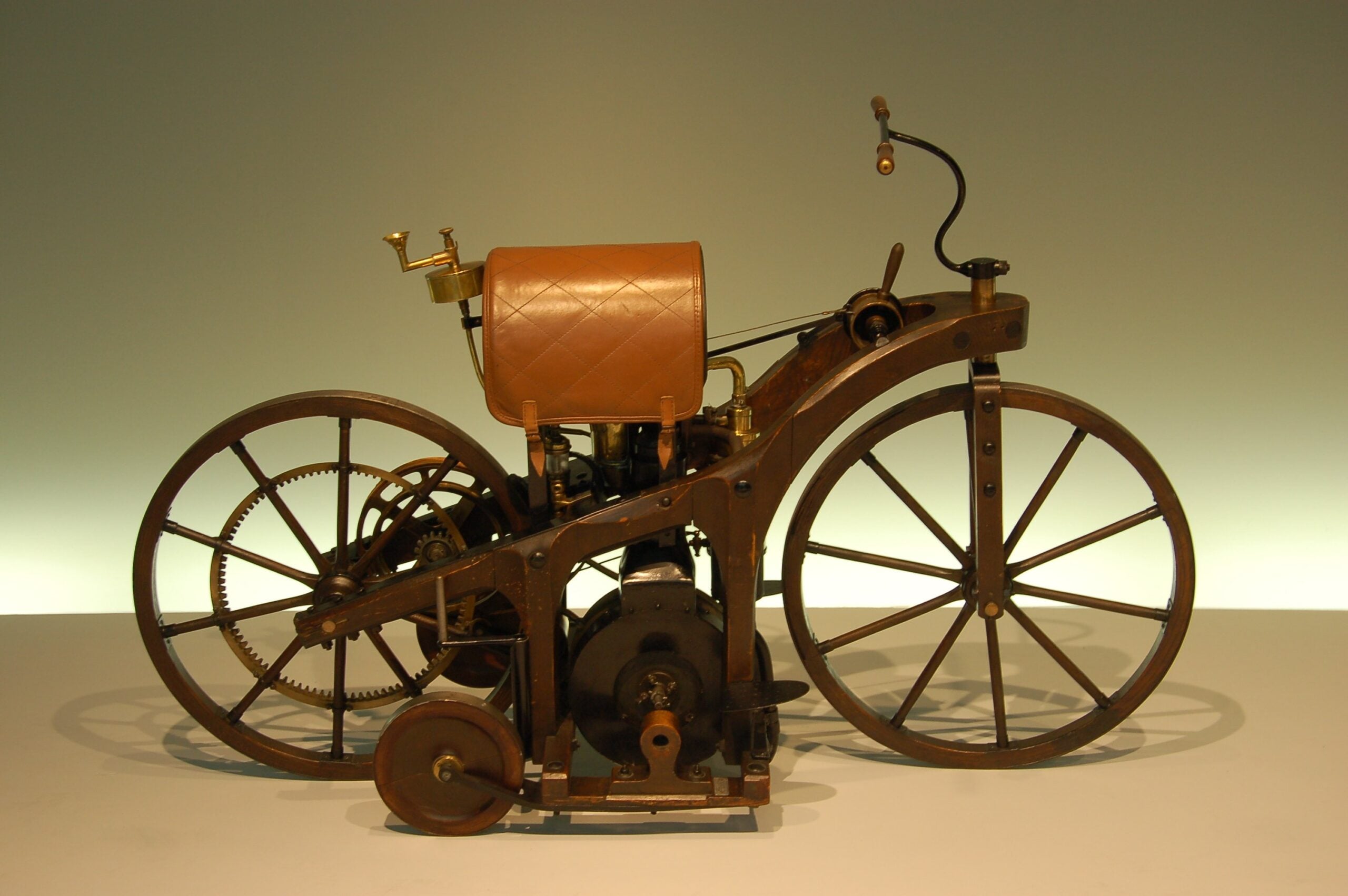
The first motorcycle was built in 1885. It gave people a fast, personal way to travel, and motorcycles are still popular for both fun and transport.
15. Canned Food
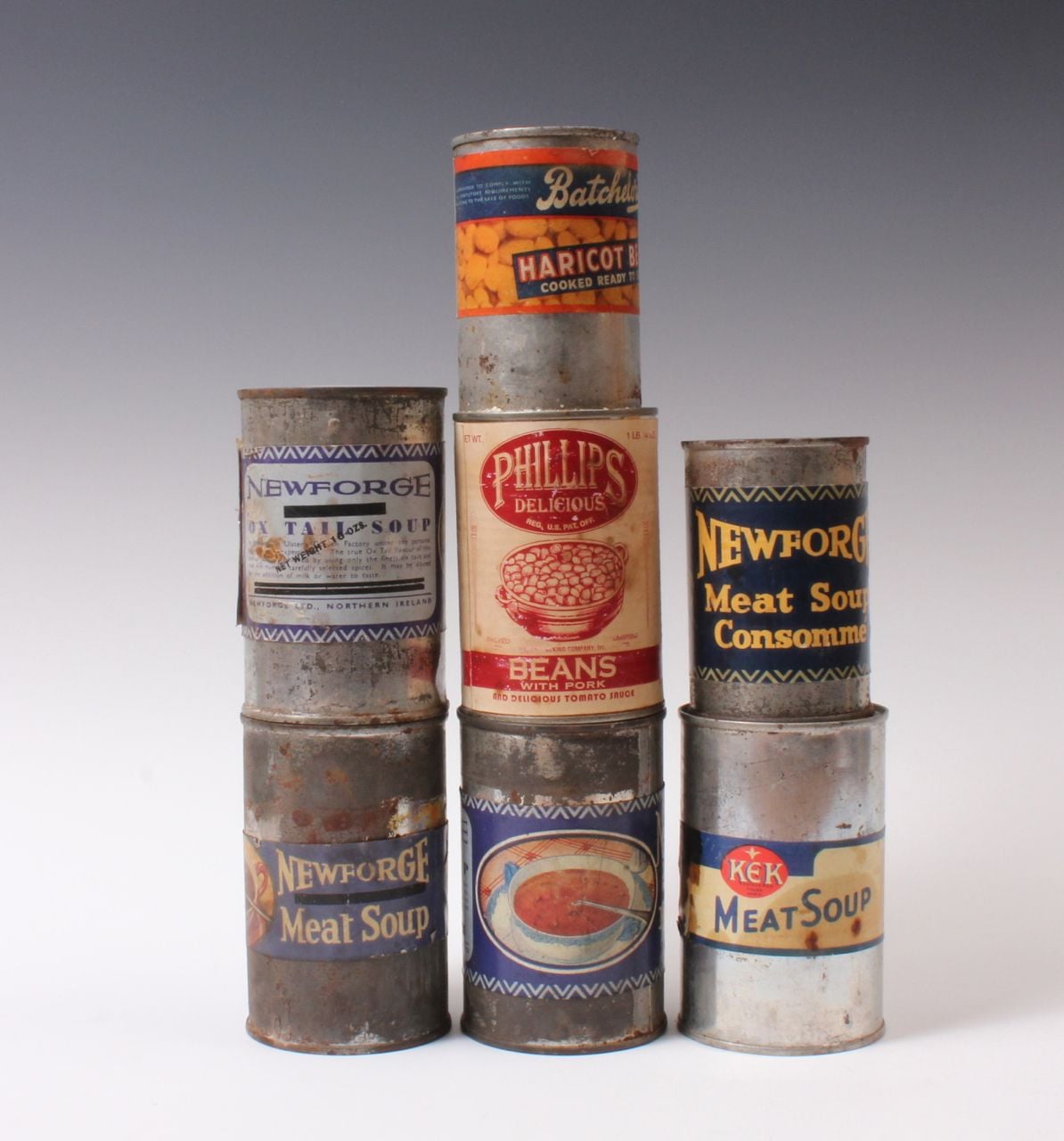
The process of sealing food in cans was developed in the early 1800s. It made food last longer, and canned goods are still a key part of kitchens worldwide.
Looking for similar content?
Check out 14 Everyday Inventions We Didn’t Know Came From the 1960s for a look at how a single decade shaped modern life, from the ATM to the microwave. For proof that big ideas don’t need big budgets, 20 Inventions Straight Out of an Ingenious Garage That Saved Tons of Money shows what a little creativity and spare parts can accomplish. And if you want to see how simple fixes turned into everyday essentials, 12 Inventions That Saved Us From Everyday Problems rounds up the small solutions we now can’t live without.