Before online deals, flash sales, and endless scrolling, holiday shopping was an experience you had to physically show up for. From crowded malls dressed up in full Christmas decor to last minute department store runs and carefully planned one day sales, shopping for the holidays meant patience, planning, and a lot of walking.
These traditions weren’t always convenient, but they became a memorable part of the season, whether you were circling gifts in a catalog, waiting in line at a packed store, or racing to finish everything before closing time.
1. Holiday Shopping Meant Going to the Mall
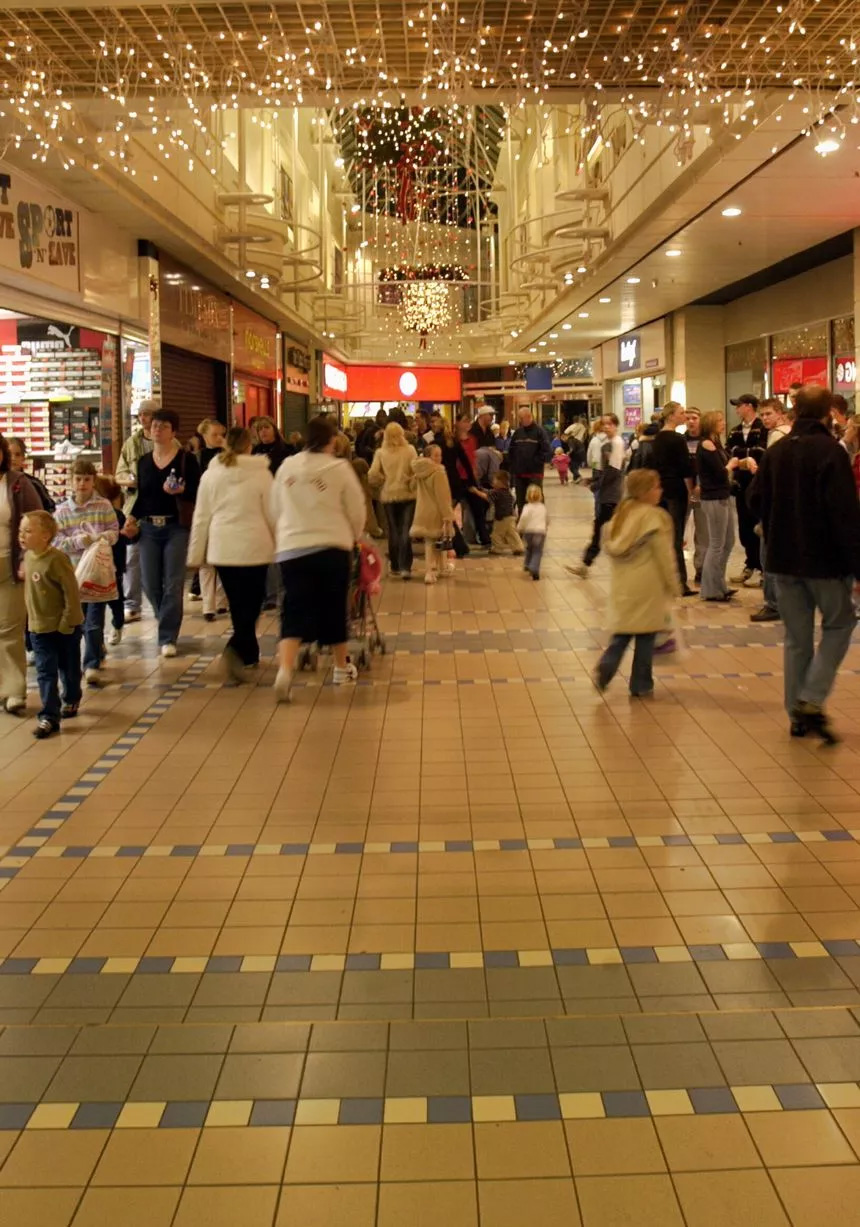
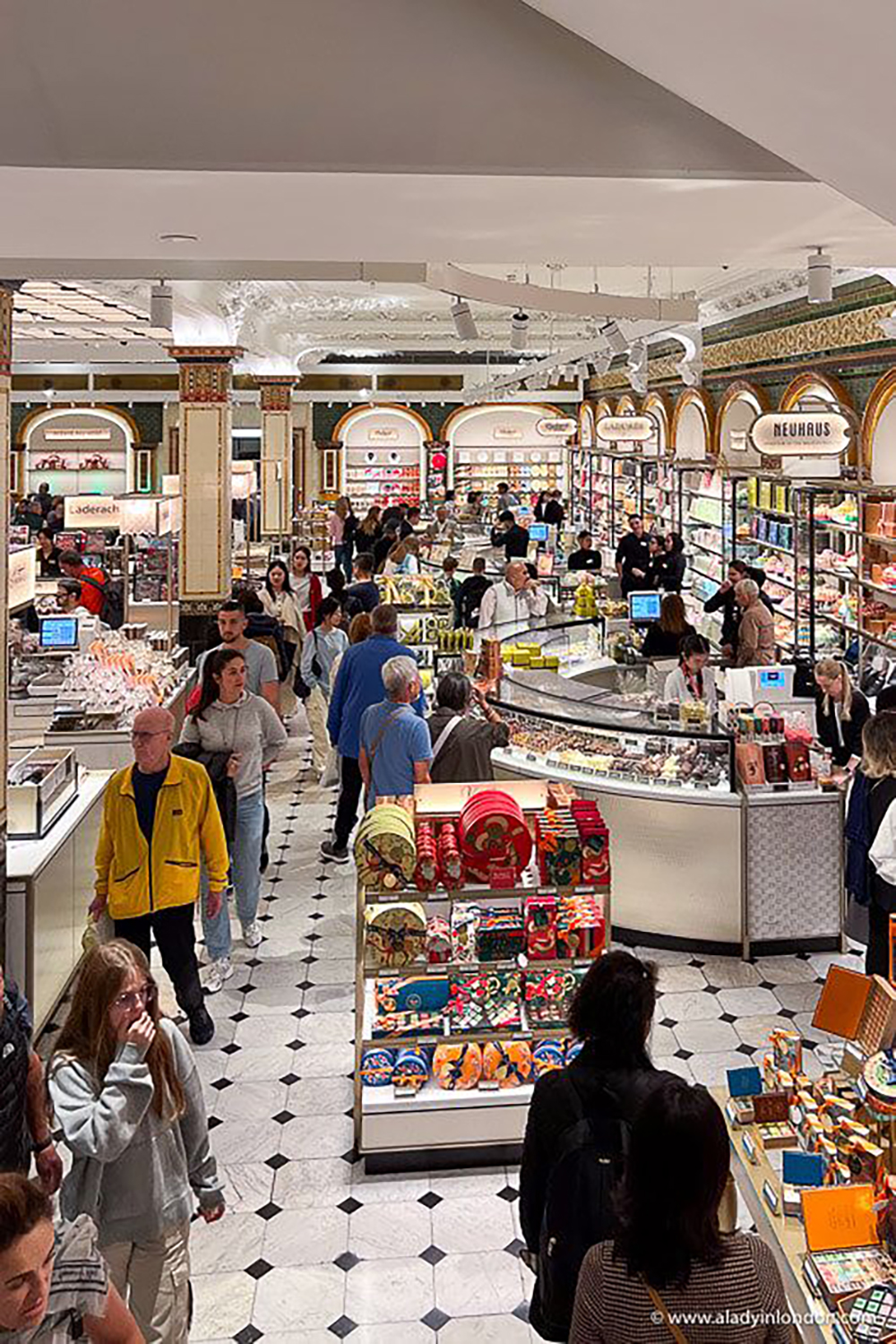
Before online shopping, malls were the center of holiday gift buying. Families spent entire afternoons walking through decorated corridors, stopping for snacks, and weaving through crowds. Shopping wasn’t just about buying things, it was a seasonal outing.
2. Holiday Catalogs Were Treated Like Sacred Texts

Before online wish lists, holiday catalogs were everything. Kids circled toys in thick JC Penney or Sears books, carefully planning what they’d ask for weeks in advance. Pages were folded, corners bent, and favorites revisited again and again, turning these catalogs into unofficial guides for what Christmas could look like that year.
3. Malls Turned Into Full Christmas Experiences

In the 1990s, shopping malls didn’t just sell gifts, they became Christmas. Giant decorations, themed displays, oversized ornaments, and elaborate setups transformed malls into holiday destinations where families spent entire afternoons. You didn’t go in for one thing, you walked around, looked at everything, soaked in the atmosphere, and made a whole day out of it.
4. Christmas Trees Were Surrounded by Wrapped Presents Days in Advance

Before last minute online orders, gifts were bought early, wrapped ahead of time, and stacked under the tree long before Christmas morning. Seeing the pile grow day by day was part of the excitement, and the living room slowly turned into a sea of patterned wrapping paper, gift tags, and bows. The tree wasn’t complete until presents filled the space around it.
5. Shopping Malls Became Holiday Destinations, Not Just Stores

Before online deals took over, shopping malls turned into full holiday experiences. Families spent entire afternoons wandering through crowded corridors filled with decorations, music, and seasonal displays. Escalators were packed, food courts were buzzing, and finding parking felt like part of the ritual. Christmas shopping wasn’t quick or efficient, it was an event you planned around.
Trending on Wealth Gang

6. Holiday Decorations Took Over Entire Store Aisles

Before minimalist decor trends, holiday shopping meant being surrounded by excess. Entire aisles were filled with oversized decorations, animated figurines, light-up villages, and seasonal displays that turned stores into full Christmas experiences. Shopping wasn’t just about buying gifts. It was about wandering through elaborate setups that made even a quick errand feel festive and overwhelming at the same time.
7. Holiday Shopping Was Often Done in One Single Day

Before online carts and next-day delivery, holiday shopping was often squeezed into one exhausting day. Stores were packed wall to wall with shoppers rushing through crowded aisles, arms full of bags, trying to check everyone off their list before closing time. It was chaotic, stressful, and oddly thrilling, a full Christmas season compressed into a single afternoon.
8. Holiday Sales Were Limited and Easy to Miss

In the 1990s, holiday sales didn’t last weeks or refresh online every day. Discounts were limited, often advertised only in store windows or newspapers, and if you walked by at the wrong moment, you missed them. Christmas shopping meant paying attention, showing up on time, and hoping the deal you wanted hadn’t already disappeared.
Sign up for our newsletter
9. Holiday Shopping Started With Printed Guides and Catalogs

Before online wish lists and targeted ads, holiday shopping often began with printed guides like TV Guide specials, store catalogs, and Christmas inserts. Families flipped through pages together, circled gift ideas, and used them to plan shopping trips weeks in advance. These guides weren’t just practical, they became part of the holiday ritual, stacked on coffee tables and marked up with notes as Christmas got closer.
10.Buying CDs, DVDs, or physical books as go-to holiday gifts

11. Asking the salesperson for help

Before the internet took over, shopping meant walking into a store and talking to someone who actually knew the product. You asked the salesperson for help, listened to their recommendations, and often trusted their experience. That conversation was part of the shopping ritual and helped you decide without endless research. Today, most people research online first, compare reviews, and walk into stores with their minds already made up, leaving that human interaction behind.