American school cafeterias used to look like completely different worlds depending on where you went to school. Some had towering windows, polished wooden tables, and lunch ladies serving meals on real plates. Others were cramped basement rooms with folding chairs, metal trays, and the unmistakable smell of mystery meat. And somehow, every single one had its own version of lunchtime chaos.
These vintage school cafeteria scenes take us inside elementary schools, rural classrooms, suburban high schools, and bustling city lunchrooms from the 1940s through the 1990s. Beyond the food, they capture the little details that made school lunches unforgettable: the trays, the uniforms, the handwritten menus, and the strange social rules that seemed to exist in every cafeteria.
1. The 1940s Elementary School Lunchroom With Real Plates
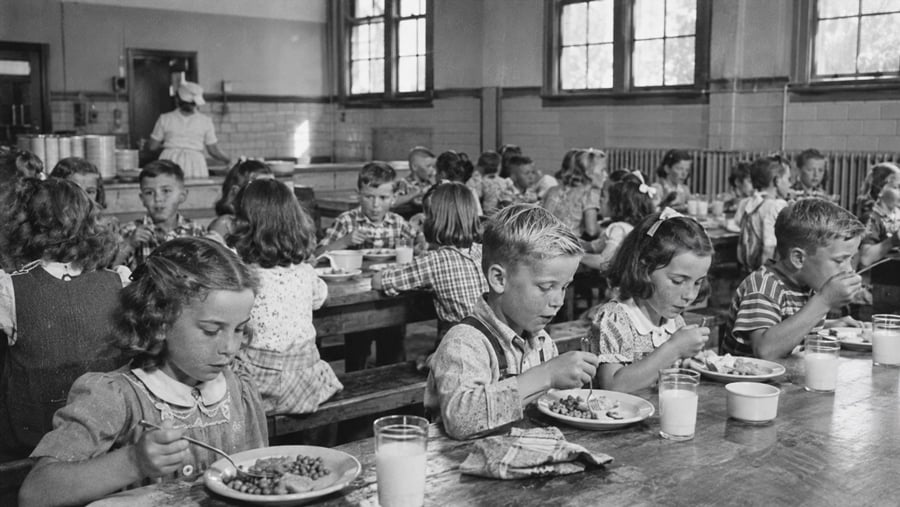
Before disposable trays became common, some American schoolchildren ate lunch from ceramic plates with metal utensils. In these older cafeterias, rows of small wooden tables were filled with children dressed in button-down shirts, dresses, and neatly combed hairstyles. Lunch often looked surprisingly similar to a meal served at home.
2. The One-Room Rural School Where Everyone Ate Together
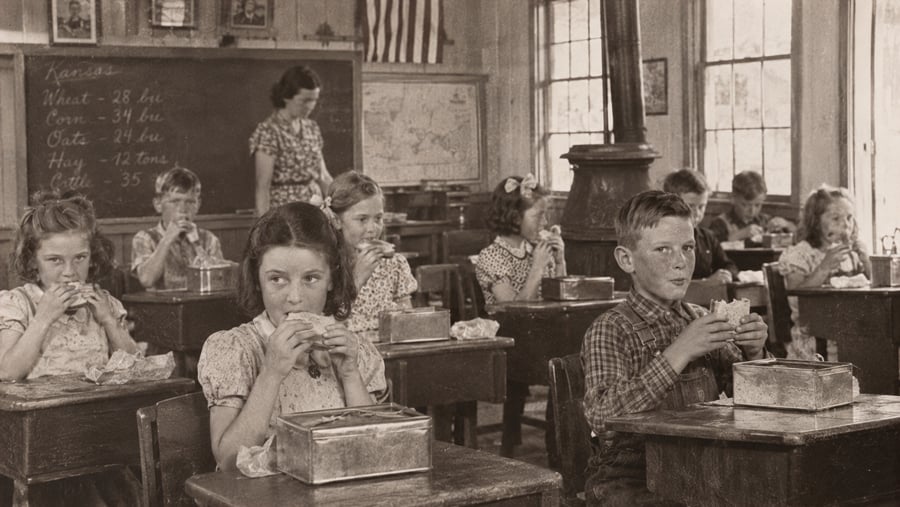
Not every school had a dedicated cafeteria. In small rural communities, children sometimes ate packed lunches at their classroom desks or gathered around shared tables. A single teacher might supervise students of several ages, making lunchtime feel less like a crowded institutional meal and more like a gathering of neighborhood families.
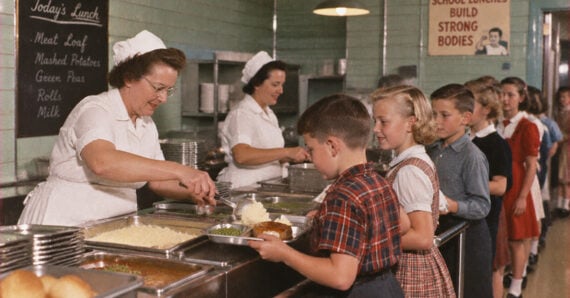
3. The 1950s Cafeteria With a Full Hot Lunch Assembly Line
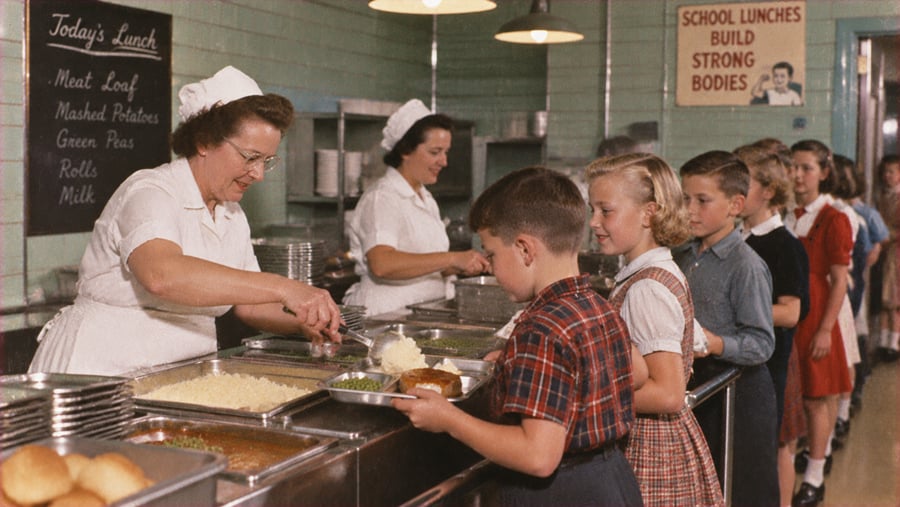
The classic cafeteria serving line became a defining part of the school lunch experience. Children shuffled forward holding trays while cafeteria workers portioned out meat, vegetables, and potatoes. The system was efficient, but it also meant standing in line while watching someone decide exactly how much gravy belonged on your lunch.
4. The Basement Cafeteria That Looked Nothing Like a Dining Room
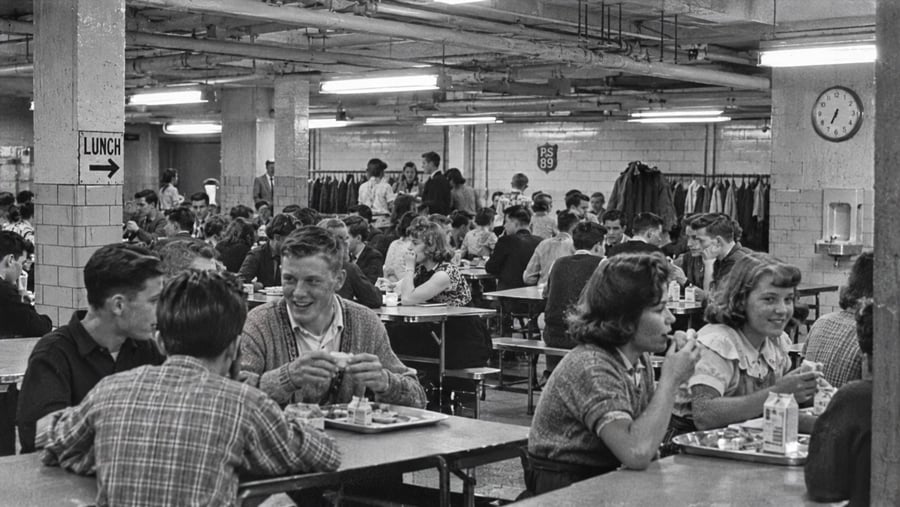
Some older urban schools turned basement spaces into makeshift lunchrooms. Low ceilings, exposed pipes, fluorescent lighting, and long rows of tables gave these cafeterias an unmistakably institutional atmosphere. They weren’t particularly glamorous, but they provided a place for hundreds of students to eat without leaving the building.
5. The Catholic School Cafeteria With Perfectly Organized Tables
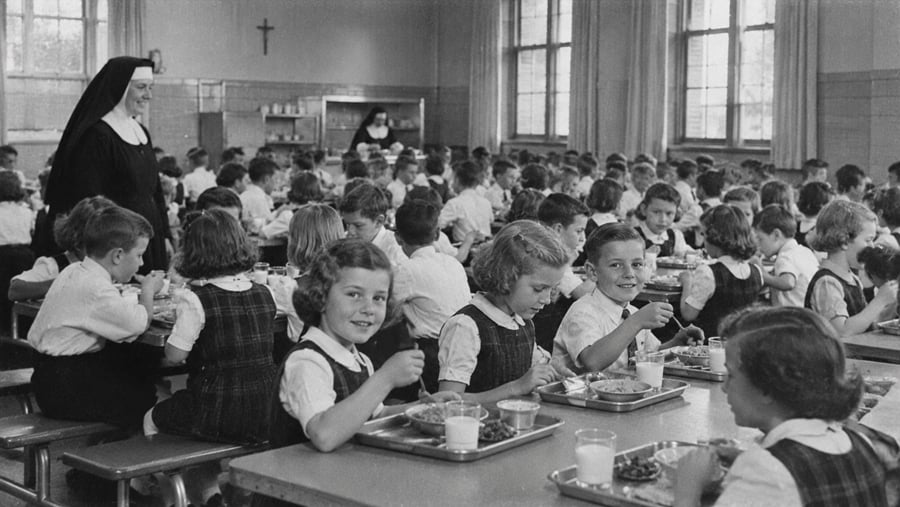
In many parochial schools, lunch came with its own set of expectations. Students in uniforms sat at assigned tables, sometimes under the watchful eye of teachers or religious staff. The orderly appearance of these cafeterias could be striking, especially compared with the noisy free-for-all found in other school lunchrooms.
Trending on Wealth Gang


6. The 1960s High School Cafeteria With Built-In Booths
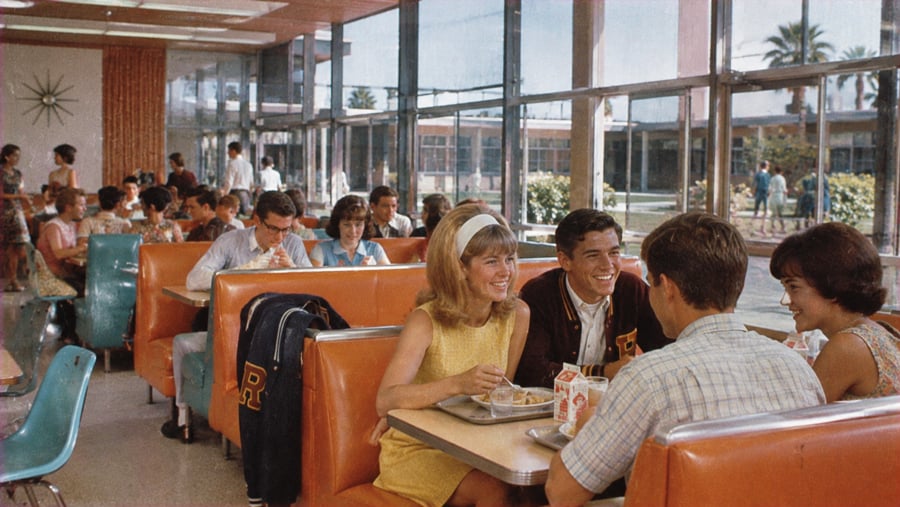
Some newer American high schools experimented with cafeteria designs that looked surprisingly close to diners. Built-in booths, colorful seating, and open dining areas gave students a more casual place to gather. These spaces reflected a growing interest in making school buildings feel modern, social, and comfortable.
7. The School Lunch Counter Where Milk Came in Glass Bottles
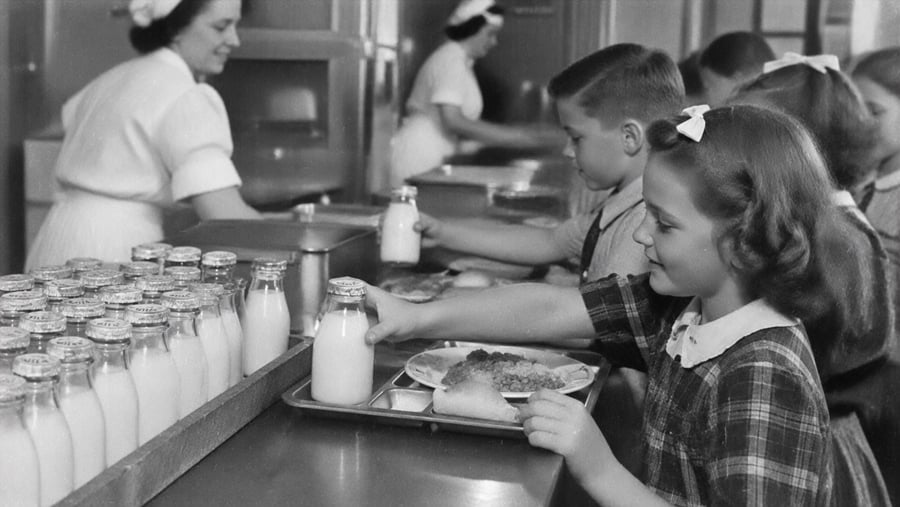
Before milk cartons became the standard school lunch companion, some cafeterias served milk in small glass bottles. Children carried them alongside their plates or collected them from refrigerated counters. The bottles were reusable, but they also introduced the possibility of shattered glass during an already chaotic lunch period.
8. The 1970s Cafeteria With Bright Plastic Trays
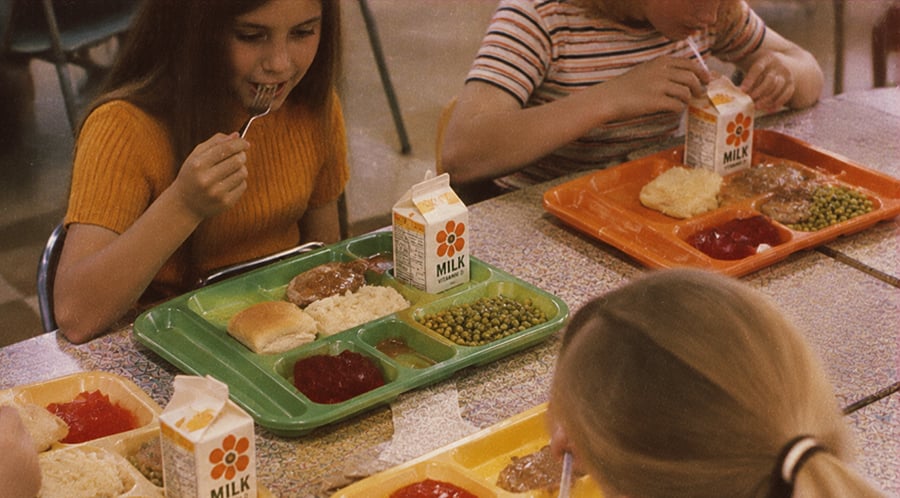
By the 1970s, compartmentalized cafeteria trays had become a familiar sight in many schools. Their divided sections kept mashed potatoes, vegetables, and dessert technically separated, even if gravy had other plans. The trays were durable, stackable, and instantly recognizable to generations of students.
Sign up for our newsletter
9. The 1980s Suburban Cafeteria With Folding Tables
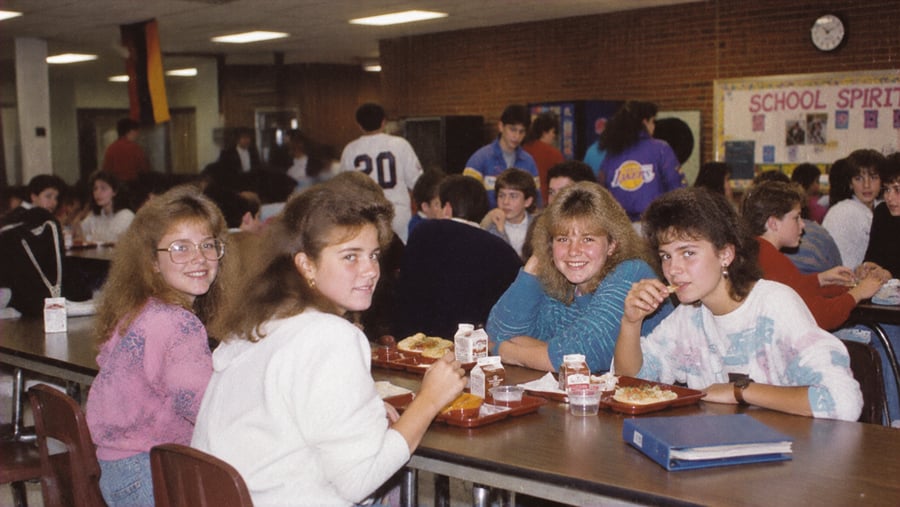
In many suburban schools, lunchrooms doubled as multipurpose spaces. Long folding tables could be arranged for lunch and cleared away for assemblies, performances, or after-school activities. The furniture was practical rather than beautiful, and the sound of hundreds of chairs scraping across the floor became part of the daily soundtrack.
10. The Southern School Cafeteria Serving Biscuits and Gravy
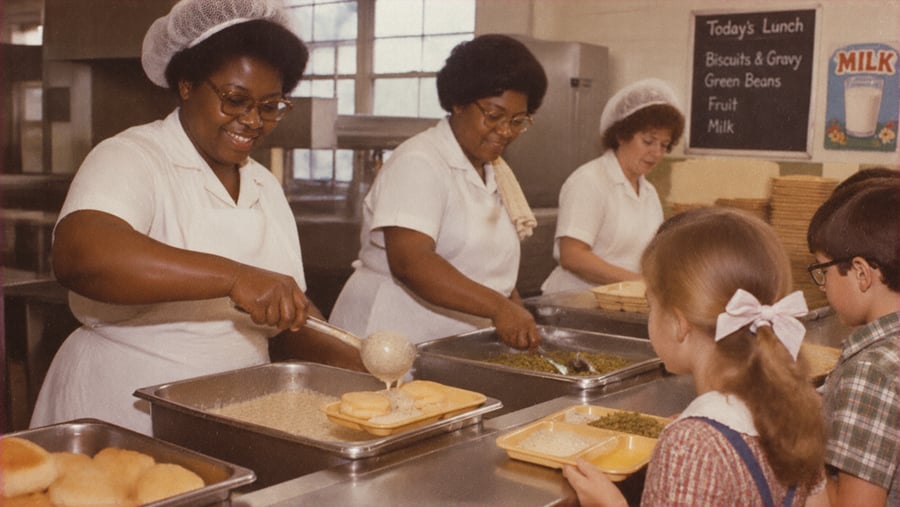
Regional food traditions shaped what appeared on school lunch menus. In parts of the American South, cafeterias sometimes served meals influenced by local cooking, including biscuits, gravy, beans, and other hearty dishes. These lunchrooms offered a different experience from schools where pizza squares and sandwiches dominated the menu.
11. The Giant Urban High School Cafeteria During Lunch Rush
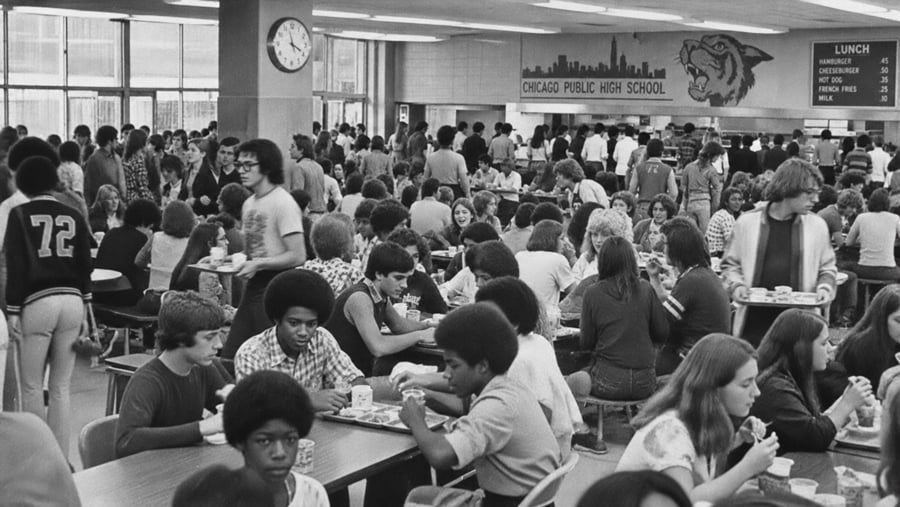
At large city high schools, lunchtime could feel like a small-scale traffic problem. Hundreds of teenagers poured into the cafeteria at once, filling every table and creating long lines at the counters. The noise, movement, and crowded seating made these spaces feel closer to a busy public food hall than a quiet school dining room.
12. The 1980s Cafeteria With Giant Pizza Squares
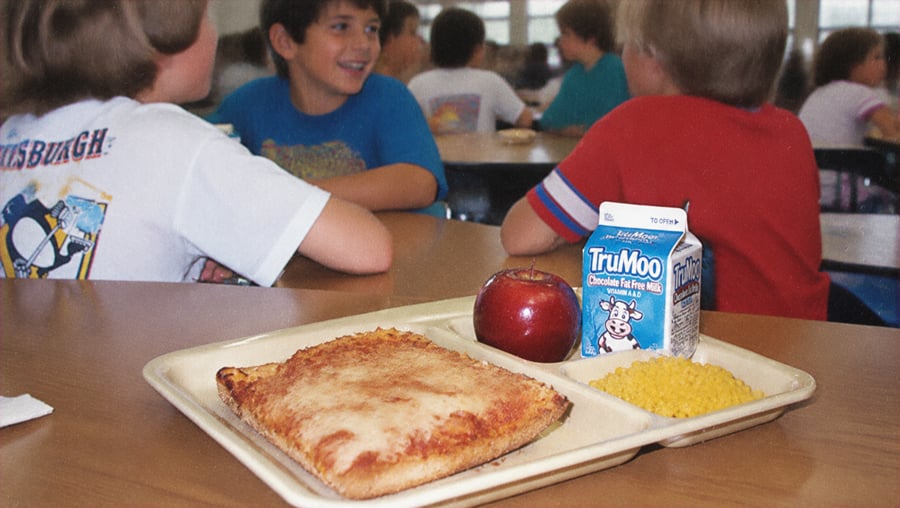
Few school lunch memories are as recognizable as rectangular cafeteria pizza. Served in thick slices or squares, it became a familiar fixture on many American menus. The cheese, sauce, and soft crust might not have resembled a neighborhood pizzeria’s version, but students often looked forward to pizza day anyway.
13. The School Cafeteria With Handwritten Menus on the Wall
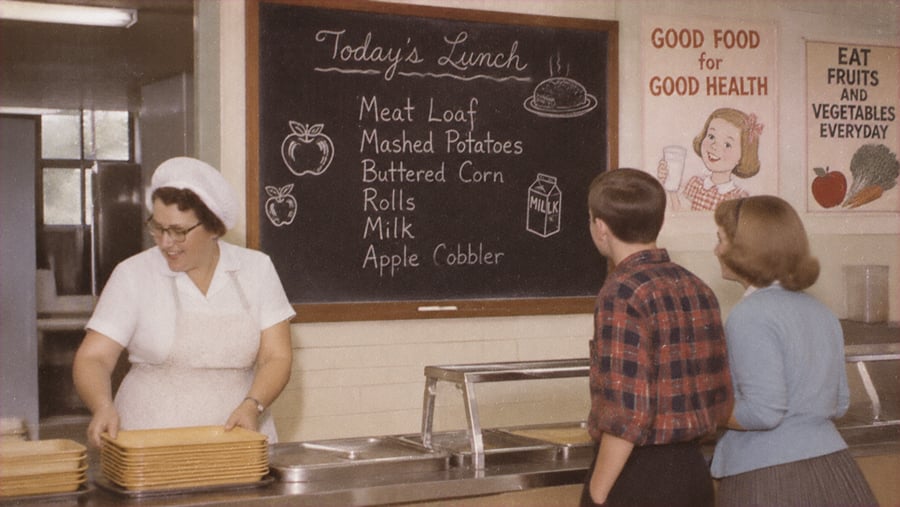
Before digital screens and online lunch calendars, many cafeterias displayed their menus on chalkboards, paper signs, or handwritten posters. Students could check what was being served as they entered, sometimes discovering that the day’s main course was something far less exciting than they’d hoped.
14. The Cafeteria Where Students Ate Outside
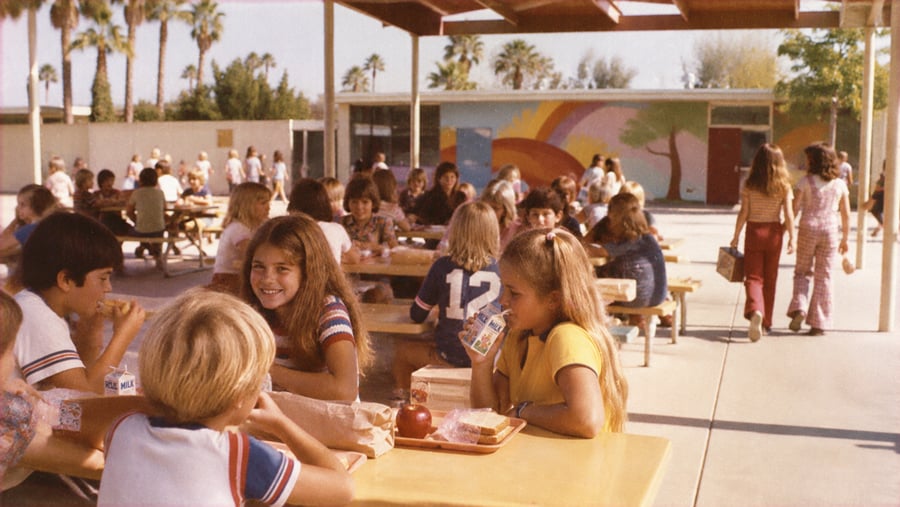
In warmer parts of the United States, some schools used outdoor lunch areas instead of enclosed dining rooms. Covered patios, concrete tables, and open courtyards allowed students to eat in the fresh air. These spaces looked completely different from the windowless cafeterias found in colder regions.
15. The 1990s Cafeteria With a Separate Snack Line
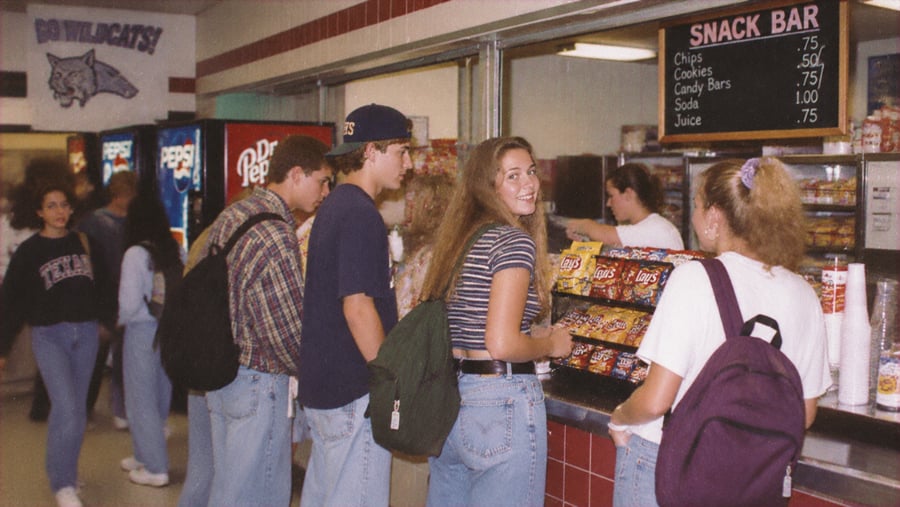
By the 1990s, some secondary schools offered snack bars or à la carte counters alongside regular lunches. Students could buy items such as chips, cookies, drinks, or pizza instead of choosing the standard cafeteria meal. The extra line became its own little social destination, especially for teenagers with a few dollars to spend.
16. The School Cafeteria That Doubled as a Gymnasium
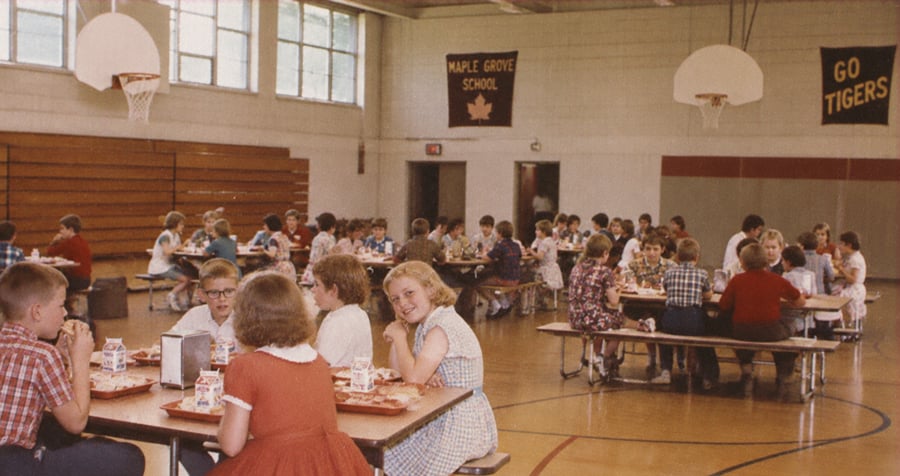
Some smaller schools made one large room serve several purposes. Basketball hoops could hang above cafeteria tables, while painted court lines remained visible on the floor. After lunch, the tables were folded or moved aside so the same space could host physical education classes, school dances, or community events.
17. The 1990s Lunchroom With Homemade Decorations Everywhere
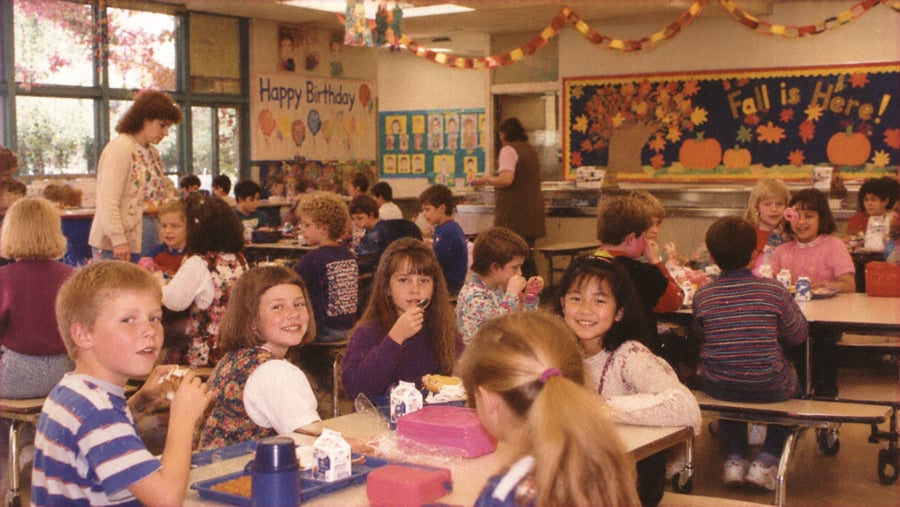
Elementary school cafeterias often doubled as showcases for student artwork. Paper pumpkins, construction-paper turkeys, seasonal murals, and handwritten birthday signs covered the walls. The decorations could make even a plain cafeteria feel festive, especially when the entire school participated in creating them.
18. The Cafeteria After Everyone Had Gone Back to Class
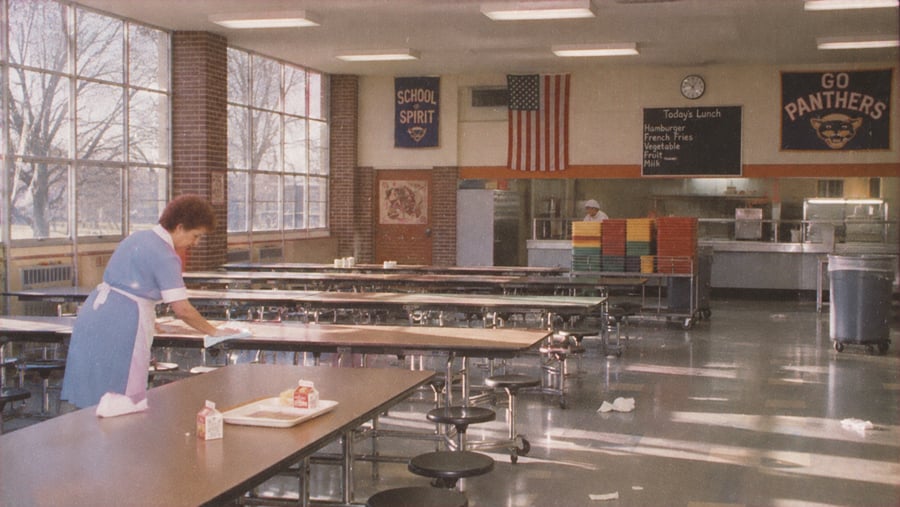
The most unusual vintage cafeteria photos sometimes show the room completely empty. After the last lunch period, workers cleaned tables, stacked trays, and prepared the space for the following day. Without students, the long rows of chairs and serving counters revealed just how industrial these everyday school spaces could look.
More Related Notes
1950s School Rules That Would Shock Students Today
From strict dress codes to classroom discipline, these old-fashioned school rules reveal just how different the student experience was in the 1950s.
15 Objects Found Inside a 1970s School Desk
A 1970s school desk was a little time capsule of childhood. These forgotten classroom essentials bring back memories of everyday school life before modern technology.
Photos of School Lunch Menus Through the Years
From homemade cafeteria meals to familiar lunchroom favorites, these vintage school menus reveal how American students’ lunchtime choices changed across generations.