Technology has reshaped the workforce in countless ways, creating new careers while quietly making others obsolete. Jobs that once employed thousands have vanished as machines, computers, and digital systems became faster, cheaper, and more efficient.
Some of these professions disappeared almost overnight, while others faded gradually as industries evolved. Looking back at these forgotten occupations offers a fascinating glimpse into how innovation continues to transform the way people work.
1. Elevator Operator
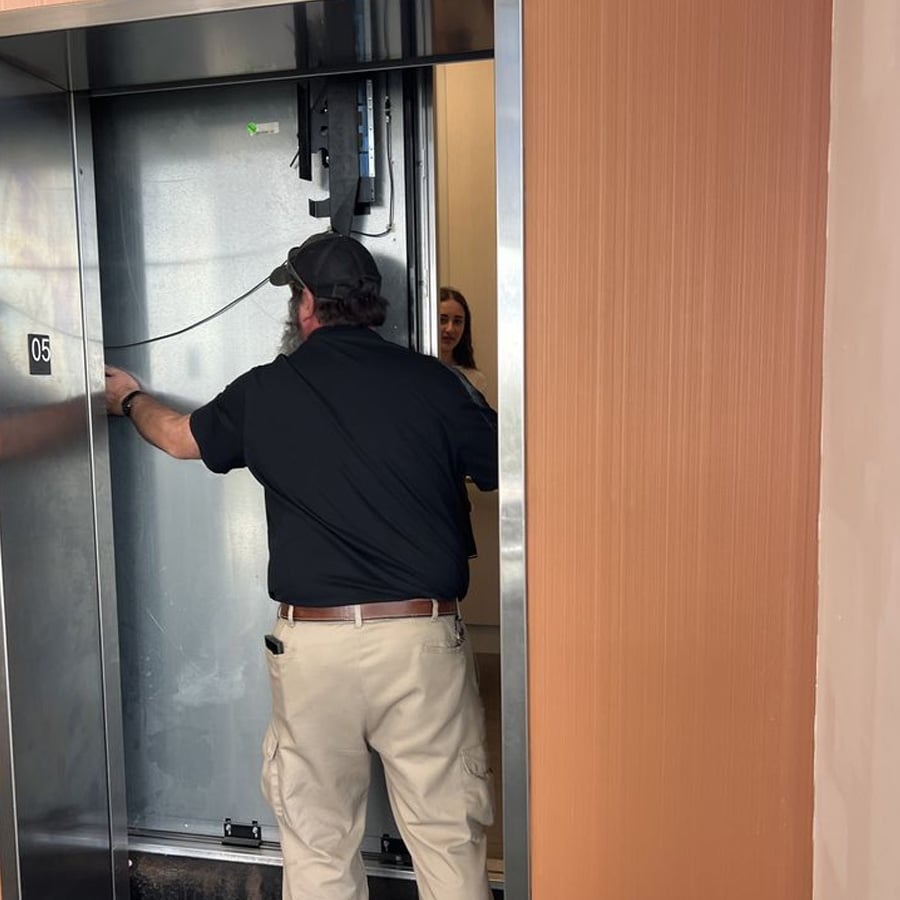
Before automated elevators became standard, every ride required a trained operator to manually control speed, stop at each floor, and assist passengers. Large hotels, department stores, and office buildings relied heavily on these workers. As elevator technology improved throughout the mid-20th century, automatic systems made operators unnecessary. Today, they survive only in a handful of historic buildings and tourist attractions.
2. Switchboard Operator
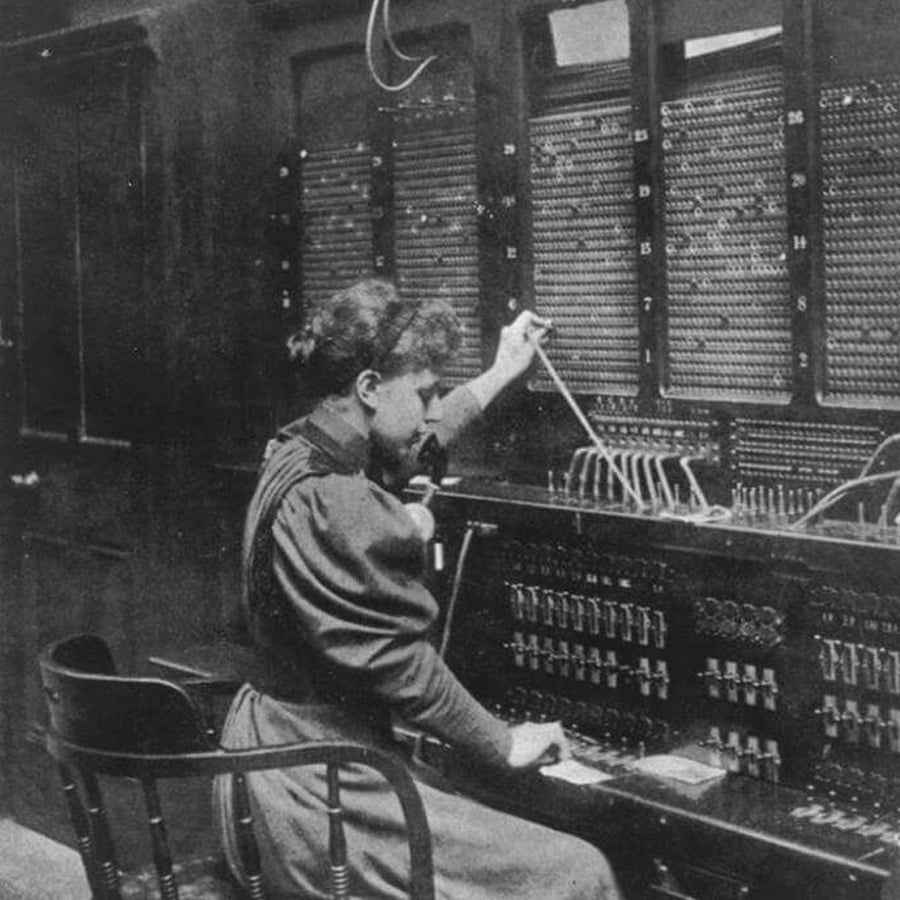
Telephone calls once depended on human switchboard operators physically connecting callers using cords and plugs. It was one of the largest employment sectors for women during the early 1900s. Automatic switching equipment and digital telecommunications eventually replaced nearly every manual switchboard. Modern phone networks complete millions of connections instantly without human involvement.
3. Video Store Clerk

For decades, renting movies meant visiting a neighborhood video store where clerks stocked shelves, processed rentals, and recommended films to customers. Streaming services and digital downloads eliminated most physical rental stores. As DVDs disappeared from everyday use, so did thousands of retail jobs connected to movie rentals.
4. Typist

Businesses once hired dedicated typists whose only responsibility was producing letters, reports, invoices, and official documents using typewriters. Personal computers, word processing software, and printers allowed employees to prepare their own documents, making specialized typing positions increasingly rare.
5. Film Projectionist
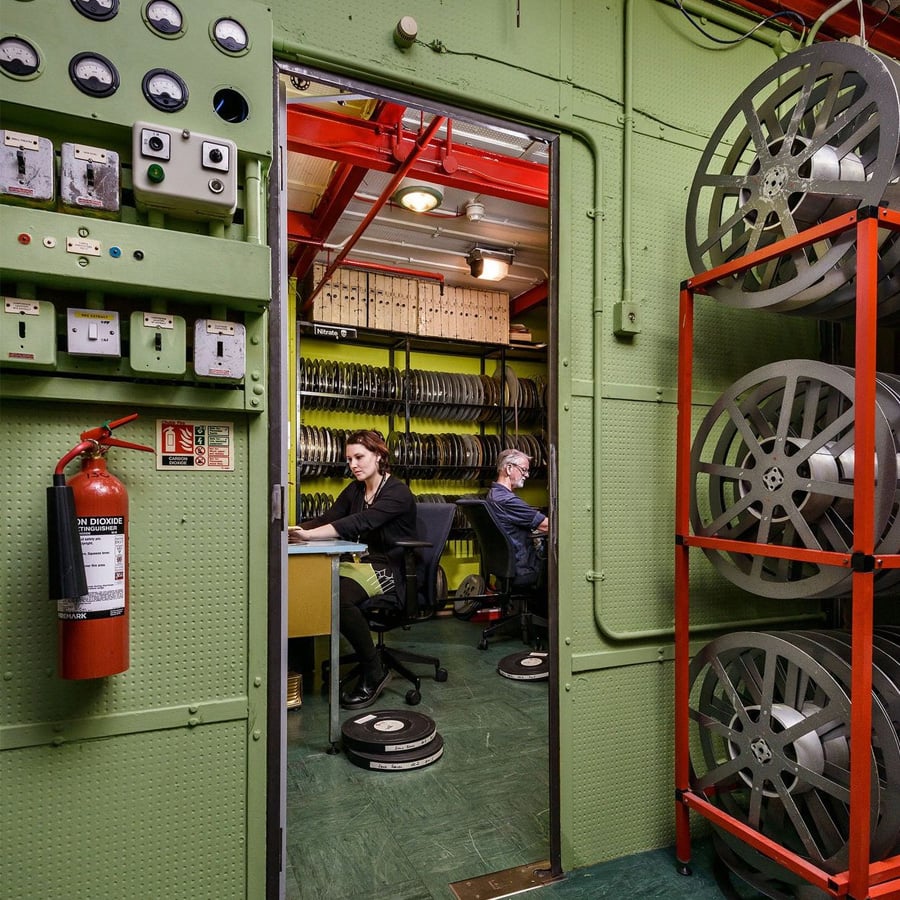
Movie theaters traditionally required projectionists to load film reels, monitor screenings, and switch reels during long movies. Digital projection systems automated much of the process, allowing theater staff to schedule and manage films with minimal manual intervention. Many projectionist positions disappeared as cinemas modernized.
Trending on Wealth Gang


6. Travel Agent (Traditional)

Before the internet, travelers relied on agencies to book flights, hotels, cruises, and vacation packages using reservation systems unavailable to the public. Online booking platforms now allow consumers to compare prices and make reservations in minutes. While specialized travel advisors still exist, the traditional storefront agency has largely disappeared.
7. Newspaper Typesetter
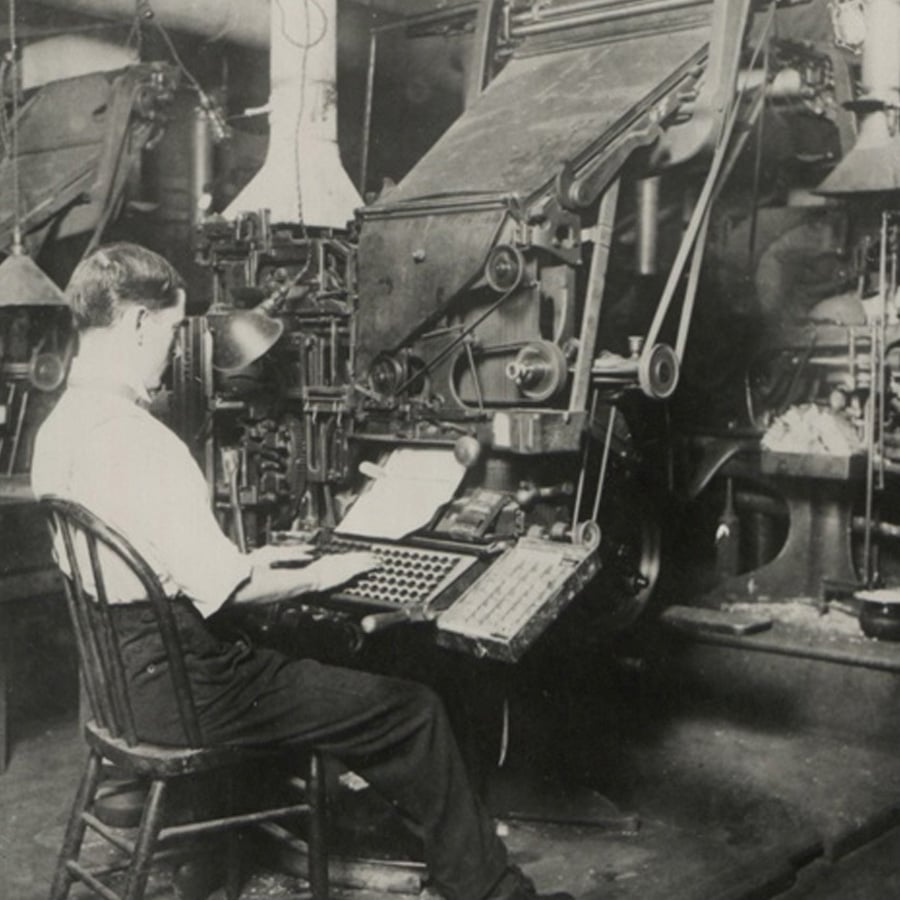
Producing newspapers once required skilled typesetters who manually arranged metal letters before later operating phototypesetting equipment. Desktop publishing software enabled editors and designers to create complete page layouts digitally, removing the need for this highly specialized trade.
8. Toll Booth Collector

Drivers once stopped at toll plazas to hand cash directly to collectors who issued receipts and made change throughout their shifts. Electronic toll collection systems, license plate recognition, and automatic payment technology have eliminated many staffed toll booths across highways worldwide.
Sign up for our newsletter
9. Bank Bookkeeper
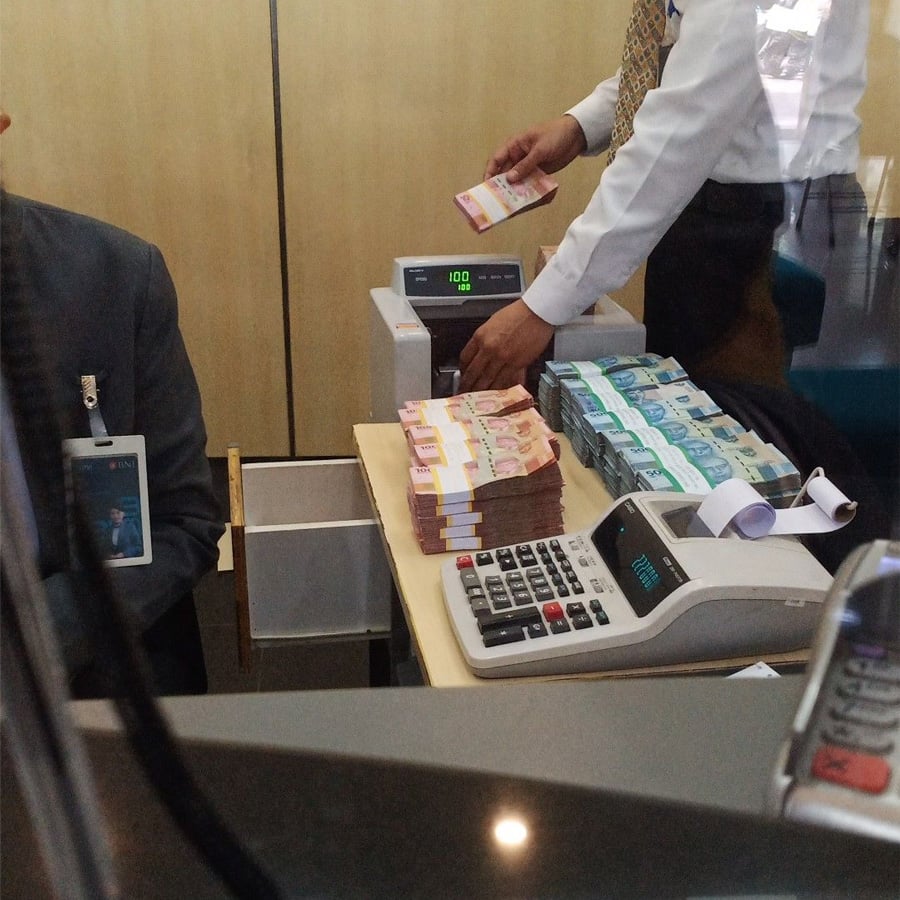
Banks previously employed large numbers of bookkeepers who manually updated customer balances and maintained paper financial records. Computerized banking systems now process transactions instantly and maintain digital records automatically, dramatically reducing the need for manual bookkeeping roles.
10. Photo Lab Technician

Developing film required trained technicians who processed negatives, printed photographs, and handled chemical developing equipment. Digital cameras and smartphone photography largely eliminated consumer film processing, causing photo labs and their specialized jobs to disappear.
11. Meter Reader

Utility companies traditionally sent employees door to door to record electricity, gas, or water usage from mechanical meters. Smart meters now transmit consumption data automatically, reducing the need for routine in-person meter reading in many regions.
12. Linotype Machine Operator
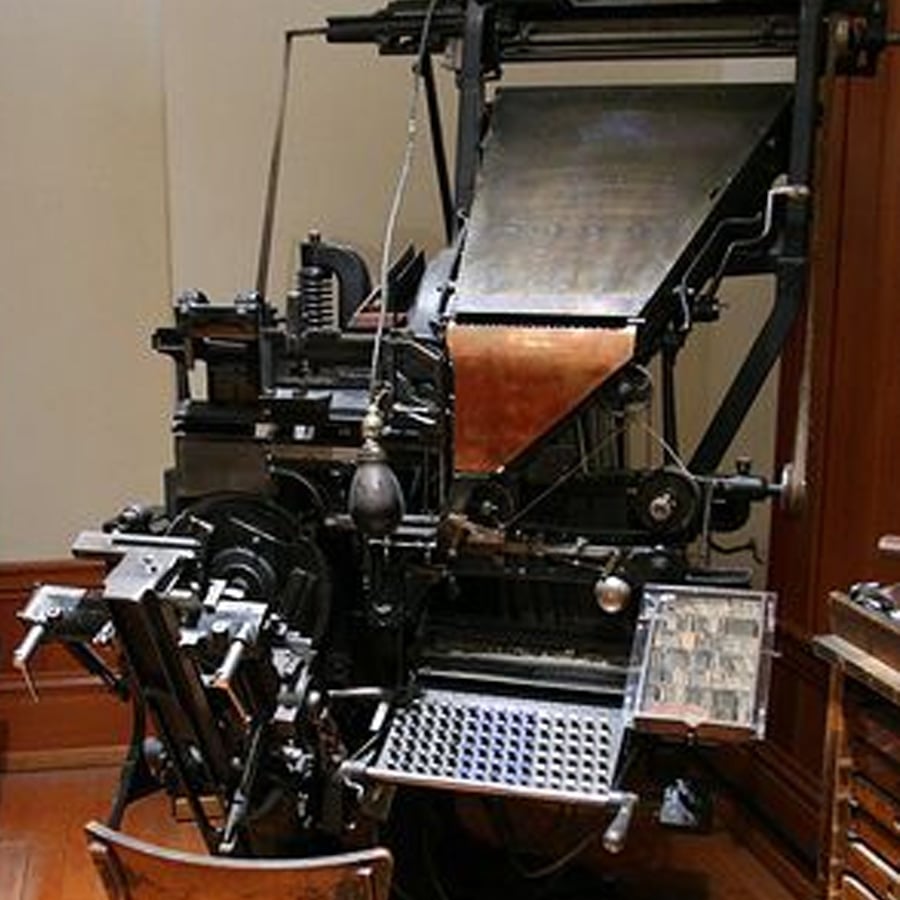
Linotype operators mastered large mechanical machines that cast entire lines of metal type for newspapers and publishing companies. Computer publishing replaced these complex machines, ending a profession that once required years of specialized training and experience.
13. Telegraph Operator
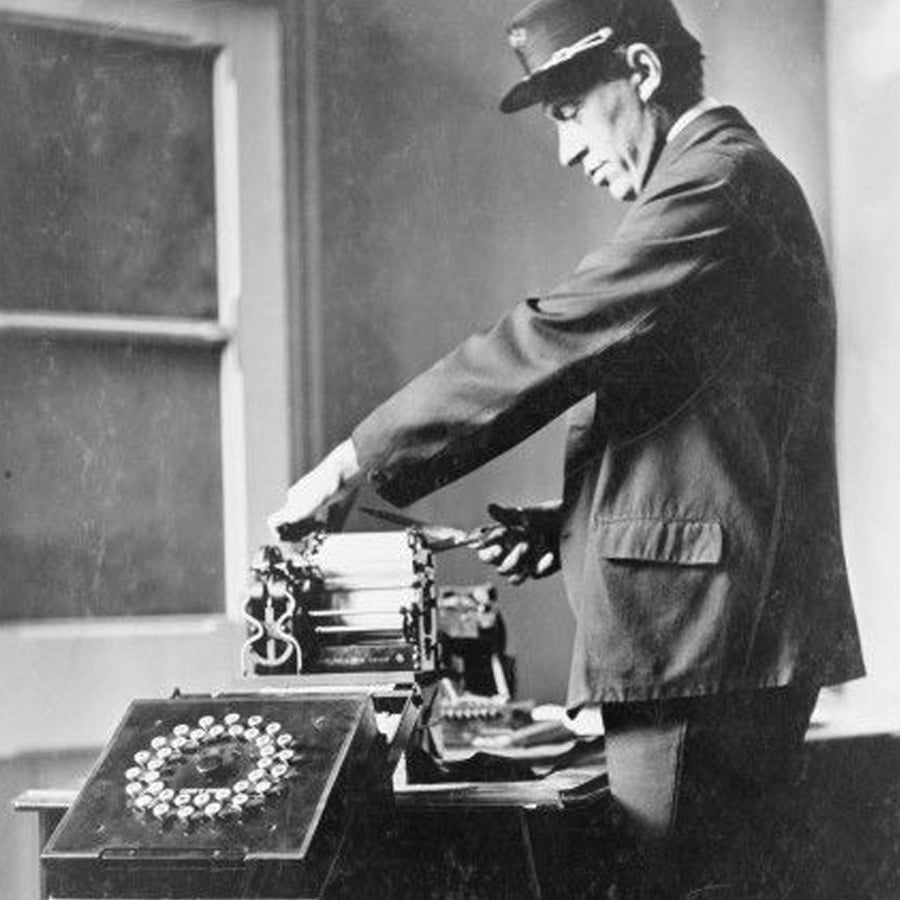
Sending urgent messages once required skilled telegraph operators capable of transmitting and receiving Morse code with speed and accuracy. Telephones, fax machines, email, and instant messaging gradually replaced telegraph systems, making this once-essential communication job obsolete.
14. Human Computer

Before electronic computers existed, companies, universities, and government agencies employed people known as “human computers” to perform complex mathematical calculations by hand. Electronic computers eventually completed calculations thousands of times faster and with greater accuracy, transforming scientific research and eliminating the profession almost entirely.
More Related Notes
• 10 Professions That Will No Longer Exist in 10 Years.
Explore the careers most at risk from automation, artificial intelligence, and evolving technology, continuing the story of how innovation reshapes the workforce.
• 12 Occupations Expected to Add the Most Workers This Decade.
See which careers are growing rapidly as technology creates new opportunities, replacing many traditional jobs with emerging professions.
• 10 Technologies That Changed Everyday Life Faster Than Expected.
Discover the innovations that transformed industries and everyday life, helping explain why many once-essential occupations eventually disappeared.