Buying things used to require a lot more than a credit card and a little patience. Today, someone can order tropical fruit, book a flight, or replace a broken household appliance without leaving the couch. A few generations ago, though, the same purchases might have involved waiting for the right season, visiting a specialized store, or discovering that the government wouldn’t let you buy something at all.
And some shopping obstacles had nothing to do with supply. Where you lived, your gender, and even your race could determine what was available to you. From wartime ration books to the surprisingly recent arrival of online stock trading, these 18 purchases reveal just how different American shopping used to be.
1. Fresh Fruit and Vegetables in the Middle of Winter
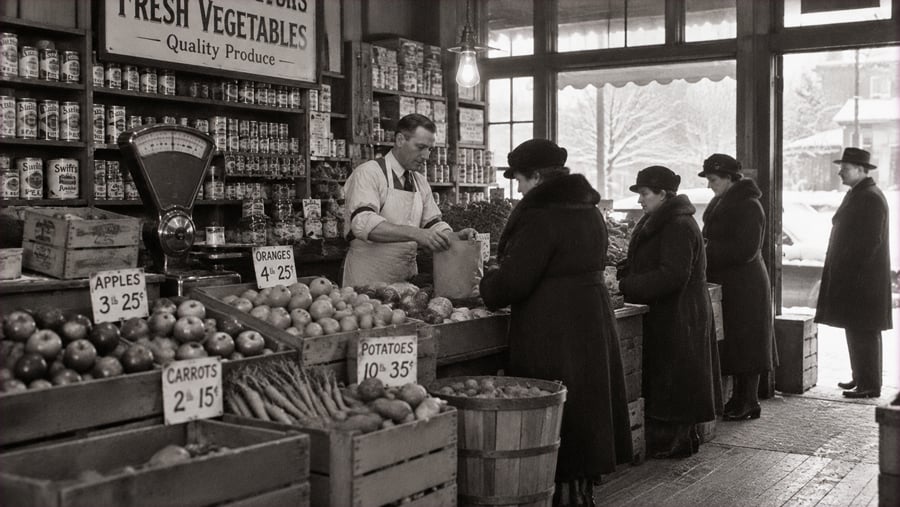
Walking into a supermarket in January and finding strawberries, lettuce, and fresh tomatoes feels completely ordinary today. Before refrigerated railcars became widespread, however, shoppers depended far more on local harvests and seasonal availability. Long-distance refrigerated transportation eventually helped turn fresh produce into a year-round grocery staple.
2. Mangoes, Kiwis, and Other Tropical Fruits
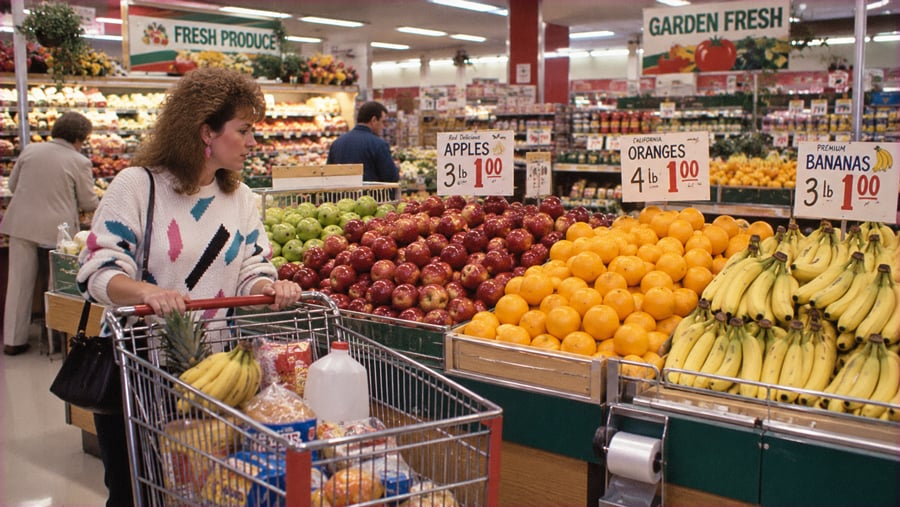
A kiwi in a lunchbox barely raises an eyebrow now, but American grocery stores weren’t always overflowing with international produce. As recently as the 1980s, shoppers were much more likely to encounter familiar apples, pears, oranges, and bananas. Better transportation and expanding global trade eventually brought mangoes, papayas, and other once-unusual fruits into mainstream supermarkets.
3. Fresh Meat Shipped Across the Country
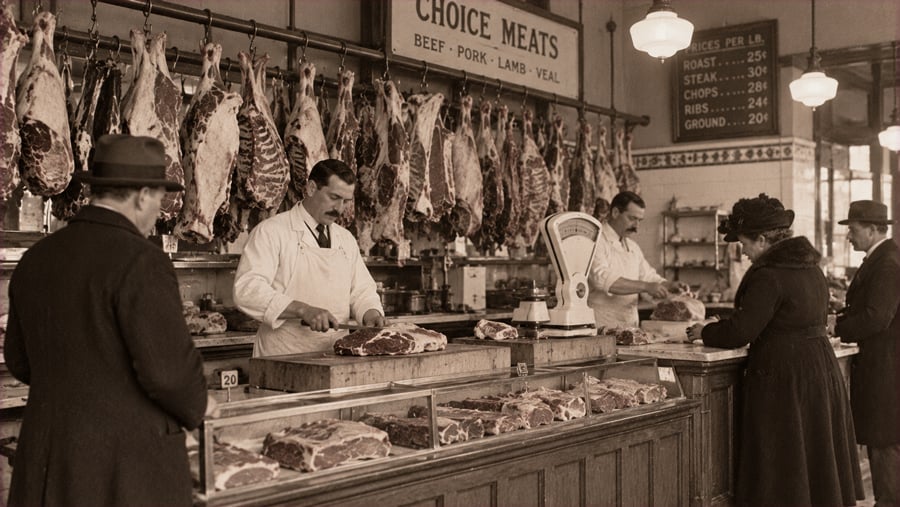
Buying fresh beef in a city hundreds of miles from cattle country wasn’t always straightforward. Before refrigerated transportation, shipping perishable meat over long distances presented serious challenges. Refrigerated railroad cars changed the business in the 19th century, allowing large meatpacking operations to supply distant markets instead of relying so heavily on local processing.
4. Household Products Made on the Other Side of the World
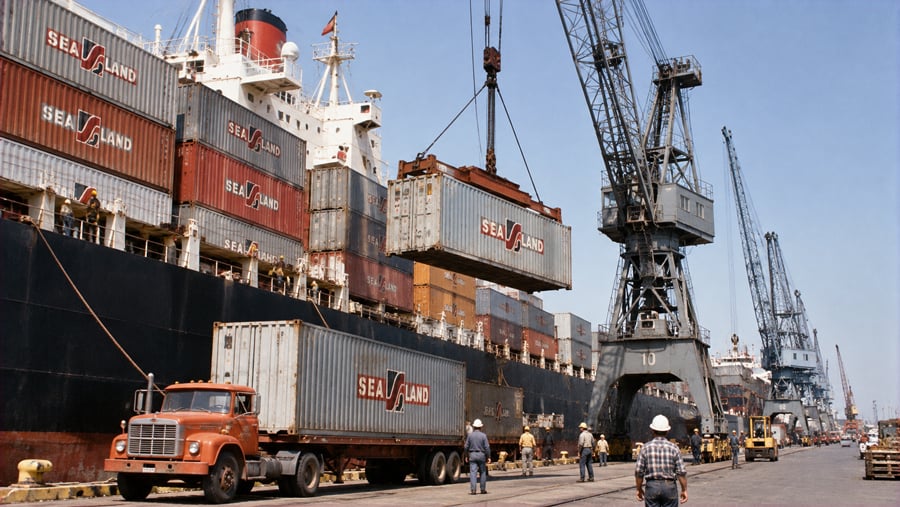
A coffee maker manufactured overseas can now appear on an American doorstep within days. That kind of global shopping depends on an enormous transportation network that earlier generations never experienced. Standardized shipping containers helped make international trade more efficient, eventually filling ordinary stores with clothing, electronics, cookware, and countless other imported goods.
5. Ordinary Merchandise in Small Rural Towns
Wealthgang
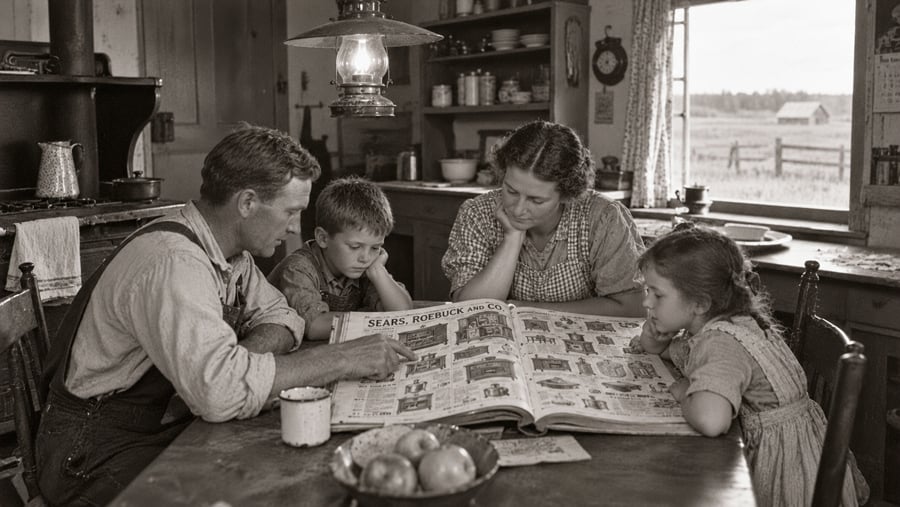
Imagine needing a winter coat, kitchen equipment, or farm tools when the nearest major department store was hours away. Rural Americans once had far fewer shopping choices than city residents. Mail-order catalogs from retailers such as Sears and Montgomery Ward transformed that situation, bringing an enormous selection of products to households with limited local stores.
Trending on Wealth Gang


6. Heavy Packages Delivered Through the Mail
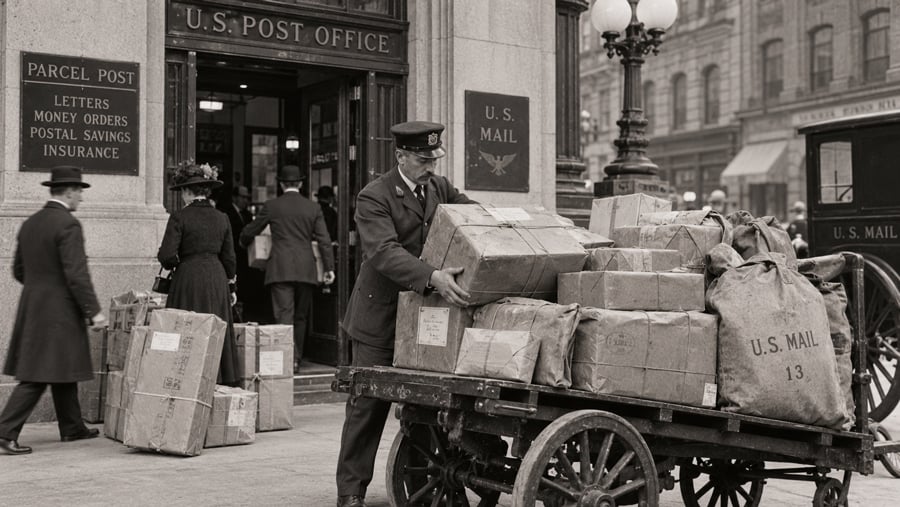
Ordering a large household item used to be considerably more complicated than clicking a checkout button. Before 1913, the U.S. postal system generally couldn’t handle domestic packages heavier than four pounds. Parcel Post changed that, initially accepting packages up to 11 pounds. Sears reportedly processed five times as many orders in 1913 as the previous year.
7. Stocks Without Speaking to a Broker
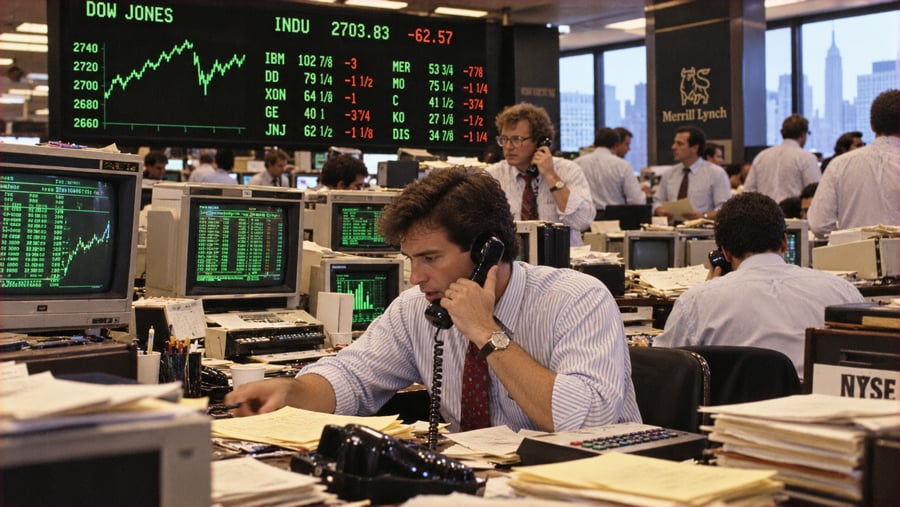
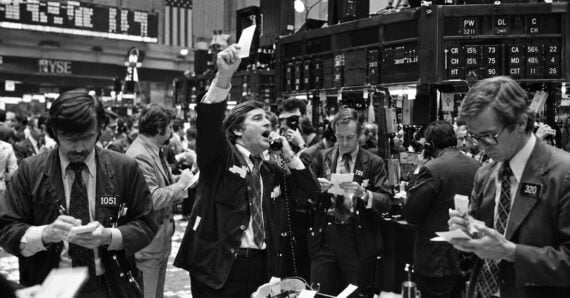
Buying shares of a company once meant contacting a stockbroker instead of opening an app during lunch. The first Internet-based stock trading systems appeared in 1995, according to the SEC. Online brokerages gradually made it possible for everyday investors to research companies and place trades themselves, without a phone conversation for every transaction.
8. Plane Tickets Without Visiting a Travel Agent
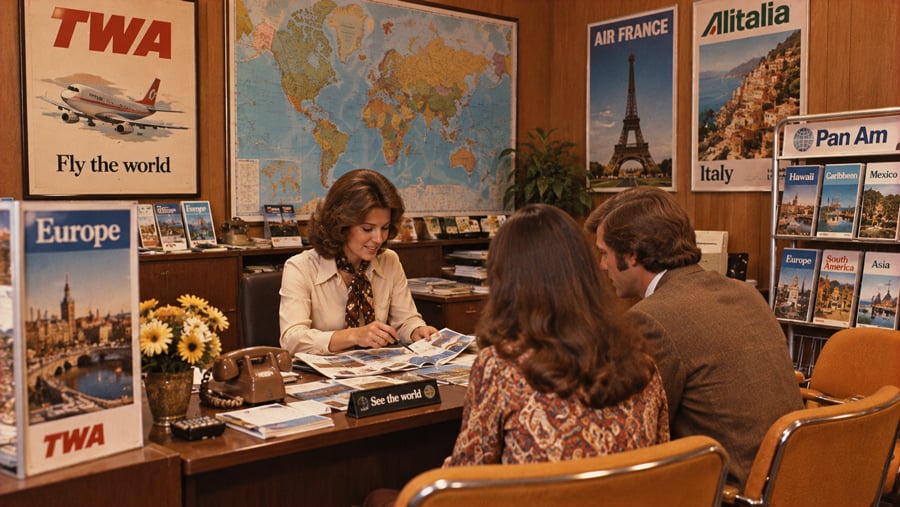
Booking a flight once involved far more human interaction than selecting a seat online. Travel agents relied heavily on telephone calls to airline reservation centers before computerized systems became common. Airlines began providing agencies with direct access to reservation systems in the 1970s, paving the way for the self-service booking experience travelers now take for granted.
Sign up for our newsletter
9. Alcohol During Prohibition
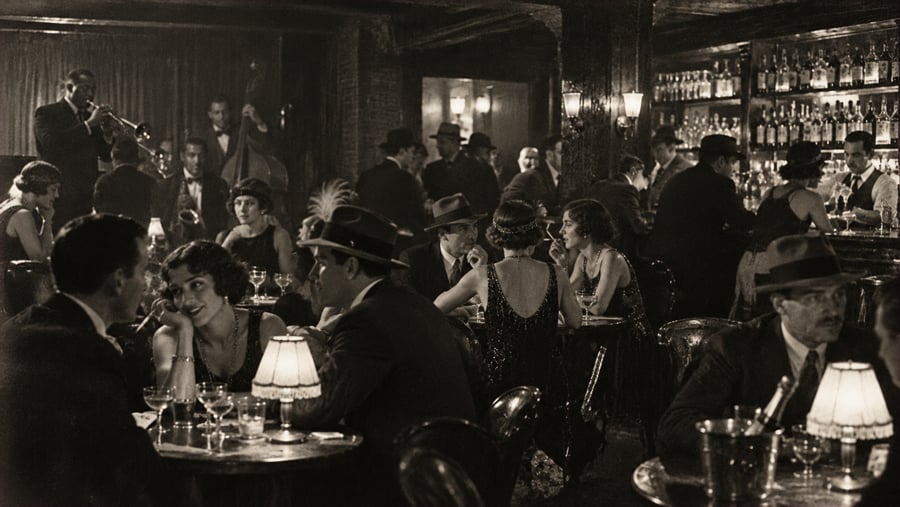
Between 1920 and 1933, buying an ordinary alcoholic drink legally became a serious challenge in the United States. Prohibition banned the manufacture, sale, and transportation of most intoxicating beverages. Speakeasies and bootleggers continued operating, of course, but getting a drink often meant entering an illegal market rather than visiting a legitimate neighborhood bar.
10. Birth Control Pills and Contraceptives
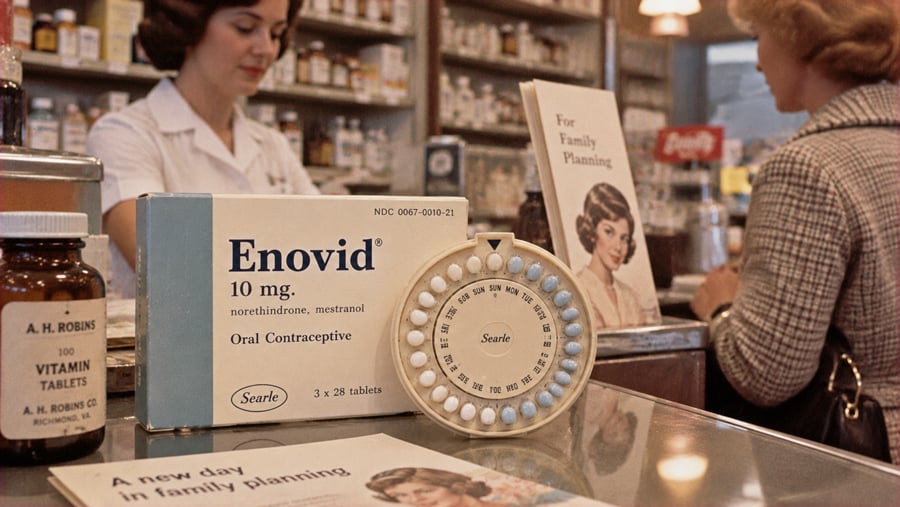
The birth control pill may seem like an established part of modern medicine, but the FDA didn’t approve it until 1960. Even afterward, state laws could restrict access to contraception. A landmark Supreme Court ruling in 1965 protected contraceptive use by married couples, helping remove legal barriers that had affected personal healthcare decisions.
11. A Car or House on Credit Without a Husband’s Signature
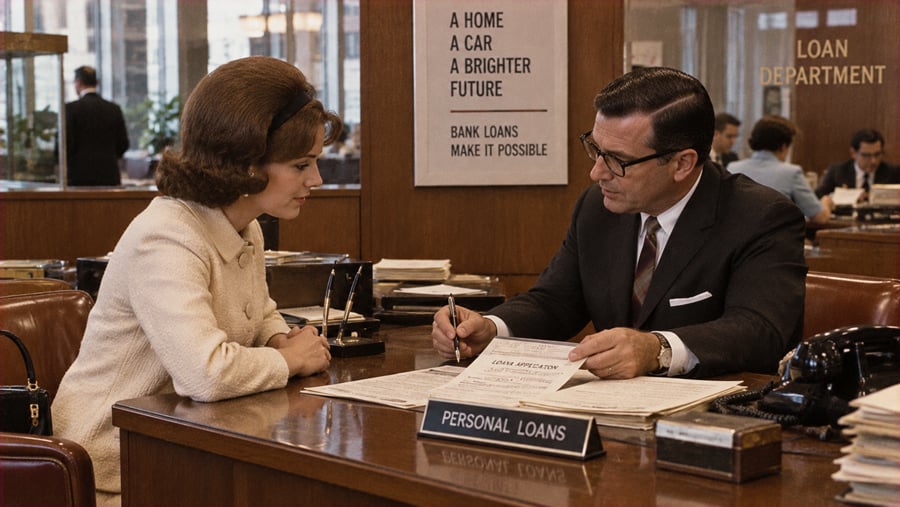
For many American women, qualifying for a loan once involved an obstacle that had nothing to do with income. Before federal credit protections were established in 1974, women could face demands for a husband’s signature or struggle to build credit histories in their own names. The Equal Credit Opportunity Act helped change access to financing for major purchases.
12. A Home in Certain Neighborhoods If You Were Black
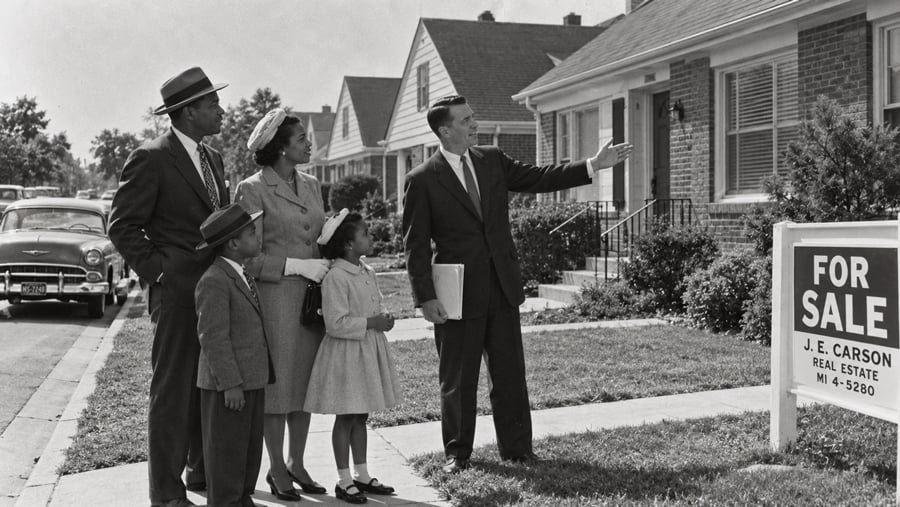
For generations, buying a home wasn’t simply a matter of finding a property and securing financing. Black Americans faced discriminatory lending practices, redlining, and barriers to purchasing homes in many neighborhoods. Even some Black World War II veterans eligible for GI Bill benefits encountered obstacles that prevented them from accessing the same housing opportunities as white veterans.
13. A Brand-New Car During World War II
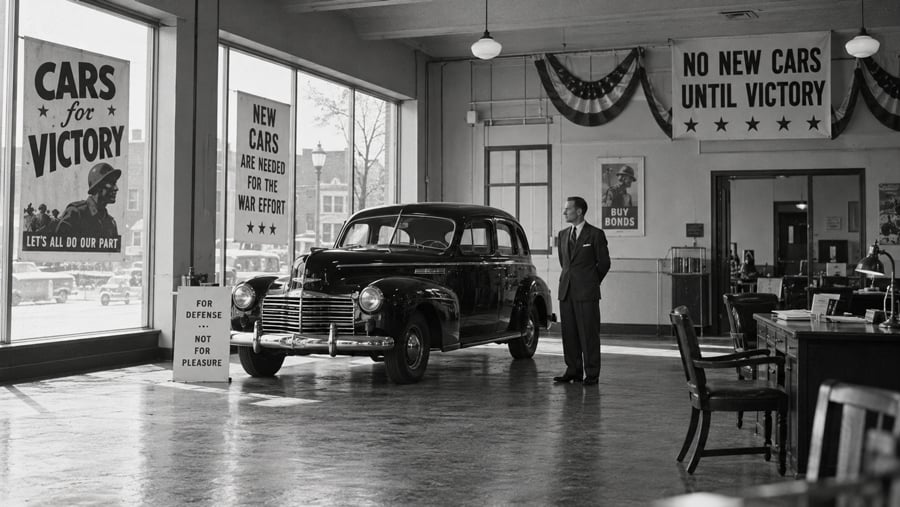
Imagine walking into a dealership ready to buy a new car, only to discover that civilian production had largely stopped. During World War II, American automobile factories shifted toward military equipment, including tanks and aircraft. New-car rationing began in February 1942, leaving ordinary drivers with very limited purchasing options.
14. Gasoline Without a Ration Coupon
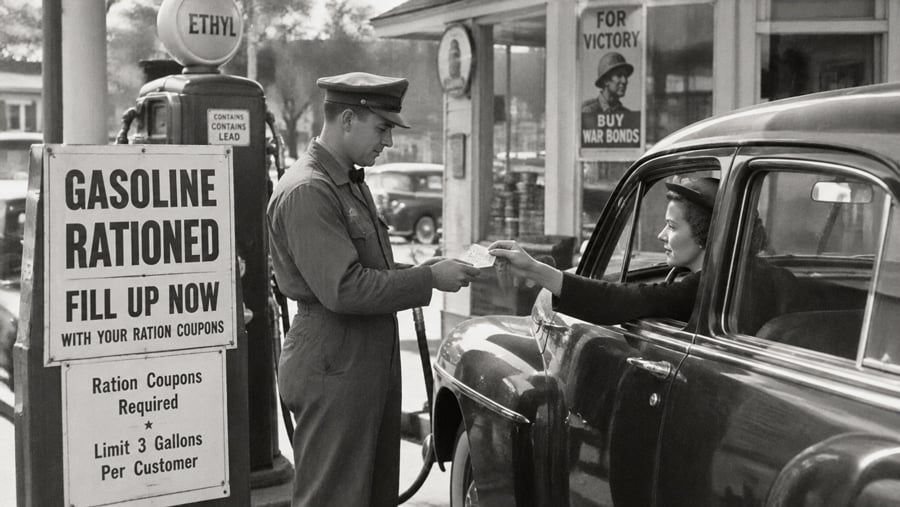
Filling the tank wasn’t always as easy as pulling into a gas station. During World War II, gasoline rationing began in parts of the country in May 1942 and expanded nationwide that summer. Drivers needed ration coupons, while carpooling and unnecessary-travel restrictions became part of everyday life.
15. A New Set of Tires During World War II
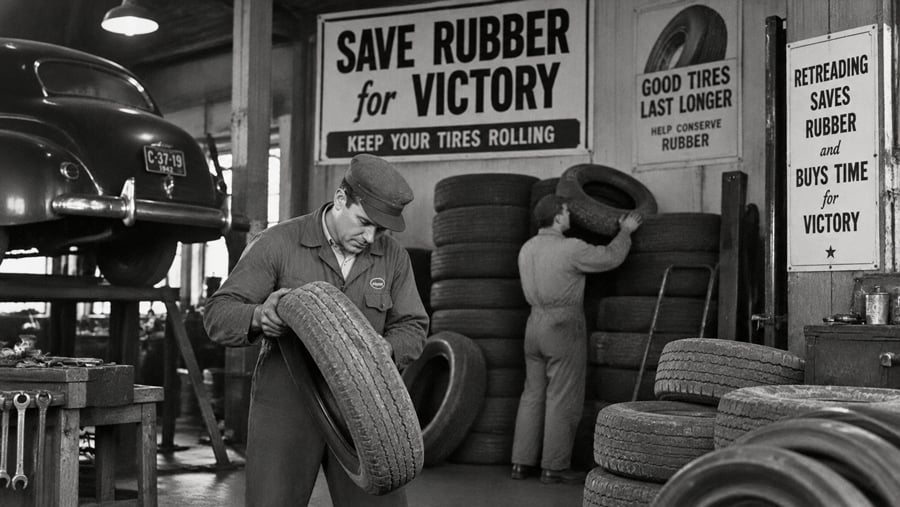
Worn-out tires could become a serious problem for American drivers in 1942. Rubber was essential to the military, and civilian tire rationing began that January. Rather than buying replacements whenever they wanted, motorists had to qualify for limited supplies and make their existing tires last as long as possible.
16. Sugar for Everyday Baking
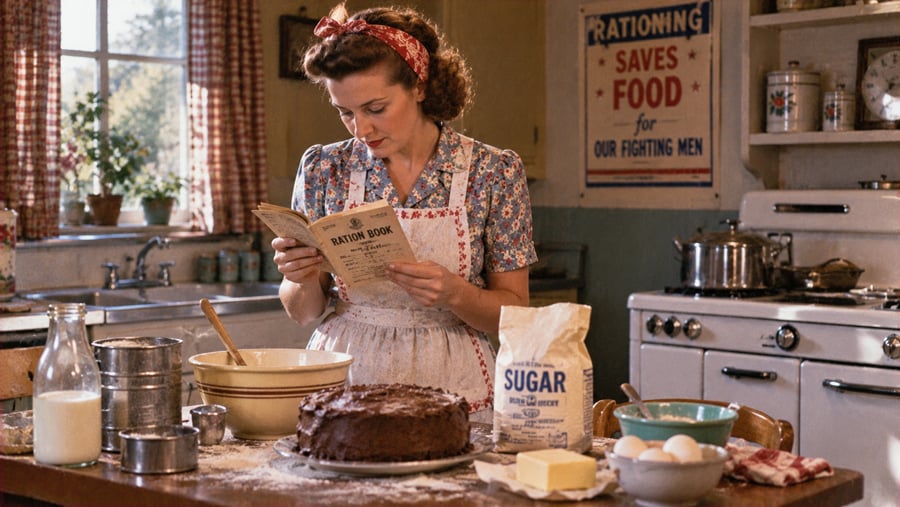
Baking a birthday cake during World War II required more planning than checking the pantry. Sugar rationing began nationwide in May 1942, limiting how much households could purchase. Families saved coupons for special occasions, adjusted recipes, and stretched their supplies instead of casually adding another bag to the shopping basket.
17. A New Pair of Shoes During World War II
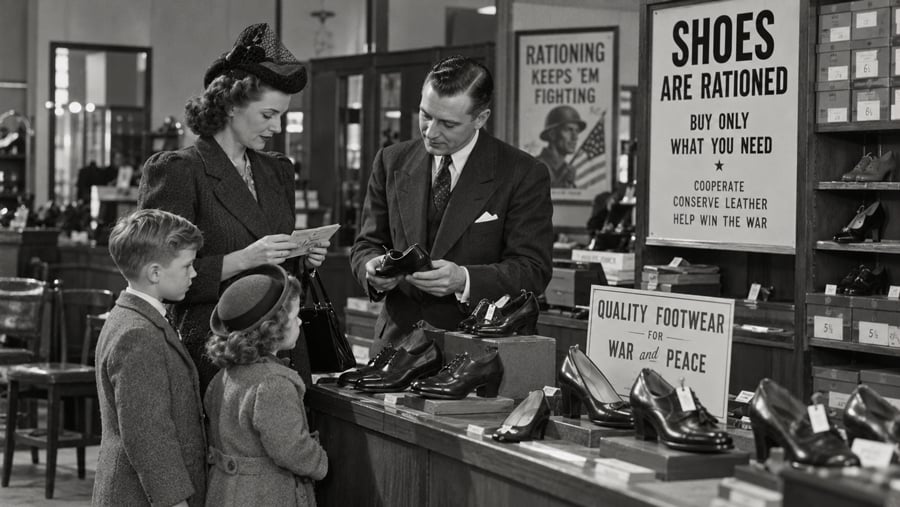
A worn-out pair of shoes wasn’t necessarily enough reason to buy replacements during the war. Shoe rationing began in February 1943 because leather and rubber were needed for military production. Americans received limited shoe allowances and sometimes had to request additional coupons when their footwear couldn’t last any longer.
18. Coffee During World War II
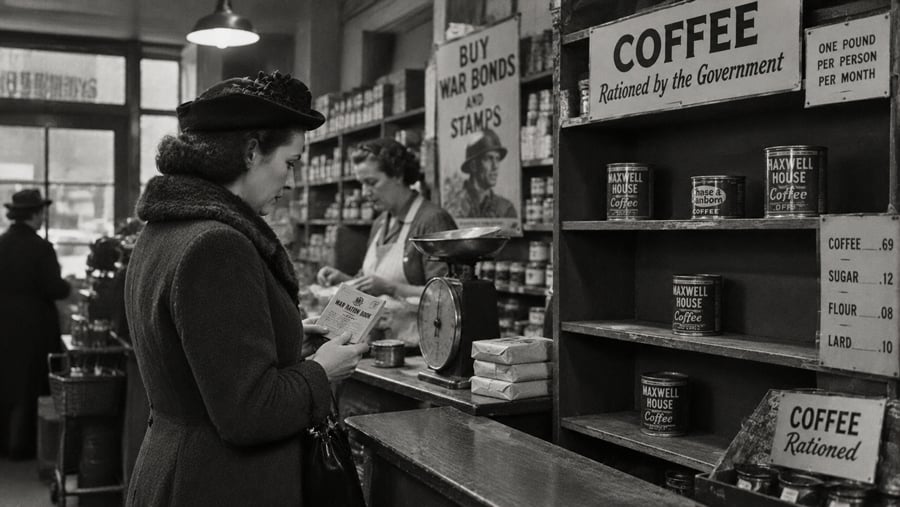
Running out of coffee was more than a minor inconvenience for American households in late 1942. Wartime shipping difficulties and military needs led to nationwide coffee rationing that November. Families stretched their supplies and watched their allotments carefully until restrictions finally ended in July 1943.
More Related Notes
18 Things Families Once Made at Home
Before store-bought convenience became the norm, families regularly made things themselves. These forgotten household traditions reveal how much everyday life and shopping habits have changed.
14 Things a $25,000 House Could Buy in 1970
A $25,000 home sounds almost impossible today, but it was a very different story in 1970. Explore what that price could get American homebuyers decades ago.
16 Things People Used to Buy With Coins
Remember when a handful of change could actually buy something useful? These once-affordable purchases show just how far everyday prices have climbed.