New Year’s Eve has always been a night of hope, ritual, and celebration. Yet many customs that once defined the turning of the calendar have quietly faded into memory. From superstitions to grand social gatherings, these traditions carried a sense of charm and community that feels worlds apart from today’s fireworks and countdowns. Let’s revisit 18 vintage New Year traditions that have vanished, but still echo with nostalgia.
1. New Year’s Day Calling

In 19th‑century America, men would spend New Year’s Day making formal “calls” to women’s homes, leaving visiting cards as tokens of respect and social standing. It was a ritual of etiquette and community, but as courtship customs changed and social calendars grew busier, the practice quietly faded into history.
2. Midnight Toasts with Milk or Cider

Before champagne became the universal symbol of celebration, families raised glasses of milk, cider, or homemade punch at midnight. These humble drinks reflected a simpler, more domestic kind of festivity.
3. Burning Old Furniture

In parts of Italy and Greece, families once threw broken chairs or worn household items into bonfires at midnight. The flames symbolized casting off the burdens of the past year and welcoming renewal. Modern safety regulations ritual impractical, leaving it behind as a memory of simpler times.
4. Shooting Guns into the Air

Rural Americans often celebrated midnight by firing rifles or pistols skyward, believing the noise would scare away evil spirits. While thrilling, the custom was dangerous and eventually outlawed, replaced by fireworks and safer forms of celebration.
5. Fortune‑Telling with Molten Lead

Victorian households delighted in pouring melted lead into bowls of water, watching the shapes harden to predict the future. These whimsical parlor games brought mystery and laughter to the holiday, but they vanished as science and modern entertainment replaced old superstitions.
Trending on Wealth Gang


6. Breaking Plates in Denmark

On New Year’s Eve, Danes once smashed old plates against the doors of friends and neighbors. The pile of broken crockery was seen as a measure of popularity and affection. Today, the custom survives only in folklore, remembered more as a curiosity than a living tradition.
7. Door‑to‑Door New Year Caroling

Groups of children once roamed neighborhoods singing New Year carols, much like Christmas caroling. It was a joyful way to spread cheer and connect communities. As urban life grew more private and traditions shifted, the practice faded into silence.
8. Masked New Year’s Balls

Grand masquerade balls once defined New Year’s Eve in Europe, with guests donning elaborate masks to symbolically leave behind the old year’s identity. These glamorous gatherings faded as modern parties and casual celebrations replaced formal social rituals.
Sign up for our newsletter
9. Ice Skating at Midnight

In northern climates, communities gathered on frozen lakes at midnight, skating under lantern light to welcome the new year. It was a magical blend of sport and festivity, but urban living and safety concerns ended this enchanting custom.
10. New Year´s Kissing Under the Mistletoe

Long before mistletoe became tied to Christmas, couples believed a midnight kiss beneath it on New Year’s Eve ensured lasting love.
11. Throwing water from windows

In Puerto Rico and Cuba, tossing buckets of water out the window symbolized washing away bad luck and cleansing the home for the year ahead. As cities modernized, the practice became impractical and slowly disappeared from everyday life.
12. Hogmanay Fireball Swinging

In Scotland, Hogmanay was marked by torchlit parades and fireballs swung through the streets, a dramatic spectacle of light and luck. Today, only a few towns preserve the fading tradition, while most celebrations have shifted to modern Fireworks.
13. Church Bells as Midnight Countdown

Communities once gathered to hear solemn church bells toll at midnight, marking the sacred passage into the new year. The sound was believed to chase away evil spirits, but fireworks and televised countdowns eventually replaced this ritual.
14. Throwing Old Shoes for Luck

In parts of Europe, tossing worn shoes out the door at midnight symbolized leaving misfortune behind. The quirky superstition was once common but has disappeared from modern life, remembered only in folklore collections.
15. New Year’s tarot cards

Families once exchanged hand‑drawn cards with playful predictions for the year ahead, blending art and superstition. As store‑bought greetings and digital messages took over, the custom quietly vanished.
16. Eating twelve grapes at midnight

Originating in Spain, eating twelve grapes, one for each stroke of midnight, was once a widespread ritual across Latin America. Though still practiced in some places, it’s far less common globally.
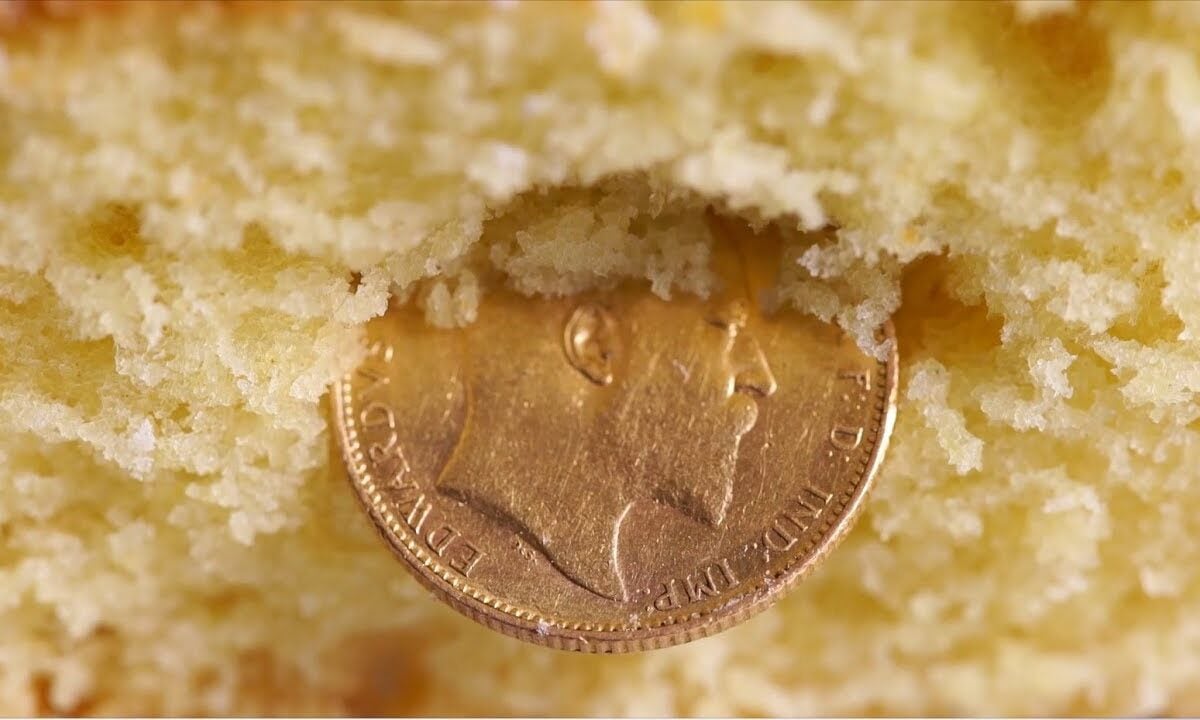
17. Fortune bread with hidden coins

In Eastern Europe, families baked bread with coins or trinkets hidden inside, promising luck to whoever found them. The ritual added excitement to holiday meals, but it has largely disappeared outside small rural communities, replaced by modern desserts and safer traditions.
18. Bonfire of Old Calendars

Some households ended the year by burning the previous year’s calendar, symbolically banishing bad memories and mistakes. The gesture was simple but powerful.
If you’re in the mood for a festive trip down memory lane, you will totally love:
20 Holiday Traditions from the 50s and 60s That Families Don’t Do Anymore captures the nostalgic rituals that once defined mid‑century celebrations, while 20 Photos of the World’s Most Decadent Gingerbread Houses offers jaw‑dropping inspiration for anyone who loves sweet architecture. To round it out, 18 Classic Christmas Decorations Every 80s Home Had brings back the colorful charm of retro décor that made the season unforgettable.