Some of the world’s most remarkable archaeological discoveries are 1000 years old. From an ancient Greek device that predicted eclipses to a Roman cup that changes color, these objects challenge our modern assumptions about what early civilizations could create.
The next 19 extraordinary artifacts offer fascinating glimpses into ancient entertainment, religious beliefs, and everyday life across different cultures. By examining these relics, we can better understand our ancestors´ sophisticated minds. Each piece tells us a unique story of survival and artistry.
1. The Nebra Sky Disc
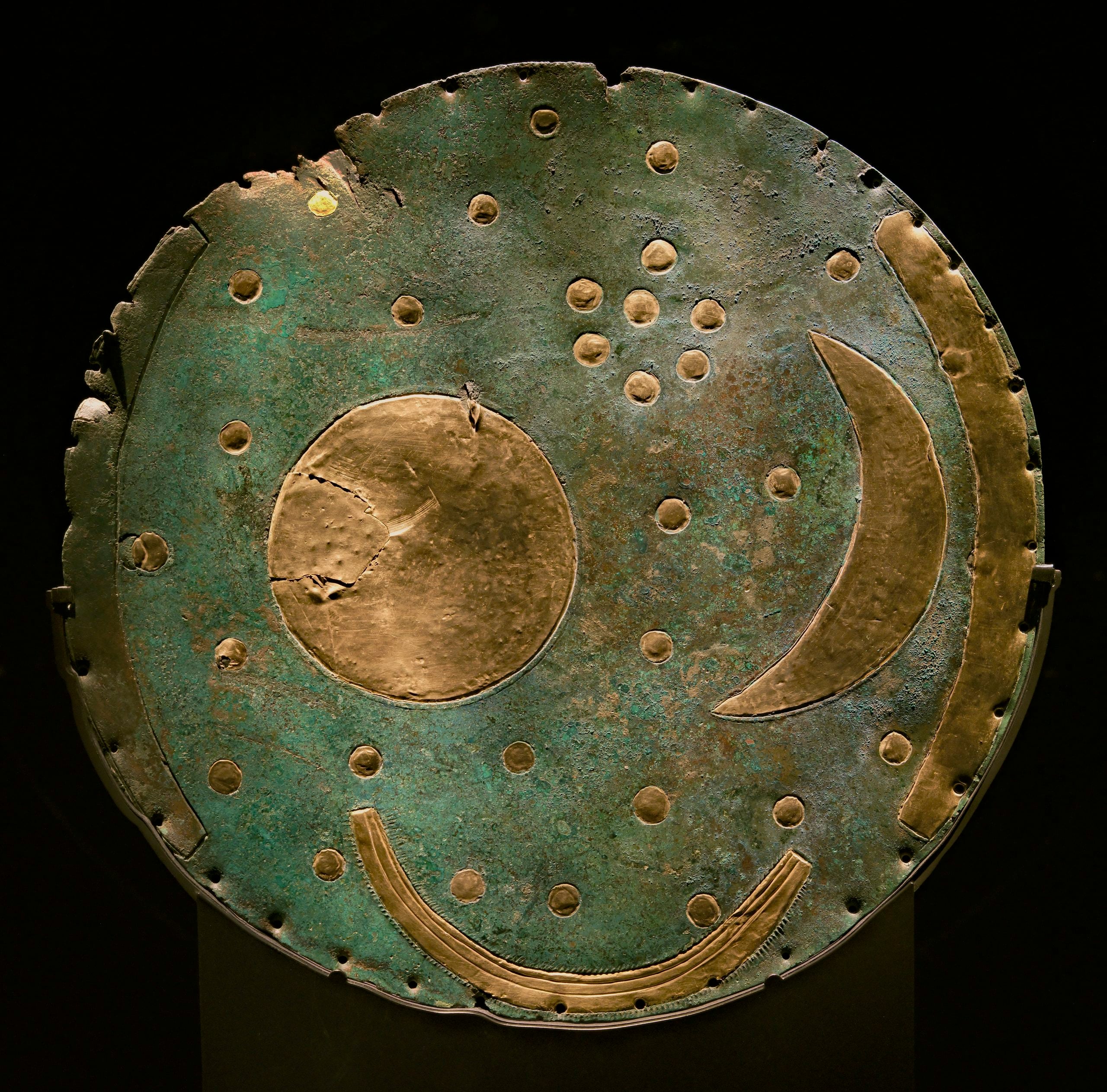
The Nebra Sky Disc is a bronze disc decorated with gold symbols representing celestial objects, including the Moon and stars. UNESCO describes it as the oldest known concrete depiction of astronomical phenomena. The disc was deposited with bronze weapons and other objects 3,600 years ago in what is now Germany.
2. The Royal Game of Ur
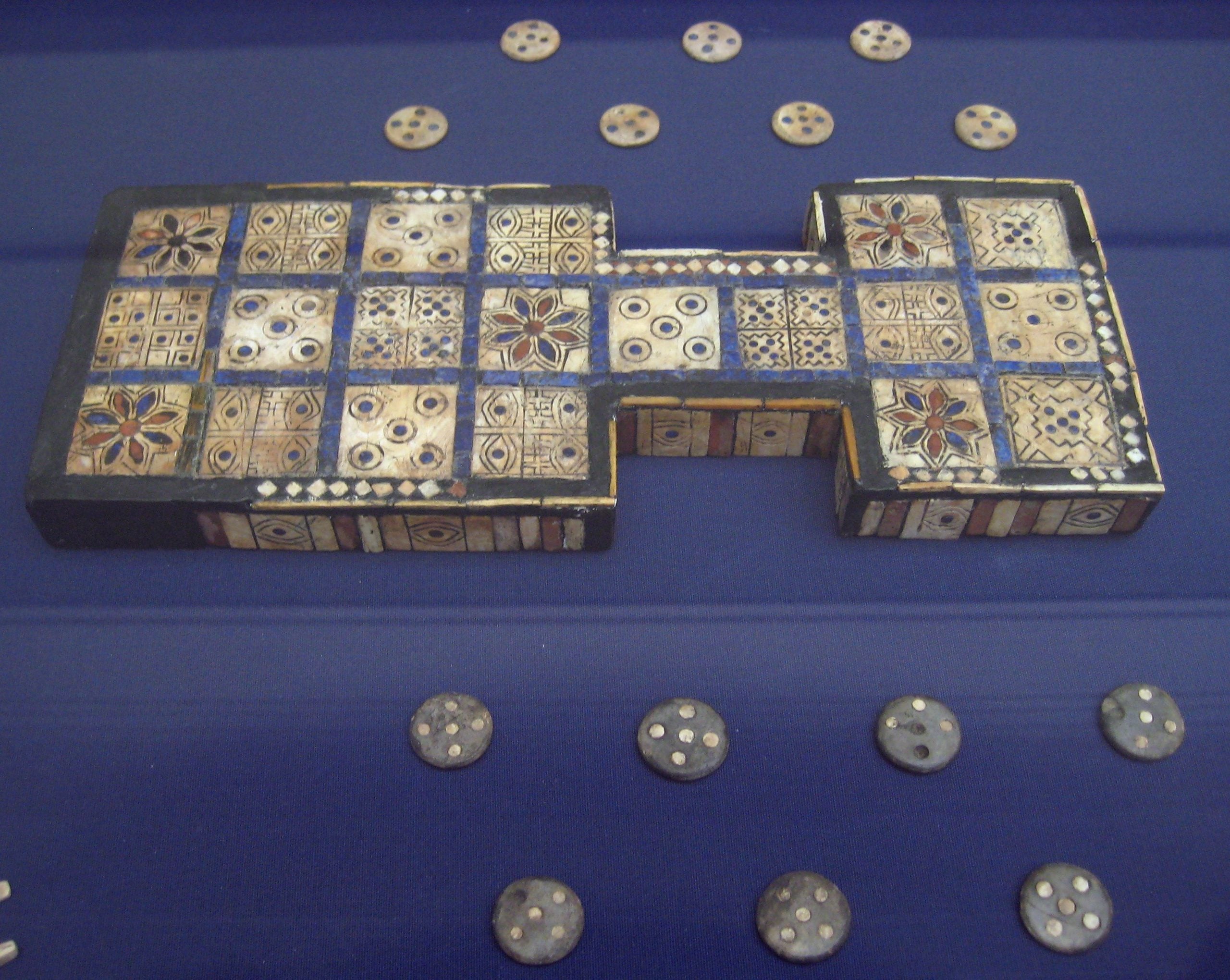
People were playing elaborate board games thousands of years before chess, or Monopoly, appeared. The Royal Game of Ur, discovered in the ancient city’s royal cemetery, features a decorated playing board with 20 squares. It is believed to be 4,400 years old.
3. The Standard of Ur
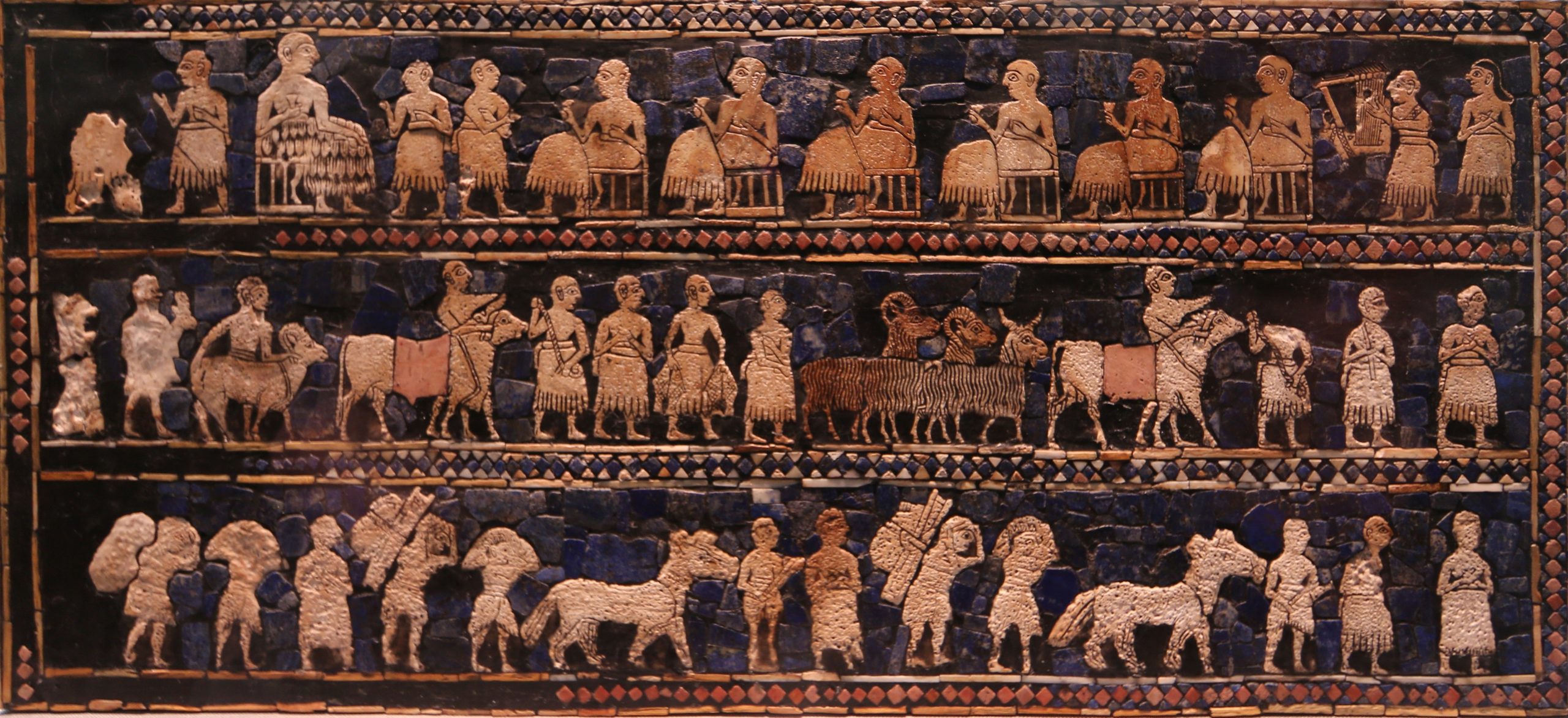
The Standard of Ur is a Sumerian artifact with detailed scenes of warfare, prisoners, animals, musicians, and a royal banquet. Despite its modern name, the object’s original purpose remains uncertain, with researchers suggesting it may have been part of a piece of furniture.
4. An Egyptian Game Box
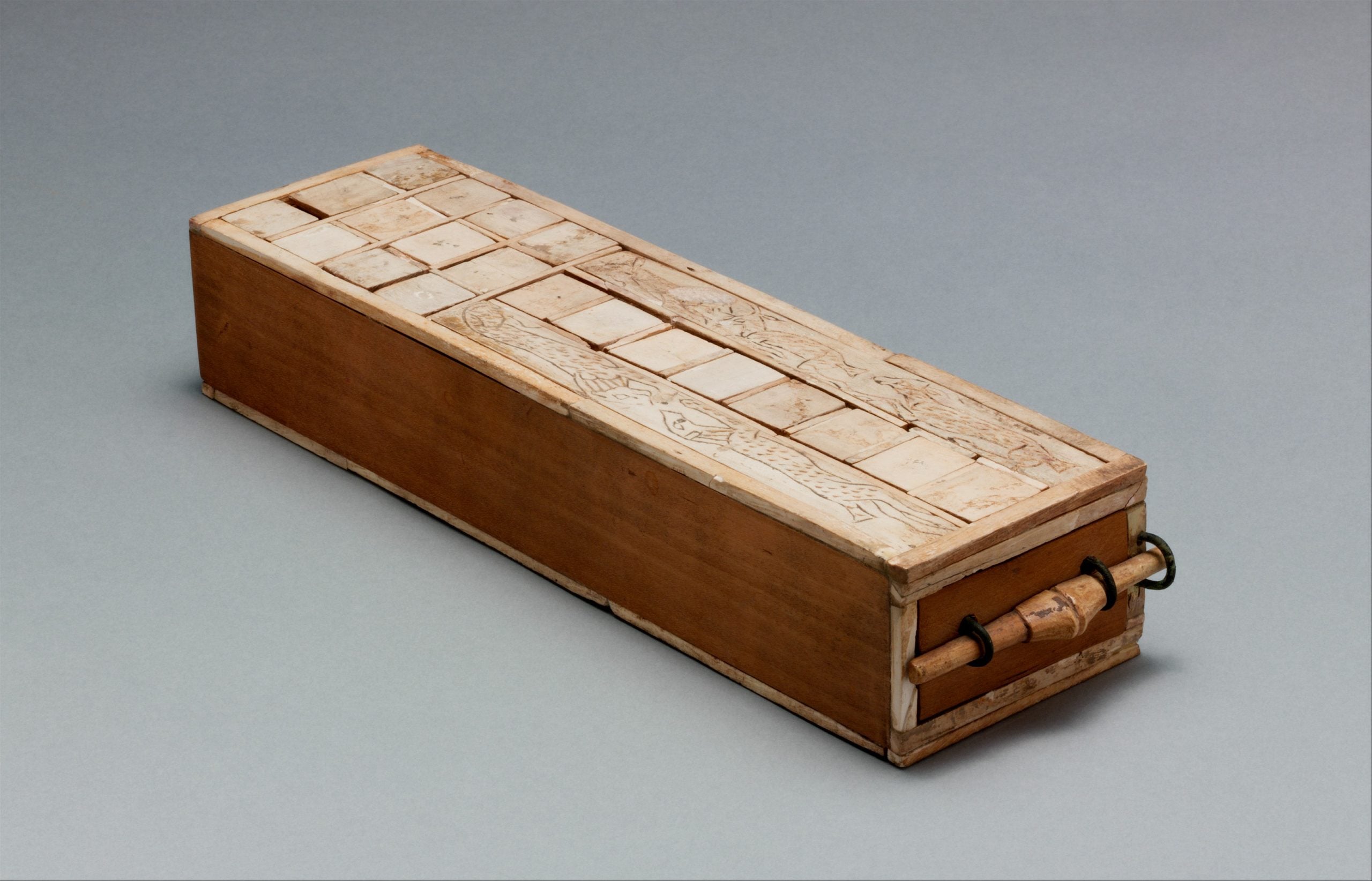
An ancient Egyptian game box in the MET was designed with two playing surfaces, featuring 30 squares for senet and 20 squares for another game that originated in the ancient Near East. Archaeologists recovered eight original pieces, two bones, ivory sections of the box, and metal fittings. The surviving components demonstrate that Egyptian players enjoyed tabletop games more than 3,400 years ago.
5. The Code of Hammurabi
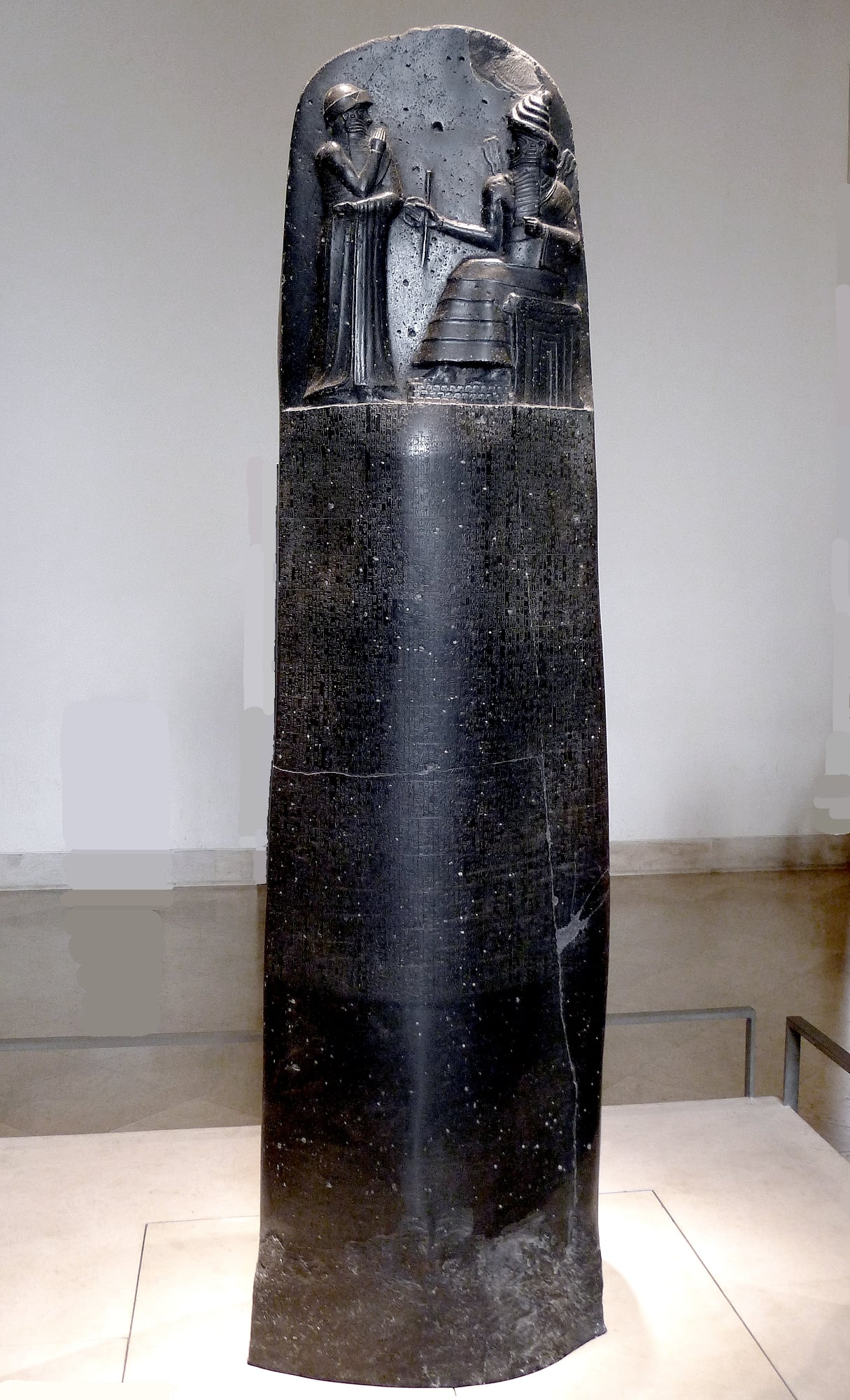
The Code of Hammurabi is a black stone monument with 282 legal judgments from the reign of Babylonian king Hammurabi. Standing more than 2.25 meters tall, the artifact addresses subjects including marriage, property, trade, employment, and punishment. Its survival provides an extraordinary record of legal principles and royal authority in ancient Mesopotamia 3,800 years ago.
Trending on Wealth Gang

6. The Cyrus Cylinder
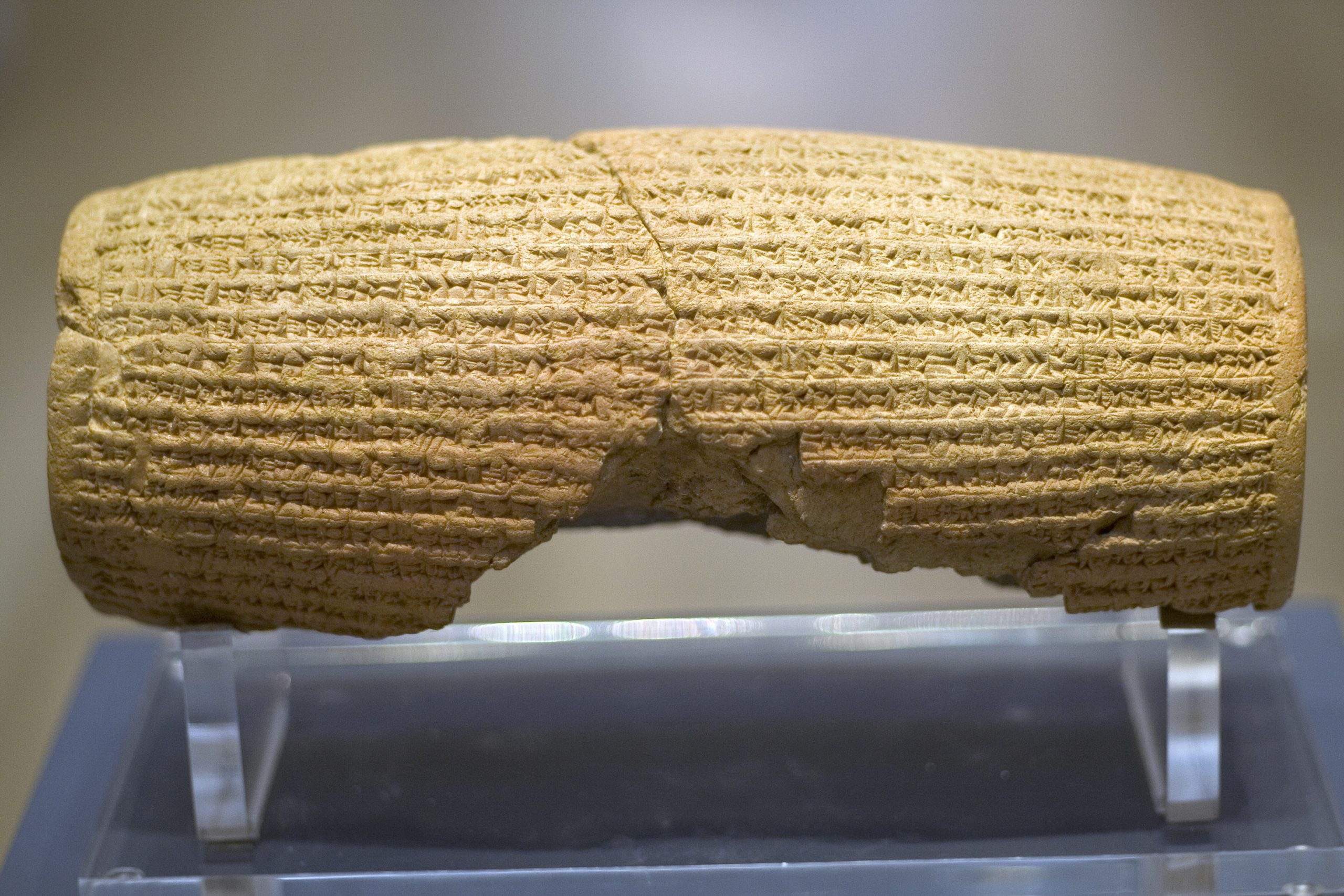
The Cyrus Cylinder is a clay object. Its text describes the achievements of Cyrus the Great, including religious restorations and his treatment of Babylonian temples. Although sometimes celebrated as an early declaration of human rights, historians interpret it within the tradition of ancient Mesopotamian royal inscriptions rather than modern rights legislation. It is preserved by the British Museum.
7. The Rosetta Stone
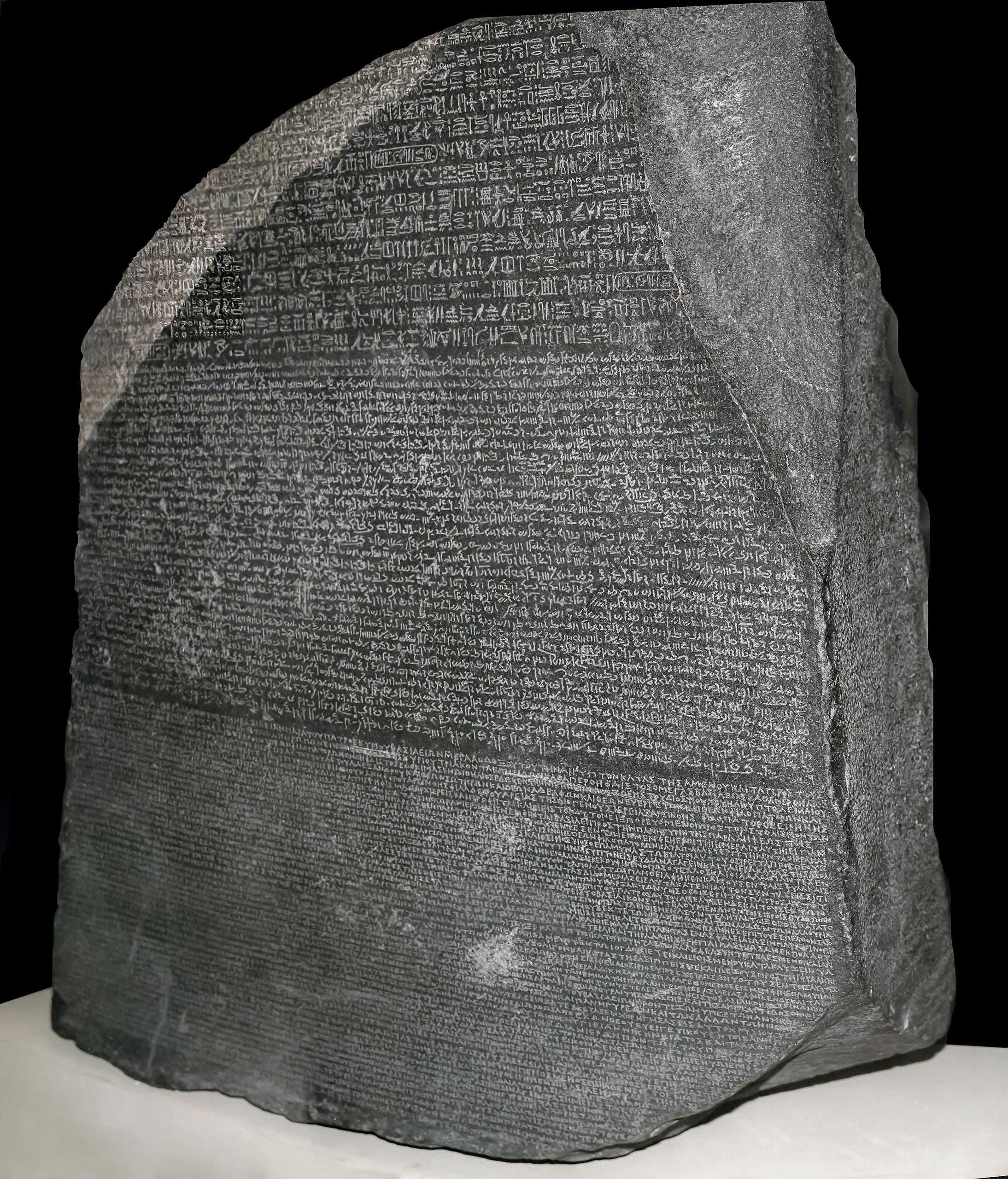
The Rosetta Stone is a fragment of an ancient monument created in 196 BCE. It became essential to scholars attempting to decipher ancient Egyptian writing because the inscriptions could be compared. French soldiers discovered it in 1799.
8. The Terracotta Army
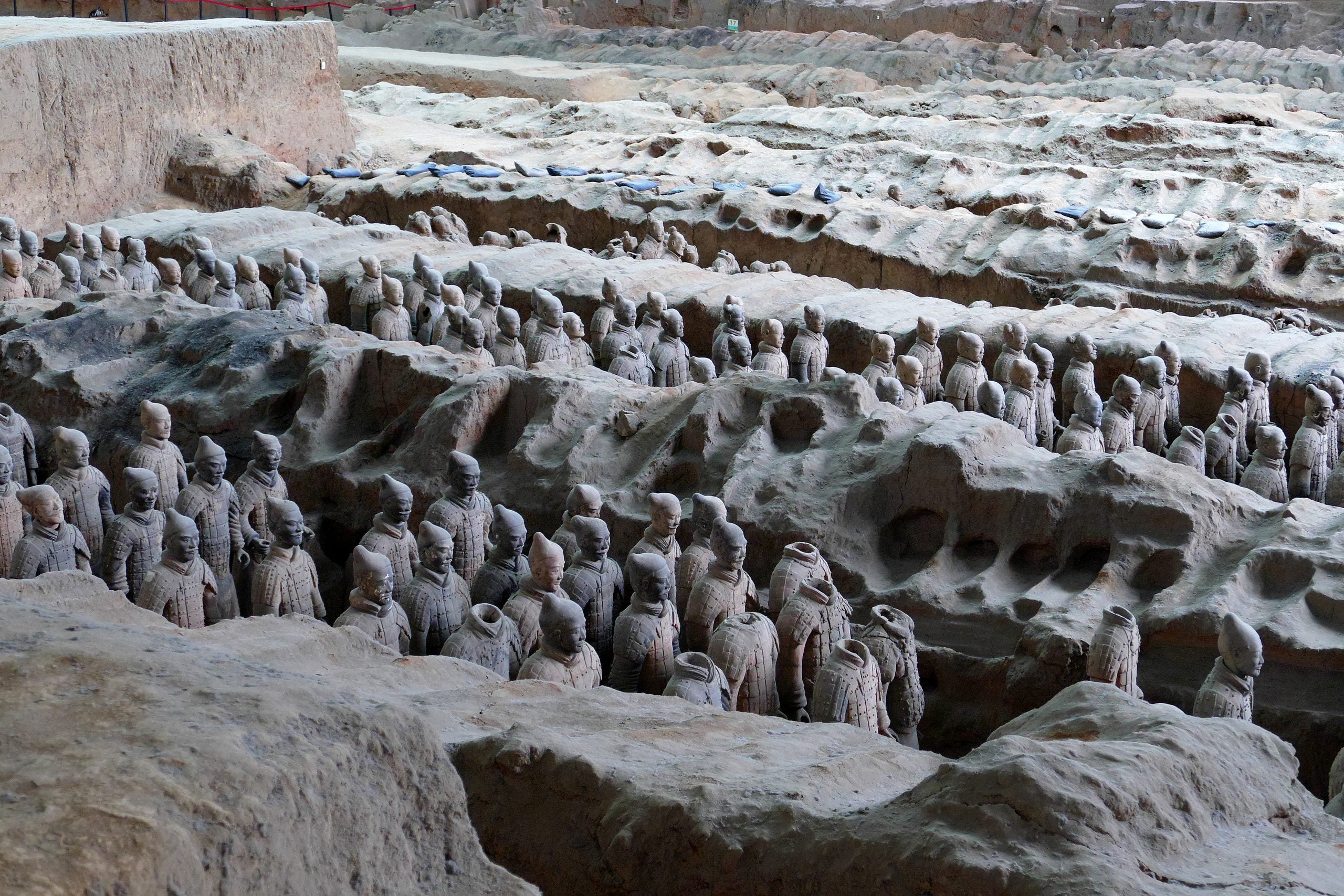
The Terracotta Army consists of thousands of clay soldiers created for the enormous burial complex of China’s first emperor, Qin Shi Huang. Discovered by farmers in 1974, the figures display several hairstyles, facial features, armor, and military roles. The soldiers were originally brightly painted, although much of their pigment deteriorated after excavation.
Sign up for our newsletter
9. The Antikythera Mechanism
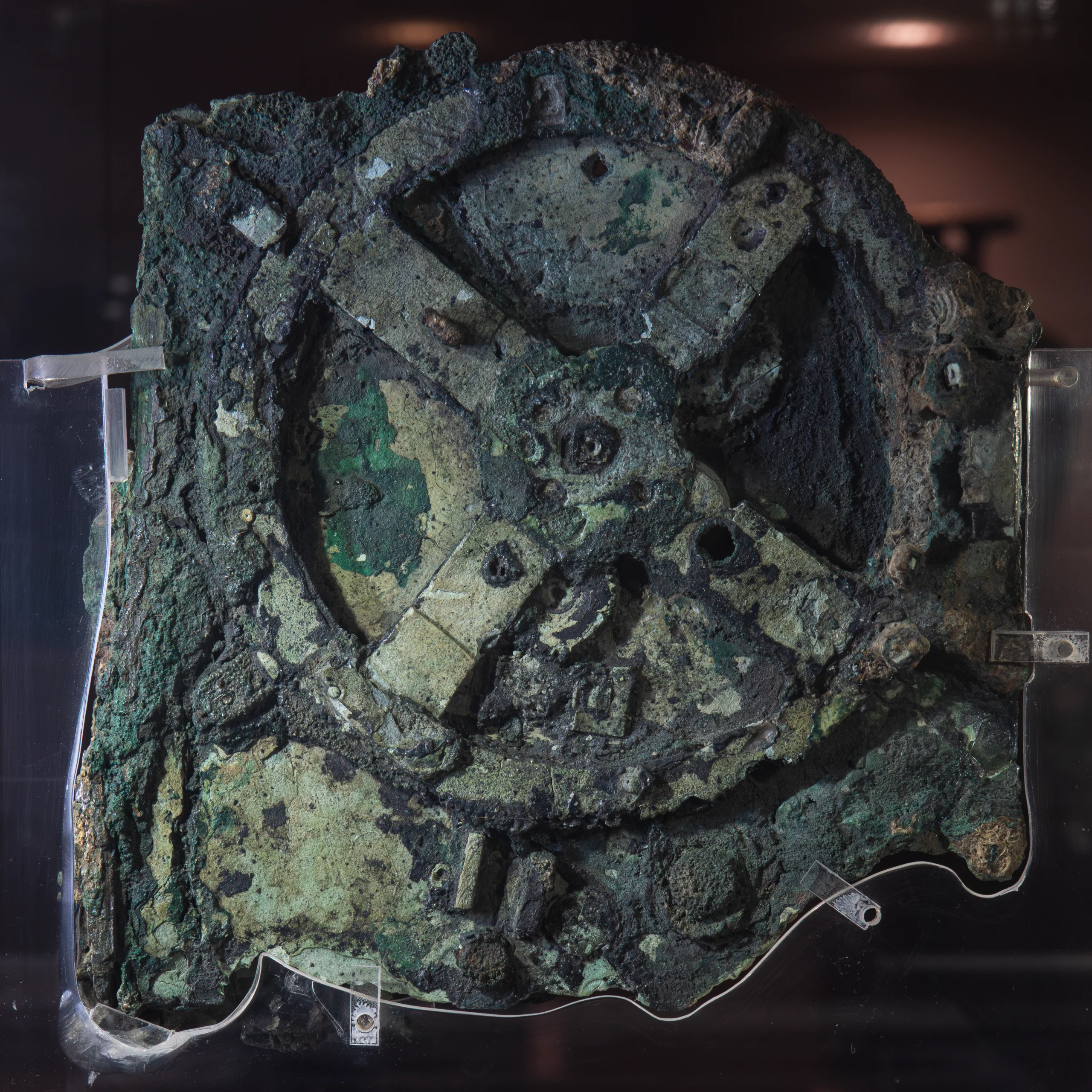
The Antikythera Mechanism is an ancient Greek device containing bronze gears used to model astronomical cycles. Discovered in a shipwreck near the Greek island of Antikythera around 1900. Studies indicate that this machine could track celestial movements and predict eclipses.
10. The Lycurgus Cup
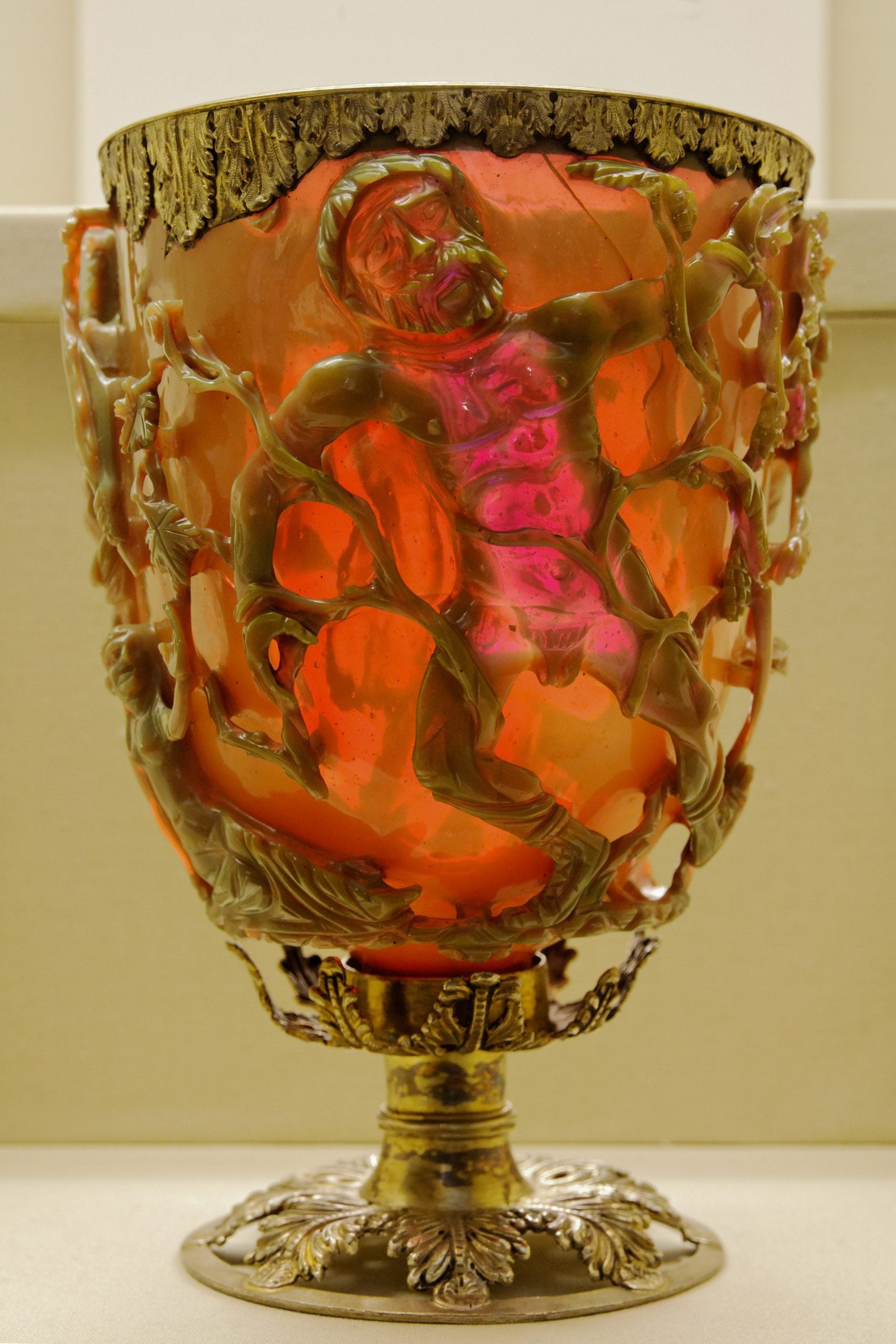
The Lycurgus Cup is a Roman glass vessel that appears green in reflected light but can look red when light passes through it. Created during the 4th century, the cup features an elaborate scene from the myth of King Lycurgus and includes decorative silver-gilt fittings. Its unusual optical behavior results from tiny metallic particles incorporated into the glass.
11. A 2,000-Year-Old Roman Perfume Bottle
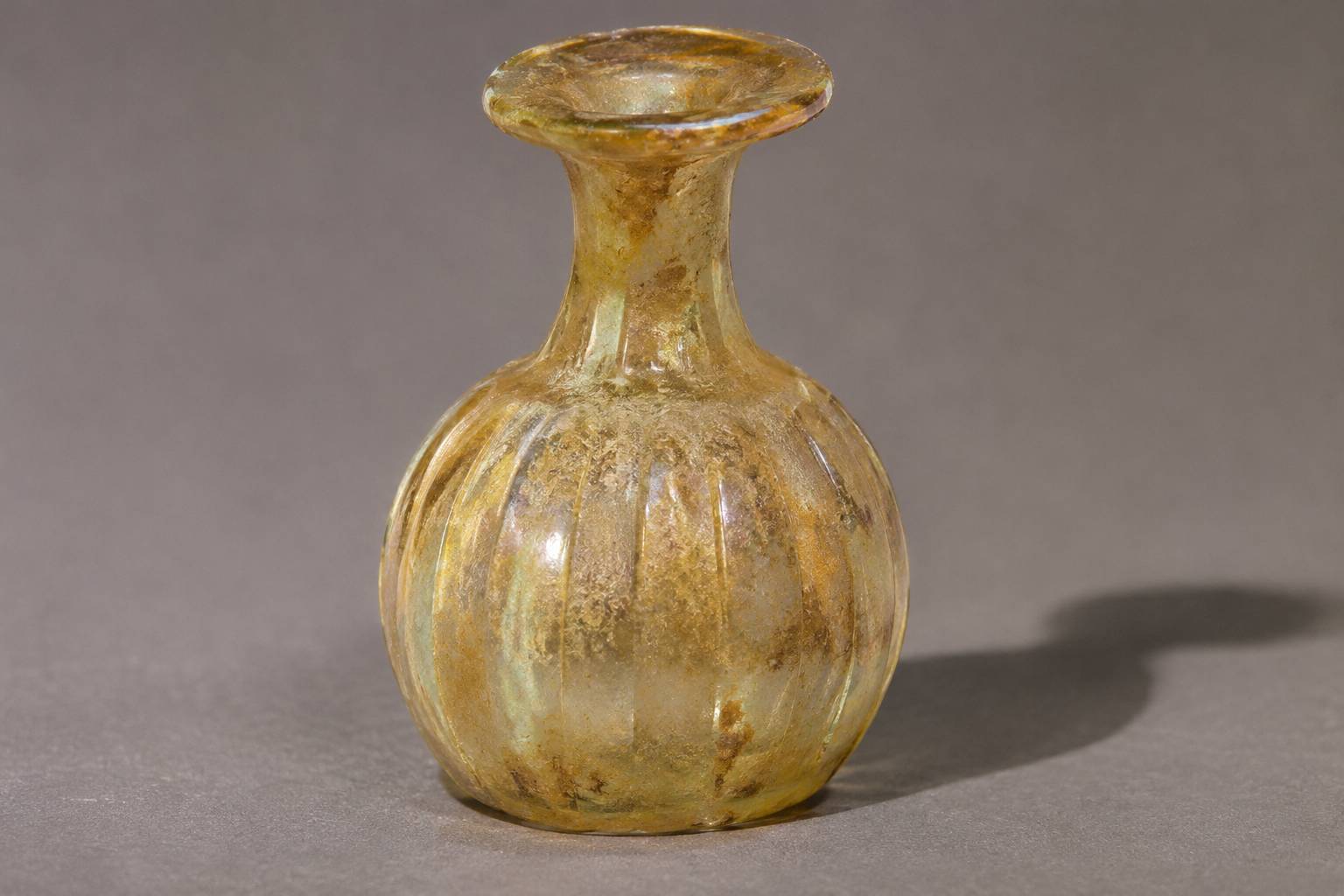
A small Roman glass perfume bottle in the MET dates to the first century CE. Measuring just 5.6 centimeters tall, the pale yellow-brown vessel features a narrow neck, mouth, and carefully shaped body. This type of container was commonly used to hold small quantities of scented oils, perfumes, and similar liquids.
12. The Sutton Hoo Helmet
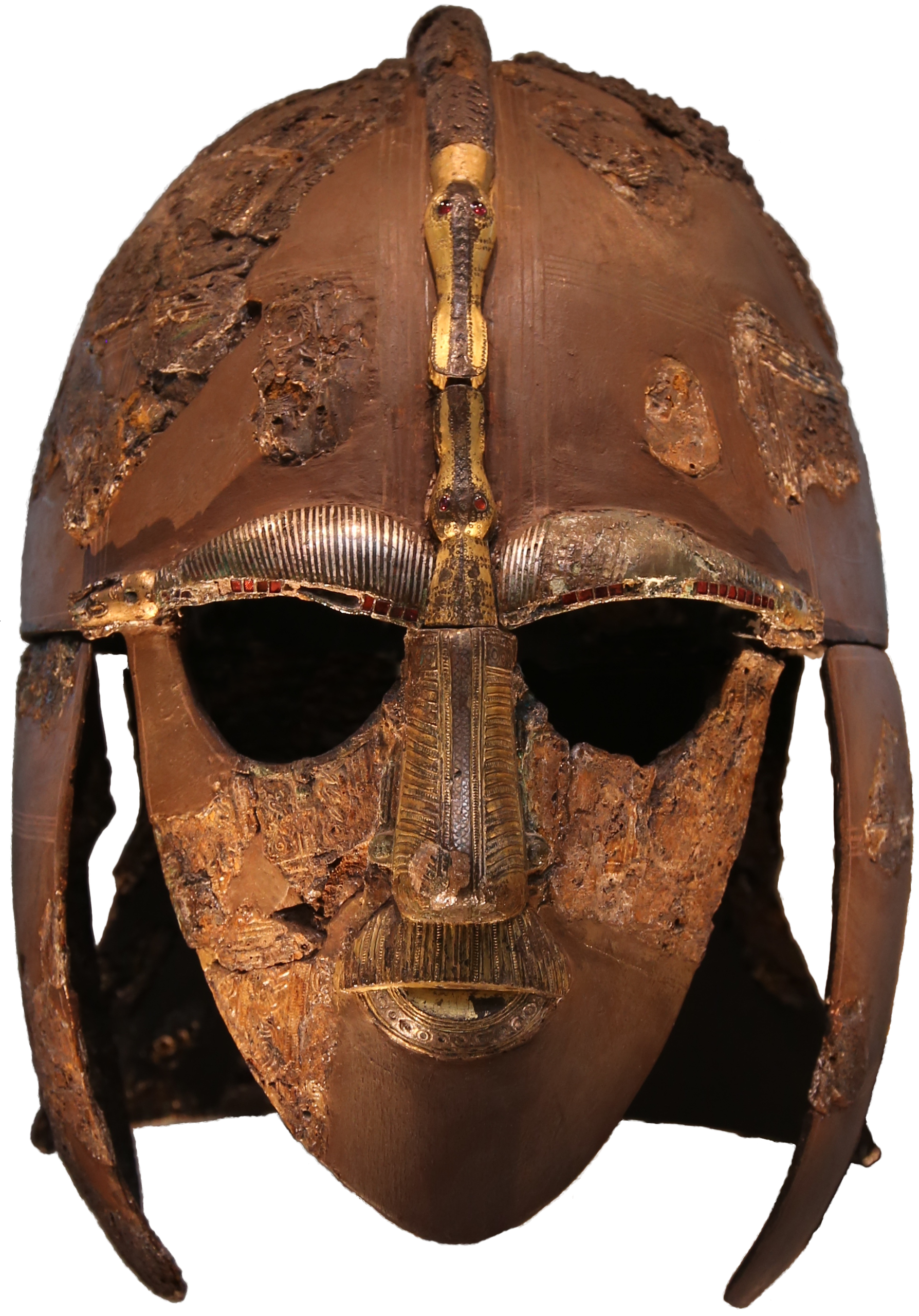
The Sutton Hoo helmet is one of the most remarkable examples of early medieval English metalwork. Discovered in a spectacular ship burial in Suffolk in 1939, the helmet features elaborate animal designs, decorative panels, and a distinctive face covering. Its decoration includes bird and dragon imagery incorporated into the helmet’s metalwork.
13. Peruvian Pottery Bottle
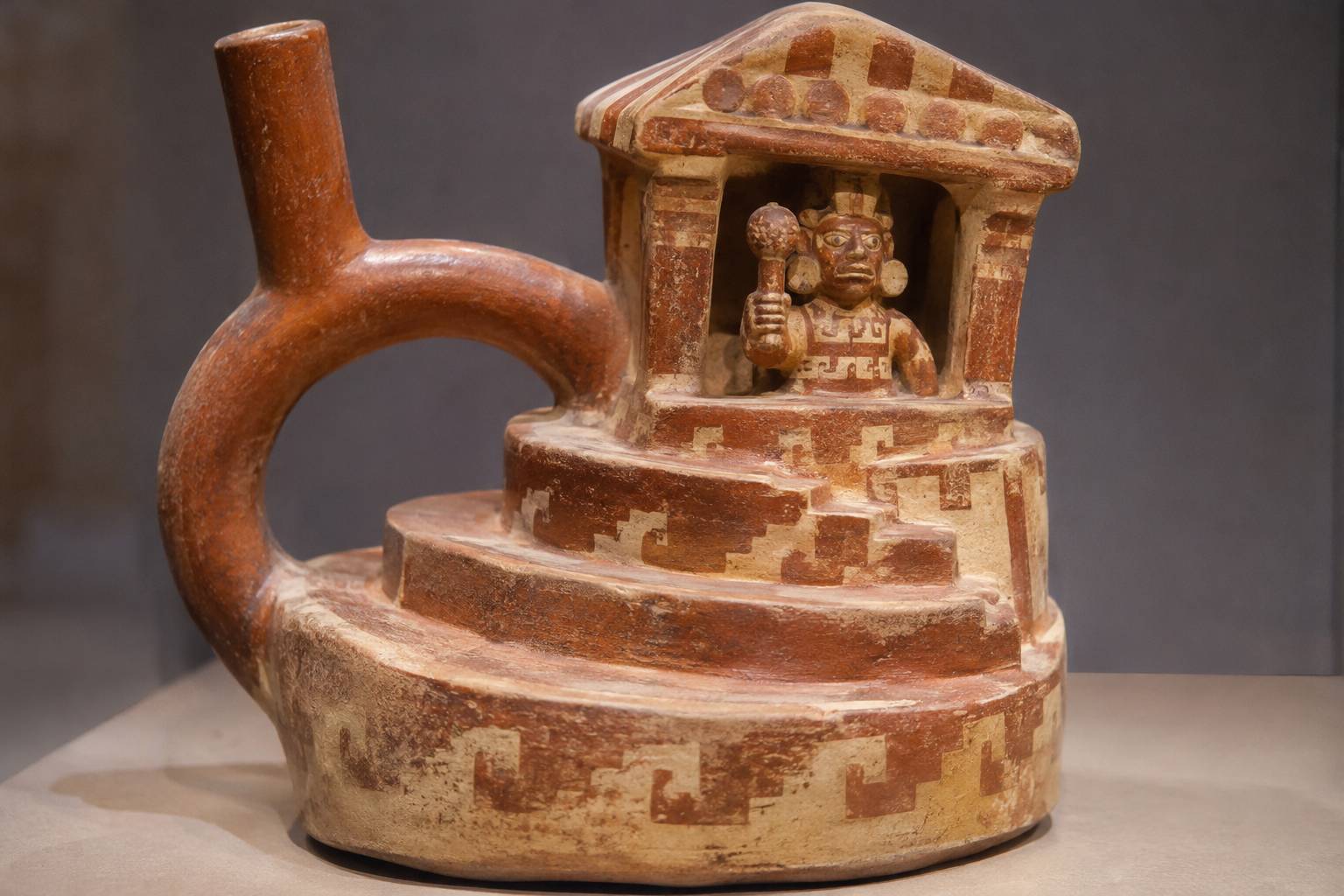
The Moche civilization created elaborate pottery that depicted buildings, ceremonies, animals, and important figures. One surviving ceramic bottle from approximately 400–600 CE resembles a spiral platform topped by a small structure containing a figure holding a war club. Researchers believe the vessel served a ceremonial purpose.
14. An Ancient Persian Seal
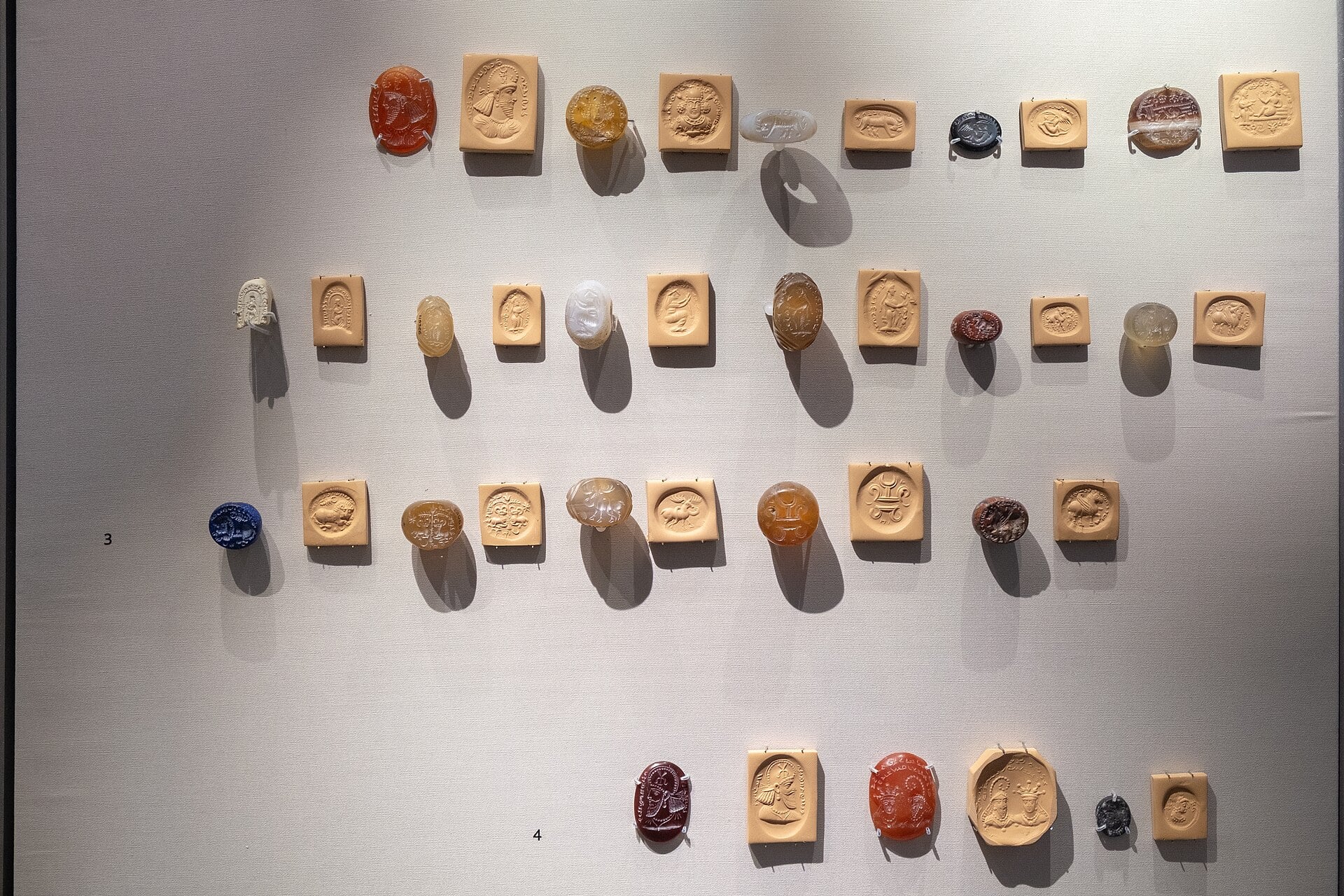
A small cylinder seal from the ancient Persian world contains a detailed battle scene carved into blue chalcedony. Its design depicts a royal figure fighting armed opponents. Cylinder seals were rolled across clay to leave impressions, making them useful for identification and administrative purposes.
15. An Ancient Nigerian Terracotta Head
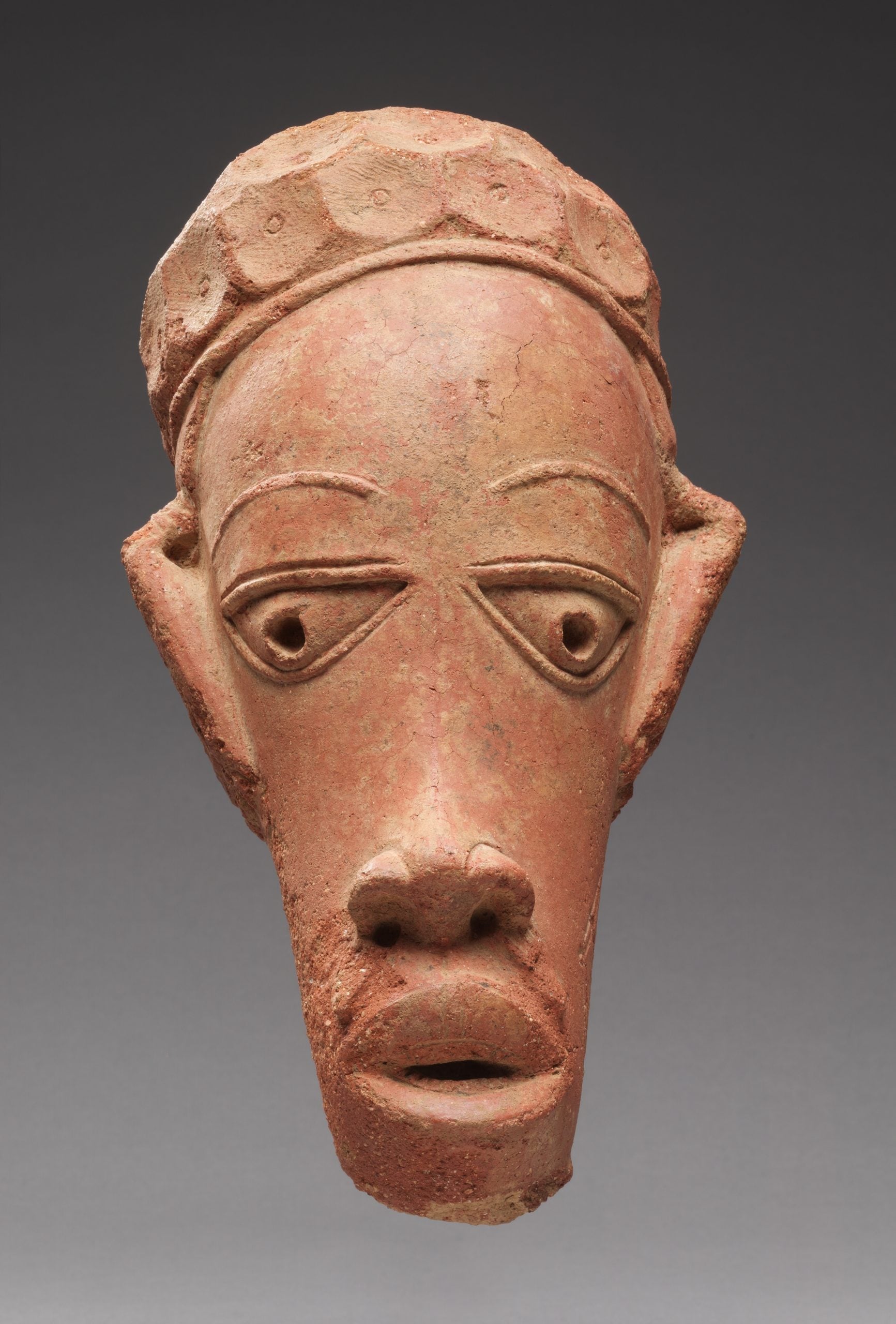
An ancient terracotta head associated with the Nok sculptural tradition reveals the extraordinary artistic skill of Nigerian communities. The Cleveland Museum of Art dates the object to approximately 20–620 CE through thermoluminescence analysis and describes it as one of the finest known examples of Nok sculpture. Its original function remains uncertain.
16. A Sumerian Harp
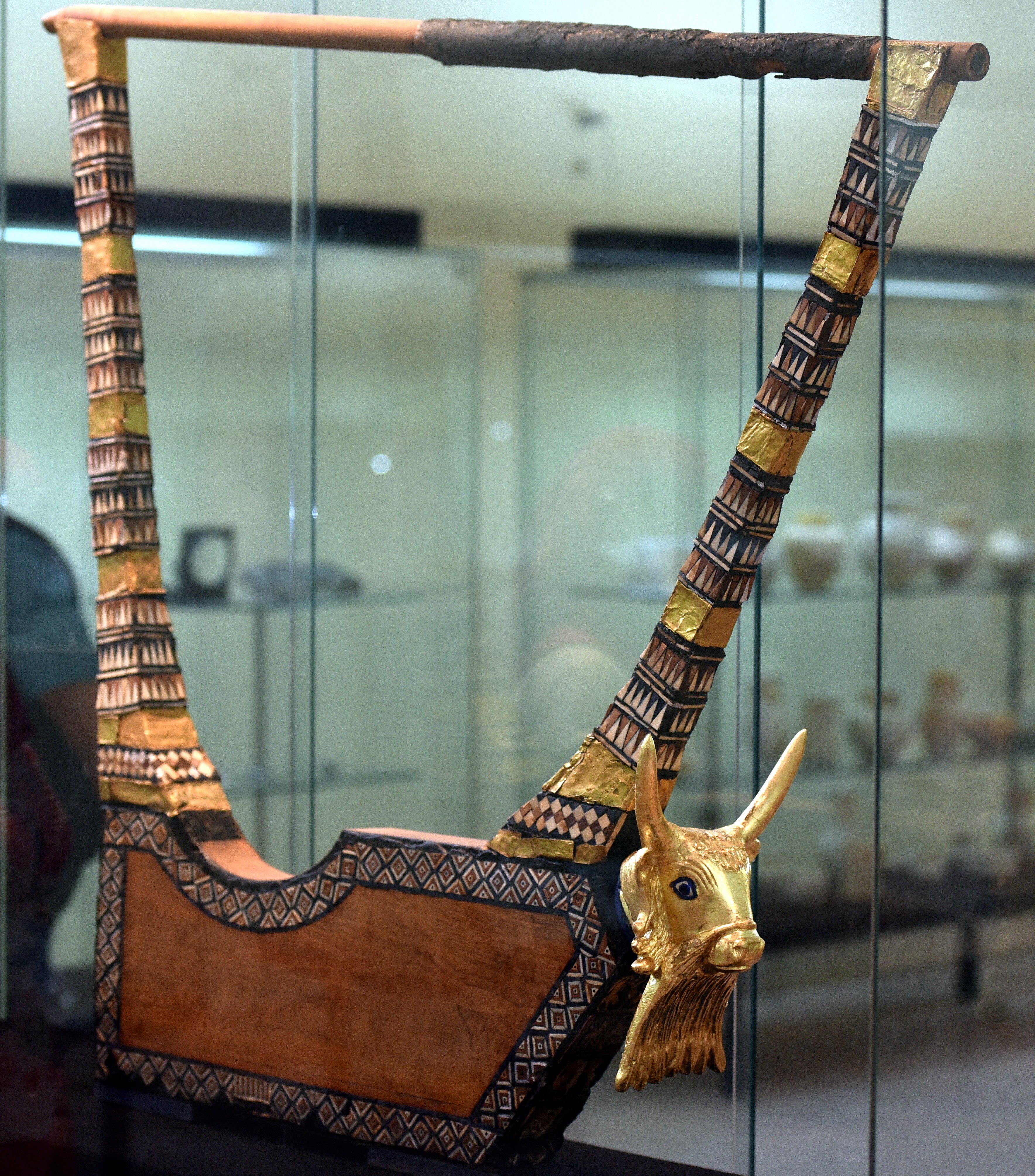
An ancient harp found in the Royal Cemetery of Ur demonstrates that musical instruments existed thousands of years before modern orchestras. Archaeologist Leonard Woolley discovered the instrument in the tomb of Queen Puabi.
17. A Sumerian Carving
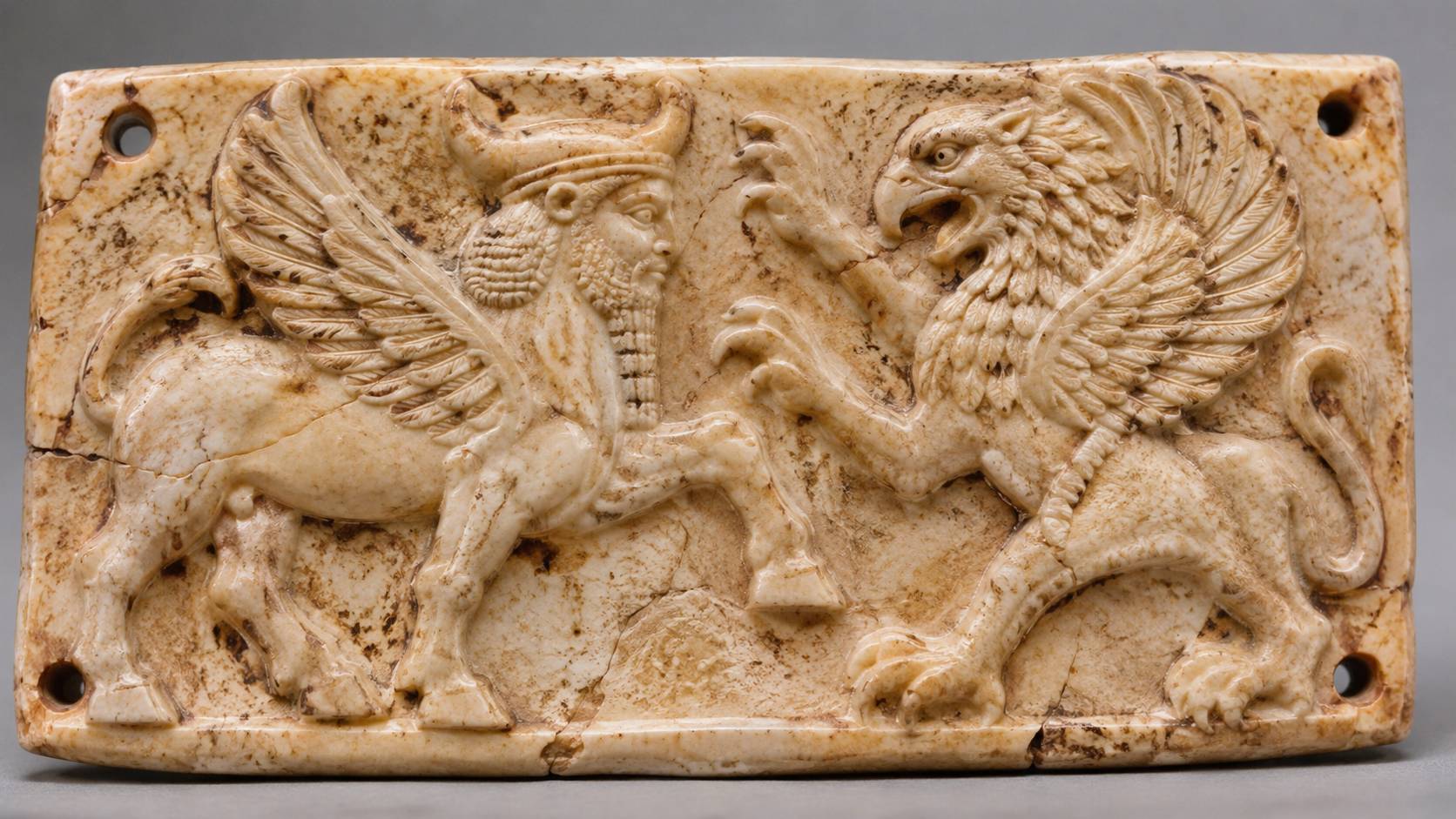
A small carved shell plaque dating to approximately 2600–2500 BCE demonstrates an unusual battle between a human-headed bull and a lion-headed eagle. The Metropolitan Museum of Art explains that similar figures appeared frequently in Sumerian art and were associated with religious traditions.
18. A Ninth-Century Viking Brooch
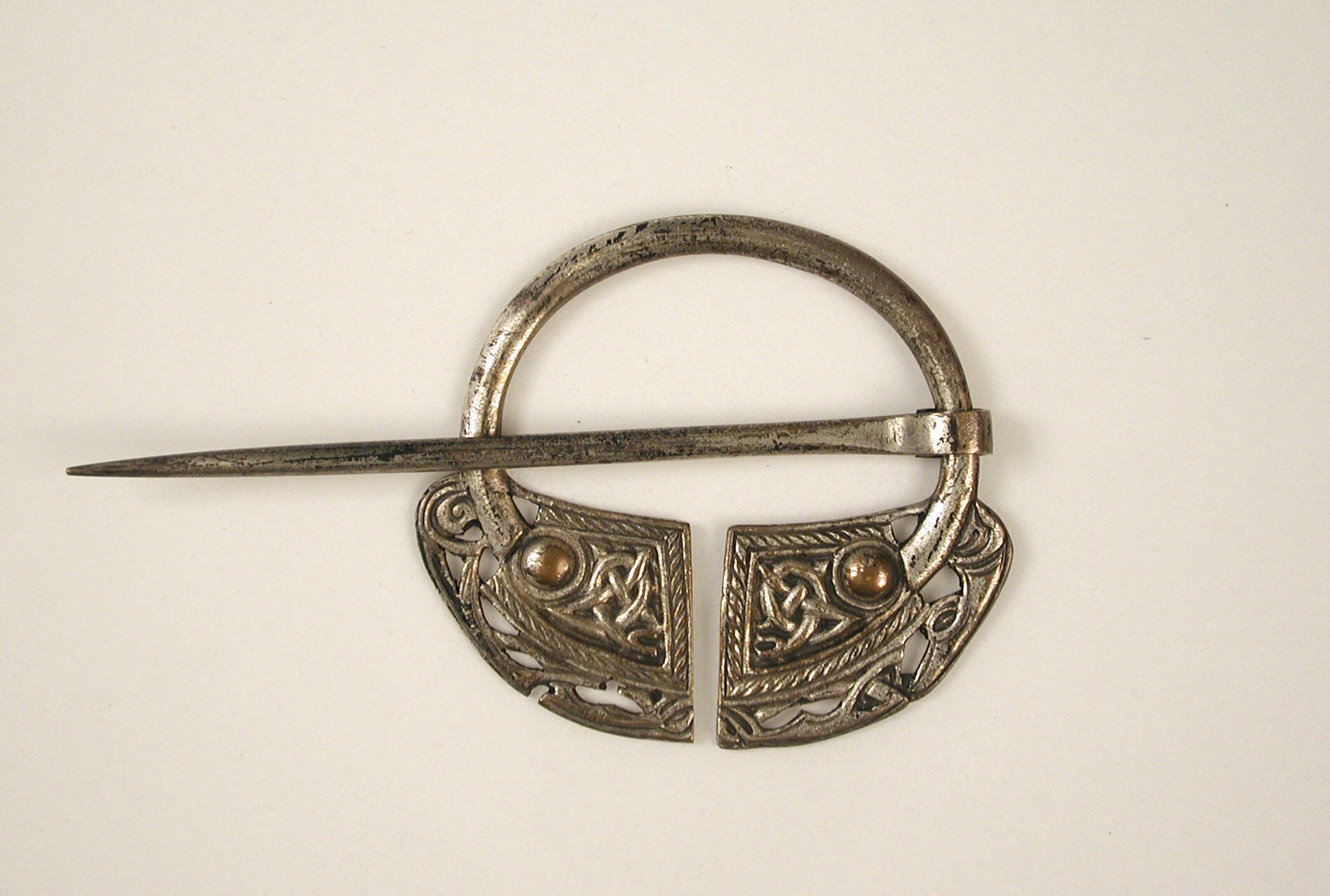
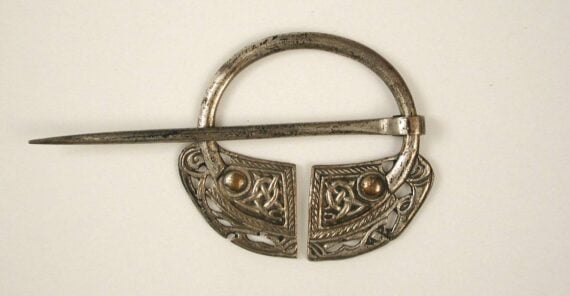
One ninth-century boar-head brooch documented by the Metropolitan Museum of Art demonstrates the elaborate metalworking associated with early Scandinavia. The piece features a stylized animal head decorated with cast patterns, transforming a functional jewelry form into a miniature work of art.
19. An Ancient Maya Crocodile
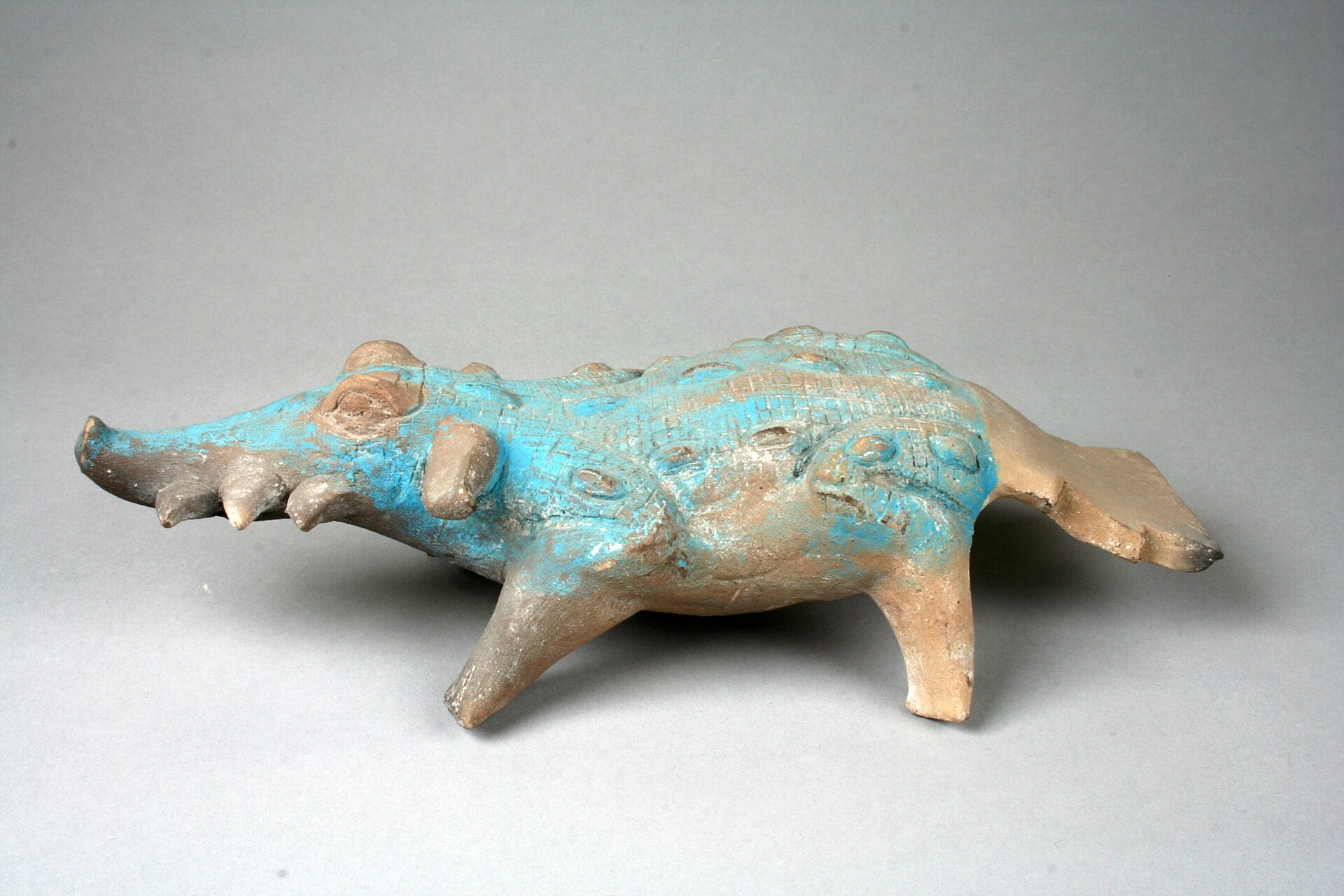
More than 1,200 years ago, Maya artisans created a ceramic crocodile that functioned as both a whistle and a rattle. The sculpture has air openings that allow it to produce sound when blown. The Metropolitan Museum of Art preserves the instrument, which demonstrates how ancient artisans combined sculpture and sound.