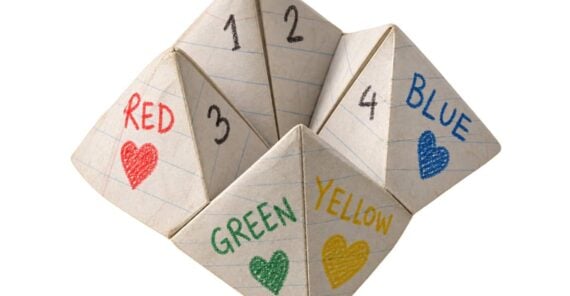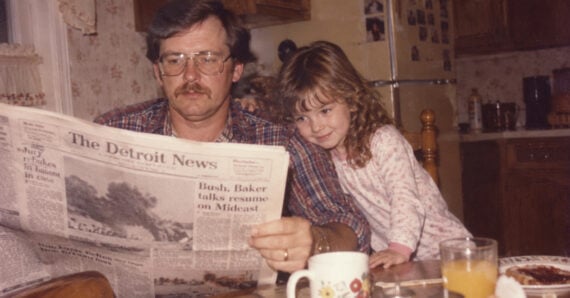
For decades, many objects were part of everyday life and seemed indispensable, until technology advanced and left them behind almost without warning. What was once modern, practical, and even innovative now feels strange or incomprehensible to younger generations. In a very short time, physical tools were replaced by simpler, more portable, and more efficient alternatives. That rapid shift caused many items to become obsolete sooner than expected. Today, those objects survive as memories, curiosities, or vintage pieces that reveal what life was like before the digital age.
1. Rotary phone

For years, it was the standard way to communicate in homes, but it required patience to dial each number by rotating the disc. Today, with touchscreens and instant dialing, this system feels slow and confusing. It represents a time when immediacy didn’t exist.
2. Floppy Disk
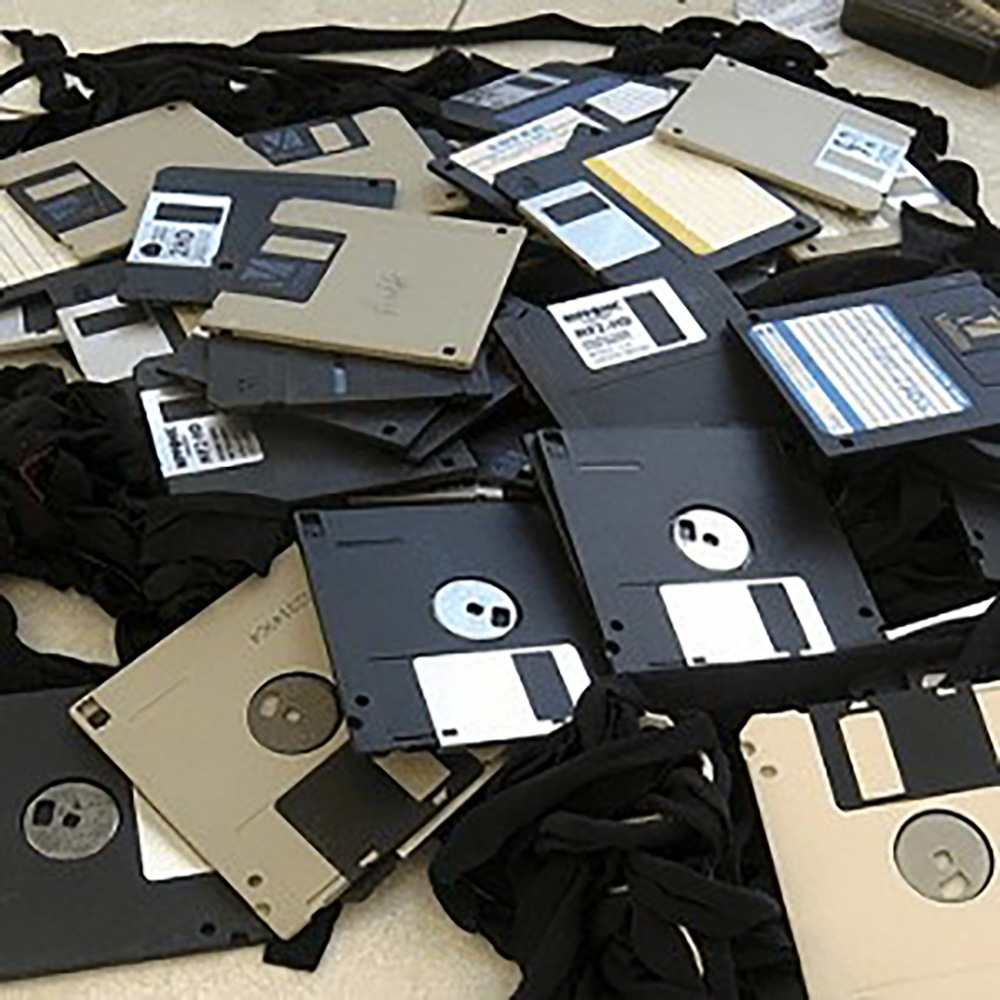
It was one of the first popular ways to store digital files and was very commonly used in computer classes at school. Today, it’s almost impossible to imagine using it, given the large file sizes we work with and how quickly technology moved on to more advanced options like external drives, USB flash drives, and the cloud. Still, it was an essential tool in its time, one that many Gen Z users have never even seen.
3. Cassette Tape

It allowed people to listen to music, but rewinding and fast-forwarding were part of the experience. Unlike today’s streaming, you couldn’t choose a song instantly. Listening to music required time and care, and it became a clear example of how much innovation followed, as many different devices appeared between the cassette era and today.
4. VHS Tape

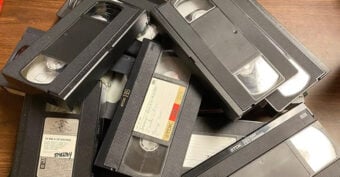
Before Gen Z, the dominant format for watching movies at home was VHS, which we rented from different video stores. Rewinding was mandatory, and the quality degraded with repeated use. Today, watching content is instant.
5. Typewriter
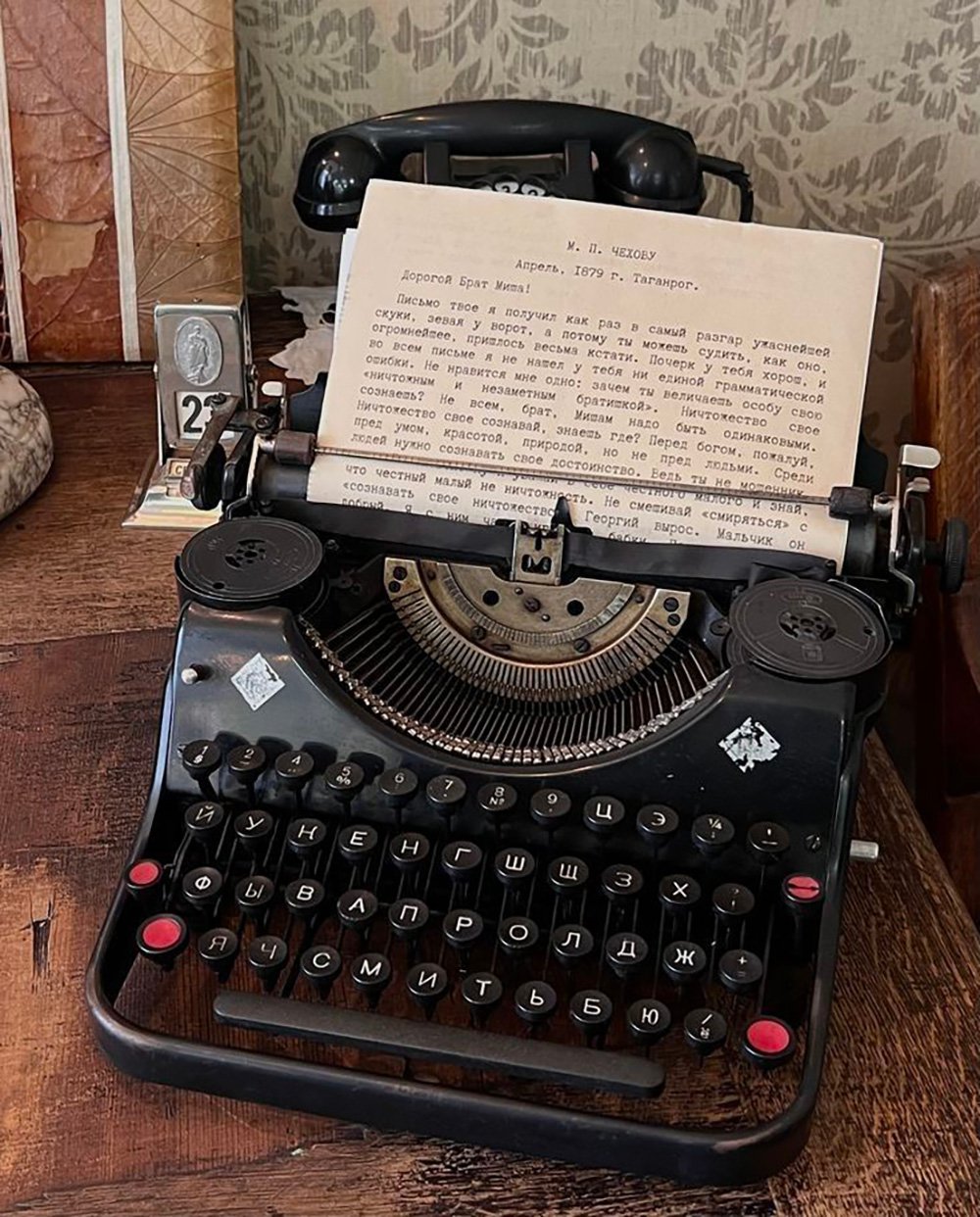
Writing required absolute concentration, since correcting mistakes was difficult or even impossible. Today, digital text allows endless editing. This object reflects a much slower and less efficient work pace compared to how we live today.
Trending on Wealth Gang

6. Film Camera
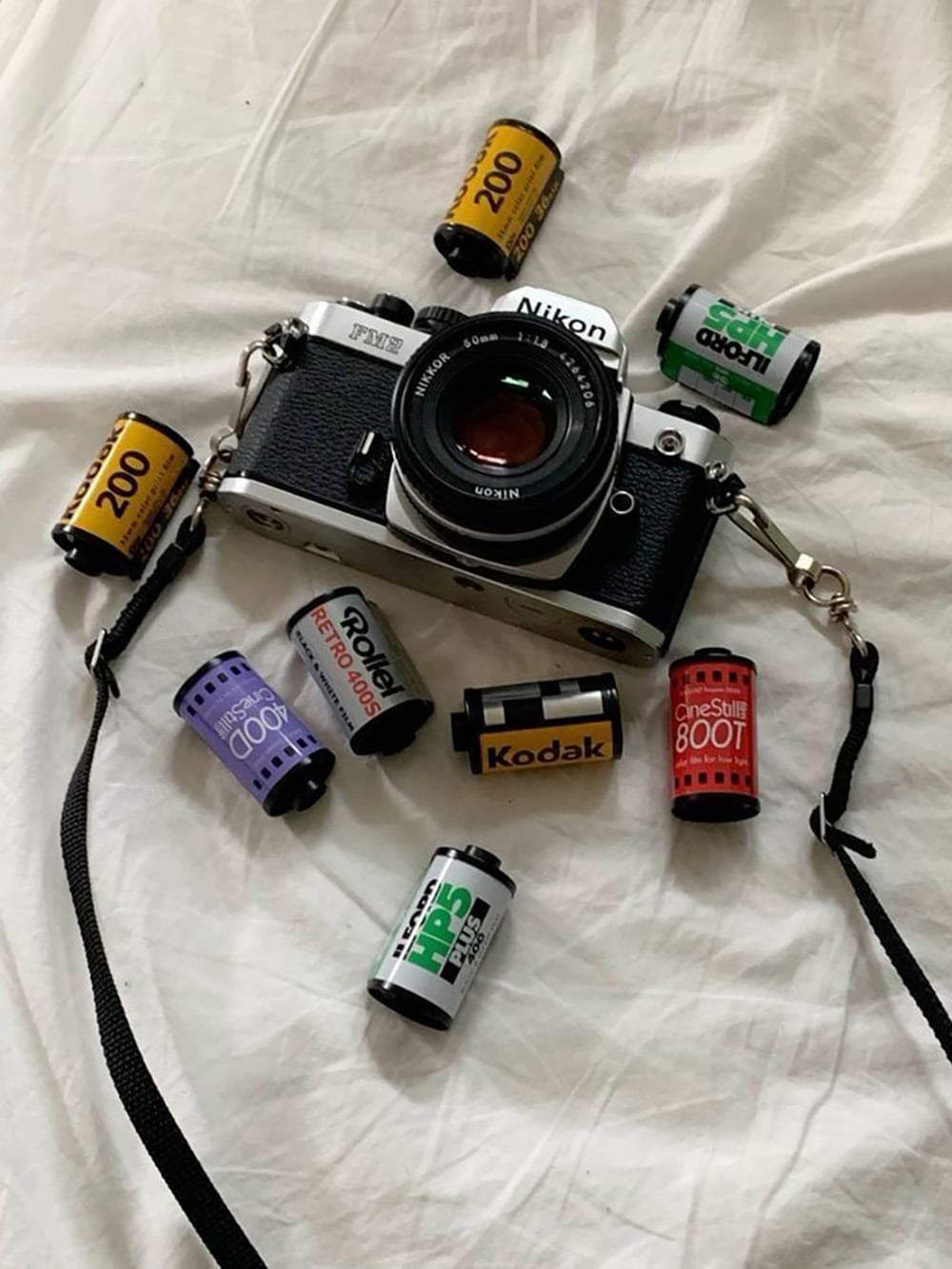
Every photo mattered because the roll was limited and had to be developed. Unlike modern cameras, you couldn’t see the result instantly. Photography was a more thoughtful and less immediate process, but it carried a much greater sense of anticipation when the photos were finally developed. Today, taking a photo is something normal and spontaneous, with little preparation.
7. Pager, Beeper

Gen Z is often unaware that these even existed. They only displayed numbers and forced you to find a phone to return the call. Today, smartphones allow constant, multimedia communication, an enormous leap in technology.
8. Dial-Up Modem

Connecting to the internet took time and blocked the phone line. Compared to today’s Wi-Fi, the speed was extremely slow. Even so, it was revolutionary at the time and changed the way we communicated.
Sign up for our newsletter
9. Encyclopedia Books

They were the main source of information in the home. Today, they have been replaced by instant digital searches. Looking up information once required a great deal of time, a more cumbersome process, and also much more reasoning.
10. CD Player

They came after cassette tapes and were undoubtedly innovative, but they took up space and scratched easily. Today, music lives on digital platforms with no physical format. The change was fast and definitive.
11. Answering Machine
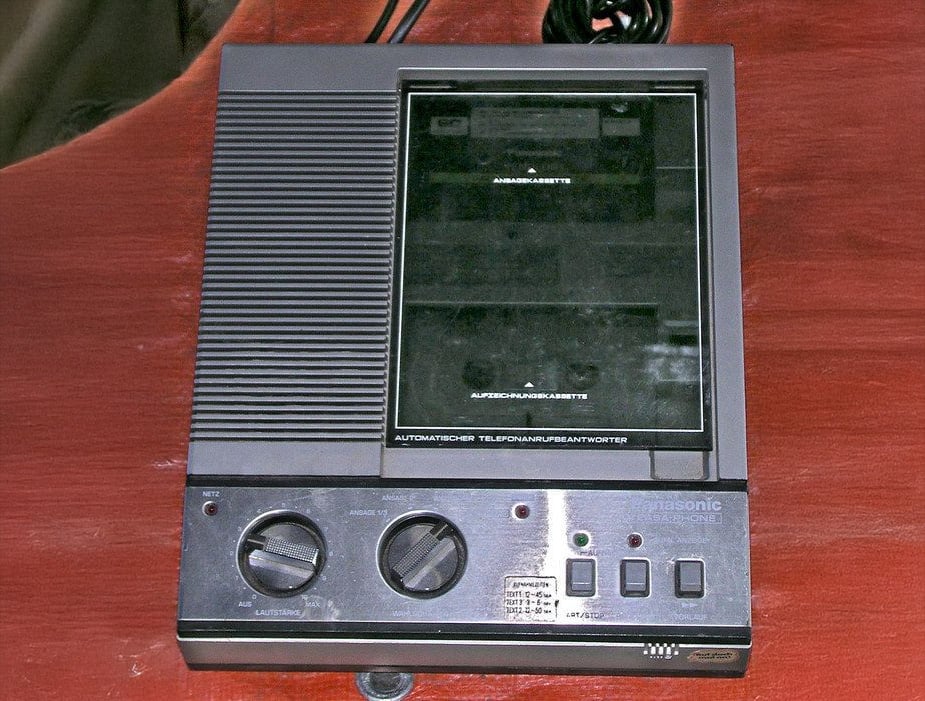
It recorded messages when you weren’t home. Today, voice notes and texts arrive instantly on your phone, but back then, listening to a message meant being physically present to hear it.
12. Fax Machine

Once essential in offices for sending documents quickly. Today, it feels obsolete compared to email and digital files. It represents an awkward bridge between the analog and digital worlds.
13. Paper Maps

A must-have for travel before GPS existed. Now replaced by real-time interactive maps, getting lost used to be a normal part of the journey.
14. Slide Projector
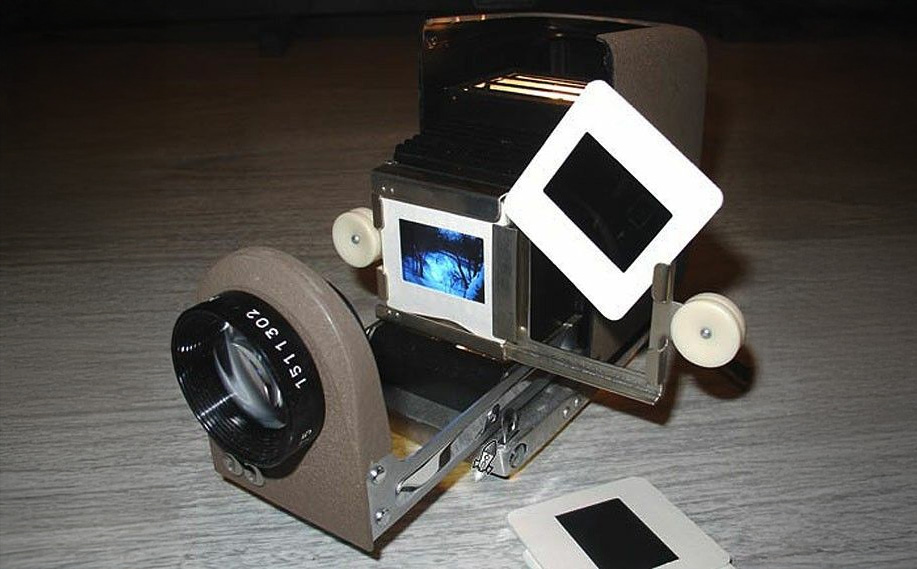
Used to show photos at family gatherings or in classrooms. Today, a phone or screen does the job instantly. The ritual of setting up a full projection is long gone.
15. Walkman

It was the first time music could truly go anywhere with you. Now phones combine music, calls, and apps in one device. It marked a major step toward portability.
16. Alarm Clock

Its only job was to wake you up. Today, smartphones replaced it with countless features and custom options. The simplicity didn’t survive the upgrade.
17. Rolodex
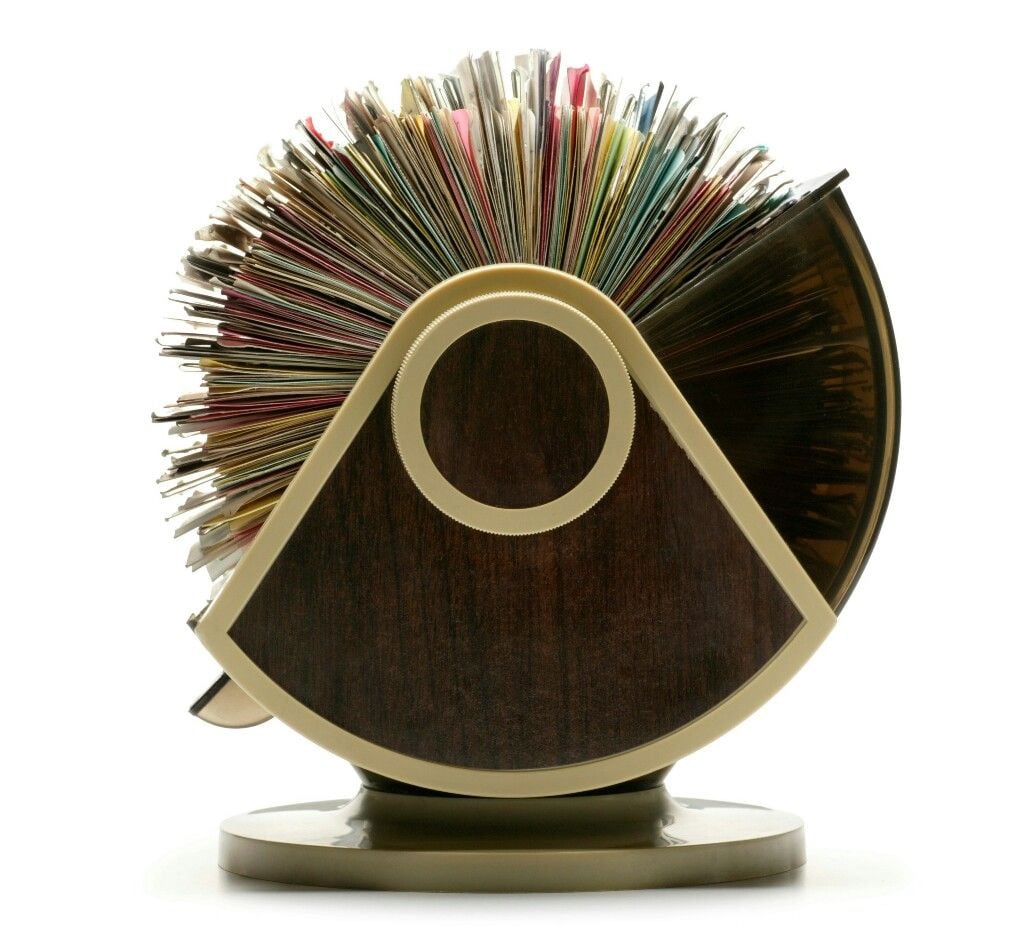
A rotating file of contact cards used in offices. Today, contacts are stored and synced automatically. Losing one card back then meant losing someone entirely.
18. Polaroid Camera

Instant photos once felt like magic. Now any phone can do the same with better quality. Still, Polaroids hold strong nostalgic appeal.
19. Corded Phone

It limited how far you could move while talking. Modern phones let you walk anywhere, making freedom of movement one of the biggest upgrades.
More Things That Bridge the 90s and Gen Z Today
- 12 Trends from 1998 That Are Currently Taking Over Gen Z TikTok
Gen Z is turning late-90s pop culture into today’s trends, from fashion and music to forgotten tech and styles that suddenly feel cool again. - 20 Overrated Actors Who Had Their Moments in the 1990s
These are the stars whose fame peaked in the 90s but now feel totally dated Gen Z might know them, or might just be discovering them for the first time. - 19 Photos That Show What Being a Boy Scout Looked Like Across the Decades
A nostalgic look at childhood groups and uniforms through the years something Gen Z might scroll past and wonder how it was ever a thing.