
The 1950s were a turning point for American consumer culture. Supermarkets were expanding, self-service shopping was becoming the norm, and manufacturers suddenly had to make their products stand out on crowded shelves. Packaging became part protection, part advertising, with colorful illustrations, distinctive typography, metal tins, glass containers, and carefully designed cardboard boxes helping brands compete for attention.
Many packages from the era also feel surprisingly substantial by modern standards. Instead of lightweight plastic and minimalist wrappers, shoppers often encountered containers that seemed designed to be displayed, saved, or reused around the house. From pantry staples to beauty products, these everyday goods show just how much effort could go into something as simple as a package.
1. Cookies and Crackers in Decorative Tins
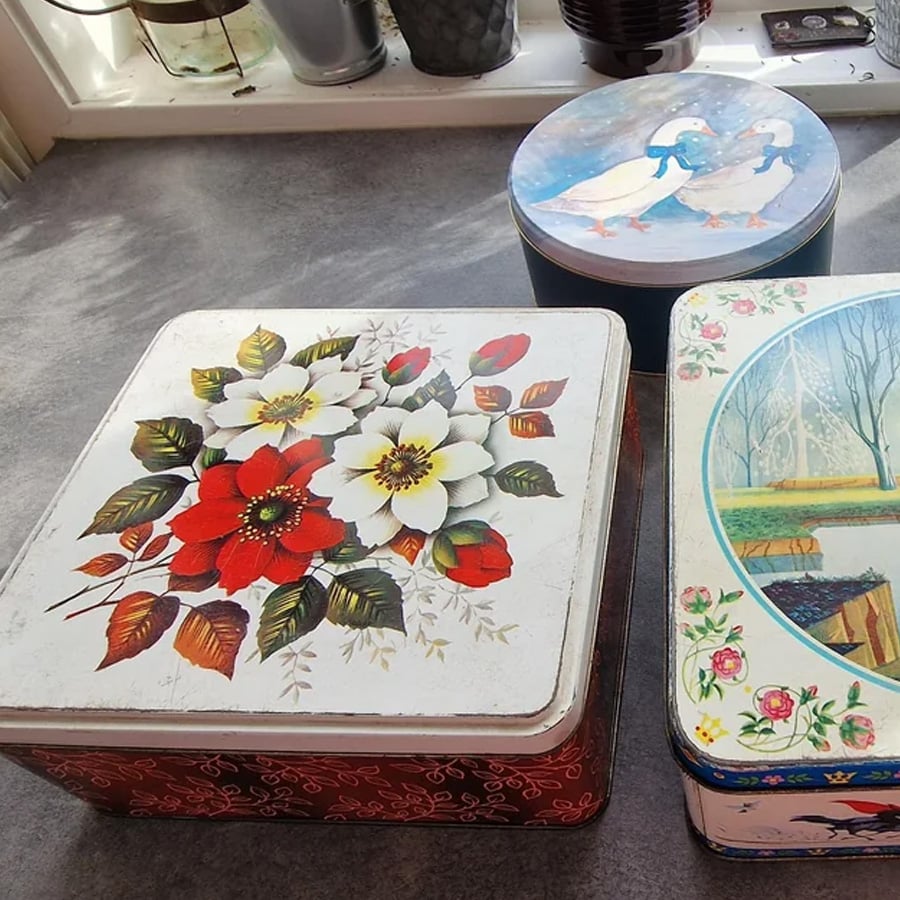
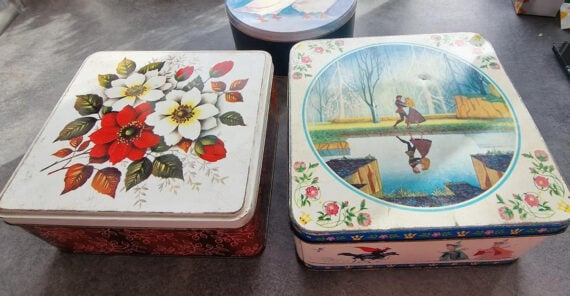
Cookies and crackers were frequently sold in sturdy metal tins decorated with colorful illustrations, patterns, and brand artwork. Families often kept the containers long after the food was gone, turning them into storage for sewing supplies, photographs, buttons, and other household odds and ends.
2. Face Powder in Ornate Compacts
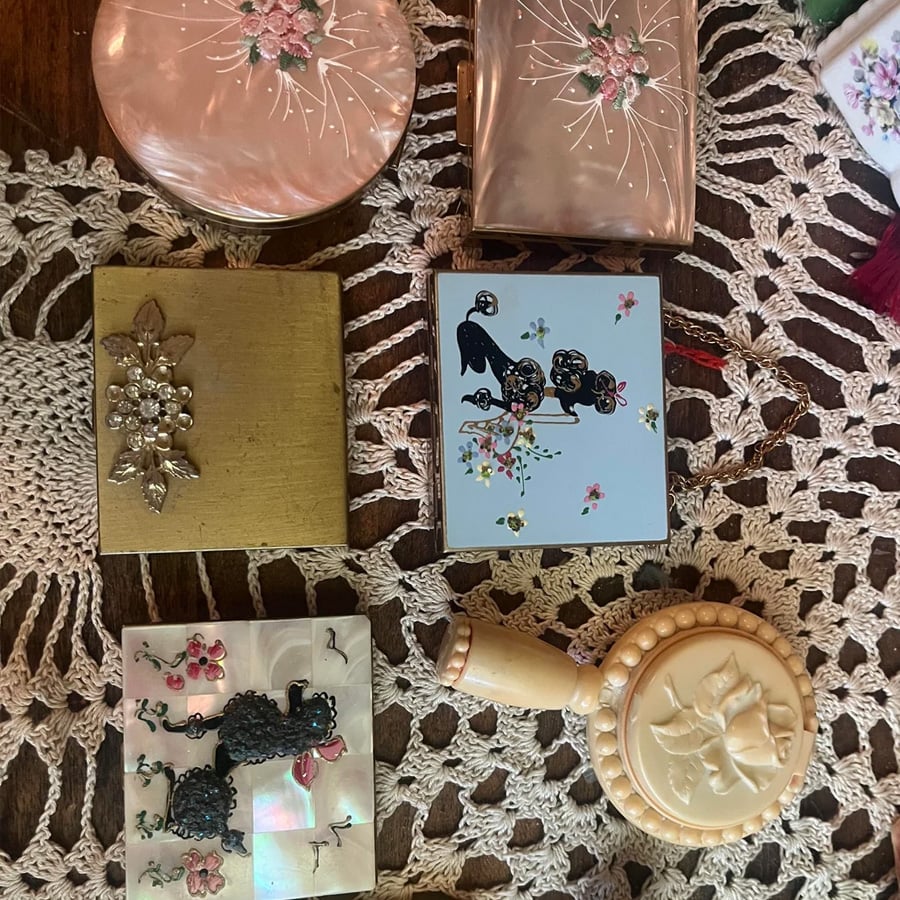
Face powder could arrive in beautifully decorated boxes and reusable compacts that looked more like accessories than disposable packaging. Gold-toned details, floral graphics, embossed surfaces, and small mirrors helped turn an ordinary cosmetic purchase into something that felt luxurious.
3. Candy in Illustrated Metal Boxes
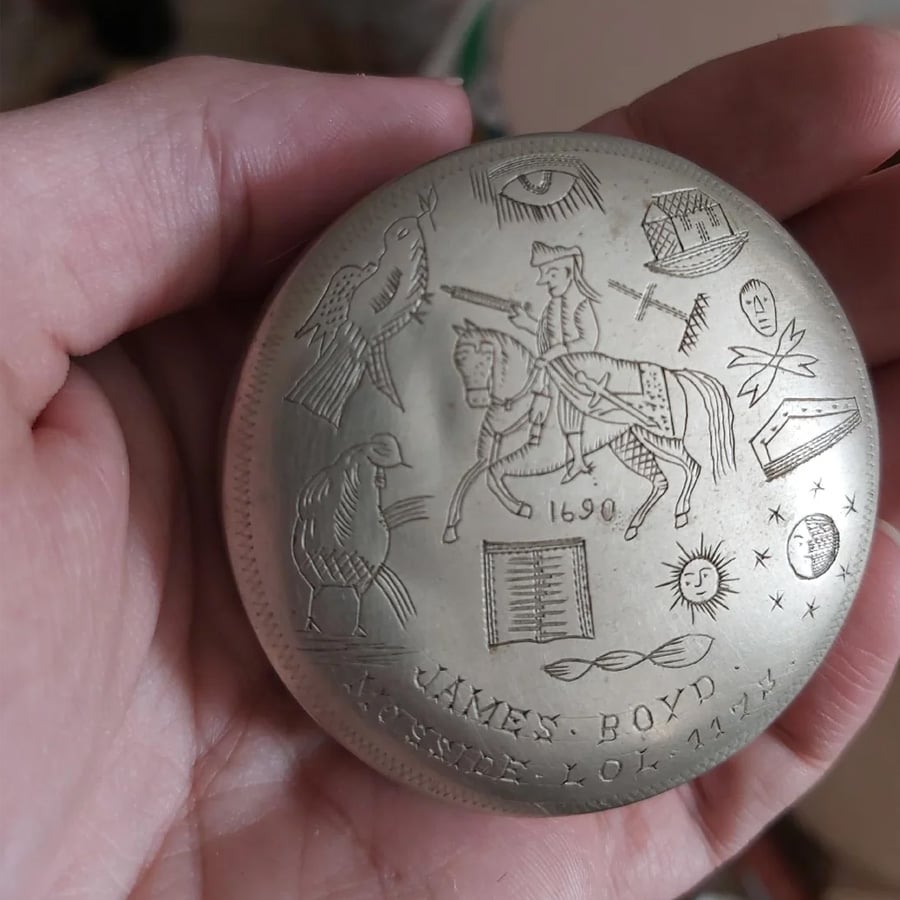
Candy makers used packaging to make inexpensive sweets feel special. Decorative tins and boxes featured elaborate lettering, colorful scenes, holiday artwork, and sometimes unusual shapes, giving buyers a container that was almost as appealing as the candy itself.
4. Soap in Individual Printed Wrappers and Boxes
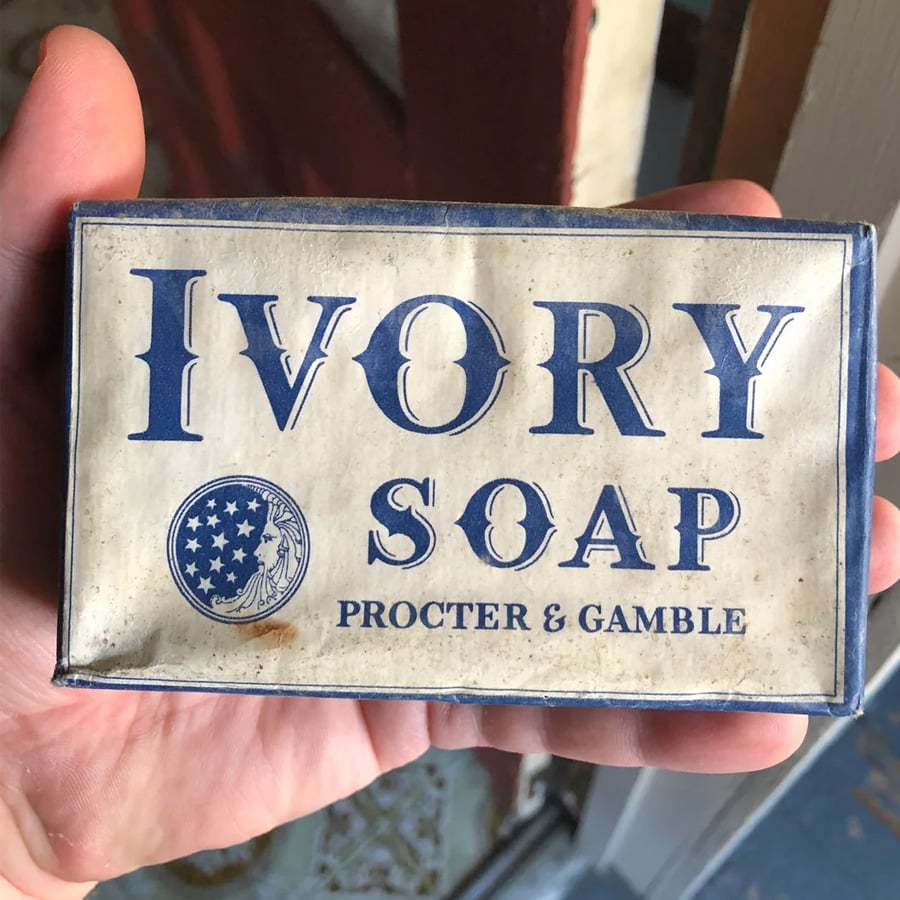
Even an ordinary bar of soap could be surrounded by multiple layers of presentation. Many brands used printed paper wrappers tucked inside brightly illustrated cardboard boxes, with elaborate logos and imagery designed to communicate cleanliness, beauty, or sophistication.
5. Coffee in Colorful Metal Cans
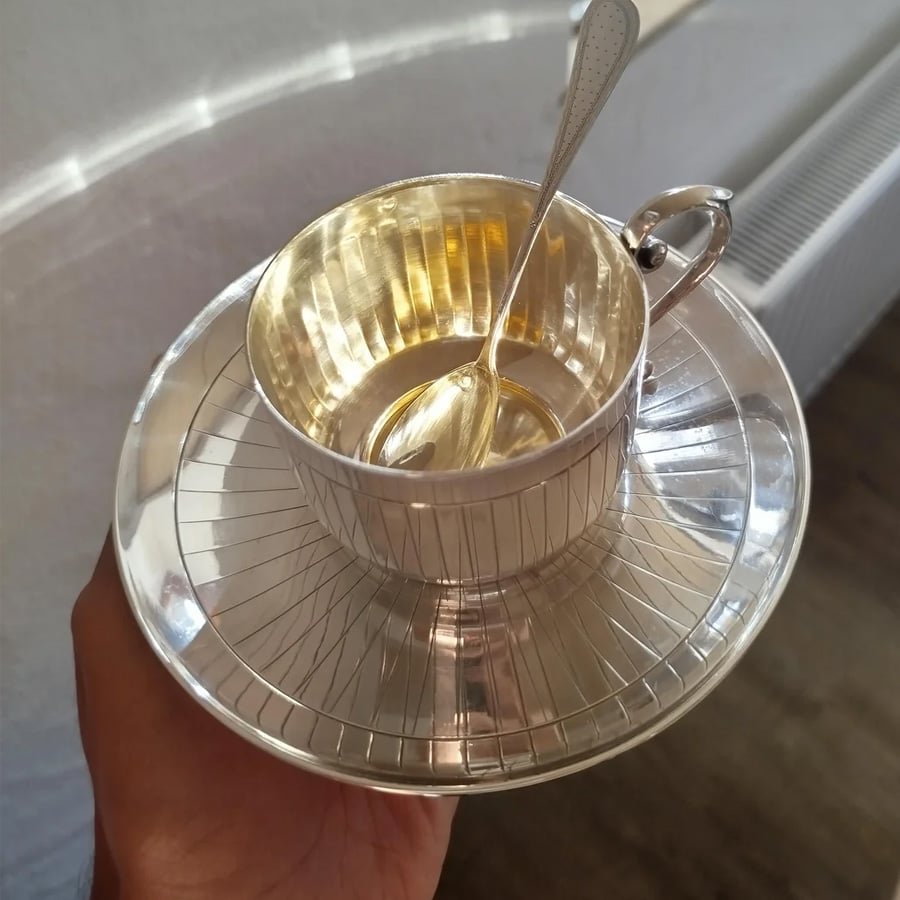
Before lightweight bags became dominant, coffee commonly appeared in substantial metal cans covered with bold graphics. The cans were durable enough to be reused around the home, where they could become containers for everything from nails and screws to kitchen ingredients.
Trending on Wealth Gang


6. Tooth Powder in Decorative Tins
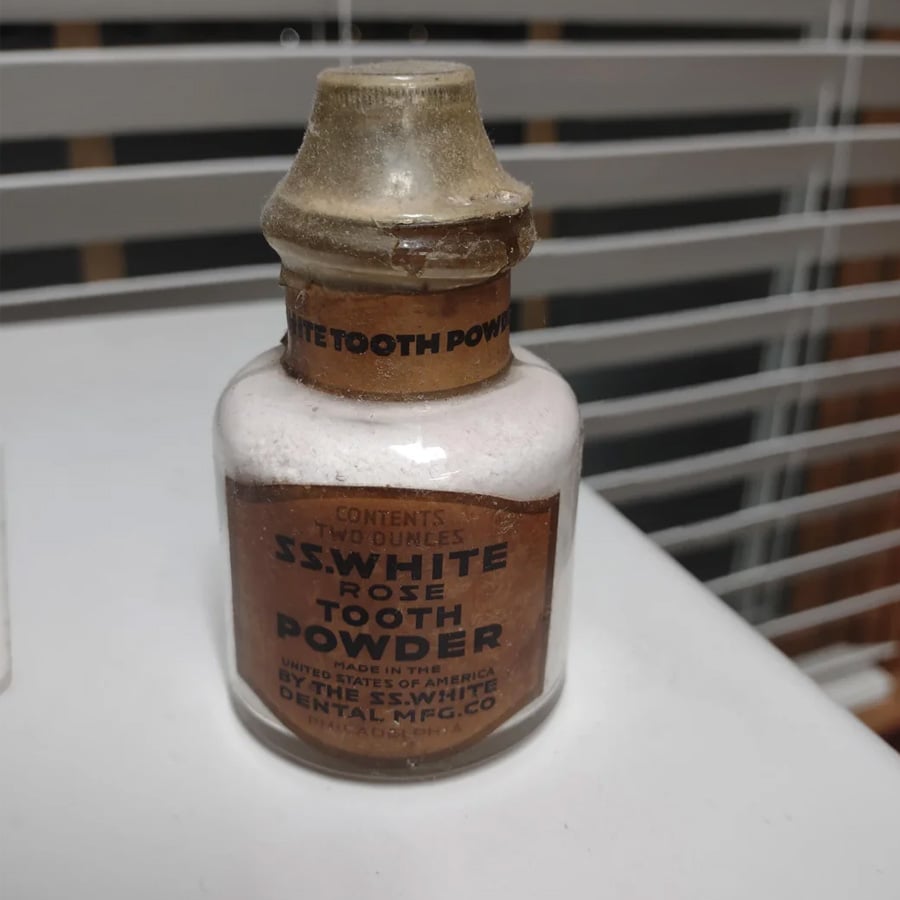
Tooth powder was still familiar to many shoppers during the era, and some products came in small printed metal containers. Their typography, logos, and detailed graphics gave a basic hygiene product the visual presence of something much more elaborate.
7. Tea in Reusable Tins
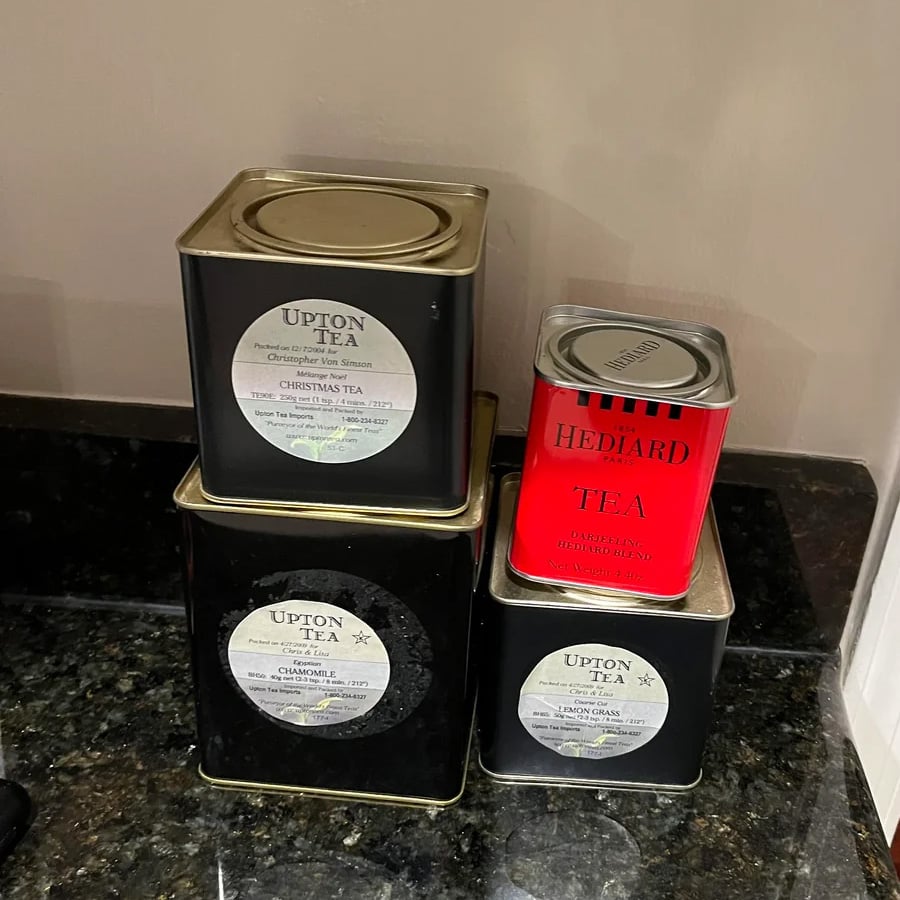
Tea tins combined practical storage with decorative design. Bright colors, illustrations, ornate lettering, and patterned surfaces helped brands stand apart while giving households a sturdy container that could remain useful after the original tea was finished.
8. Cigarettes in Carefully Designed Packs and Cartons
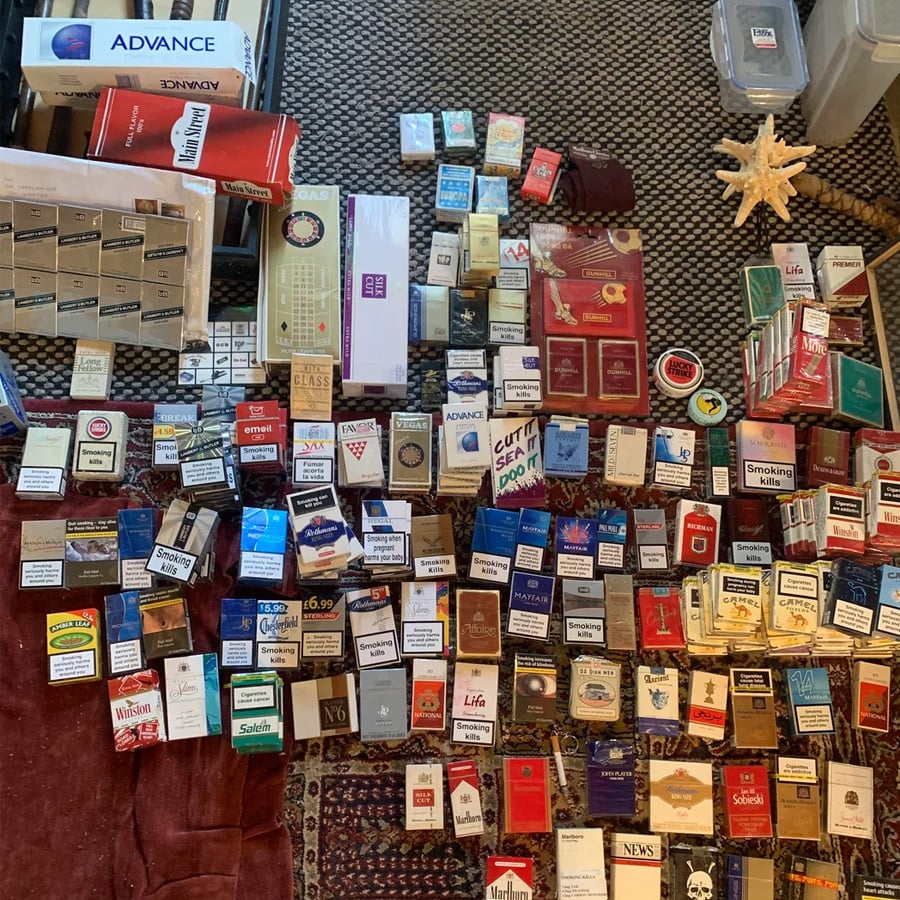
Cigarette packaging was a major advertising surface in the 1950s. Packs and cartons often featured bold logos, distinctive color combinations, metallic accents, and carefully constructed brand identities intended to make them instantly recognizable from across a counter.
Sign up for our newsletter
9. Perfume in Presentation Boxes
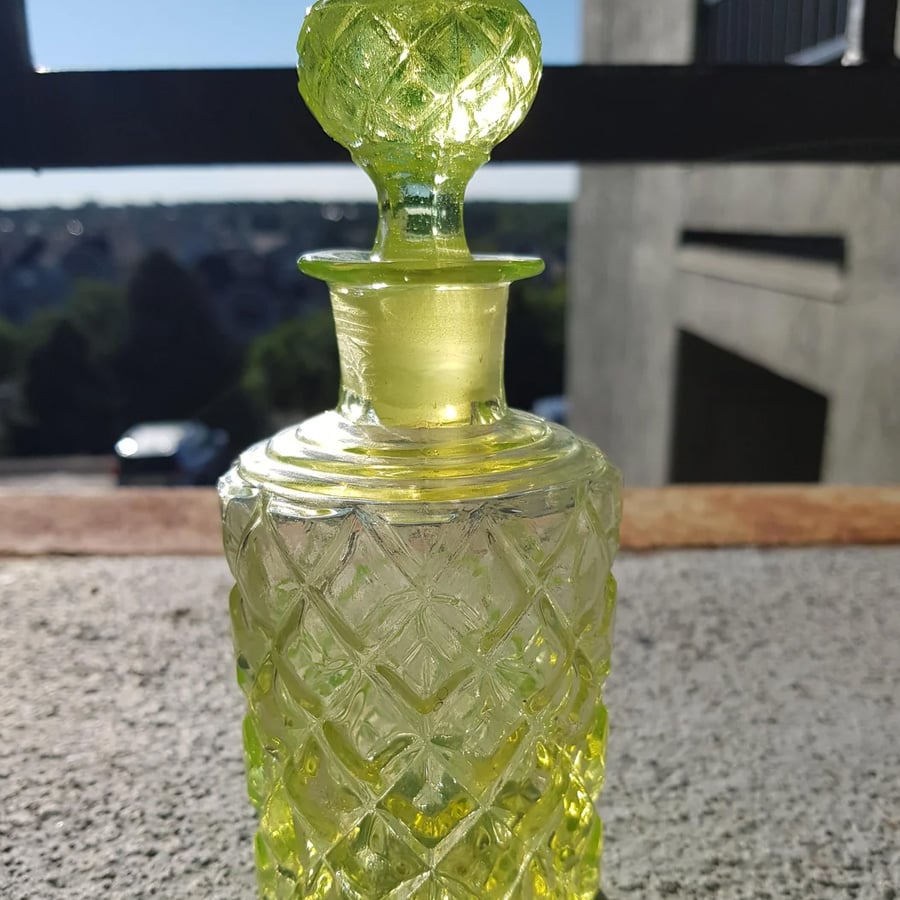
Perfume packaging could be remarkably theatrical. Even relatively accessible fragrances might come in molded glass bottles placed inside lined or illustrated boxes, creating an elaborate presentation that made the product feel suitable for gifting or displaying on a vanity.
10. Shaving Products in Gift-Like Containers
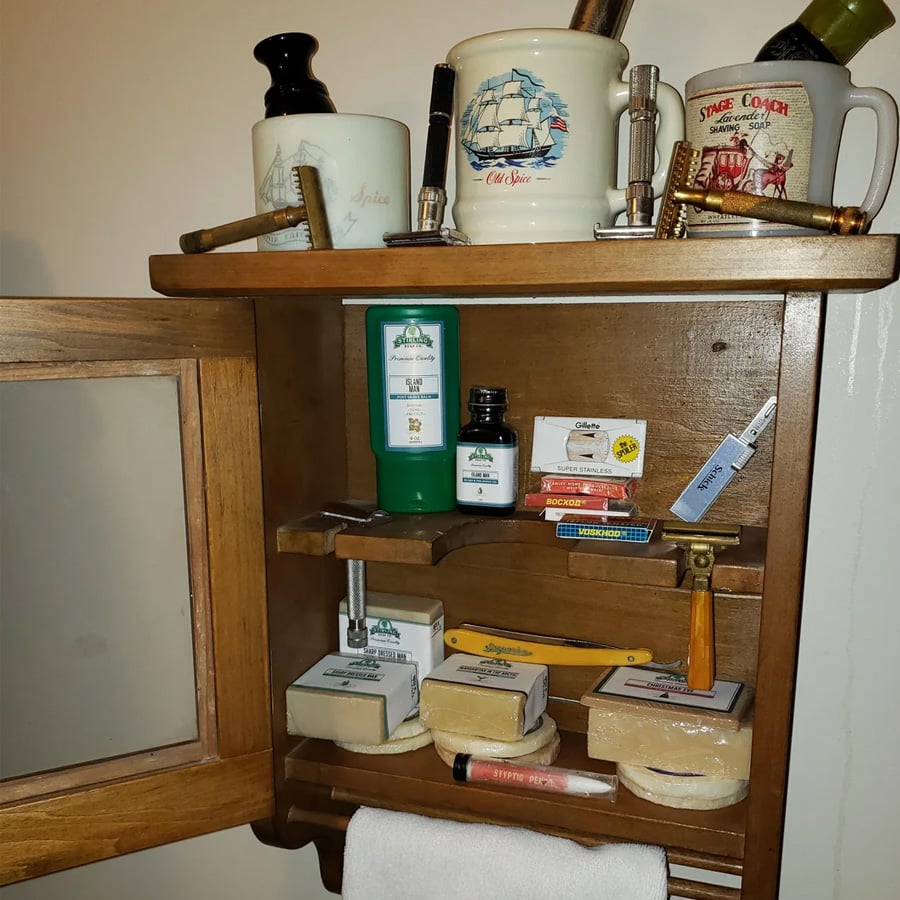
Aftershave, shaving soap, and grooming products were frequently presented in substantial glass bottles, ceramic containers, or printed boxes. Manufacturers often emphasized masculine imagery and polished presentation, making routine grooming products look like premium purchases.
11. Breakfast Cereal in Brightly Illustrated Boxes
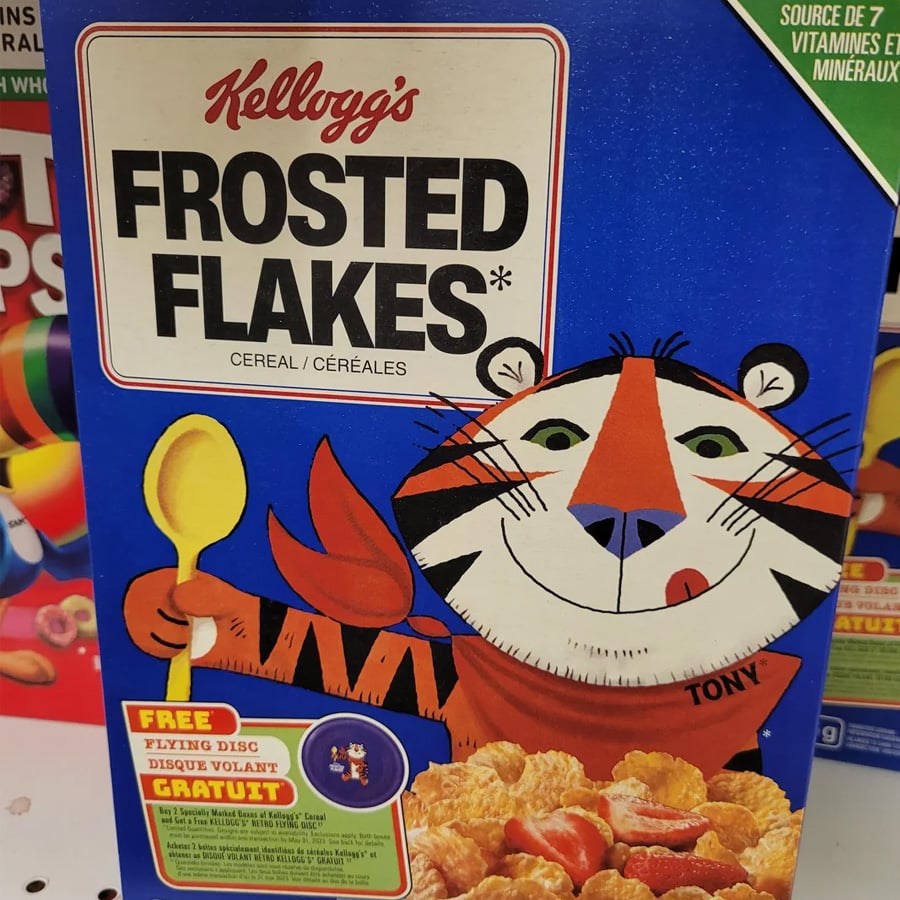
Cereal boxes became increasingly important marketing tools as brands competed for attention in expanding self-service supermarkets. Large illustrations, mascots, promotional offers, games, and colorful lettering turned the package itself into entertainment, particularly for children.
12. Household Cleaners in Bold Cardboard Packages
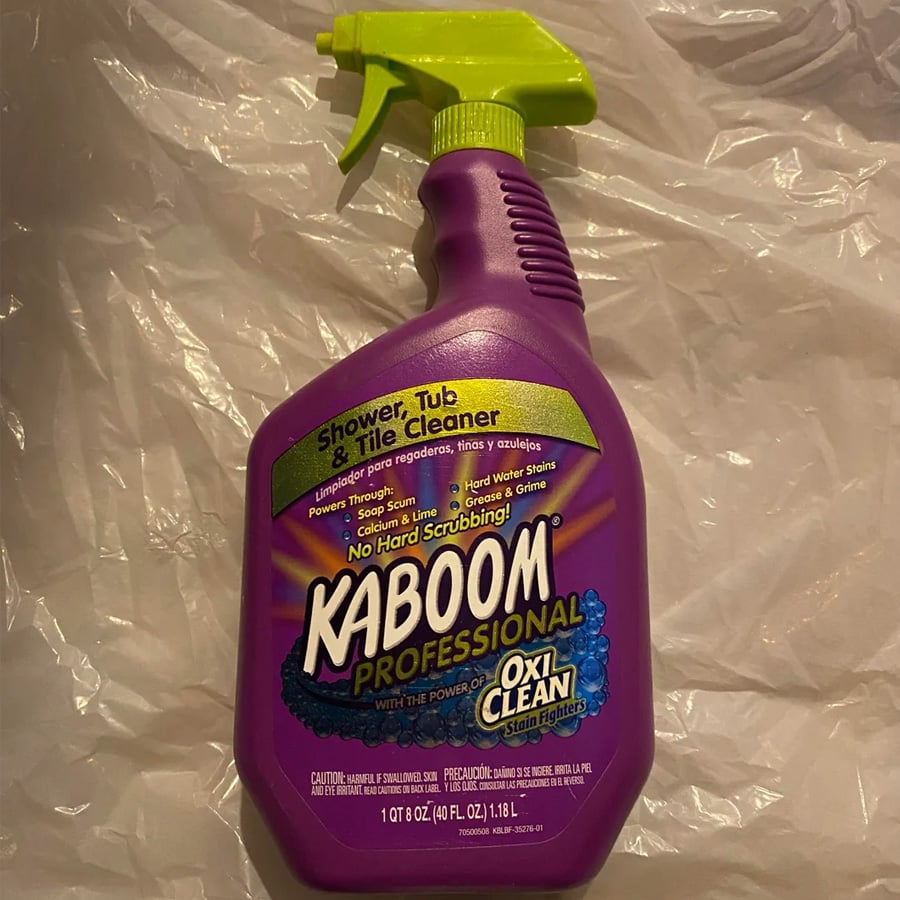
Detergents, cleansers, and other household products often came in large cardboard boxes covered in energetic graphics. Bright colors, oversized lettering, demonstrations, and promises of modern convenience made even basic cleaning supplies visually dramatic on store shelves.
13. Chocolate in Decorative Boxes
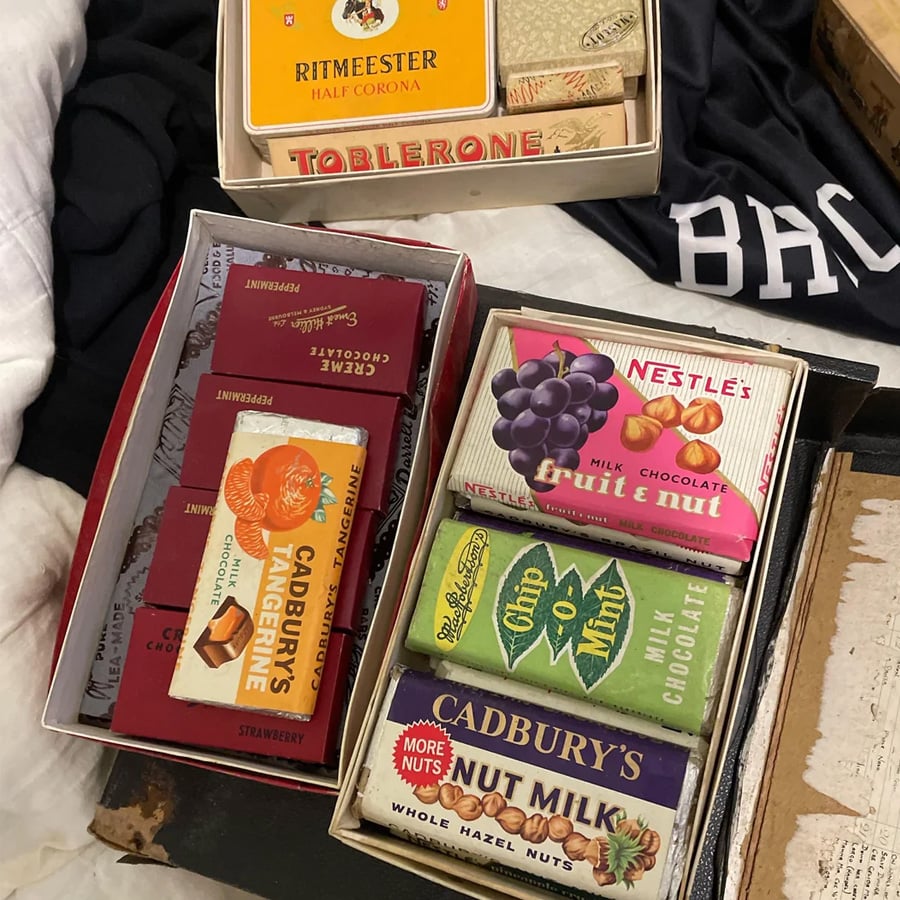
Boxed chocolates were often presented with an attention to detail normally associated with gifts. Patterned cardboard, ribbons, illustrated lids, paper liners, and individual compartments made the packaging part of the experience rather than something immediately thrown away.
14. Soft Drinks in Embossed Glass Bottles
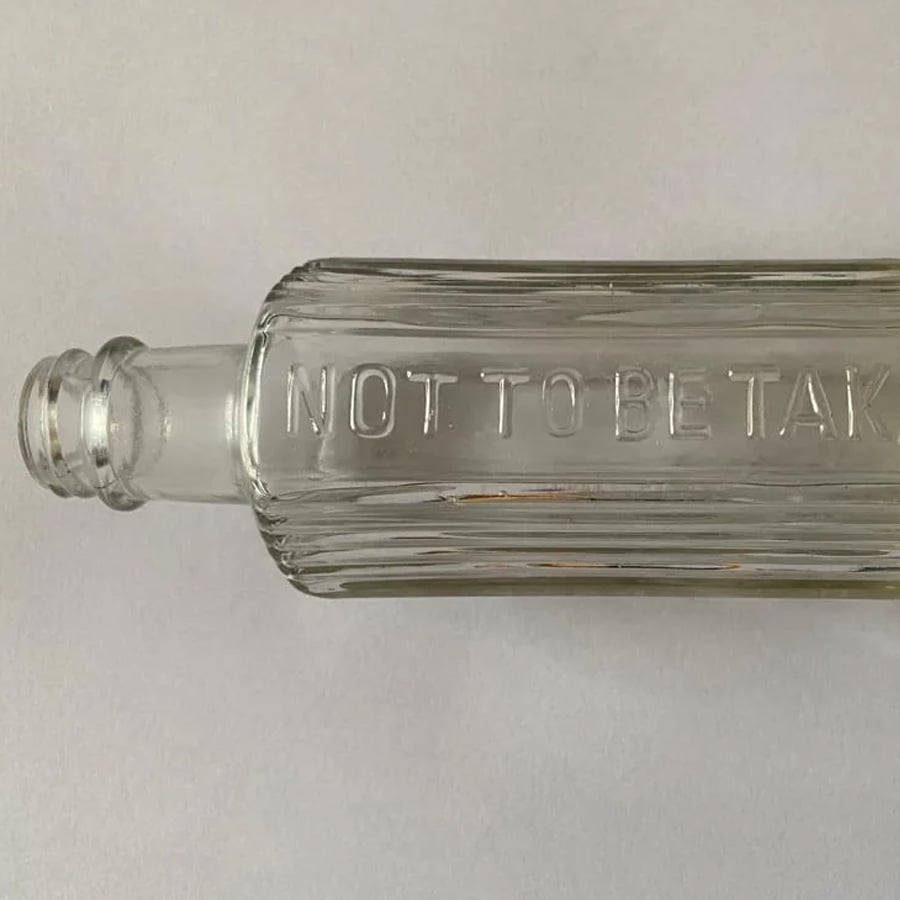
Soft drinks were sold primarily in heavy reusable glass bottles, many carrying embossed logos or distinctive shapes alongside printed labels. Bottles were commonly returned for deposits, washed, and refilled, giving beverage packaging a durability that feels unusual compared with today’s disposable containers.
15. Sewing Supplies in Illustrated Boxes and Tins
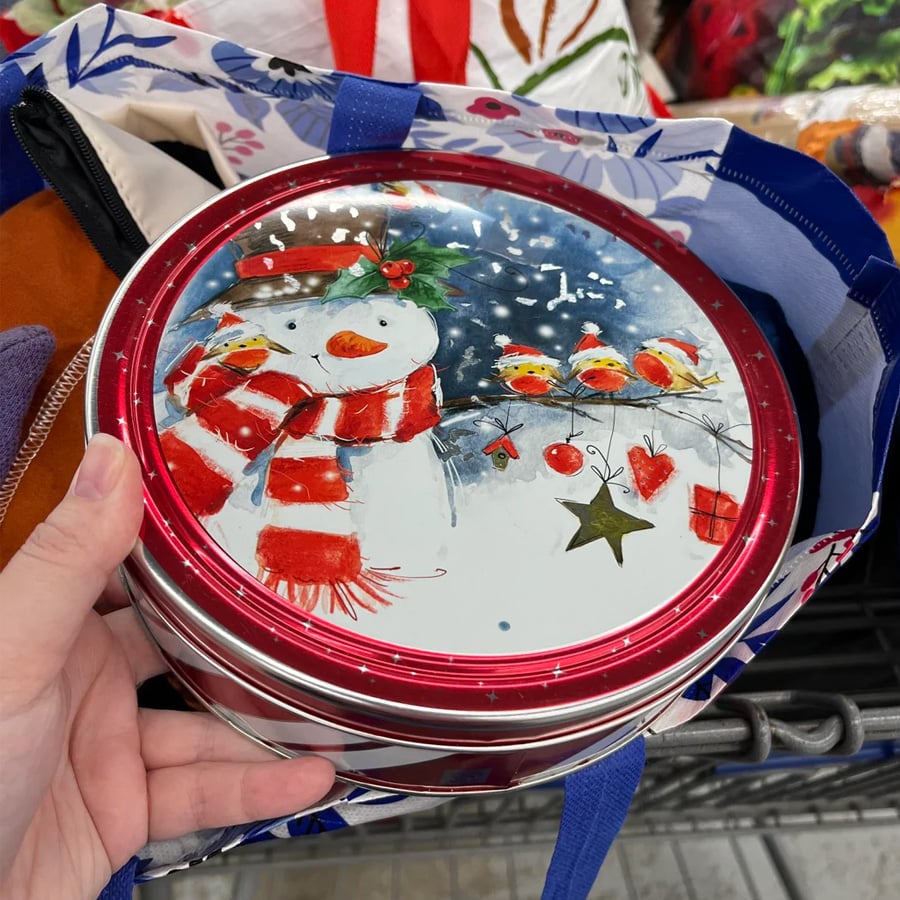
Needles, pins, thread, buttons, and other inexpensive sewing necessities could come in surprisingly attractive packaging. Small illustrated boxes, paper packets, and reusable tins featured detailed typography and decorative imagery, and many eventually became permanent fixtures in household sewing kits.
More Related Notes
• 16 Ordinary Products From the 1950s That Were Built to Last for Decades.
Explore everyday 1950s products designed with durability and craftsmanship in mind, reflecting an era when even ordinary consumer goods were often made to feel substantial.
• 15 Vintage Ads That Would Never Be Approved Today.
Take a look at vintage advertising that reveals how brands once marketed everyday products through distinctive designs, bold claims, and packaging that reflected mid-century consumer culture.
• 18 Pieces of Advertising From the 1950s and 1960s That Became Valuable Collectibles.
Discover vintage advertising and branded materials from the mid-century era that became desirable collectibles thanks to their distinctive graphics, nostalgic appeal, and rarity.