
Rock music was dominated by spectacle, and female artists eventually carved out a space in a male-dominated industry. Yet, not every chart-topper aged well. Some were more style than substance, others rode MTV aesthetics harder than their actual songwriting skills, and a few simply couldn’t sustain their hype beyond the decade. Here is a provocative look at 20 female rock musicians who, despite their fame in the 1980s, are often considered overrated today.
1. Pat Benatar

Pat Benatar’s voice was undeniably powerful, but her catalog leaned heavily on arena-rock formulas. While she became a symbol of female empowerment in leather jackets, critics argue her music lacked the depth and innovation to match her image, leaving her legacy more about attitude than artistry.
2. Joan Jett
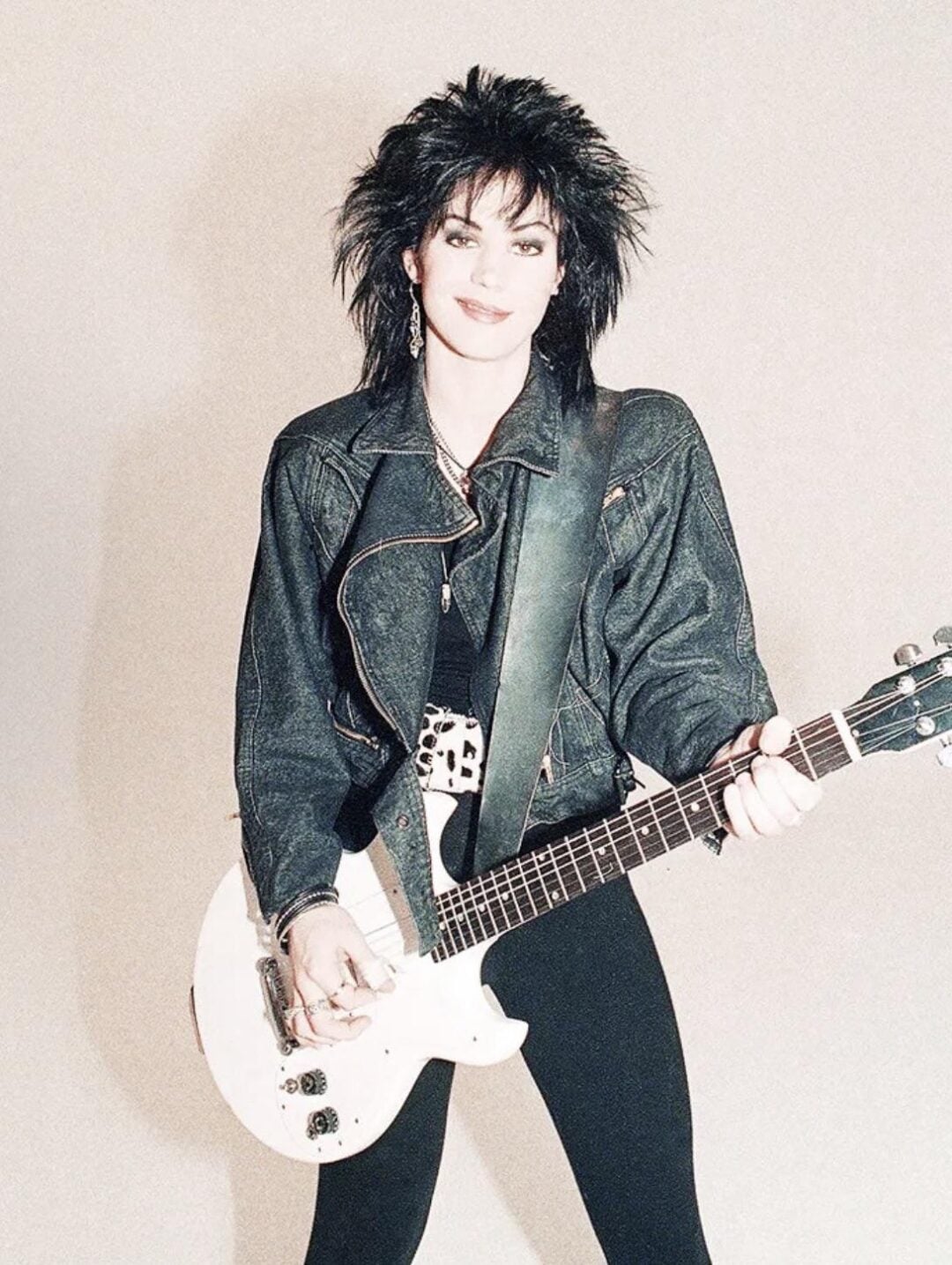
Joan Jett’s swagger and “I Love Rock ’n’ Roll” anthem made her a household name, but much of her career rested on covers and recycled riffs. Her rebellious persona carried her further than her songwriting, making her more of a cultural icon than a groundbreaking musician.
3. Dale Bozzio

Dale Bozzio fronted Missing Persons with a futuristic look and quirky vocal style that fit perfectly into the MTV era. While the band had memorable singles like “Words” and “Destination Unknown,” their music often leaned more on visual gimmicks and new wave theatrics than lasting rock innovation. Bozzio’s fame in the 1980´s was closely tied heavily to image-driven marketing.
4. Stevie Nicks

Stevie Nicks’ mystical aura and raspy voice made her a beloved figure, but her solo albums in the ’80s leaned heavily on image and atmosphere. While fans adored her, critics often noted uneven songwriting and production that didn’t live up to her Fleetwood Mac legacy.
5. Chrissie Hynde

Chrissie Hynde brought fierce energy to The Pretenders, but their ’80s output often felt diluted compared to their raw debut. Her reputation as a rock pioneer sometimes overshadows the fact that much of the band’s later work was polished but uninspired.
Trending on Wealth Gang

6. Lita Ford
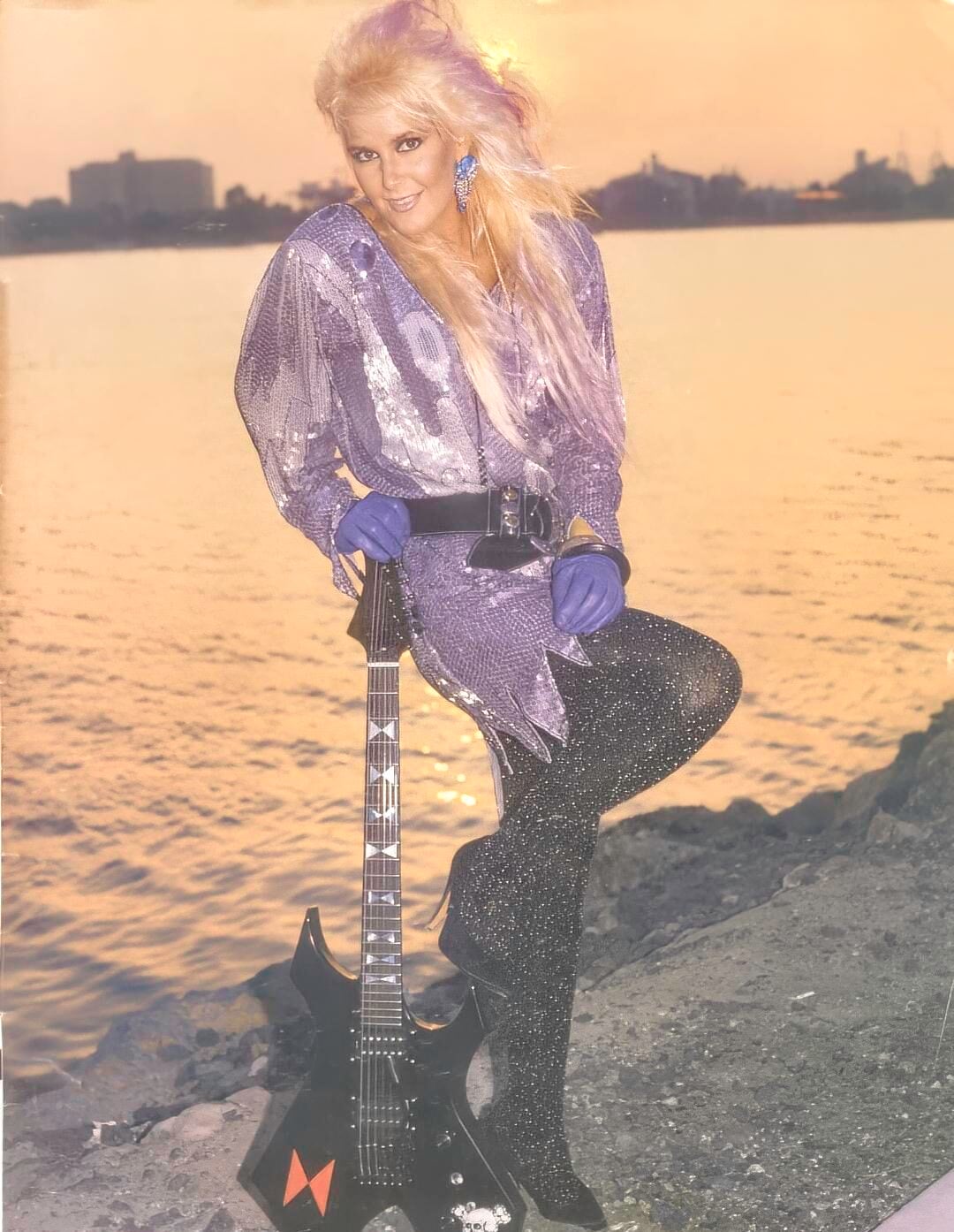
Marketed as the female guitar hero of the decade, Lita Ford leaned more on glam-rock clichés than groundbreaking riffs. Her image as a leather-clad rocker was memorable, but her music rarely pushed boundaries, leaving her more of a symbol than a sonic innovator.
7. Ann Wilson

Ann Wilson’s voice was one of the strongest in rock, but Heart’s glossy ’80s reinvention leaned heavily on pop-rock ballads. While commercially successful, critics argue that the band’s artistry was sacrificed for chart-friendly production.
8. Nancy Wilson
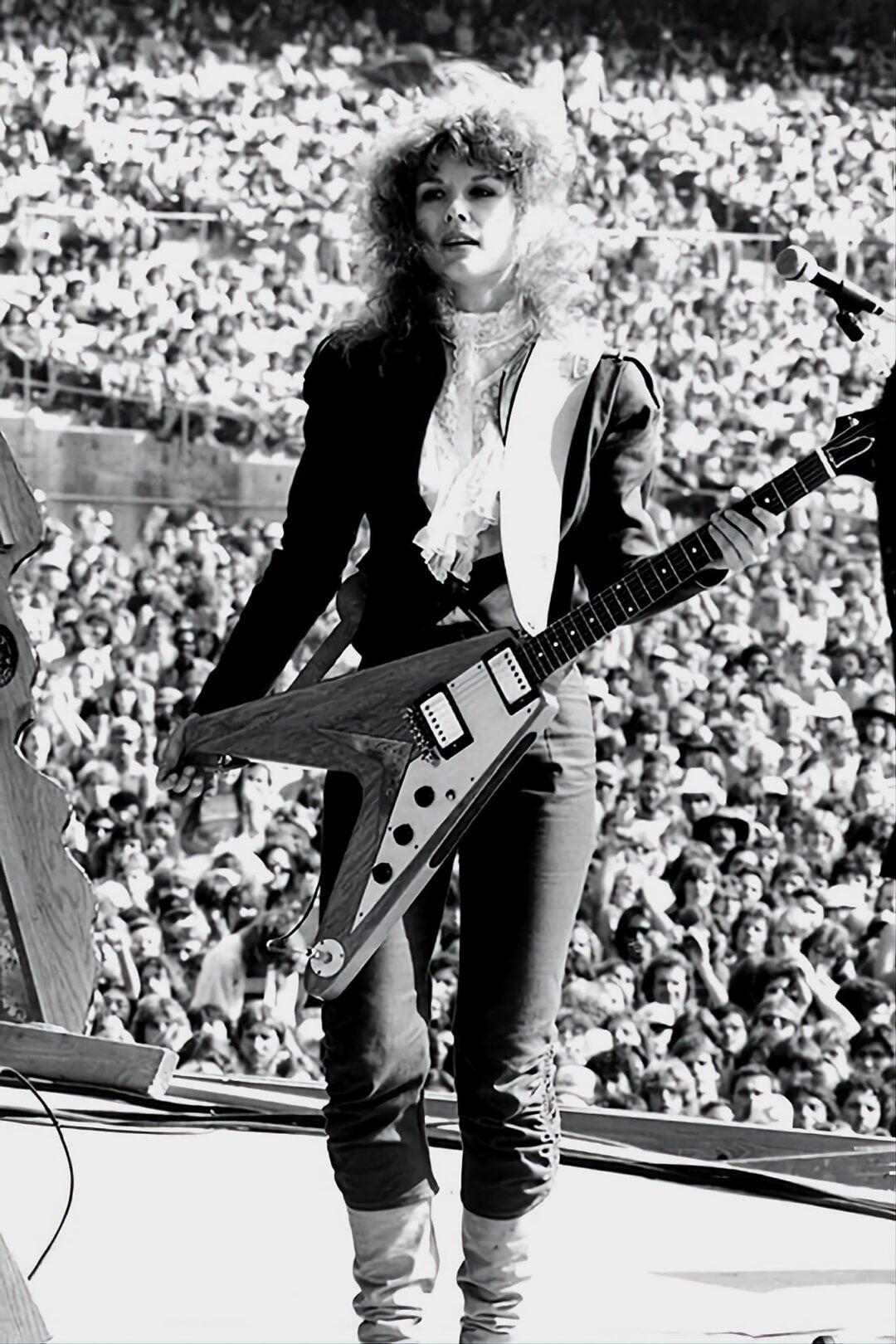
Nancy Wilson’s contributions were vital to Heart, but her solo recognition often felt inflated compared to her actual output. Much of her fame was tied to the band’s polished ’80s hits, which critics saw as a departure from their earlier authenticity.
Sign up for our newsletter
9. Kim Wilde

Kim Wilde burst onto the scene with “Kids in America,” but her rock credibility was thin. Her career leaned more toward pop than true rock innovation, and her fame was largely driven by catchy singles rather than lasting artistry.
10. Sheena Easton
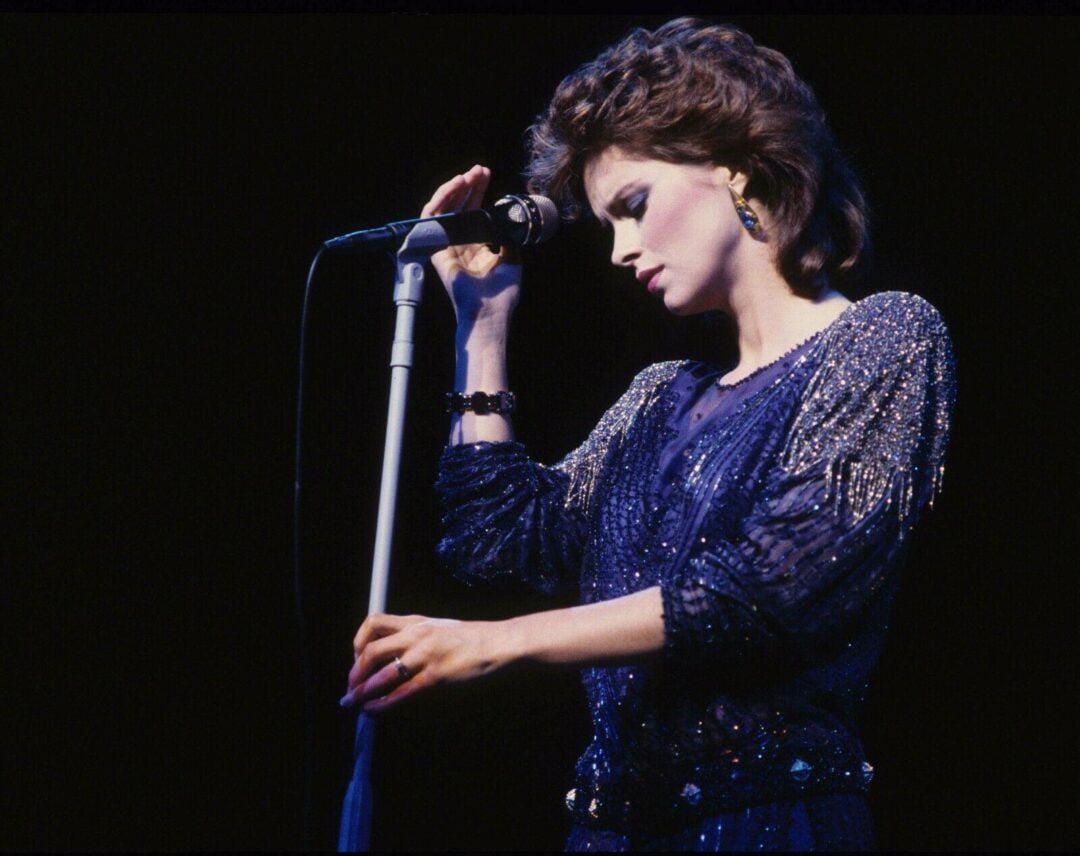
Sheena Easton reinvented herself multiple times in the ’80s, occasionally flirting with rock aesthetics. Yet her catalog was more about image shifts and marketing than genuine rock substance, leaving her reputation overstated in the genre.
11. Belinda Carlisle

Belinda Carlisle’s work with The Go-Go’s was fun and energetic, but her solo rock ventures often felt lightweight. While she remained a beloved figure, her music lacked the depth to sustain her reputation beyond the MTV era.
12. Susanna Hoffs
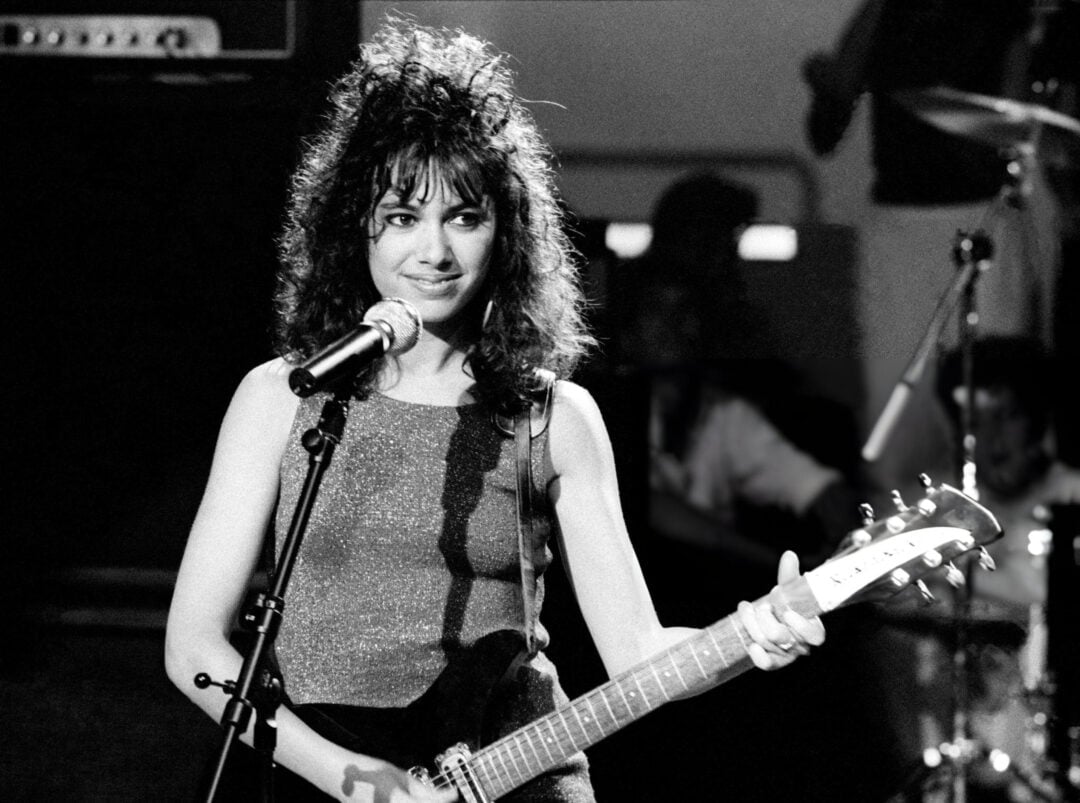
Susanna Hoffs fronted The Bangles with charm, but their success leaned heavily on MTV-friendly aesthetics. While the hits were catchy, critics argue the band’s music was more about polished image than groundbreaking rock.
13. Cyndi Lauper
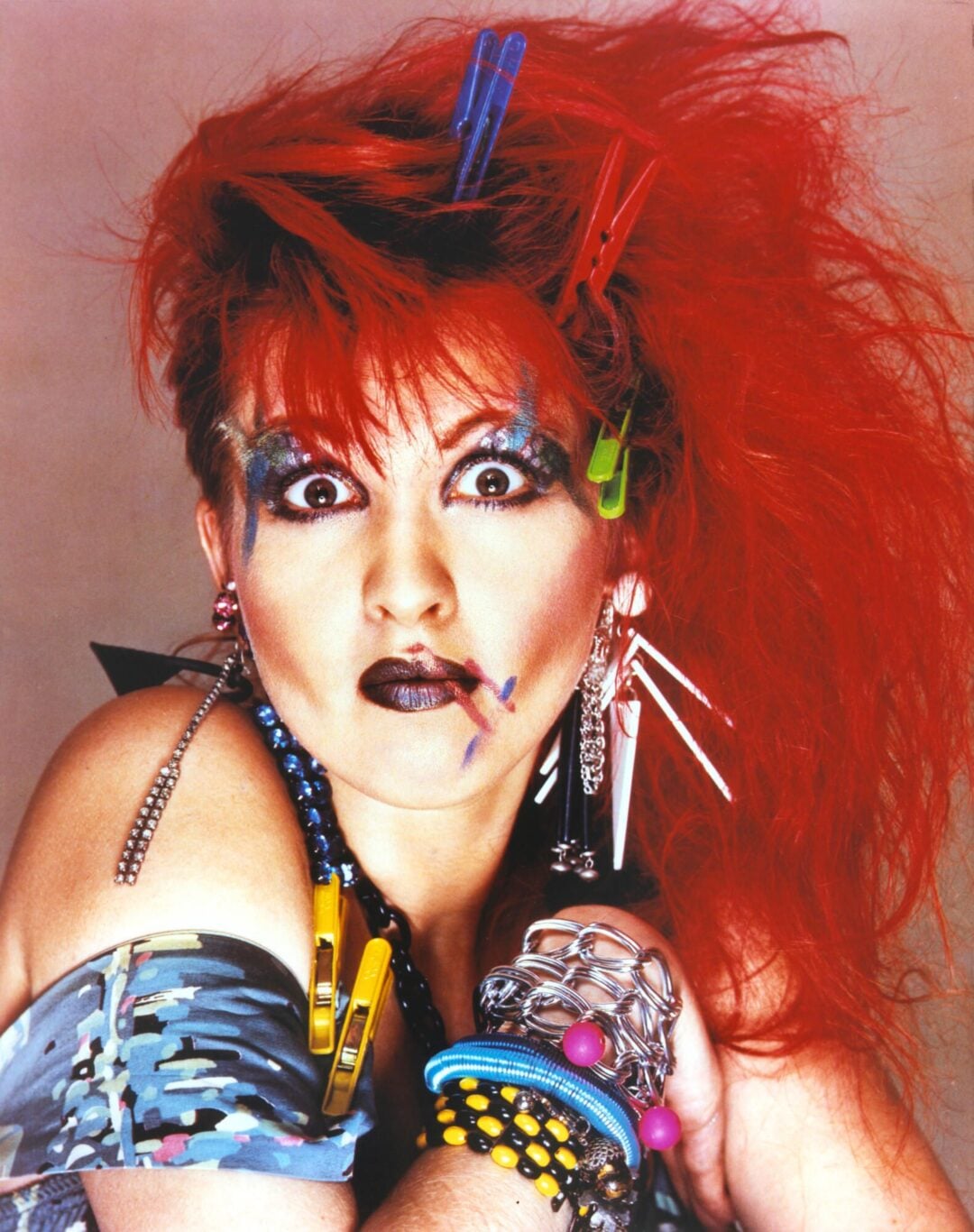
Cyndi Lauper was a pop-rock darling with undeniable charisma, but her rock credibility was often overstated. Her quirky persona and colorful videos carried her fame, while her actual rock output was limited and uneven.
14. Vixen
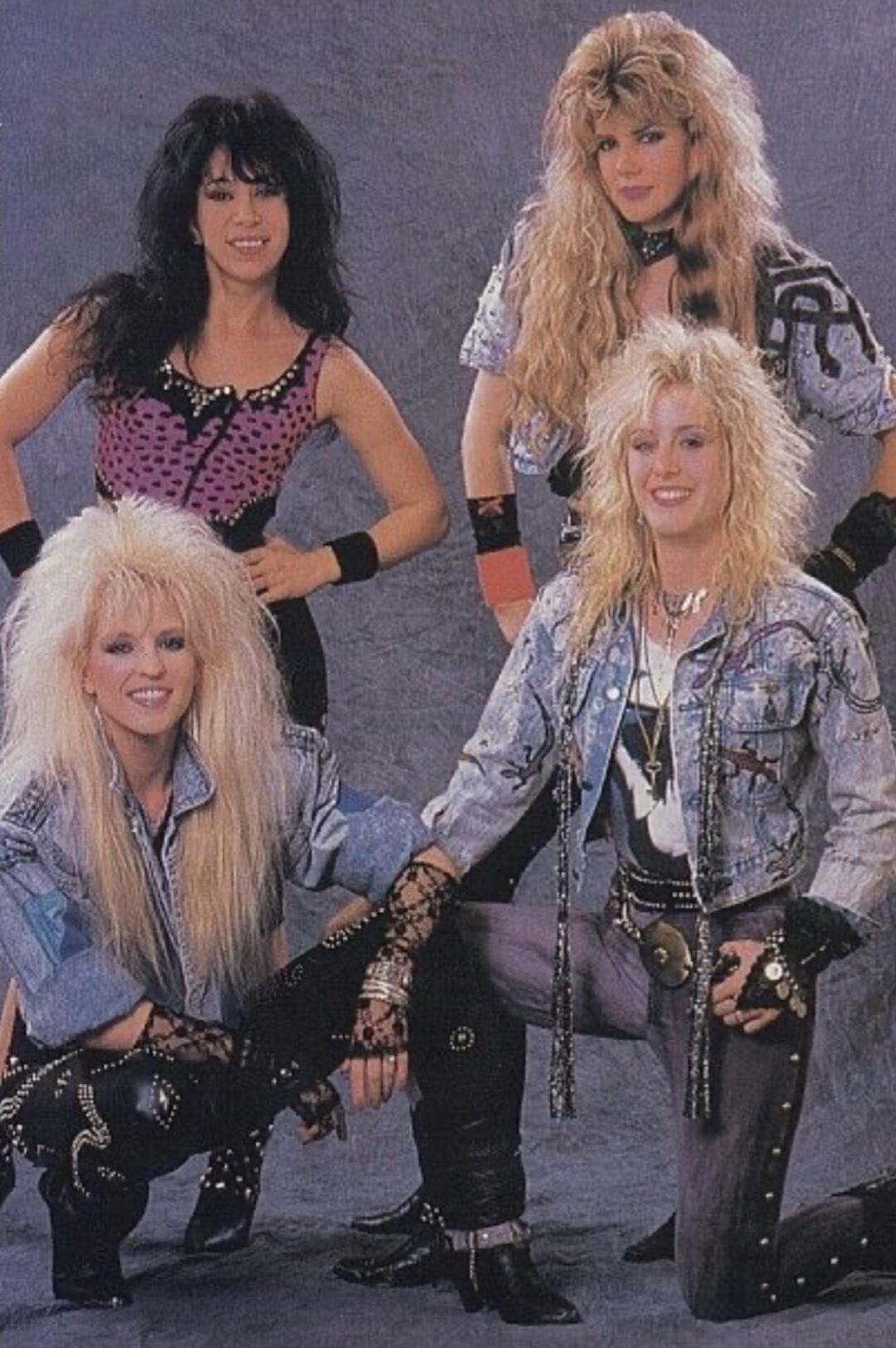
Vixen was marketed as the “female Bon Jovi” of the late ’80s, riding the glam-metal wave with big hair and glossy production. While they had catchy singles like “Edge of a Broken Heart,” critics often noted that their music leaned more on image and MTV-friendly aesthetics than genuine rock innovation.
15. Grace Slick

By the ’80s, Grace Slick’s output with Jefferson Starship leaned into commercial fluff far removed from her groundbreaking ’60s work. Her reputation as a rock legend often overshadowed the fact that her later music lacked the same edge.
16. Bonnie Tyler
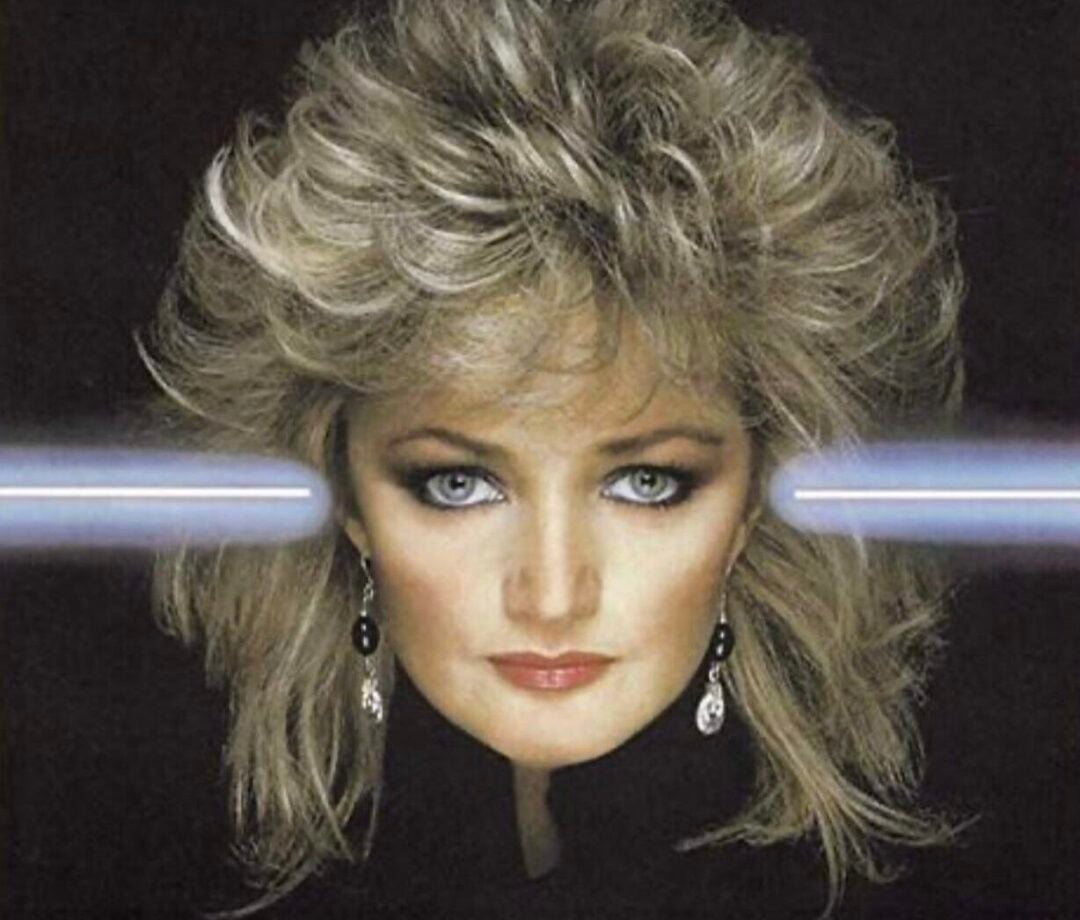
Bonnie Tyler’s raspy voice and bombastic ballads made her memorable, but her rock credentials were inflated by theatrical production. Her fame rested more on dramatic delivery than genuine rock innovation.
17. Taylor Dayne
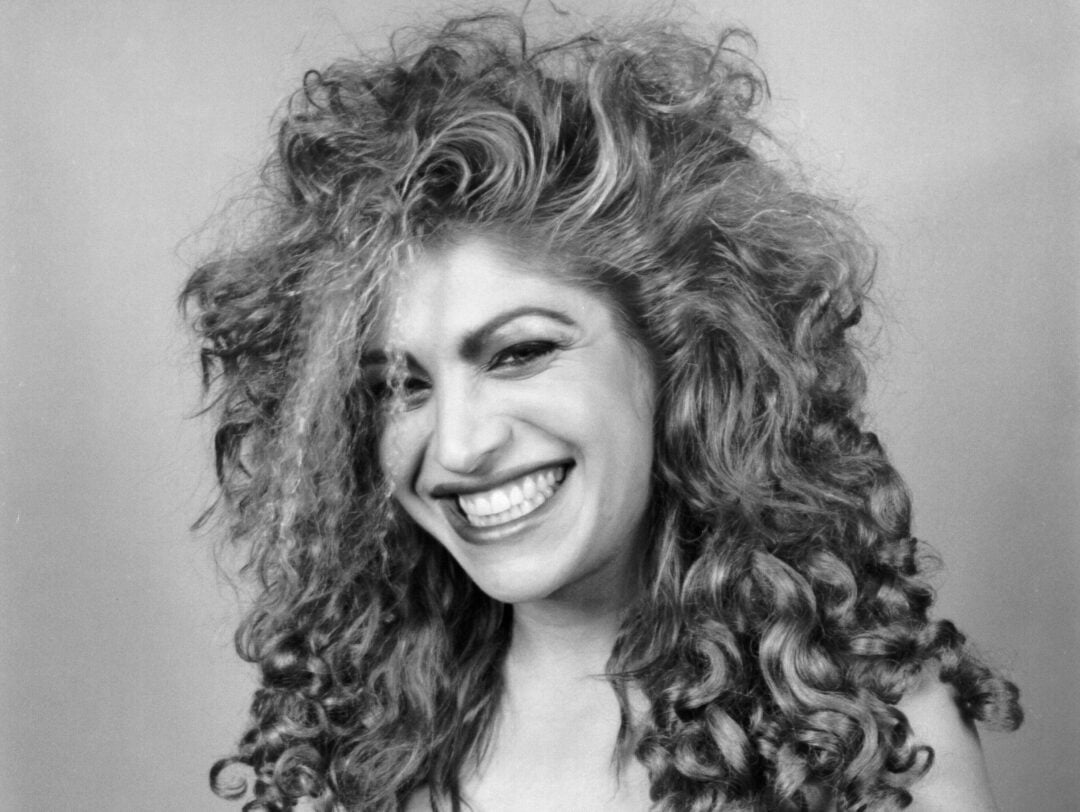
Taylor Dayne stormed the late ’80s charts with her powerhouse voice and dramatic delivery, but her rock credentials were often overstated. While songs like “Tell It to My Heart” showcased her vocal strength, her catalog leaned more toward pop balladry and dance-rock production than genuine rock innovation.
18. Samantha Fox

Samantha Fox was marketed as a rock-pop crossover, but her career was more about image than lasting musical impact. Her fame leaned on provocative marketing rather than genuine rock credibility.
19. Siouxsie Sioux

Siouxsie Sioux was influential in post-punk, but her ’80s rock ventures often felt more cult-driven than musically groundbreaking. Her reputation as an icon sometimes overshadowed the uneven quality of her output.
20. Paula Abdul
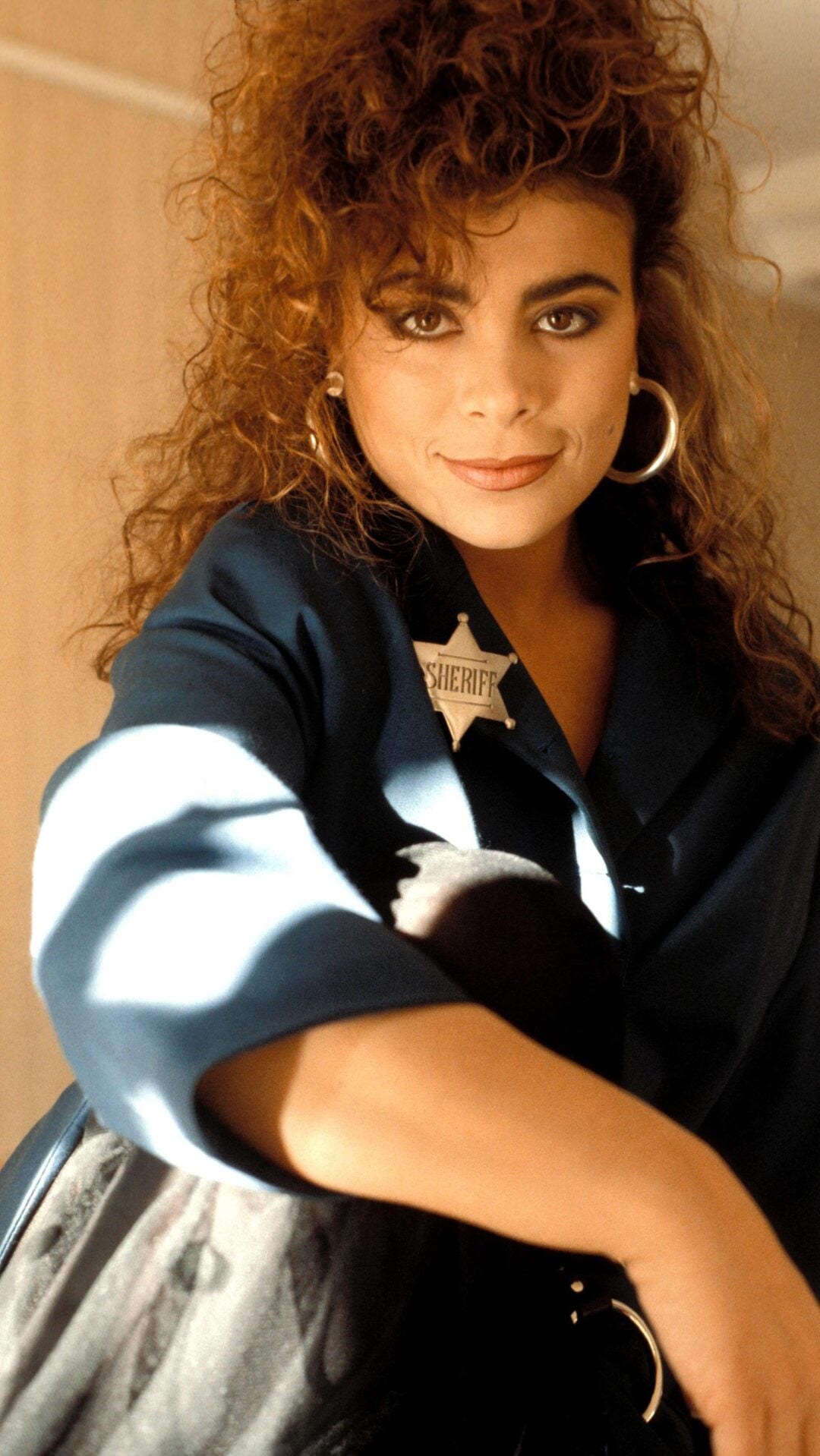
Though primarily a pop and dance star, Paula Abdul was occasionally marketed with a rock edge. Critics saw this as pure hype, since her catalog leaned entirely on choreography and image rather than rock substance.
The 1980s were a decade where spectacle often overshadowed potential, and female rock artists had to navigate an industry that rewarded image as much as innovation. While many of these musicians broke barriers and carved out space in a male-dominated scene, their legacies are complicated, some became icons more for their style, persona, or MTV-ready aesthetics than for lasting musical depth. This doesn’t erase their cultural impact or the empowerment they represented, but it does highlight how fame in that era was frequently tied to marketing and visual appeal rather than enduring artistry.