Grocery shopping used to look nothing like the quick supermarket runs Americans make today. There was a time when customers handed their lists to a clerk, groceries came wrapped in paper, and shopping carts were considered an unusual invention. Even the familiar sight of endless aisles packed with colorful products took decades to become the norm.
Old grocery store photos reveal more than changing prices and packaging. They capture the way Americans lived, from neighborhood markets where everyone knew the owner to massive supermarkets built for suburban families. These 18 scenes show just how much an ordinary trip to buy groceries has changed over the generations.
1. Early 1900s Grocery Stores Kept Most Products Behind the Counter
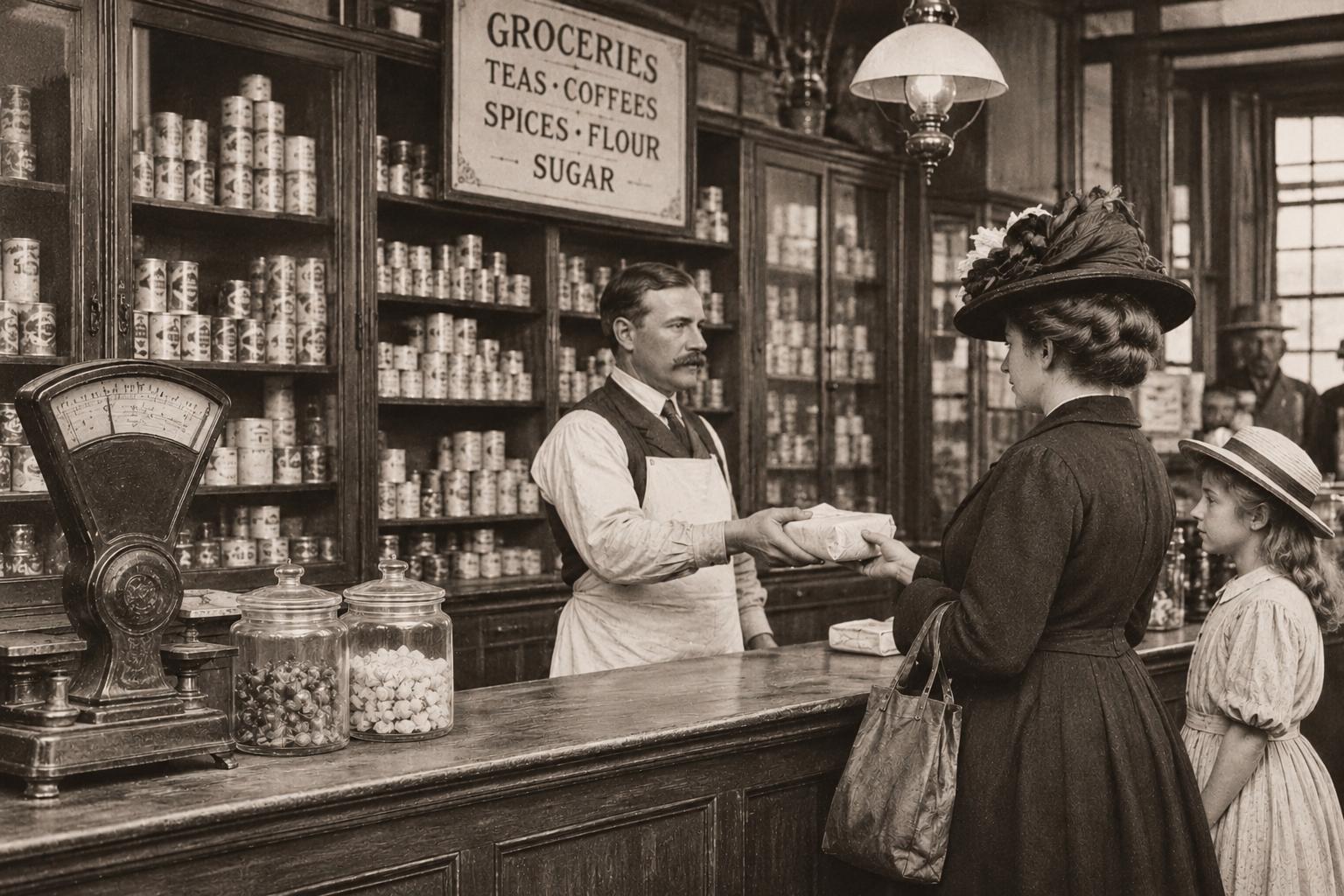
Walking into a grocery store in the early 1900s meant asking someone else to collect almost everything on your list. Clerks stood behind wooden counters surrounded by shelves of canned goods, flour, coffee, and other necessities. Customers couldn’t simply wander through aisles and pick whatever caught their attention. Shopping was a more personal experience, but it also required patience, especially when several people were waiting to be served.
2. The 1910s Introduced the Revolutionary Idea of Self-Service
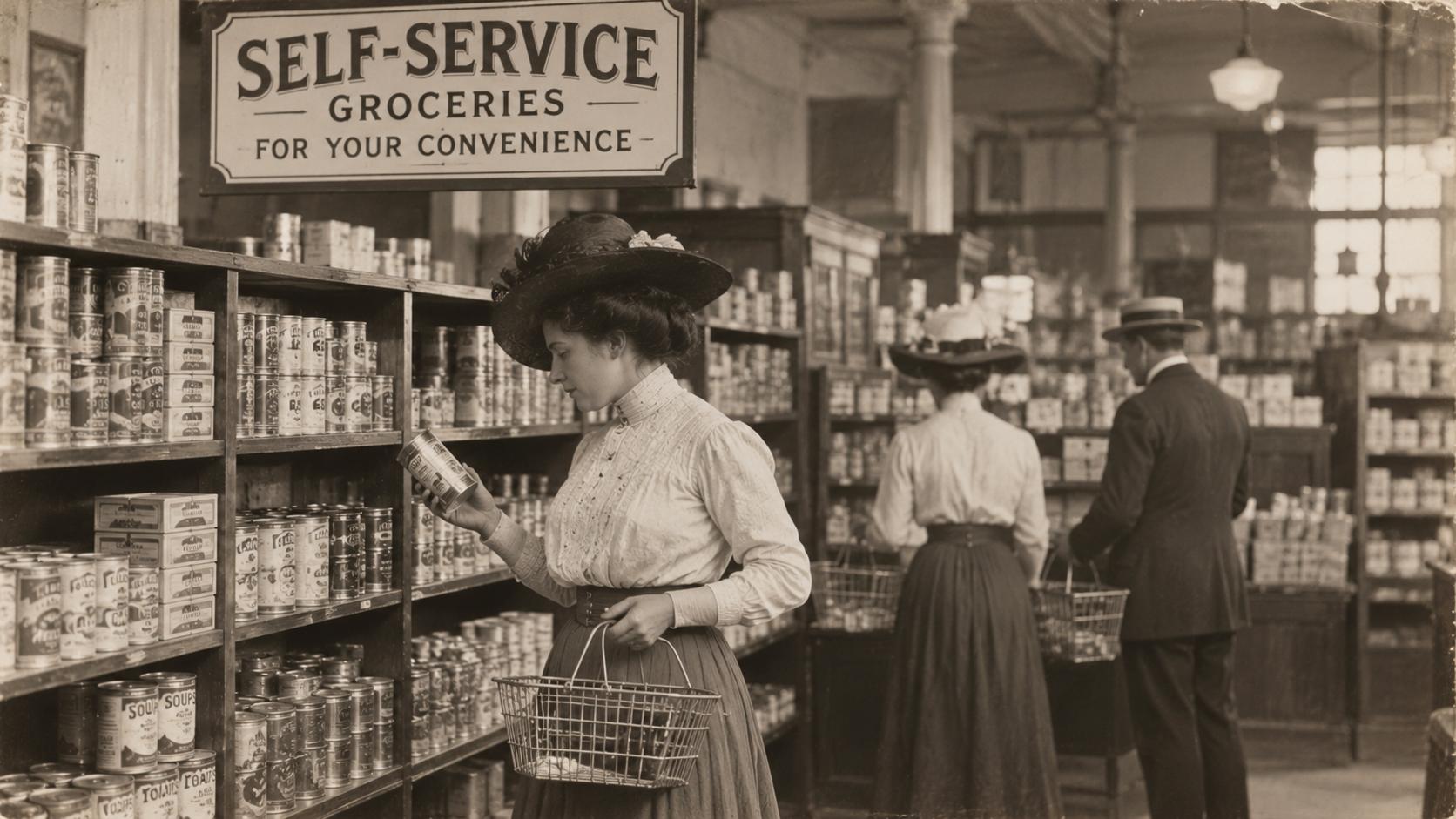
When Piggly Wiggly opened in Memphis in 1916, its shopping experience seemed almost futuristic. Customers could take a basket, walk through the store, and choose products directly from the shelves. The concept eliminated much of the waiting associated with traditional grocery stores and gave shoppers greater control over their purchases. What seemed revolutionary in those early photographs eventually became the standard way Americans bought food.
3. Grocery Shopping in the 1920s Still Revolved Around Neighborhood Markets
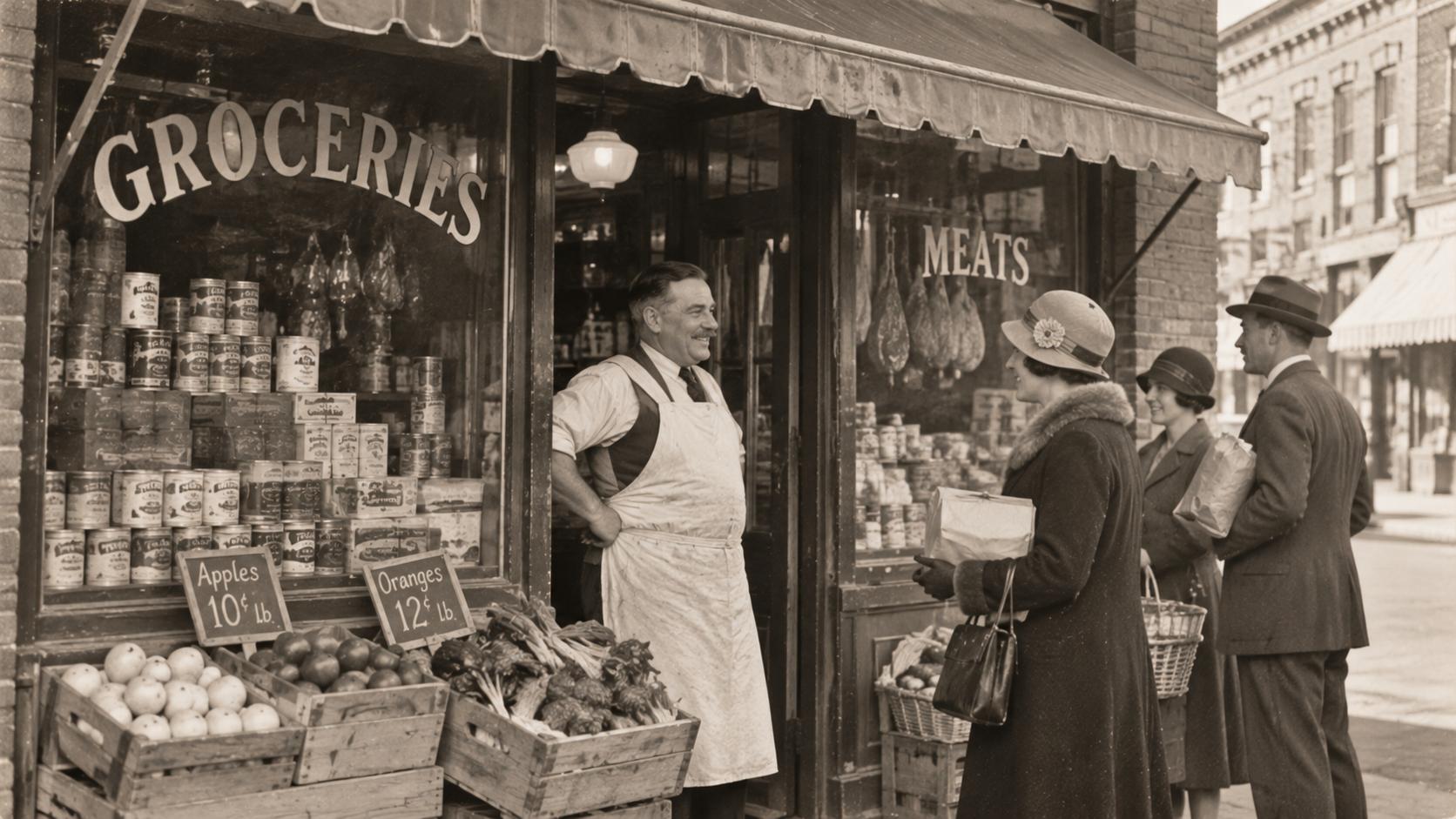
Small neighborhood grocery stores remained familiar fixtures throughout the 1920s. Their windows advertised everyday staples, while wooden shelves held canned vegetables, baking supplies, and household essentials. Shopkeepers often recognized their regular customers and knew which products they preferred. Families might visit several different businesses for meat, bread, and produce rather than finding everything under one roof. These stores were as much a part of neighborhood life as they were places to buy food.
4. The 1930s Brought Larger Supermarkets and Lower Prices
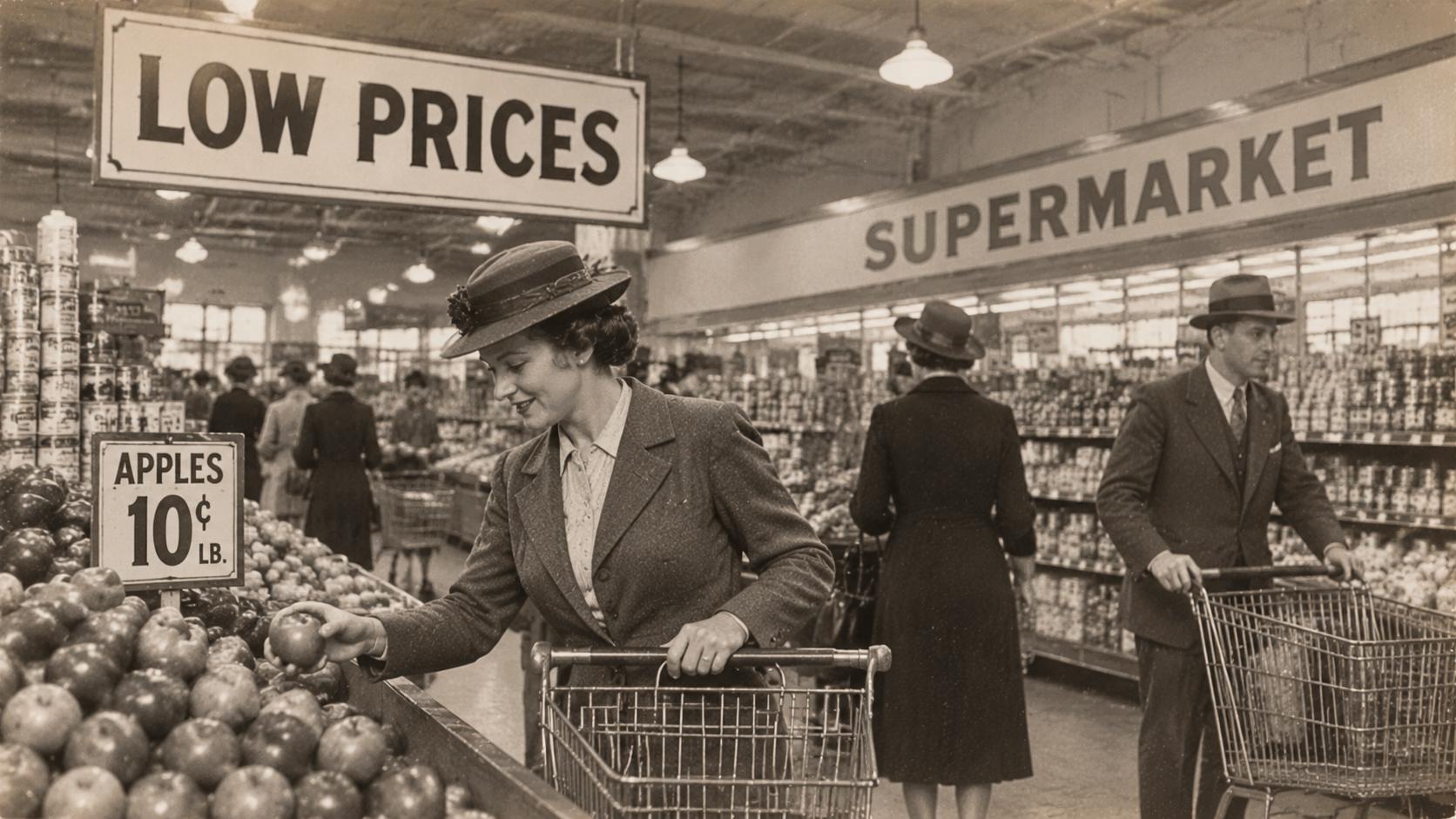
During the Great Depression, grocery shoppers became especially conscious of stretching every dollar. Larger supermarkets offered an appealing alternative to smaller stores by stocking more merchandise and emphasizing lower prices. King Kullen, which opened in Queens in 1930, helped establish the high-volume supermarket model. Photographs from the period show expanding aisles, large product displays, and shoppers discovering a new kind of food shopping experience that would continue growing for decades.
5. Early Shopping Carts Looked Nothing Like Today’s Versions
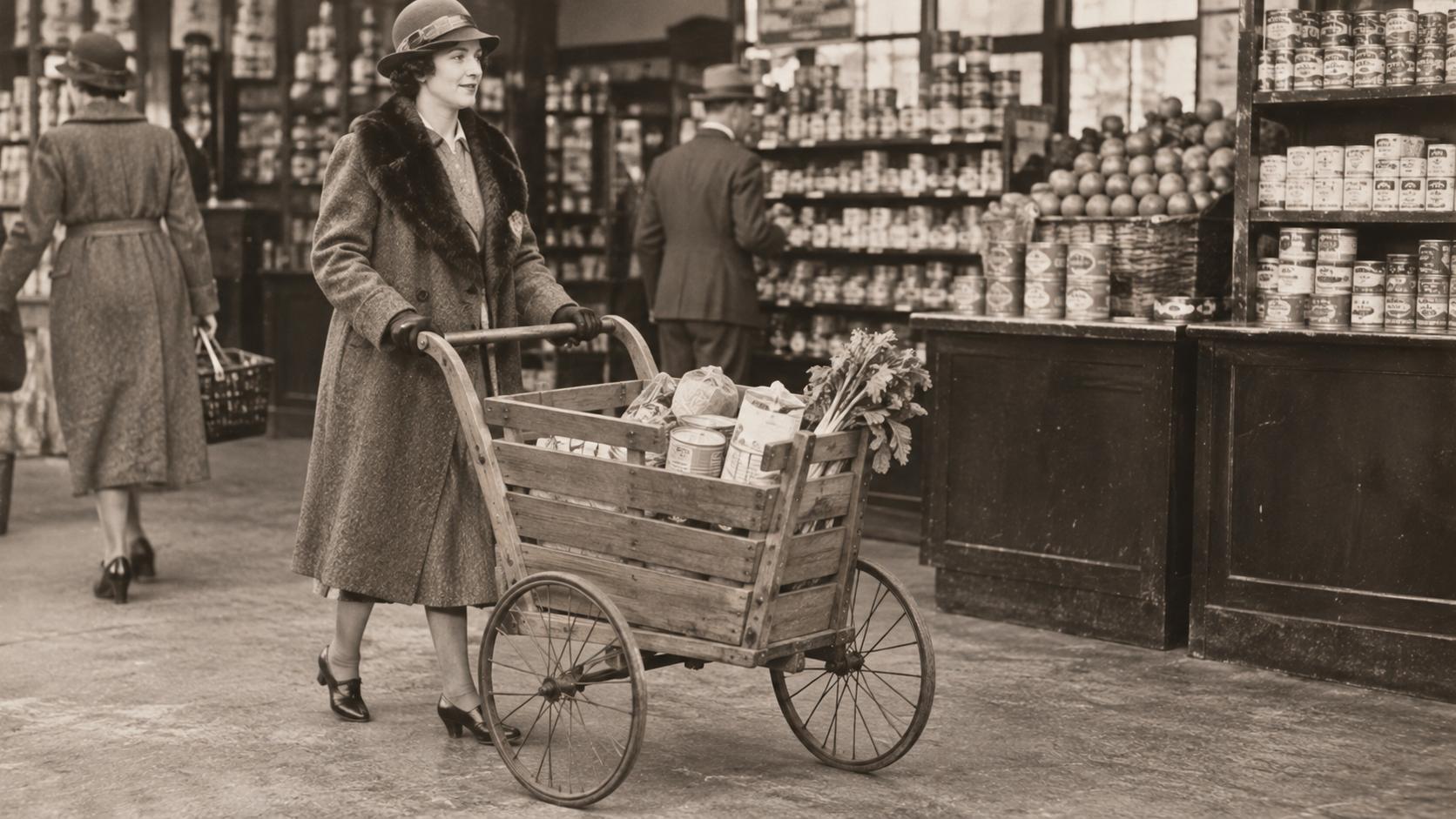
The first widely successful shopping carts were surprisingly awkward contraptions. Introduced by Sylvan Goldman in 1937, they resembled folding chairs fitted with wheels and two baskets. Some shoppers initially resisted using them, finding the unfamiliar design unnecessary or uncomfortable. Goldman even arranged demonstrations to encourage customers to try them. Eventually, the ability to carry more groceries without struggling with heavy baskets made carts an essential part of supermarket shopping.
Trending on Wealth Gang


6. Grocery Stores in the 1940s Reflected Wartime Rationing
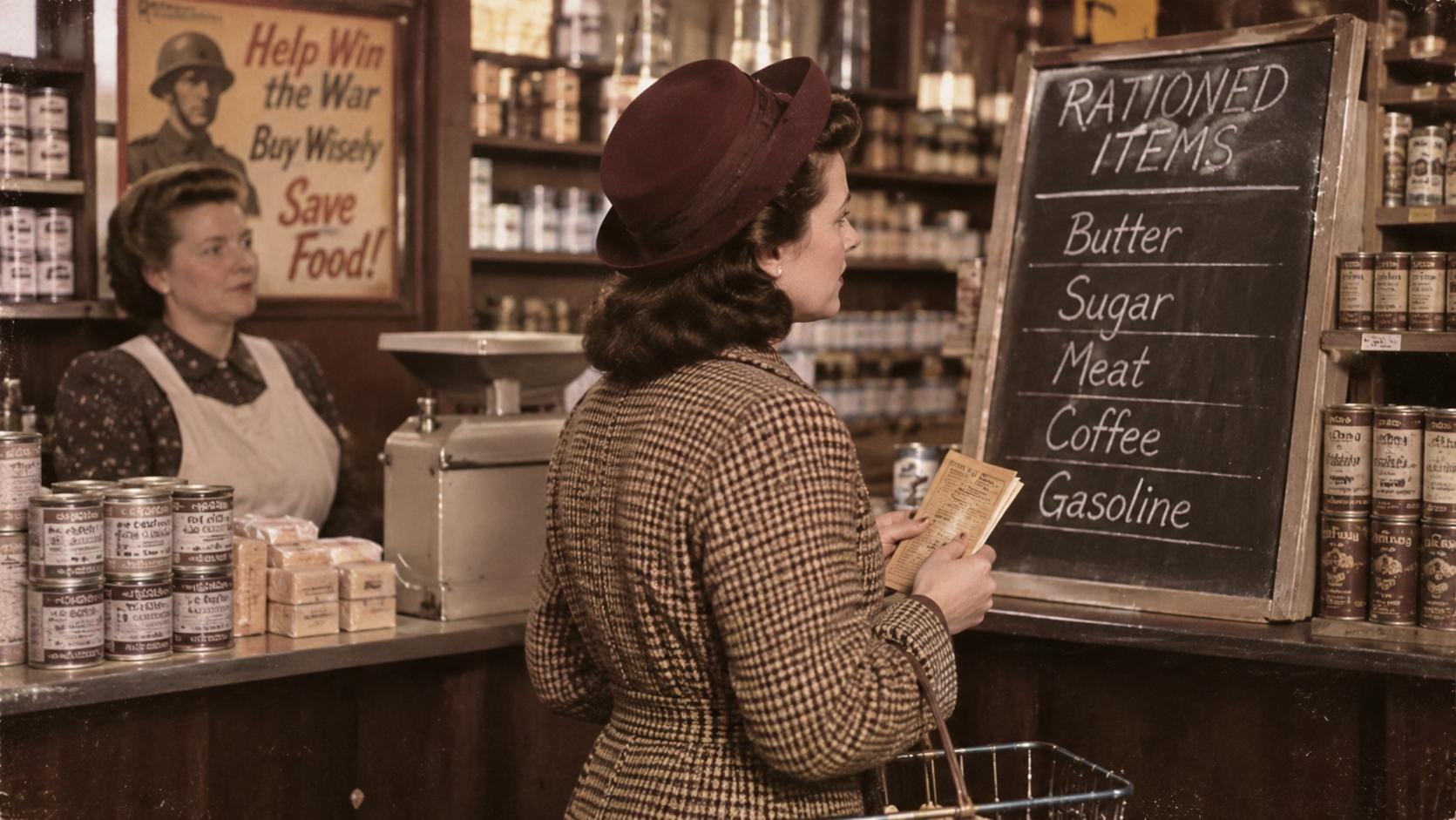
Supermarket photographs from World War II show a shopping experience shaped by shortages and rationing. Americans had to pay attention to ration stamps when purchasing certain foods, including sugar, meat, and canned goods. Families learned to plan meals around what was available rather than simply buying whatever they wanted. Grocery shopping became an exercise in careful budgeting and resourcefulness, and even well-stocked stores couldn’t always provide every item on a family’s list.
7. The 1950s Turned Supermarkets Into Bright, Modern Destinations
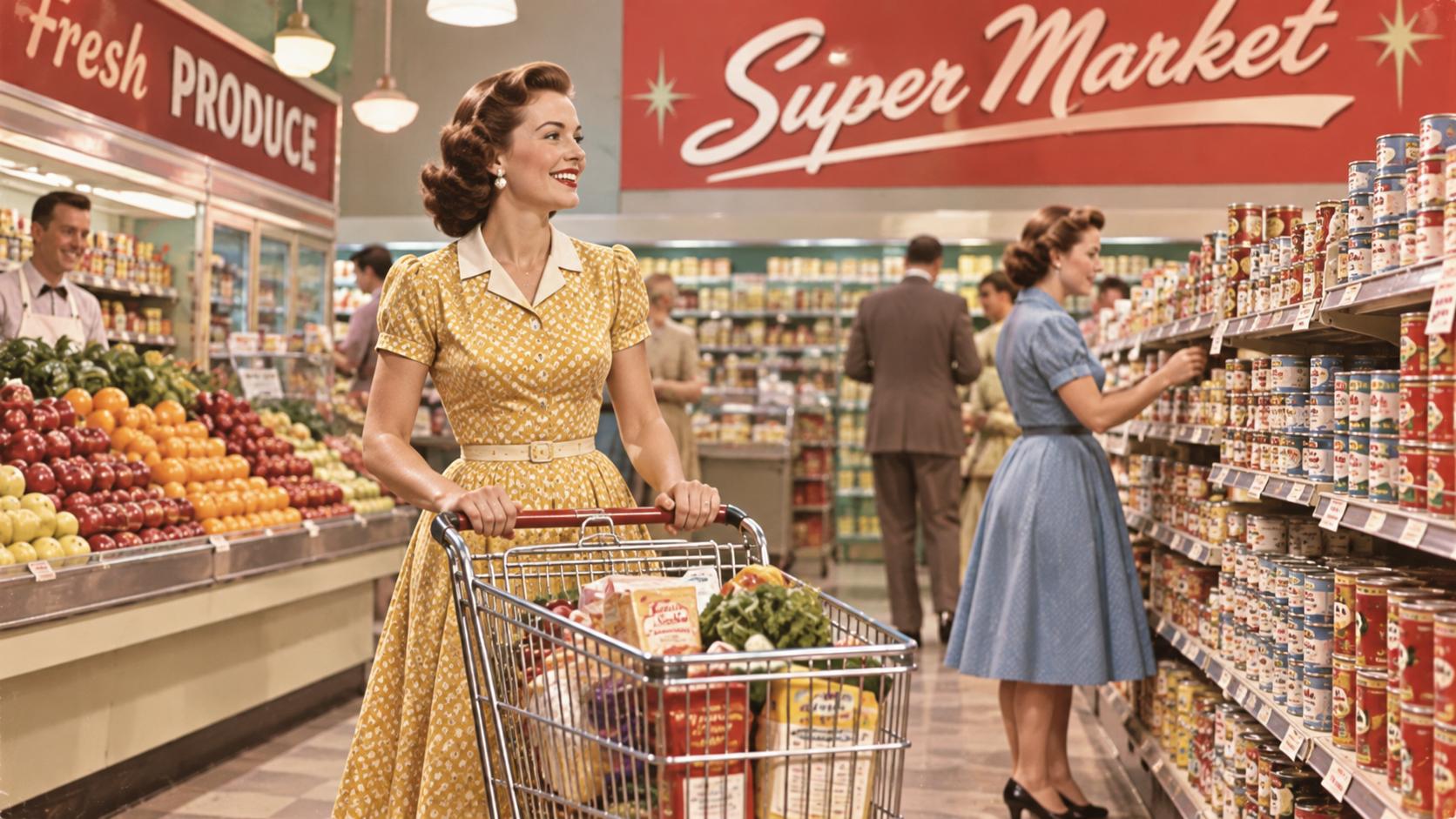
By the 1950s, grocery stores had become symbols of postwar convenience. Bright fluorescent lighting, polished floors, colorful signs, and long refrigerated cases gave supermarkets a distinctly modern appearance. Families moving into suburban neighborhoods increasingly relied on larger stores with spacious parking lots. Shopping could now involve filling an entire cart with enough food for the week instead of making frequent stops at neighborhood businesses.
8. Grocery Store Parking Lots Became a Familiar Suburban Scene
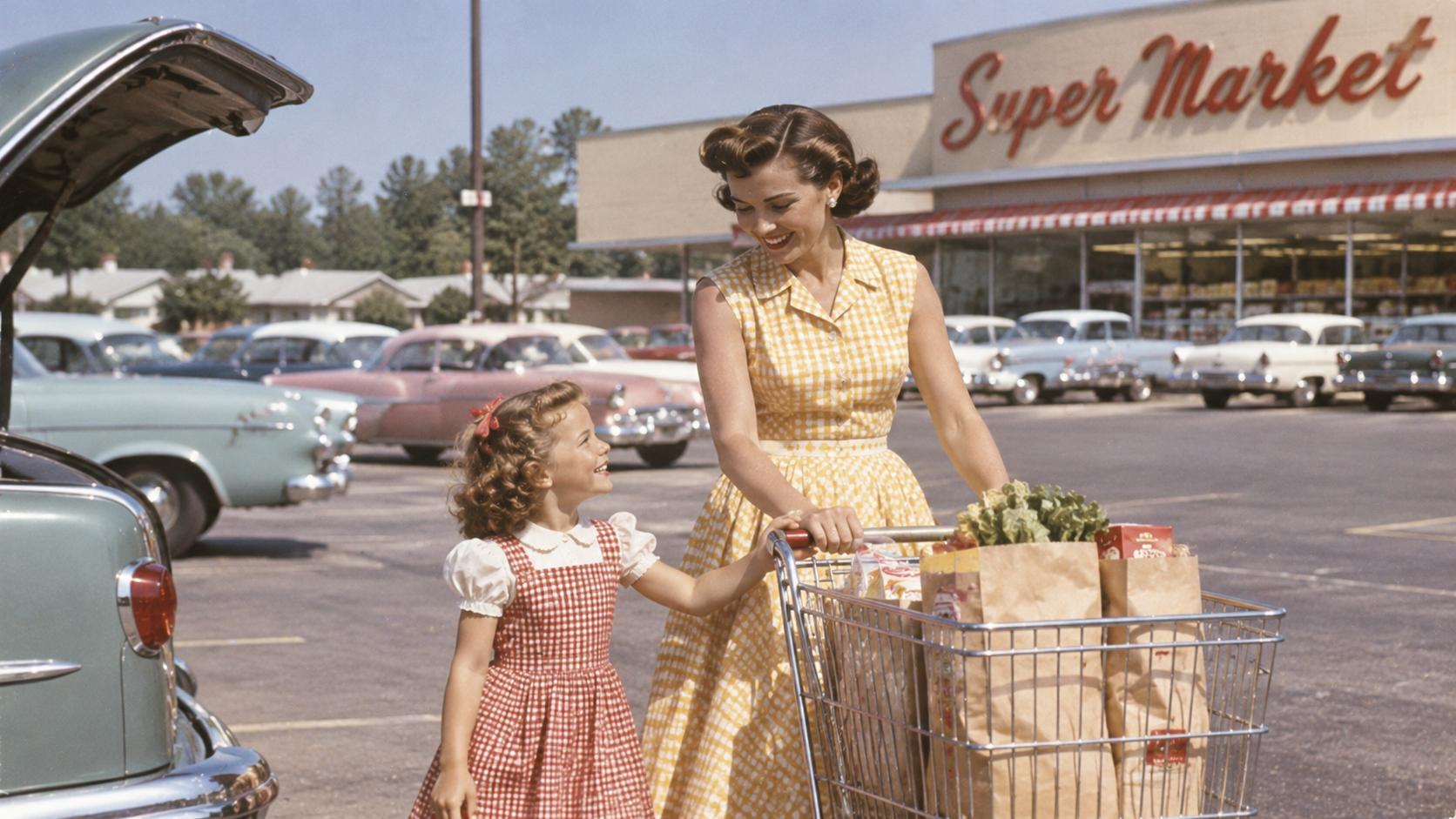
Vintage photographs of supermarkets surrounded by enormous parking lots tell their own story about American life. As car ownership increased, grocery stores moved toward locations that were easier for drivers to reach. Large roadside signs advertised familiar chains, while families loaded paper grocery bags into the trunks of their cars. The weekly supermarket trip became closely connected to suburban living, replacing some of the shorter shopping trips people once made on foot.
Sign up for our newsletter
9. The 1960s Featured Towering Displays of Canned and Boxed Foods
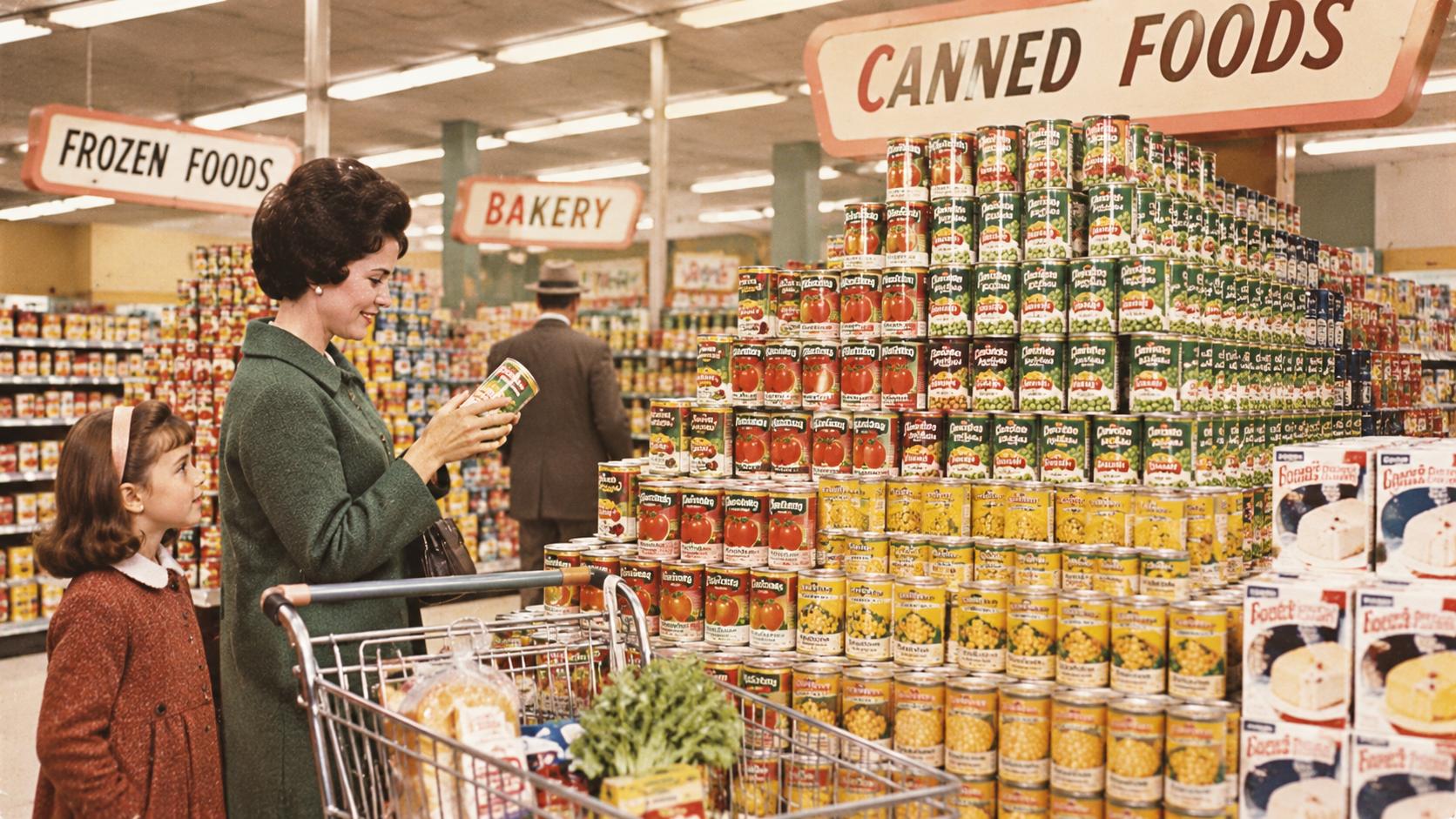
Supermarket aisles in the 1960s were filled with carefully arranged displays of recognizable brands. Canned soups, breakfast cereals, cake mixes, and packaged dinners competed for shoppers’ attention with colorful labels and prominent advertising. Stores increasingly relied on packaging to help products stand out. Photographs from this era capture the growing influence of convenience foods, as busy households embraced products designed to make meal preparation faster and easier.
10. Grocery Store Checkouts in the 1960s Required Every Price to Be Entered Manually
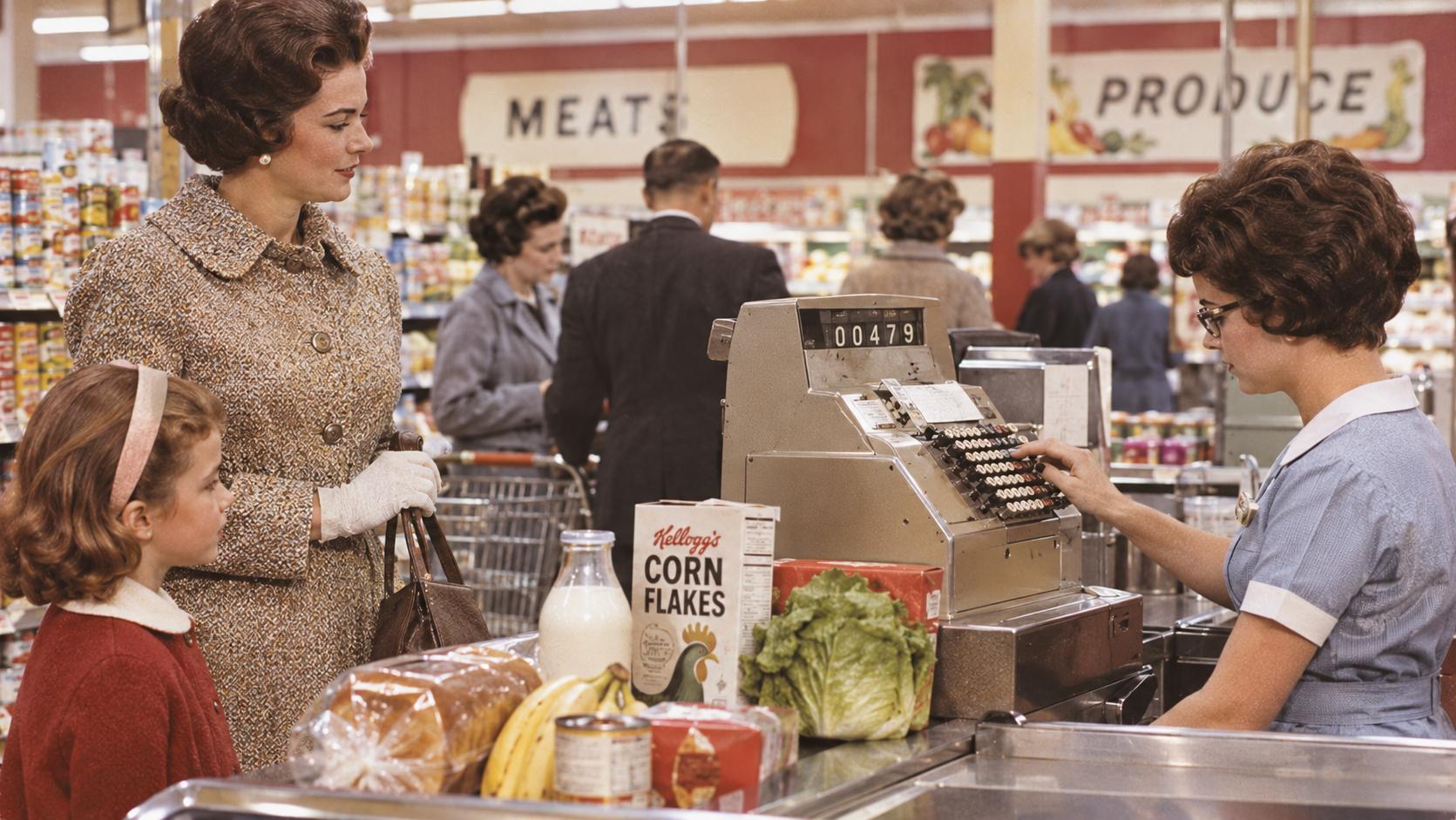
Before barcode scanners became common, cashiers had to enter the price of each item individually. Products often carried small price stickers, and experienced cashiers became remarkably quick at operating mechanical or electronic registers. Checkout lanes featured conveyor belts, cash drawers, and baggers arranging groceries into paper sacks. A busy Saturday could mean waiting while every purchase was carefully rung up, one item at a time.
11. The 1970s Introduced Barcode Scanning to Supermarket Checkouts
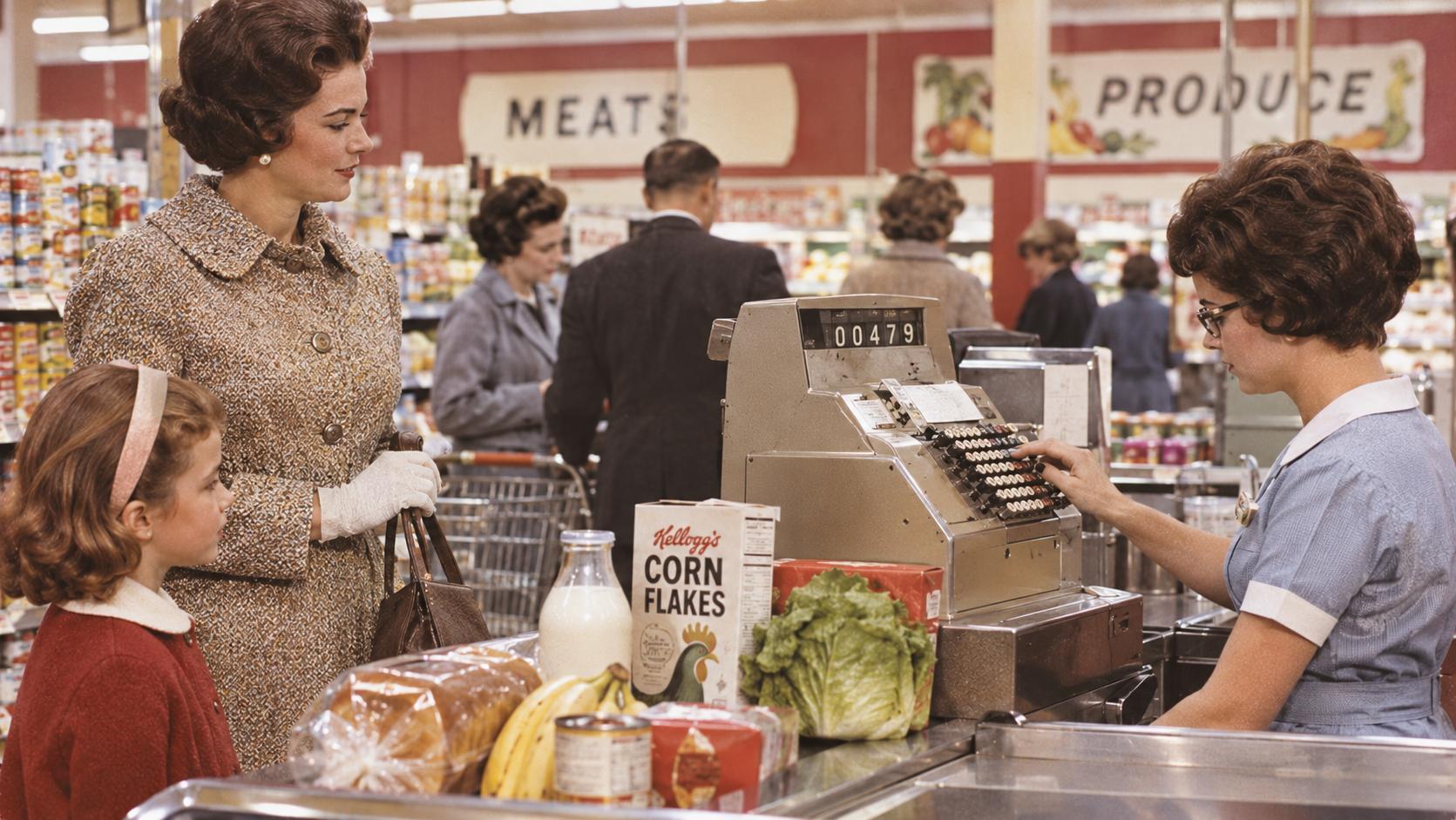
A major change arrived in 1974 when a supermarket in Troy, Ohio, used a Universal Product Code scanner to ring up a package of Wrigley’s chewing gum. Barcode technology eventually transformed checkout lines, inventory management, and pricing systems. Early scanners looked bulky compared with today’s equipment, but they represented an enormous technological shift. Grocery stores were beginning to replace manual processes with computerized systems that would become essential to modern retail.
12. Grocery Stores in the 1970s Were Filled With Bold Colors and Promotional Signs
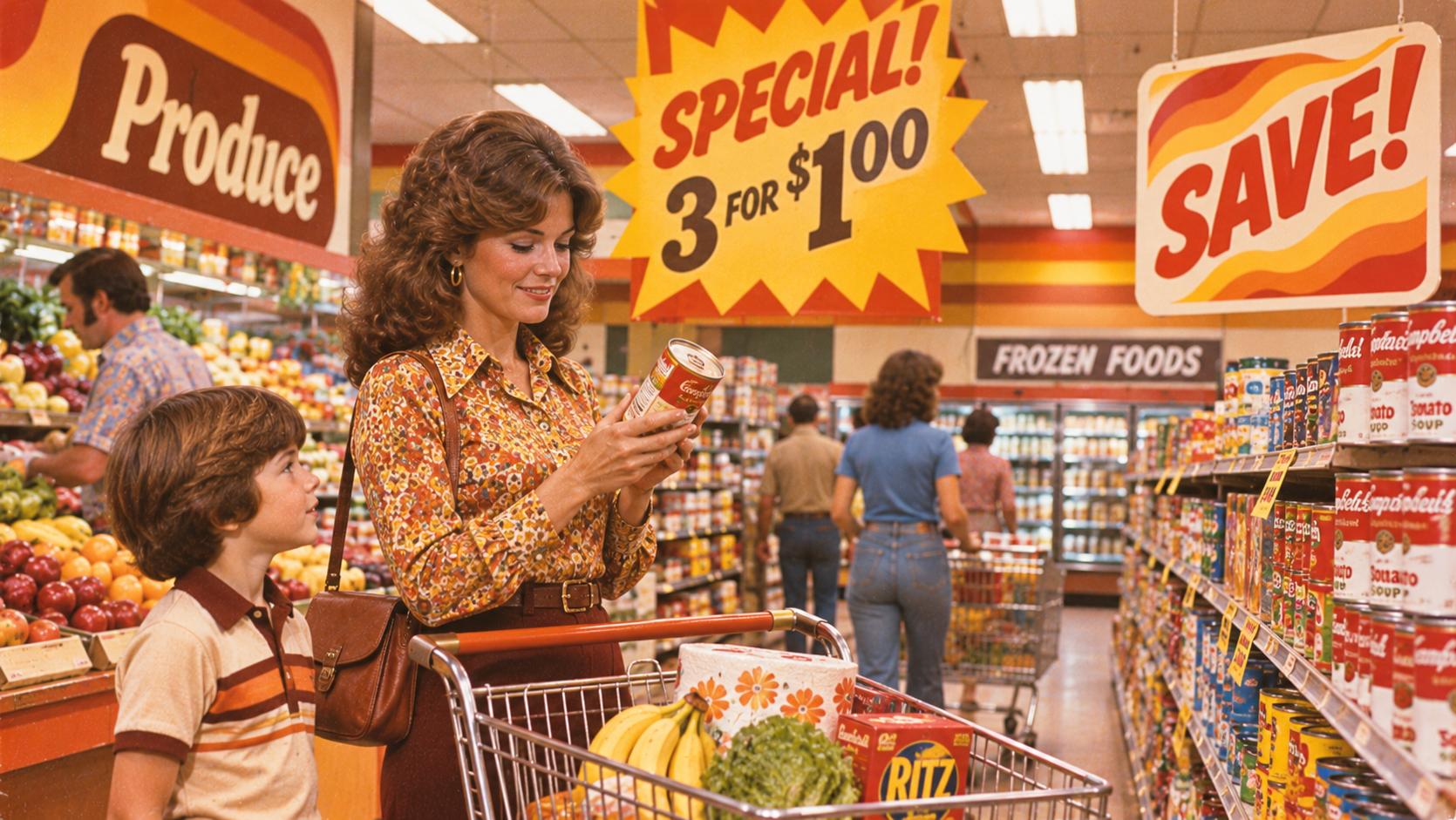
Supermarkets in the 1970s had a visual personality that’s hard to miss in old photographs. Bright orange, yellow, and brown decorations appeared alongside oversized sale signs and promotional displays. Shoppers encountered towering stacks of discounted products and handwritten advertisements announcing weekly specials. Stores worked hard to attract bargain hunters, especially as inflation made grocery bills a growing concern for American families. The overall atmosphere felt busier and more colorful than the streamlined supermarkets many people recognize today.
13. The 1980s Made Frozen Food Aisles Bigger Than Ever
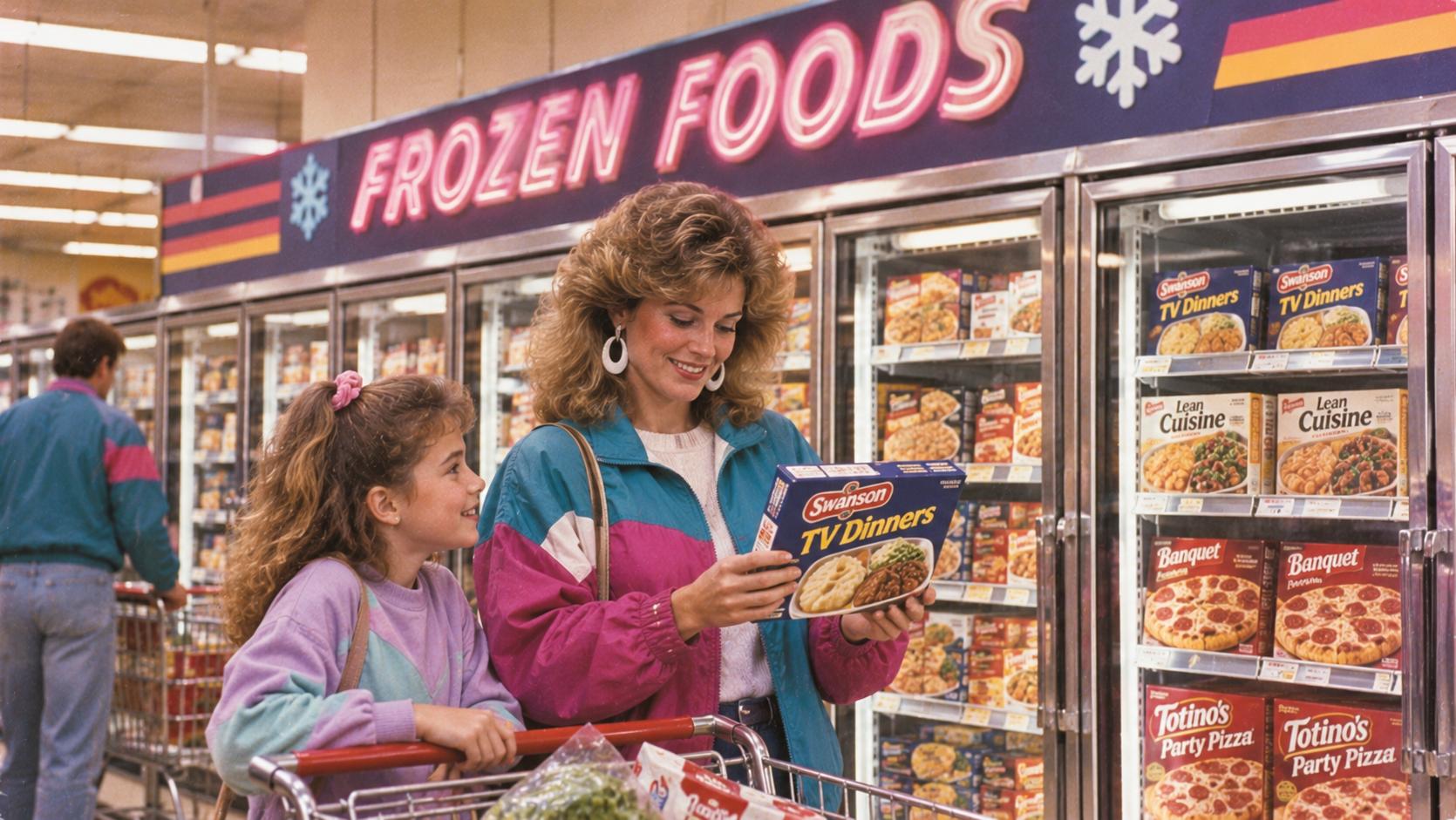
By the 1980s, frozen food sections had become major attractions inside American supermarkets. Long rows of glass freezer doors displayed everything from frozen pizzas and vegetables to microwave dinners and desserts. As microwave ovens became more common in American homes, manufacturers introduced an expanding selection of meals designed for quick preparation. Grocery shopping increasingly reflected a culture that valued convenience, and frozen food aisles became essential stops for families looking to save time in the kitchen.
14. The 1980s and 1990s Turned Grocery Shopping Into a Coupon-Clipping Routine
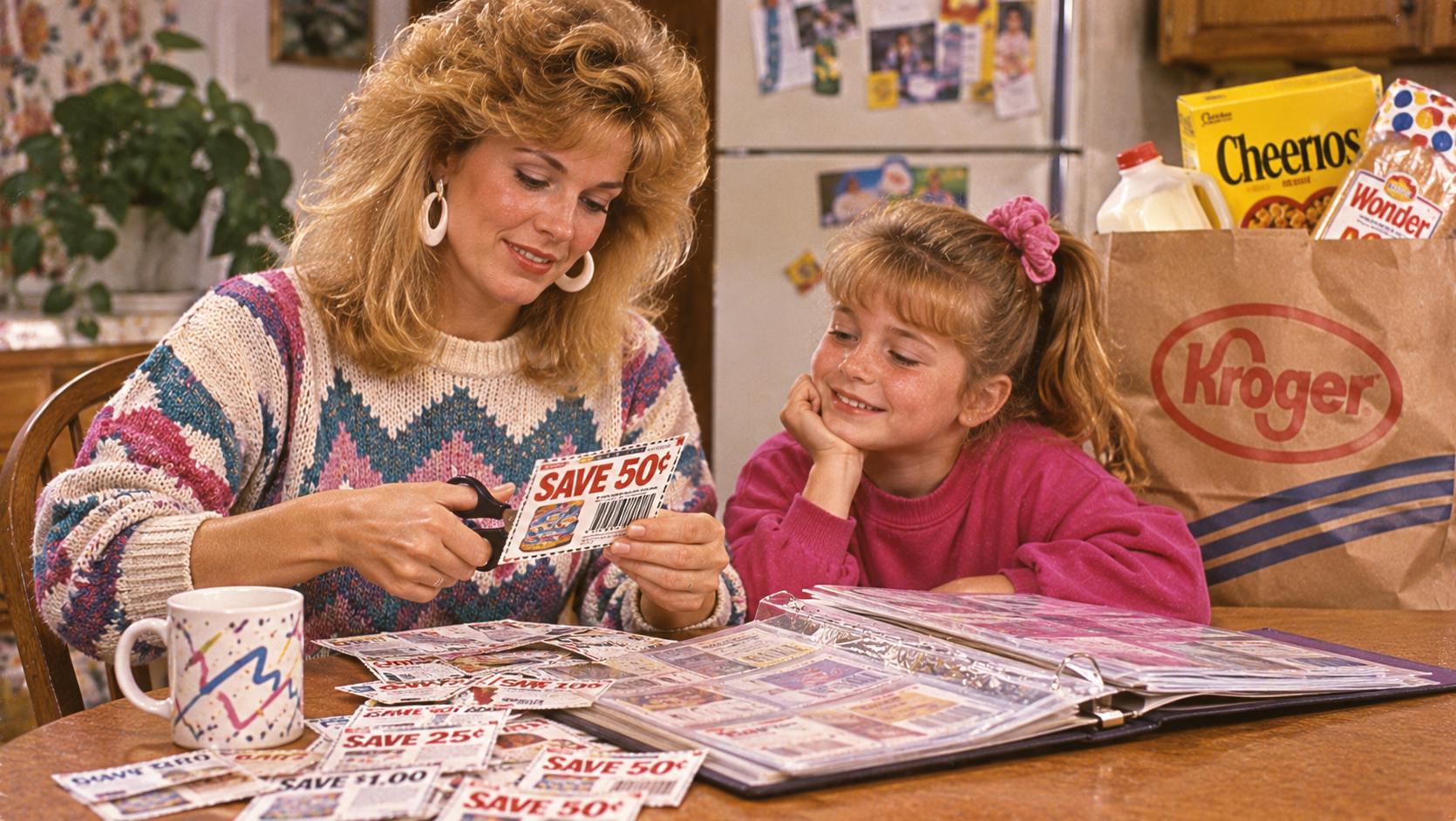
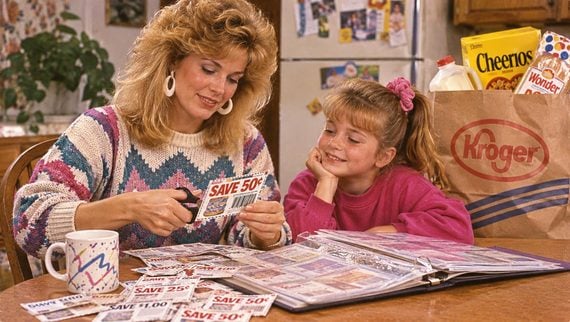
For many American families, grocery shopping once began at the kitchen table with a newspaper and a pair of scissors. Sunday coupon inserts offered discounts on cereal, cleaning supplies, snacks, and countless household products. Shoppers organized their savings in envelopes or small accordion files before heading to the supermarket. Some stores even advertised double-coupon promotions that made bargain hunting more rewarding. Photographs of checkout counters stacked with paper coupons capture a shopping ritual that digital discounts have largely replaced.
15. The 1990s Introduced Massive Supercenters With Almost Everything Under One Roof
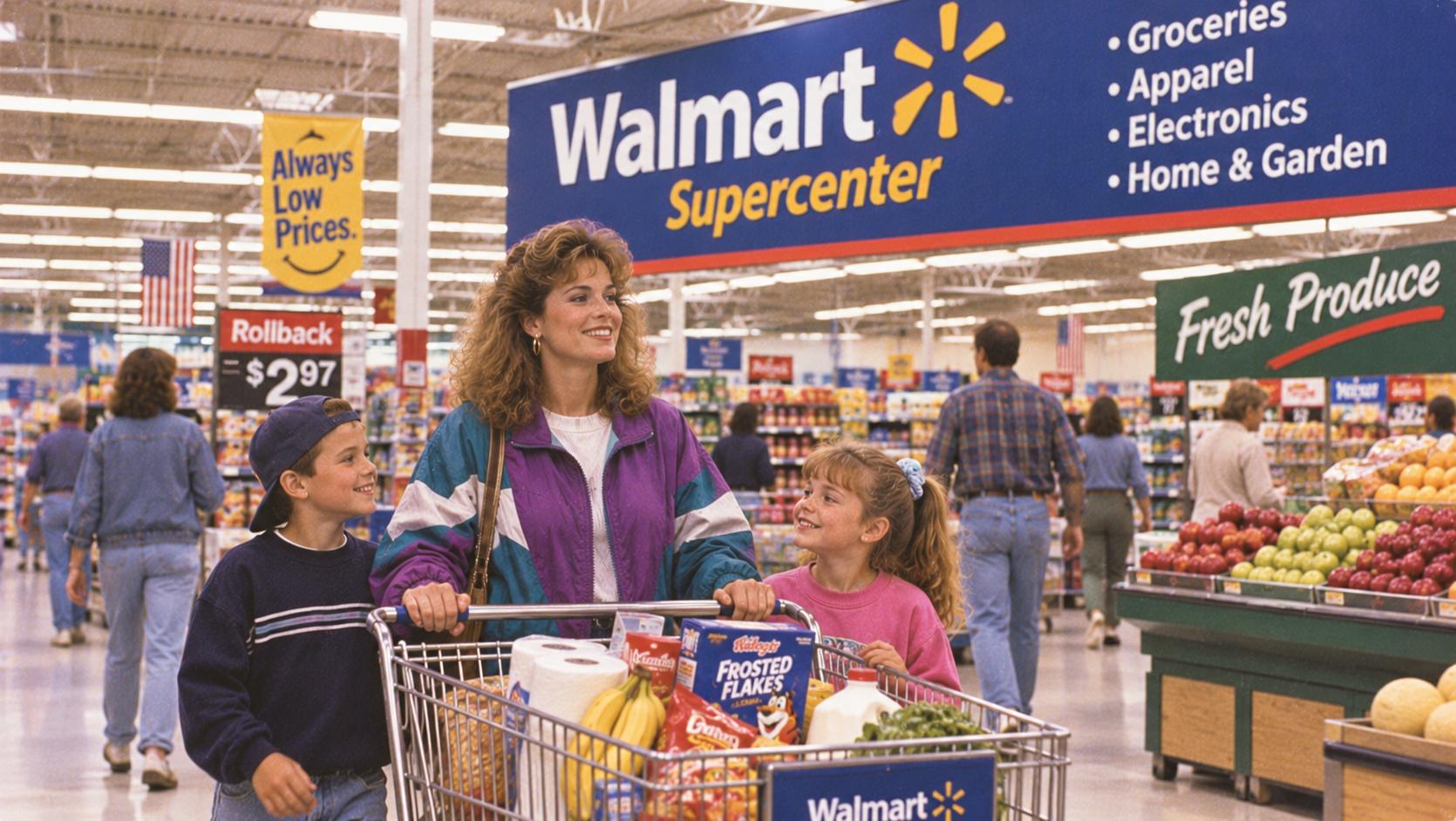
The rise of supercenters changed the scale of grocery shopping during the 1990s. Instead of visiting separate stores for food, clothing, electronics, and household supplies, Americans could purchase nearly everything in one enormous building. Walmart expanded its Supercenter format, while other retailers competed with increasingly large stores and broader selections. Photographs from this period show wide aisles, enormous shopping carts, and shelves stretching far into the distance. Grocery shopping was becoming part of a much bigger retail experience.
16. The 2000s Brought Self-Checkout Machines Into Everyday Shopping
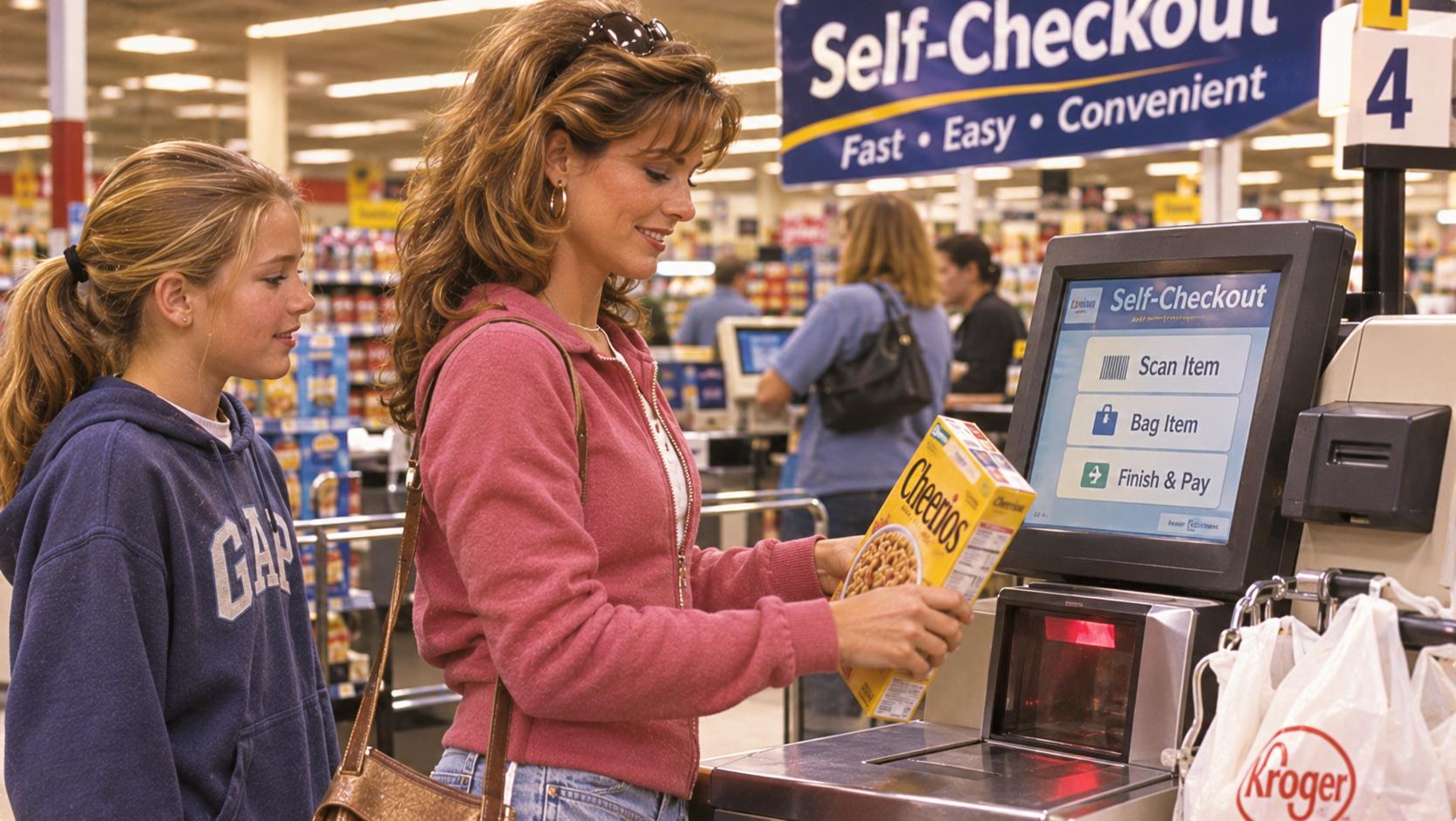
The arrival of self-checkout lanes gave shoppers a new way to handle their grocery purchases. Instead of waiting for a cashier, customers could scan items, place them in a bagging area, and pay using an automated terminal. Early machines weren’t always easy to use, and unexpected weight alerts became a familiar frustration. Still, self-checkout gradually became a common feature in supermarkets across the country. The change also marked a significant shift in how much of the checkout process customers were expected to handle themselves.
17. The 2010s Made Organic Foods and Specialty Sections More Prominent
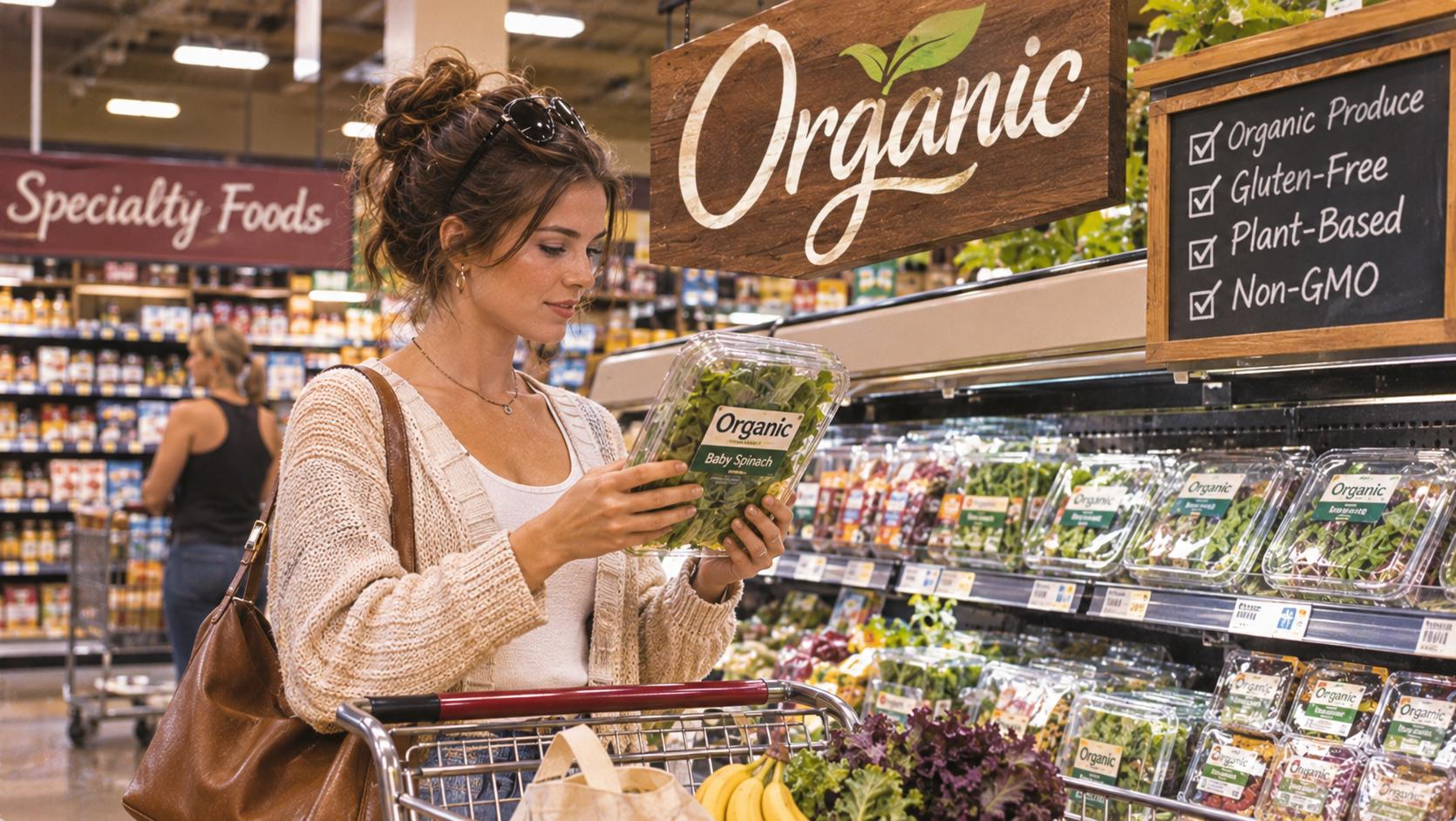
Grocery stores in the 2010s increasingly reflected changing consumer interests in food quality, nutrition, and lifestyle choices. Organic produce sections expanded, while shelves filled with gluten-free products, plant-based alternatives, and specialty ingredients. Many supermarkets introduced larger prepared-food counters, salad bars, and fresh meal options for customers who wanted convenience without traditional packaged dinners. Photographs from this era show stores that look more polished and carefully designed, with an emphasis on fresh displays and a wider variety of food choices.
18. The 2020s Turned Grocery Shopping Into a Digital Experience

Modern grocery shopping can happen without ever walking into a supermarket. Customers now browse products through apps, compare prices online, and schedule deliveries or curbside pickups. Inside stores, digital coupons, contactless payments, electronic shelf labels, and self-checkout stations have become increasingly familiar. The COVID-19 pandemic accelerated the popularity of online grocery orders, changing how many Americans approached their weekly shopping. Compared with the wooden counters and handwritten lists of a century ago, today’s grocery experience would be almost unrecognizable to earlier generations.
More Related Notes
• 20 Photos That Show What Grocery Shopping Looked Like in the 1960s
Step inside American supermarkets of the 1960s, when cash registers clacked, groceries came in paper bags, and shopping aisles looked completely different. These vintage photos capture the everyday details that made grocery shopping a memorable experience.
• 15 Things Every American Grocery Store Had in the 1970s
Rediscover the handwritten price signs, metal shopping carts, glass bottles, and familiar store traditions that defined American supermarkets in the 1970s. These forgotten details reveal how much grocery shopping has evolved over the generations.
• 15 Foods That Used to Be Sold in Completely Different Ways
Explore how Americans once purchased everyday foods, from milk delivered in glass bottles to pickles sold from barrels. These old-fashioned shopping methods show how packaging, convenience, and changing lifestyles transformed the grocery experience.