Growing up in America during the 1970s meant having a surprising amount of freedom, often before kids were old enough to appreciate it. Parents had rules, of course, but they also expected children to figure things out on their own. A bicycle could take you across town, a few coins could buy an afternoon of entertainment, and nobody thought it was unusual for kids to disappear outside for hours.
There were no cell phones to check in with, no location-sharing apps, and far fewer organized activities filling every afternoon. Childhood came with scraped knees, questionable decisions, unexpected adventures, and a sense of independence that feels almost unimaginable today. These 18 everyday freedoms capture what it was like to grow up when the neighborhood was your playground and getting home before dark was often the biggest responsibility of the day.
1. Riding Bikes Miles Away From Home
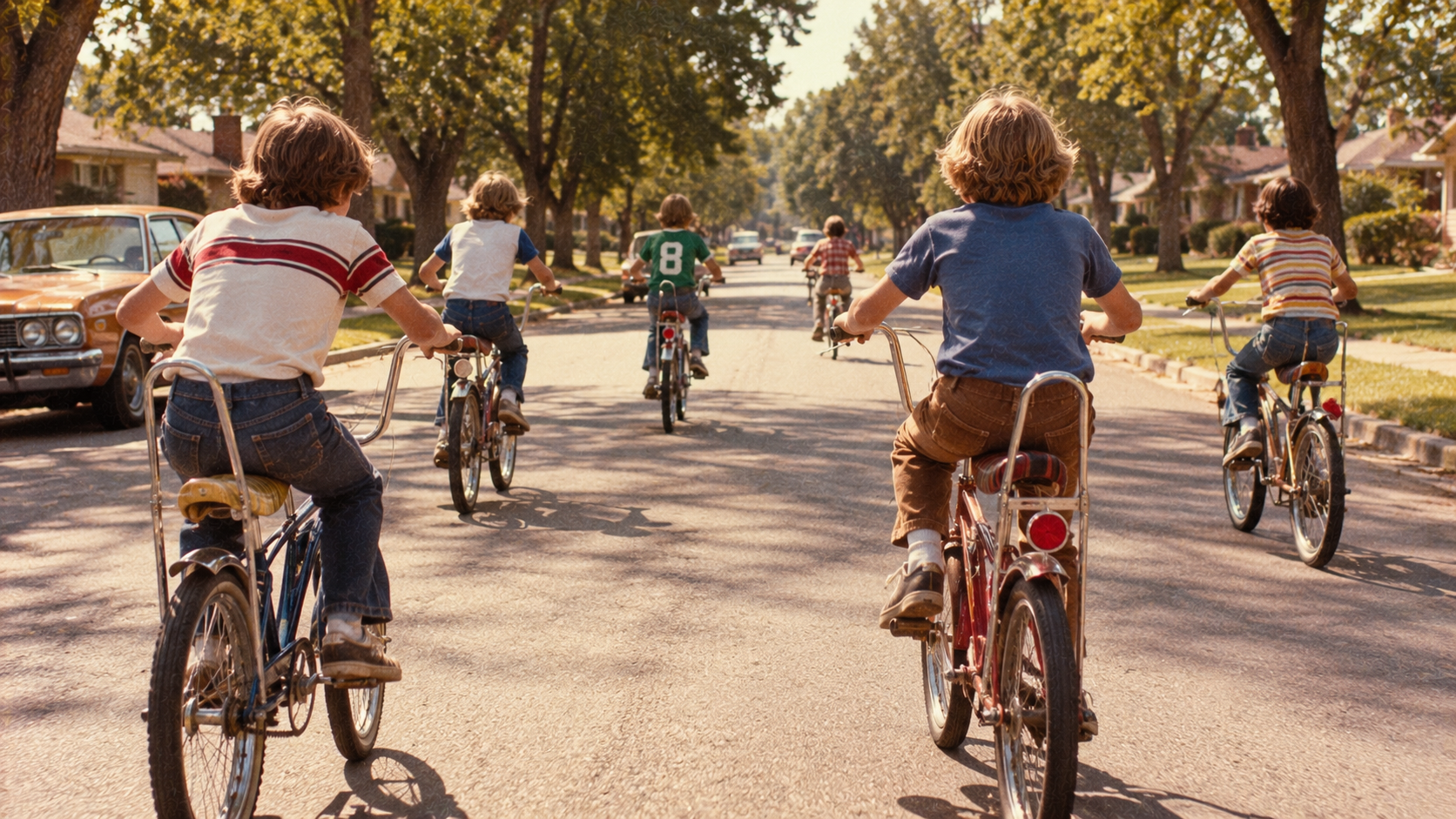
A bicycle was practically a passport to freedom in the 1970s. Kids pedaled through neighborhoods, crossed busy streets, and explored places their parents probably never knew they visited. Sometimes the destination was a friend’s house, a convenience store, or a creek on the other side of town. Other times, the ride itself was the adventure. Nobody tracked their location, and the only real limitation was how far their legs could carry them before dinner.
2. Staying Outside Until the Streetlights Came On
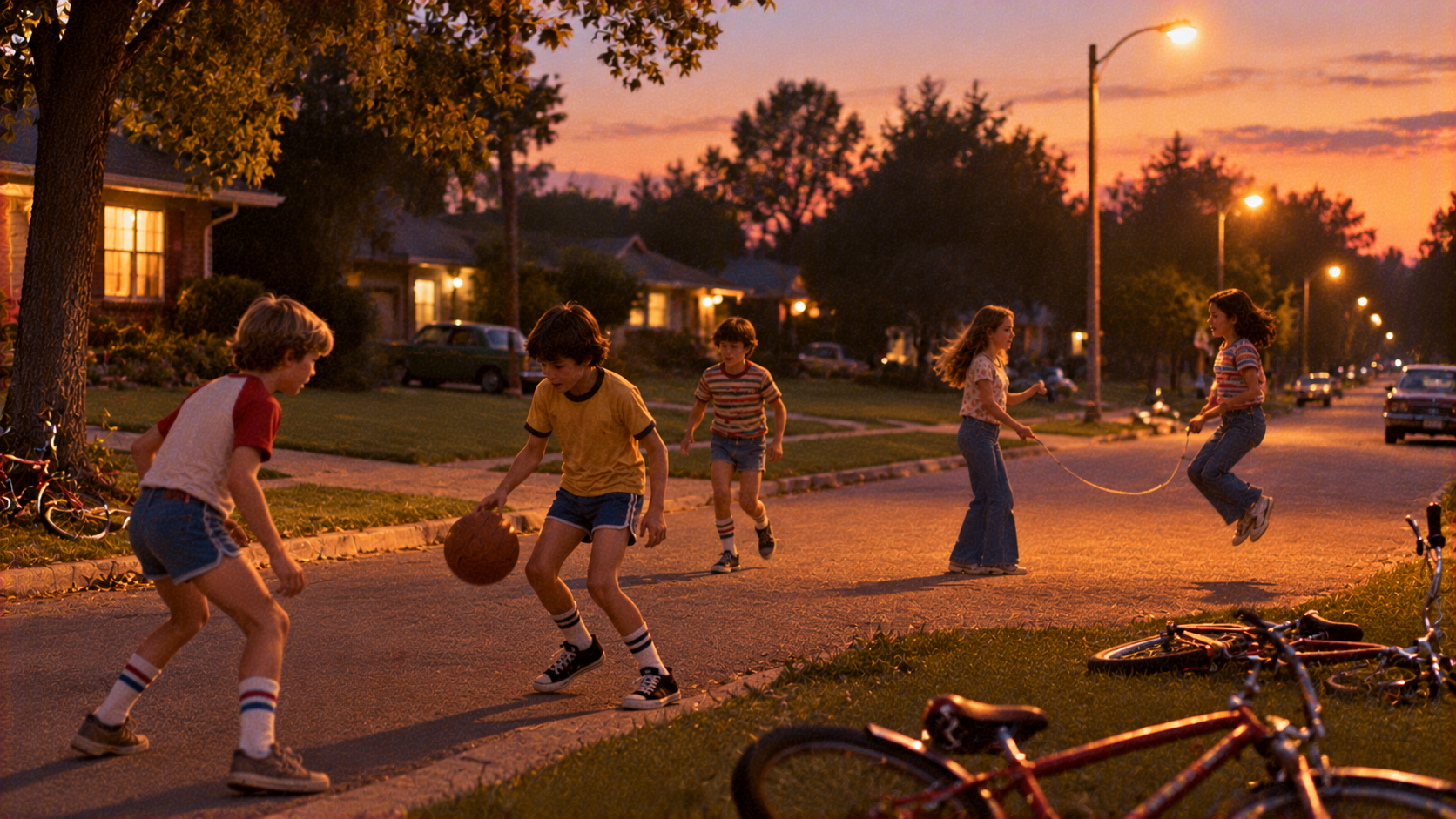
For many kids, the streetlights were the closest thing to a daily alarm. Afternoons stretched into evenings filled with tag, hide-and-seek, bicycle races, and games invented on the spot. Parents weren’t constantly calling to ask where everyone was. When the streetlights flickered on, children knew it was time to head home, usually squeezing in one last round before someone shouted that dinner was ready.
3. Walking to School Without an Adult
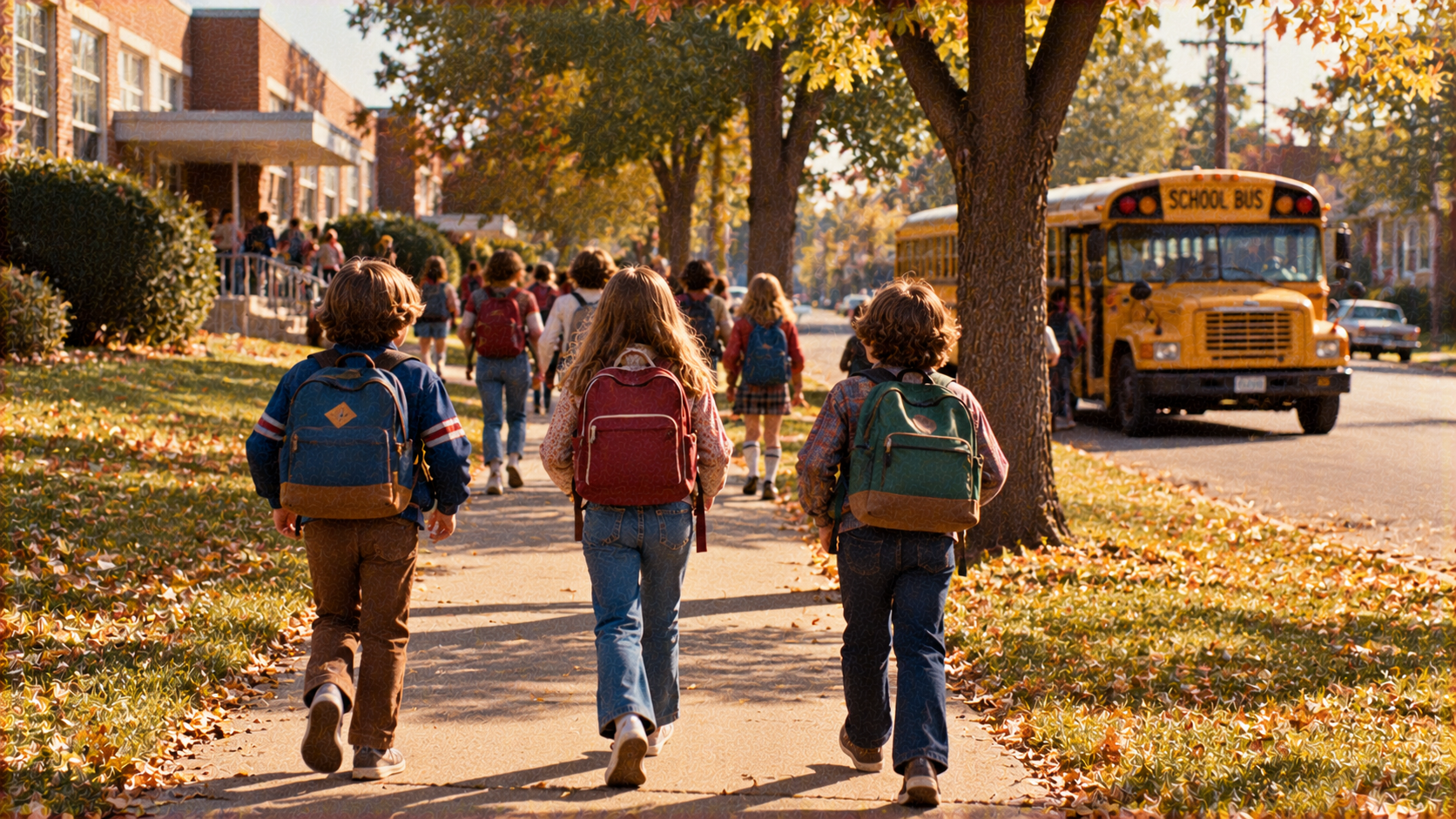
Walking to school was an ordinary part of childhood, even for relatively young children. Some traveled with siblings or neighborhood friends, while others made the trip alone. Along the way, they stopped to inspect interesting rocks, kicked fallen leaves, and occasionally took a longer route just because they could. Parents generally expected them to arrive on time without needing an adult to supervise every intersection.
4. Going to the Store Alone
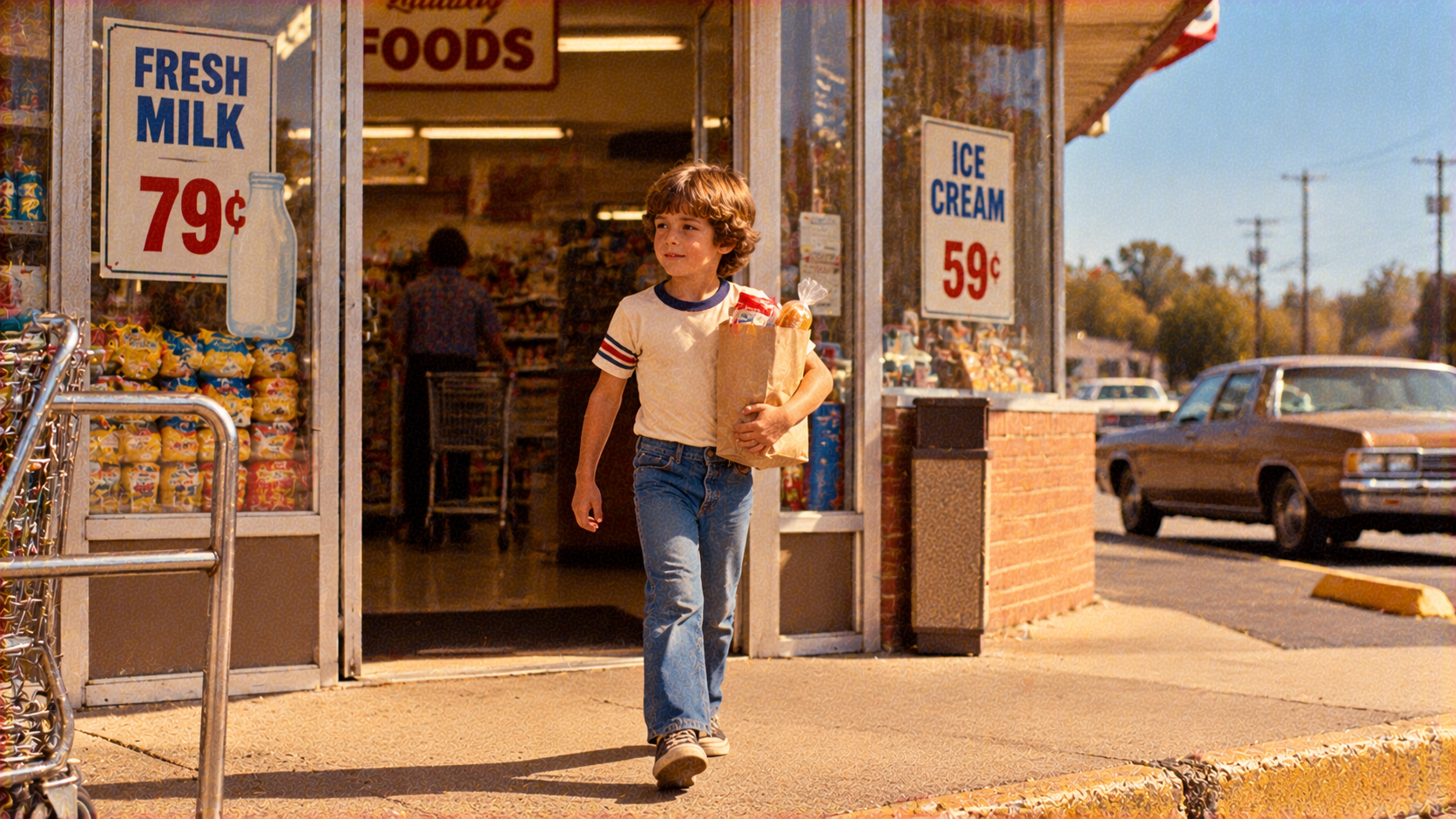
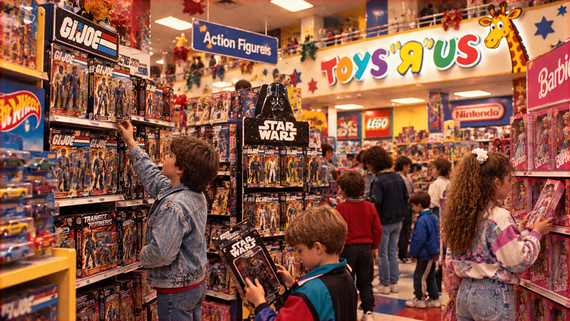
Being handed a dollar and sent to the corner store felt like a serious responsibility. Kids walked or rode their bikes to buy milk, bread, or something their mother needed for dinner. If there was change left over, the candy counter became an irresistible temptation. Choosing between bubble gum, candy necklaces, and a handful of penny candies could take longer than the actual errand.
5. Playing in Empty Lots and Construction Areas
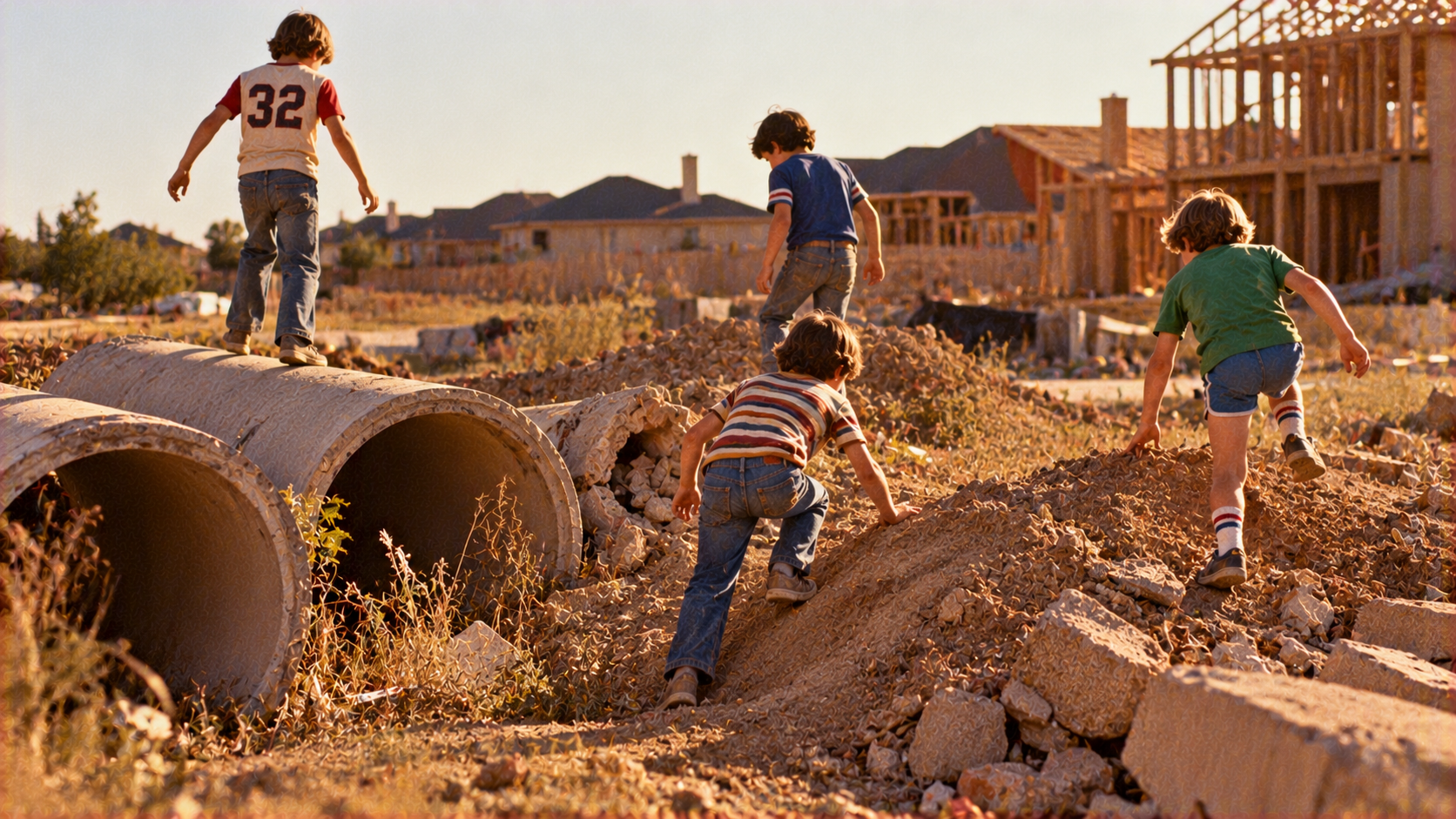
An empty lot could become a battlefield, a secret clubhouse, or an imaginary wilderness. Kids climbed dirt piles, explored unfinished structures, and collected discarded boards for makeshift forts. Construction sites were dangerous places, but that didn’t always stop curious children from investigating when nobody was around. The excitement came partly from knowing they were exploring somewhere they probably shouldn’t have been.
Trending on Wealth Gang

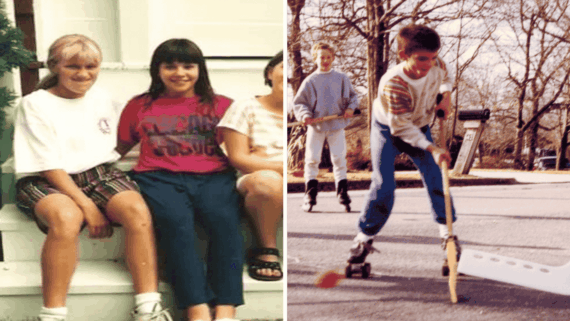
6. Coming Home to an Empty House
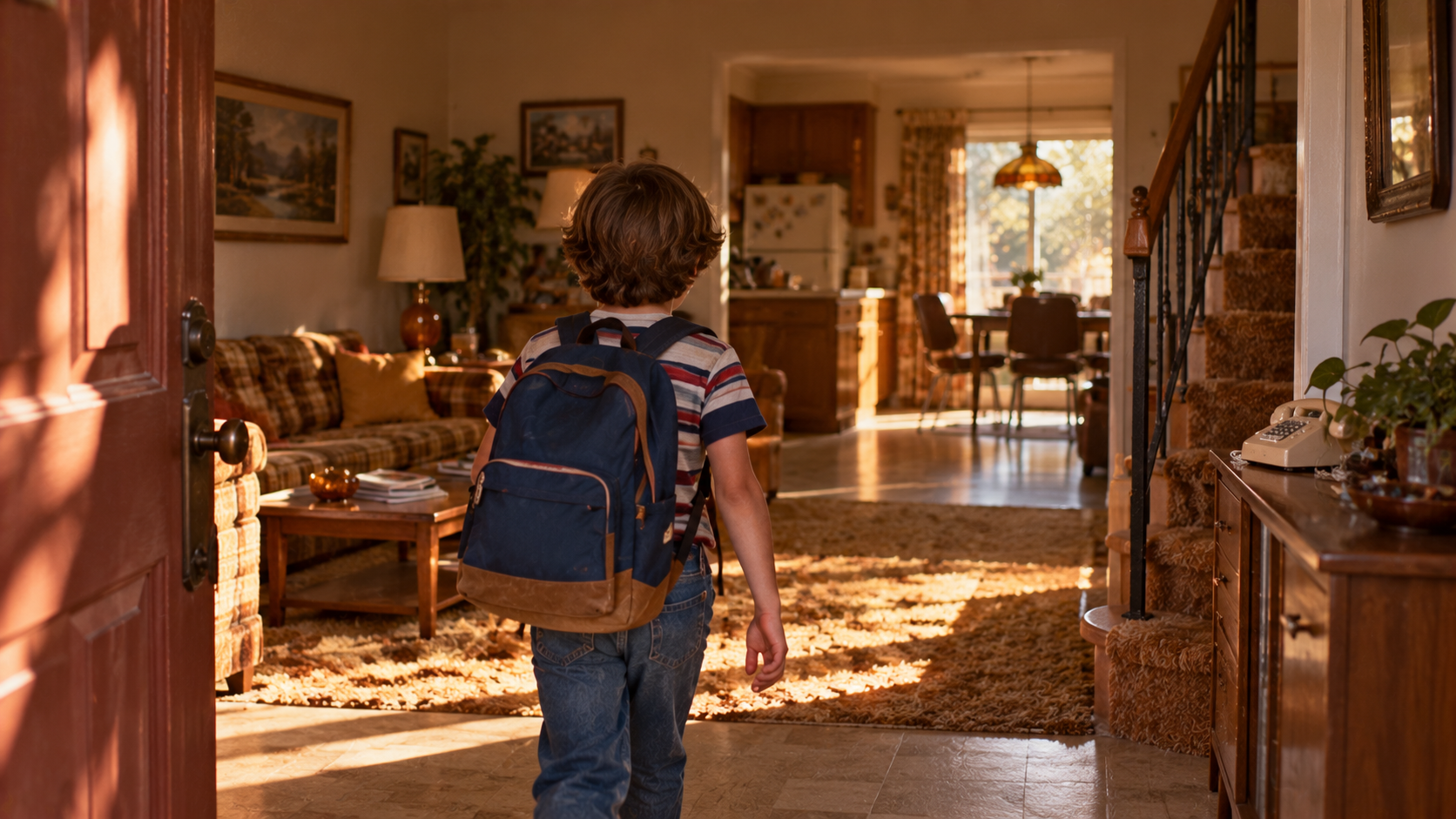
For many children with working parents, especially older elementary school students and teenagers, coming home alone was simply part of the routine. They carried house keys, fixed themselves a snack, turned on the television, and started their homework without supervision. Some had chores waiting, while others enjoyed a precious hour of uninterrupted freedom before the adults returned. The term “latchkey kid” became closely associated with this growing experience.
7. Spending Entire Days at a Friend’s House
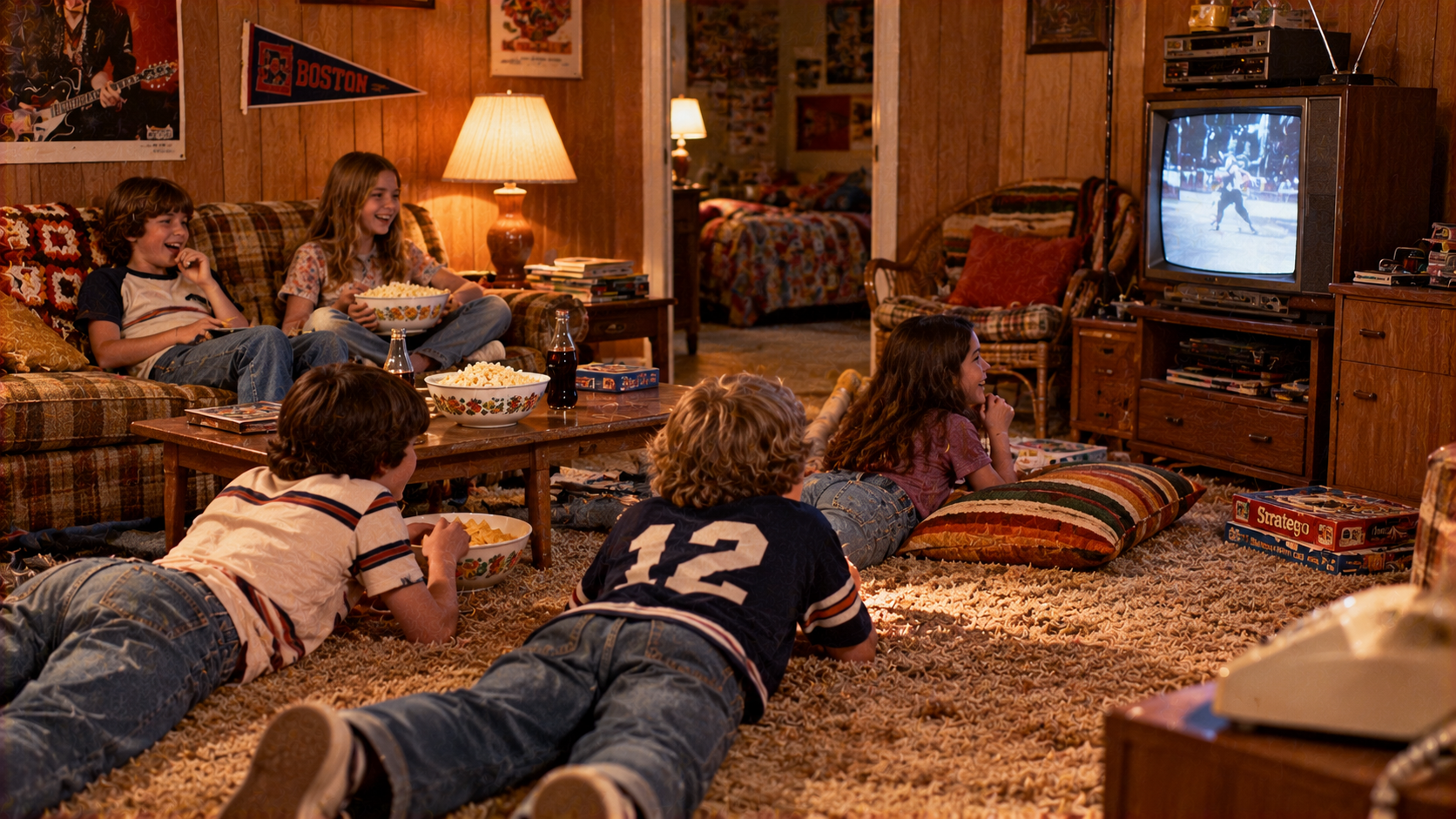
A quick visit to a friend’s house could turn into an all-day adventure without much planning. Kids moved between backyards, bedrooms, and neighborhood playgrounds, occasionally stopping for sandwiches or a glass of Kool-Aid. Parents often knew which house their children had headed toward, but plans could change several times before evening. Sometimes the only communication was a message passed along by another kid.
8. Climbing Trees Without Anyone Watching
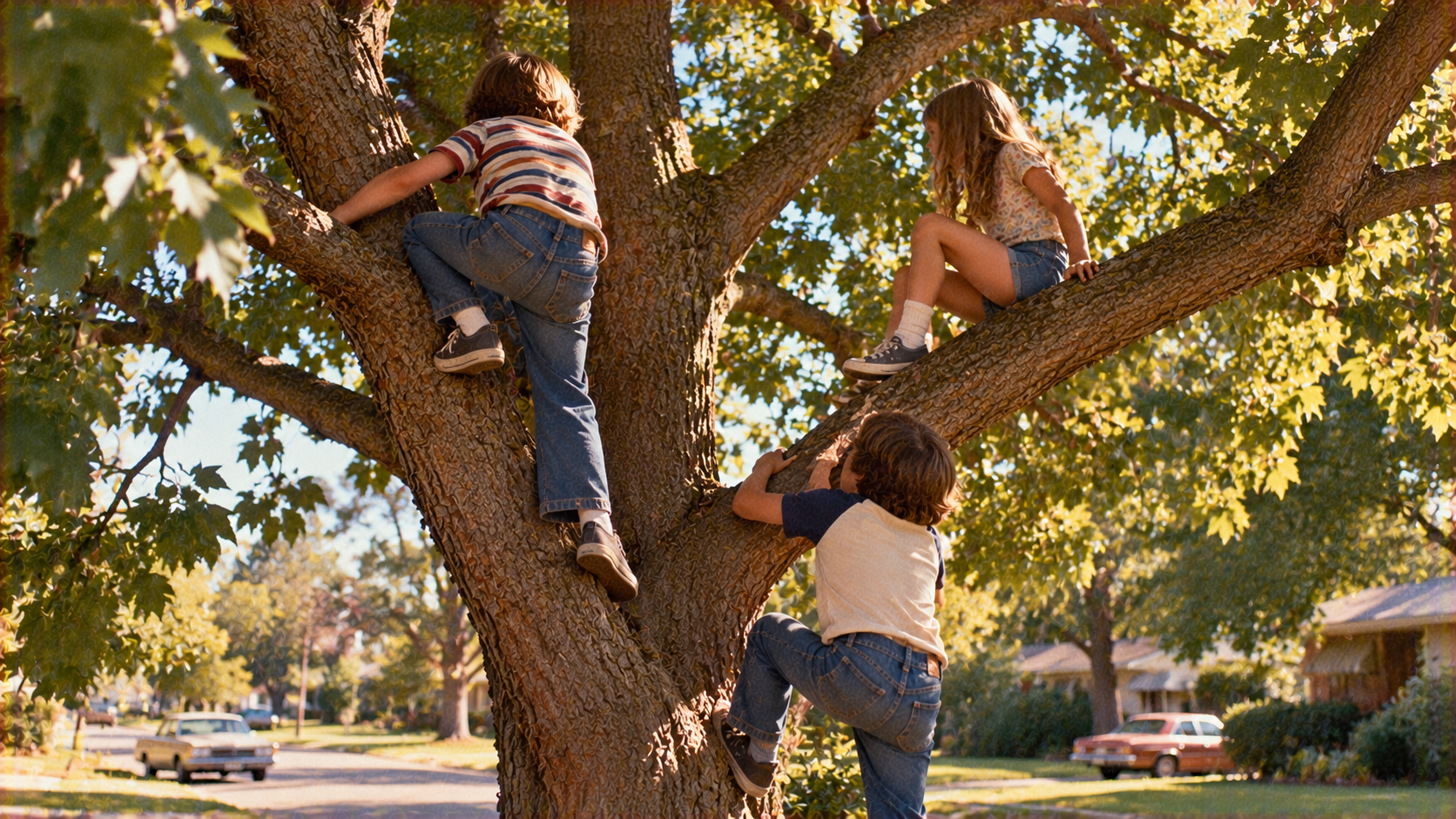
The tallest tree in the neighborhood was often an irresistible challenge. Children climbed branches, built makeshift platforms, and competed to see who could reach the highest point. There were no safety harnesses, padded surfaces, or adults standing below giving instructions. A torn shirt or scratched arm was usually treated as part of the experience, although a serious fall could quickly end the adventure.
Sign up for our newsletter
9. Taking Public Transportation by Themselves
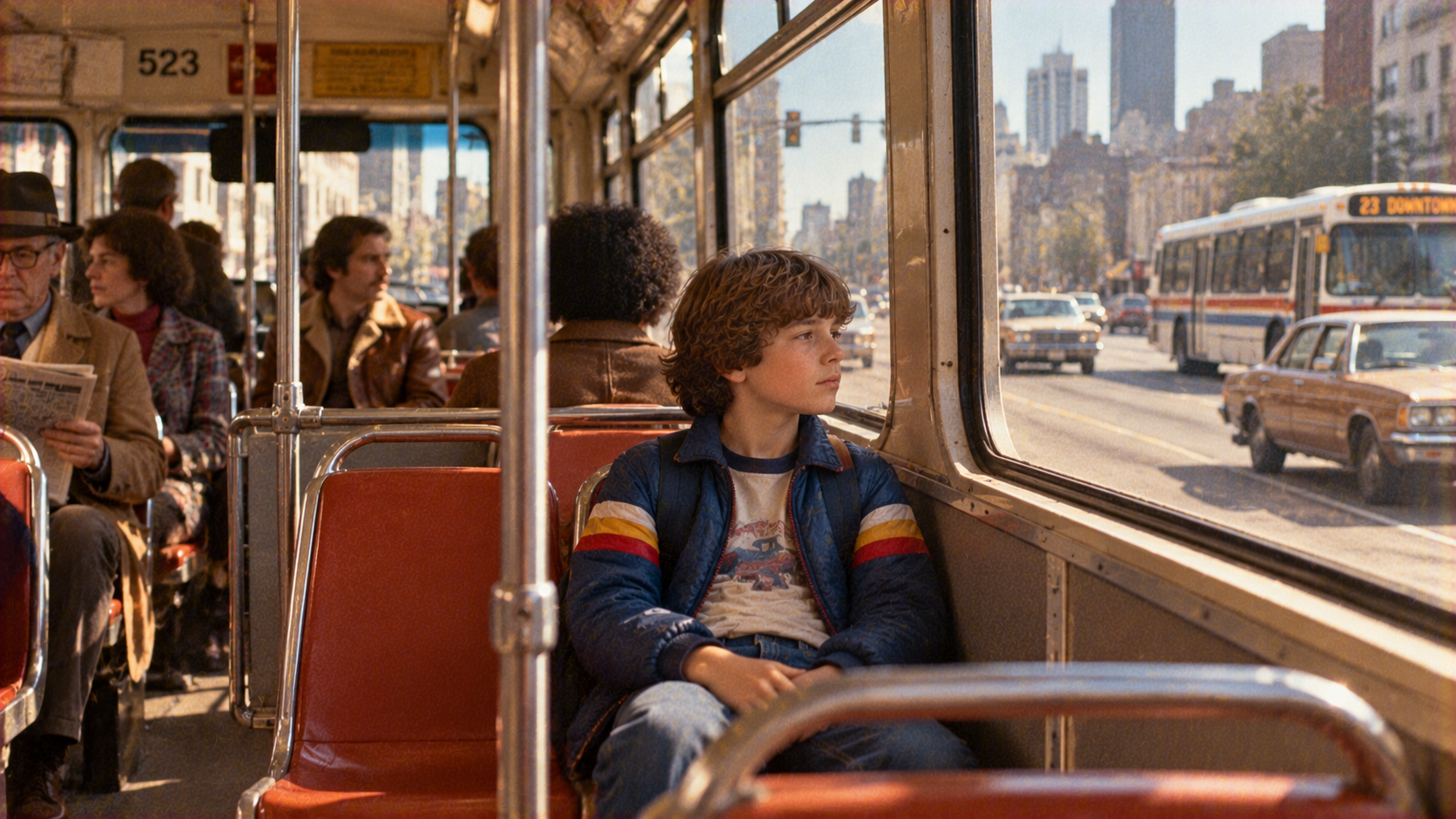
In cities with buses and subways, some children learned to navigate public transportation long before they could drive. They memorized routes, counted out fares, and figured out where to get off without an adult accompanying them. A trip to the library, a friend’s apartment, or a downtown movie theater could feel like a major expedition. Knowing how to get around independently gave older kids a sense of confidence that extended far beyond the bus stop.
10. Going to the Movies Without Parents
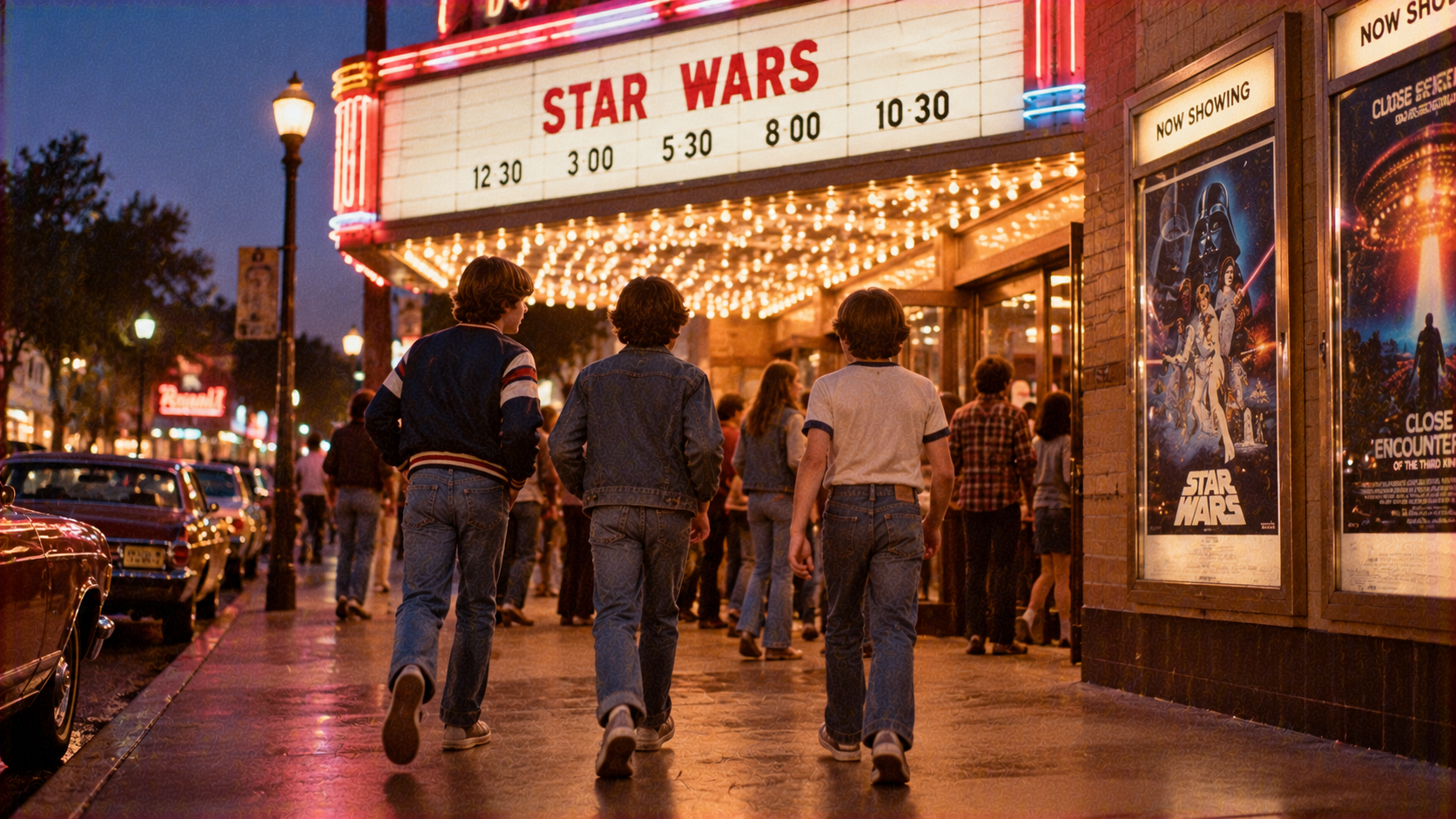
Saturday matinees were a favorite escape for children old enough to head to the theater on their own. A few dollars covered a ticket, popcorn, and perhaps a box of candy. Friends gathered in the lobby, searched for seats together, and spent the afternoon watching whatever adventure or comedy was playing. Parents usually just needed to know when the movie ended and approximately when everyone would be home.
11. Playing Near Creeks, Ponds, and Rivers
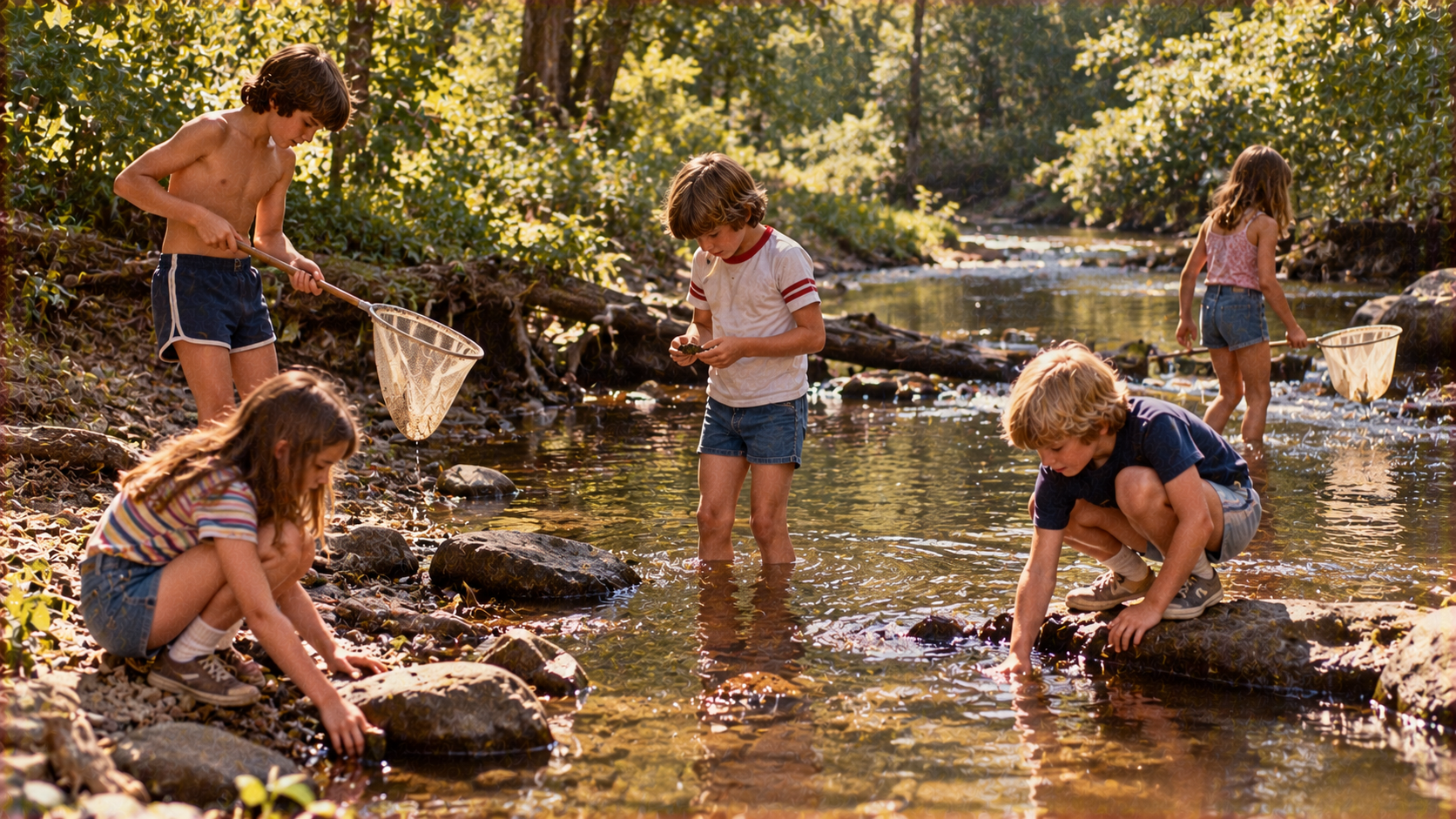
A nearby creek could provide hours of entertainment without a single purchased toy. Kids skipped stones, caught tadpoles, built little dams, and attempted to cross slippery rocks without getting their shoes wet. Some went fishing or waded into shallow water on hot afternoons. These places weren’t always supervised or particularly safe, but for many children, they offered a world of discovery just beyond the neighborhood streets.
12. Babysitting Younger Siblings at an Early Age
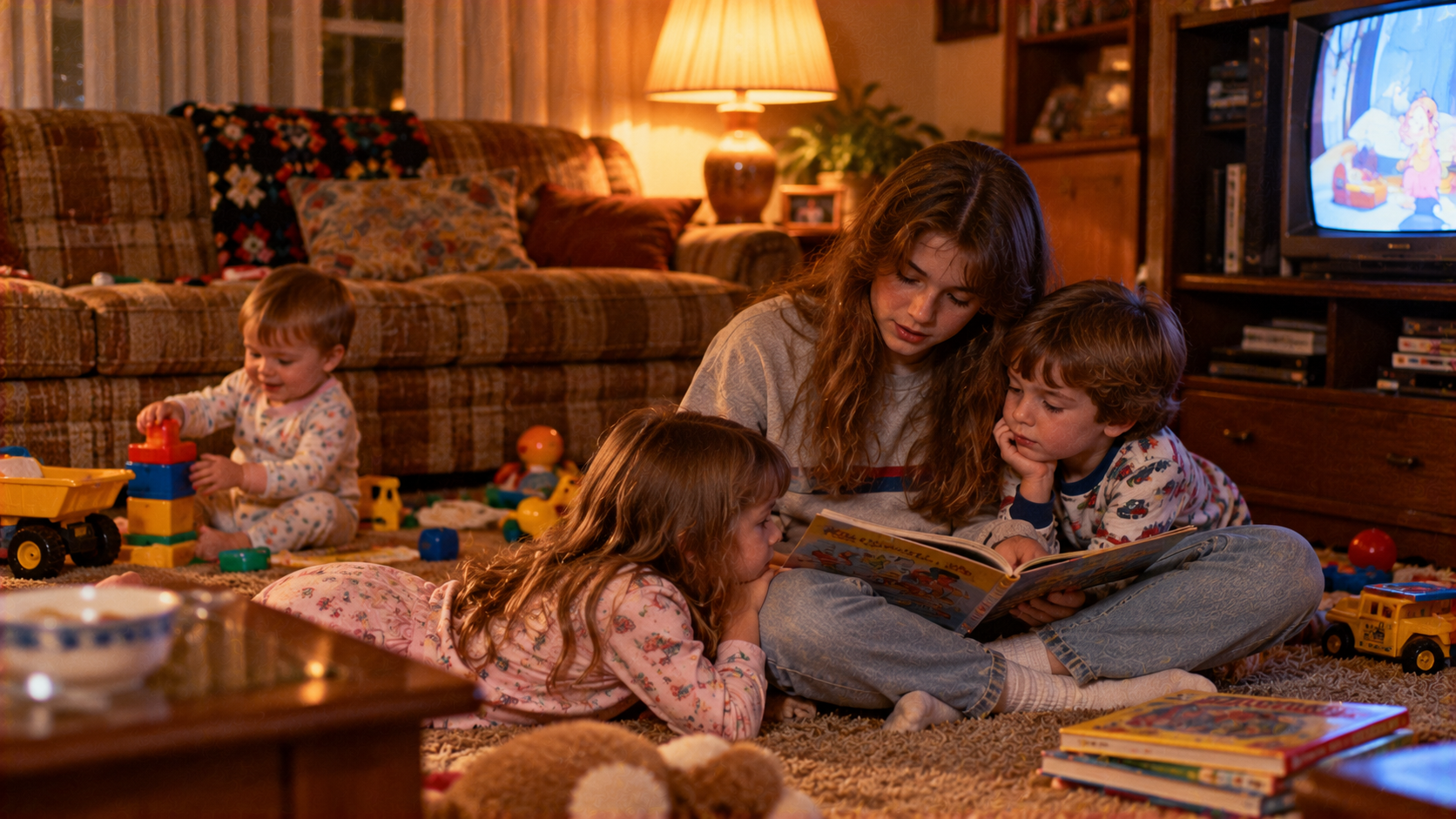
Older brothers and sisters often became the default babysitters when parents needed to run errands or work. A 12-year-old might be responsible for preparing sandwiches, keeping younger siblings entertained, and making sure nobody got into trouble. Sometimes the responsibility was welcomed, especially if it came with a little spending money. Other times, it meant missing an afternoon outside while everyone else was having fun.
13. Playing Games in the Street
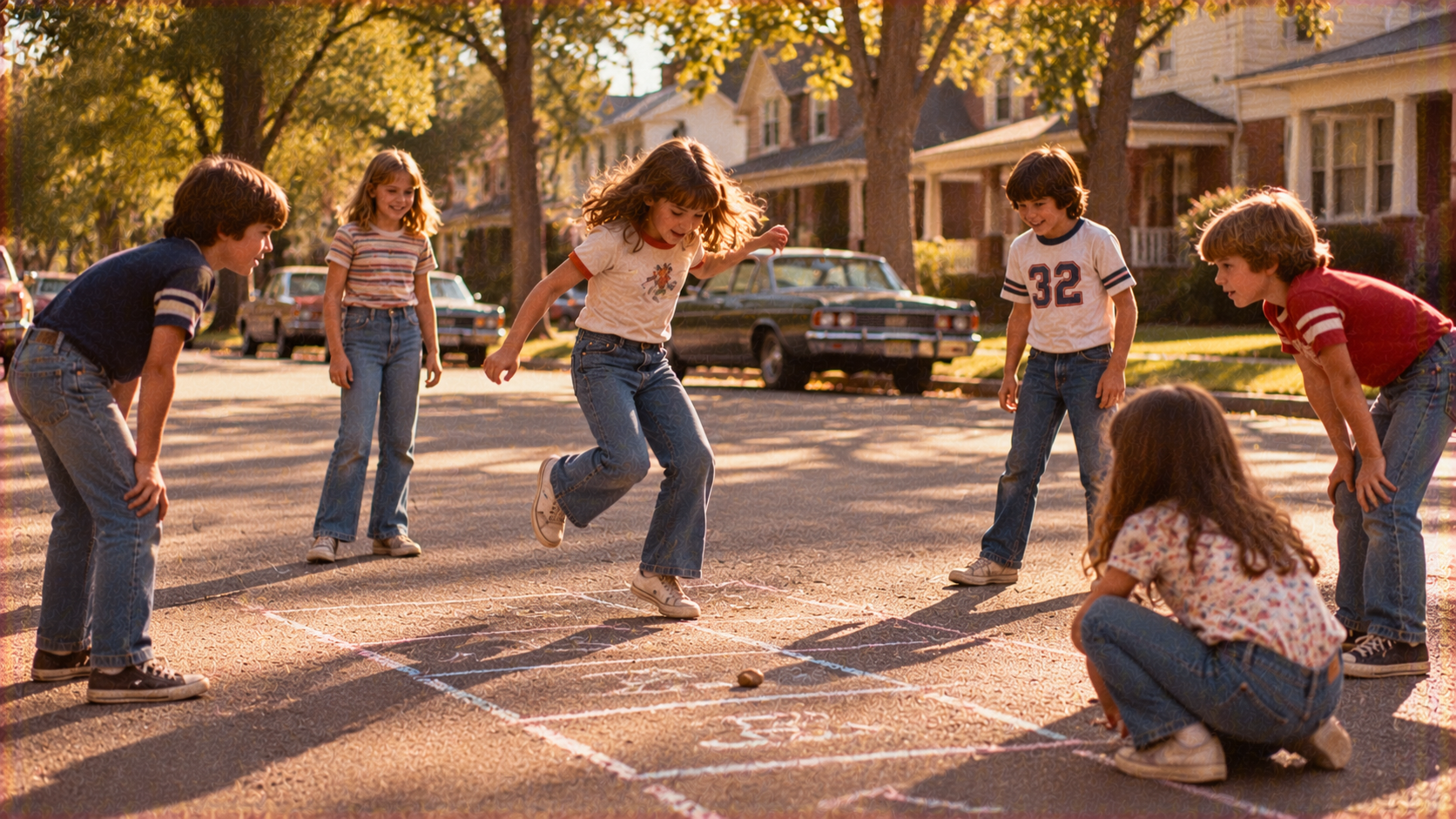
Residential streets frequently doubled as playgrounds. Kids set up baseball games, played kickball, jumped rope, or drew hopscotch squares directly on the pavement. When a car approached, someone yelled a warning, and everyone moved aside until it passed. Then the game resumed as though nothing had happened. On quieter blocks, the street belonged almost as much to the neighborhood children as it did to passing traffic.
14. Handling Small Injuries Without Running Home
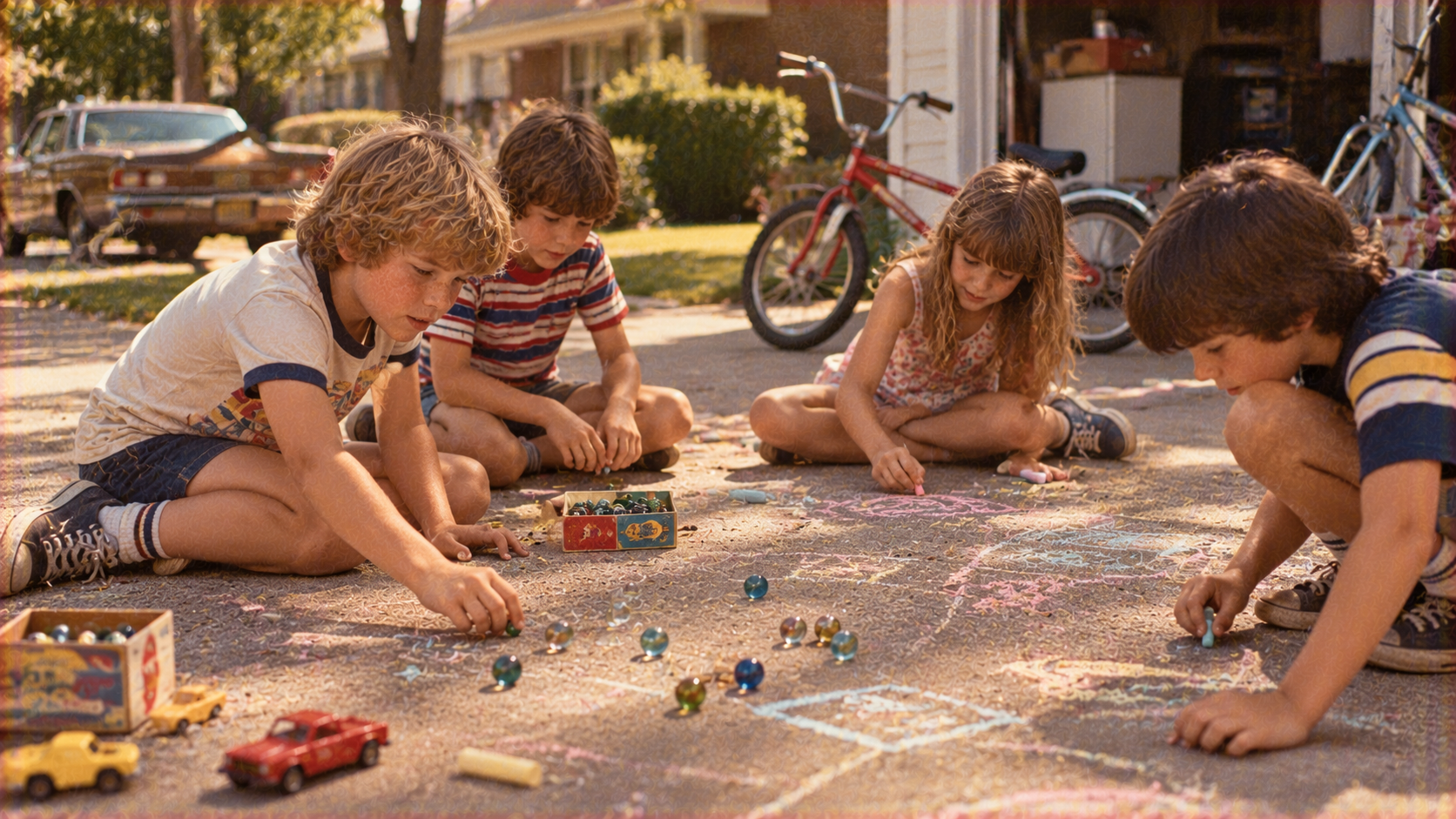
Scraped knees, bruised elbows, and splinters were familiar parts of an active childhood. A child who fell off a bicycle might rinse a cut with a garden hose, brush off the dirt, and get right back to playing. Friends sometimes offered questionable first-aid advice, usually based on something an older sibling had told them. Minor injuries rarely meant the afternoon was over, although the sting of antiseptic at home was another story.
15. Knocking on Doors to Find Someone to Play With
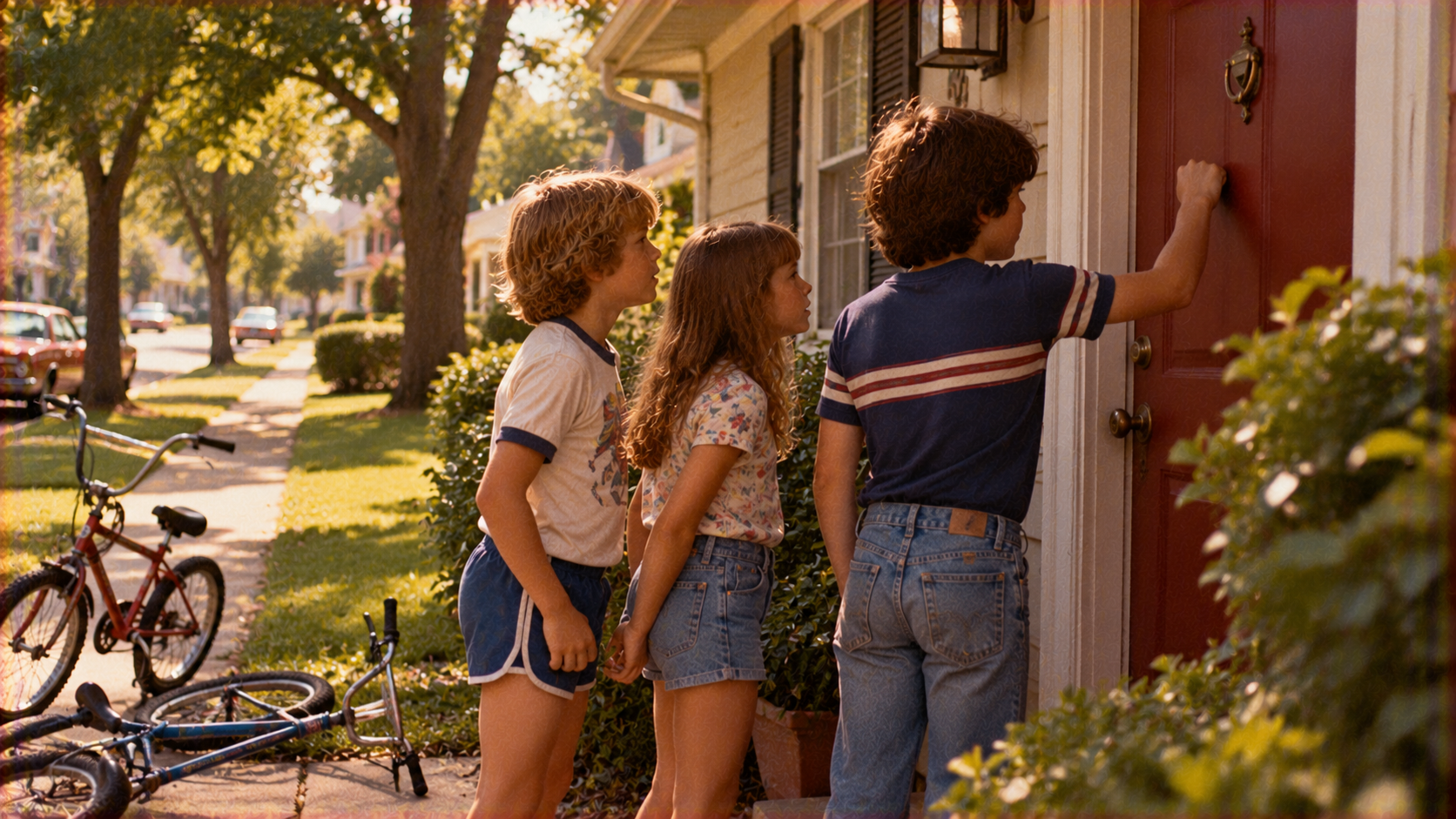
Before texting or group chats, finding your friends required a little legwork. Kids walked from house to house, knocked on doors, and asked whoever answered whether their friend could come outside. If the answer was no, they moved on to the next house. Sometimes a simple invitation turned into a gathering of half the neighborhood, with everyone joining a game that had started with just two people.
16. Camping Out in the Backyard Without Adults
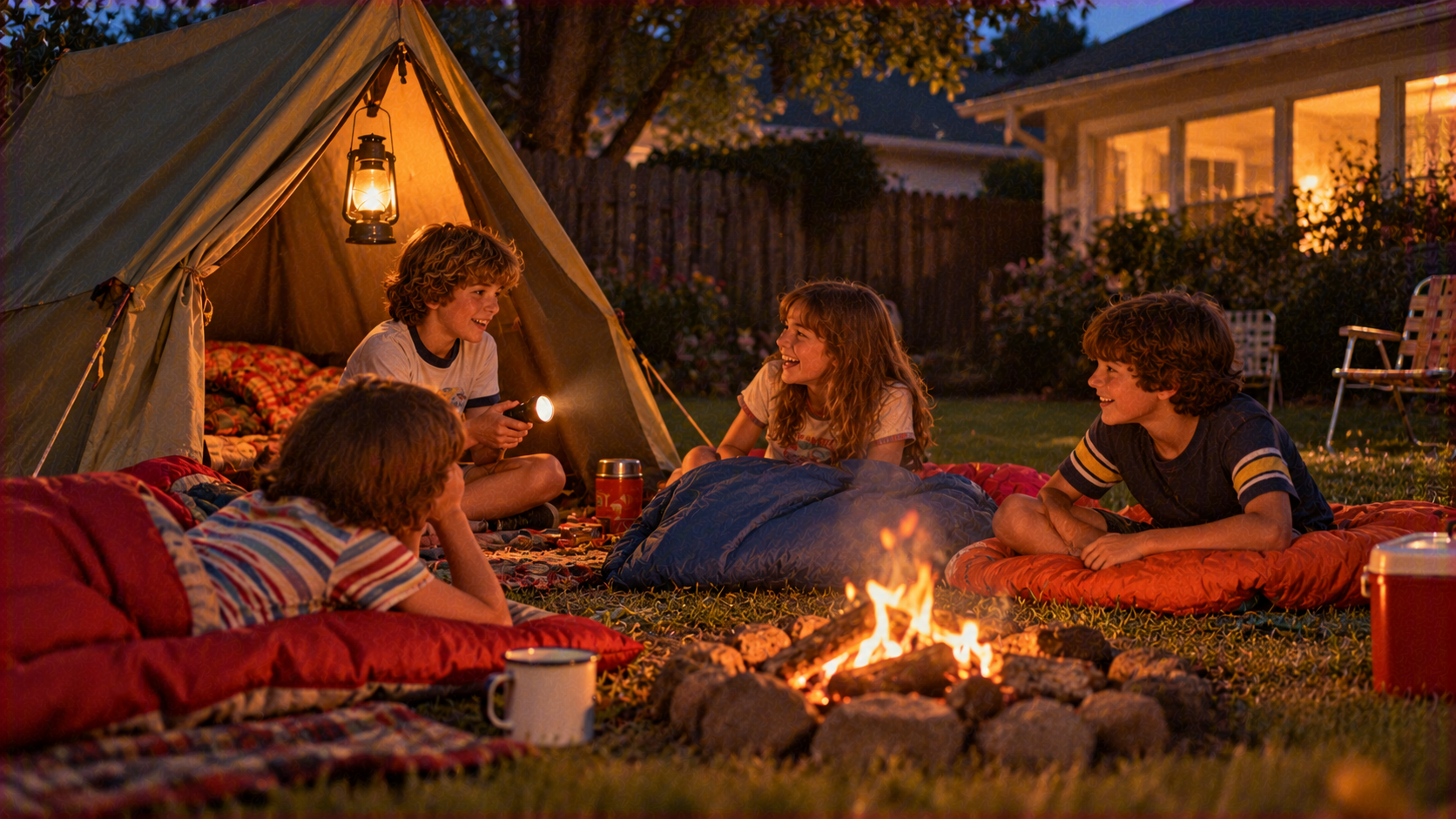
A tent pitched behind the house could feel like a wilderness expedition. Kids brought sleeping bags, flashlights, comic books, and enough snacks to last through the night. They told ghost stories, listened to unfamiliar noises, and dared each other to venture into the darkness. Even though the kitchen was only a short walk away, spending the night outdoors without parents in the tent felt like an enormous step toward independence.
17. Exploring the Neighborhood Without a Destination
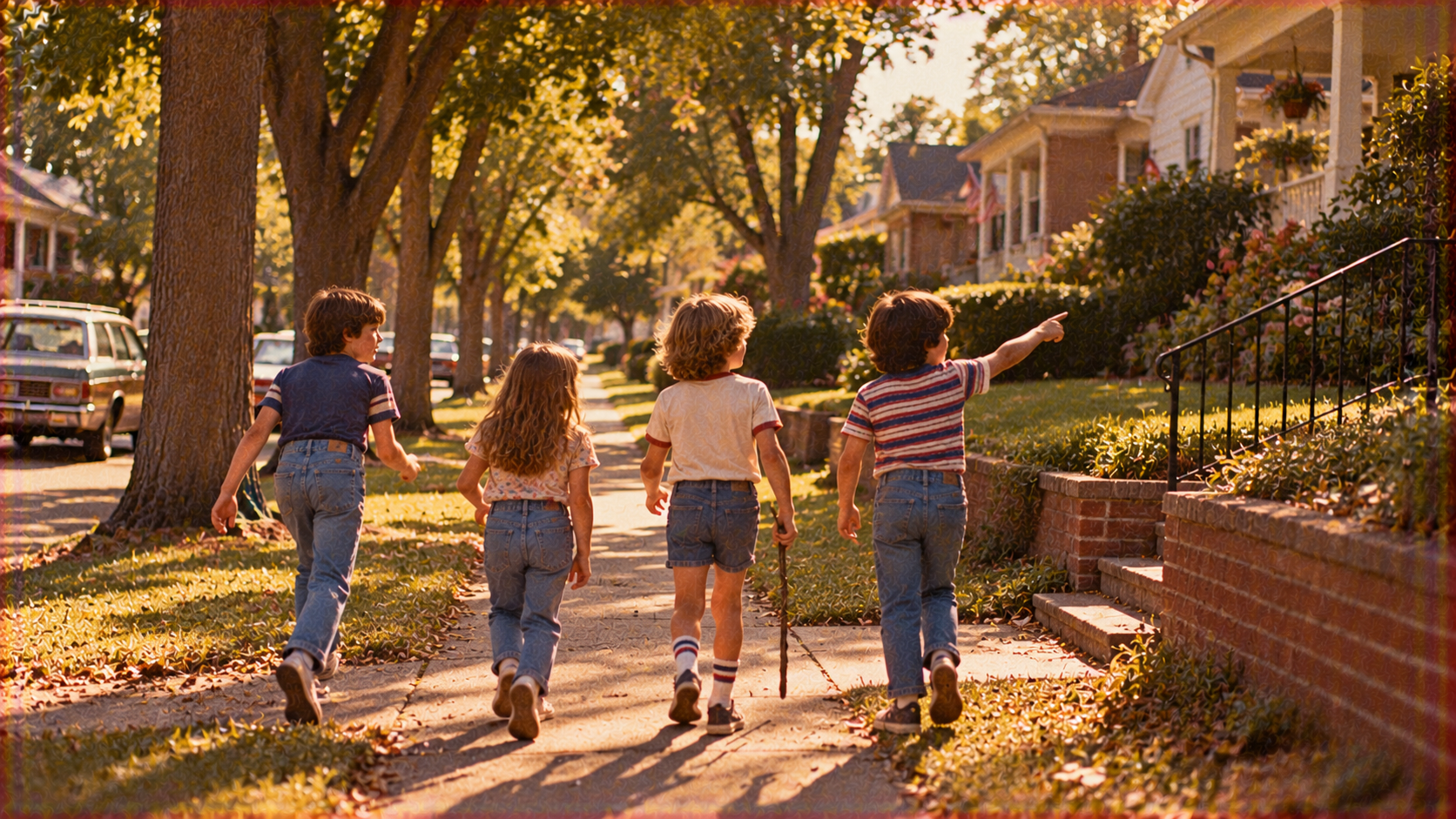
Not every childhood adventure needed a plan. Some afternoons began with a simple decision to see what was happening around the neighborhood. Kids wandered through familiar streets, discovered shortcuts between houses, watched older children play basketball, or stopped to investigate something interesting. Hours passed without anyone checking the time. The freedom to be curious, get a little lost, and discover something unexpected was often the best part.
18. Solving Arguments Without Adult Intervention
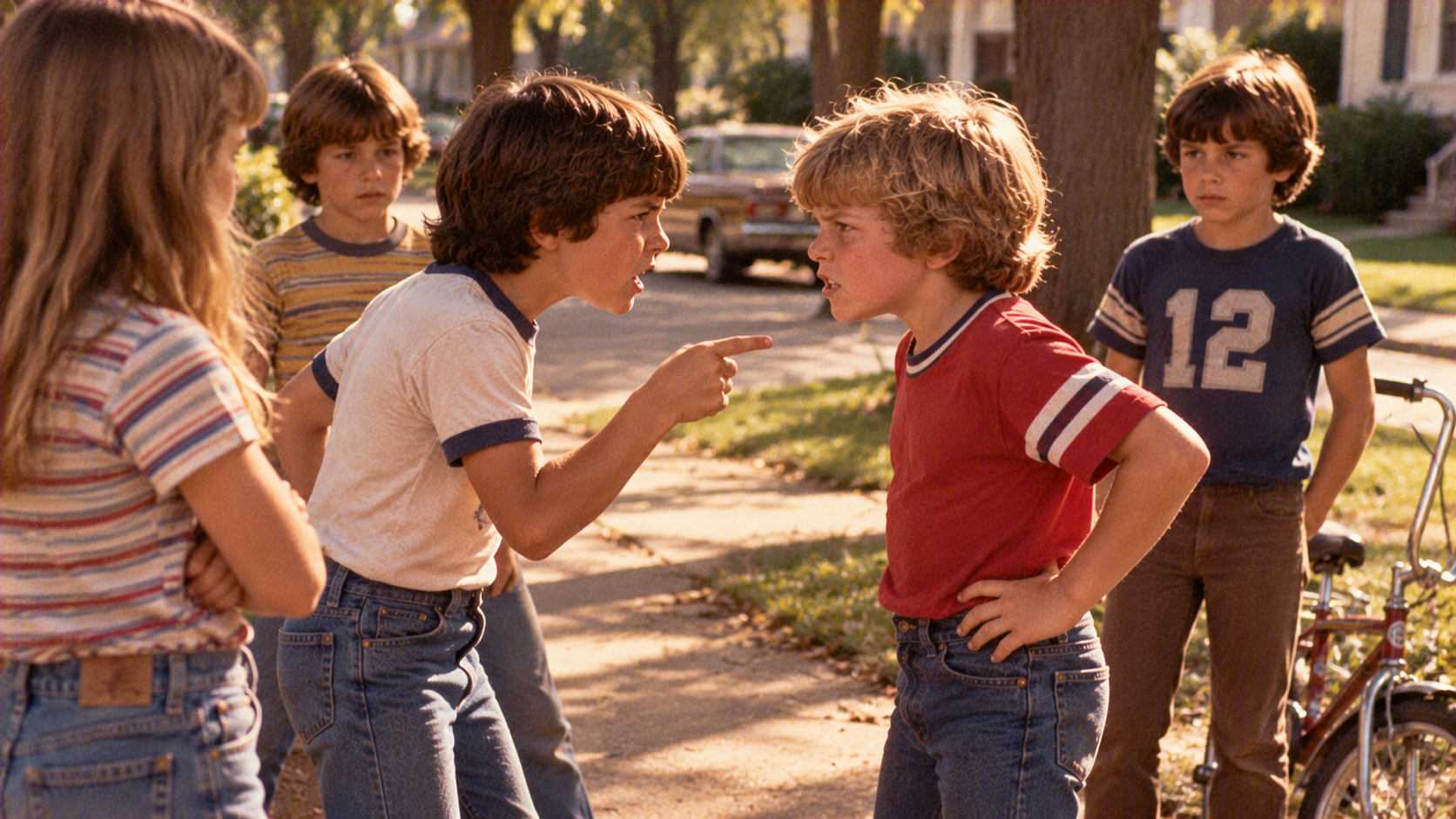
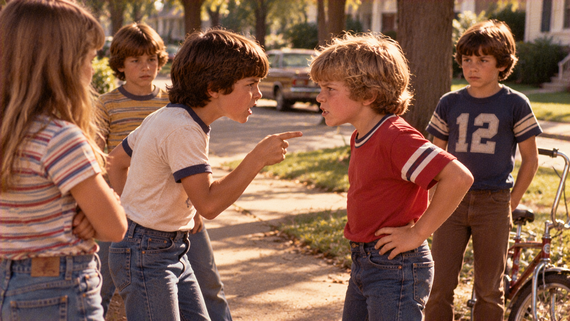
Disagreements over baseball rules, borrowed toys, or whose turn came next were usually handled by the kids themselves. There might be shouting, hurt feelings, or someone dramatically announcing they were going home. But most arguments ended with an improvised compromise or a new game starting five minutes later. Parents didn’t always step in to settle every dispute, leaving children to learn how to negotiate, apologize, and make up on their own.
More Related Notes
• 20 Photos of Kids Playing Until the Streetlights Came On
Revisit the carefree afternoons when children rode bikes, explored their neighborhoods, and invented games with friends, often staying outside until the streetlights signaled it was time to head home.
• 15 Photos of Summer Vacation in the ’70s
Travel back to the summers of the 1970s, when kids spent long days at camp, played outdoors, and enjoyed adventures with little adult supervision or structured schedules.
• 10 Ways We Used to Have Fun Before the Internet
Rediscover the simple childhood pleasures that filled afternoons before smartphones and social media, from exploring the neighborhood to playing games with friends and finding entertainment without screens.