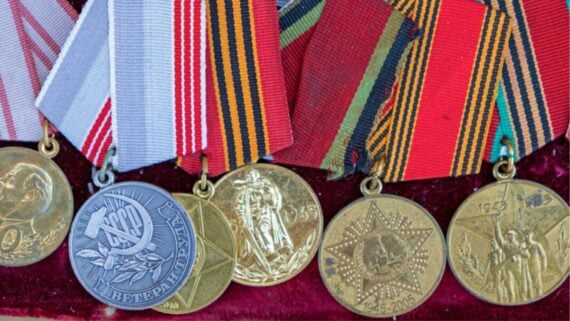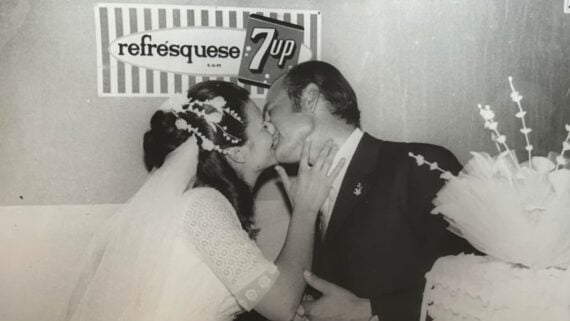
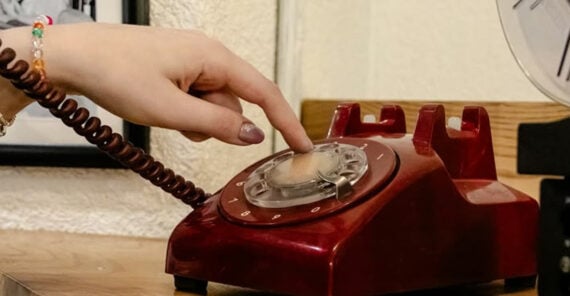
Fifty years may not seem like a long time, but everyday life has changed dramatically since the mid-1970s. Social expectations, technology, family traditions, and even simple daily routines looked very different from what most people experience today. Many customs that once seemed perfectly ordinary would now feel outdated, surprising, or even shocking.
From smoking almost everywhere to handwritten letters and strict household rules, these customs offer a fascinating glimpse into a world that functioned by a completely different set of norms. Here are 15 customs that were completely normal 50 years ago.
1. Smoking Almost Everywhere
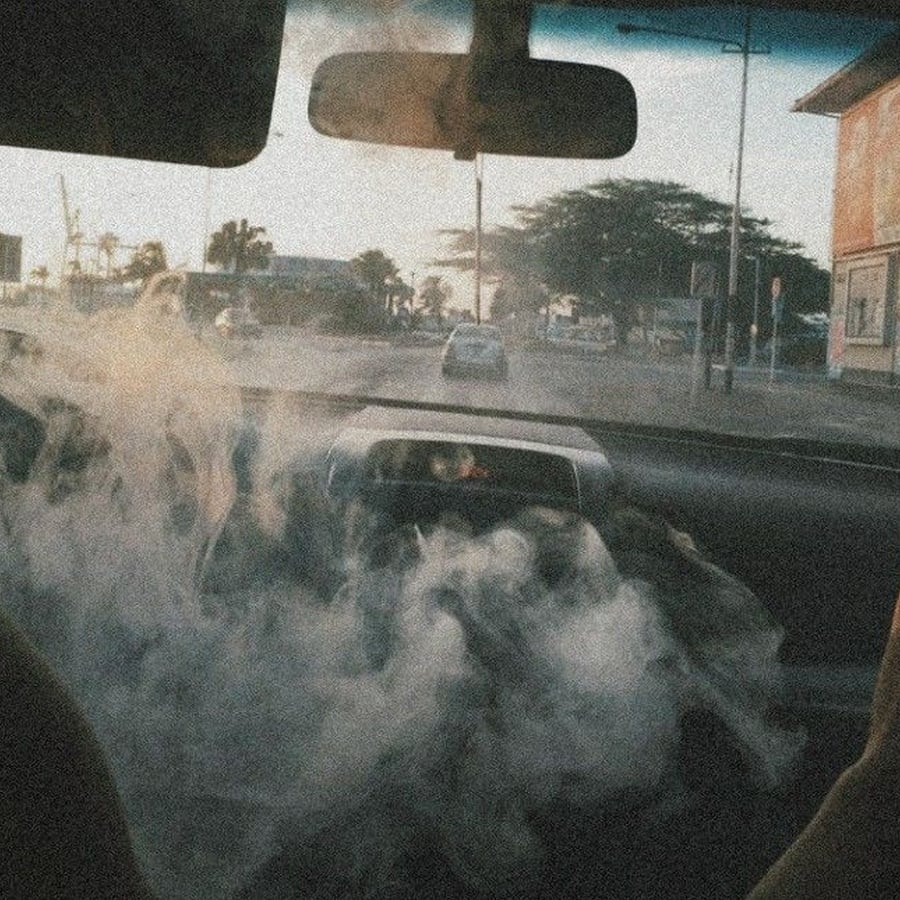
Fifty years ago, smoking was allowed in restaurants, airplanes, offices, hospitals, and even schools in some places. Ashtrays were a standard fixture nearly everywhere, and few people questioned the health risks until later public awareness campaigns changed attitudes.
2. Children Roaming the Neighborhood Alone
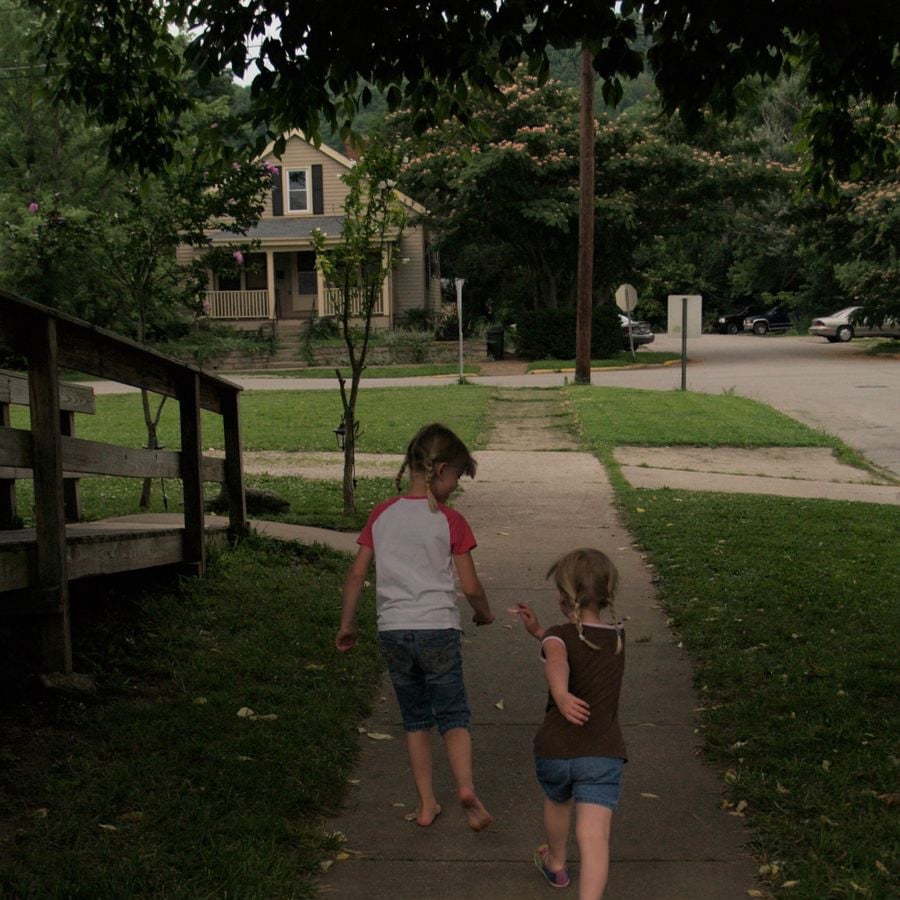
Parents commonly let their children spend entire afternoons riding bikes, playing outside, or visiting friends without constant supervision. Kids were often expected to be home by dinner, with little communication during the day.
3. Writing Letters for Everyday Communication
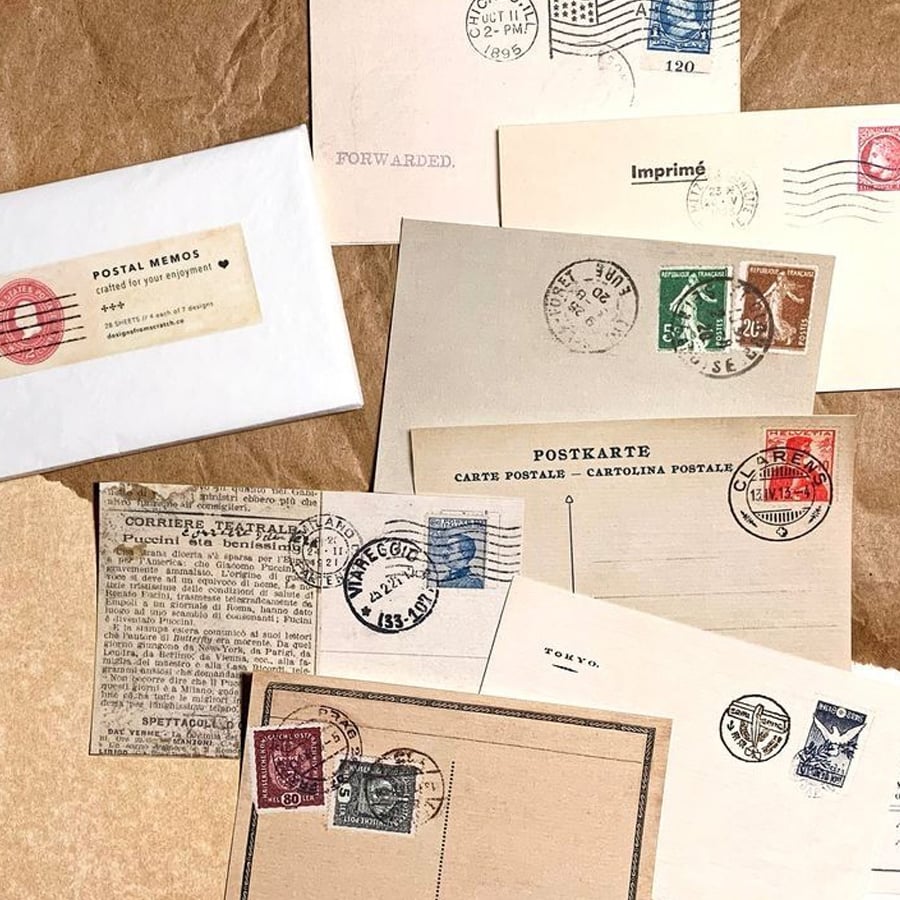
Before email and texting, handwritten letters were a regular way to stay in touch with family and friends. Waiting several days for a reply was simply part of everyday life.
4. Memorizing Phone Numbers

People often knew dozens of phone numbers by heart because there were no smartphones to store contacts. Many families even kept handwritten address books beside the telephone.
5. Watching TV on a Fixed Schedule
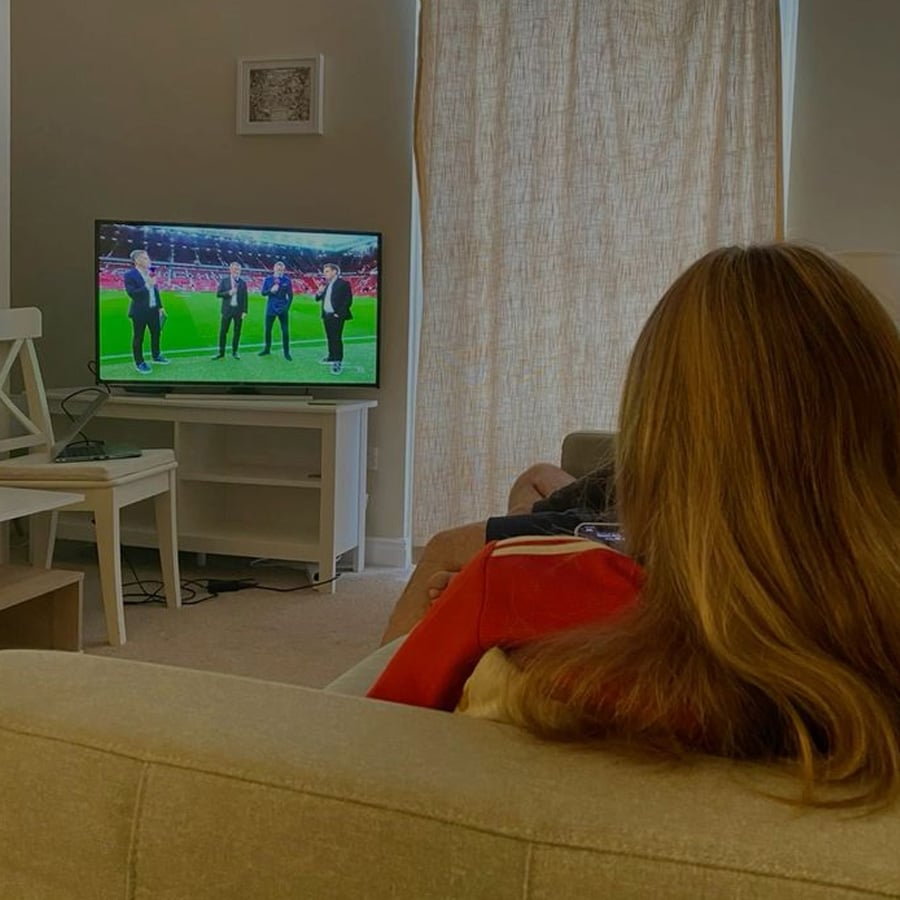
Missing a favorite television show usually meant waiting months for a rerun, if it ever aired again. Families organized their evenings around television schedules instead of streaming whenever they wanted.
Trending on Wealth Gang


6. Paying with Cash for Nearly Everything

Credit cards existed but were far less common than they are today. Most purchases, from groceries to gas, were made using cash or personal checks.
7. Calling Someone Without Asking First
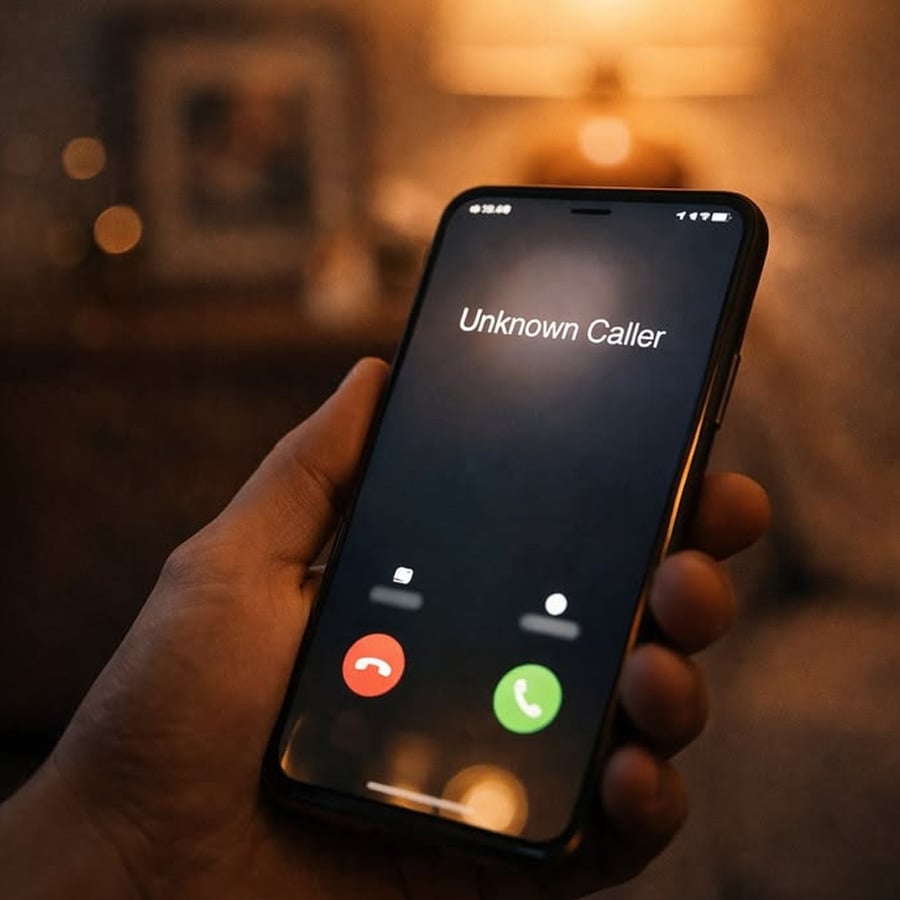
People simply picked up the phone and called without sending a message beforehand. Unexpected phone calls were considered completely normal and rarely viewed as intrusive.
8. Repairing Instead of Replacing

Household appliances, shoes, clothing, and furniture were frequently repaired rather than thrown away. Local repair shops played an important role in many communities.
Sign up for our newsletter
9. Dressing Up for Air Travel

Flying was considered a special occasion, and many passengers wore suits, dresses, or other formal clothing. Casual travel outfits were far less common than they are today.
10. Using Paper Maps for Every Trip
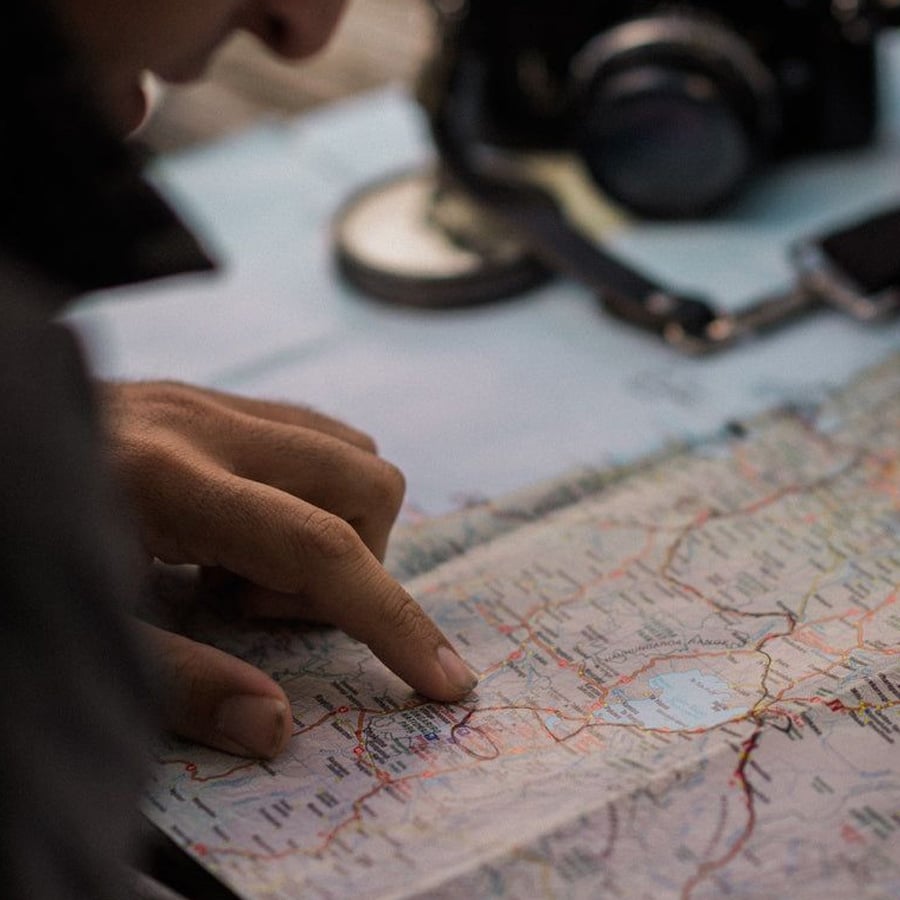
Long drives often required folding road maps or consulting printed atlases before leaving. Getting lost was much more common without GPS navigation.
11. Sharing One Family Telephone

Most households had a single landline located in a central room. Family members often took turns using it, and privacy during phone conversations was limited.
12. Shopping Only During Store Hours

Without online shopping, consumers had to visit stores during business hours. If a shop closed for the evening or on Sundays, purchases simply had to wait.
13. Developing Film Before Seeing Photos
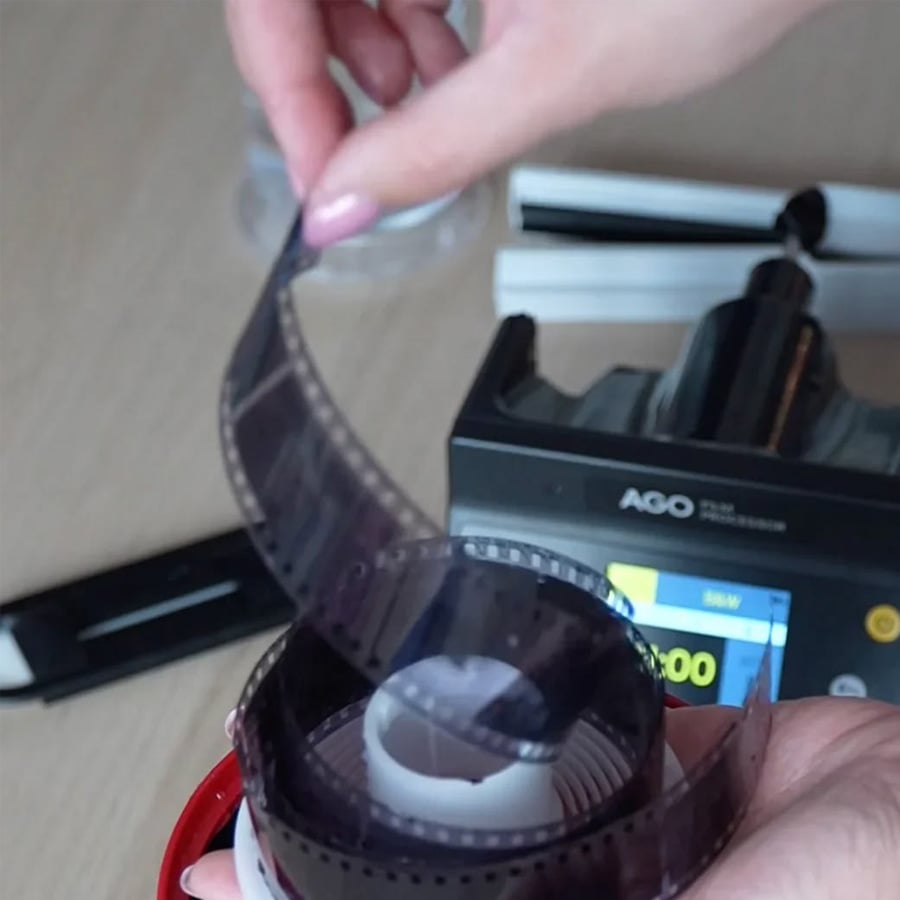
People had no idea how their pictures turned out until rolls of film were developed days or weeks later. Every photo mattered because film was limited and expensive.
14. Reading the Newspaper Every Morning
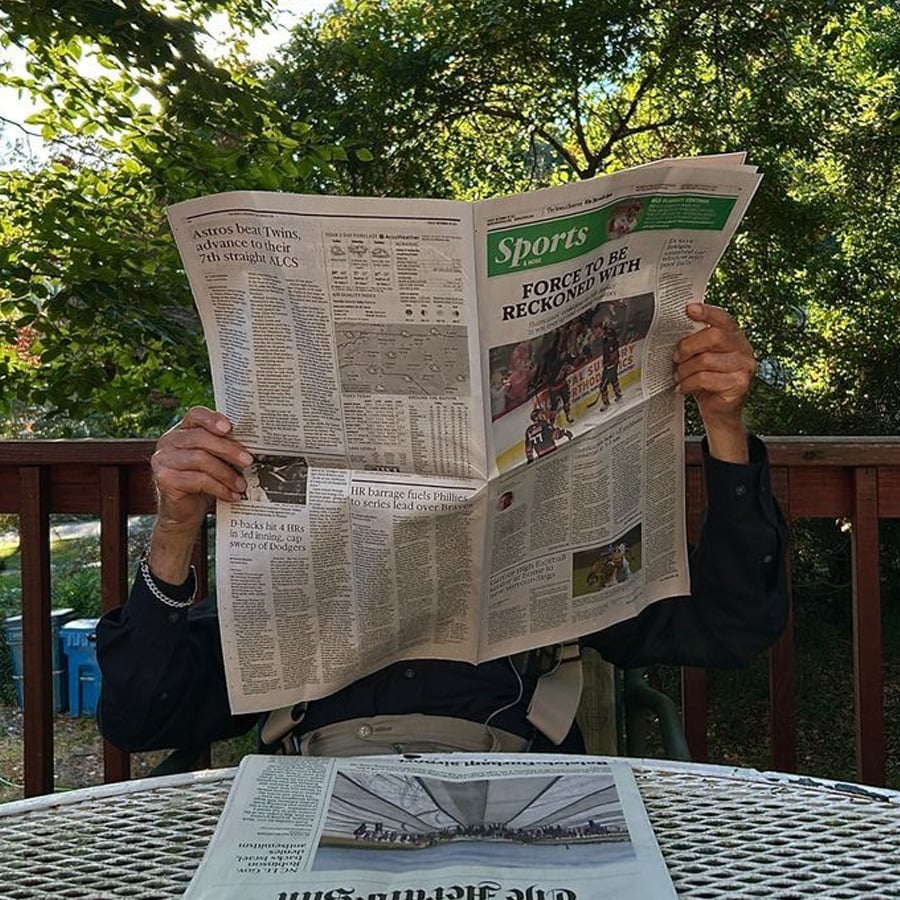
Printed newspapers were the primary source of daily news for millions of people. Reading them over breakfast was a routine that shaped how people stayed informed.
15. Neighbors Dropping By Unannounced
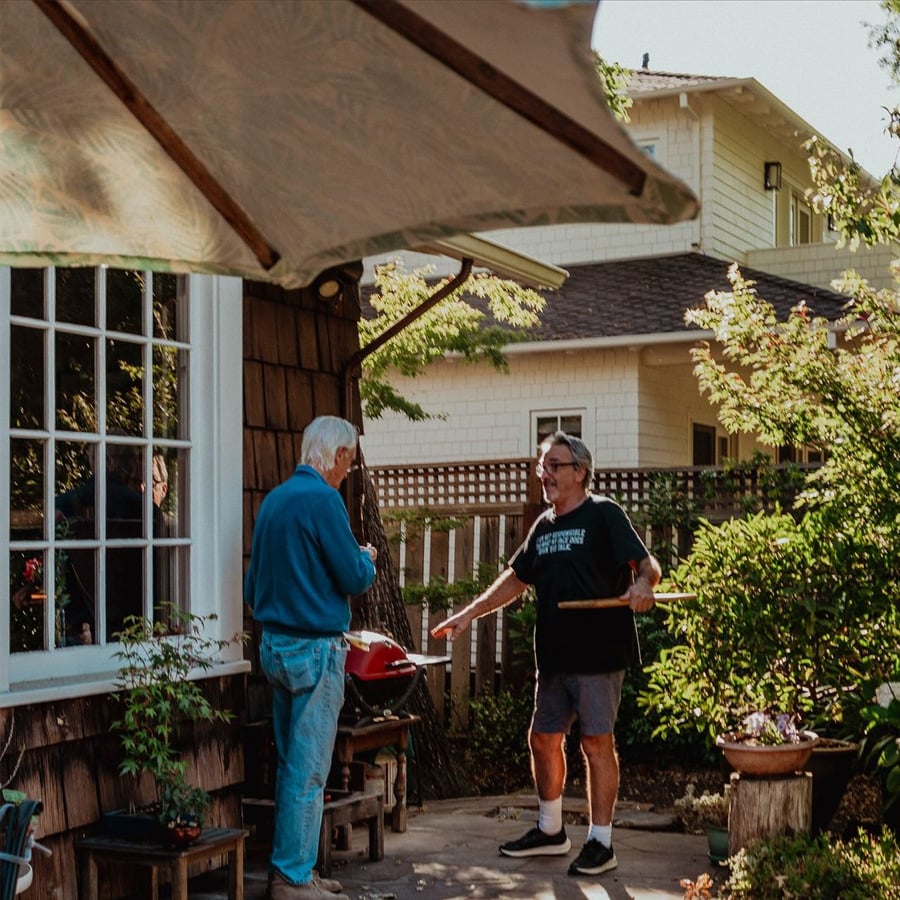
Friends and neighbors often visited without calling ahead, expecting a warm welcome and a cup of coffee. Spontaneous visits were a normal part of maintaining community relationships.
More Related Notes
• 14 Rules Every Middle-Class Household Had in the 1970s.
Take a closer look at the everyday expectations, traditions, and family values that shaped daily life during the same era.
• 15 Photos That Show What Life Was Really Like in the 1970s.
Explore nostalgic images that capture the fashion, routines, and social customs that defined everyday life half a century ago.
• 12 Everyday Objects Younger Generations Wouldn’t Know How to Use.
Discover the once-common household items that reflected the habits and traditions of earlier generations before modern technology changed daily life.