
Everyday expenses have a sneaky way of getting more expensive without anyone noticing just how much. A few extra dollars on the electric bill, another rent increase, or a slightly pricier haircut might not seem dramatic at the time. But compare today’s prices with those from 2000, and suddenly that ordinary monthly budget starts looking like an entirely different financial universe.
The biggest surprises aren’t necessarily luxury purchases or fancy vacations. They’re the bills people pay without thinking twice, from water and car repairs to dental appointments and postage stamps. Based on U.S. government price data, these 15 familiar expenses reveal how decades of increases can turn once-manageable costs into serious budget commitments.
1. Rent Has Become a Much Bigger Monthly Commitment

Remember when rent didn’t automatically swallow such a large portion of a paycheck? Since 2000, the U.S. rent price index has climbed to more than two and a half times its original level. The increases arrived gradually, one lease renewal at a time, making the cumulative jump easy to underestimate.
2. Water and Trash Bills Have Quietly Tripled
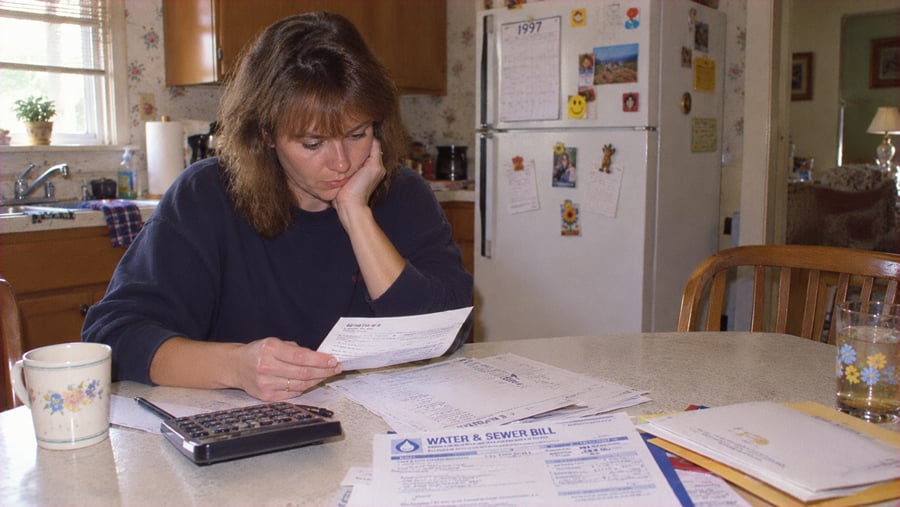
Nobody gets particularly excited about paying for sewer service or garbage collection. Unfortunately, those unglamorous necessities have become surprisingly expensive. Since January 2000, the combined price index for water, sewer, and trash services has risen by roughly 219%. That’s more than triple the original price level for services most households can’t simply cancel.
3. Keeping the Lights On Costs More Than Twice as Much
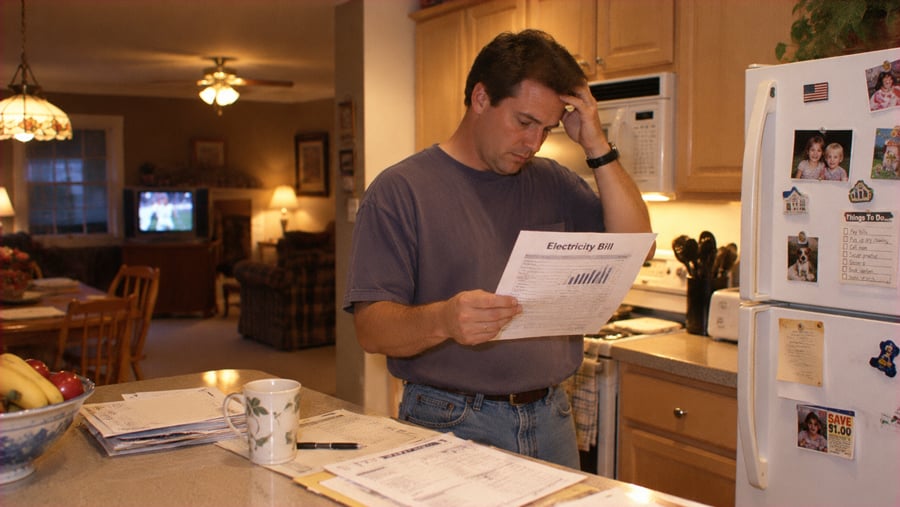
That familiar reminder to turn off the lights suddenly sounds a lot more reasonable. The U.S. electricity price index has more than doubled since 2000, despite improvements in energy-efficient appliances. Running air conditioning, charging devices, and powering everyday household essentials now comes with a much larger long-term price tag.
4. Eating Out Has Become a Much Pricier Treat
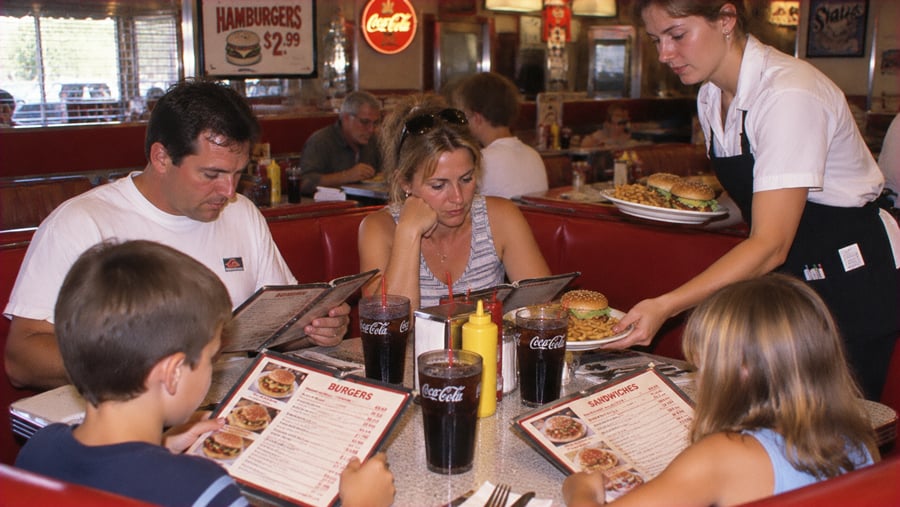
A casual restaurant meal used to feel like an affordable escape from cooking. Since 2000, prices for food away from home have increased by roughly 139%. That means the familiar combination of burgers, fries, and drinks can cost well over twice what it once did, even before adding a tip.
5. A Simple Car Repair Can Feel Like a Financial Emergency
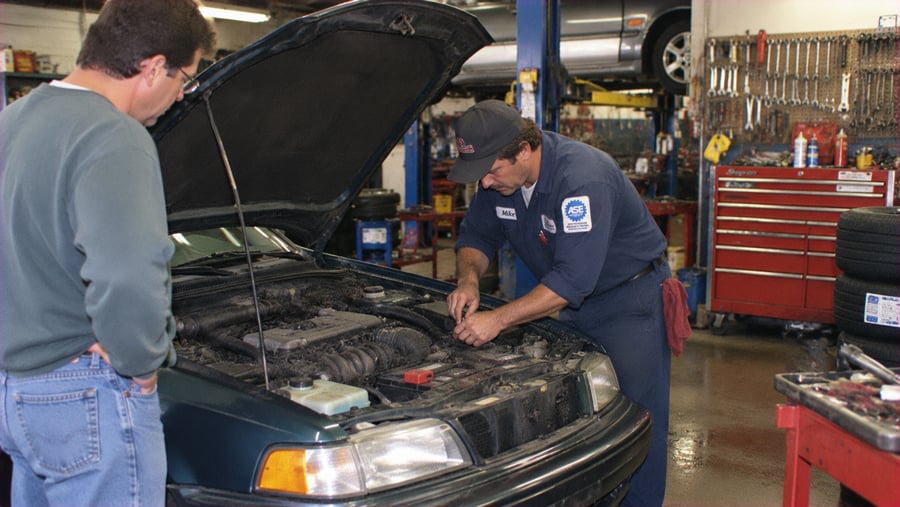
Keeping an older car running was never free, but the price of repairs has taken a serious detour. Since January 2000, the vehicle maintenance and repair index has climbed approximately 168%. Even routine visits to the mechanic can now deliver the kind of bill that makes drivers reconsider every strange engine noise.
Trending on Wealth Gang


6. Hospital Services Have Nearly Quadrupled in Price
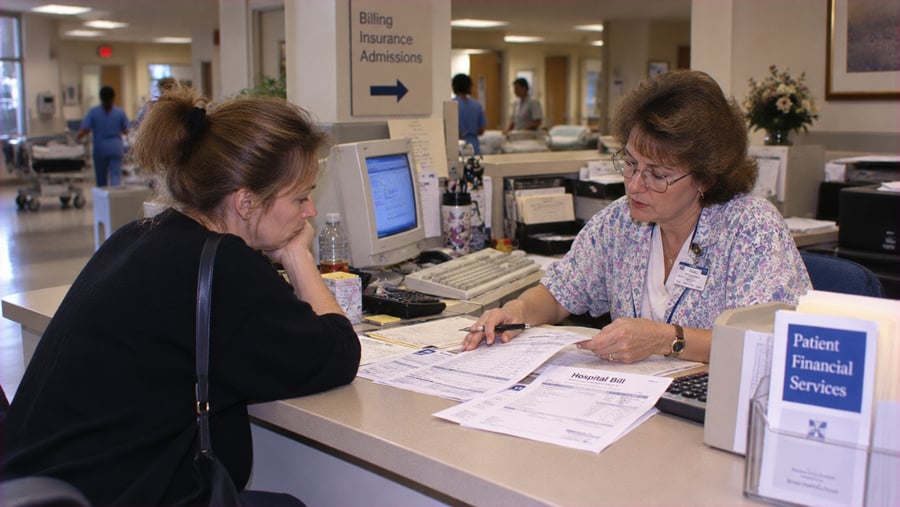
Of all the bills nobody wants to receive, hospital charges might be the most intimidating. Since 2000, the hospital services price index has risen by approximately 295%, nearly quadrupling. Insurance can change what an individual patient pays, but the underlying price growth is enough to make anyone appreciate a healthy year.
7. Regular Medical Appointments Aren’t Exactly Cheap Anymore

Hospital stays aren’t the only medical expenses climbing. The broader price index for medical care services has increased by roughly 152% since 2000. Doctor visits and other professional services have become considerably more expensive, turning ordinary healthcare into a growing financial concern even outside major emergencies.
8. Dental Visits Have Become a Lot More Painful for Wallets
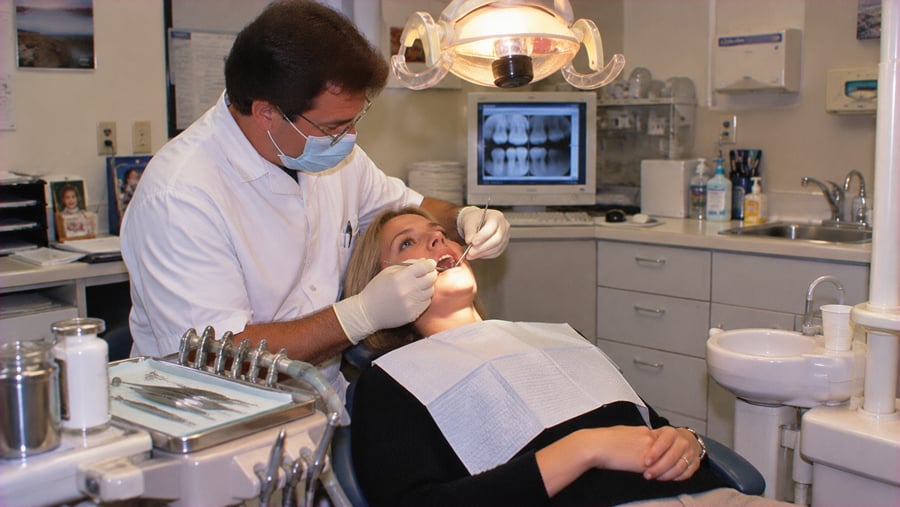
The dentist’s chair was never anyone’s favorite destination, and the bill hasn’t made it more appealing. Between 2000 and 2025, the dental services price index increased approximately 138%. Even routine cleanings and other dental appointments now belong to a category whose prices have more than doubled.
Sign up for our newsletter
9. Education and Child Care Have Nearly Tripled
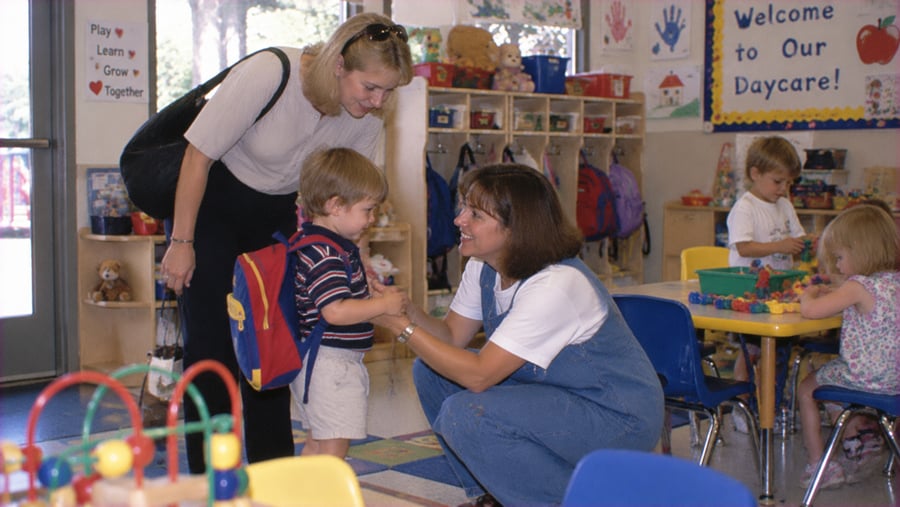
For families juggling school expenses and child care, the numbers tell a difficult story. The combined price index for tuition, school fees, and child care has risen approximately 193% since 2000. That’s nearly triple, turning expenses that once seemed manageable into major financial decisions for parents.
10. Cable Television Became an Expensive Habit
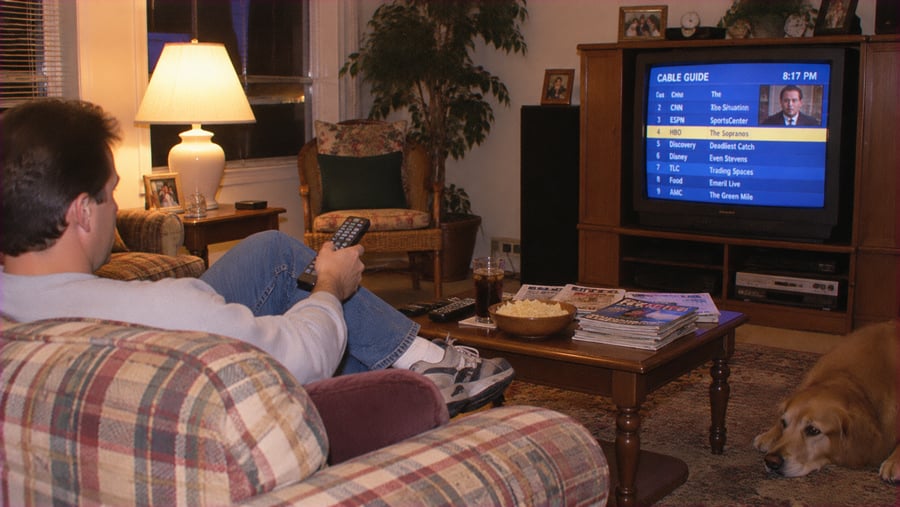
Remember when paying for cable meant getting a bunch of extra channels and feeling incredibly sophisticated? The price index for cable, satellite, and live television services has climbed roughly 136% since 2000. The technology changed dramatically, but the monthly bill certainly didn’t become a nostalgic bargain.
11. Haircuts Have Become a Surprisingly Expensive Routine
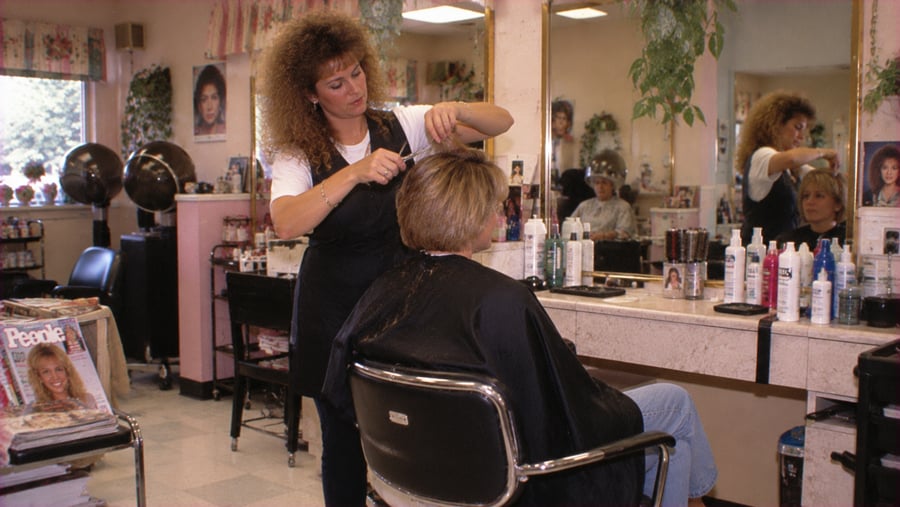
A quick haircut once felt like a minor expense squeezed between errands. Today, personal-care services cost considerably more, with their price index rising approximately 115% since 2000. The scissors haven’t changed much, but the amount people hand over at the counter certainly has.
12. Dry Cleaning Costs More Than Double What It Once Did
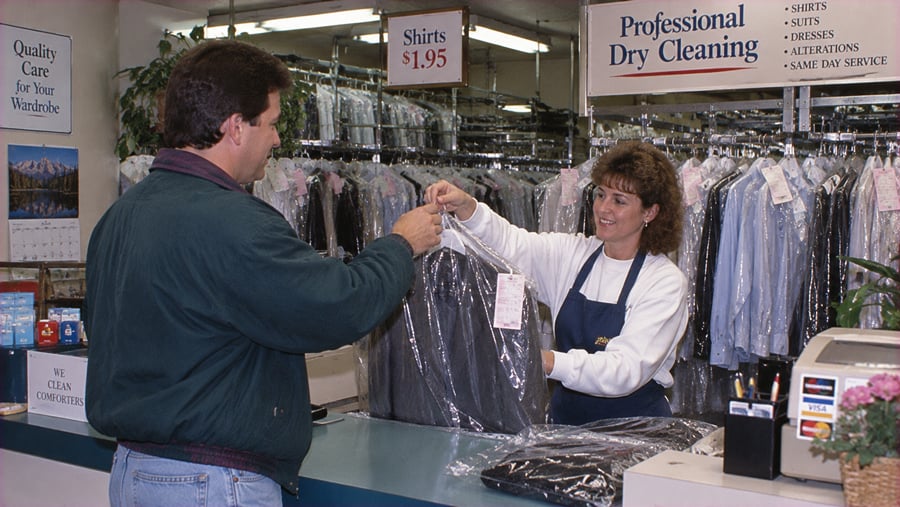
Taking a jacket or dress to the dry cleaner used to be a fairly forgettable errand. Since 2000, laundry and dry-cleaning service prices have climbed approximately 143%. The familiar plastic garment bags still look the same, but the receipt tucked around the hanger tells a very different story.
13. Mailing a Letter Costs About Two and a Half Times More
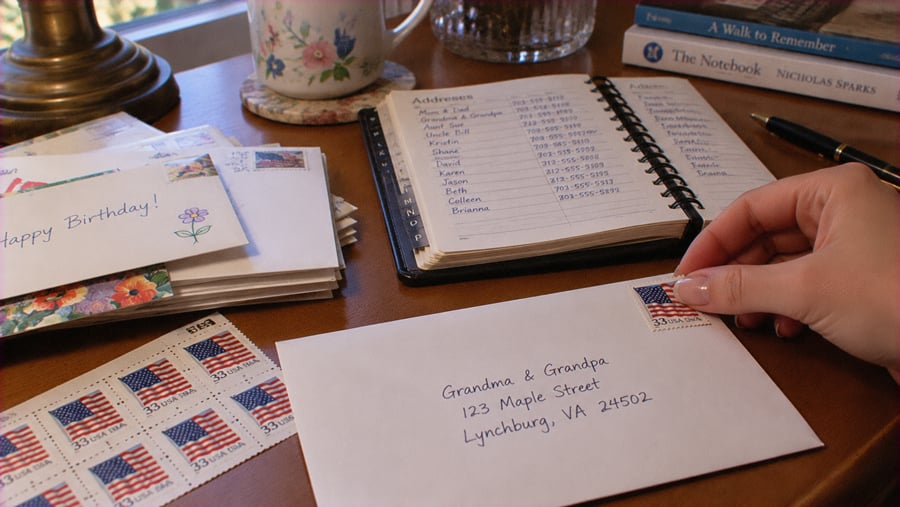
There was a time when sending a birthday card cost just 33 cents in postage. That was the price of a basic First-Class letter in 1999. By July 2026, a Forever stamp cost 82 cents, an increase of roughly 148%. Even old-fashioned correspondence has become a more expensive tradition.
14. Home Repairs Got Much More Expensive in Just One Decade

That little home improvement project can turn into a major budget decision faster than expected. Between 2015 and late 2024, the U.S. price index for dwelling maintenance and repairs increased more than 50%. Labor, materials, and supply disruptions all helped make fixing the house a much pricier undertaking.
15. Delivery Fees Are Rising Faster Than Overall Inflation
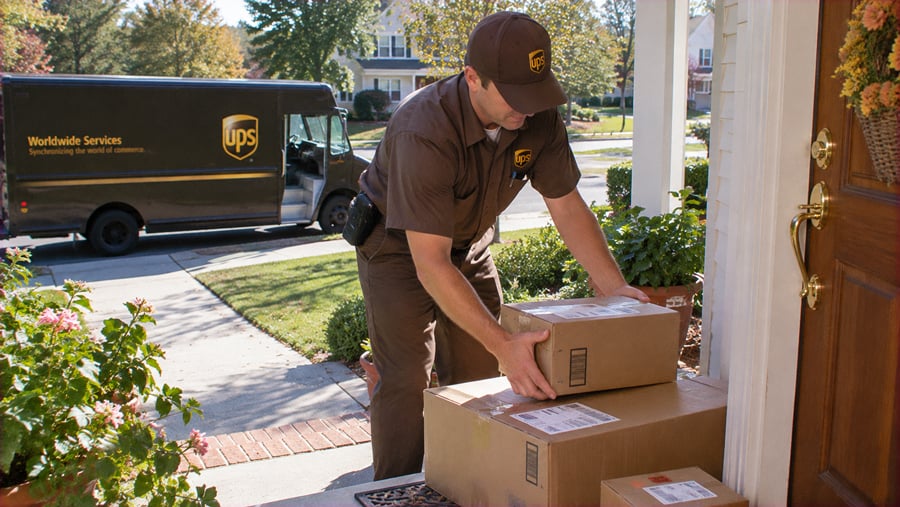
Ordering something online can feel effortless until the shipping charge appears. Over the year ending in September 2026, postage and delivery service prices rose 13%, compared with 3.7% for overall consumer prices. It’s a reminder that even when inflation slows, individual expenses can still race ahead.
More Related Notes
16 Everyday Expenses That Didn’t Exist in the 1980s
From digital subscriptions to modern convenience fees, these everyday costs reveal how much the average household budget has changed since the 1980s.
16 Everyday Expenses That Have Outpaced Wage Growth
Some familiar bills have grown much faster than paychecks. These expenses help explain why earning more doesn’t always mean having more money left over.
Monthly Expenses That Barely Existed
Modern households pay for plenty of things previous generations rarely considered. Here’s how once-unfamiliar monthly charges became regular parts of everyday life.