Some of the world’s most familiar foods have surprisingly complicated histories. That can of Spam in the pantry, the instant noodles in a college dorm, and even a bag of Cheetos all have connections to wars, food shortages, or military research. What started as a practical solution to feeding soldiers or stretching limited ingredients sometimes became something people genuinely loved eating.
Not every food on this list was invented during a war. Some already existed but found their moment when families needed cheaper meals, governments restricted ingredients, or scientists figured out how to make food last longer. These 16 examples show how some of today’s favorite foods became popular under circumstances that were anything but ordinary.
1. Spam Became a Favorite Thousands of Miles From Home
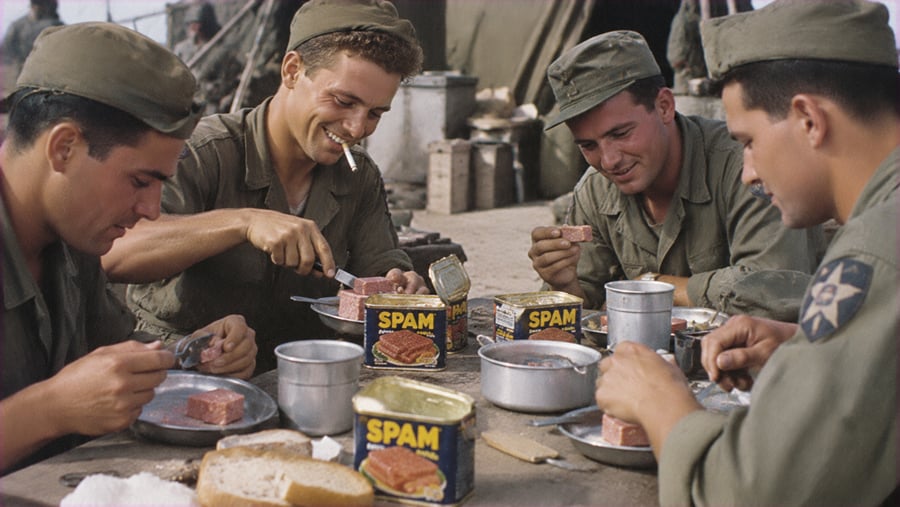
Spam was already on grocery shelves in 1937, but World War II gave the canned meat an entirely different future. American troops needed protein that could survive long journeys without refrigeration, and more than 100 million pounds reportedly went overseas. Military distribution helped introduce Spam to places where it eventually became a beloved ingredient, including Hawaii and the Philippines.
2. Instant Coffee Found Its Audience in Military Rations
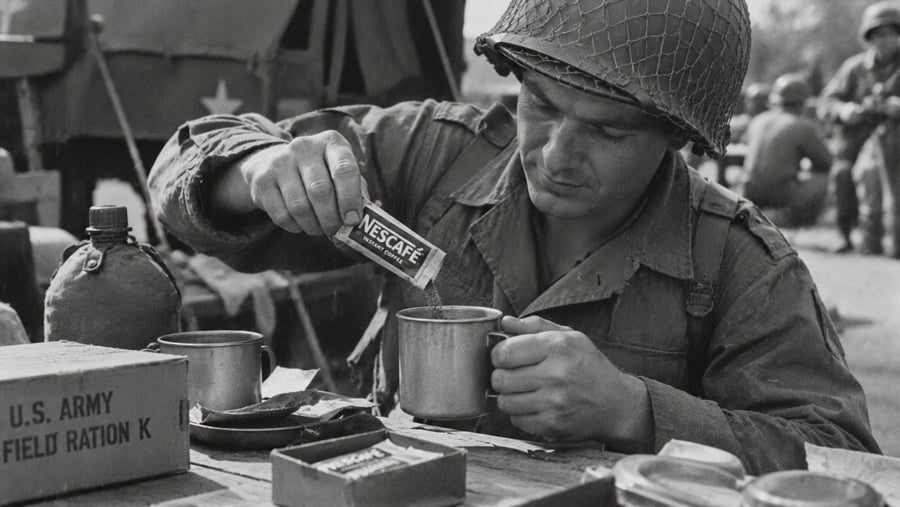
Long before instant coffee became an office kitchen essential, it was helping soldiers get their caffeine fix. Nescafé began supplying American military rations in 1941, giving troops a way to make coffee with little more than hot water. After the war, returning service members already knew the product, helping turn a military convenience into an everyday household habit.
3. Boxed Mac and Cheese Became a Wartime Dinner Hero
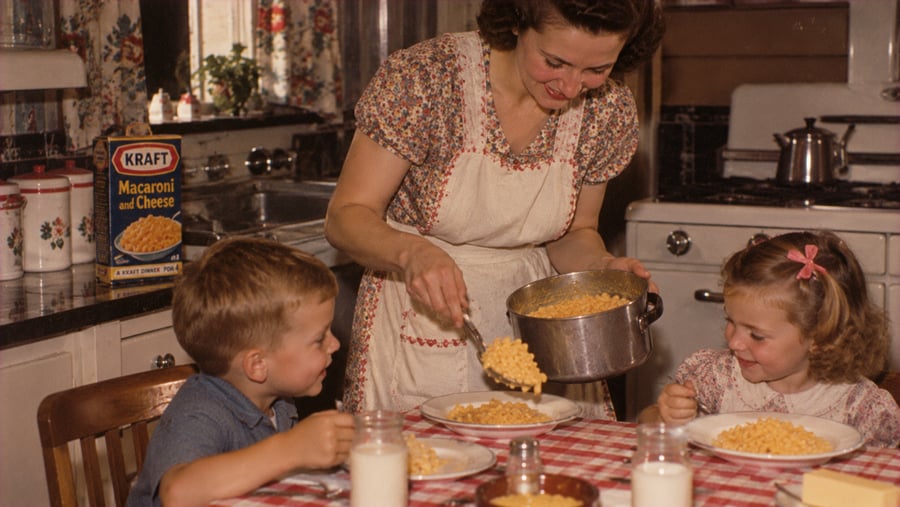
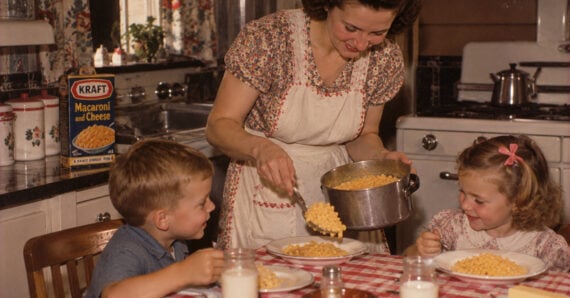
Kraft introduced its boxed macaroni and cheese during the Great Depression, when inexpensive meals were especially appealing. World War II made it even more useful. Families could purchase two boxes for a single ration point, and the combination of affordability, convenience, and a filling dinner helped Kraft sell approximately 50 million boxes during the war.
4. M&M’s Were Perfect for Soldiers Who Needed Chocolate
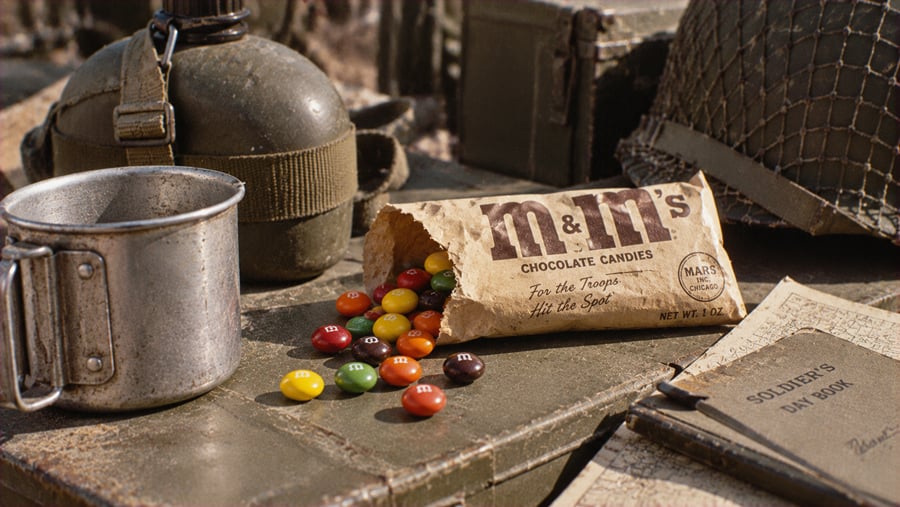
Chocolate and hot weather aren’t exactly a winning combination. M&M’s offered a clever solution when they arrived in 1941: a candy shell that helped protect the chocolate inside. The candies were supplied to American soldiers during World War II, giving them an early audience before they became widely available to civilian shoppers.
5. Cheetos Owe Something to Wartime Cheese Research
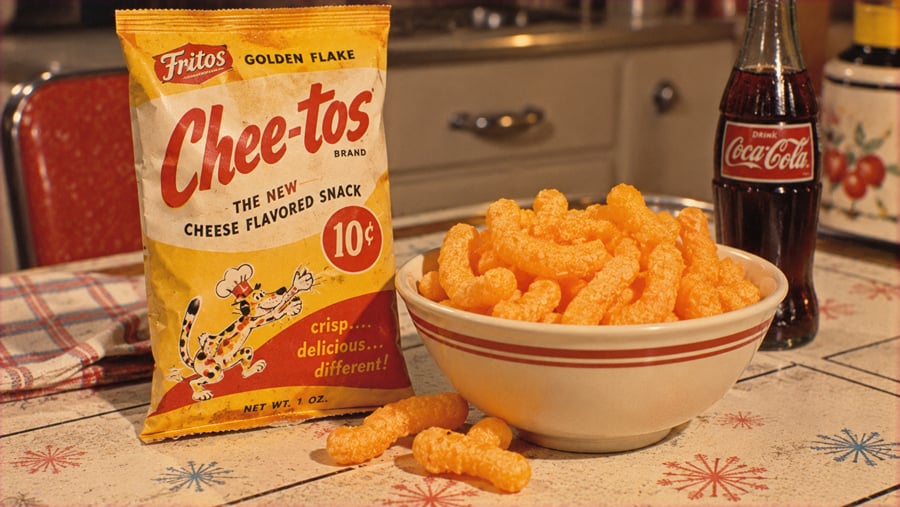
Those bright orange cheese snacks have an unexpected connection to World War II food science. Military researchers worked on ways to preserve cheese without refrigeration, helping advance dehydrated cheese powder. After the war, food manufacturers found new uses for the technology. In 1948, the Frito Company introduced Chee-tos, turning preserved cheese into a crunchy snack sensation.
Trending on Wealth Gang


6. Frozen Orange Juice Started With a Military Problem
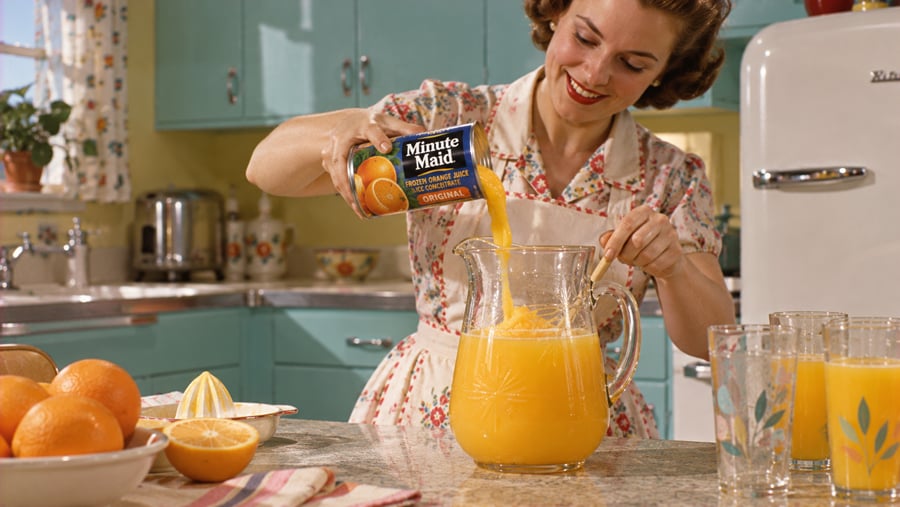
The U.S. Army wanted a practical way to provide soldiers with orange juice and vitamin C without transporting enormous amounts of liquid. Researchers developed a successful frozen concentrate process in 1945, but the war ended before it could be widely distributed to troops. The technology instead found a civilian audience, eventually making frozen orange juice concentrate a familiar freezer staple.
7. Instant Ramen Was Born From Japan’s Postwar Food Crisis
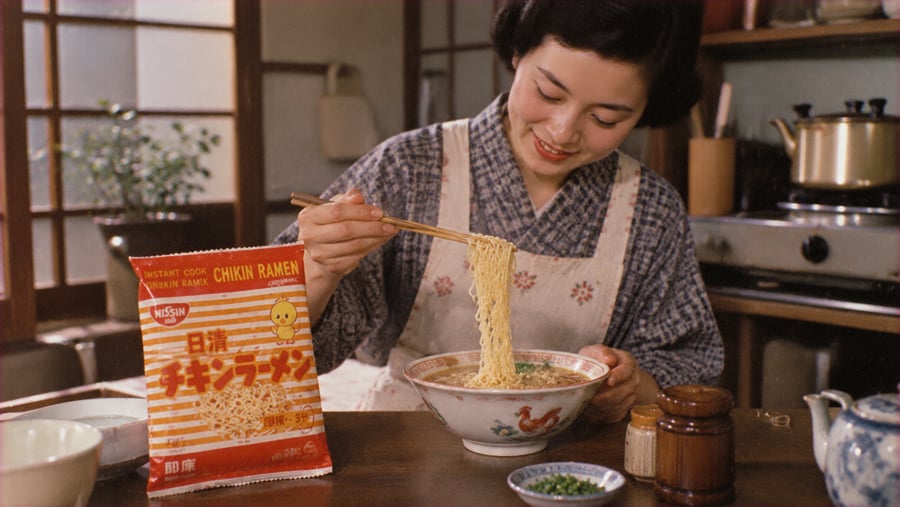
After World War II, Japan faced severe food shortages, and affordable meals were desperately needed. Momofuku Ando eventually developed a way to preserve noodles that could be prepared quickly with hot water, introducing Chicken Ramen in 1958. Although the product initially cost more than fresh noodles, its convenience and long shelf life helped it become a global phenomenon.
8. Margarine Became More Appealing When Butter Was Rationed
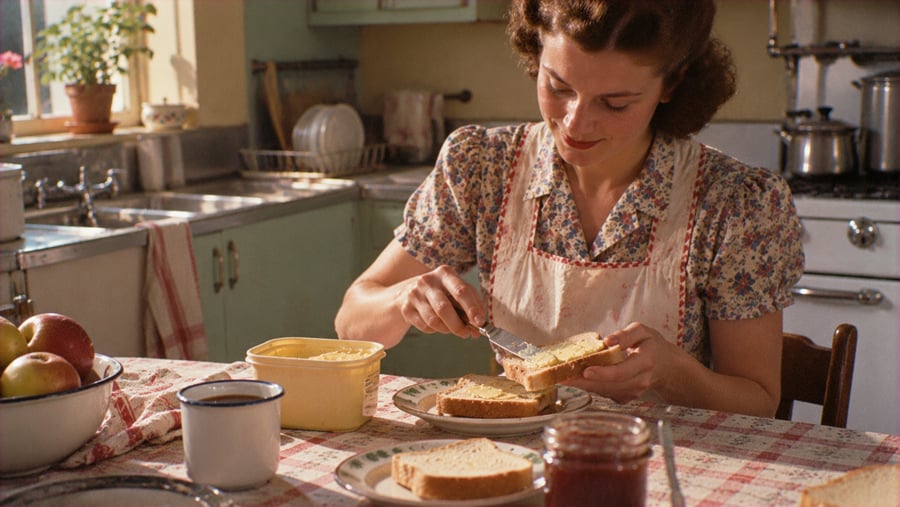
Margarine had existed for decades before World War II, but wartime rationing made it a particularly useful substitute. Both butter and margarine were rationed in the United States, although butter generally required more ration points. Families trying to stretch their allowances increasingly relied on margarine for spreading, cooking, and baking.
Sign up for our newsletter
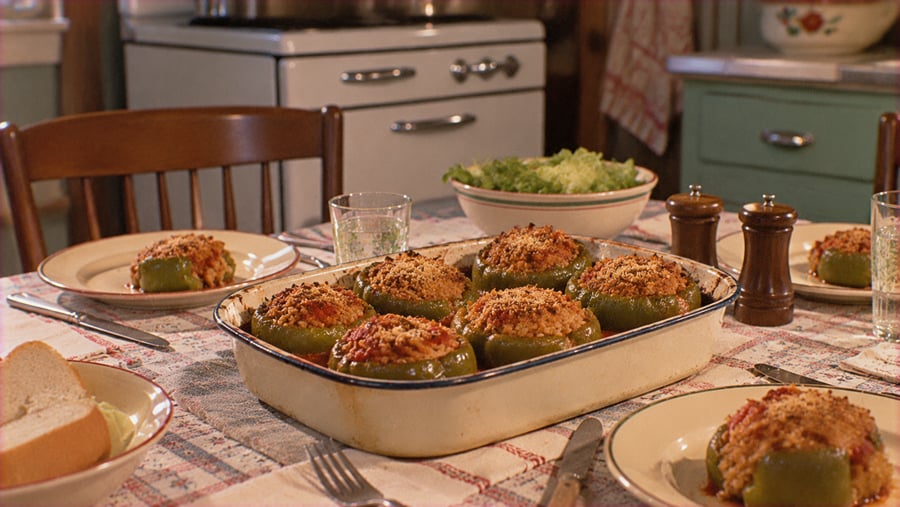
9. Stuffed Peppers Made a Little Meat Go a Long Way
A traditional pie could use precious butter, shortening, and sugar that wartime families couldn’t easily spare. Fruit cobblers offered a simpler option, using seasonal fruit beneath a biscuit or crumb topping instead of two pastry crusts. The desserts remained popular long after rationing ended, proving that a practical substitution could become a favorite.
10. Fruit Cobblers Became a Smart Alternative to Pie
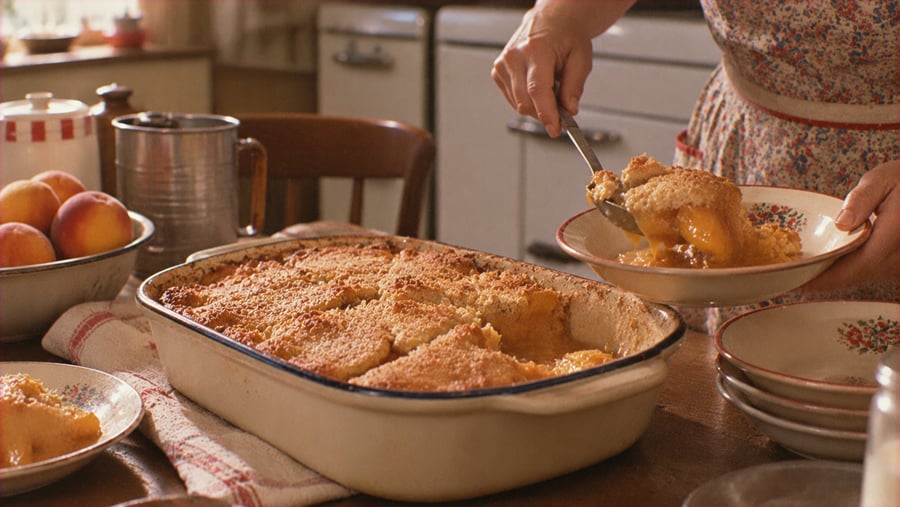
A traditional pie could use precious butter, shortening, and sugar that wartime families couldn’t easily spare. Fruit cobblers offered a simpler option, using seasonal fruit beneath a biscuit or crumb topping instead of two pastry crusts. The desserts remained popular long after rationing ended, proving that a practical substitution could become a favorite.
11. Carrot Cake Helped British Bakers Save Sugar
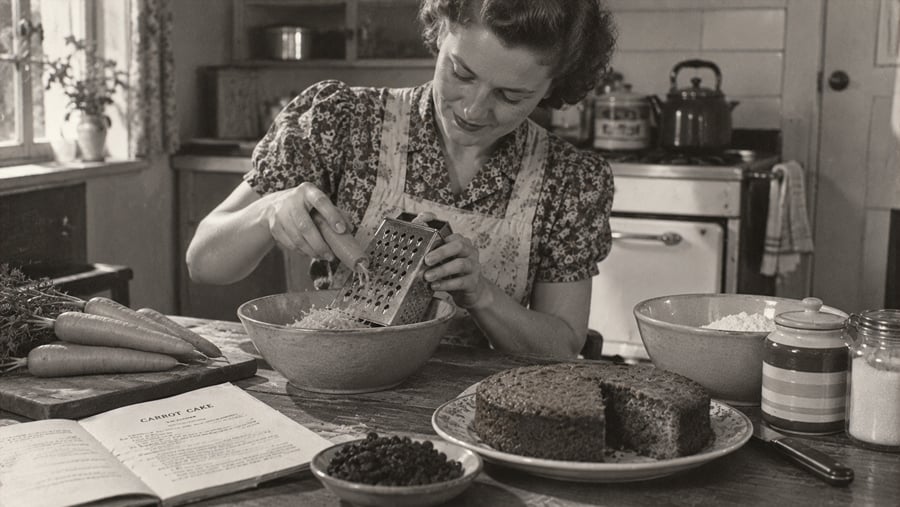
Carrots became surprisingly useful in British wartime kitchens, especially when sugar was scarce. A 1943 Ministry of Food recipe for carrot cake included grated carrots, dried fruit, syrup, and only one and a half tablespoons of sugar. The dessert already existed, but rationing gave resourceful bakers another reason to embrace it.
12. Korean Army Stew Turned Military Leftovers Into Comfort Food
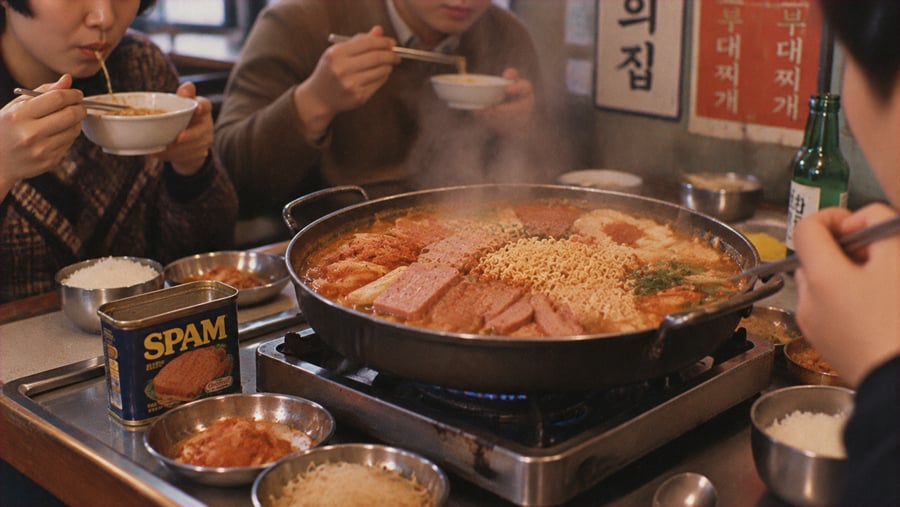
Budae-jjigae, or Korean army stew, emerged from the food shortages that followed the Korean War. Cooks combined ingredients associated with American military bases, including canned meat, sausages, and beans, with kimchi and Korean seasonings. What began as an inventive response to difficult circumstances became a beloved dish, especially around Uijeongbu.
13. Japanese Curry Rice Became a Naval Favorite
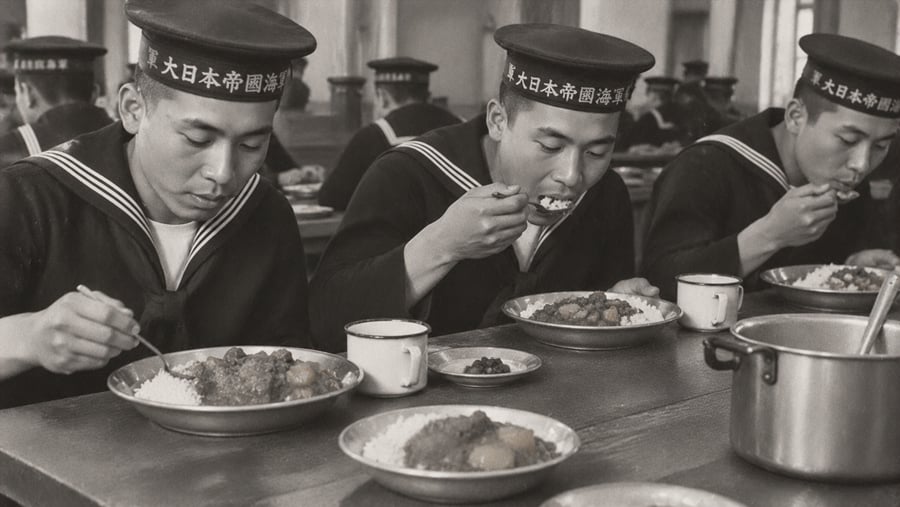
Japanese curry rice has a history tied to the country’s navy and efforts to improve sailors’ diets during the late 19th century. Curry dishes containing meat and vegetables became part of naval cooking, helping introduce the meal to wider audiences. Over time, curry rice spread through restaurants and households, eventually becoming one of Japan’s most recognizable comfort foods.
14. Bagged Salads Benefited From Military Preservation Research
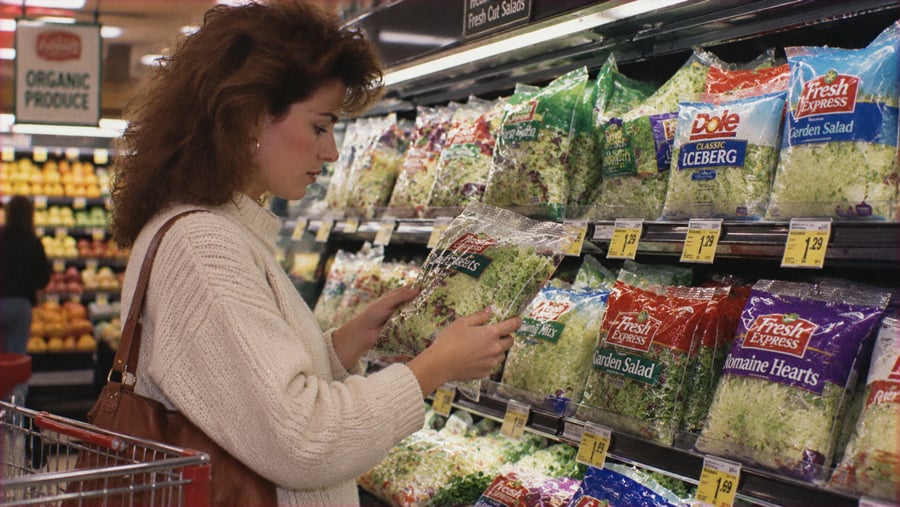
The convenience of opening a bag of prewashed lettuce has an unexpected military connection. During the 1950s and 1960s, American researchers experimented with packaging that controlled gases around fresh vegetables, helping slow spoilage during transportation. Similar techniques eventually made packaged salads practical for grocery stores, turning a preservation challenge into a supermarket convenience.
15. Packaged Sandwich Bread Got Help From Military Science
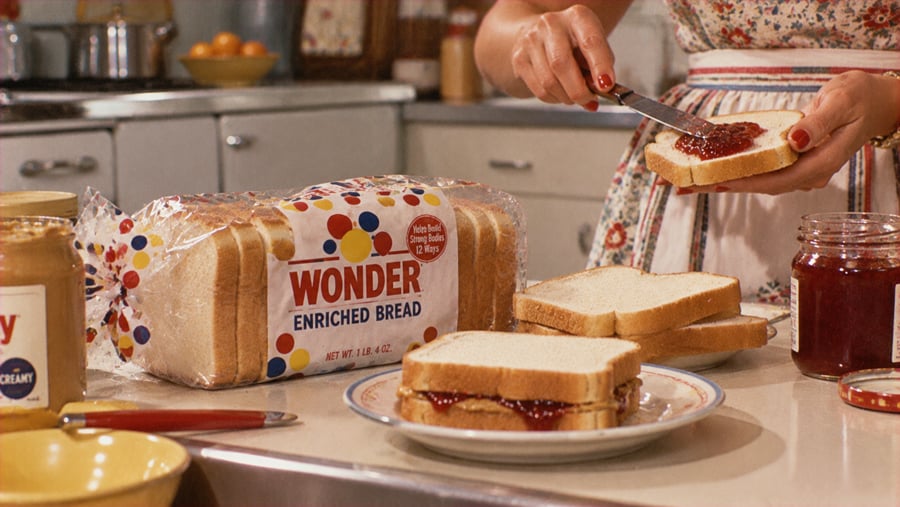
Sliced bread was already a commercial success before World War II, but keeping it soft for longer remained a challenge. Military-sponsored research in the 1950s explored ways to slow staling through ingredients and food-processing techniques. Related developments eventually helped commercial bakeries produce packaged loaves that could stay usable longer on supermarket shelves.
16. Energy Bars Have Roots in Military Survival Rations
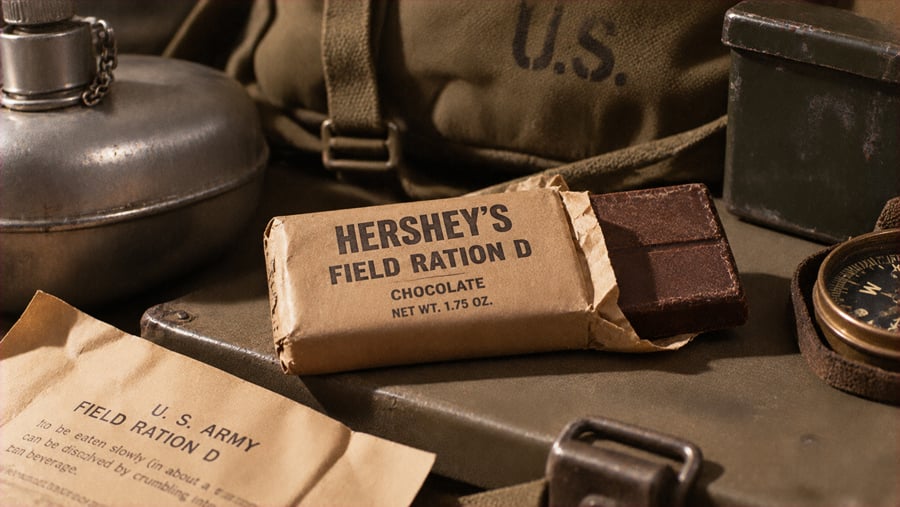
Modern energy bars owe part of their development to decades of research into portable nutrition. In the late 1930s, the U.S. military worked with Hershey to create concentrated chocolate rations for soldiers. Later research involving military programs, NASA, and food manufacturers helped improve the texture and shelf life of compact food bars, contributing to the commercial products that followed.
More Related Notes
18 Vintage Food Packages That Changed Dramatically
From colorful cereal boxes to familiar grocery staples, these vintage packages reveal how dramatically food branding and supermarket shelves have changed over the decades.
Foods People Pay More for Because They Taste Like Luxury
Some foods command premium prices because they feel like an indulgence. Discover how familiar ingredients and flavors became associated with luxury.
Foods That Lost Their Healthy Reputation
Once promoted as smart choices for a healthy diet, these familiar foods have faced changing opinions as nutrition research and eating habits evolved.