Long before electricity, modern factories, or even basic machines as we know them, ancient inventions were already solving problems that still sound surprisingly familiar today. People were building underground water systems, experimenting with sophisticated medical tools, and developing ways to calculate astronomical events thousands of years before computers existed.
Some of these inventions were so clever that their designs resemble technologies we still use, while others were forgotten for centuries before archaeologists uncovered them. From Roman engineering to ancient Chinese innovations, these 18 remarkable discoveries reveal just how inventive the ancient world really was.
1. The Ancient Greeks Built a Mechanical Astronomical Calculator
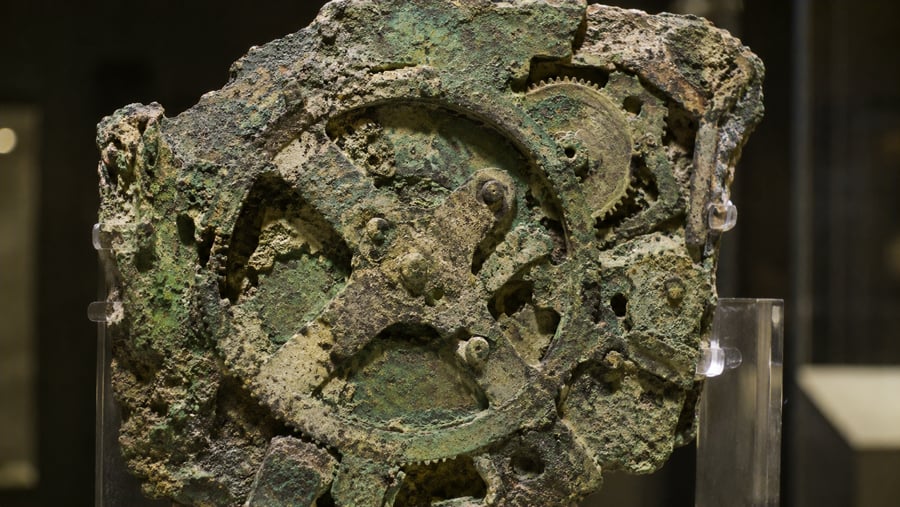
Imagine finding a 2,000-year-old machine filled with tiny gears that could predict eclipses. That’s essentially what happened when researchers began studying the Antikythera mechanism, recovered from a Greek shipwreck in 1901. Dating to around the second century BCE, this remarkable device used interconnected bronze gears to track the movements of the Sun and Moon and calculate astronomical cycles. Often called the world’s oldest known analog computer, it shows that ancient Greek engineers understood complex mechanics far earlier than most people would expect.
2. Ancient Roman Concrete May Have Been Capable of Repairing Cracks
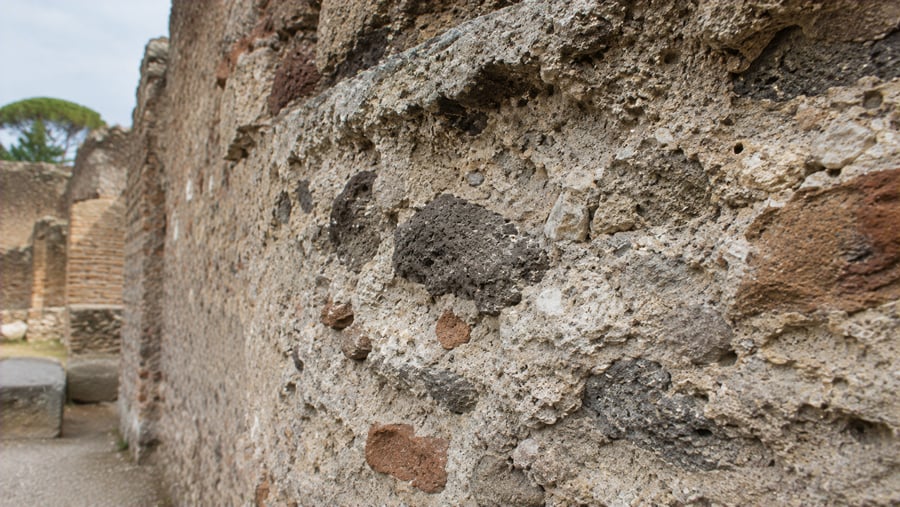
Some Roman buildings have survived for nearly 2,000 years, while modern concrete structures sometimes begin deteriorating within decades. Researchers believe part of the secret may lie in the way ancient Romans mixed their materials. A 2023 study identified tiny calcium-rich particles in Roman concrete that may have helped seal cracks when exposed to water. Scientists have recreated a similar self-healing effect in modern experiments, although that doesn’t mean every Roman wall could magically repair itself. Still, it’s impressive that ancient builders developed materials we’re only beginning to fully understand.
3. Roman Buildings Used a Form of Underfloor Heating
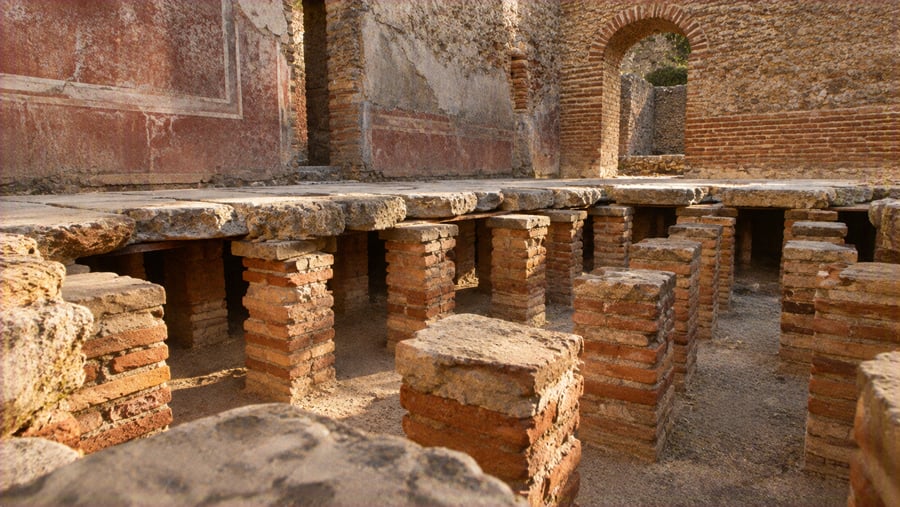
Heated floors might sound like a modern luxury, but wealthy Romans were enjoying a version of them almost 2,000 years ago. Their system, called a hypocaust, used a furnace to circulate hot air beneath raised floors and sometimes through spaces inside the walls. Public bathhouses and certain private homes featured these surprisingly sophisticated heating systems. They were expensive to maintain, but the basic idea was remarkably similar to modern radiant heating: keep the warmth underneath your feet instead of relying on a fireplace in the corner.
4. Ancient China Developed an Earthquake-Detection Device
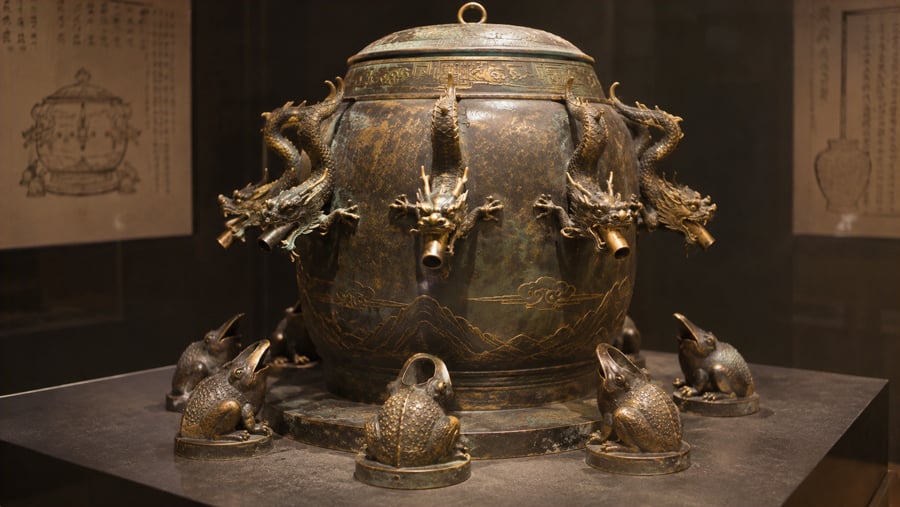
More than 1,800 years ago, Chinese inventor Zhang Heng designed something that sounds almost futuristic: a machine intended to detect earthquakes and indicate their direction. According to historical descriptions, the bronze vessel featured dragons holding small balls above waiting toads. When seismic movement triggered the internal mechanism, a ball would drop, signaling the direction of the disturbance. The original device hasn’t survived, so modern replicas are based on written accounts rather than a confirmed design. Even so, the concept was an extraordinary early attempt to detect earthquakes without modern instruments.
5. Persian Engineers Built Underground Water Systems That Still Operate
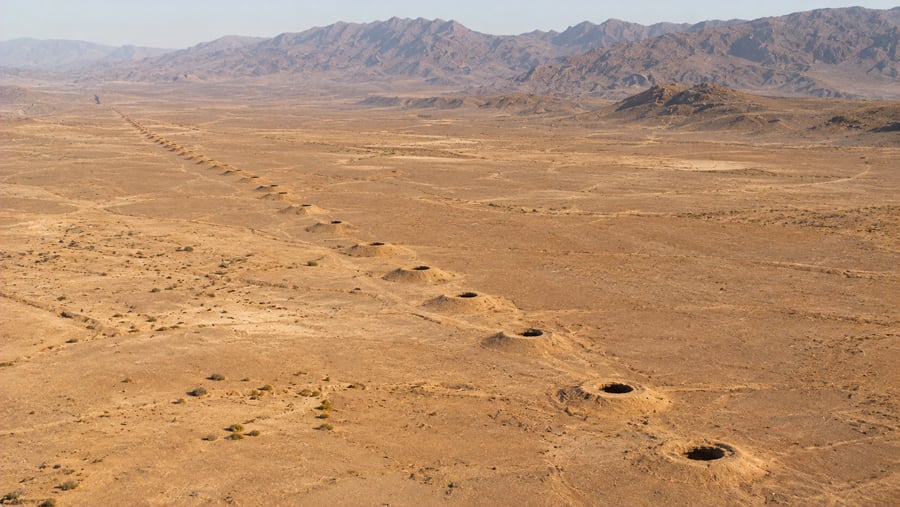
Getting fresh water across a dry landscape was a serious challenge in ancient Persia, but engineers developed an ingenious solution. They dug gently sloping underground tunnels called qanats, which carried groundwater toward towns and farmland using gravity alone. Vertical shafts allowed workers to build and maintain the channels, while keeping the water underground helped prevent evaporation in the desert heat. Some historic qanats are still used today, making them one of the most impressive examples of ancient engineering that never completely disappeared.
Trending on Wealth Gang


6. Cities in the Indus Valley Had Sophisticated Drainage Systems
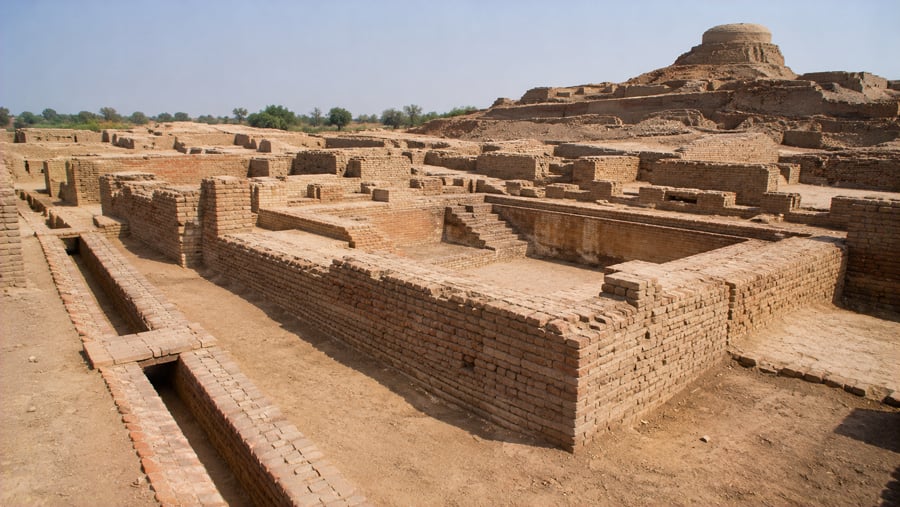
It’s easy to assume that organized plumbing arrived with modern cities, but the people of the Indus Valley were managing wastewater more than 4,000 years ago. At Mohenjo-daro, in present-day Pakistan, archaeologists have uncovered carefully planned streets, wells, bathing areas, and drainage channels designed to carry wastewater away from buildings. Some drains were even covered with bricks. The level of urban planning is especially impressive considering how many later cities struggled with sanitation for centuries.
7. The Romans Built an Industrial Complex With 16 Waterwheels
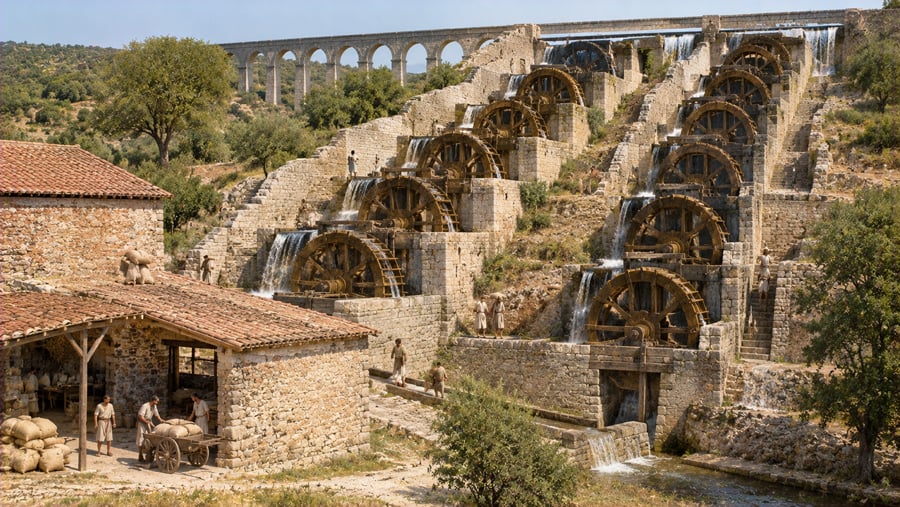
Ancient factories weren’t supposed to exist, yet the Romans built something remarkably close to one in what is now southern France. At Barbegal, a massive milling complex used 16 waterwheels arranged in two parallel rows along a hillside. Water from an aqueduct powered the wheels, allowing several mills to grind grain within one coordinated system. The wooden machinery is long gone, but surviving structures have helped researchers understand how the complex worked. It’s an impressive reminder that large-scale mechanical production existed long before the Industrial Revolution.
8. Ancient Egyptians Made Artificial Toes Thousands of Years Ago
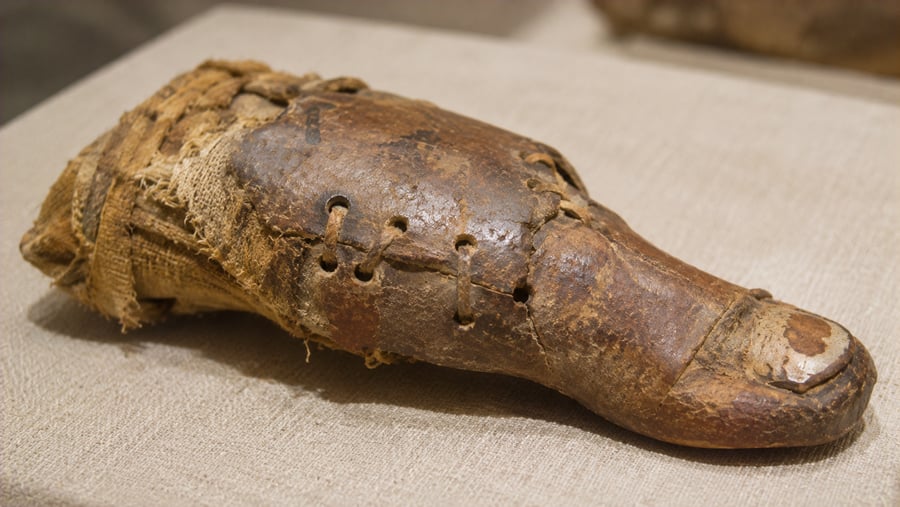
Artificial body parts may seem like a modern medical achievement, but ancient Egyptian craftspeople were making replacement toes more than 2,500 years ago. One surviving example was constructed using layers of linen, glue, and plaster-like materials, with holes that allowed it to be attached. The object shows signs of wear and repair, suggesting it may have been used by a living person, although a funerary purpose is also possible. Either way, it’s a fascinating example of ancient craftsmanship addressing a very human problem.
Sign up for our newsletter
9. Mesopotamians Used Cylinder Seals Like Personal Signatures
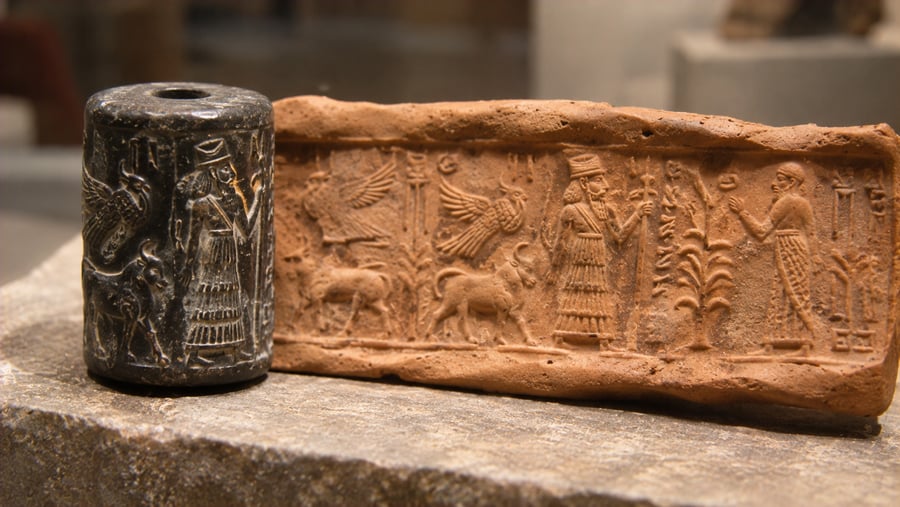
Thousands of years before passwords, identification cards, or electronic signatures, people in Mesopotamia had their own clever way of proving identity. Small cylinders were engraved with detailed designs and rolled across wet clay to leave a unique impression. These seals could identify individuals, authenticate transactions, and mark ownership of goods. Some were small enough to wear or carry, making them surprisingly similar in purpose to the personal identification tools we rely on today.
10. Mesopotamians Developed Writing to Track Goods and Payments
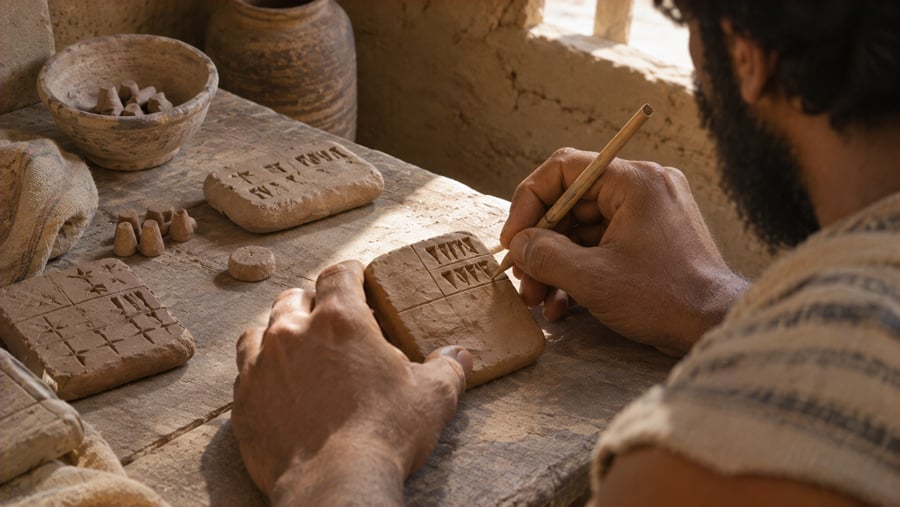
Some of the earliest writing wasn’t created to record poetry or tell great stories. It was used to keep track of everyday business. In ancient Mesopotamia, scribes began marking clay tablets with symbols representing goods, quantities, and transactions. These records eventually developed into cuneiform writing, which later became useful for everything from laws to literature. It’s funny to think that one of humanity’s greatest inventions may have grown partly out of the need to keep better accounting records.
11. Ancient Chinese Craftspeople Developed Paper Nearly 2,000 Years Ago
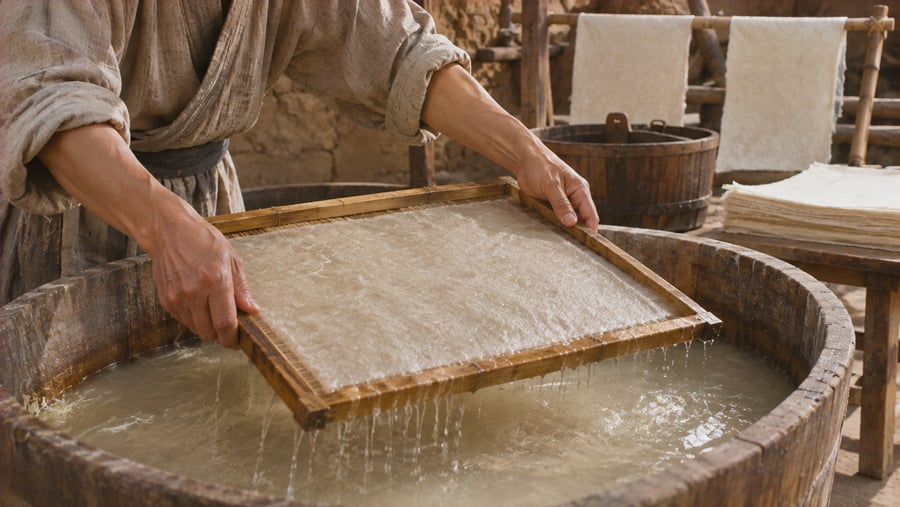
Paper is such an ordinary part of life that it’s easy to forget how revolutionary it once was. Archaeological evidence shows that people in China were making early forms of paper as far back as the second century BCE. Although Cai Lun is traditionally credited with improving papermaking in 105 CE, the material already existed before his lifetime. Over time, paper offered a more practical surface for writing and recording information, helping transform how knowledge could be preserved and shared.
12. Chinese Printers Were Producing Books Centuries Before Gutenberg
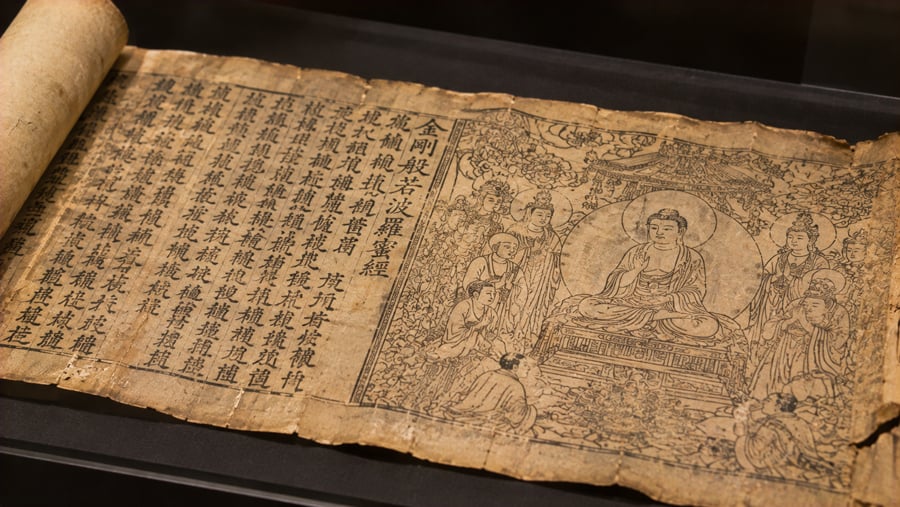
Printing books wasn’t an idea that suddenly appeared in Renaissance Europe. By 868 CE, Chinese craftspeople were already producing sophisticated printed texts using carved wooden blocks. One remarkable surviving example is the Diamond Sutra, a Buddhist scroll containing printed text and an elaborate illustration. The process involved carving a page into wood, applying ink, and pressing paper against the surface. It was a major achievement in reproducing written material, accomplished centuries before Gutenberg’s famous printing developments in Europe.
13. Ancient Glassmakers Learned to Blow Glass Into Complex Shapes
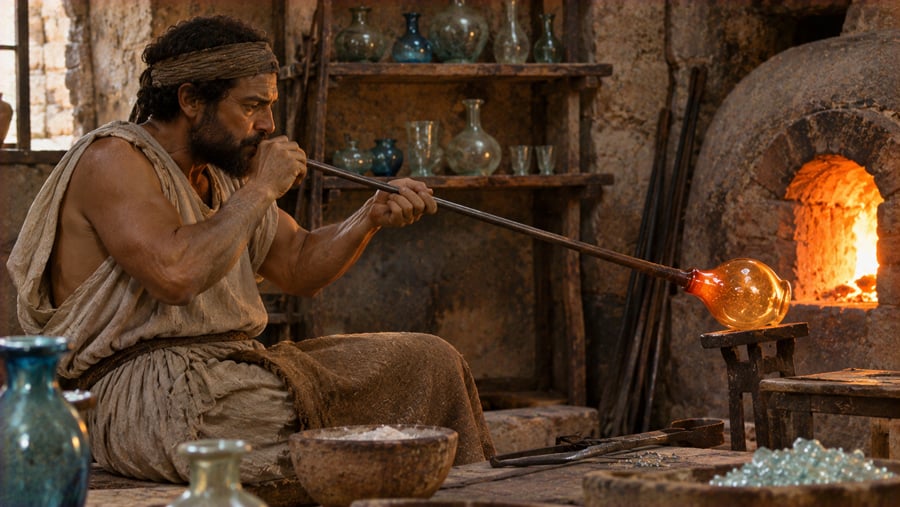
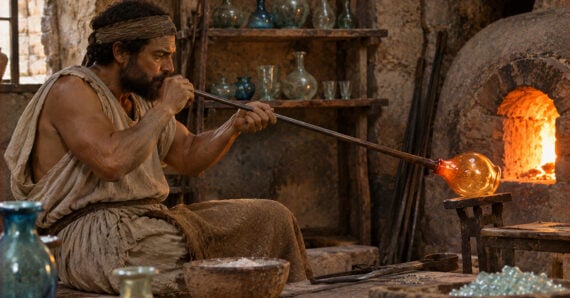
Glass bottles and jars seem completely ordinary today, but making them was once a slow and demanding process. Around the first century BCE, craftspeople in the eastern Mediterranean developed glassblowing, allowing molten glass to be shaped by blowing air through a tube. The technique made it possible to produce containers in a much wider variety of forms and more efficiently than many earlier methods. As glassblowing spread through the Roman world, glass vessels became increasingly common in everyday life.
14. Romans Installed Glass Windows to Help Keep Buildings Warm
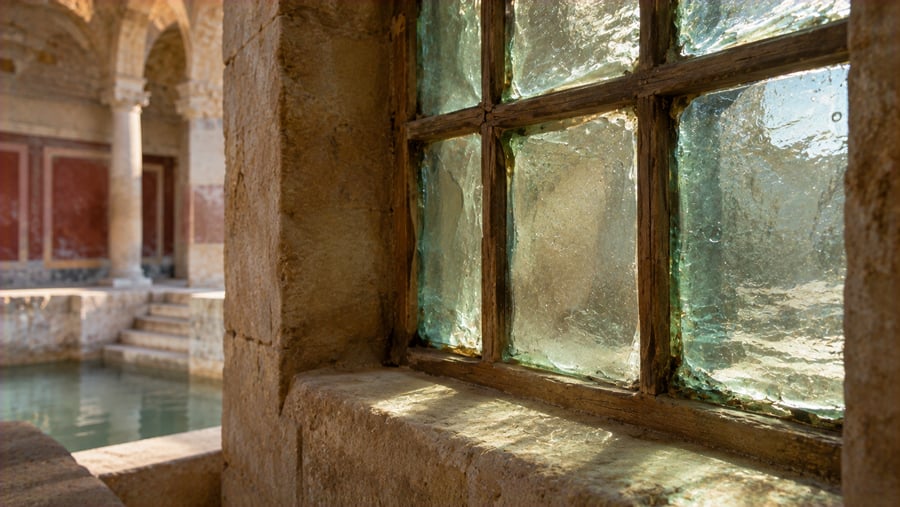
Glass windows weren’t always the clear, perfectly smooth panes we’re used to seeing today. Ancient Roman builders were already using manufactured glass in certain buildings during the early imperial period, particularly in public bathhouses where retaining heat mattered. The panes were often thick, uneven, and less transparent than modern glass, but they helped keep warm air inside and reduce drafts. It’s a surprisingly practical example of Roman engineers finding solutions to problems that still matter in modern architecture.
15. Ancient Egyptians Used Water Clocks to Measure Time
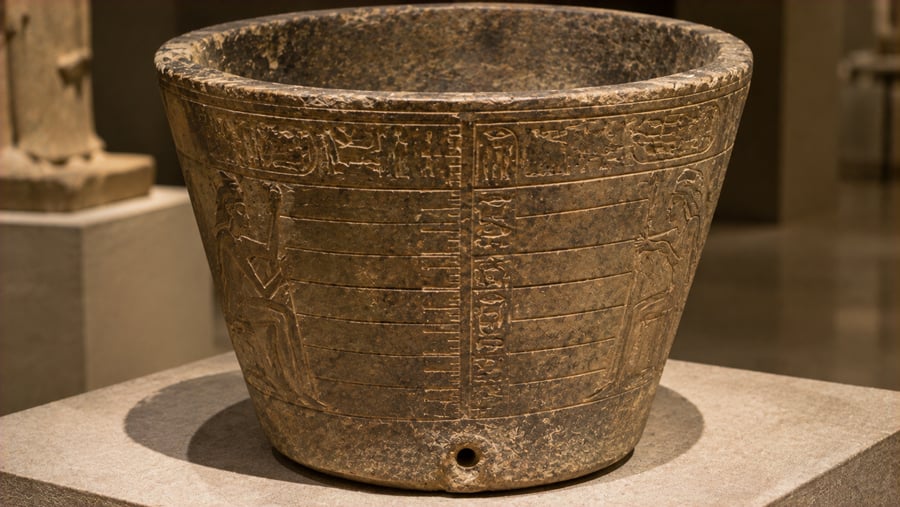
Checking the time without a clock, watch, or phone sounds inconvenient, but ancient Egyptians had a surprisingly clever solution. They used water clocks, also known as clepsydras, to measure time by allowing water to flow into or out of a container at a controlled rate. These devices were especially useful when the Sun couldn’t provide a reliable reference, including at night. Evidence of Egyptian water clocks dates back to around 1500 BCE, showing that accurate timekeeping was already an important concern thousands of years ago.
16. Roman Doctors Had Specialized Instruments for Surgical Procedures
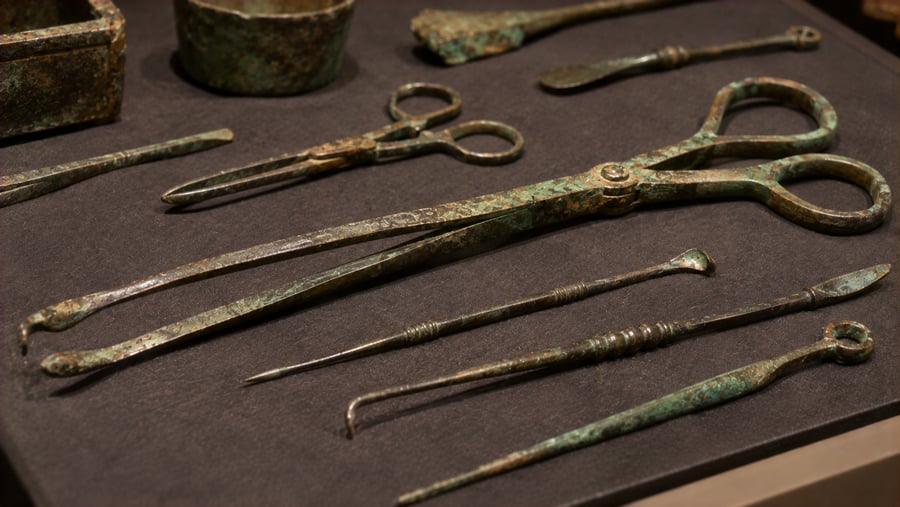
Ancient medicine wasn’t limited to herbs and simple bandages. Roman doctors used an impressive variety of specialized metal instruments, including tools that resemble modern forceps and tweezers. One surviving bronze instrument from the first century CE has unusually long arms, suggesting it may have been designed for a minor surgical procedure rather than ordinary grooming. Its exact purpose remains uncertain, but the craftsmanship shows how carefully ancient medical tools could be designed for specific tasks.
17. Roman Glassmakers Created Cups That Changed Color
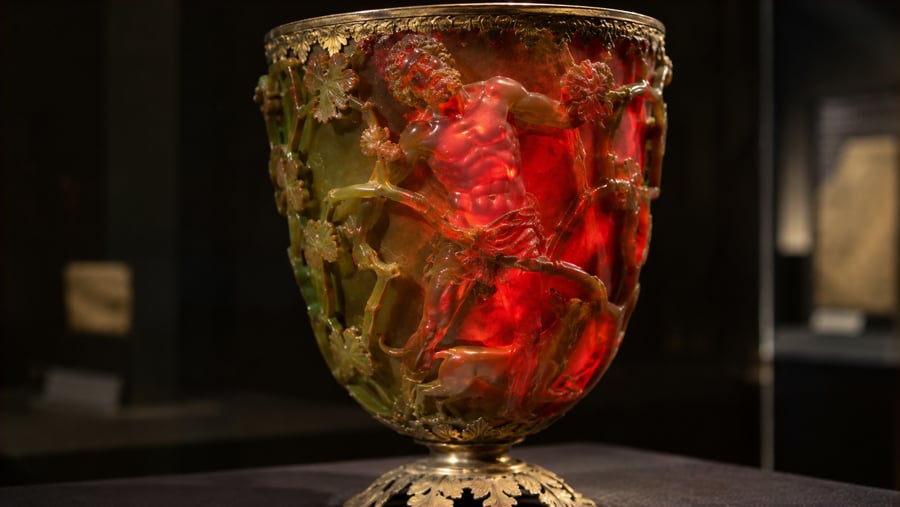
A Roman glass cup that changes color depending on the lighting sounds almost impossible, but the Lycurgus Cup does exactly that. Made during the fourth century CE, the remarkable vessel appears green when light reflects off its surface and reddish when light shines through it. Scientists have discovered that tiny amounts of gold and silver inside the glass create the unusual effect. There’s no evidence that Roman craftspeople understood the nanoscale physics involved, but their ability to produce such an extraordinary object remains fascinating.
18. Ancient Egyptians Created One of History’s First Synthetic Pigments
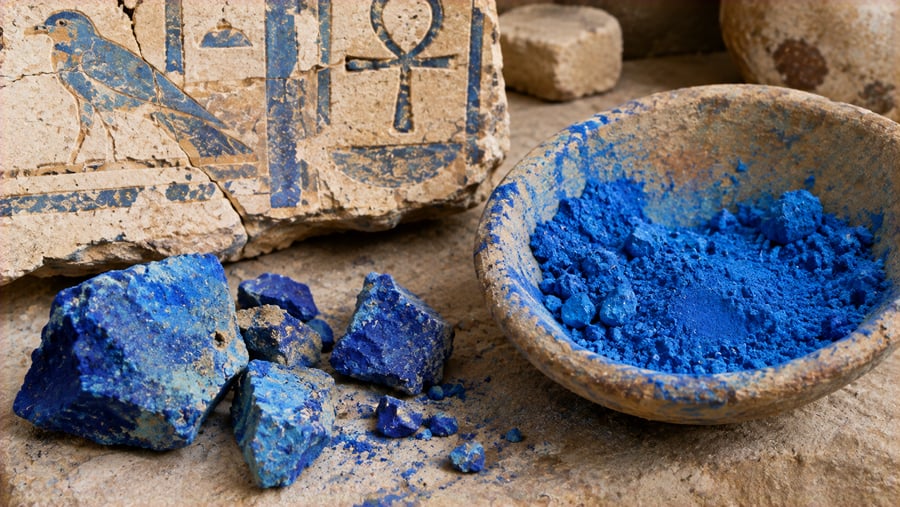
The brilliant blue seen on ancient Egyptian artwork wasn’t always made from a naturally occurring mineral. Thousands of years ago, Egyptian craftspeople learned to manufacture a vivid blue pigment by heating a mixture of sand, lime, copper compounds, and alkaline materials. Known as Egyptian blue, it became one of the earliest synthetic pigments in history, with evidence of use dating to around 3300–3200 BCE. The color decorated everything from painted objects to architectural surfaces, proving that ancient artisans were experimenting with chemistry long before modern laboratories existed.
More Related Notes
15 Mysterious Places Around the World That Scientists Still Can’t Explain
From puzzling ancient sites to unexplained natural wonders, these mysterious places continue to raise questions that even modern science hasn’t fully answered.
9 Smart Moves to Make Before Selling Your Antiques
Before parting with an old family treasure, these practical tips can help uncover its history, understand its potential value, and avoid costly mistakes.
Highly Valued Historical Letters
Some handwritten letters have become priceless pieces of history, revealing personal stories, famous connections, and remarkable moments from the past.