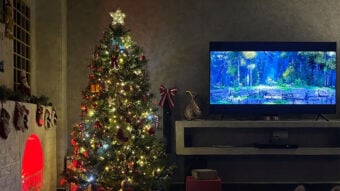
Buying a Christmas tree has always been a holiday tradition, but the price attached to it has changed dramatically over the decades. In the 1960s and 1970s, a real tree was a small, almost forgettable expense, often picked up from a local lot for just a few dollars. As time went on, inflation, supply shortages, labor costs, and shifting consumer habits slowly pushed prices higher. Looking back at how much Christmas trees cost from the mid-1960s to today offers a simple way to see how everyday holiday traditions quietly became far more expensive than many people remember.
1. 1965

In 1965, a natural Christmas tree typically cost between $2 and $4, depending on size and location. Most families bought their trees from local lots or roadside stands, keeping prices relatively low. Adjusted for inflation, that would equal roughly $18 to $35 today. At the time, Christmas trees were seen as an inexpensive seasonal tradition rather than a major holiday expense.
2. 1970

By 1970, prices had increased slightly, with most Christmas trees selling for around $3 to $6. Inflation and rising transportation costs began to affect agricultural products, including trees. Even so, a full-size tree remained affordable for the average household. In today’s dollars, that price would land around $23 to $45.
3. 1975

In the mid-1970s, Christmas tree prices reflected broader economic instability caused by inflation and energy crises. A typical tree cost between $5 and $10, depending on height. Many families still opted for real trees despite rising costs. Adjusted for inflation, those prices translate to roughly $30 to $60 today.
4. 1980

By 1980, the average Christmas tree cost around $10 to $15. Inflation during the late 1970s pushed prices higher, but trees were still considered a modest holiday purchase. Retail lots became more common, replacing smaller local sellers. In current dollars, that range equals about $40 to $65.
5. 1985

In 1985, Christmas trees generally sold for $15 to $20. Tree farms expanded nationwide, helping stabilize supply and pricing. Families were also beginning to see artificial trees as a long-term alternative. Adjusted for inflation, this price range equals approximately $40 to $55 today.
Trending on Wealth Gang

6. 1990

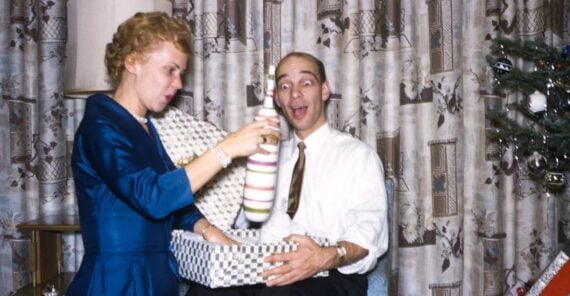
In 1990, Christmas trees cost about $3.25 to $5.25 per foot, making a six-foot tree roughly $20 to $30. Prices remained relatively steady compared to the previous decade. Real trees were still the dominant choice for most households. In today’s dollars, that six-foot tree would cost around $45 to $65.
7. 1995

By 1995, average Christmas tree prices hovered around $25 to $35. Supply remained strong, but labor and land costs slowly pushed prices upward. Artificial trees continued gaining popularity during this period. Adjusted for inflation, these prices equal roughly $45 to $65 today.
8. 2000

In 2000, the average Christmas tree cost approximately $35 to $40. Demand remained high, and tree farms were already feeling the long growth cycles that would later impact supply. Trees were becoming a more noticeable seasonal expense. In today’s dollars, that equals about $60 to $70.
Sign up for our newsletter
9. 2005

By 2005, prices climbed to around $40 to $45. Rising fuel and labor costs contributed to higher retail prices. Consumers also began favoring taller and fuller trees, increasing average costs. Adjusted for inflation, that range equals about $60 to $70 today.
10. 2010

In 2010, the national average price of a Christmas tree was about $36. The effects of the 2008 recession and earlier planting shortages influenced supply. Despite economic uncertainty, tree sales remained strong. In today’s dollars, that price equals roughly $50.
11. 2015

By 2015, average prices rose sharply to around $40 to $50, with some regions reporting higher costs. A tree shortage caused by reduced planting after the recession pushed prices upward. Consumers began noticing steeper year-to-year increases. Adjusted for inflation, this equals about $55 to $65.
12. 2020

In 2020, Christmas trees averaged between $75 and $85, driven by supply shortages, labor issues, and pandemic-related disruptions. Demand surged as families spent more time at home. Trees became significantly more expensive than in previous decades. Adjusted for inflation, prices remain similar today.
13. 2025

By 2025, the average Christmas tree costs between $80 and $100, depending on size and location. Ongoing labor shortages, transportation costs, and climate challenges continue to impact prices. What was once a low-cost tradition has become a noticeable seasonal expense. Compared to the 1960s, the price of a Christmas tree has increased several times over, even after accounting for inflation.