
During the 1940s, budgeting was shaped by wartime restrictions, conservation, and careful planning. Families had to be resourceful, prioritizing essentials and stretching every dollar to make ends meet.
Rationing & Scarcity
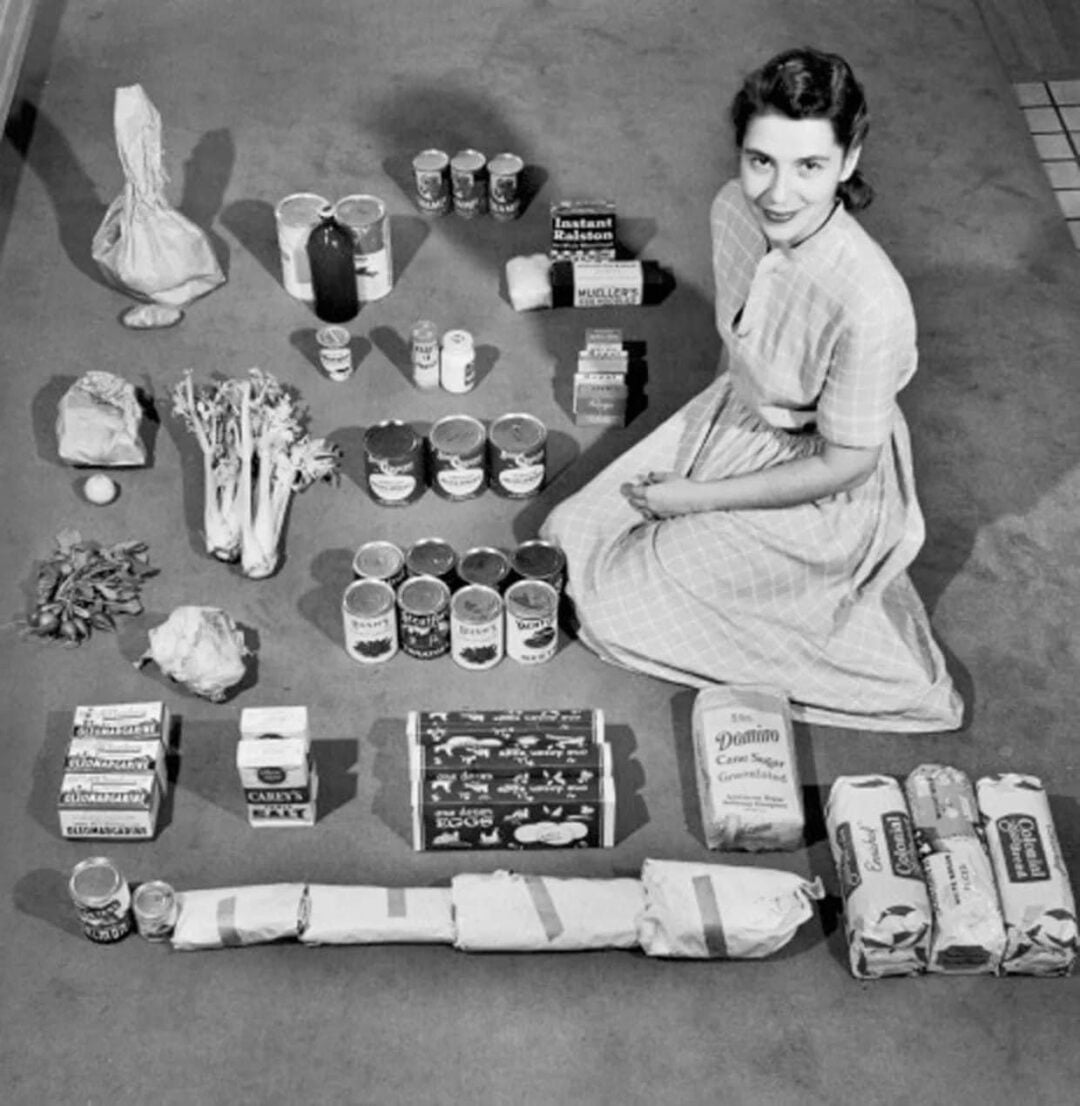
With World War II in full swing, ration books controlled access to items like sugar, meat, gasoline, and clothing. Families learned to plan meals and daily routines around what was available, often substituting ingredients or reusing materials.

Household Frugality
Many households embraced a culture of “Make Do and Mend.” Clothes were repaired instead of replaced, furniture was reused, and scraps were recycled. Housewives became experts in stretching supplies, ensuring nothing went to waste.
War Bonds and Savings
Citizens were encouraged to save money and invest in war bonds. This not only supported the war effort but also fostered a habit of disciplined saving, with families setting aside portions of their income for future security.

Community
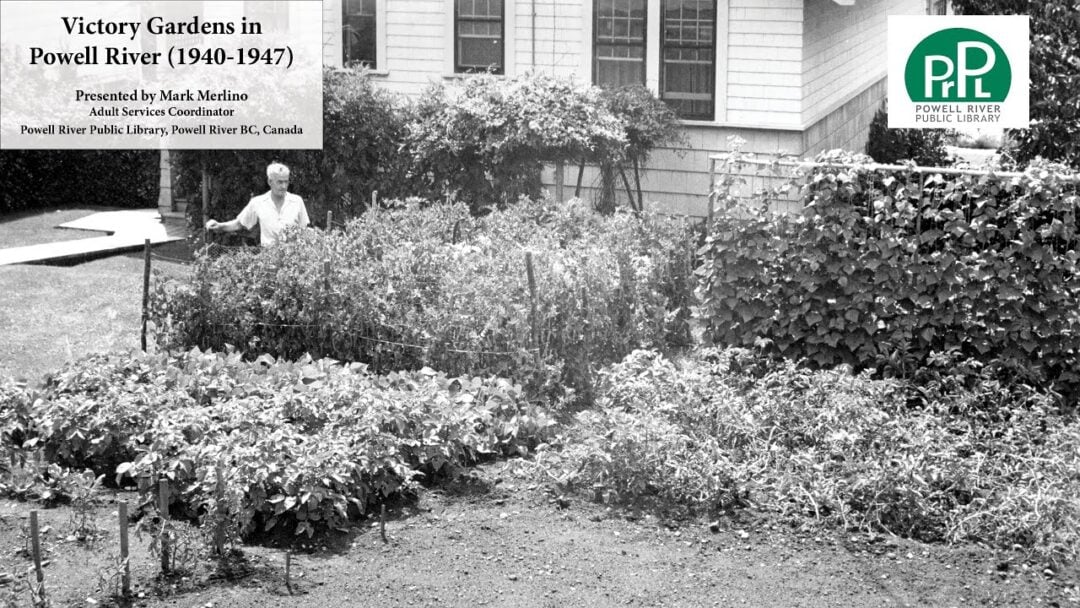
Neighbors often shared resources, shared gardens, or traded goods. Victory gardens became popular, allowing families to grow their own vegetables and reduce reliance on rationed food.
Strict Budgeting Practices
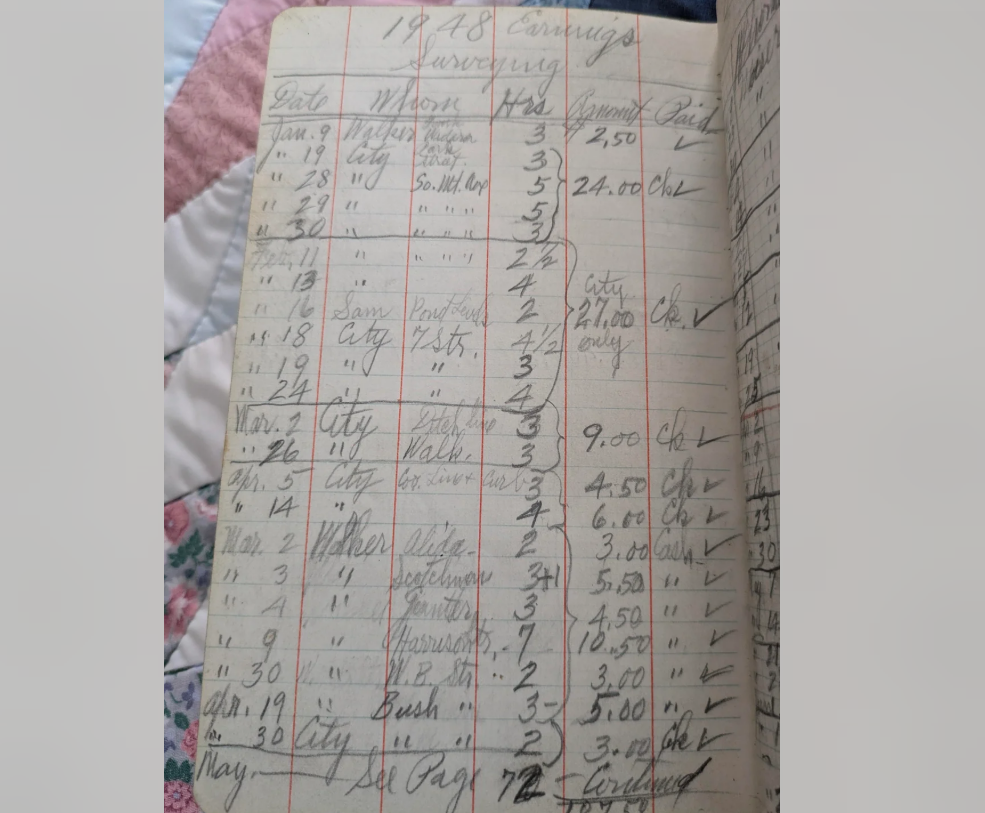
Families kept meticulous records of income and expenses, often guided by government pamphlets and advice columns. Budgeting wasn’t just about money; it was about patriotic duty and ensuring resources were used wisely.
The 1940s taught people to budget with discipline, creativity, and community spirit. Wartime conditions forced households to prioritize essentials, save, and embrace caution. These habits left a lasting influence on postwar generations, shaping attitudes toward economizing and financial planning. Families carried forward the lessons of valuing savings accounts, careful spending, and practical investments. In this way, budgeting in the 1940s became more than a necessity; it became a cultural value that emphasized resilience and shared responsibility.