The definition of automotive prestige has undergone a radical shift over the past three decades. Today, high-net-worth status is often signaled by quiet electric vehicles, autonomous technology, or headline-grabbing utility designs like the Tesla Cybertruck.
Thirty years ago, however, real wealth was measured in mechanical excess: hand-stitched interiors, massive V8 and V12 engines, and bold German or Italian engineering. These standout performance and luxury vehicles from two to three decades ago immediately communicated upper-class financial status long before the digital EV era took over.
1. Mercedes-Benz S-Class W140 (1991–1998)
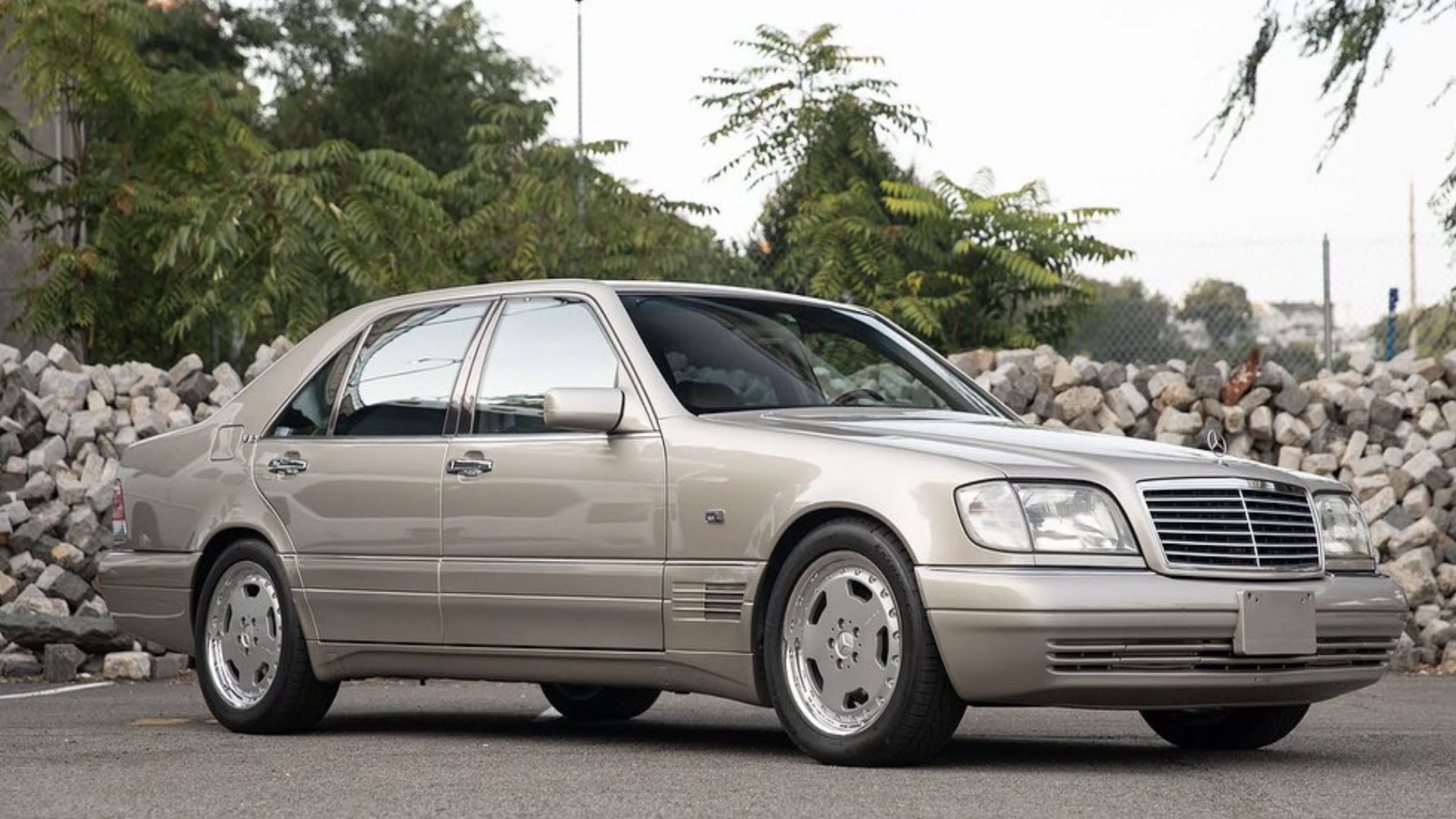
The flagship W140 generation represented the absolute peak of over-engineered German luxury. Owning an S500 or V12-powered S600 signaled that an individual occupied the highest tiers of corporate executive achievement.
2. BMW M5 E39 (1998–2003)
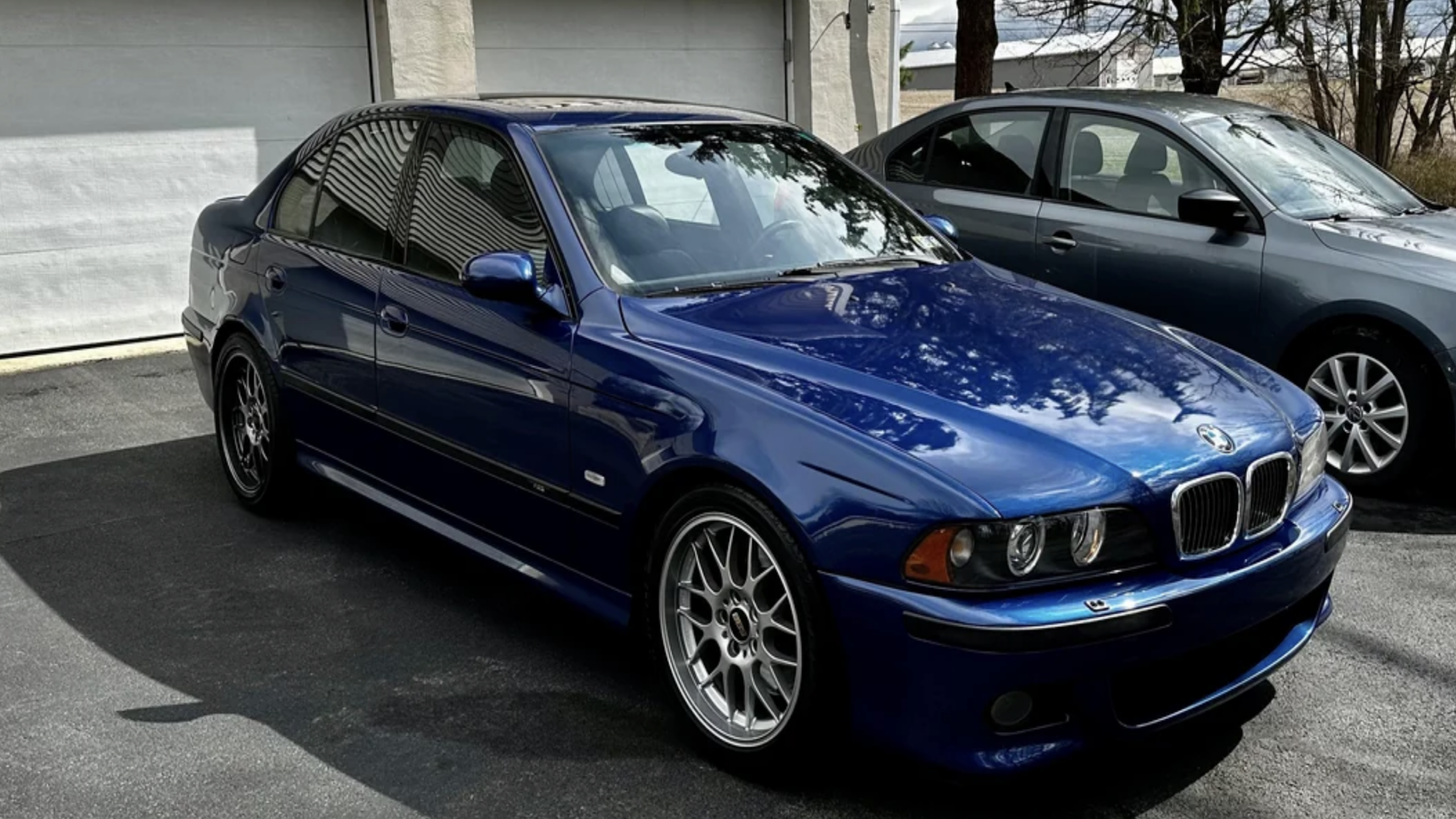
Featuring a naturally aspirated V8 paired exclusively with a manual transmission, the E39 M5 redefined the high-performance executive sedan. It served as the daily vehicle of choice for wealthy enthusiasts who preferred driving themselves over using a private chauffeur.
3. Porsche 911 Turbo 993 (1995–1998)
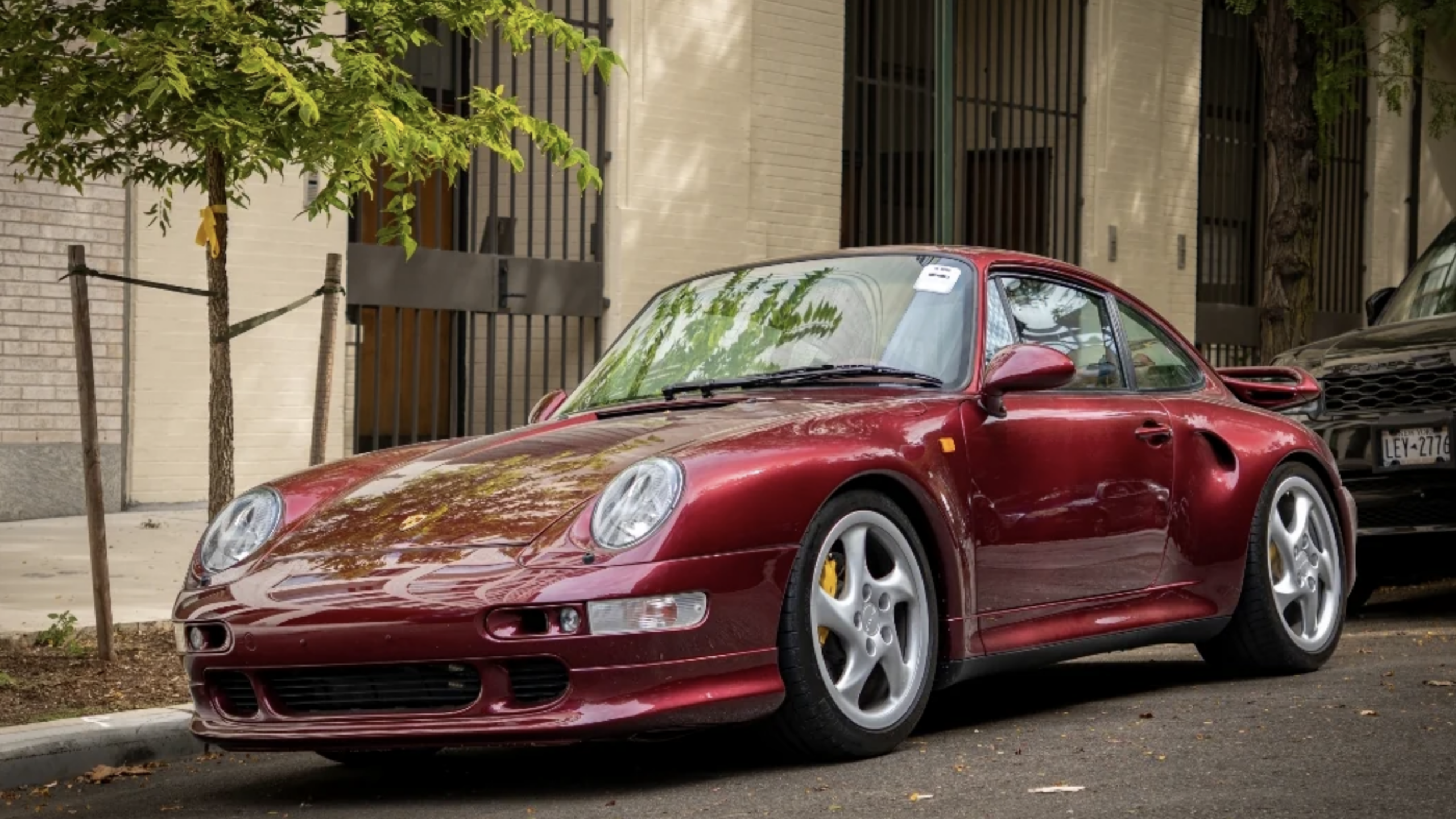
As the final air-cooled 911 Turbo model, the 993 variant featured twin-turbocharging and all-wheel drive. Its aggressive wide-body stance and iconic rear wing made it a prominent dream vehicle for top earners throughout the late 1990s.
4. Hummer H1 (1992–2006)
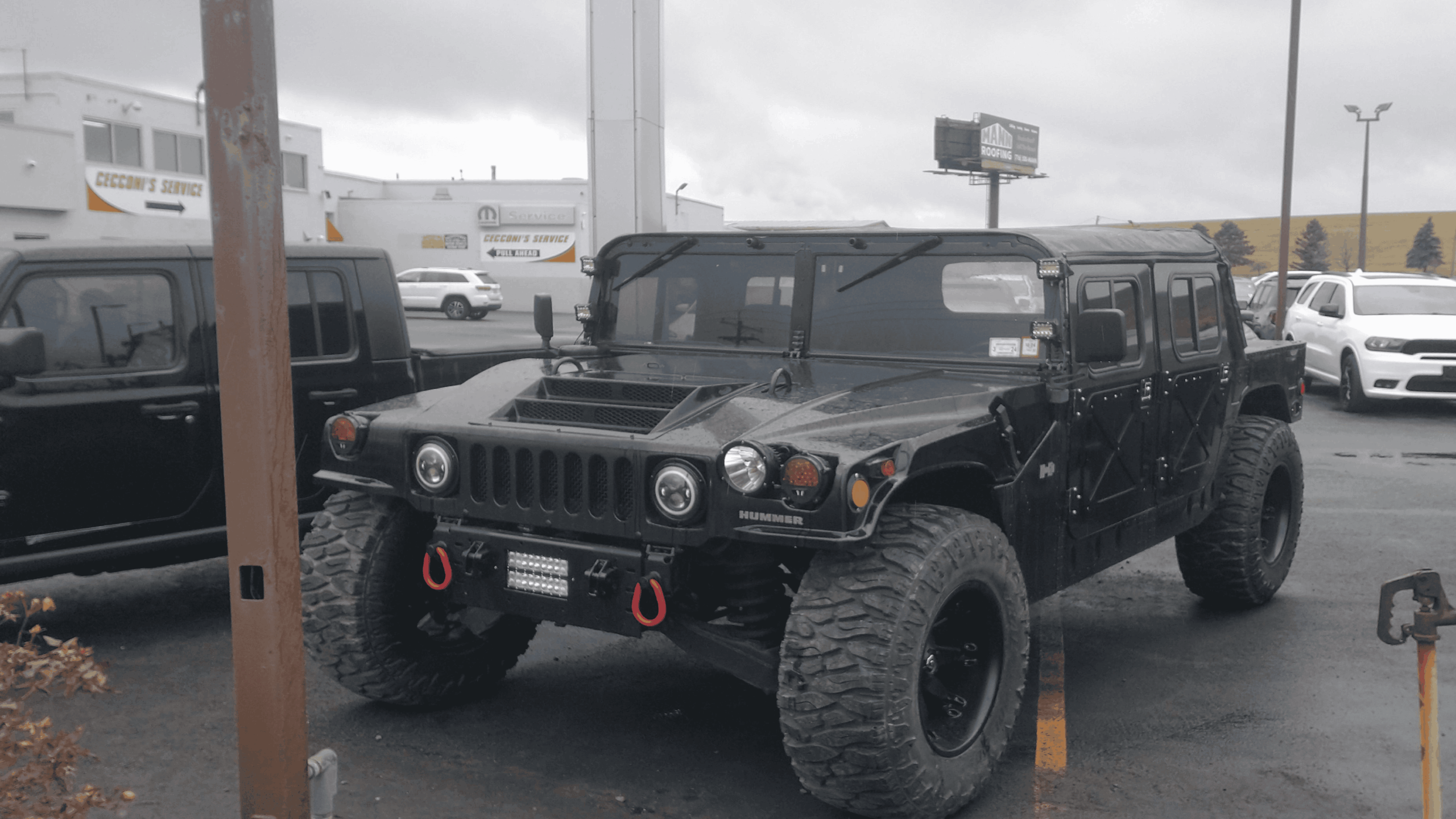
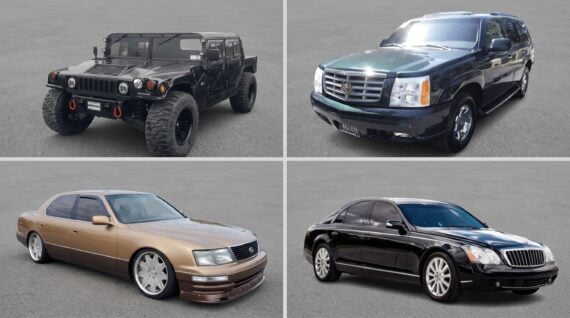
Directly adapted from the military High Mobility Multipurpose Wheeled Vehicle, the civilian Hummer H1 offered unprecedented road presence. Its immense physical footprint made it an unmistakable declaration of extravagant wealth and celebrity status.
Extravagant cars designed without compromise attracted high-profile athletes and entertainers seeking maximum public visibility.
5. Range Rover P38A (1994–2001)
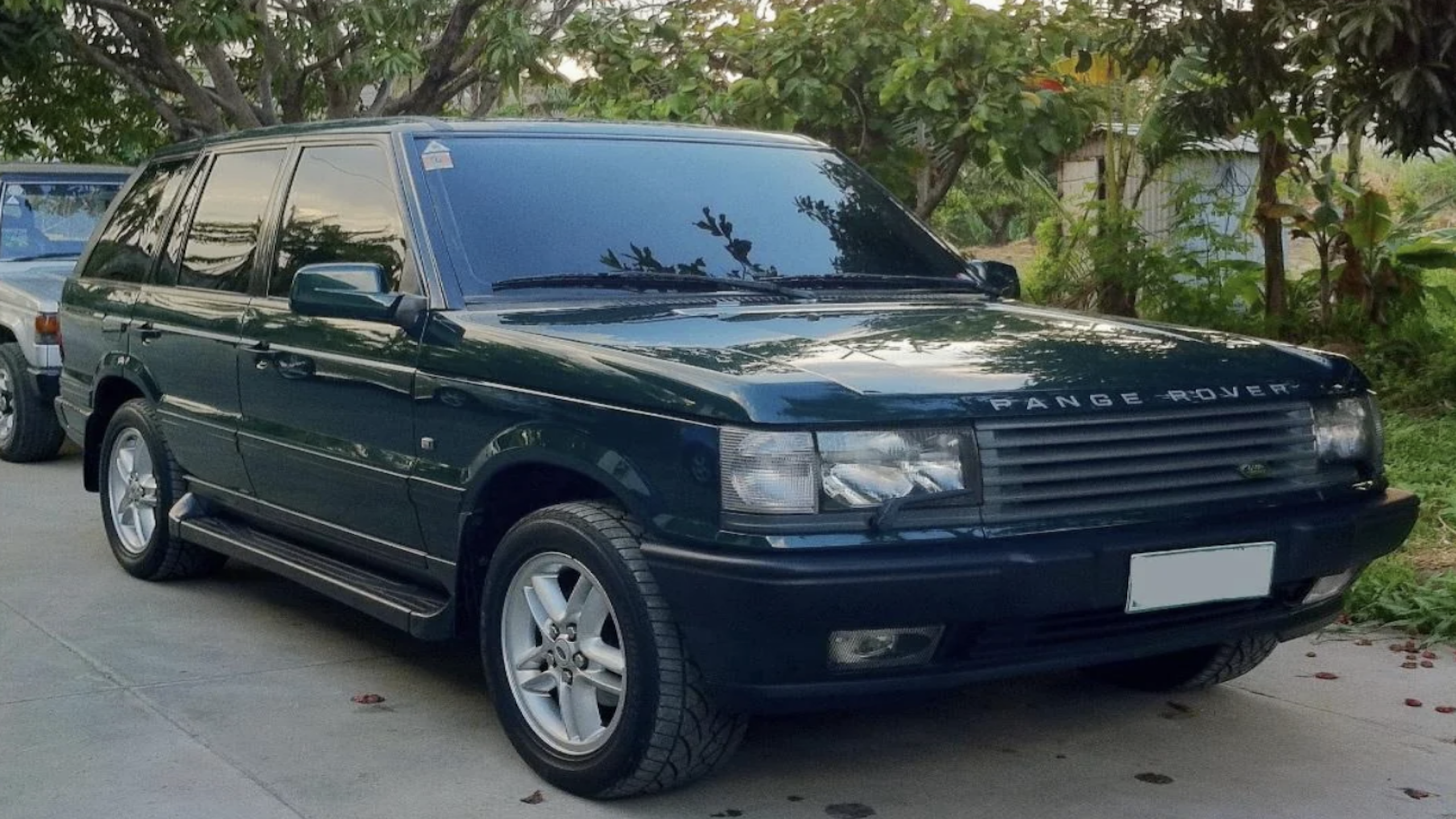
The second-generation Range Rover elevated all-terrain capability with refined British craftsmanship and advanced electronic air suspension. It remained the preferred utility vehicle across elite suburban estates and country clubs.
Trending on Wealth Gang

6. Ferrari 360 Modena (1999–2004)
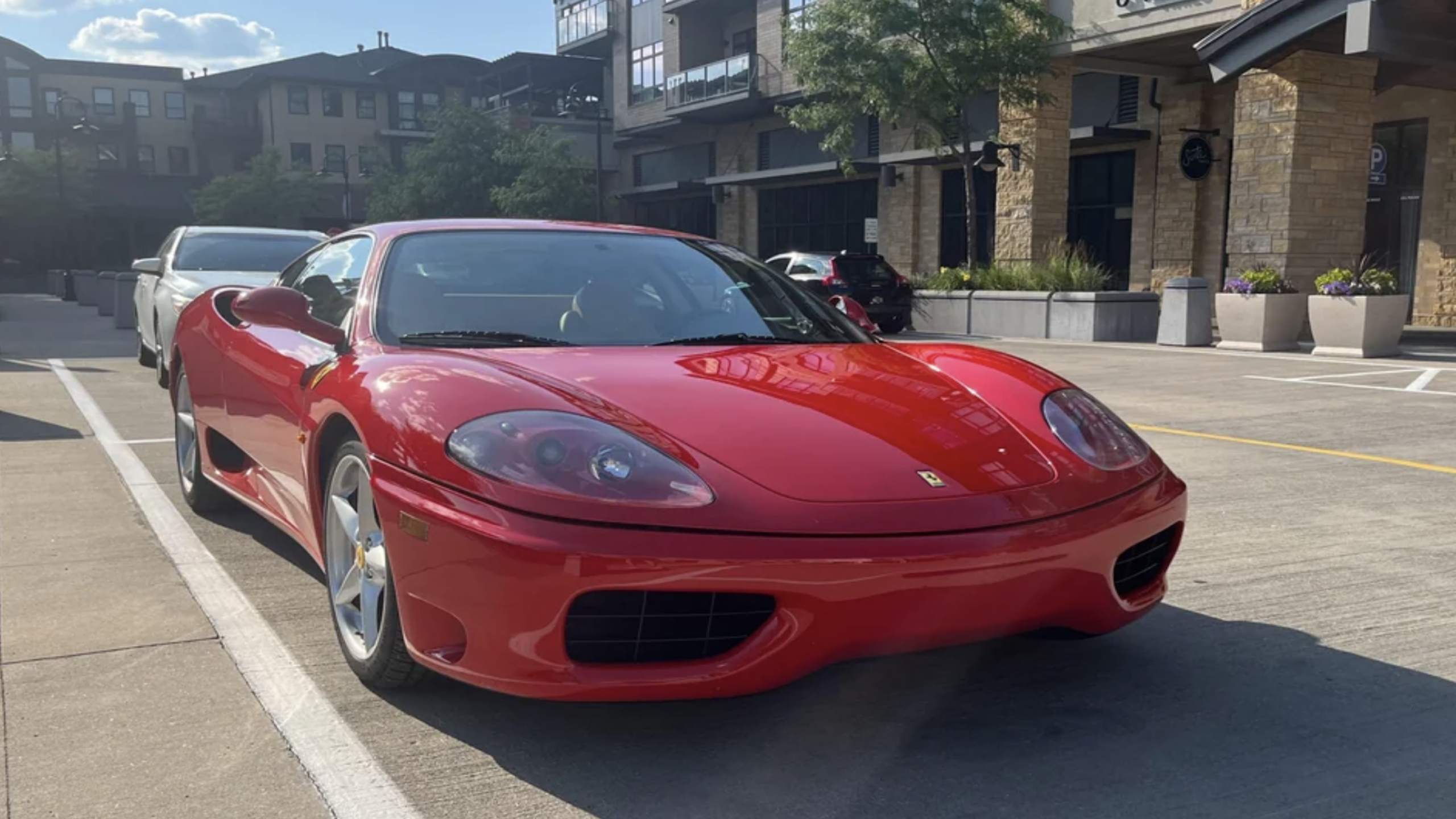
Introducing an all-aluminum space-frame chassis and an open glass engine bay display, the 360 Modena modernized mid-engine Italian performance. Spotting one outside high-end establishments guaranteed the presence of serious capital.
7. Dodge Viper RT/10 (1992–2002)
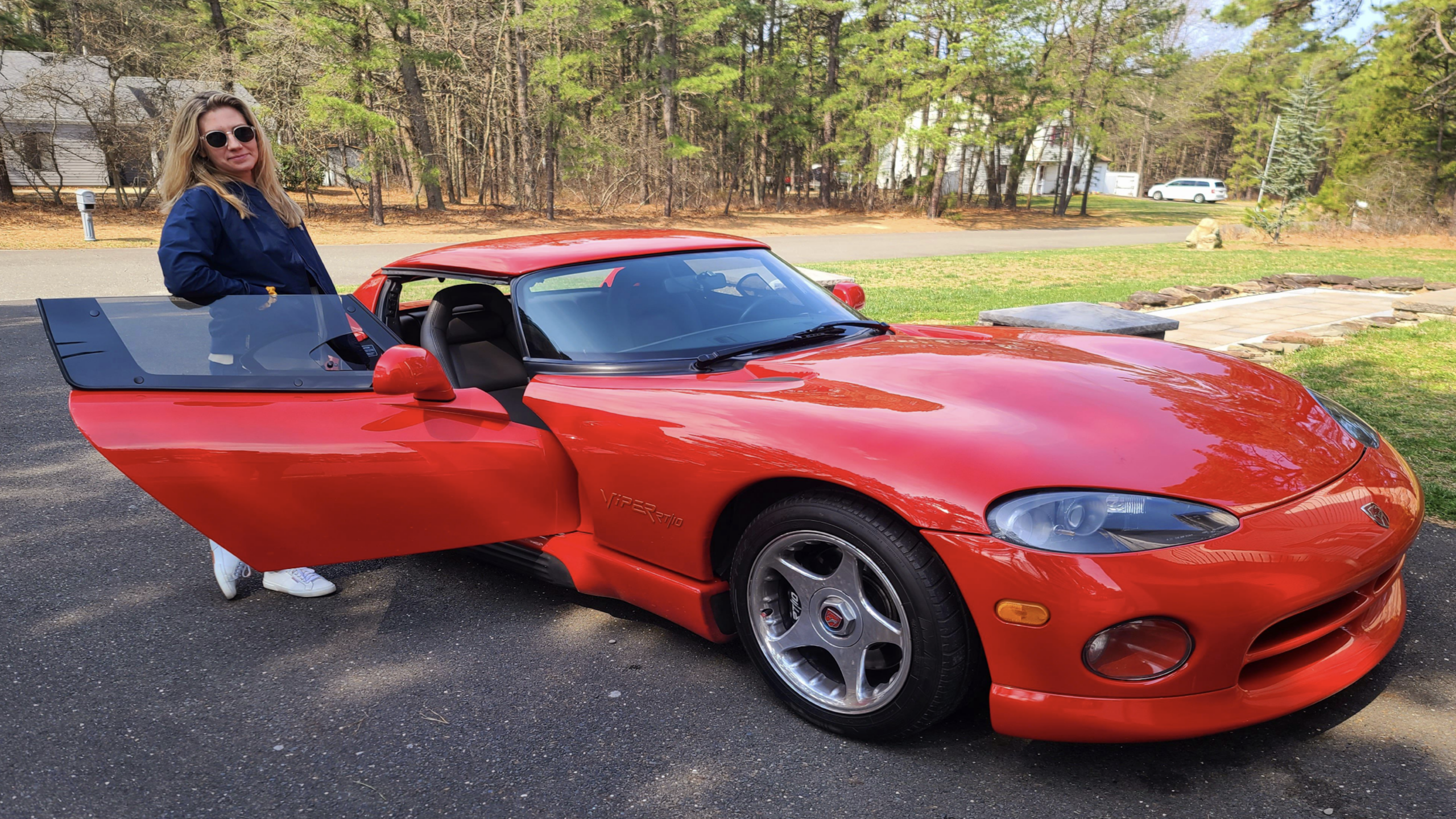
Engineered with an 8.0-liter V10 engine co-developed with Lamborghini, the Viper offered raw, unassisted muscle. Its complete lack of exterior door handles or traction aids catered to wealthy collectors seeking raw horsepower.
8. Cadillac Escalade Second Generation (2002–2006)
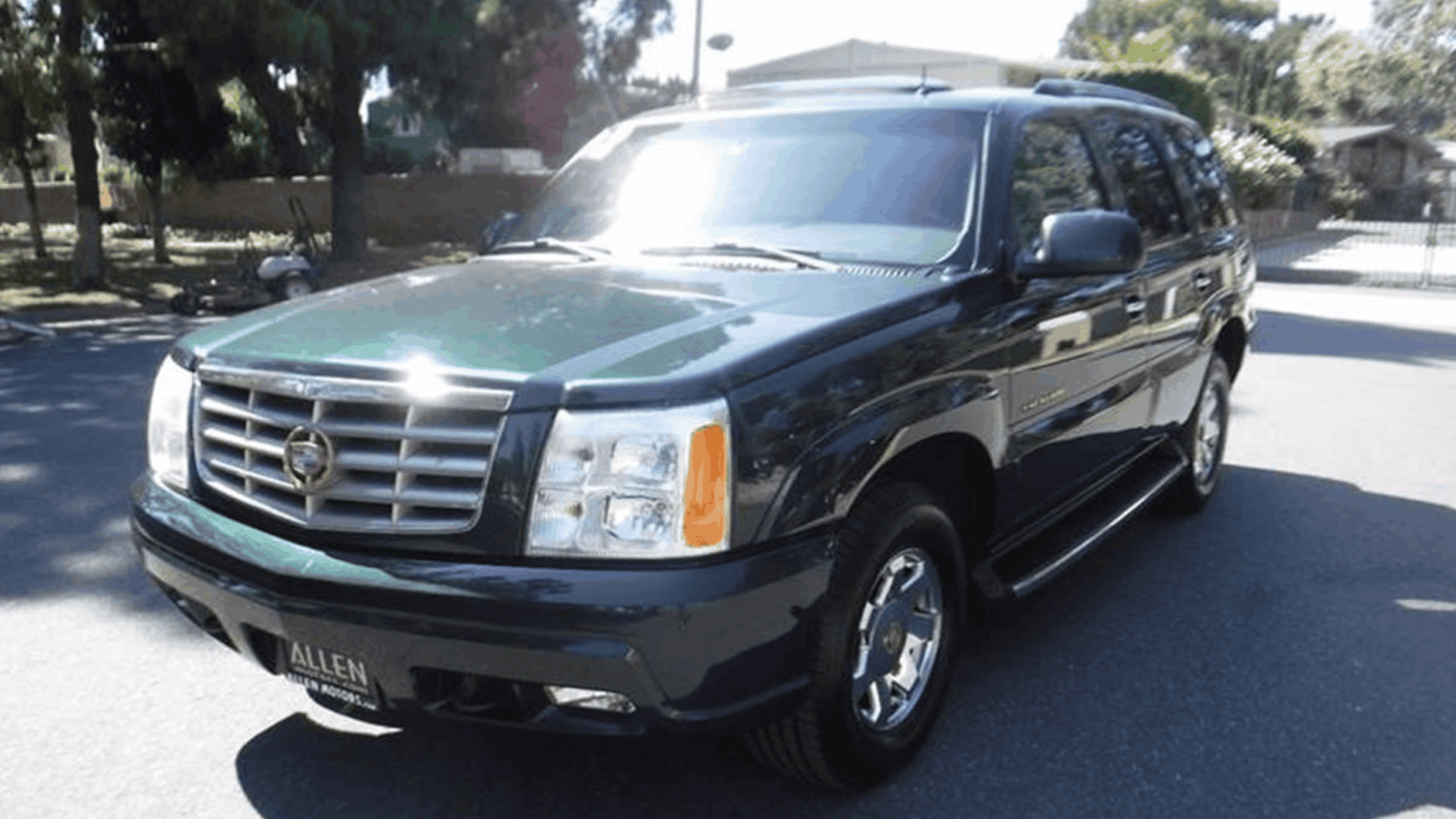
With its bold chrome grille, plush leather interior, and prominent road presence, the second-generation Escalade became an instant pop culture icon. It established the full-size luxury SUV as a primary symbol of success in music and entertainment.
Sign up for our newsletter
9. Jaguar XJR X308 (1997–2003)
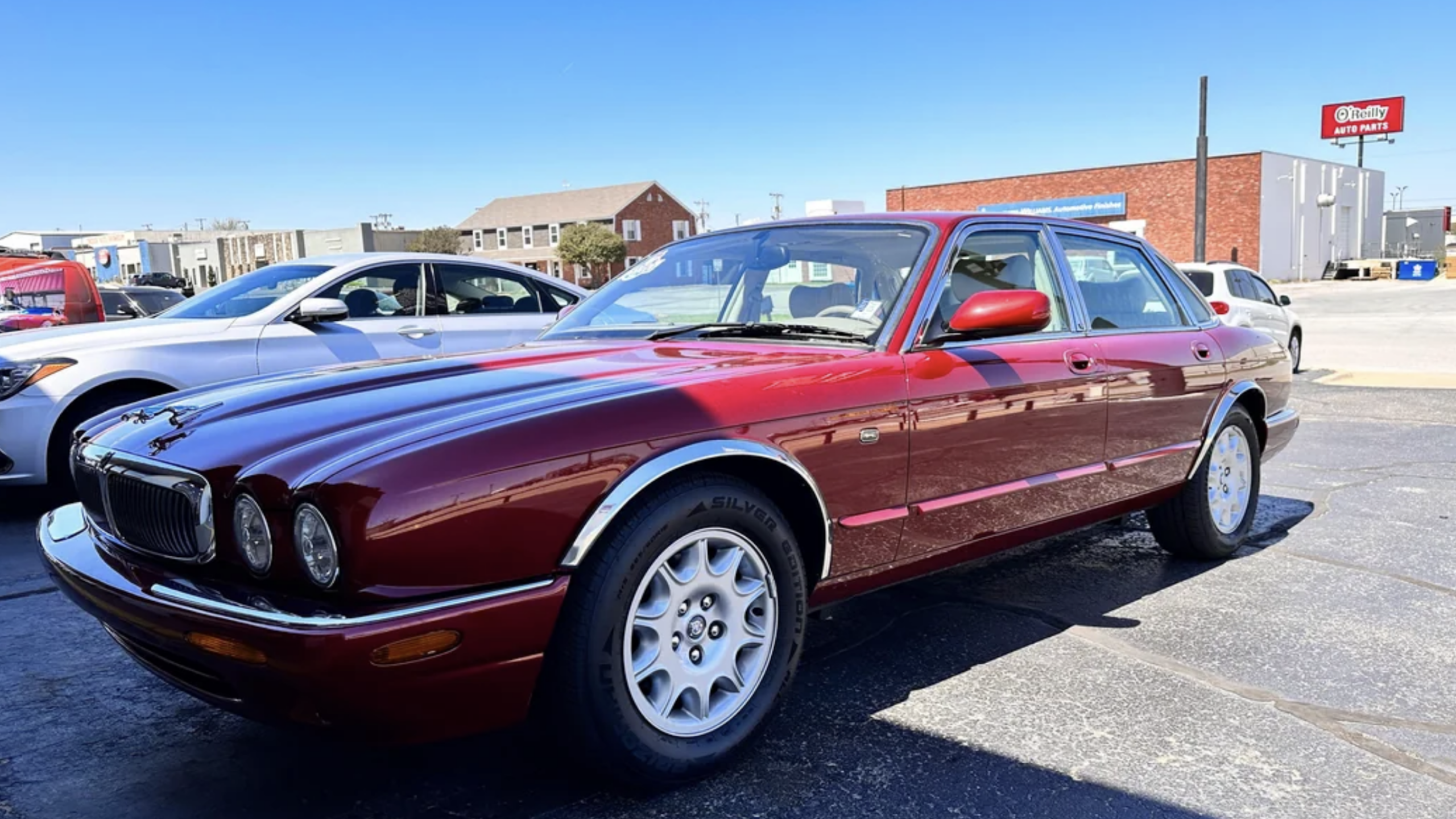
Combining traditional wood-and-leather interior trim with a supercharged V8 engine, the XJR offered high-speed performance wrapped in classic British styling. It appealed directly to buyers who favored quiet, inherited wealth aesthetics.
10. Bentley Arnage (1998–2009)
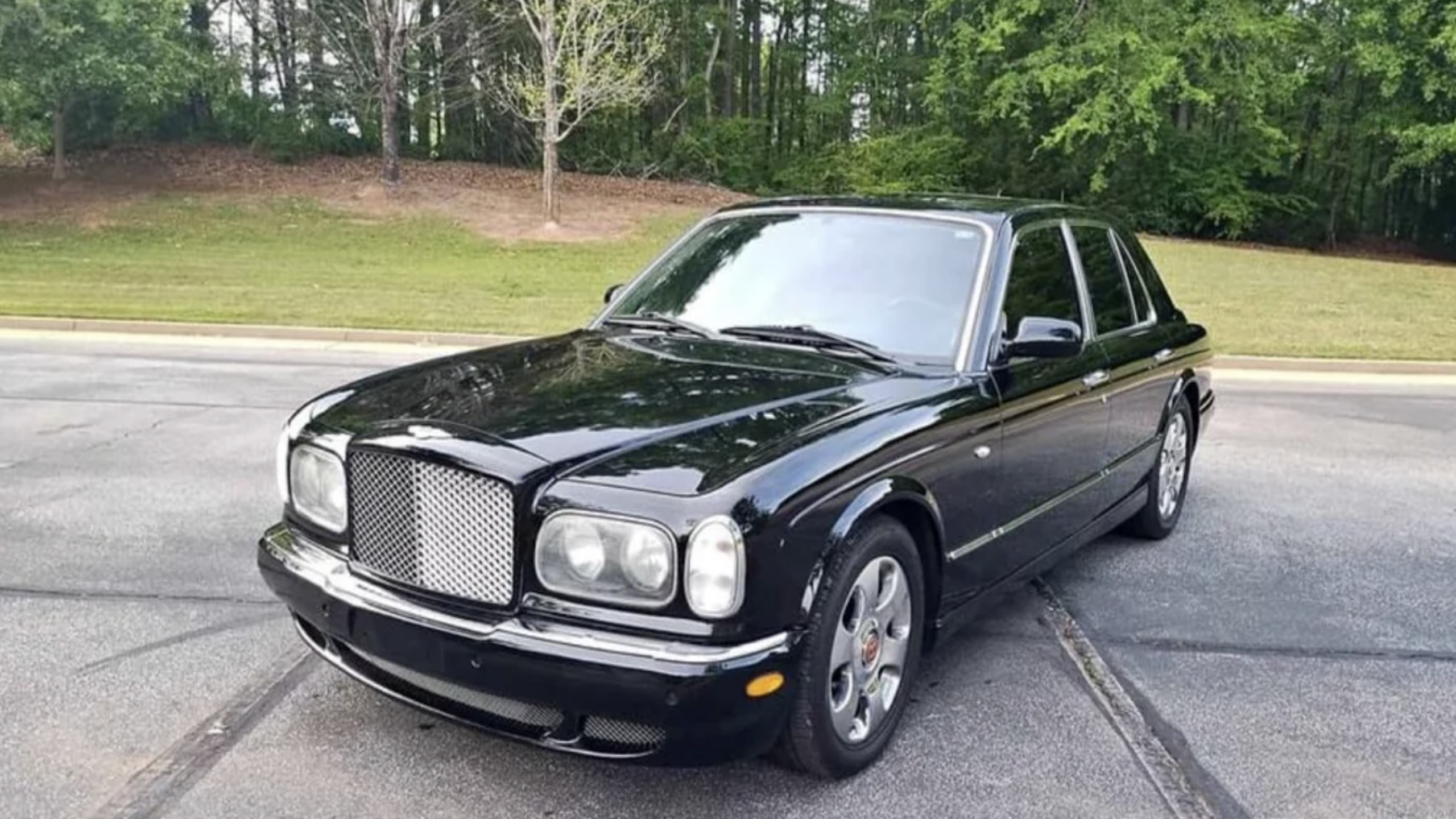
Hand-assembled in Crewe, England, the Arnage delivered immense torque alongside bespoke cabin customization. Long before modern mass-market luxury vehicles emerged, it represented bespoke transport for the global elite.
Ultra-luxury cars crafted with hand-stitched leather interiors offered personalized prestige that standard production lines could not match.
11. Aston Martin DB7 (1994–2004)
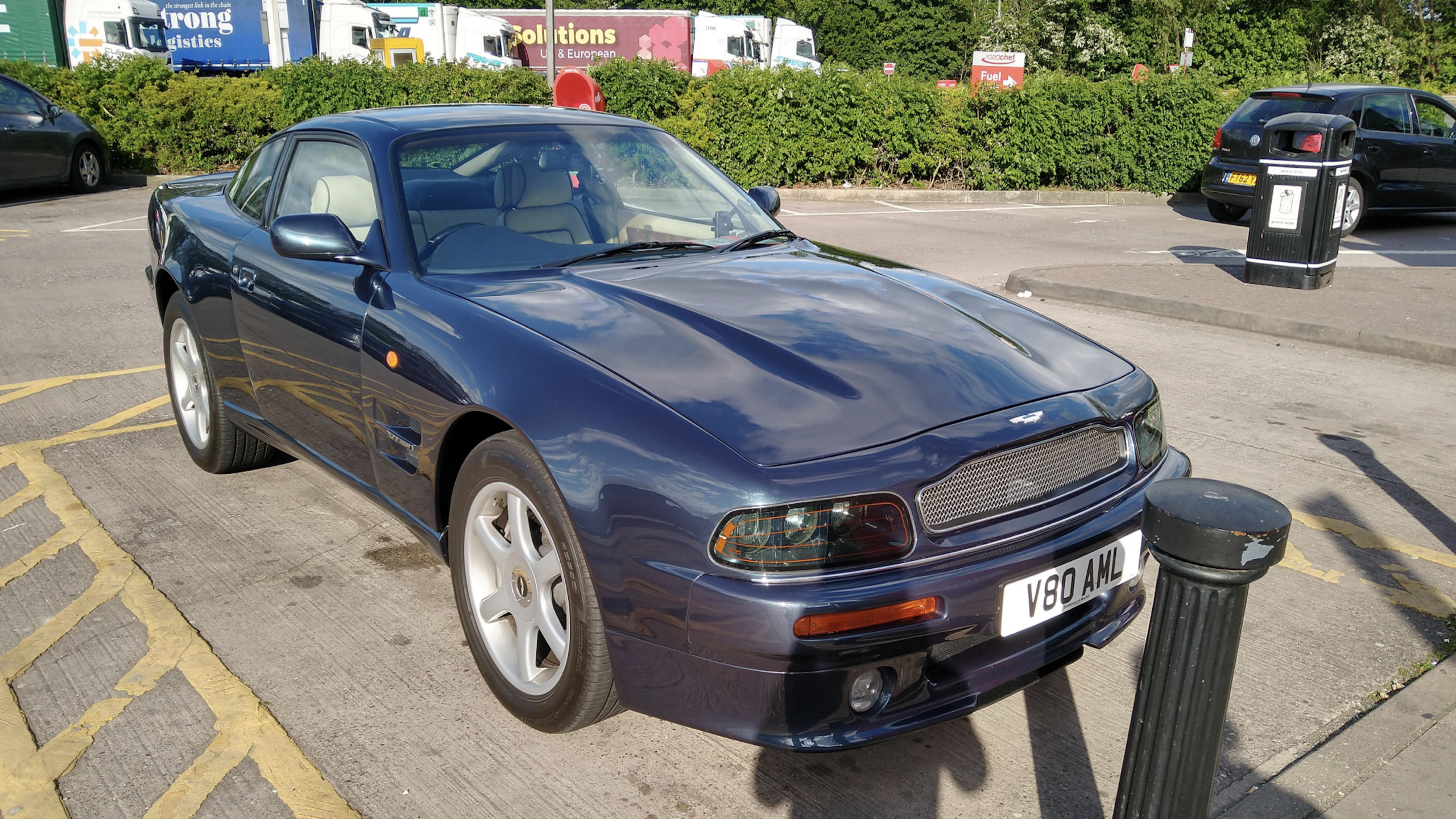
Designed under Ian Callum, the DB7 combined sleek Grand Touring proportions with an optional supercharged inline-six or powerful V12 engine. Its refined exterior profile projected high-end sophistication reminiscent of film icon James Bond.
12. Lamborghini Diablo (1990–2001)
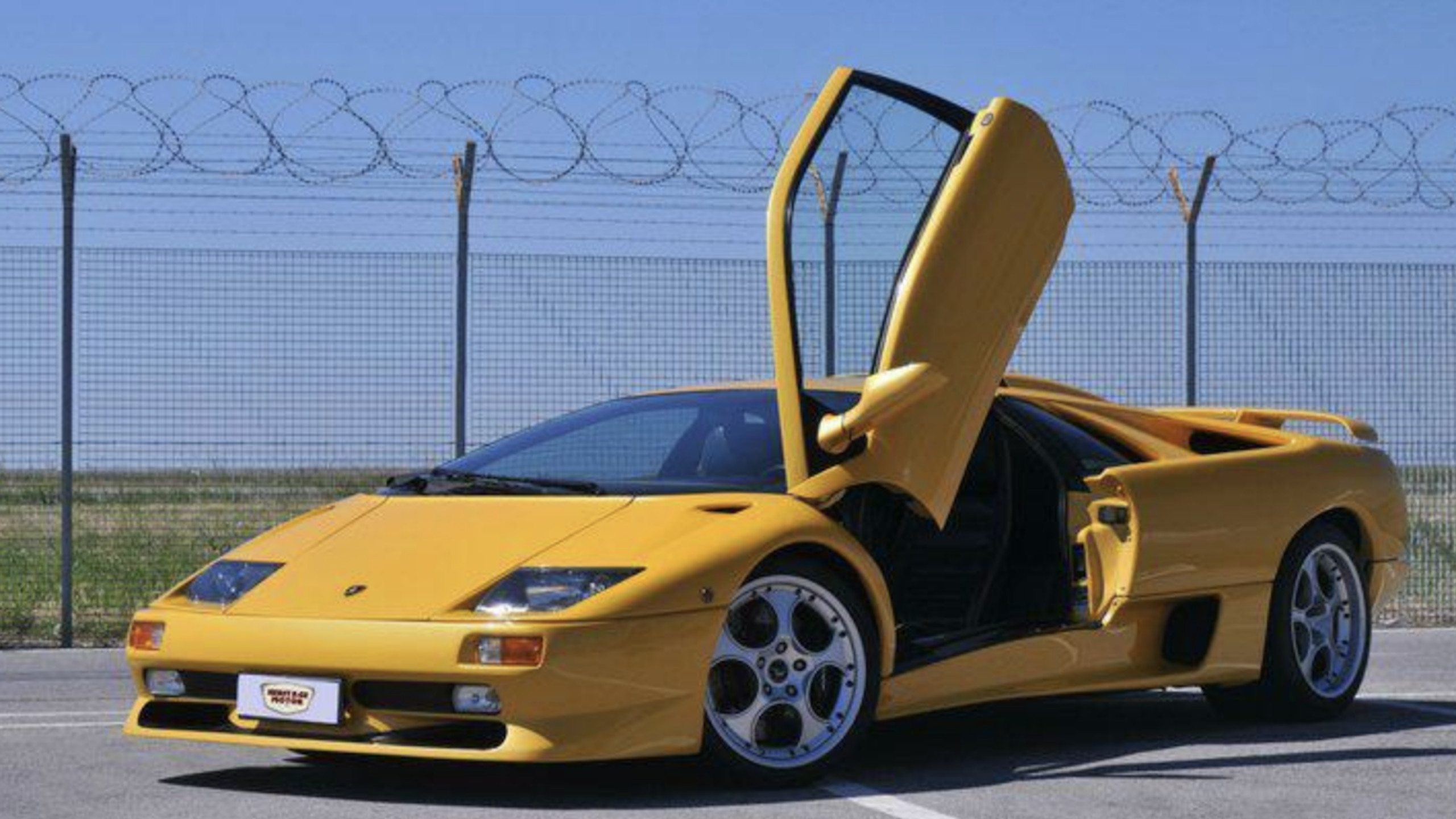
Featuring scissor doors, a wide rear track, and a mid-mounted V12 engine capable of exceeding 200 mph, the Diablo stood out as the definitive 1990s poster car. Operating one required both high driving skill and substantial maintenance budgets.
13. Lexus LS400 First Generation (1989–1994)
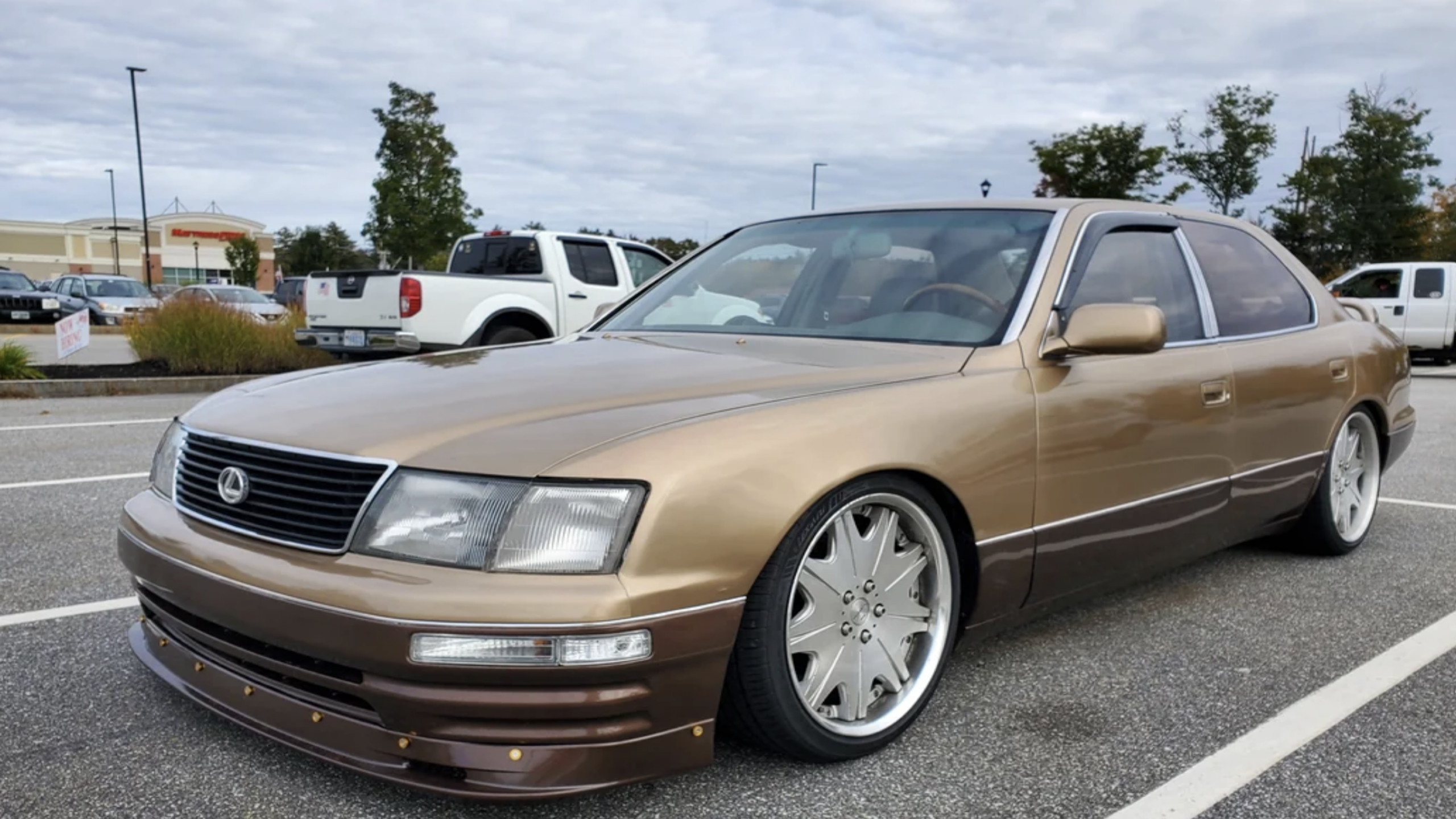
Engineered to challenge established European flagship sedans, the LS400 introduced unprecedented cabin quietness and mechanical reliability. It became the preferred choice for wealthy individuals who prioritized subtle engineering excellence over ostentatious badges.
14. Mercedes-Benz SL-Class R129 (1989–2001)
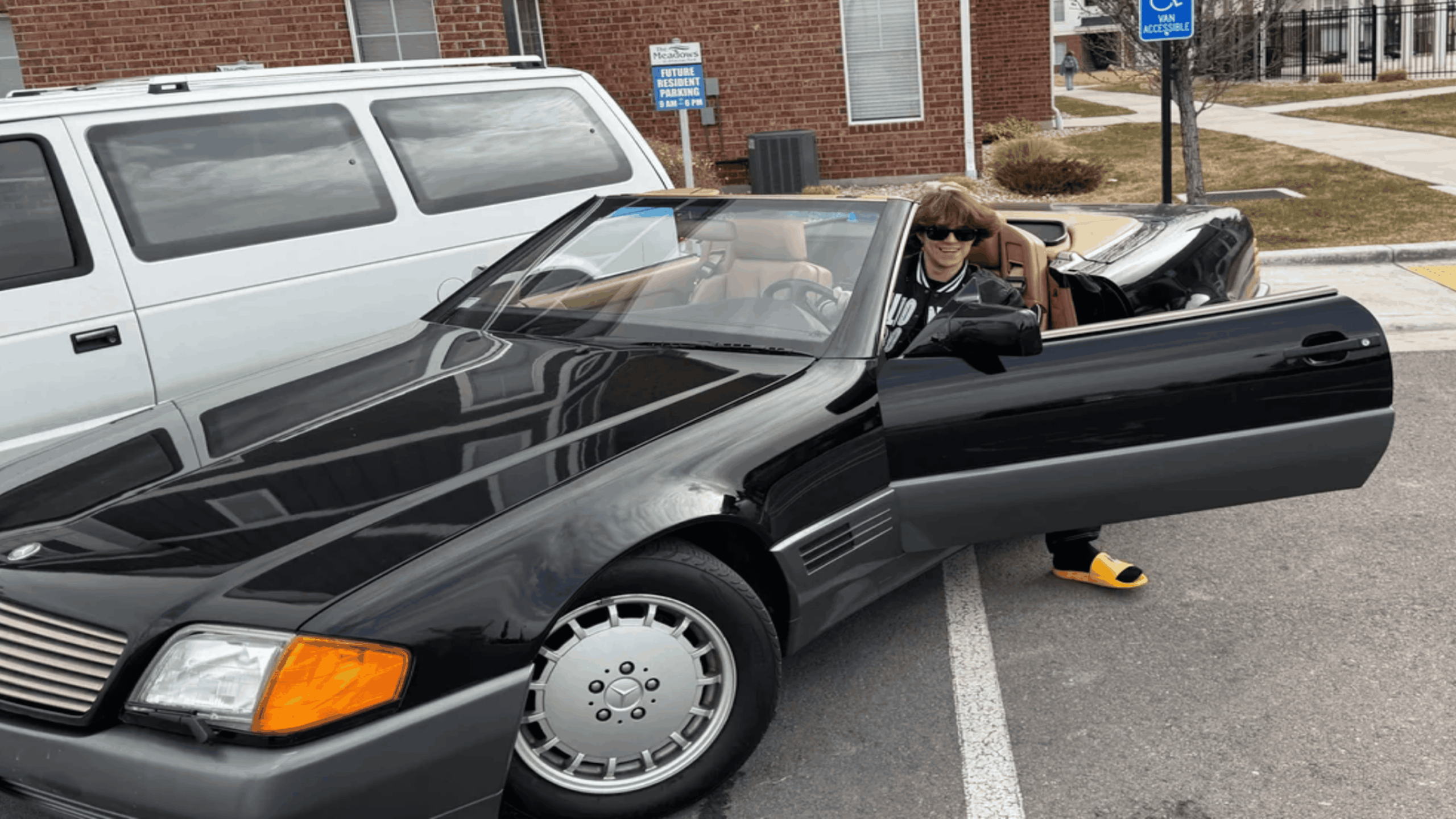
Featuring a fully automated convertible soft top and an integrated pop-up roll bar, the R129 generation stood as the premier open-top vehicle across affluent coastal communities like Beverly Hills and Palm Beach.
15. Acura NSX First Generation (1990–2005)
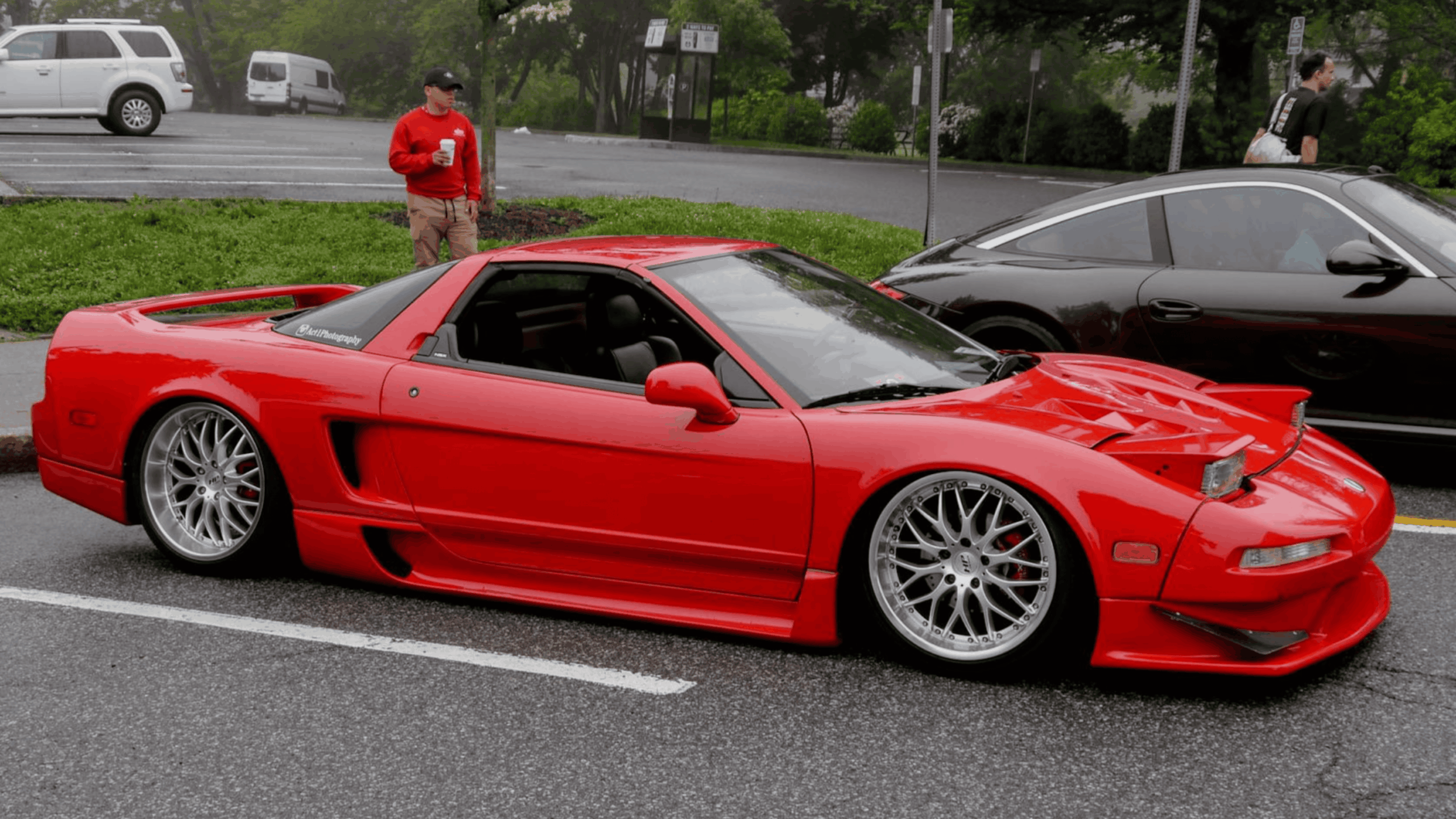
Developed with chassis tuning input from Formula 1 champion Ayrton Senna, the all-aluminum NSX proved that exotic mid-engine performance could coexist with daily reliability. It earned deep respect among dedicated automotive enthusiasts with significant financial means.
16. Maybach 57 / 62 (2002–2012)
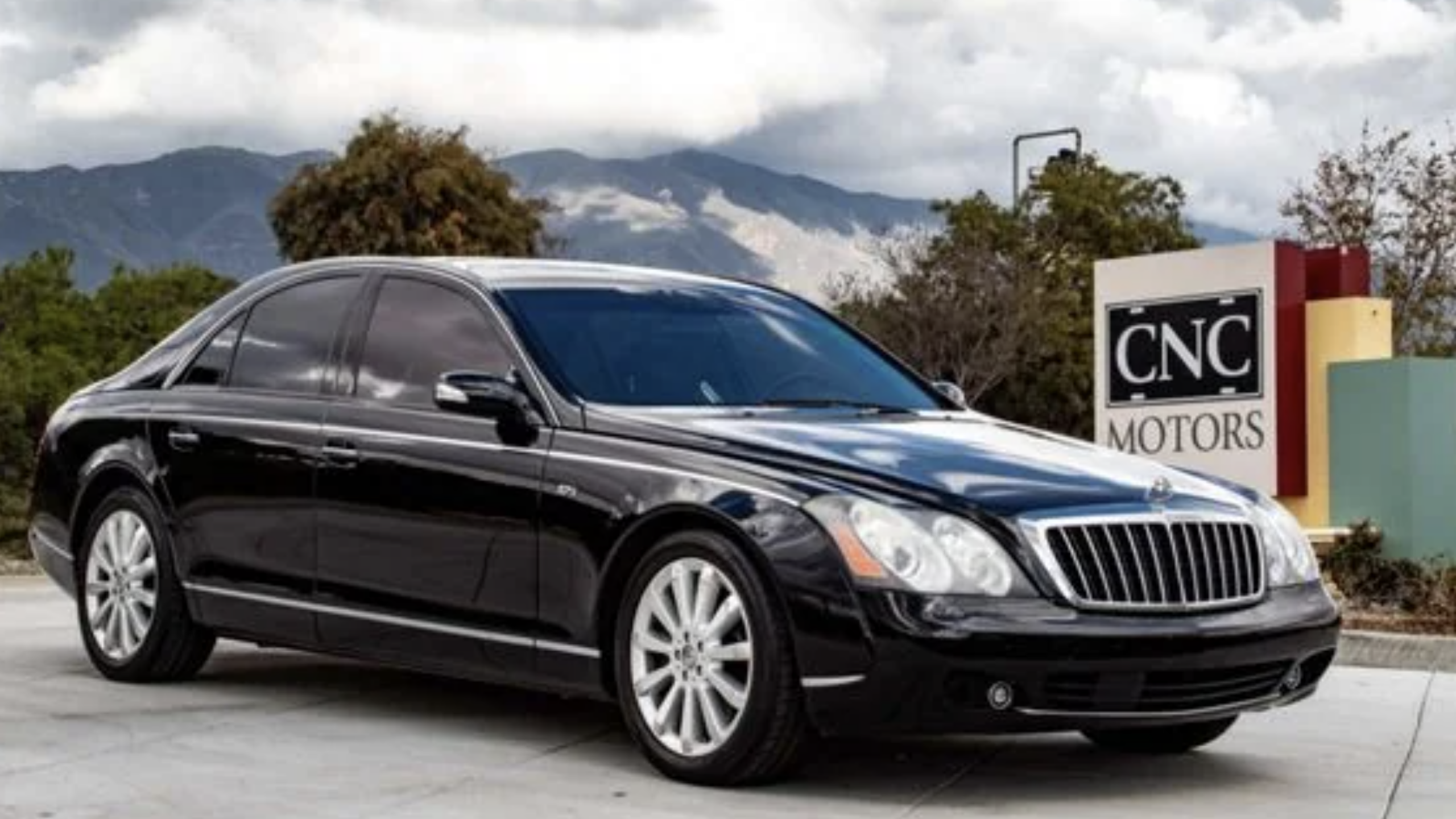
Reintroduced by Daimler to compete directly with Rolls-Royce, the Maybach featured reclining rear airline-style seating, electrochromic panoramic glass roofs, and champagne chillers. It was designed primarily for passengers who employed private drivers.
Ultra-exclusive chauffeured cars provided unprecedented rear-cabin luxury features tailored specifically for high-net-worth passengers.
17. Ferrari F355 (1994–1999)
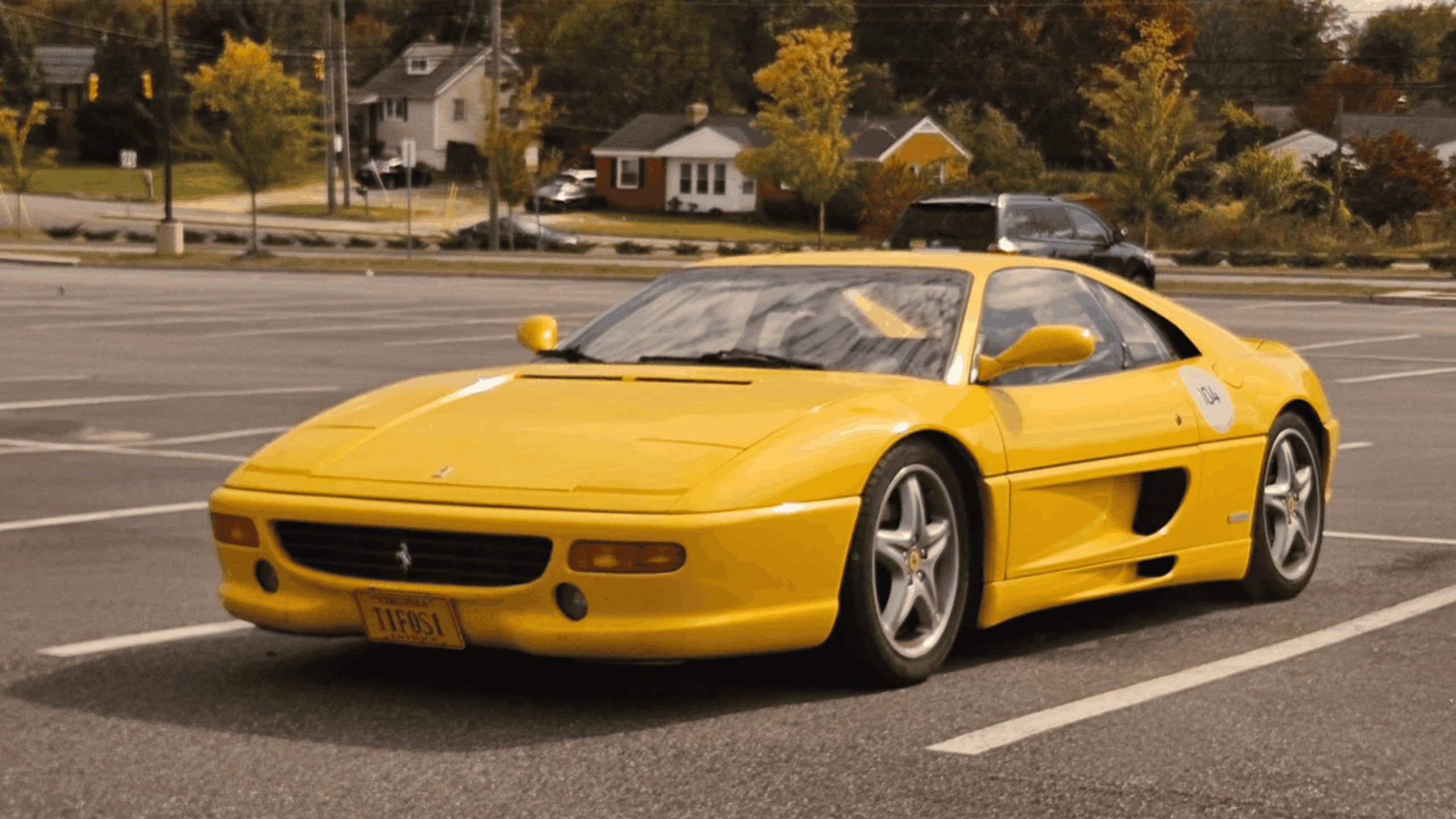
With its high-revving 3.5-liter V8 engine and resonant exhaust note, the F355 remains one of the most celebrated mid-engine sports models ever produced. Its sleek pininfarina lines made it a cornerstone of 1990s exotic motoring.
18. Rolls-Royce Corniche V (2000–2002)
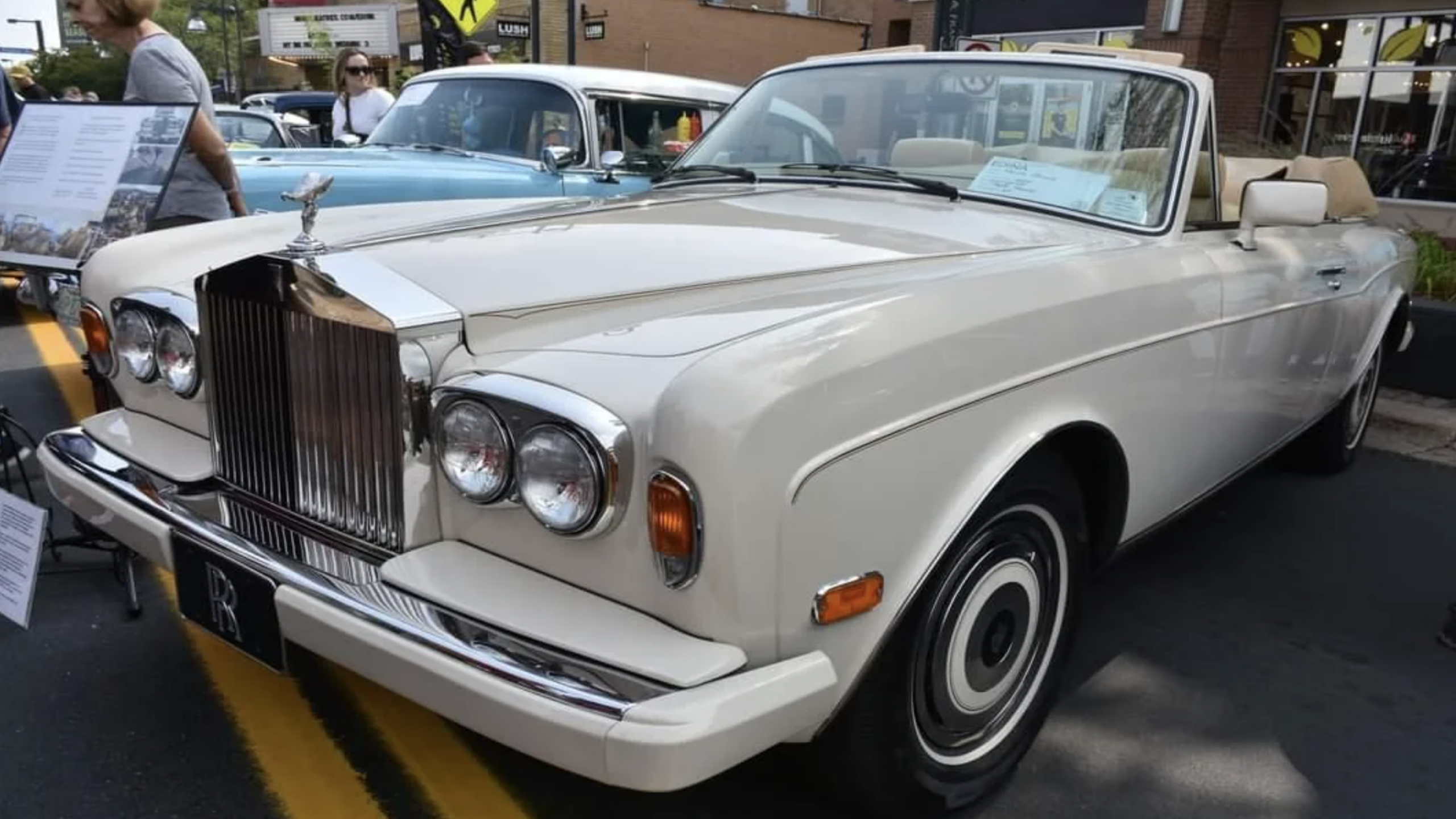
Handcrafted as a ultra-exclusive convertible flagship at the turn of the millennium, only a limited number of Corniche V models were ever built. Owning one represented the absolute pinnacle of traditional open-air luxury cruising.
Would you like more related content?