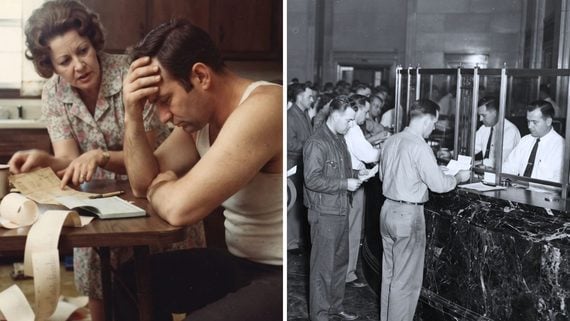
Imagine telling your grandparents you make a living “managing a brand’s TikTok” or “writing instructions for a chatbot.” You’d get a long, very confused silence. Thirty years ago, none of that was a career path. Since the late 1990s, new platforms, automated systems, and gadgets have opened up ways to earn a living that nobody could have predicted, and some of them already sound completely normal. These 14 jobs only exist because of technologies that were brand new, or didn’t exist at all, a generation ago.
1. Smartphone App Developers Build Programs for Modern Mobile Devices

In the mid-90s, if you wanted people to use your software, you put it on a disk and hoped. Then came phones. Apple launched its App Store in July 2008 with more than 500 applications, and Google’s Android Market arrived the same year, giving developers a direct line to people’s pockets. Programming itself is an old profession, but building apps for smartphones became a specialty of its own, powered by technologies that didn’t exist before then. Today these developers make everything from mobile games to banking tools, and it’s one of the best-known jobs born from the phone boom.
2. Social Media Managers Run Entire Brand Communities Online

Companies have always advertised, but replying to a customer’s meme at 11 p.m. is a brand-new kind of job. Facebook launched in 2004, and other networks followed, letting businesses talk to customers through posts, videos and comments. Social media managers now plan content calendars, track engagement, answer comments, and run campaigns across several platforms. It’s marketing, customer service and comedy writing rolled into one, with an audience that never logs off.
3. Cloud Architects Design Computer Systems That Run on Remote Servers

Once upon a time, a company’s computers lived in a closet down the hall, humming away. Then Amazon Web Services introduced S3 storage in March 2006 and its Elastic Compute Cloud later that year, popularizing the idea of renting computing power on demand. Cloud architects now design systems that combine online storage, virtual servers, databases and networking without a company owning every piece of hardware. It’s an older engineering craft aimed squarely at brand-new technologies, and a good example of how jobs evolve instead of appearing from nowhere.
4. YouTube Creators Can Build Careers Around Their Own Video Channels

Not long ago, reaching a big audience meant a TV network or a studio had to say yes. YouTube launched in 2005 and added its Partner Program in 2007, which let participating creators earn advertising revenue from their videos. Today creators make tutorials, documentaries, reviews, and entertainment, and some run full businesses with sponsors, merchandise, and employees. “I want to be a YouTuber” stopped being a joke a long time ago.
5. Podcast Producers Make Audio Shows for On-Demand Listening

Radio has been around forever, but podcasts let anyone make a show without a broadcast schedule. In June 2005, Apple added podcast subscriptions to iTunes, with more than 3,000 programs to choose from. Producers now plan episodes, book guests, record interviews, edit audio, and publish shows on digital platforms, and successful ones can earn money from ads, subscriptions, and sponsors. It’s radio, reinvented by technologies that put a whole studio on a laptop, and it turned a hobby into one of the more unexpected jobs of the internet age.
Trending on Wealth Gang


6. Commercial Small-Drone Pilots Inspect Buildings and Survey Land
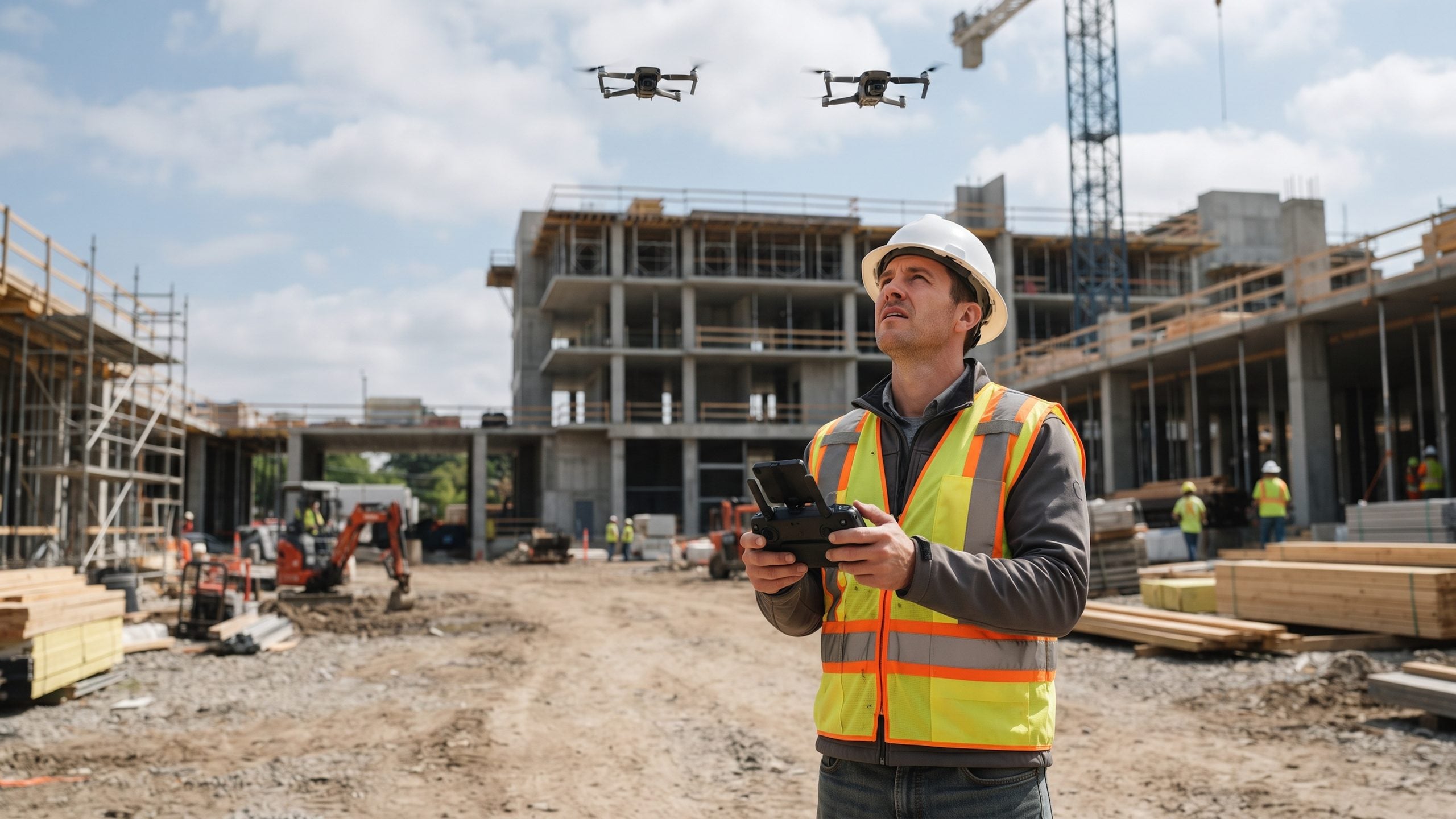
Remote-controlled planes have been around for decades, but affordable camera drones turned them into a business. In 2016, the Federal Aviation Administration introduced Part 107, a certification framework for commercial operators of small drones in the United States. Certified pilots now shoot aerial images for construction inspections, real estate, surveying, and agriculture, and the FAA even lays out how to become a certified remote pilot. It’s a real aviation career that didn’t exist in this form 30 years ago.
7. App-Based Rideshare Drivers Find Passengers Through Their Phones

Professional drivers have been around forever. What’s new is getting your next fare from an app. Uber launched its app-based service in San Francisco in 2010, letting people request a ride from their phones. Rideshare drivers now get trip requests, follow navigation, and process payments through software instead of waiting for someone to wave them down. It’s not a new way of driving, but a new way of working, built on technologies that now live in everyone’s pocket, and it created a whole new category of jobs.
8. Virtual Reality Experience Designers Build Entire Digital Worlds

Virtual reality research is decades old, but consumer headsets turned it into a market. When Meta’s Oculus Rift began shipping in March 2016, games and apps were ready and waiting. VR experience designers now combine 3D environments, sound, animation, and interactive programming to build simulations, games, and training tools. It grows out of game design and computer graphics; only now is it aimed at a headset you can actually buy.
Sign up for our newsletter
9. Livestream Shopping Hosts Sell Products During Live Videos

Late-night TV shopping channels have been selling gadgets for decades, and the new version fits in your hand. TikTok Shop launched across the United States in September 2023, letting people buy straight from shoppable videos and live broadcasts. Hosts demonstrate products, answer questions in real time, and promote merchandise while viewers check out without leaving the app. Some of these jobs are with brands; others are for independent creators earning commissions- one more of the technologies that blurred entertainment and shopping.
10. Augmented Reality Filter Designers Create Interactive Camera Effects

Ever wonder who makes the dog ears and sparkly crowns on your selfie? Snapchat introduced Lens Studio in December 2017 so creators could build their own augmented reality effects, and by the end of 2018, Snap reported that creators had submitted more than 250,000 Lenses through it. AR filter designers use animation, visual effects, 3D modeling, and interactive programming to craft digital objects that react to a face or surroundings. It’s a tiny job with a very big audience.
11. Smart Contract Developers Write Programs for Blockchain Networks

Normal programs run on a computer or a server. Blockchains introduced a different place to run code. Ethereum launched in July 2015 as a platform for decentralized apps and smart contracts, and developers write programs that carry out set actions on the blockchain, like recording transactions or managing digital assets. Because deployed contracts can be hard to change, security and testing matter a lot, a reminder that these technologies, and the jobs around them, are still finding their footing.
12. AI Prompt Engineers Develop Instructions for Generative AI

Artificial intelligence isn’t new, but chatting with it is. OpenAI introduced ChatGPT publicly on November 30, 2022, bringing natural-languageconversation with a large language model to a huge audience. Prompt engineering specialists design, test, and refine instructions so AI answers are more consistent and useful, and OpenAI even publishes its own prompt engineering guide. The role is still evolving, and at many companies it’s folded into software development, research, or business operations rather than being a standalone job.
13. Autonomous Delivery Robot Operators Help Manage Sidewalk Robot Fleets
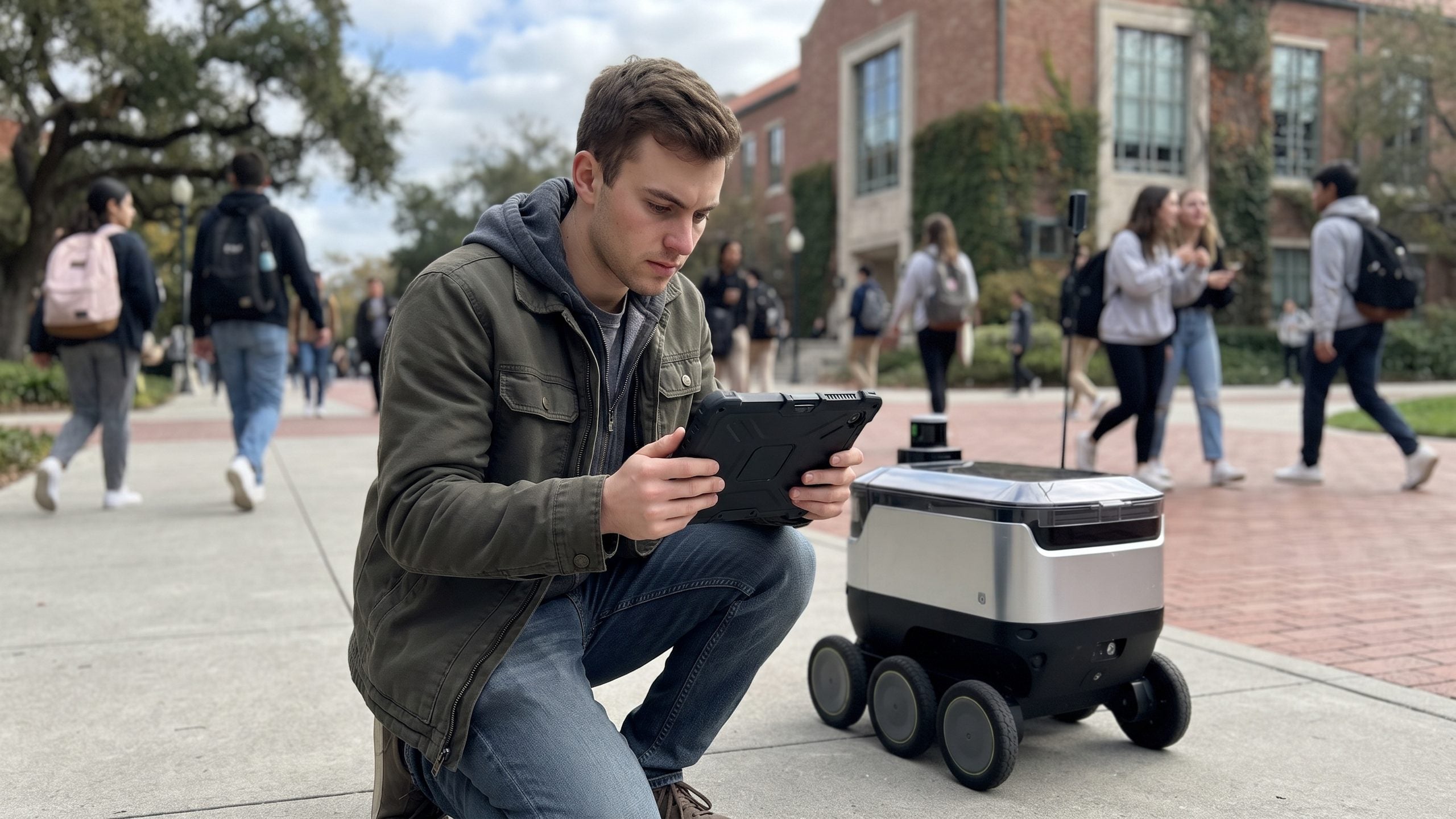
Food delivery has been around forever, but robots rolling down the sidewalk with your lunch are new. Starship launched a commercial autonomous delivery service in the United Kingdom in 2018 and reached American university campuses in 2019. Those robots still need people, from remote operators who can step in when a situation calls for a human to field staff who handle repairs and maintenance. It’s one of the newest sidewalk jobs, built on fleets of autonomous technologies instead of bikes and cars.
14. Autonomous Vehicle Remote Assistance Specialists Support Driverless Cars

Waymo introduced Waymo One in the Phoenix area in December 2018, helping launch a modern market for driverless rides. The company explains that remote assistance agents answer specific requests for information from the car’s automated driving system, and specialized response teams can help coordinate emergencies. Nobody is steering from afar, because the driving system stays in charge. Cars have needed drivers and mechanics for more than a century, and now they have a brand-new support crew.
From app stores to driverless cars, these technologies didn’t just add gadgets to our lives; they created entire careers. Which of these jobs would you never have guessed? Tell us in the comments!