Imagine walking into your workplace in 1976 and finding no internet, no smartphones, and barely a computer in sight. Offices hummed with typewriters, photographers waited anxiously for their film to develop, and grocery store cashiers had to remember prices or enter them by hand. Getting through a typical workday often meant dealing with mountains of paperwork, bulky equipment, and tasks that required far more patience than they do today.
Fifty years later, many of those same professions are still around, but the way people do them has changed beyond recognition. Technology has eliminated some of the most time-consuming routines while introducing responsibilities that workers in the 1970s could hardly have imagined. From bank tellers to graphic designers, these 18 jobs offer a fascinating look at just how much the American workplace has transformed.
1. Bank Tellers Used to Handle Transactions We Now Do on Our Phones
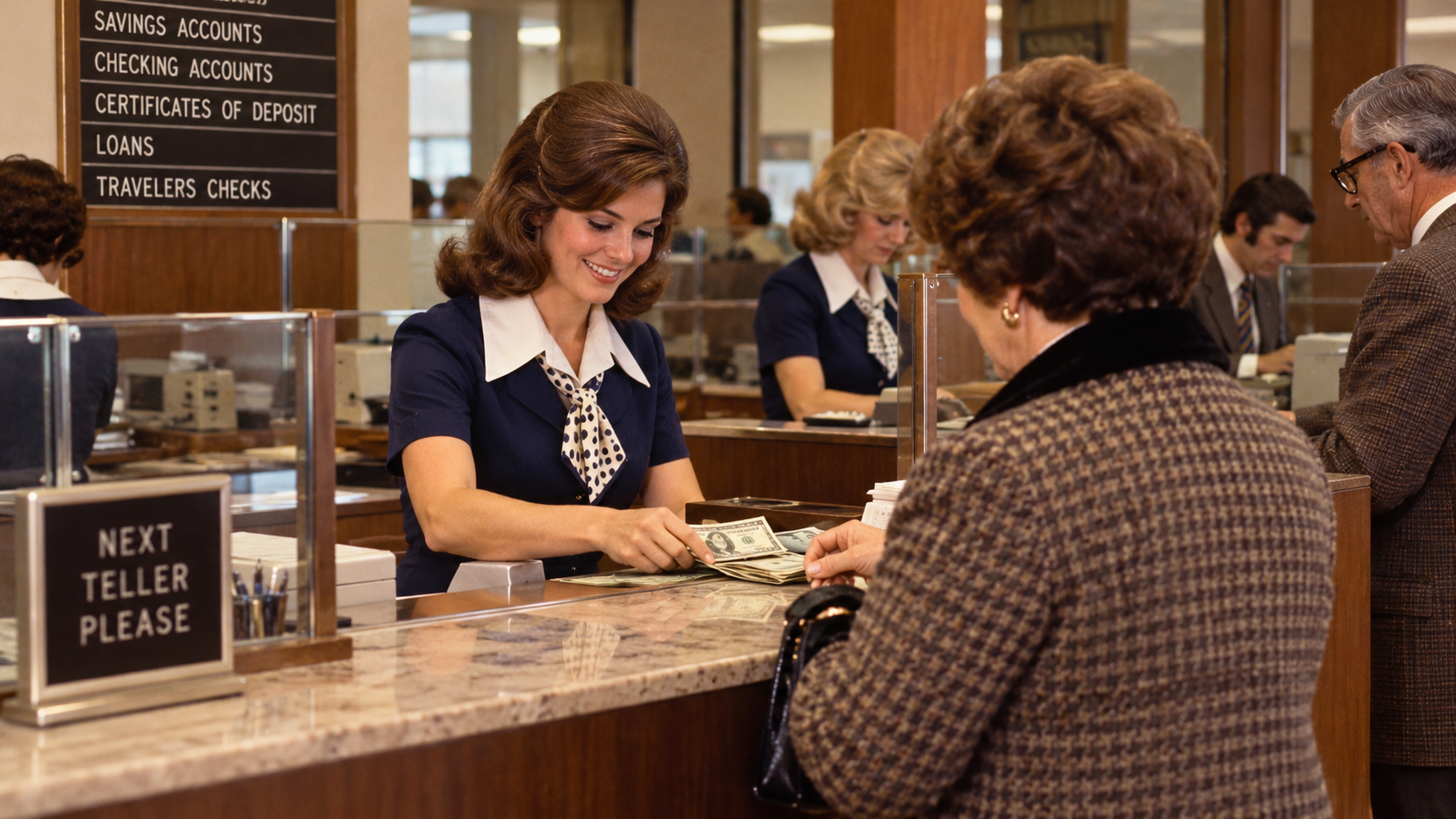
There was a time when depositing a paycheck meant standing in line at the bank, filling out a paper slip, and waiting for a teller to process the transaction. Bank tellers were familiar faces in many communities, handling everything from cash withdrawals to transfers between accounts. Although ATMs already existed in 1976, visiting a branch was still part of everyday financial life. Today, most of those errands can be completed in seconds through a banking app, often without speaking to another person. The shift has been so significant that the Bureau of Labor Statistics projects teller employment will decline by 13% between 2025 and 2035.
2. Travel Agents Went From Booking Flights to Planning Specialized Vacations
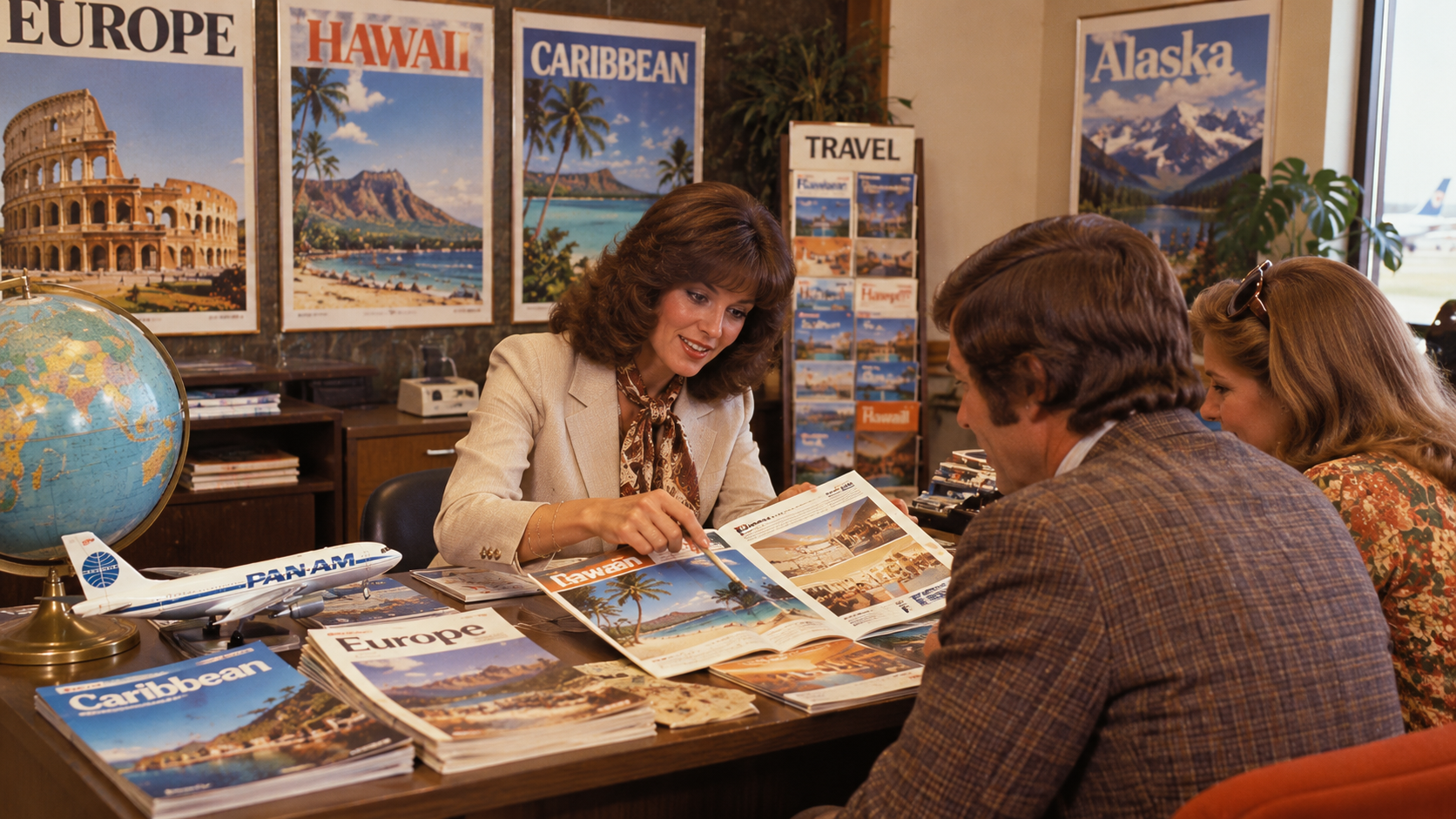
Planning a vacation in the 1970s often began with a visit to a travel agency, where colorful destination posters covered the walls and agents worked through flight schedules, hotel information, and printed brochures. Without online booking websites, travelers depended on professionals to compare fares and organize their trips. Travel agents could turn a complicated itinerary into a neatly arranged folder of tickets and reservations. Today, anyone can book a flight or hotel from their couch, but travel agents haven’t disappeared. Instead, many focus on customized vacations, group trips, and complicated itineraries that require more expertise than a quick online search.
3. Librarians Used to Navigate Millions of Paper Catalog Cards
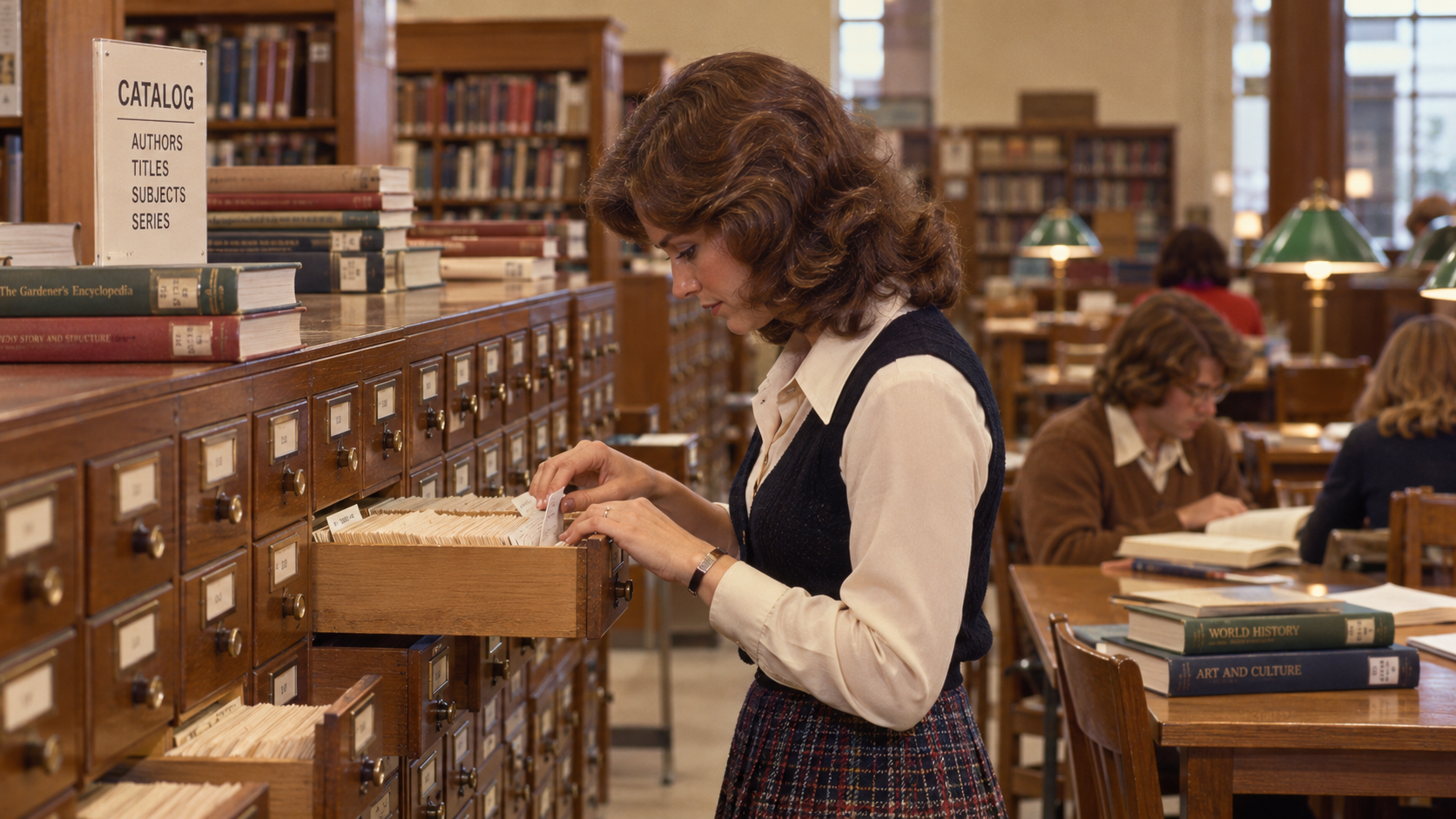
Before library computers became commonplace, finding a particular book could involve opening drawer after drawer of alphabetized index cards. Librarians knew how to navigate these enormous catalogs, helping visitors track down titles, authors, and subjects through carefully organized paper records. The Library of Congress eventually accumulated more than 22 million catalog cards across approximately 22,000 drawers, with its final card added in 1980. Today, a searchable digital catalog can locate a book almost instantly. Librarians still help people discover information, but the familiar sound of wooden catalog drawers sliding open has largely disappeared from everyday library visits.
4. Postal Workers Once Sorted Much More Mail by Hand
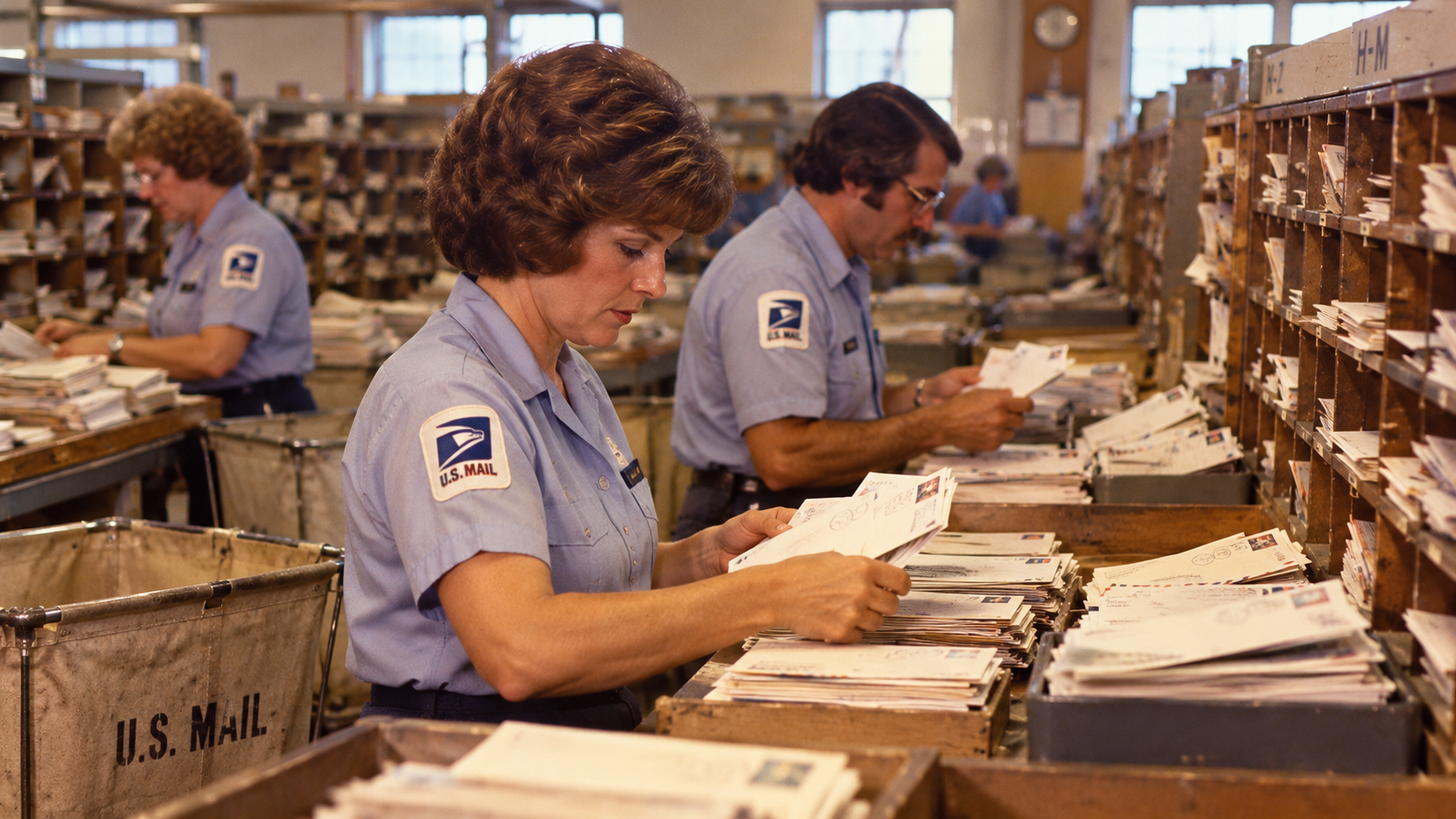
Long before automated systems could read addresses and organize mail by delivery route, postal workers spent hours making sure letters reached the right destinations. By the 1970s, mechanical sorting machines were already helping with the workload, but many tasks still depended on employees who knew sorting codes and could quickly direct mail into the correct bins. Some workers operated keyboards connected to sorting equipment, entering memorized codes as letters moved through the system. Today’s postal facilities use sophisticated address-reading technology and barcode sorting machines to handle enormous volumes of mail. The handwritten envelopes may look familiar, but much of the work happening behind the scenes has changed.
5. Photographers No Longer Have to Develop Film to See Their Pictures
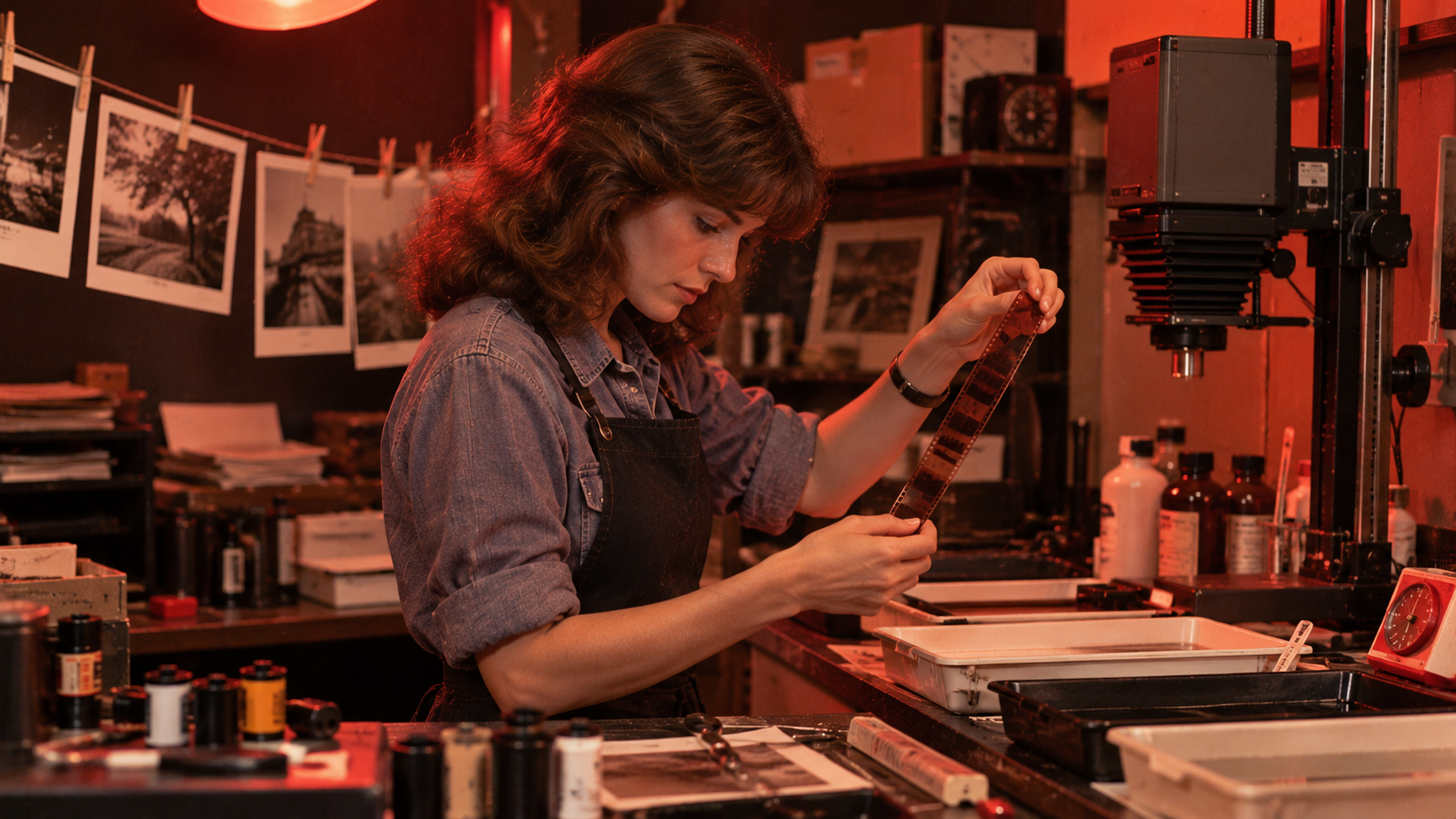
Taking a photograph in 1976 required a little faith. Photographers carefully adjusted their cameras, pressed the shutter, and hoped they had captured the moment correctly. There was no screen to check whether someone blinked or the lighting was wrong. Film had to be developed through a chemical process, and professional photographers often spent hours in darkrooms surrounded by negatives, enlargers, and trays of chemicals. Today, digital cameras display results immediately, while editing software makes it possible to adjust colors, lighting, and composition without touching a physical print. The excitement of watching an image slowly appear in a developing tray has become a nostalgic memory.
Trending on Wealth Gang

6. Auto Mechanics Now Diagnose Problems With Computers
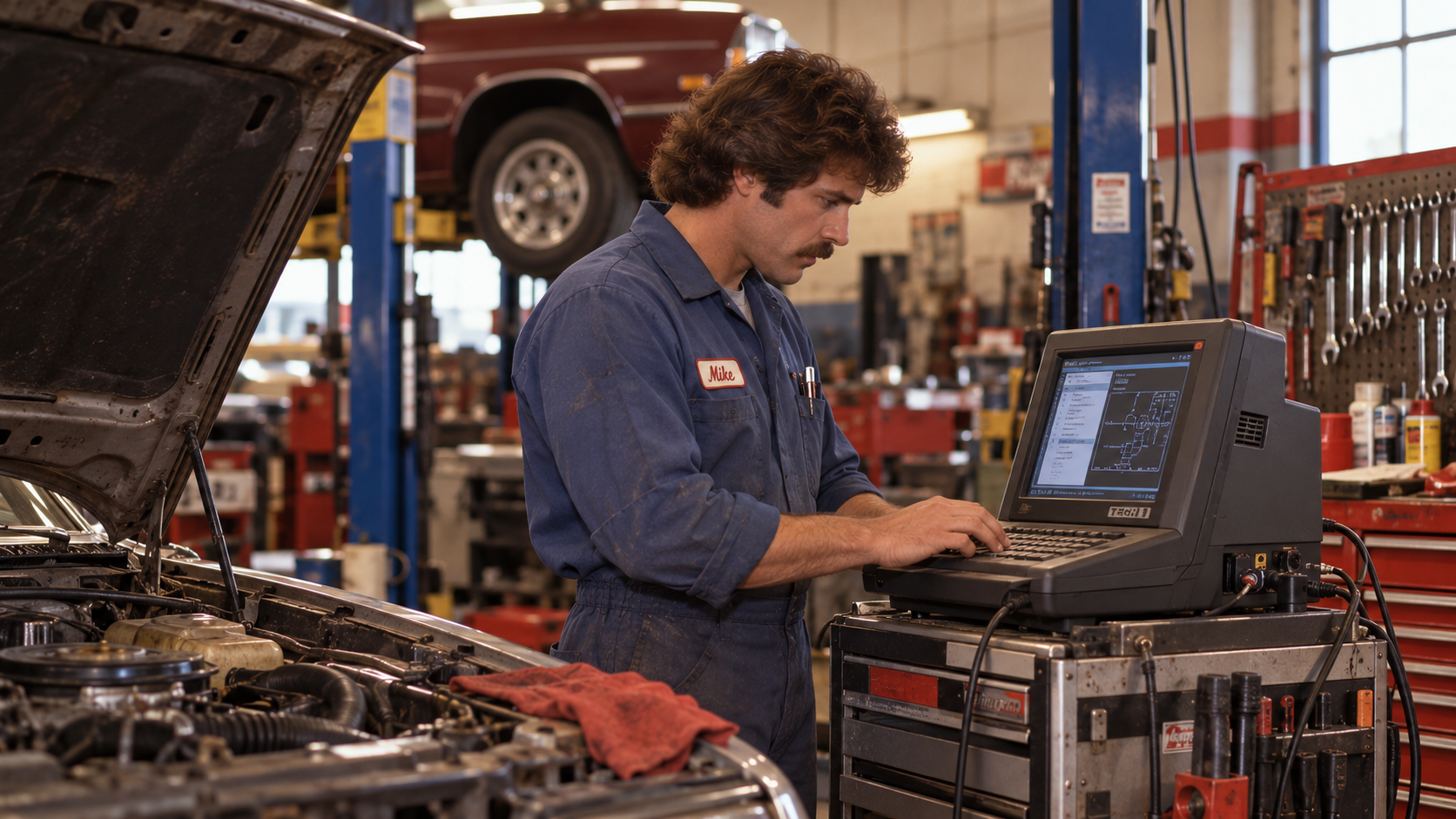
A mechanic’s workshop in the 1970s was filled with the sounds of rattling tools, running engines, and conversations about carburetors and ignition timing. Diagnosing a stubborn engine problem often meant relying on experience, mechanical knowledge, and plenty of hands-on adjustments. Mechanics listened for unusual noises, inspected components, and worked through possible causes one by one. Modern vehicles still require skilled technicians, but computerized control systems and electronic sensors have transformed the diagnostic process. Mechanics now connect specialized equipment to vehicles to identify problems, while hybrid and electric cars have introduced entirely new systems to understand. A toolbox is still essential, but a computer has become just as important.
7. Farmers Can Now Use Satellites to Guide Their Tractors
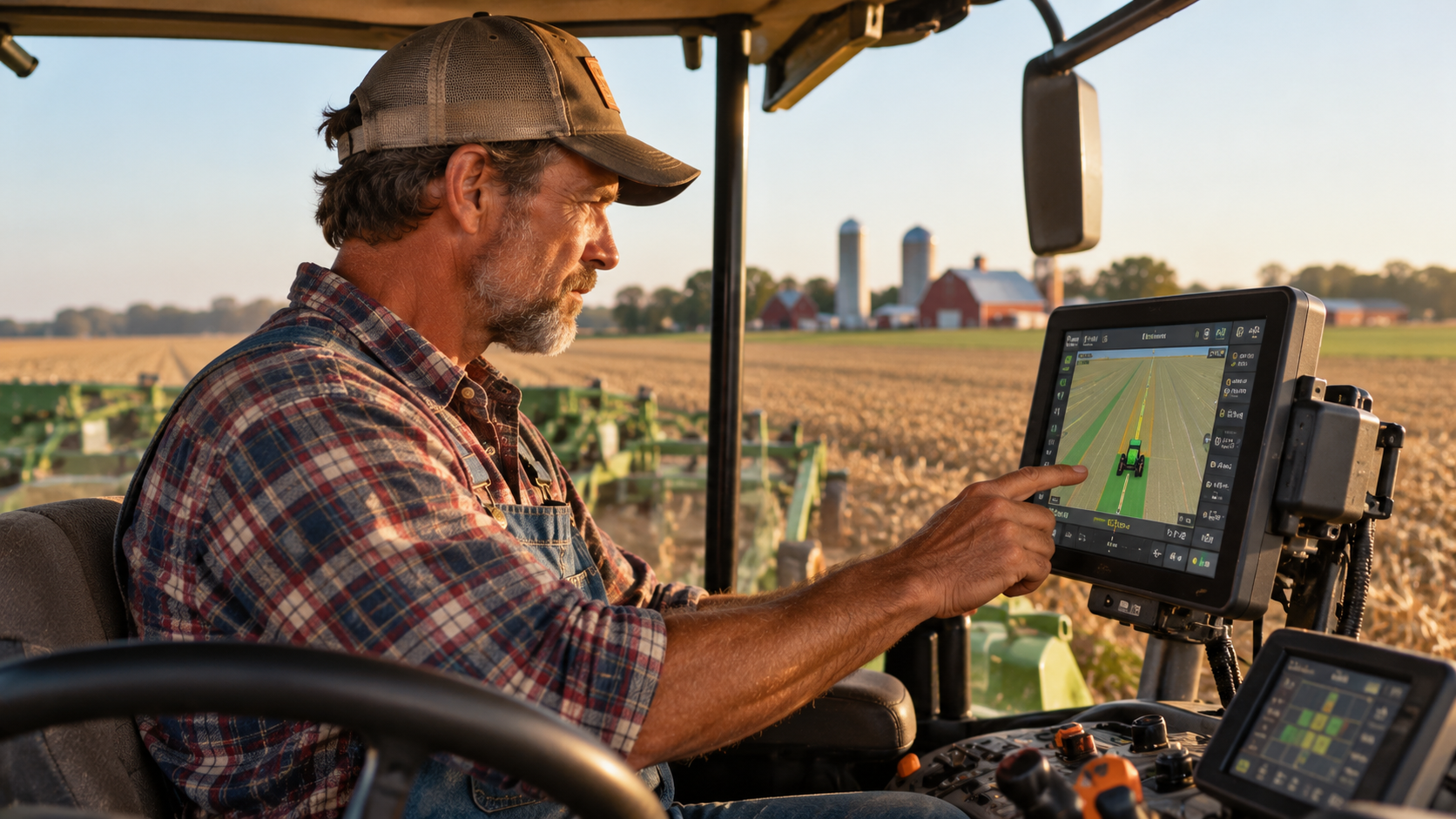
Farming in 1976 demanded long hours behind the wheel of a tractor, with operators relying on their eyesight and experience to keep equipment moving accurately across fields. Farmers knew their land intimately, noticing changes in soil, weather, and crop conditions through years of observation. Today, precision agriculture has introduced tools that would have seemed futuristic to many farmers of that era. GPS-guided tractors can follow carefully planned routes, digital maps can reveal differences in crop yields, and equipment can adjust fertilizer application across individual sections of a field. According to USDA research, GPS guidance systems were already being used on roughly 45% to 55% of planted acres for several major crops during 2010–2013.
8. Drafters Traded Drawing Boards for Computer-Generated Designs
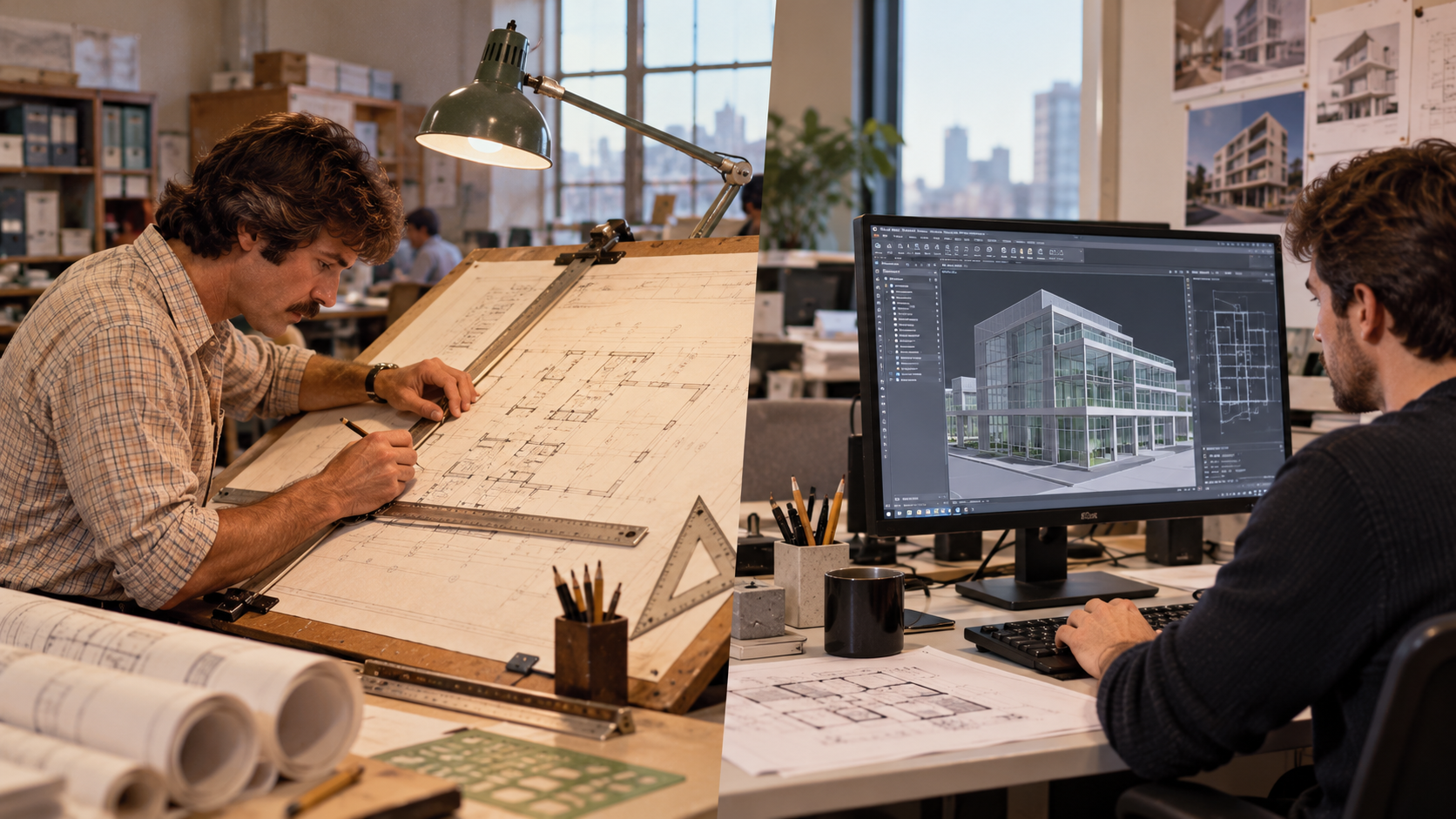
A drafting office in the 1970s looked like a place where art and mathematics met. Large drawing tables held carefully measured blueprints, while pencils, rulers, triangles, and specialized instruments helped drafters create precise technical plans. Every line mattered, and making a major revision could mean erasing hours of work or starting a fresh sheet. Today, computer-aided design software allows professionals to create detailed plans, adjust measurements, and develop three-dimensional models with remarkable flexibility. The skill of understanding technical drawings remains essential, but the enormous drafting tables and rolls of paper that once defined the profession are no longer necessary for most projects.
Sign up for our newsletter
9. Secretaries Went From Typewriters to Digital Office Management
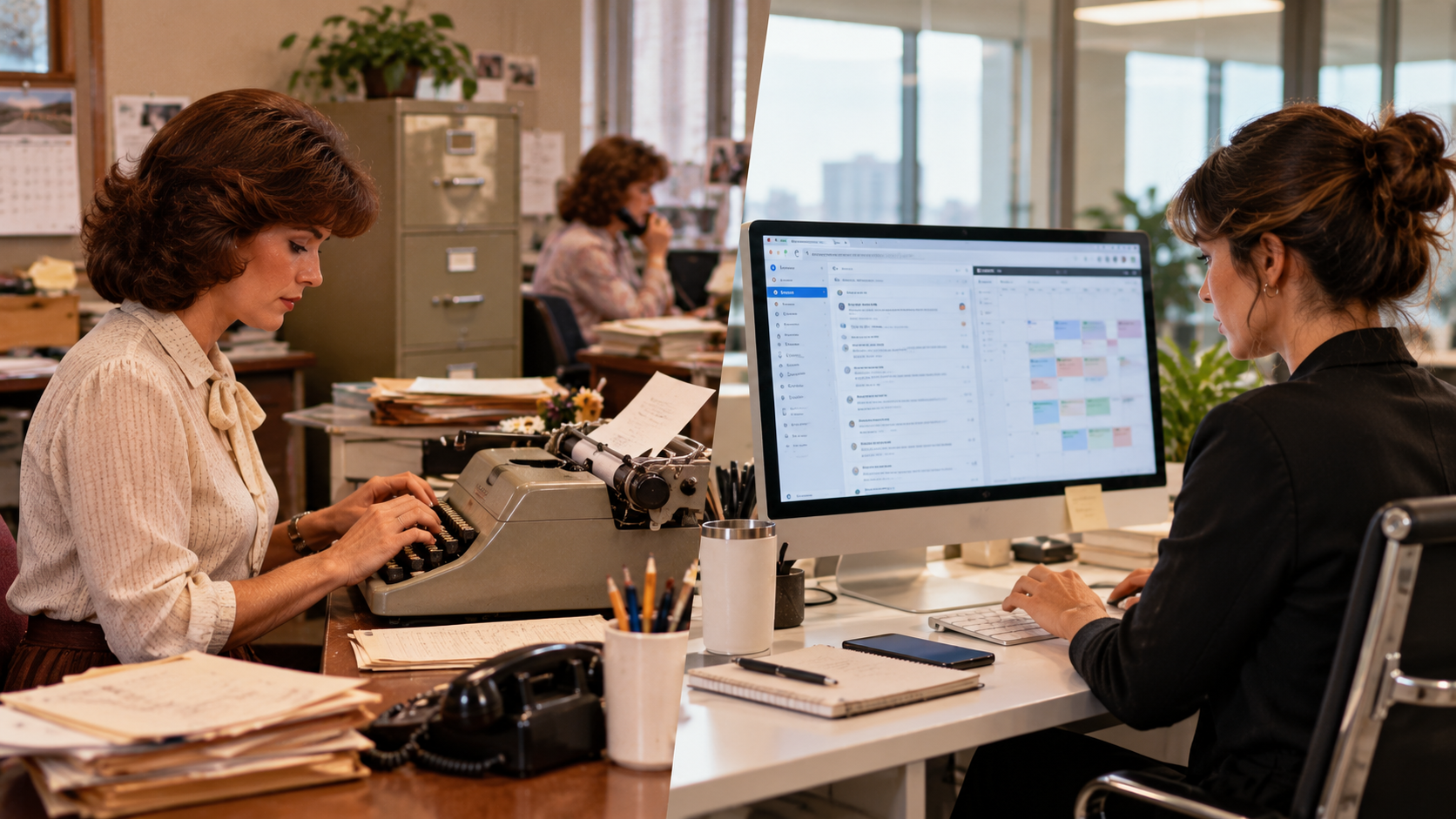
The sound of typewriter keys was once the soundtrack of a busy American office. Secretaries prepared letters, managed appointments, answered telephones, and maintained filing cabinets filled with important documents. A single typing mistake could mean reaching for correction fluid, carefully fixing the error, or retyping an entire page. Carbon paper was often used to produce copies, and scheduling a meeting meant checking physical calendars and making phone calls. Today, administrative assistants manage digital documents, spreadsheets, email, and online calendars, often coordinating with colleagues in different locations. The responsibilities remain important, but the tools have changed so completely that a secretary from 1976 might barely recognize a modern office desk.
10. Meteorologists Can Now Observe Storms in Much Greater Detail
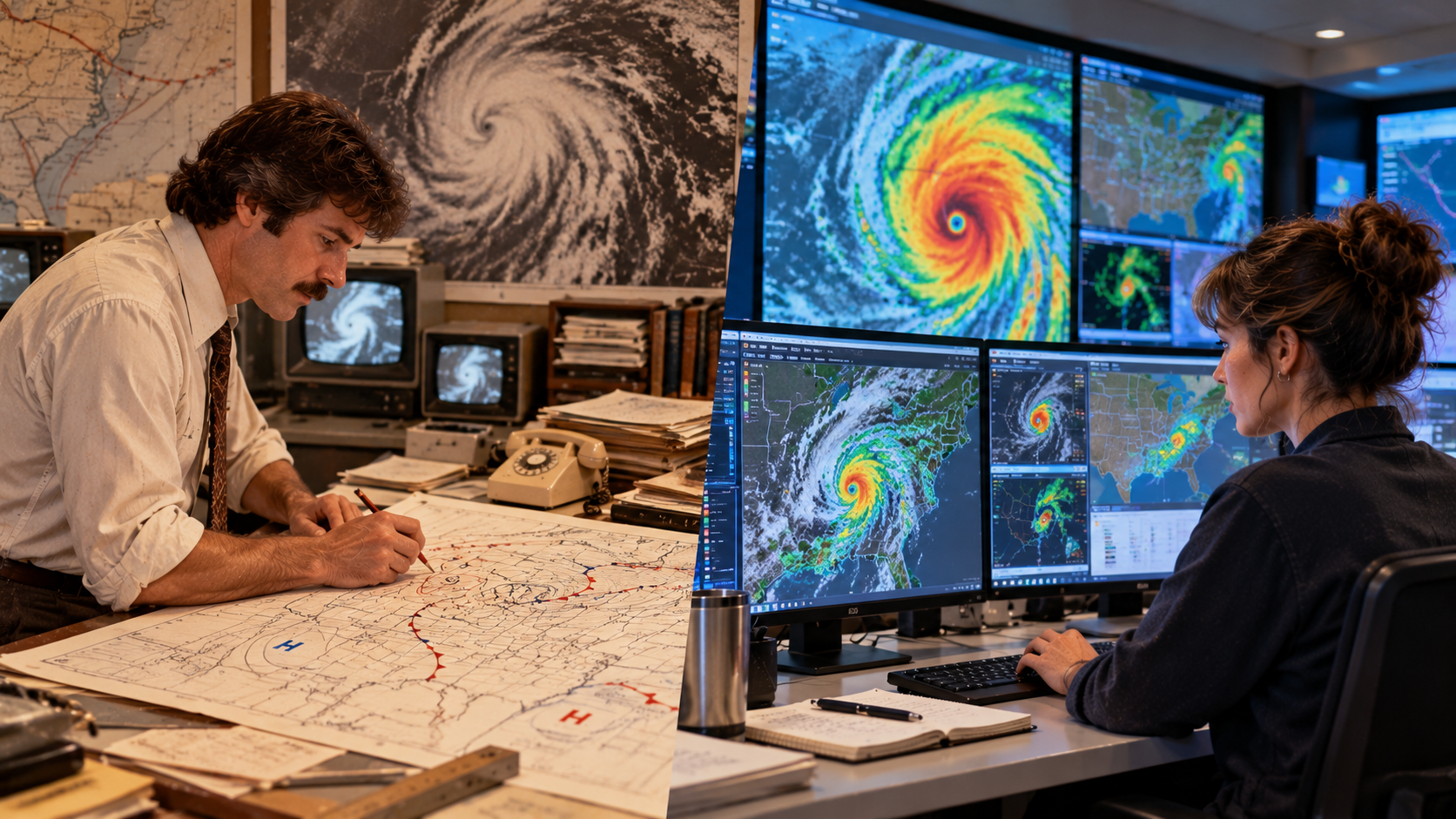
Weather forecasting in 1976 already involved radar, satellites, and computer models, but the information available to meteorologists was far more limited than what they can access today. Television weather reports often featured presenters standing beside maps, explaining approaching storms and temperature changes to viewers planning their week. NOAA had launched GOES-1, its first Geostationary Operational Environmental Satellite, in October 1975, marking an important step in observing weather systems from space. Fifty years later, advanced satellite imagery, powerful computer models, and sophisticated radar systems allow meteorologists to examine developing storms in extraordinary detail. Forecasting still involves uncertainty, but the amount of information available has expanded dramatically.
11. Air Traffic Controllers Now Have Satellite-Based Aircraft Tracking
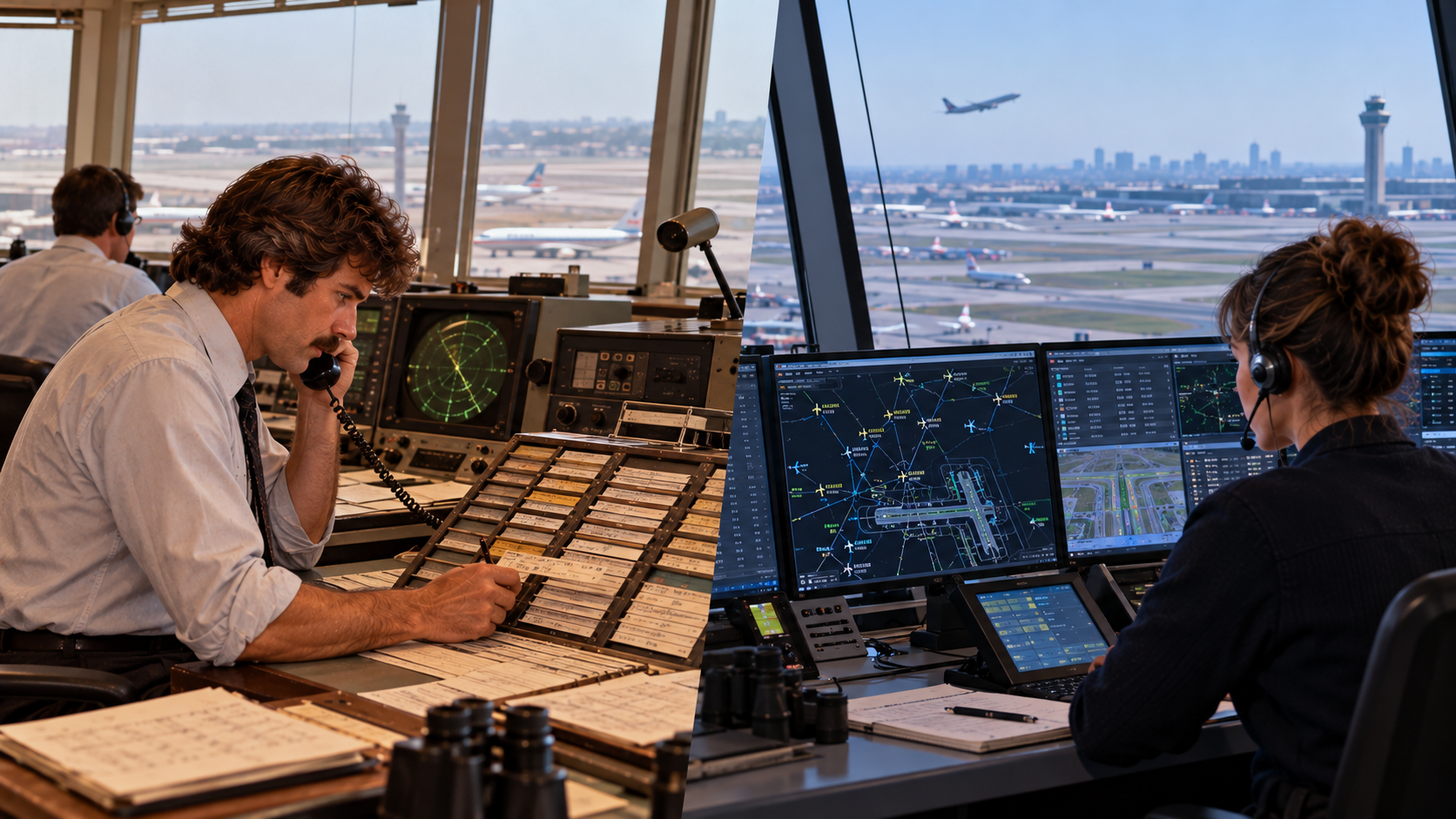
An air traffic control room in the 1970s was a high-pressure environment filled with radar displays, radio conversations, and controllers carefully monitoring aircraft movements. Keeping planes safely separated required constant attention, clear communication, and an accurate understanding of each aircraft’s position. Radar and developing computer systems were already essential tools, but modern aviation has introduced more precise ways to track flights. Automatic Dependent Surveillance-Broadcast, commonly called ADS-B, allows aircraft to transmit position information derived from satellite navigation and other onboard sources. Controllers can now receive detailed aircraft-position information that wasn’t available in the same way fifty years ago, although the responsibility of keeping busy skies safe remains just as demanding.
12. Cashiers Went From Manual Price Entry to Self-Checkout Supervision
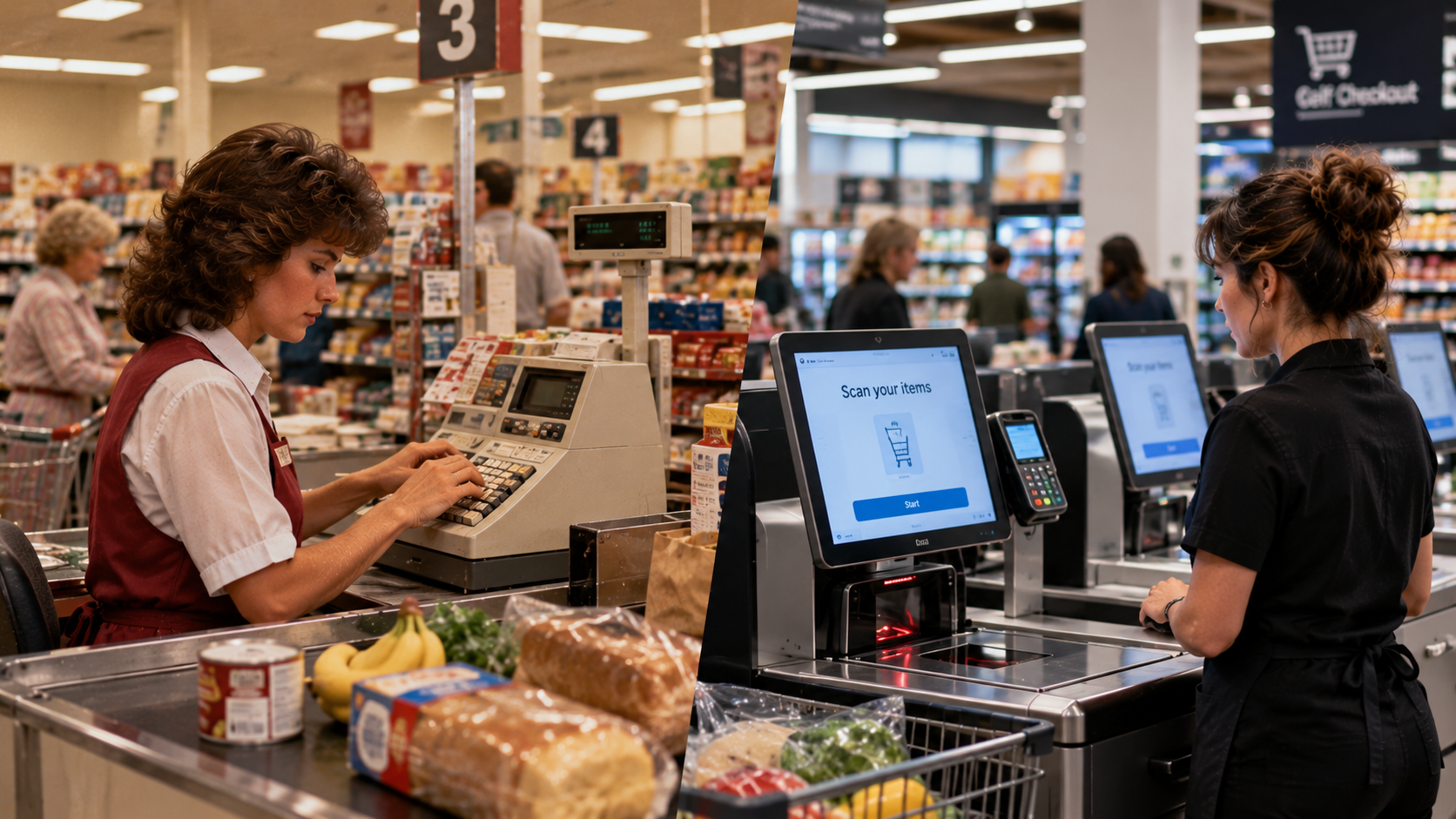
Grocery shopping in 1976 usually ended with a cashier manually entering prices into a cash register while customers waited beside carts filled with paper bags and boxed groceries. Cash and personal checks were common payment methods, and the familiar ringing of a register marked the end of each transaction. Cashiers had to work quickly while handling money, checking prices, and keeping lines moving. Today, barcode scanners, electronic payments, and computerized inventory systems have made checkout considerably different. Many supermarkets also have self-checkout stations, where one employee may supervise several customers scanning their own groceries. The job still involves customer service, but the traditional cash register experience has changed enormously.
13. Film Editors Once Had to Physically Cut Film Apart
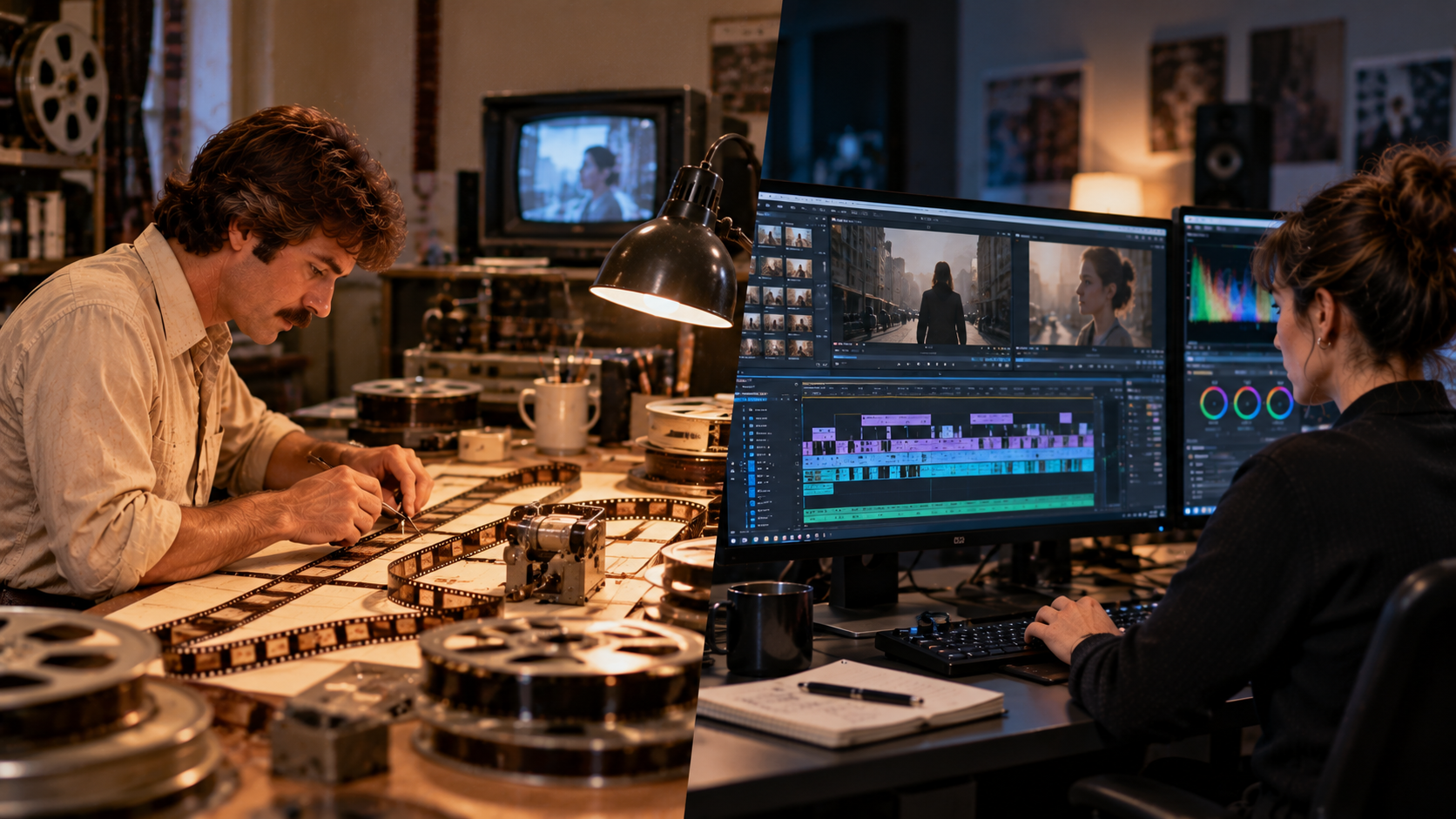
Editing a movie in 1976 could mean spending hours surrounded by reels of film, carefully selecting scenes and physically cutting strips of footage. Editors worked with specialized equipment to arrange shots, splice pieces together, and build sequences that told a story. Changing the order of a scene wasn’t as simple as dragging a clip across a computer screen. It involved handling actual film and making precise decisions about where to cut. Today, digital editing software allows professionals to rearrange footage, synchronize sound, adjust colors, and add visual effects without touching a single film strip. The creative judgment behind a great edit hasn’t disappeared, but the physical process would look almost unrecognizable to someone working fifty years ago.
14. Graphic Designers Once Assembled Advertisements With Glue and Paper
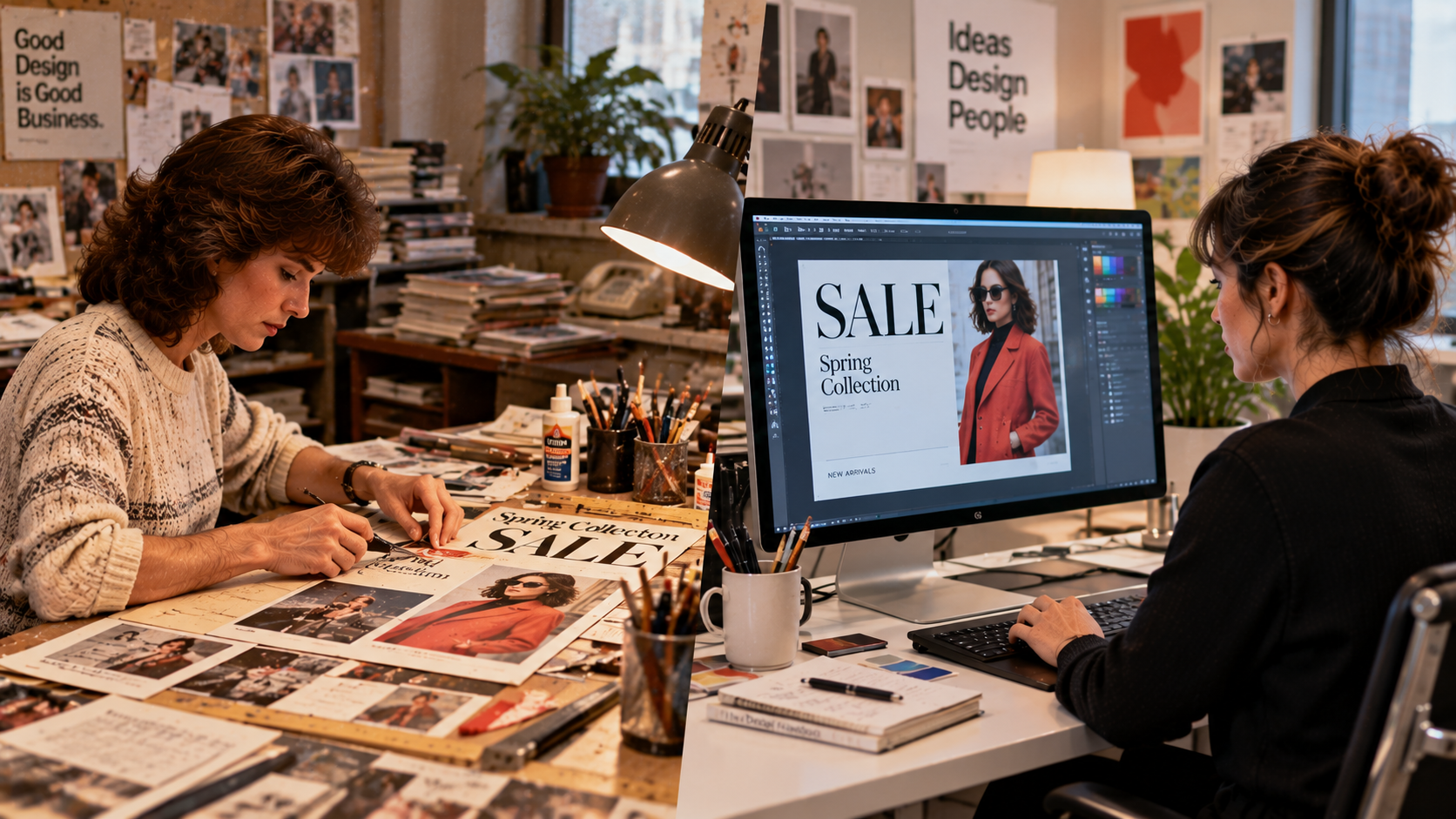
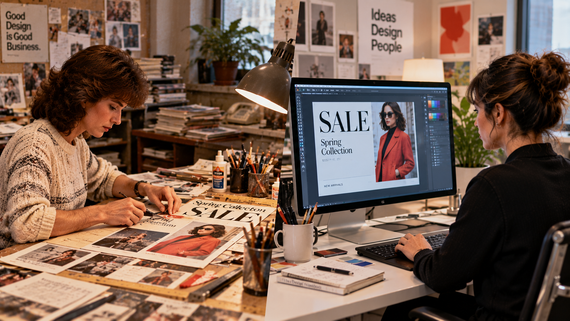
Graphic design in the 1970s was a surprisingly hands-on profession. Before digital design software became standard, creating a magazine advertisement or printed layout often meant working with photographic prints, lettering, paper, and adhesive. Designers arranged elements manually, carefully positioning headlines and images before the finished artwork was prepared for printing. Even a small change could require replacing physical pieces of a layout. Today, designers can experiment with typography, adjust colors, and rearrange entire compositions in seconds using digital tools. Their work has also expanded far beyond print into websites, social media, and online advertising. The creative principles remain familiar, but the glue, paper, and paste-up boards have mostly disappeared.
15. Land Surveyors Now Use Satellites and Drones to Map Property
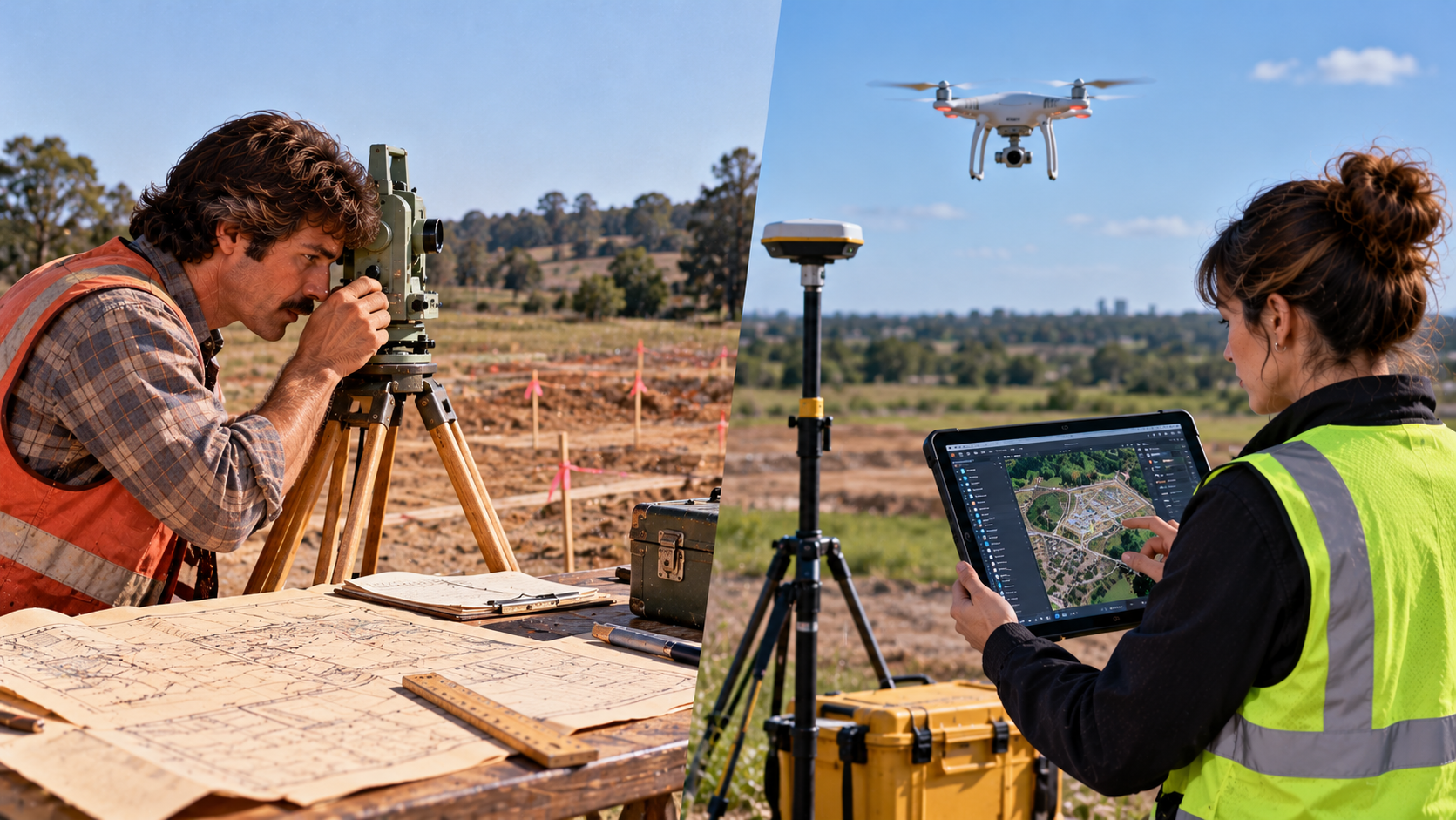
Surveying land in 1976 involved carrying specialized instruments into fields, construction sites, and undeveloped properties to measure distances and establish boundaries. Surveyors worked with equipment such as theodolites and distance-measuring instruments, carefully recording observations in field notebooks. The work required precision, patience, and an understanding of the terrain. Modern surveyors still rely on those fundamental principles, but satellite positioning systems, robotic instruments, and computerized mapping have changed how information is collected and processed. Some projects now use drones to capture aerial data and document large areas of land. What once required extensive measurements from the ground can now be supported by remarkably detailed digital information.
16. Bookkeepers Replaced Paper Ledgers With Accounting Software
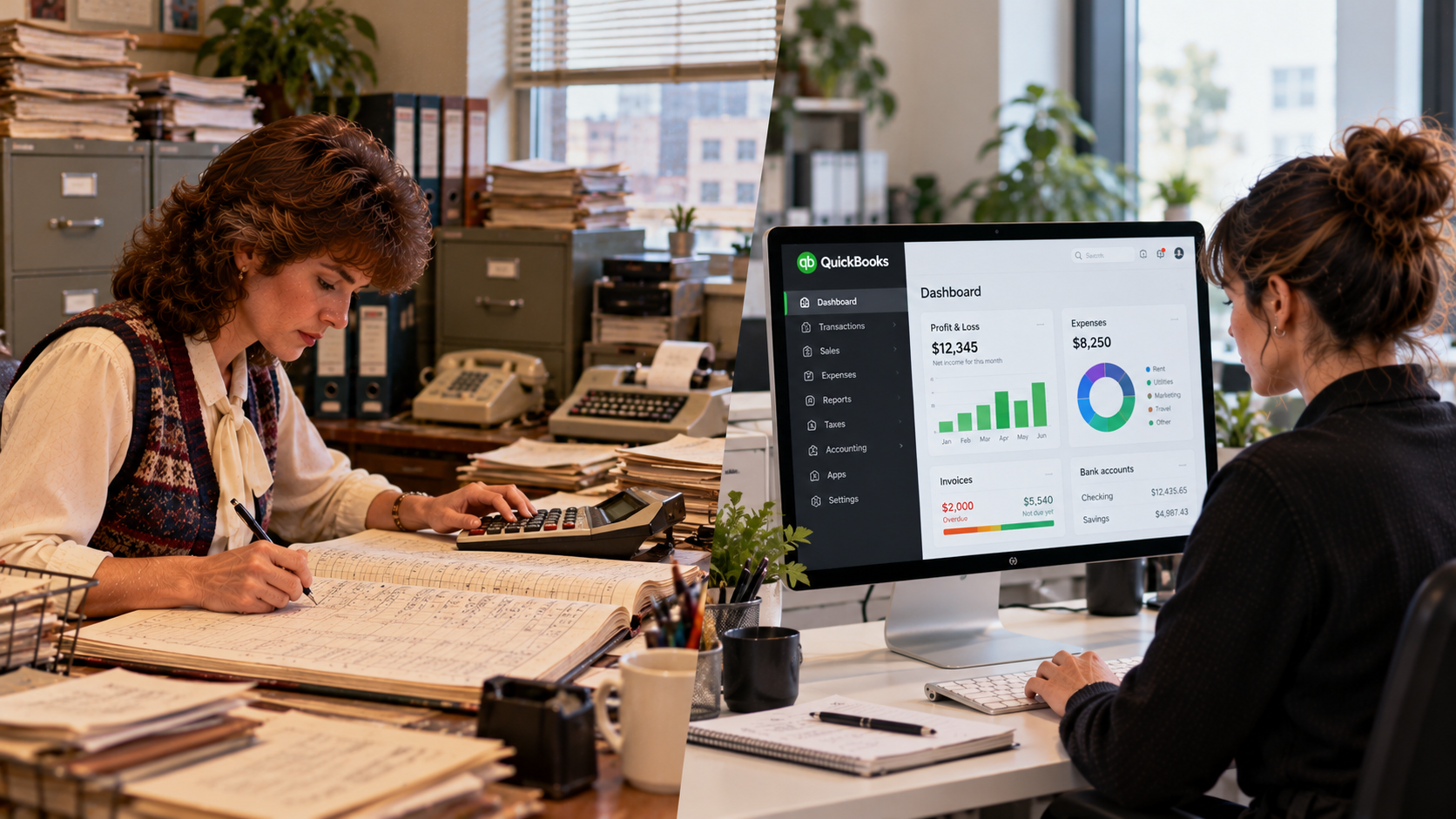
A bookkeeper’s desk in 1976 might have been covered with invoices, receipts, adding-machine tapes, and enormous ledgers filled with carefully written numbers. Keeping financial records accurate required concentration, and a single mistake could mean spending hours checking calculations until everything balanced. Filing cabinets held years of paperwork, while monthly reports were often prepared through repetitive manual work. Today, accounting software can organize transactions, calculate totals, and produce financial reports automatically. Bookkeepers still need to understand the numbers, but many now spend more time reviewing records, checking accuracy, and identifying discrepancies. The familiar sight of someone hunched over a paper ledger has become much less common.
17. Real Estate Agents Went From Printed Listings to Virtual Home Tours

Looking for a house in the 1970s often meant scanning newspaper advertisements, calling real estate offices, and flipping through printed property listings. Buyers depended heavily on agents to learn which homes were available, and seeing a property usually required scheduling an in-person visit. Photographs were limited, and discovering that a house wasn’t quite right could mean an afternoon of driving from one address to another. Today, buyers can browse hundreds of listings online, compare neighborhoods, examine detailed photographs, and sometimes walk through properties virtually before ever leaving home. Real estate agents still negotiate deals and guide buyers through complicated transactions, but the search process has become almost entirely different.
18. Pharmacists Have Taken on More Direct Patient-Care Responsibilities

A neighborhood pharmacy in 1976 was often a familiar stop where customers brought handwritten prescriptions and waited while the pharmacist prepared their medications. Pharmacists were trusted professionals who checked prescriptions, explained dosages, and helped customers understand how to take their medicine safely. Those responsibilities remain central to the profession, but modern pharmacy work has expanded considerably. Electronic prescriptions and automated dispensing systems have changed daily operations, while many pharmacists now administer vaccines, provide medication-management services, and collaborate with other healthcare professionals. The services available depend on state regulations and workplace settings, but the pharmacist’s role has grown beyond the traditional image of someone working behind a prescription counter.
More Related Notes
• 18 Office Photos That Show How Much the Workplace Has Changed
Step inside offices from decades past, when typewriters, filing cabinets, and face-to-face meetings defined the workday. These nostalgic scenes reveal how technology has transformed everyday jobs and workplace routines.
• Before Zoom and Slack: 17 Vintage Photos That Show What Office Life Used To Look Like
Revisit the days of paper memos, switchboard operators, and crowded office desks before digital communication changed how employees worked together.
• 10 Boomer Side Hustles That Built the Middle Class
Explore the traditional ways Americans earned a living, from newspaper delivery routes to door-to-door sales. These once-familiar jobs reveal how much earning opportunities and everyday work have evolved over the generations.