
Thirty years ago, the average household budget looked very different. Families still paid for housing, groceries, utilities, transportation, and entertainment, but many of the recurring charges that feel unavoidable today either did not exist or were limited to a relatively small group of people.
Technology changed much of that. Internet access, smartphones, streaming platforms, cloud storage, and digital subscriptions created entirely new spending categories. At the same time, convenience services turned purchases that were once occasional into expenses capable of appearing on a credit card statement every single month.
1. High-Speed Home Internet
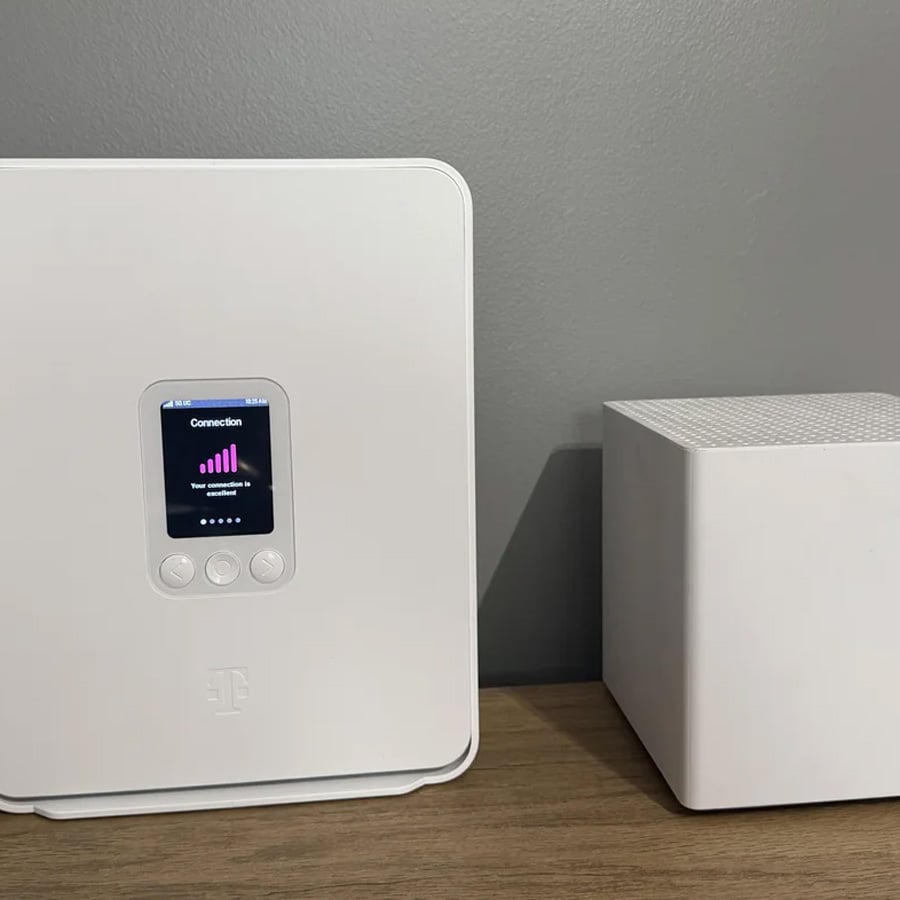
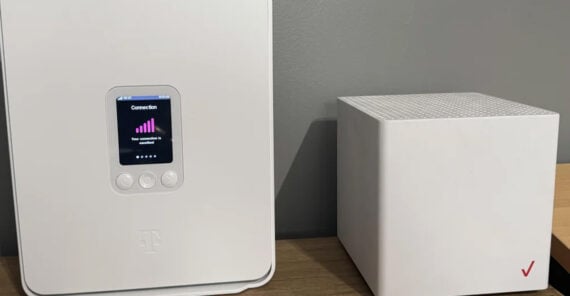
In the mid-1990s, many households still had no internet connection at all, while others relied on slow dial-up services. Broadband eventually became a basic household utility, and today millions of families budget every month for cable, fiber, or wireless home internet.
2. Smartphone Service Plans
Cell phones existed 30 years ago, but they were nowhere near as universal as smartphones are today. Modern households commonly pay for several phone lines, large data allowances, unlimited calling, and additional features that can turn wireless service into a major monthly expense.
3. Video Streaming Services
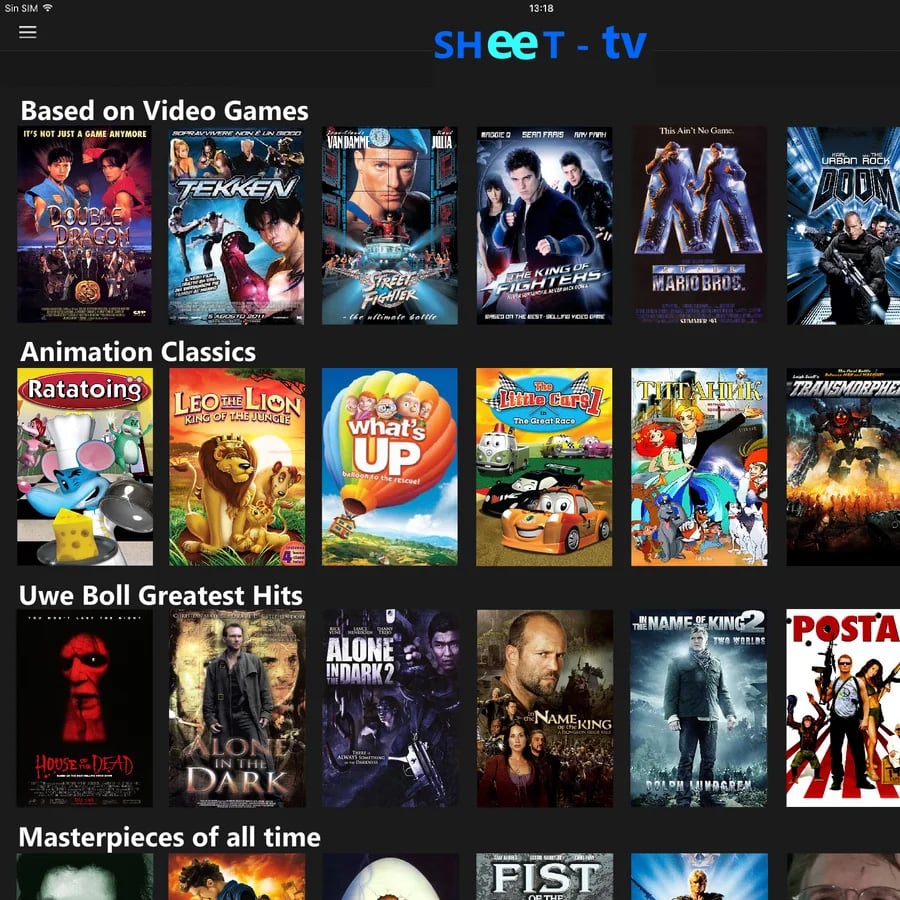
Watching movies at home once meant renting a VHS tape, buying a movie, or watching whatever happened to be on television. Netflix, Hulu, Disney+, Max, and other platforms transformed entertainment into another collection of recurring monthly subscriptions.
4. Music Streaming Subscriptions
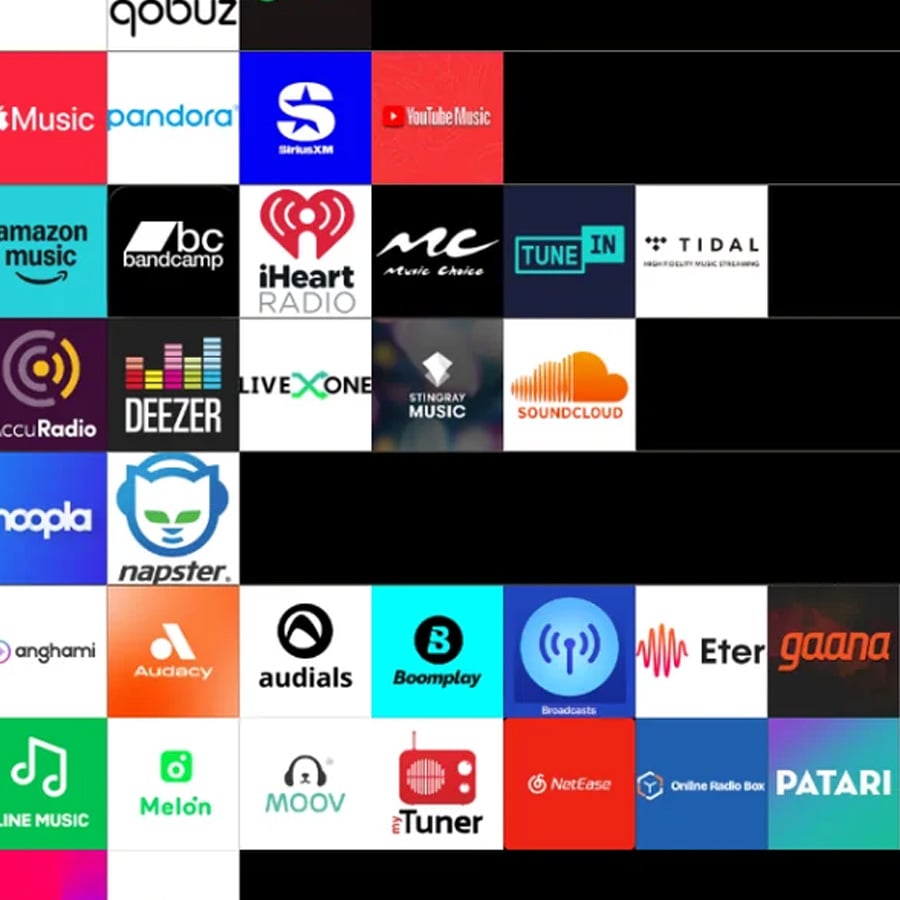
Music fans once spent money primarily when they purchased an album, cassette, or CD. Services such as Spotify and Apple Music replaced many of those individual purchases with monthly fees that provide access to enormous music libraries.
5. Cloud Storage
Most households had little reason to pay someone to store their personal digital files in the 1990s. Photos, documents, phone backups, and videos now consume so much digital space that subscriptions to services such as iCloud, Google One, and Dropbox have become routine.
Trending on Wealth Gang


6. App Subscriptions
Computer software was traditionally purchased once and installed from a disk. Modern apps increasingly use subscription models, meaning people can now pay every month for productivity software, photo editors, language programs, fitness apps, password managers, and dozens of other digital tools.
7. Food Delivery Fees
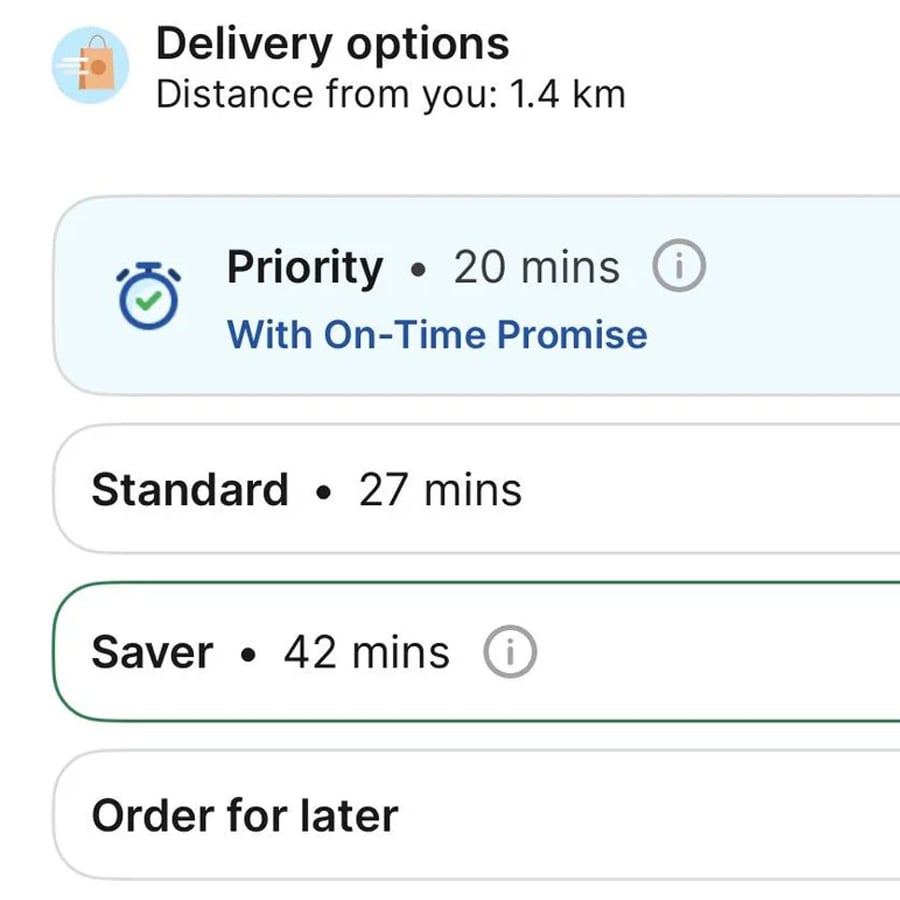
Pizza delivery was certainly around decades ago, but ordering almost any restaurant meal from a smartphone was not. Delivery platforms created a new category of recurring spending that can include delivery charges, service fees, tips, and higher menu prices.
8. Meal Kit Services

Having pre-portioned ingredients and recipes delivered to the front door would have sounded unusual to many families in the 1990s. Meal kit companies turned grocery convenience into a subscription business, with customers potentially spending hundreds of dollars each month.
Sign up for our newsletter
9. Digital News Subscriptions

Newspapers and magazines have always charged for subscriptions, but paying specifically for access to websites and apps is relatively new. Many publications now place premium reporting behind digital paywalls, creating another monthly charge for readers who once expected online news to be free.
10. Gaming Subscriptions
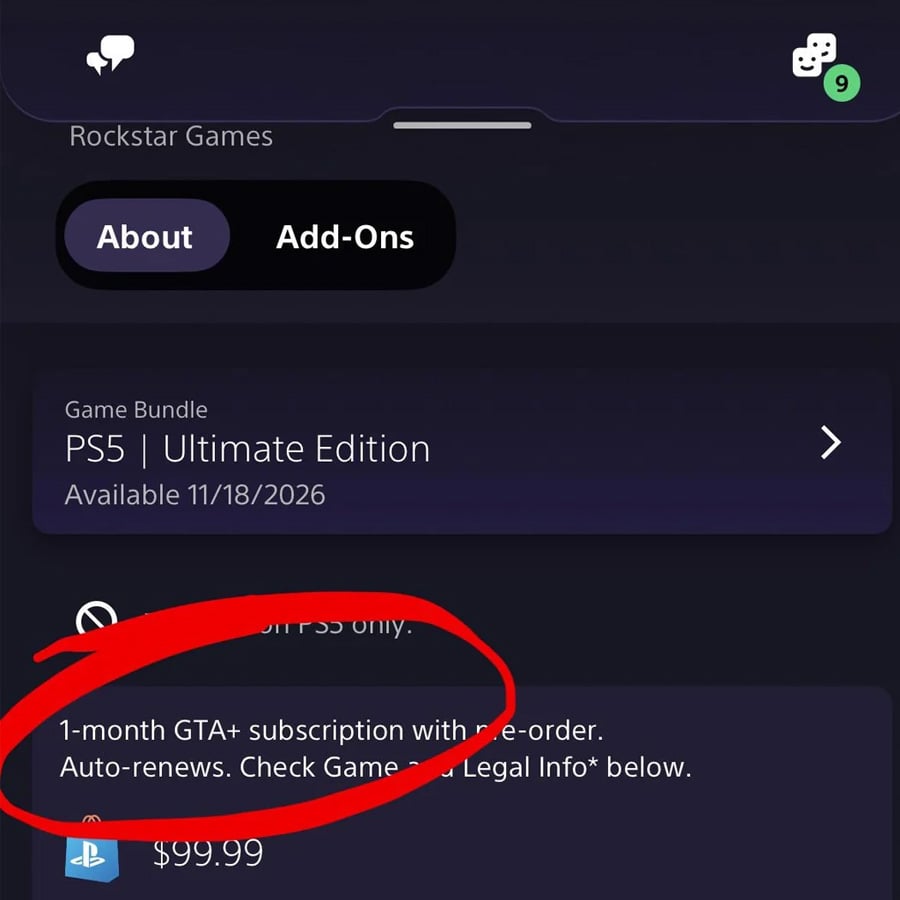
Video games were once largely a one-time purchase. Players bought a cartridge or disc and could continue playing without another bill arriving every month. Online multiplayer memberships, game libraries, season passes, and premium subscriptions have made recurring gaming expenses increasingly common.
11. Identity Theft and Credit Monitoring
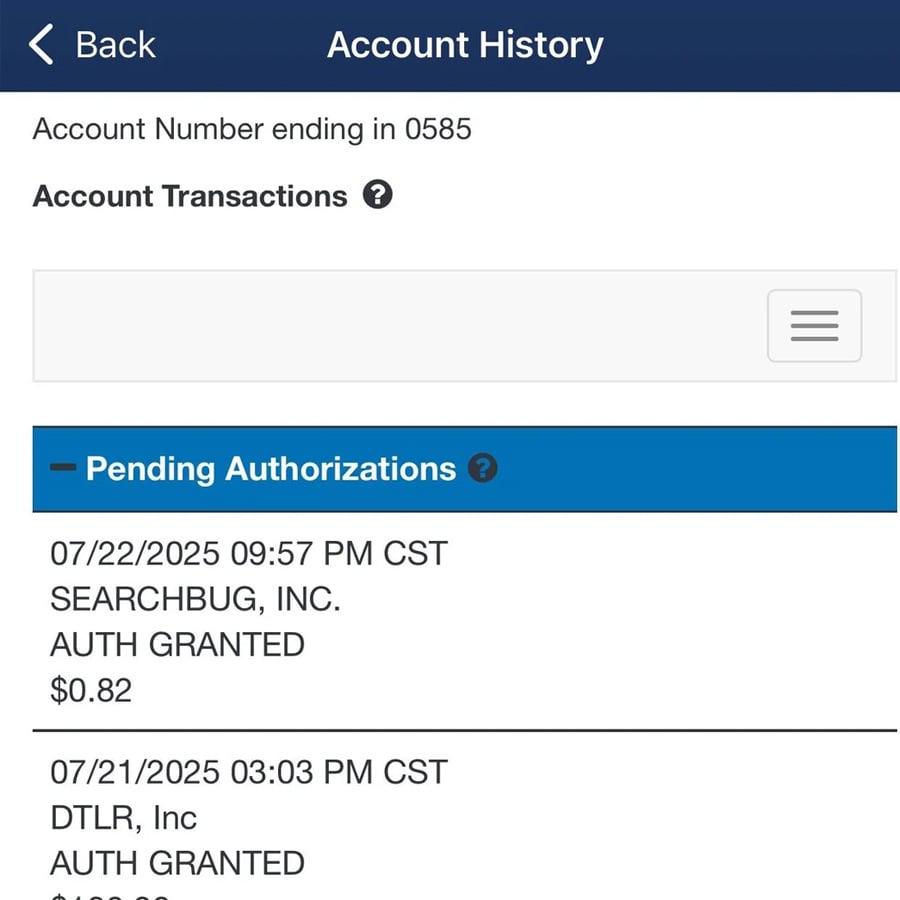
Few households in the 1990s regularly paid a company to watch their credit reports or personal information. The growth of online banking, e-commerce, and massive data breaches helped create an entire industry of monthly identity protection and credit monitoring services.
12. Smart Home Monitoring
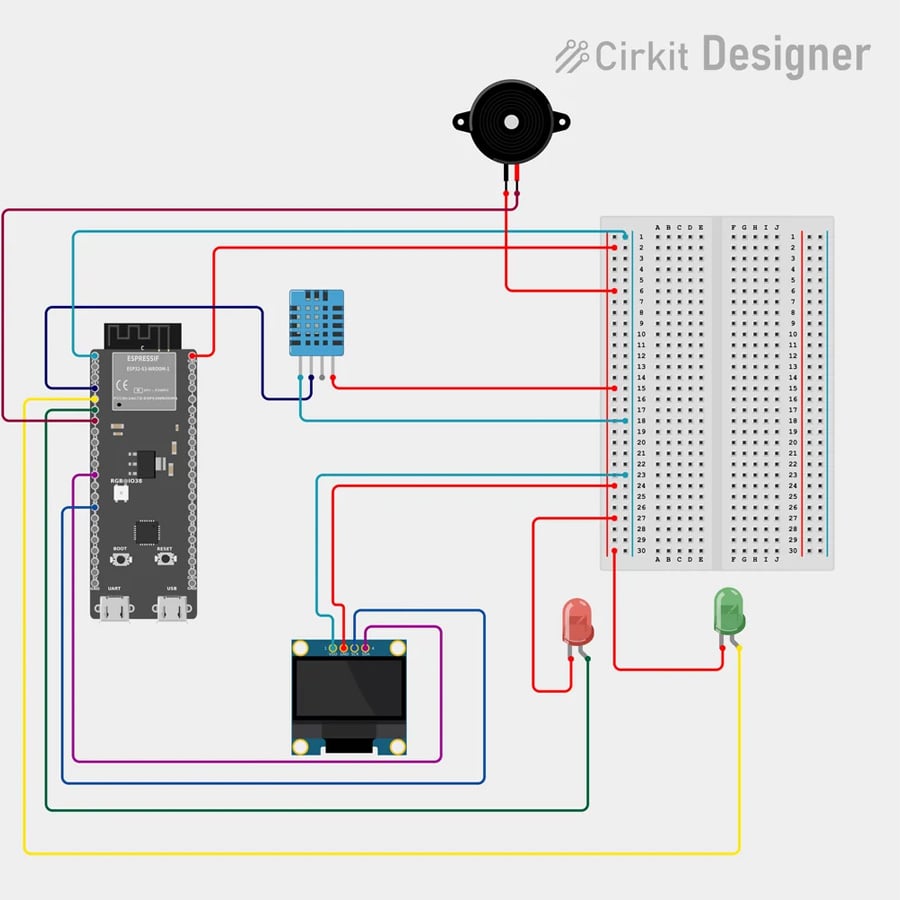
Home security systems existed decades ago, but today’s connected homes can generate several additional subscriptions. Doorbell cameras, cloud video storage, smart alarm monitoring, and connected security systems often require ongoing monthly fees to unlock their most useful features.
13. Fitness App and Digital Workout Memberships
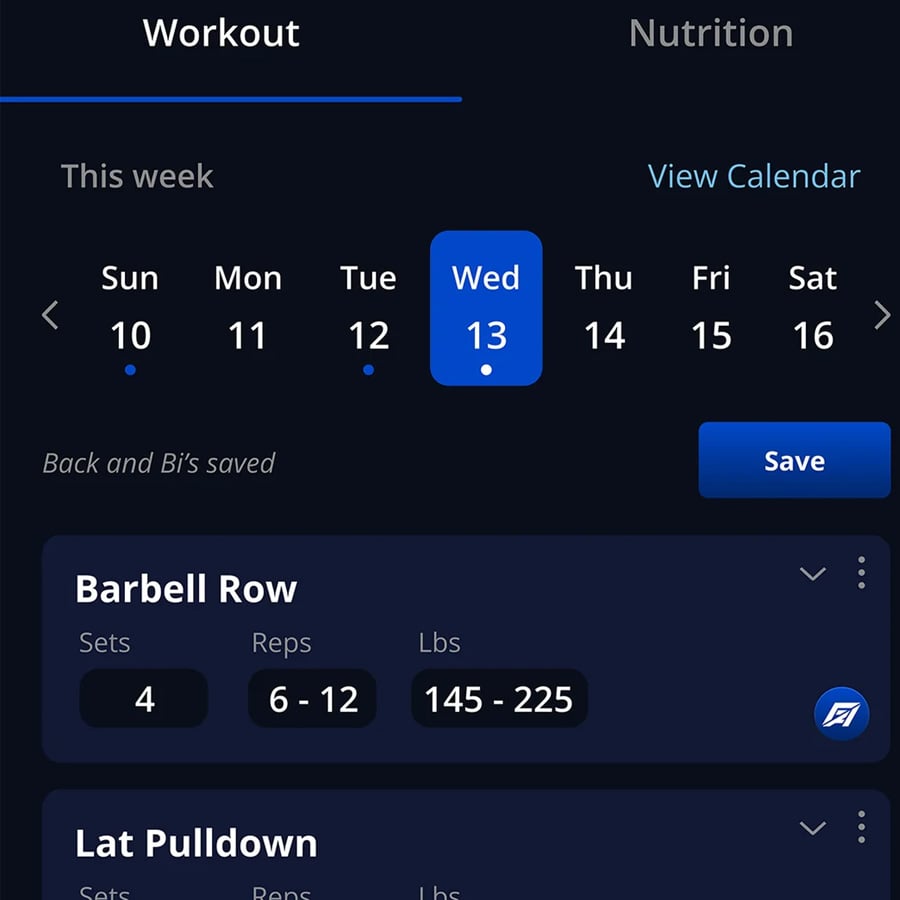
A gym membership was familiar 30 years ago, but paying monthly for workouts delivered through a phone, television, or connected exercise machine was not. Fitness platforms now sell subscriptions for everything from guided running programs to cycling classes and strength training.
14. Subscription Boxes
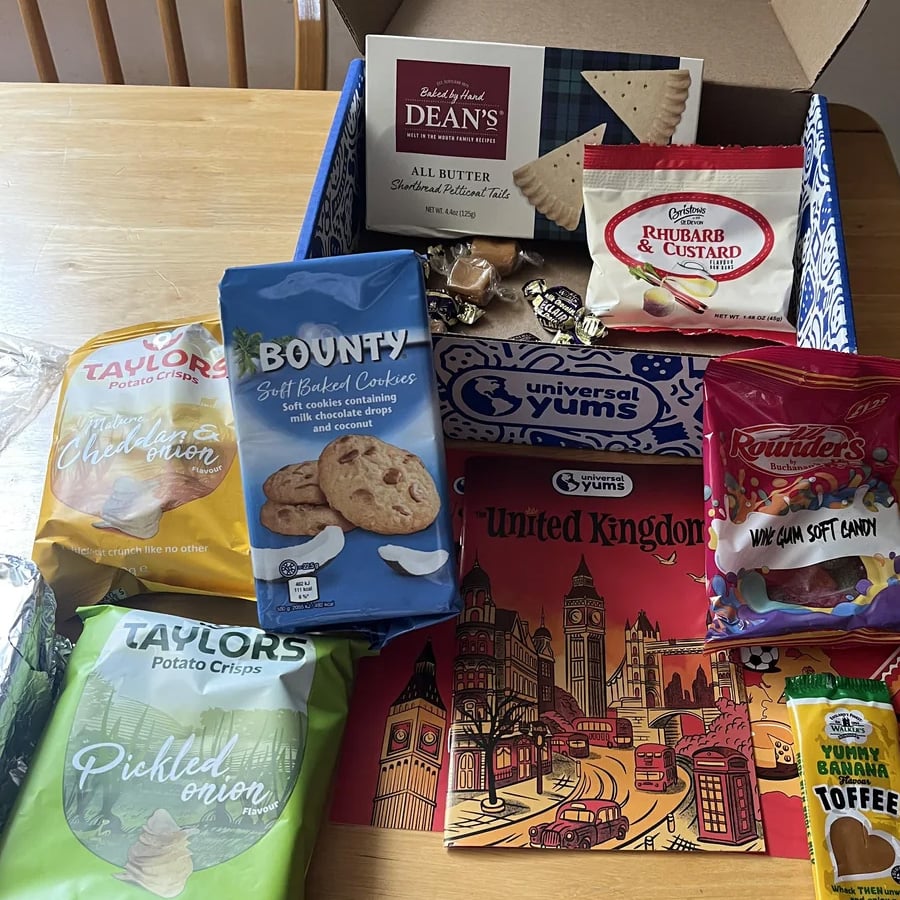
Monthly deliveries of cosmetics, snacks, clothing, pet products, books, and hobby supplies have become a recognizable part of modern consumer culture. The subscription-box industry transformed products people once bought occasionally into automatic recurring purchases.
15. Premium Online Memberships
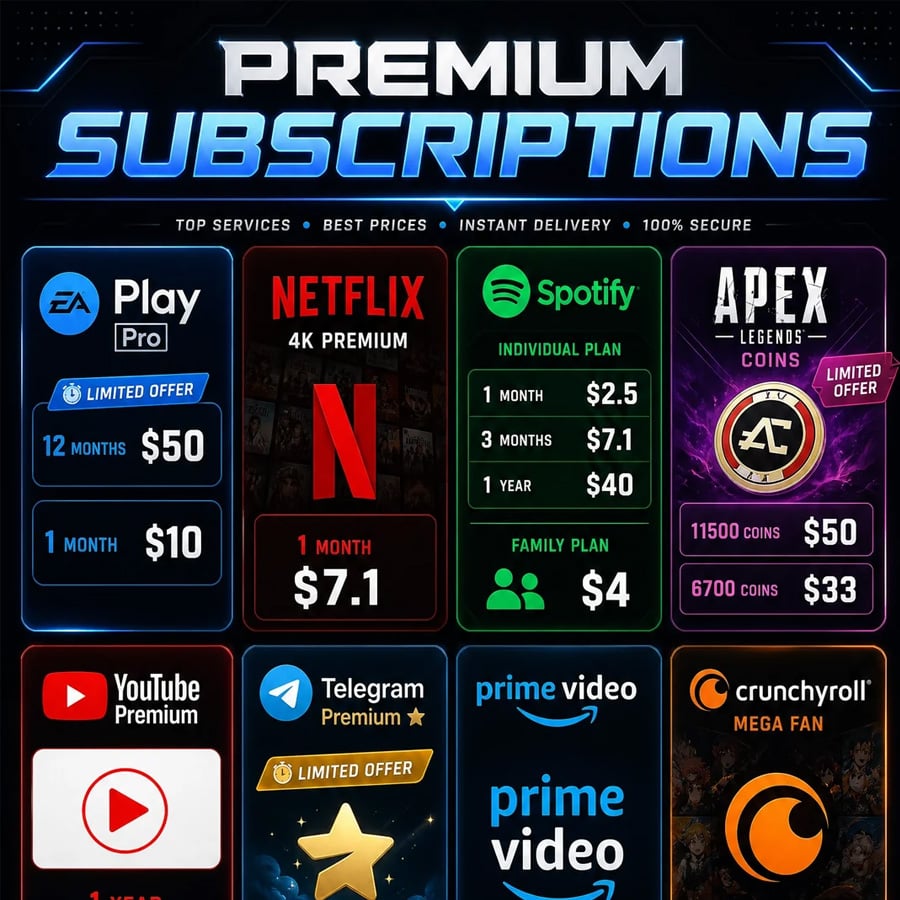
A surprising number of everyday services now offer paid membership tiers. Shopping platforms, delivery companies, social networks, dating apps, professional networking sites, and online communities can all charge monthly fees for faster service, fewer advertisements, exclusive features, or additional access.
More Related Notes
• 10 Everyday Costs That Have Changed the Most Since 2000.
Explore how the cost of everyday life has shifted over the past few decades, from familiar household expenses to newer costs that now take up a significant share of monthly budgets.
• 16 Purchases That Felt Affordable in the 1990s but Seem Like Luxuries Today.
See how purchasing power has changed since the 1990s and why many once-routine expenses now feel considerably harder to afford.
• 18 Everyday Products That Suddenly Became Hard to Afford.
Discover familiar products whose rising prices are putting additional pressure on household budgets alongside the growing number of modern monthly expenses.