

The year 2000 doesn’t feel that long ago, but the cost of daily life has changed dramatically in the past quarter-century. While some products and services have become cheaper thanks to technology and global competition, many of the expenses people face every month have climbed far faster than incomes. From housing to healthcare, these rising costs have reshaped household budgets and forced many families to rethink spending priorities. Here are ten everyday costs that have changed the most since 2000.
1. Housing

Housing has experienced one of the most dramatic increases since 2000. Home prices in many cities have more than doubled or even tripled, while rents have risen steadily across both urban and suburban areas. Limited housing supply, population growth, and investment activity have all contributed to making housing a much larger portion of the average household budget than it was a generation ago.
2. College Tuition
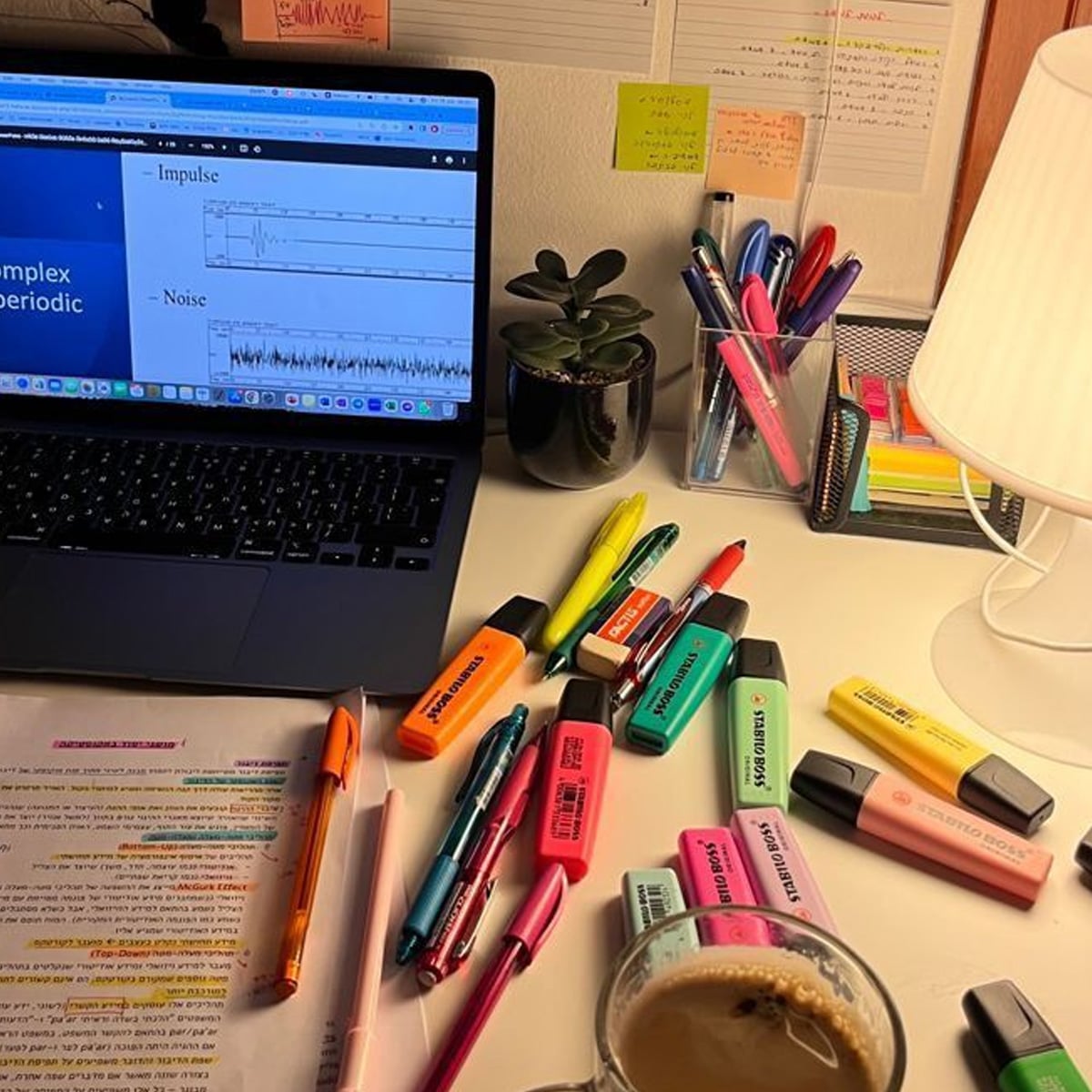
The cost of higher education has surged well beyond the rate of inflation. Tuition, fees, and room-and-board expenses have increased significantly, leaving many students dependent on loans to finance their education. While a college degree remains valuable for many careers, the financial burden associated with earning one has become a major concern for families.
3.

Healthcare costs have risen consistently over the last two decades. Insurance premiums, deductibles, prescription medications, and medical procedures now consume a larger share of household income than they did in 2000. Even individuals with insurance often face substantial out-of-pocket expenses that were less common in previous decades.
4. Childcare
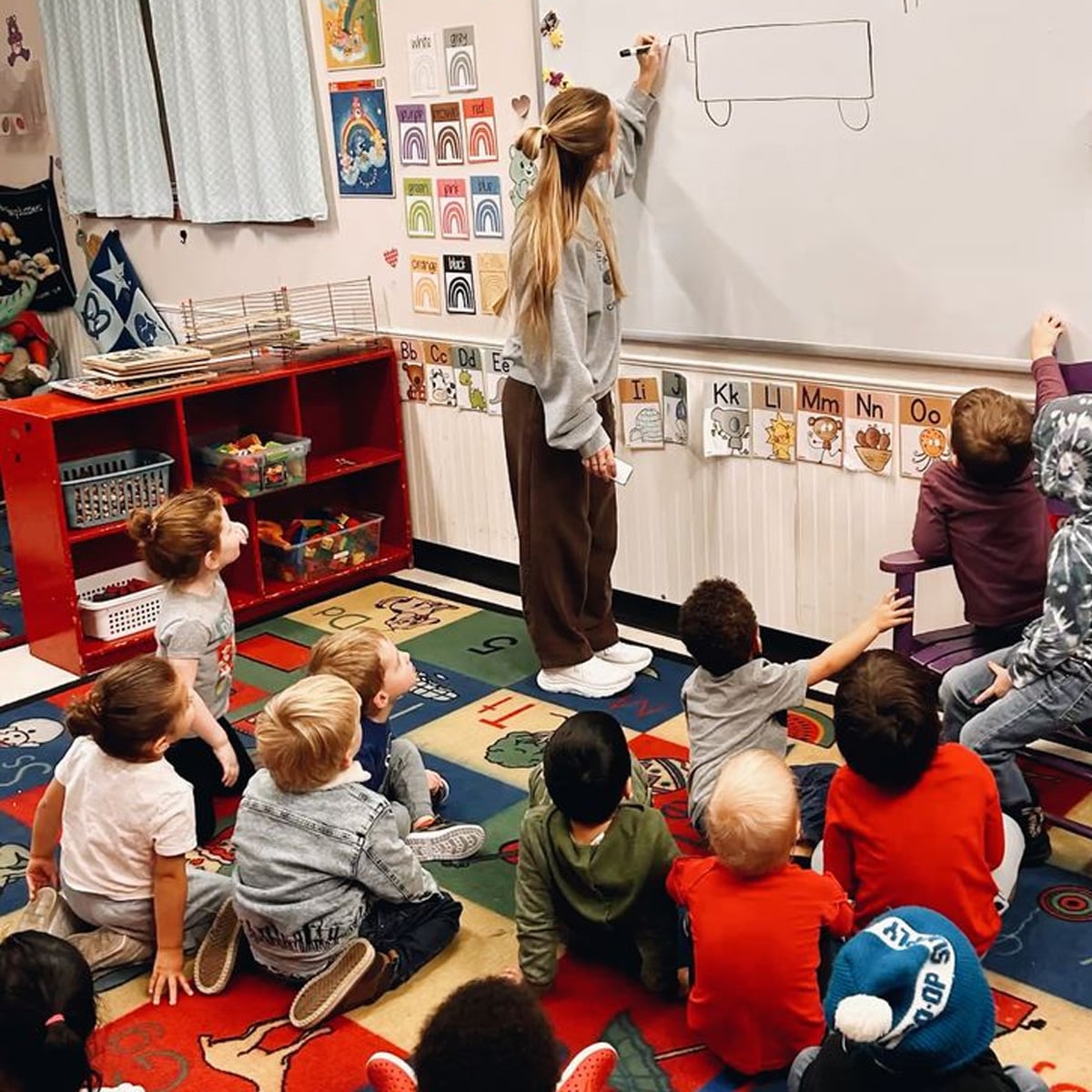
For families with young children, childcare has become one of the largest monthly expenses. Daycare centers, preschool programs, and after-school care have all seen substantial price increases. In many regions, annual childcare costs now rival or exceed the cost of college tuition at public universities.
5. Restaurant Meals

Dining out has become noticeably more expensive. Rising labor costs, food prices, rent, and operational expenses have pushed menu prices higher across nearly every category of restaurant. What was once considered an inexpensive family outing often requires significantly more planning and budgeting today.
Trending on Wealth Gang


6. Groceries

Food prices fluctuate over time, but grocery costs have risen considerably since 2000. Categories such as meat, dairy, eggs, and fresh produce have experienced notable increases. Supply chain disruptions and inflationary pressures in recent years accelerated trends that had already been building for decades.
7. New Cars

The average price of a new vehicle has increased dramatically. Modern cars include advanced safety features, technology systems, and fuel-efficiency improvements, but those upgrades come with higher price tags. Monthly car payments that once seemed excessive are now common for many buyers purchasing new vehicles.
8. Home Insurance

Insurance premiums for homeowners have climbed sharply in many parts of the country. Severe weather events, rising construction costs, and increased property values have all contributed to higher premiums. In some areas, homeowners have seen annual insurance costs rise much faster than overall inflation.
Sign up for our newsletter
9. Utility Bills
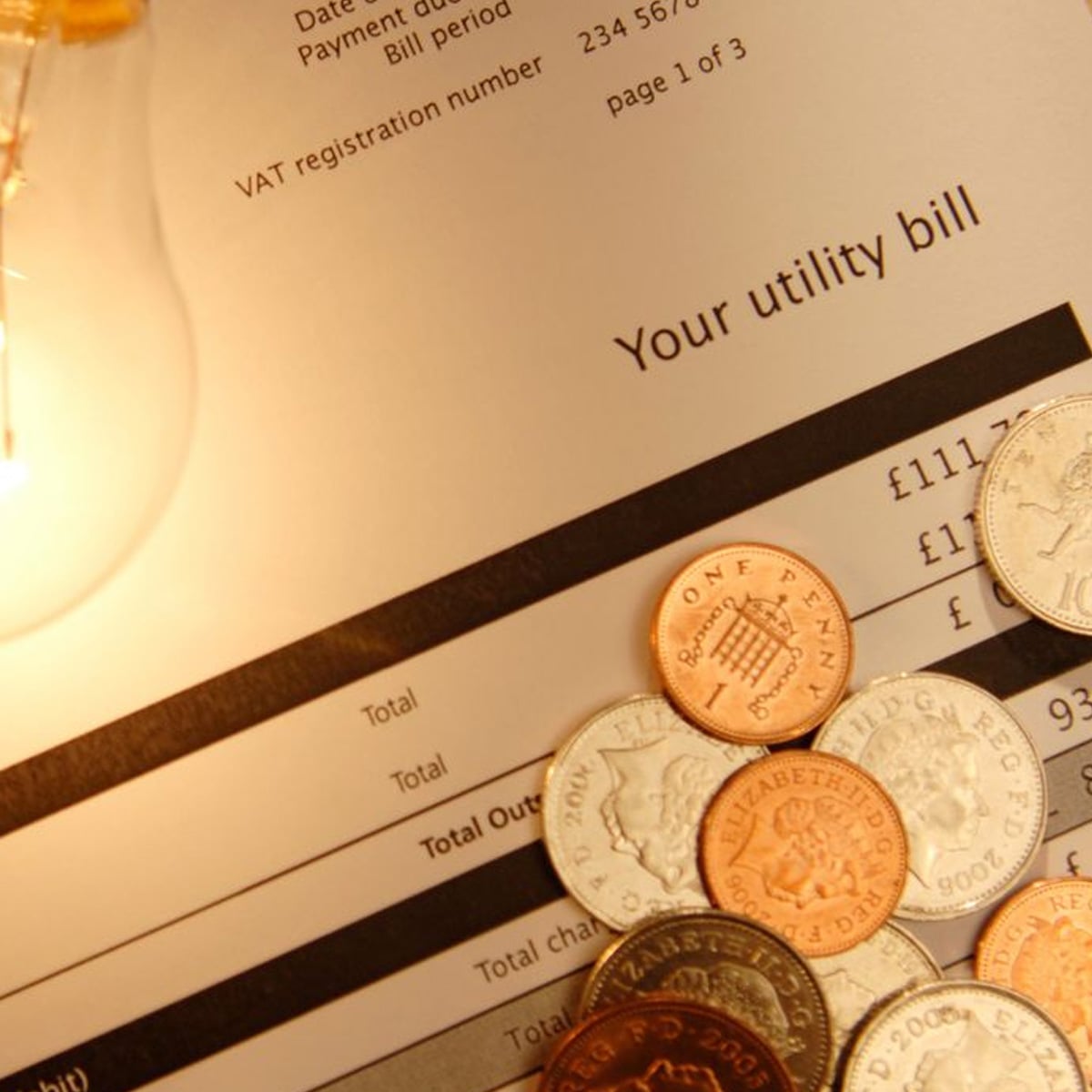
Electricity, natural gas, water, and other household utilities have become more expensive over the past 25 years. Infrastructure investments, fuel costs, and growing demand have pushed utility expenses upward, making them a more significant recurring cost for many households.
10. Airline Travel
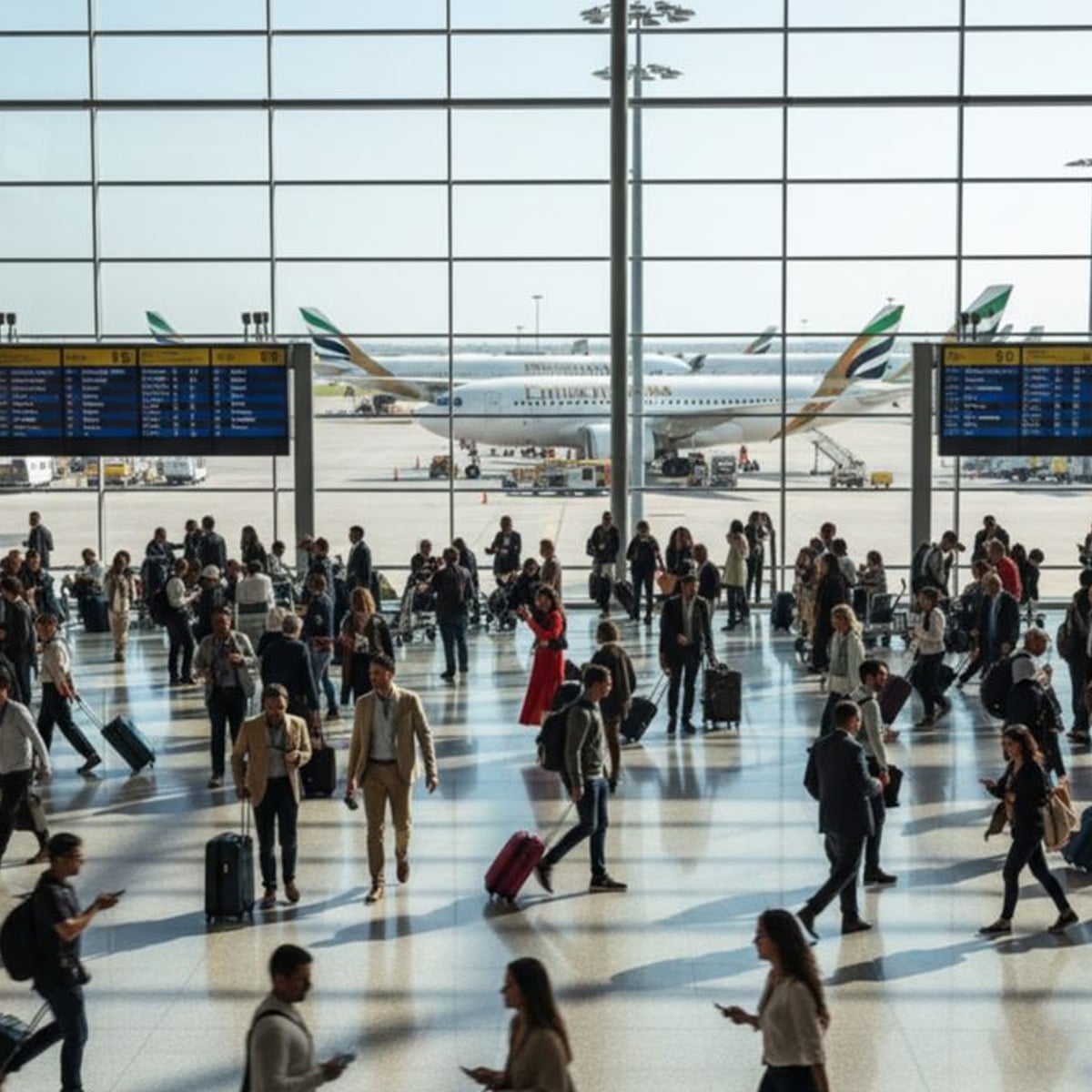
Air travel presents an interesting contrast. Base ticket prices have not risen as dramatically as many other expenses, but fees for baggage, seat selection, priority boarding, and other services have transformed the overall cost of flying. Travelers often pay substantially more than the advertised fare once additional charges are included.
More Related Notes
• 15 Things the Average Family Could Afford in 1980 but Struggles With Today
A closer look at how rising prices and changing economic conditions have affected what families can comfortably afford over time.
• 11 Reasons Why You Are Not Able to Save Money
This article explores the financial pressures and everyday expenses that make it increasingly difficult for people to build savings.
• 10 Industries That Are Creating the Most Millionaires Right Now
A complementary read about the economic forces shaping wealth creation during a period when the cost of many everyday necessities continues to rise.