You have probably held a tape measure, a ballpoint pen, and a jar of pickles this month, and you may never have asked why they look the way they do. Many of the small oddities on everyday objects are not accidents, because each one was designed to do a specific job. Most Americans walk right past them. Here are 14 objects with a hidden feature, and how many did you already know?
1. The Loose Hook on a Tape Measure That Most Americans Think Is Broken
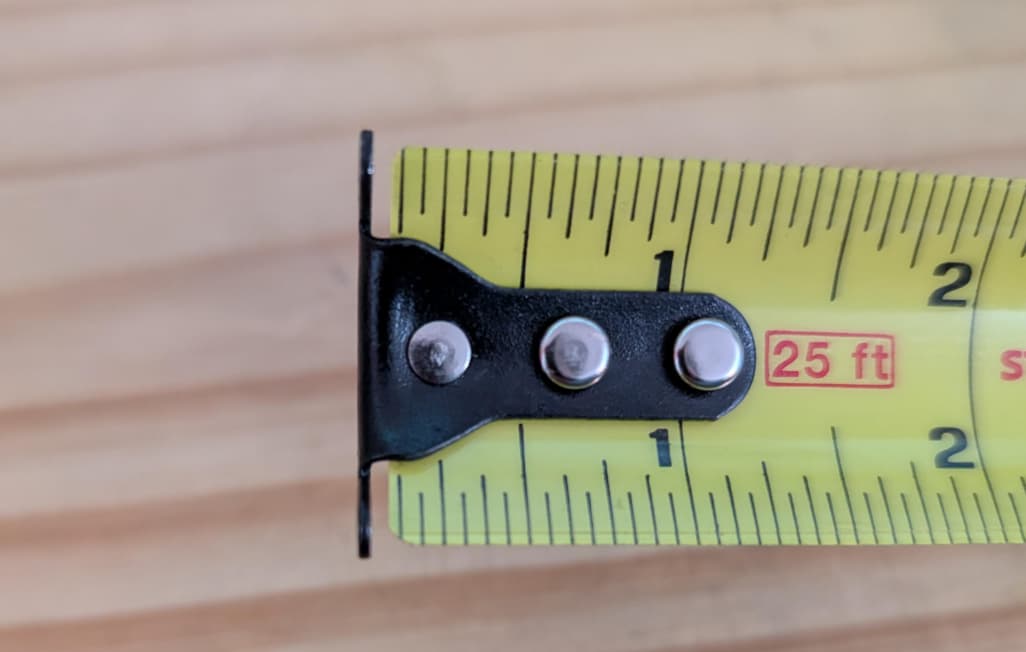
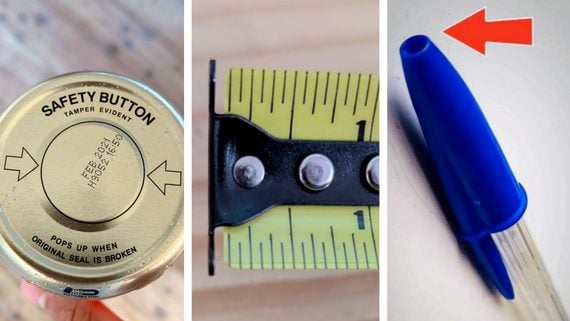
The metal hook at the end of a tape measure wobbles, and that is on purpose. For outside measurements, the hook slides out when you pull it against an edge, so its thickness is not added. For inside measurements, it is pushed in, so the reading starts at the end of the tape. The first inch is marked about 1/16 inch short to account for the hook’s width. Most Americans who use a tape measure never stop to think about that wobble.
2. The Black Diamonds and Red Marks on the Same Tape
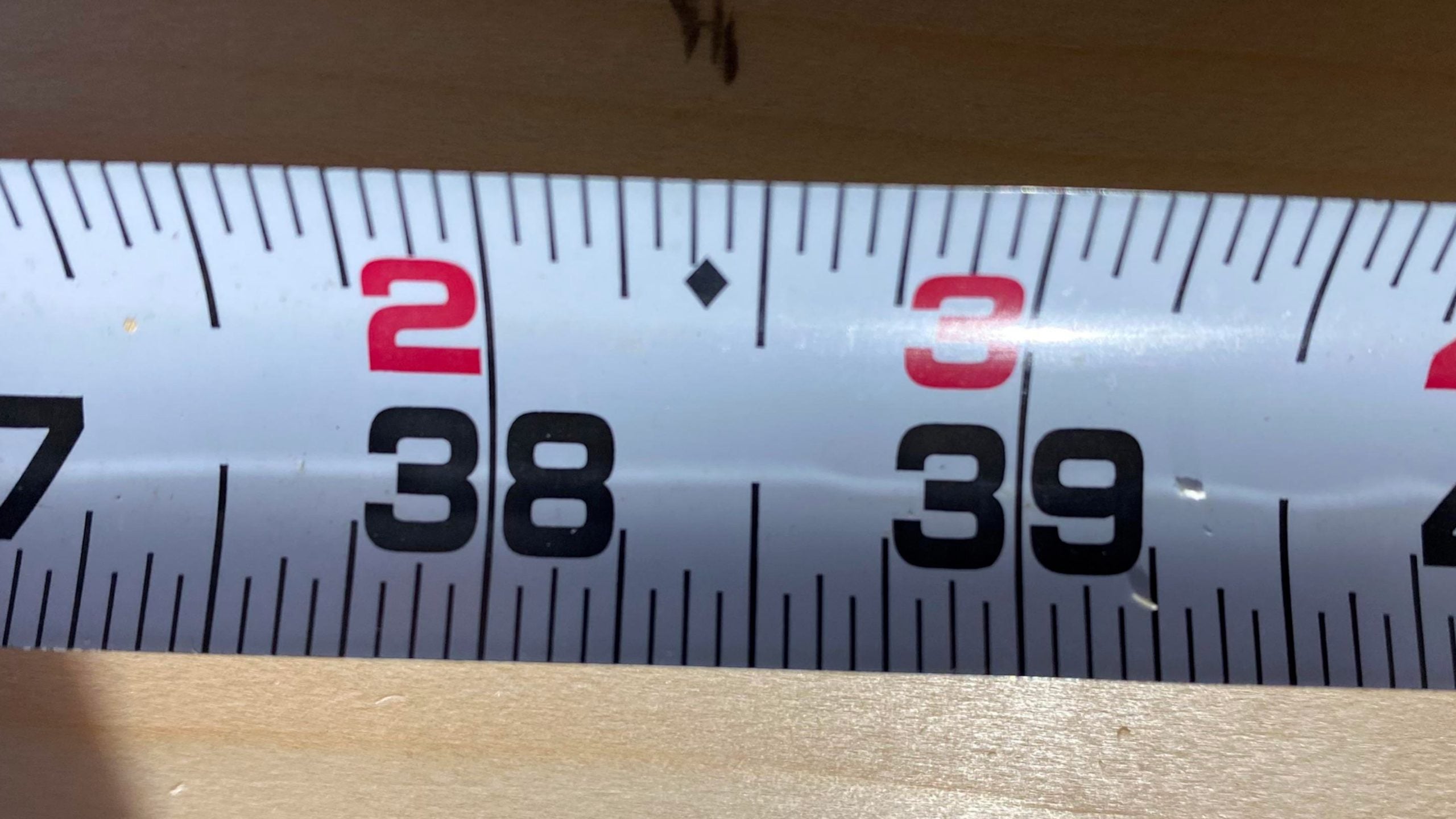
The small black diamonds on many tape measures appear every 19 3/16 inches, a spacing used for engineered I-joists in floor construction, and Snopes rates the claim that they find wall studs as false. Many tapes also mark stud spacing in red, since studs are generally set 16 or 24 inches apart, measured from center to center. A tape measure can estimate where a stud might be, but a stud finder should confirm it.
3. The Little Hole in the Top of a Pen Cap
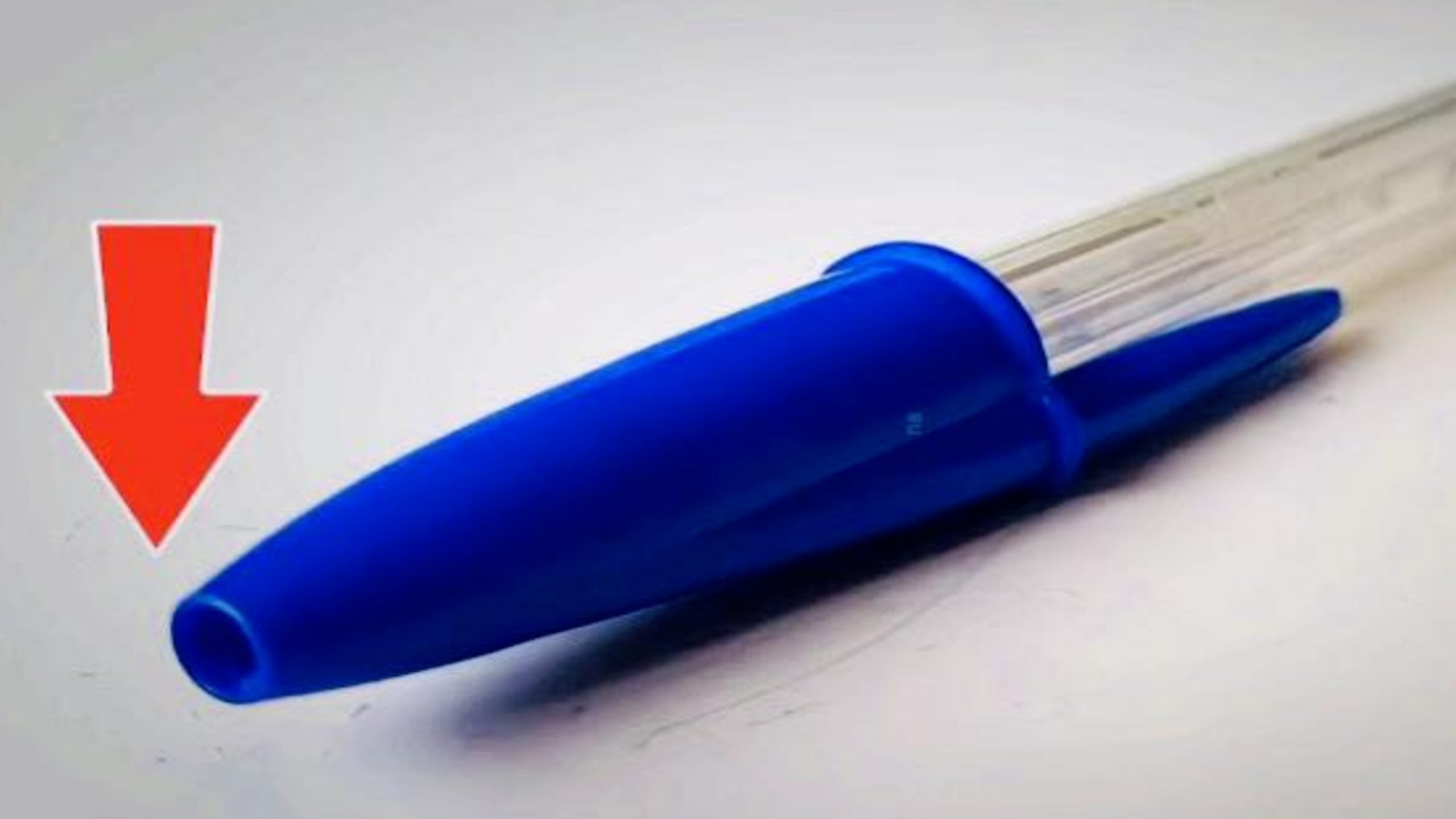
Many ballpoint pen caps have a hole in the top, and it is not a design quirk. The international standard ISO 11540, first implemented in 1993, sets requirements to reduce the risk of suffocation from caps on pens that children up to age 14 might use. Bic says its vented caps comply with the standard. Americans who chew on a pen cap during a long meeting may be surprised to learn that the hole is a safety feature.
4. The Colors on a Fire Hydrant
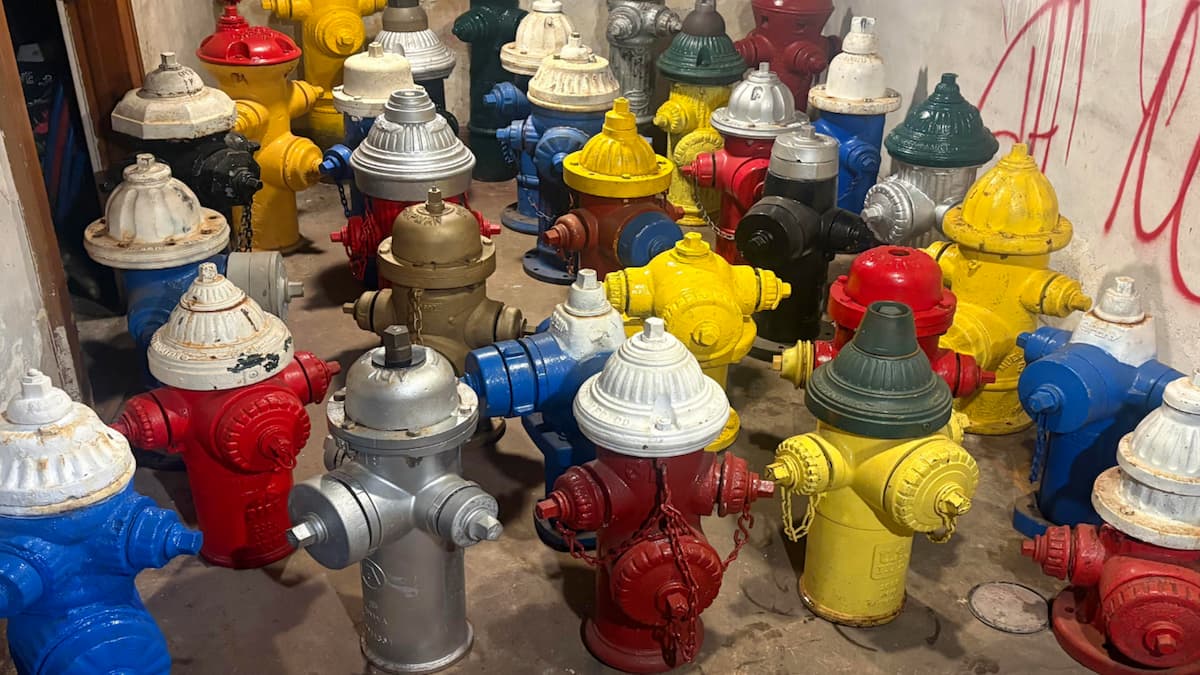
The colored caps on many fire hydrants tell firefighters how much water a hydrant can deliver. Under National Fire Protection Association guidance, red usually means under 500 gallons per minute, orange 500 to 999, green 1,000 to 1,499, and blue 1,500 or more. The guidance is not law, so some towns use different rules, and some departments paint private hydrants red.
5. The Little Arrow Next to the Gas Gauge

The small arrow beside the fuel gauge points to the side of the car where the fuel door is located. Ford interior designer Jim Moylan is credited with the idea, which came to him on April 17, 1986, after he struggled to find the filler on a company car. Ford debuted the arrows on its 1989 models, and other automakers followed. Americans who rent cars can use it the moment they pull up to the pump.
Trending on Wealth Gang


6. The Tiny Pocket Inside the Jeans Pocket
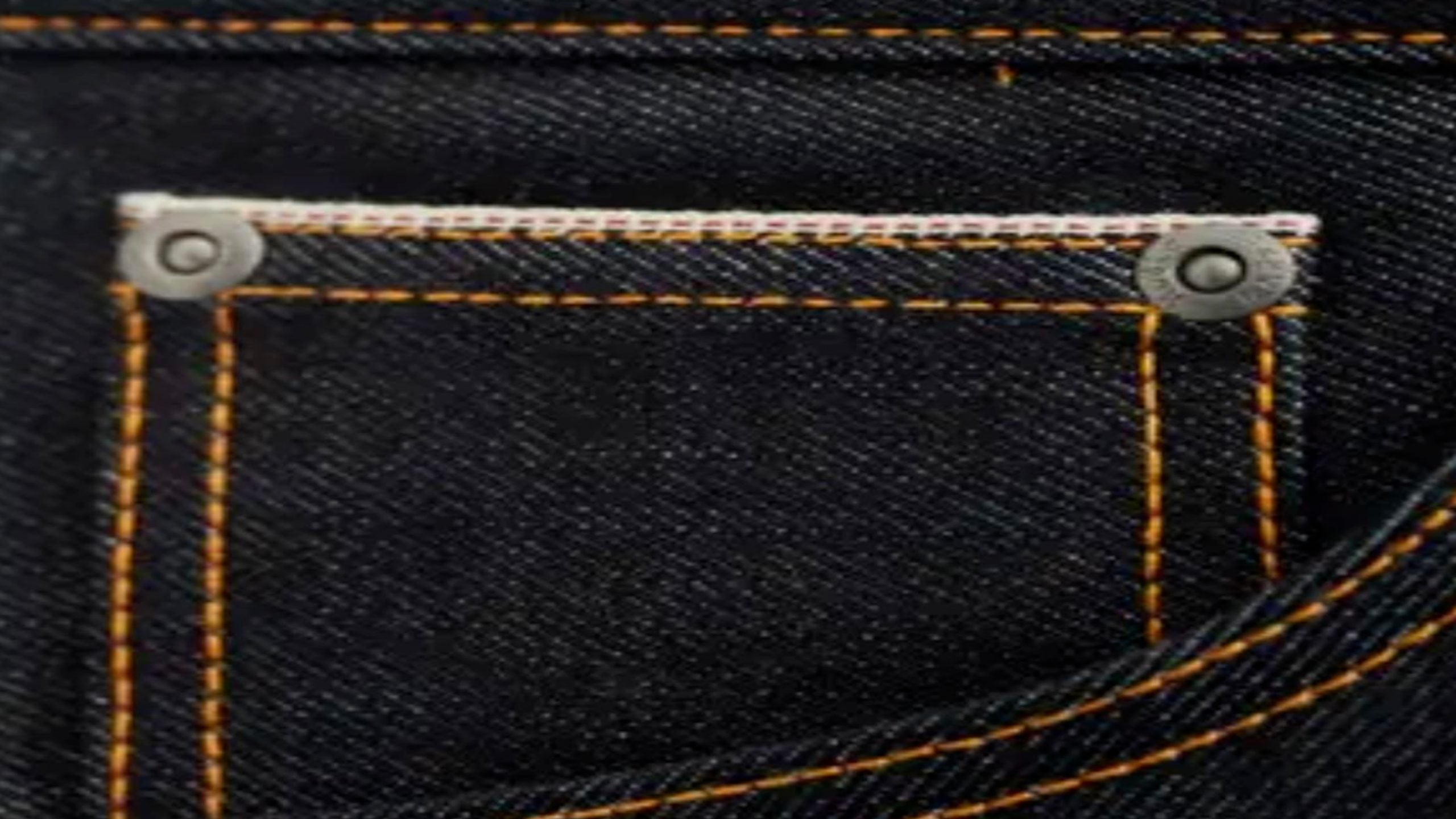
The small pocket above the right front pocket of jeans was originally designed to hold a pocket watch. Levi Strauss and Jacob Davis patented a version of the feature in 1873, and jeans with the classic tiny pocket were mass-produced in the 1890s. It was meant for farmers, miners, carpenters, and railroad workers who carried a watch every day. Today, it mostly holds coins or nothing at all.
7. The Little Scoop on the End of a Vegetable Peeler
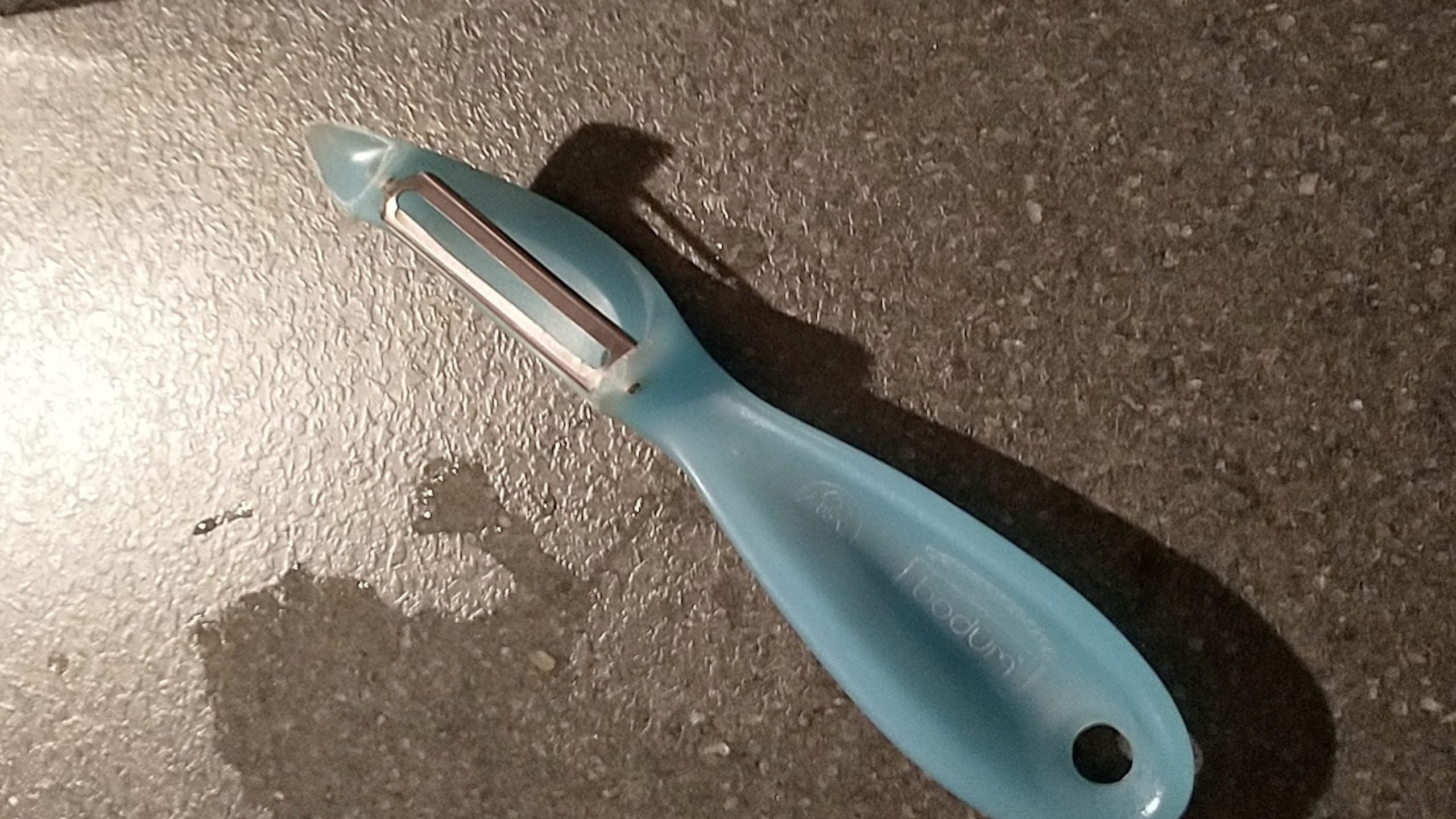
Many vegetable peelers have a small, sharp nub at the end, known as a potato eyer. The blade removes skin well but often misses the eyes, the small bumps in the flesh of a potato. The scoop is meant to dig them out, and it is easier and safer than prying at them with the tip of a paring knife. Most Americans use only the blade.
8. The Button on a Jar Lid That Pops Up
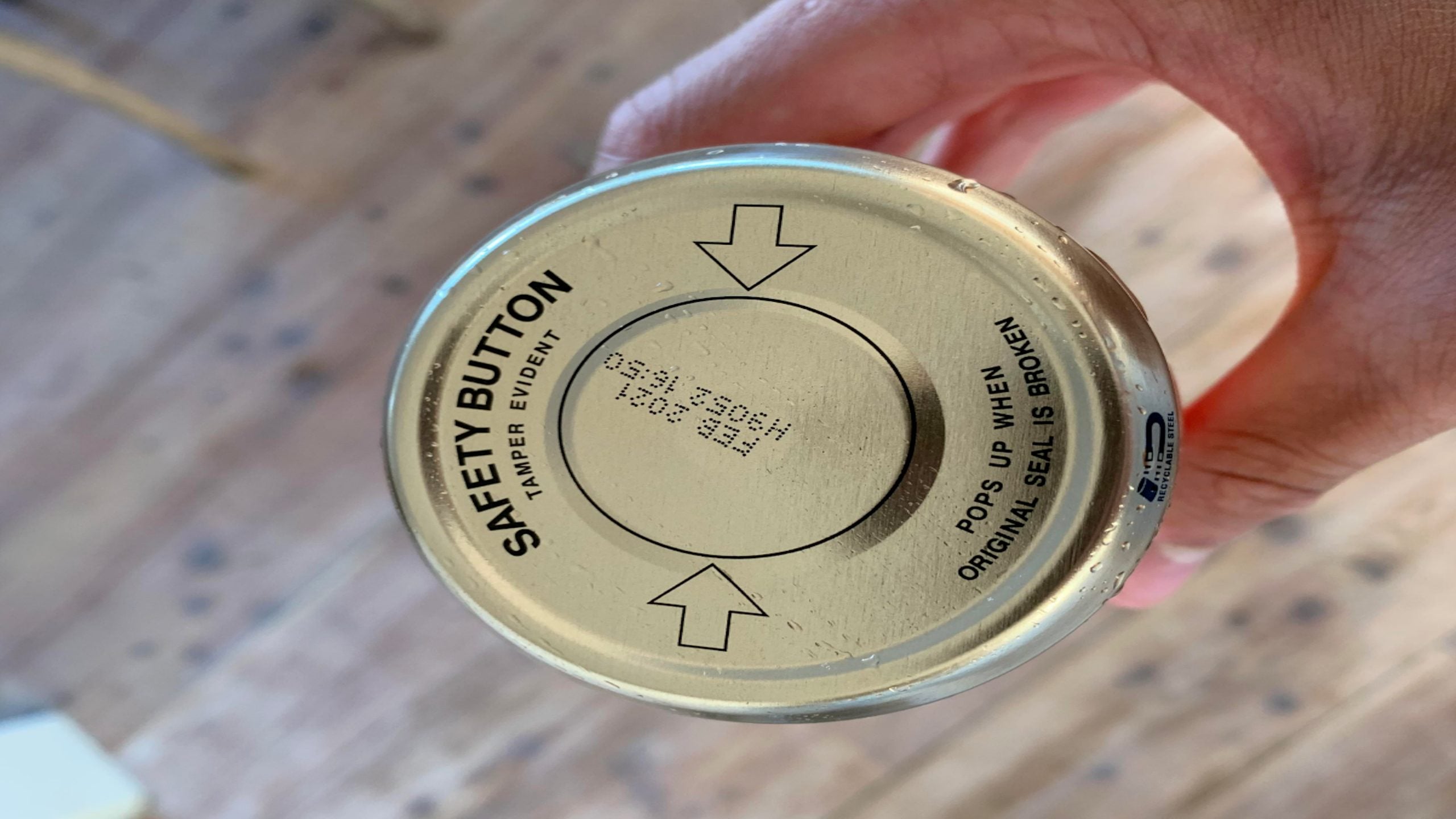
On many jars, the center of the lid is pulled inward by the vacuum seal and stays flat, and once air gets in, it pops up. The idea goes back to a 1936 patent for a telltale closure for home canners. Pop-top lids appeared in the early 1960s, and the design was driven by tampering fears, including shoppers opening baby food jars in stores and tasting what was inside.
Sign up for our newsletter
9. The Tabs on the Sides of a Foil Box
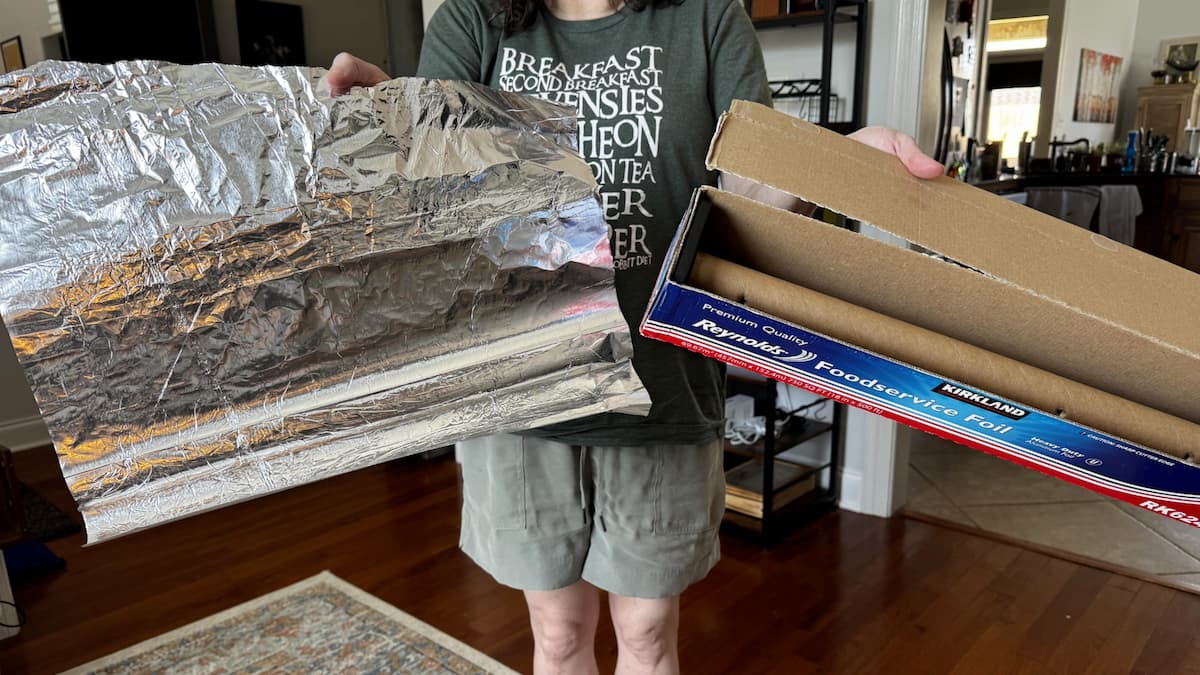
At each end of many aluminum foil and plastic wrap boxes, there is a small perforated flap called an end lock. Pressing it in holds the roll in place, so it does not slip out while you tear off a sheet. Reynolds Wrap even prints the words “Press Here to Lock Roll” on its boxes. Still, many Americans have fought with a roll that popped out of the box, never noticing the tabs.
10. The Shutters Hidden Inside a Wall Outlet
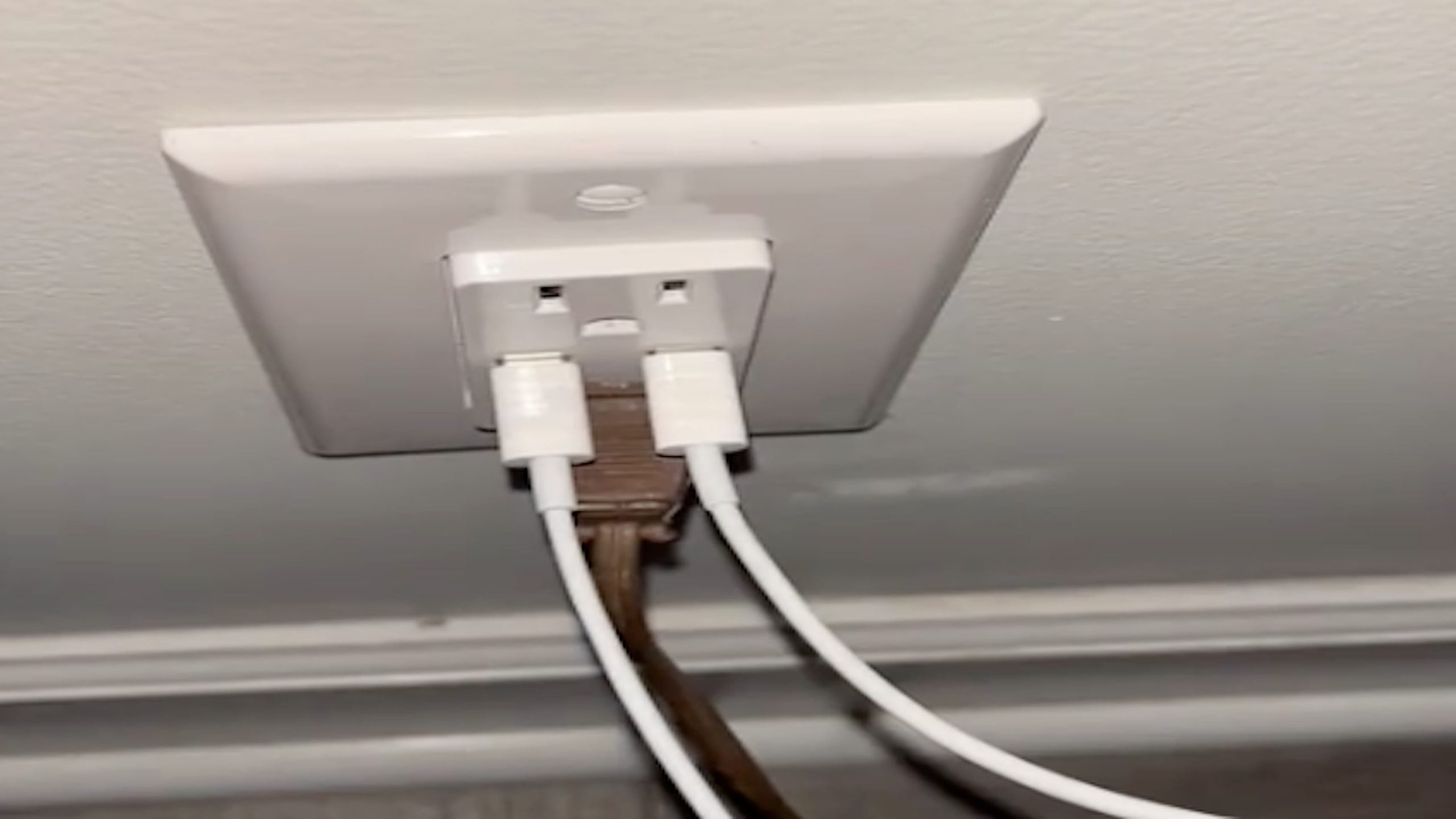
Tamper-resistant receptacles have built-in shutters that block foreign objects from entering the slots. The shutters open only when equal pressure is applied to both sides, which happens when a plug’s blades are inserted together. The National Electrical Code now requires them in new and renovated homes. The Electrical Safety Foundation says about 2,400 children are treated each year for shocks and burns after sticking items into outlets.
11. The Wider Slot on an Outlet
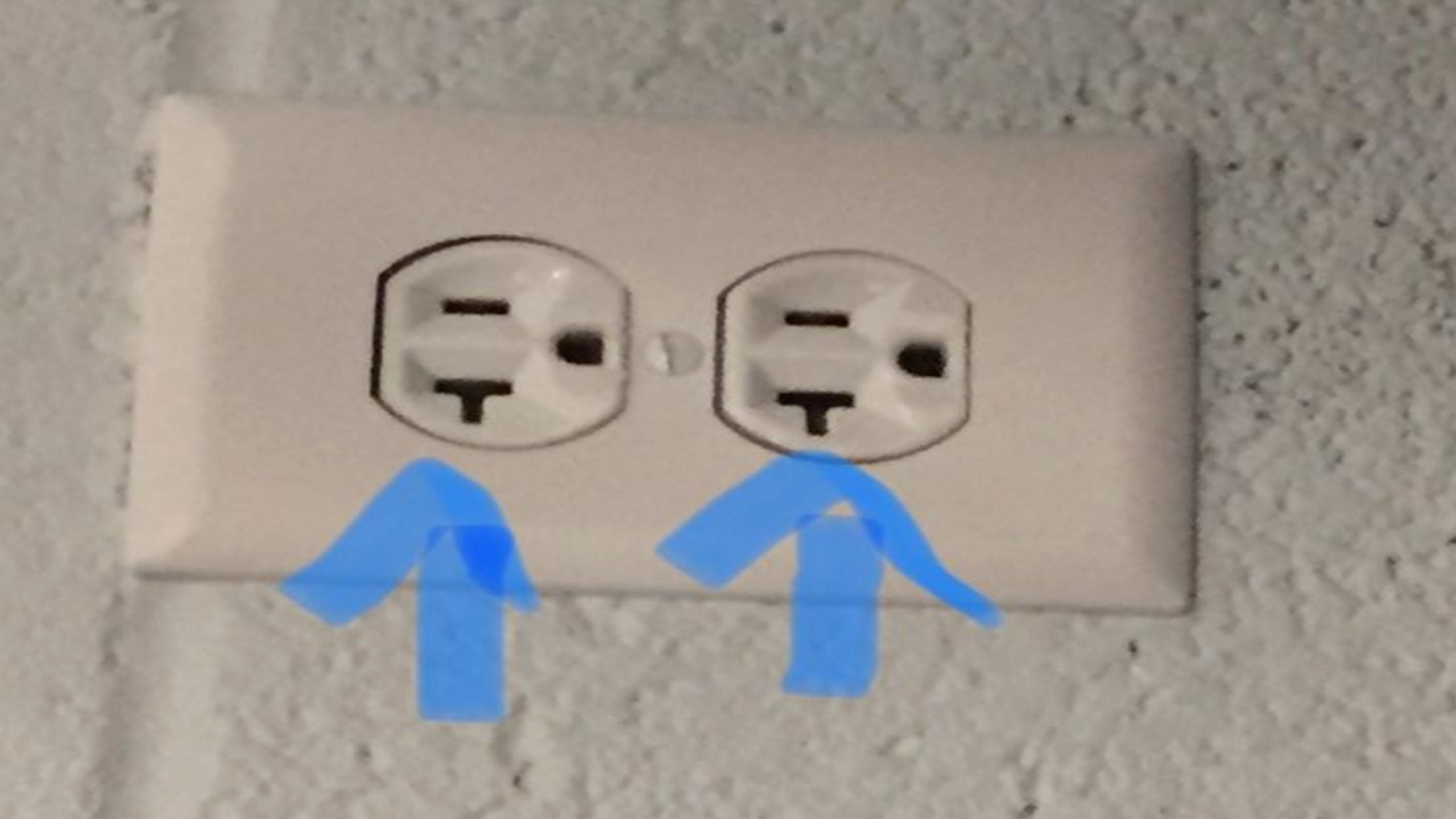
One slot on a standard outlet is wider than the other, and the difference is called polarization. The wider slot connects to the neutral wire and the narrower one to the hot wire, so a plug can only go in one way. If current ran backward, parts of a device could stay energized even when it was switched off. Polarized outlets became standard in the early 1960s, and Americans plug something into them countless times a day.
12. The Bumps on the F and J Keys
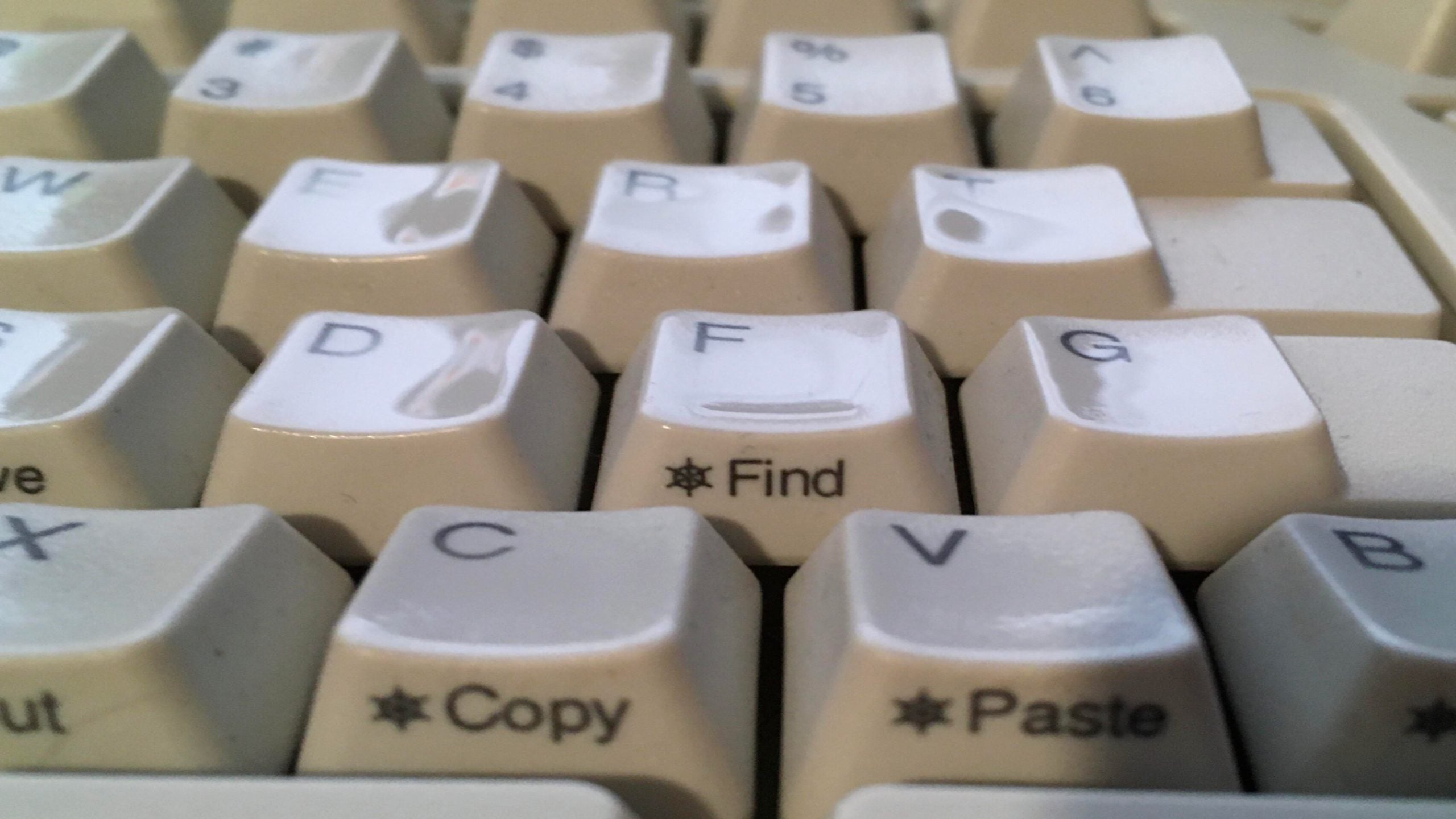
Run a finger over a keyboard, and you will find a tiny bump on the F and J keys. They let touch-typists find the home row without looking, with the index fingers on the bumps and the other fingers resting on the rest of the home row: A, S, D, K, L and the semicolon. Once the index fingers are in place, the rest of the hand follows.
13. The Hole in the Middle of a Spaghetti Spoon

Many Americans have heard that the hole in a pasta spoon measures one serving of spaghetti. Snopes rated that claim a mixture of true and false. Some spoons are made for portion control, but there is no standard design, and most holes are simply for draining water. A dietitian told Snopes that the hole can roughly match one serving if the noodles are loosely gathered, but tightly bundled noodles may amount to more.
14. The Second Hole in a Clear Ballpoint Pen
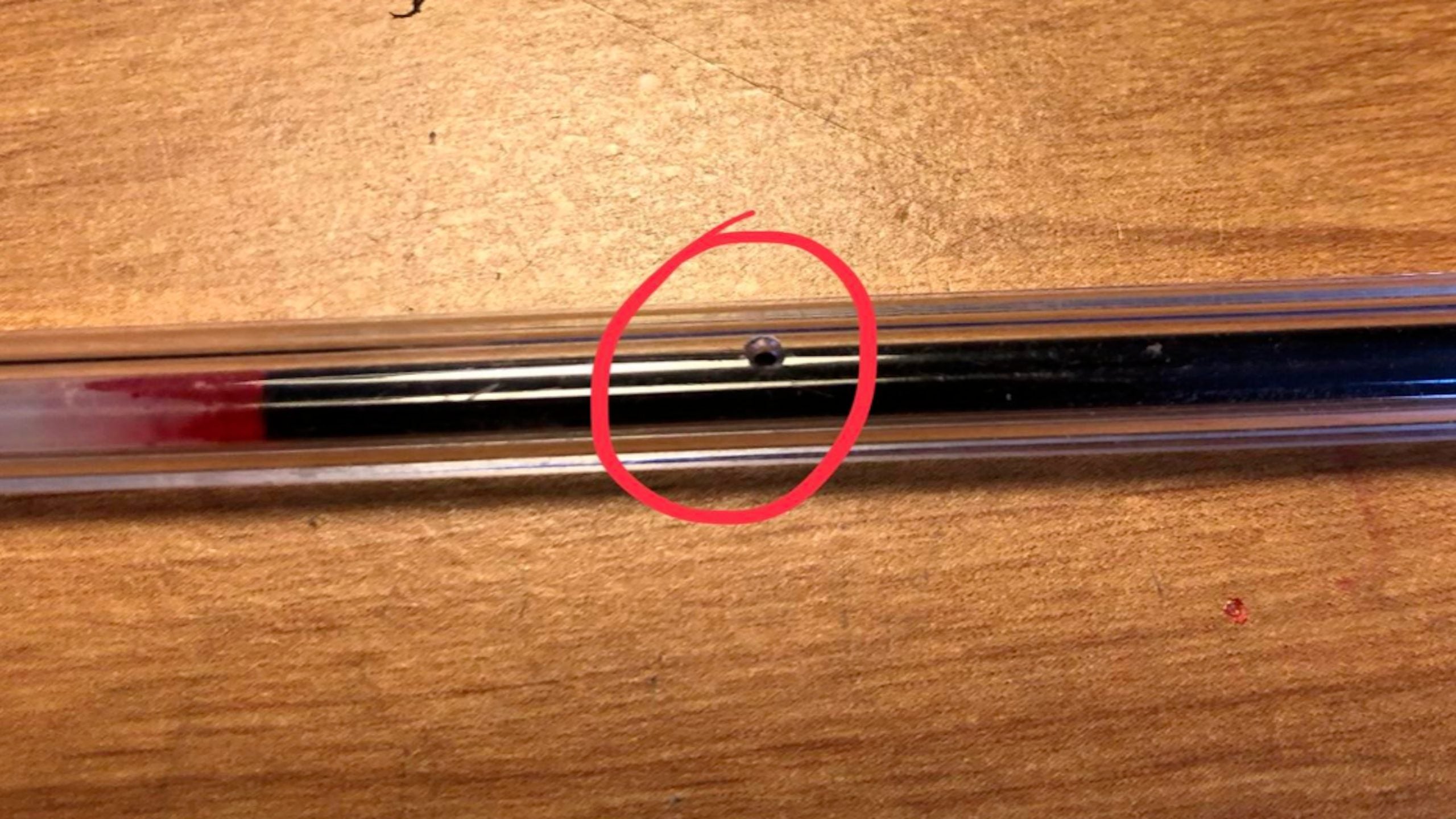
Some clear ballpoint pens have a tiny hole in the side of the barrel, which is a separate feature from the one in the cap. According to Snopes, the hole lets air in so the ink can flow. Bic also says the vents in its caps let more air circulate around the pen point when it is capped, which it says improves performance.
Every one of these small details was put there on purpose, and most of them have been right under your hands for years. The next time you reach for a tape measure, a jar, or a pen, take a second look. Which of these did you already know, and which one would surprise the Americans you know the most? Share your favorite in the comments.