Going to school in the 1950s was a completely different experience from what students know today. Classrooms were filled with chalk dust, homework was written by hand, and researching a topic meant spending hours flipping through library books. Even the rules about who could attend certain schools or participate in sports looked very different.
Over the past seven decades, technology, new laws, and changing attitudes have reshaped American education in ways that go far beyond replacing chalkboards with screens. Some changes have made learning more accessible, while others have transformed everyday routines that previous generations took for granted. Here are 17 ways school life has changed since the 1950s.
1. Chalkboards Have Given Way to Computers and Digital Screens
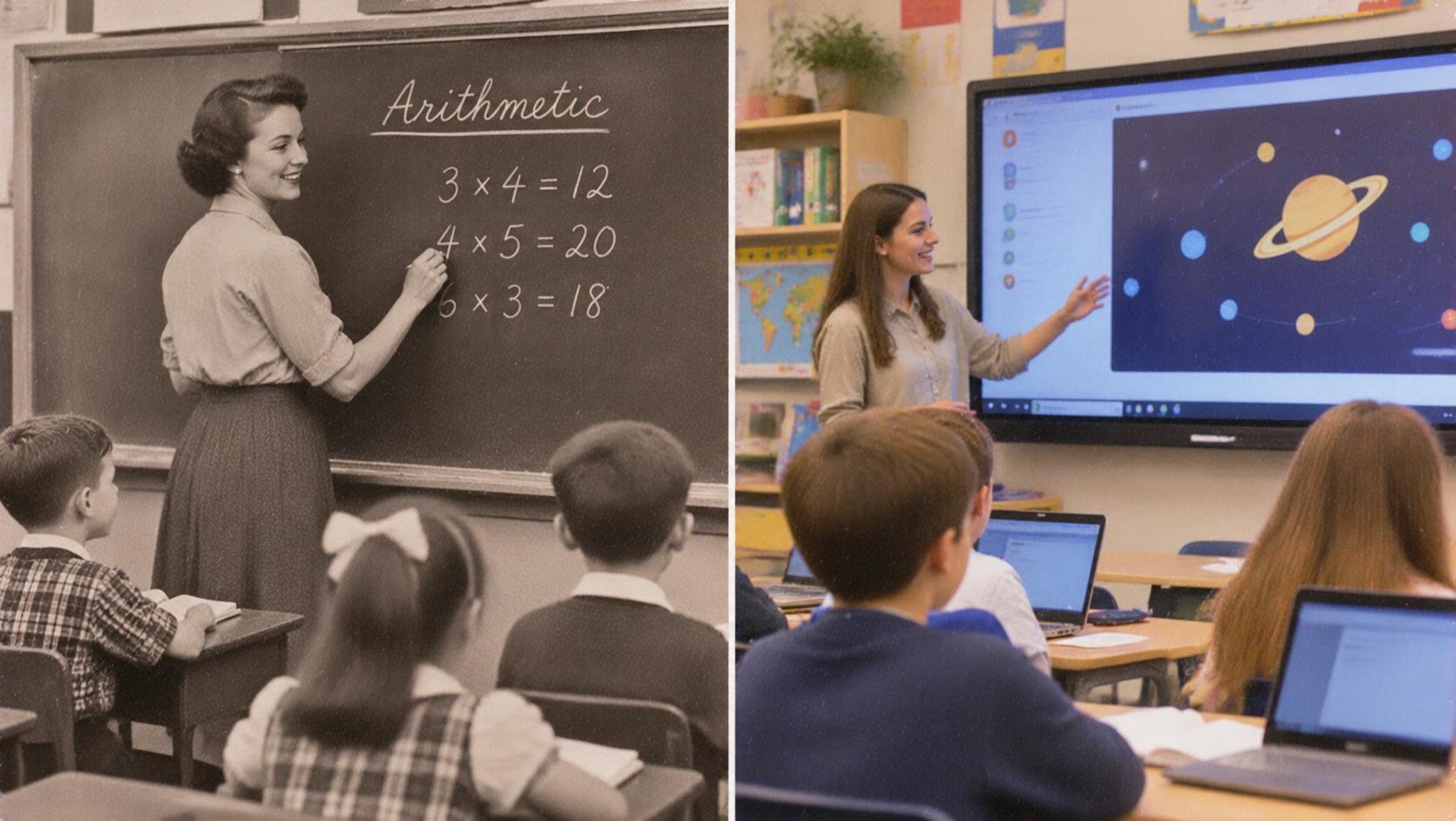
A classroom in the 1950s usually had a large chalkboard at the front, a few wall maps, and shelves of well-worn textbooks. Teachers wrote lessons by hand, and students copied everything into notebooks. Computers eventually started appearing in schools, but the transition took decades. In 1994, only 3% of public school instructional rooms had internet access, according to the National Center for Education Statistics. By 2003, that number had reached 93%. Today, laptops, tablets, interactive displays, and online learning tools are familiar parts of the school day, although traditional teaching materials haven’t disappeared entirely.
2. Research No Longer Means Searching Through Encyclopedias
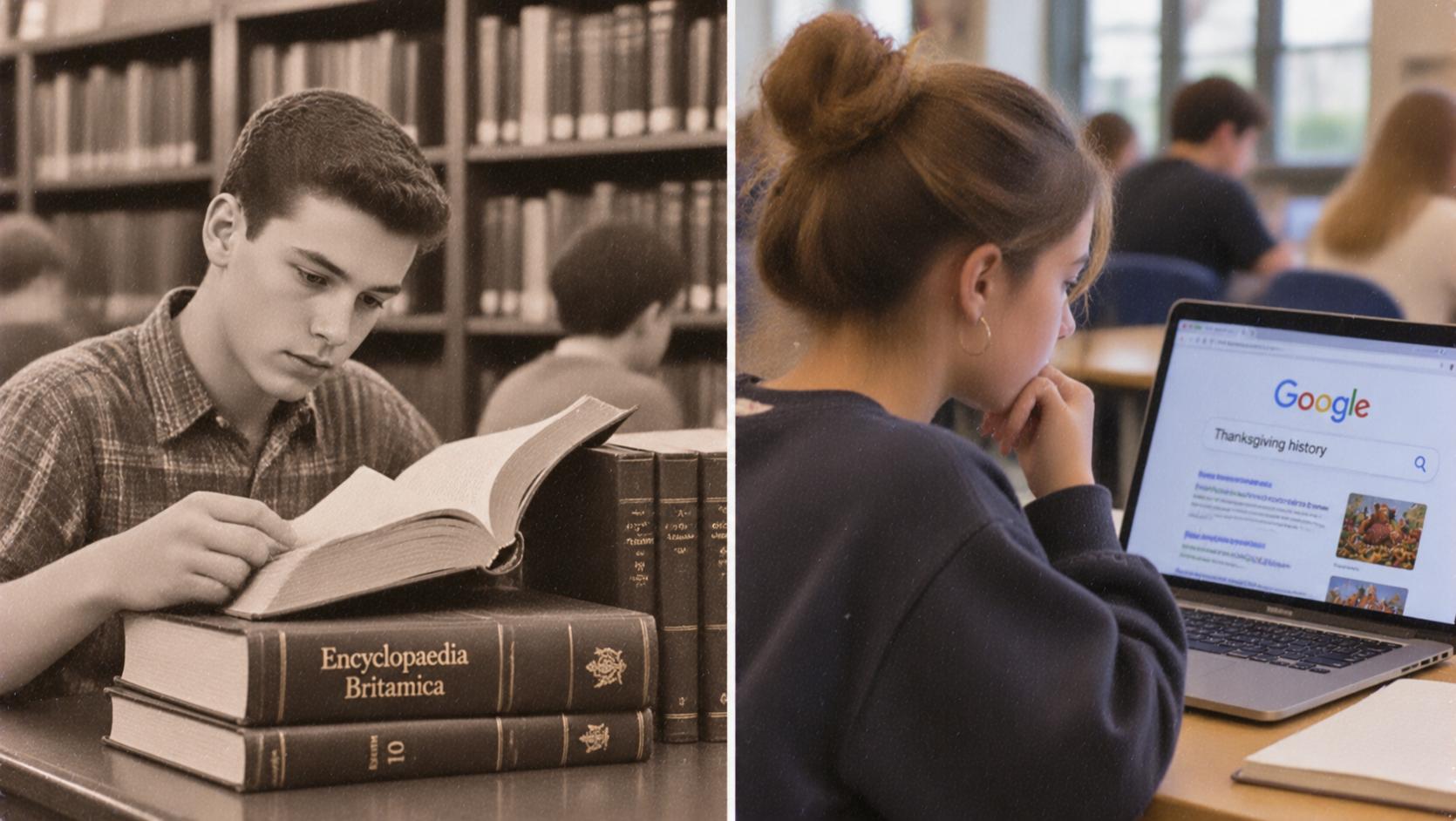
Before the internet, researching a school project required patience and a trip to the library. Students searched through encyclopedias, checked out reference books, and sometimes discovered that someone else had already borrowed the one book they needed. Finding information could take an entire afternoon. That process changed dramatically as schools connected to the internet. In 1994, just 35% of American public schools had internet access, compared with 99% by 2001. Students can now find enormous amounts of information within seconds, although figuring out which sources to trust has become an important skill of its own.
3. Racial Segregation in Public Schools Became Unconstitutional
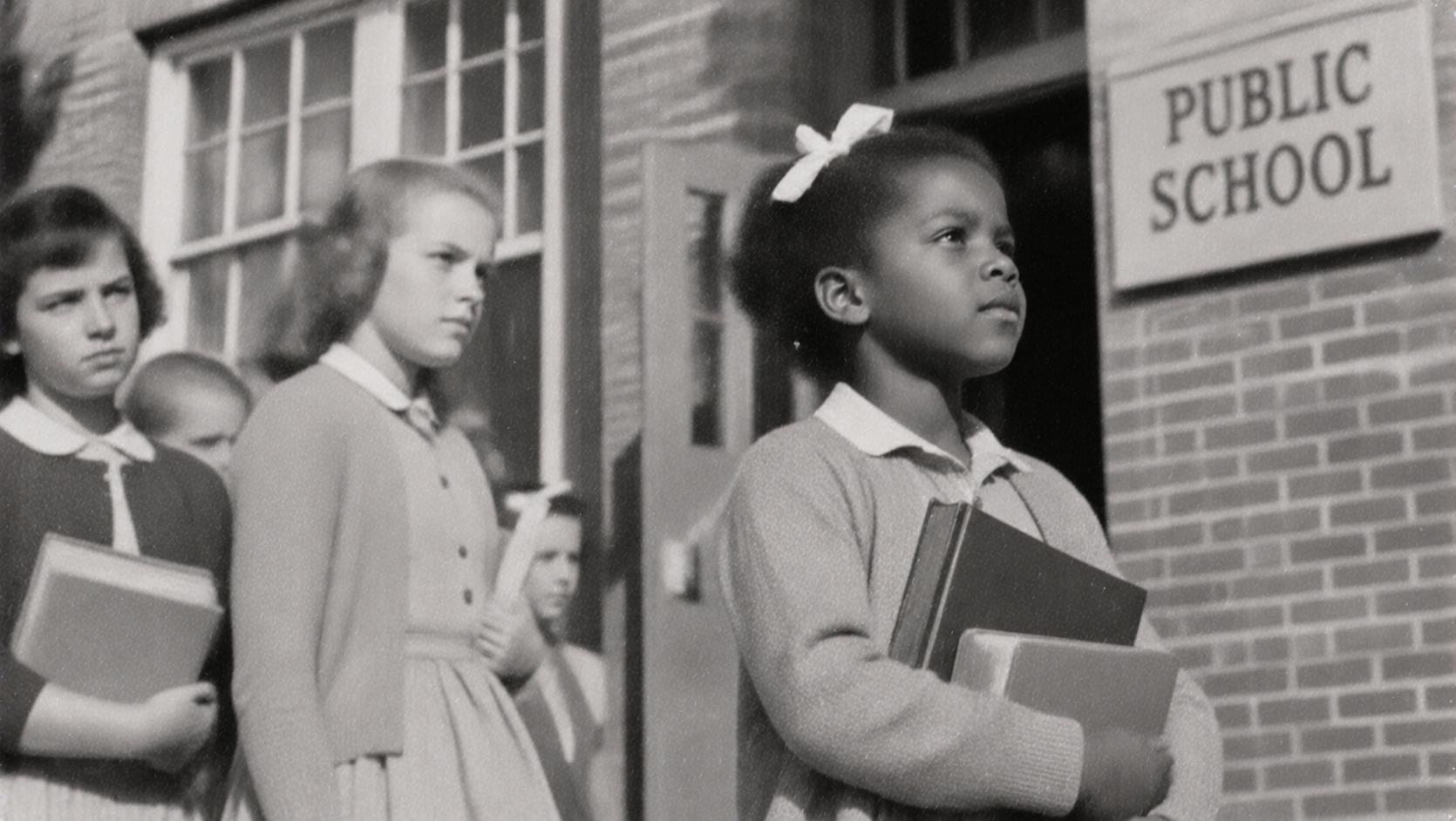
For many American children in the 1950s, where they attended school depended on their race. Segregation laws in parts of the South required Black and white students to attend separate public schools, often with unequal facilities and resources. That legal system faced a major turning point on May 17, 1954, when the Supreme Court ruled in Brown v. Board of Education that racial segregation in public education violated the Constitution. The ruling didn’t immediately integrate every school, and resistance continued for years in many communities. Racial and economic segregation remain concerns today, but laws requiring separate public schools based on race are unconstitutional.
4. Girls Have Many More Opportunities to Play School Sports
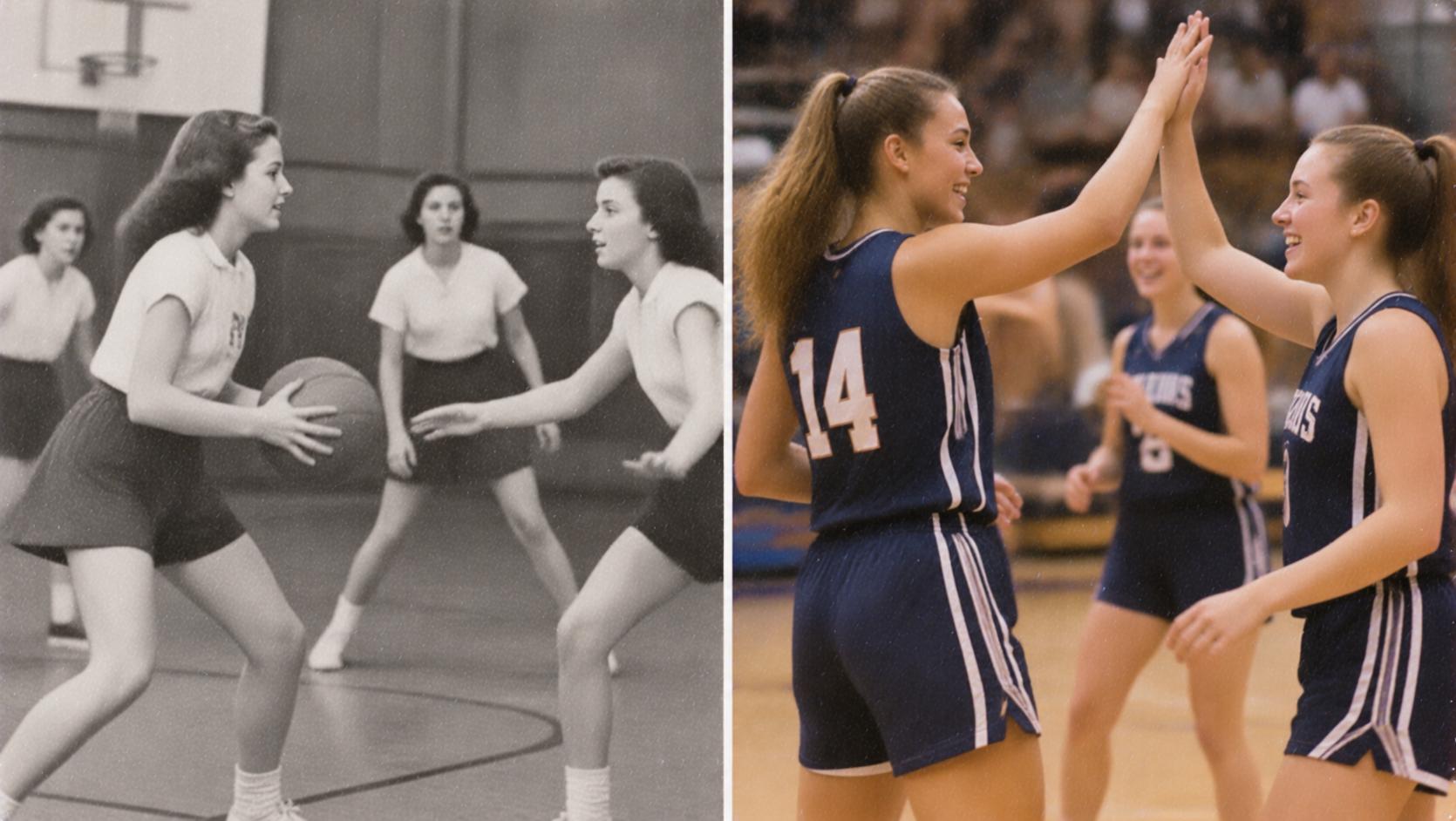
School athletics in the 1950s were largely centered on boys, particularly when it came to competitive teams, funding, and organized programs. Girls might participate in physical education or recreational activities, but their options were often much more limited. The passage of Title IX in 1972 helped change that by prohibiting sex discrimination in federally funded educational programs. Girls’ participation in organized high school sports grew from approximately 294,000 in 1971 to more than 2 million in 1978. Today, girls compete in everything from basketball and soccer to wrestling and track, although equal access to resources remains an ongoing issue.
5. Students With Disabilities Have Greater Access to Education
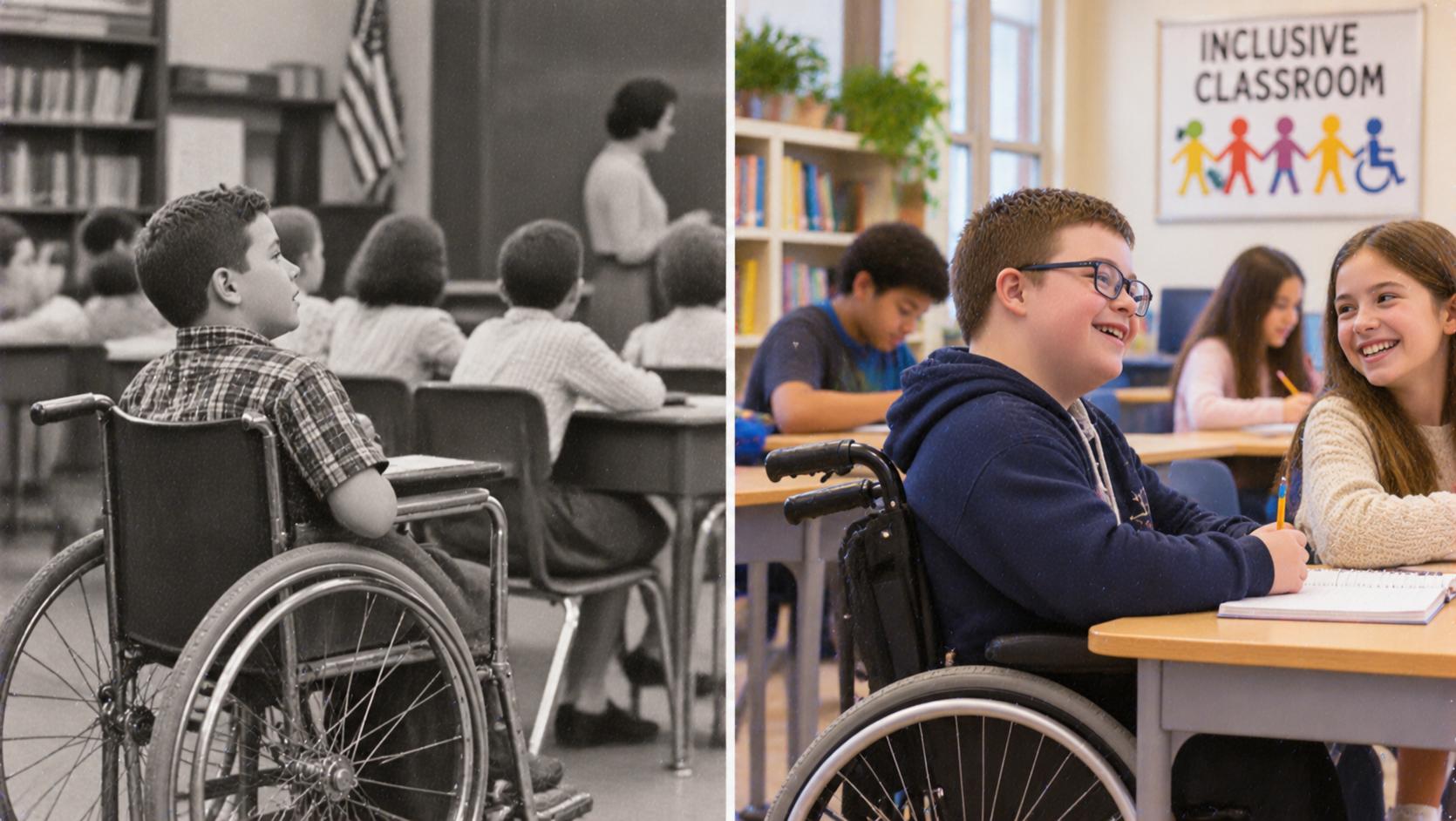
During the 1950s, many children with disabilities were excluded from public education or attended schools that lacked the services they needed. Some families had few options beyond keeping their children at home or seeking specialized institutions. Before major federal reforms, more than one million children with disabilities were entirely excluded from public education, according to the U.S. Department of Education. The Education for All Handicapped Children Act of 1975 established important protections, including access to a free appropriate public education for eligible students. Those protections continue under the Individuals with Disabilities Education Act, which helps ensure qualifying children receive educational services and support.
Trending on Wealth Gang


6. Full-Day Kindergarten Has Become the Norm in Many Communities
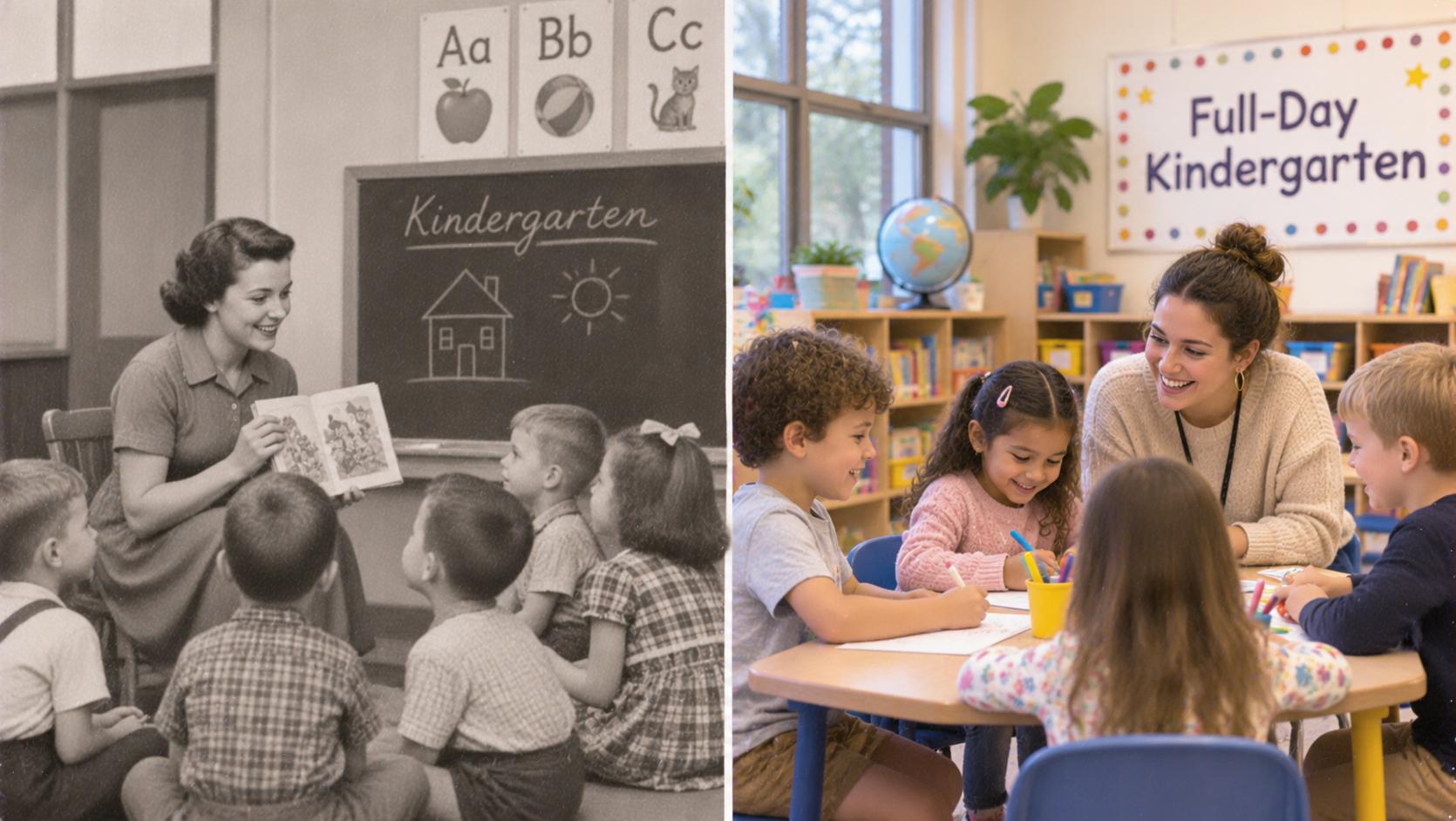
Kindergarten wasn’t always the full school-day experience that many families recognize today. In the 1950s, programs varied widely, and children often attended for just a few hours before heading home. Even by 1970, only 13.5% of kindergarten students were enrolled in full-day programs. That figure climbed to 80.8% by 2018, according to the National Center for Education Statistics. Longer kindergarten schedules have become much more common, giving children additional classroom time for early academic and social development. Still, kindergarten requirements and schedules depend on the state and school district.
7. Schools Generally Have Fewer Students Per Teacher
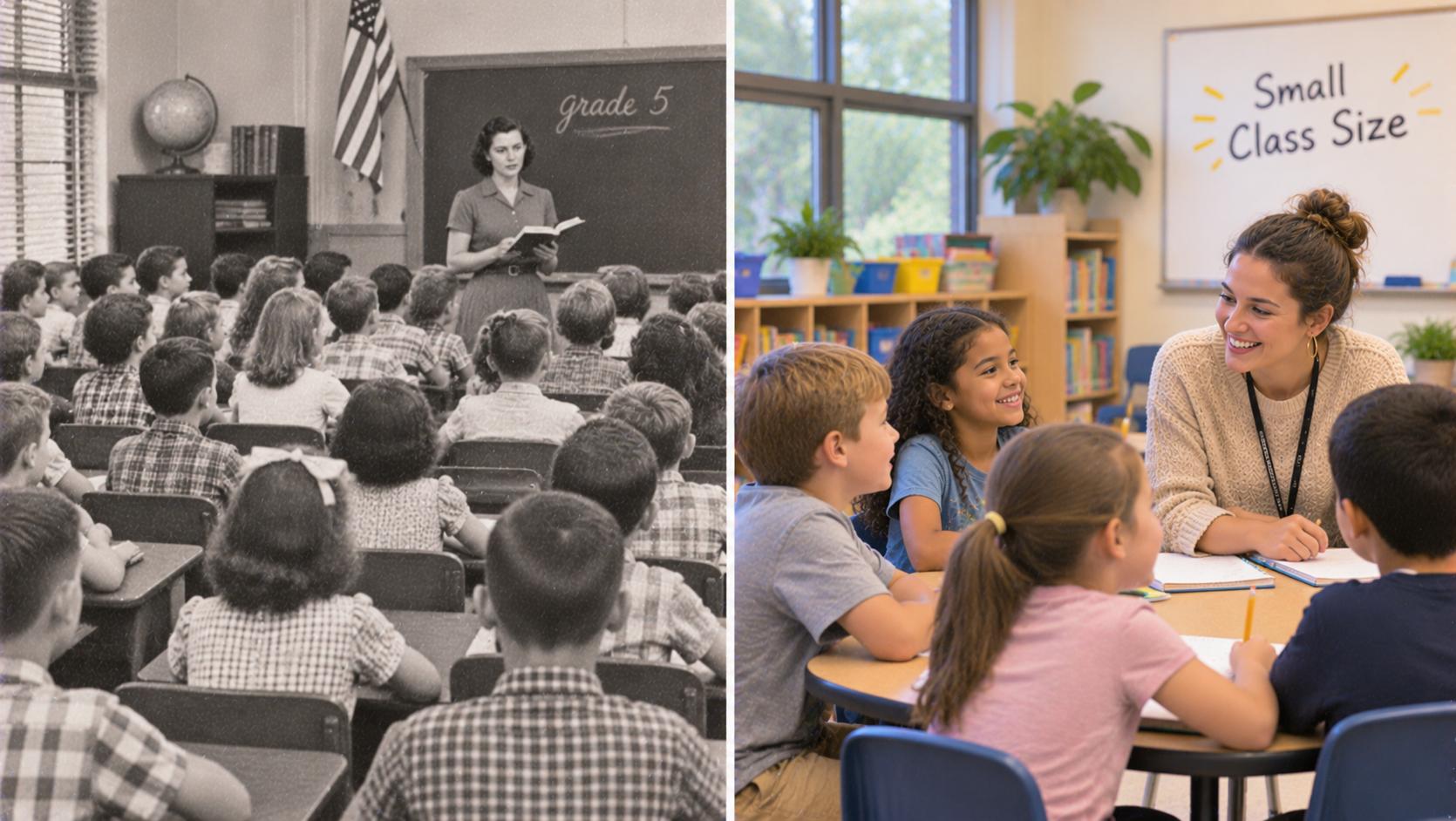
A teacher in the 1950s was often responsible for more students than teachers are today, at least when measured by national staffing ratios. In 1955, American public schools had approximately 26.9 students for every teacher. By 2019, that figure had dropped to 15.9, according to federal education statistics. The change reflects decades of growth in educational staffing, specialized instruction, and student support services. That doesn’t mean every classroom now has only 16 children, since pupil-teacher ratios aren’t the same as individual class sizes. Still, the overall numbers show how much school staffing has evolved.
8. Homework Can Be Turned In Without Using a Single Sheet of Paper
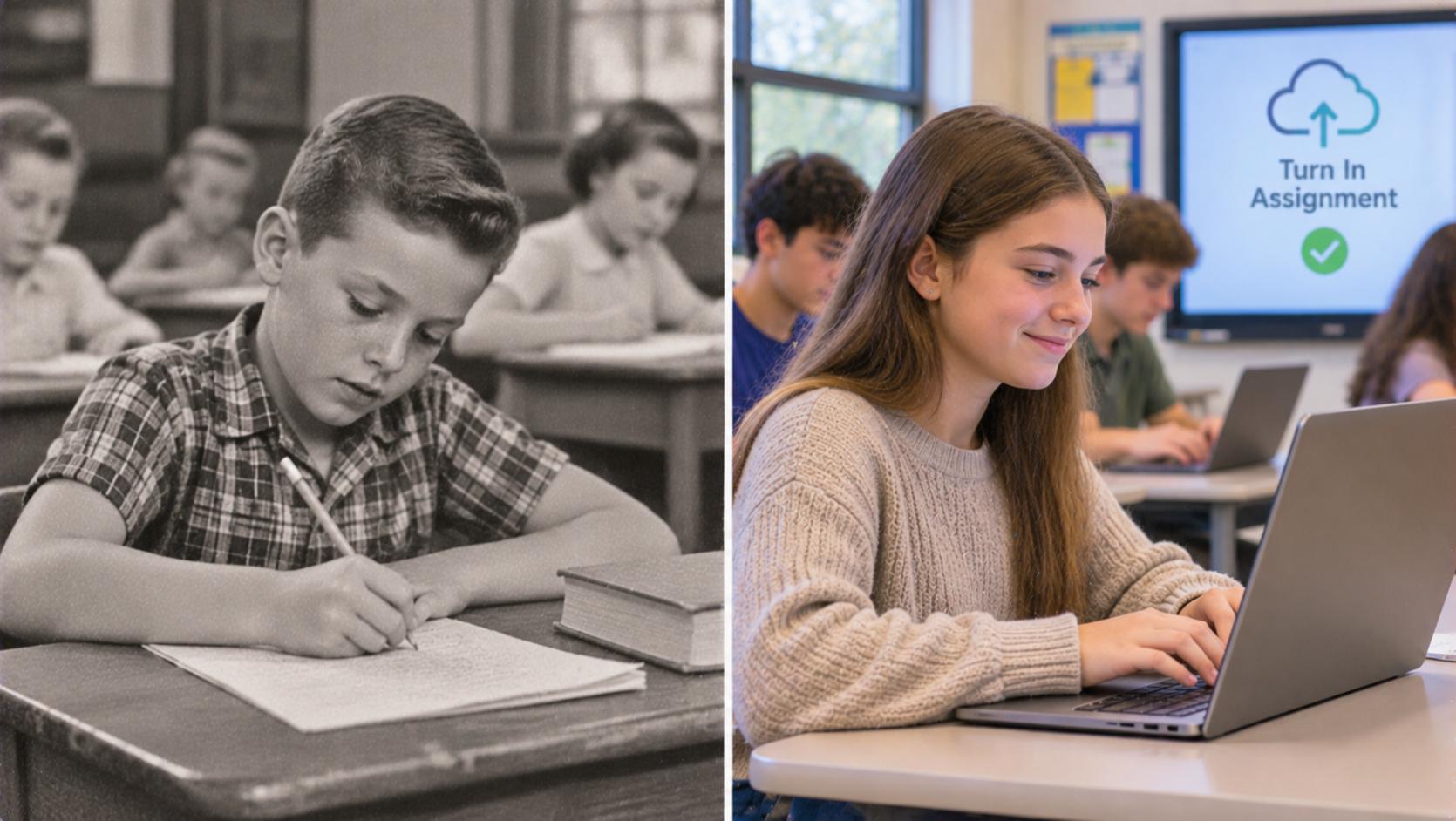
Students in the 1950s had a simple routine when it came to homework: complete the assignment on paper, put it in a folder, and remember to bring it to school. Forgetting that folder could mean showing up empty-handed, even if the work was finished. Today, many teachers distribute assignments through online platforms, and students can upload documents, photographs, presentations, or other digital files. Tools such as Google Classroom also allow teachers to provide feedback electronically. Paper assignments haven’t vanished, but the days of physically handing in every piece of homework are no longer universal.
Sign up for our newsletter
9. Parents Don’t Have to Wait for Report Cards to See School Progress
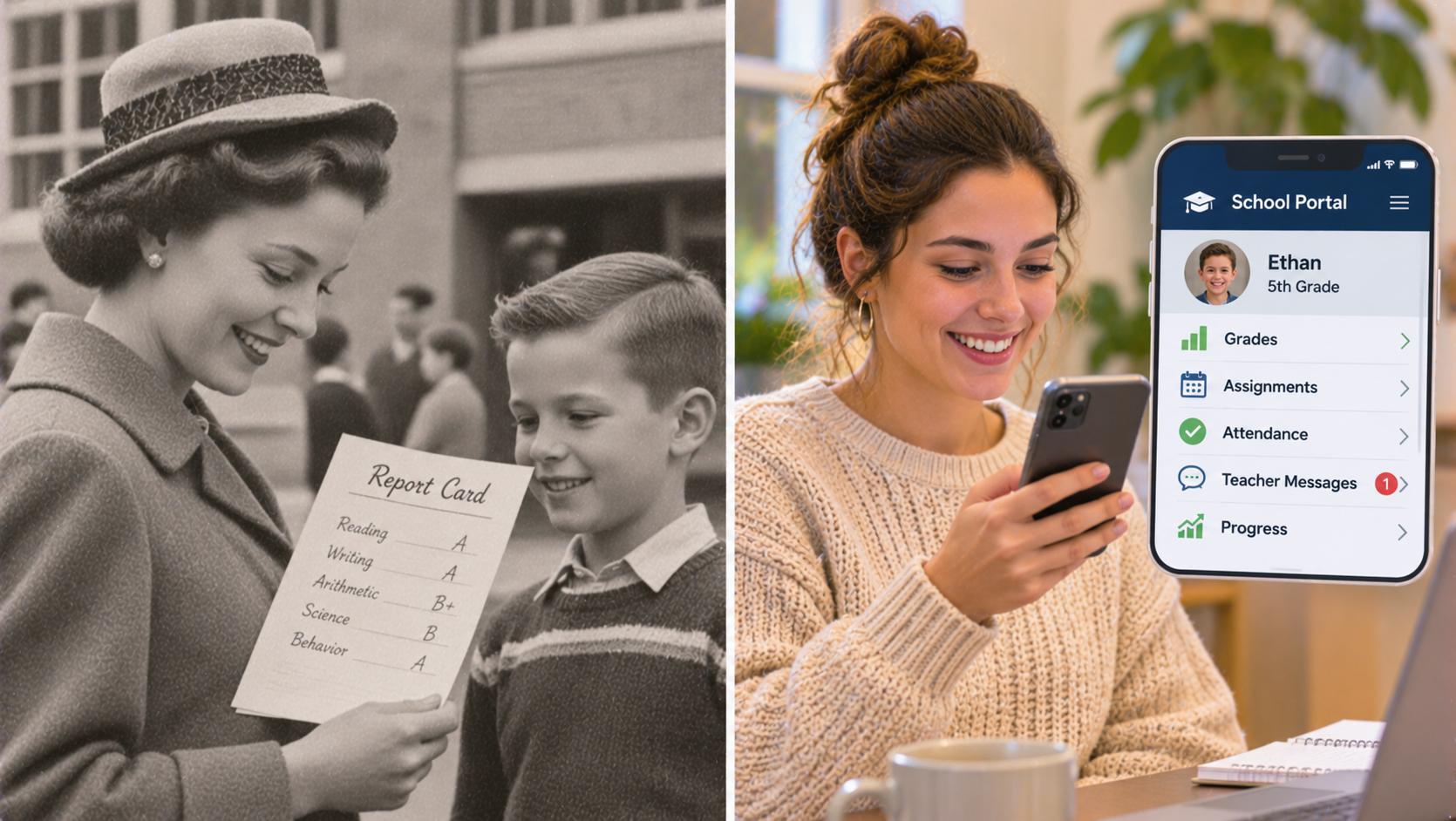
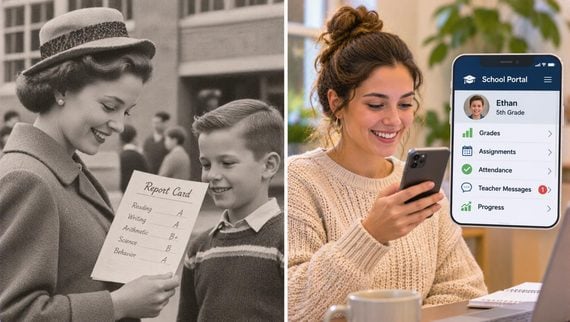
For parents in the 1950s, report card day could bring the first detailed look at how their child was performing in school. Teachers might send notes home or arrange meetings, but regular updates weren’t nearly as immediate as they are now. Digital platforms have changed that relationship. Some school systems allow families to check grades, attendance, missing assignments, and upcoming work throughout the semester. Google Classroom can also send guardians summaries of class activities and assignments, though those particular summaries don’t include grades. Parents now have more opportunities to stay informed long before the next printed report card arrives.
10. The Federal School Breakfast Program Didn’t Exist Yet
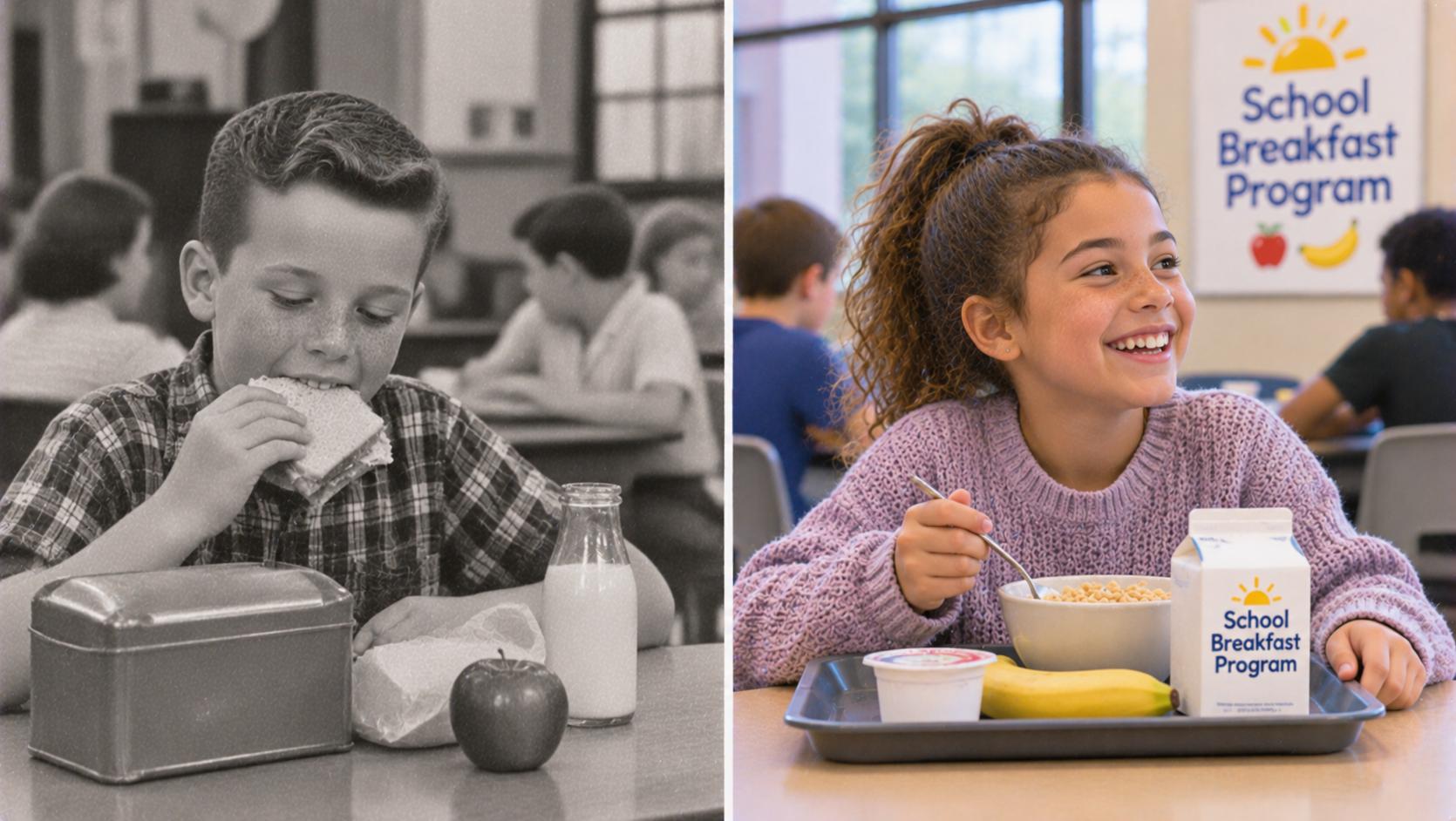
School lunches were already part of American education in the 1950s, thanks to the National School Lunch Program established in 1946. Breakfast, however, was a different story. The federal School Breakfast Program wasn’t introduced until 1966, when it began as a pilot initiative designed to provide morning meals to children. Congress made the program permanent in 1975, allowing it to expand over the following decades. Today, participating schools serve breakfast under federal nutrition and eligibility guidelines. Availability and participation still vary, but the program has become an established part of school food services.
11. Cafeteria Meals Follow Different Nutrition Rules
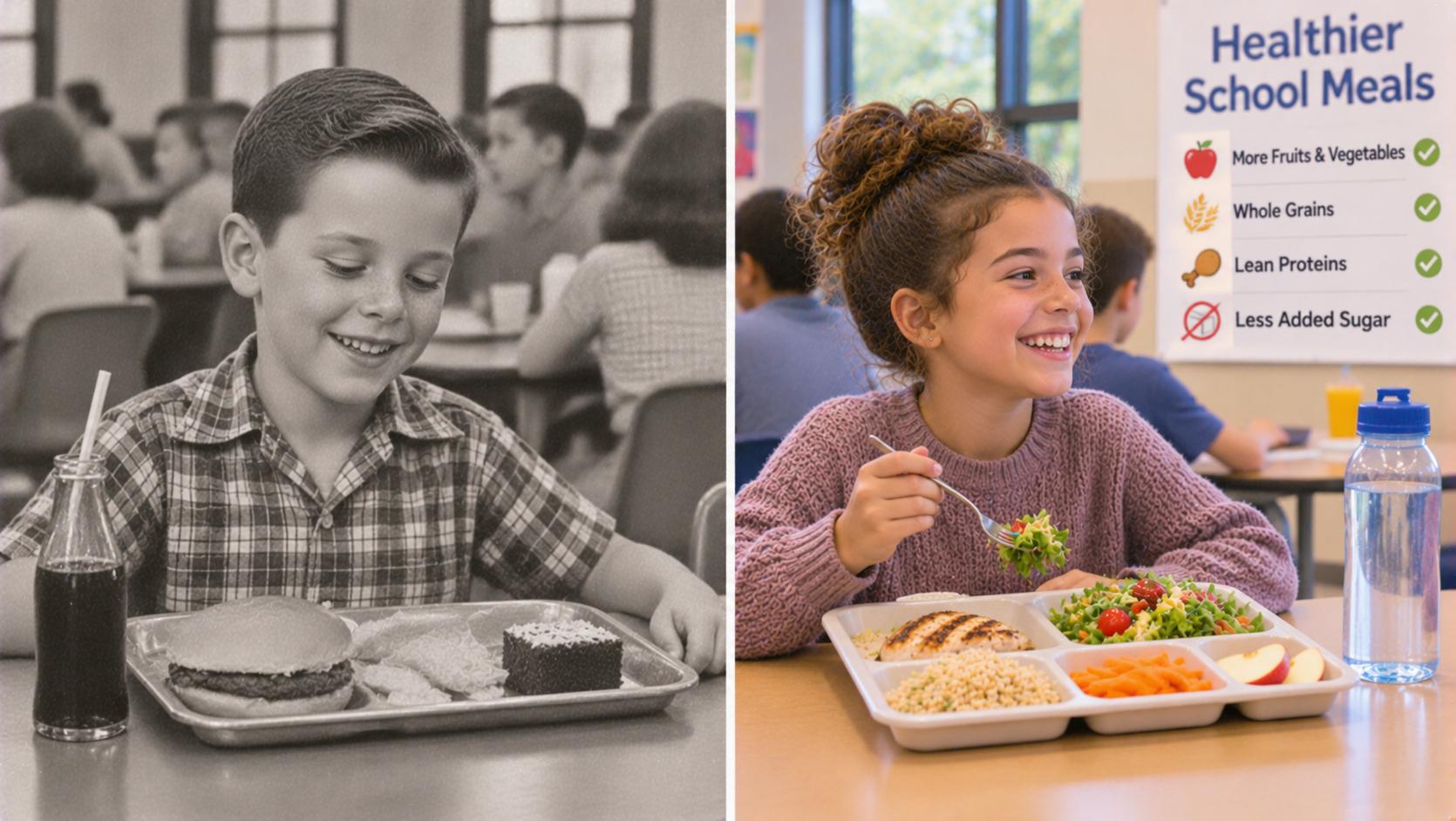
School cafeterias have changed quite a bit since the days when lunch trays reflected the food standards and budgets of the 1950s. Although federally supported school meals already existed, the rules governing what schools served continued to evolve. One major change came with the Healthy, Hunger-Free Kids Act of 2010, which led to updated nutrition standards involving fruits, vegetables, whole grains, and other meal components. The legislation also strengthened oversight of certain foods sold during the school day. Cafeteria menus still differ from district to district, but today’s federally regulated school meals operate under a different nutritional framework than those of earlier generations.
12. Standardized Tests Became a Bigger Part of School Life
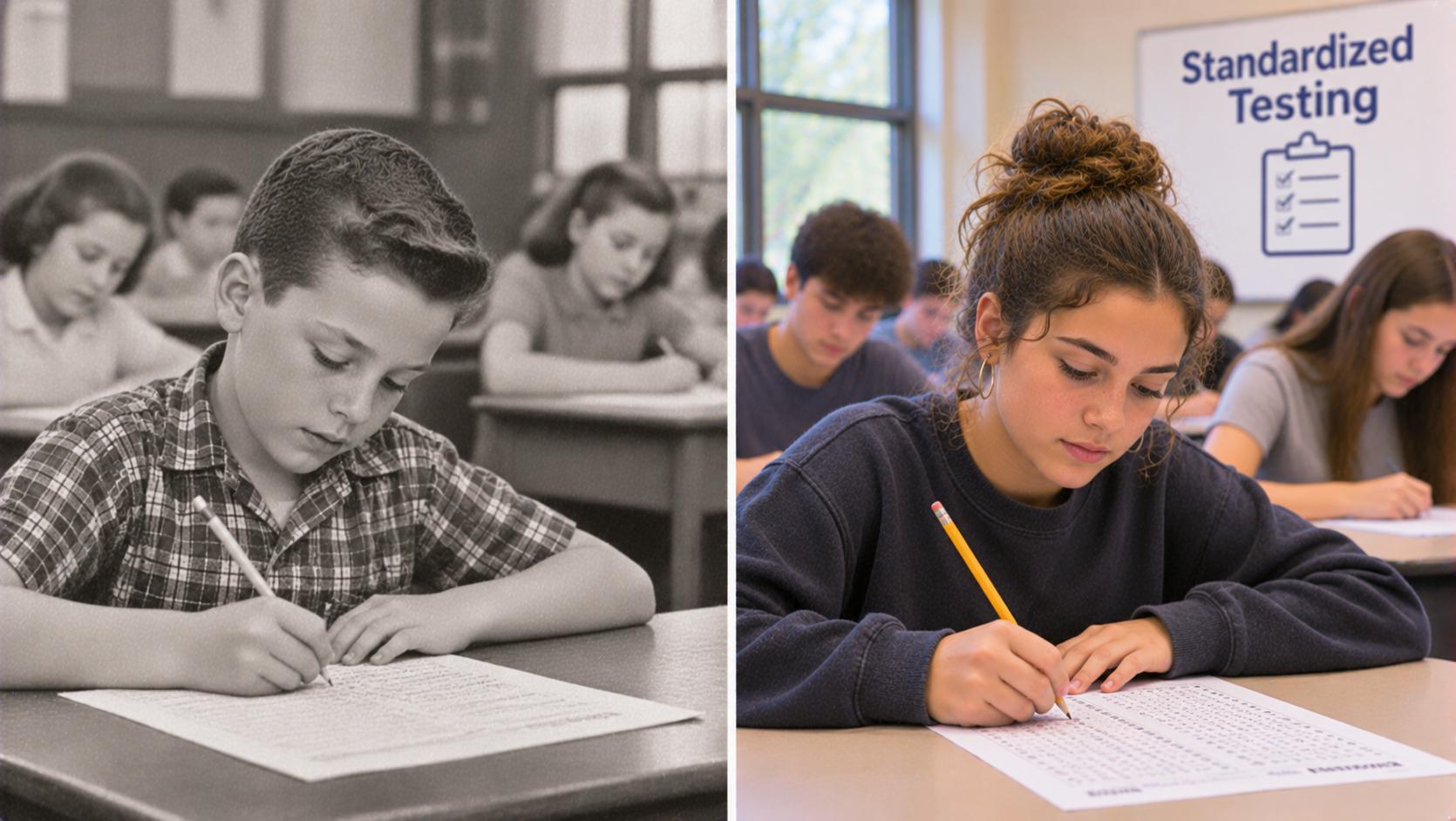
Students were taking standardized tests long before the 2000s, but those exams didn’t always carry the same importance for evaluating entire schools. That changed significantly with the No Child Left Behind Act of 2001, which expanded federally required testing and tied student performance to school accountability measures. The Every Student Succeeds Act replaced that legislation in 2015 while maintaining statewide assessment requirements in reading, mathematics, and science. Today, standardized testing helps shape school performance reports and accountability systems. The details vary by state, but testing has become a much more prominent part of education policy.
13. Walking Into a School Building Isn’t as Simple as It Used to Be
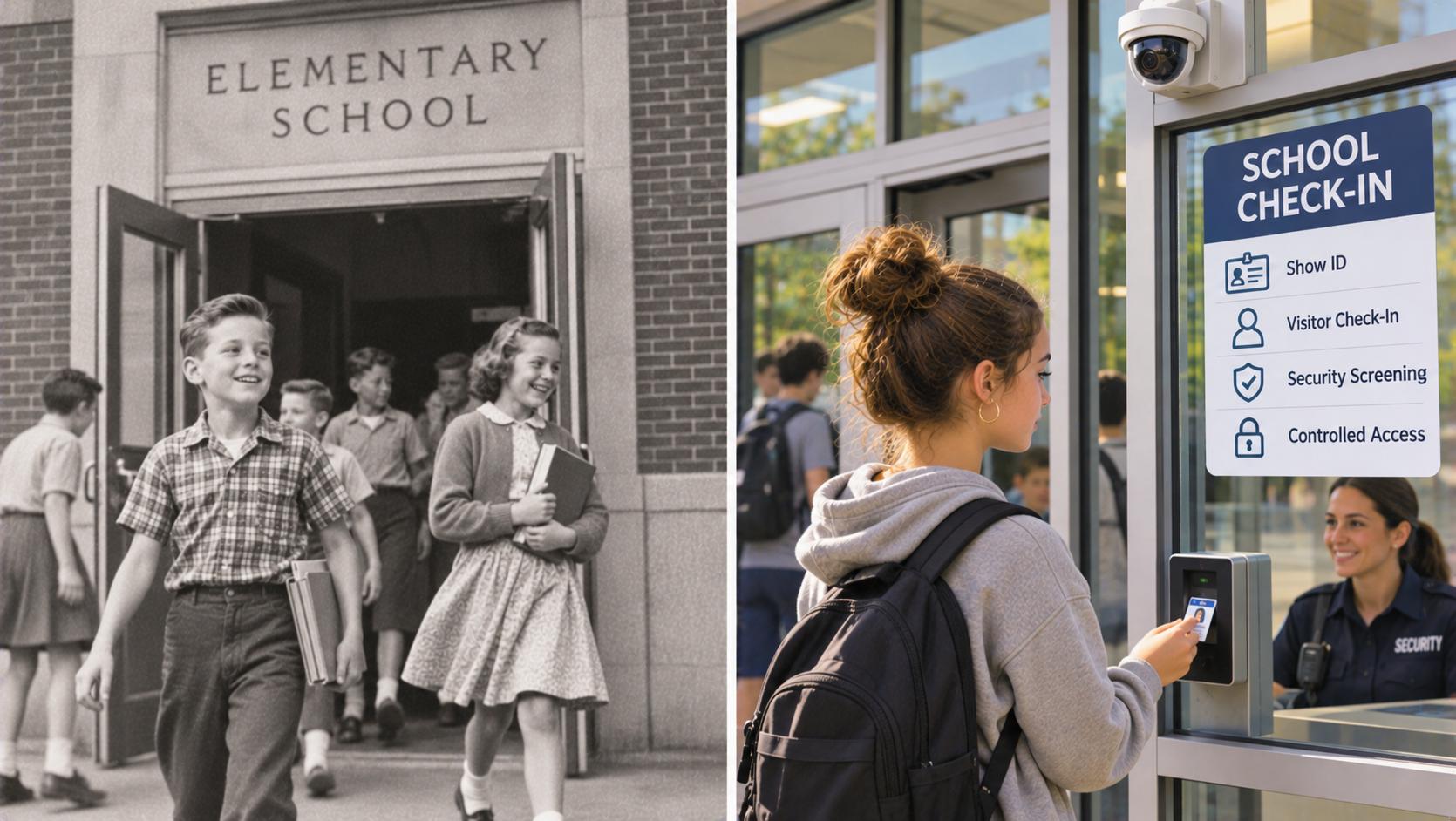
For many students in earlier generations, entering school meant walking through the front doors and heading straight to class. Modern school buildings often have a much more controlled arrival process, with locked entrances, visitor identification procedures, security cameras, and designated check-in areas. National education data show that 74.6% of public schools controlled access to their buildings during school hours in 1999–2000. By 2021–2022, that figure had reached 97.1%. While those statistics don’t provide a direct comparison with the 1950s, they illustrate how significantly school security procedures have tightened in recent decades.
14. Public Schools Can No Longer Organize Classroom Prayer
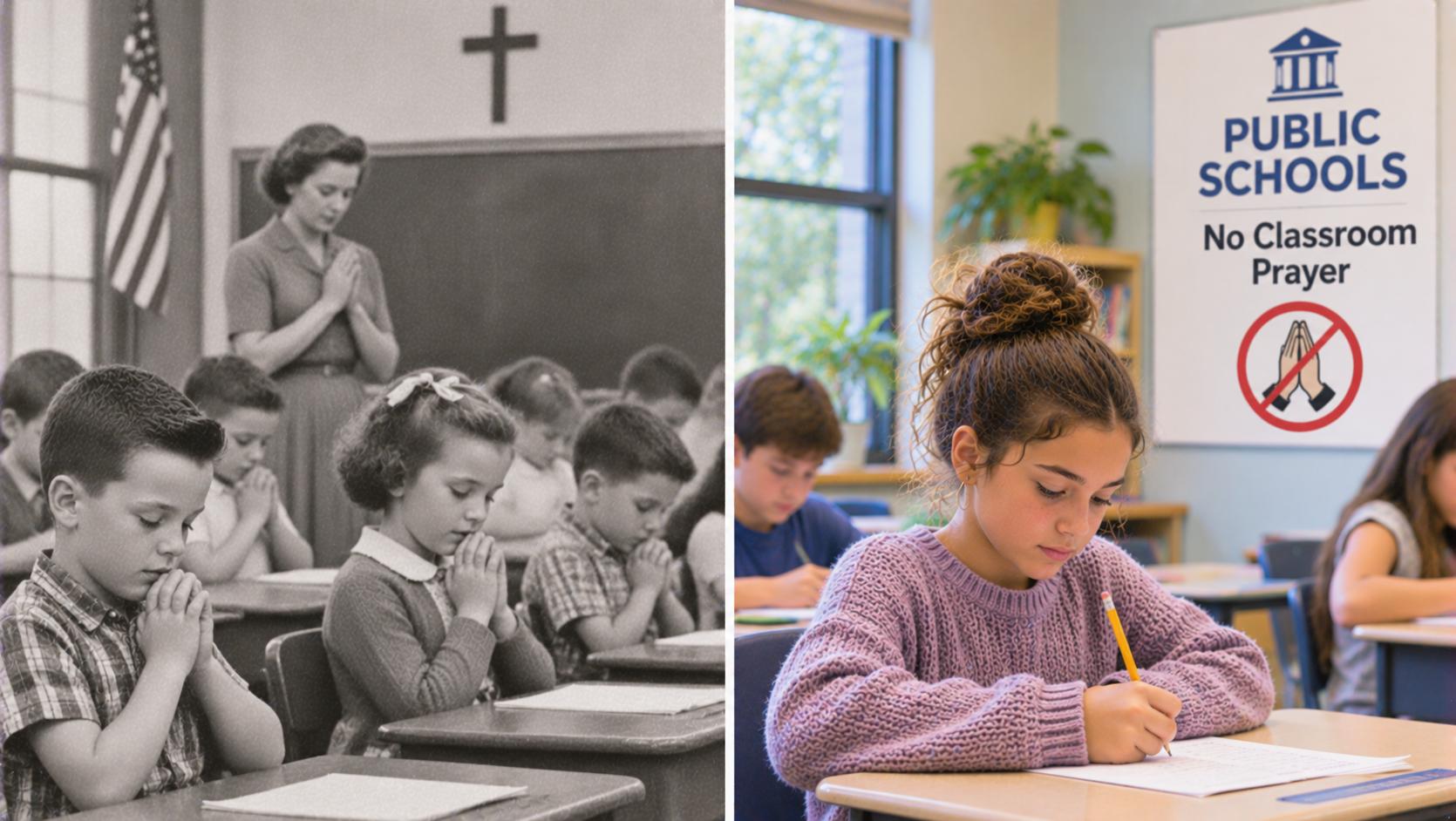
Organized prayer was part of the school day in some American public schools during the 1950s. Students might begin the morning with a prayer led or arranged under school authority, reflecting practices that were accepted in certain communities at the time. In 1962, the Supreme Court addressed the issue in Engel v. Vitale, ruling that a government-written prayer conducted under public school authority violated the First Amendment, even when students weren’t required to participate. The decision changed the boundaries of religious activity in public education. Students still retain the right to pray voluntarily, but public schools cannot sponsor religious observances in the same way.
15. School Vaccination Requirements Have Expanded
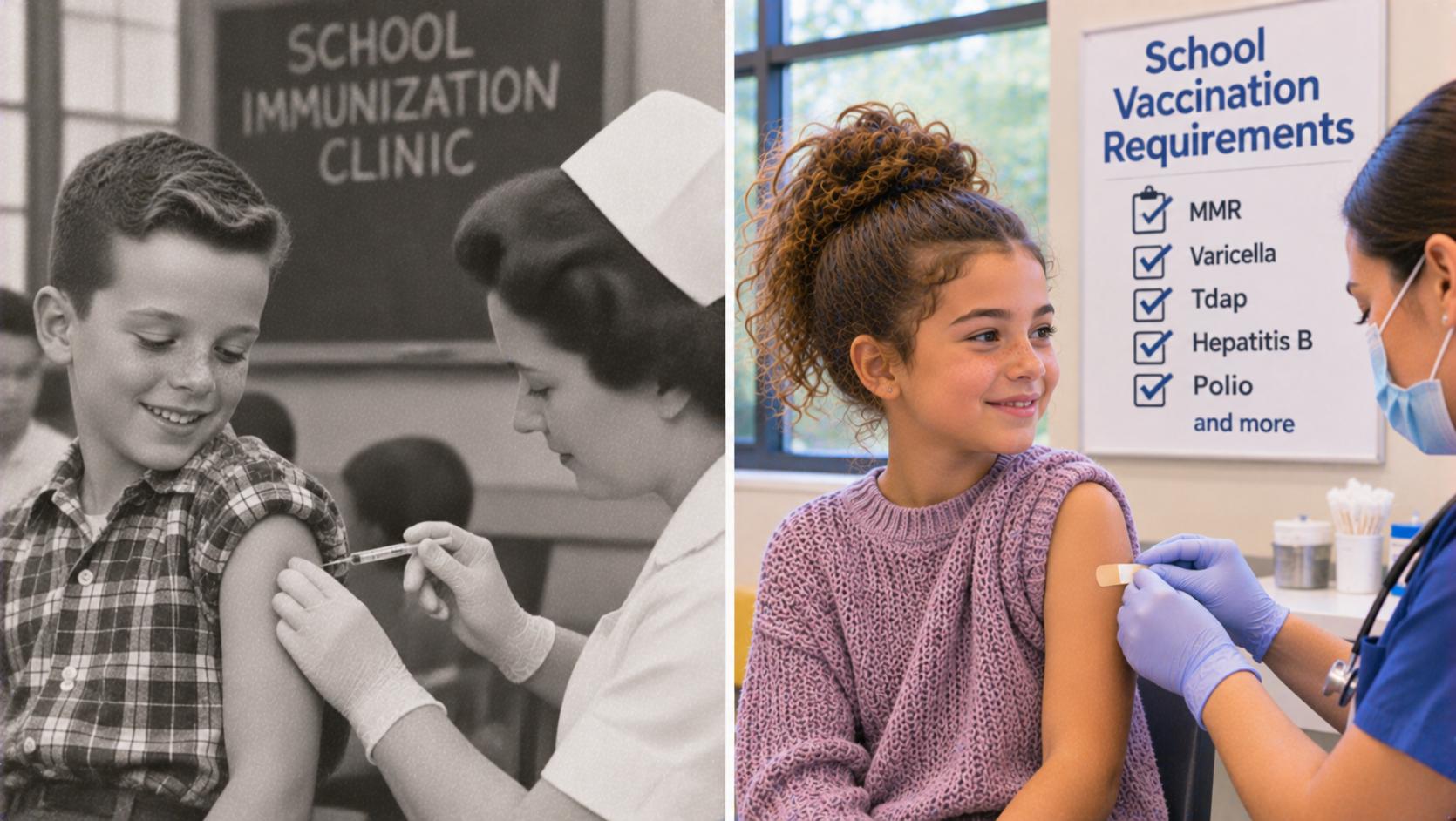
Vaccination requirements for schoolchildren aren’t a modern invention. Some states had laws involving smallpox vaccination long before the 1950s, but the number of diseases covered by school-entry requirements grew as new vaccines became available. The introduction of the polio vaccine in 1955 and the measles vaccine in 1963 marked important developments in childhood disease prevention. Over the following decades, states added or strengthened requirements for other illnesses. Today’s school vaccination policies generally cover more diseases than many midcentury rules did, although the specific requirements and legally permitted exemptions differ from state to state.
16. Student Records Have Stronger Privacy Protections
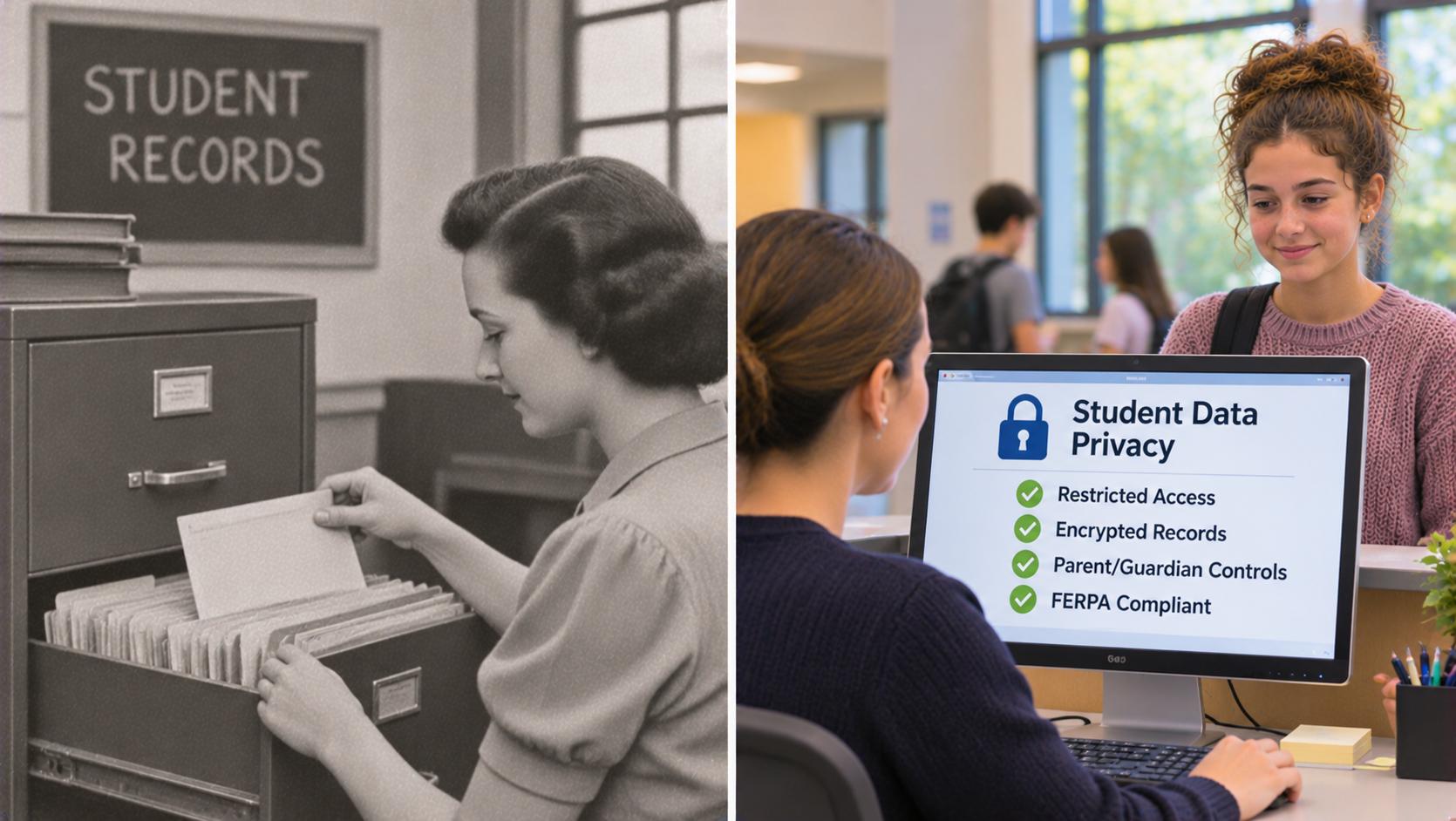
Schools have always kept records of grades, attendance, and student progress, but the rules governing who could access that information weren’t always as clearly defined at the federal level. That changed in 1974 with the passage of the Family Educational Rights and Privacy Act, commonly known as FERPA. The law established important protections for education records at covered schools, including parents’ rights to inspect their children’s records and restrictions on certain disclosures without permission. Those protections have taken on additional significance as schools increasingly store sensitive student information in digital systems rather than filing cabinets.
More Related Notes
• 18 Classroom Photos That Show How Much School Has Changed
Step inside classrooms from decades past, when chalkboards, wooden desks, and handwritten assignments shaped everyday school life. These nostalgic images reveal how teaching methods and classroom environments have evolved over the generations.
• 20 School Photos That Show Just How Much Has Changed Since the ’70s
Revisit the school routines, cafeteria lunches, playground activities, and classroom traditions that defined student life before computers and digital learning transformed education.
• 15 Activities Kids Did in the 60s That Would Shock Kids Today
Discover the everyday childhood experiences that once seemed completely normal, from walking to school independently to spending afternoons outdoors without constant supervision. These forgotten routines highlight how much growing up has changed.